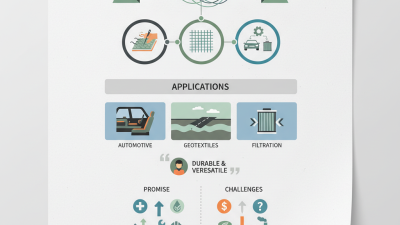
How to Source Quality Nonwoven Fabric for Your Business?
The global nonwoven fabric market has shown significant growth, projected to reach $50 billion by 2027, according to industry reports. Nonwoven fabrics are increasingly essential across various sectors, including healthcare, automotive, and construction. Their unique properties, such as lightweight, durability, and versatility, make them ideal for numerous applications.
Sourcing quality nonwoven fabric requires careful consideration of several factors. Businesses need to assess suppliers based on their production capabilities and compliance with industry standards. Reports indicate that 30% of sourcing issues stem from poor supplier selection, underscoring the importance of thorough vetting. Companies often overlook the need for direct communication with suppliers, which can lead to misunderstandings about specifications.
Investing in quality nonwoven fabric is crucial for product performance. Yet, many businesses struggle with inconsistent quality and high costs. A reflective approach to sourcing will help identify reliable suppliers and foster long-term partnerships. This process not only enhances the final product but also boosts overall business growth.
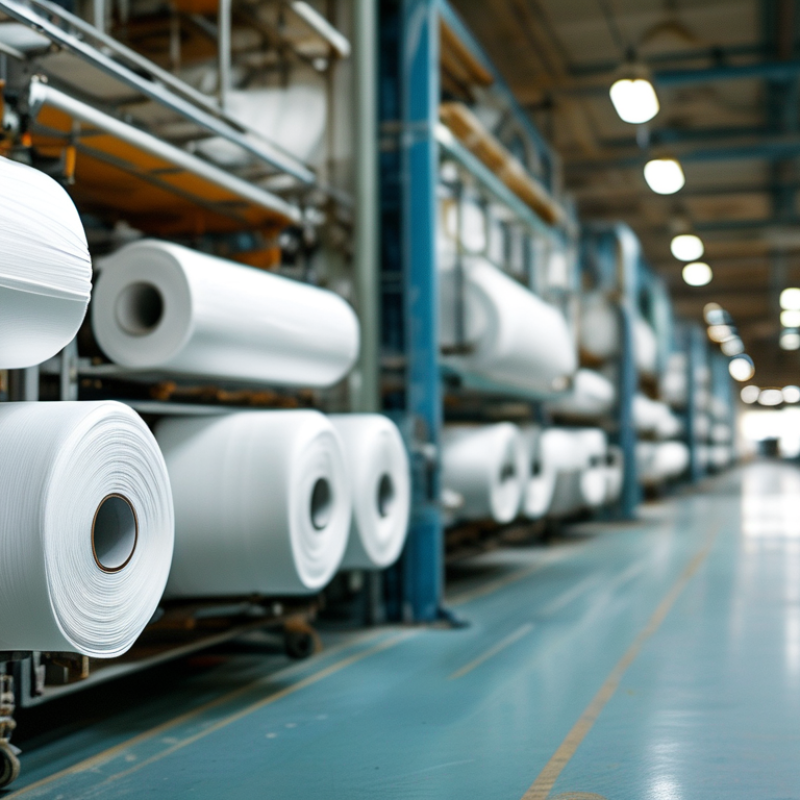
Understanding the Basics of Nonwoven Fabric Types and Applications
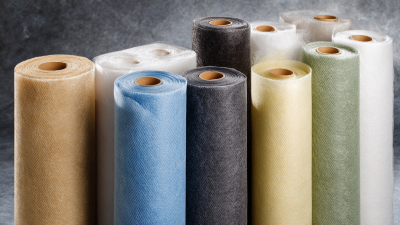
When exploring nonwoven fabrics, it's crucial to understand the various types available. Nonwoven fabrics typically fall into several categories, including spunbond, spunlace, and needle-punched. Each type has unique properties and applications. For instance, spunbond fabrics are strong and durable, often used in medical gowns and filtration products. Spunlace offers softness and is commonly found in wipes and personal hygiene products. Needle-punched fabrics, on the other hand, provide bulk and resilience, making them ideal for carpets and insulation.
Applications of nonwoven fabrics are vast and varied. From the healthcare sector to the automotive industry, these materials are integral. In healthcare, they serve protective functions, such as in surgical attire. In automotive applications, they are often used for sound insulation and upholstery. Understanding these nuances can inform better sourcing decisions for your business.
However, not all nonwoven fabrics are created equal. Sourcing quality materials requires careful consideration. You may encounter options that appear high-quality on the surface but lack durability. It's essential to ask questions about manufacturing processes and material sourcing. Engaging with reliable suppliers who have a proven track record can help mitigate risks. Continuous learning and adapting to market changes are vital for ensuring you choose the right materials for your specific needs.
How to Source Quality Nonwoven Fabric for Your Business?
| Fabric Type |
Material Composition |
Weight (GSM) |
Common Applications |
Durability |
| Spunbond |
Polypropylene or Polyester |
50-150 |
Medical gowns, bags, and environmental wipes |
Good |
| Needlepunch |
Polyester or Natural Fibers |
80-300 |
Carpets, filter media, and geotextiles |
Excellent |
| SMS (Spunbond-Meltblown-Spunbond) |
Polypropylene |
30-120 |
Surgical masks, medical garments |
Very Good |
| Wetlaid |
Cellulose, Glass Fiber |
60-250 |
Wipes, filters, insulation |
Good |
| Thermobonded |
Various Synthetic Fibers |
70-150 |
Baby diapers, feminine hygiene products |
Excellent |
Identifying Your Business Needs for Nonwoven Fabric Products
Identifying your business needs for nonwoven fabric products requires a thorough understanding of your target market. Start by analyzing the application of nonwoven fabrics in your industry. For example, healthcare, automotive, and construction sectors have specific requirements. A report from Smithers states that the global nonwoven fabrics market is projected to reach $50 billion by 2025, mainly driven by technological advances and increased demand.
Consider the end-use applications and their required properties. Does your product need high absorbency, breathability, or durability? The right choice of material plays a vital role in meeting these standards. According to the Nonwovens Industry Association, the growth rate of polypropylene-based nonwovens is outpacing other materials, indicating a shift towards more sustainable options. This shows how market demands can impact your sourcing decisions.
Keep in mind that sourcing is not just about material cost. Evaluate suppliers based on quality, reliability, and compliance with industry standards. Poor quality can lead to production delays and customer dissatisfaction. On the flip side, over-reporting your needs may lead to higher procurement costs. Striking a balance is essential for sustainable growth in your business.
Researching and Evaluating Suppliers of Nonwoven Fabric
When sourcing quality nonwoven fabric, evaluating suppliers is crucial. The global nonwoven fabric market is projected to reach USD 50 billion by 2025, driven by increasing demand in industries like healthcare and construction. This growth highlights the importance of choosing reliable suppliers to maintain product integrity.
To evaluate suppliers effectively, conduct thorough research. Check their production capabilities, quality certifications, and compliance with industry standards. Consider their experience in the nonwoven sector. A supplier's history can provide insight into their reliability and quality.
**Tip:** Look for suppliers who offer sample material for testing. This allows you to assess fabric quality firsthand.
Another important aspect is communication. Assess how responsive and transparent they are. Good communication can prevent misunderstandings and ensure smoother operations. Some suppliers may overpromise, so be wary of claims that seem too good to be true.
**Tip:** Read client reviews and industry reports. This can provide a realistic view of a supplier's reputation.
Quality Evaluation of Nonwoven Fabric Suppliers
Assessing Quality Standards and Certifications for Nonwoven Materials
When sourcing quality nonwoven fabric, understanding quality standards and certifications is crucial. The certification process often reflects the material's reliability and safety. Look for ISO certifications, which indicate that a manufacturer adheres to international quality management principles. Also, consider Oeko-Tex Standard 100. This certification ensures that the fabric is free from harmful substances.
Tips: Check for recent certifications. Standards can change, and outdated certificates may not reflect current practices.
It’s essential to evaluate the manufacturer's reputation. Seek feedback from other businesses in your industry. A reliable manufacturer should provide transparent information about their sourcing and production processes. Don’t hesitate to ask for samples to assess the fabric's quality firsthand.
Tips: Conduct a physical inspection of the fabric. Look for consistency in texture and color. Minor defects can indicate larger quality control issues.
Keep in mind that not all certifications are equal. Some may only apply to specific applications. Being proactive in understanding these nuances can significantly improve your sourcing decisions. Always weigh the benefits of certifications against your specific business needs.
Negotiating Prices and Terms for a Successful Fabric Sourcing Deal
Negotiating prices and terms for nonwoven fabric can greatly influence your business's bottom line. The global nonwoven fabric market is projected to reach USD 50 billion by 2027, with a CAGR of 6.1%. This growth highlights the importance of strategic sourcing. Manufacturers often face varying price points, which require careful negotiation to ensure a fair deal.
When entering negotiations, be prepared with market data. Know the average price per ton for different types of nonwoven materials. For instance, the cost of polypropylene nonwoven can range from USD 1,000 to USD 1,500 per ton. Having this information strengthens your position. Don't hesitate to ask for samples before committing to a bulk order, as quality assurance is paramount.
Tip: Establish long-term relationships with suppliers. Trust can lead to better pricing and priority service. Suppliers are more likely to be flexible if you demonstrate loyalty.
Remember, flexibility can often yield better outcomes. Consider alternative materials that meet your specifications but may be less expensive. Sometimes a small compromise on quality can lead to significant savings, but weigh the potential impacts on your final product carefully.

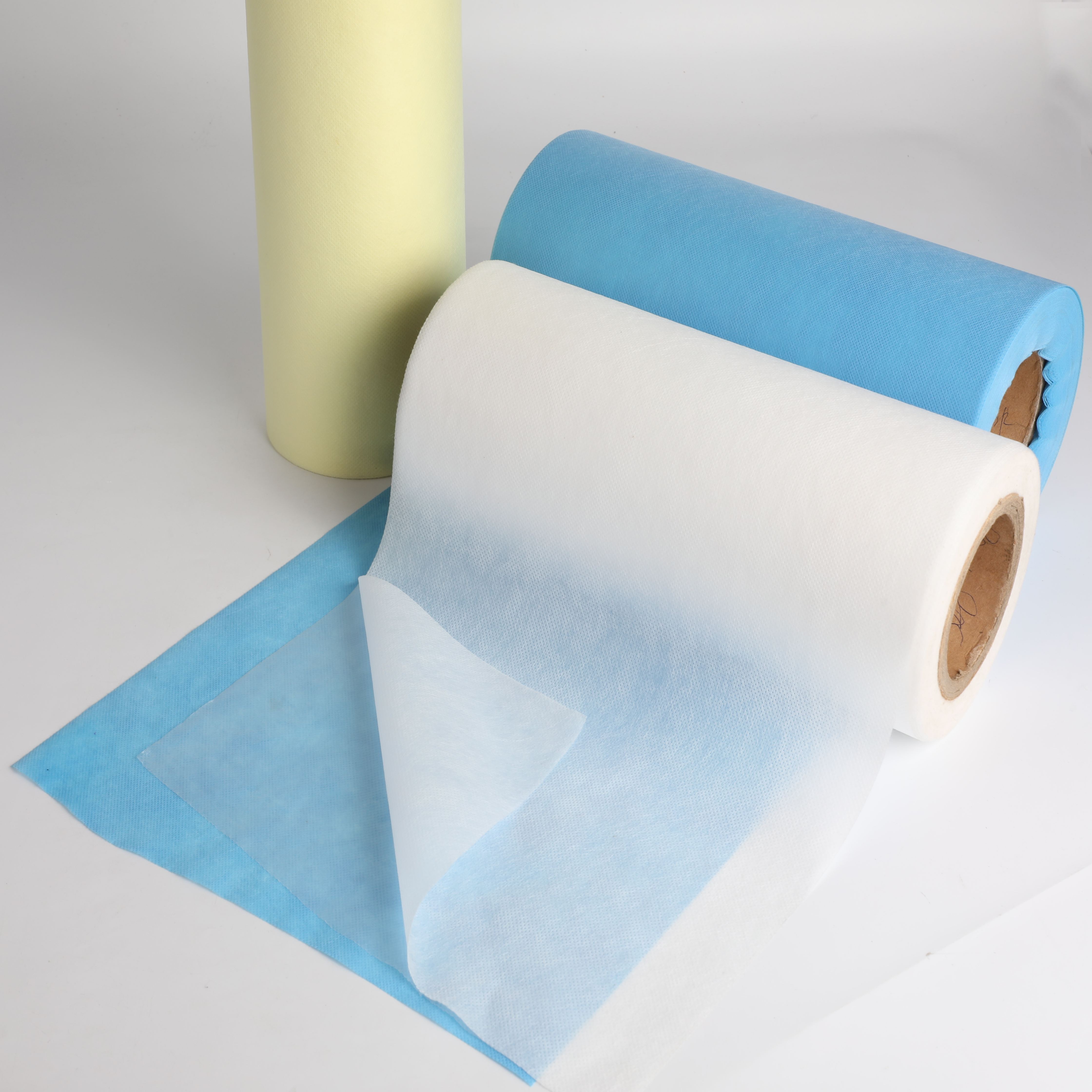 PP Laminates
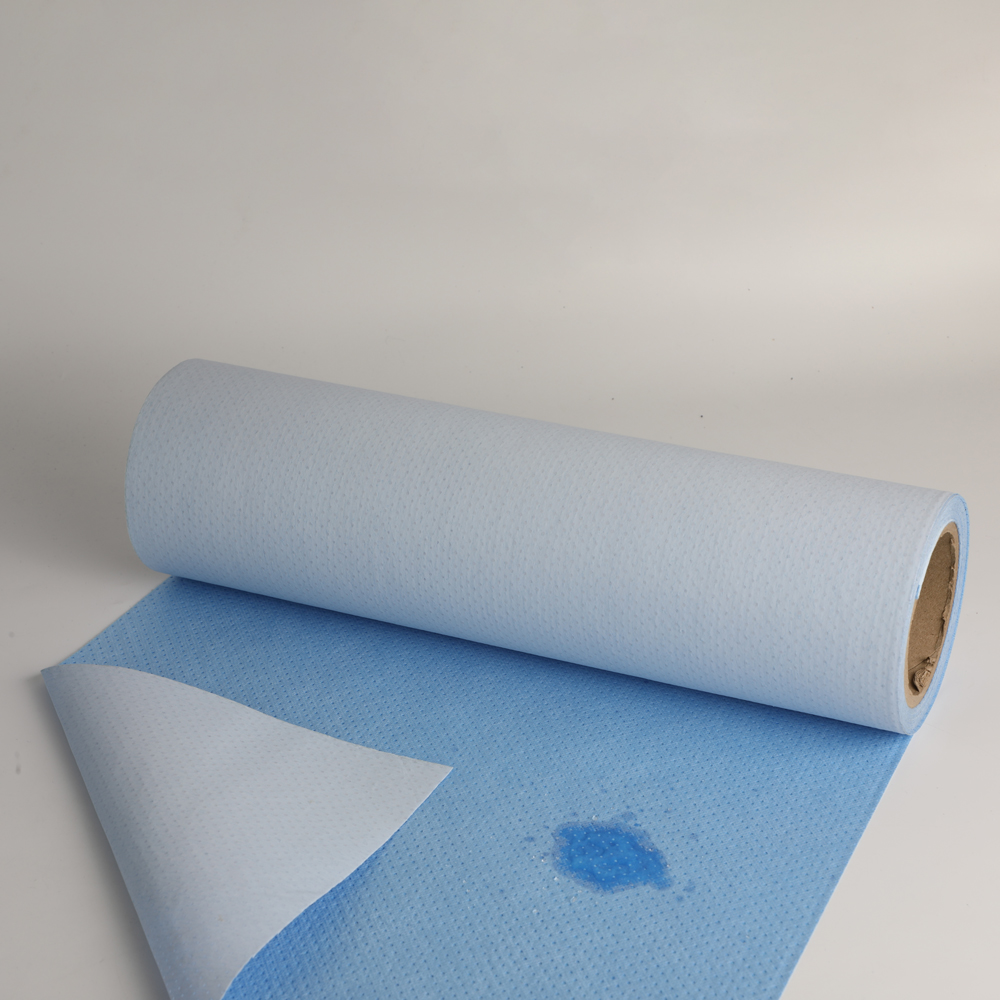 Multi Laminates
 Spunlace Nonwoven Laminates
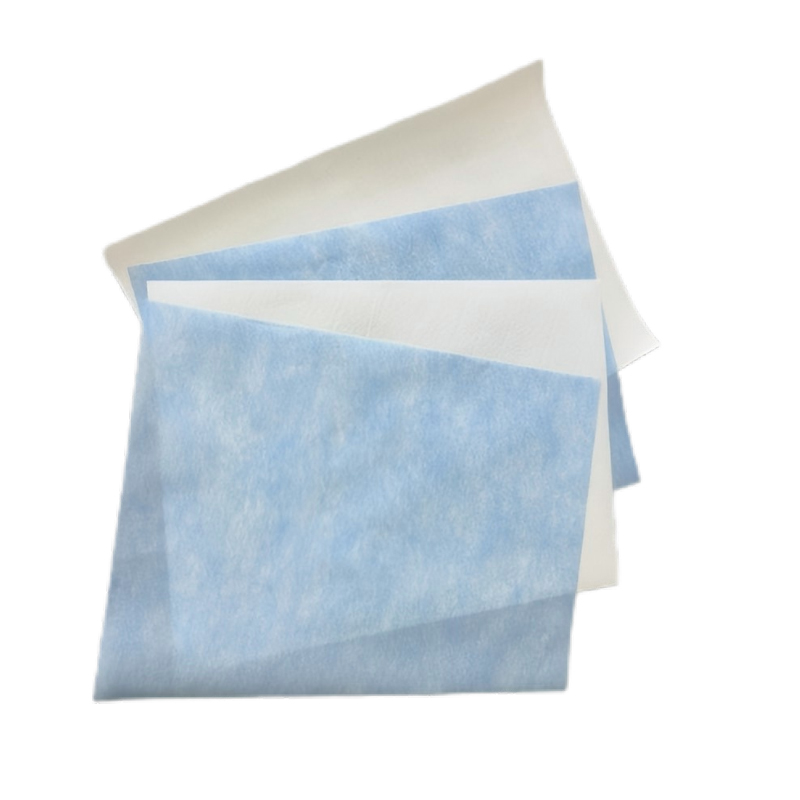 Breathable Film Laminates
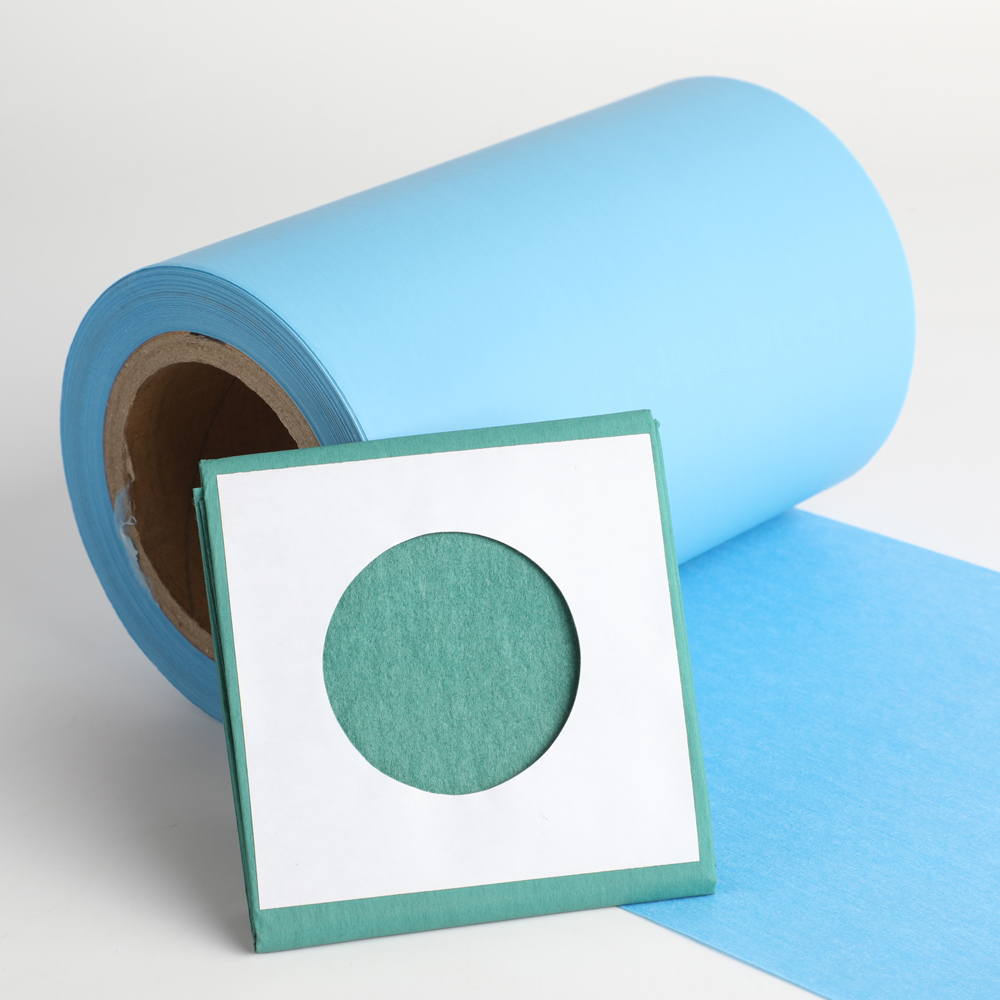 Viscose Laminates
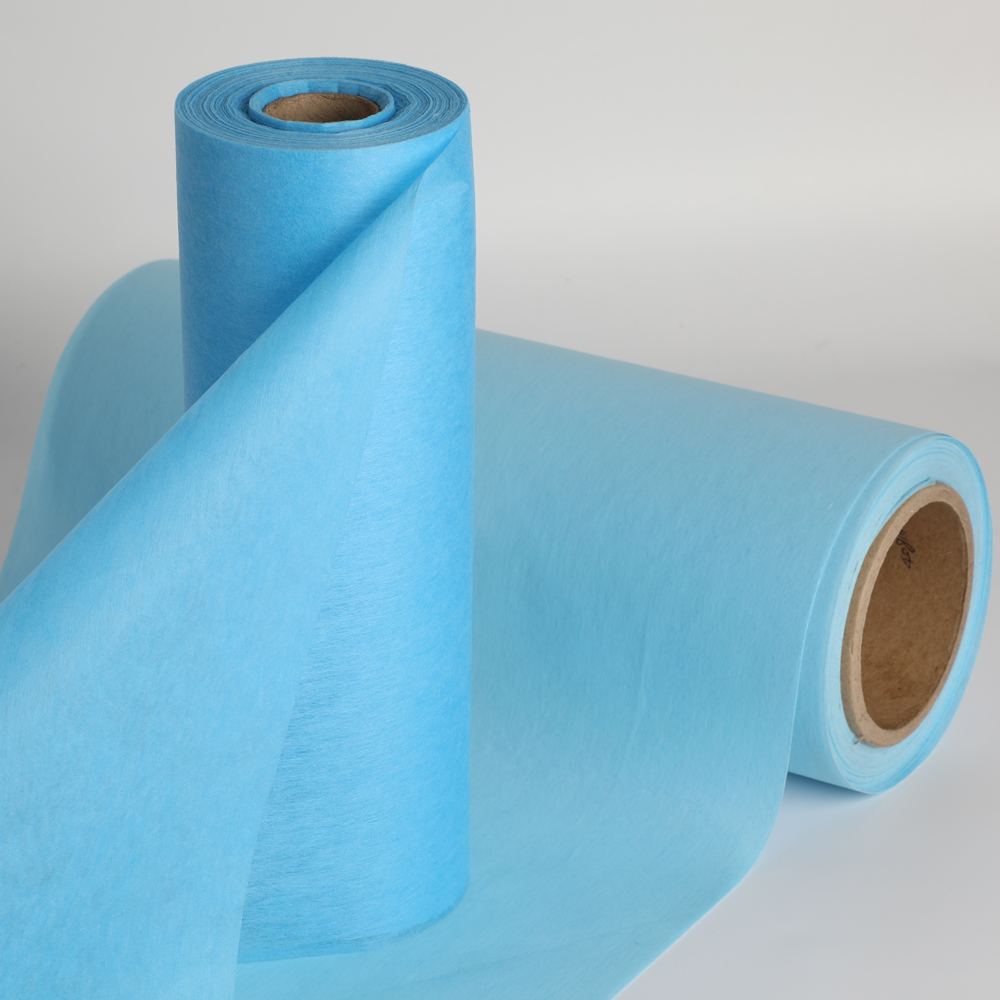 Medical Viscose Nonwoven
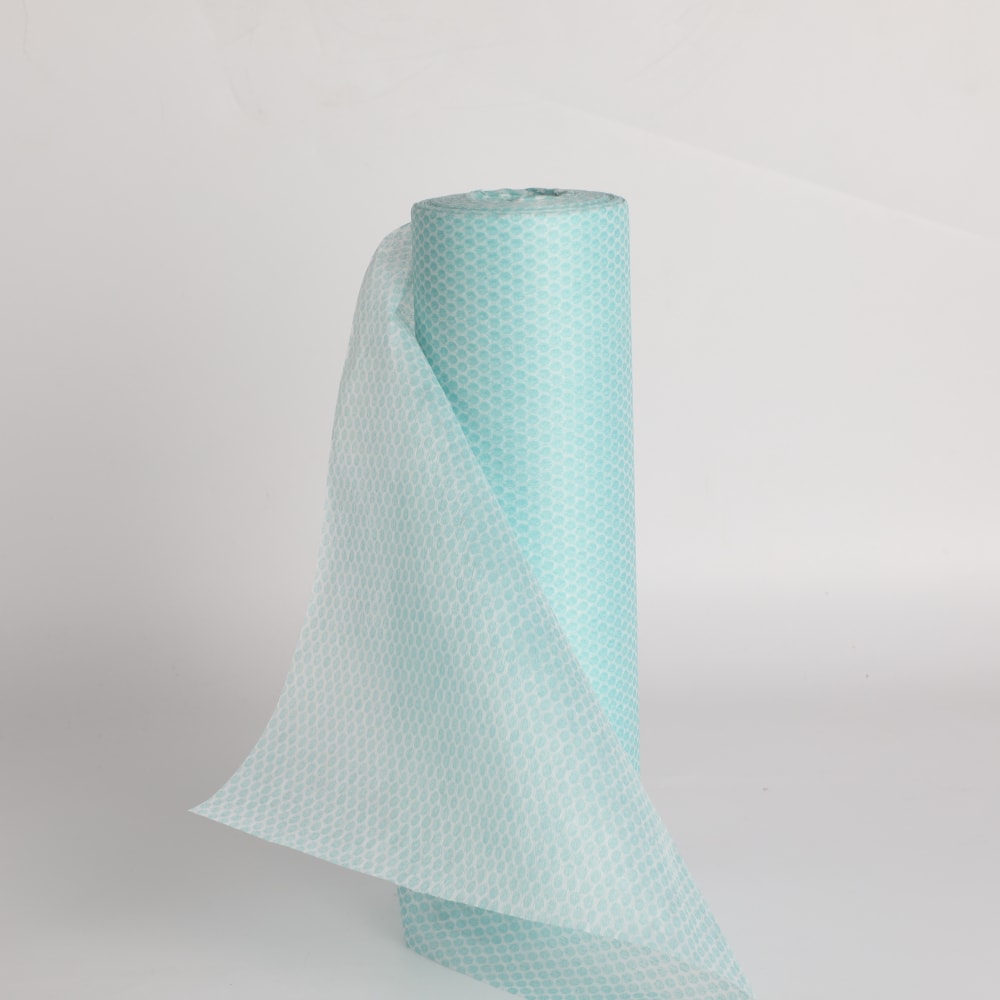 Head Wear Nonwoven
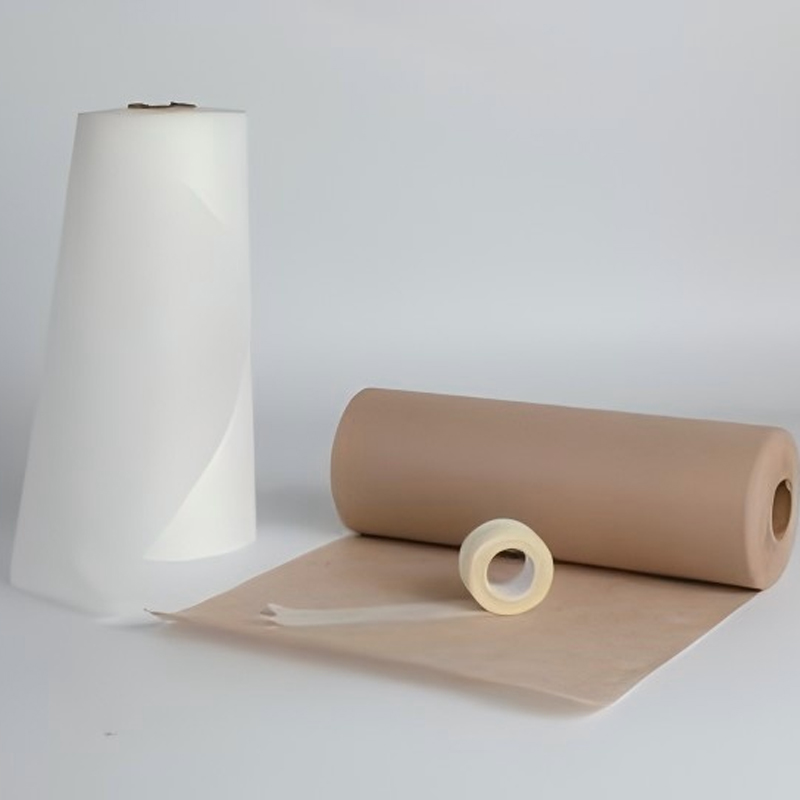 Medical Tape Nonwoven
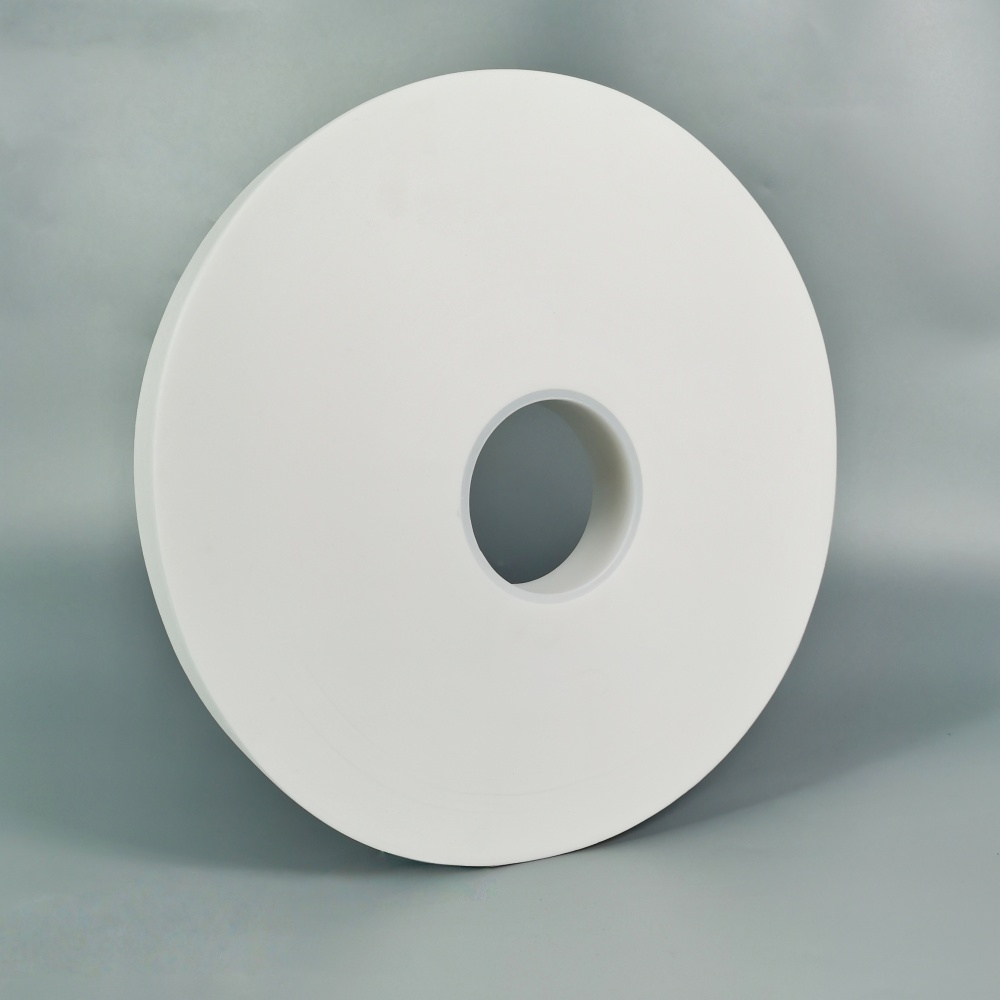 Snus Pouch Nonwoven
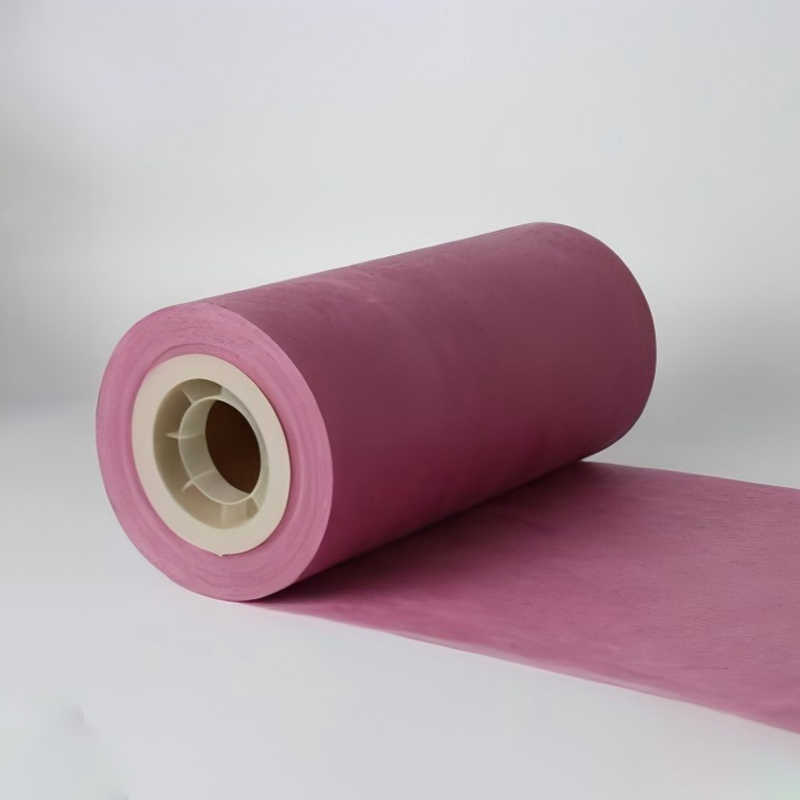 Filtration Nonwoven
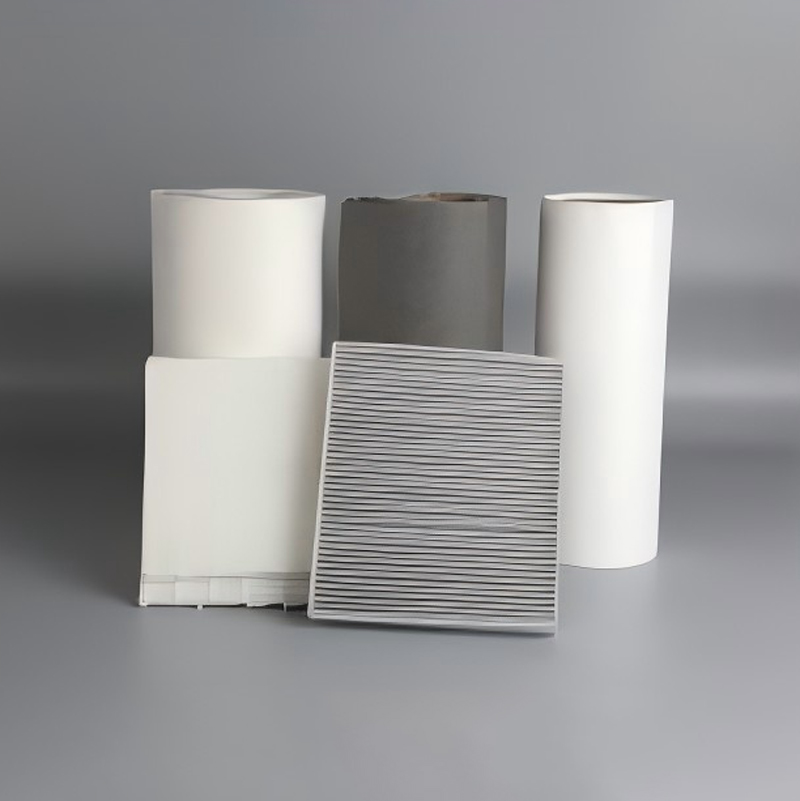 Air Filter Media
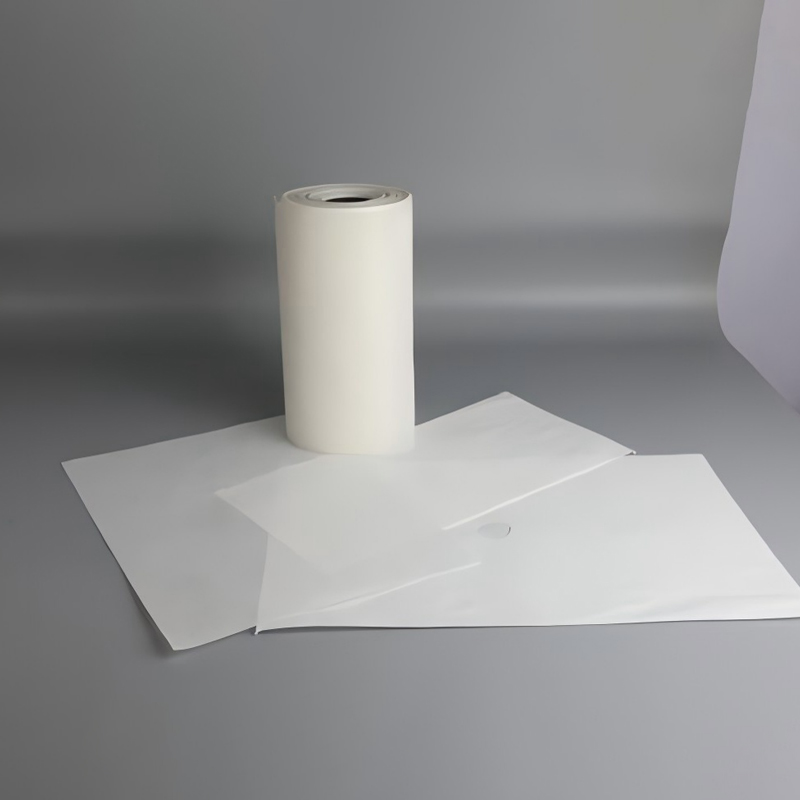 Liquid Filter Media
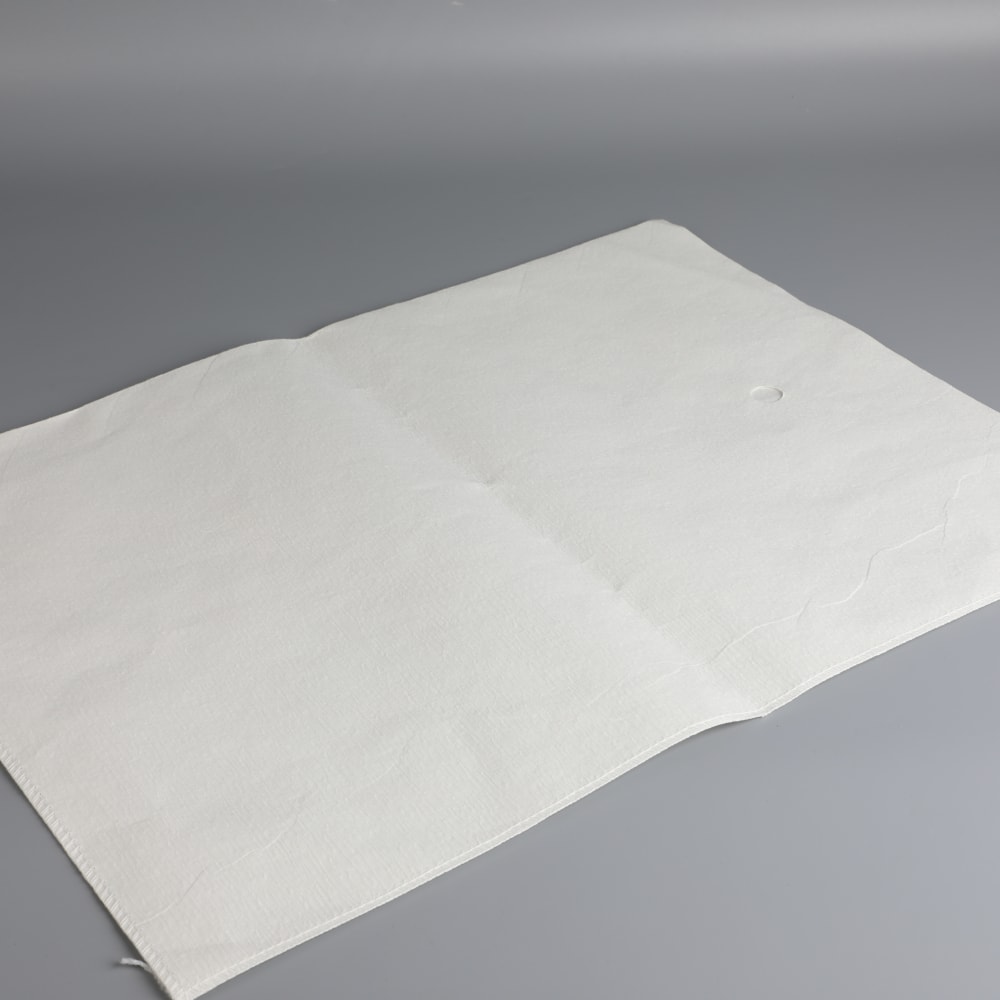 Filter Envelope & Filter Sheet
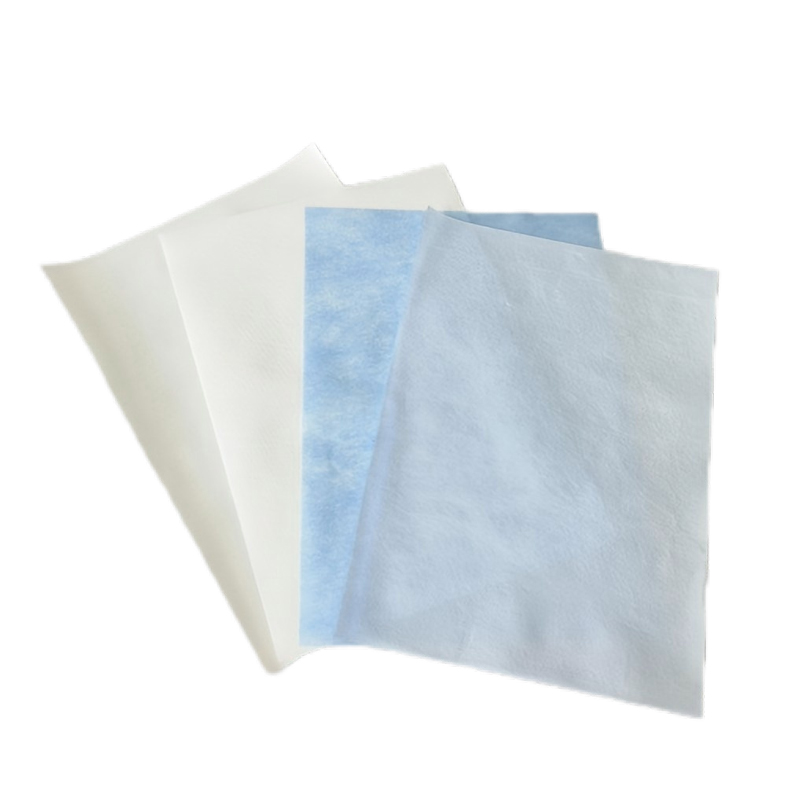 Breathable Film Laminates
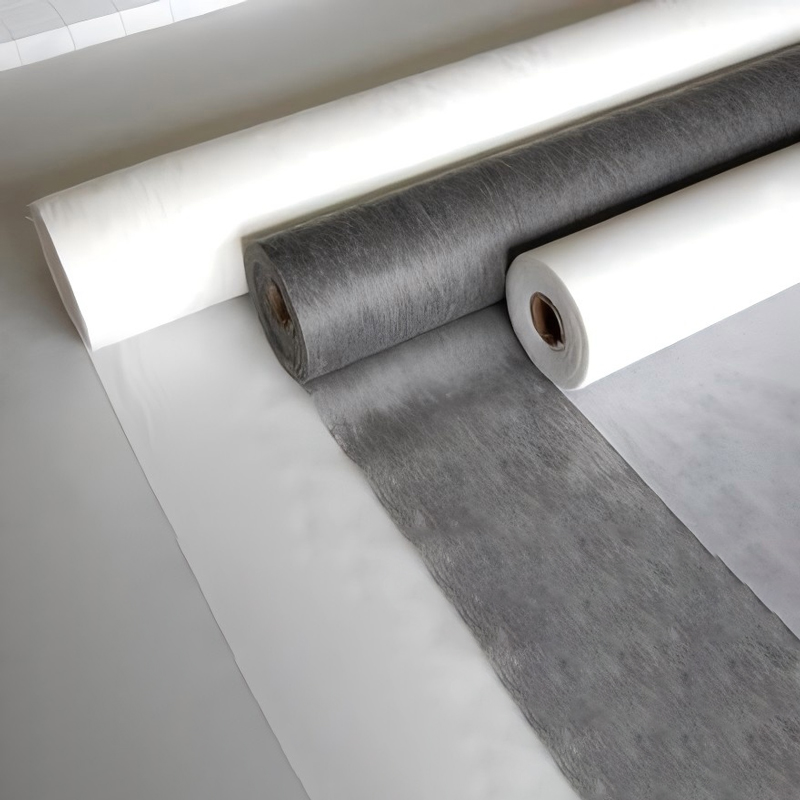 Nonwoven Interlining
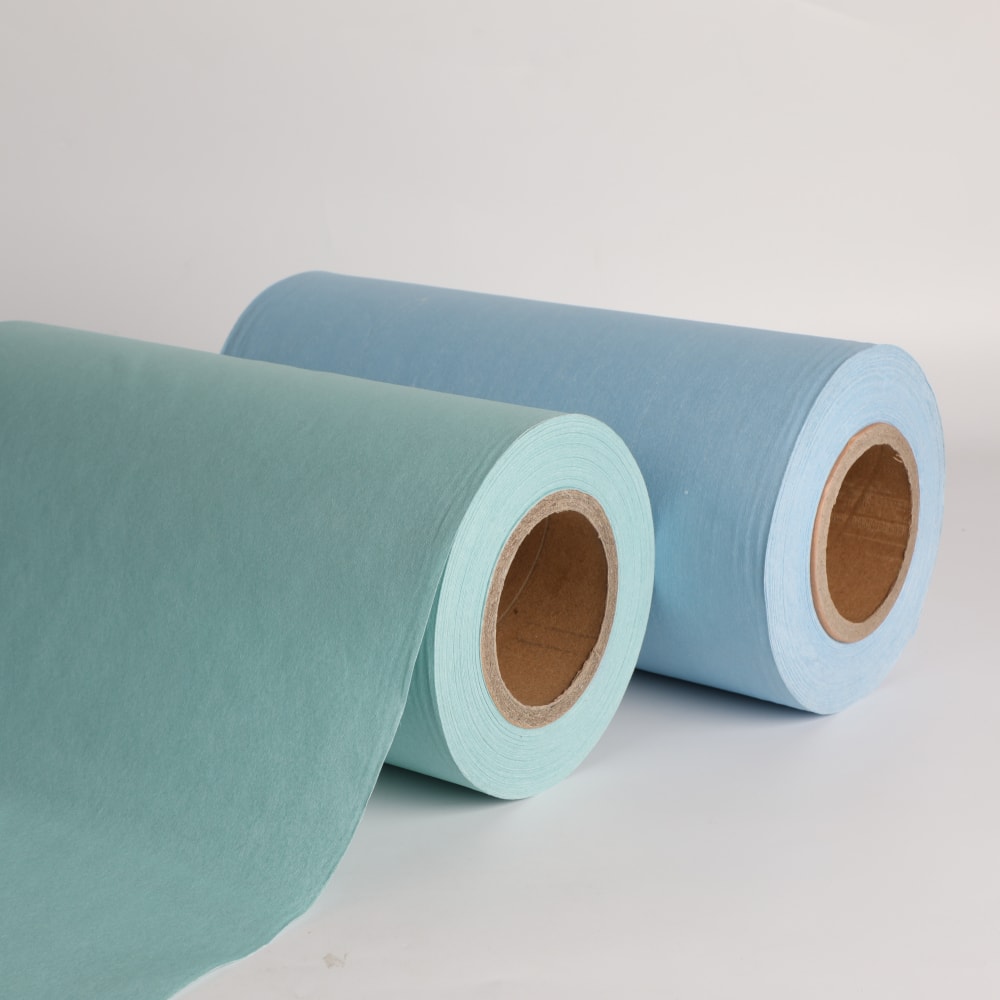 Fluid Repellent Woodpulp Spunlace Nonwoven
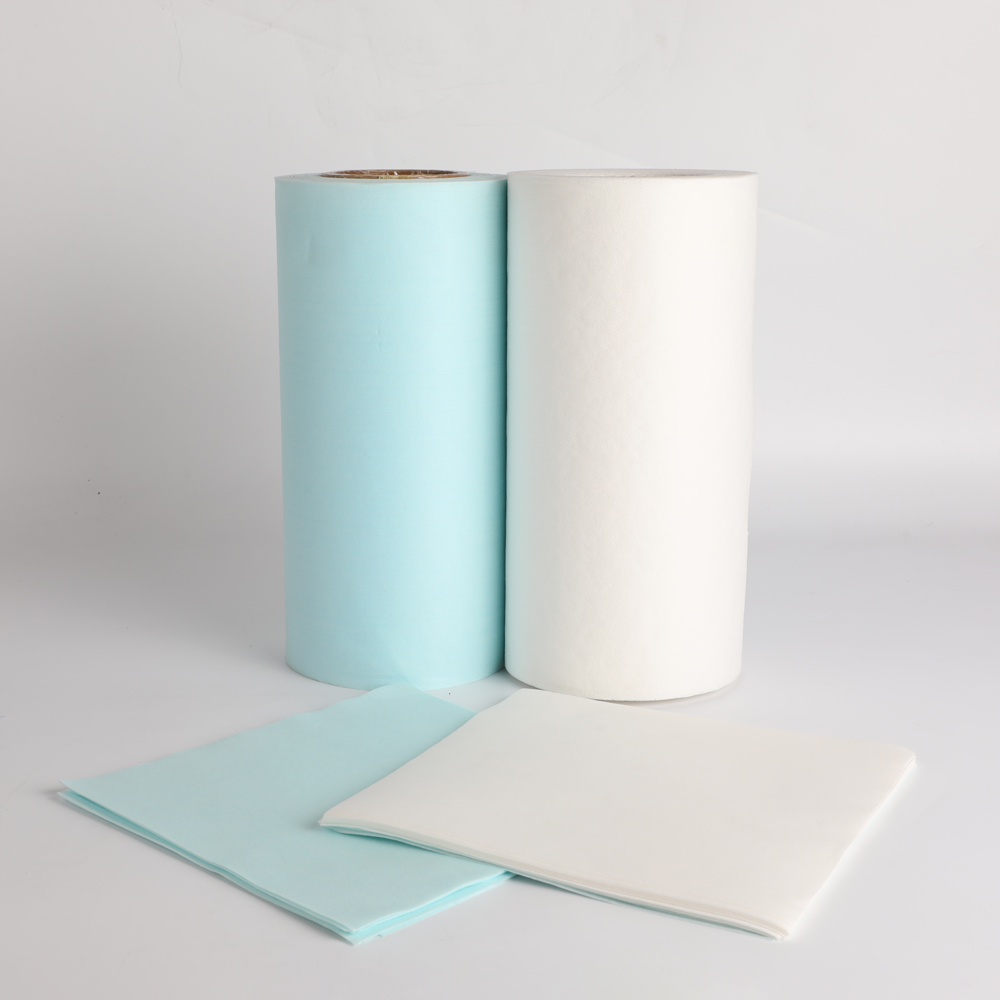 Woodpulp Nonwoven Wipe
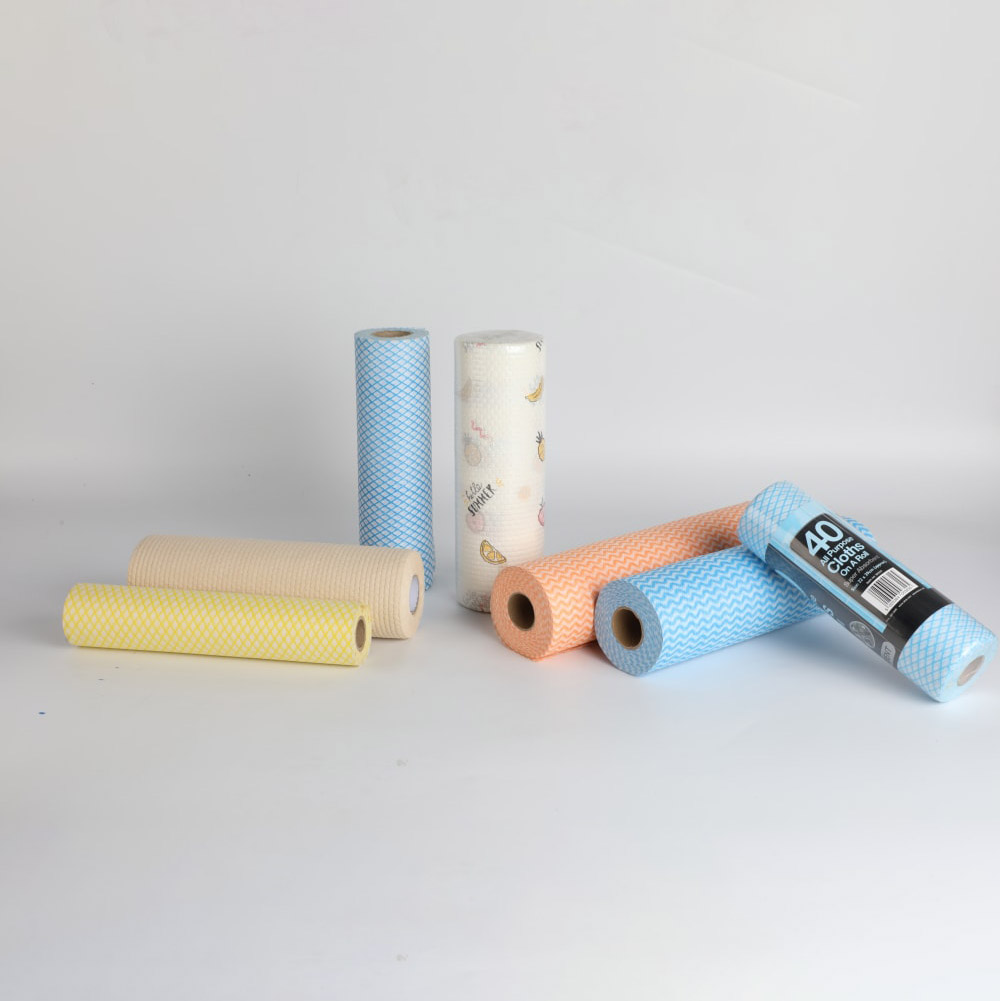 Nonwoven Cleaning Wipe
 Curtain Nonwoven
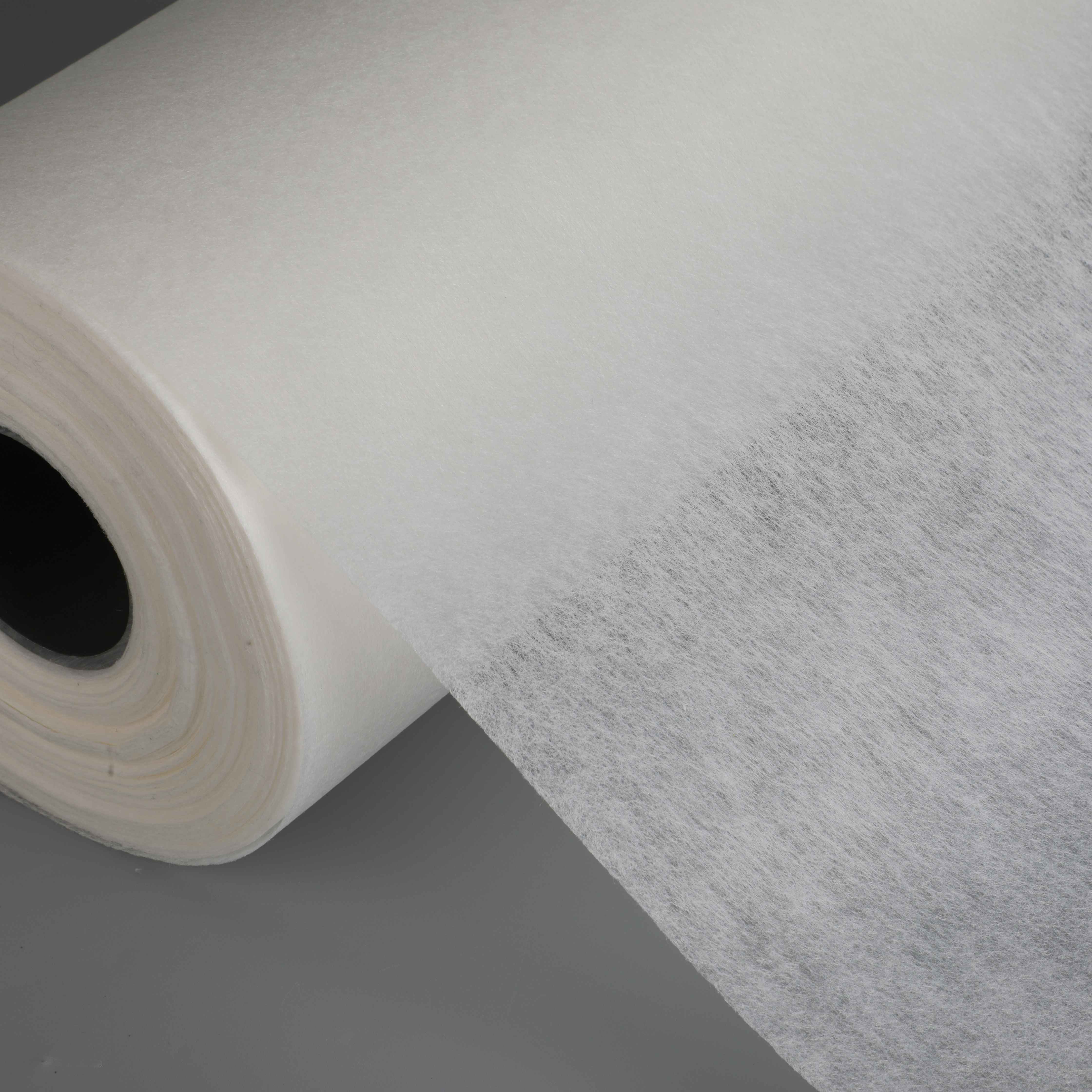 Food Grade Packaging Nonwoven
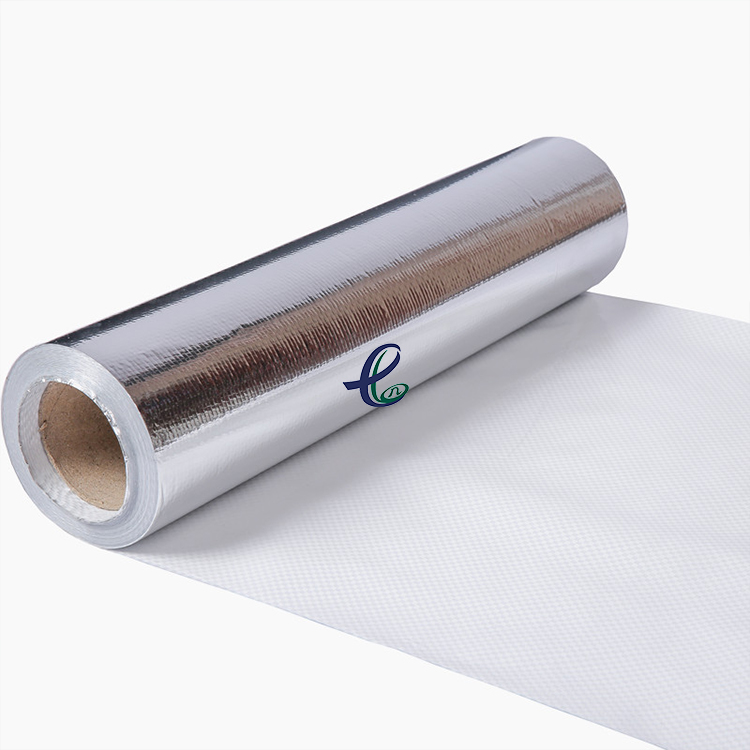 Aluminized Nonwoven
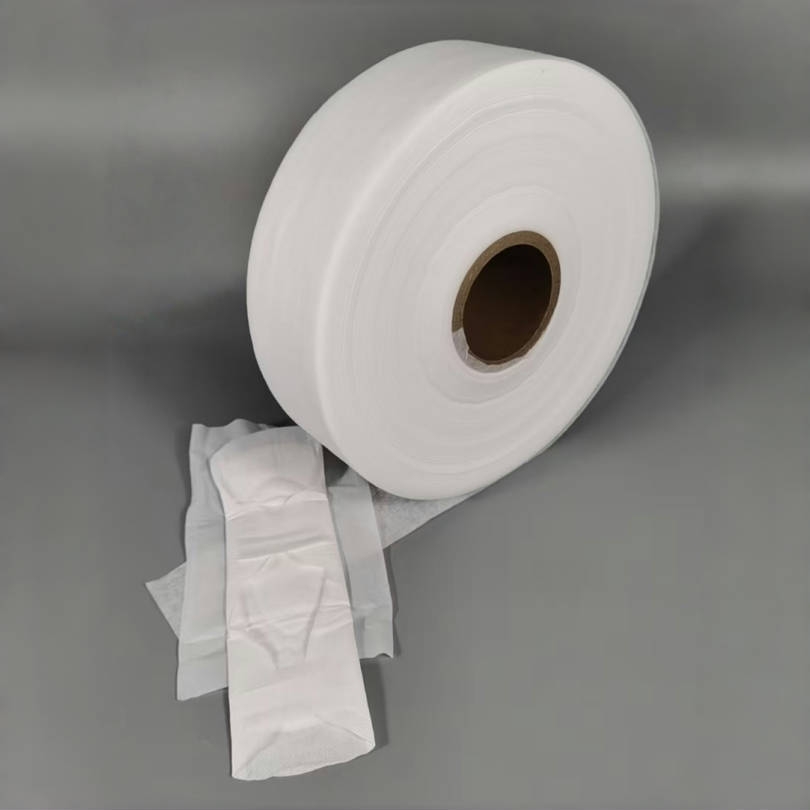 Hot Air Cotton Nonwoven
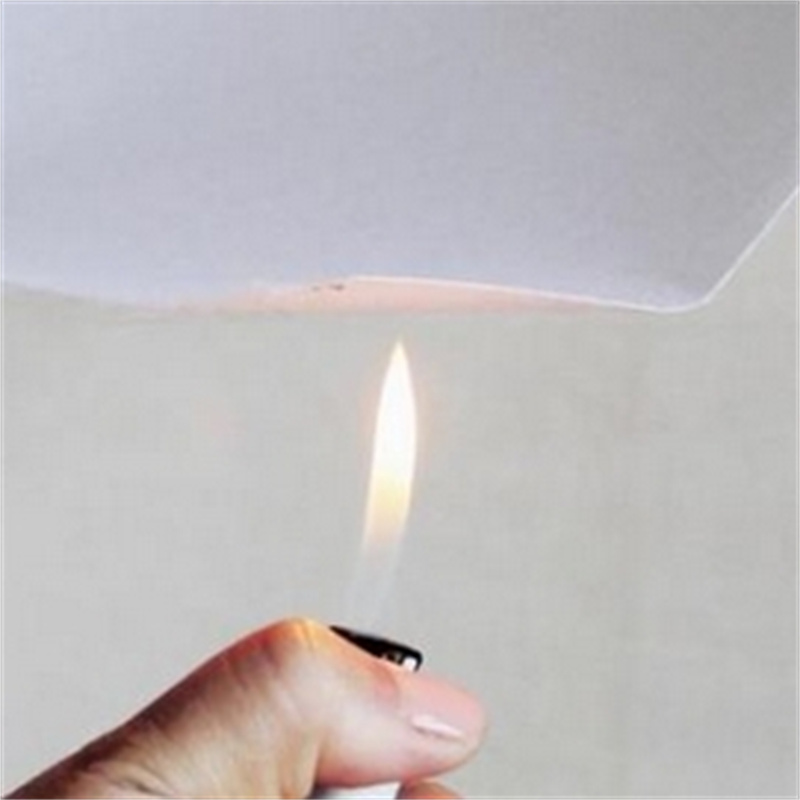 Flame Retardant Nonwoven
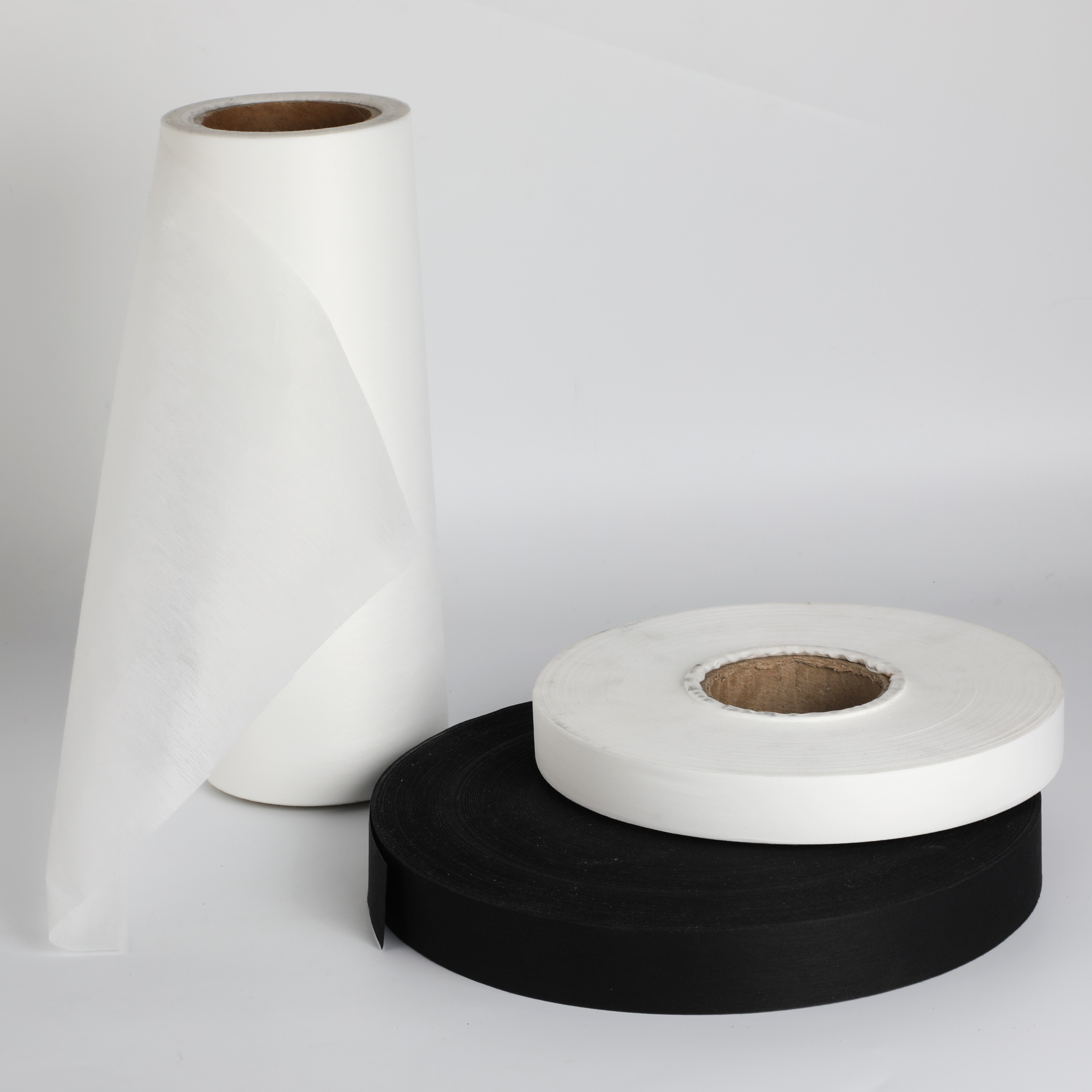 Cable Wrapping Nonwoven
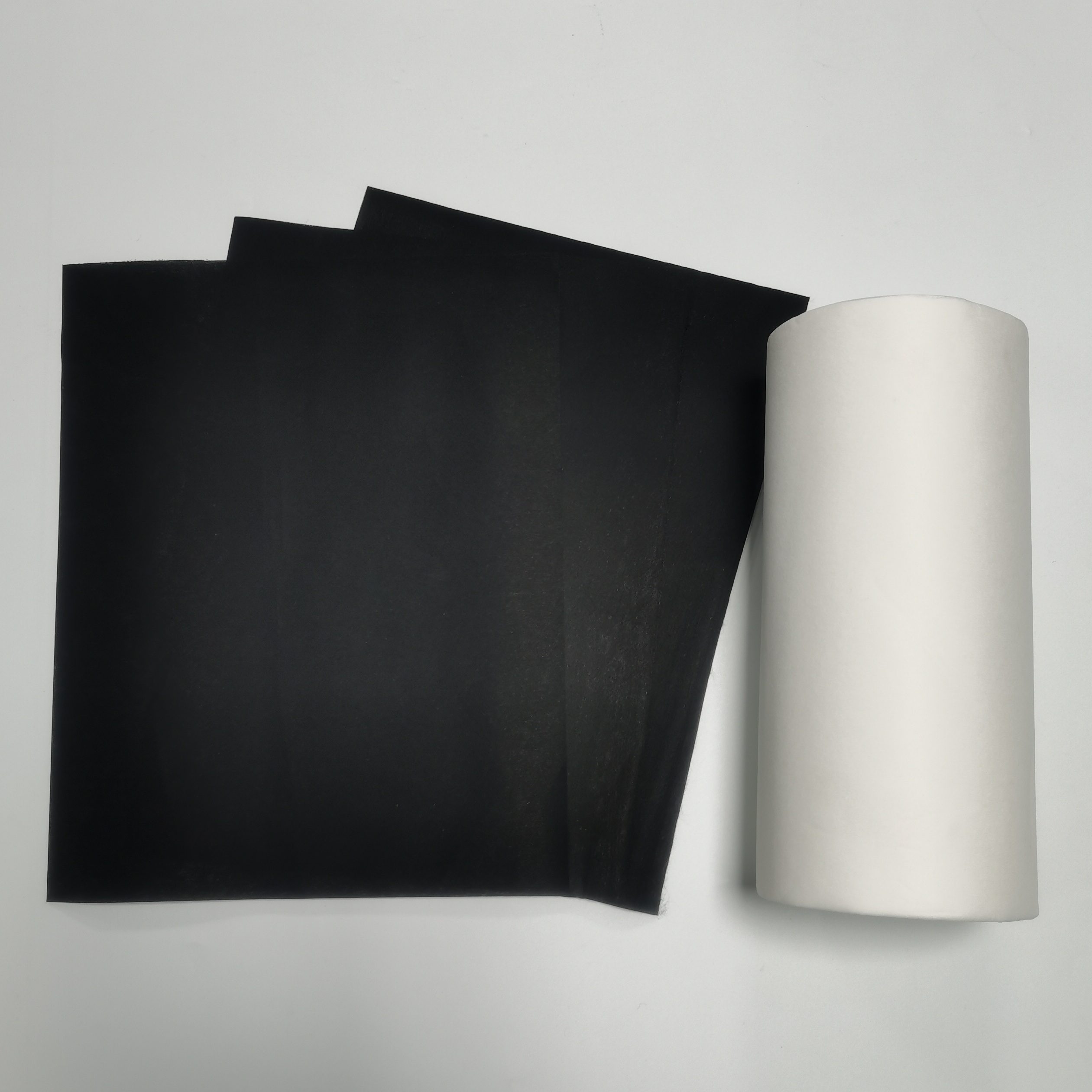 Semi-conductive Nonwoven
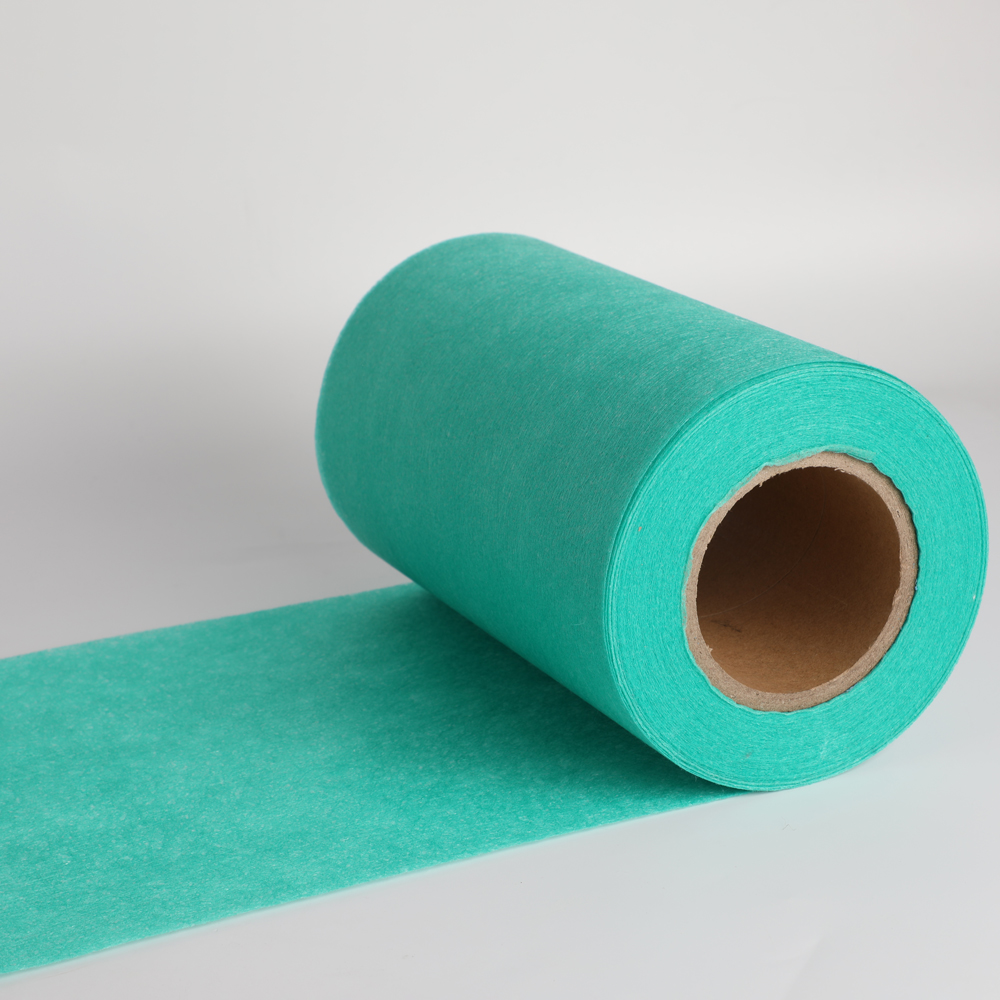 Anti-Bacterial Nonwoven
 +8613957712400
 CONTACT WhatsApp
 CONTACT WeChat
 CONTACT NUMBER
 CONTACT EMAIL