Why Choose Viscose Nonwoven for Sustainable Solutions?
The pressing need for sustainable materials has brought Viscose Nonwoven to the forefront of innovative solutions. According to a recent report by the Global Nonwoven Association, the market for nonwoven fabrics is expected to exceed $50 billion by 2027, with Viscose Nonwoven playing a critical role. This biodegradable material balances environmental responsibility and performance needs, making it a favored choice among manufacturers.
Industry expert Dr. Sarah Thompson highlights the benefits of Viscose Nonwoven, stating, "Viscose Nonwoven is not just eco-friendly; it offers unmatched versatility for various applications." This versatility allows it to be used in hygiene products, medical supplies, and home textiles, addressing diverse consumer demands. The sustainable qualities of Viscose Nonwoven contribute to its increasing popularity, but there are ongoing challenges in the supply chain that must be addressed.
Despite its advantages, the Viscose Nonwoven industry grapples with limited recycling options and sourcing issues. While progress is evident, ongoing research and collaboration are essential. Balancing profitability and sustainability remains a critical focus. In an era where every choice counts, Viscose Nonwoven surfaces as a key player in building a sustainable future, urging us to reflect on our material choices.
Benefits of Viscose Nonwoven Fabrics for Sustainability
Viscose nonwoven fabrics offer significant benefits for sustainability. These materials are made from natural fibers derived from wood pulp. This process allows for a biodegradable, renewable resource that supports eco-friendly initiatives. Because viscose is biodegradable, it decomposes naturally, reducing long-term landfill waste.
The production of viscose nonwoven fabrics consumes less energy compared to synthetic options. Using natural resources enhances environmental efficiency. Moreover, these fabrics provide excellent absorbency, making them ideal for personal care products. This characteristic reduces the need for additional materials, supporting a minimalist approach in product design.
Despite these benefits, it’s essential to consider the challenges. Viscose production can sometimes involve harmful chemicals, impacting surrounding ecosystems. Responsible sourcing and manufacturing practices are necessary to mitigate these risks. Transparency in the supply chain can build trust with consumers who prioritize sustainability. Reflection on these issues ensures that the adoption of viscose nonwoven aligns with true sustainable values.
Environmental Impact of Viscose Production Compared to Other Materials
Viscose is gaining attention for its potential as a sustainable material. The environmental impact of viscose production is often compared to that of traditional fabrics. Unlike synthetic fibers, viscose comes from natural sources like wood pulp. This makes it more biodegradable and less harmful to ecosystems.
However, the production process can raise concerns. It typically requires significant amounts of water and chemicals. This leads to pollution if not managed properly. Countries with strict regulations have begun addressing these issues, pushing for cleaner production methods. It’s crucial to recognize that while viscose can be more sustainable, the industry still has shortcomings.
Ultimately, choosing viscose nonwoven materials should involve careful consideration. Not all viscose is made equally, and sourcing plays a critical role. Consumers must demand transparency from manufacturers. This encourages higher standards and promotes responsible production practices.
Applications of Viscose Nonwoven in Eco-Friendly Products
Viscose nonwoven fabrics are gaining traction in the eco-friendly sector. These materials offer several applications that contribute to sustainable solutions. For instance, the global market for biodegradable nonwovens is projected to reach $6.6 billion by 2025. This growth is driven by increasing demand for sustainable textiles in various industries, including hygiene, medical, and automotive.
In the hygiene sector, viscose nonwoven is often used in products like diapers and feminine care items. According to a 2022 industry report, viscose-based materials are preferred for their softness and high absorbency. Additionally, they are compostable, which is a significant advantage over traditional plastic products. For medical applications, viscose nonwoven fabrics are used in surgical gowns and masks, providing comfort and enhanced breathability. The sustainability factor is crucial here, especially amid rising concerns over plastic waste.
However, not all aspects of viscose nonwoven are perfect. The production process can lead to environmental challenges. The sourcing of raw materials, such as wood pulp, raises questions about deforestation and sustainable forestry practices. Industry experts highlight the need for stringent regulations and transparency to ensure that viscose nonwoven materials contribute positively to sustainability. The balance between innovation and environmental responsibility remains a critical aspect of the viscose nonwoven journey.
Why Choose Viscose Nonwoven for Sustainable Solutions?
This chart illustrates the various applications of viscose nonwoven products in different sectors, reflecting their percentage contribution to sustainable solutions. Textiles and medical applications are leading the use of viscose nonwoven materials, showcasing their importance in eco-friendly products.
Recycling and End-of-Life Options for Viscose Nonwoven Fabrics
Viscose nonwoven fabrics stand out for their ability to integrate sustainability. When considering recycling and end-of-life options, they offer various paths that can be beneficial to the environment.
At the end of their lifecycle, viscose nonwoven fabrics can be composted. This process allows materials to break down naturally, returning nutrients to the soil. However, this option requires the absence of synthetic additives, which some products may contain. Without proper verification, composting may contribute to environmental issues rather than alleviating them.
Recycling is another viable pathway. Viscose fibers can be reprocessed into new materials, reducing the demand for virgin resources. Yet, not all recycling facilities accept nonwoven fabrics. Accessibility can vary widely, leaving some users stranded with disposal challenges. Consumers may need to seek out dedicated recycling programs to ensure proper handling of used products. The journey toward sustainability in viscoelastic materials is ongoing, filled with both potential and obstacles.
Economic Advantages of Choosing Viscose Nonwoven for Businesses
Viscose nonwoven fabrics offer significant economic advantages for businesses seeking sustainable solutions. These materials are derived from natural sources, making them biodegradable and eco-friendly. This appeal can enhance a company's reputation among environmentally conscious consumers. Choosing viscose nonwovens can lead to cost savings in raw materials while promoting a circular economy.
Furthermore, the production process of viscose nonwoven can reduce water consumption and energy usage compared to synthetic alternatives. This means lower operational costs in the long run. The lightweight nature of viscose nonwovens also results in savings on shipping and storage. Companies can optimize their supply chains and improve their bottom line.
However, reliance on such materials comes with challenges. Sourcing high-quality viscose may sometimes lead to variability in supply. Businesses must balance environmental goals with practical considerations. Understanding these complexities is crucial for sustainable growth. The journey toward green solutions is ongoing, demanding vigilance and flexibility from companies adapting to these changes.

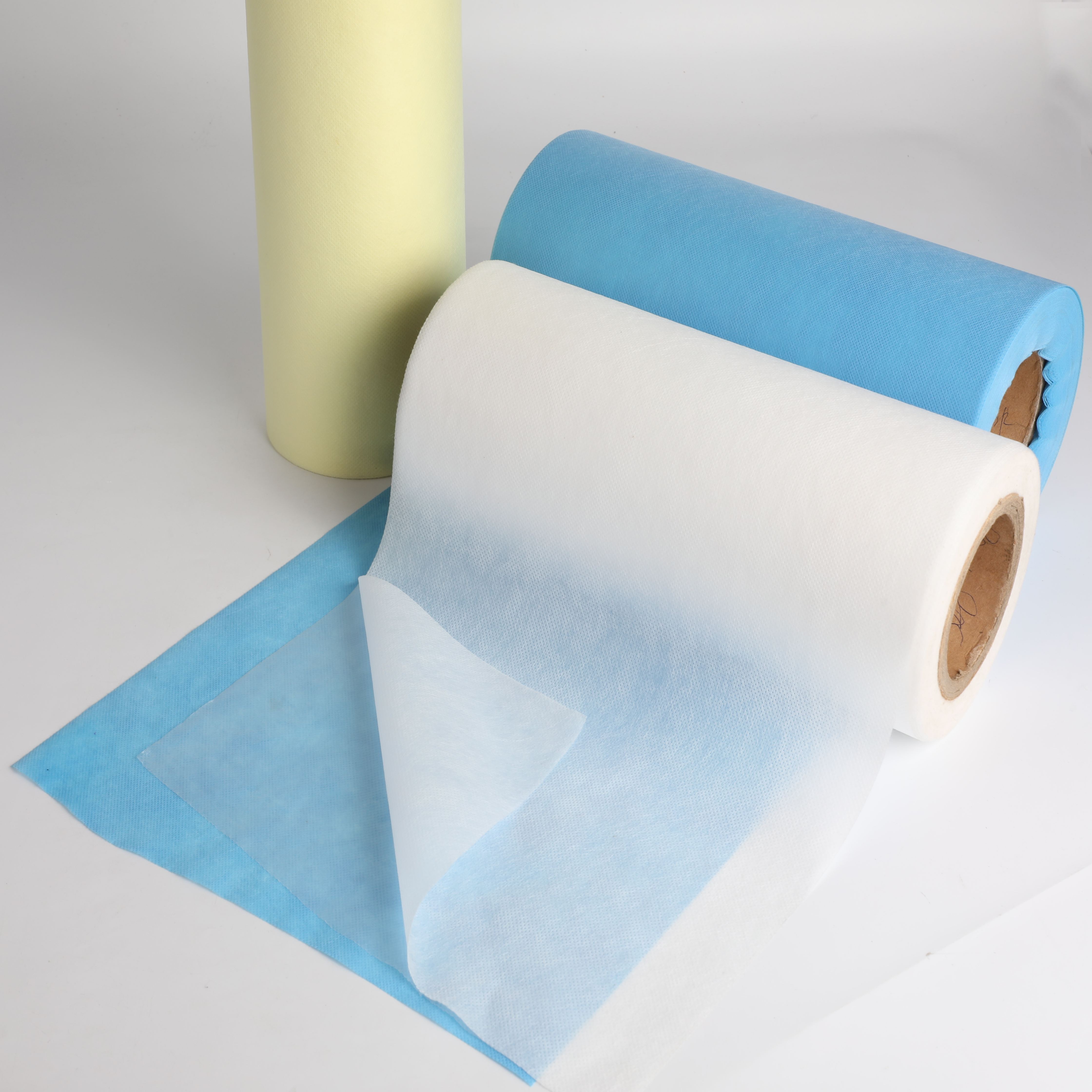 PP Laminates
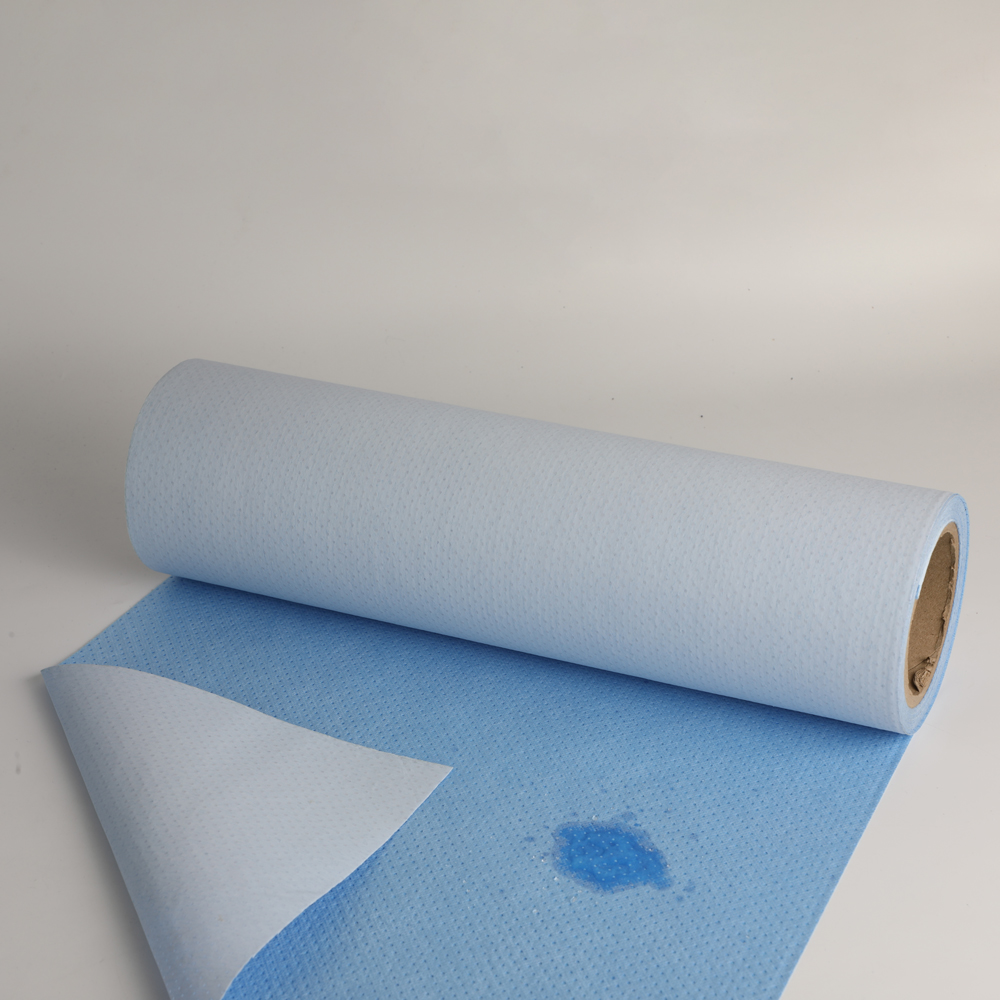 Multi Laminates
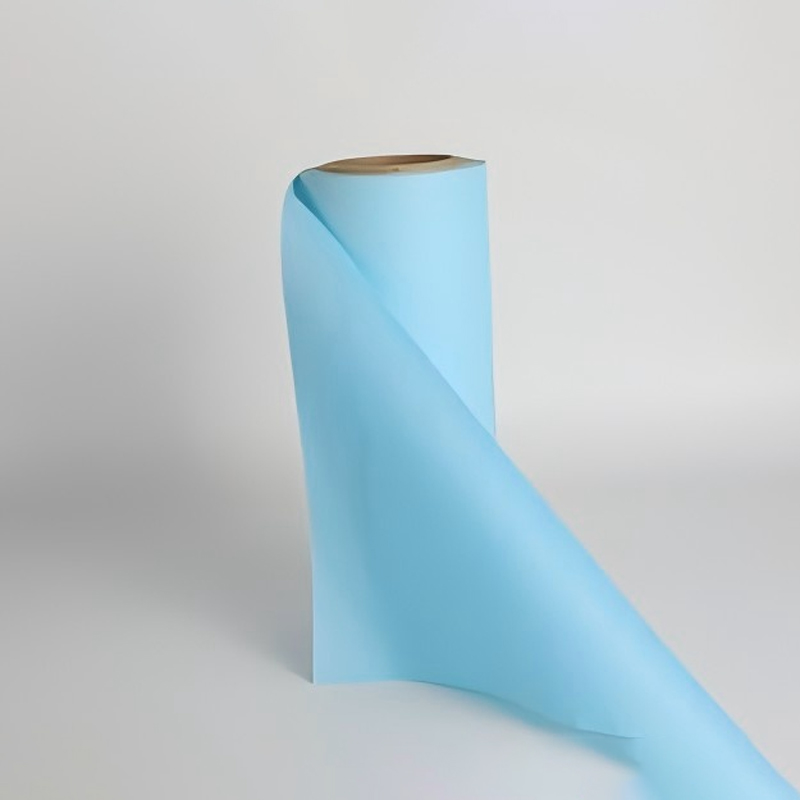 Spunlace Nonwoven Laminates
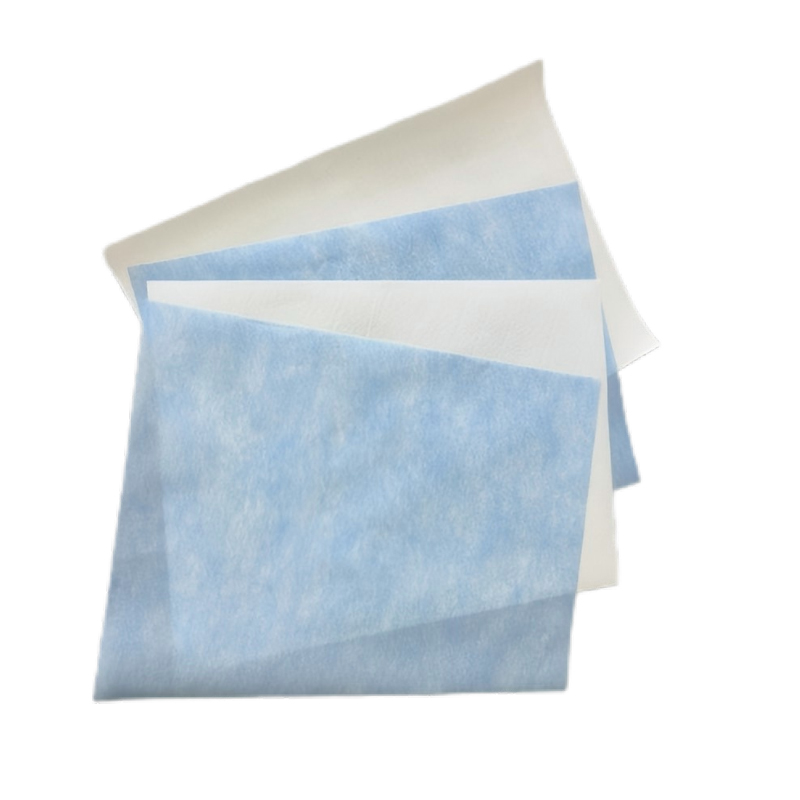 Breathable Film Laminates
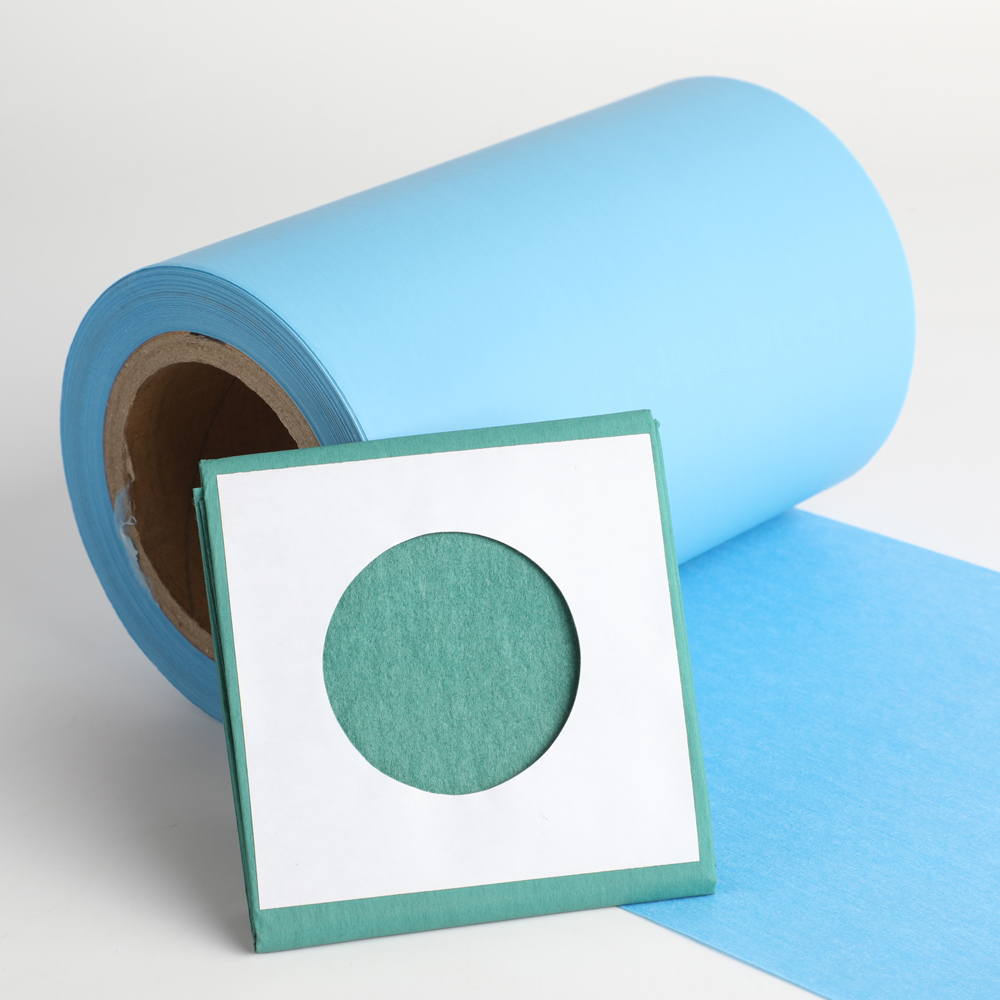 Viscose Laminates
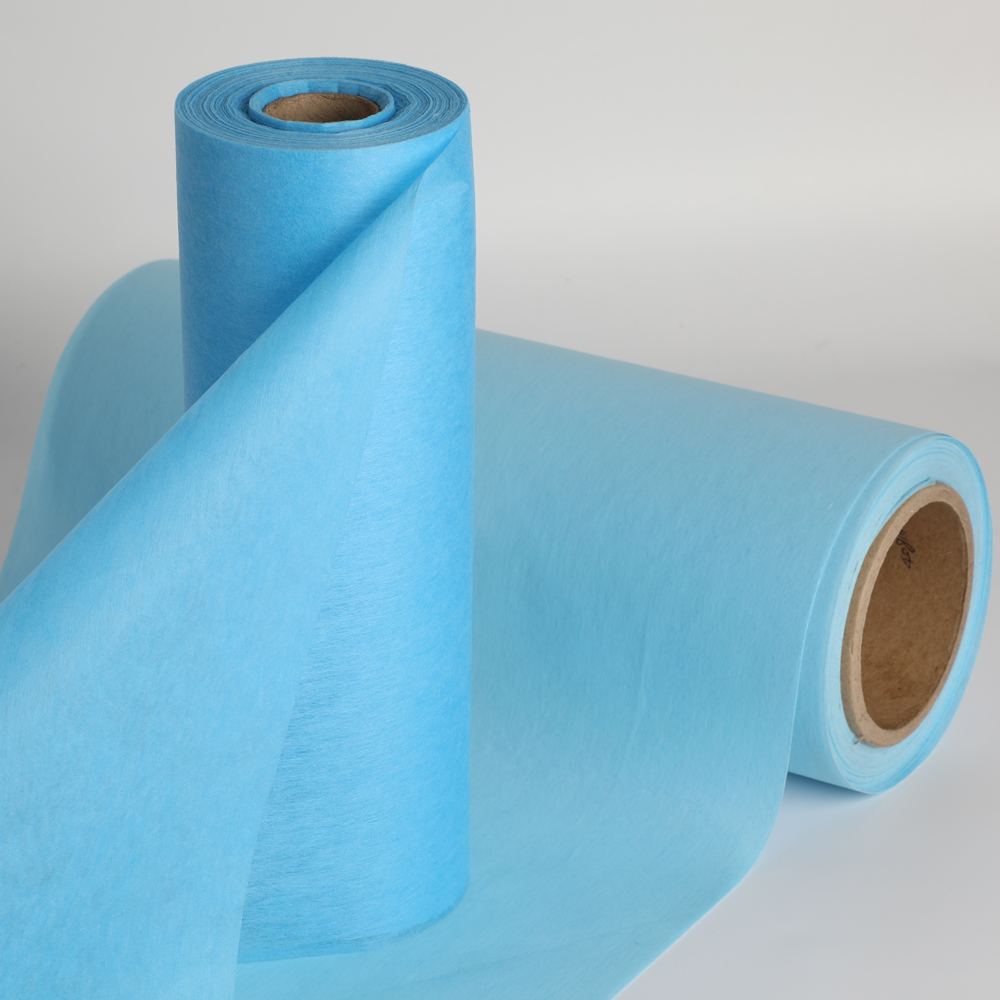 Medical Viscose Nonwoven
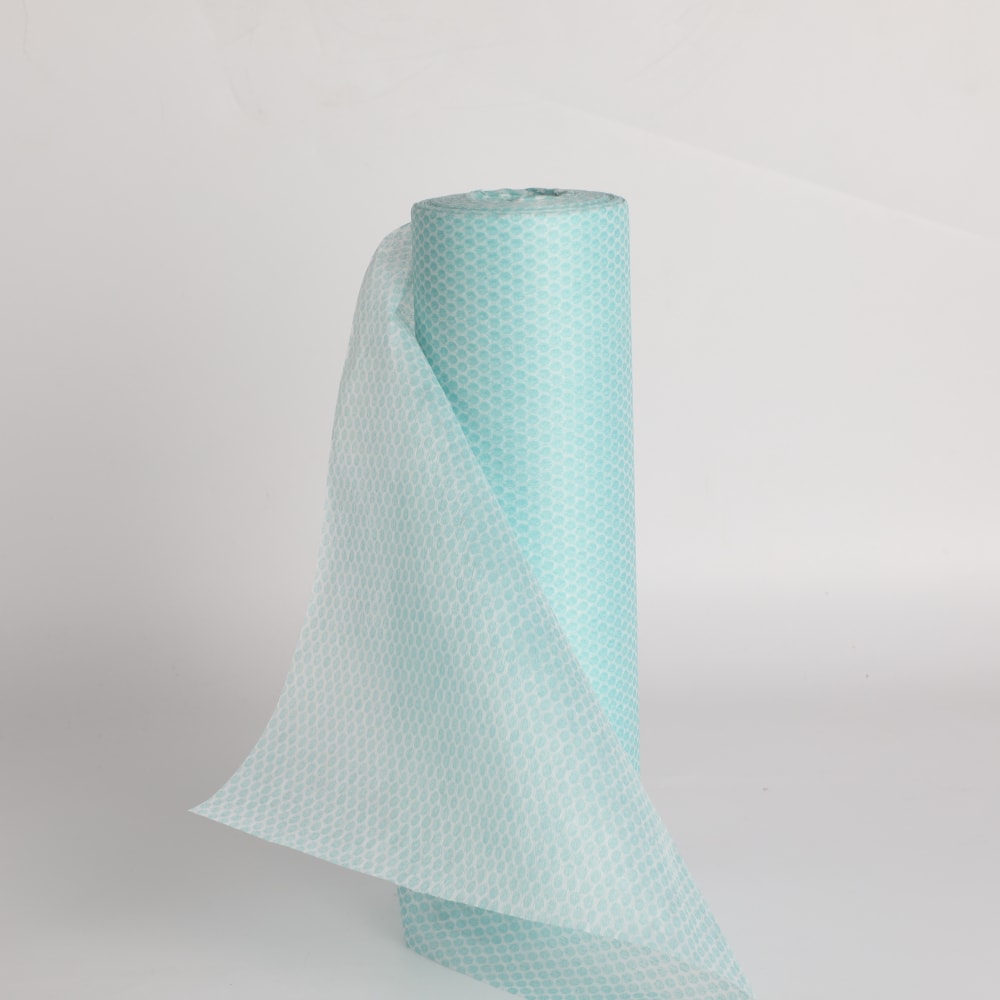 Head Wear Nonwoven
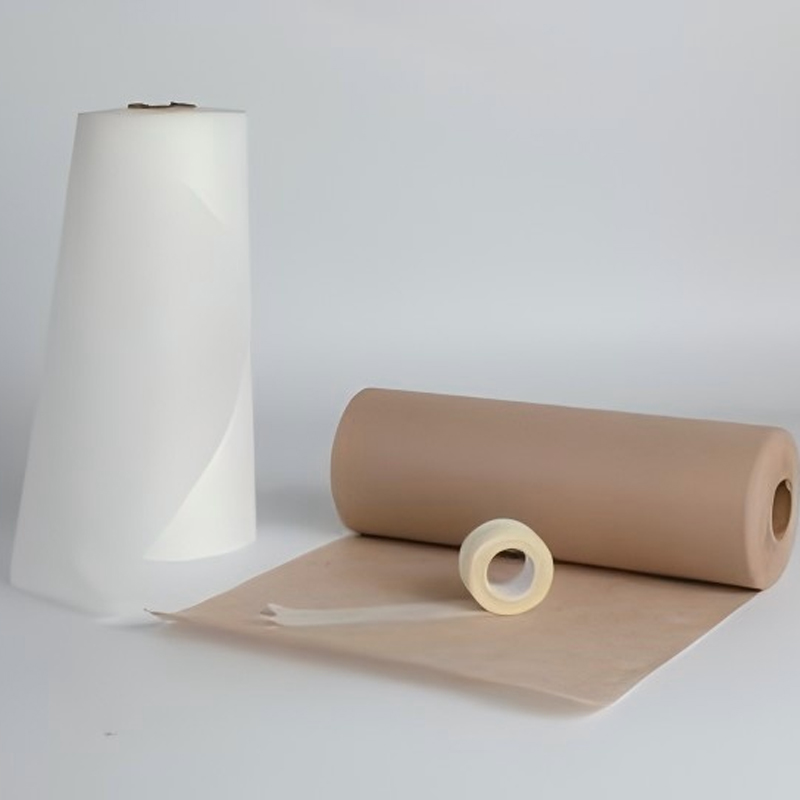 Medical Tape Nonwoven
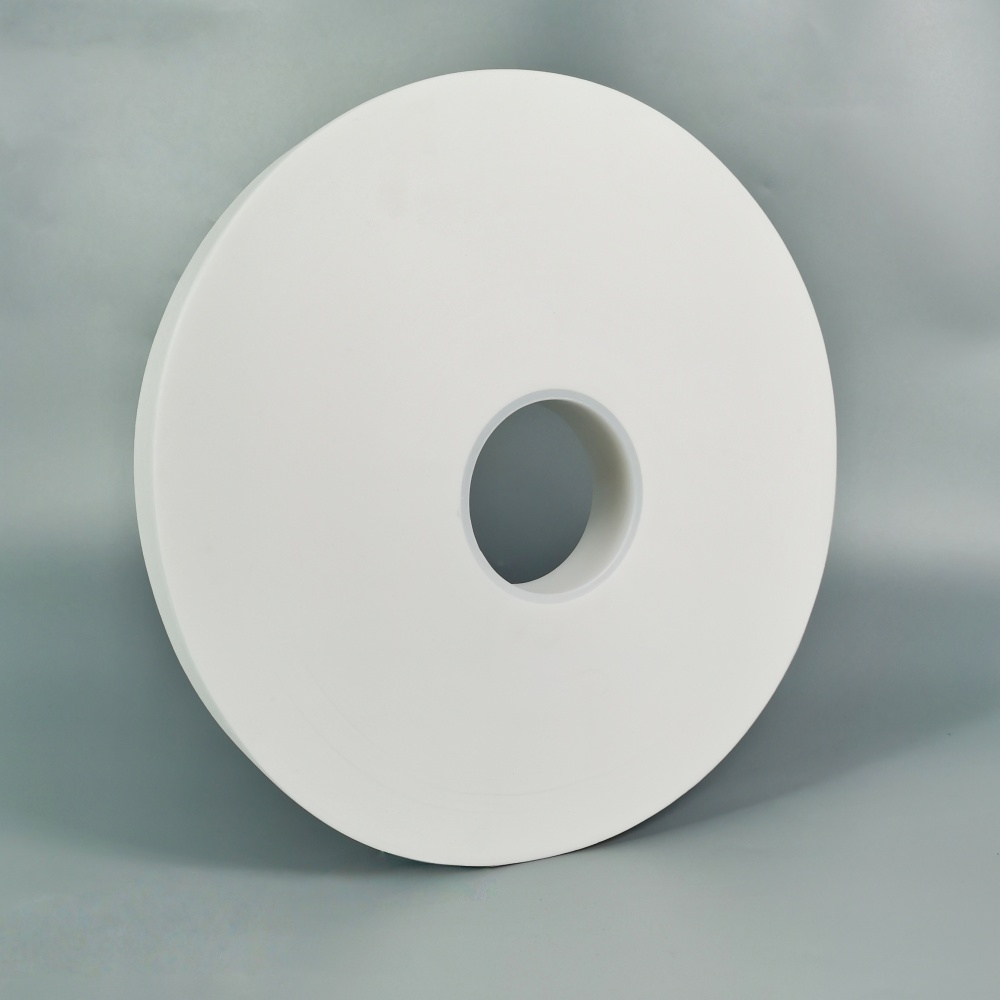 Snus Pouch Nonwoven
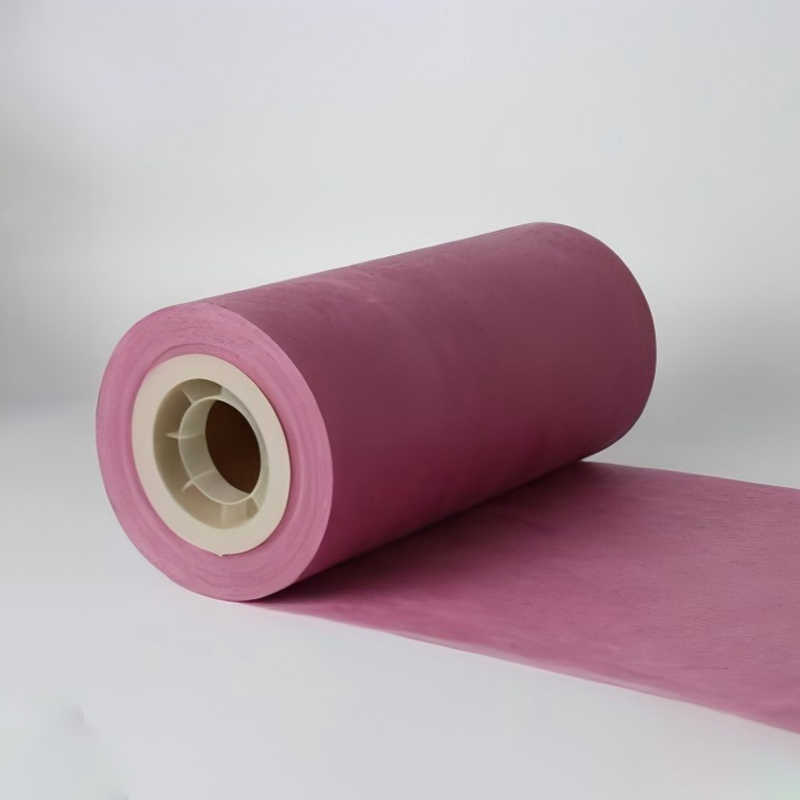 Filtration Nonwoven
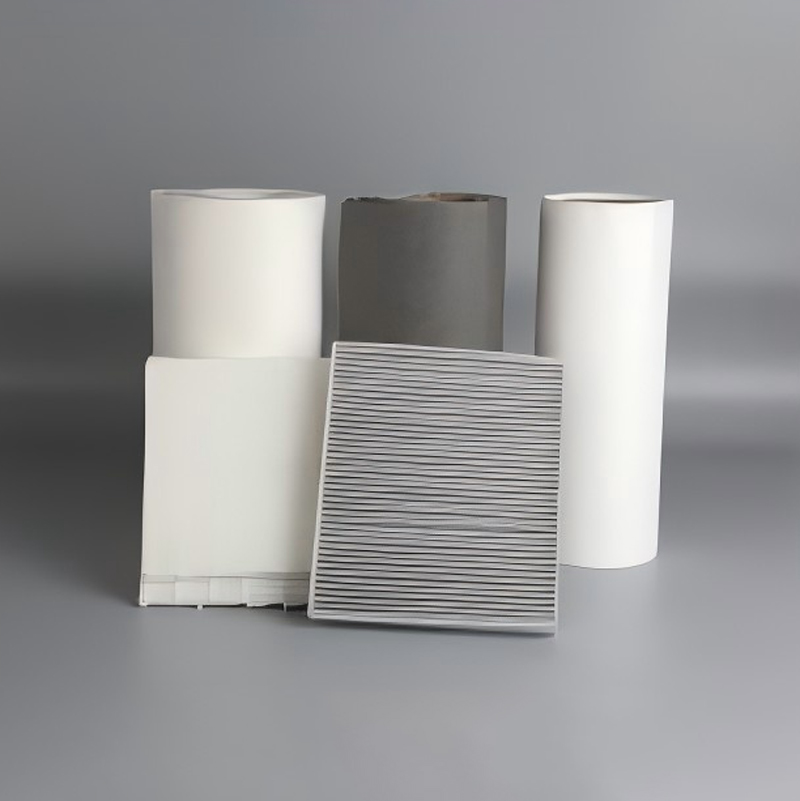 Air Filter Media
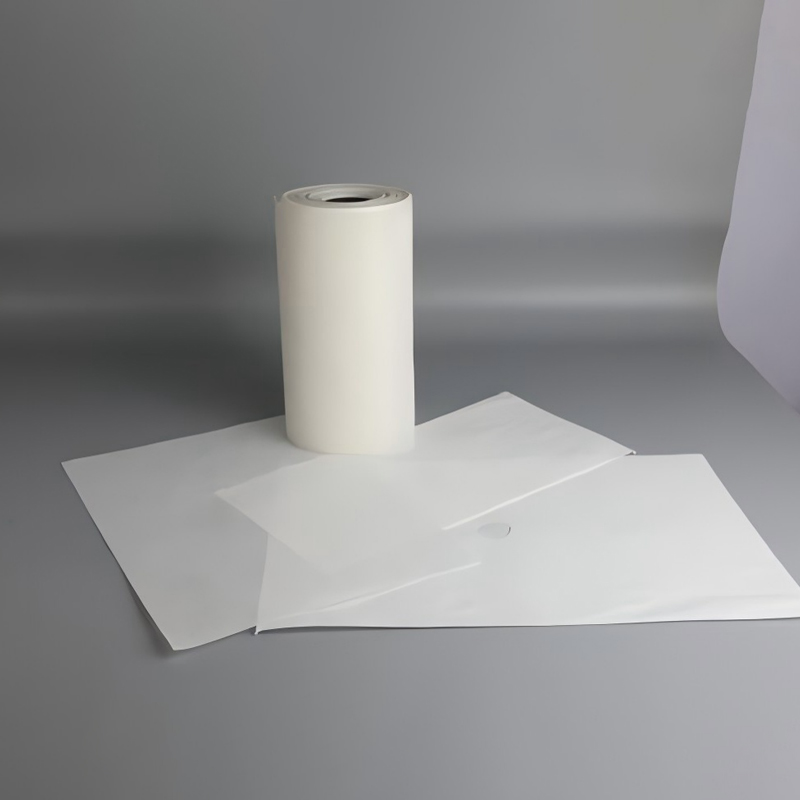 Liquid Filter Media
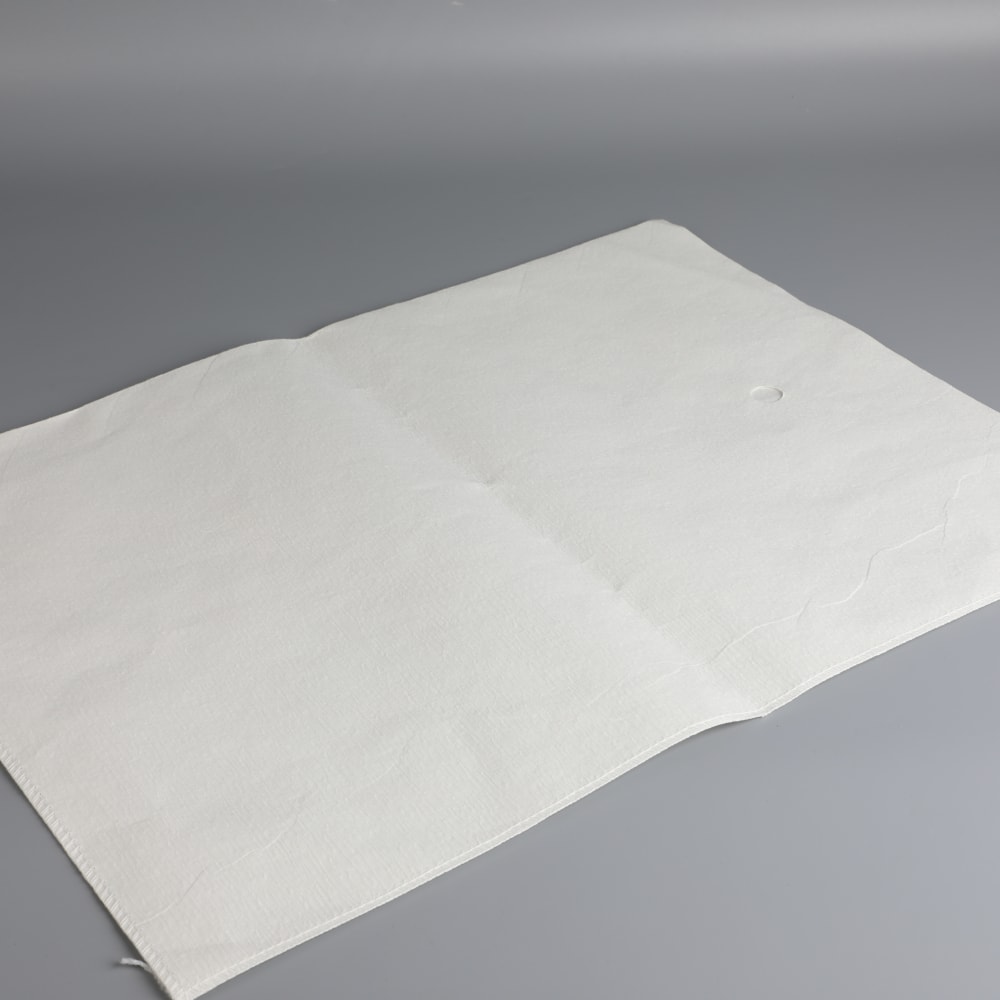 Filter Envelope & Filter Sheet
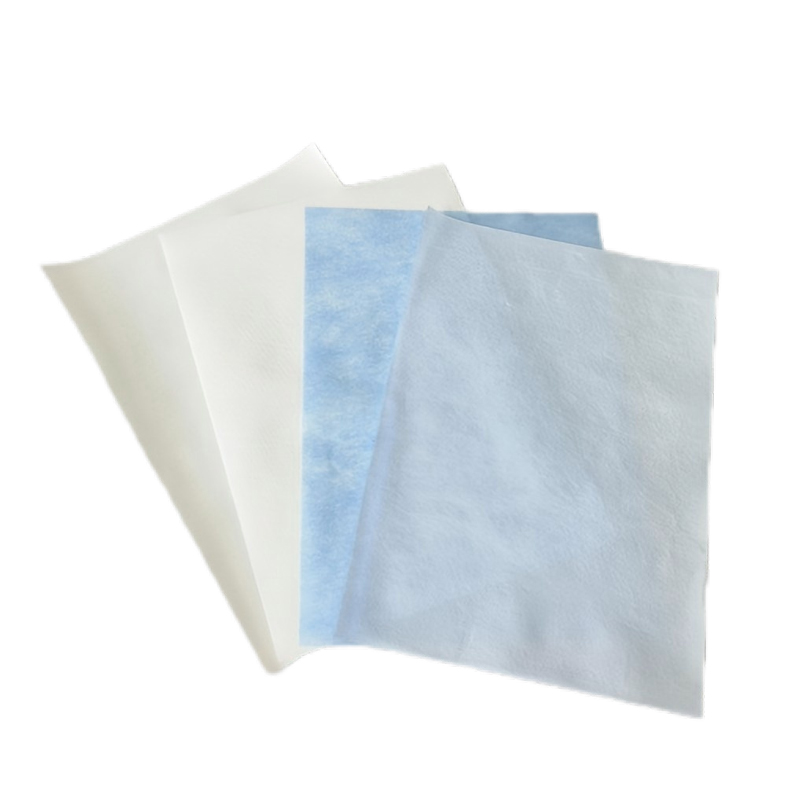 Breathable Film Laminates
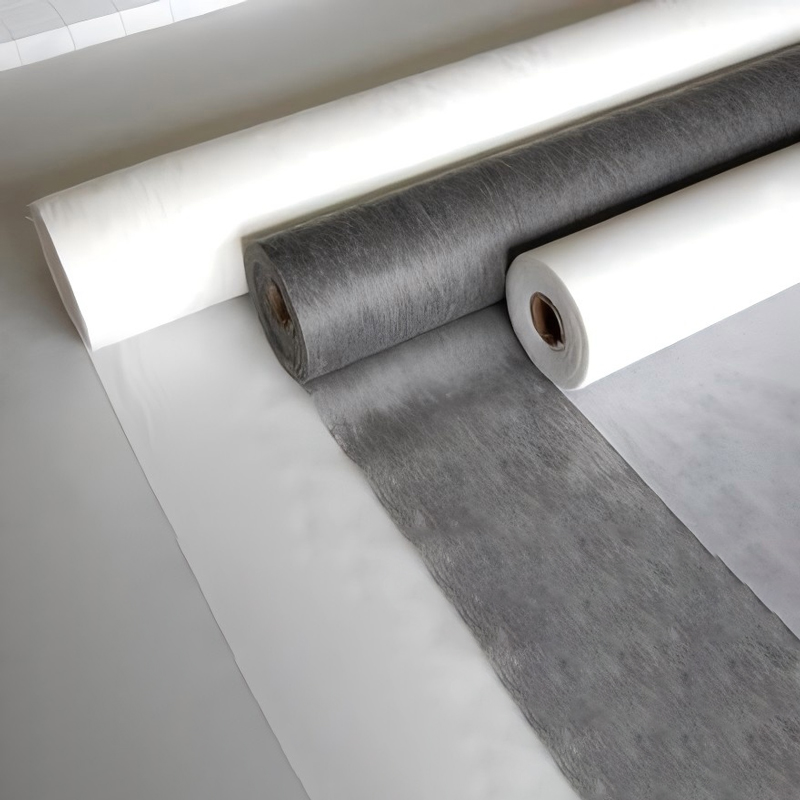 Nonwoven Interlining
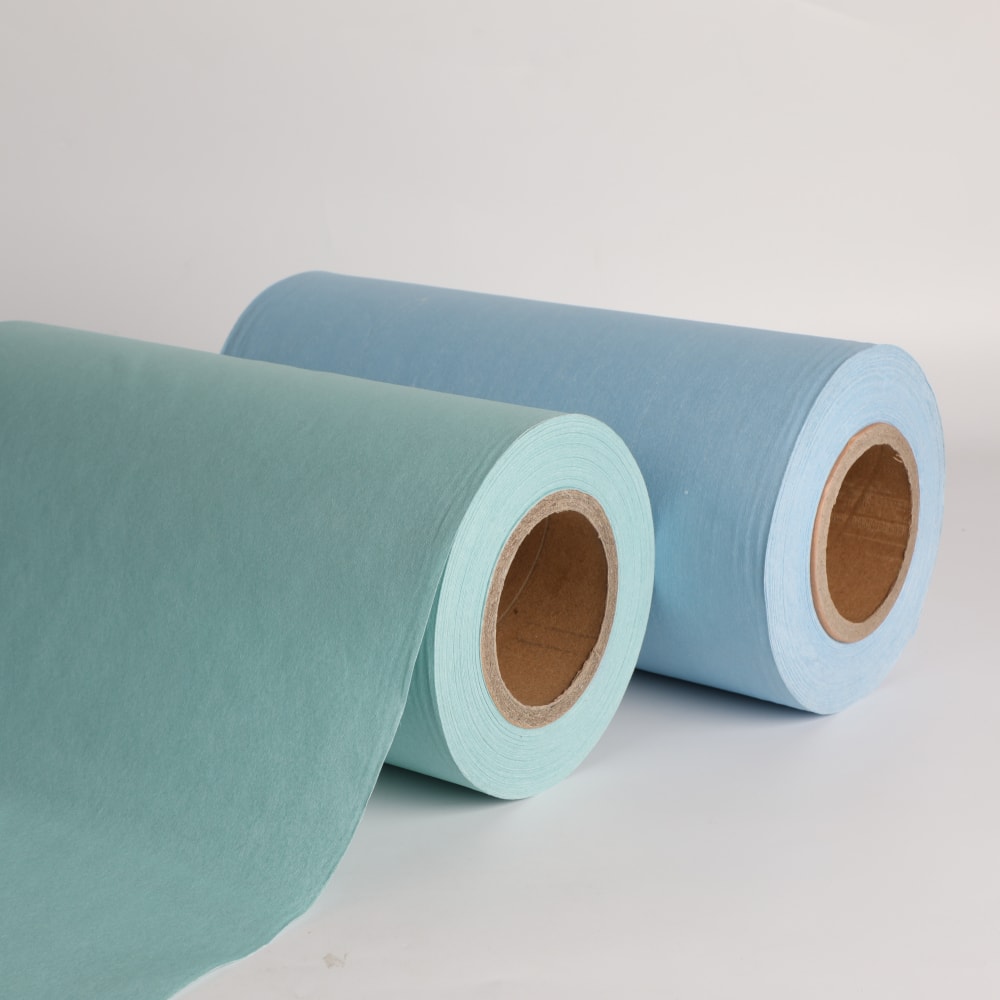 Fluid Repellent Woodpulp Spunlace Nonwoven
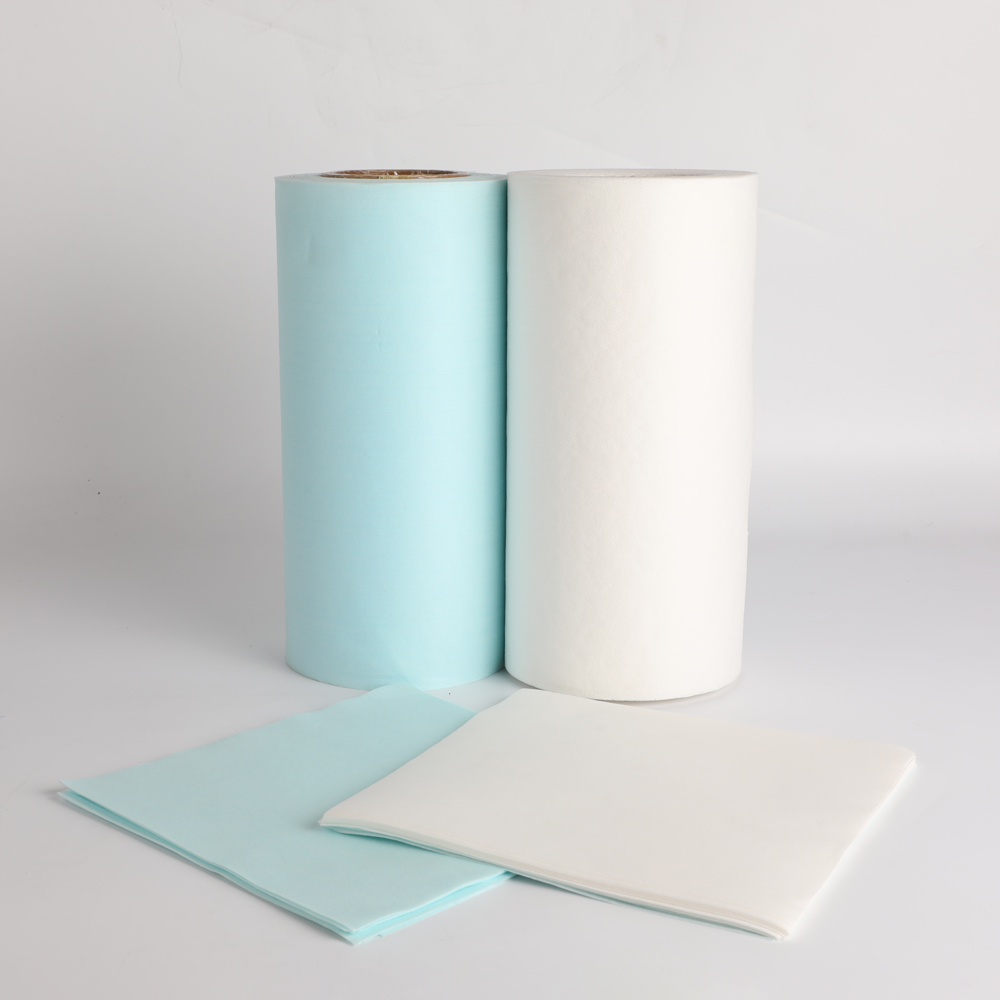 Woodpulp Nonwoven Wipe
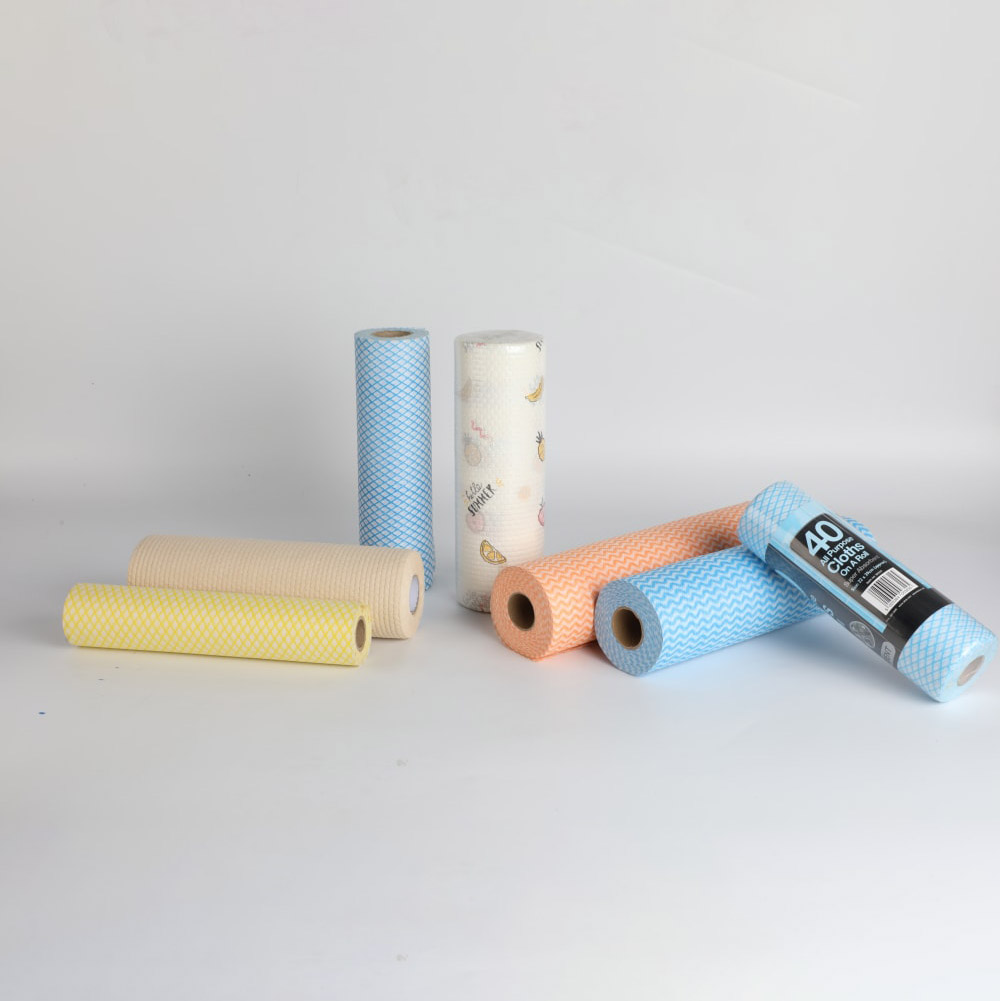 Nonwoven Cleaning Wipe
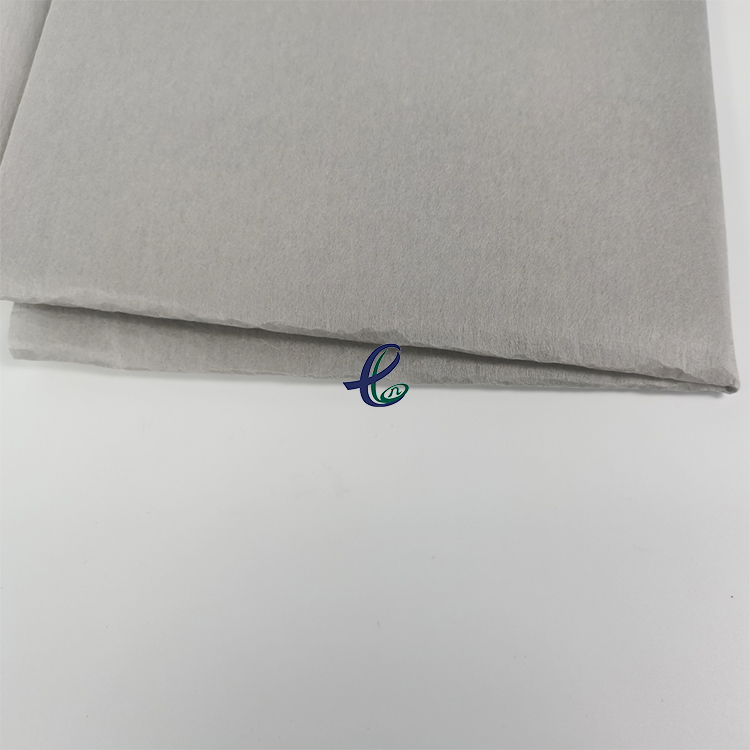 Curtain Nonwoven
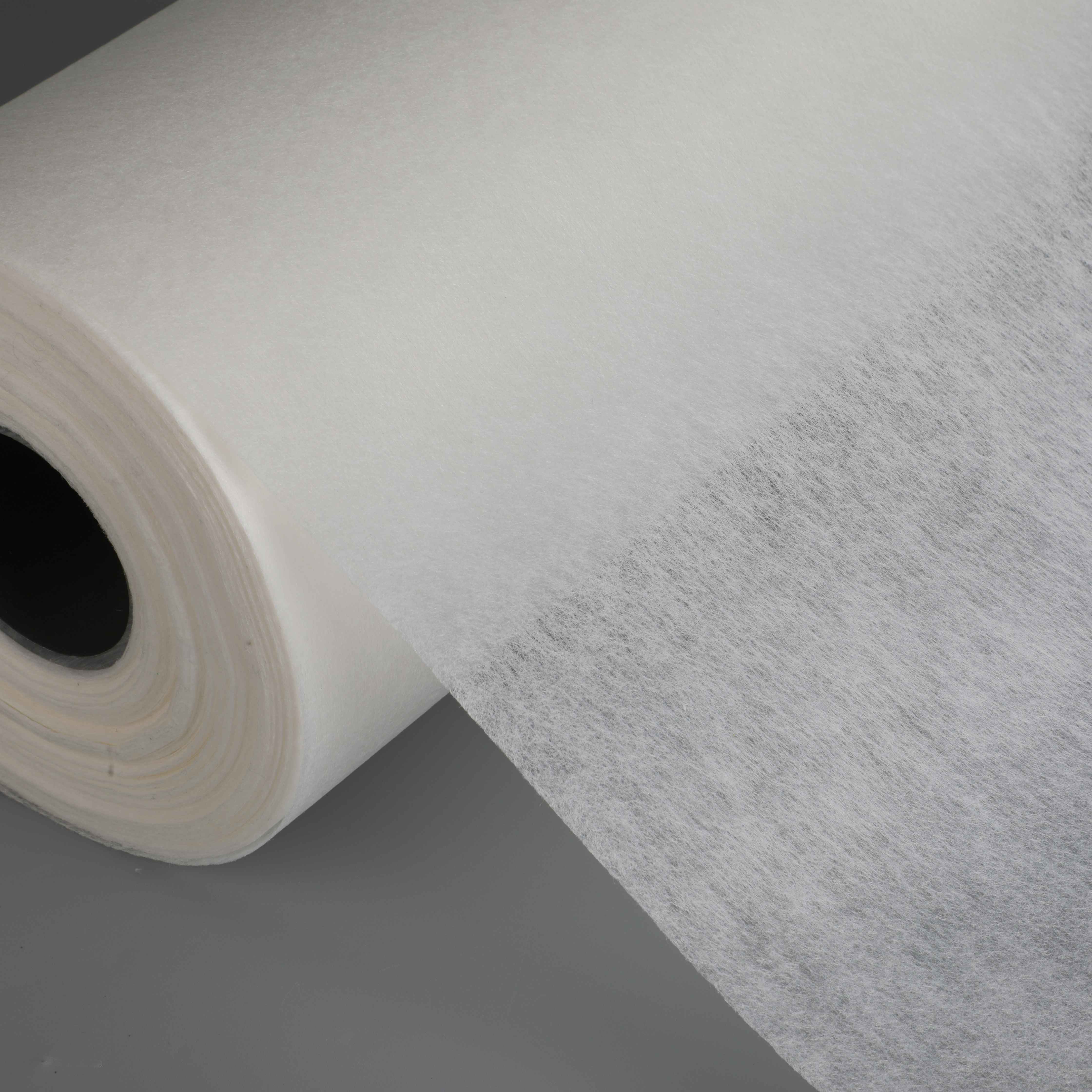 Food Grade Packaging Nonwoven
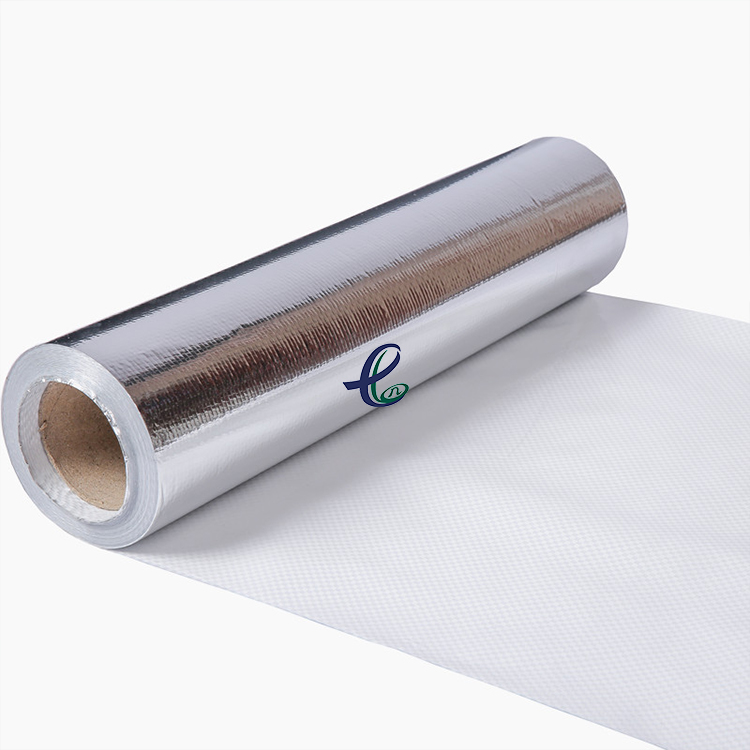 Aluminized Nonwoven
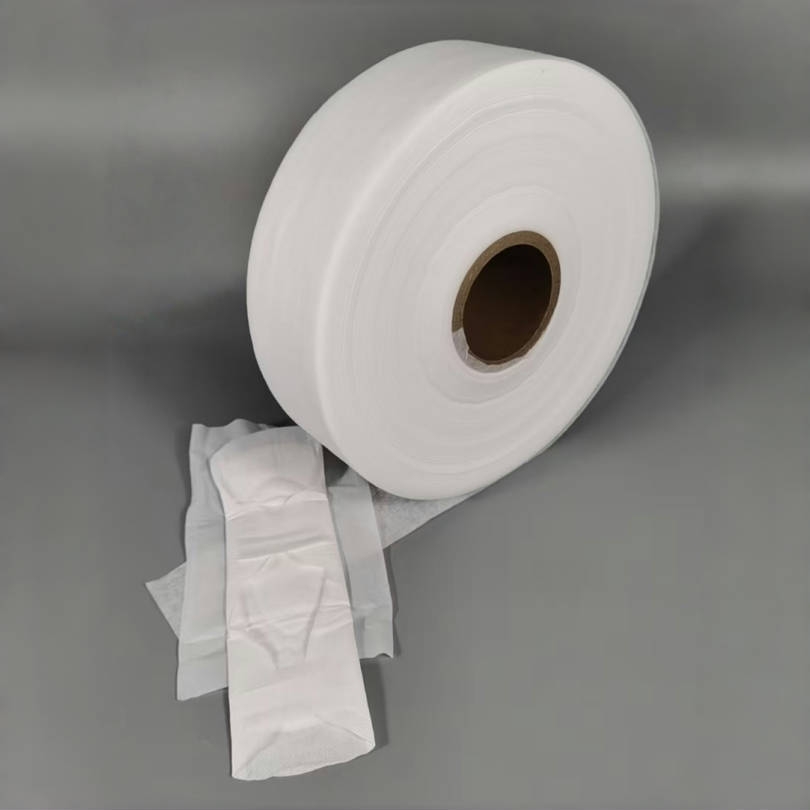 Hot Air Cotton Nonwoven
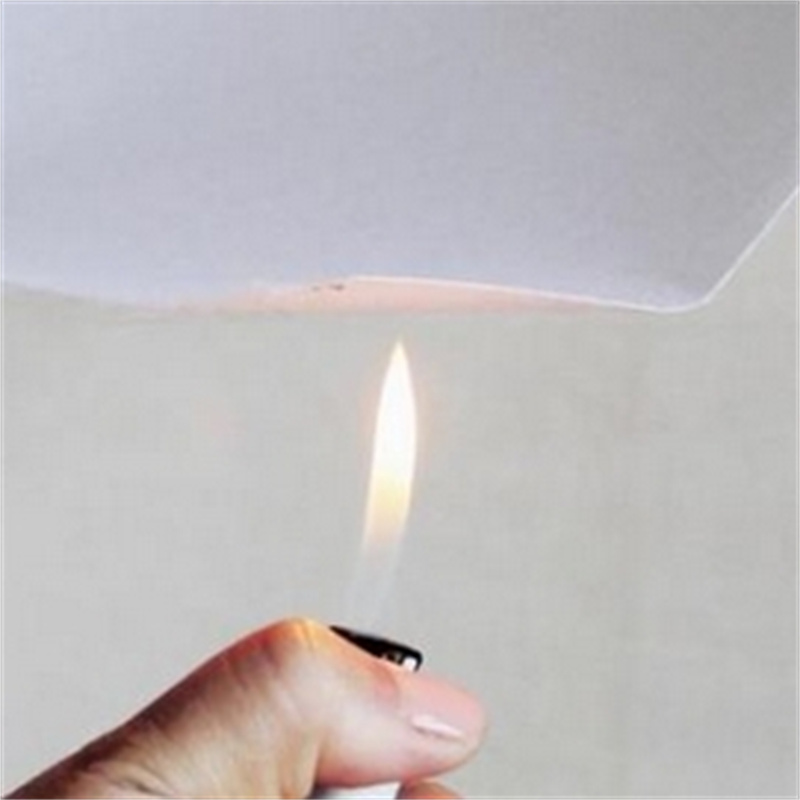 Flame Retardant Nonwoven
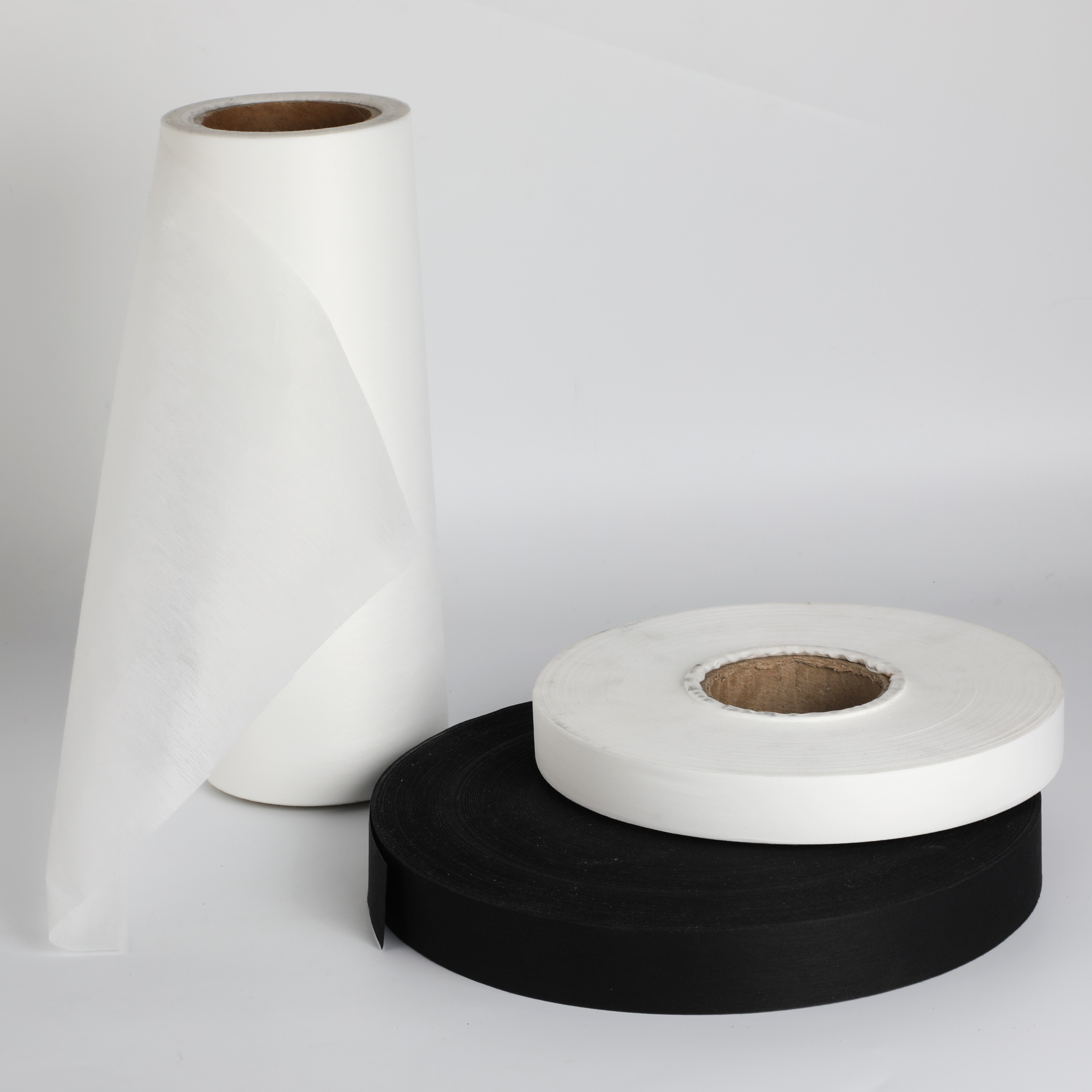 Cable Wrapping Nonwoven
 Semi-conductive Nonwoven
 Anti-Bacterial Nonwoven
 +8613957712400
 CONTACT WhatsApp
 CONTACT WeChat
 CONTACT NUMBER
 CONTACT EMAIL