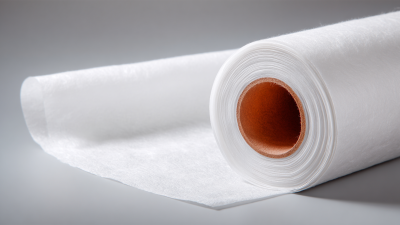
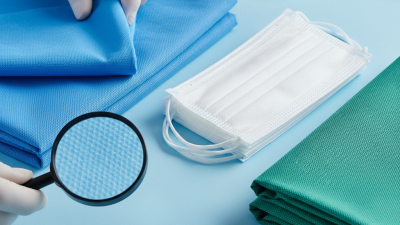
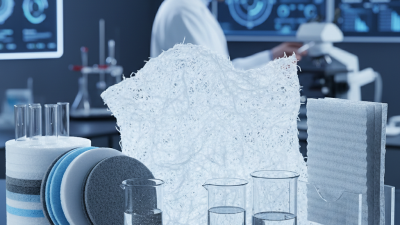
2026 Best Medical Nonwoven Fabric Options for Healthcare Applications?
In the evolving healthcare landscape, the importance of high-quality Medical Nonwoven Fabric cannot be overstated. These materials serve various applications, from surgical drapes to wound care products. Dr. Emily Chen, a renowned expert in medical textiles, emphasizes, "The future of healthcare relies heavily on innovative nonwoven solutions." Her assertion reflects the critical role of Medical Nonwoven Fabric in enhancing patient safety and comfort.
The growth of this sector is driven by advancements in technology and the rising demand for disposable items. Medical Nonwoven Fabrics offer excellent barrier protection, fluid resistance, and breathability. Their versatility enables manufacturers to tailor products for specific uses, addressing both regulatory standards and customer needs. However, the industry faces challenges in sustainability and material sourcing, raising questions about environmental impact.
Furthermore, while many options exist, not all Medical Nonwoven Fabrics meet the stringent requirements of healthcare applications. Therefore, selecting the right fabric is essential. Each choice carries implications for patient care and operational efficiency. As we explore the best options available in 2026, careful consideration of these factors will lead to better outcomes in the healthcare sector.

2026 Overview of Medical Nonwoven Fabrics in Healthcare
In 2026, the landscape of medical nonwoven fabrics is evolving rapidly. Healthcare applications increasingly depend on these materials for their versatility and effectiveness. Nonwoven fabrics are proving to be essential in creating protective gear, surgical drapes, and masks. They offer unique benefits that traditional textiles cannot match. For instance, these fabrics are lightweight yet robust, providing necessary barriers against pathogens.
The demand for sustainability is reshaping the production of medical nonwoven fabrics. Manufacturers are exploring eco-friendly options that ensure safety without compromising environmental integrity. As healthcare systems face escalating challenges, the focus on innovation is paramount. Nonwoven fabrics must meet stringent regulatory standards while addressing comfort and breathability for patients and healthcare workers alike.
However, the industry still grapples with challenges. Quality control remains a concern, as not all nonwoven materials achieve the desired performance. There’s a need for ongoing research to improve the efficacy of these fabrics in various healthcare settings. Stakeholders must engage in dialogue about standards and certifications to build trust in the materials used in critical applications. This reflection is crucial for advancing the field and ensuring patient safety.
Key Properties of Nonwoven Fabrics for Medical Use
The selection of nonwoven fabrics for healthcare applications is crucial. Key properties of these fabrics include barrier efficiency, fluid resistance, and breathability. Research indicates that nonwoven materials can offer a barrier effectiveness of over 95% against microbial penetration, making them vital in protective apparel.
Healthcare professionals rely on these materials for their light weight and comfort. Nonwoven fabrics typically have a softer feel compared to woven fabrics, enhancing patient experience during use. A recent study found that breathable nonwovens can reduce moisture and heat buildup, ensuring comfort during long procedures.
Tips: Always consider the specific healthcare application when choosing nonwoven fabrics. For example, surgical masks require high filtration efficiency, while gowns might prioritize fluid resistance. Testing the material in real healthcare scenarios is essential. Reflect on how inconsistent quality can impact patient safety. A focus on sourcing reliable manufacturers is key to addressing these concerns effectively.
Popular Types of Nonwoven Fabrics for Healthcare Applications
Nonwoven fabrics play a crucial role in healthcare applications. They offer excellent barrier protection and comfort. One of the most popular types is melt-blown nonwoven fabric. It is made by extruding molten polymer through fine nozzles. This process creates a web-like structure that traps particles effectively. Melt-blown fabrics are often used in masks and gowns.
Another widely used option is spunbond nonwoven fabric. It is known for its strength and durability. Spunbond fabrics are lightweight but robust enough for various applications. They are commonly utilized in surgical drapes and patient gowns. These materials are also breathable, which enhances patient comfort during lengthy procedures.
The choice of nonwoven fabric should be guided by specific needs. Different applications require varying levels of protection and comfort. It is important to evaluate the requirements before selecting a fabric. Some options may not offer the needed resistance to fluids or microorganisms. This evaluation ensures that healthcare professionals provide the best care while ensuring safety.
Innovative Trends in Medical Nonwoven Fabric Technology
The landscape of medical nonwoven fabrics is evolving rapidly. Innovative trends are shaping the future of healthcare applications. The global market for nonwoven fabrics in healthcare is projected to reach $25 billion by 2026, according to industry reports. This growth stems from an increased demand for single-use products that enhance infection control and patient safety.
One significant trend is the rise of sustainable materials. Research indicates that biodegradable nonwovens are making strides, addressing environmental concerns. These materials not only reduce waste but also maintain high performance in healthcare settings. Another development is the integration of advanced technologies, such as antimicrobial treatments and smart textiles. These innovations can improve patient outcomes by effectively reducing the risk of infections.
Despite these advancements, challenges remain. The quality and consistency of nonwoven fabrics can vary significantly. Manufacturers often face difficulties ensuring uniformity across batches. This inconsistency can undermine the reliability of products that are essential in critical medical applications. As the industry pushes for innovation, it must also focus on maintaining stringent quality standards to protect patient health.
Factors Influencing the Selection of Nonwoven Fabrics in Medicine
When selecting nonwoven fabrics for healthcare applications, several key factors come into play. One major consideration is the fabric's breathability. Materials that allow air circulation can enhance patient comfort and reduce the risk of skin irritation. This is particularly important in wound care and surgical settings, where prolonged contact with fabric can irritate sensitive skin.
Another critical factor is fluid resistance. Nonwoven fabrics used in medical settings should effectively repel liquids. This attribute safeguards both patients and healthcare workers from contamination. The choice of fabric must balance fluid resistance with comfort, as overly stiff materials may hinder patient mobility. It’s essential to find a reliable source for these fabrics, ensuring they meet strict safety and quality guidelines.
The environmental impact of nonwoven materials is also gaining attention. Biodegradable options are becoming more popular as sustainability becomes a priority. However, these materials may demonstrate different properties compared to traditional nonwoven fabrics. It’s necessary for manufacturers to test these alternatives thoroughly. In doing so, they can understand trade-offs between performance and environmental responsibility, ensuring the best outcomes for healthcare applications.

 PP Laminates
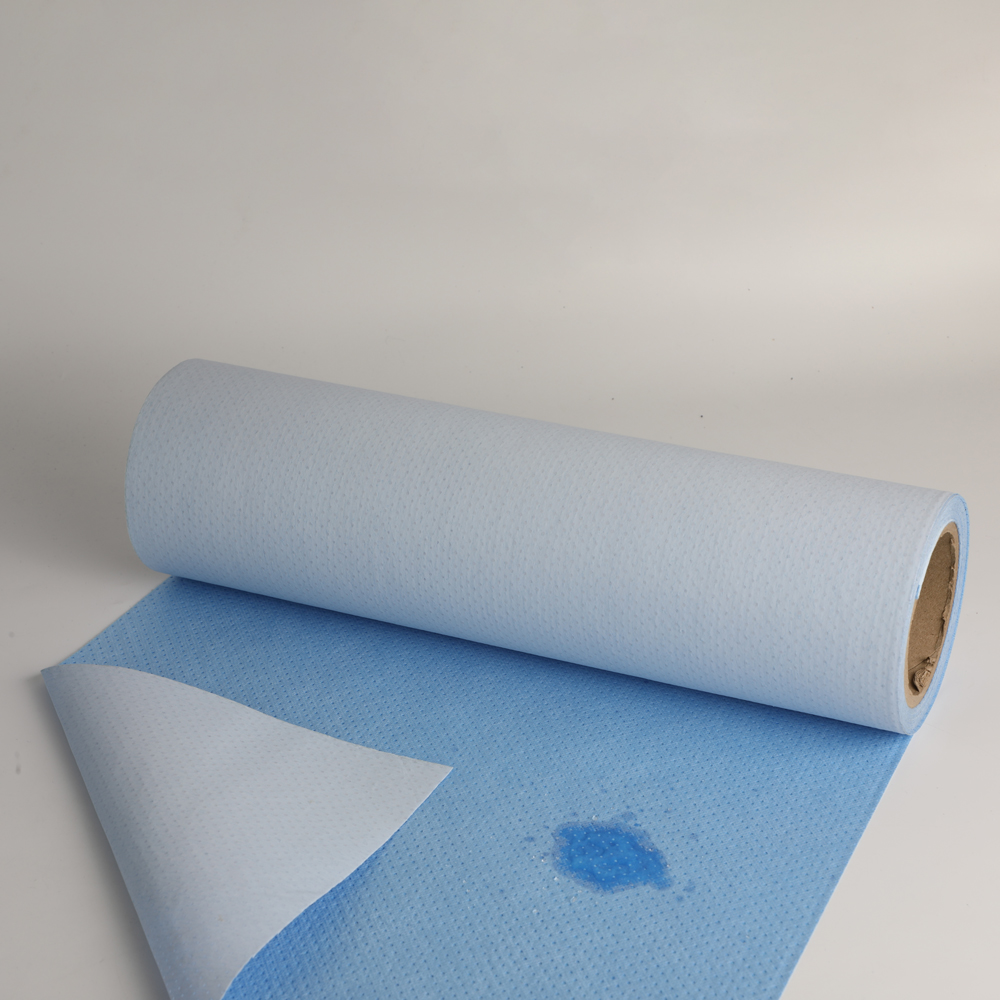 Multi Laminates
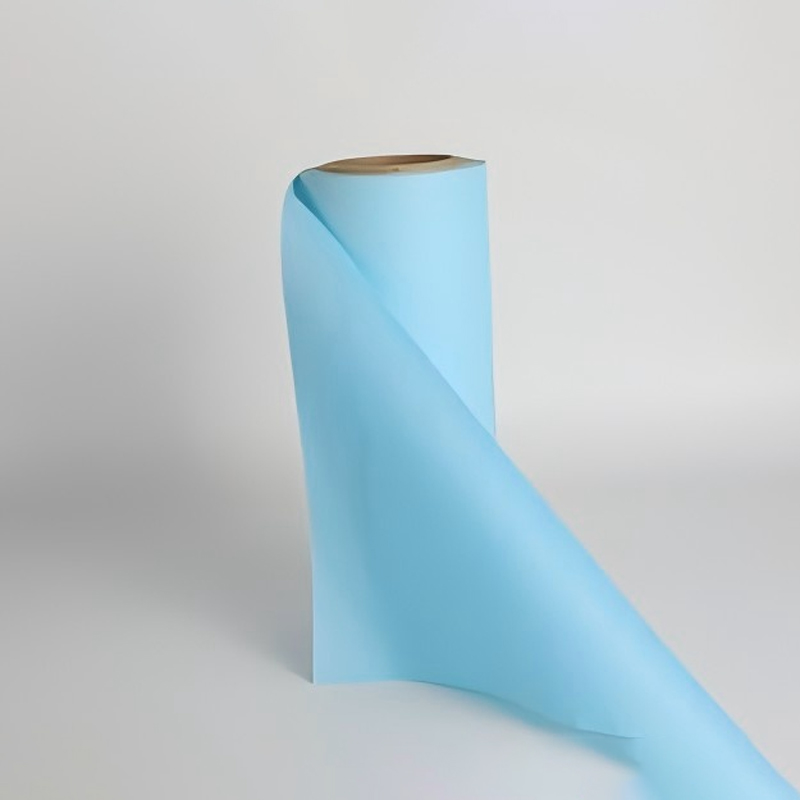 Spunlace Nonwoven Laminates
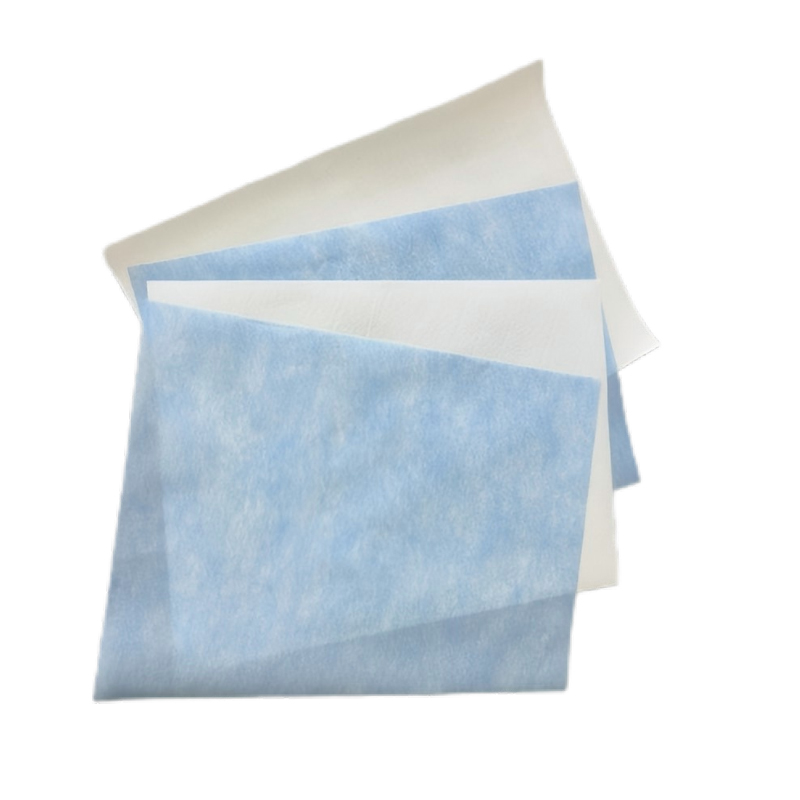 Breathable Film Laminates
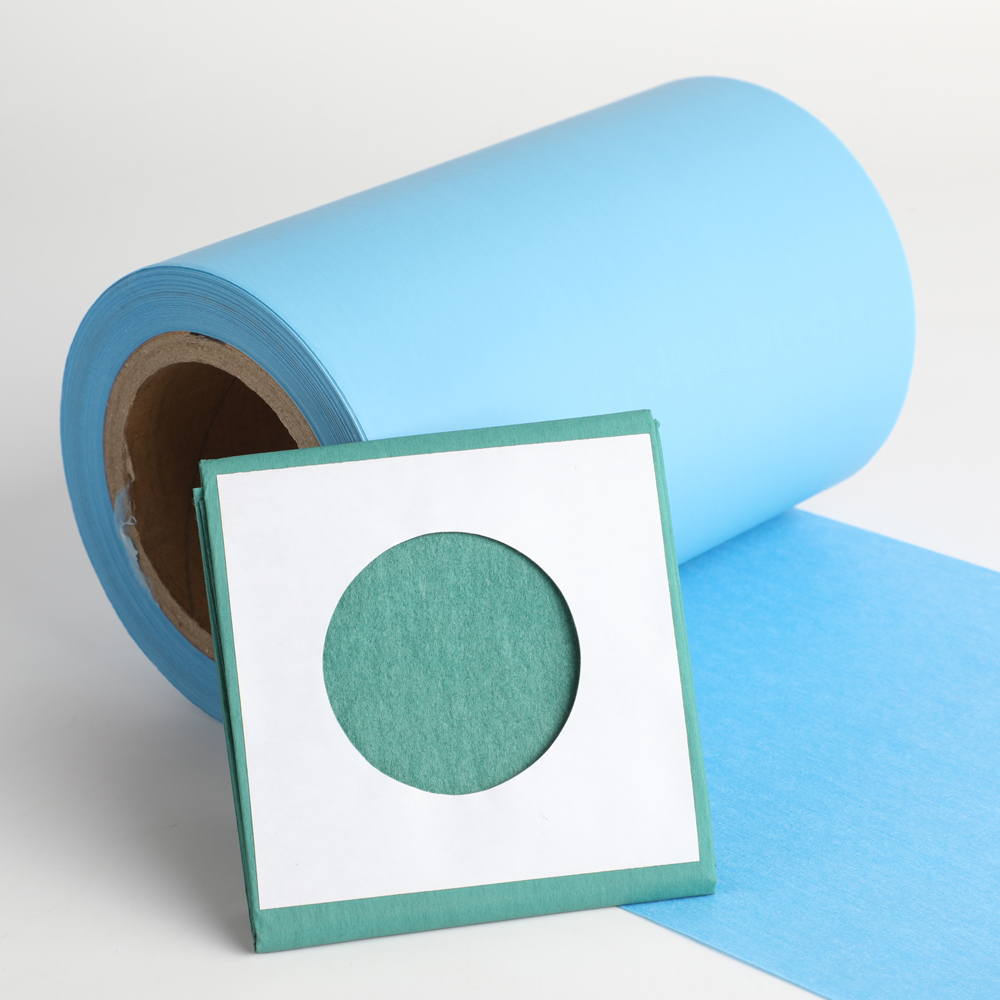 Viscose Laminates
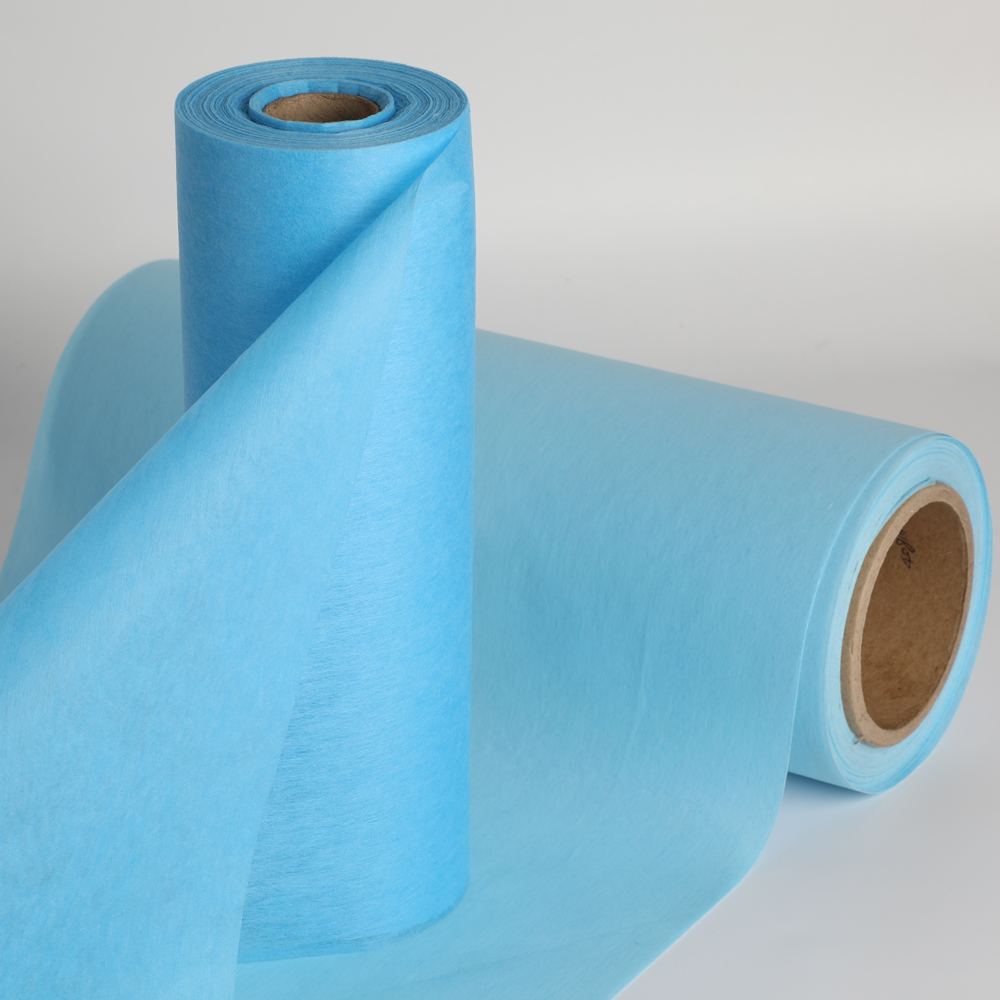 Medical Viscose Nonwoven
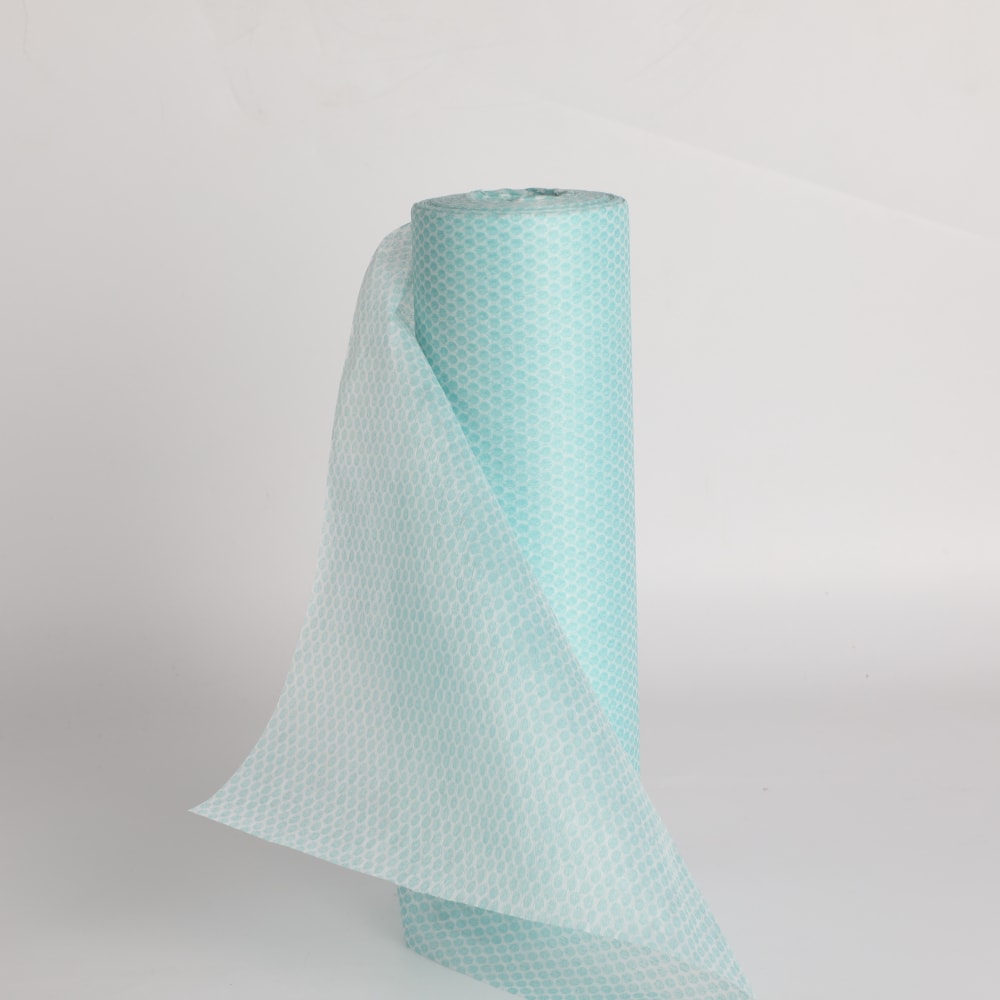 Head Wear Nonwoven
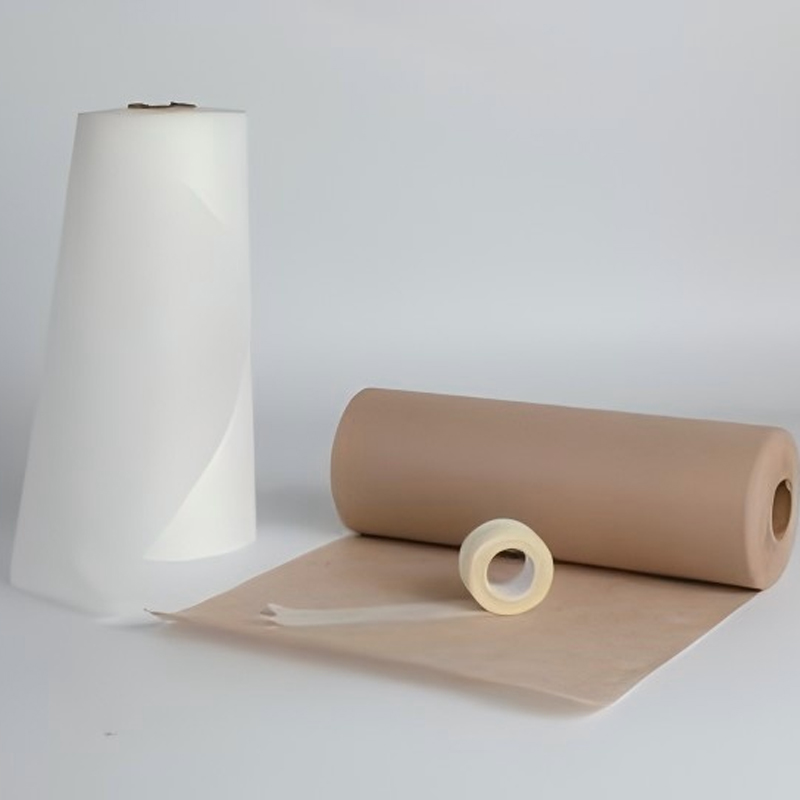 Medical Tape Nonwoven
 Snus Pouch Nonwoven
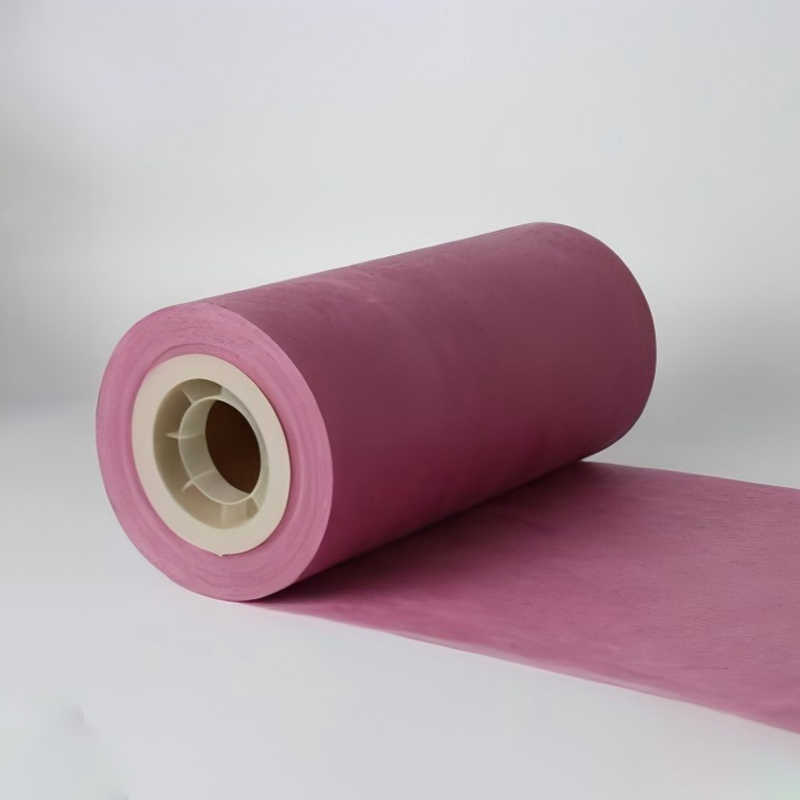 Filtration Nonwoven
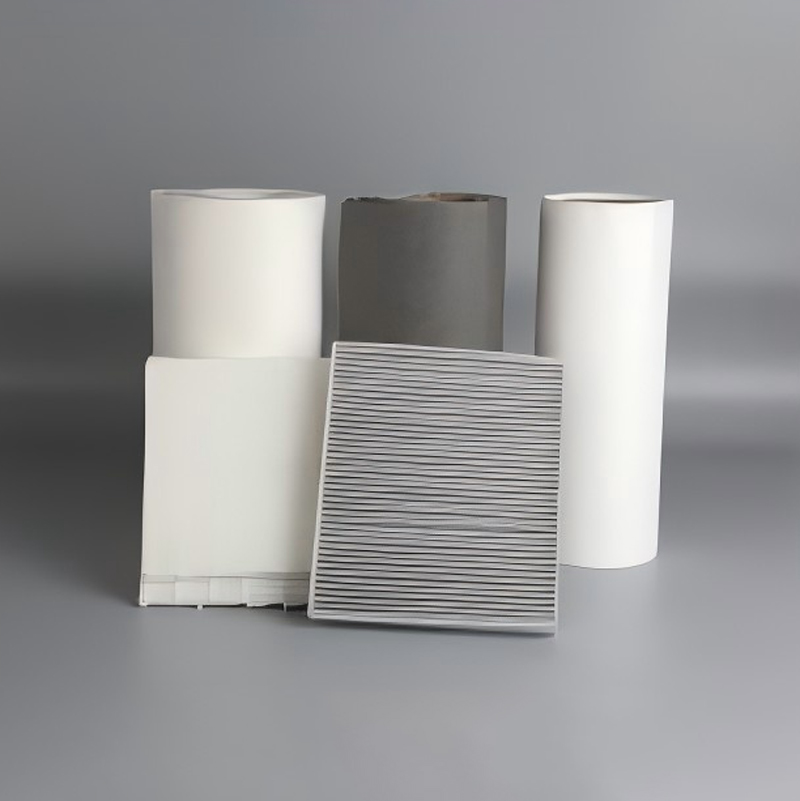 Air Filter Media
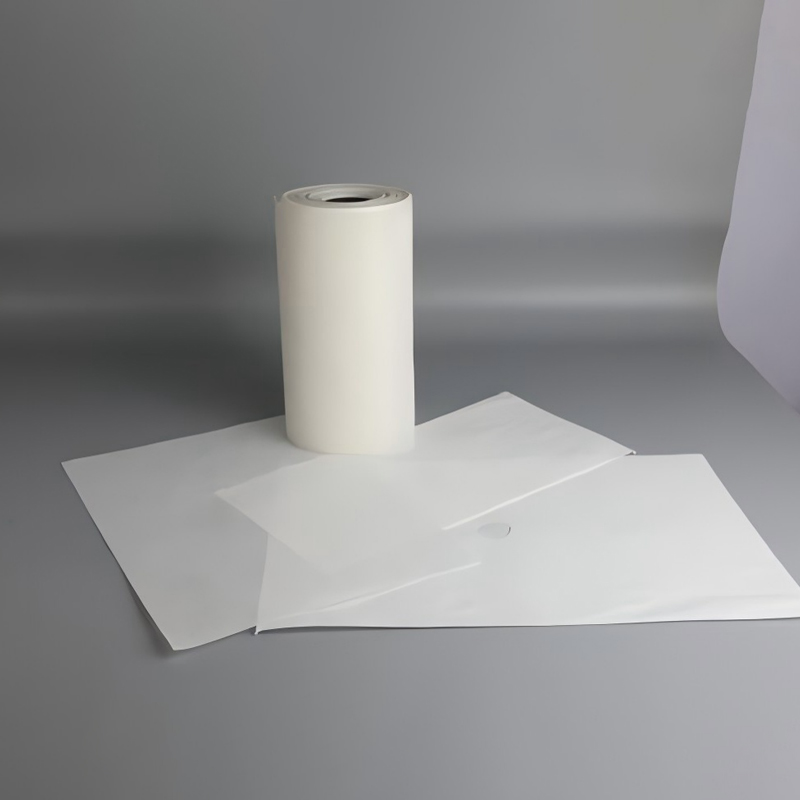 Liquid Filter Media
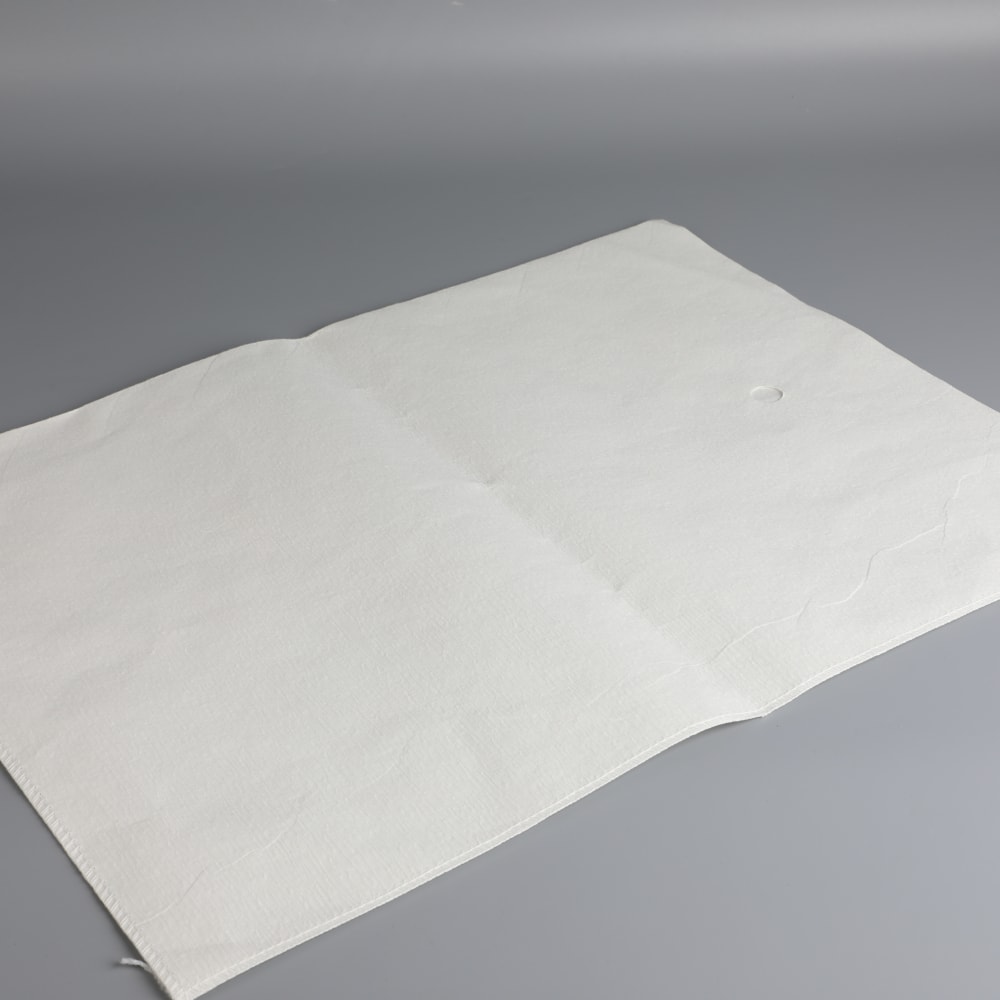 Filter Envelope & Filter Sheet
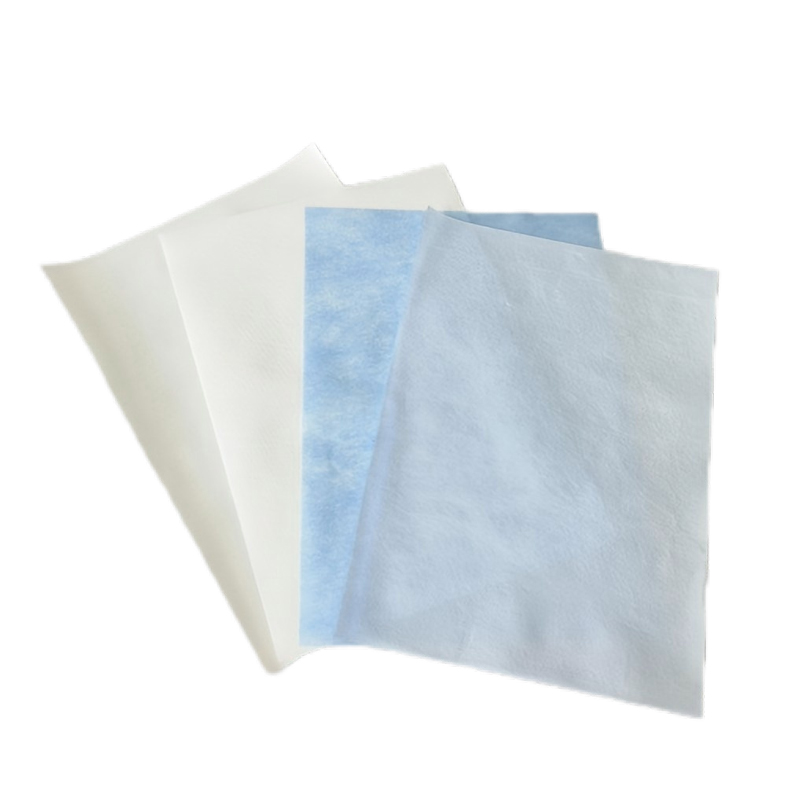 Breathable Film Laminates
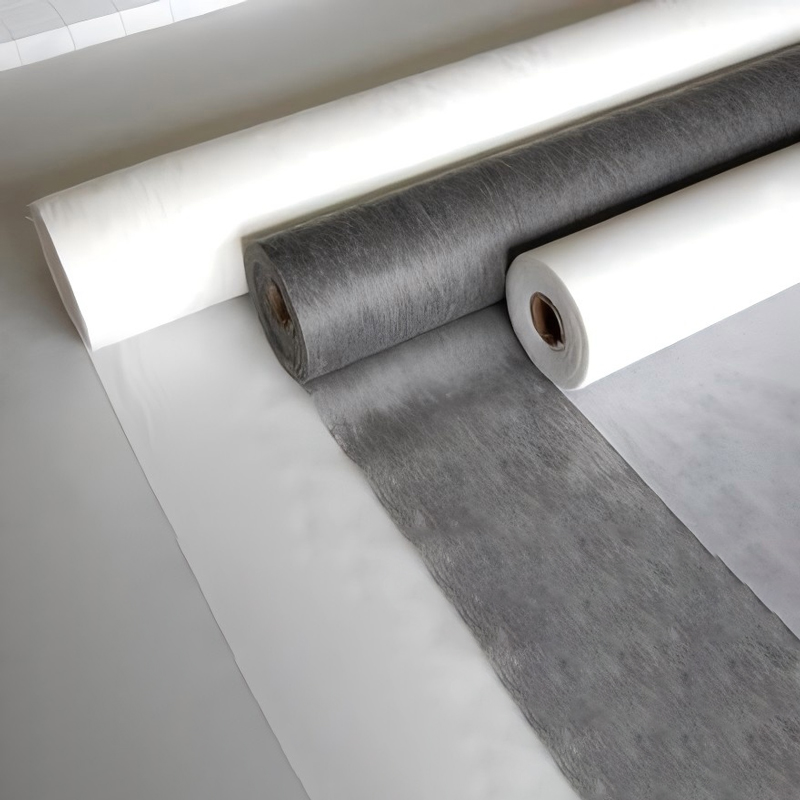 Nonwoven Interlining
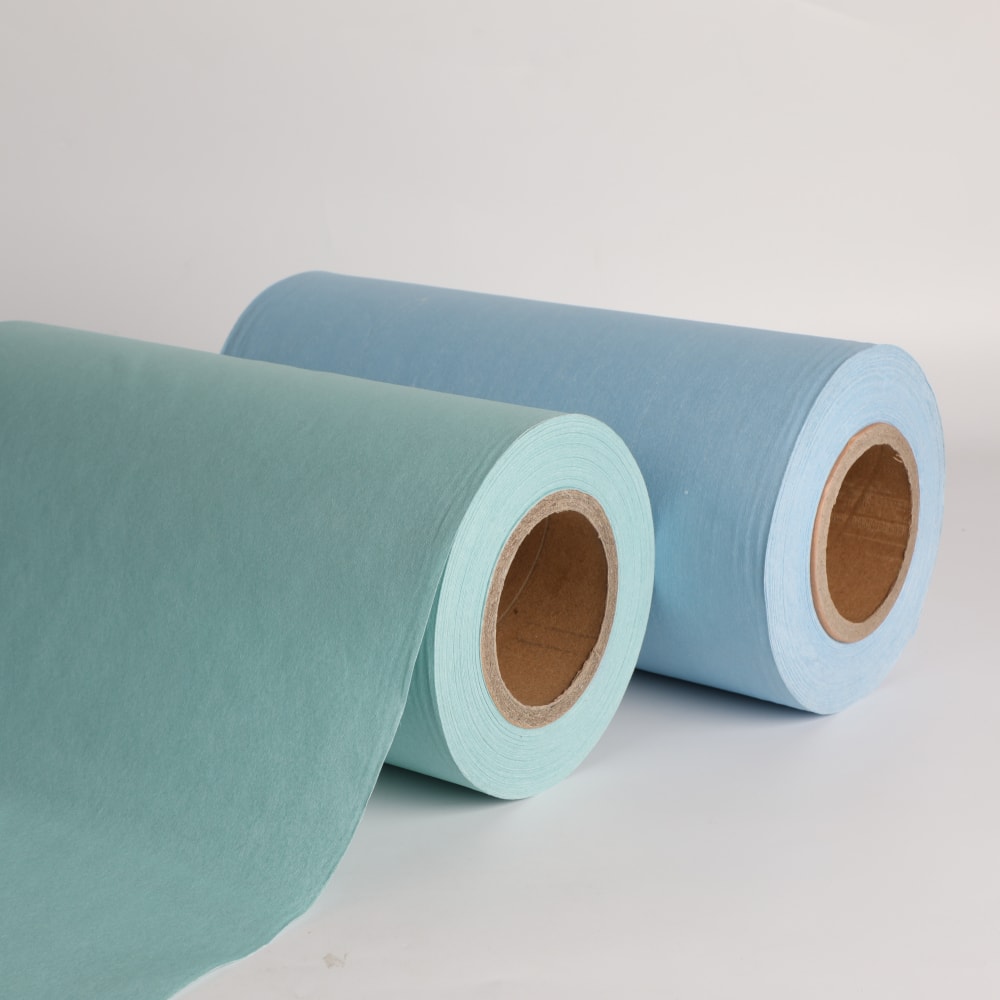 Fluid Repellent Woodpulp Spunlace Nonwoven
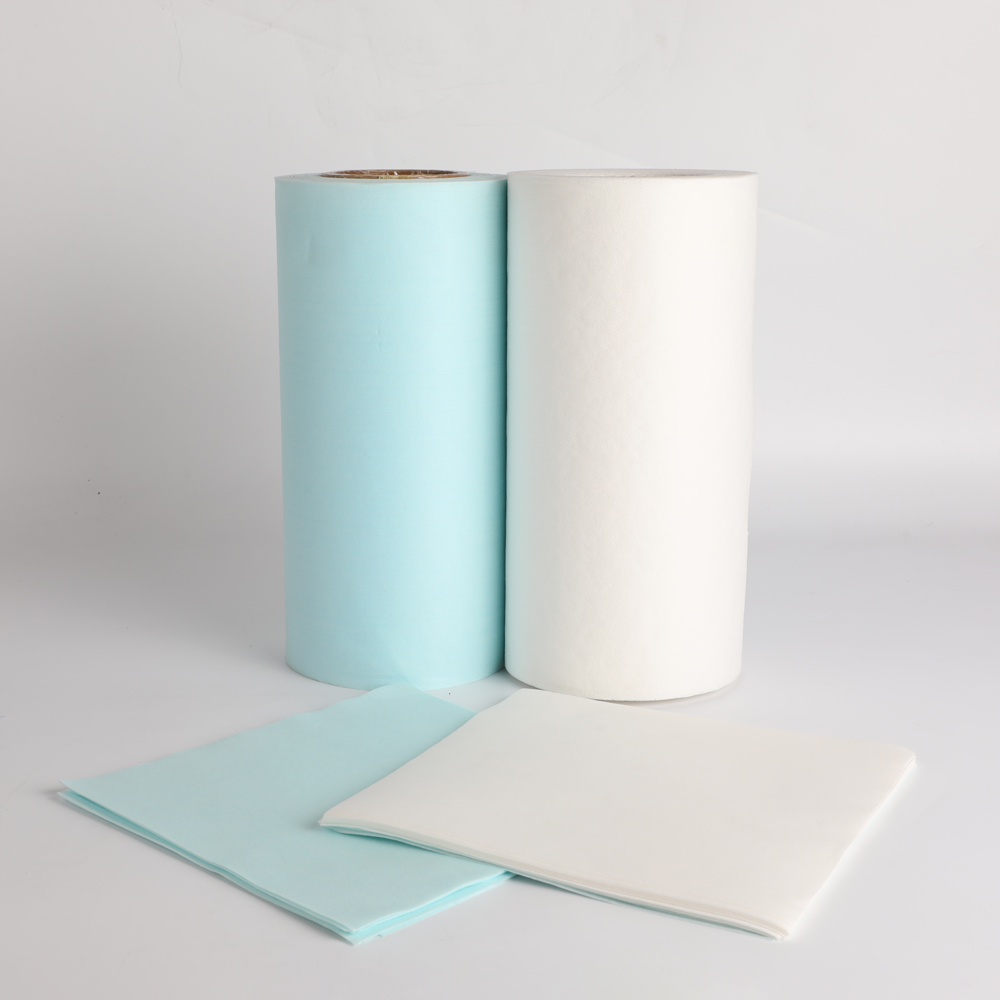 Woodpulp Nonwoven Wipe
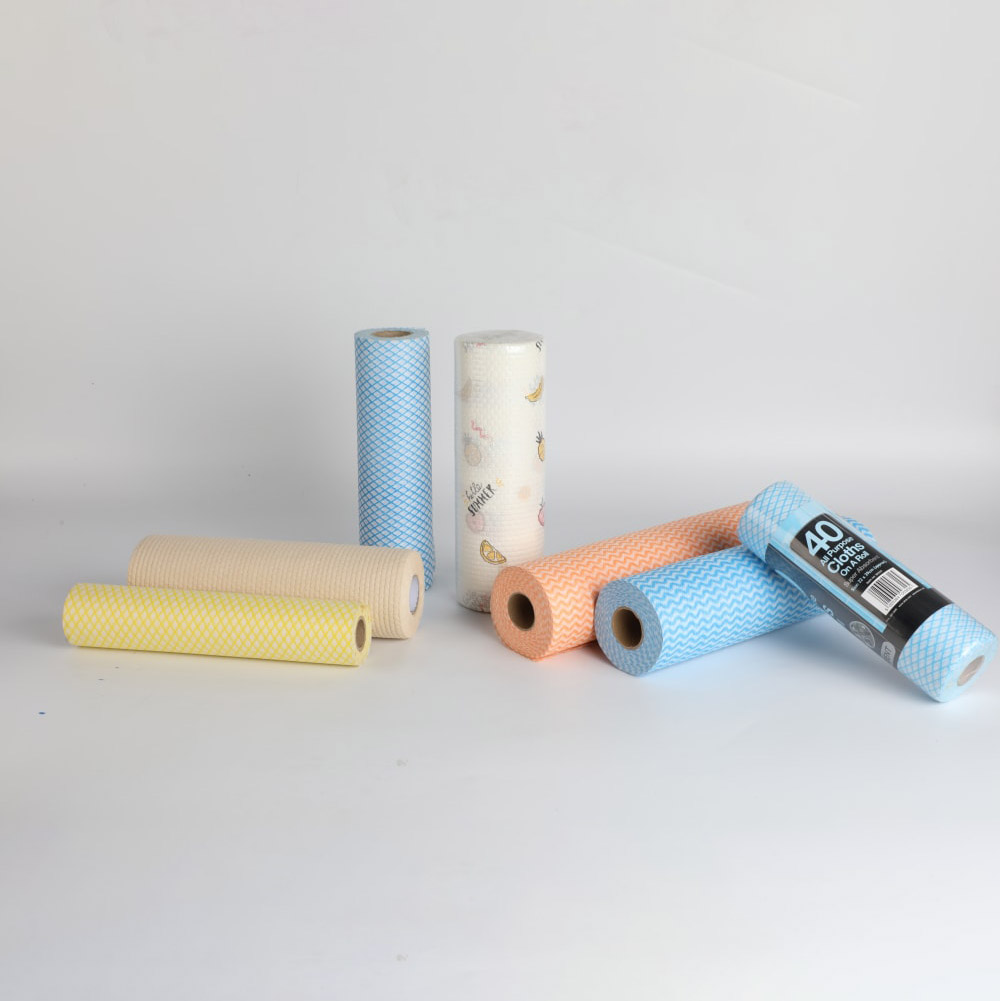 Nonwoven Cleaning Wipe
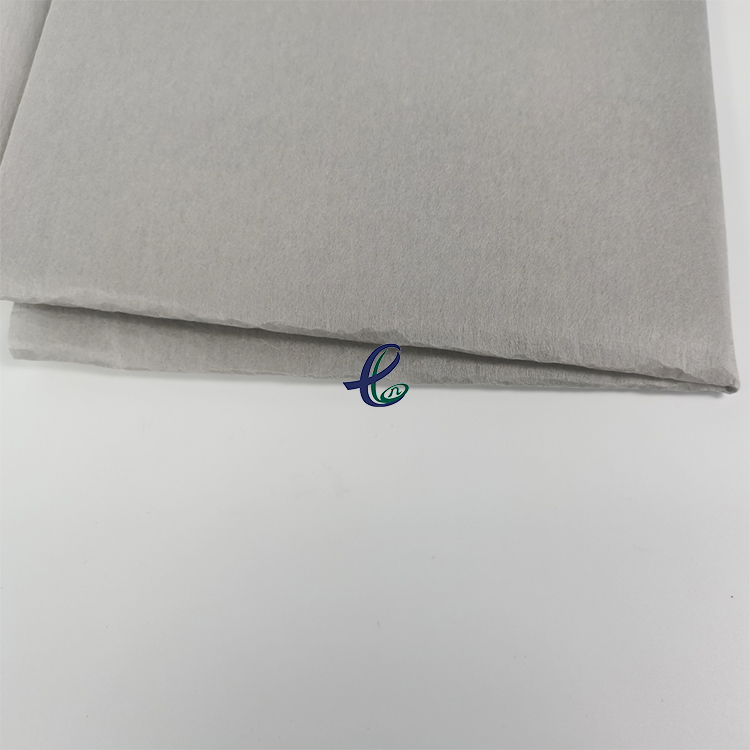 Curtain Nonwoven
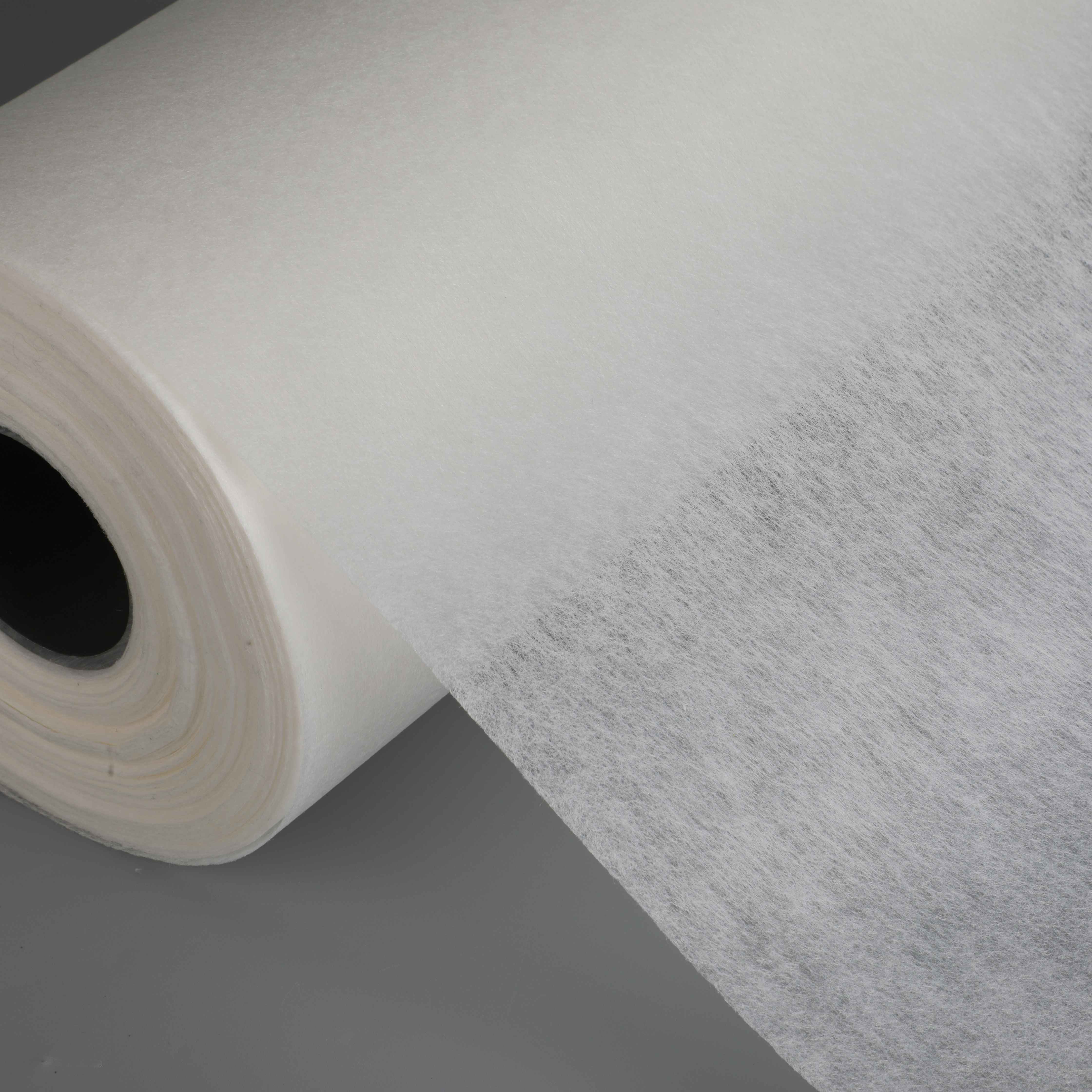 Food Grade Packaging Nonwoven
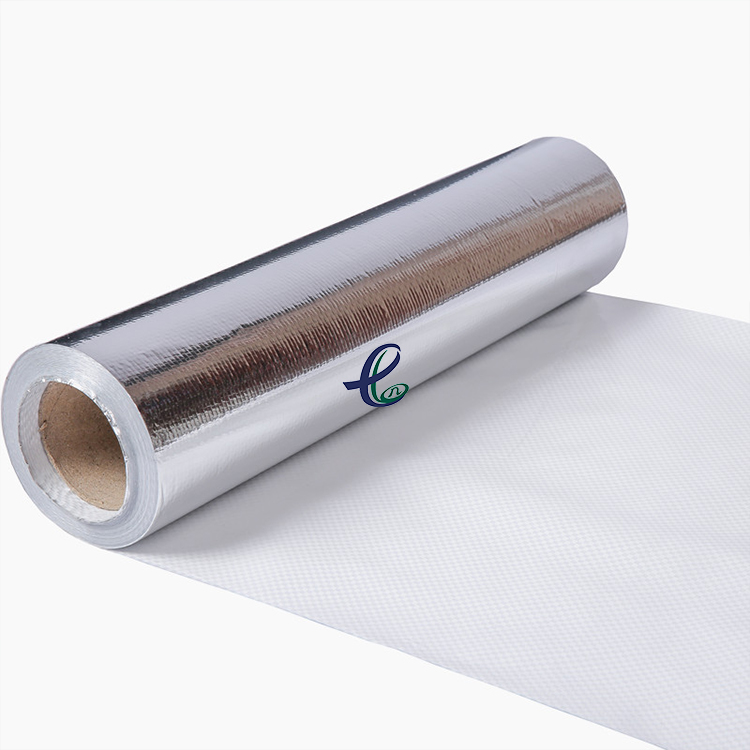 Aluminized Nonwoven
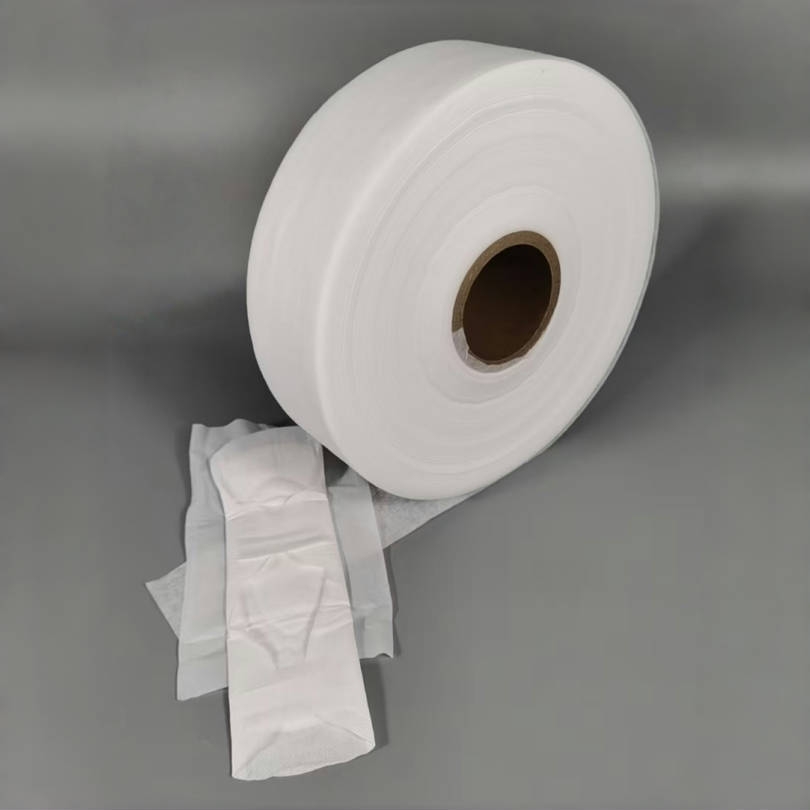 Hot Air Cotton Nonwoven
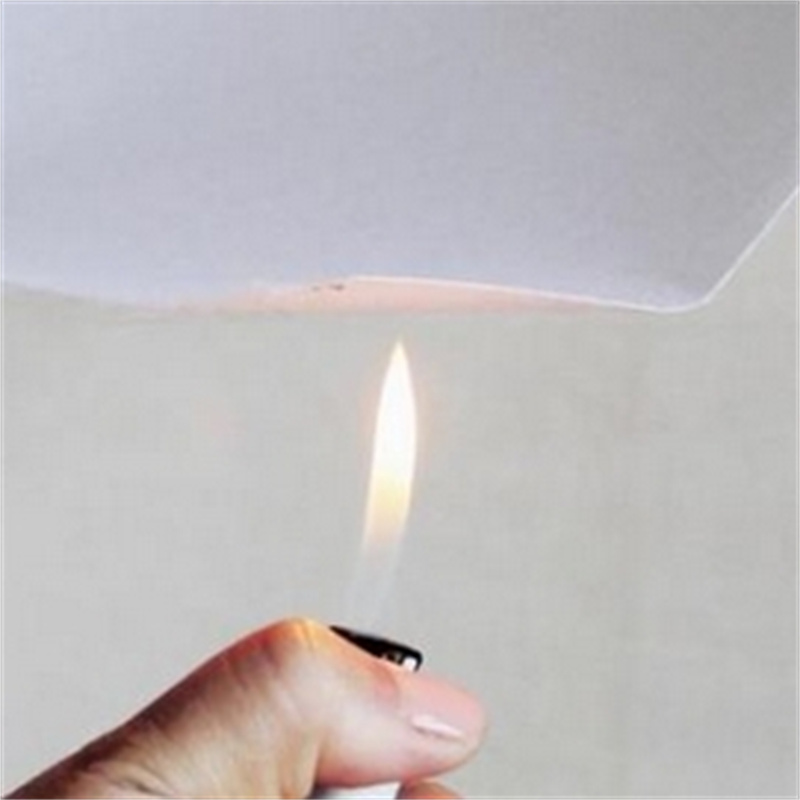 Flame Retardant Nonwoven
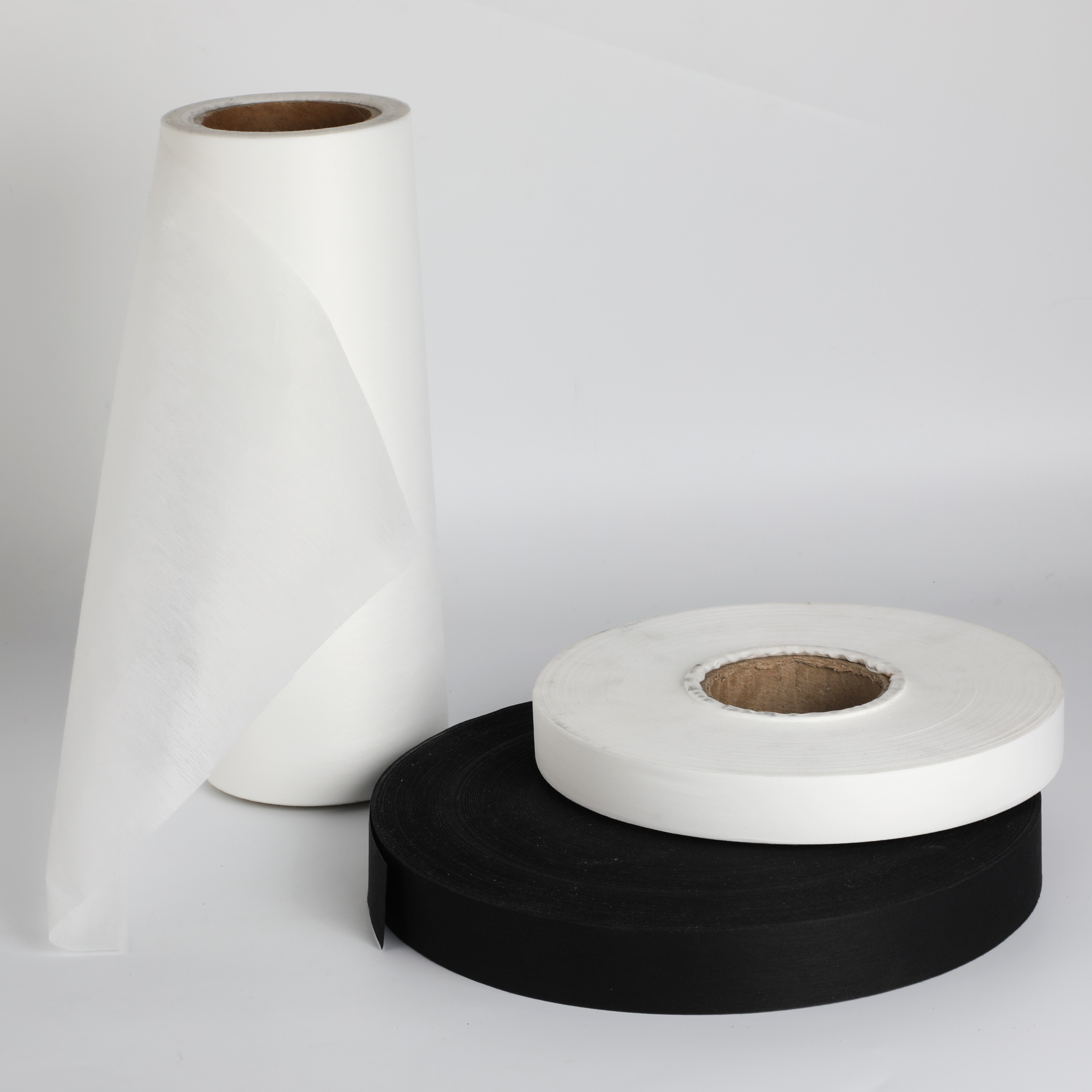 Cable Wrapping Nonwoven
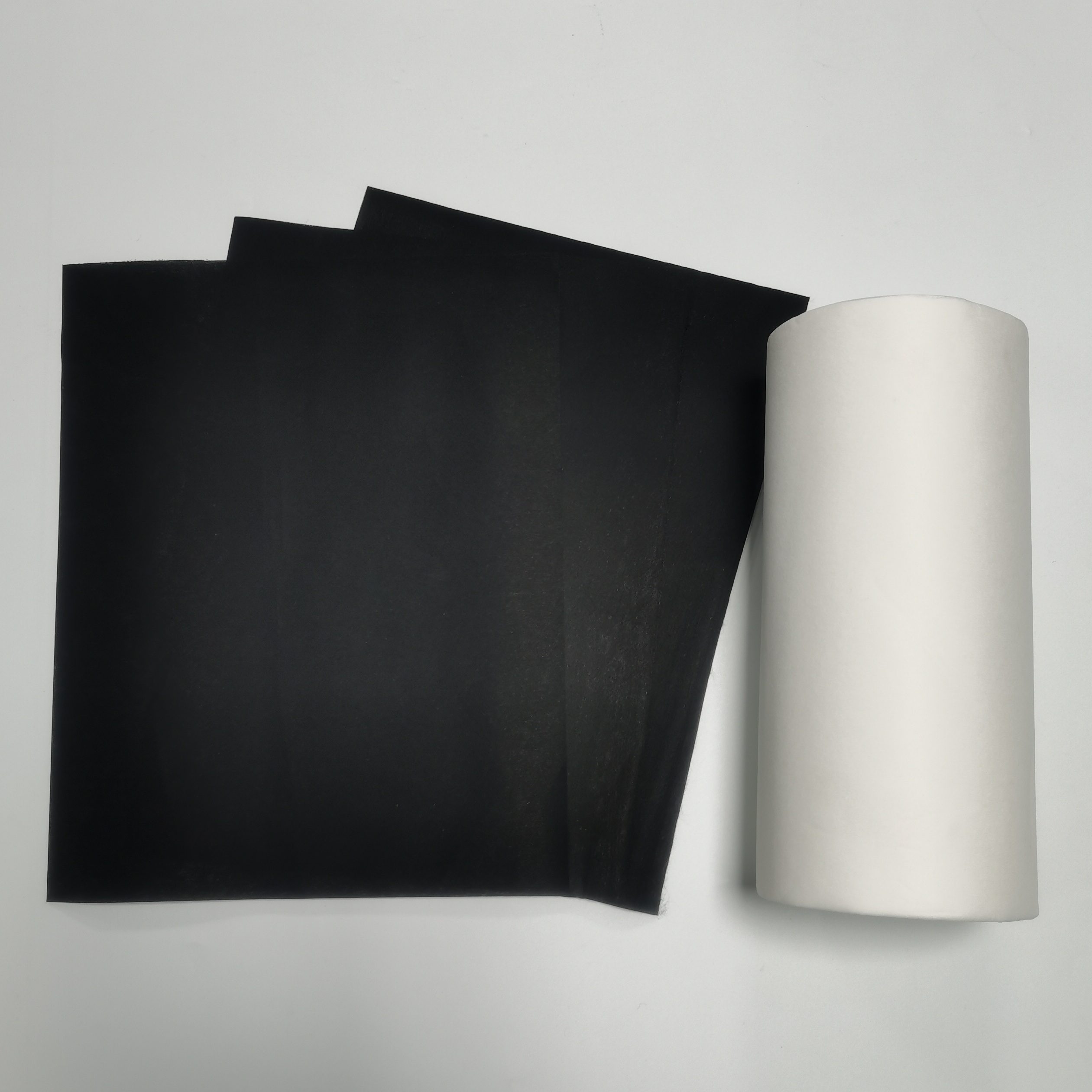 Semi-conductive Nonwoven
 Anti-Bacterial Nonwoven
 +8613957712400
 CONTACT WhatsApp
 CONTACT WeChat
 CONTACT NUMBER
 CONTACT EMAIL