2026 Top Food Grade Nonwoven Fabric Trends and Innovations?
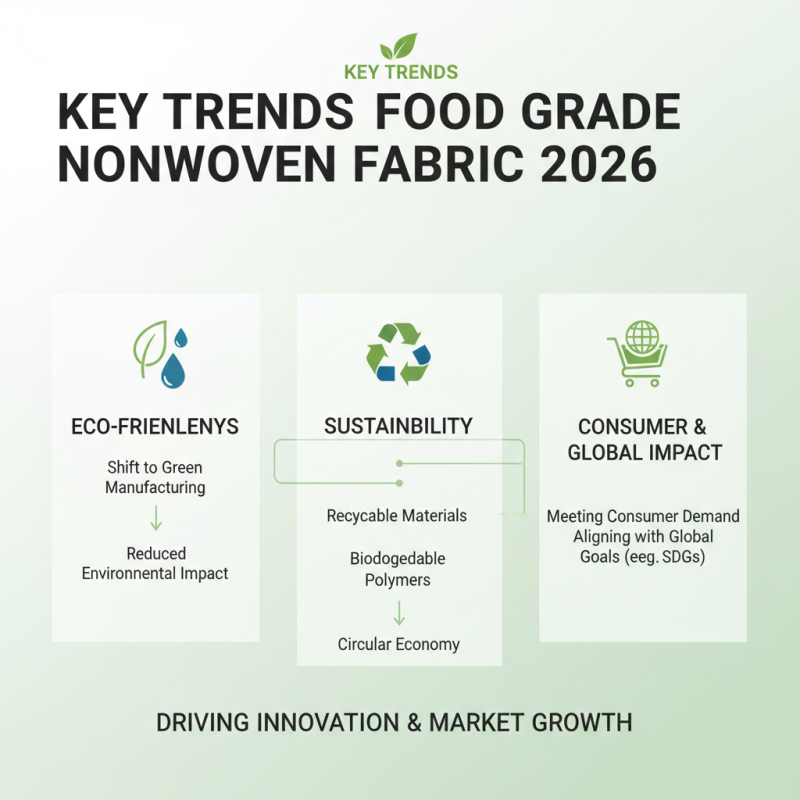
The food industry is evolving, with an increasing emphasis on sustainability and safety. This has propelled the growth of Food Grade Nonwoven Fabric, which is crucial for various applications. According to a recent report by Smithers Pira, the global market for nonwoven fabrics is projected to reach $48 billion by 2026. Food Grade Nonwoven Fabric plays a pivotal role in packaging, hygiene, and food safety.
Industry expert Dr. Emily Johnson states, "Innovation in Food Grade Nonwoven Fabric is essential to meet modern safety standards." This highlights the importance of developing materials that minimize contamination risks while maintaining quality. The demand for high-performance nonwovens is rising, driven by consumer preferences for safe and sustainable products. Yet, there are challenges. Not all materials meet food-grade standards, leading to potential risks.
As we explore the trends and innovations in this field, it’s clear that while progress is being made, there is still room for improvement. Companies must commit to rigorous testing and quality assurance. The future of Food Grade Nonwoven Fabric is bright, but it requires continuous effort and accountability from manufacturers.

2026 Innovations in Food Grade Nonwoven Fabrics: Market Overview
The food packaging industry is evolving rapidly. In 2026, the focus on food-grade nonwoven fabrics will intensify. These materials are lightweight, breathable, and versatile. They play significant roles in food safety and preservation. Innovative technologies will enhance their performance. Biodegradable options will likely gain traction. Consumers are more eco-conscious today.
Tips: Consider using nonwoven fabrics that are compostable. Look for certifications that verify food safety. Always check for updates on emerging materials.
Emerging technologies will contribute to gradual improvements. New bonding techniques and filtration systems enhance product reliability. These advancements are crucial for maintaining hygiene in food processing. However, quality assessments must be continuous. They help ensure compliance with industry standards.
Tips: Regular audits of suppliers can prevent issues. Encourage feedback from users to improve fabric performance. Pay attention to any signs of wear and tear.
2026 Innovations in Food Grade Nonwoven Fabrics: Market Overview
Advancements in Biodegradable Nonwoven Materials for Food Safety
The food industry is witnessing a significant shift towards biodegradable nonwoven materials. These innovations are vital for enhancing food safety while minimizing environmental impact. Manufacturers are exploring various biodegradable fibers, such as plant-based proteins and cellulose. These materials break down naturally, reducing landfill waste.
The drive for sustainability in nonwoven fabrics also enhances product safety. Biodegradable nonwovens can be treated to resist bacteria and moisture. This enables them to safeguard food products effectively. However, challenges remain. Some materials may degrade too quickly, raising concerns about their durability in food storage. Finding the right balance is crucial.
Consumer awareness is also increasing. People are actively seeking eco-friendly options in packaging and food preservation. This trend influences manufacturers to innovate more sustainable solutions. The journey towards fully biodegradable nonwoven fabrics is ongoing. It requires collaboration between textile engineers, food safety experts, and environmentalists. Reflecting on these advancements reminds us of the importance of continuing this vital research.
2026 Top Food Grade Nonwoven Fabric Trends and Innovations
| Innovation |
Description |
Benefits |
Sustainability Feature |
Compliance Standards |
| Biodegradable Materials |
Nonwoven fabrics made from natural fibers that decompose over time. |
Reduced landfill waste and natural degradation process. |
100% biodegradable, compostable. |
ASTM D6400, ISO 17088. |
| Antimicrobial Properties |
Incorporation of antimicrobial agents to inhibit bacterial growth. |
Enhanced food safety and shelf life. |
Use of natural antimicrobials. |
FDA standards for food contact materials. |
| Recyclable Nonwovens |
Fabrics designed for easy recycling post-use. |
Contributes to circular economy efforts in the food industry. |
100% recyclable. |
ISO 14021. |
| Smart Nonwoven Fabrics |
Integration of sensors for monitoring food quality. |
Real-time data on freshness and safety. |
Utilizes minimal electronic waste. |
Complies with health standards. |
| Lightweight and Breathable Fabrics |
Fabrics designed to allow air circulation while providing protection. |
Improved comfort and food safety. |
Natural fibers used. |
FDA approved for food contact. |
Impact of Regulatory Changes on Food Grade Nonwoven Fabric Standards
Regulatory changes significantly impact food grade nonwoven fabric standards. New guidelines demand higher safety and hygiene measures. Manufacturers must adapt to these evolving regulations. Compliance is not just a legal obligation; it ensures consumer trust. Adapting can be challenging, as it requires continuous monitoring of legislation.
The shift towards sustainable materials also influences regulations. Many food packaging sectors are moving towards eco-friendly alternatives. This trend poses additional compliance challenges. Companies must balance innovation and regulatory requirements. Developing materials that meet both performance and safety standards is complex.
The future of food grade nonwoven fabrics lies in flexibility. Businesses must assess their production processes and materials regularly. While regulations aim to protect public health, they can also complicate operations. Engaging with experts can enhance understanding and navigate these shifts. Embracing innovation is essential, but so is adherence to standards. Balancing these aspects will require thoughtful reflection from all industry players.
Technological Developments in Production Processes for Enhanced Food Safety
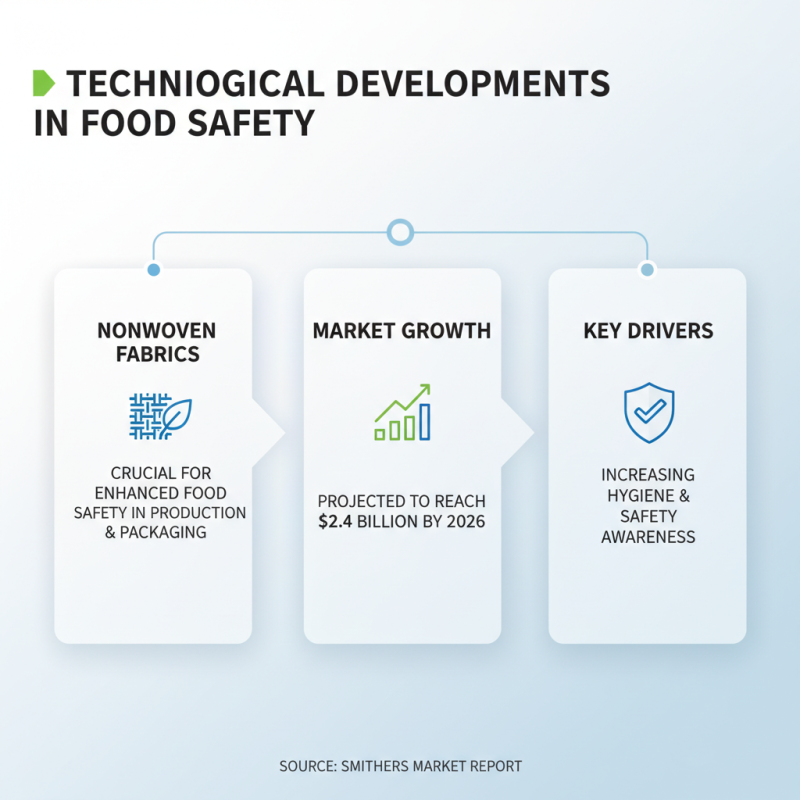
The food industry is adopting nonwoven fabrics due to their significant role in enhancing food safety. Recent technological advancements in production processes are pivotal. According to the latest market report from Smithers, the nonwoven fabric market in the food sector is projected to reach $2.4 billion by 2026. This growth highlights the increasing awareness surrounding hygiene and safety in food packaging.
Innovations such as antimicrobial treatments in nonwoven fabrics are becoming the norm. These treatments can reduce bacterial growth on surfaces that come in contact with food. Studies indicate that fabrics treated with silver and copper ions can effectively inhibit pathogens. However, it's crucial to assess the long-term effects of these chemicals on environmental safety. Not all nonwoven products are created equal, and a lack of industry standards can lead to significant disparities in safety levels.
Automation and advanced filtration systems in fabric production are also notable trends. These methods improve the consistency of product quality and enhance the overall safety of food packaging. However, challenges remain. Some manufacturers struggle to keep up with the rapid pace of technological change. Continuous innovation is necessary, but it must be balanced with thorough safety assessments to ensure consumer well-being. As we look ahead, the focus on sustainable practices in nonwoven fabric production will be essential.

 PP Laminates
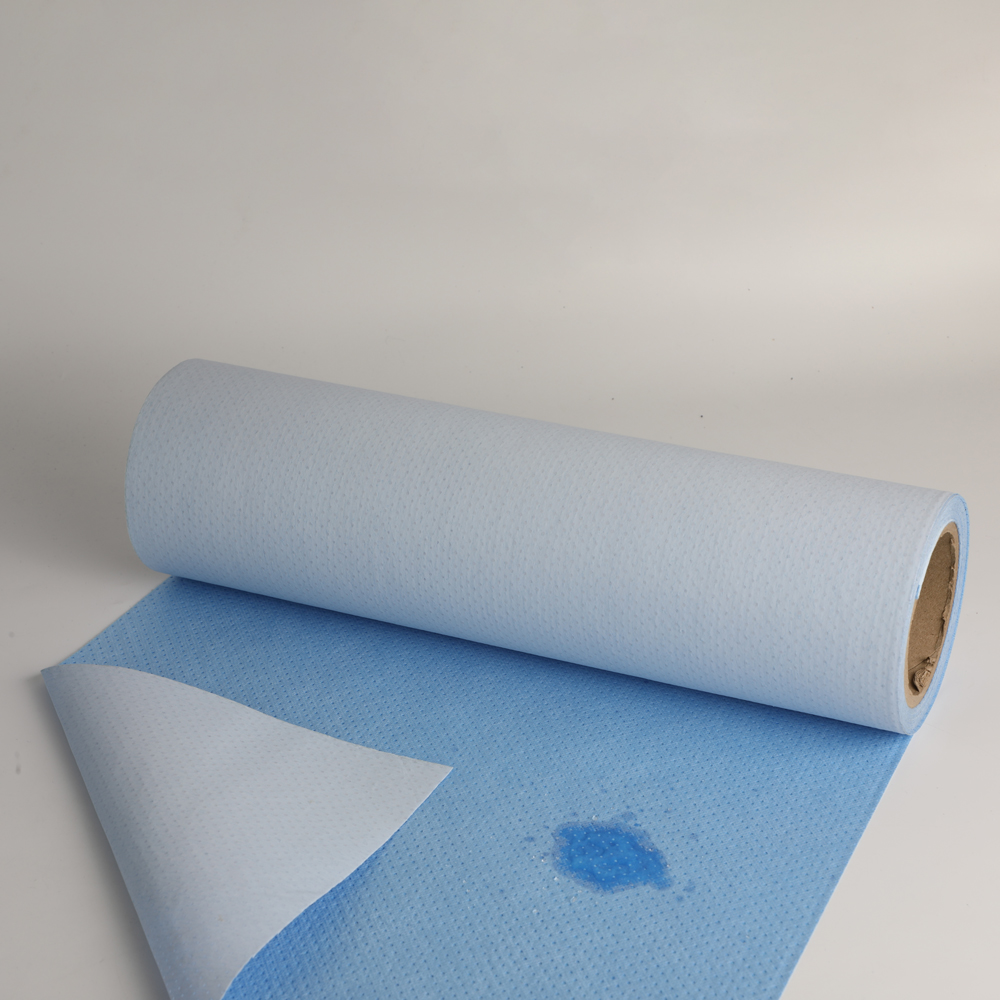 Multi Laminates
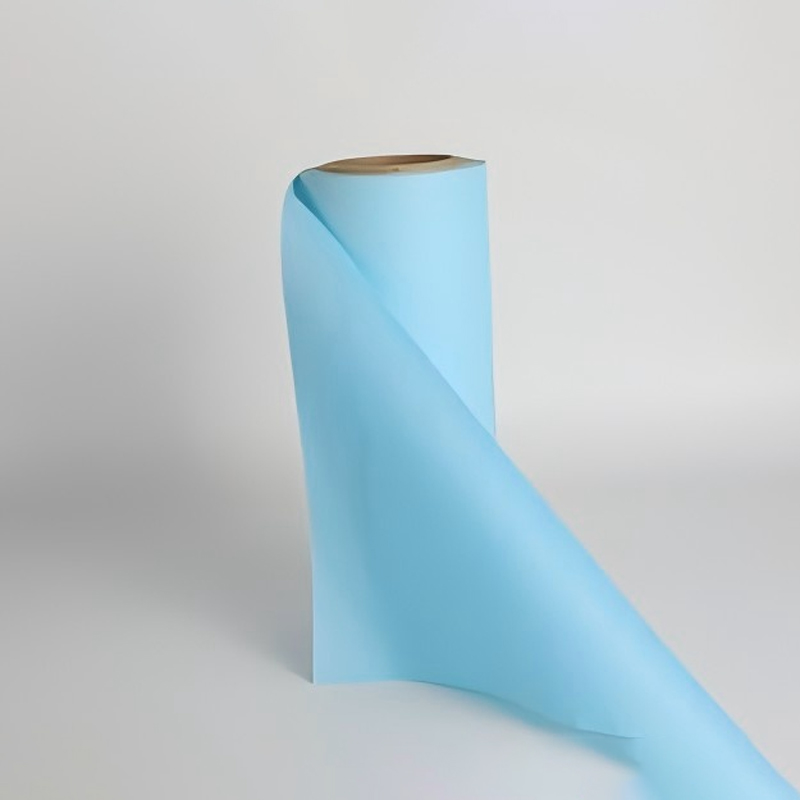 Spunlace Nonwoven Laminates
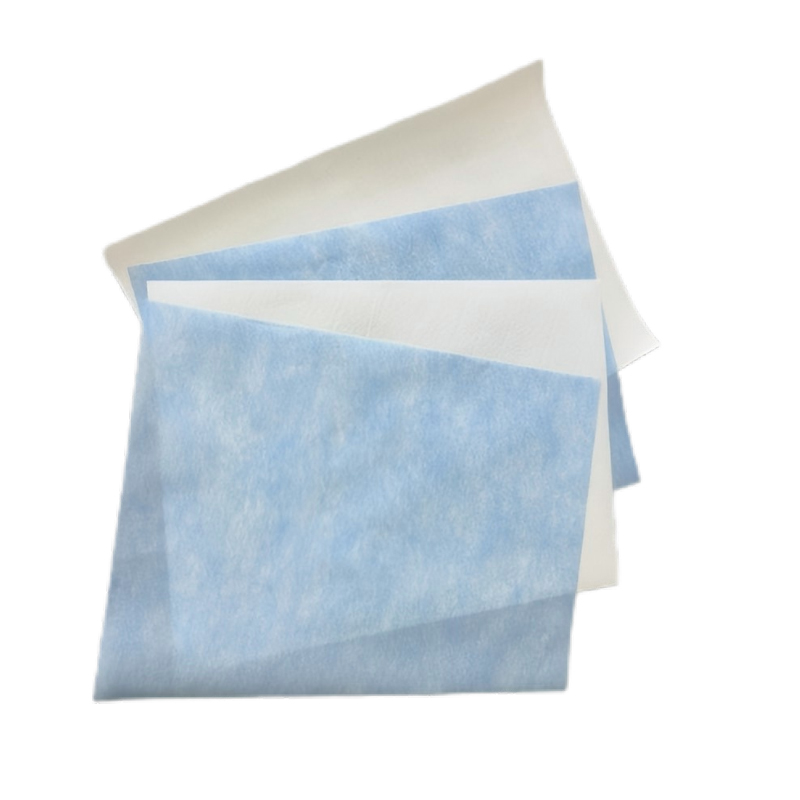 Breathable Film Laminates
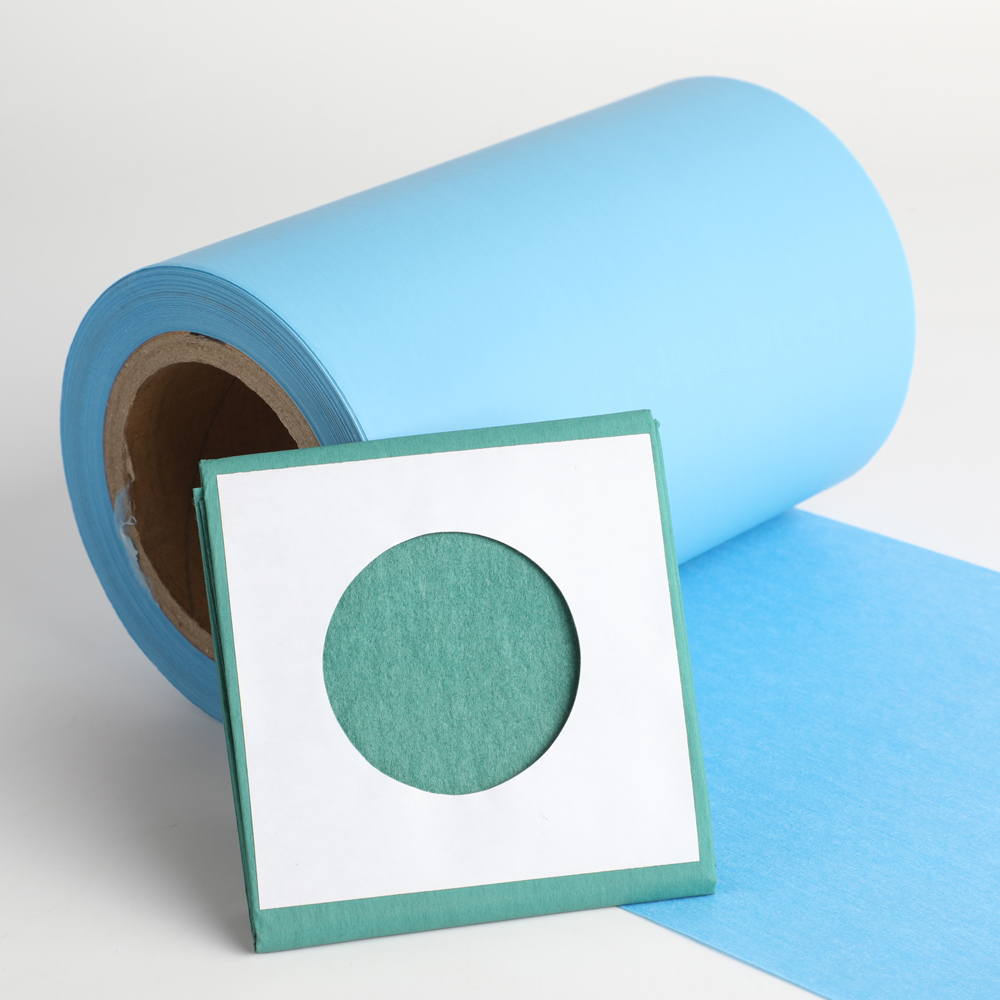 Viscose Laminates
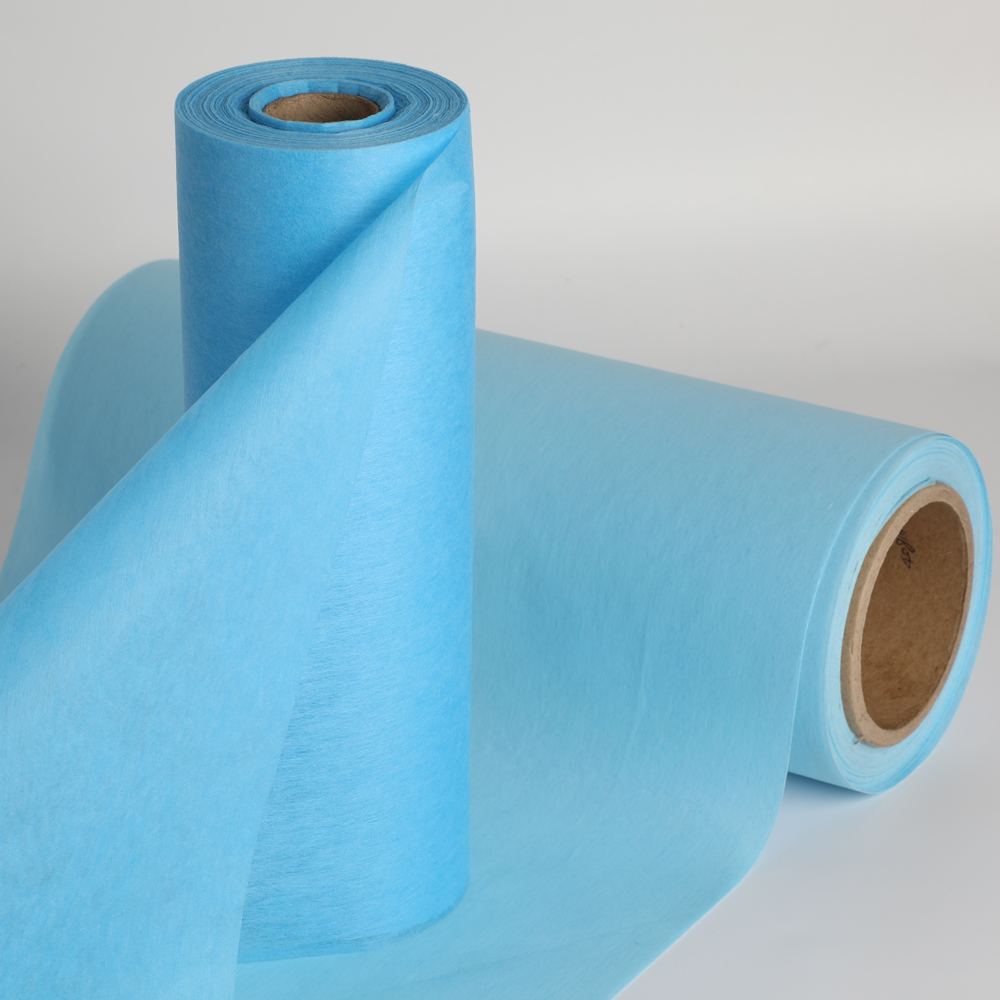 Medical Viscose Nonwoven
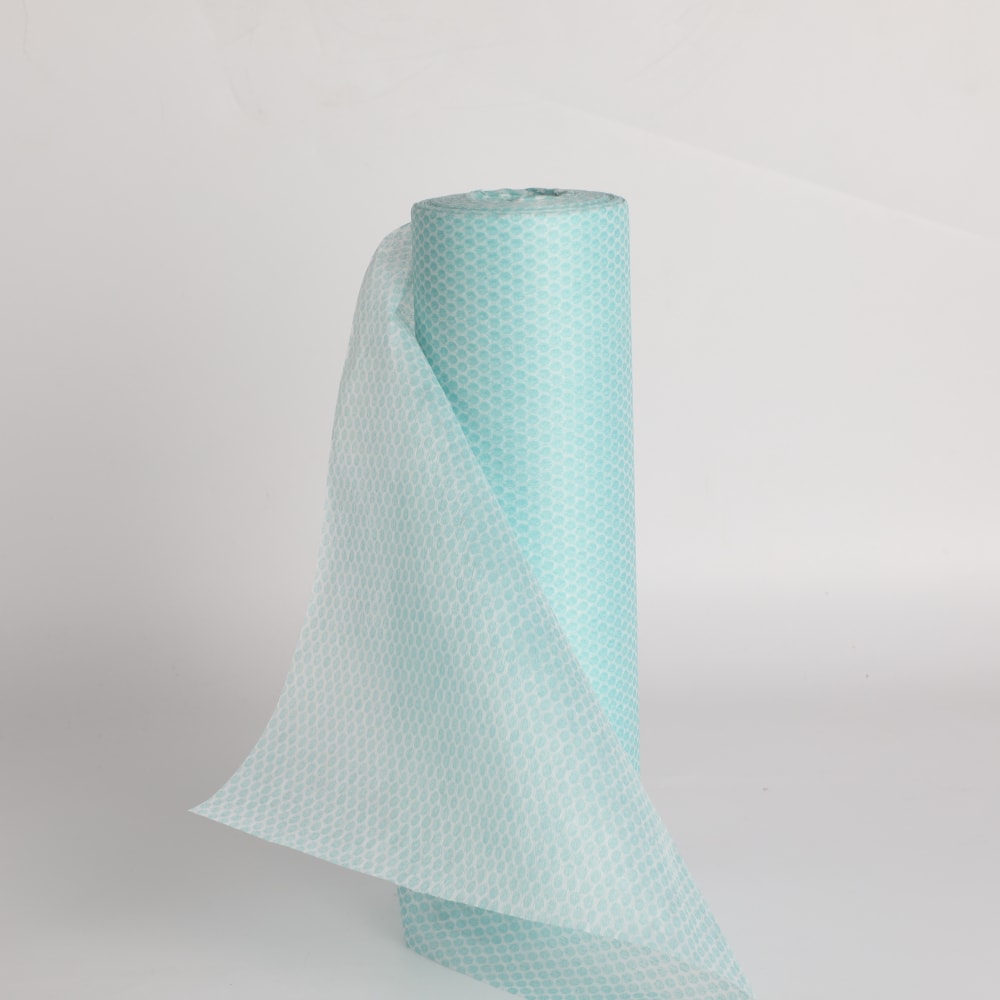 Head Wear Nonwoven
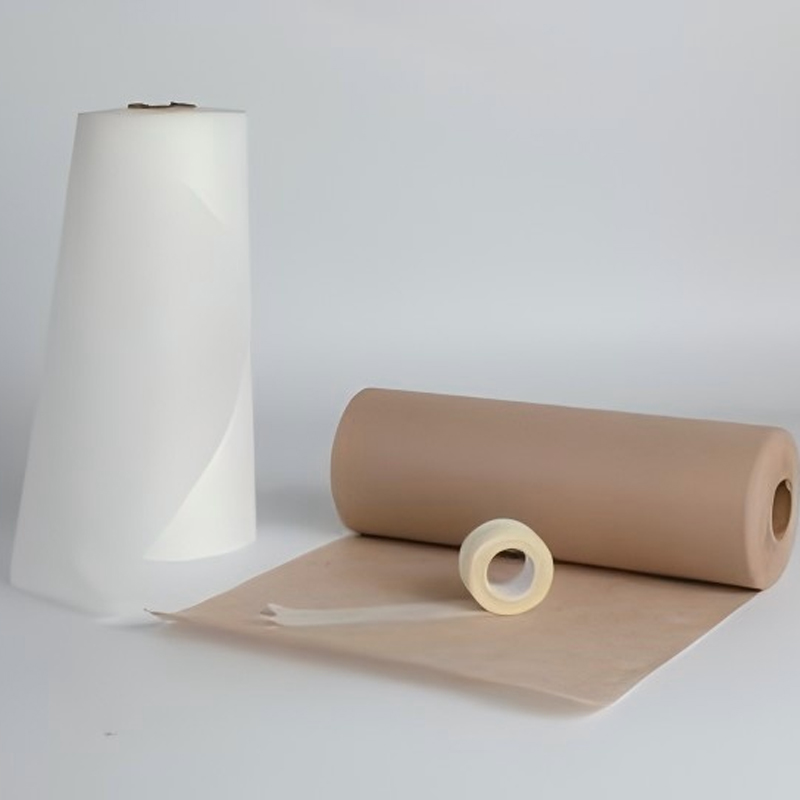 Medical Tape Nonwoven
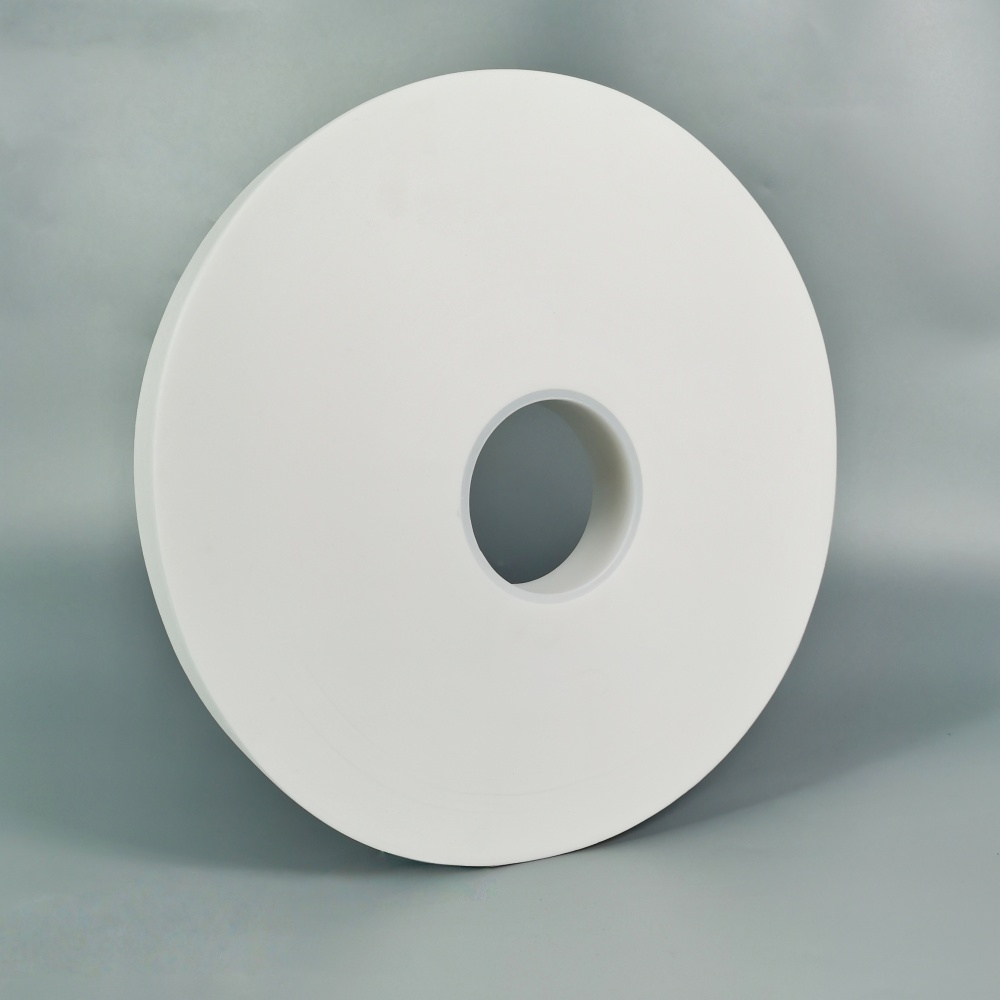 Snus Pouch Nonwoven
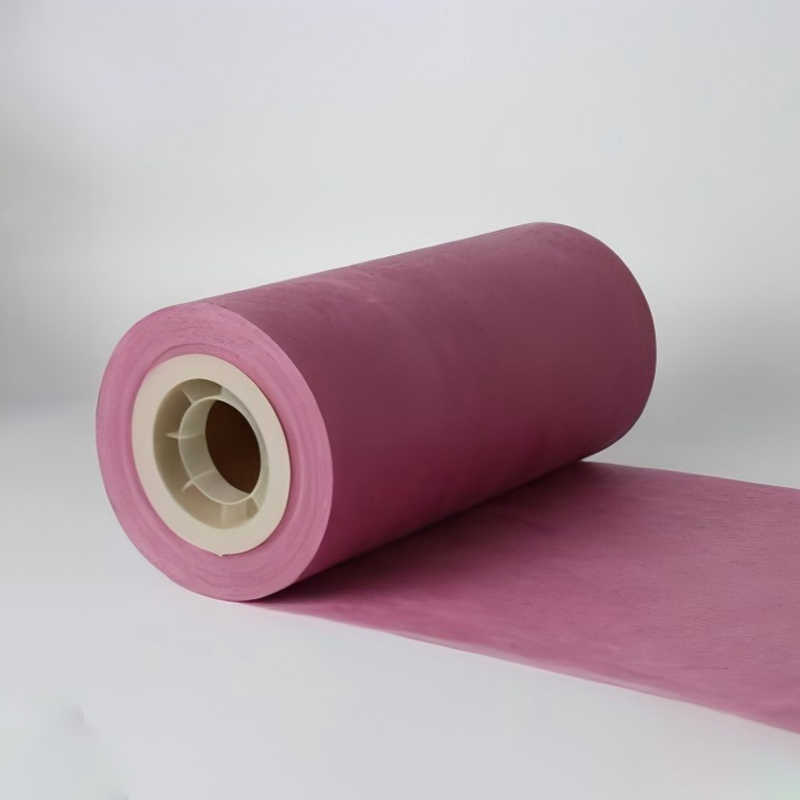 Filtration Nonwoven
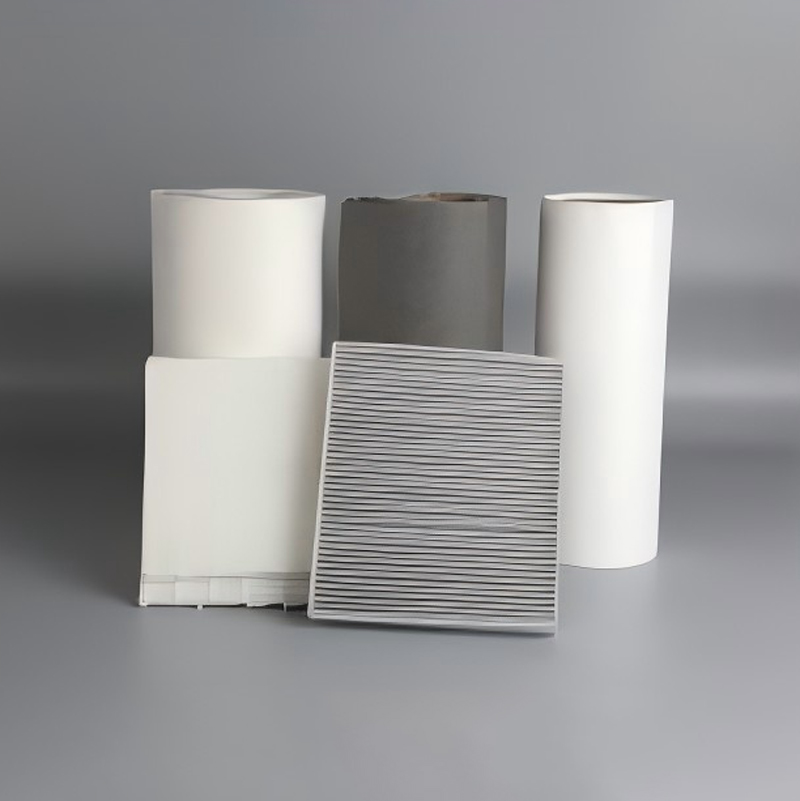 Air Filter Media
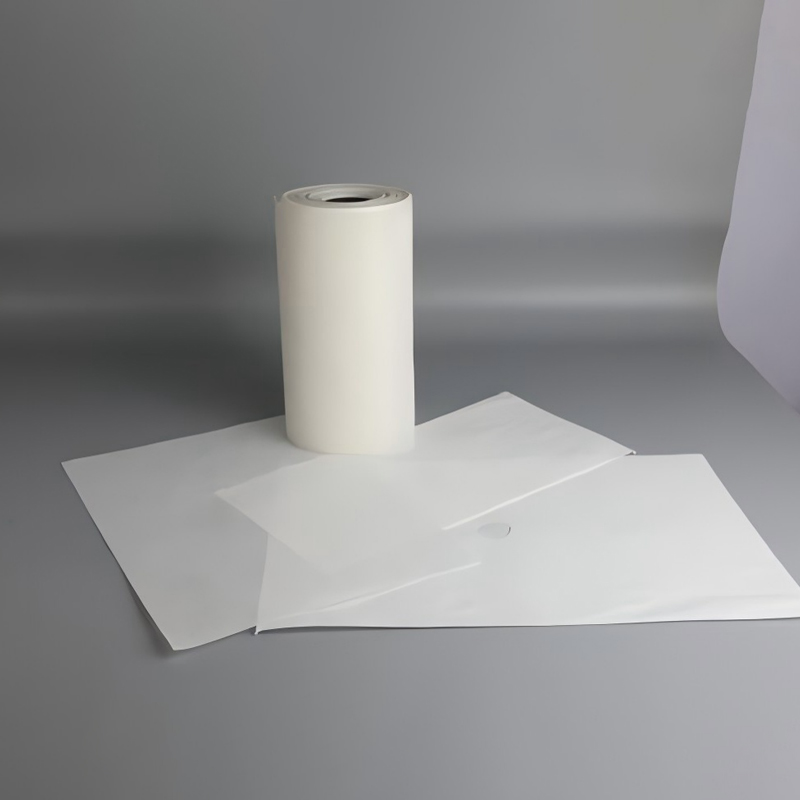 Liquid Filter Media
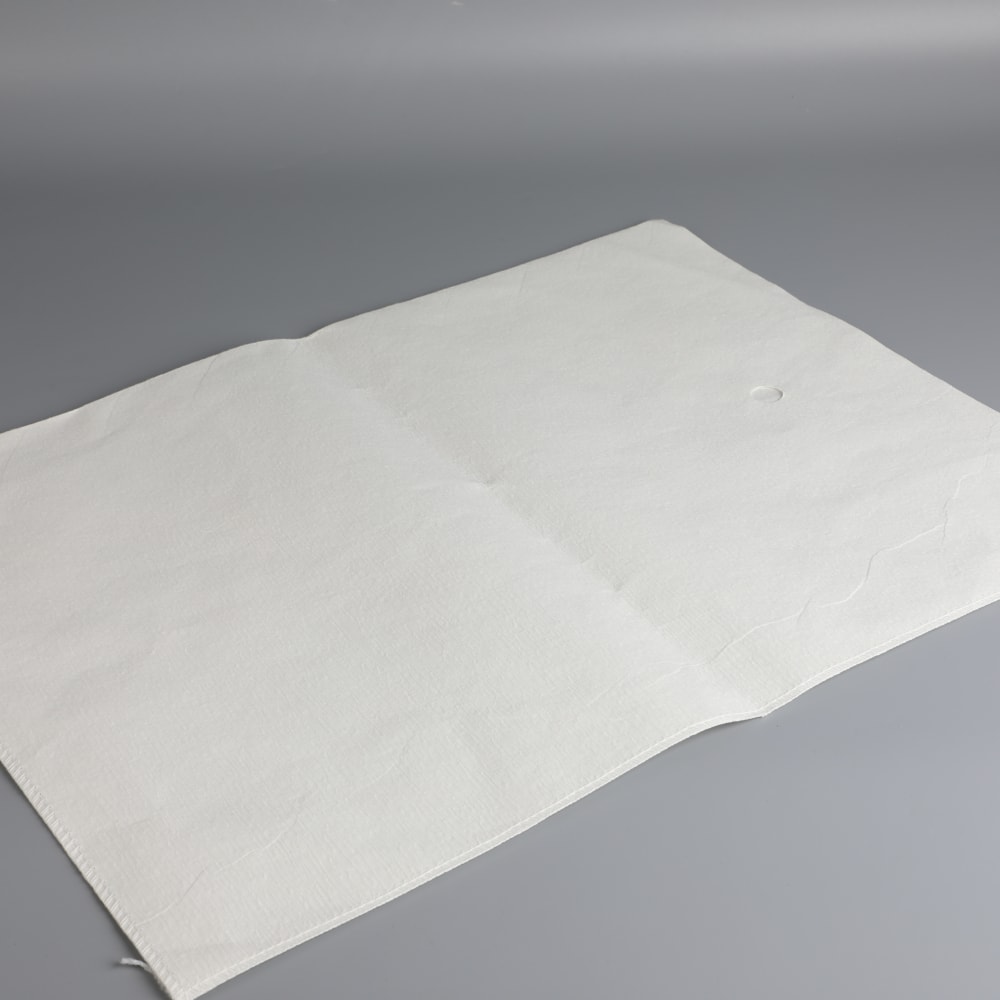 Filter Envelope & Filter Sheet
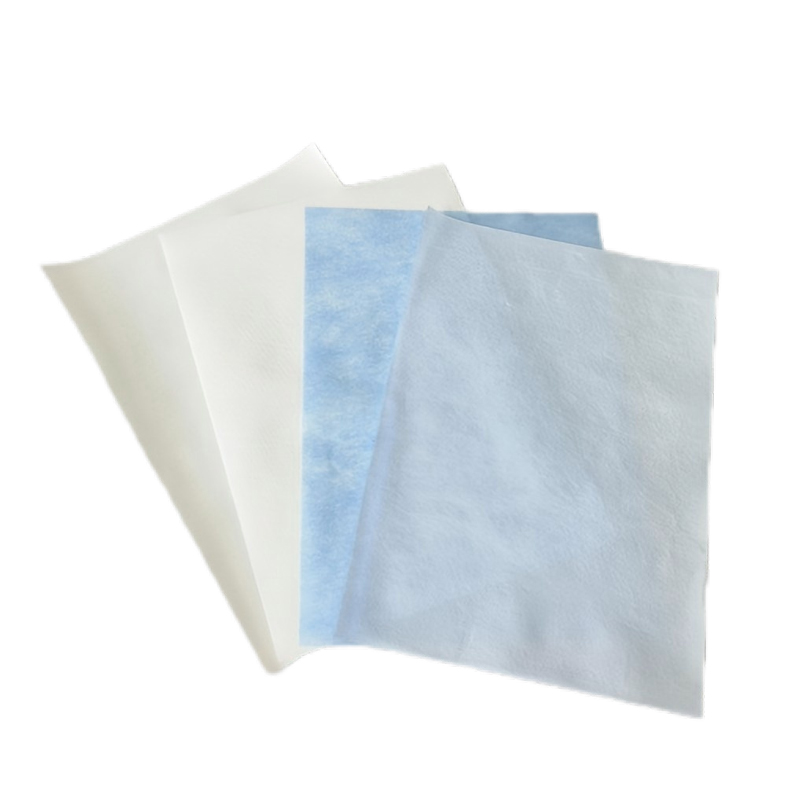 Breathable Film Laminates
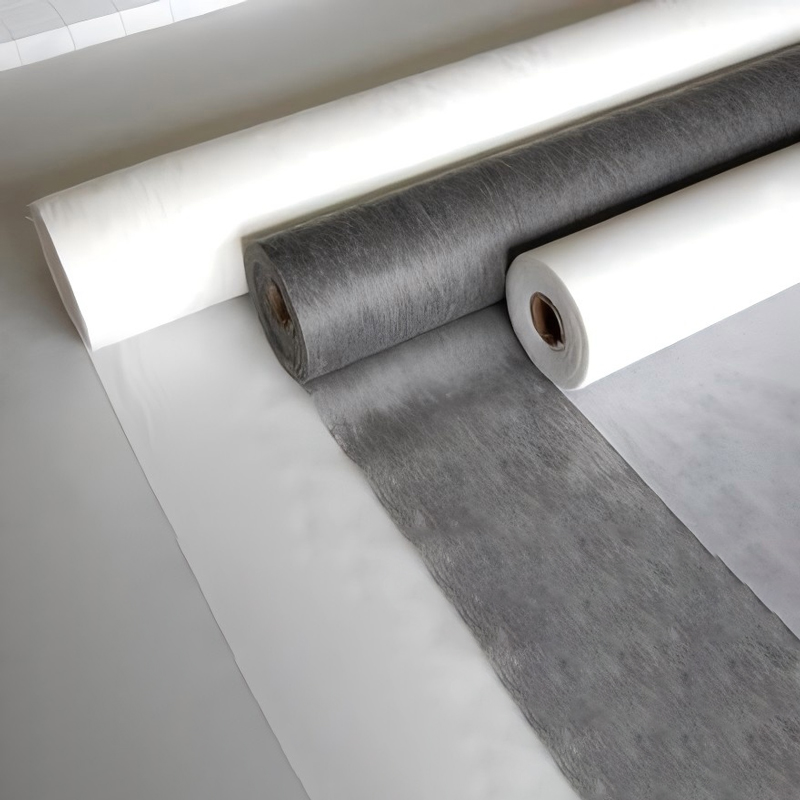 Nonwoven Interlining
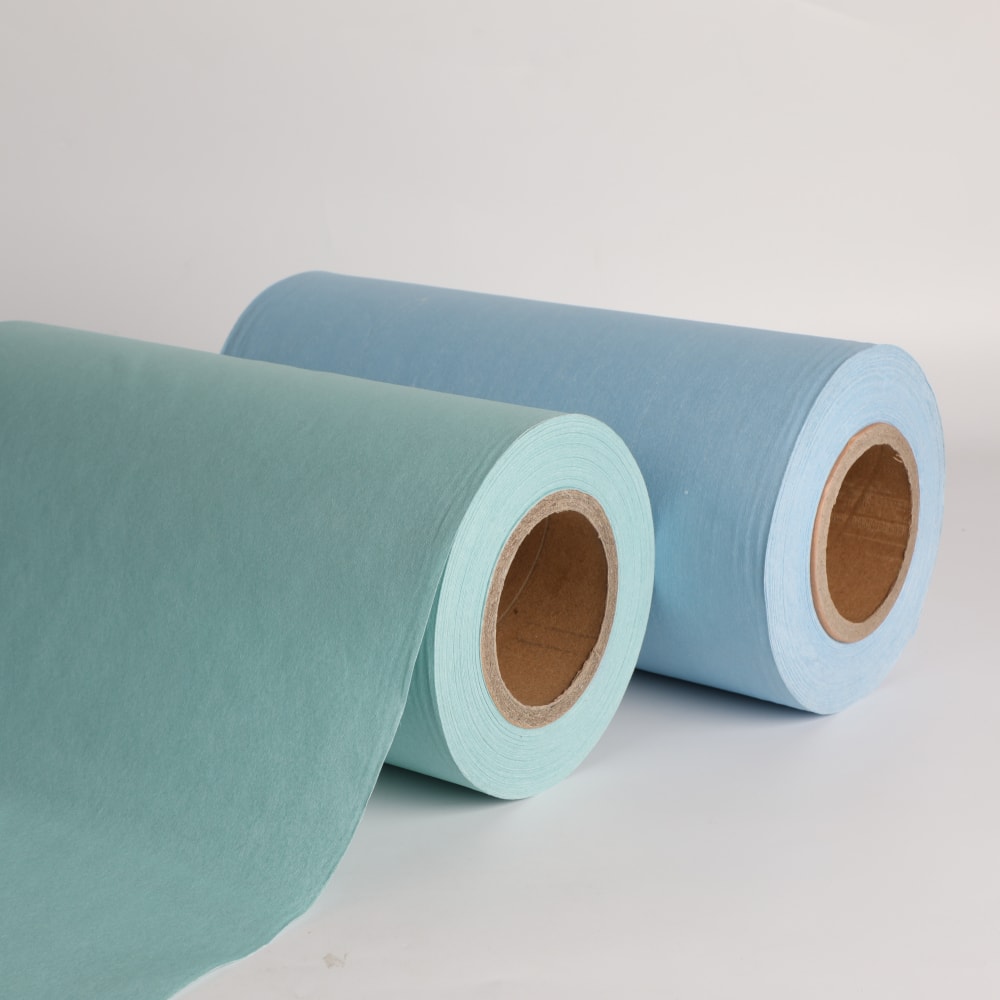 Fluid Repellent Woodpulp Spunlace Nonwoven
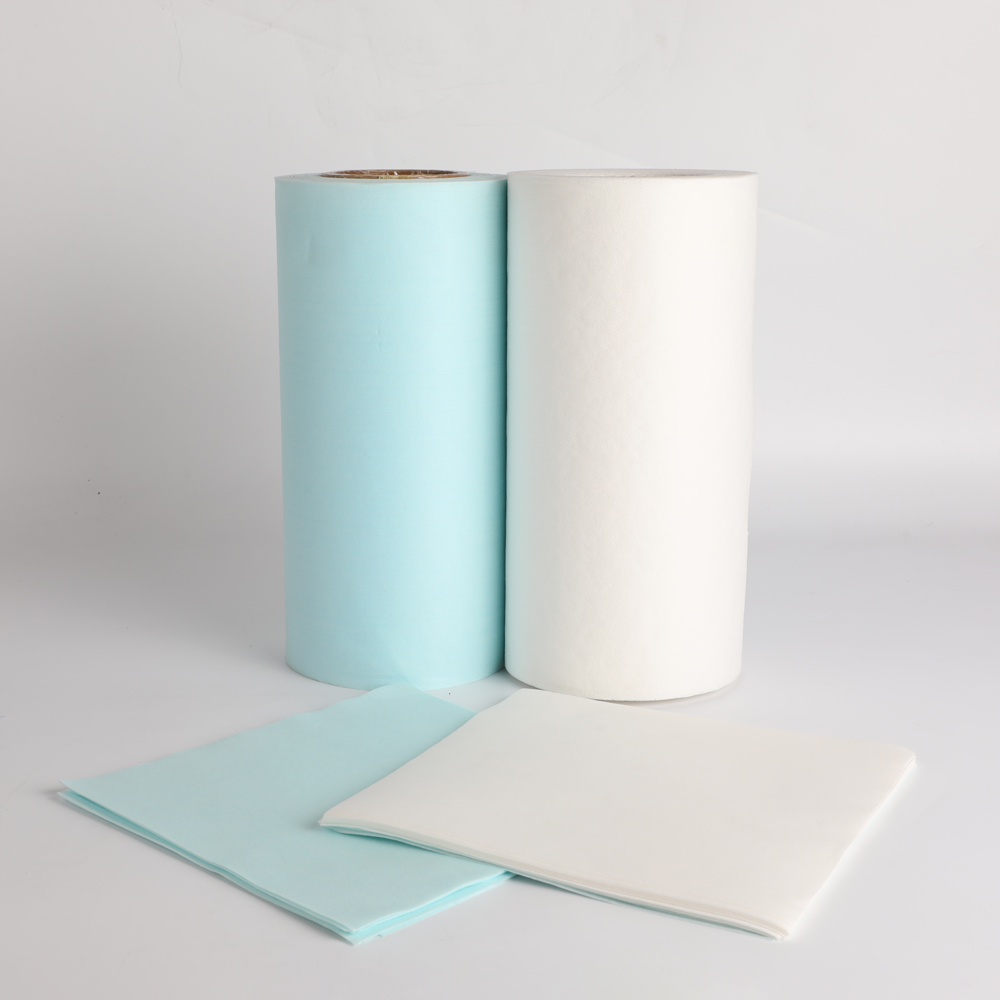 Woodpulp Nonwoven Wipe
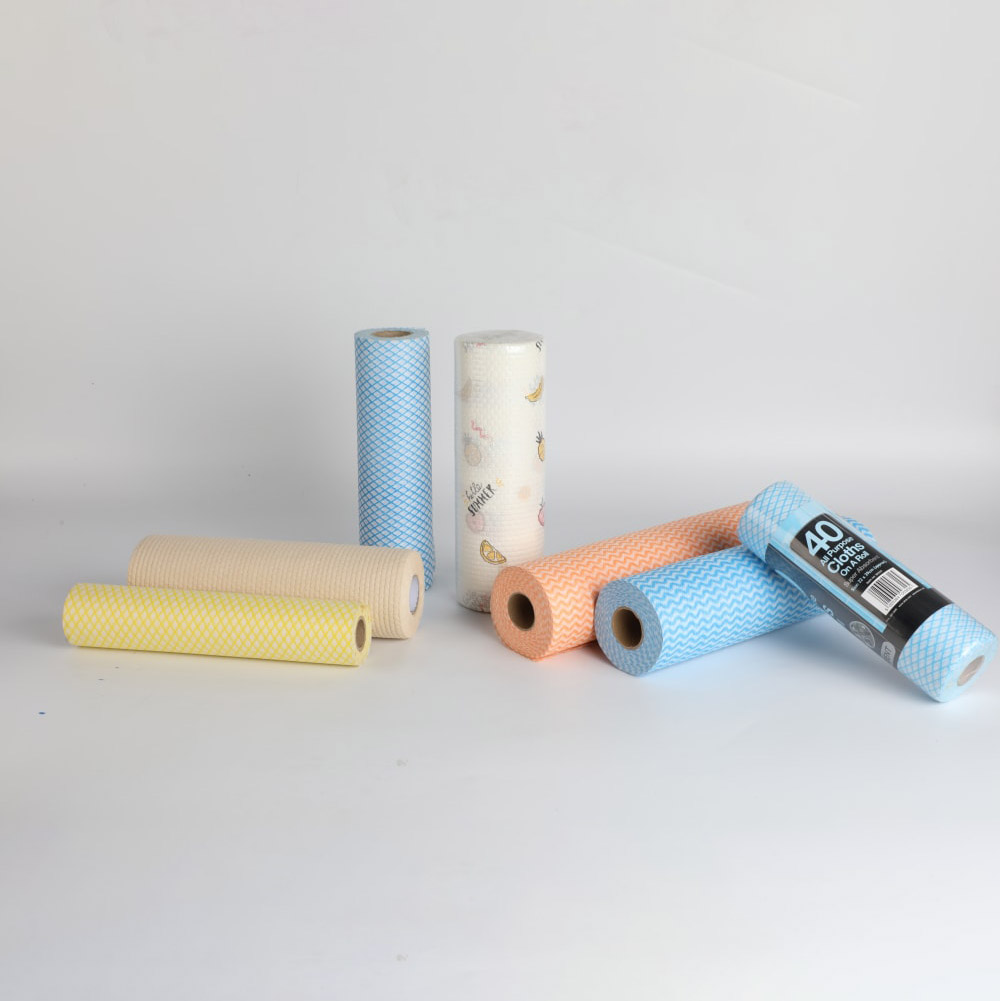 Nonwoven Cleaning Wipe
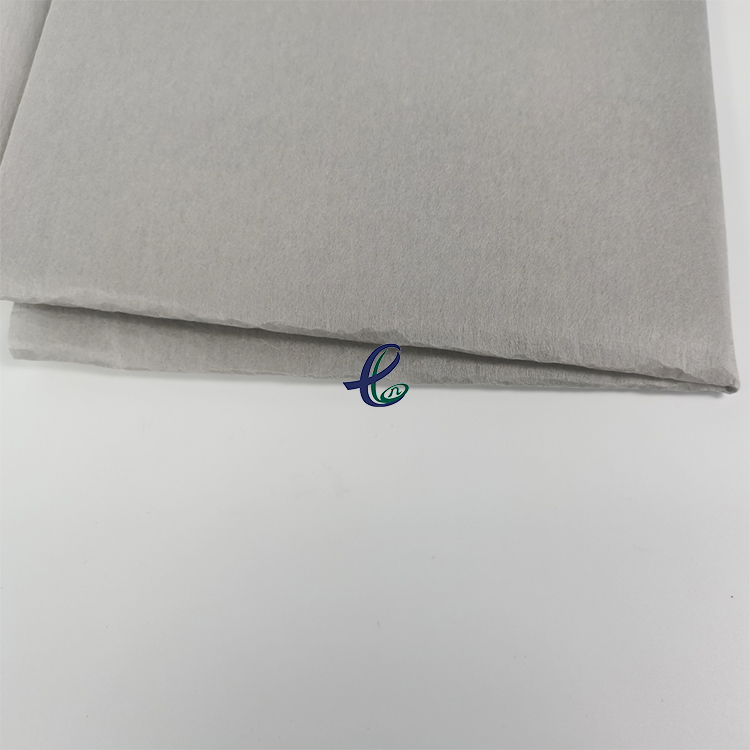 Curtain Nonwoven
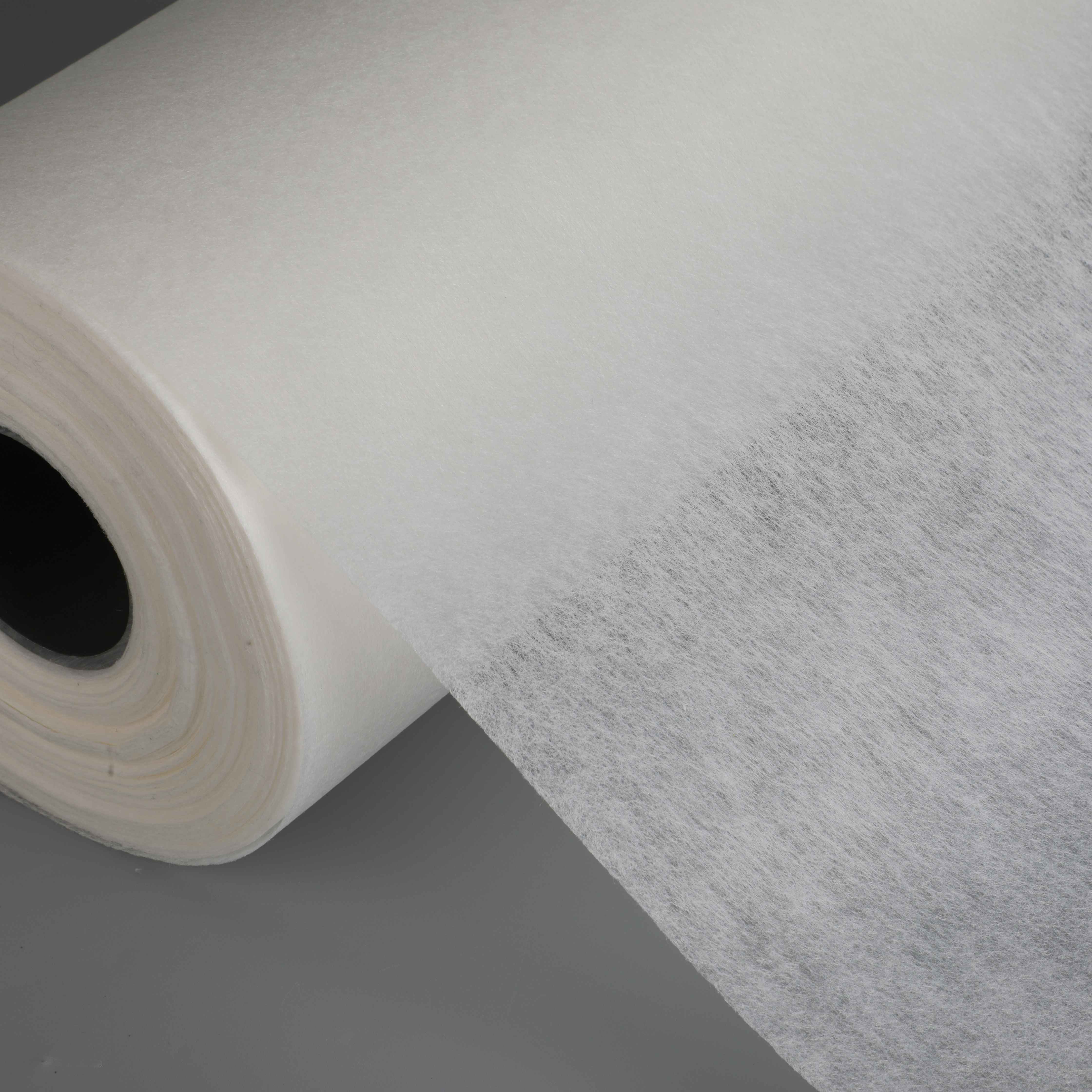 Food Grade Packaging Nonwoven
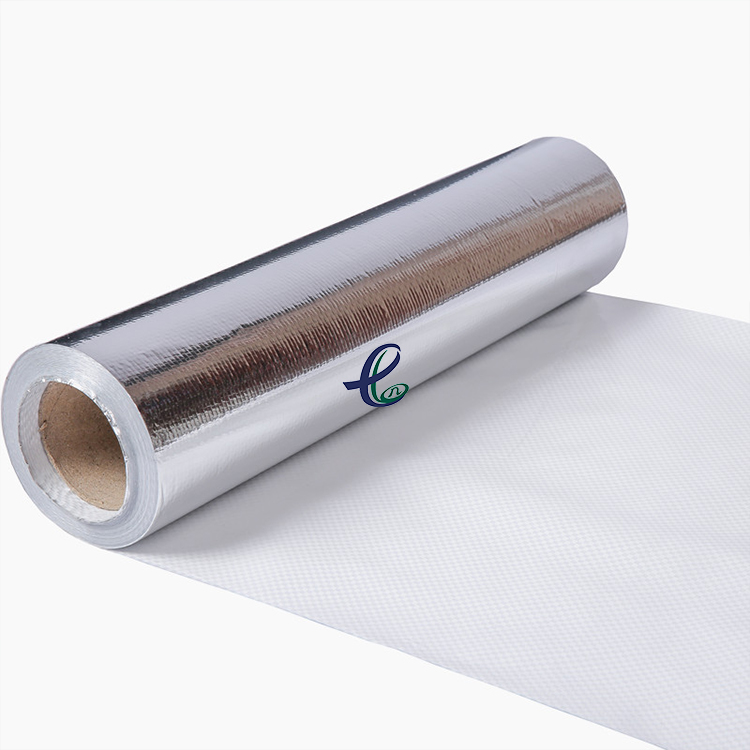 Aluminized Nonwoven
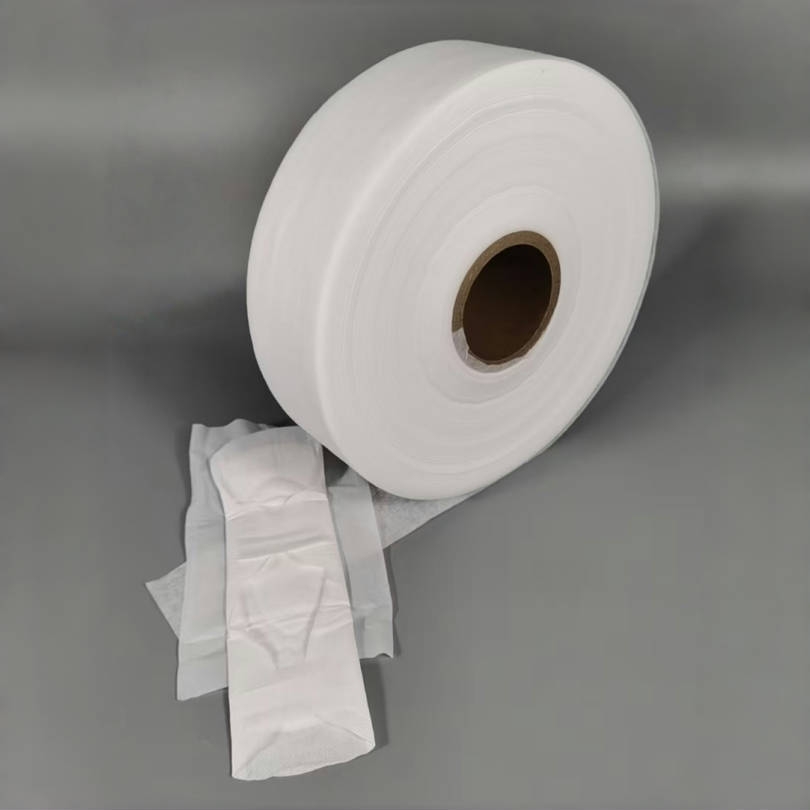 Hot Air Cotton Nonwoven
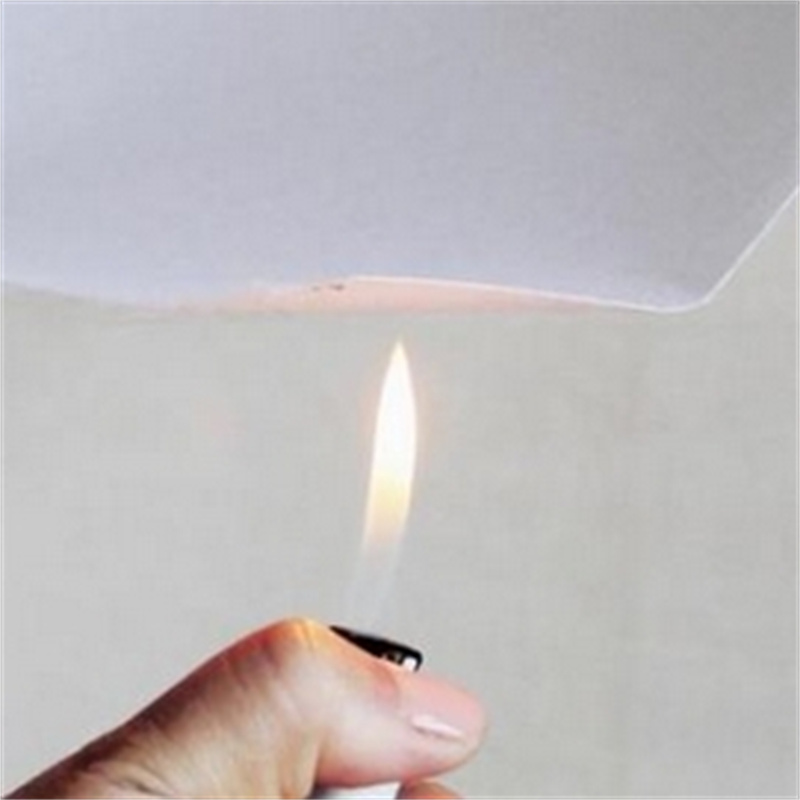 Flame Retardant Nonwoven
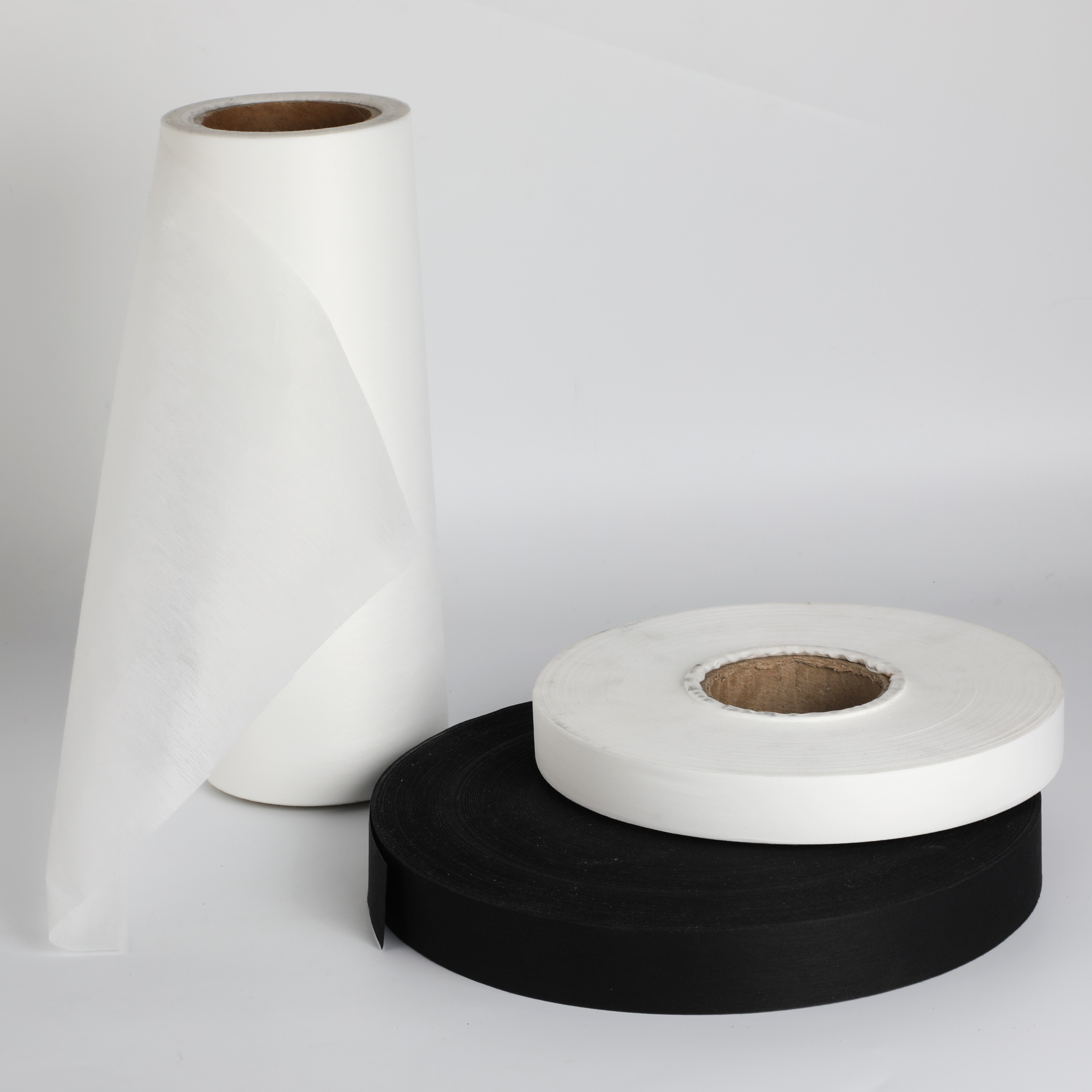 Cable Wrapping Nonwoven
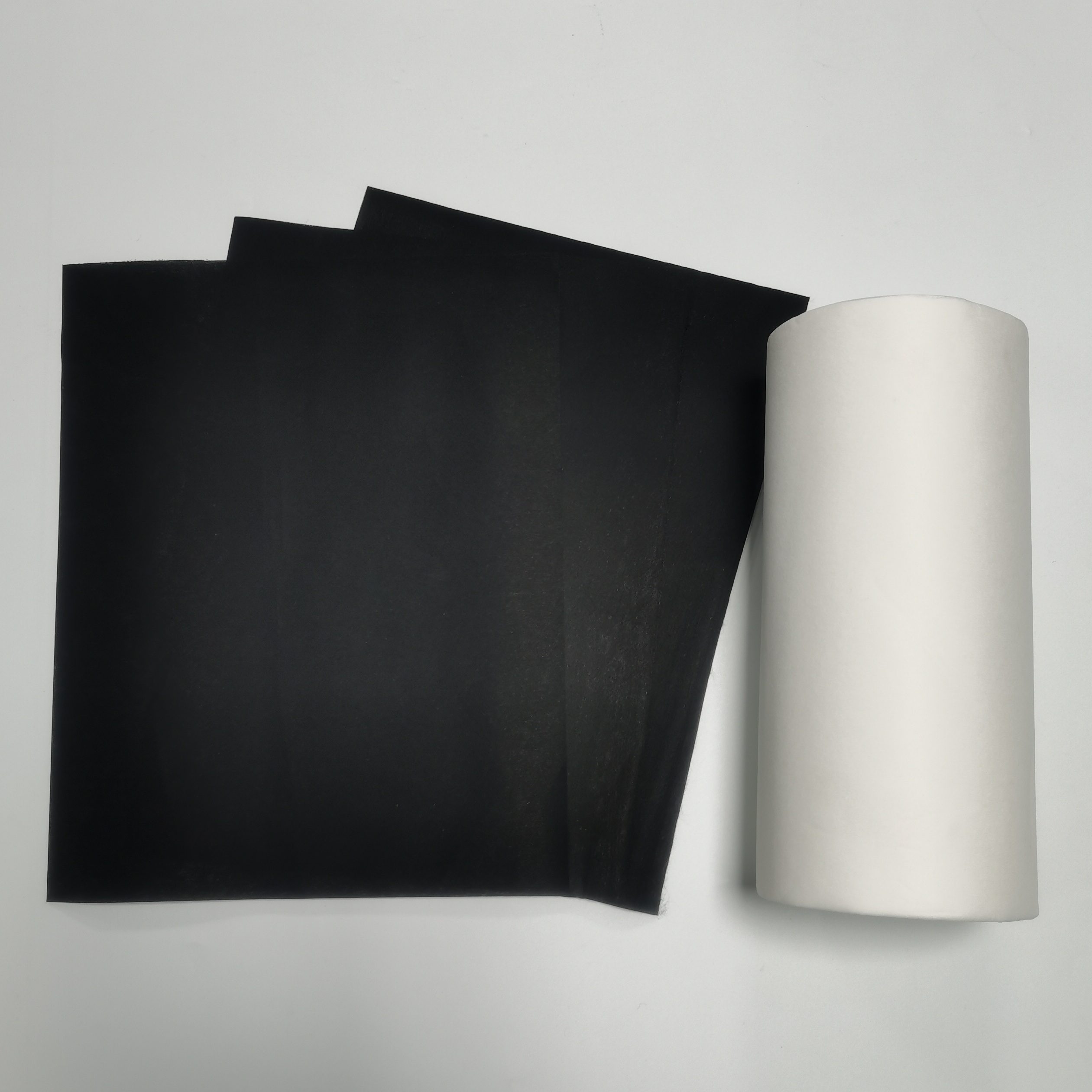 Semi-conductive Nonwoven
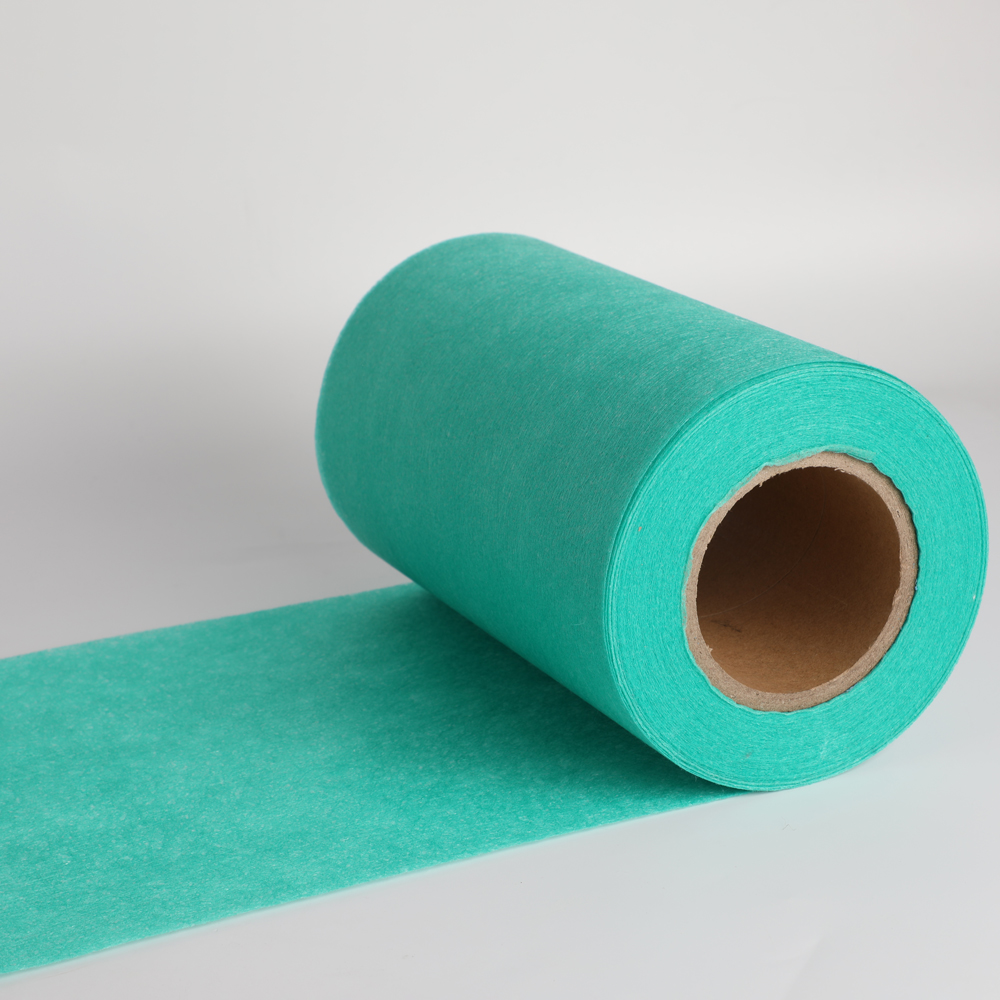 Anti-Bacterial Nonwoven
 +8613957712400
 CONTACT WhatsApp
 CONTACT WeChat
 CONTACT NUMBER
 CONTACT EMAIL