Top 10 Benefits of Lamination Nonwoven Fabric for Buyers?
In recent years, the market for Lamination Nonwoven Fabric has seen significant growth. According to a report by Smithers Pira, the global nonwoven fabric market is expected to reach $50 billion by 2025. This surge highlights the increasing demand for high-performance materials. "Lamination Nonwoven Fabrics are revolutionizing numerous industries," says Dr. Emily Carter, a leading expert in textile technology. Her insights emphasize the versatility and efficiency of these fabrics.
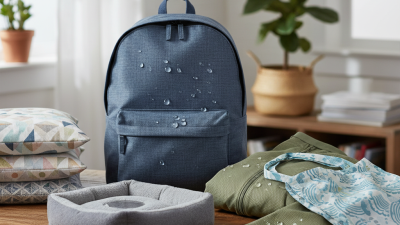
Lamination Nonwoven Fabric offers a wide range of benefits tailored to meet buyer needs. They enhance durability and provide superior moisture resistance. Industries from healthcare to automotive are leveraging these fabrics for their superior qualities. For example, in healthcare, these materials have improved the quality of surgical gowns and masks, ensuring better protection. However, buyers must also consider the environmental impact of production processes.
While the advantages are clear, challenges exist. Sourcing quality materials can be complex. The technology continues to evolve, and companies must stay updated. Understanding these dynamics is essential for buyers aiming to invest wisely in Lamination Nonwoven Fabric. Thus, balancing benefits with potential drawbacks becomes a key aspect of decision-making.

Understanding Lamination Nonwoven Fabric and Its Features
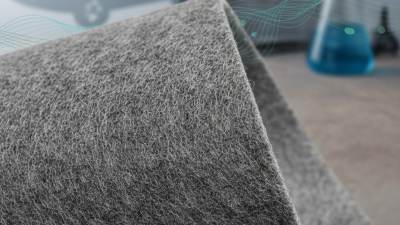
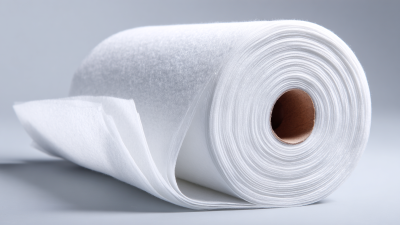
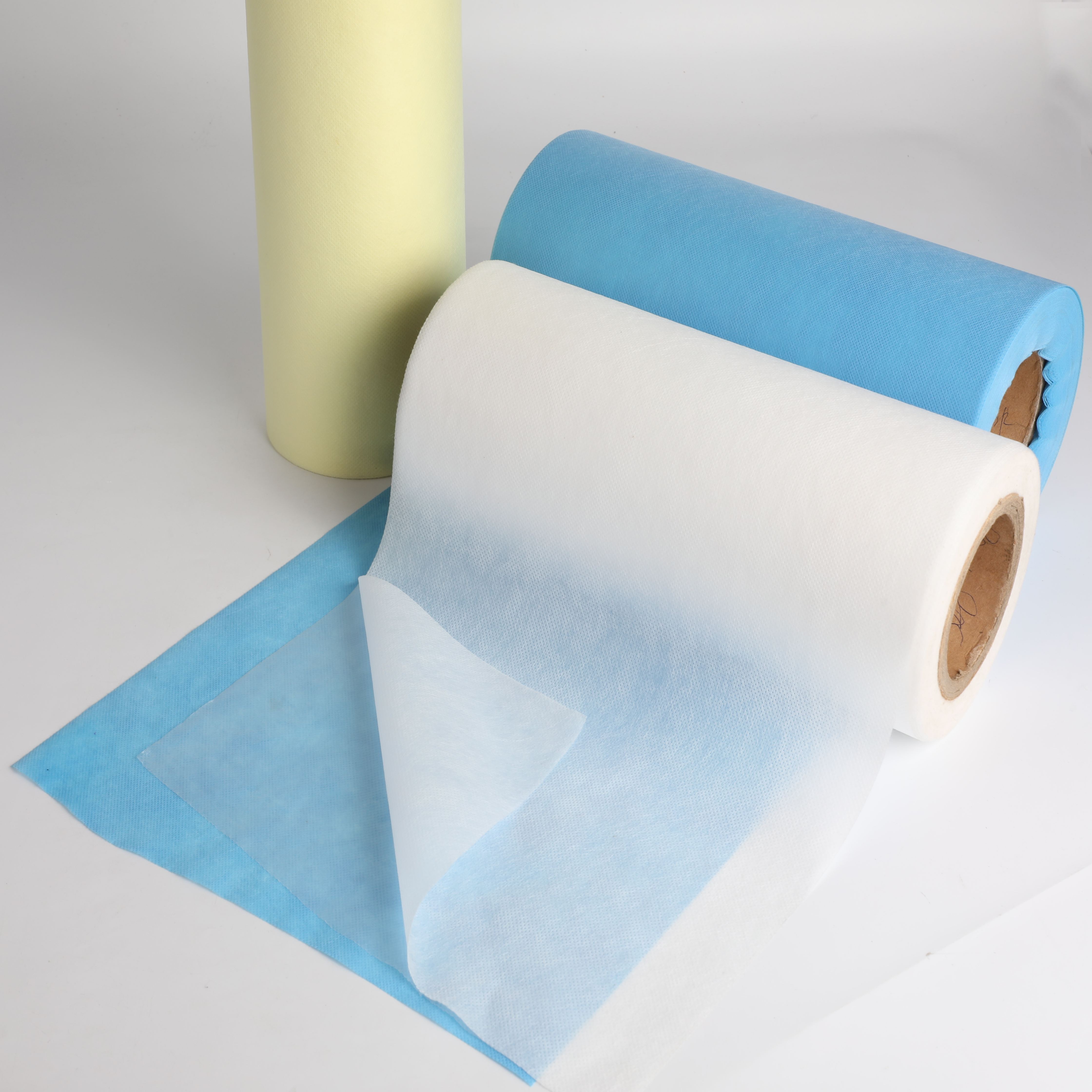
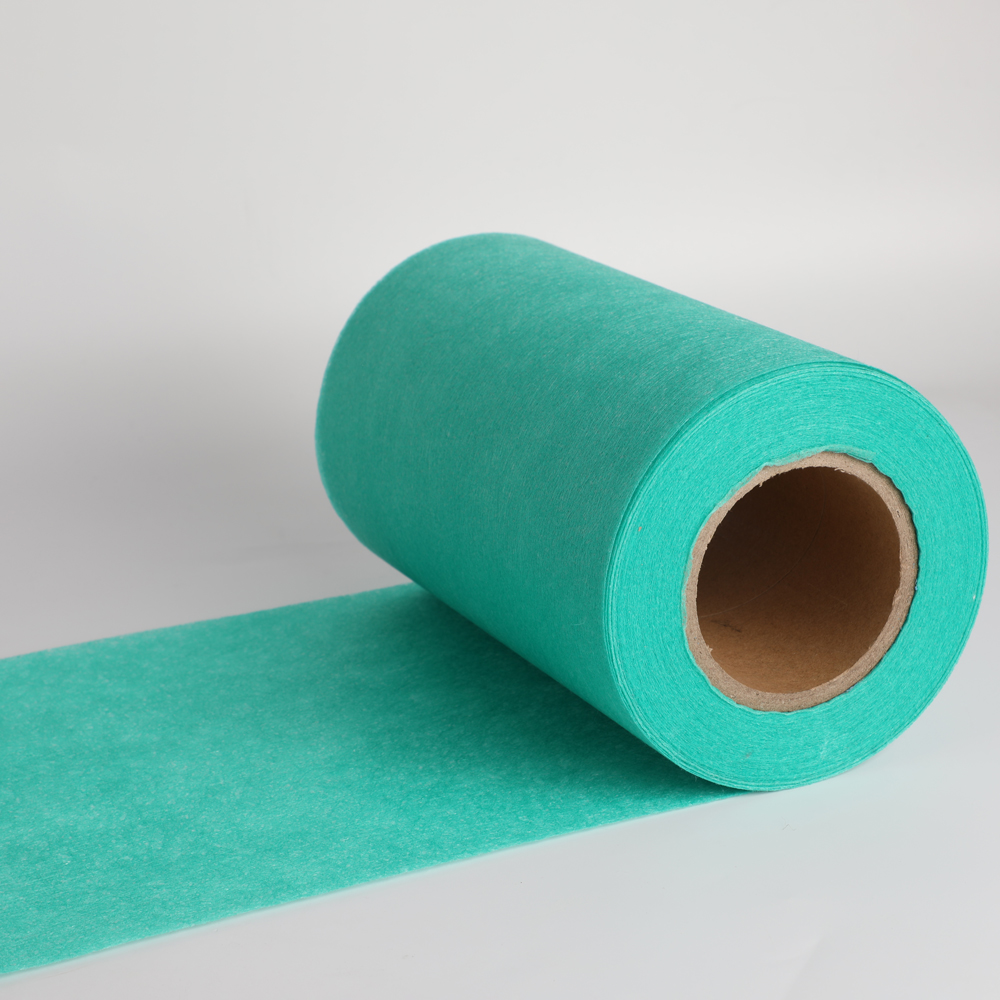
Lamination nonwoven fabric is a versatile material that combines strength with lightweight characteristics. This fabric undergoes a lamination process, which adheres layers together. The result is a robust product, ideal for various applications. Its resistance to tearing and moisture makes it suitable for outdoor use. This fabric is also breathable, ensuring comfort in clothing and other uses.
Understanding its features is essential for buyers. The fabric is often produced from synthetic fibers, giving it durability. Its nonwoven nature allows for efficient production, minimizing waste. However, the lamination process can sometimes lead to rigidity. This may hinder flexibility in some applications, which buyers need to consider. Additionally, while lamination enhances durability, it can impact recyclability. Sustainable practices are important in today's market.
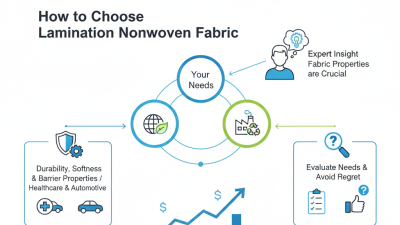
Buyers should evaluate their needs when considering lamination nonwoven fabric. An informed choice can lead to better outcomes in product performance. Specific applications may demand higher flexibility or better breathability. Understanding these nuances can ensure that the right fabric is chosen for each project. The benefits can be substantial, but awareness of potential limitations is crucial.
Enhanced Durability: The Strength of Lamination in Nonwoven Fabrics
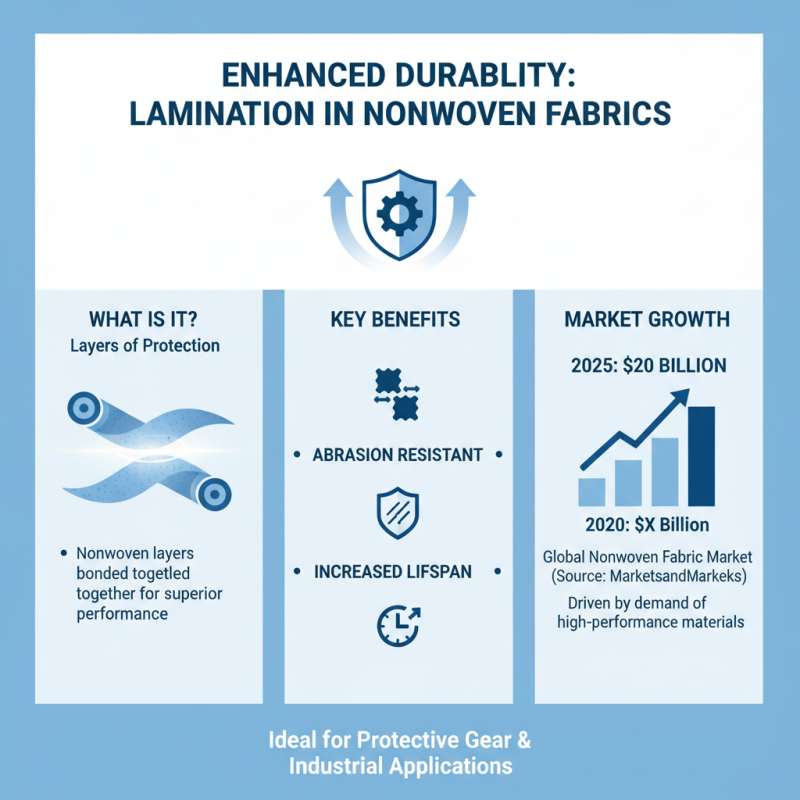
Laminated nonwoven fabrics bring enhanced durability, significantly benefiting various industries. According to a report by MarketsandMarkets, the global nonwoven fabric market is expected to reach $20 billion by 2025. This growth demonstrates the increasing demand for high-performance materials like laminated nonwoven fabrics. Their resistance to tearing and abrasion makes them ideal for protective gear and industrial applications.
The lamination process contributes to the overall strength of nonwoven fabrics. It involves bonding multiple layers, enhancing structural integrity. For instance, laminated fabrics can withstand harsh weather conditions. In some studies, laminated nonwoven materials showed a strength increase of up to 30%. This upgrade is crucial for applications in packaging and filtration, where durability is paramount.
However, it’s essential to consider the environmental impact of lamination. While these fabrics offer longevity, the lamination process can introduce non-biodegradable components. As companies seek sustainability, finding eco-friendly alternatives is a growing concern. Balancing performance with environmental responsibility remains a challenge in the industry.
Cost-Effectiveness: Why Lamination Nonwoven Fabric Saves Money
Laminated nonwoven fabric offers a compelling solution for buyers focused on cost-effectiveness. A 2021 report from Smithers Insights highlighted that laminated nonwovens can reduce material costs by up to 30% compared to traditional textiles. This reduction often stems from the efficiency of manufacturing processes. The combination of materials streamlines production, minimizing labor and time involved.
Moreover, laminated nonwoven fabrics exhibit durability and resistance to wear. These attributes result in fewer replacements over time, which adds to long-term cost savings. They can withstand harsh environmental conditions better than unlaminated alternatives. A survey by the Nonwoven Fabric Association indicated that 70% of manufacturers reported lower maintenance costs with laminated options.
Nevertheless, potential buyers must consider the initial investment. While laminated nonwoven fabrics may cost more upfront, the long-term savings can outweigh this. It is vital to analyze specific applications to understand the true value. Understanding the entire lifecycle costs brings clarity, allowing for informed decisions. The decision-making process can feel overwhelming, but careful assessment leads to substantial financial advantages.
Versatility in Application: Uses of Lamination Nonwoven Fabric
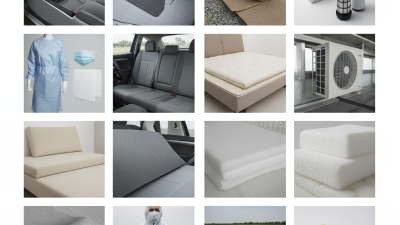
Lamination nonwoven fabric offers remarkable versatility in various applications. Its lightweight and durable nature make it ideal for medical, automotive, and interior design uses. In healthcare, it serves as protective gear, providing a barrier against fluids and contamination. This is crucial in hospitals and clinics where hygiene is vital.
In the automotive sector, lamination nonwoven fabric is used for interior components. It enhances aesthetics while maintaining functionality. This fabric is often found in seat covers and insulation materials. Its strength and resistance to wear make it suitable for high-traffic areas. However, manufacturers must ensure that the fabric meets safety and quality standards.
Home textile applications also benefit from lamination nonwoven fabric. It can be employed in curtains, upholstery, and bedding, providing comfort and style. Though its benefits are many, potential buyers should be wary of sourcing materials. Not every supplier meets the necessary quality assurance. Conducting thorough research and asking for certifications can prevent issues in the long run.
Top 10 Benefits of Lamination Nonwoven Fabric
Environmental Benefits: Sustainability of Lamination Nonwoven Fabrics
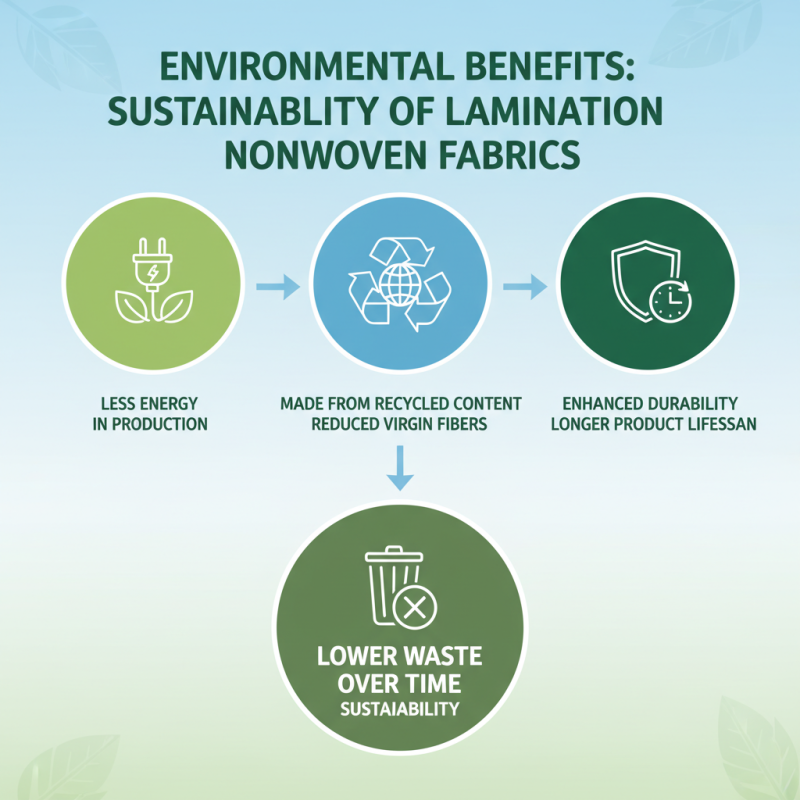
Lamination nonwoven fabrics offer remarkable environmental benefits. These materials promote sustainability by using less energy during production. They are often made from recycled content, reducing the reliance on virgin fibers. The laminating process enhances durability, which means products last longer and require less frequent replacement. This ultimately leads to lower waste over time.
Choosing lamination nonwoven fabrics can significantly reduce your carbon footprint. They can be recycled after their lifecycle, contributing to a circular economy. However, not all nonwoven fabrics are created equal. It's essential to research which types are truly eco-friendly. Look for certifications that indicate sustainable practices during manufacturing.
Tips: When selecting lamination nonwoven fabrics, check for biodegradable options. Prioritize materials made from recycled content. It's crucial to stay informed about the latest innovations in sustainable fabrics. Remember to question the environmental impact of various products. By being informed, you can make choices that positively affect the planet.

 PP Laminates
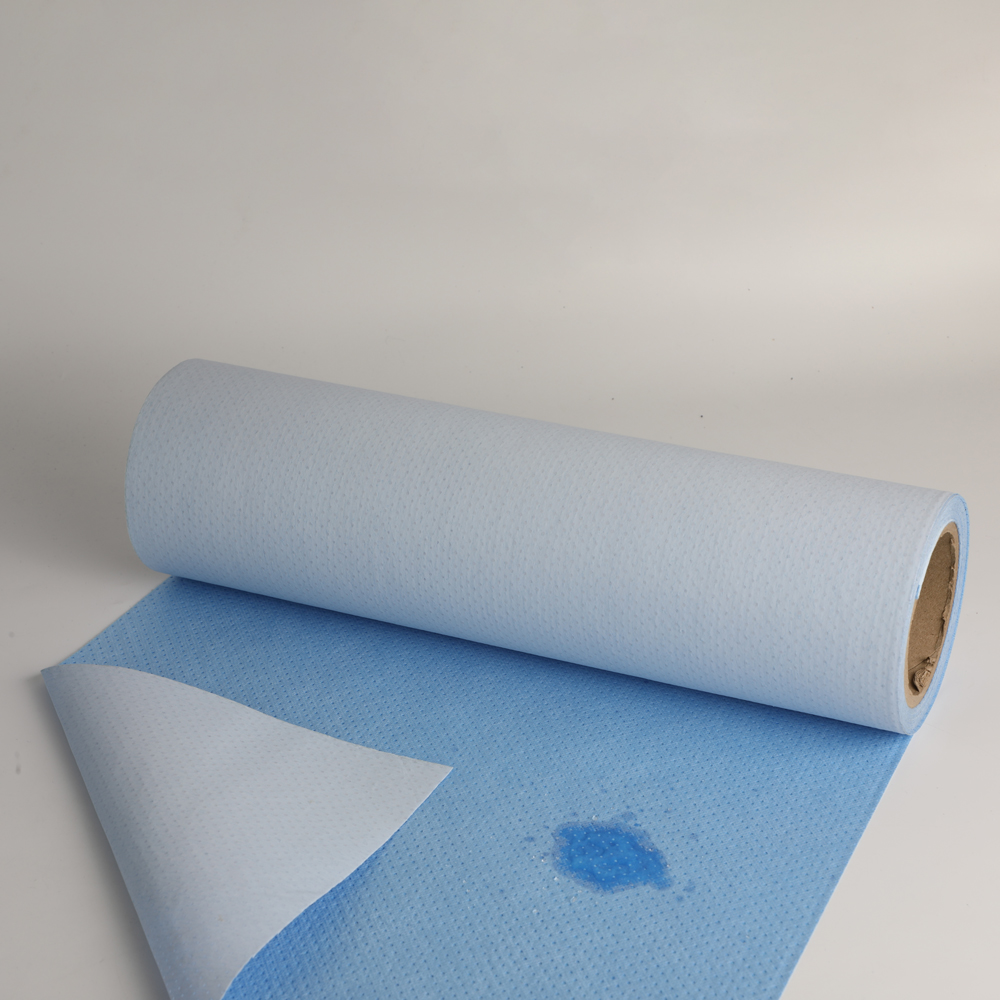 Multi Laminates
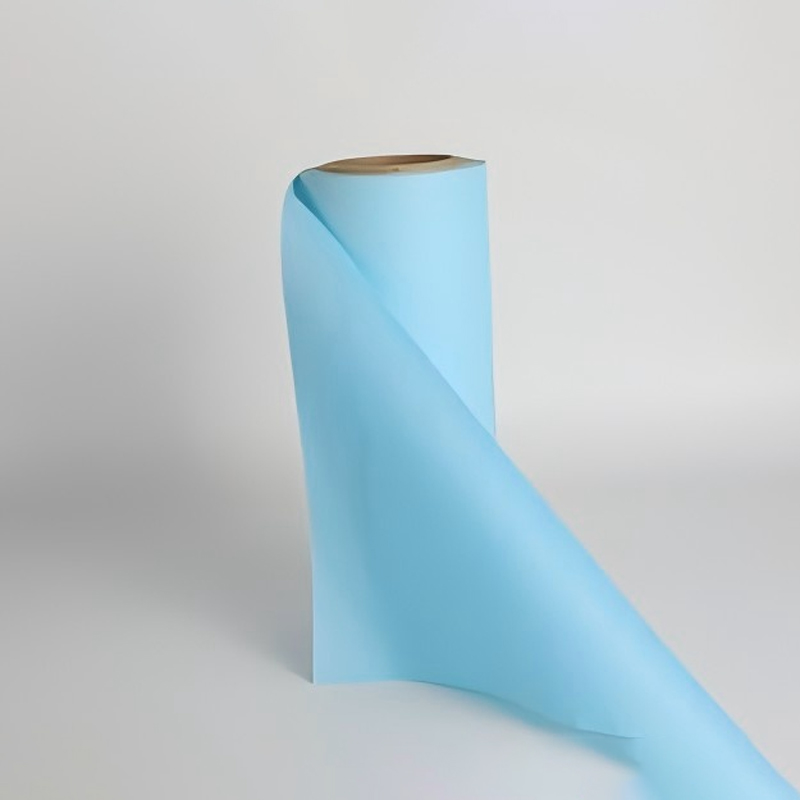 Spunlace Nonwoven Laminates
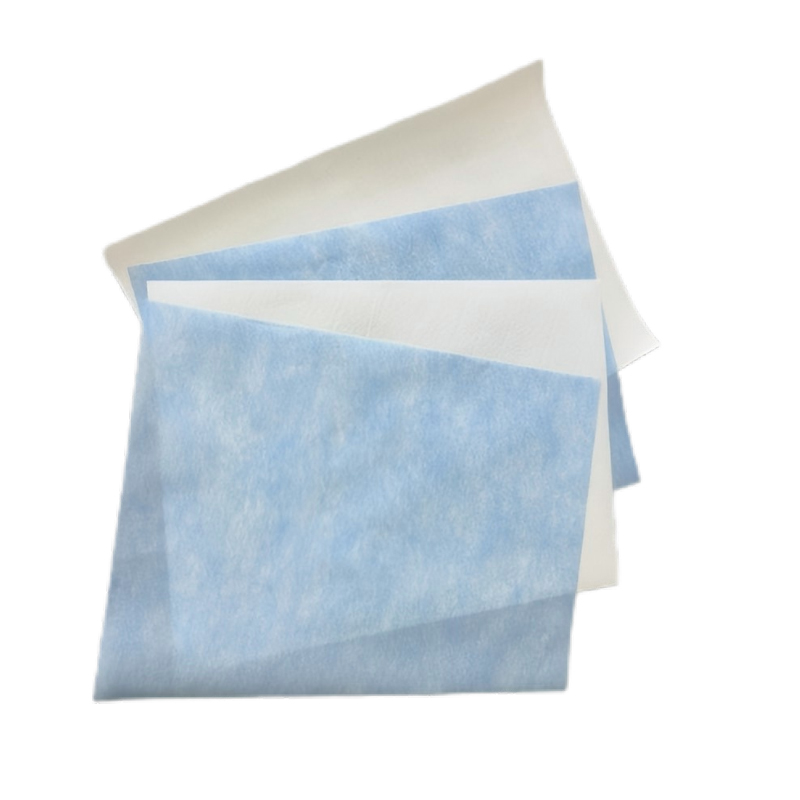 Breathable Film Laminates
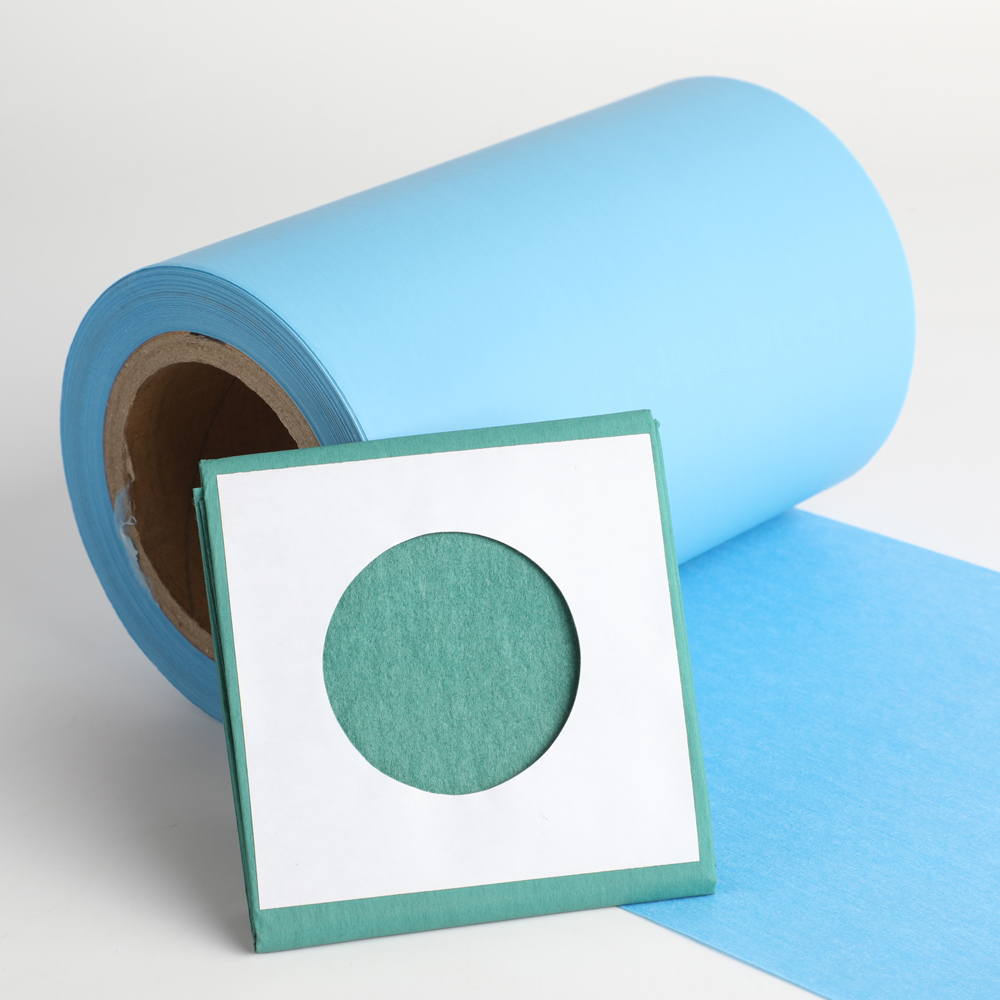 Viscose Laminates
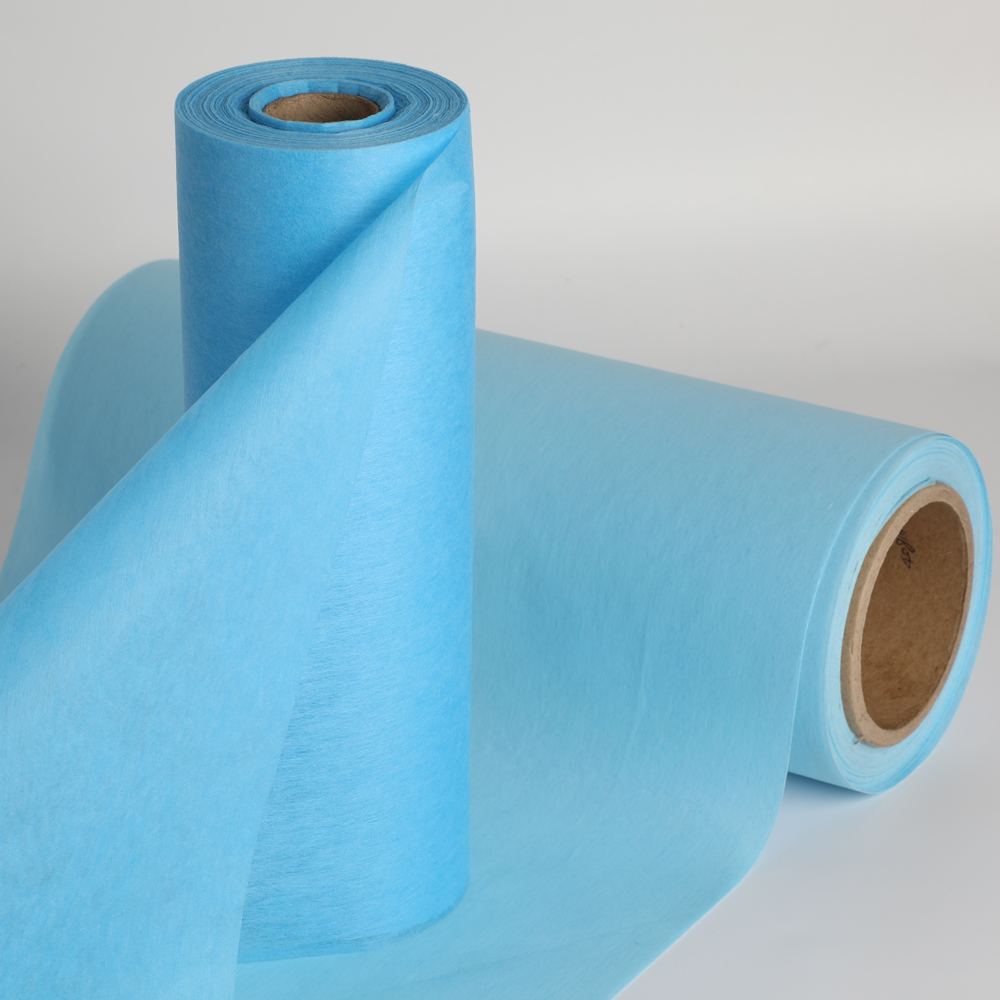 Medical Viscose Nonwoven
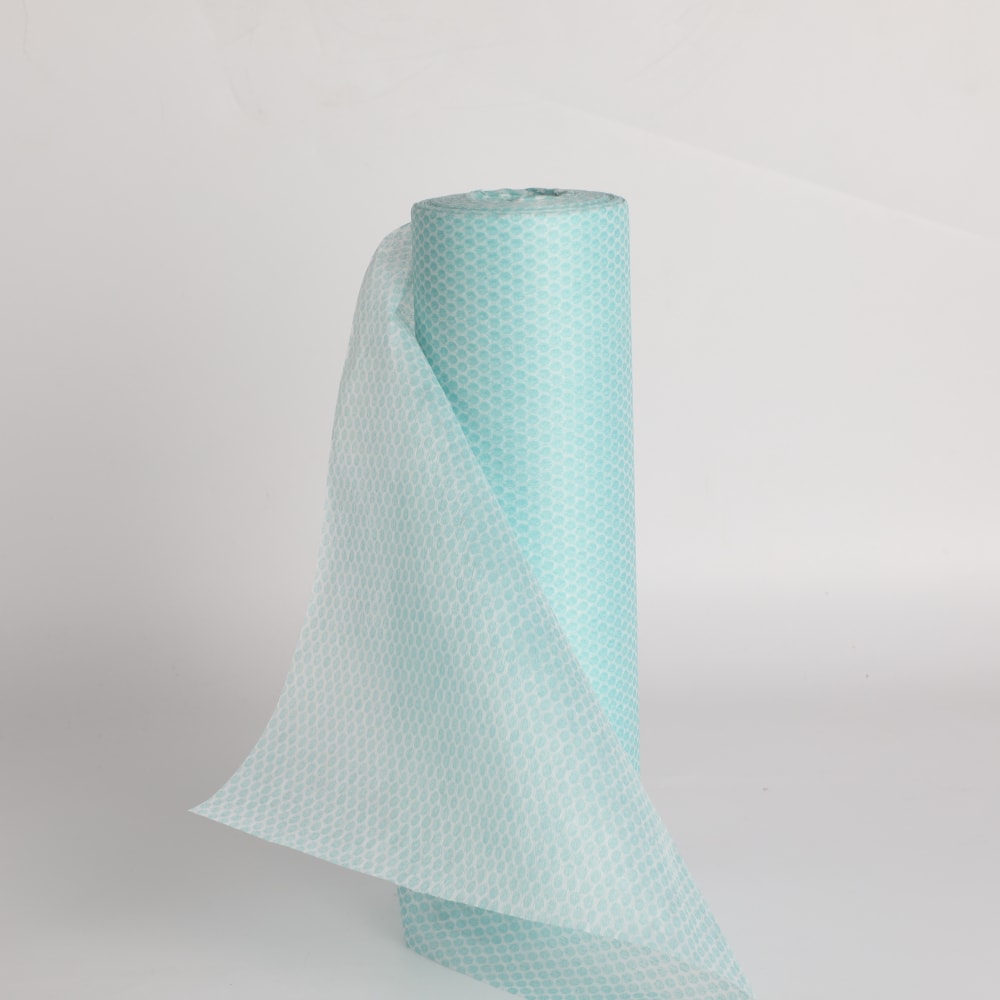 Head Wear Nonwoven
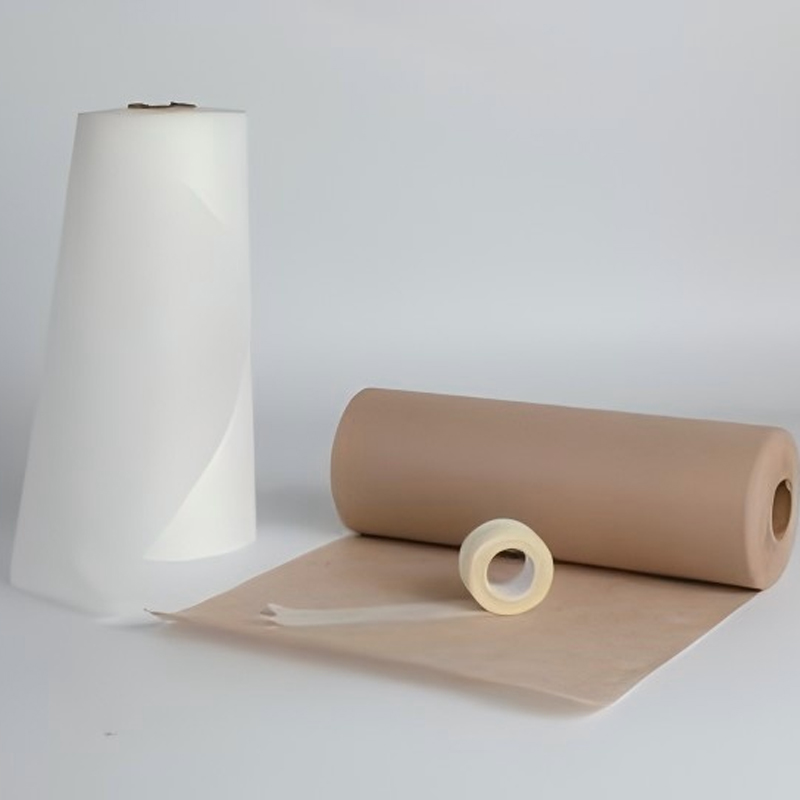 Medical Tape Nonwoven
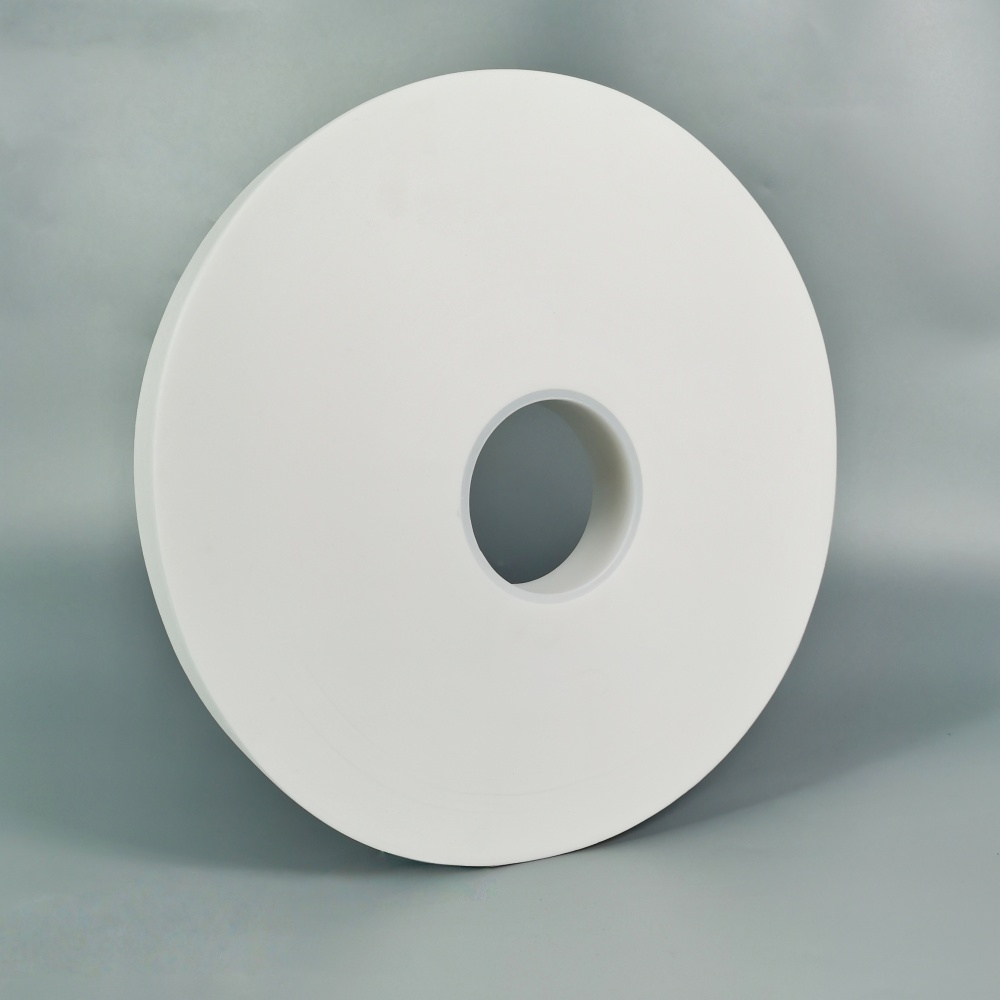 Snus Pouch Nonwoven
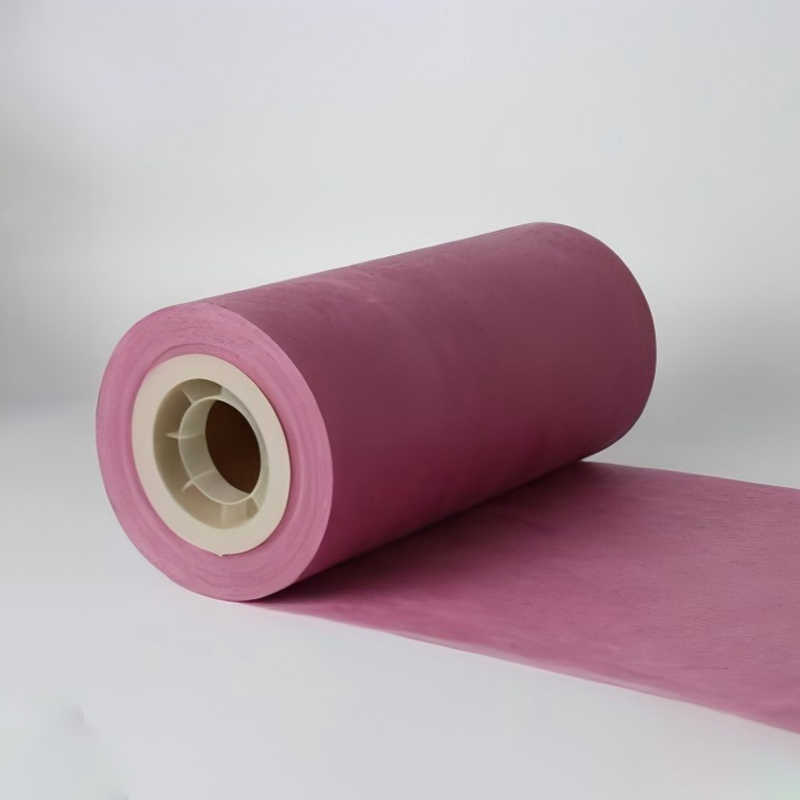 Filtration Nonwoven
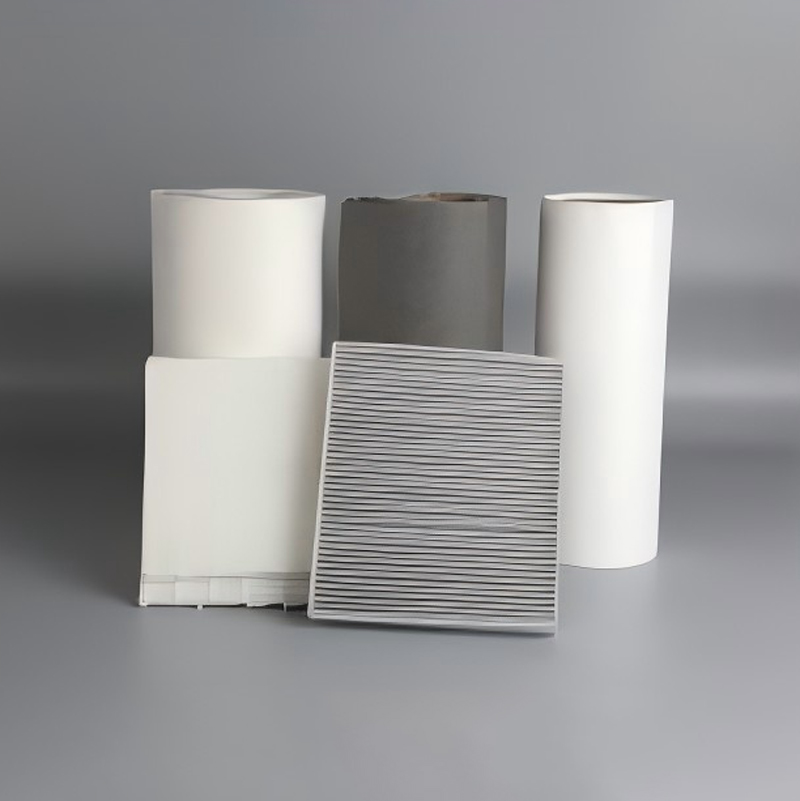 Air Filter Media
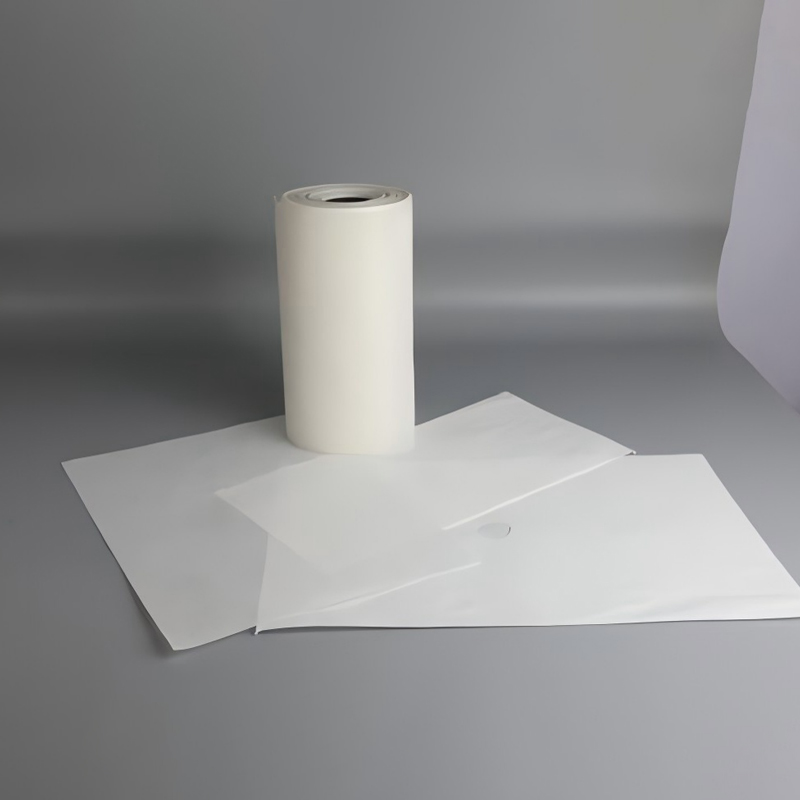 Liquid Filter Media
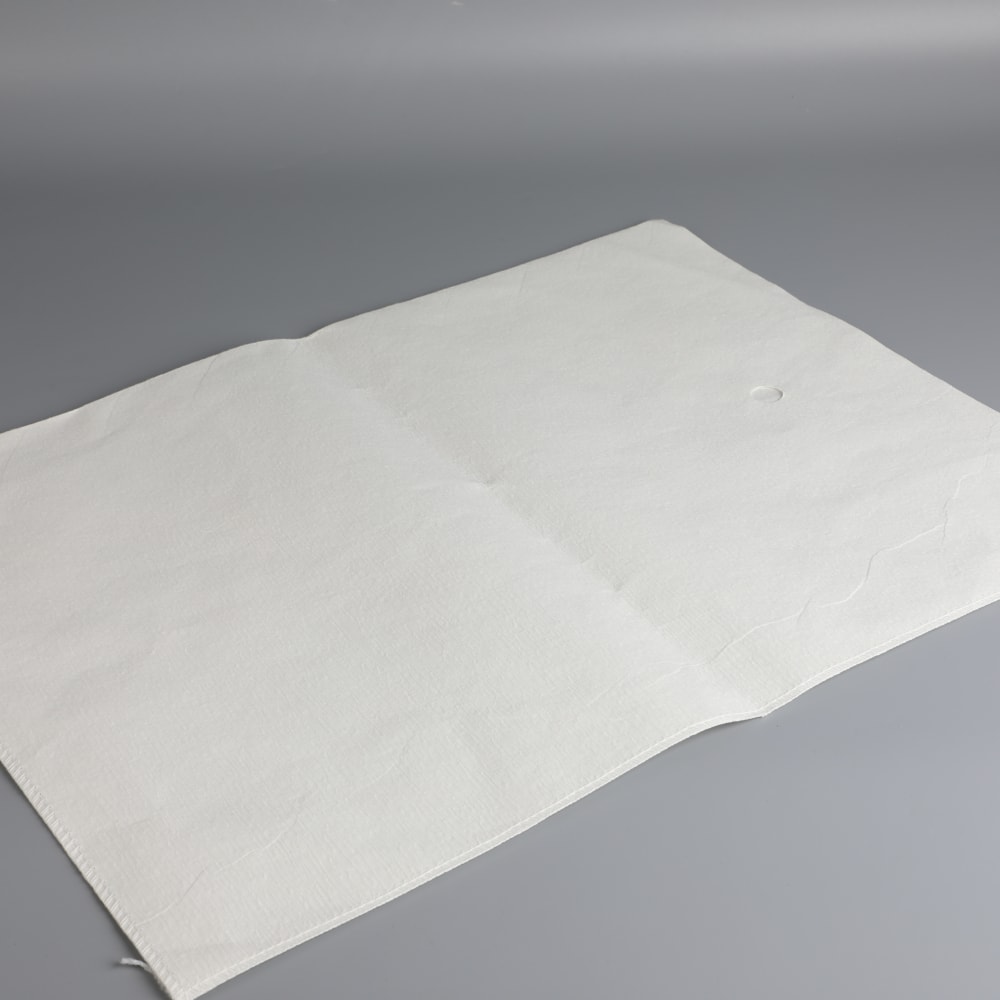 Filter Envelope & Filter Sheet
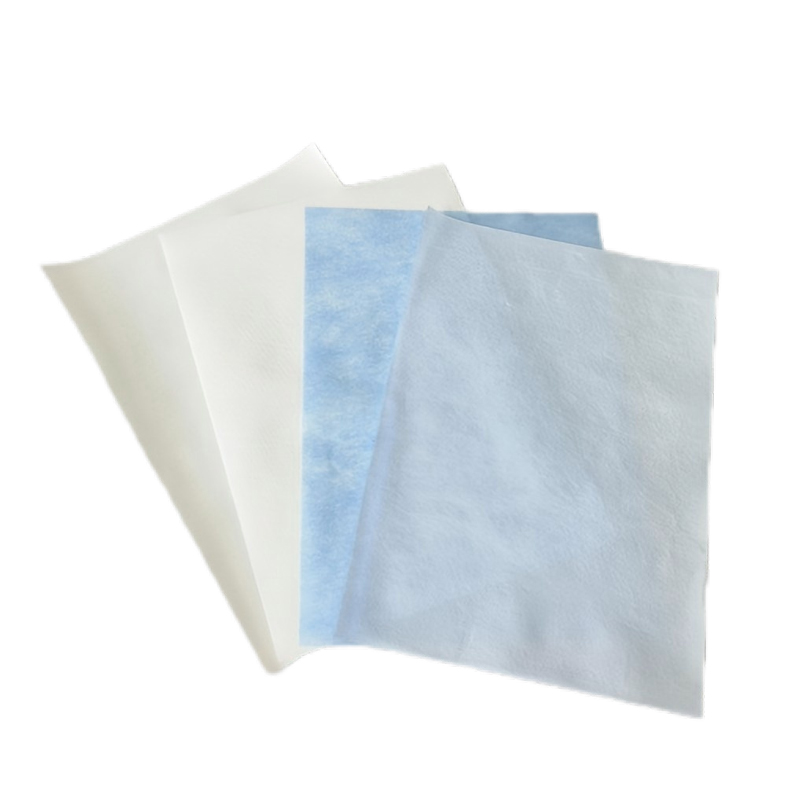 Breathable Film Laminates
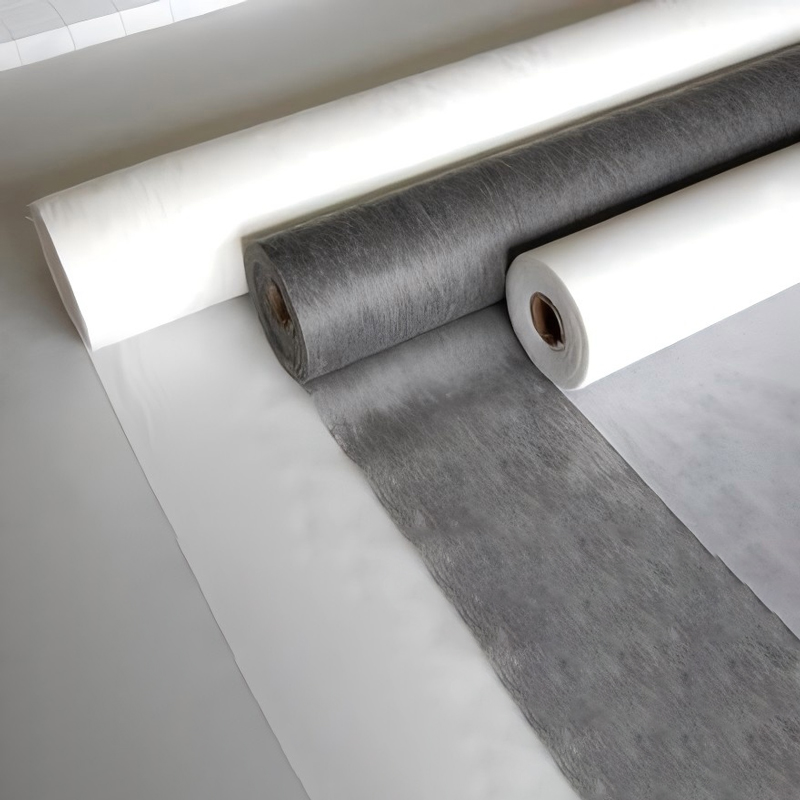 Nonwoven Interlining
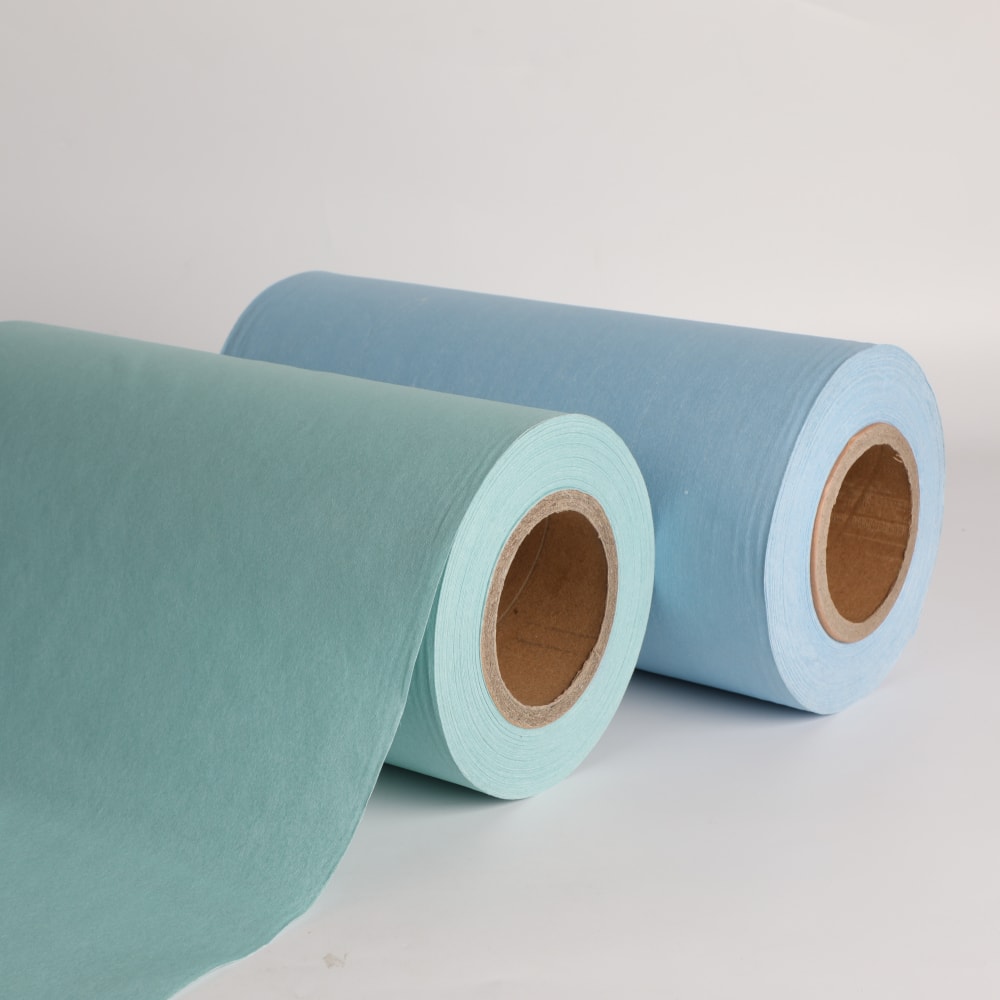 Fluid Repellent Woodpulp Spunlace Nonwoven
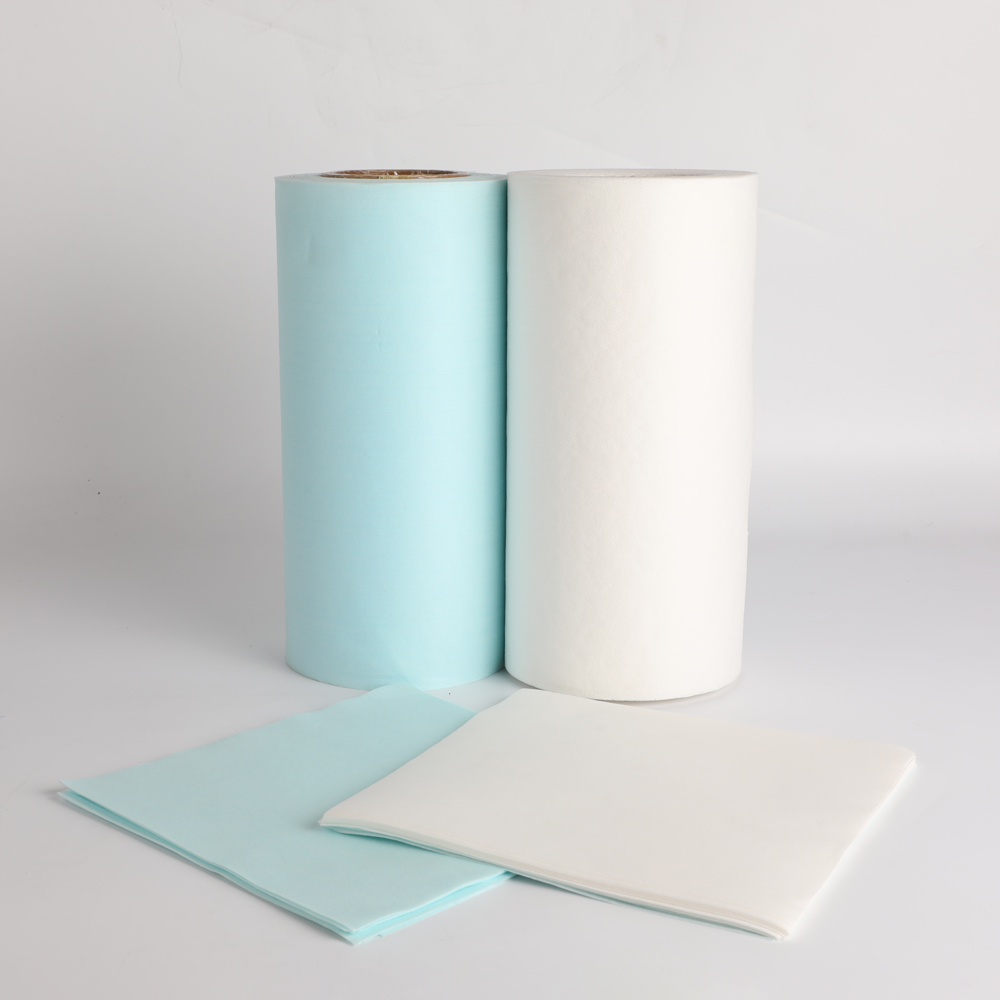 Woodpulp Nonwoven Wipe
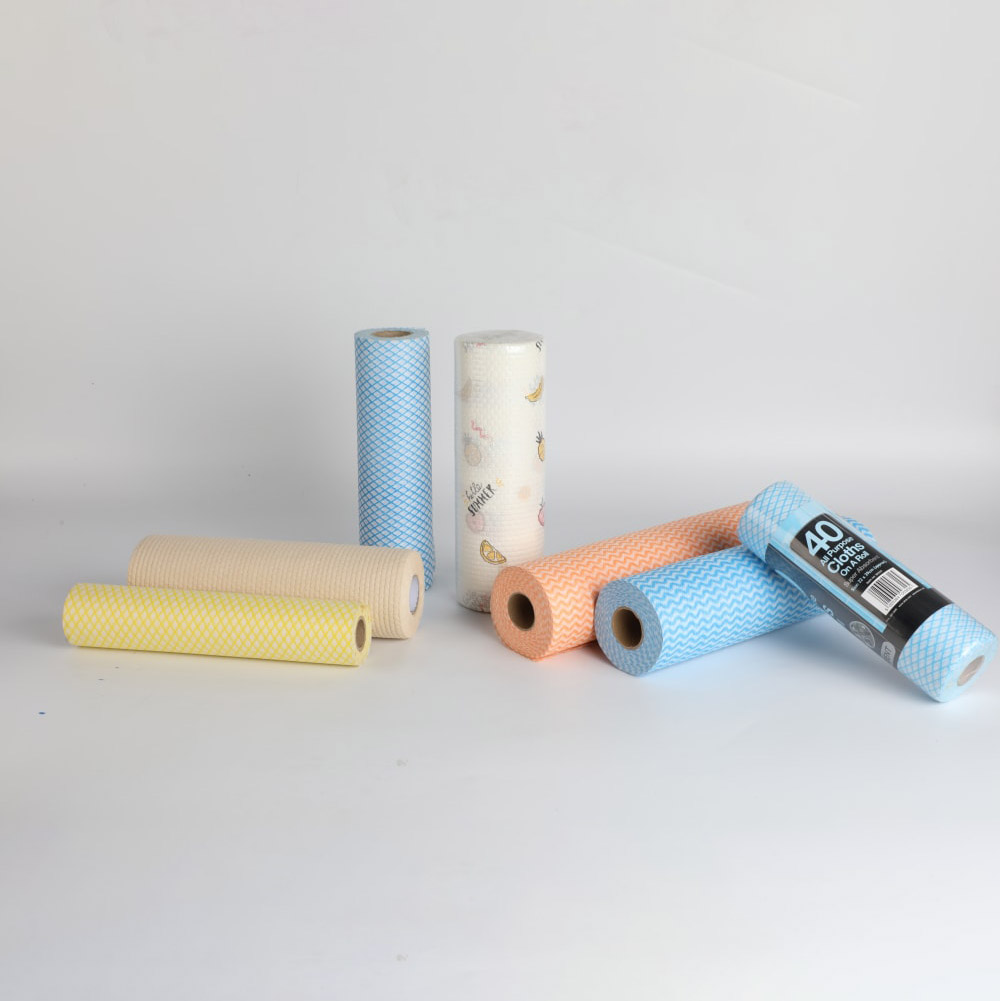 Nonwoven Cleaning Wipe
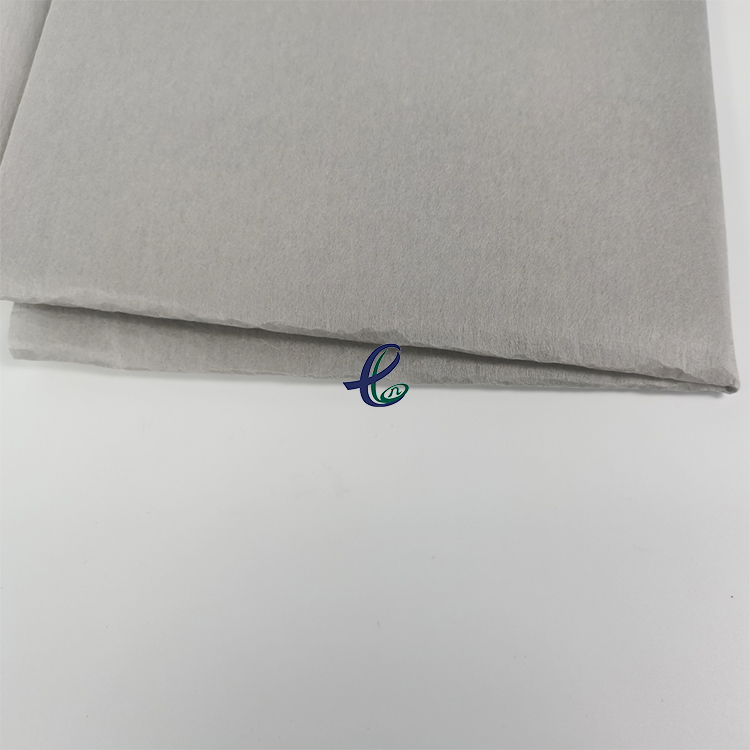 Curtain Nonwoven
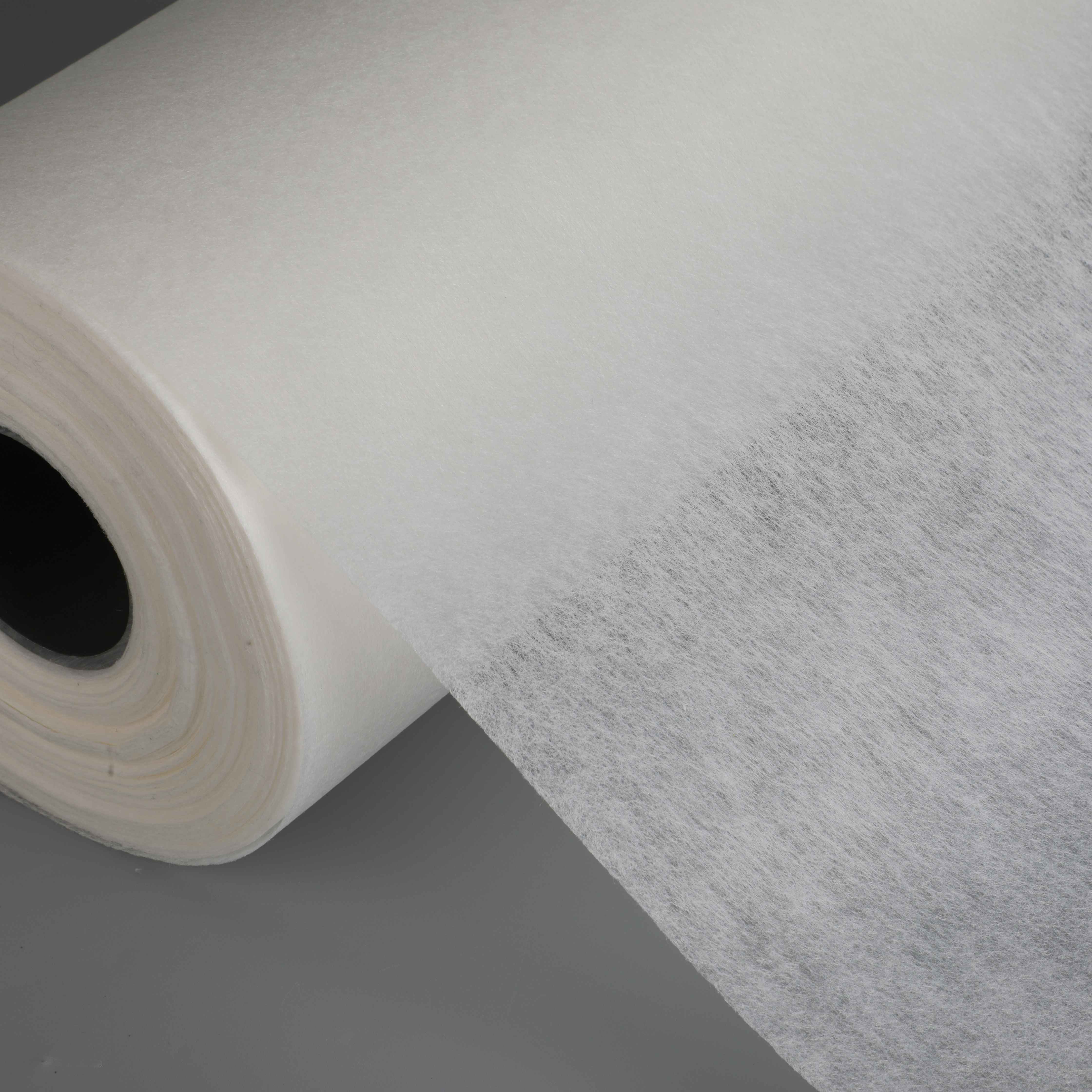 Food Grade Packaging Nonwoven
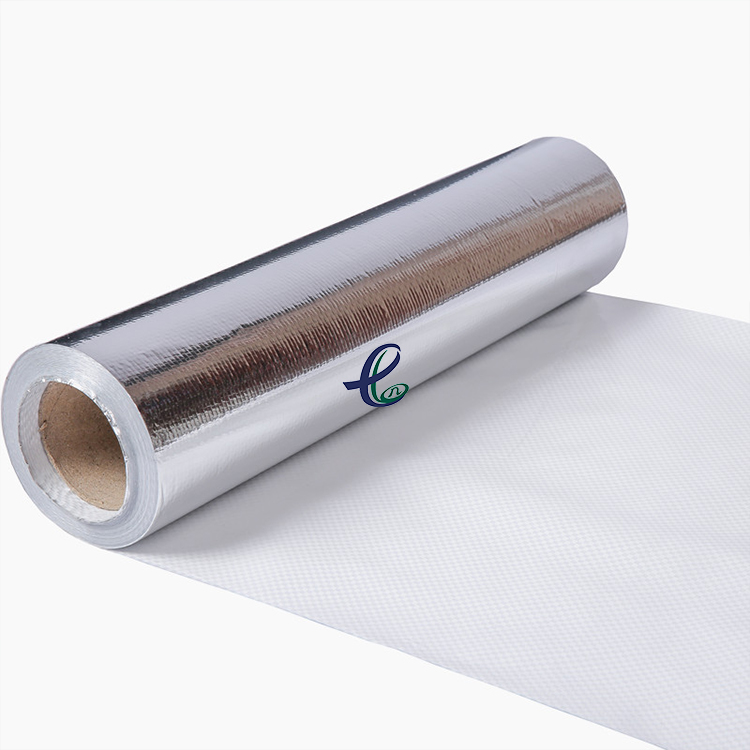 Aluminized Nonwoven
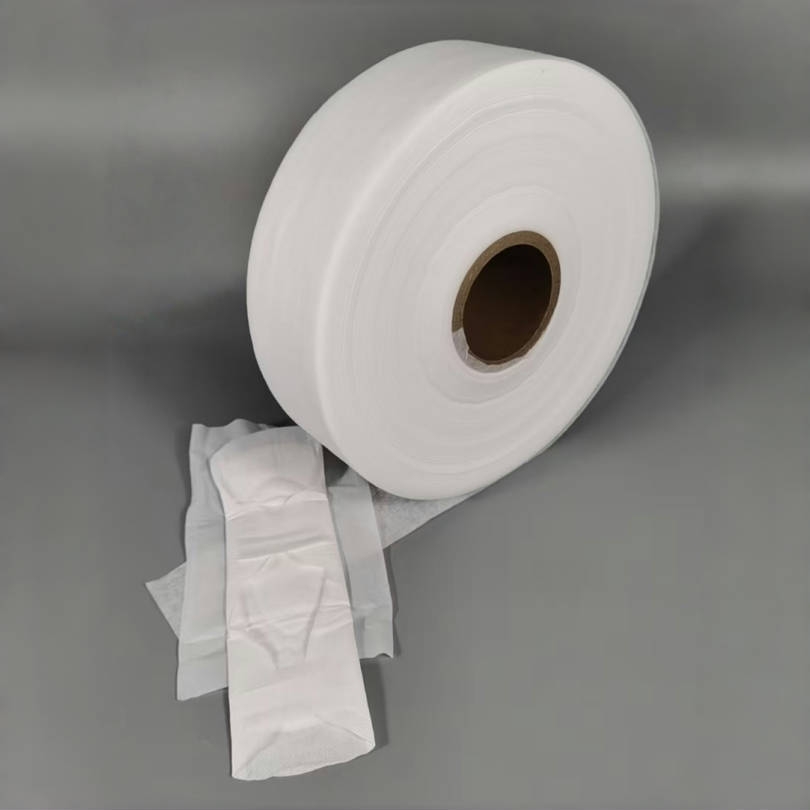 Hot Air Cotton Nonwoven
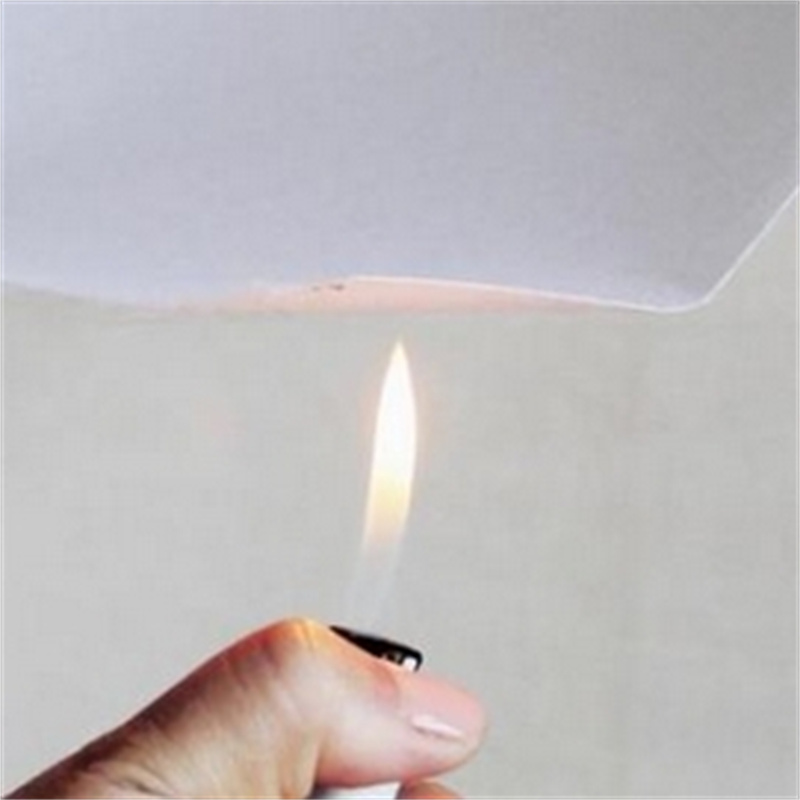 Flame Retardant Nonwoven
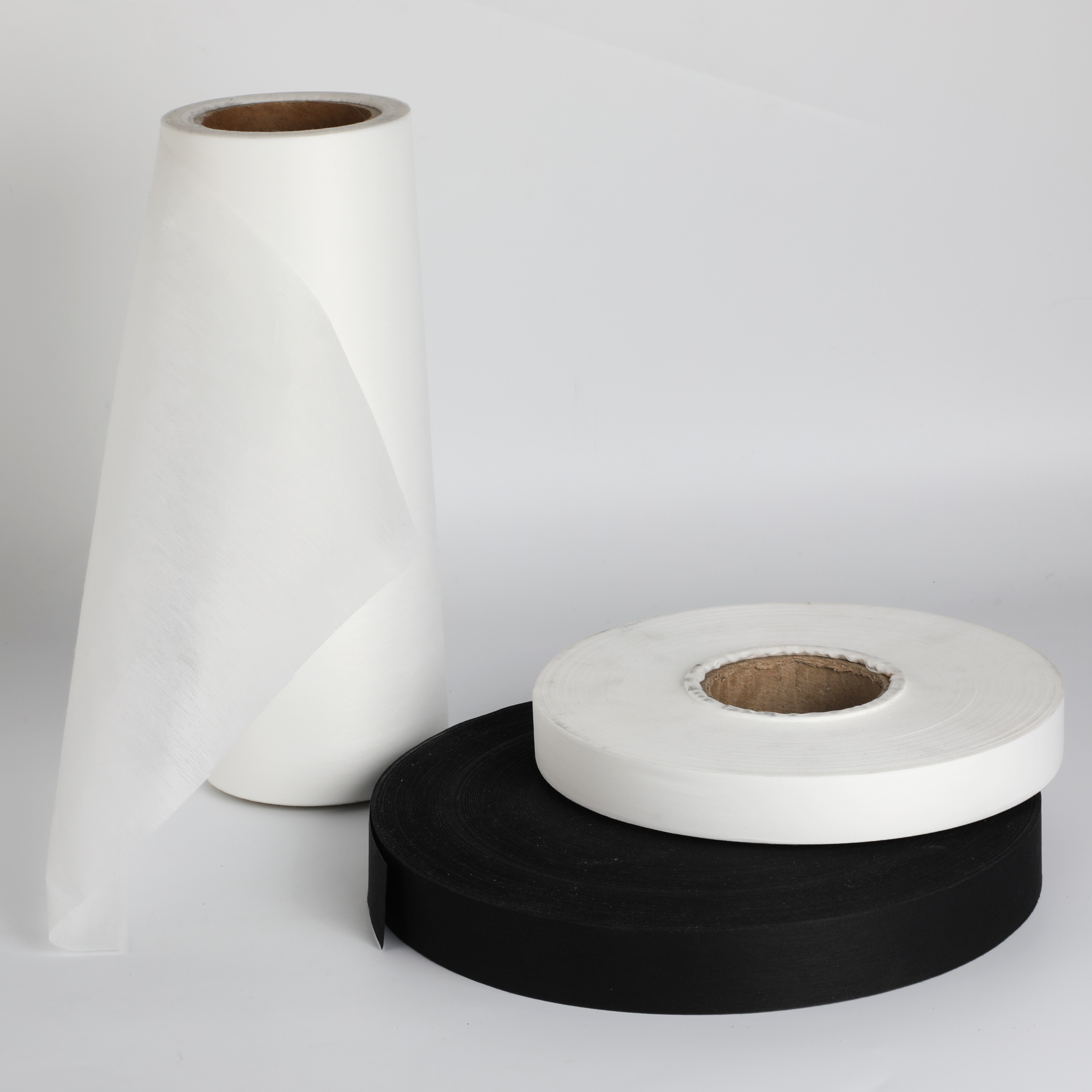 Cable Wrapping Nonwoven
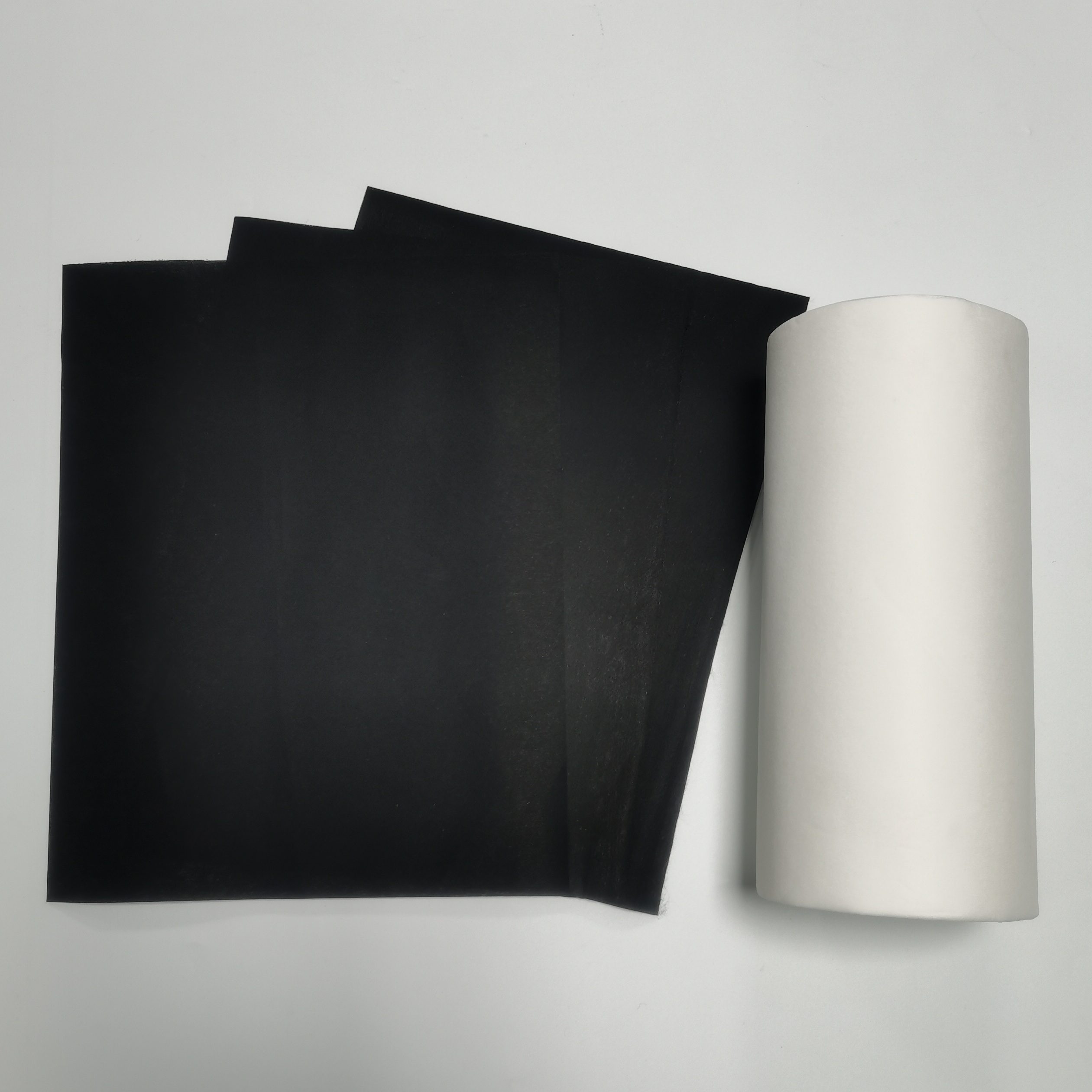 Semi-conductive Nonwoven
 Anti-Bacterial Nonwoven
 +8613957712400
 CONTACT WhatsApp
 CONTACT WeChat
 CONTACT NUMBER
 CONTACT EMAIL