How to Use Viscose Nonwoven in Sustainable Products?
In a world increasingly focused on sustainability, Viscose Nonwoven emerges as a promising material. This versatile fabric plays a significant role in eco-friendly product development. Made from natural fibers, it offers both functionality and versatility.
Viscose Nonwoven can be found in various applications, from apparel to household items. Its biodegradable nature appeals to conscious consumers. However, challenges remain in sourcing and processing. Not all Viscose Nonwoven is created equal, and some production methods can still have a significant environmental impact.
Developing sustainable products with Viscose Nonwoven requires a thoughtful approach. Designers must consider the entire lifecycle of their products. They need to reflect on sourcing, manufacturing, and end-of-life disposal. This awareness can lead to truly innovative and eco-friendly solutions.
Understanding Viscose Nonwoven: Properties and Benefits
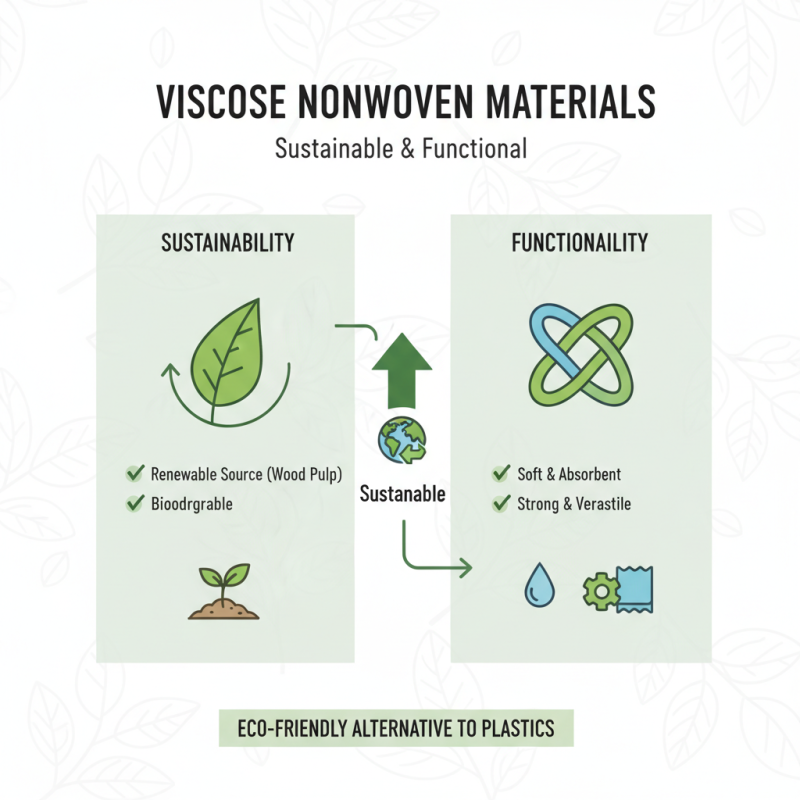
Viscose nonwoven fabric is gaining attention for its unique properties. Made from wood pulp, it is biodegradable and offers a sustainable alternative to synthetic materials. Its soft texture and breathable qualities make it a popular choice for various applications, including home textiles and personal care products.
Despite its many advantages, not all viscose nonwoven fabrics are created equal. The production process can result in environmental concerns, particularly in water usage and chemical treatments. It's essential to choose processes that minimize these impacts. Developing a better understanding of sourcing and manufacturing is vital for brands aiming for sustainability.
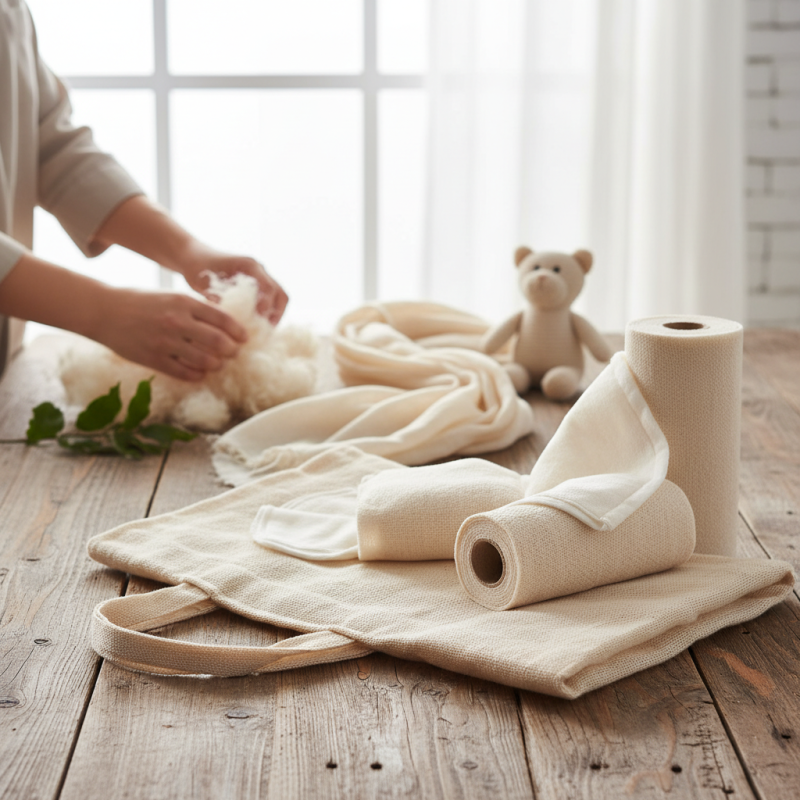
The versatility of viscose nonwoven is noteworthy. It can be used in products like eco-friendly diapers and reusable bags. But this versatility can also lead to overvaluation. Not every product needs to be made from viscose nonwoven. Reflecting on its true necessity can guide more responsible usage.
Balancing innovation with sustainability remains a challenge for many.
Applications of Viscose Nonwoven in Sustainable Products
Viscose nonwoven is gaining attention for its sustainable properties. This material is biodegradable and made from cellulose, which is often derived from wood pulp. Brands are increasingly using viscose nonwoven in eco-friendly applications, such as bags and wipes. These products can reduce reliance on plastics, making them more appealing to environmentally conscious consumers.
Tips: When selecting viscose nonwoven products, check the sourcing. Look for those made from sustainably harvested trees. This ensures a lower environmental impact.
Viscose nonwoven is also used in medical supplies and hygiene products. Its softness and breathability make it ideal for these applications. However, it’s essential to consider the entire lifecycle. How is the product disposed of after use? Many viscose products may not decompose effectively in landfills.
Tips: Ensure proper disposal methods are in place. Educating consumers on composting could greatly enhance the sustainability of these products.
Moreover, the production of viscose nonwoven must be scrutinized. Water use and chemicals in the manufacturing process can impact the environment. Seeking certifications can help gauge a product's sustainability. Sometimes, not all marketed "green" products deliver on their promises. Always investigate further.
How to Use Viscose Nonwoven in Sustainable Products? - Applications of Viscose Nonwoven in Sustainable Products
| Application Area |
Description |
Sustainability Benefits |
| Medical Supplies |
Used for making absorbent dressings, protective apparel, and sterile medical products. |
Biodegradable materials reduce landfill waste compared to plastic. |
| Agricultural Products |
Used in plant covers, seed mats, and mulching sheets to promote growth. |
Enhanced water retention and reduced need for synthetic chemicals. |
| Hygiene Products |
Used in diapers, feminine hygiene products, and adult incontinence items. |
Natural fiber composition minimizes environmental impact. |
| Home Textiles |
Utilized in cleaning cloths, table linens, and eco-friendly curtains. |
Renewable resources lead to a lower carbon footprint. |
| Packaging Materials |
Applied in sustainable packaging solutions for various products. |
Compostable alternatives reduce plastic waste in landfills. |
Comparing Viscose Nonwoven to Other Eco-friendly Materials
Viscose nonwoven materials offer a unique blend of sustainability and functionality. Unlike traditional synthetic fibers, viscose is made from renewable resources like wood pulp. This gives it an edge over plastic-based materials. Viscose nonwoven is biodegradable, breaking down naturally over time. This is a significant advantage in reducing environmental impact.
When compared to other eco-friendly materials, viscose nonwoven stands out. Organic cotton, while sustainable, requires substantial water during cultivation. Bamboo fabric is often marketed as eco-friendly, but its processing methods can be chemically intensive. Viscose nonwoven may not be perfect. It can still contribute to deforestation if sourced irresponsibly. This emphasizes the need for awareness in sourcing practices.
While viscose nonwoven has benefits, it’s not without flaws. Awareness about where materials come from is crucial. The lifecycle of the product must be considered. Is it truly sustainable? Consumers must question their choices. Though still an improvement over synthetic fibers, viscose nonwoven invites reflection on how we approach sustainability in our products.
Best Practices for Sourcing Viscose Nonwoven Sustainably
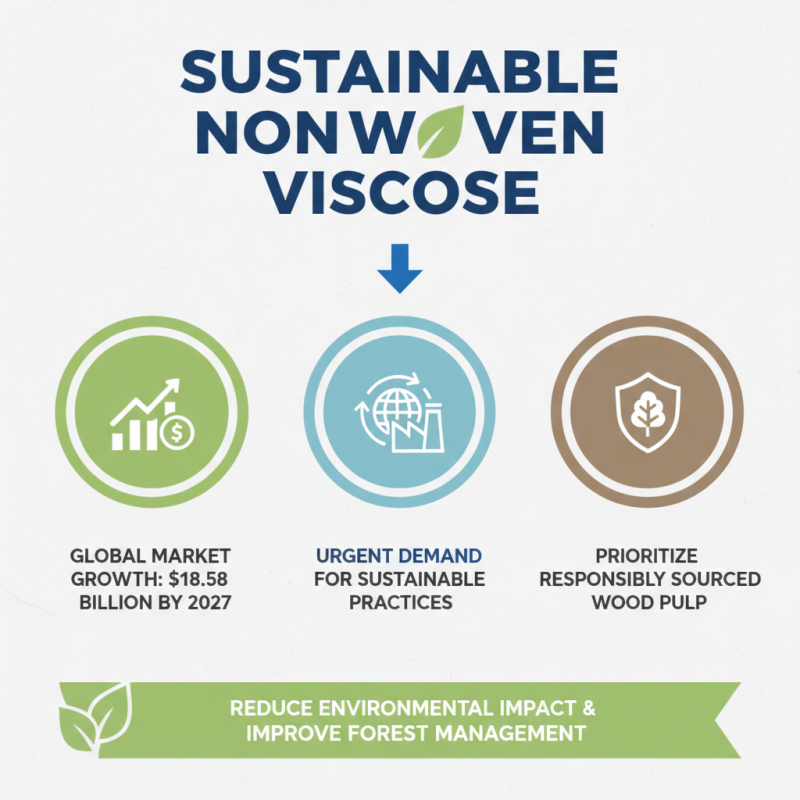
Sourcing viscose nonwoven sustainably requires careful consideration. Research indicates that the global viscose market is expected to grow significantly, reaching USD 18.58 billion by 2027. This growth creates an urgent demand for sustainable practices. It's vital to prioritize suppliers who use responsibly sourced wood pulp. This can reduce environmental impact and promote better forest management.
Transparency in the supply chain is crucial. A 2021 report stated that 70% of consumers prefer brands that practice sustainability. Many brands still struggle to provide this transparency. They may not fully disclose the origin of their raw materials. Consumers are increasingly demanding this information, pushing companies to adopt more responsible sourcing practices.
Moreover, production processes must be evaluated for their ecological footprint. Water usage and chemical waste are often overlooked. In fact, viscose production can lead to significant water pollution if not managed properly. Some facilities do implement closed-loop systems to reclaim water. However, many companies need to improve their practices. Companies should collaborate with local communities to promote innovative sustainable practices.
Future Trends in Viscose Nonwoven and Sustainability Initiatives
Viscose nonwoven fabrics are emerging as a key player in sustainable product development. Recent industry reports indicate that the global demand for nonwoven fabrics is expected to grow by over 6% annually through 2027. As brands seek eco-friendly alternatives, viscose nonwoven is gaining traction for its biodegradability and versatility.
Innovations in production processes are aiding sustainability. Technologies that reduce water usage and energy consumption are being implemented. However, there are still challenges. The sourcing of raw materials, particularly wood pulp, needs careful monitoring to prevent deforestation. Thoughtful practices must be prioritized to balance product performance with ecological impacts.
Tips: Consider using viscose nonwoven made from sustainably sourced wood pulp. Check certifications to understand the environmental footprint of the product. Collaborate with suppliers who emphasize sustainable practices.
As the market evolves, circular economy principles should be adopted. Recycling viscose nonwoven products can significantly minimize waste, but infrastructure for recycling these materials is still lacking. Exploring new solutions to enhance recyclability is essential for future sustainability initiatives.
Future Trends in Viscose Nonwoven and Sustainability Initiatives

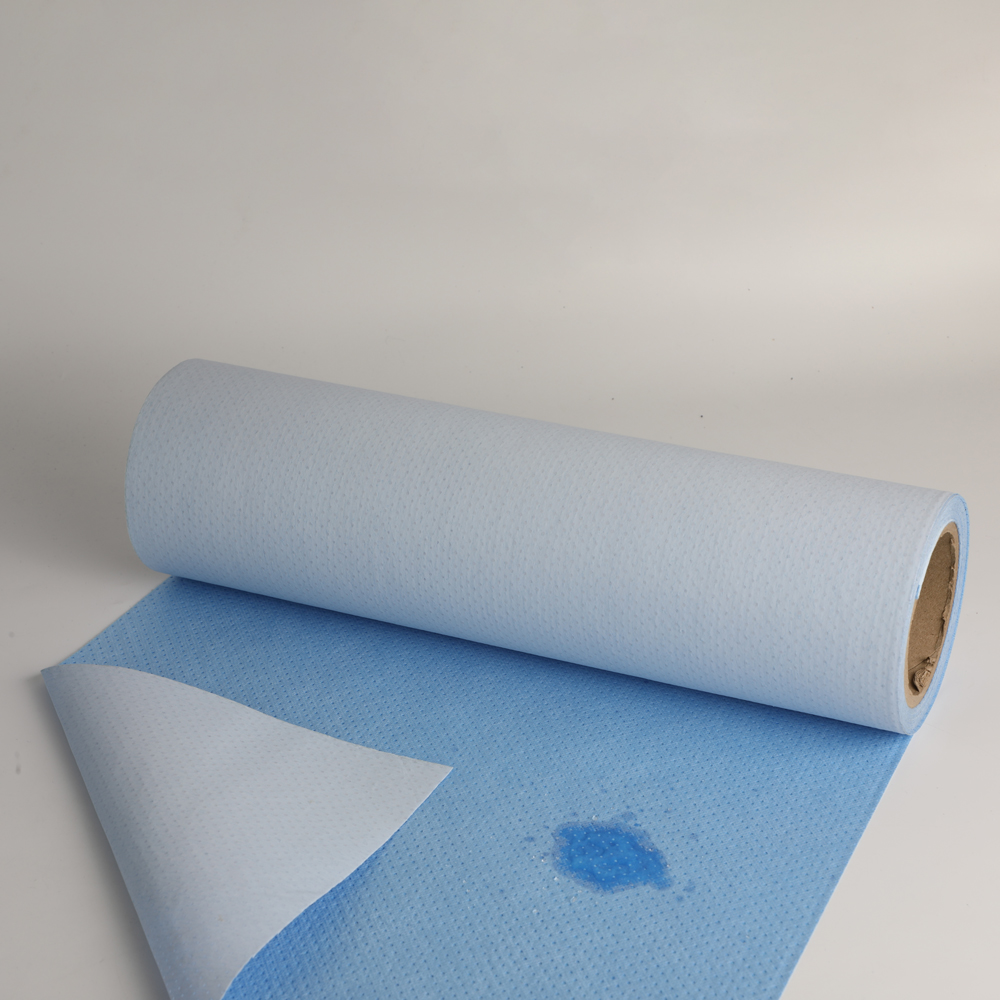 Multi Laminates
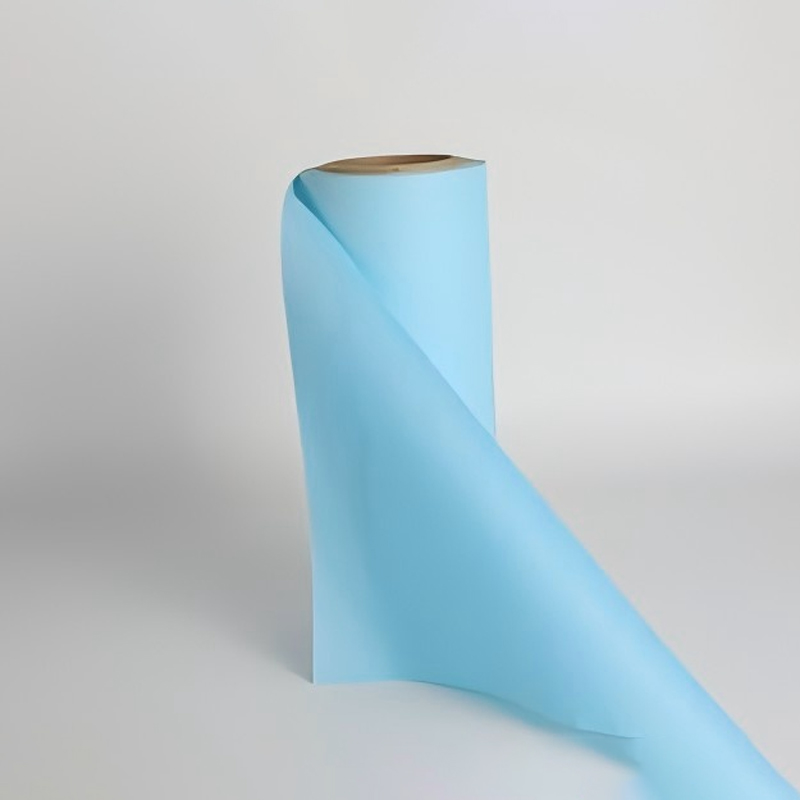 Spunlace Nonwoven Laminates
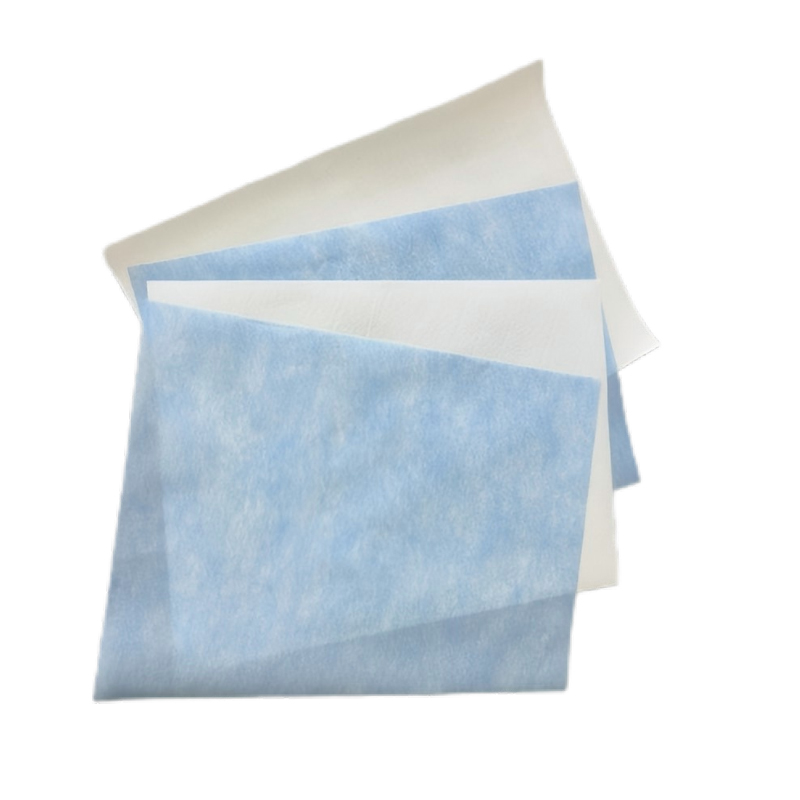 Breathable Film Laminates
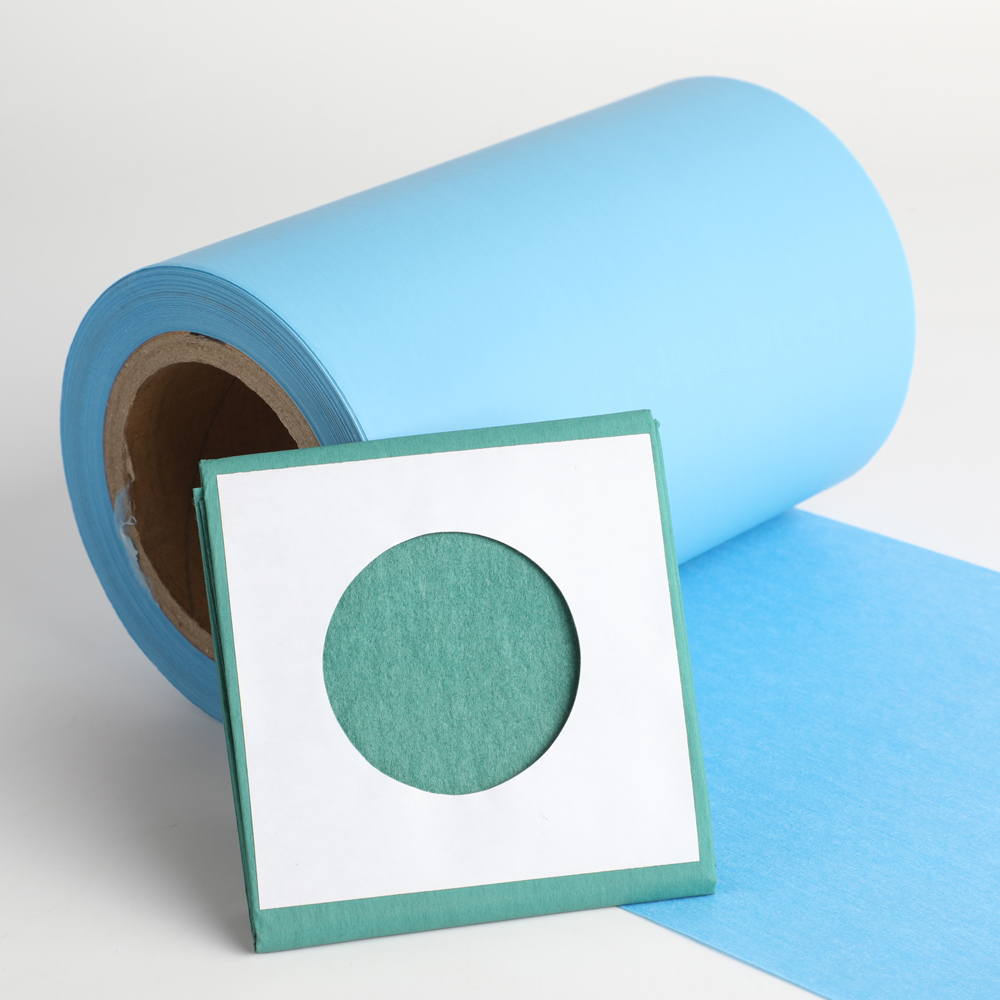 Viscose Laminates
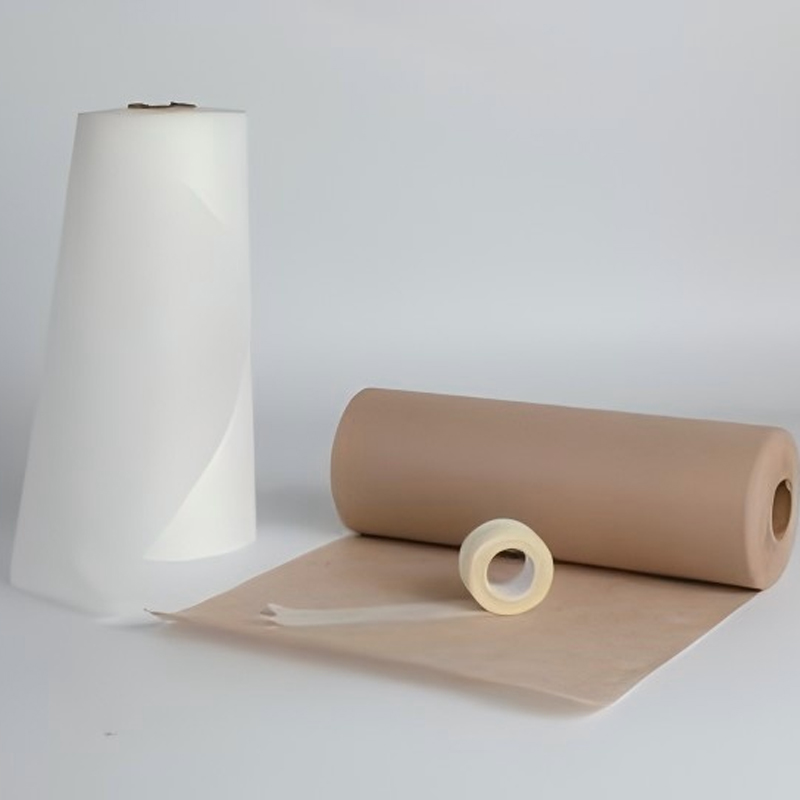 Medical Tape Nonwoven
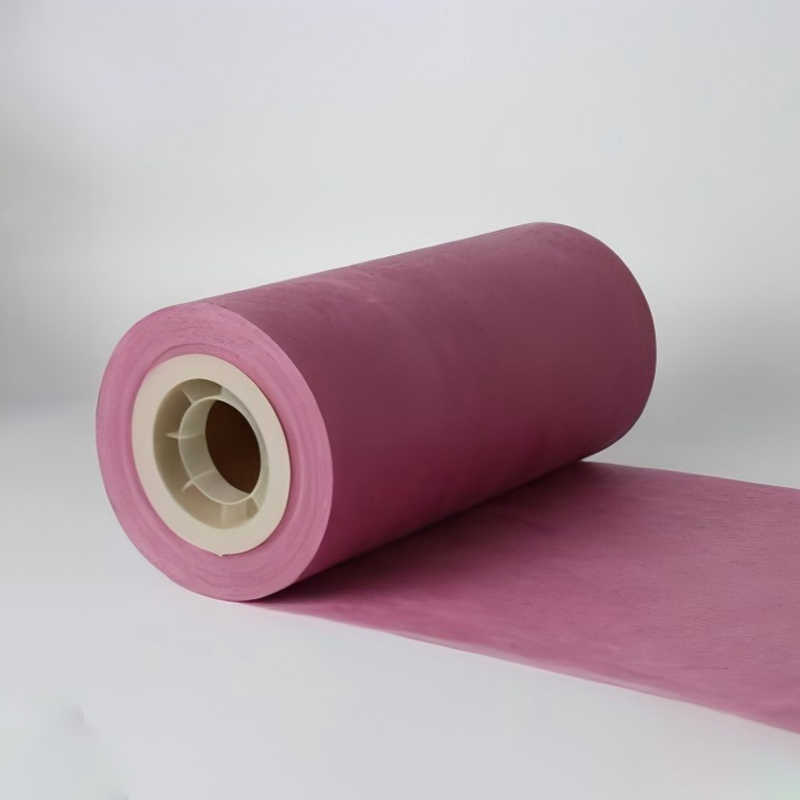 Filtration Nonwoven
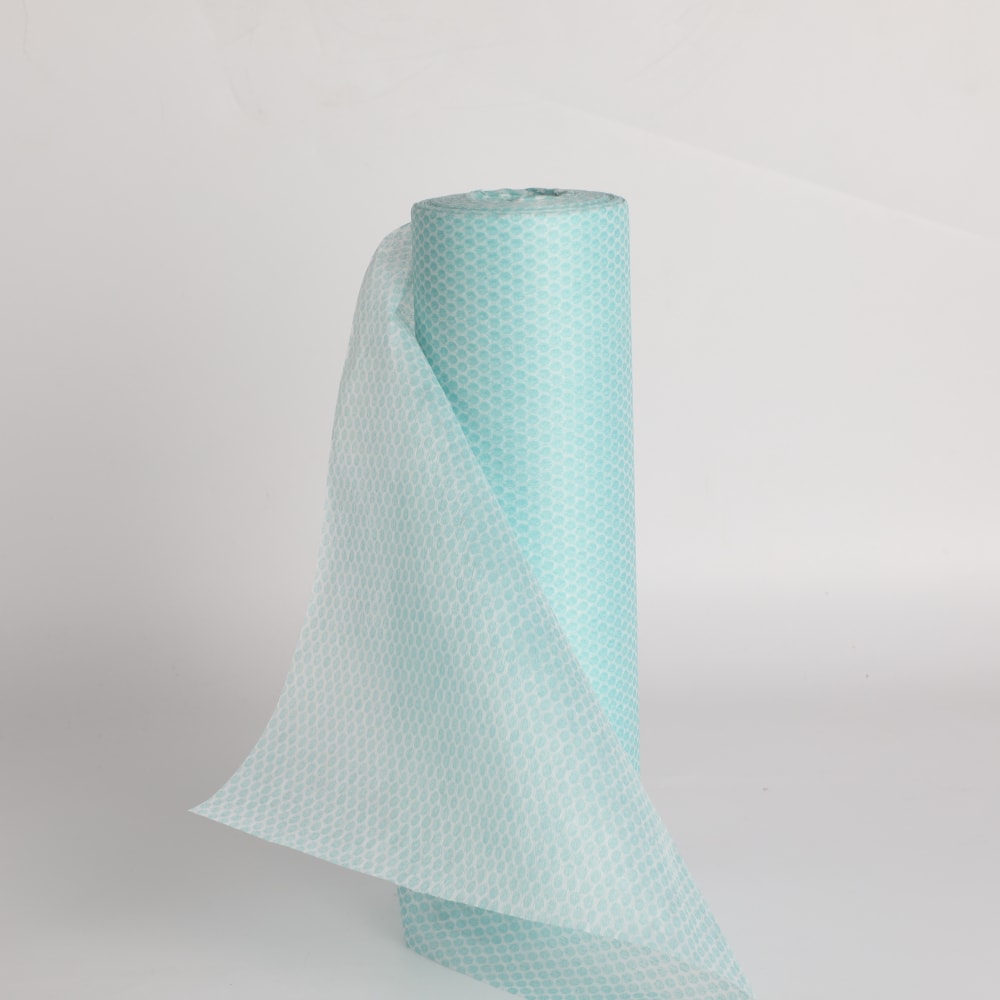 Head Wear Nonwoven
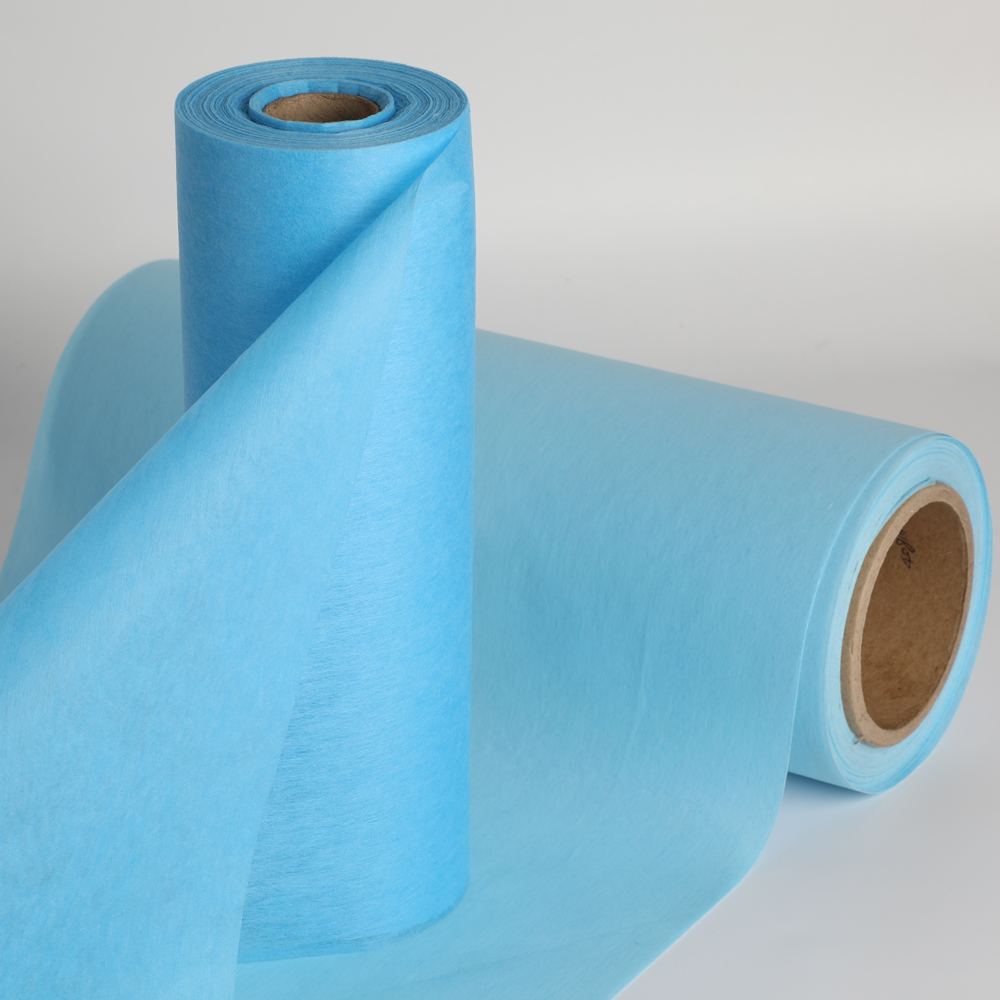 Medical Viscose Nonwoven
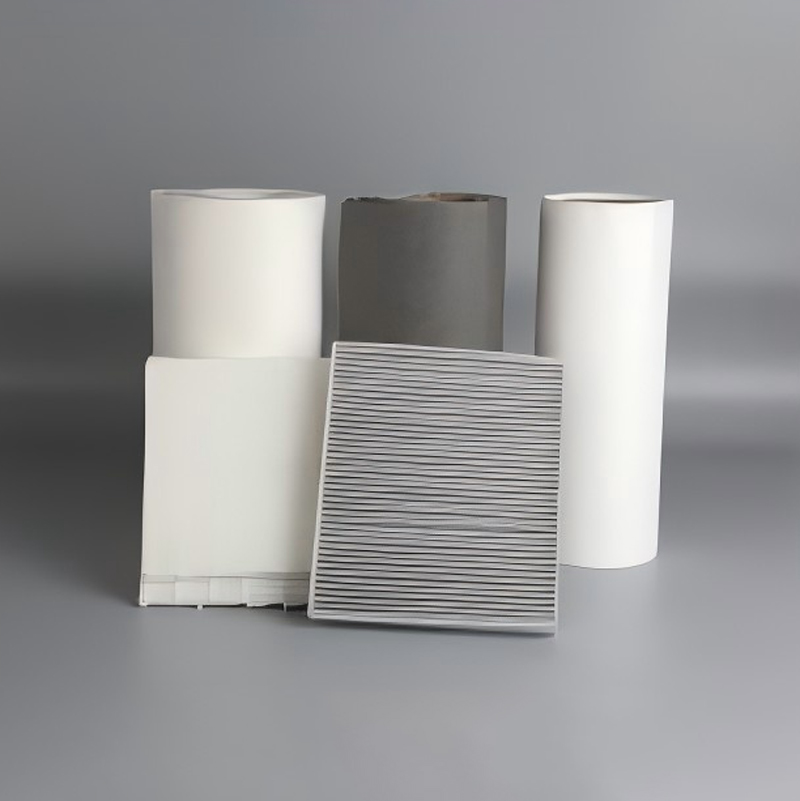 Air Filter Media
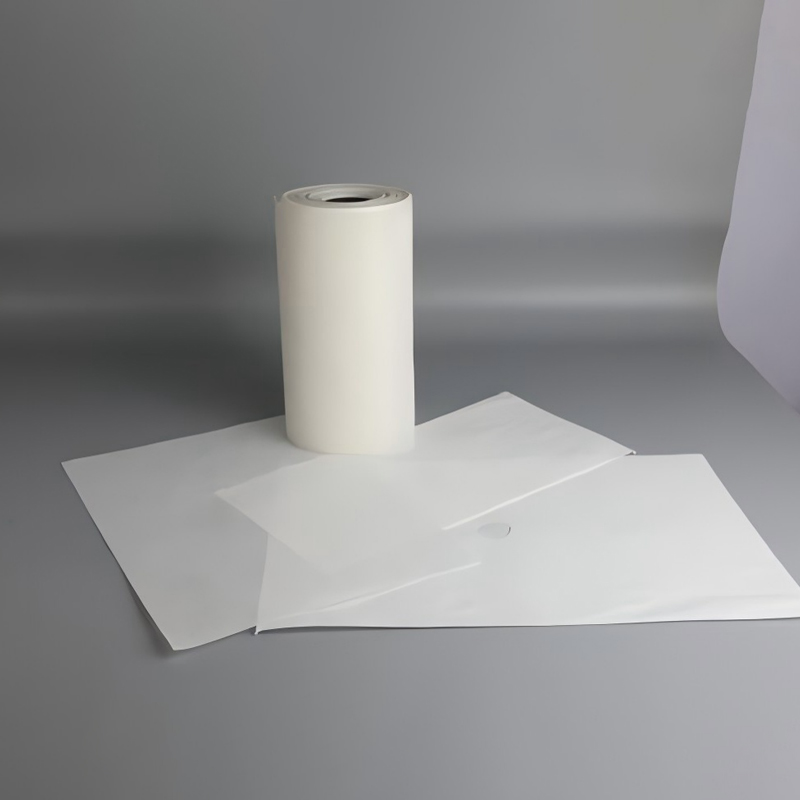 Liquid Filter Media
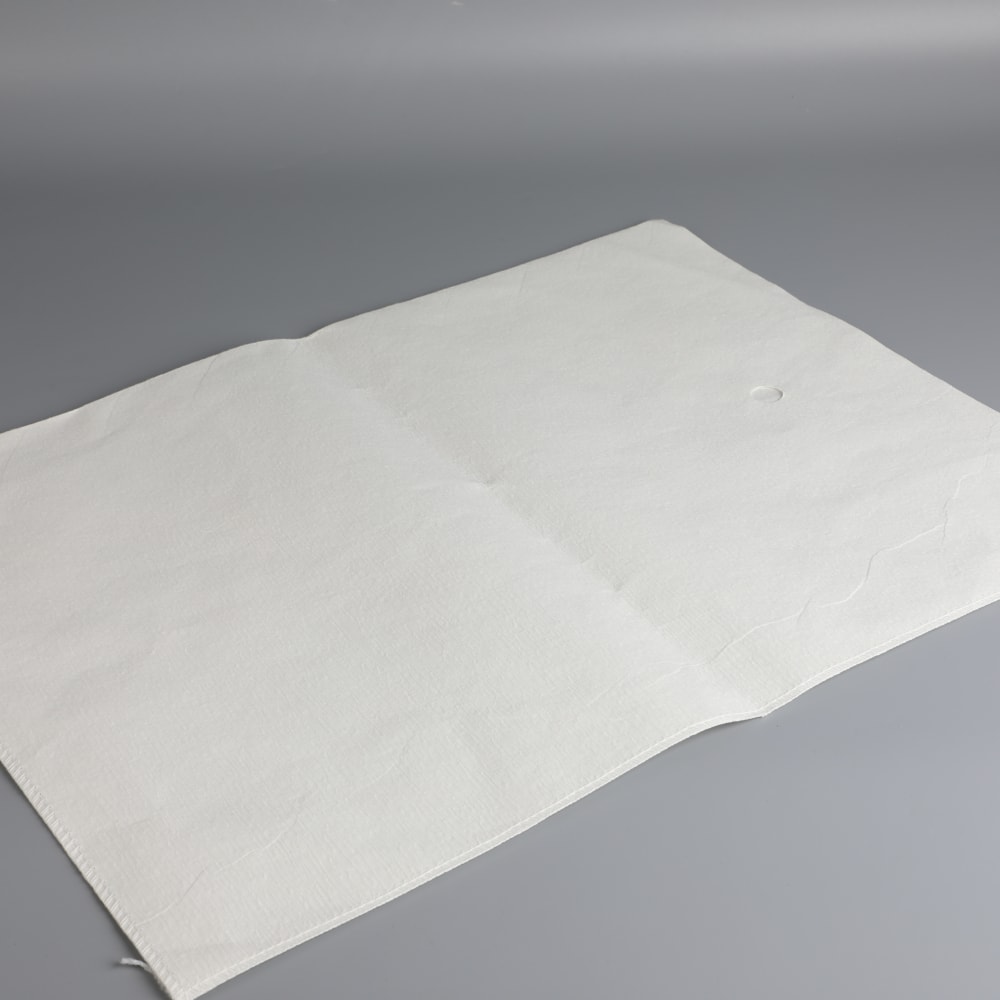 Filter Envelope & Filter Sheet
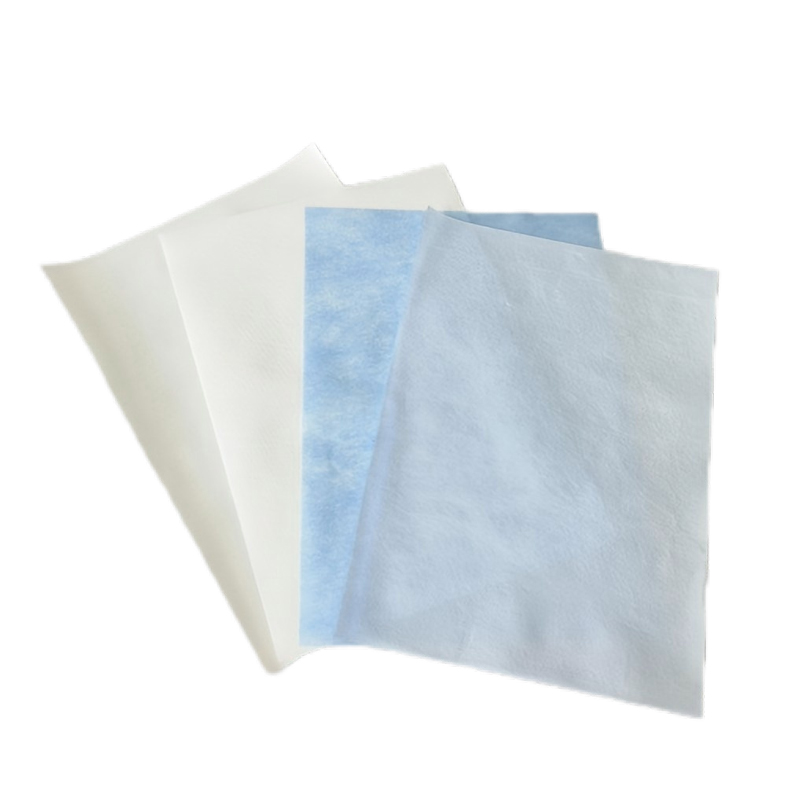 Breathable Film Laminates
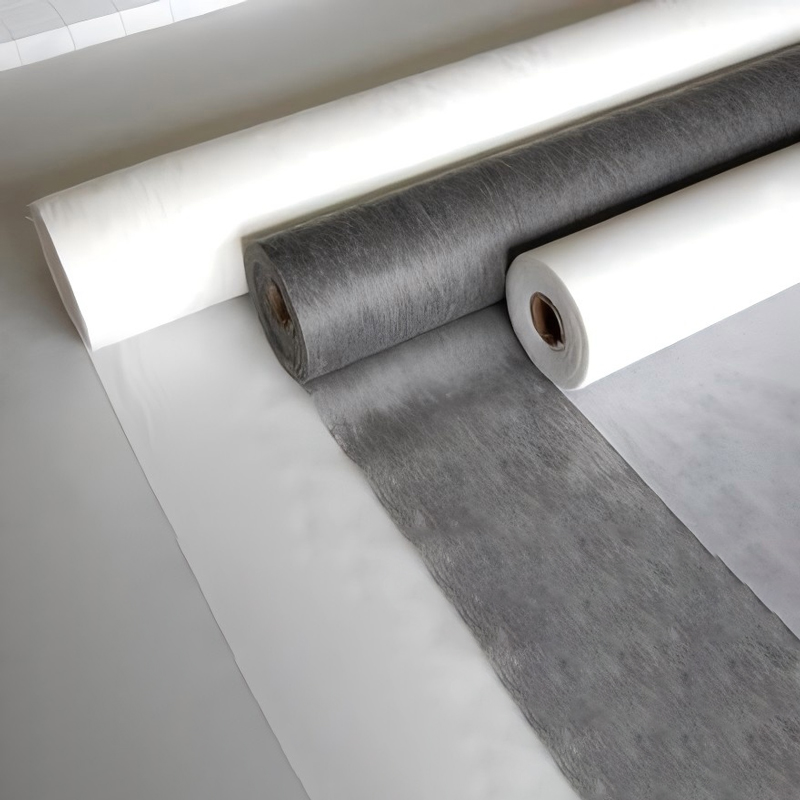 Nonwoven Interlining
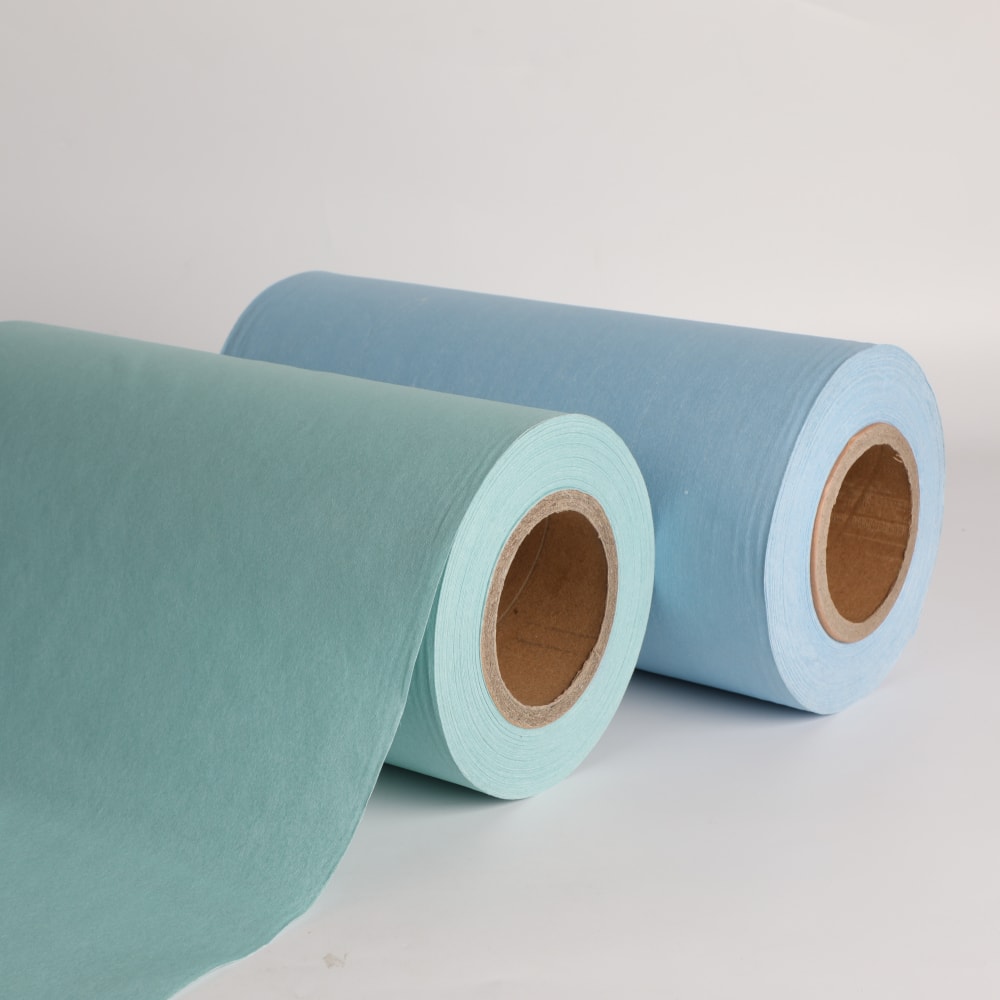 Fluid Repellent Woodpulp Spunlace Nonwoven
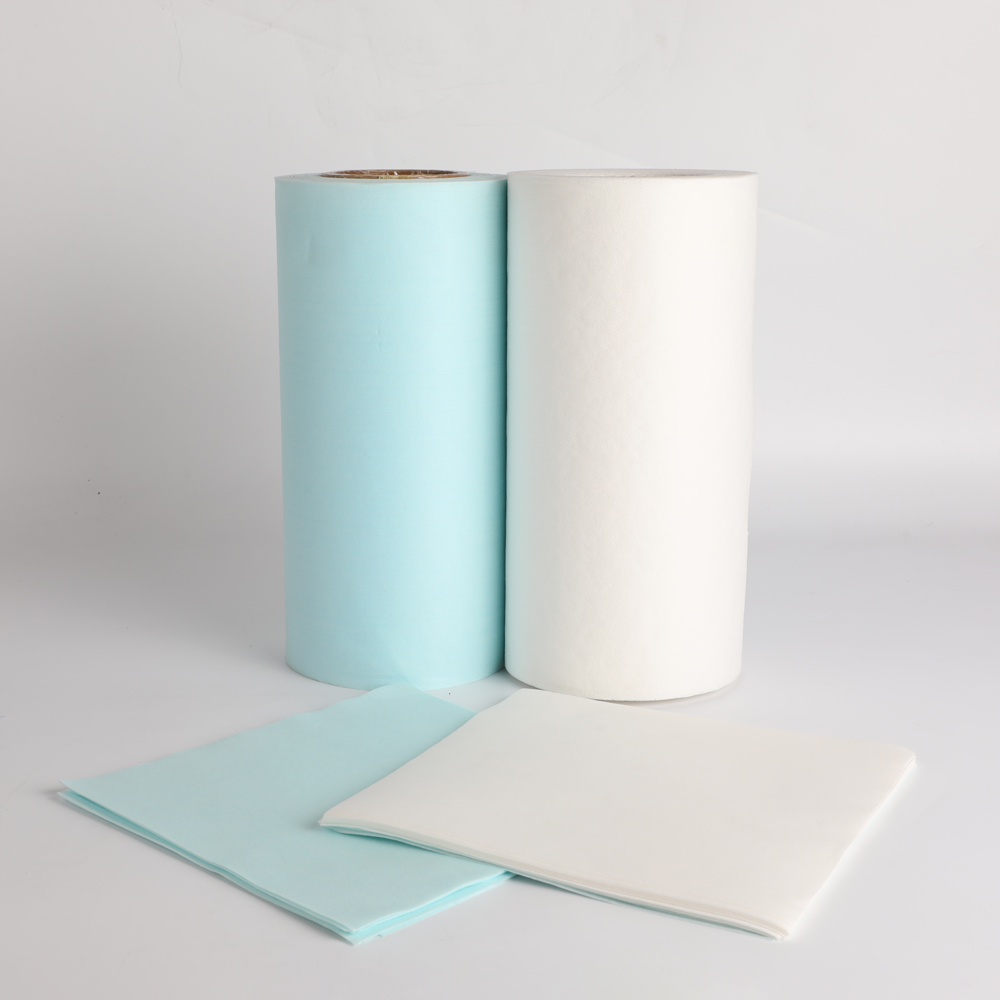 Woodpulp Nonwoven Wipe
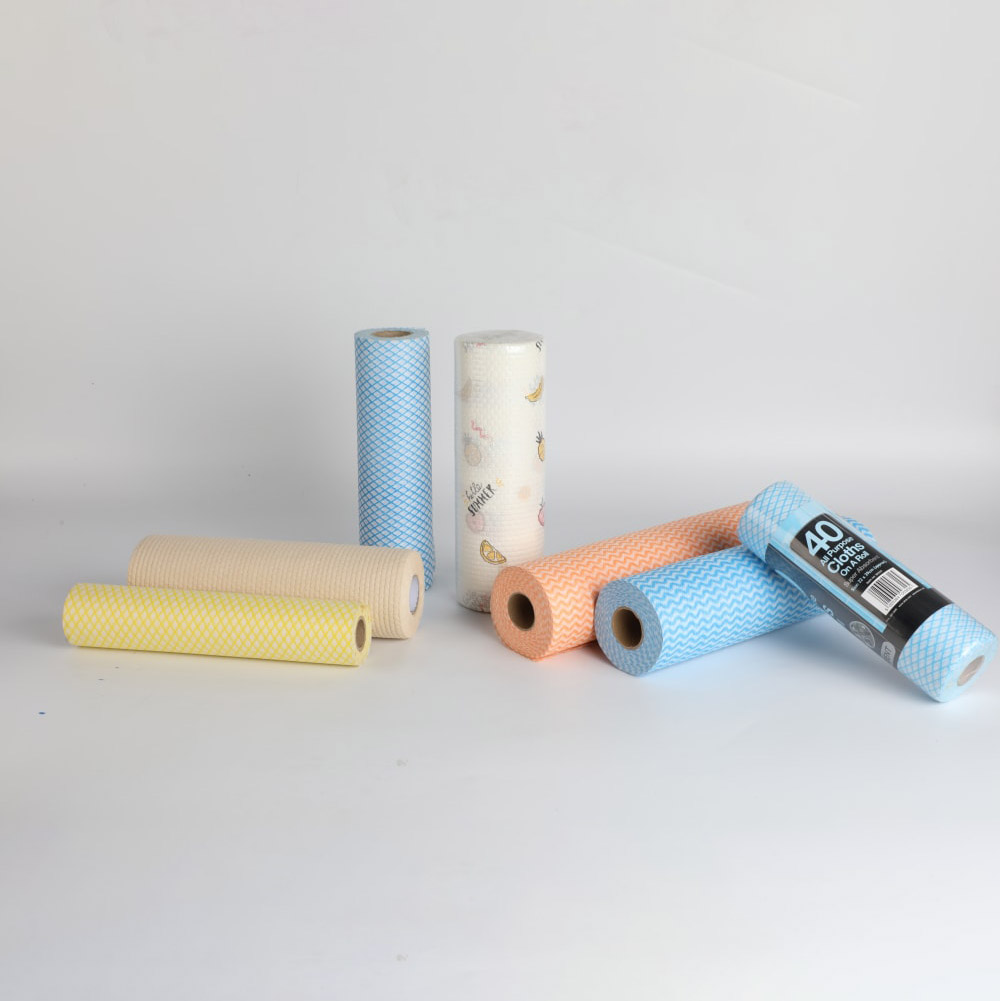 Nonwoven Cleaning Wipe
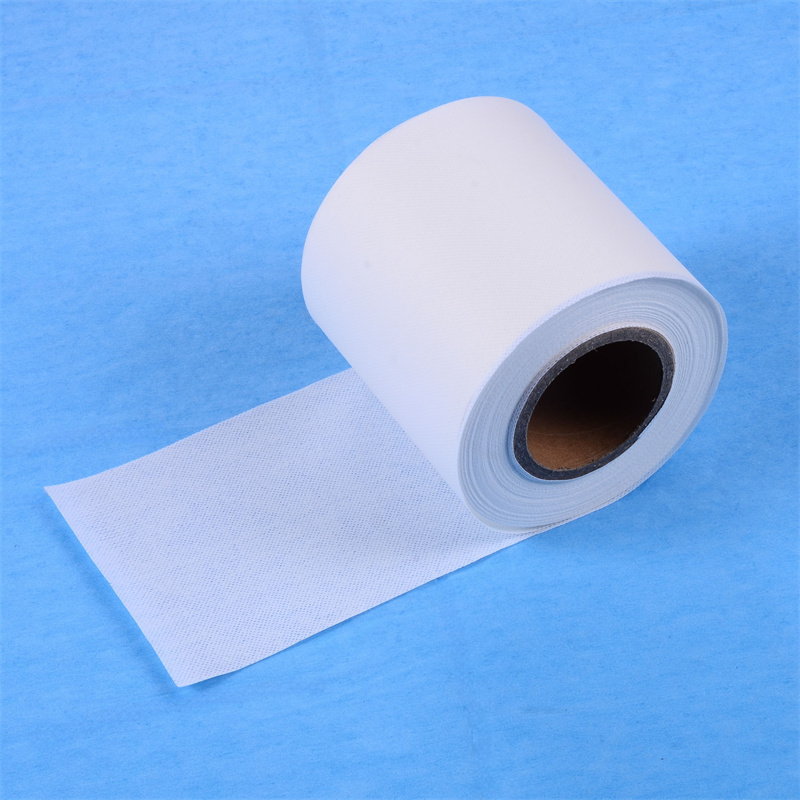 Flame Retardant Nonwoven Fabric
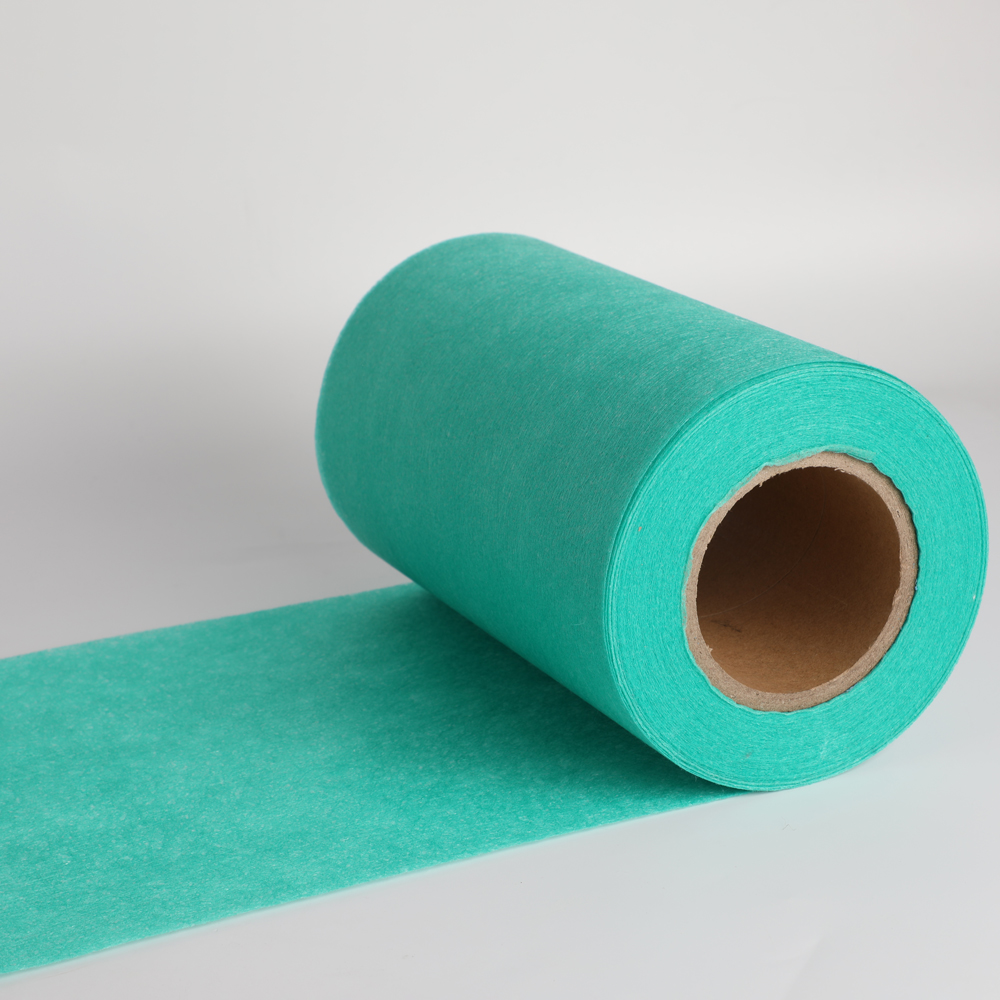 Anti-Bacterial Nonwoven
 CONTACT WhatsApp
 CONTACT WeChat

 CONTACT NUMBER
 CONTACT EMAIL