2026 How to Use Viscose Nonwoven for Sustainable Textile Solutions?
In recent years, the demand for sustainable textile solutions has surged. One innovative option is Viscose Nonwoven. This material offers a blend of comfort and sustainability, making it a compelling choice for eco-conscious brands. According to Dr. Emily Carter, a leading expert in textile technology, "Viscose Nonwoven represents a significant breakthrough in sustainable fabrics."
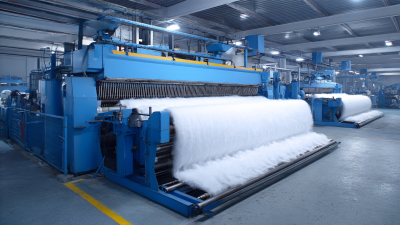
The production process of Viscose Nonwoven involves regenerating cellulose fibers from wood pulp. This method can reduce environmental impact if managed responsibly. However, there are concerns. Water usage and pollution remain critical challenges. The industry must tackle these issues to enhance Viscose Nonwoven's sustainability profile.
Despite its advantages, some consumers remain skeptical. They wonder about durability and biodegradability. Addressing these doubts is crucial for wider acceptance. As the industry evolves, ongoing research and consumer education will play vital roles. Only then can Viscose Nonwoven fulfill its promise as an effective, sustainable solution in the textile sector.

Understanding Viscose Nonwoven Materials and Their Properties
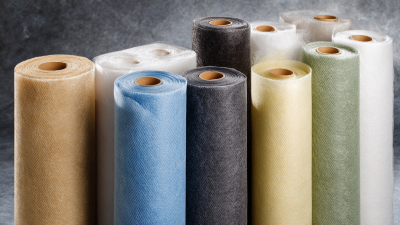
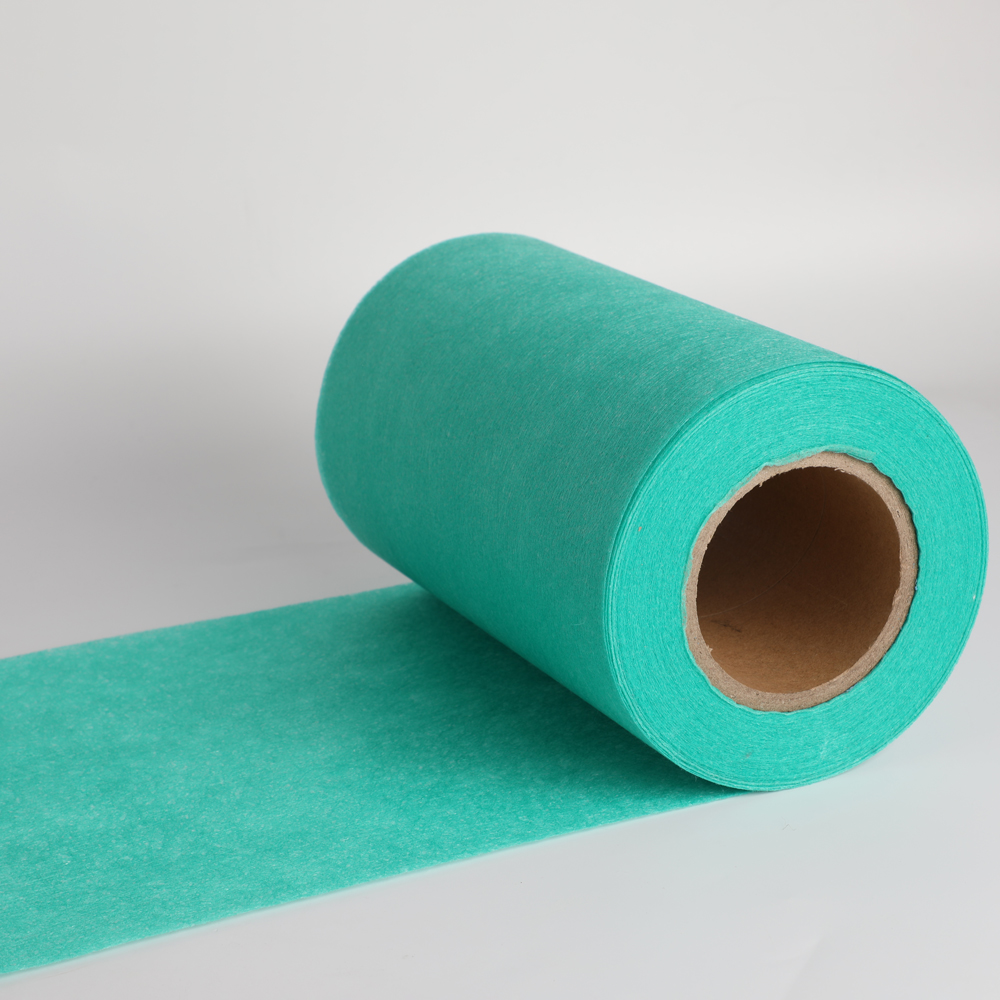
Viscose nonwoven materials offer a unique approach to sustainable textile solutions. These fabrics are made from regenerated cellulose fibers, making them biodegradable and eco-friendly. Their lightweight nature is perfect for various applications. They can be used in hygiene products, home textiles, and even fashion.
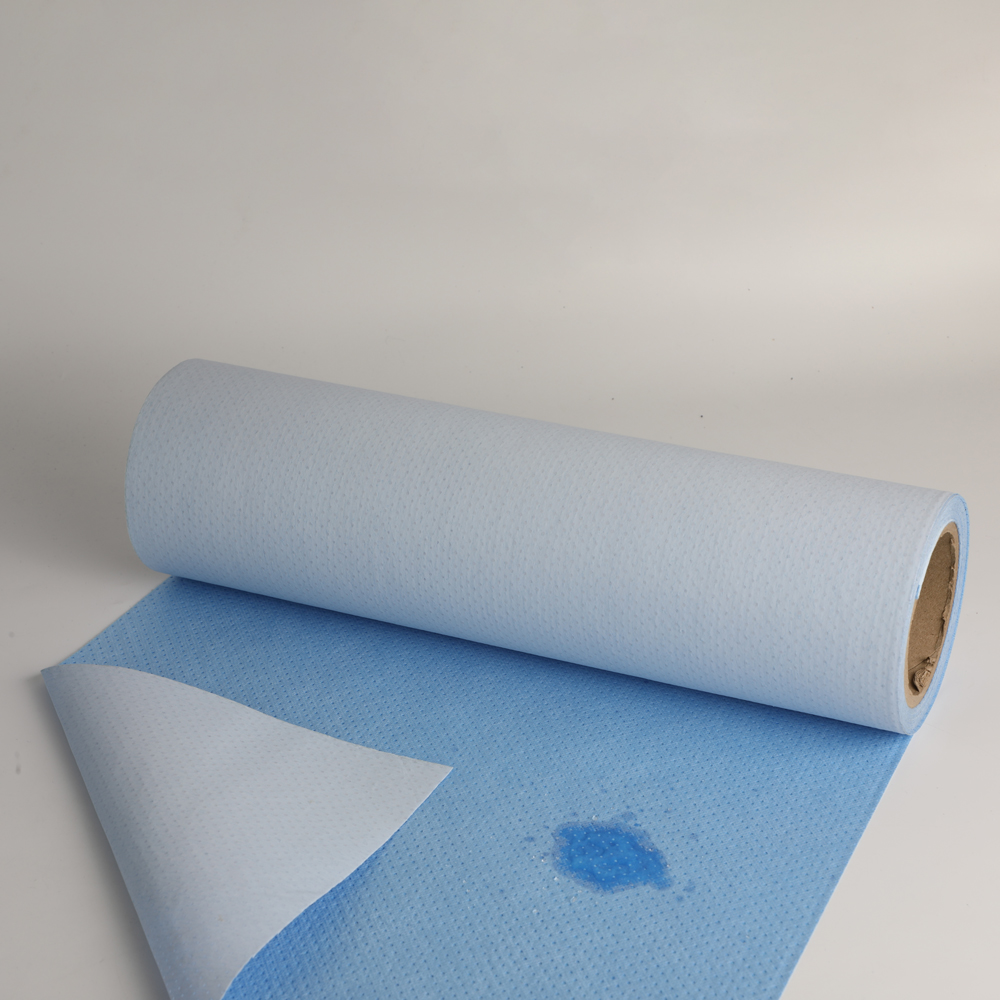
Viscose nonwovens possess excellent absorbency, making them ideal for items like wipes and medical textiles. In addition, their softness provides comfort in clothing and bedding. However, quality can vary. Some products may not perform well if not made correctly. Pay attention to the manufacturing process for consistent results.
Tip: Always check certifications for sustainable production practices. This helps ensure the material meets eco-friendly standards.
Another important aspect is durability. While viscose nonwoven is soft, it may lack longevity, which can be a concern for end-users. Consider balancing softness with strength, as it’s essential to reflect on the intended use of the fabric.
Tip: Experiment with blends. Combining viscose with other fibers can enhance strength while maintaining comfort, potentially leading to a more versatile product.
Environmental Benefits of Viscose Nonwoven in Textile Production
Viscose nonwoven fabrics are gaining traction in the textile industry for their sustainability benefits. According to recent data, these materials can reduce the carbon footprint by as much as 30% compared to traditional fabrics. The sourcing of cellulose from sustainable forests makes viscose nonwoven a viable option for eco-conscious brands.
The biodegradability of viscose nonwoven enhances its appeal. Studies show it can decompose within 60 days in the right conditions. This contrasts sharply with polyester, which can take over 200 years to break down. However, the recycling process for viscose is still not widely established, posing a challenge for waste management.
In terms of water usage, viscose nonwoven is less intensive than cotton. It requires approximately 30% less water for production. Yet, the environmental impact of chemical processing must be assessed. It's vital to examine how these chemicals can affect local ecosystems. As brands shift towards sustainable solutions, the complexities of production need attention to truly maximize the eco-friendly potential of viscose nonwoven.
2026 How to Use Viscose Nonwoven for Sustainable Textile Solutions? - Environmental Benefits of Viscose Nonwoven in Textile Production
| Dimension |
Data |
| Biodegradability |
Over 90% within 60 days |
| Water Consumption |
30% less than cotton |
| Carbon Footprint |
25% lower than conventional fibers |
| Renewable Resources |
Made from sustainably sourced wood pulp |
| Recycling Rate |
Up to 60% recyclable materials |
| Production Energy Use |
20% less energy than synthetic fibers |
| Air Emissions |
Fewer volatile organic compounds (VOCs) |
Applications of Viscose Nonwoven in Sustainable Fashion
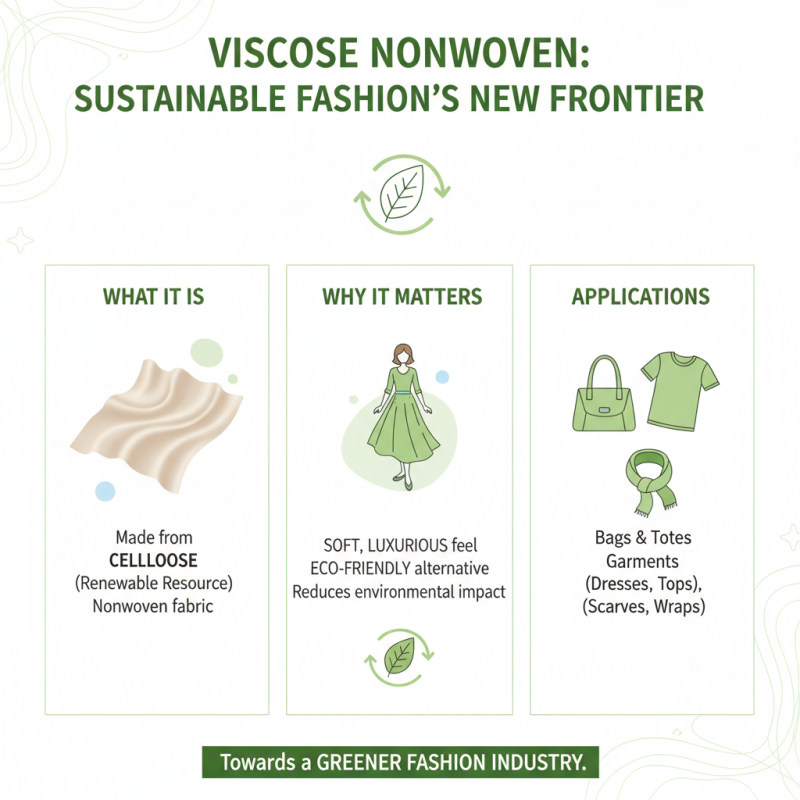
Viscose nonwoven fabric is gaining traction in sustainable fashion. This material is made from cellulose, a renewable resource. It has a soft feel and a luxurious appearance, making it an appealing choice for designers. Viscose nonwoven items can include bags, garments, and accessories, all contributing to a greener industry.
One notable benefit is its biodegradability. Unlike many synthetic fabrics, viscose nonwovens can break down naturally, reducing landfill waste. However, some production processes can still harm the environment. Sustainable sourcing of raw materials is crucial. Designers need to be mindful of the overall lifecycle of their products.
Consumer education is also essential. Many buyers are unaware of the advantages of viscose nonwoven. They often prioritize style over sustainability. Balancing aesthetics with environmental responsibility is a challenge. The industry must encourage transparency and promote the benefits of this innovative material. Embracing imperfections and continuously reflecting on practices can lead to both progress and awareness in sustainable fashion.
Techniques for Recycling and Reusing Viscose Nonwoven Fabrics
Viscose nonwoven fabrics offer promising solutions for sustainable textiles. These materials are highly versatile and biodegradable. However, their recycling and reuse are not yet fully explored. To truly embrace sustainability, we must innovate how we handle these textiles.
Recycling viscose nonwoven can be tricky. One method involves collecting fabric waste, shredding it, and reconstituting it into new materials. This process can reduce landfill waste. But, many facilities lack the technology for efficient recycling. It's vital to invest in better systems. Not all viscose can be recycled seamlessly. Monitor fabric composition for optimal results.
Tips: Always clean and sort your nonwoven fabrics before recycling. Look for local programs that accept textile waste. Consider upcycling unusable pieces into household items. For reuse, think creatively. Turn scraps into cleaning cloths or art projects. Engage your community in discussions about sustainable practices. Challenge traditional views on disposal. By sharing knowledge, we can encourage better habits and strategies in fabric management.
Future Trends in Viscose Nonwoven for Eco-Friendly Textiles
Viscose nonwoven fabrics are emerging as a key player in sustainable textiles. These materials, derived from natural sources, offer a biodegradable alternative to synthetic textiles. As environmental concerns rise, the demand for eco-friendly solutions intensifies. Viscose nonwovens can be produced with minimal environmental impact, making them an attractive choice in textile manufacturing.
Future trends suggest that innovation in viscose processing will enhance its performance. Companies are exploring ways to improve durability while maintaining softness. Some are experimenting with different blends to create unique textures. However, challenges remain. The production process can still be resource-intensive, raising questions about water use and energy consumption. This indicates a need for continuous improvement.
Collaboration among manufacturers, designers, and researchers is vital. Sharing insights and best practices can help refine techniques. Consumer awareness will also drive changes, as buyers increasingly seek out sustainable options. By addressing these issues and embracing innovation, viscose nonwoven can significantly contribute to the eco-friendly textile movement.

 Multi Laminates
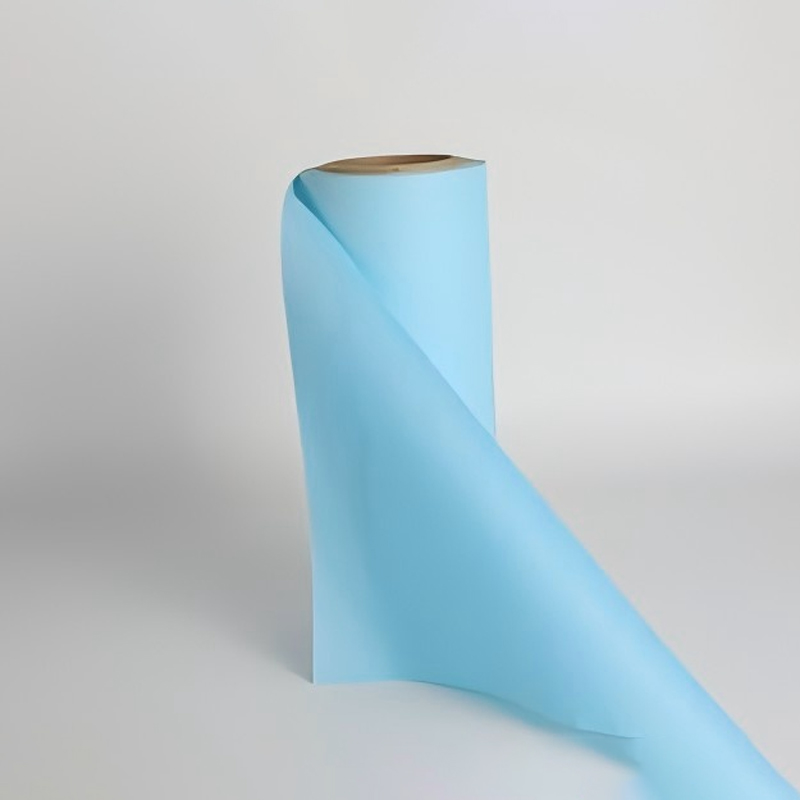 Spunlace Nonwoven Laminates
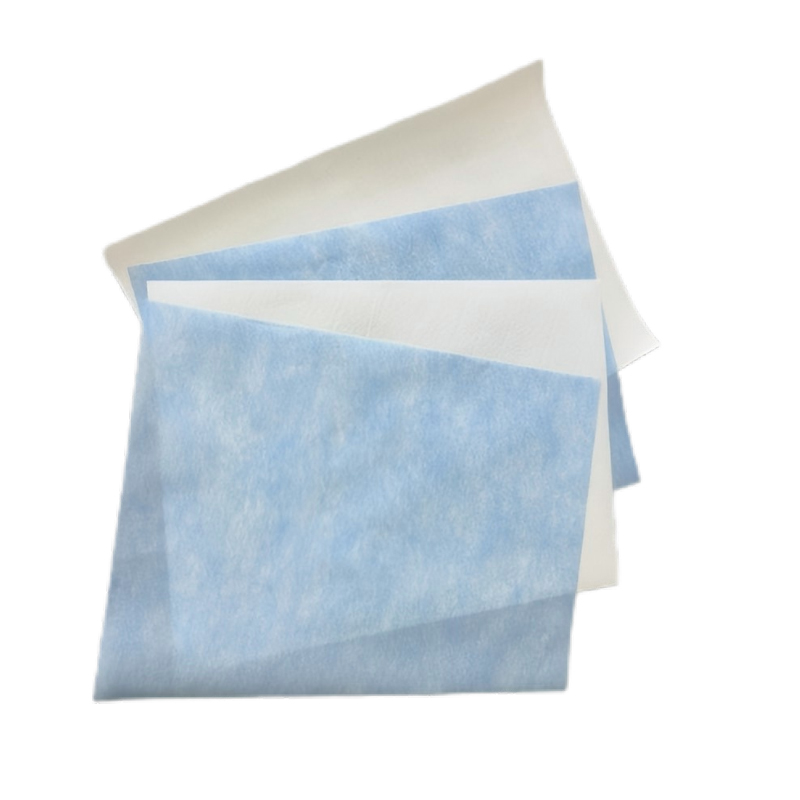 Breathable Film Laminates
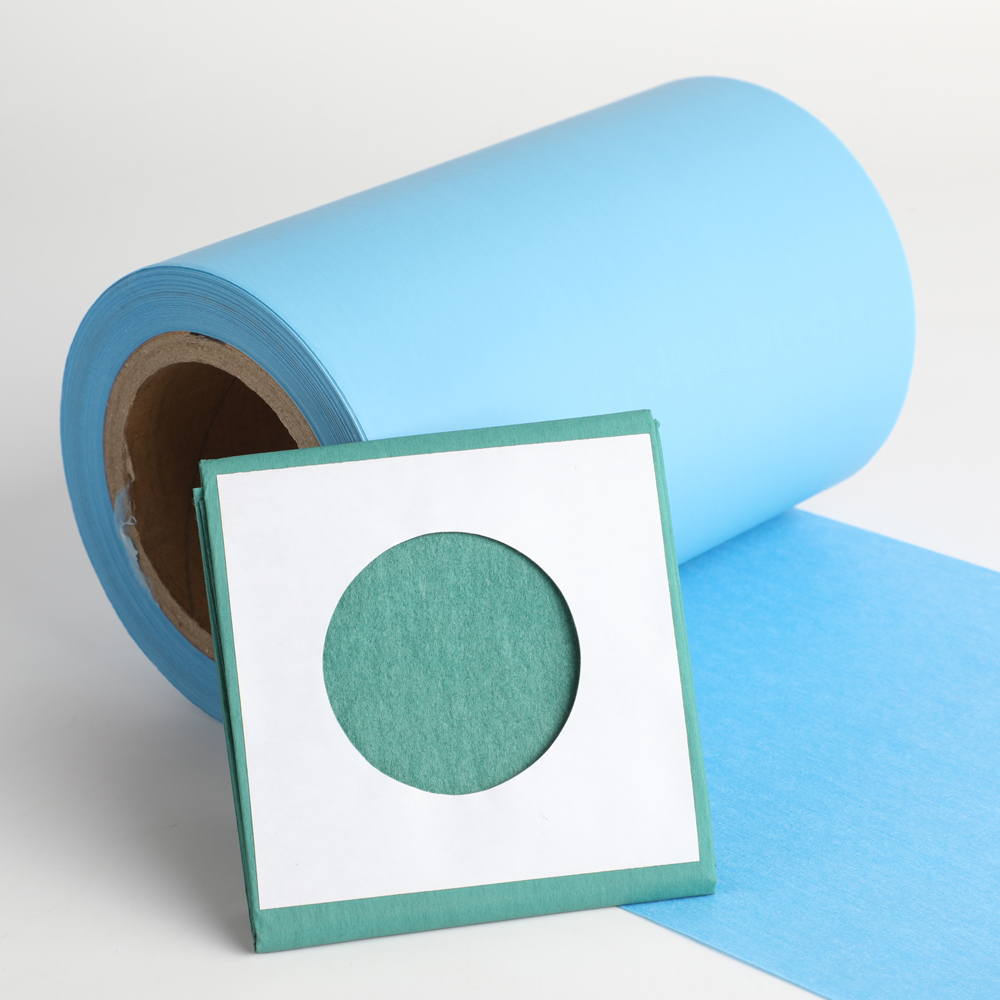 Viscose Laminates
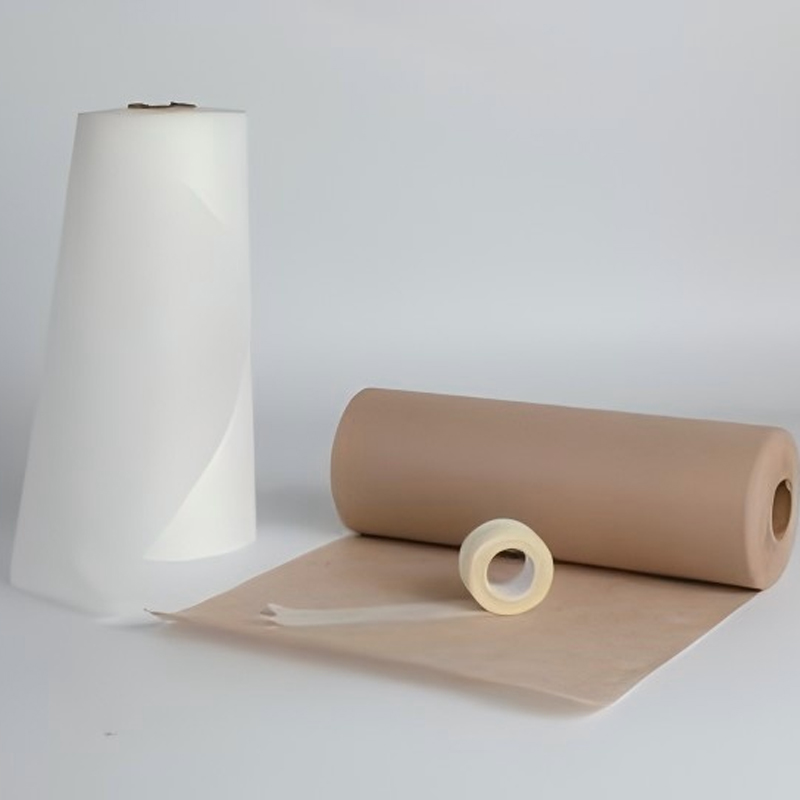 Medical Tape Nonwoven
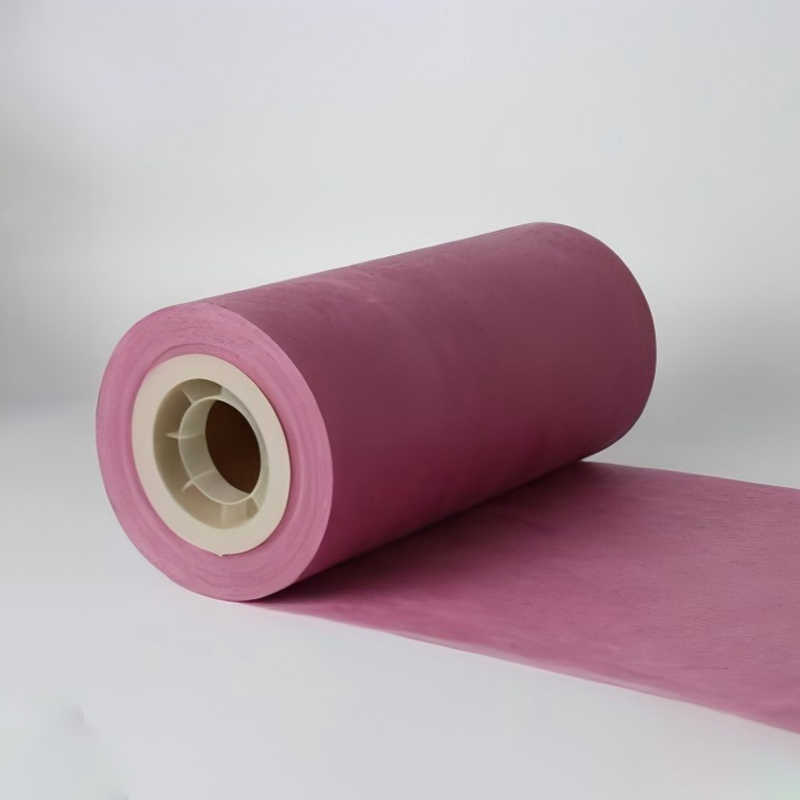 Filtration Nonwoven
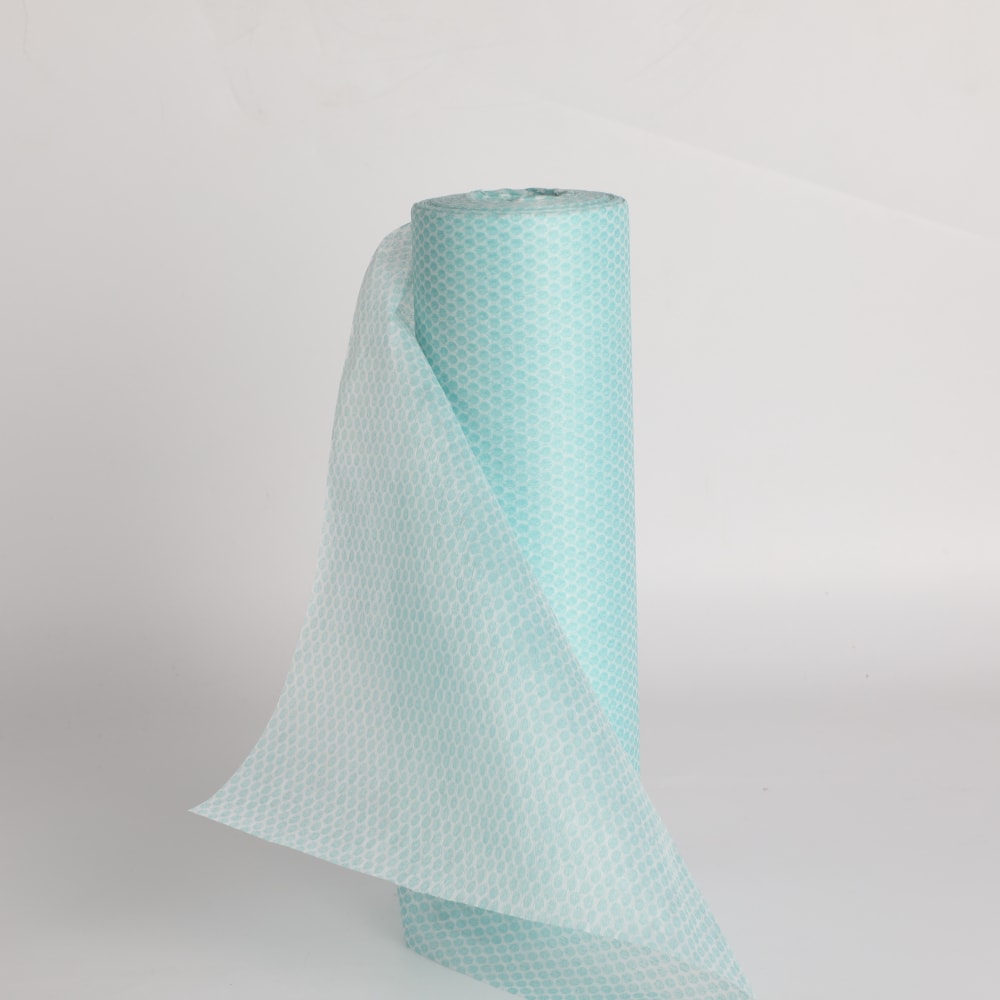 Head Wear Nonwoven
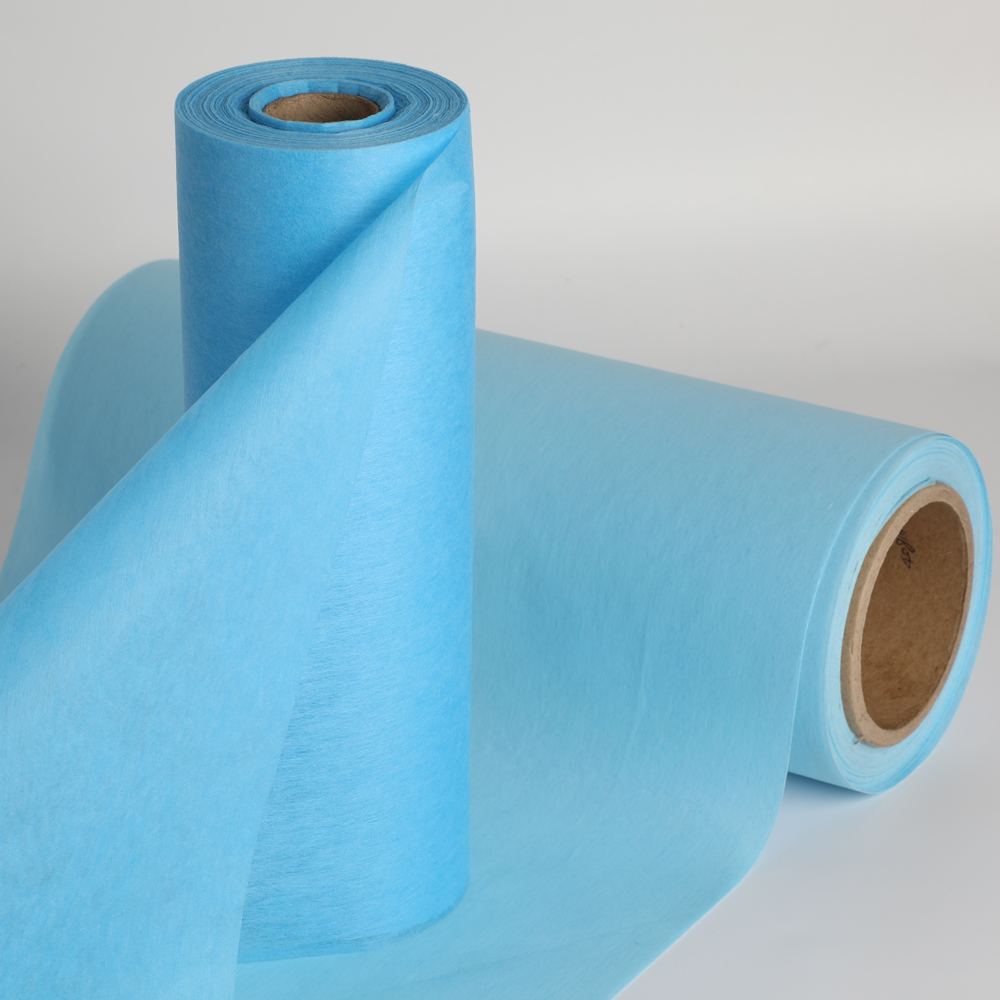 Medical Viscose Nonwoven
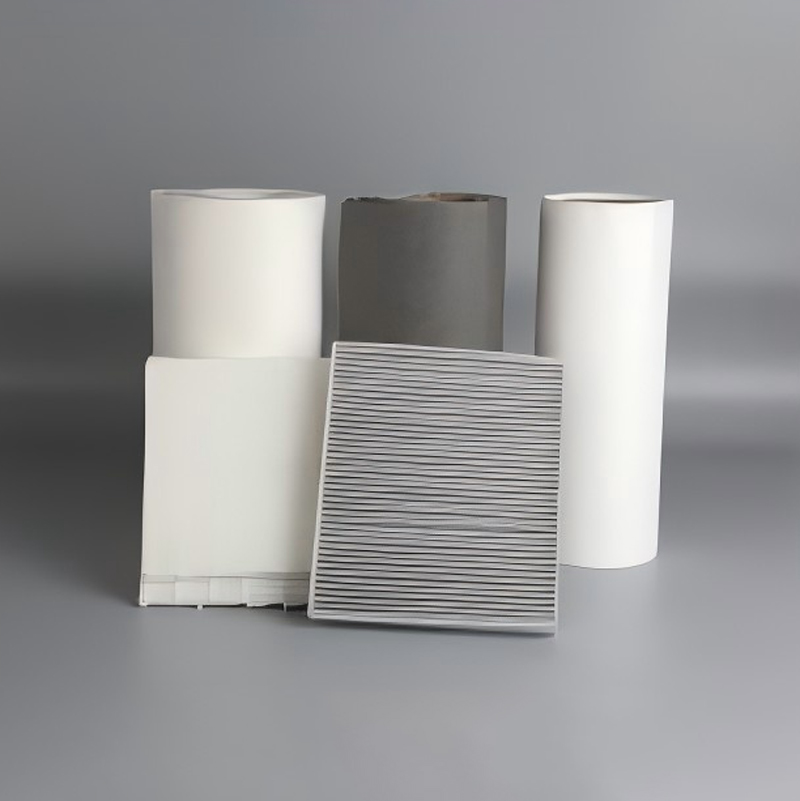 Air Filter Media
 Liquid Filter Media
 Filter Envelope & Filter Sheet
 Breathable Film Laminates
 Nonwoven Interlining
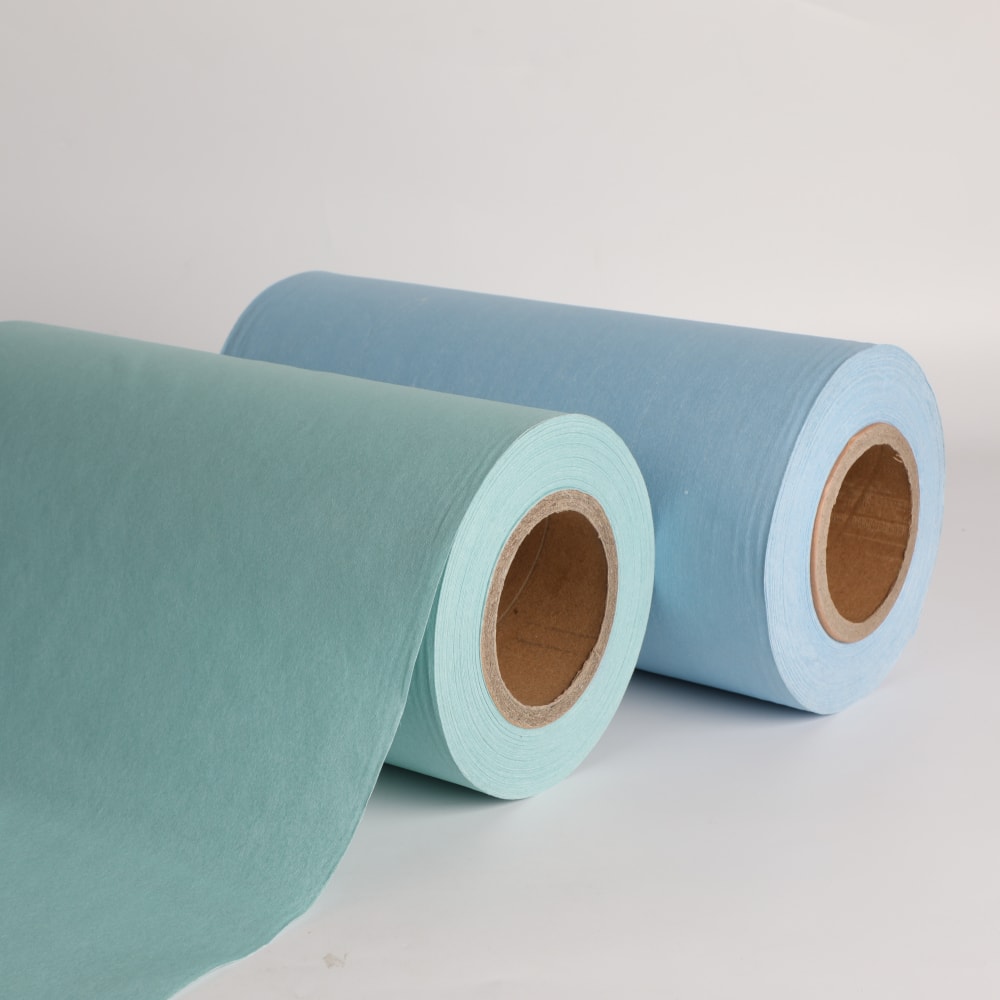 Fluid Repellent Woodpulp Spunlace Nonwoven
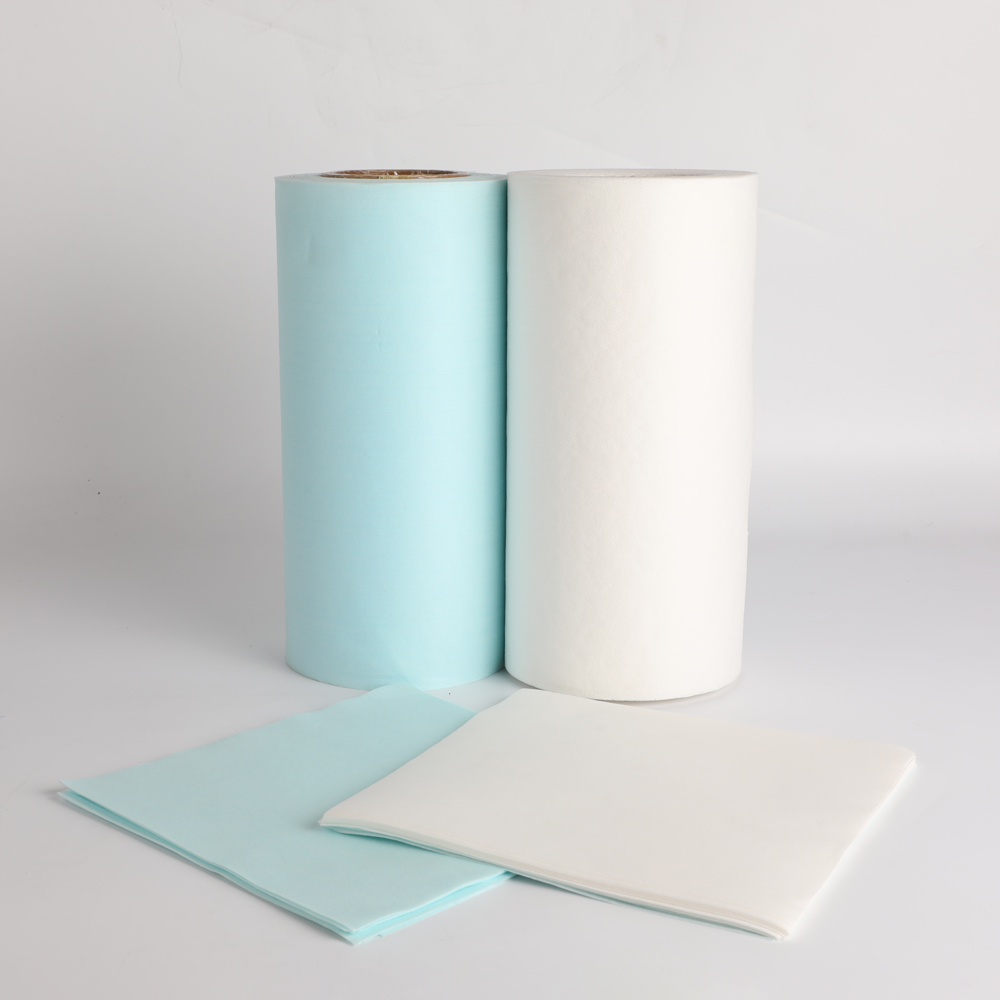 Woodpulp Nonwoven Wipe
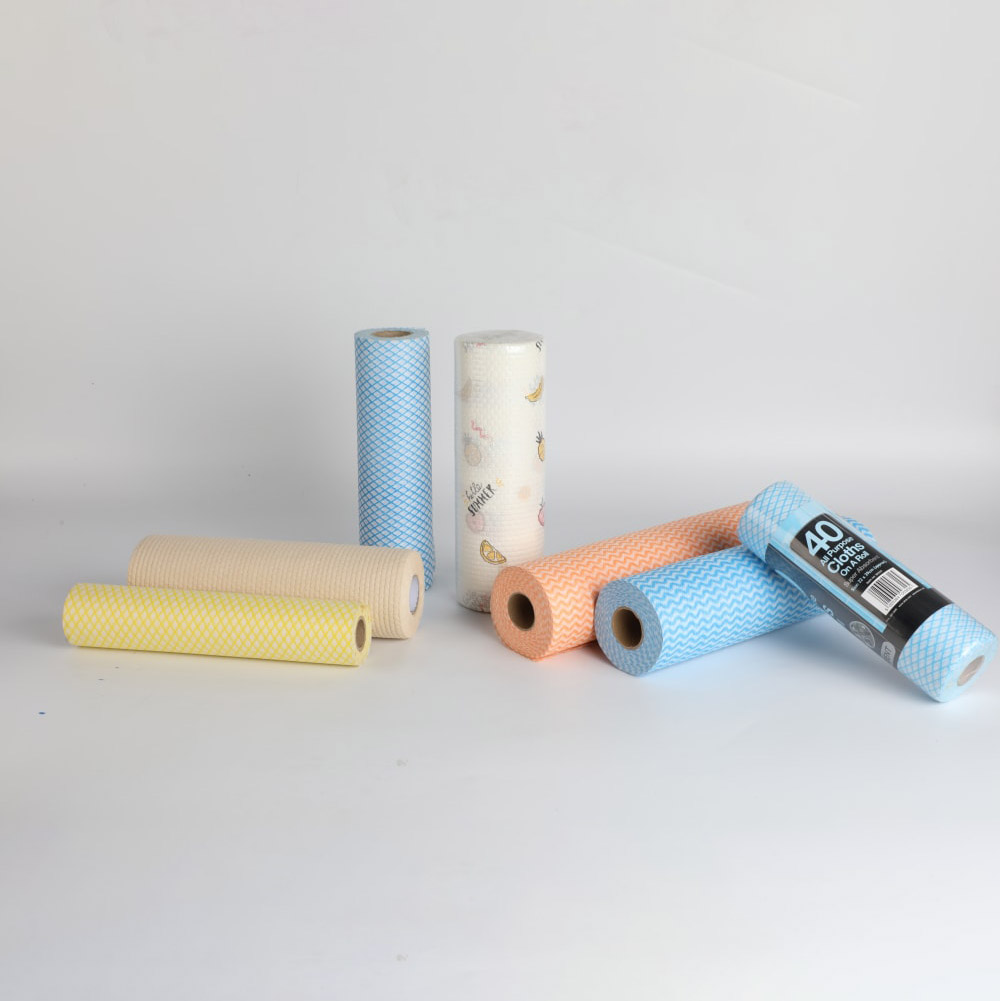 Nonwoven Cleaning Wipe
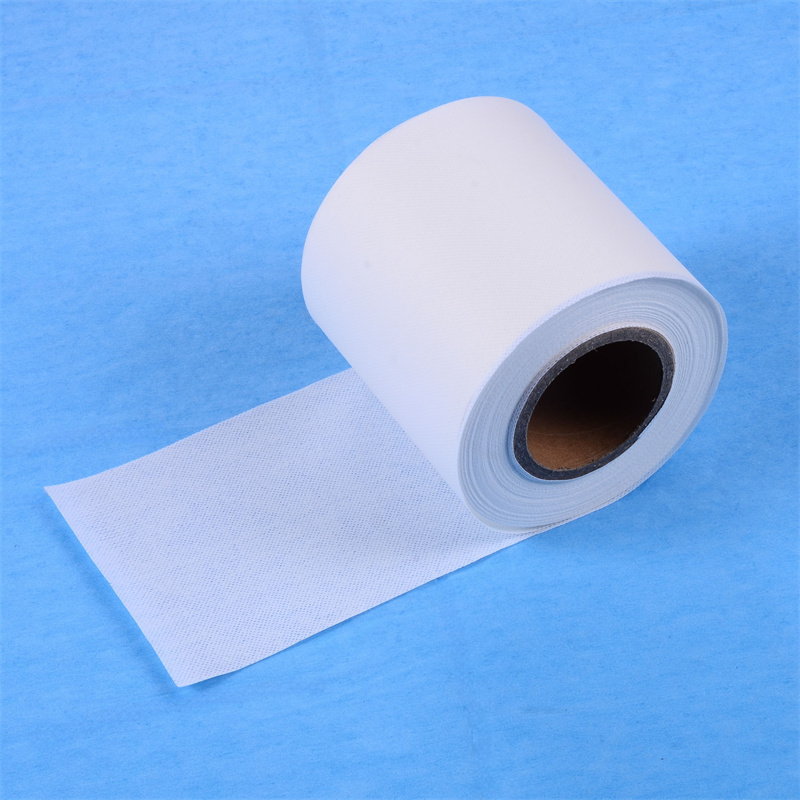 Flame Retardant Nonwoven Fabric
 Anti-Bacterial Nonwoven
 CONTACT WhatsApp
 CONTACT WeChat

 CONTACT NUMBER
 CONTACT EMAIL