The Ultimate Guide to Choosing the Best Hygiene Wipes for Everyday Protection
In today's fast-paced world, maintaining cleanliness and hygiene has become more crucial than ever. Hygiene wipes have emerged as a popular solution for everyday protection against germs and contaminants. According to a 2021 report by Grand View Research, the global hygiene wipes market is expected to reach $24.5 billion by 2028, driven by increasing consumer awareness of health and sanitation. Furthermore, a study by the National Institutes of Health indicates that hygiene wipes can effectively reduce the presence of harmful bacteria on surfaces, making them an essential tool for personal and public hygiene. As we navigate through various environments, understanding how to choose the best hygiene wipes is essential for ensuring optimal protection and cleanliness. This guide aims to provide insights into the different types of hygiene wipes available, their effectiveness, and the key factors to consider when selecting the right product for your daily needs.
Understanding the Importance of Hygiene Wipes in Daily Life
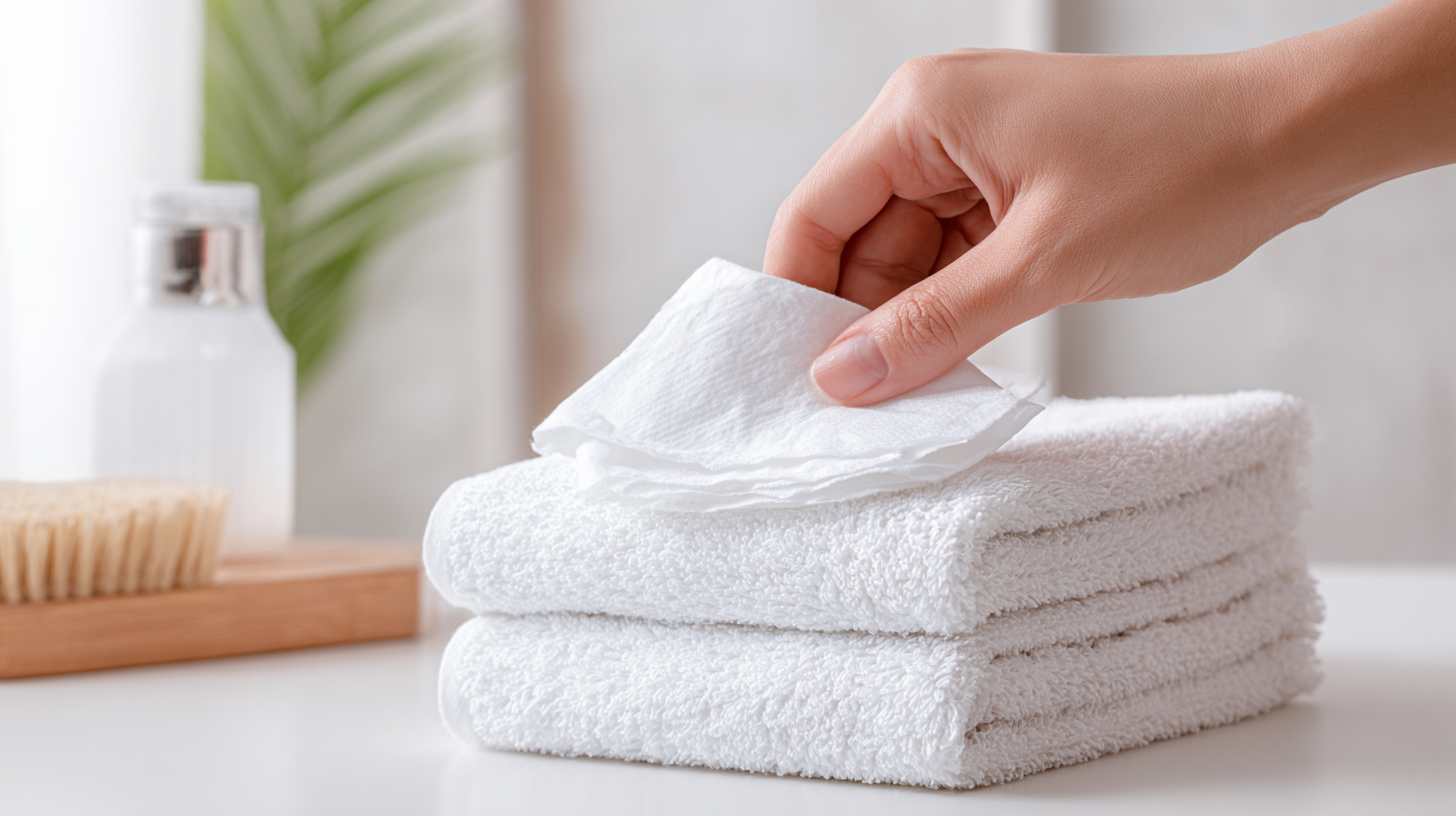
In our fast-paced daily lives, maintaining hygiene is more crucial than ever. Hygiene wipes serve as an essential tool for protecting ourselves from germs and bacteria, especially in situations where soap and water are not readily available. These handy wipes can help us stay healthy by cleaning our hands, surfaces, and even personal items. Understanding their role in our everyday protection can empower individuals to make informed choices when it comes to personal hygiene.
When selecting hygiene wipes, consider checking the ingredients list. Opt for wipes that contain at least 70% alcohol, as this concentration is effective against most germs. Additionally, look for wipes that are dermatologist-tested and free from harsh chemicals to minimize skin irritation. Staying aware of expiration dates is also important, as the efficacy of some wipes can diminish over time.
Tips for effective use of hygiene wipes include carrying a small pack in your bag for convenient access during outings, especially in public spaces like restaurants or transportation. Make it a habit to wipe down surfaces before use, whether it’s a shopping cart or gym equipment. Lastly, don’t forget to use wipes after handling money or touching shared devices, securing your protection throughout the day.
Key Features to Look for in Effective Hygiene Wipes
When selecting effective hygiene wipes, it's essential to consider several key features that determine their efficiency and suitability for daily use. First and foremost, the wipes should be capable of killing a significant percentage of bacteria, ideally around 99.9%. This level of efficacy not only ensures thorough sanitation but also provides peace of mind, especially when used in environments prone to germs. Additionally, consider the compatibility of the wipes with various surfaces. For example, some sanitizing wipes are specifically designed for electronics, ensuring the devices remain undamaged while still effectively eliminating harmful microbes.
Another critical aspect is the environmental impact of the wipes. With growing concerns regarding the consequences of flushing disposable wipes, such as damage to sewage systems, it's vital to choose products that are biodegradable or have clear disposal instructions. Innovations like dissolvable wipes are emerging as sustainable alternatives that could revolutionize the industry, addressing the dual needs of hygiene and environmental responsibility. Ultimately, making an informed choice based on these features will help consumers protect not only themselves but also the environment.
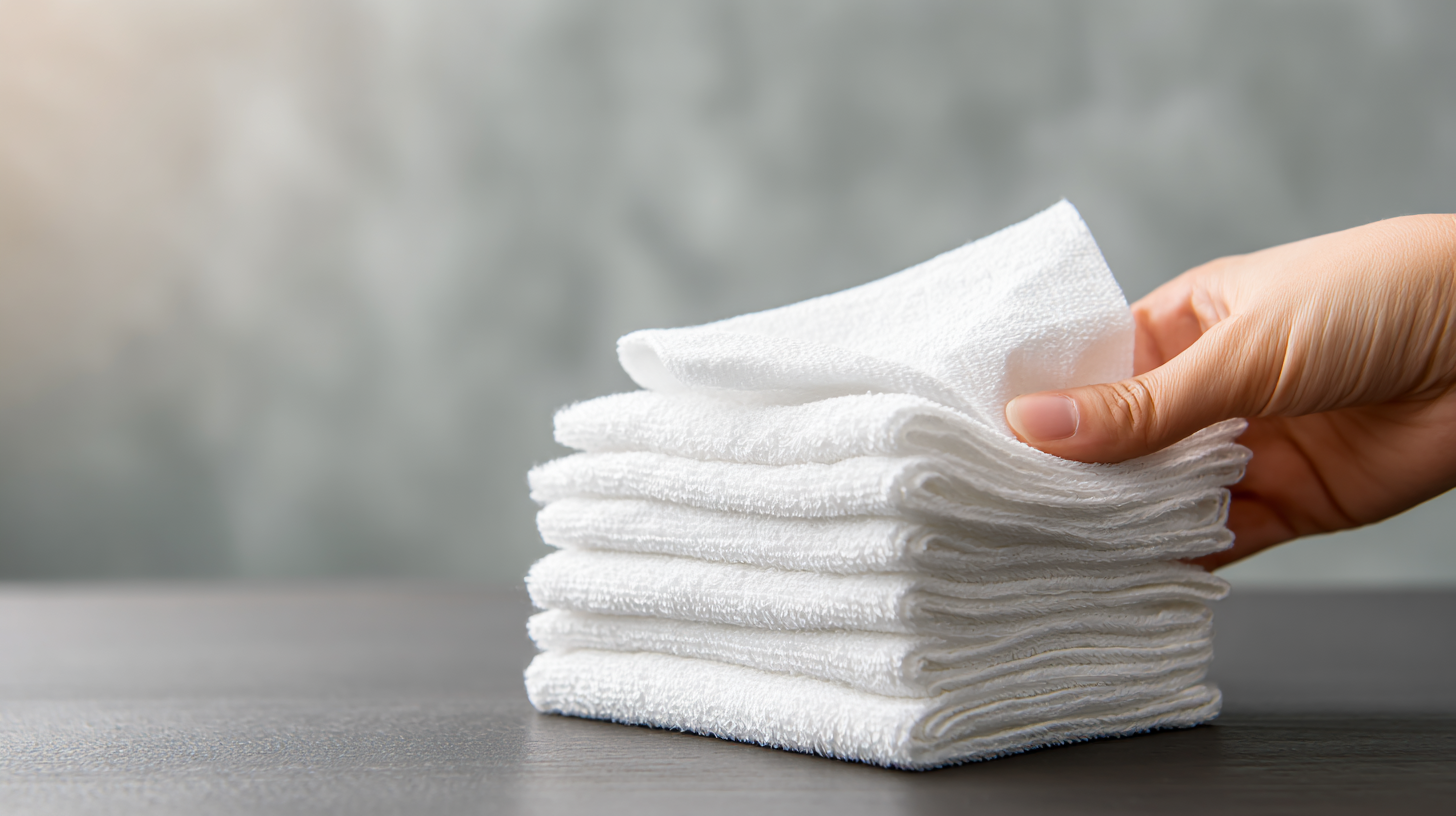
Types of Ingredients: What to Choose for Sensitive Skin
 When selecting hygiene wipes for sensitive skin, it's essential to prioritize ingredients that minimize irritation while ensuring effective cleanliness. Look for wipes that are alcohol-free, as alcohol can dry out and irritate sensitive skin. Instead, opt for wipes infused with soothing agents like aloe vera or chamomile, which provide hydration and reduce redness. These natural ingredients help to keep the skin comfortable while removing dirt and germs.
Additionally, consider wipes that are free from harsh chemicals, fragrances, and dyes. Formulations that include gentle cleansers, such as citric acid or glycerin, can provide effective cleansing without compromising skin integrity. Always check for hypoallergenic labels, as these products are specifically designed to limit allergic reactions and skin sensitivity. By choosing wipes formulated with gentle, skin-friendly ingredients, individuals with sensitive skin can achieve optimal hygiene without discomfort.
Eco-Friendly Options: Balancing Safety and Sustainability
When selecting hygiene wipes, it's essential to consider
eco-friendly options that prioritize both safety and sustainability. Many traditional wipes
contain harsh chemicals and non-biodegradable materials, contributing
to environmental harm. However, numerous brands now offer biodegradable wipes
made from sustainable materials, ensuring that your hygiene practices don't come at the cost
of the planet. Look for options labeled as compostable or made
from organic fibers to make a responsible choice.
Tips: Always check for certifications on the
product packaging, such as USDA Organic or similar eco-friendly
labels. This can give you a clear indication of the product's environmental impact.
Another important aspect is the efficacy of these eco-friendly wipes. Many consumers worry
that switching to a green option might compromise cleanliness. Fortunately, there are brands
that formulate their wipes with plant-based natural ingredients,
effectively fighting germs while maintaining safety for both users and the environment.
Tips: Choose wipes that specifically indicate
antiviral or antibacterial properties
to ensure you're not sacrificing effectiveness for sustainability.
Where to Use Hygiene Wipes for Optimal Protection
Hygiene wipes have become an essential item for maintaining cleanliness in various settings. According to a recent report by the Global Hygiene Wipes Market, the demand for hygiene wipes is projected to grow significantly, with a market value expected to reach over $20 billion by 2025. This surge emphasizes the importance of knowing where to use these wipes for optimal protection.
One of the most effective places to use hygiene wipes is in high-traffic areas such as public transportation, healthcare facilities, and schools. A study published in the American Journal of Infection Control found that surfaces in these environments are often contaminated with harmful pathogens, making regular disinfection crucial. Wiping down seats, handles, and other frequently touched surfaces can significantly reduce the risk of infection. Additionally, personal use of hygiene wipes before eating or after using public facilities is vital; the Centers for Disease Control and Prevention (CDC) notes that hand hygiene is one of the most effective ways to prevent the spread of infections.
In home environments, kitchens and bathrooms are hotspots for germs. A survey conducted by the National Sanitation Foundation reveals that kitchen sponges and sink surfaces often harbor bacteria levels comparable to those found in public toilets. Thus, using hygiene wipes to disinfect countertops, faucets, and bathroom fixtures can enhance household safety. This proactive approach helps ensure that everyday environments remain hygienic and reduce the likelihood of illness.
The Ultimate Guide to Choosing the Best Hygiene Wipes for Everyday Protection

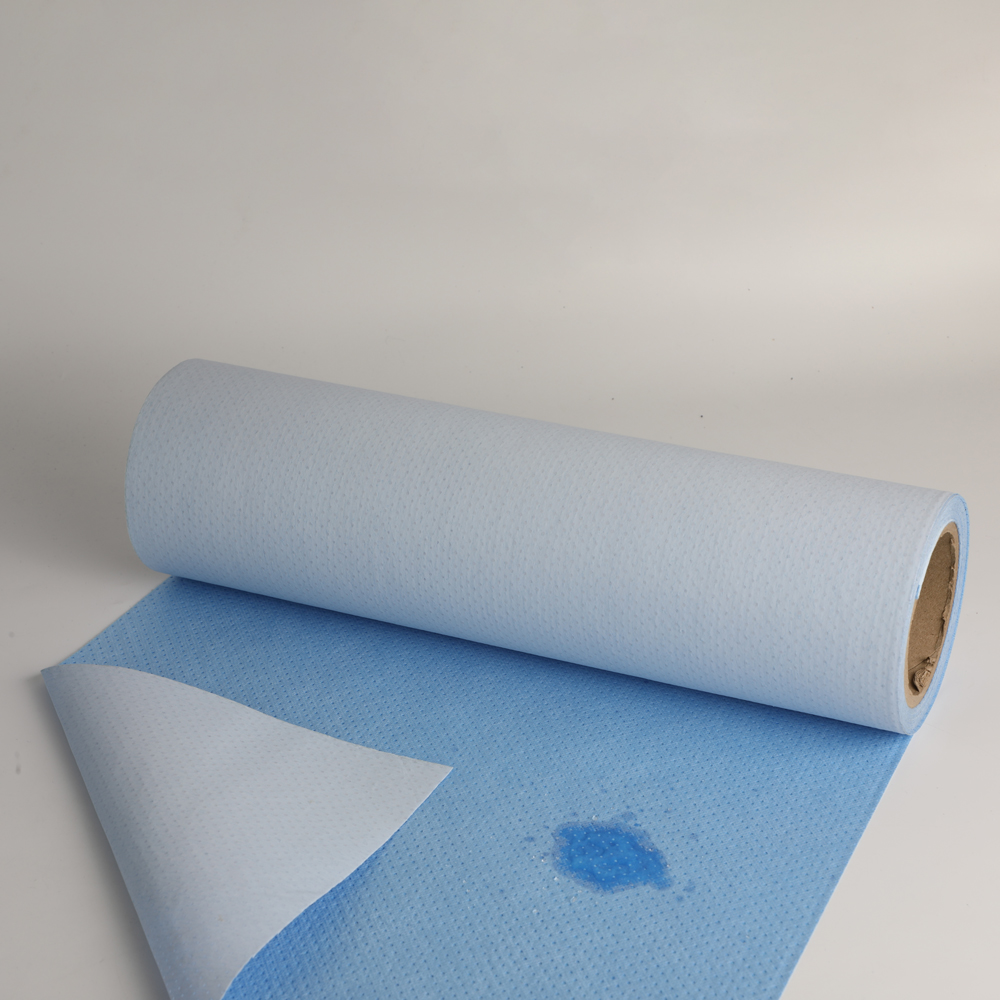 Multi Laminates
 Spunlace Nonwoven Laminates
 Breathable Film Laminates
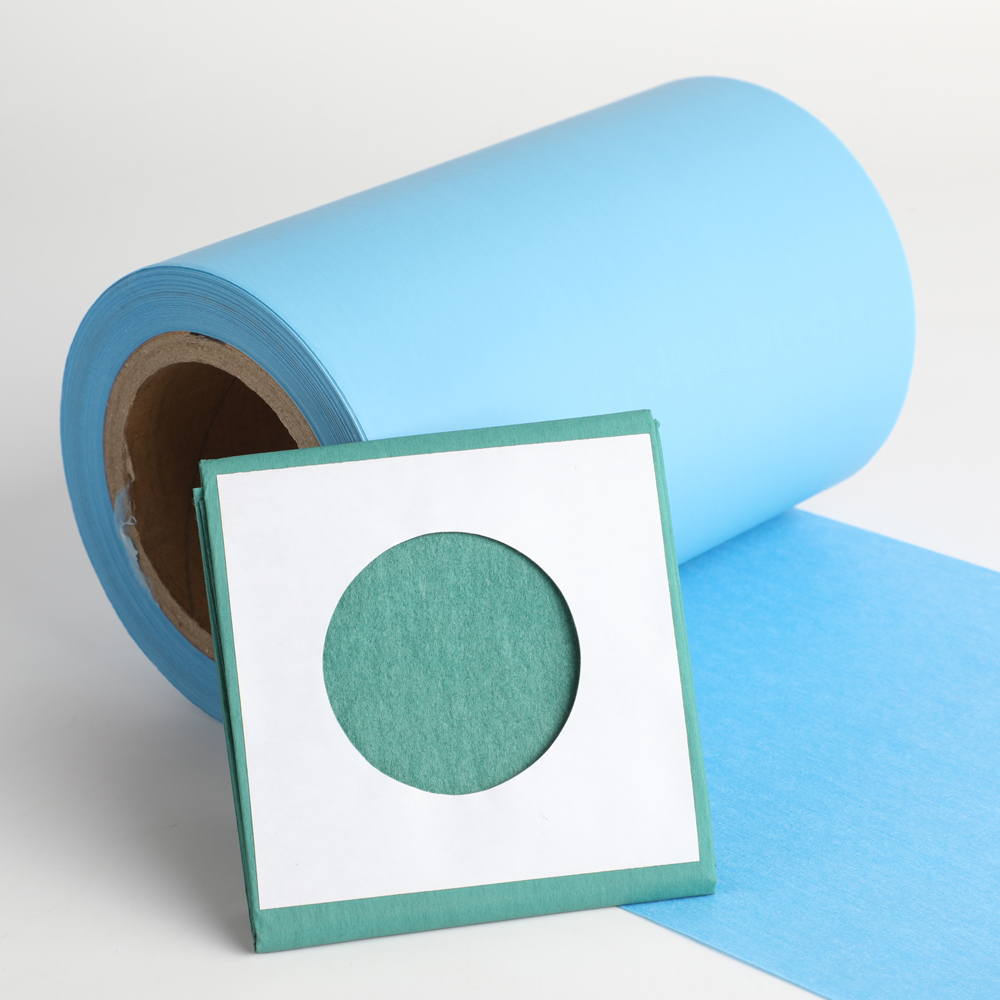 Viscose Laminates
 Medical Tape Nonwoven
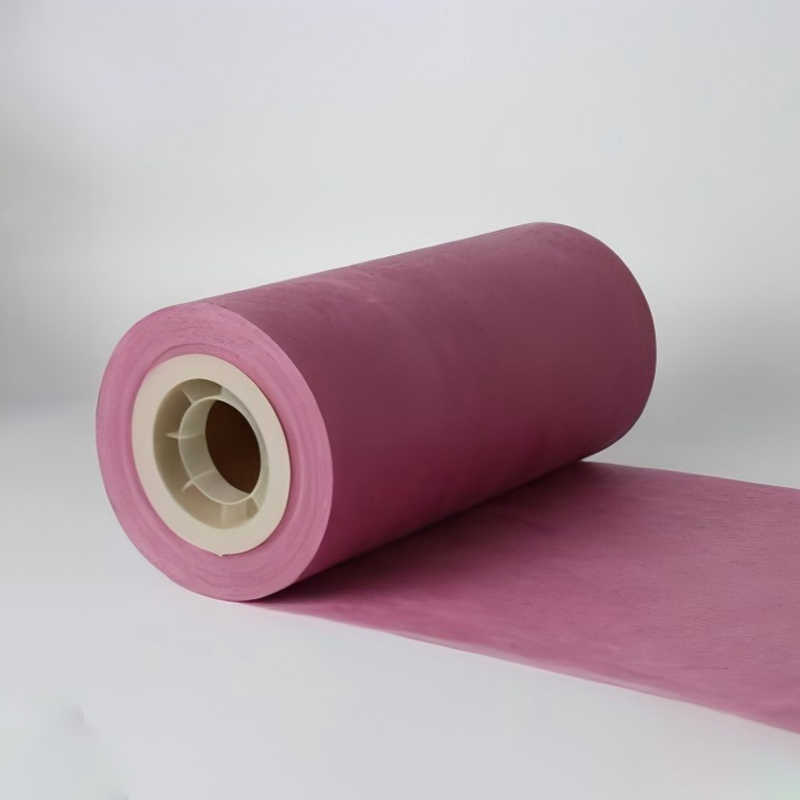 Filtration Nonwoven
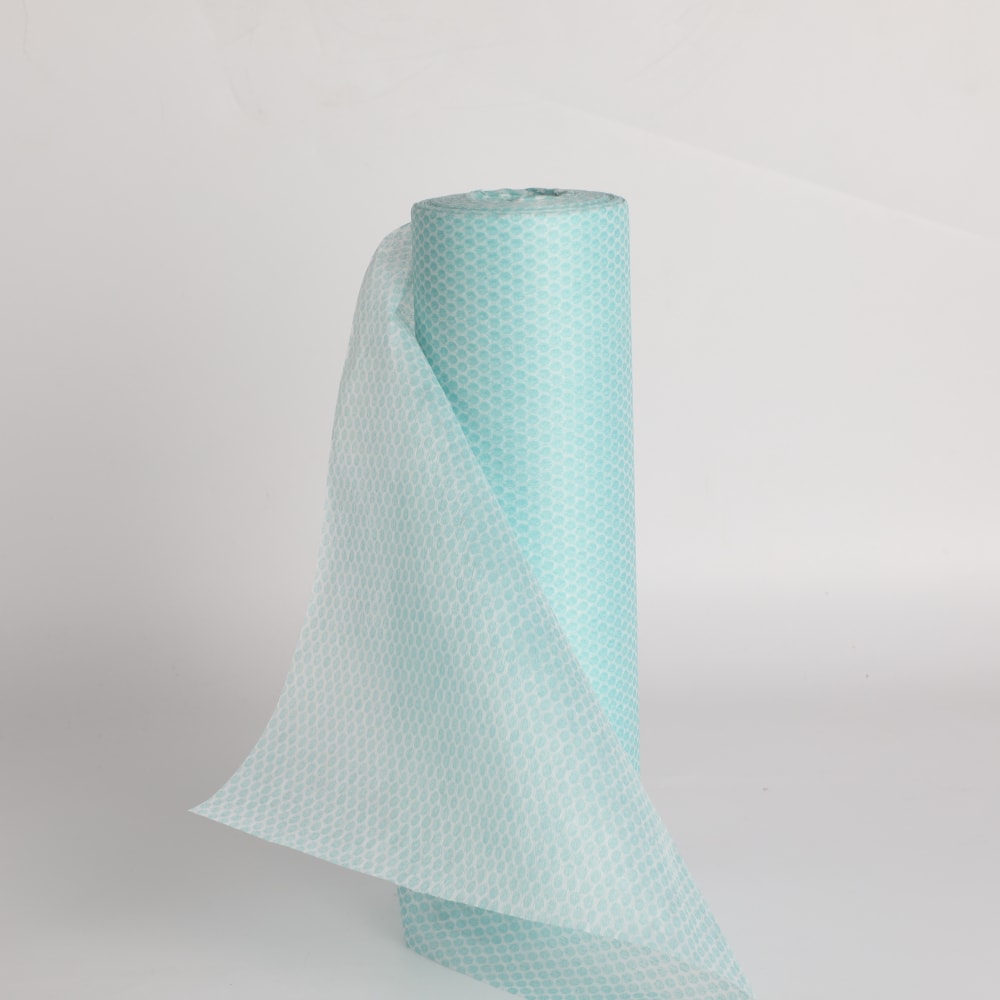 Head Wear Nonwoven
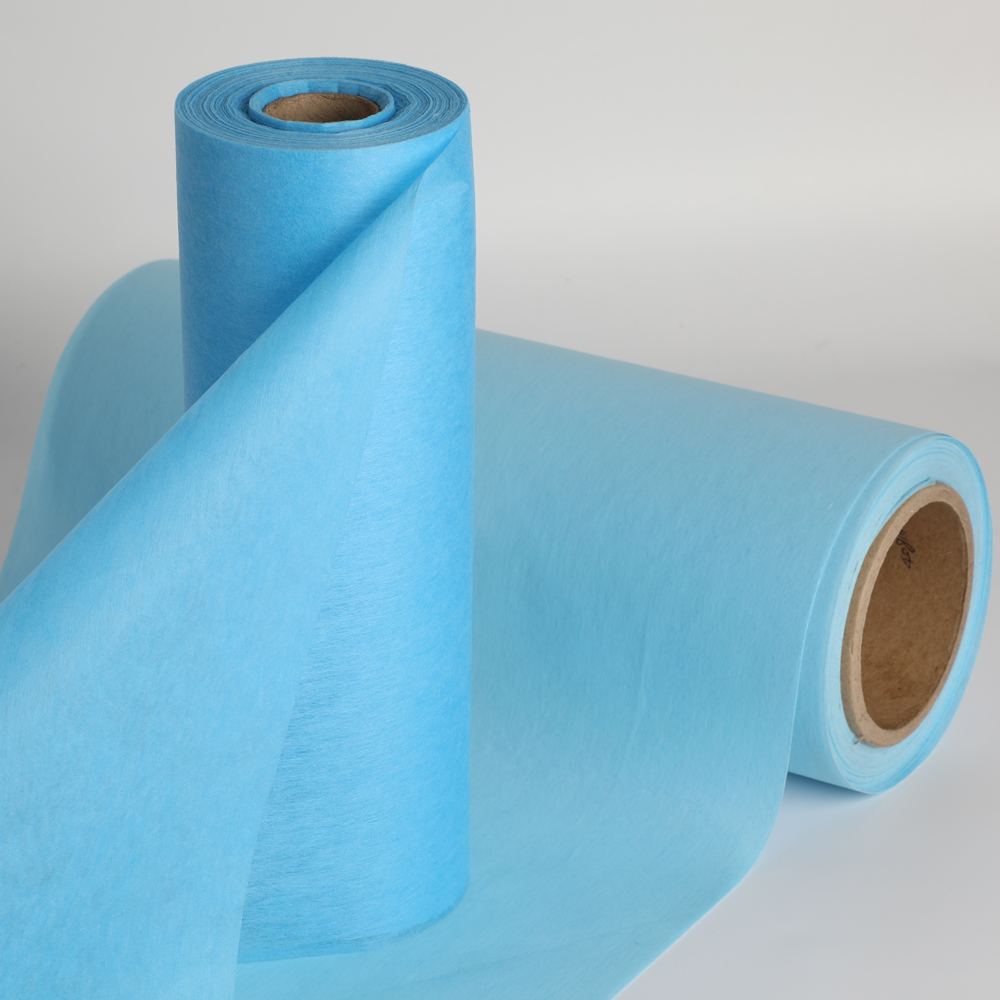 Medical Viscose Nonwoven
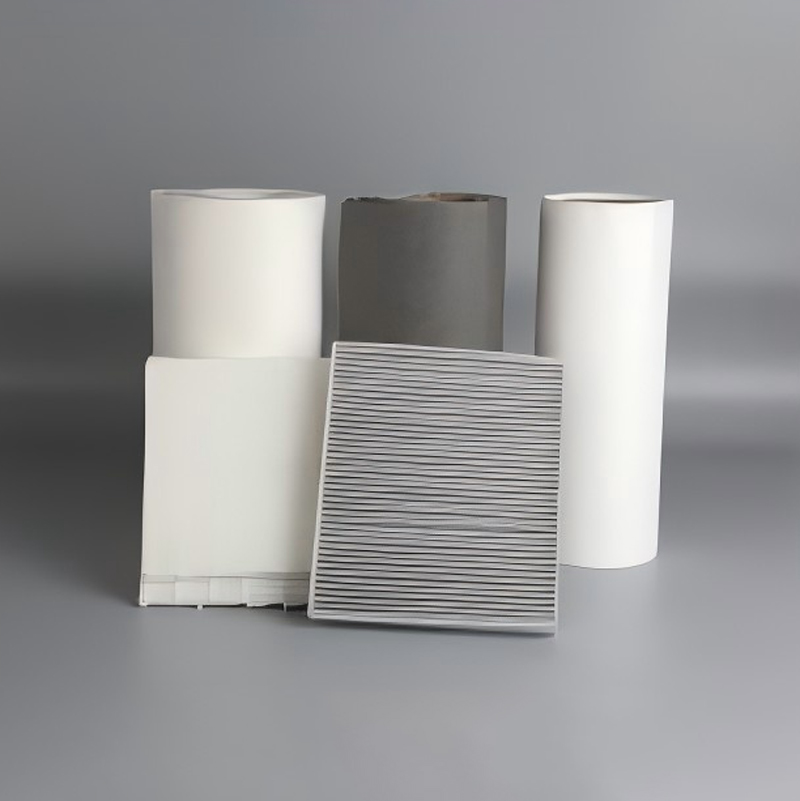 Air Filter Media
 Liquid Filter Media
 Filter Envelope & Filter Sheet
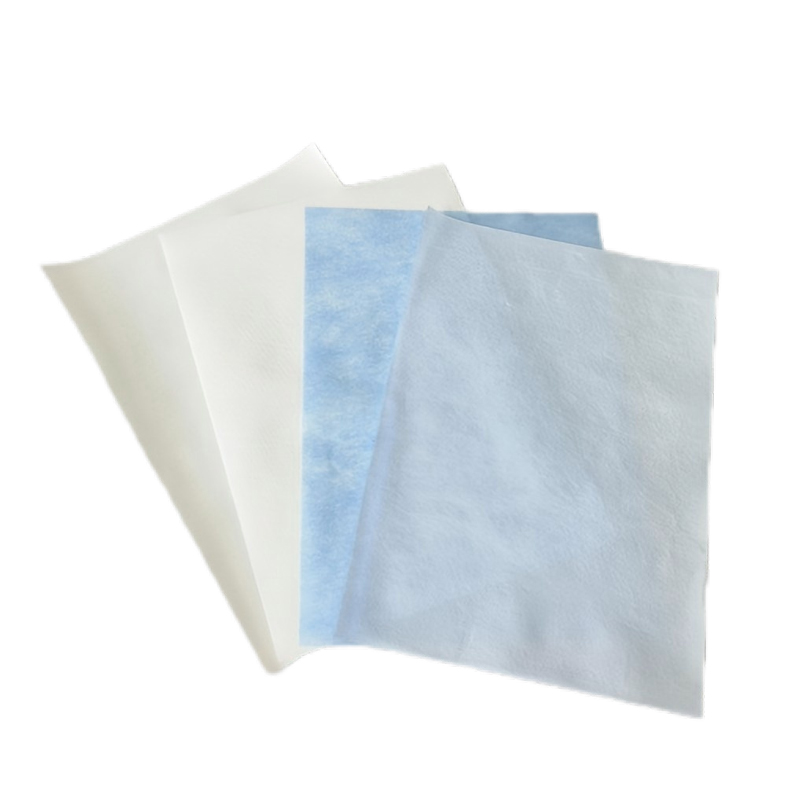 Breathable Film Laminates
 Nonwoven Interlining
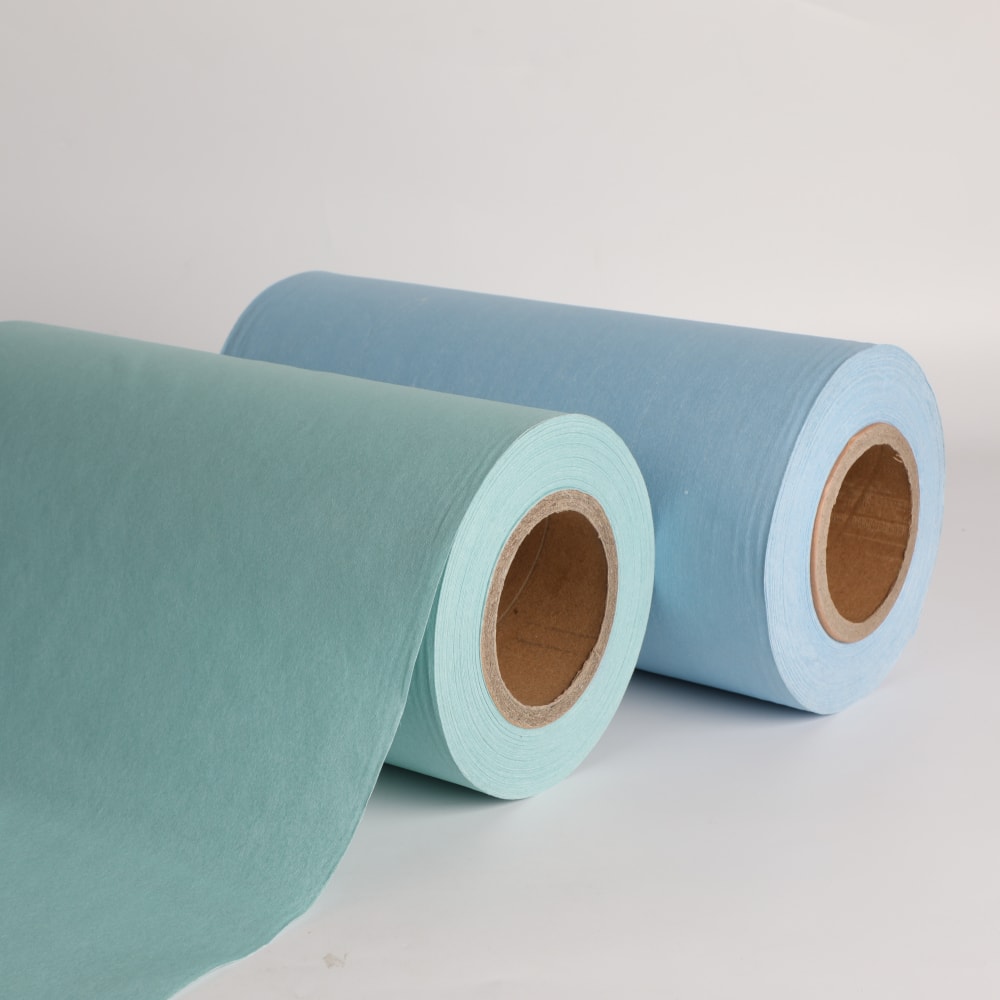 Fluid Repellent Woodpulp Spunlace Nonwoven
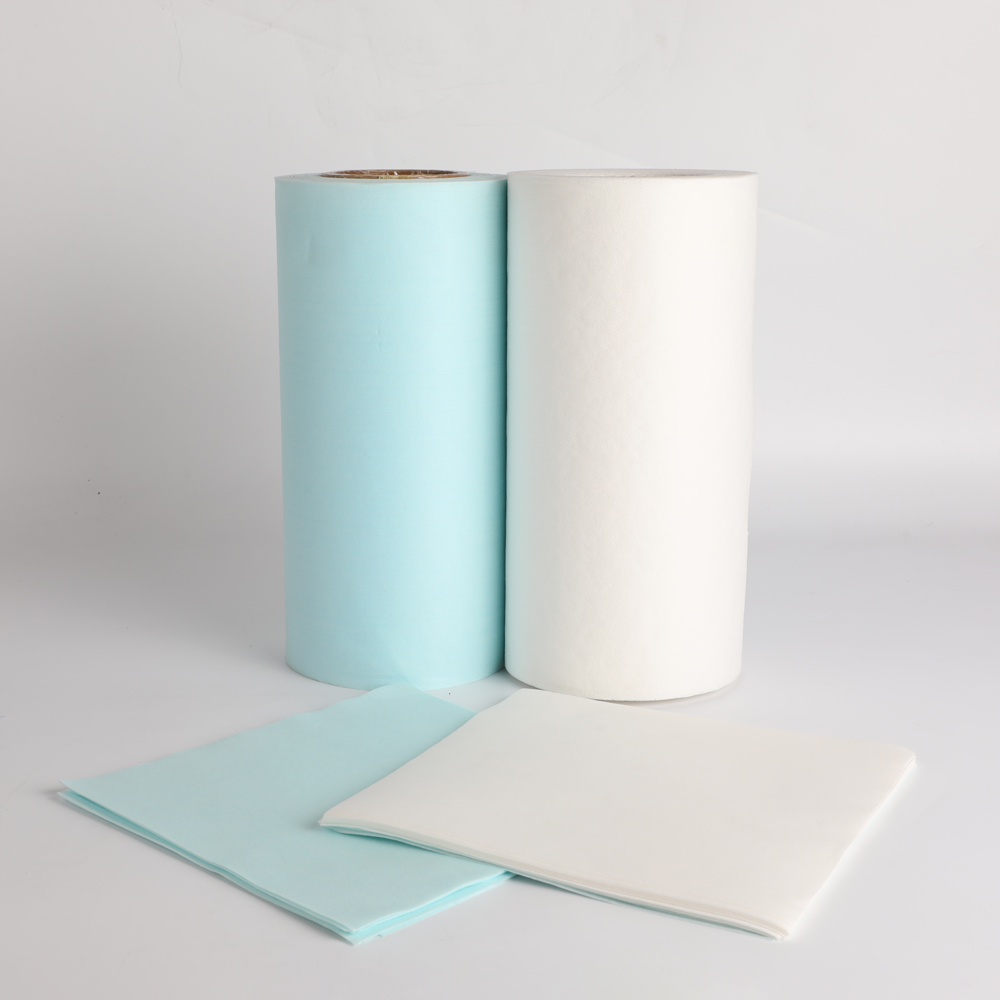 Woodpulp Nonwoven Wipe
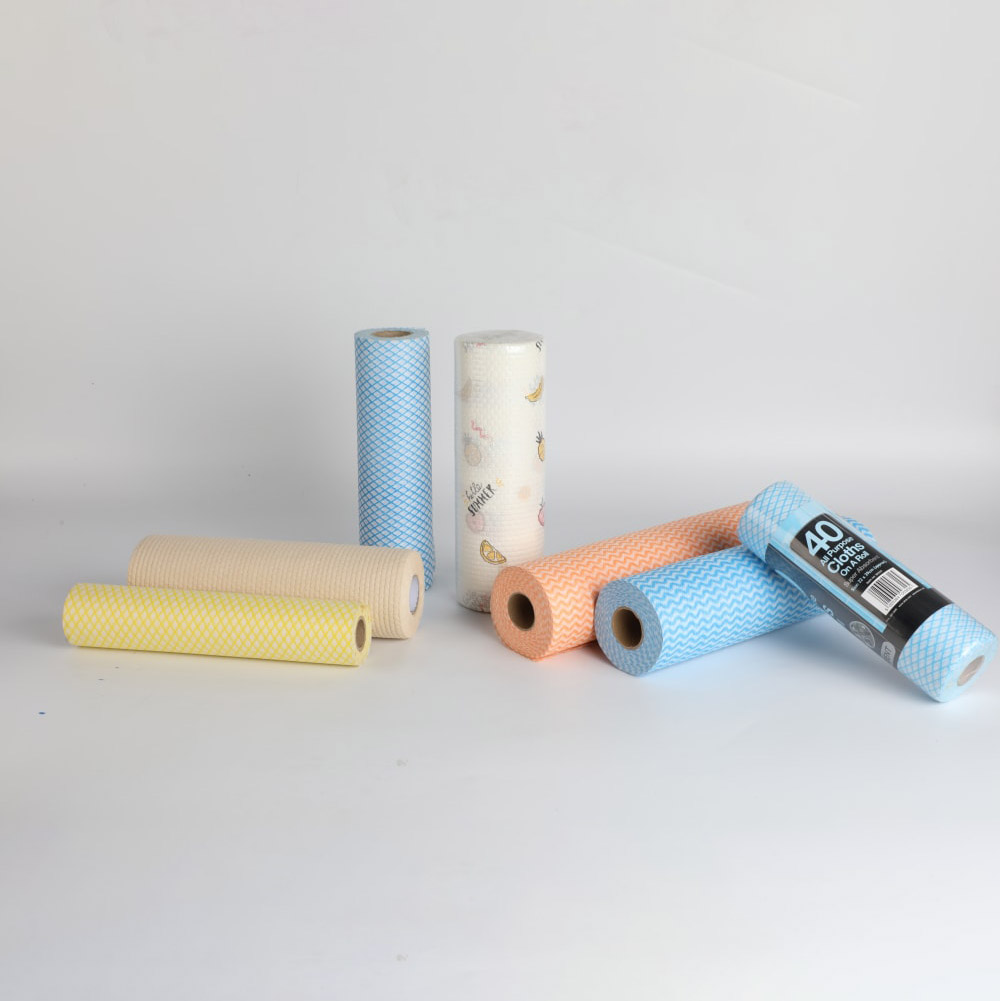 Nonwoven Cleaning Wipe
 Flame Retardant Nonwoven Fabric
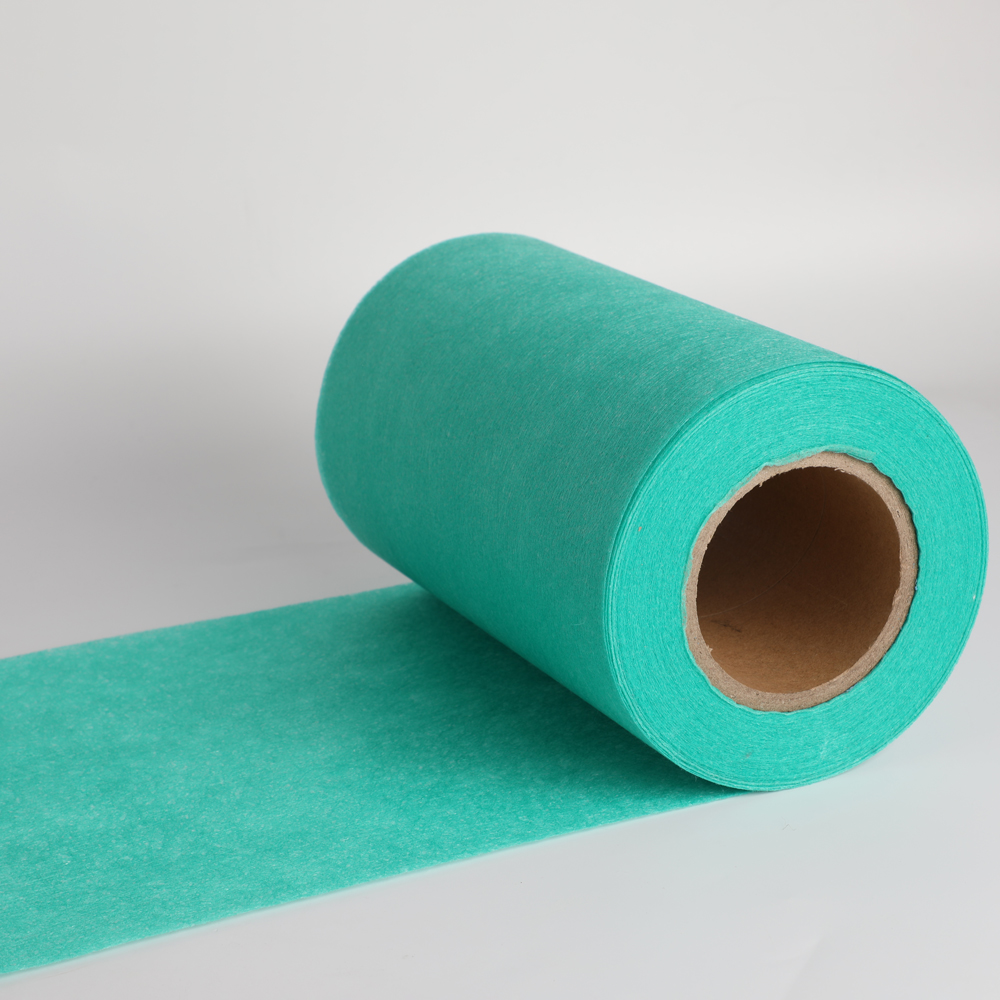 Anti-Bacterial Nonwoven
 CONTACT WhatsApp
 CONTACT WeChat

 CONTACT NUMBER
 CONTACT EMAIL