Top 10 Water Repellent Nonwoven Materials for Global Buyers?
In today's market, Water Repellent Nonwoven materials have gained immense popularity. Buyers across various industries seek these products for their unique properties. The versatility of these materials makes them suitable for multiple applications, from protective clothing to medical supplies. Their ability to repel water while maintaining breathability is a significant advantage.
However, navigating the options can be challenging. Not all Water Repellent Nonwoven materials are created equal. Quality varies widely among manufacturers. Factors such as production techniques and raw materials influence performance. Understanding these aspects helps buyers make informed decisions.
Considering the growing demand, it's essential to recognize the importance of reliability. Not every supplier can provide consistent quality. Researching suppliers and their product specifications is crucial. This diligence ensures that the chosen materials meet specific requirements. Water Repellent Nonwoven materials play a vital role in modern applications, yet careful selection is necessary to achieve optimal results.
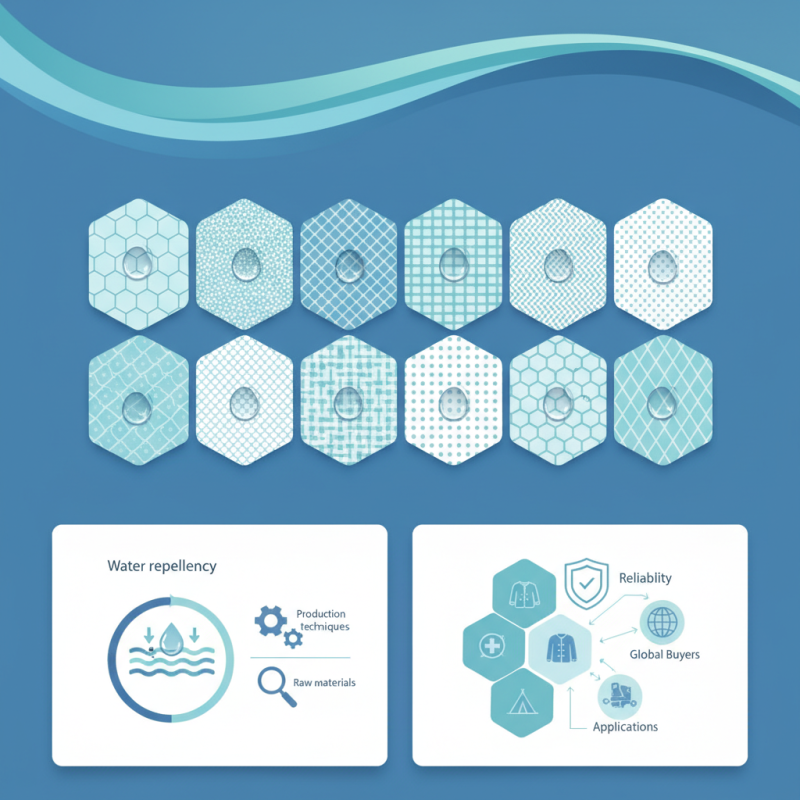
Overview of Nonwoven Materials and Their Applications
Nonwoven materials have gained significant traction in various industries, primarily due to their unique properties. These materials have a wide range of applications, from hygiene products to construction. According to a recent report by Smithers, the global nonwoven fabric market was valued at approximately $52 billion in 2022 and is projected to grow steadily in the coming years.
The versatility of nonwoven materials lies in their ability to be engineered for specific uses. For example, water-repellent nonwoven fabrics are used in outdoor gear and medical gowns. A large percentage of hygiene products, like diapers and feminine hygiene items, rely on nonwoven materials as a key component. However, despite their benefits, challenges remain. For instance, ensuring durability while maintaining breathability can be difficult during production.
Importantly, the environmental impact of nonwoven materials is under scrutiny. Many manufacturers are exploring sustainable practices to mitigate waste. Reports indicate that nonwoven materials could contribute to significant landfill issues if not properly managed. The industry must adopt eco-friendly methods while striving to enhance functionality. This balance is crucial for future innovations in nonwoven technology.
Top 10 Water Repellent Nonwoven Materials for Global Buyers
| Material Type |
Water Repellency (%) |
Weight (g/m²) |
Application Areas |
Tear Resistance (N) |
| PP Nonwoven |
95% |
60 |
Medical, Hygiene |
15 |
| PET Nonwoven |
90% |
70 |
Filtration, Geotextiles |
20 |
| Viscose Nonwoven |
85% |
80 |
Wipes, Medical |
10 |
| Nylon Nonwoven |
92% |
75 |
Apparel, Outdoor Gear |
25 |
| Polypropylene Spunbond |
96% |
50 |
Automotive, Construction |
18 |
| SMS Nonwoven |
93% |
65 |
Hygiene, Packaging |
22 |
| Sorbent Nonwoven |
89% |
100 |
Industrial, Spill Control |
30 |
| Polyester Nonwoven |
91% |
55 |
Filters, Insulation |
17 |
| Cellulose Nonwoven |
87% |
85 |
Eco-Friendly Products |
12 |
| Laminated Nonwoven |
94% |
90 |
Packaging, Protective Clothing |
28 |
Criteria for Evaluating Water Repellency in Nonwoven Fabrics
Evaluating water repellency in nonwoven fabrics is crucial for buyers. Several criteria help determine how effectively these materials resist water. Key factors include the material's fiber composition, density, and surface treatments. Fabrics made from hydrophobic fibers tend to perform better. Higher density often leads to improved water resistance.
The testing methods also play a significant role. Standard tests like water column tests measure water resistance under pressure. Spray tests assess the fabric’s ability to repel water droplets. Additionally, durability is vital. Certain treatments may enhance repellency but may wear off over time. A balance between initial performance and long-term durability is essential.
Buyers should consider environmental factors too. Some treatments may not be eco-friendly. The impact of chemicals used in waterproofing processes must be evaluated. Not all water-repellent fabrics are created equal. Users should stay informed about advances in technology for better options.
Top 10 Water Repellent Nonwoven Materials: Features and Benefits
Water repellent nonwoven materials offer unique advantages for various industries. Their ability to resist moisture makes them ideal for applications in construction, automotive, and healthcare. These materials are crafted using advanced technology, allowing fibers to interlock tightly. This tight structure creates a barrier against water, ensuring durability and longevity.
One notable feature is the lightweight nature of these materials. This characteristic not only aids in easier transportation but also contributes to lower production costs. Moreover, nonwoven materials are often breathable, preventing mold and mildew growth. Yet, maintaining this balance is challenging. Over time, some water repellent features may diminish with extensive use or exposure to harsh conditions.
Reliability in the manufacturing process is crucial. High-quality control standards must be maintained to ensure optimum performance. Some may overlook this aspect, resulting in inconsistent product quality. Buyers should weigh the importance of material selection. Not all water repellent nonwoven fabrics will perform equally in every environment. Being informed is key to making the best choice for specific needs.
Top 10 Water Repellent Nonwoven Materials: Features and Benefits
Global Market Trends and Demand for Water Repellent Nonwovens
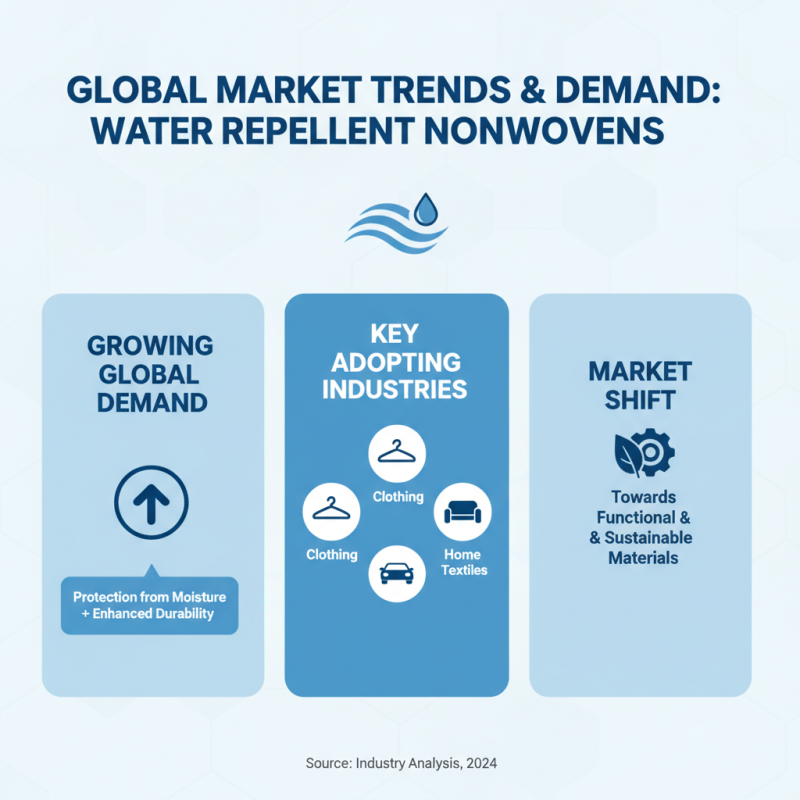
The demand for water-repellent nonwoven materials is growing globally. Industries such as clothing, automotive, and home textiles are increasingly adopting these materials. Their unique properties help protect products from moisture and enhance durability. This trend signals a shift towards more functional and sustainable materials in the market.
Buyers need to understand the challenges in sourcing these materials. Not all suppliers meet quality standards. Additionally, regional differences in availability can complicate procurement. It's essential to verify suppliers' credibility. Look for certifications that ensure the material's effectiveness and environmental safety.
Tips: When selecting water-repellent nonwovens, check for lab test results. These documents confirm the material's performance under specific conditions. Also, consider production methods that reduce environmental impact. Sustainable sourcing can enhance your brand’s reputation. Remember, striking a balance between cost and quality is crucial.
Sourcing and Procurement Strategies for Buyers in the Nonwoven Sector
Sourcing and procurement in the nonwoven sector require a strategic approach. Buyers must understand the evolving landscape of water repellent nonwoven materials. According to a recent market analysis, the demand for these materials is projected to grow by 7% annually. This growth can be attributed to increased applications in medical, protective wear, and construction sectors.
One effective strategy is to collaborate closely with suppliers. Building strong relationships can ensure access to the latest innovations in water repellent technologies. Engaging suppliers early in the development process helps align product specifications with market needs. It's crucial to stay informed about the latest research, as this knowledge can guide procurement decisions.
Tips: Regularly attend industry conferences. This helps to network and gather insights from leaders. Investing in market research tools can provide valuable data on emerging trends. Also, consider diversifying your supplier base. Relying on a single source may expose buyers to risks. Continually assessing supplier performance helps maintain quality and reliability.

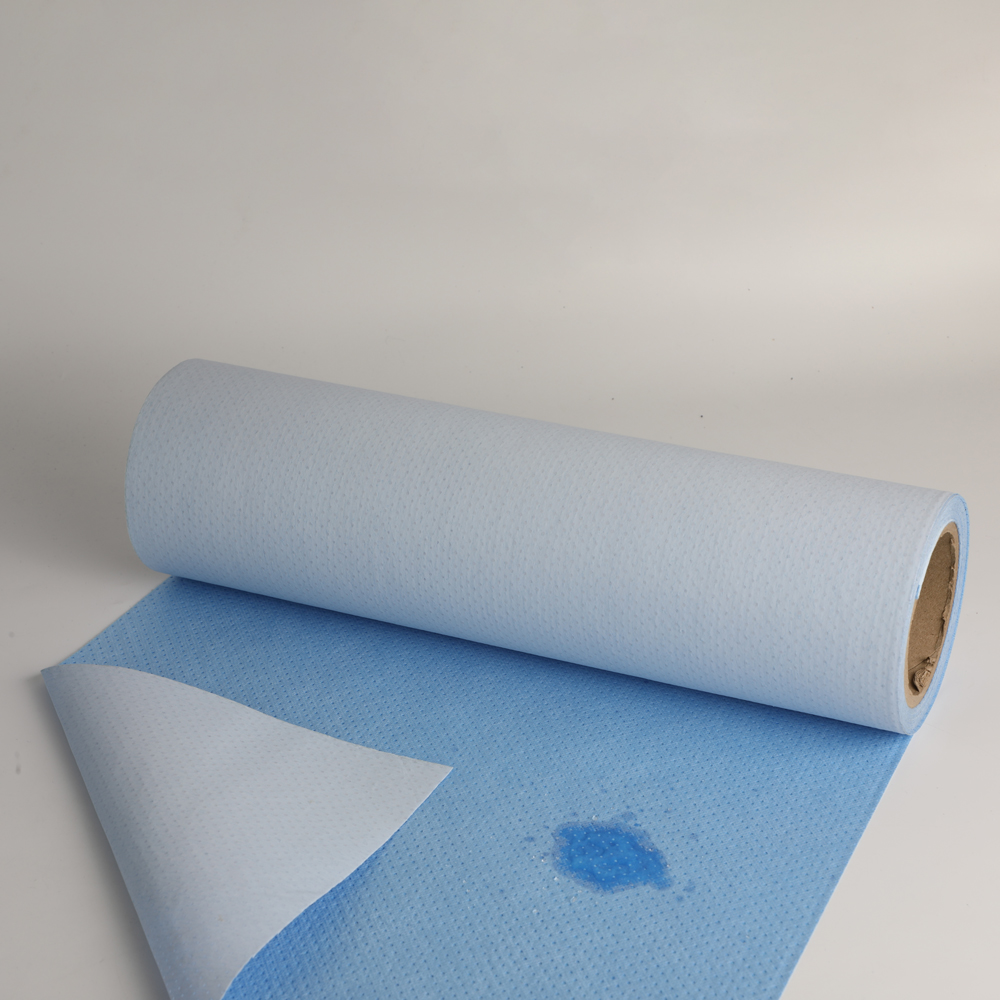 Multi Laminates
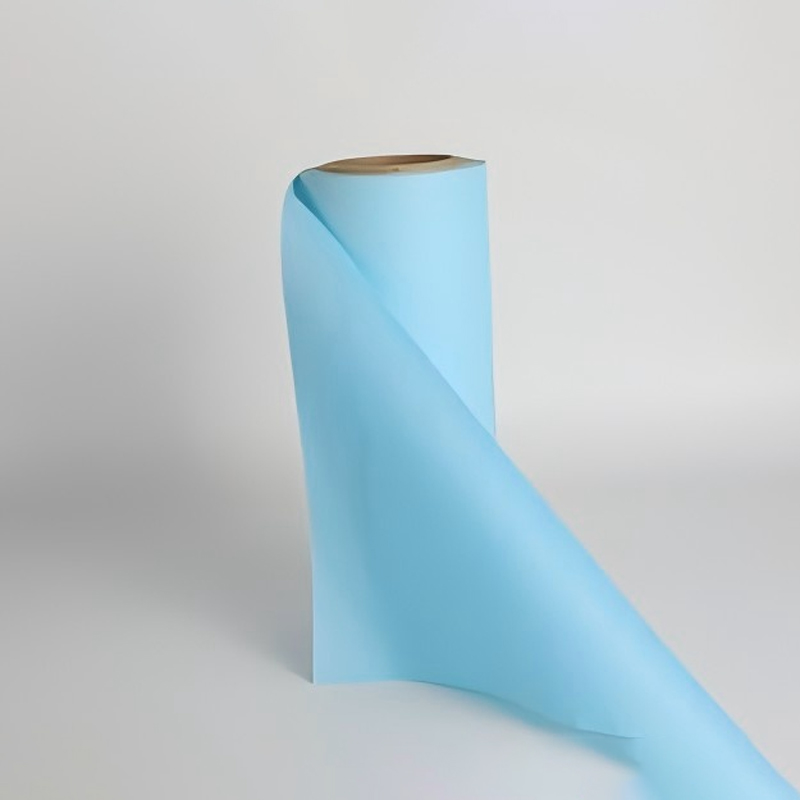 Spunlace Nonwoven Laminates
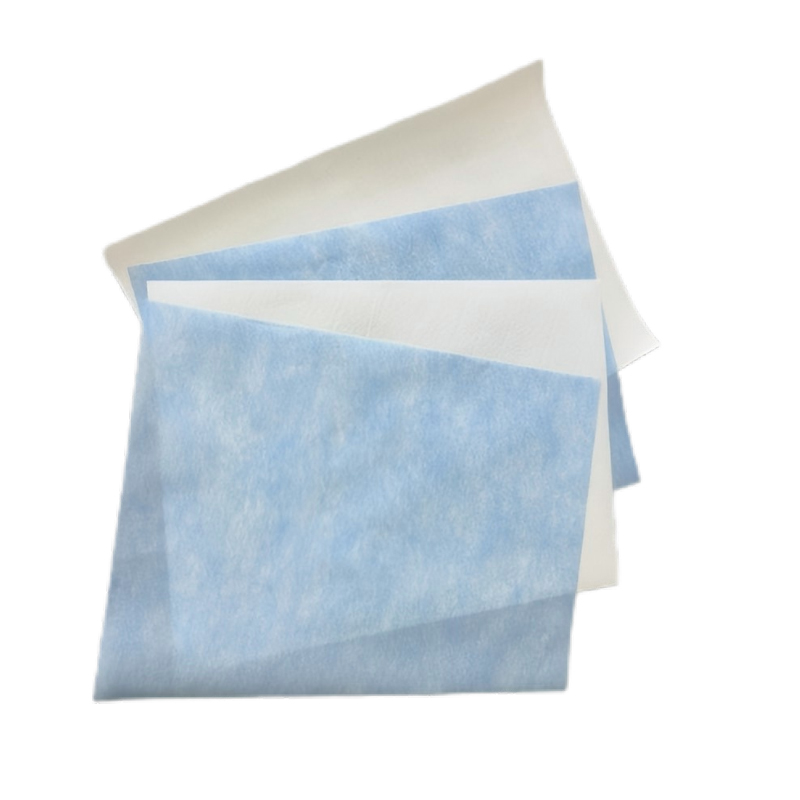 Breathable Film Laminates
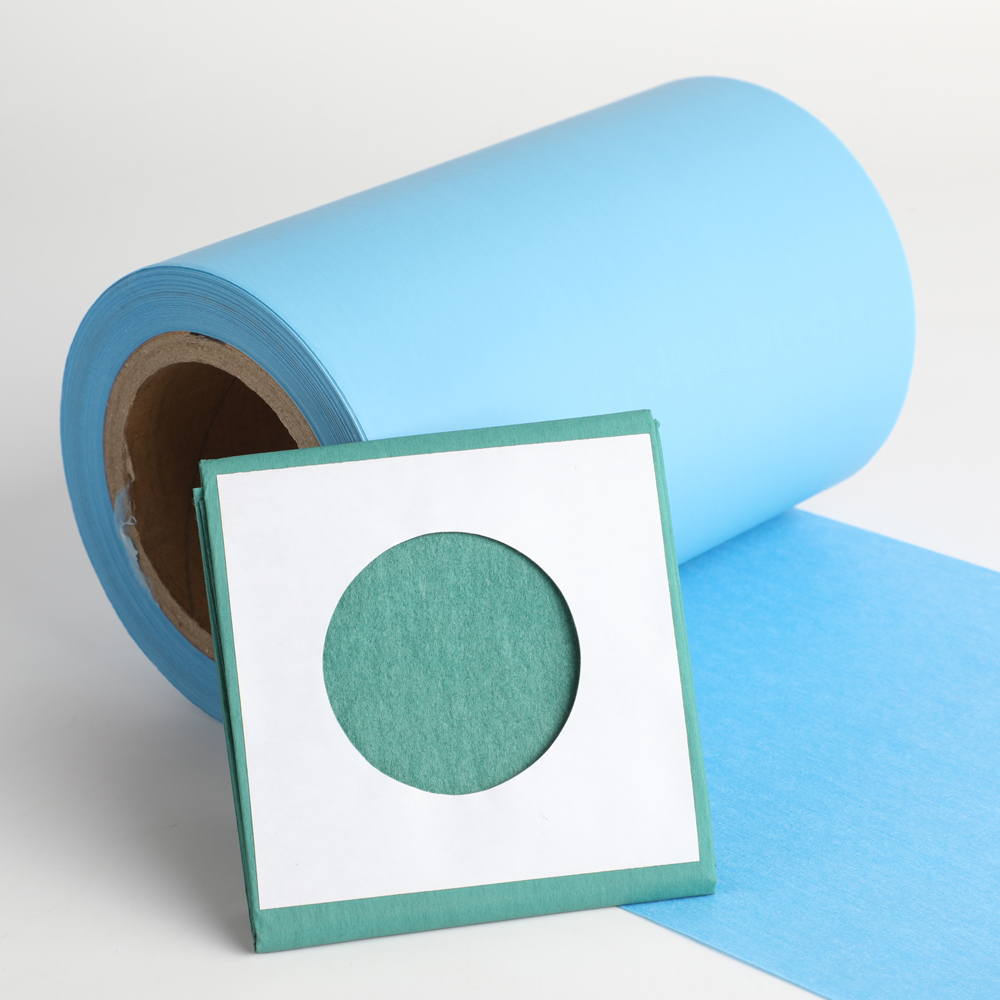 Viscose Laminates
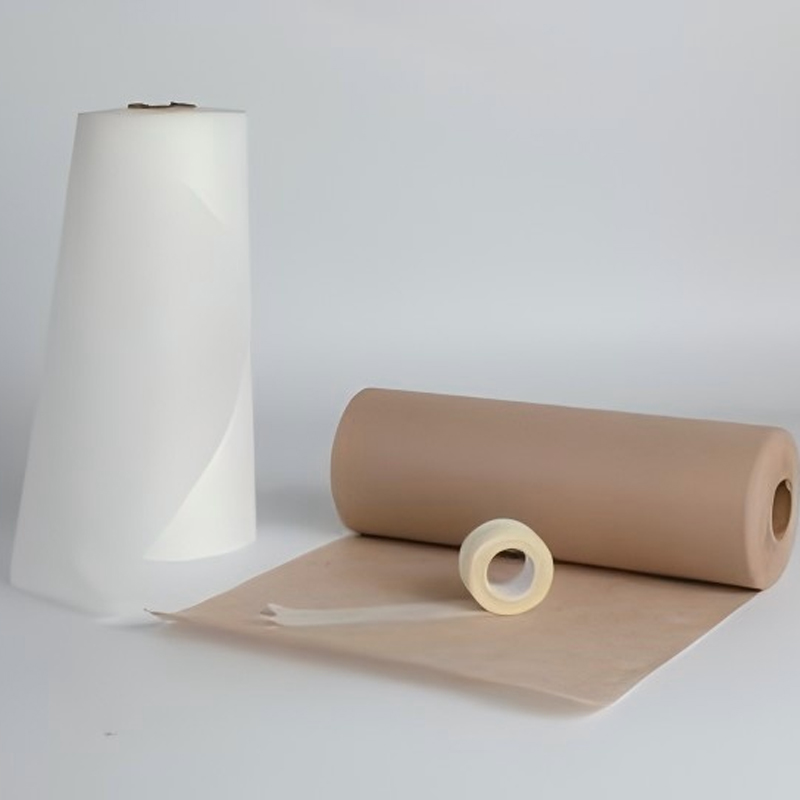 Medical Tape Nonwoven
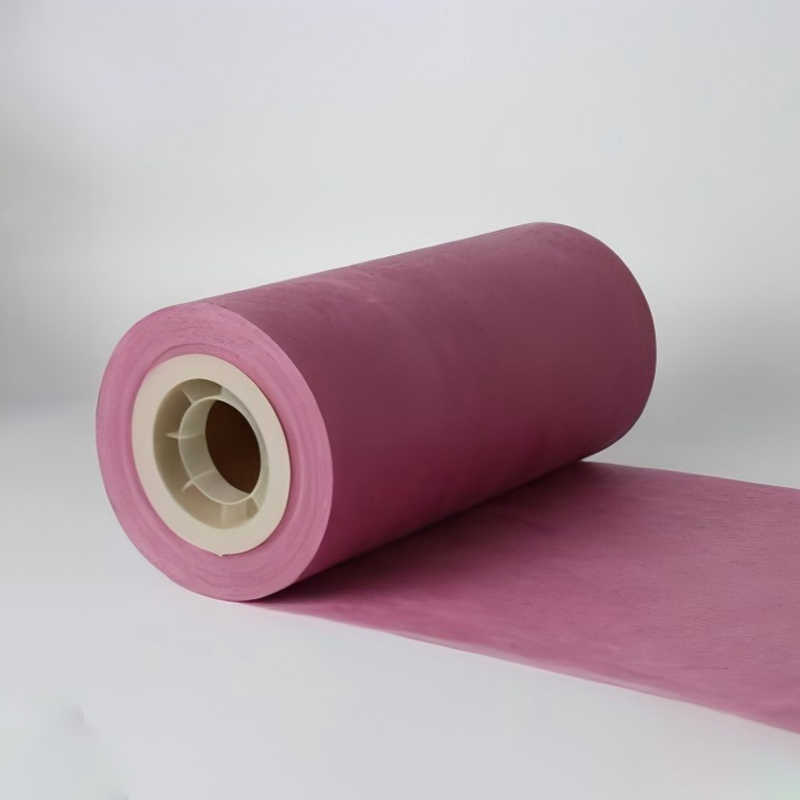 Filtration Nonwoven
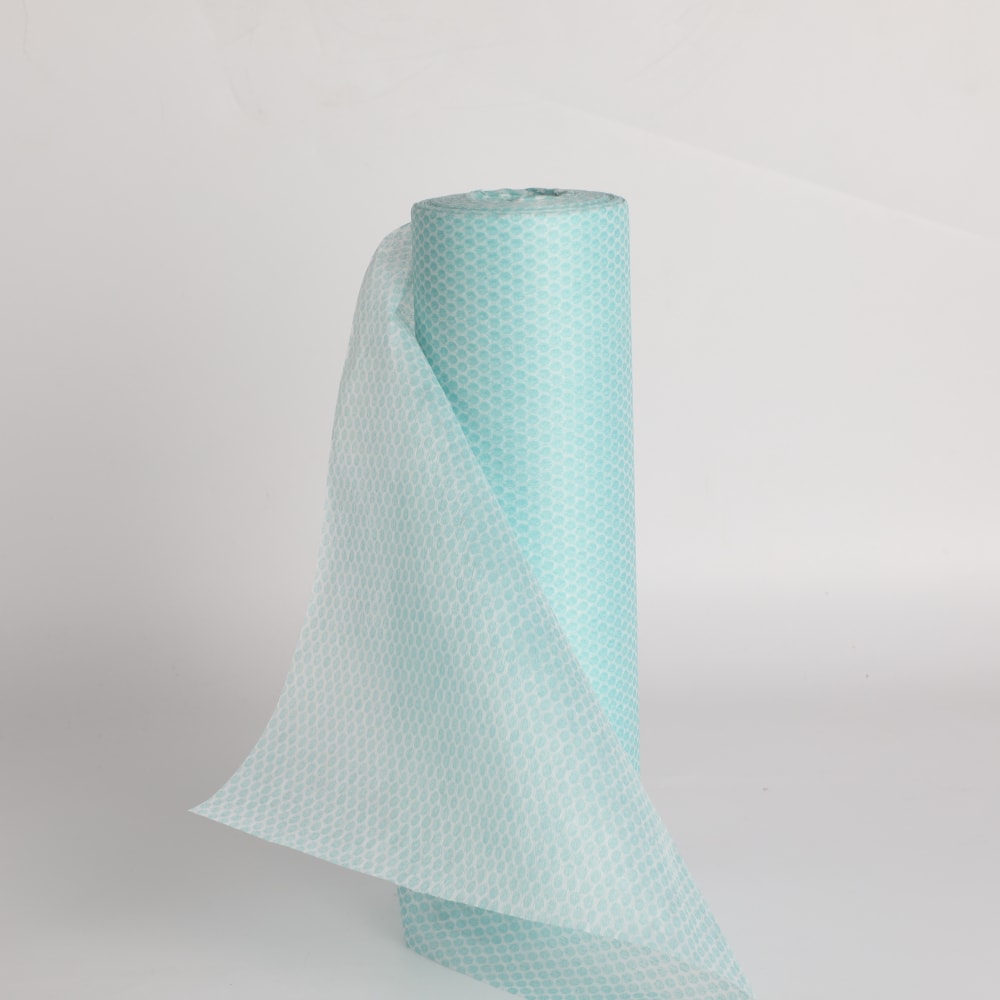 Head Wear Nonwoven
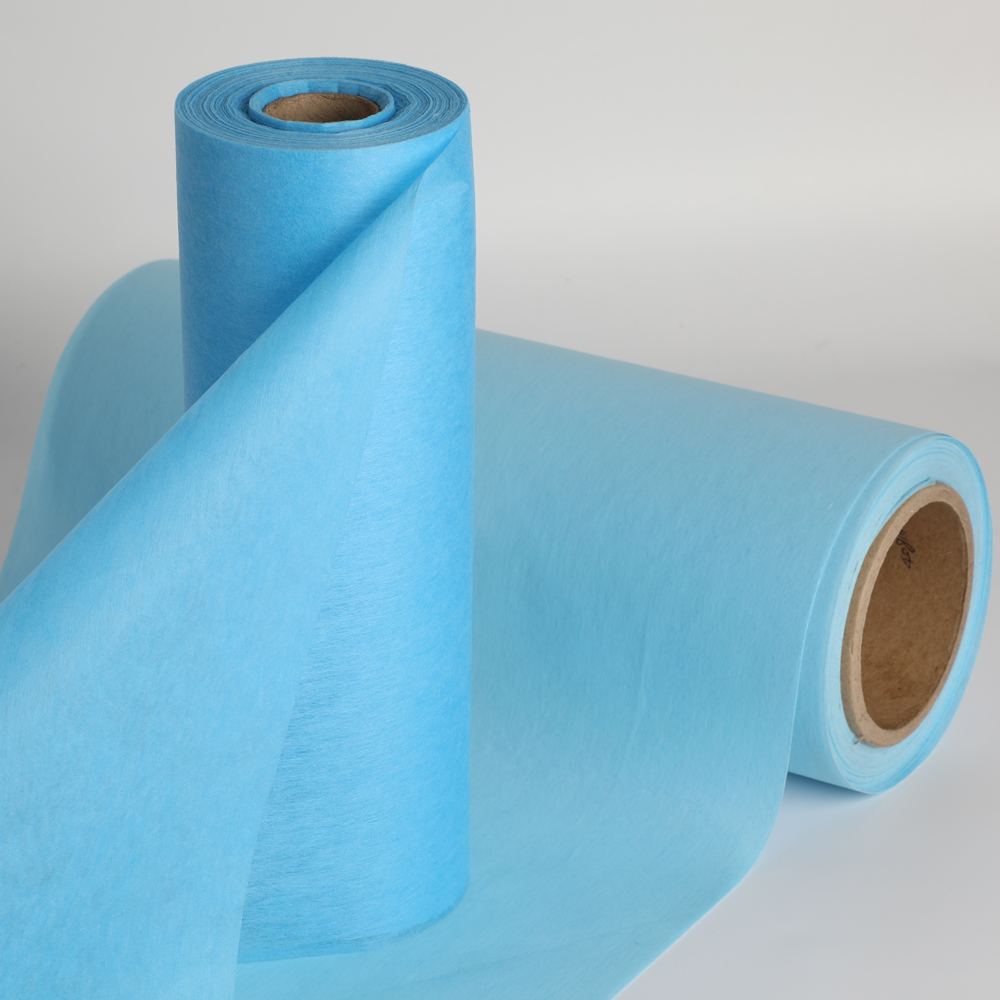 Medical Viscose Nonwoven
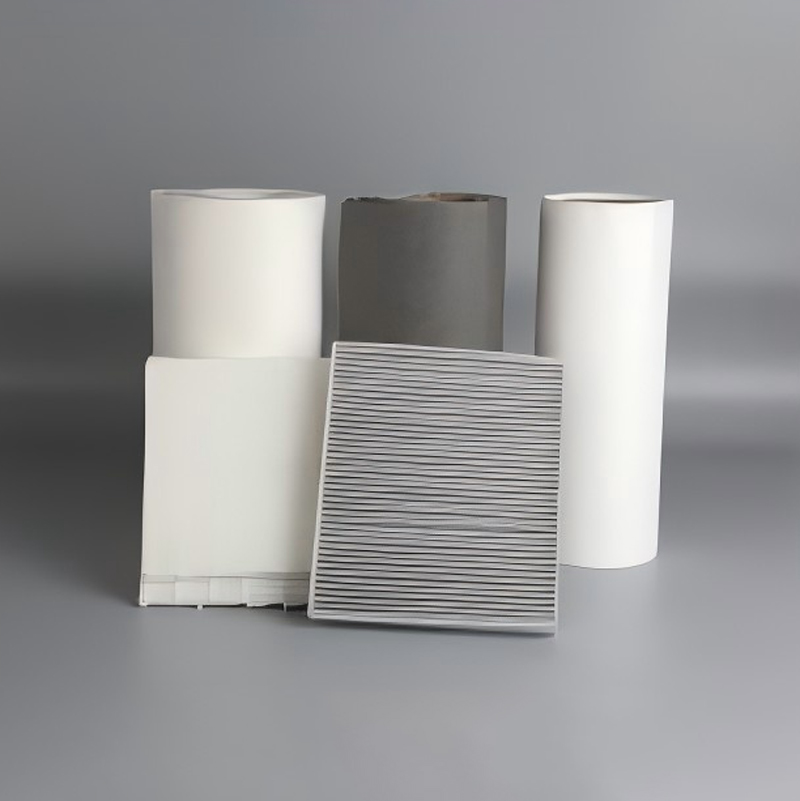 Air Filter Media
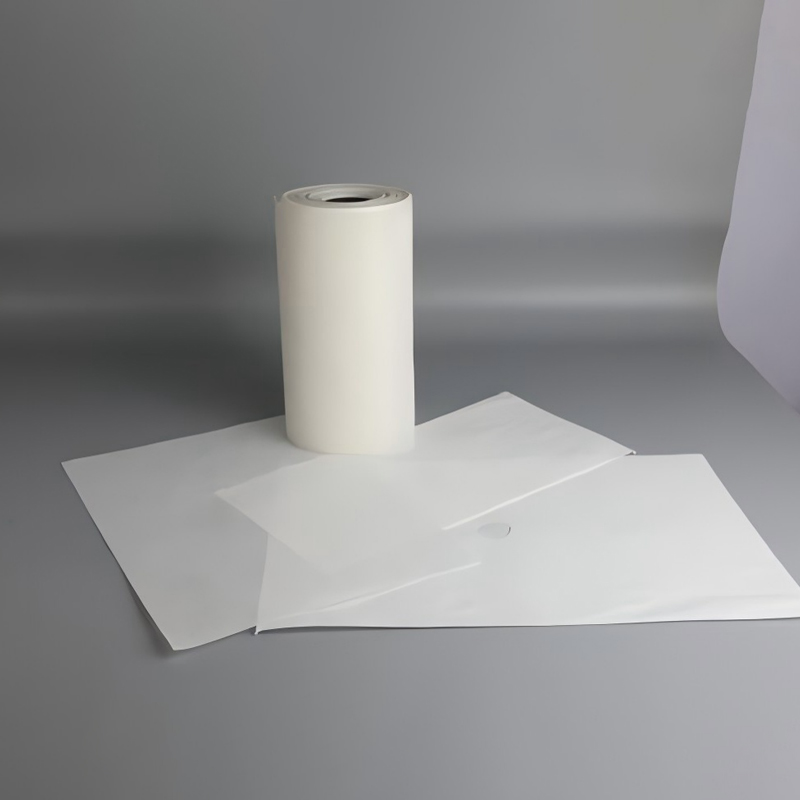 Liquid Filter Media
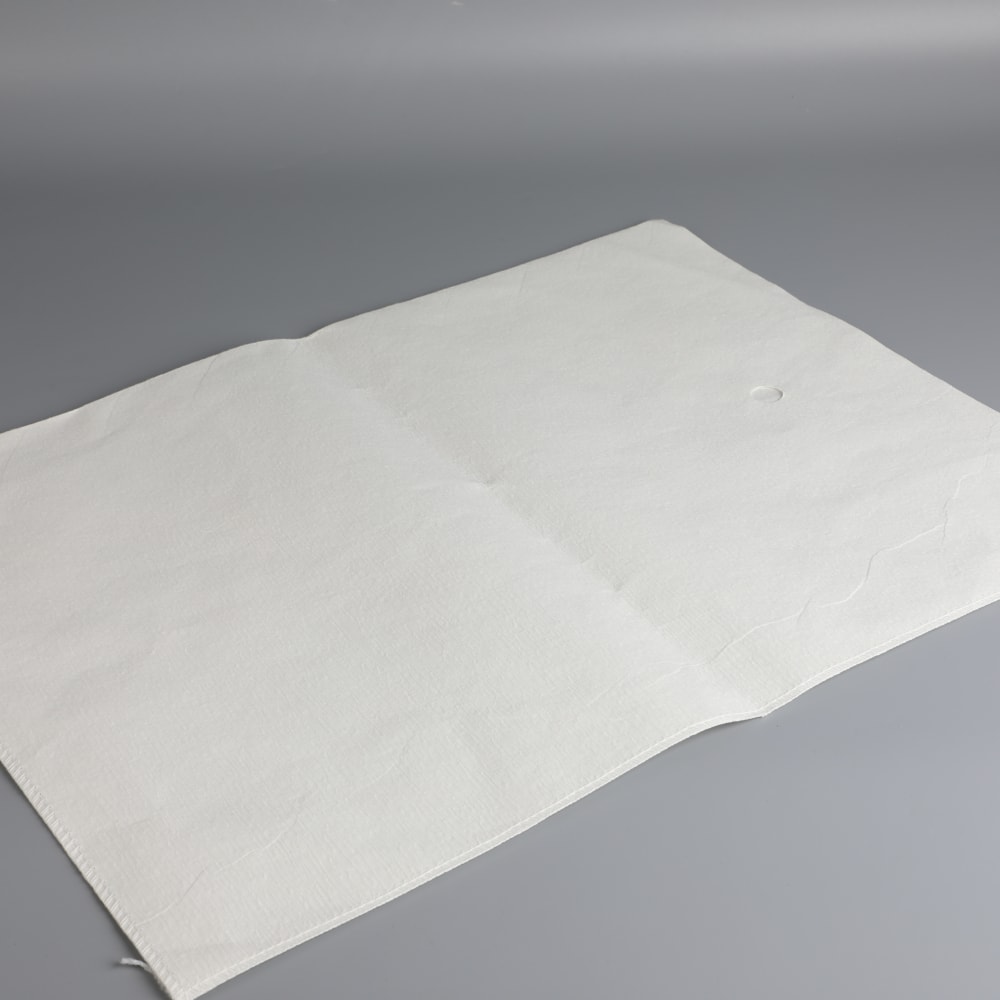 Filter Envelope & Filter Sheet
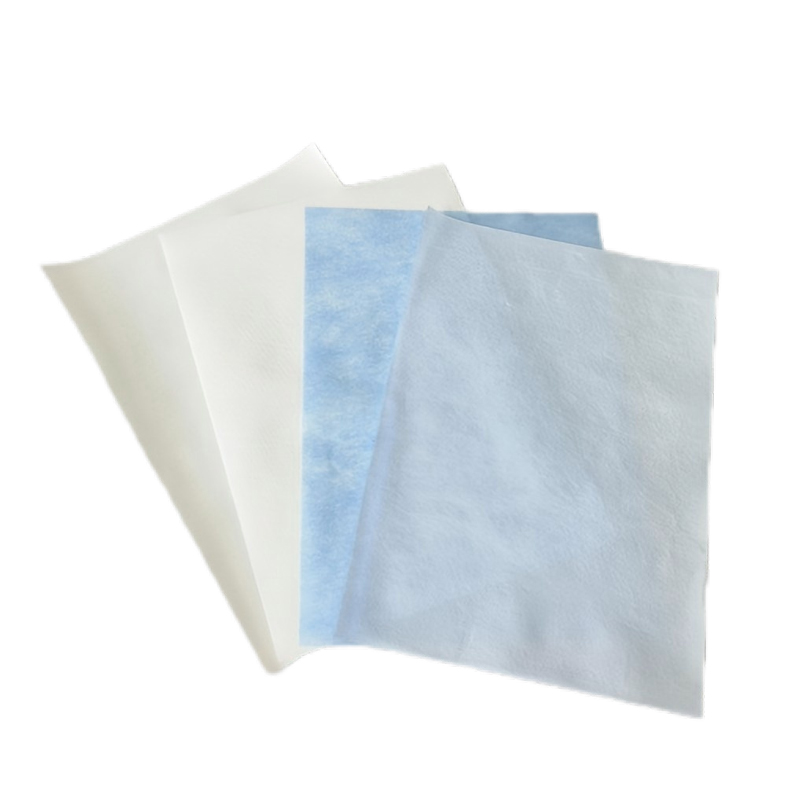 Breathable Film Laminates
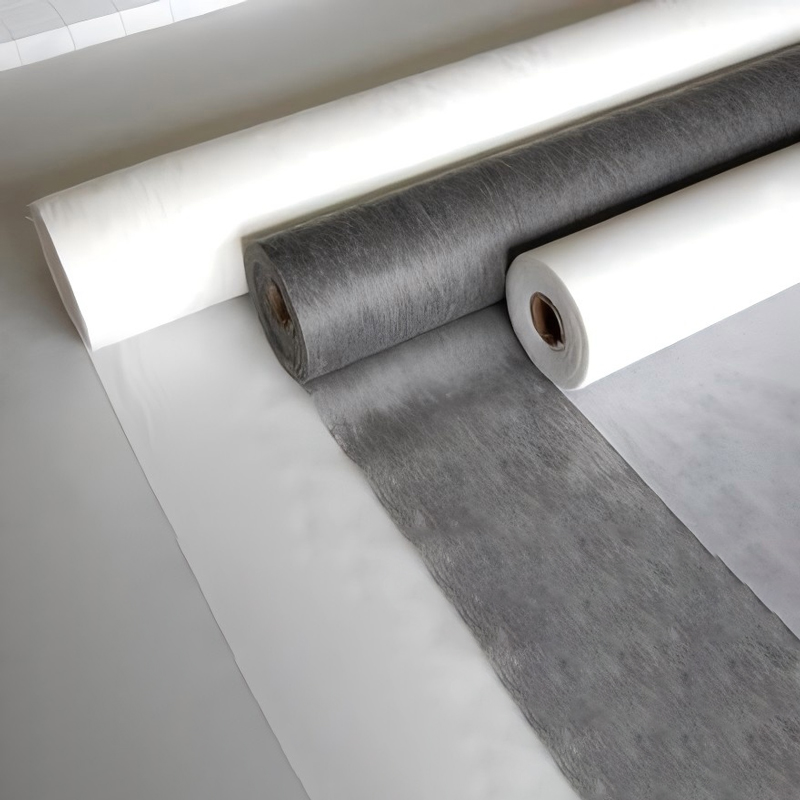 Nonwoven Interlining
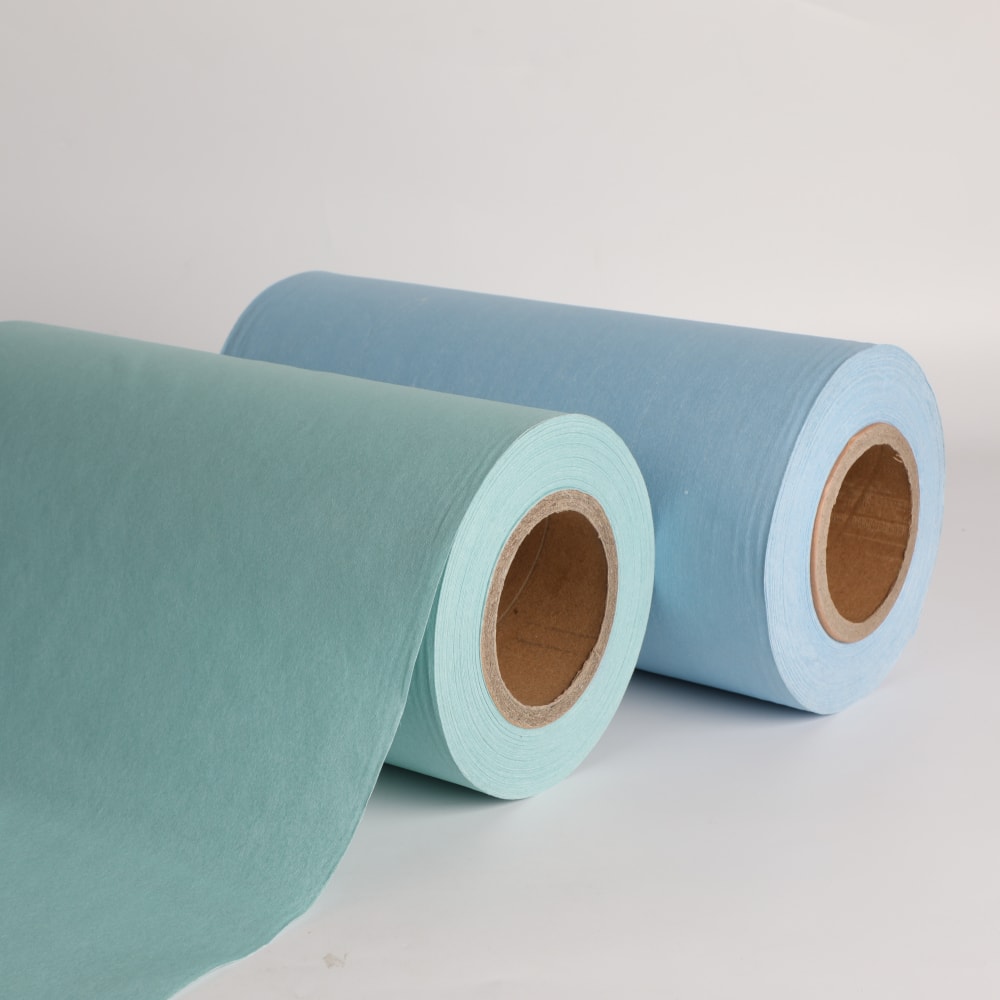 Fluid Repellent Woodpulp Spunlace Nonwoven
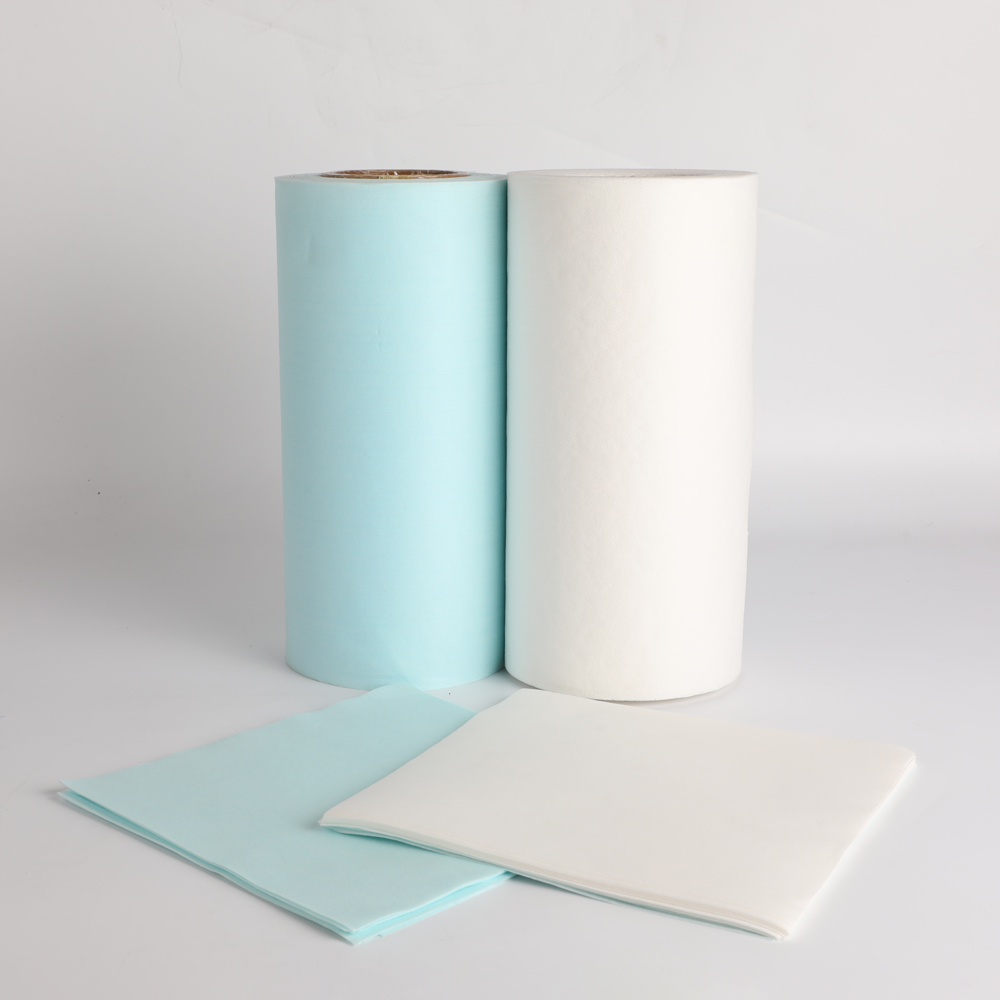 Woodpulp Nonwoven Wipe
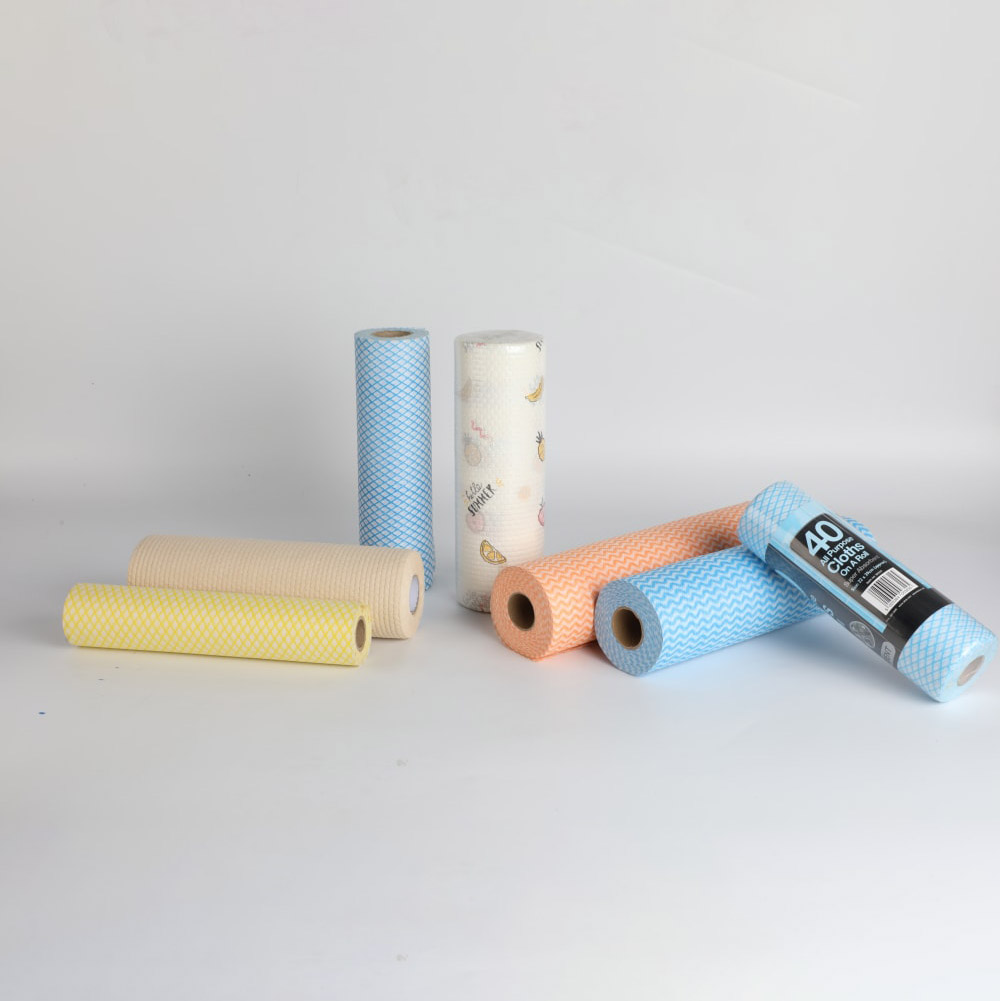 Nonwoven Cleaning Wipe
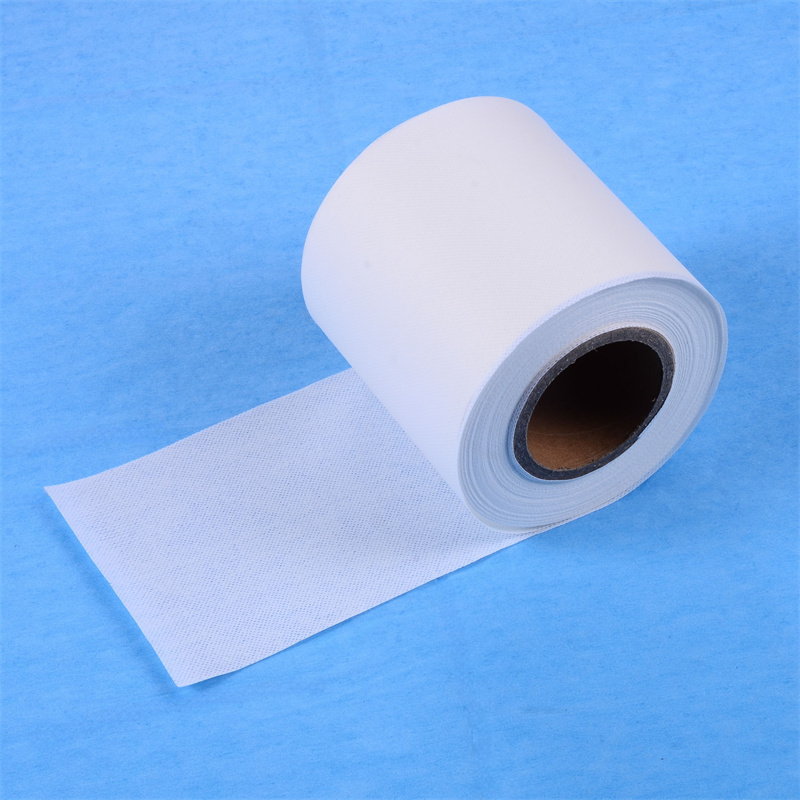 Flame Retardant Nonwoven Fabric
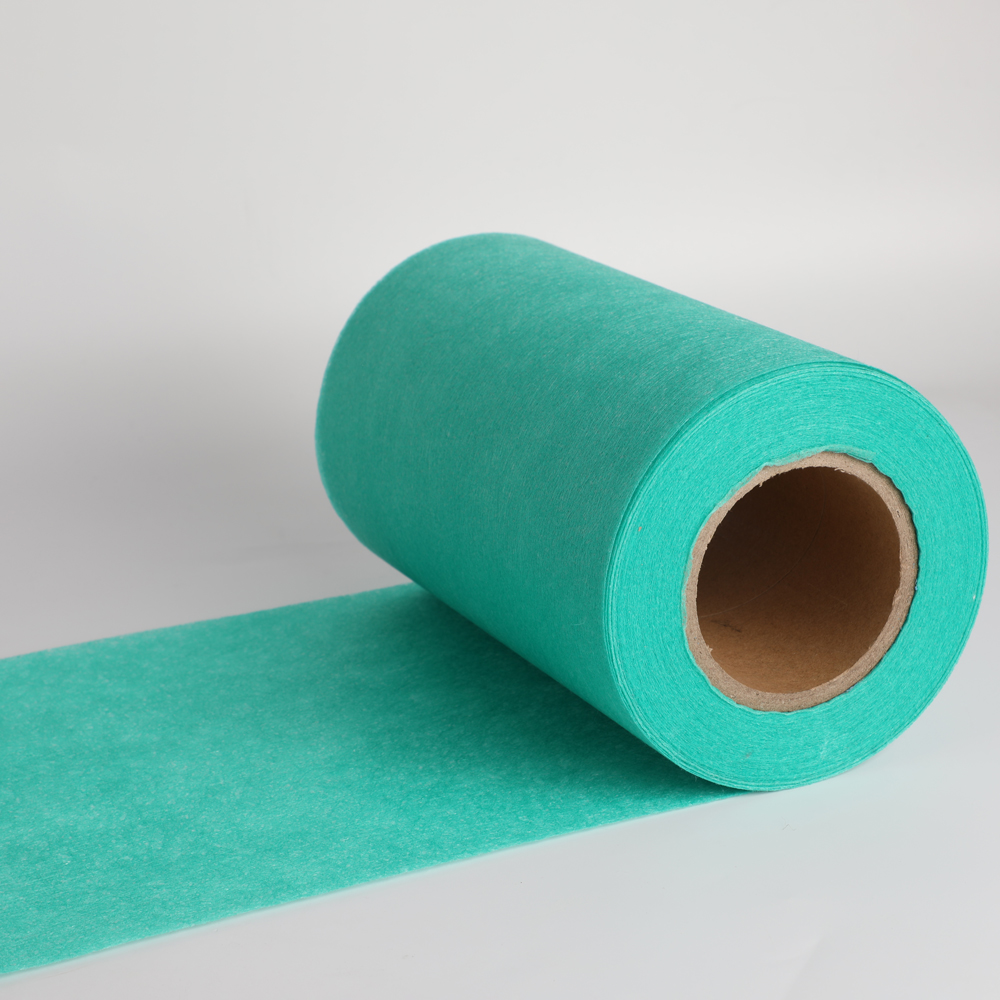 Anti-Bacterial Nonwoven
 CONTACT WhatsApp
 CONTACT WeChat
 CONTACT NUMBER
 CONTACT EMAIL