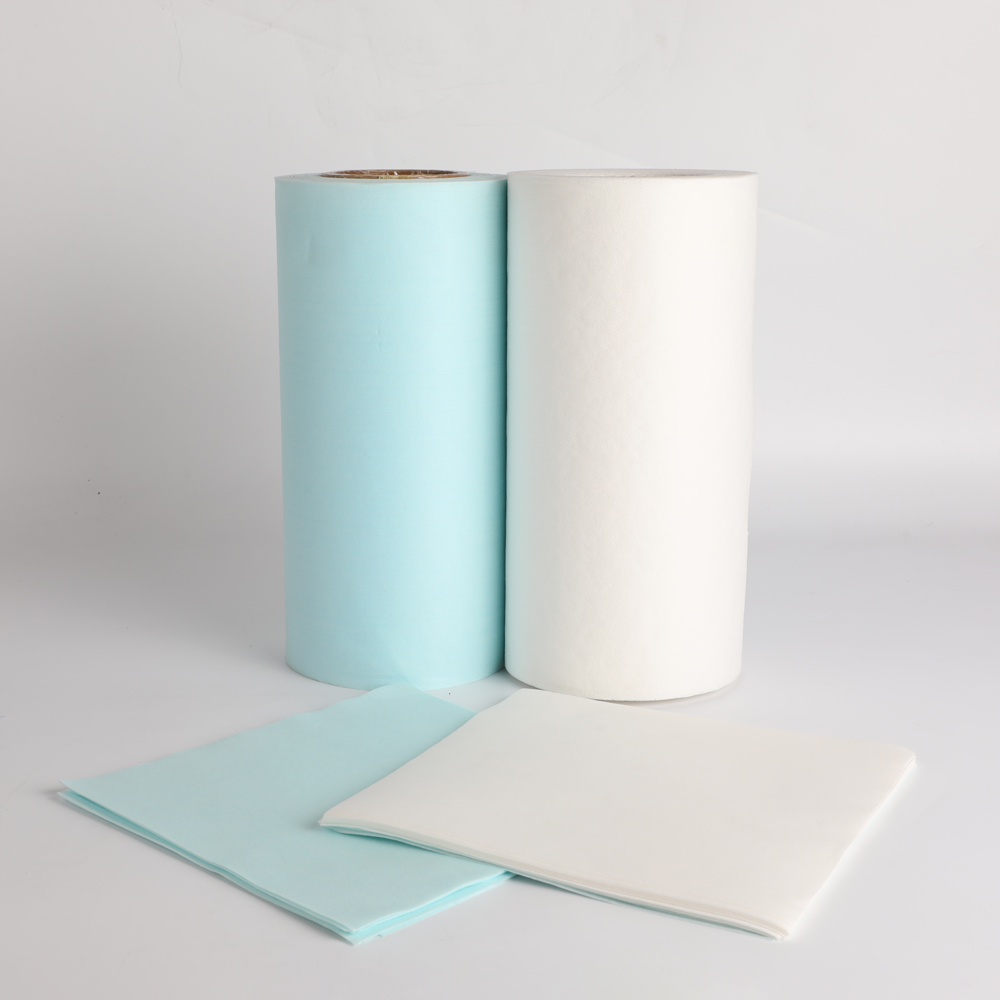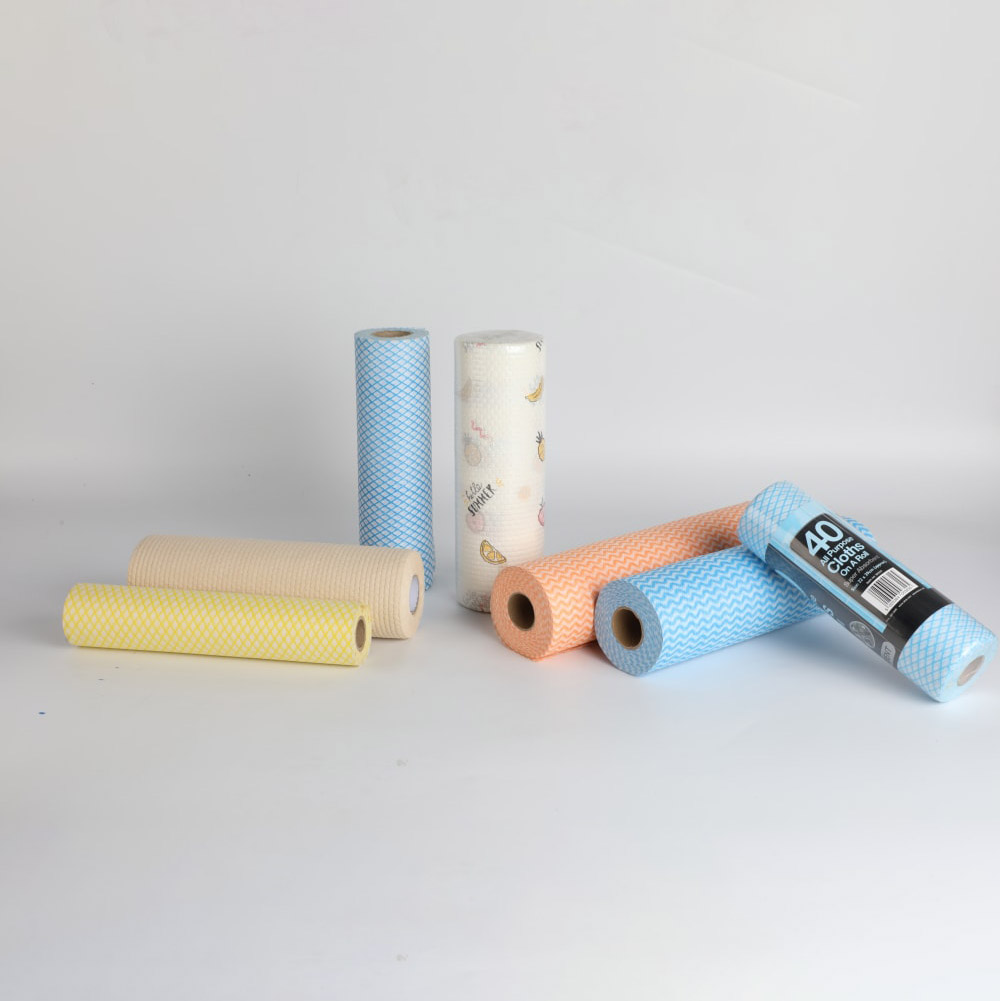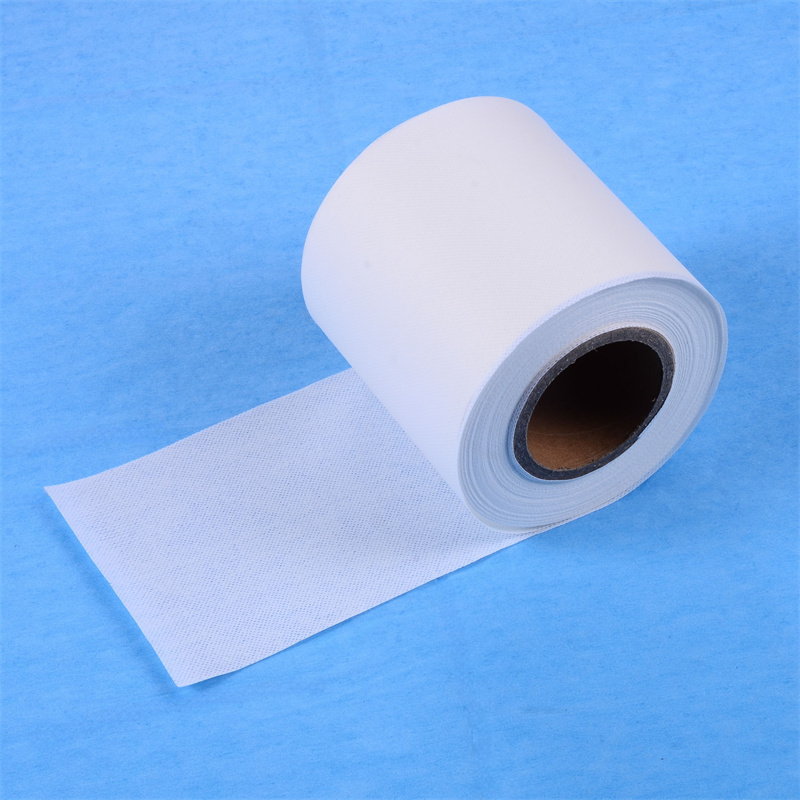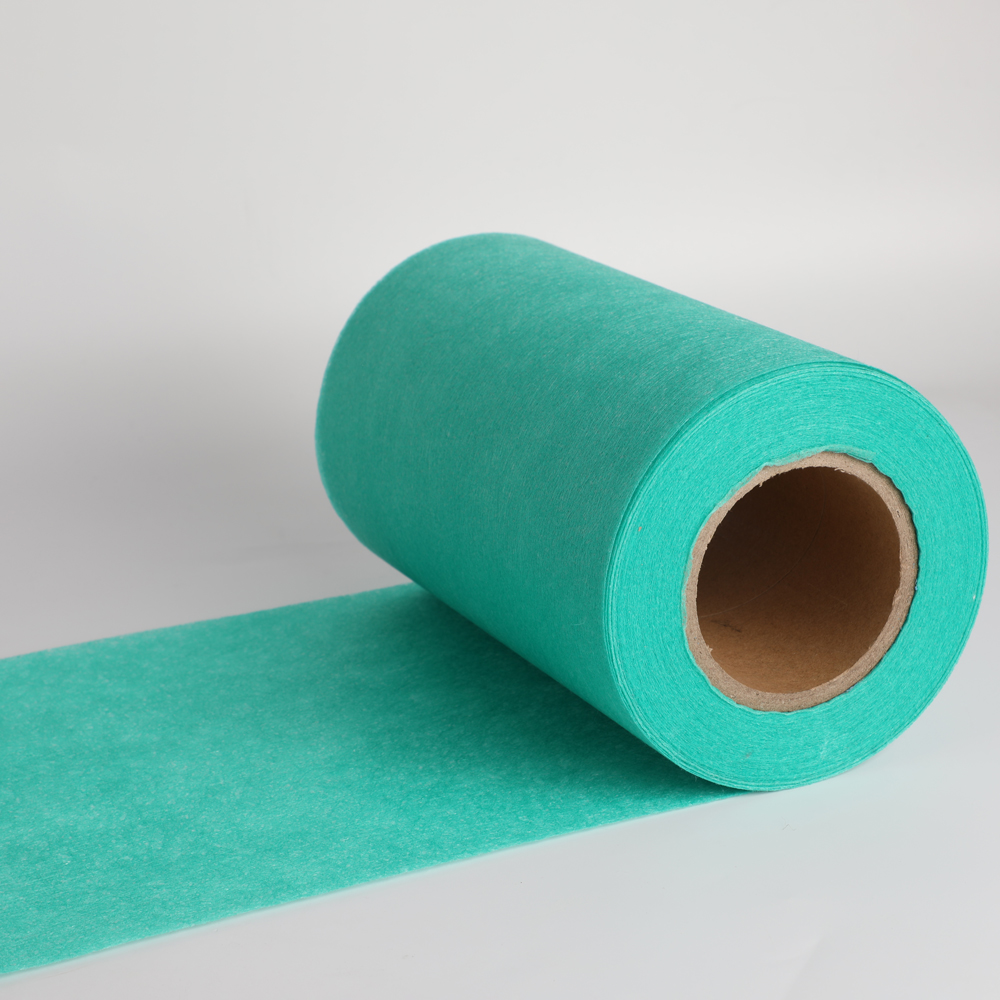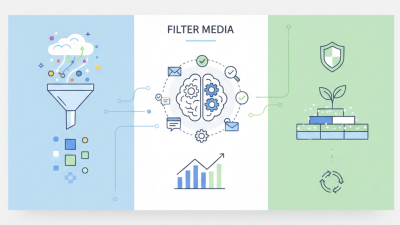

The 139th Canton Fair is poised to showcase groundbreaking innovations in the "Filter Media" industry. Among the various exhibitors, industry expert Dr. Emily Chen emphasizes, "Innovation in filter media is critical for sustainable development." This insight sets the stage for an exploration of the top ten innovations that will draw attention at the fair.
As the focus shifts toward advanced manufacturing and new materials, filter media will feature prominently. Innovations in this sector promise to enhance efficiency and effectiveness in various applications. Attendees will have the opportunity to witness cutting-edge technologies designed to improve air and water quality, reflecting the industry's commitment to environmental protection.
The introduction of AI-driven tools at the fair also enriches the experience. These tools enable buyers to effectively navigate the vast exhibition space, identifying suppliers with specific certifications like ISO and CE. Despite these advancements, challenges remain in the industry's quest for optimal solutions. The need for continuous improvement in filter media technology is more pressing than ever.
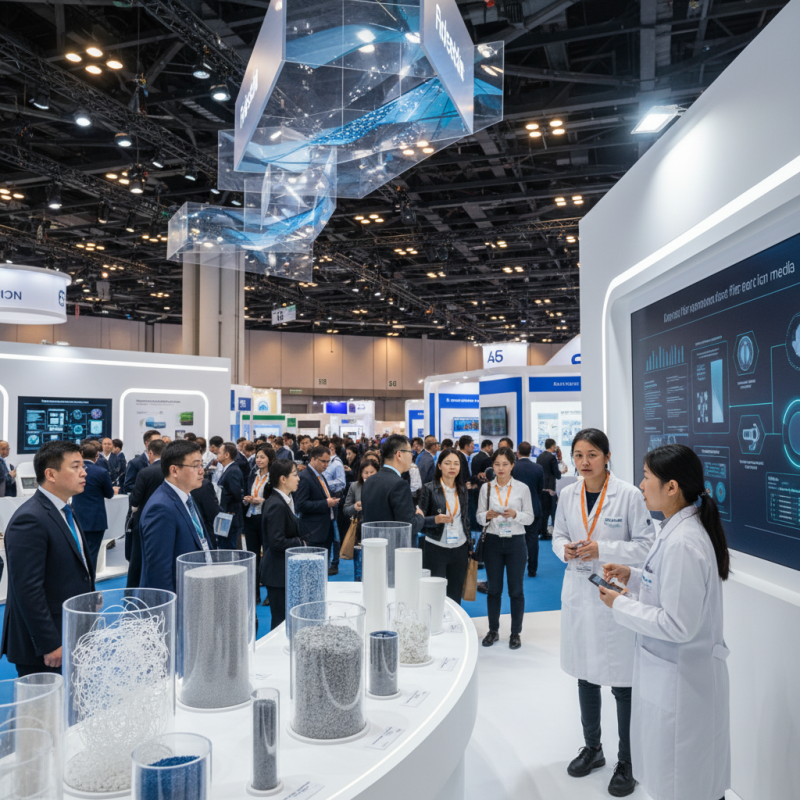
The 139th Canton Fair showcased remarkable innovations in filter media technology. Professionals in the industry noticed an emphasis on sustainability and efficiency. According to a recent report from the Global Filter Media Market, the industry is projected to grow at a rate of 6.5% between 2023 and 2028. This growth highlights a strong demand for innovative solutions that reduce environmental impact.
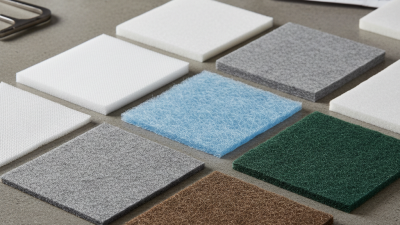
Innovative filter media prototypes revealed at the fair included enhanced materials designed to improve filtration efficiency. One notable advancement involves bio-based filter materials gaining traction. These materials offer a more eco-friendly alternative to traditional synthetic media. However, questions loom about their long-term durability and performance in extreme conditions.
The integration of smart technology in filter media was another hot topic. Sensors embedded in filter materials can monitor performance in real-time. This development raises the bar for proactive maintenance. Yet, this approach is not without its challenges. There are concerns regarding the added complexity and potential failure points of these systems. Overall, the advancements presented at the Canton Fair hint at a dynamic future for filter media technology.
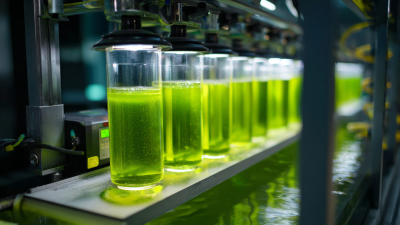
The 139th Canton Fair highlighted significant innovations in
filter media technology. Industry leaders showcased advancements that
set new standards. These innovations address critical issues in air and water filtration. Reports indicate
that the global filter media market is projected to reach $23.3 billion by 2026, driven by increased
environmental awareness and stricter regulations.
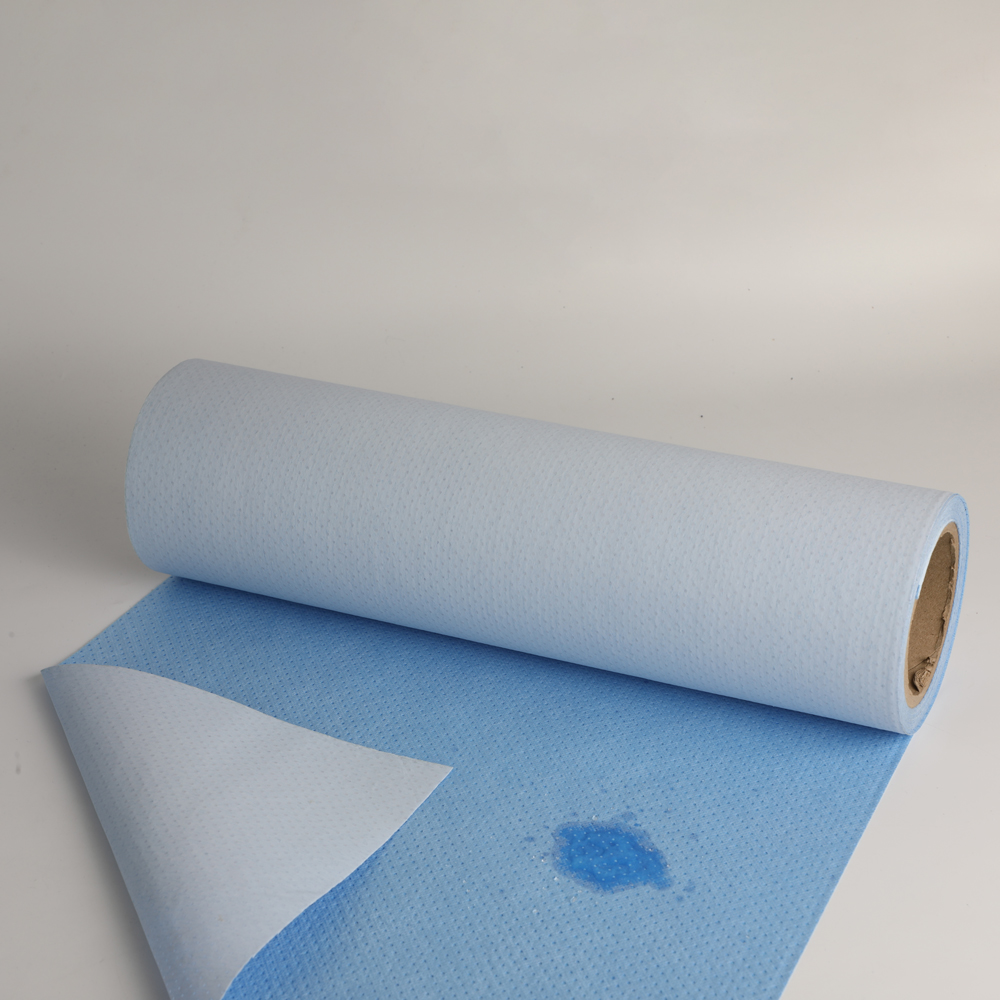
Key players presented diverse materials, including synthetic and natural fibers. Some innovations focus on enhancing
filtration efficiency. Others emphasize sustainability, aiming to reduce environmental impact. However, not all
innovations receive universal acclaim. Some products exhibit durability issues. Others fail to meet specific filtration
needs effectively. This highlights the need for continued research and development.
In addition, real-time data analyses from various sources reveal a 15% increase
in demand for high-performance filter media. Yet, customers often struggle to understand the differences in material
properties. The gap between innovation and practical application remains significant. Companies must bridge this gap
to connect with end-users more effectively. Clarity in communication
is essential for market growth.
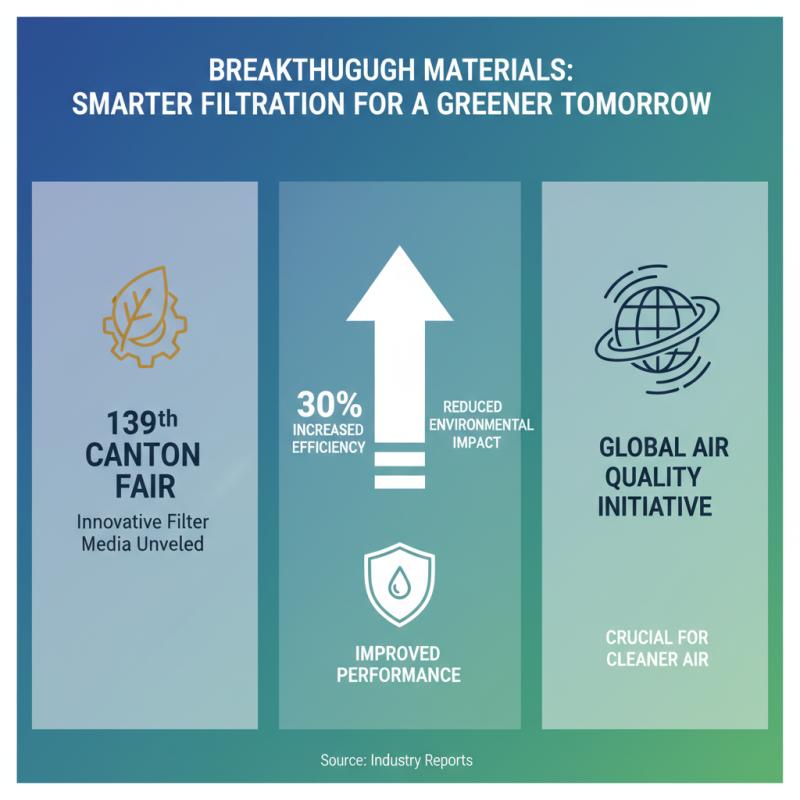
At the 139th Canton Fair, innovative filter media were highlighted for their breakthroughs in efficiency and sustainability. These materials promise to improve performance while reducing environmental impact. Industry reports indicate that advanced filter media can increase filtration efficiency by 30%. Such improvements are crucial, especially as global air quality concerns rise.
Recent studies show that over 90% of urban populations breathe polluted air. Innovations, like bio-based composites, are gaining traction. These materials not only filter effectively but are also biodegradable. Interestingly, some traditional filters end up in landfills, taking decades to decompose. This shift towards sustainable options is essential for environmental responsibility in the filter industry.
However, the transition has challenges. Cost and production scalability remain issues for many manufacturers. Some innovations may not yet meet industrial standards, creating hesitancy in widespread adoption. As we push for greener alternatives, it’s vital to assess these technologies thoughtfully. The path to sustainability in filtering solutions is ongoing and requires constant reflection and adaptation.
The 139th Canton Fair showcased innovative filter media that are transforming multiple industries. Notably, industries like water treatment, air filtration, and pharmaceuticals now prioritize advanced materials. Recent reports indicate that the global air filtration market is expected to reach $22.6 billion by 2025. This growth signals a shift toward sustainable solutions.
In water treatment, new filter media made from organic and biodegradable materials show promise. These innovations not only enhance filtration efficiency but also reduce environmental impact. For example, researchers found that using coconut shell carbon reduced contaminants by over 90% in various tests. Yet, challenges remain in scaling these technologies for industrial use.
Pharmaceuticals also benefit from bespoke filter media designed for sterile production. The industry increasingly relies on these filters to ensure product purity and compliance with stringent regulations. Reports suggest that inefficient filtration can lead to recalls, costing companies millions. As the demand for cleaner and safer products grows, the need for perfecting these filter technologies is more urgent than ever.
The recent 139th Canton Fair showcased exciting innovations in filter media. Market trends indicate a strong shift towards sustainable and efficient materials. Many exhibitors focused on eco-friendly options that reduce waste. These products reflect a growing awareness of environmental responsibilities. Companies aim to meet rising demand for greener solutions.
As businesses adapt to new regulations, the challenge lies in balancing innovation with practical applications. Some products may lack real-world effectiveness. Developers need to refine their designs based on market feedback. The integration of advanced filtration technologies is promising but can face implementation hurdles.
Future prospects look bright, yet manufacturers must address performance concerns. Innovations need rigorous testing to validate claims. Collaboration among industry players may foster creative solutions. Open dialogue can lead to stronger products and better consumer trust. Education in filter media's capabilities will also play a vital role in adoption.
| Innovation | Description | Material Used | Applications | Market Trend |
|---|---|---|---|---|
| Nano-Fiber Filters | Ultra-fine filtration efficiency | Polymer nanofibers | Air and water purification | Growing demand for high-efficiency filters |
| Bio-based Filter Media | Sustainable filtration solutions | Natural fibers and bio-polymers | Wastewater treatment | Increased eco-conscious consumer behavior |
| Hybrid Filter Systems | Combination of filtration techniques | Multiple materials | HVAC systems | Innovation in residential and commercial spaces |
| Graphene-based Filters | High strength and thermal stability | Graphene | Desalination | Emerging technology in water treatment |
| Smart Filters | Integration with IoT technology | Various composites | Industrial monitoring | Increasing automation in industries |
| Electrospun Filters | Fine particle capture | Synthetic polymers | Medical applications | Growth in healthcare sector |
| Self-cleaning Filters | Low maintenance requirement | Special coatings | Residential and commercial use | Demand for efficiency and cost reduction |
| Activated Carbon Innovations | Enhanced adsorption capabilities | Activated carbon | Air and water purification | Stable market growth |
| Recyclable Filter Media | Sustainability focus | Recyclable materials | General filtration | Rising interest in circular economy |
| Membrane Filters | High selectivity | Polymeric and ceramic membranes | Food and beverage industry | Continued technological advancements |