Leave Your Message

Top 10 Nonwoven Fabric Needle Punched Applications You Should Know?

Nonwoven Fabric Needle Punched technology has transformed various industries. As expert Dr. Emily Chen states, "The versatility of needle-punched nonwovens opens doors to countless applications." This innovative fabric is becoming increasingly important due to its diverse functionality.

From automotive components to medical textiles, Nonwoven Fabric Needle Punched serves multiple purposes. These materials offer strength and durability, making them suitable for demanding environments. Unlike traditional fabrics, nonwoven solutions are crafted without weaving, providing unique benefits in design and production efficiency. Yet, the field is not without challenges. Sometimes, inconsistencies in fabric quality can occur, demanding close scrutiny.

With environmental concerns growing, the needle-punched nonwoven sector is also exploring sustainable options. Companies are experimenting with eco-friendly fibers. In this fast-evolving market, staying informed is crucial. Understanding the top ten applications of Nonwoven Fabric Needle Punched can enhance industry insight and foster innovation.
Top 10 Nonwoven Fabric Needle Punched Applications You Should Know?

Overview of Nonwoven Fabric and Needle Punching Technology

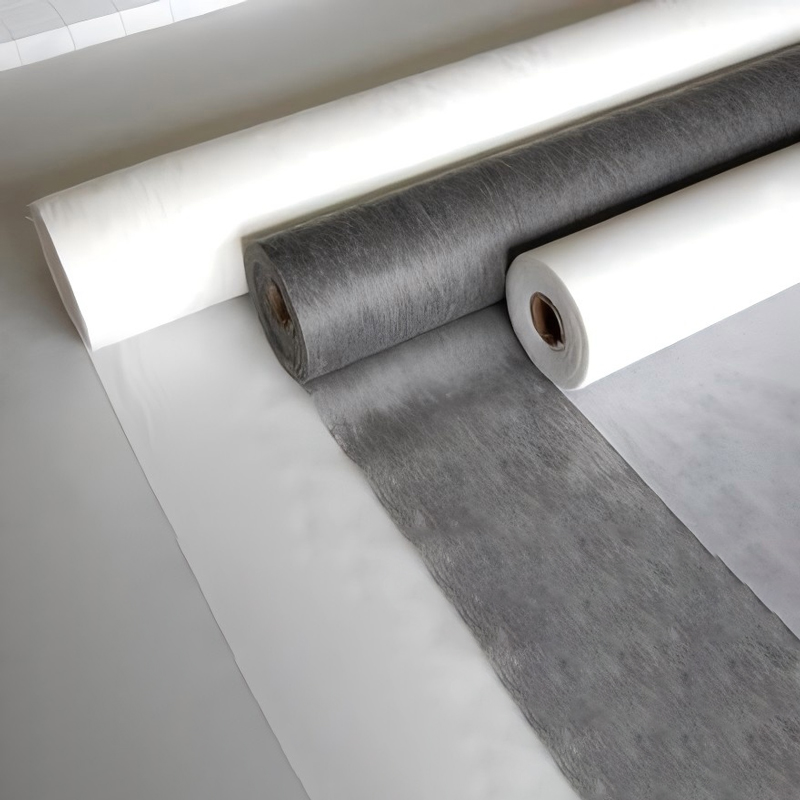
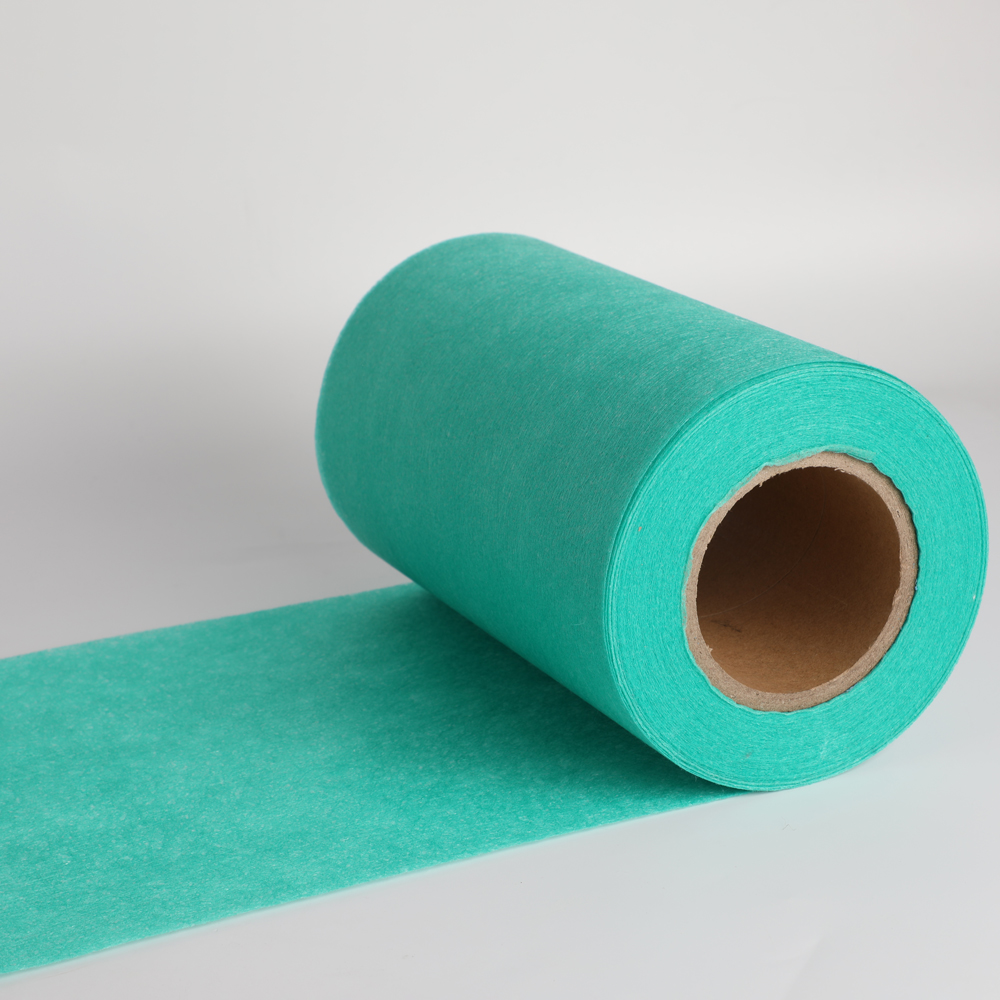
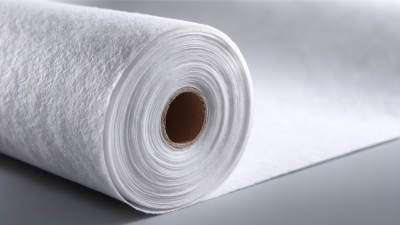
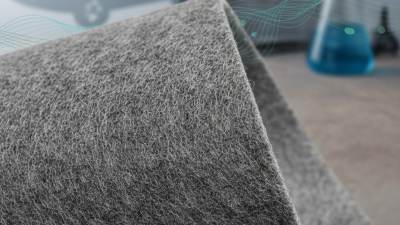
Nonwoven fabrics have gained significant traction in various industries due to their versatility and durability. These materials are created by bonding fibers together through mechanical processes, chemical treatments, or thermal methods. Among these techniques, needle punching stands out for its efficiency and effectiveness. The process involves using barbed needles to entangle fibers, resulting in a dense, strong fabric. It's commonly used to produce geotextiles, insulation materials, and hygiene products.

Needle-punched nonwoven fabrics offer unique advantages. They can be produced in large quantities at a lower cost compared to woven and knitted alternatives. The fabric's structure allows for air and moisture permeability, making it suitable for automotive interiors and filtration applications. Despite these benefits, challenges still exist. For instance, the quality of the needle-punched fabric can vary. Factors such as fiber type and needle density impact the final product's durability and performance. A more nuanced understanding of these variables is essential for optimal results.

The Basics of Nonwoven Fabrics: Definition and Types

Nonwoven fabrics are unique composites that are manufactured by bonding fibers together through various processes. They differ from traditional woven and knitted fabrics, as they are not produced by weaving. Nonwoven fabrics can be classified into several types: drylaid, wetlaid, and spunbond. Each type has distinct properties and applications.

An industry report from Smithers shows that the global nonwoven fabric market was valued at approximately $48 billion in 2021. This market is projected to grow significantly, driven by increasing demand in healthcare, automotive, and filtration sectors. Nonwoven fabrics are lightweight, durable, and highly customizable, which makes them suitable for various uses, including medical products and hygiene items. In the automotive sector, these materials provide sound insulation and are often used in upholstery.

Tip: When selecting nonwoven fabrics, consider the specific application and desired properties. For instance, look for fabrics with adequate strength and moisture control for personal care products. Ensuring that the fabric meets requisite standards can impact overall performance.

Despite their advantages, nonwoven fabrics face challenges, such as disposal and recyclability issues. Many nonwovens are made from synthetic fibers, which concern environmental advocates. The pressure is on the industry to innovate sustainable solutions, balancing performance with ecologically friendly options.

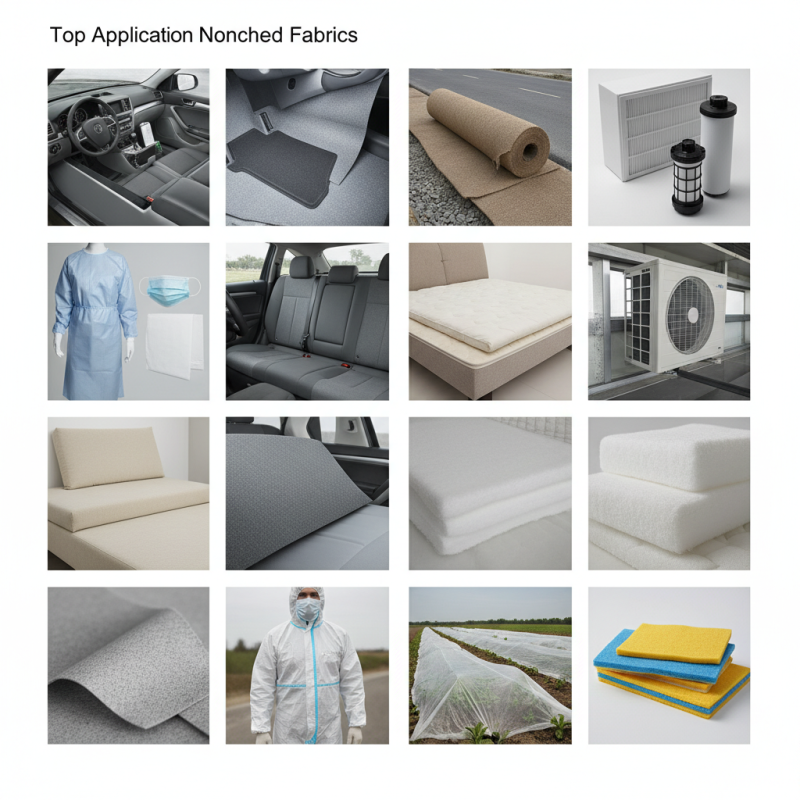
Top 10 Nonwoven Fabric Needle Punched Applications You Should Know

Application Description Key Benefits Common Materials
Geotextiles Used for soil stabilization and erosion control. Durable, permeable, and high tensile strength. Polypropylene, polyester
Medical Textiles Used for surgical gowns, masks, and bandaging. Soft, breathable, and sterile. Polypropylene, rayon
Automotive Interior Used for sound absorption, insulation, and upholstery. Lightweight and effective noise reduction. Polyester, nylon
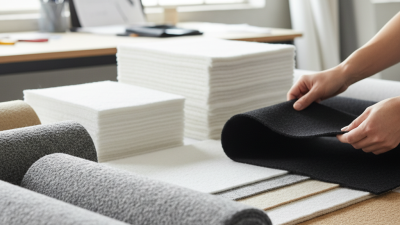
Home Furnishings Used for curtains, carpets, and upholstery. Versatile, easy to clean, and durable. Polyester, polypropylene
Filtration Used in air, water, and industrial filters. High efficiency and dirt holding capacity. Polypropylene, polyester
Agricultural Textiles Used for crop covers and weed control. UV resistant and environmentally friendly. Polypropylene, polyethylene
Hygiene Products Used for diapers, feminine hygiene products. Absorbent and soft against the skin. Polypropylene, cellulose
Personal Protective Equipment (PPE) Used for protective clothing and gear. Lightweight and ensures safety. Polyethylene, polypropylene
Building & Construction Used for moisture barriers and insulation. Enhances energy efficiency. Polypropylene, polyester
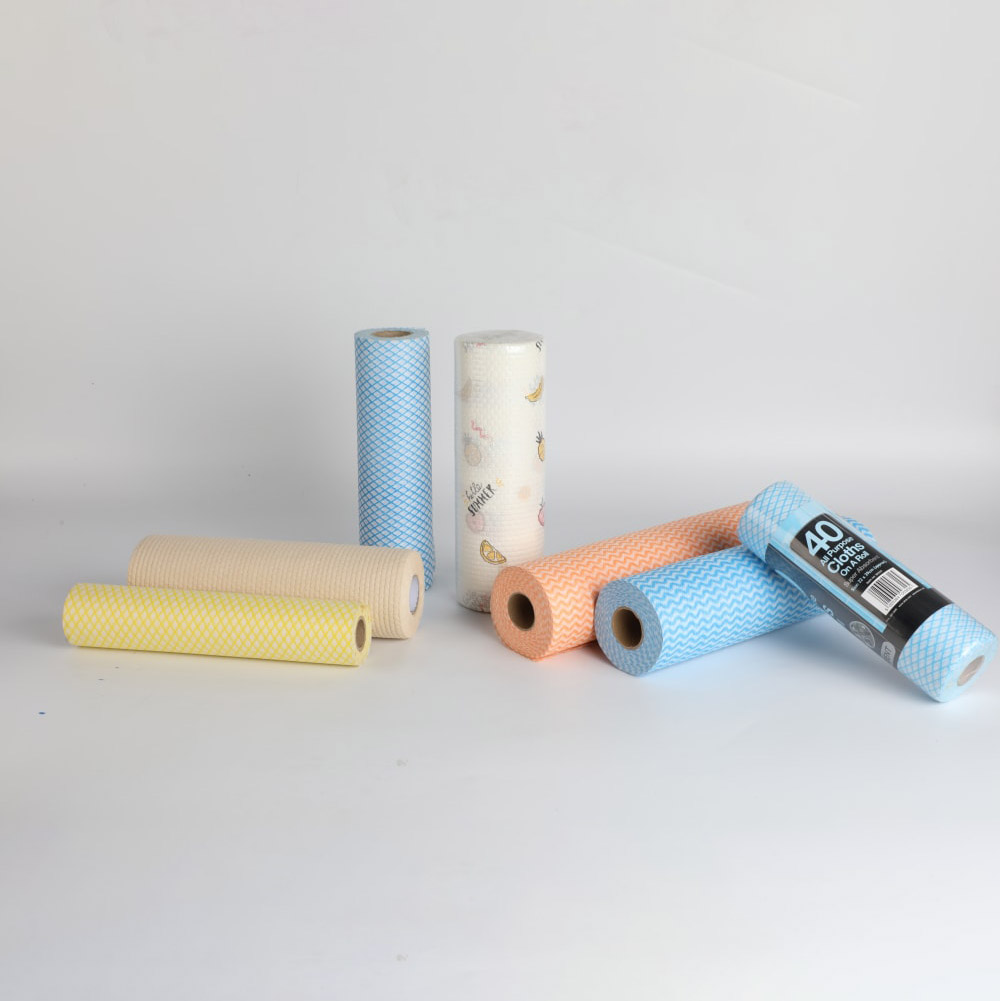
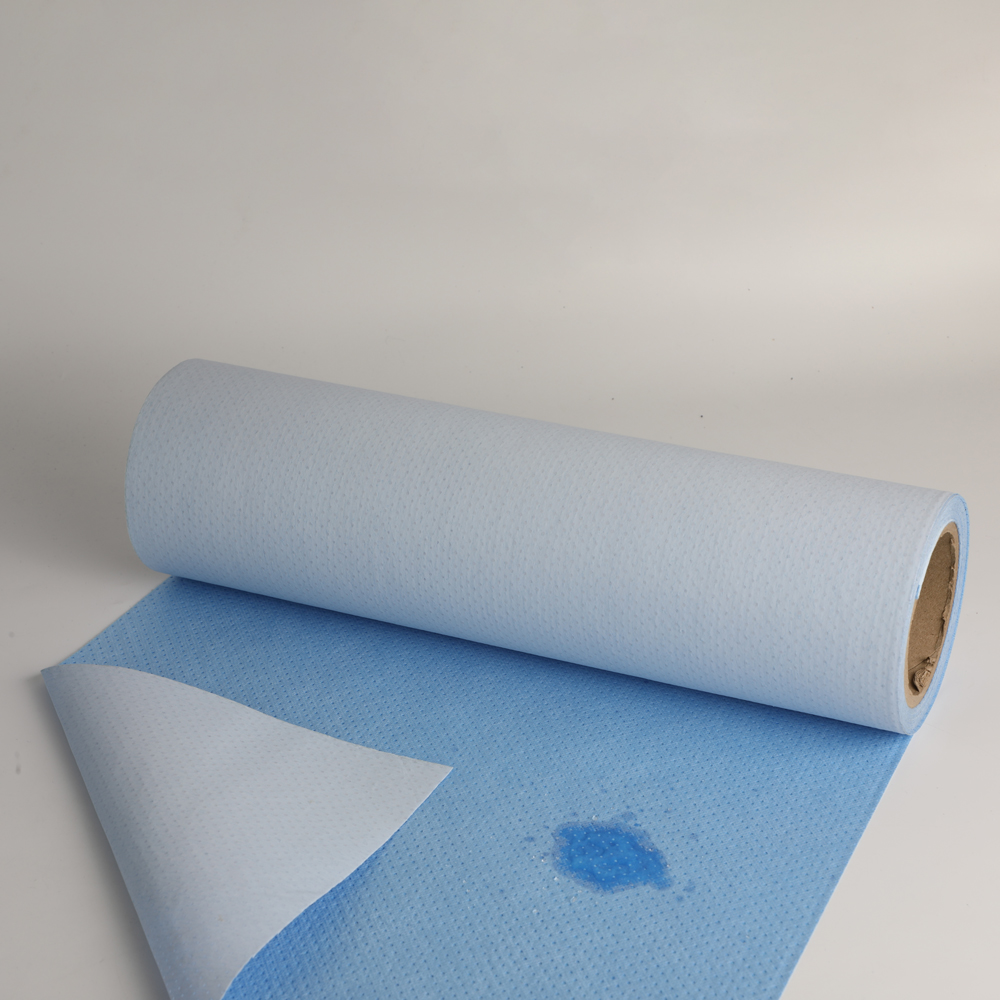
Wipes Used for cleaning and sanitization. Highly absorbent and disposable. Viscose, polyester

Understanding Needle Punching: Process and Mechanism

Top 10 Nonwoven Fabric Needle Punched Applications You Should Know?

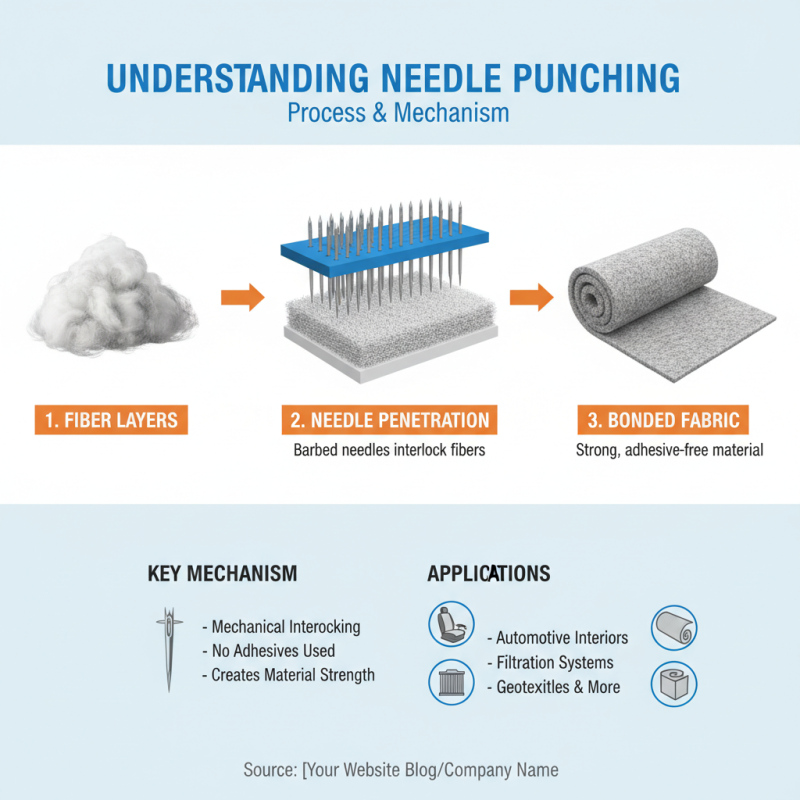
Needle punching is a fascinating process used in nonwoven fabric production. This method uses barbed needles to interlock and bond fibers together. These needles penetrate layers of fibers, creating a uniform and robust material without the use of adhesives. The result is a versatile fabric with various applications, from automotive interiors to filtration systems.

The mechanism is straightforward yet effective. As the needles move up and down, they entangle fibers and compress the fabric. This process allows for different densities and thicknesses in the final product. However, the consistency of the output can be a challenge. Variations in fiber type or needle gauge can lead to uneven textures. Observing these details is crucial for manufacturers, as it affects the fabric's performance and quality in its intended use. This underlines the importance of precision in needle punching.

In the industry, expertise plays a vital role. Understanding the mechanical aspects and material properties is essential for producing high-quality nonwoven fabrics. While innovations have advanced this technology, there is still room for improvement. Continuous adjustments need attention, especially in balancing efficiency with product quality. This ongoing pursuit for perfection reflects the complexity of needle punching as a manufacturing process.

Key Applications in the Automotive Industry: Soundproofing and Insulation

In the automotive industry, nonwoven fabric needle punching has gained prominence. This innovative technology offers unique soundproofing solutions. Cars need to be quiet for comfort and safety. Needle-punched fabrics effectively reduce noise. They absorb vibrations, making rides smoother. This is essential for luxury vehicles and everyday cars alike.

Insulation is another critical application. Effective thermal insulation keeps vehicles energy-efficient. Nonwoven fabrics provide lightweight yet durable solutions. They help maintain cabin temperatures, benefiting both drivers and passengers. These materials can also resist moisture, enhancing longevity. However, sourcing quality nonwoven fabrics can be challenging. Not all manufacturers meet the highest standards. Careful consideration is required when selecting suppliers.

Despite these advancements, some aspects need reassessment. The impact on the environment is a growing concern. Manufacturers must explore sustainable options in production. Eco-friendly materials could reshape the industry. Continuous improvement is essential for meeting future demands. The balance between performance and sustainability remains delicate.

Use of Nonwoven Fabrics in Medical and Hygiene Products

Nonwoven fabrics play a crucial role in medical and hygiene products. Their unique structure allows for high breathability and fluid resistance. These attributes are essential in items like surgical gowns and masks. The fabrics provide protection without compromising comfort for the wearer. They serve as barriers against bacteria and viruses, which is vital in medical settings.

In hygiene products, nonwoven fabrics are widely used in absorbent products like diapers and sanitary pads. The fabric’s lightweight nature enhances user comfort. Furthermore, their disposable aspect ensures hygiene, reducing the risk of infections. However, challenges remain. For instance, there's a concern about the environmental impact of disposable nonwoven products. There’s an ongoing need to develop sustainable solutions.

The versatility of nonwoven fabrics is impressive. They can be engineered for specific applications, yet quality control is essential. Mismanagement may lead to compromised safety standards. Continuous research and development are crucial in improving these materials while addressing environmental concerns. The potential for innovation in this space is great, but it requires a critical approach to actual needs and effects.

Top 10 Nonwoven Fabric Needle Punched Applications

Conclusion

Nonwoven Fabric Needle Punched technology plays a significant role in various industries due to its versatility and functionality. This article provides an overview of nonwoven fabrics, explaining their definition, types, and the needle punching process. It highlights the key applications of these materials, particularly in the automotive industry, where they are utilized for soundproofing and insulation. Additionally, nonwoven fabrics are critical in medical and hygiene products, providing essential benefits in terms of safety and cleanliness. Innovative uses in geotextiles and construction materials are also discussed, showcasing the expanding frontiers of Nonwoven Fabric Needle Punched applications in modern manufacturing and construction practices.