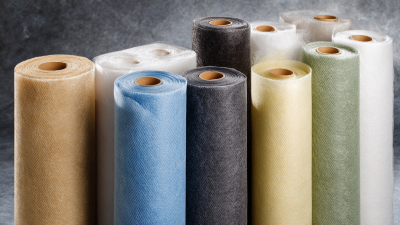
Revolutionizing Hygiene: The Science Behind Filter Nonwoven Fabric in Everyday Life
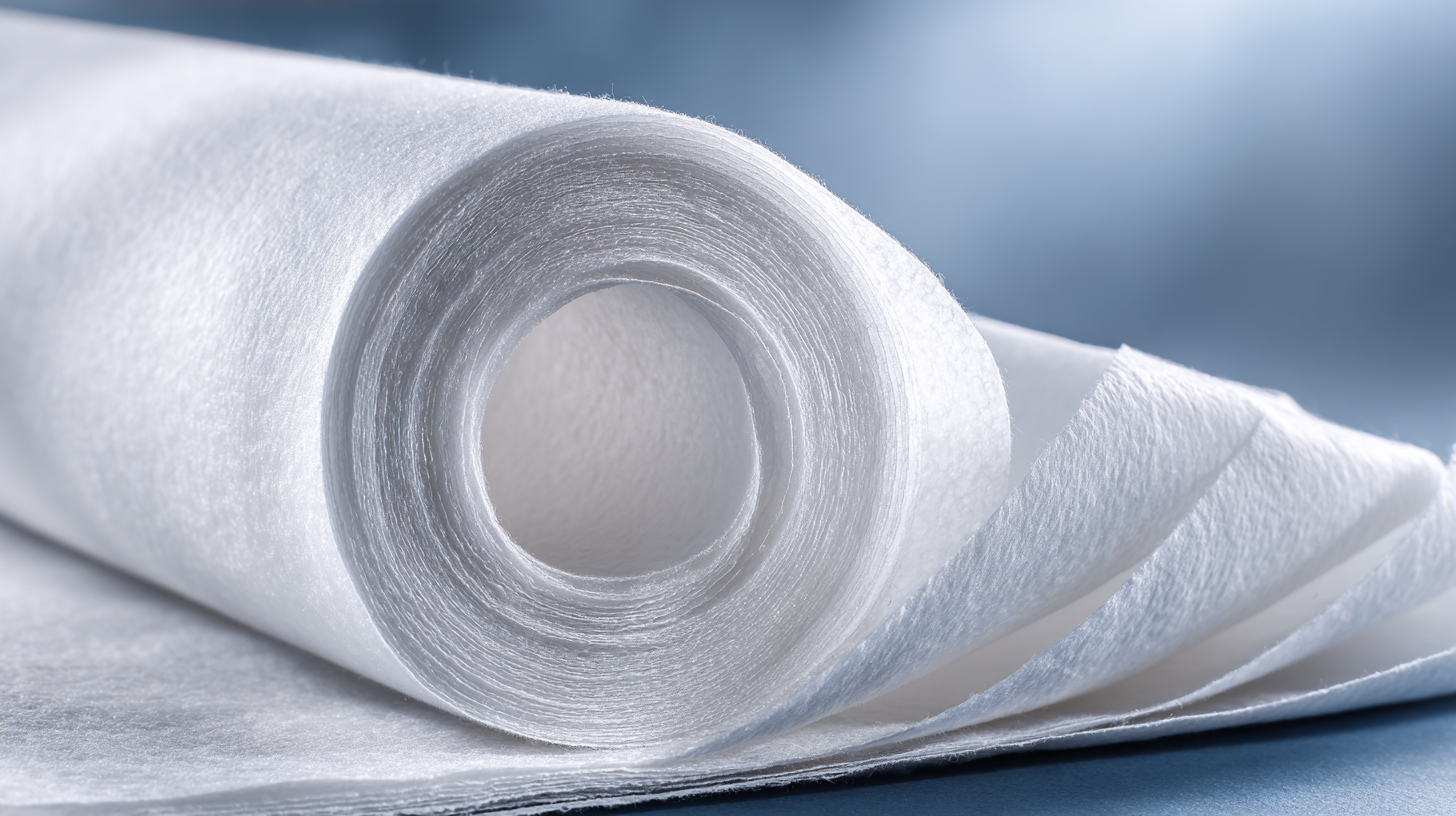 In recent years, the importance of hygiene has surged, particularly in the wake of global health crises. Among various innovations in hygiene products,
Filter Nonwoven Fabric has emerged as a crucial component in everyday life, significantly enhancing protective measures
across multiple industries. According to a report by Smithers Pira, the global nonwoven fabric market is anticipated to reach $50 billion by 2025,
driven primarily by increased demand for personal care and medical applications. This specialized fabric, known for its versatility and efficiency, not only plays a vital role in the
manufacturing of face masks and air filters but also contributes to hygienic solutions
in household items and industrial applications. By leveraging the unique properties of Filter Nonwoven Fabric,
we can revolutionize the way we approach cleanliness and safety, ensuring a healthier
environment for everyone.
In recent years, the importance of hygiene has surged, particularly in the wake of global health crises. Among various innovations in hygiene products,
Filter Nonwoven Fabric has emerged as a crucial component in everyday life, significantly enhancing protective measures
across multiple industries. According to a report by Smithers Pira, the global nonwoven fabric market is anticipated to reach $50 billion by 2025,
driven primarily by increased demand for personal care and medical applications. This specialized fabric, known for its versatility and efficiency, not only plays a vital role in the
manufacturing of face masks and air filters but also contributes to hygienic solutions
in household items and industrial applications. By leveraging the unique properties of Filter Nonwoven Fabric,
we can revolutionize the way we approach cleanliness and safety, ensuring a healthier
environment for everyone.
Understanding the Composition of Filter Nonwoven Fabrics in Hygiene Products
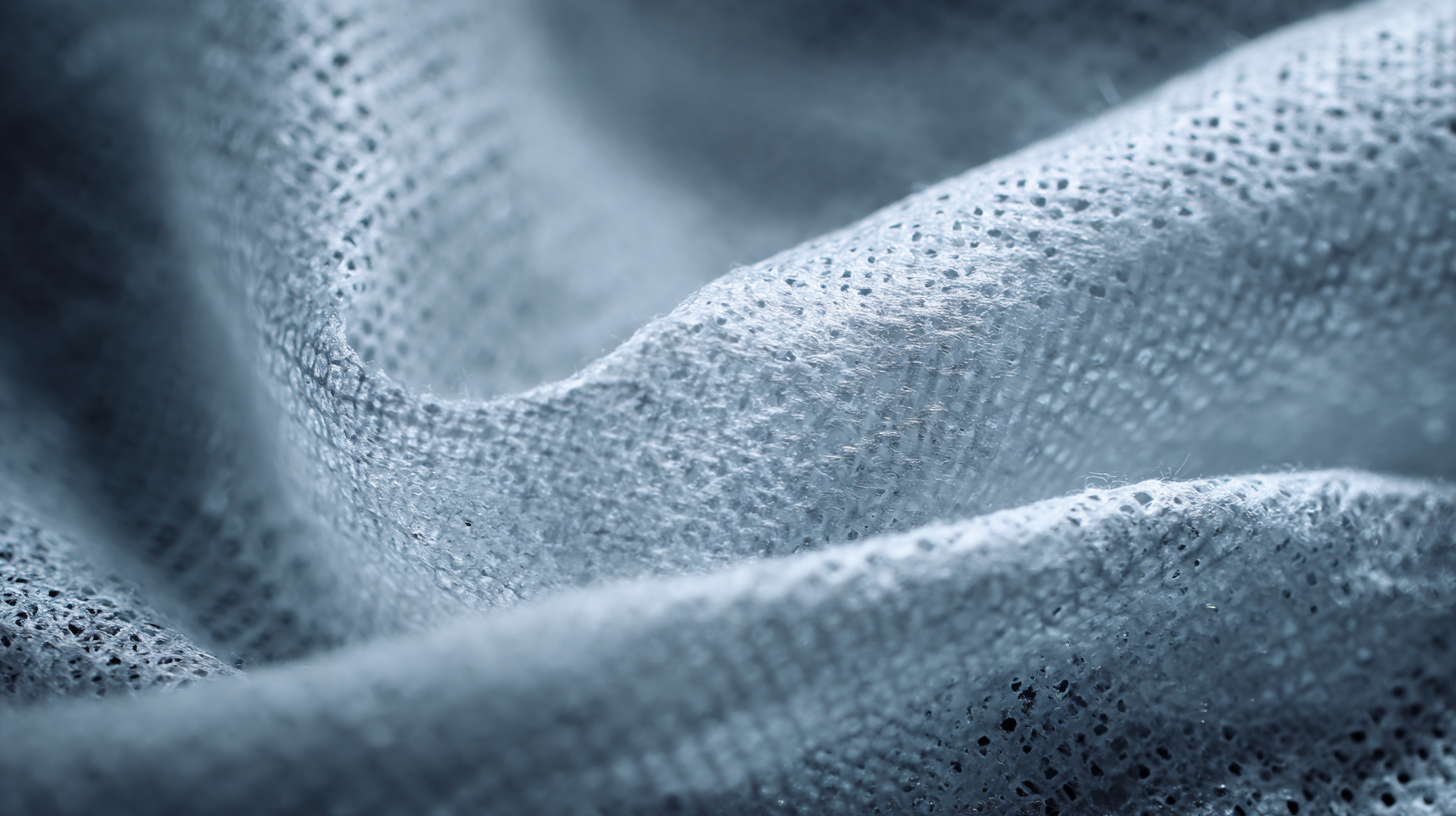 Filter nonwoven fabrics play a crucial role in the composition of various hygiene products, offering both functionality and comfort. These fabrics are engineered through different technologies such as dry laid, spunbond, and wet laid processes, each contributing unique properties that enhance their effectiveness in hygiene applications. For instance, spunbond nonwoven fabrics are widely used for their strength and filtration capabilities, making them ideal for products like diapers and feminine hygiene items. The layering of these fabrics can also improve fluid resistance and breathability, essential for maintaining skin health and preventing irritation.
In recent years, the demand for nonwoven fabrics, particularly in the hygiene sector, has been on the rise. This trend is evident in regions like Poland, where the market for nonwovens is growing rapidly, paralleling that of more established countries. Innovations in fiber choices, including the use of natural fibers like cotton, further enhance the sustainability profile of these products. Cotton not only provides biodegradability and drought resilience but also adds softness and comfort to hygiene items, demonstrating the intersection of science and environmental responsibility in everyday life.
The Role of Filter Nonwoven Fabric in Enhancing Personal Safety and Health
Filter nonwoven fabrics play a crucial role in enhancing personal safety and health, especially in an era where concerns about hygiene are at an all-time high. These fabrics, made through various manufacturing technologies such as dry laid, spunbond, and wet laid processes, serve as essential components in medical supplies, hygiene products, and filtration systems. Their unique structure allows for effective barrier protection against airborne particles, bacteria, and viruses, making them indispensable in face masks and personal protective equipment.
As we navigate daily life, it is vital to recognize the importance of using high-quality filter nonwoven fabrics in products we rely on. Tips for selecting effective hygiene products include checking for certifications that indicate compliance with safety standards and ensuring that fabrics are breathable yet effective at filtering contaminants. Additionally, understanding the potential risks of additives like titanium dioxide particles in face masks can guide consumers in making informed choices that prioritize health.
When integrating filter nonwoven fabrics into your routine, consider their usage in various contexts—be it in personal protective gears, medical applications, or even household cleaning items. Adopting products with advanced filtration technology can significantly enhance personal safety and overall well-being, leading to healthier living environments.
Revolutionizing Hygiene: The Impact of Filter Nonwoven Fabric on Everyday Health
Innovative Applications of Nonwoven Fabrics in Everyday Hygiene Products
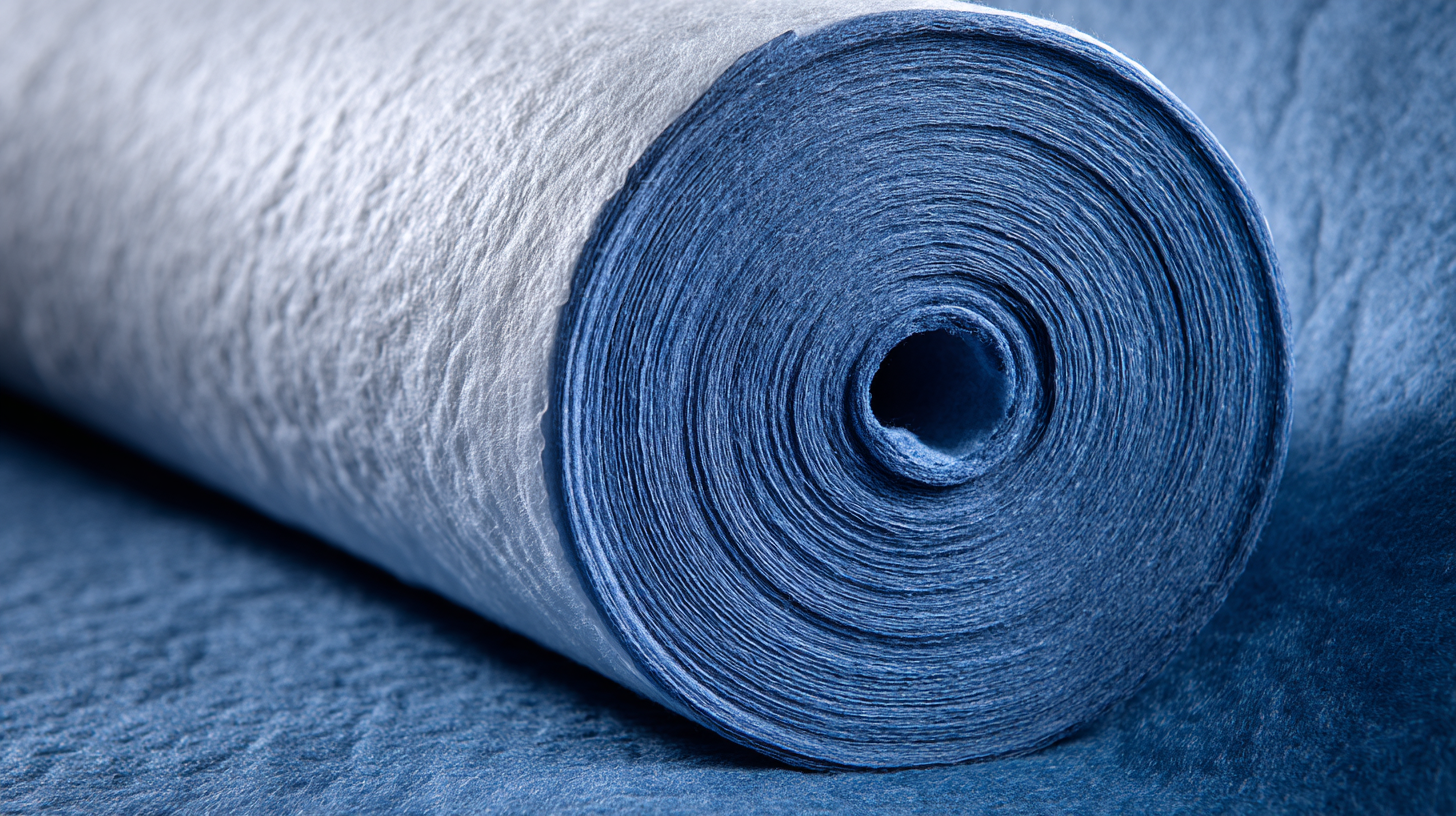 Nonwoven fabrics have become a revolutionary component in the personal hygiene industry, merging functionality with the increasing consumer demand for sustainability. These materials, often utilized in everyday hygiene products such as feminine hygiene items, wipes, and medical applications, provide significant advantages due to their lightweight, absorbent, and quick-drying properties. The demand for innovative nonwoven solutions is being driven by heightened awareness of personal hygiene and the importance of maintaining public health standards.
The market for nonwoven hygiene materials is poised for impressive growth, forecasted to reach around USD 32 billion by 2033. This is propelled by advancements in adhesive and bonding technologies that enhance the performance of nonwoven fabrics. Industry leaders are now focusing on sustainable practices, leading to products that not only meet consumer needs but also adhere to environmental considerations. Innovations such as dry and wet wipes, along with filtration solutions, exemplify how nonwoven fabrics are at the forefront of hygiene product development, responding adeptly to the evolving landscape of consumer expectations.
Comparative Analysis: Filter Nonwoven Fabric vs. Traditional Hygiene Materials
Filter nonwoven fabrics have emerged as a revolutionary alternative to traditional hygiene materials, significantly influencing everyday life. These innovative materials, made from various synthetic fibers like polyester and polypropylene, offer enhanced filtration and protection. Unlike conventional fabrics, filter nonwoven fabrics are engineered specifically to trap particles, provide superior breathability, and exhibit moisture-wicking properties, which are essential in maintaining hygiene. This makes them increasingly popular in medical applications, personal protective equipment, and everyday consumer products.
In a comparative analysis, it is evident that filter nonwoven fabrics outperform traditional hygiene materials in several key areas. Traditional fabrics often struggle with moisture retention and can be prone to harboring bacteria, which poses hygiene risks. In contrast, filter nonwoven fabrics are designed to inhibit microbial growth and can be produced in a variety of forms, such as masks, wipes, and sanitary products, tailored to specific hygiene needs. As the market for nonwoven fabrics continues to expand, with projections indicating significant growth by 2035, it is clear that this technology will play a crucial role in redefining health and safety standards in various sectors, including healthcare, automotive, and personal care.
Revolutionizing Hygiene: The Science Behind Filter Nonwoven Fabric in Everyday Life
| Feature |
Filter Nonwoven Fabric |
Traditional Hygiene Materials |
| Breathability |
High |
Moderate |
| Moisture Management |
Excellent |
Poor |
| Mechanical Strength |
High |
Variable |
| Cost Efficiency |
Moderate |
Low |
| Biodegradability |
Higher |
Lower |
| Consumer Comfort |
High |
Moderate |
| Usage Scenarios |
Personal hygiene, medical applications |
Basic hygiene, household cleaning |
Future Trends: The Evolving Science of Hygiene with Nonwoven Technologies
The evolving science of hygiene is being significantly enhanced by advancements in nonwoven technologies, which are poised to reshape personal and public health practices. As reported by the Global Nonwovens Market Outlook, the market for nonwoven fabrics is expected to reach $66.5 billion by 2025, driven by their versatile applications in hygiene products. This surge highlights the growing recognition of nonwovens’ effectiveness in filtration and barrier protection, essential in manufacturing items such as masks, sanitary products, and medical supplies.
One notable innovation is the introduction of filter nonwoven fabric, which provides a critical layer of defense against pathogens and particulate matter. According to a study published in the Journal of Medical Textiles, nonwoven fabrics demonstrate superior bacterial filtration efficiency (BFE) and particulate filtration efficiency (PFE) compared to traditional woven fabrics. These advancements not only enhance individual hygiene but also promote public health, especially in the wake of recent global health crises, underscoring the importance of integrating these materials into everyday life.
As the industry progresses, it is likely that we will see further developments in biocompatible and sustainable nonwoven technologies, reinforcing their role in revolutionizing hygiene practices across various sectors.

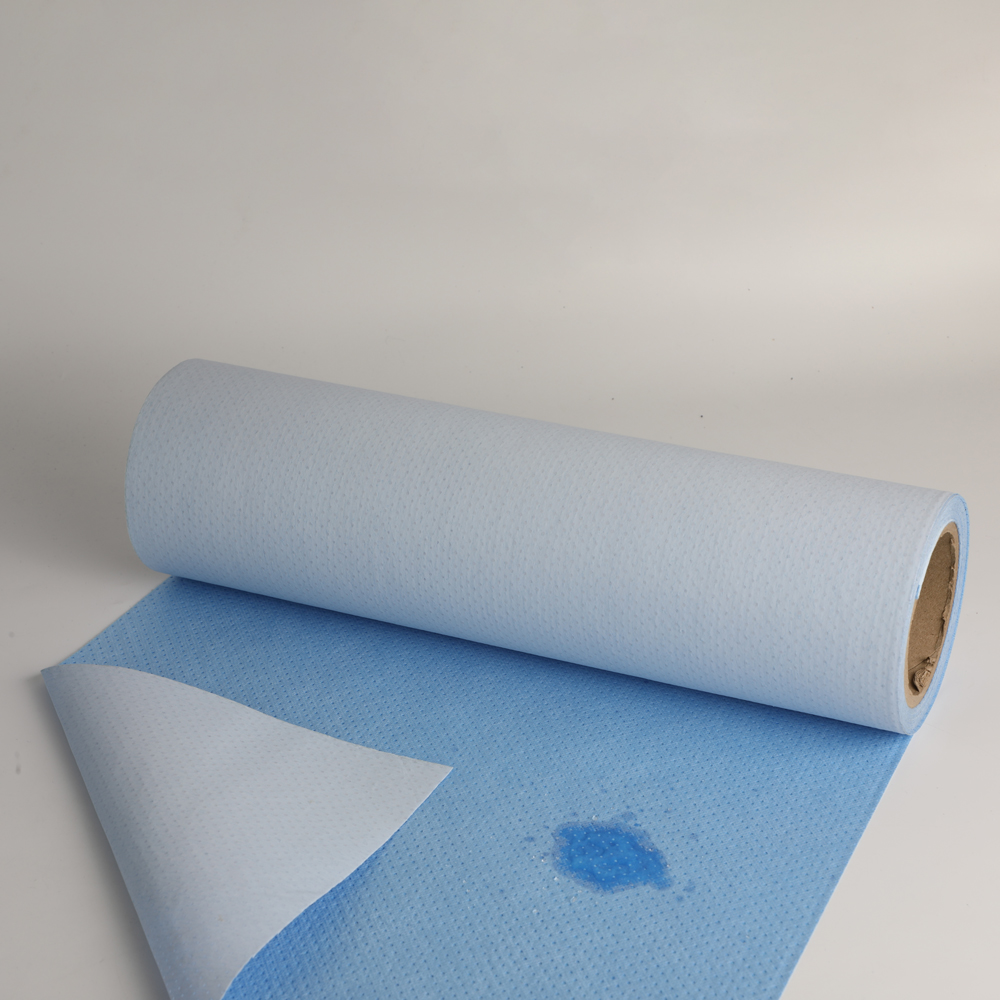 Multi Laminates
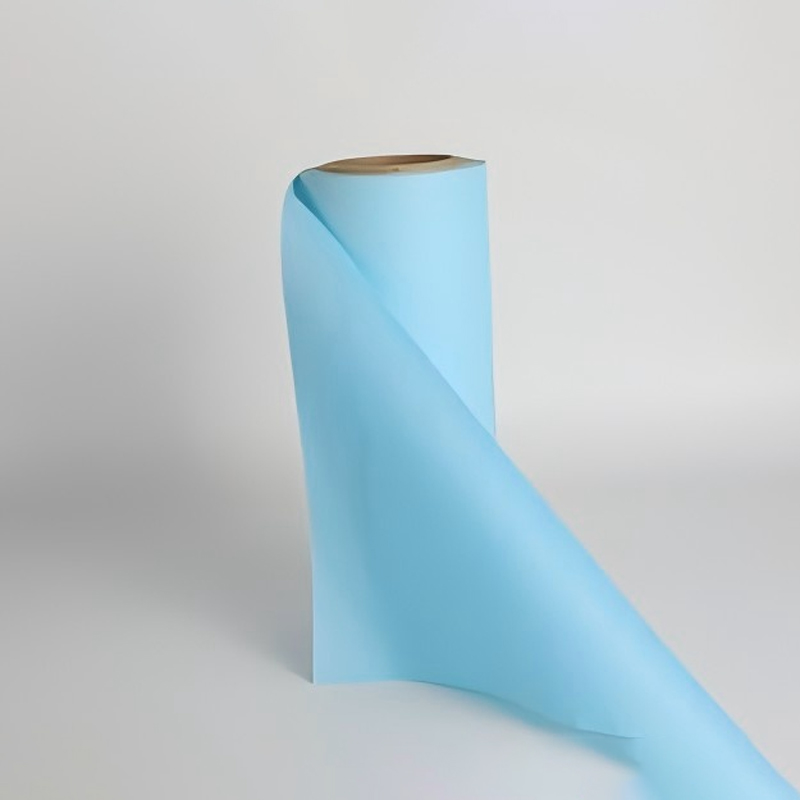 Spunlace Nonwoven Laminates
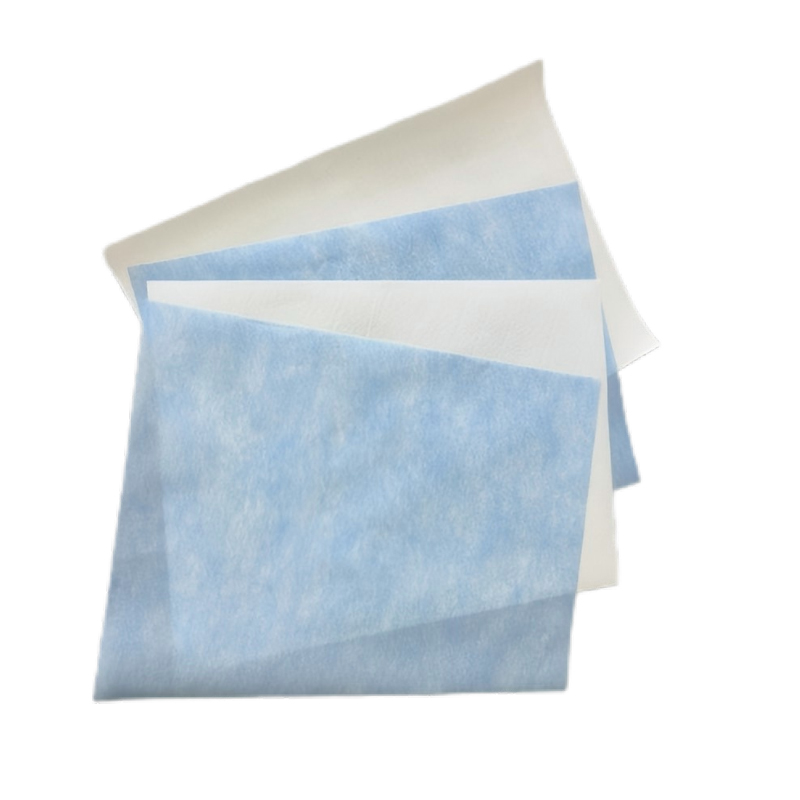 Breathable Film Laminates
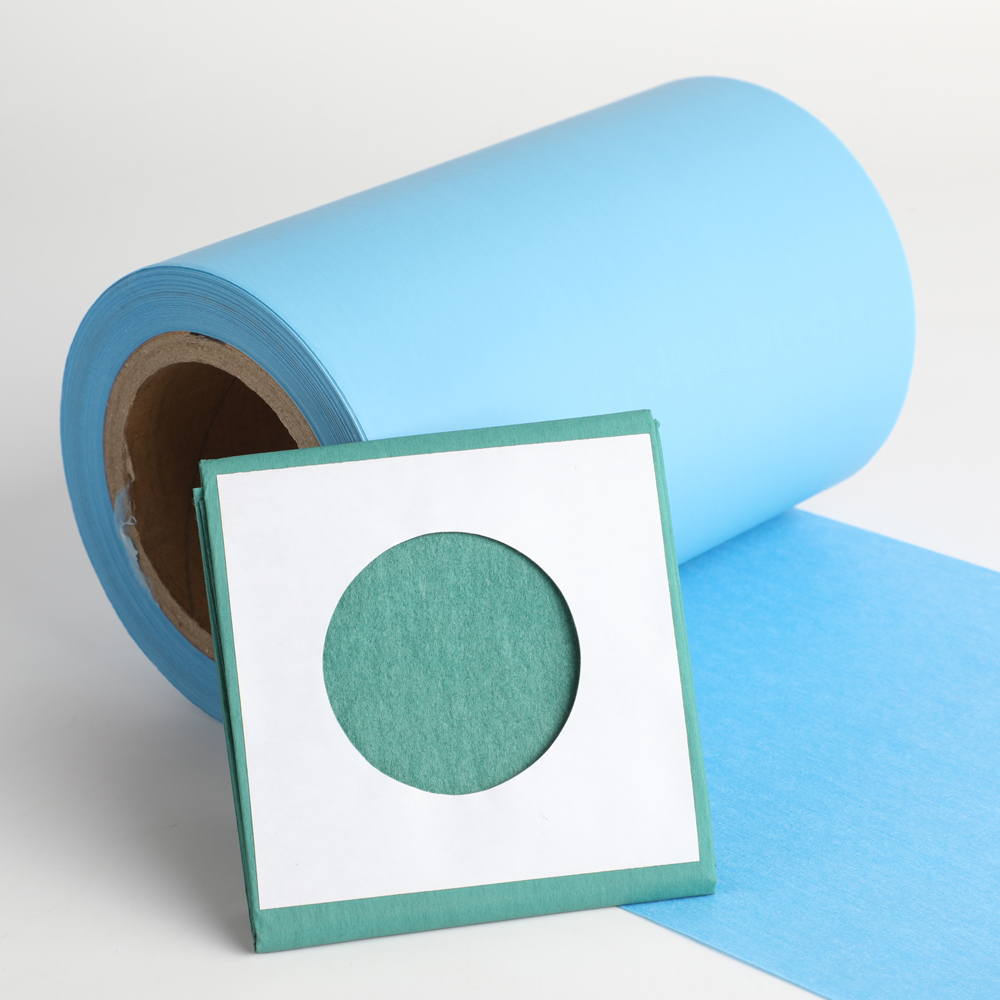 Viscose Laminates
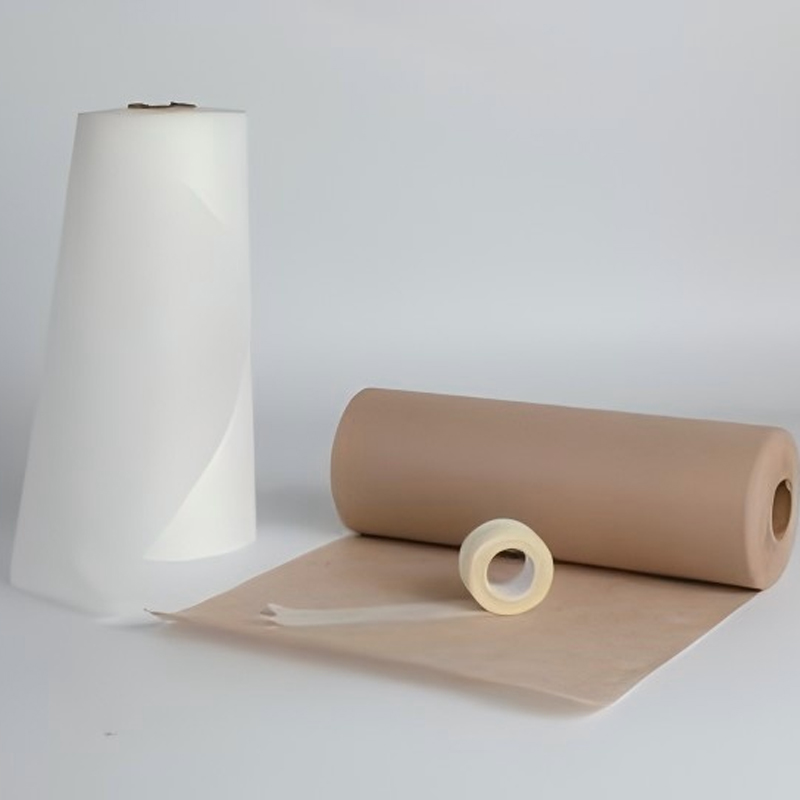 Medical Tape Nonwoven
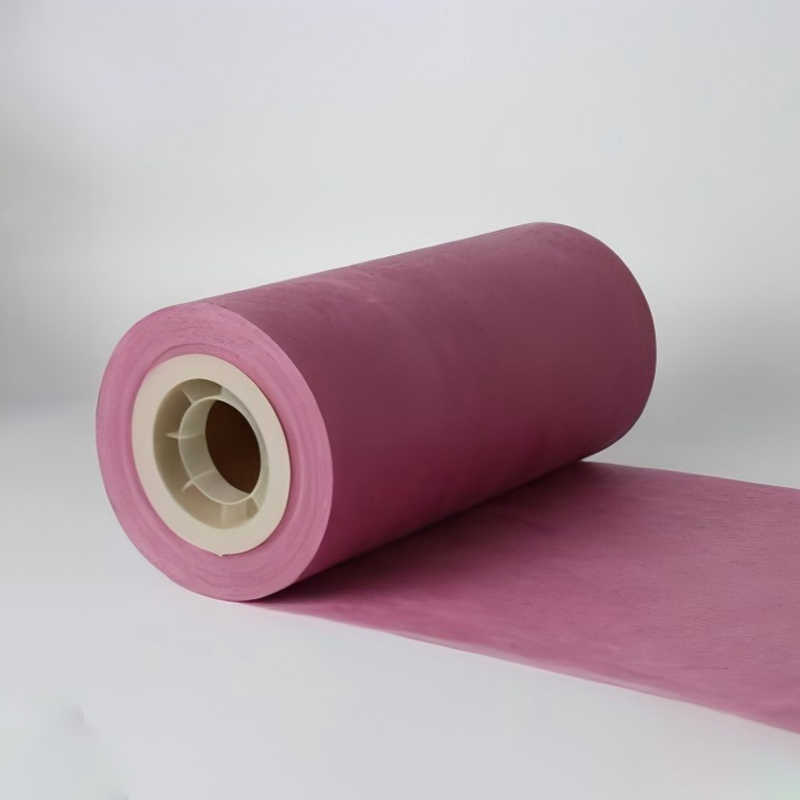 Filtration Nonwoven
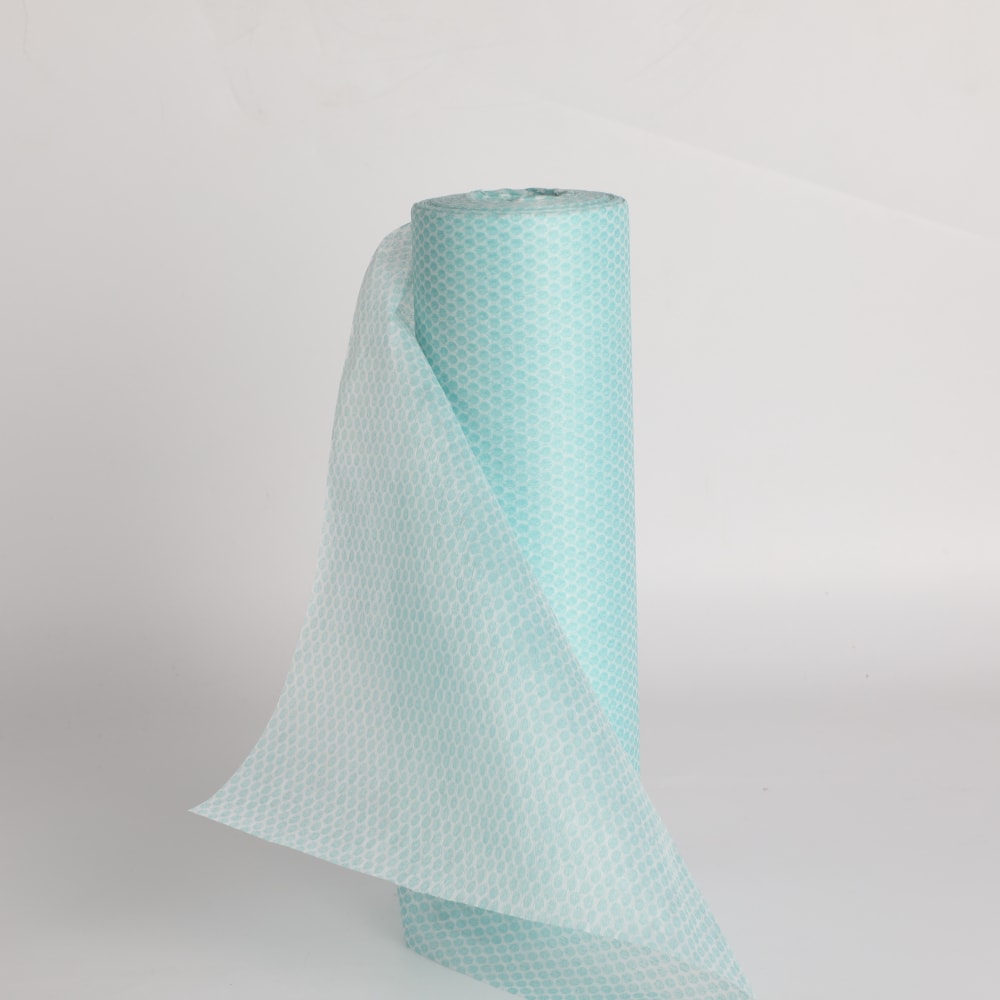 Head Wear Nonwoven
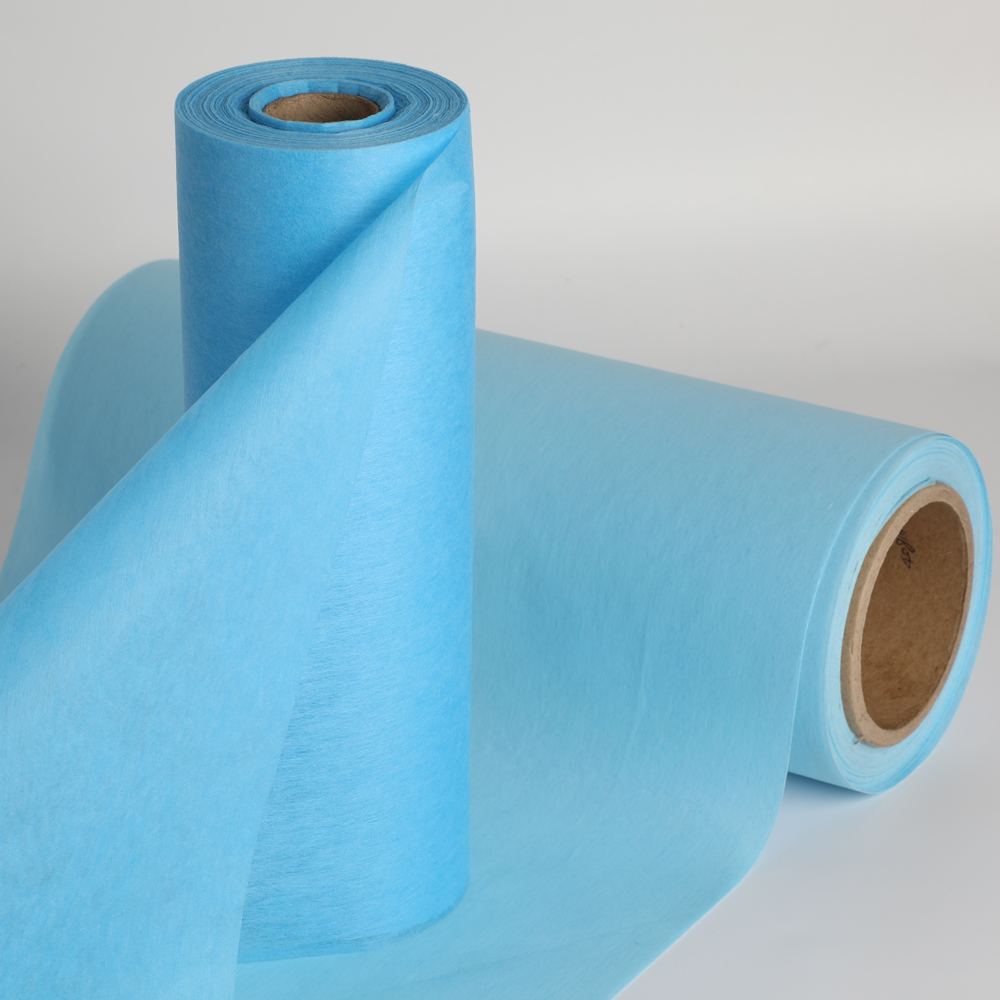 Medical Viscose Nonwoven
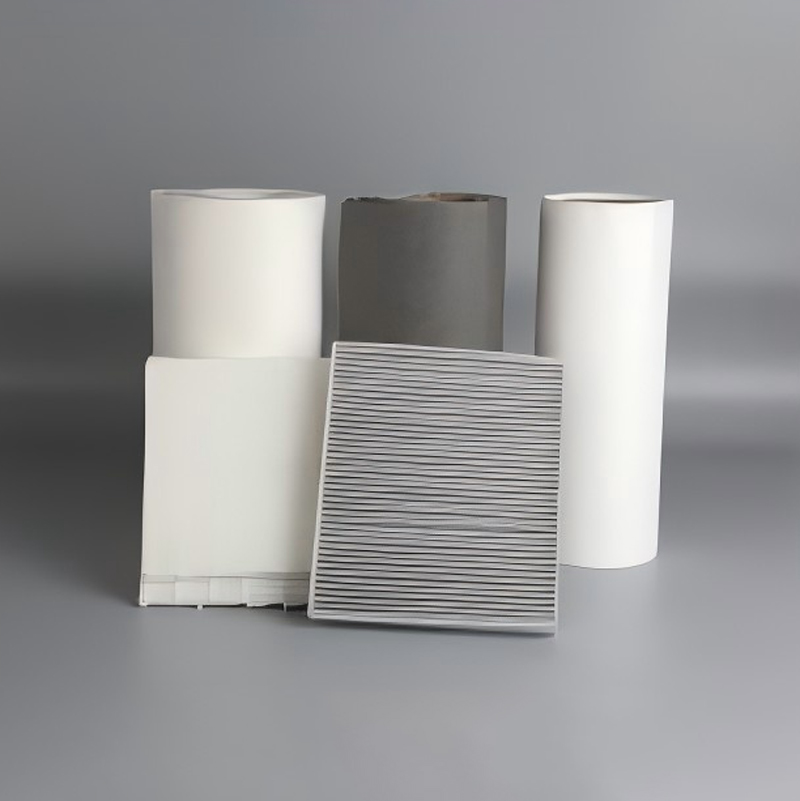 Air Filter Media
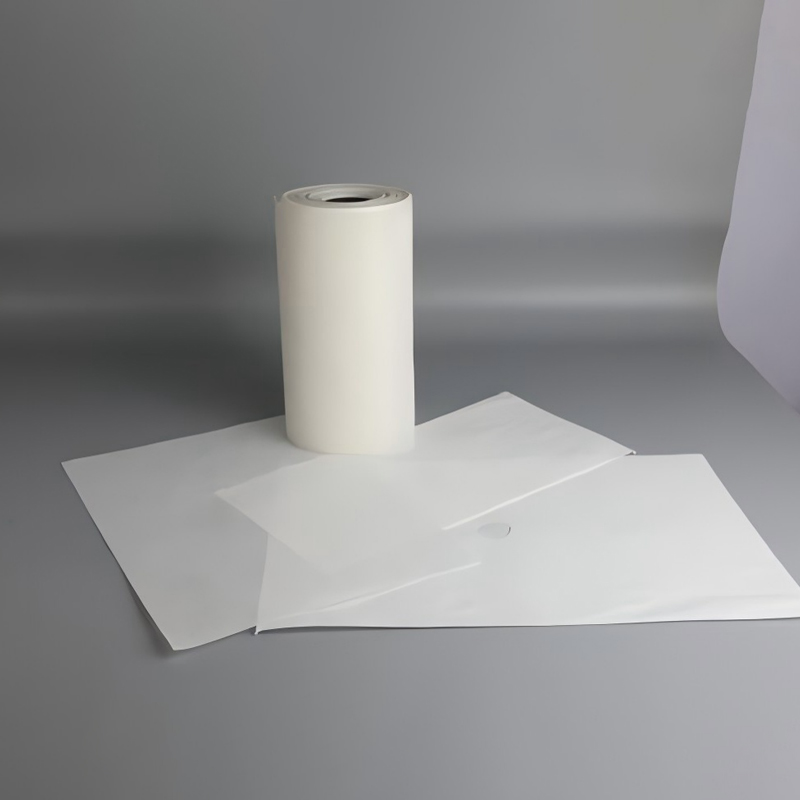 Liquid Filter Media
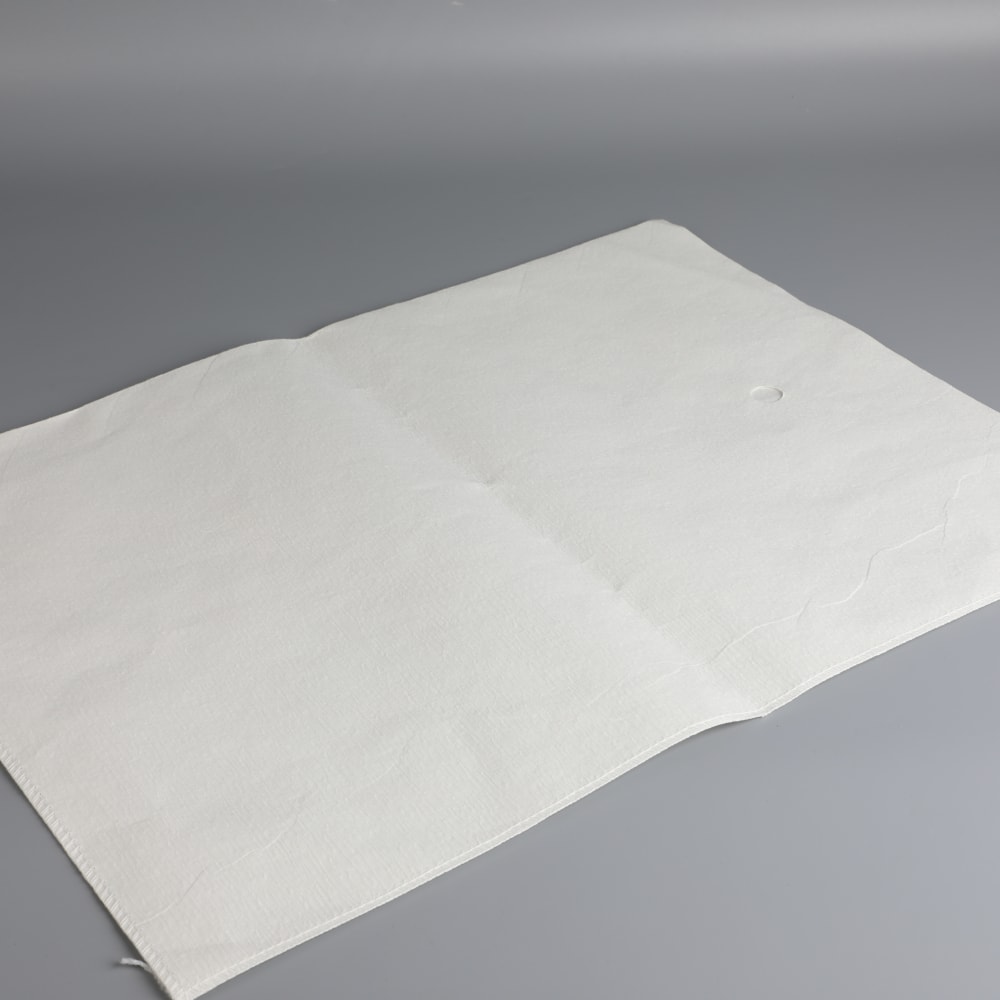 Filter Envelope & Filter Sheet
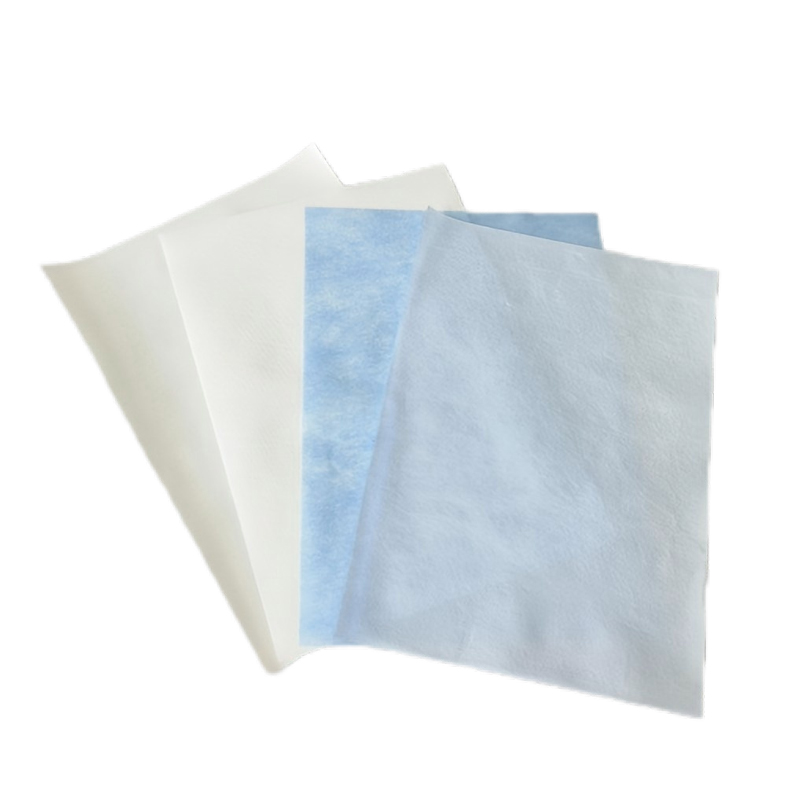 Breathable Film Laminates
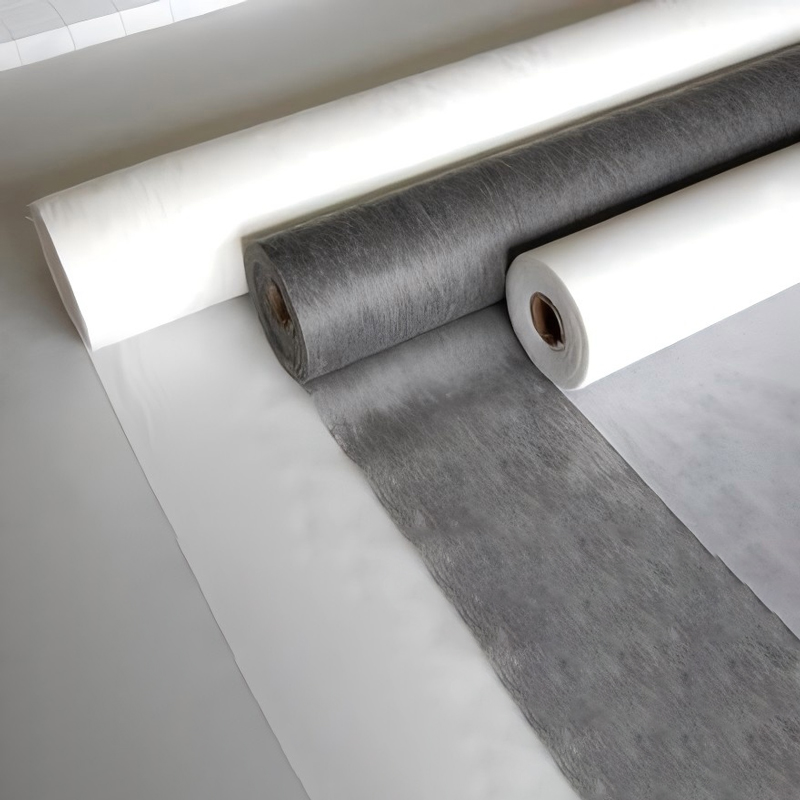 Nonwoven Interlining
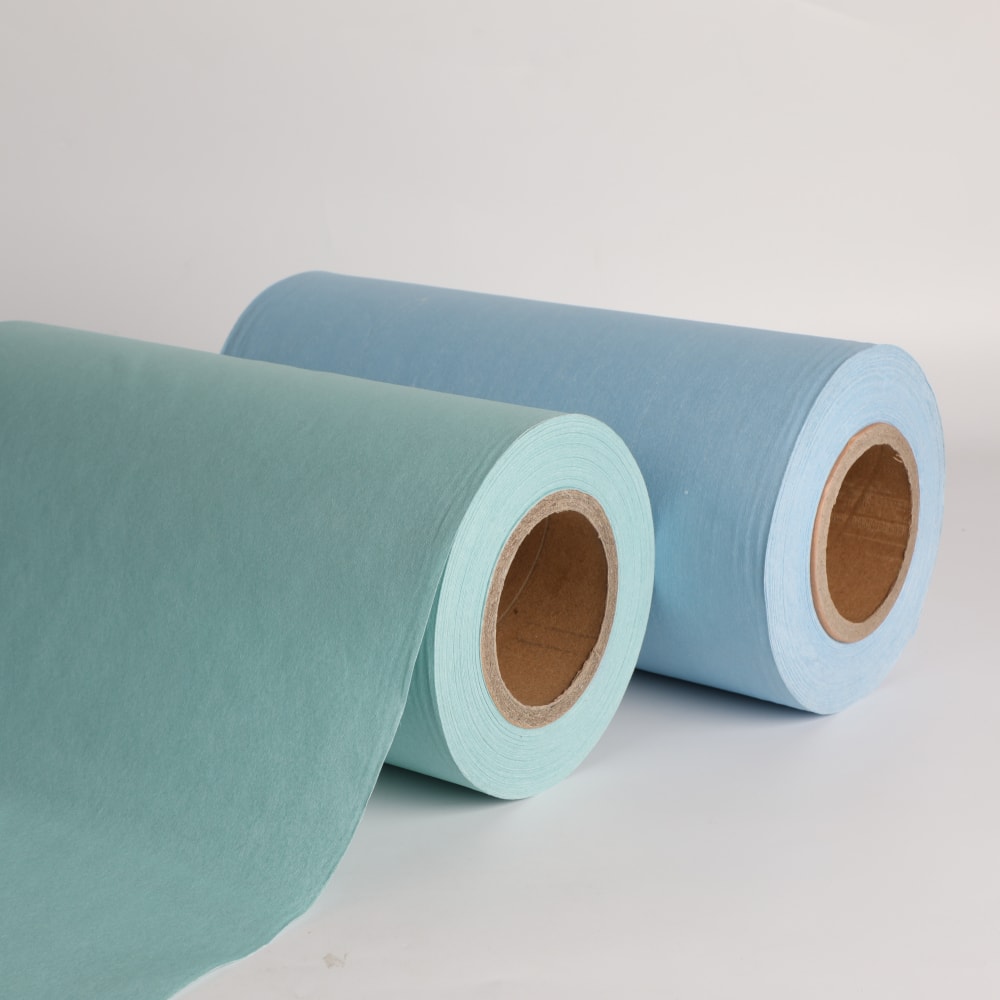 Fluid Repellent Woodpulp Spunlace Nonwoven
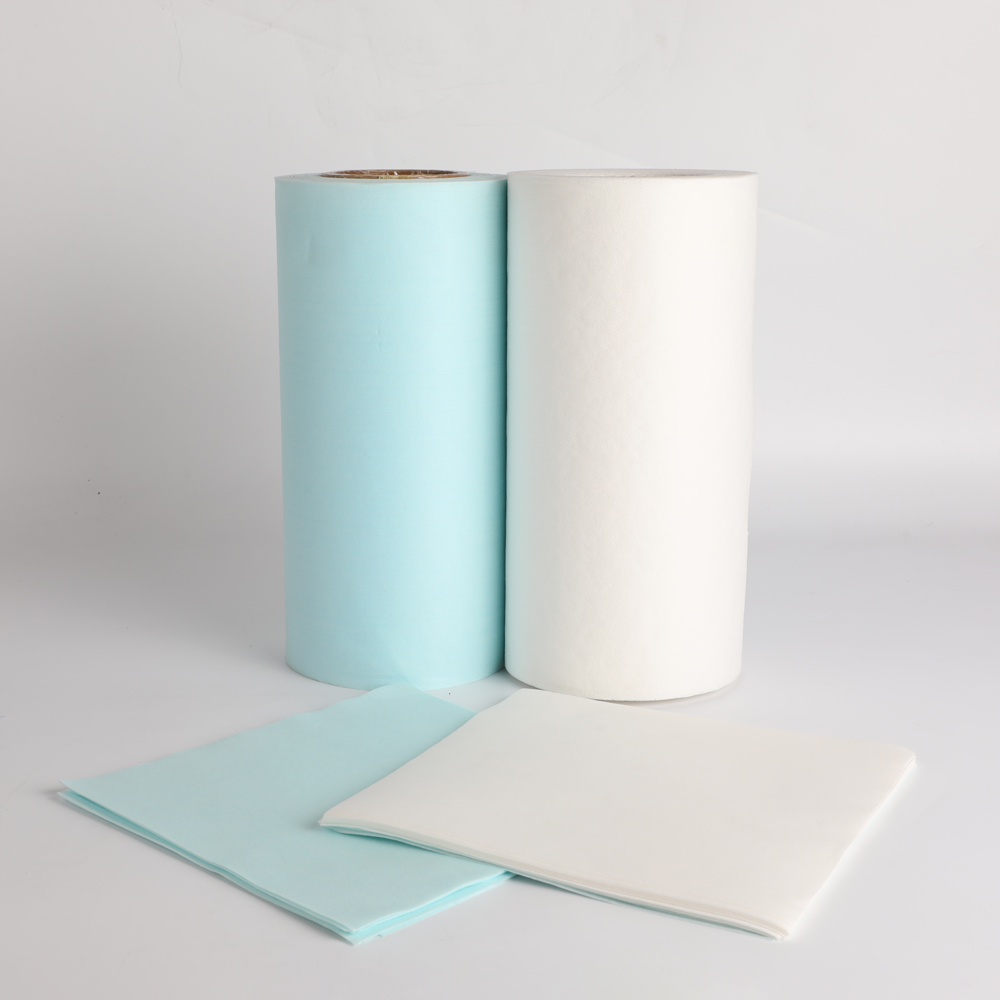 Woodpulp Nonwoven Wipe
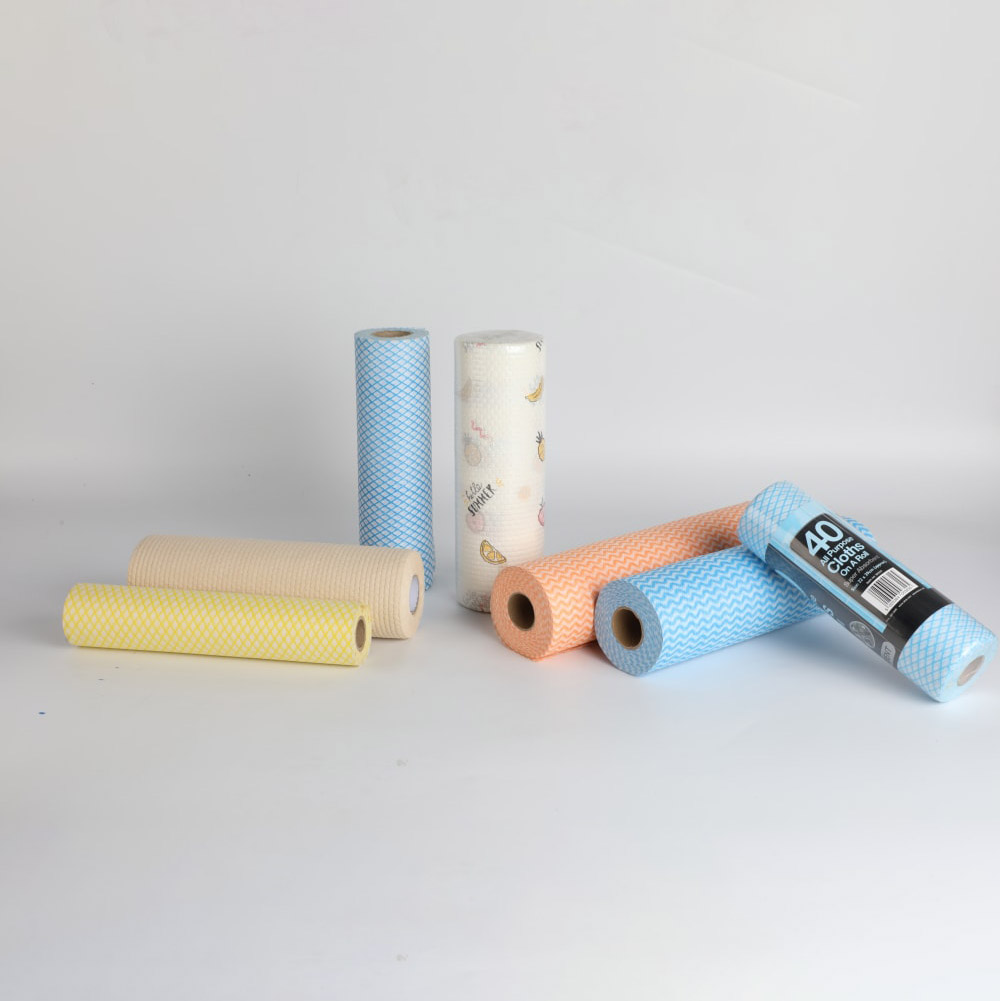 Nonwoven Cleaning Wipe
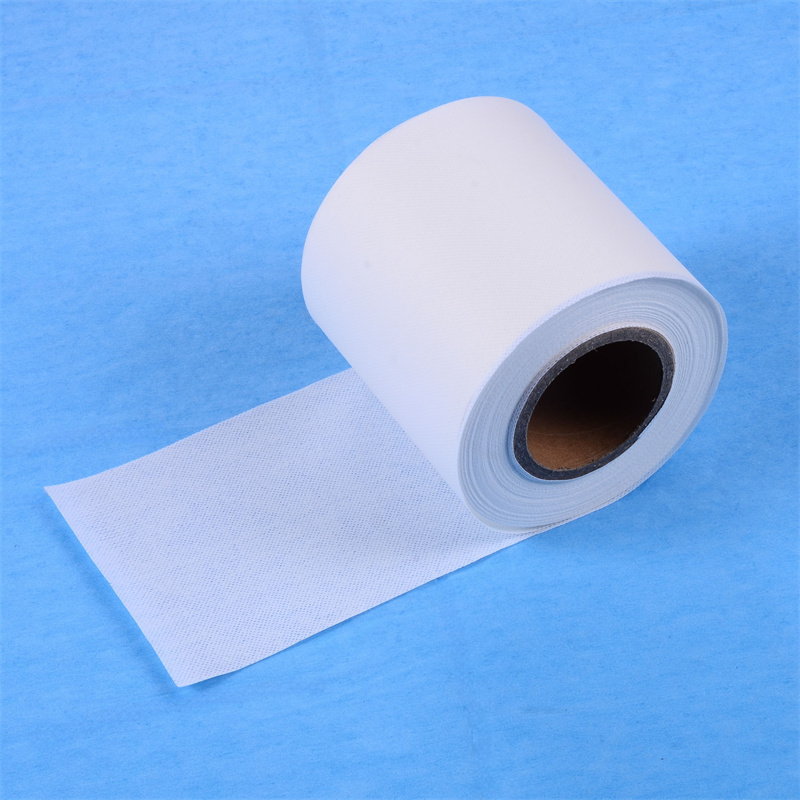 Flame Retardant Nonwoven Fabric
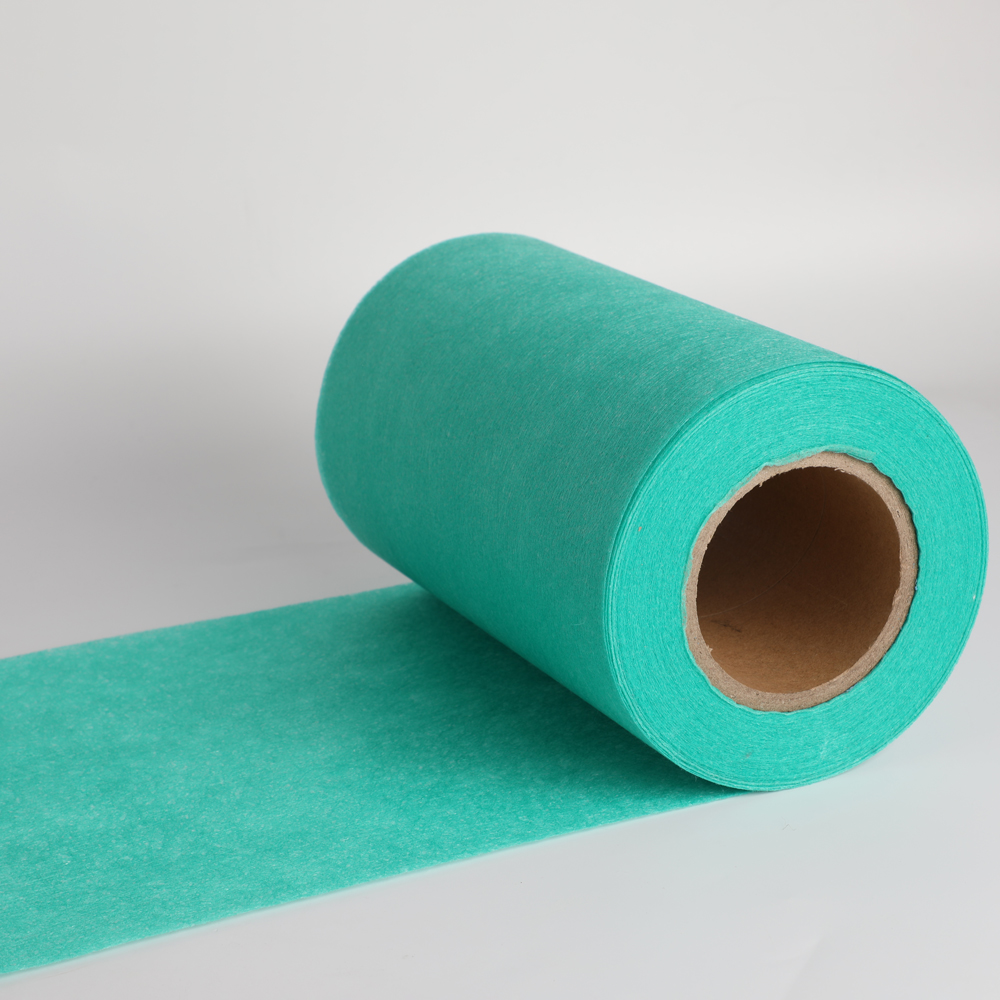 Anti-Bacterial Nonwoven
 CONTACT WhatsApp
 CONTACT WeChat

 CONTACT NUMBER
 CONTACT EMAIL