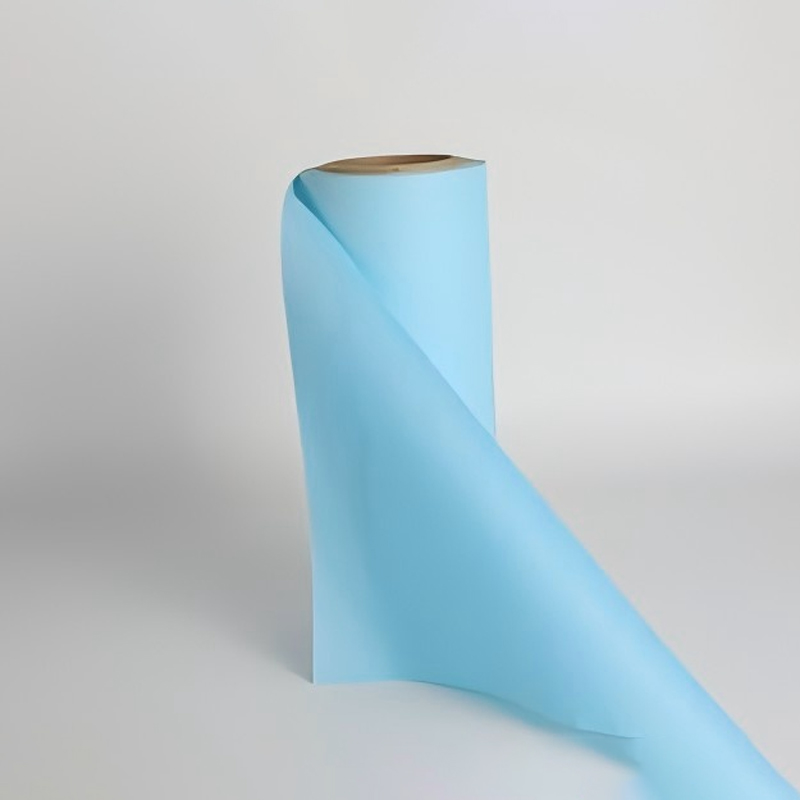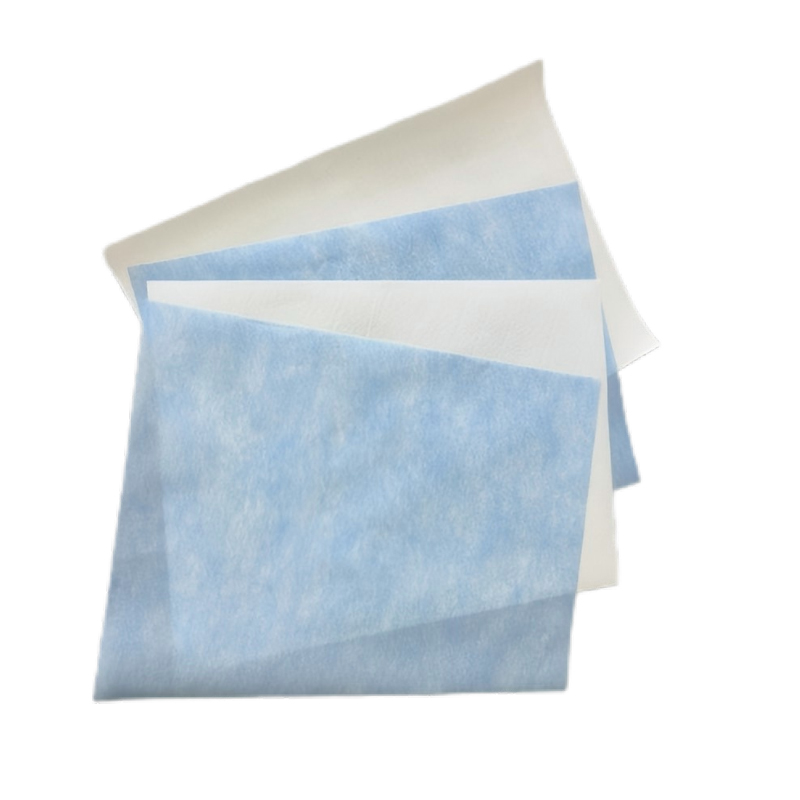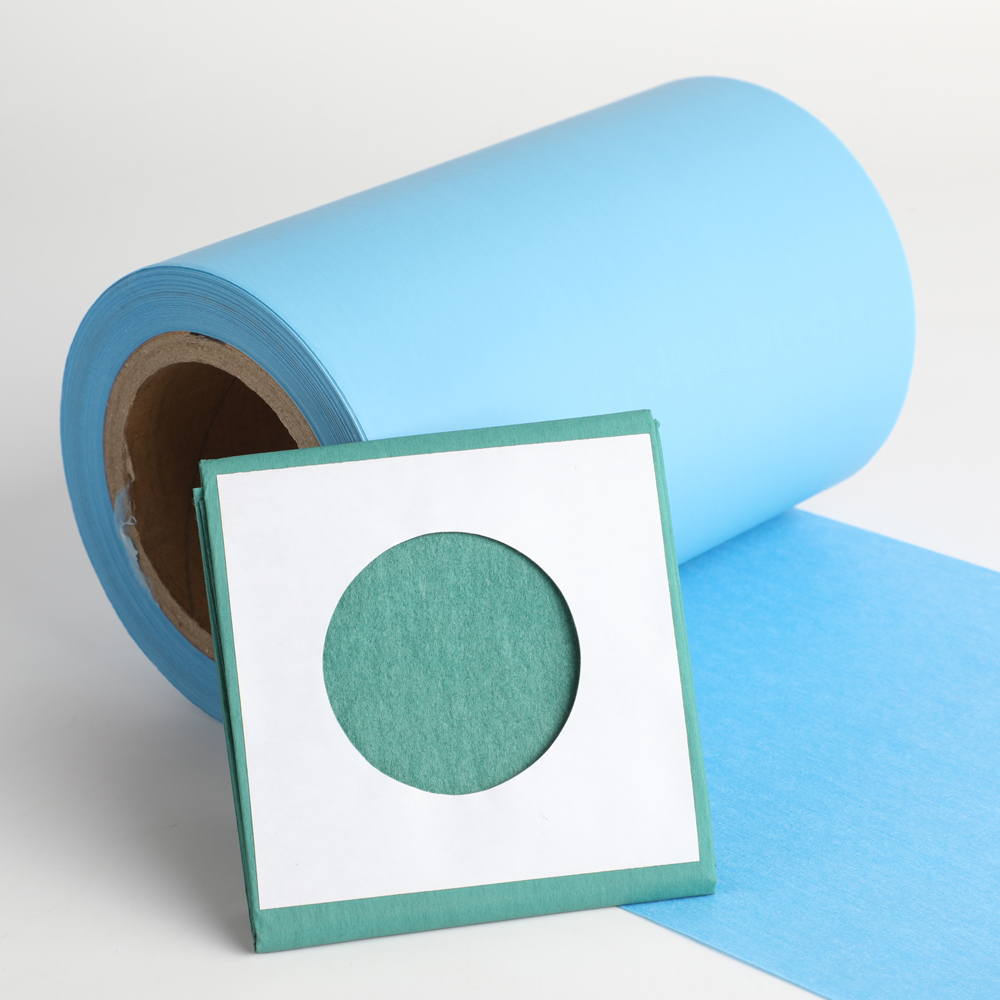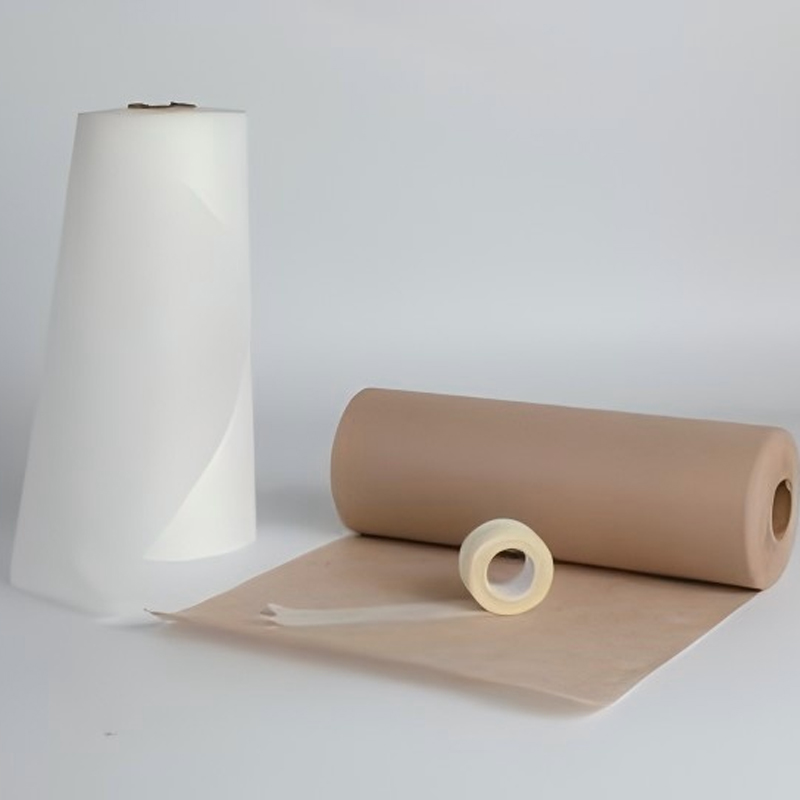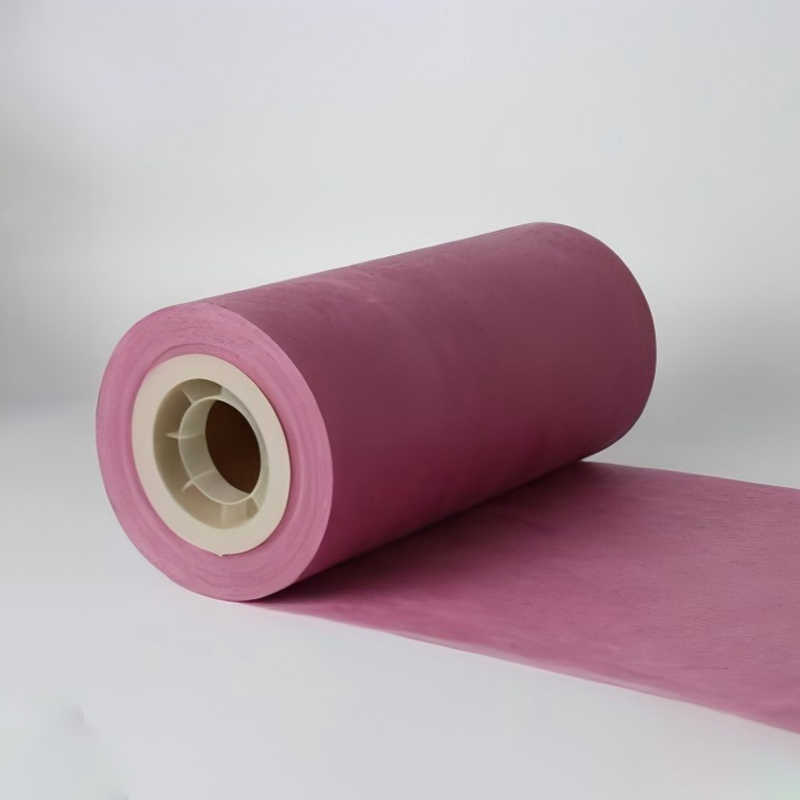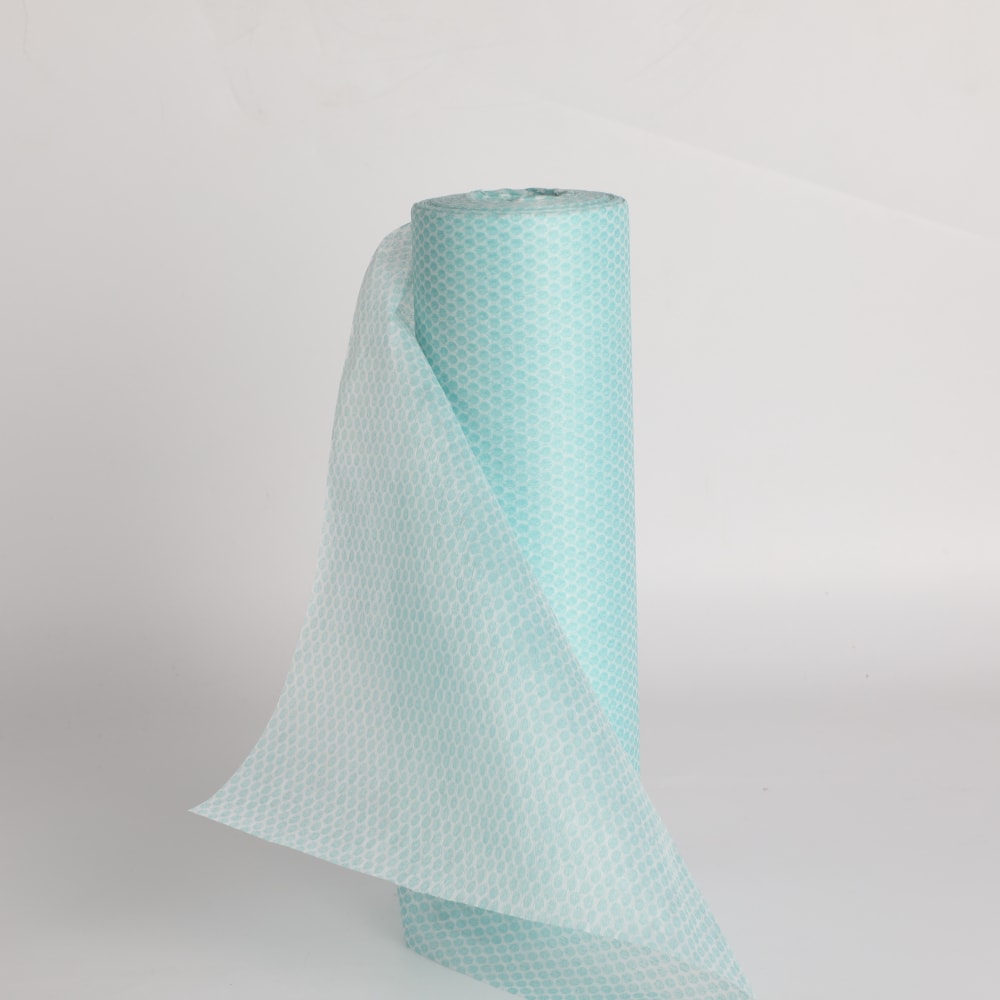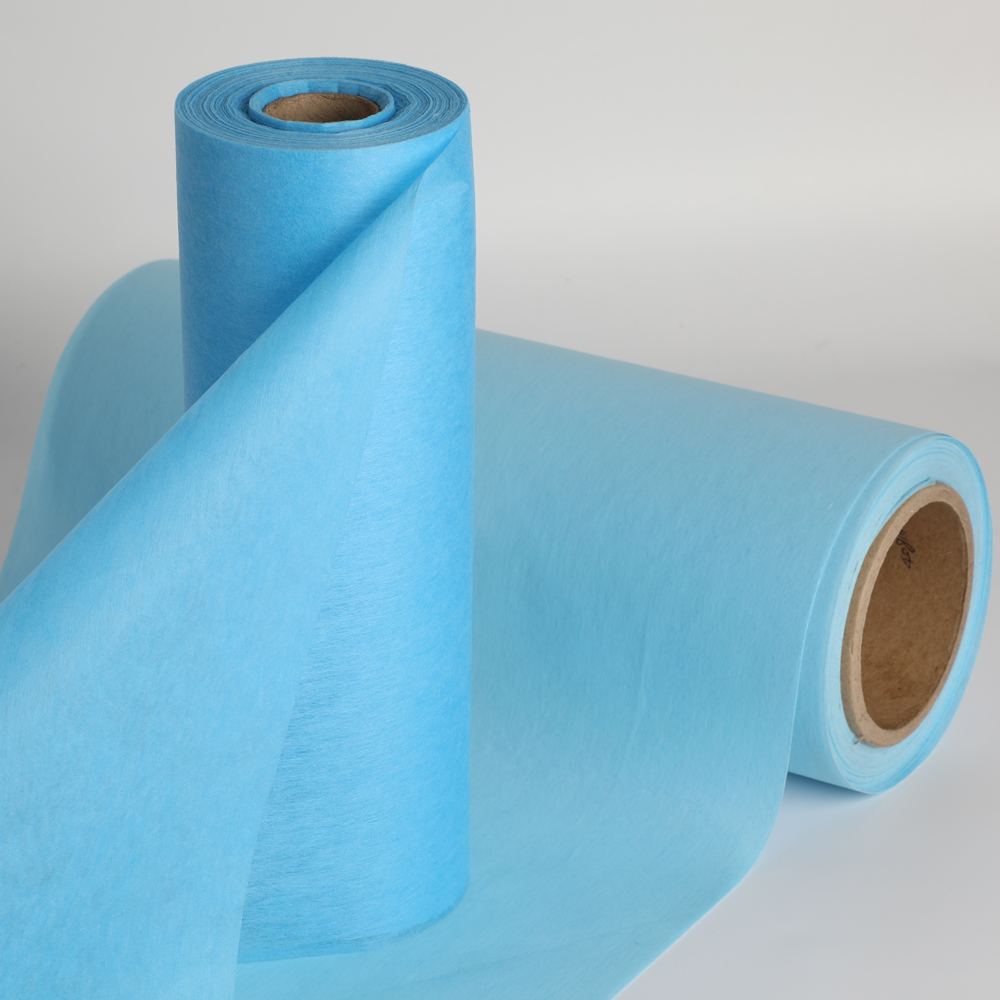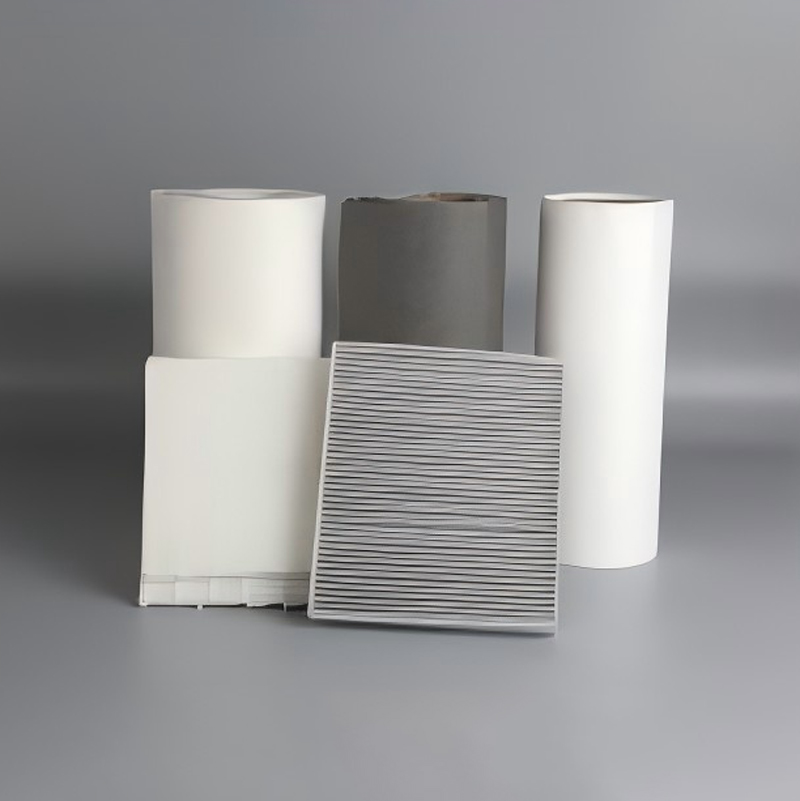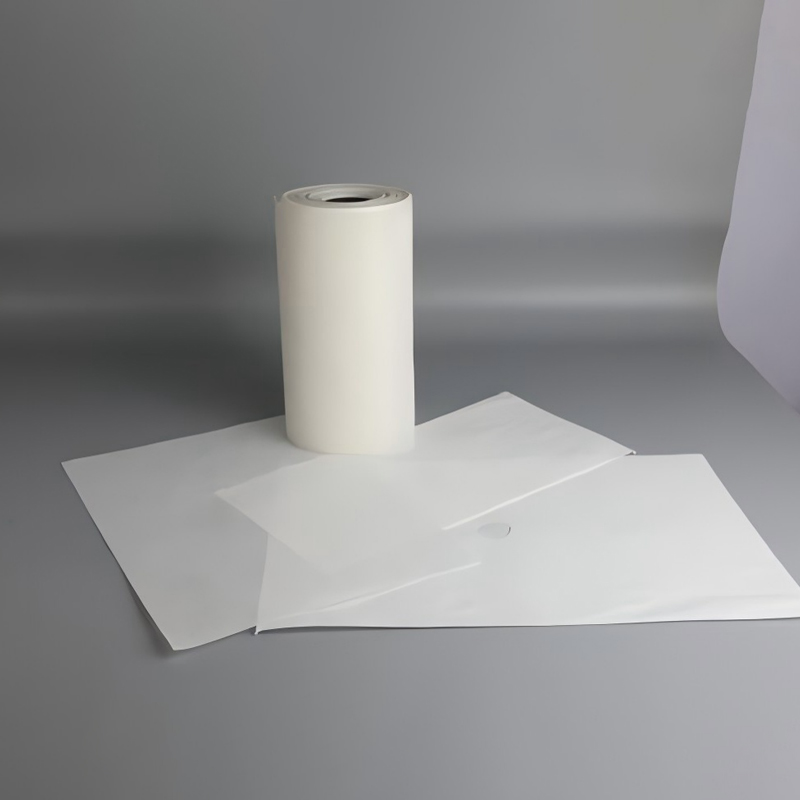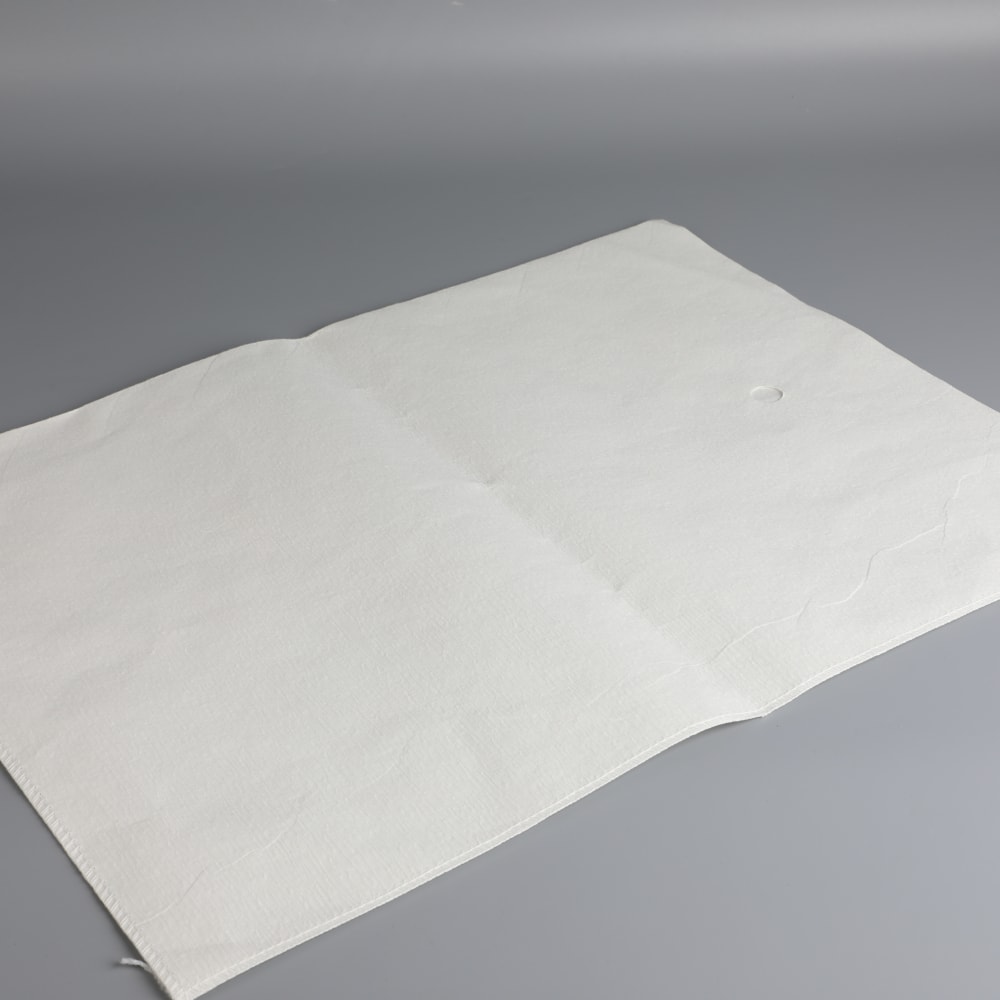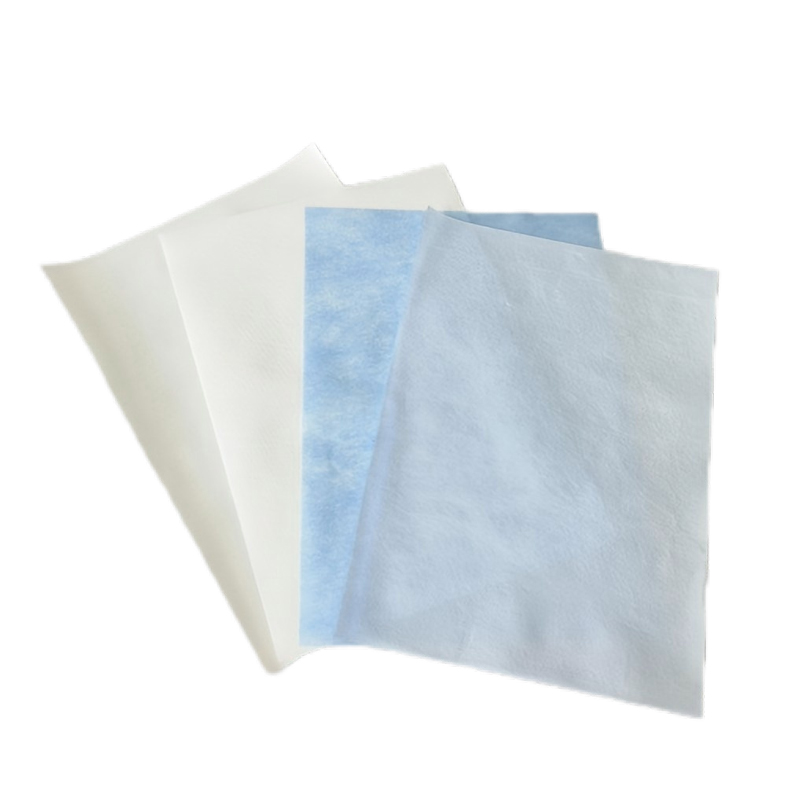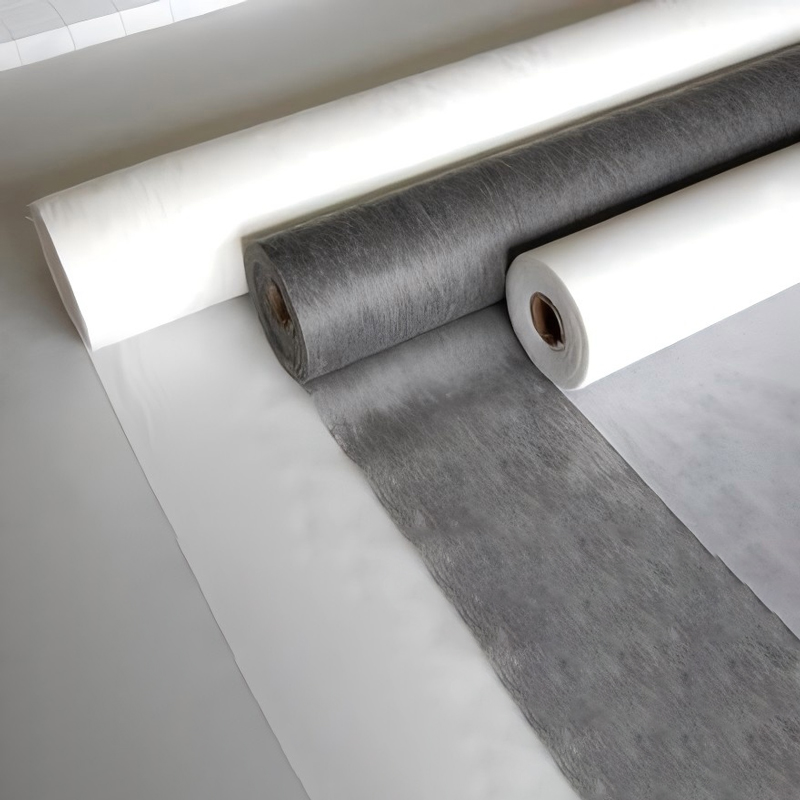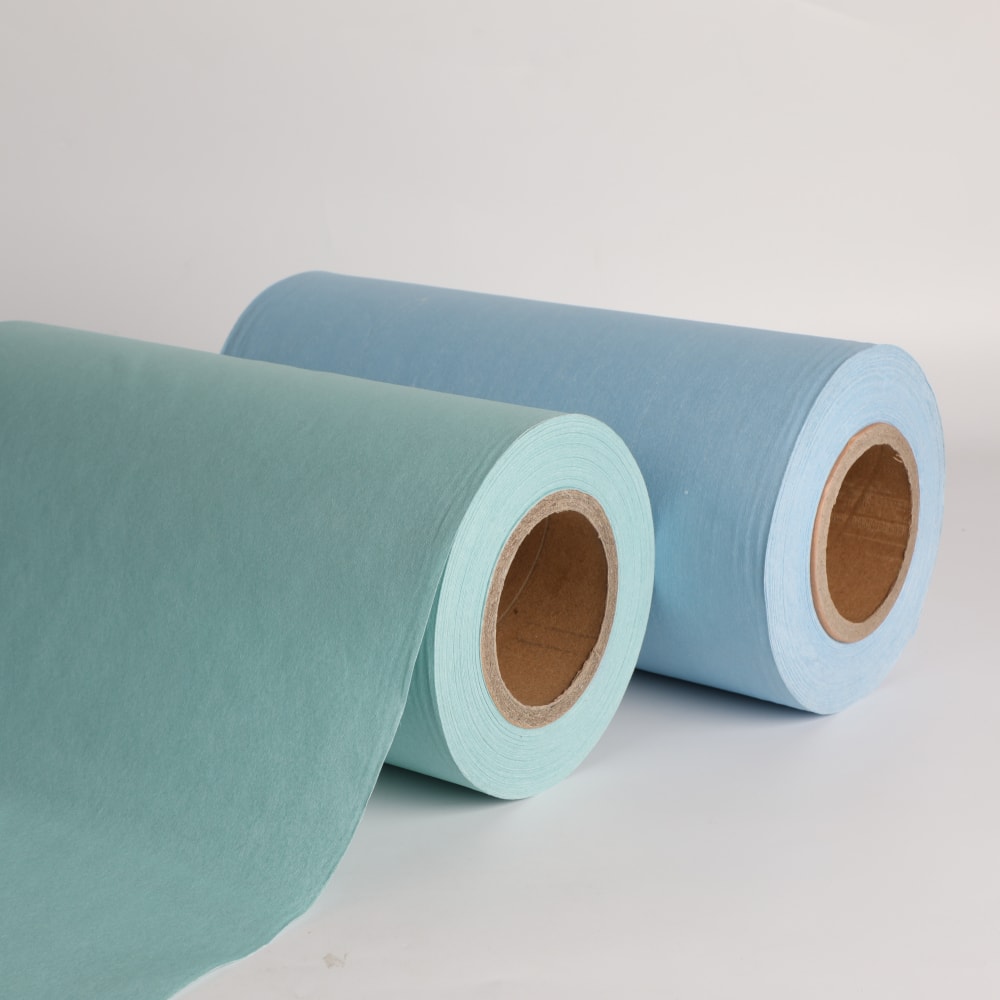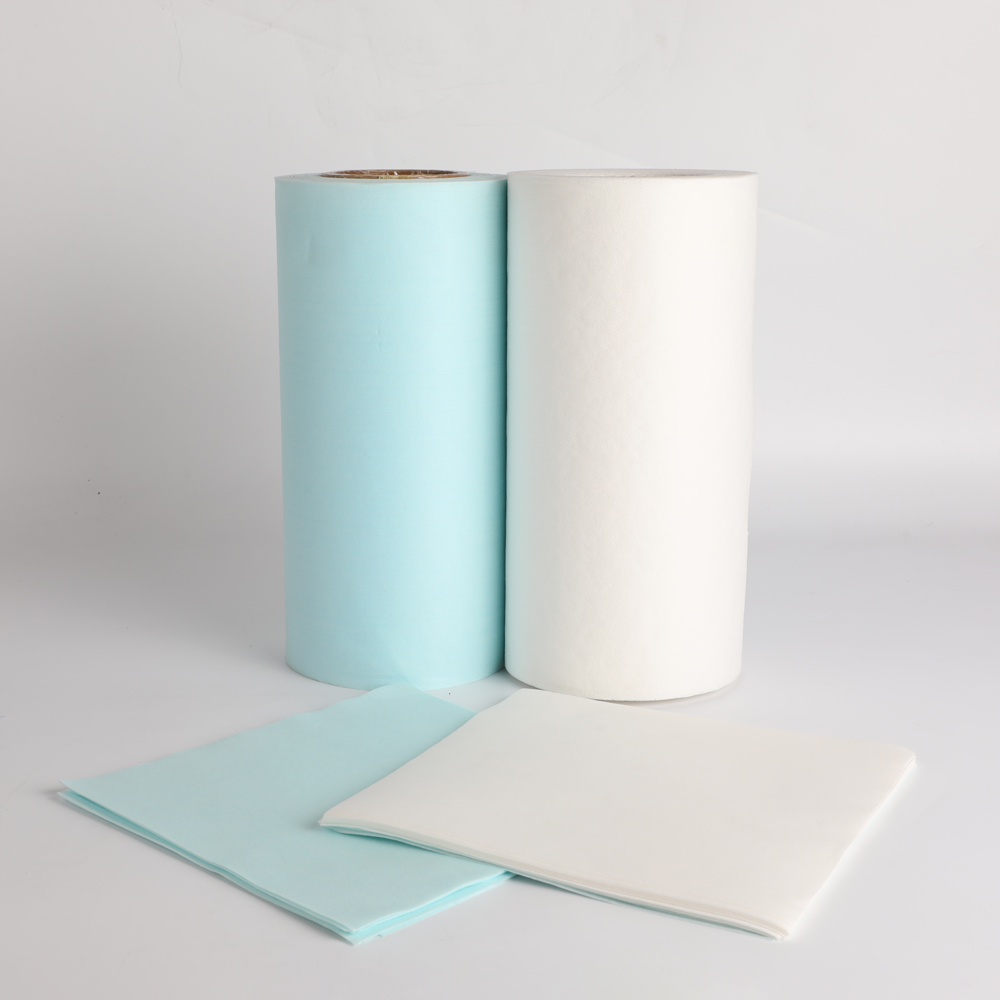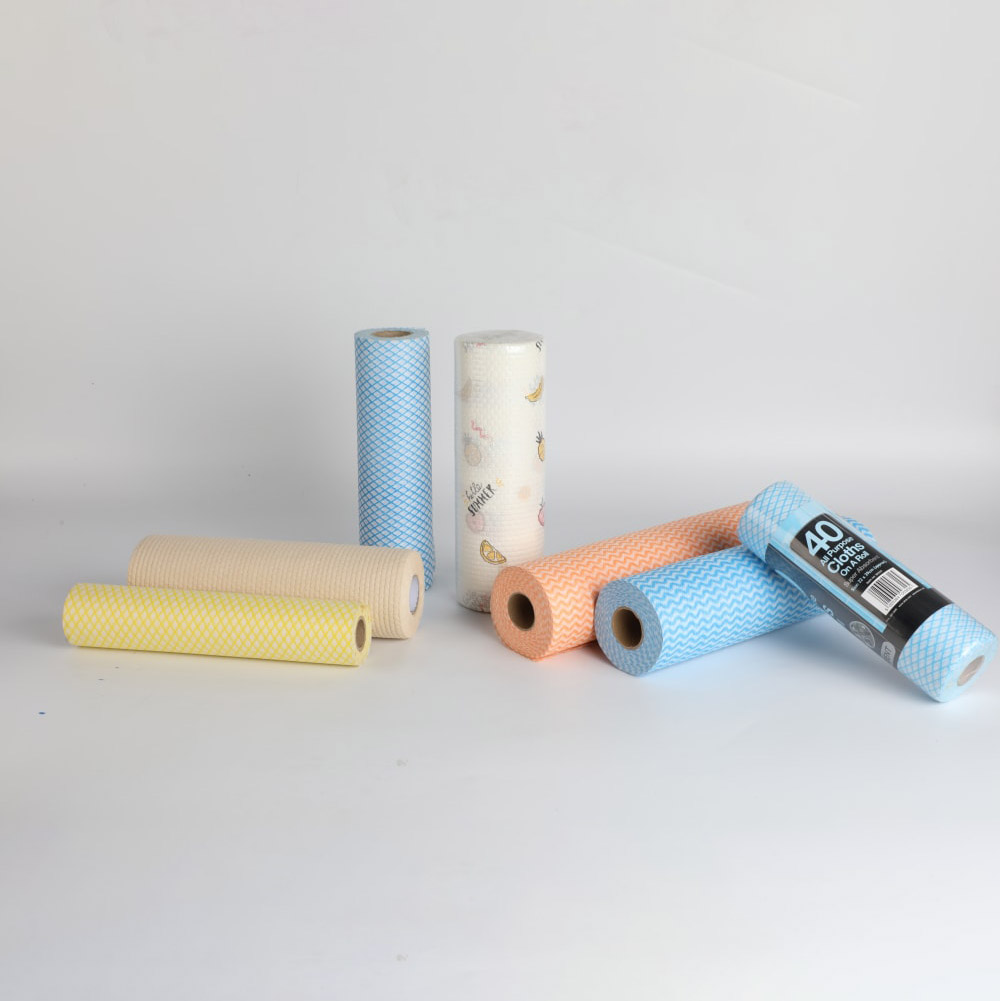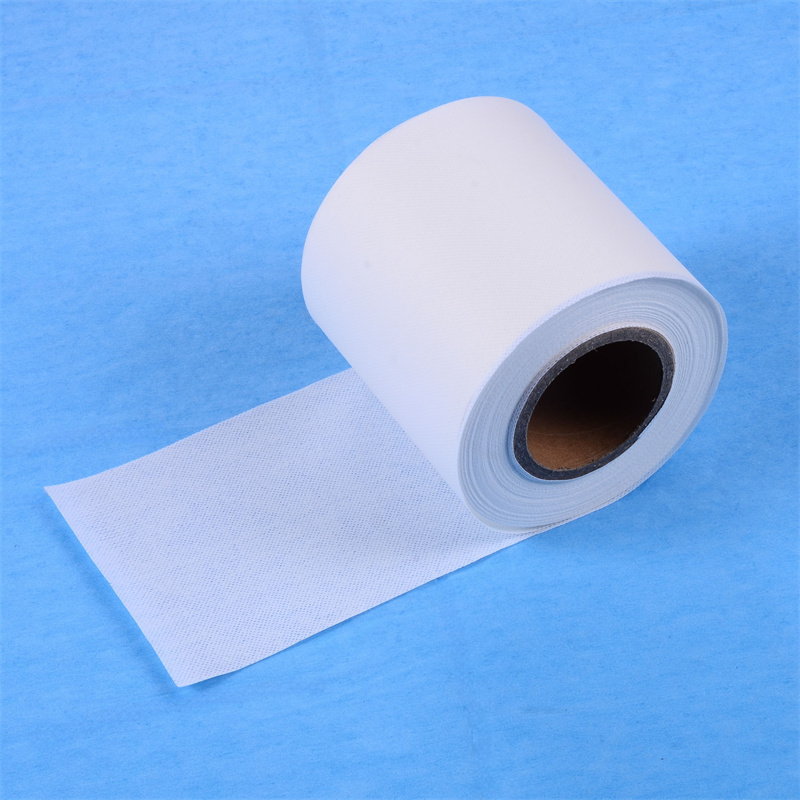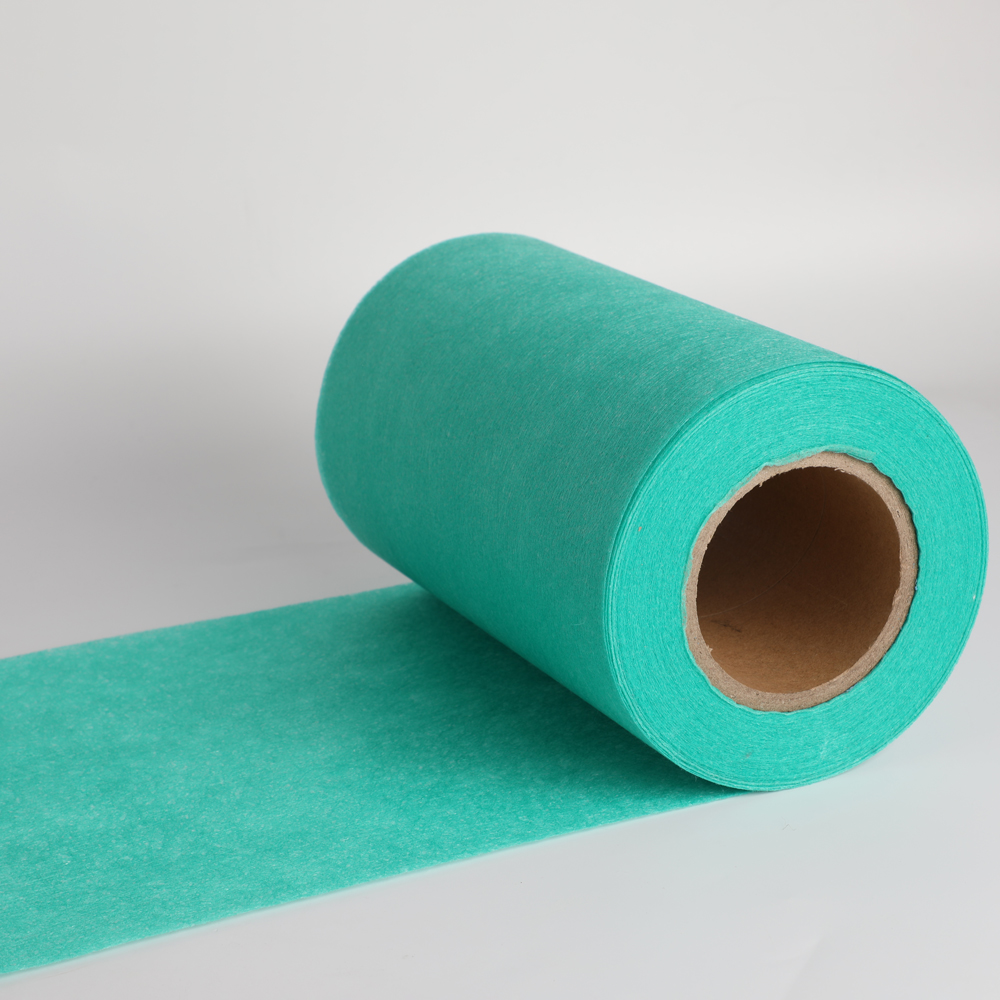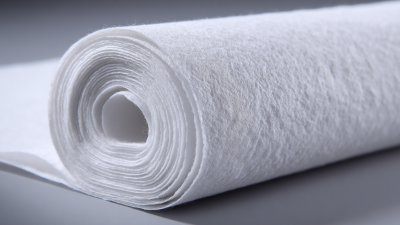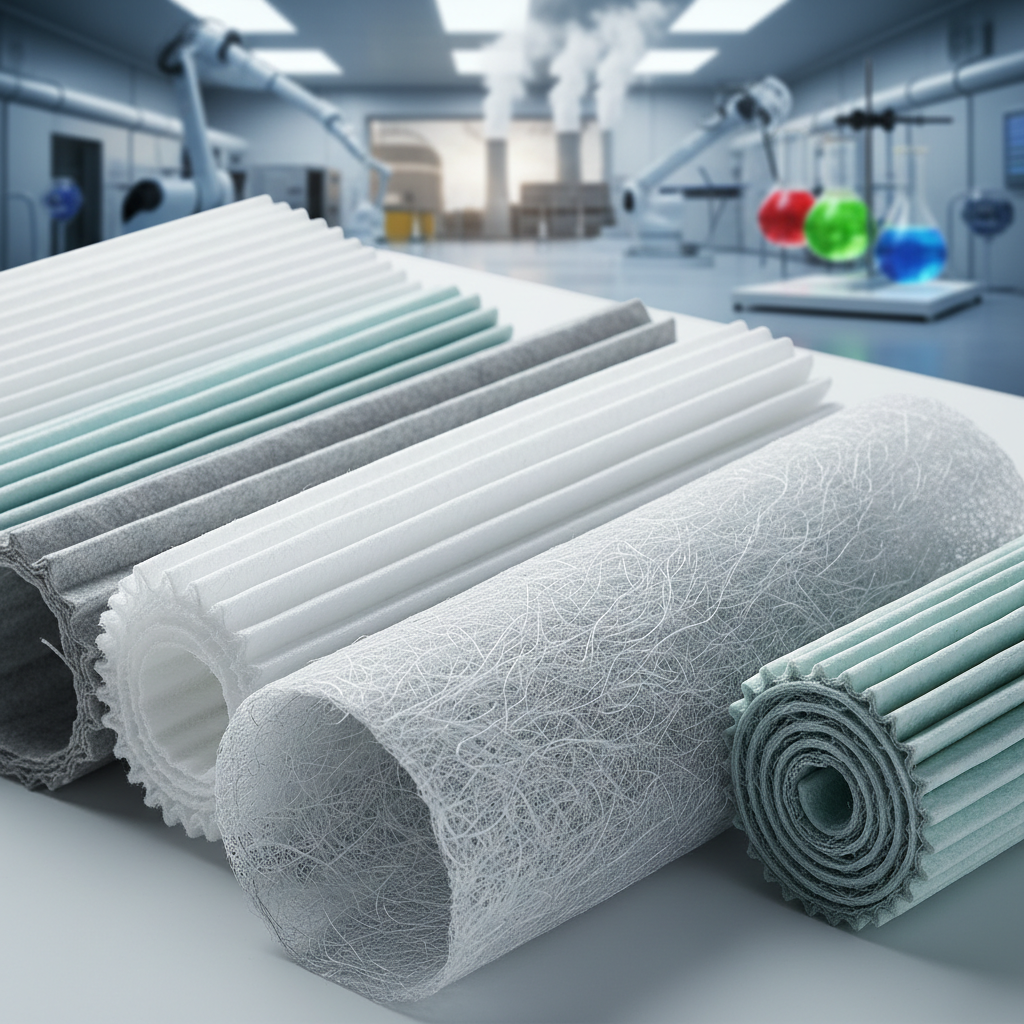
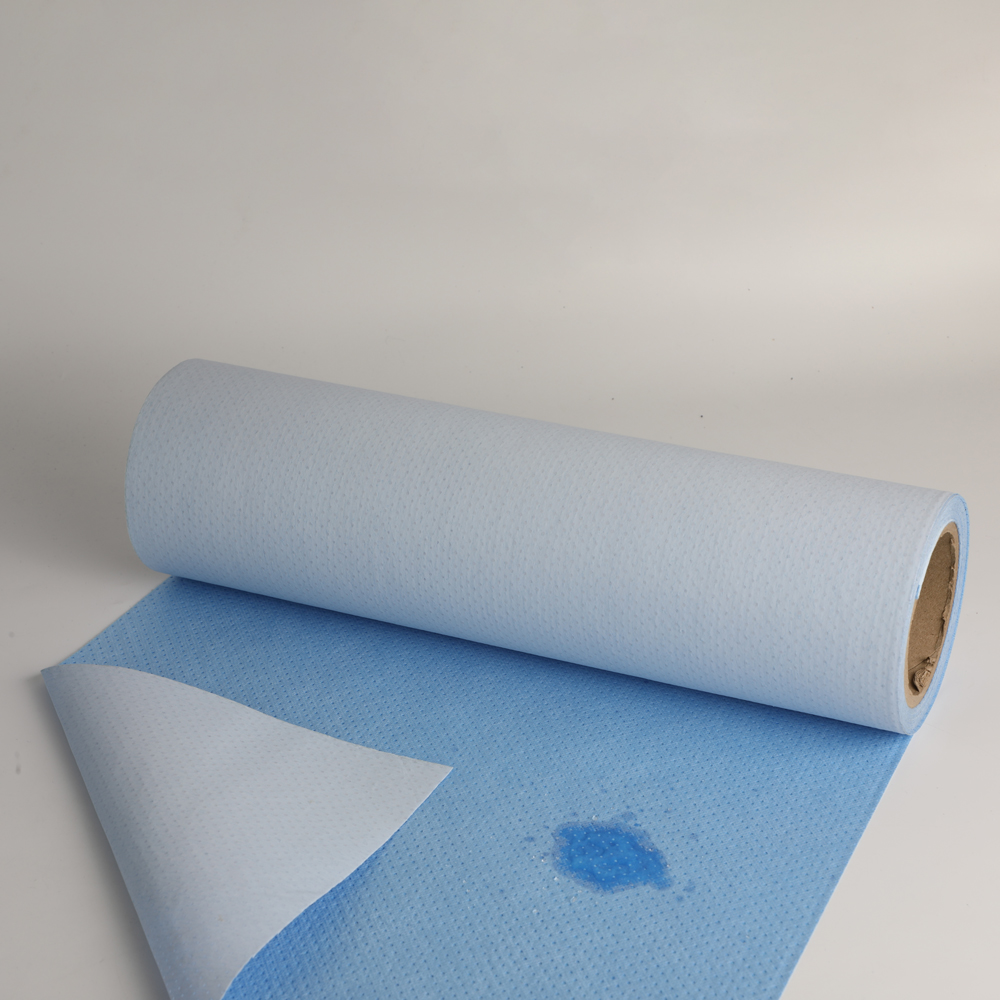

Nonwoven filter material has emerged as a crucial component in various filtration applications due to its unique properties, ease of manufacturing, and versatility. According to the Market Research Future report, the global nonwoven fabric market is projected to reach approximately $62 billion by 2025, with a significant portion attributed to the filtration sector. As industries increasingly seek efficient and cost-effective filtering solutions, nonwoven filter materials offer a promising alternative to traditional woven fabrics.
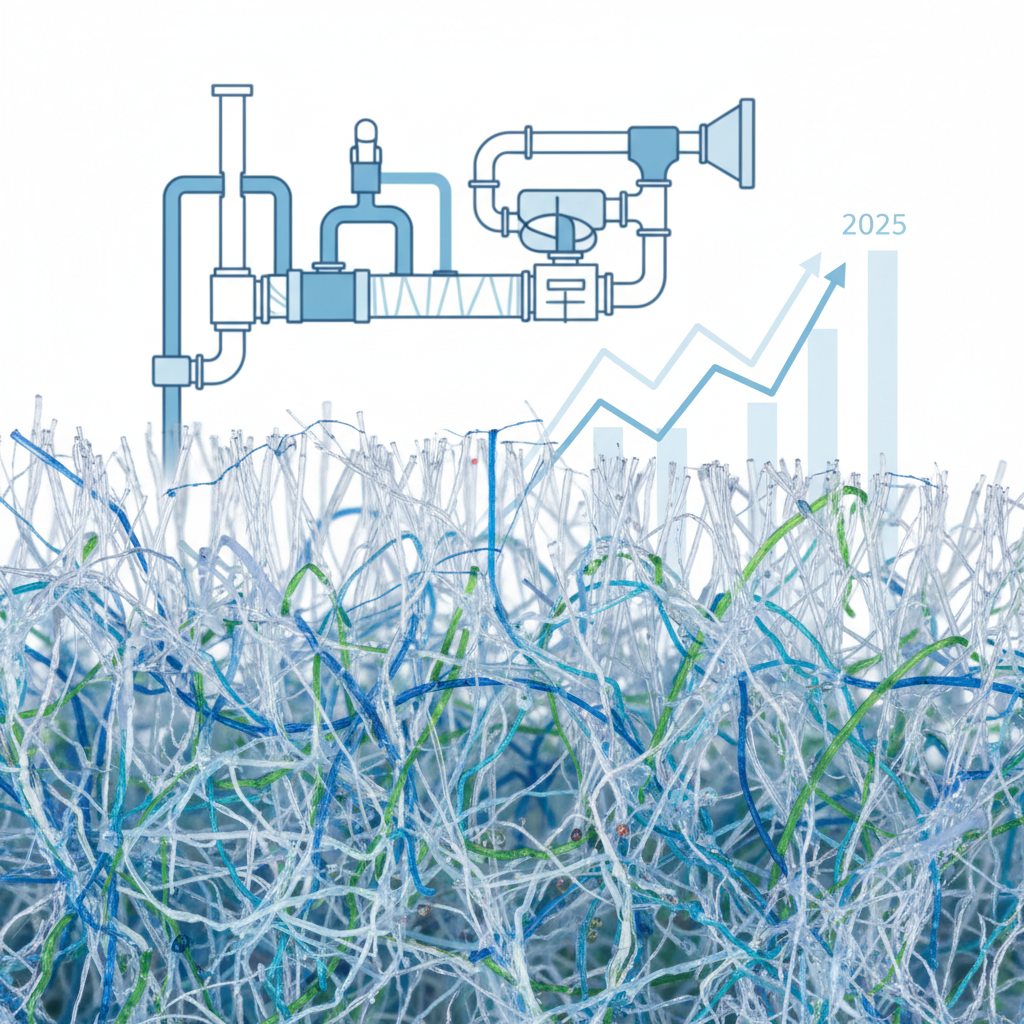
Experts in the field highlight the benefits of nonwoven filter materials, emphasizing their superior performance in air, liquid, and even specialized filtration applications. Dr. John Smith, a renowned authority in filtration technology, states, "Nonwoven filter materials not only provide excellent filtration efficiency but also enhance operational lifespan, making them ideal for a range of industrial needs." With advancements in manufacturing techniques, these materials can be tailored for specific applications, ensuring better performance and sustainability. This article will delve into the various types of nonwoven filter materials, their applications, and the driving factors behind their growing adoption across multiple industries.
Future Trends in Nonwoven Filter Technology and Innovations
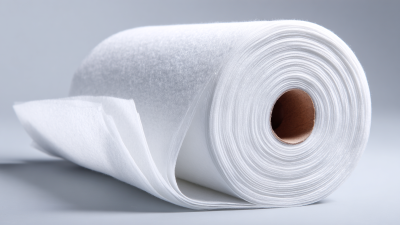
Nonwoven filter materials have gained significant traction across various industries due to their unique properties and versatility. In the automotive sector, for instance, nonwoven filters are crucial for air and oil filtration systems. According to a report by MarketsandMarkets, the automotive filter market is projected to reach $36.45 billion by 2025, with nonwoven materials playing a pivotal role in ensuring vehicle performance and emissions control. This trend reflects a growing emphasis on sustainability and efficiency within the industry, as nonwoven fabrics enhance filtration efficiency while reducing weight and manufacturing costs.
In the healthcare industry, nonwoven filter materials are primarily used in personal protective equipment (PPE) and surgical masks. A study by Research and Markets highlights that the global market for surgical masks is expected to grow significantly, driven by increased healthcare concerns and the demand for high-efficiency filtration. The inherent breathability and effective filtration properties of nonwoven materials make them ideal for protecting against airborne pathogens. Moreover, the flexibility of nonwoven structures allows for the customization of filtration capabilities, which is essential in developing advanced PPE solutions that comply with stringent health standards.
Nonwoven filter materials are increasingly being recognized for their advantages over traditional filter media such as activated carbon, fiberglass, and paper filters. In various applications, including food and beverage processing, power generation, semiconductor manufacturing, and petrochemicals, nonwoven filters exhibit superior performance in terms of efficiency and durability. For instance, the glass fiber filter market alone is projected to exceed $2.1 billion by 2024, with an anticipated CAGR of 5.2% from 2025 to 2034, driven predominantly by stricter environmental regulations and the demand for more effective air filtration solutions.
When comparing nonwoven filters to traditional media, several factors favor nonwoven options. Nonwoven filters are generally lighter, more versatile, and can be produced in various thicknesses and densities, making them suitable for a wide range of applications. Additionally, their ability to provide uniform flow and minimal resistance enhances their effectiveness in critical operations such as air and liquid filtration in chemical processes or industrial settings.
Tips: When selecting filter materials, consider the specific application requirements, such as particle size and environmental factors. Also, keep an eye on the latest innovations in filter technology to ensure optimal performance and compliance with any new regulations in your industry. Investing in advanced filtration solutions can lead to significant long-term cost savings and more efficient operations.
Nonwoven filter materials have become increasingly significant in enhancing efficiency and sustainability within various industries, particularly in environmental and waste management. Their lightweight and high-permeability properties make them ideal for applications such as landfills, where they serve as crucial components for waste containment and environmental protection. This has driven the demand for materials like geotextiles, which play a pivotal role in maintaining ecosystem integrity while facilitating proper waste disposal methods.
The market for nonwoven materials, especially spunbond and meltblown fabrics, is witnessing substantial growth. With a focus on sustainability, industries are adopting materials made from recycled cellulose and other eco-friendly fibers, aligning with the global shift towards sustainable fashion and practices. As a result, innovations in material choices, such as polypropylene and polyester, are paving the way for more efficient production processes while reducing environmental impact. This dual focus on efficiency and sustainability is reshaping the landscape of nonwoven filter materials, underscoring their importance in modern industrial applications.
The future of nonwoven filter technology is poised for significant innovations as the market for Lyocell fiber is expected to grow from $200.5 million in 2025 to $1.036.3 billion by 2033, reflecting a robust CAGR of 8.6%. This growth indicates a rising demand for sustainable and efficient filtering solutions, as Lyocell fibers, derived from wood pulp, offer excellent biodegradability and performance characteristics. The trend toward eco-friendly materials will likely lead to increased application in sectors such as medical, automotive, and environmental filtration.
As industries continue to seek advanced filtering methods, research and development will focus on enhancing the performance and functionality of nonwoven materials. The recent "Textile Future Technologies" forum highlighted the importance of interdisciplinary collaboration in fostering innovative solutions and applications in the textile sector, paving the way for breakthroughs in nonwoven filter technology.
Tips: When considering the implementation of nonwoven filters in your projects, focus on the unique benefits of using sustainable materials like Lyocell, which can enhance product appeal while addressing environmental concerns. Additionally, staying abreast of the latest technological advancements can provide valuable insights into optimizing filter efficiency and longevity.