What is Nonwoven Filter Material and Why is it Important?
In the field of filtration, Nonwoven Filter Material stands out as a crucial component. Dr. Emily Carter, a leading expert in material science, states, "Nonwoven materials revolutionize filtration techniques by enhancing efficiency and versatility." This innovative material is made from bonded fibers, offering unique properties that traditional woven fabrics cannot match.
Nonwoven Filter Material is essential in various industries, from healthcare to environmental protection. It provides superior filter performance, ensuring cleaner air and water. The lightweight and adaptable nature of nonwoven materials makes them ideal for many applications. However, not all nonwoven filters are created equal. Some may not perform as expected under certain conditions, leading to inefficiencies.
The importance of selecting high-quality Nonwoven Filter Material cannot be overstated. Poor choices can result in significant drawbacks, such as reduced filtration efficiency. Reflecting on this, it becomes clear that continuous improvement in material technology is necessary. Ultimately, understanding the intricacies of nonwoven materials is vital for optimizing filtration solutions across multiple sectors.
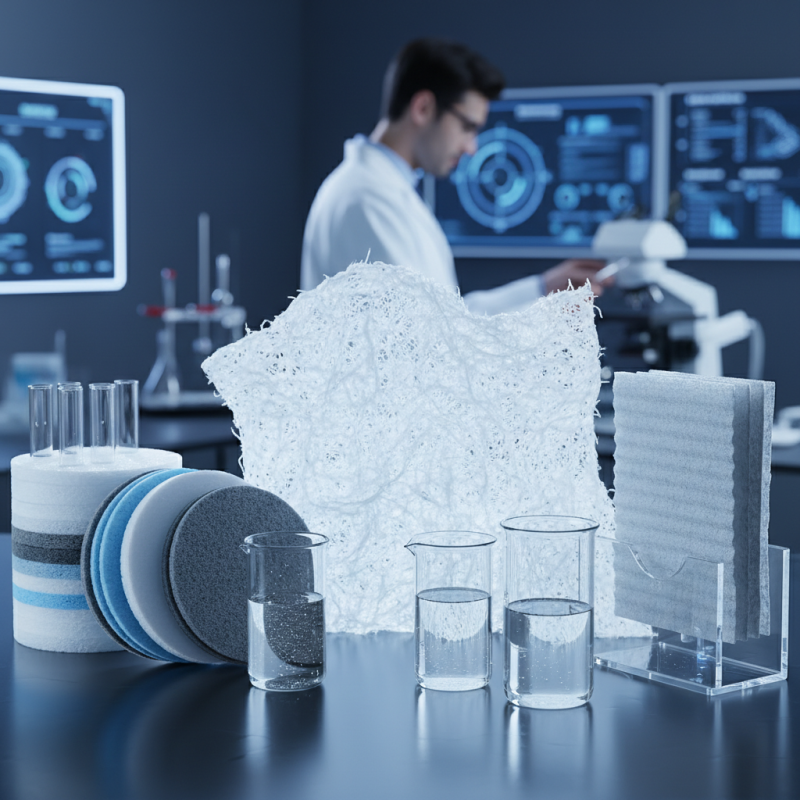
What is Nonwoven Filter Material?
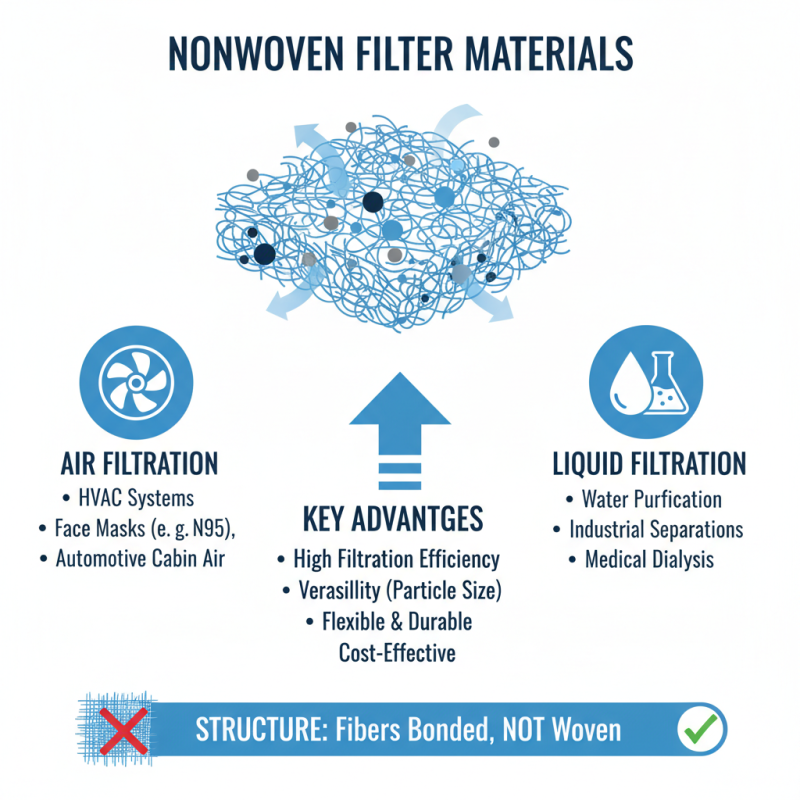
Nonwoven filter material is a type of fabric made from fibers. These fibers are bonded together through various processes. Unlike traditional woven fabrics, nonwoven materials are more versatile. They serve a wide range of functions in filtration applications.
This material plays a crucial role in air and liquid filtration systems. It's often used in industries like healthcare and construction. The fibers trap particles effectively. They act as barriers against dust, pollutants, and microbes. The efficiency of nonwoven filters can vary. Some may not capture all contaminants, which raises concerns. Designers need to consider the specific requirements for each application.
Nonwoven filter materials are also lightweight and flexible. This makes them easier to handle and install. However, their durability can be a point of contention. Some types may degrade quickly under certain conditions. Users should be cautious about selecting the right type based on their needs. Balancing cost and performance is vital. This makes it important to reflect on the long-term benefits and limitations of nonwoven filter materials in filtration processes.
Importance of Nonwoven Filter Materials
Key Properties of Nonwoven Filter Materials
Nonwoven filter materials play a crucial role in various applications. They are created from fibers that are bonded together, not woven. This unique structure provides advantages like high filtration efficiency and flexibility. Nonwoven filters can trap particles of different sizes, making them effective in air and liquid filtration systems.
Key properties of nonwoven filter materials include pore size, permeability, and thickness. Pore size directly affects filtering capabilities. Smaller pores can catch finer particles, but they may also restrict airflow or fluid flow. Permeability is essential for ensuring the flow of air or liquid, influencing how quickly the material can work. Thickness impacts the durability and lifespan of the filter. Thicker materials tend to last longer but may also create more resistance.
While these properties are essential, they also present challenges. Balancing filtering efficiency and flow rate can be difficult. Overly dense materials may hinder performance. Additionally, the environmental impact of nonwoven materials raises concerns. They are often synthetic and not biodegradable, leading to waste issues. Understanding these properties helps in making informed decisions, but it's vital to remain aware of the underlying challenges in using nonwoven filters effectively.
Applications of Nonwoven Filter Materials in Various Industries
Nonwoven filter materials play a crucial role across various industries. Their efficiency is particularly valued in healthcare. According to a recent report, the global demand for medical nonwovens is projected to reach $10 billion by 2026. These materials are essential in surgical masks and gowns. They offer high filtration and breathability.
In the automotive sector, nonwoven filters are used in air and cabin filtration systems. The rise in vehicle production contributes to a growing market demand. Studies show that the automotive nonwoven market is expected to grow at a CAGR of 5.2% from 2021 to 2026. This growth reflects the industry's push for improved air quality and comfort.
However, challenges persist. Not all nonwoven materials meet the stringent quality standards required for critical applications. Quality control issues can lead to performance inadequacies. Continuous innovation and research are necessary to overcome these hurdles. Striking a balance between cost and quality remains a pressing challenge for manufacturers.
Benefits of Using Nonwoven Filter Materials for Filtration
Nonwoven filter materials are gaining attention in various industries for their unique benefits. These materials are made from fibers that are bonded together, offering exceptional filtration capabilities. Their structure allows for optimal airflow while trapping unwanted particles. This combination enhances efficiency, making them ideal for air and liquid filtration.
One significant advantage is their lightweight nature. Nonwoven filters are easy to handle and install. Unlike traditional filters, they often have a lower environmental impact due to reduced waste. Additionally, these materials can be engineered to meet specific filtration needs. Efficient filtering leads to cleaner air and water, promoting better health and well-being.
However, challenges exist. Nonwoven filters may not always capture the smallest particles effectively. There are trade-offs in terms of durability and lifespan compared to woven options. End-users must be aware of these limitations. Choosing the right filter material requires careful consideration of the application.
What is Nonwoven Filter Material and Why is it Important?
| Dimension |
Details |
| Material Type |
Polypropylene (PP), Polyester (PET), Nylon |
| Common Applications |
Air filtration, liquid filtration, medical applications, automotive filters |
| Benefits |
High dirt holding capacity, lightweight, cost-effective, customizable |
| Filtration Efficiency |
High efficiency in capturing particles ranging from 0.3 to 10 microns |
| Environmental Impact |
Recyclable options available, reduced waste compared to traditional filters |
| Life Span |
Varies by usage; typically replaced every 3-6 months for efficiency |
Future Trends in Nonwoven Filter Material Development
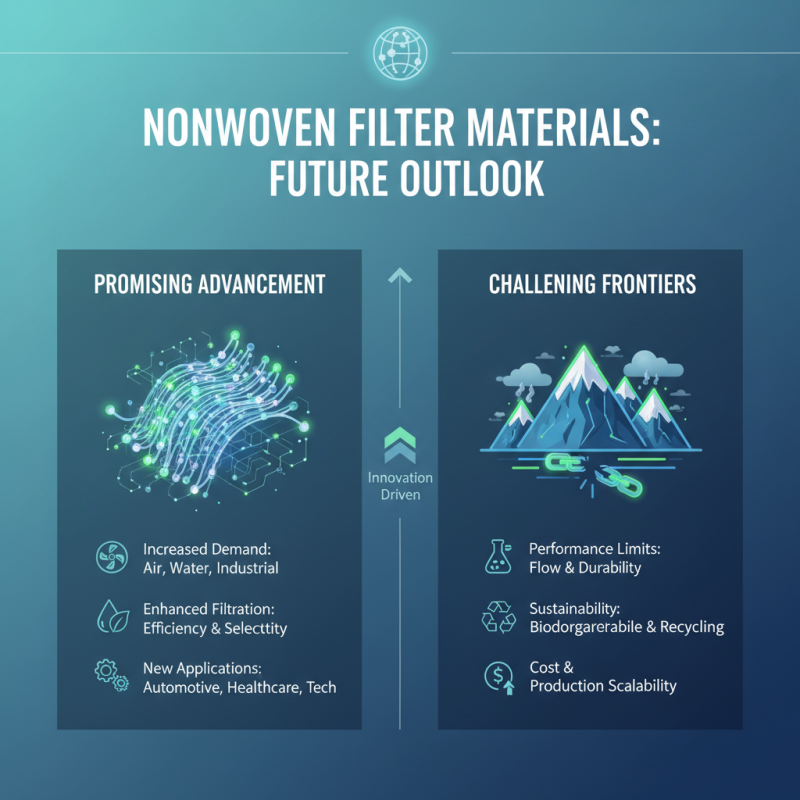
The future of nonwoven filter material development looks both promising and challenging. As industries evolve, the demand for advanced filtration systems increases. Nonwoven materials are essential for air, water, and liquid filtration in various sectors. However, the industry faces obstacles in performance and sustainability.
New innovations may emerge from research focused on enhancing filtration efficiency. Biodegradable nonwoven fabrics could reduce environmental impact. Additionally, the integration of nanotechnology might improve filtering capabilities. But what if these advancements come with increased costs? Balancing affordability with innovation is a significant concern for manufacturers.
Collaboration between researchers and industries is crucial. Exploring new sustainable materials can lead to breakthroughs. Still, potential drawbacks exist in the scalability of these solutions. If not carefully managed, technological advancements may not reach broader applications. The journey ahead requires careful thought and responsibility.

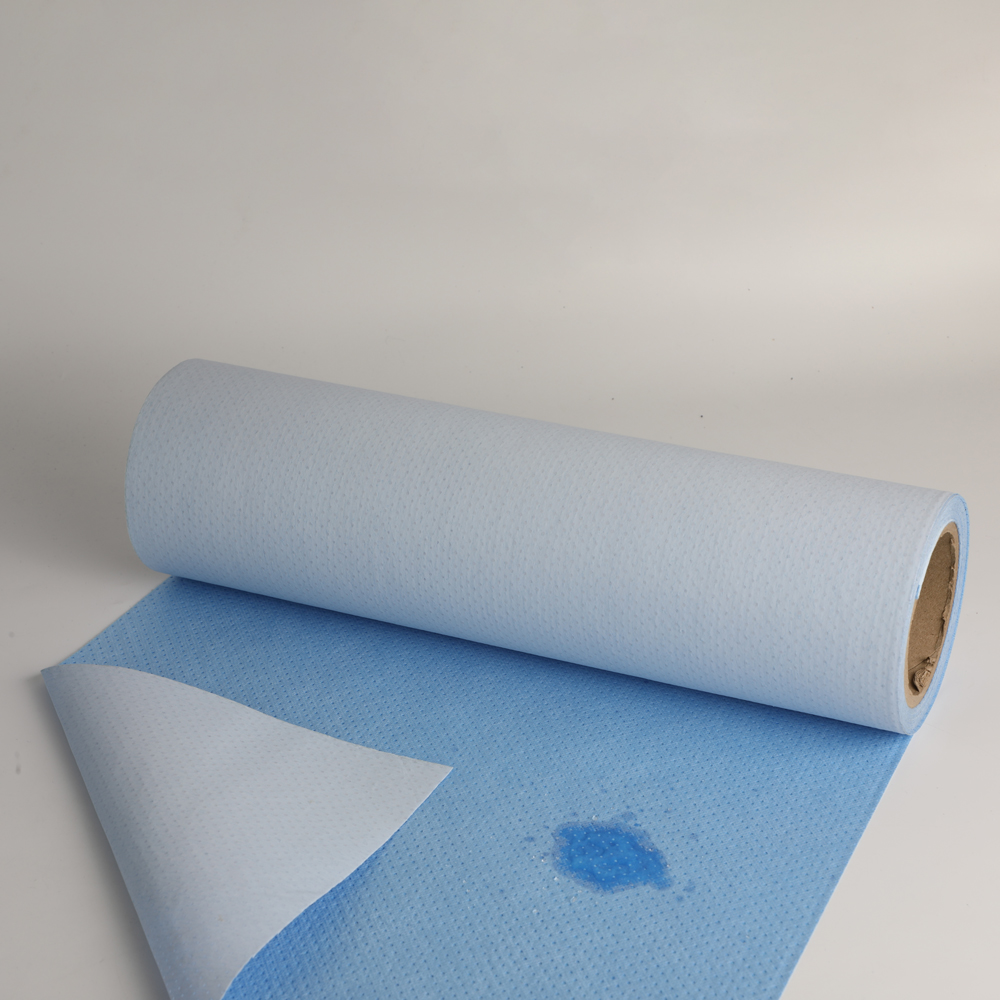 Multi Laminates
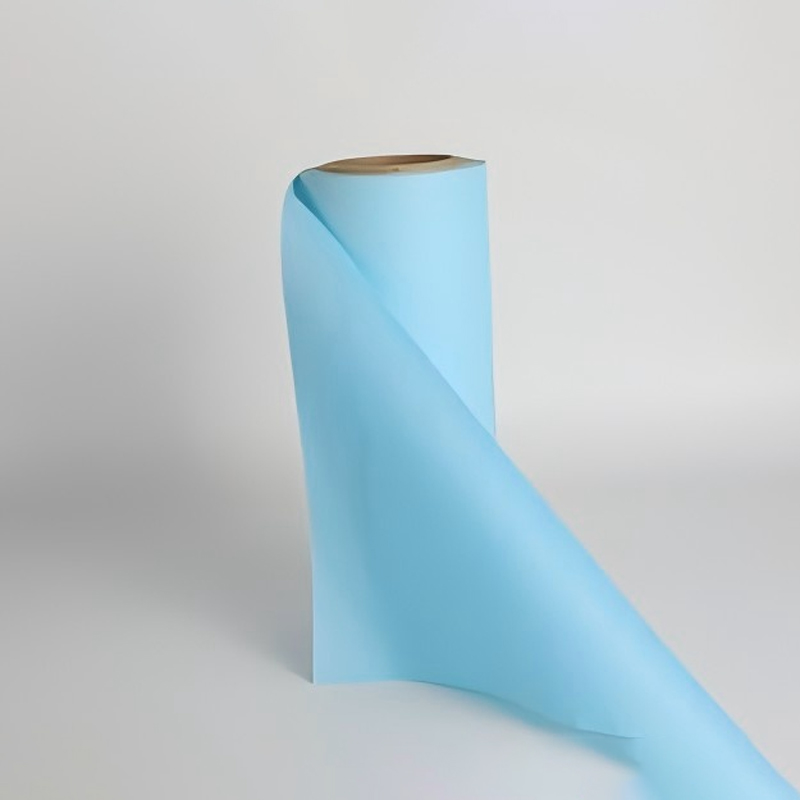 Spunlace Nonwoven Laminates
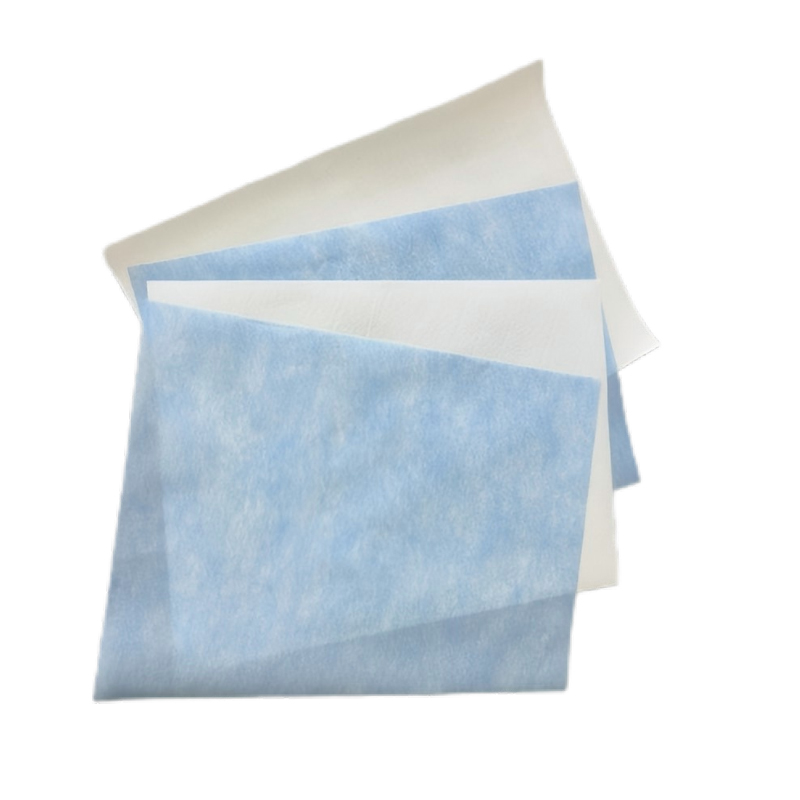 Breathable Film Laminates
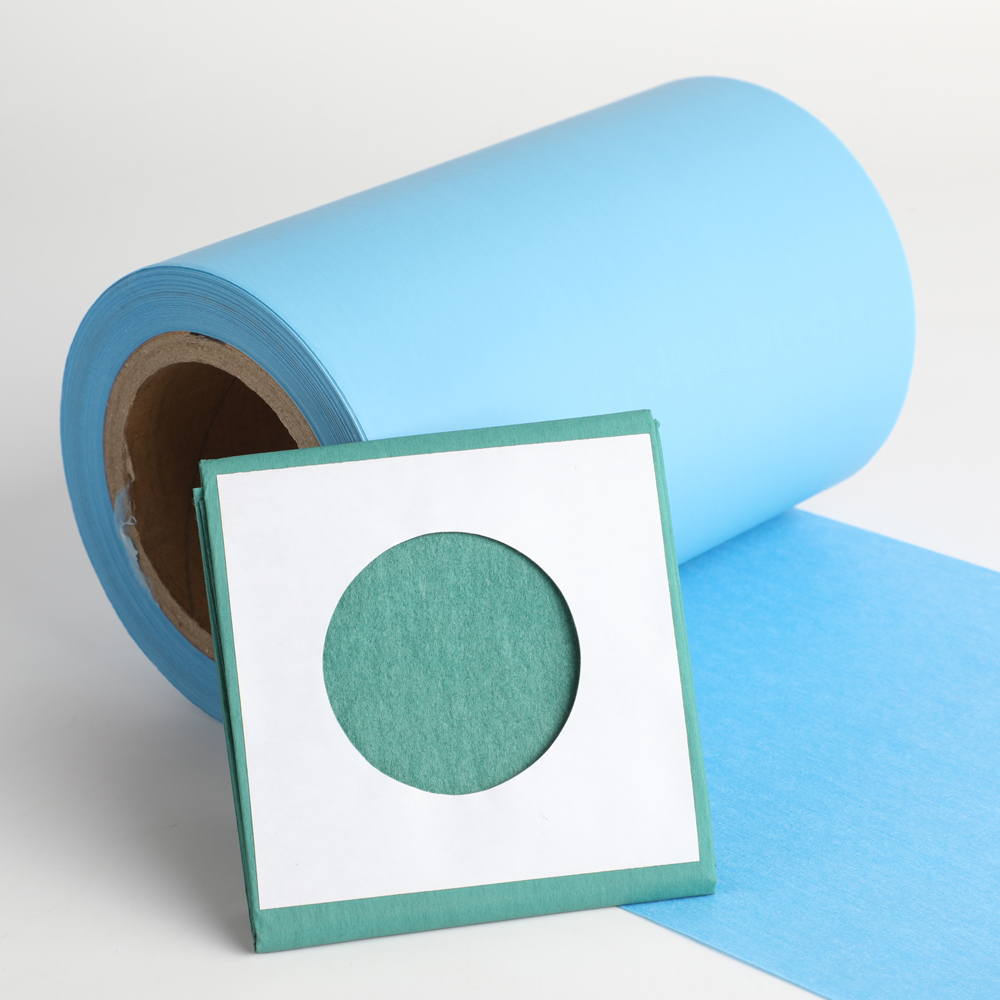 Viscose Laminates
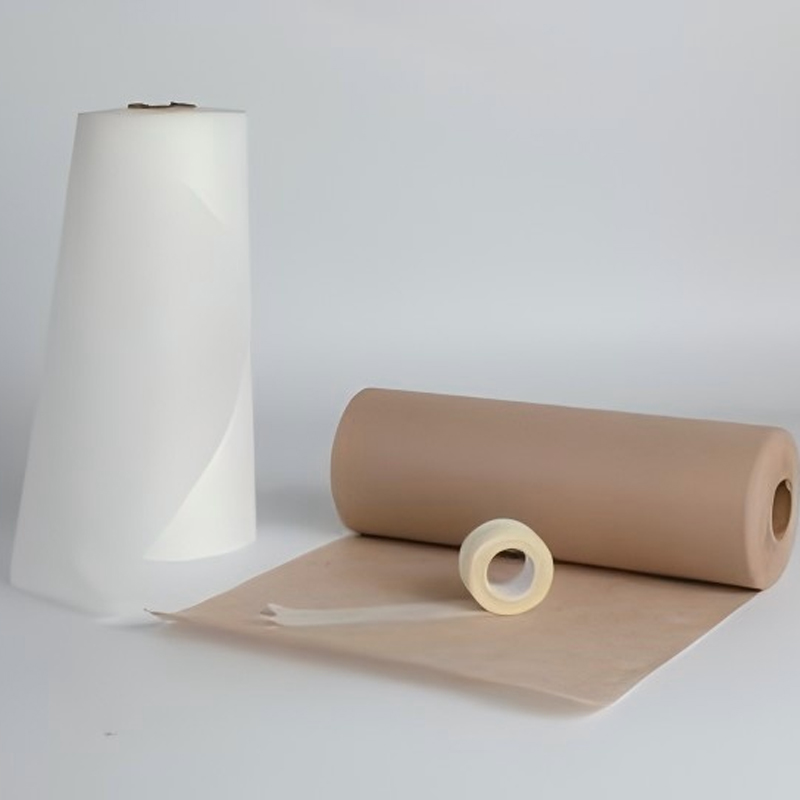 Medical Tape Nonwoven
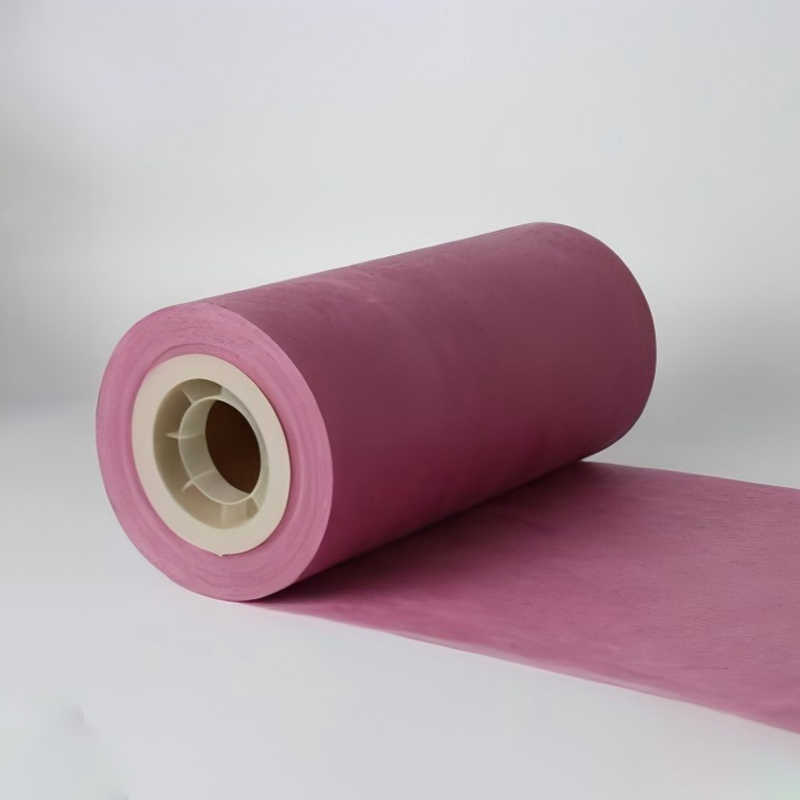 Filtration Nonwoven
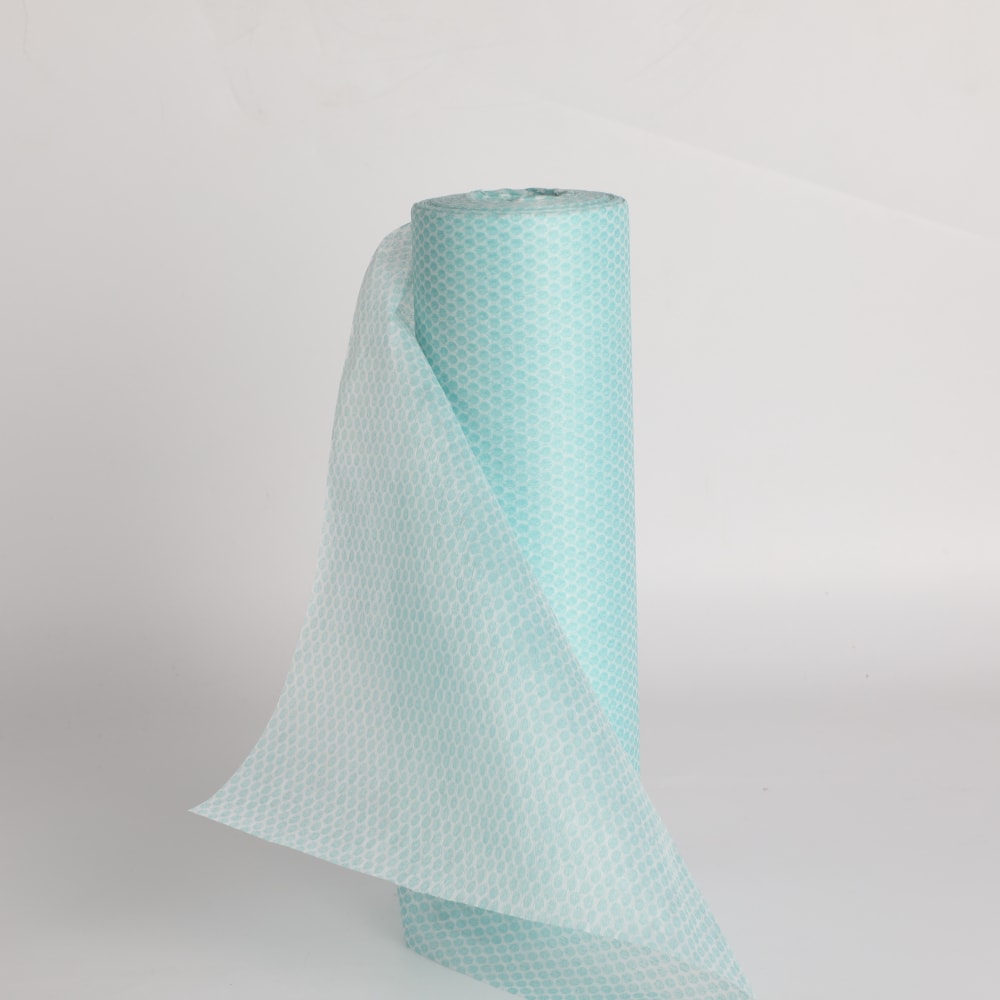 Head Wear Nonwoven
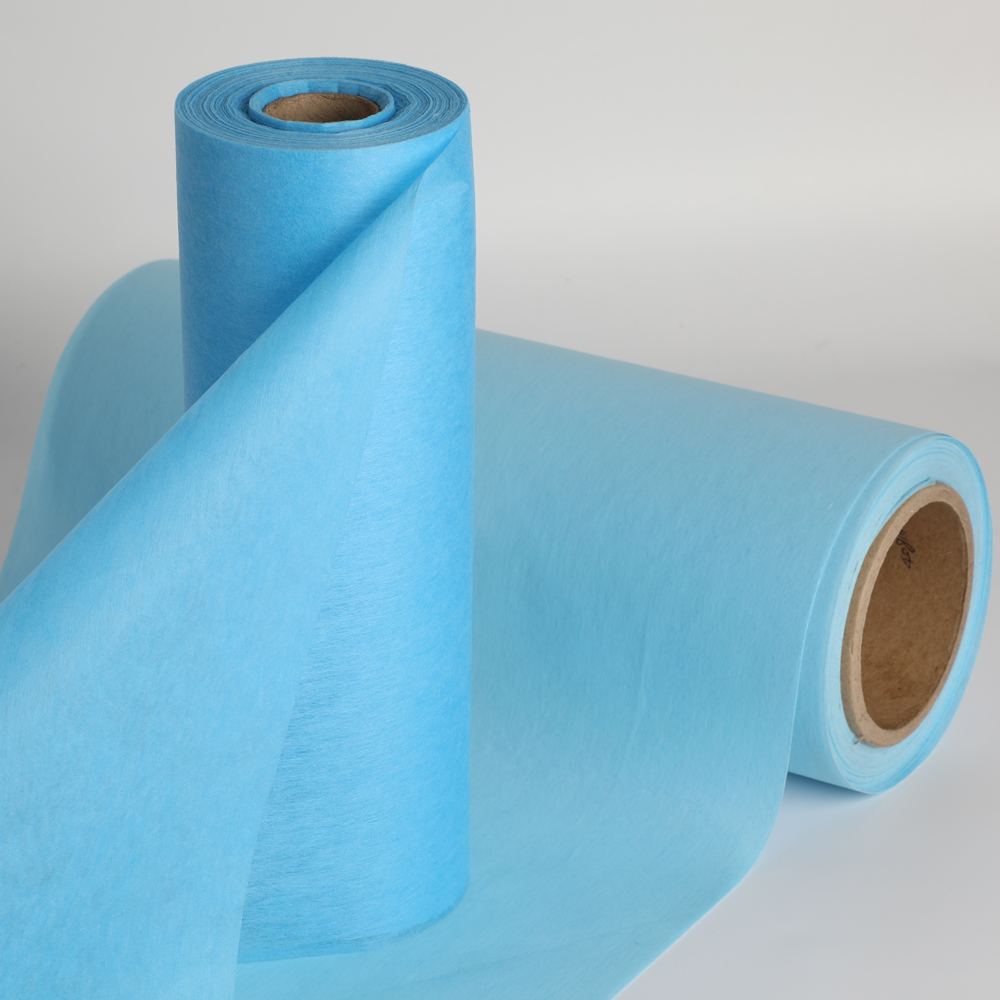 Medical Viscose Nonwoven
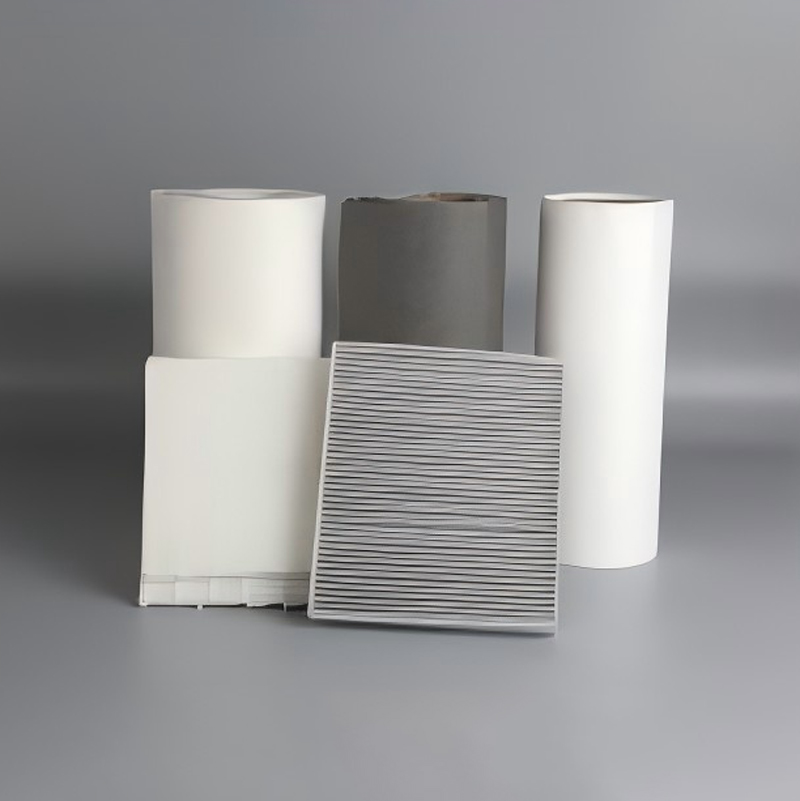 Air Filter Media
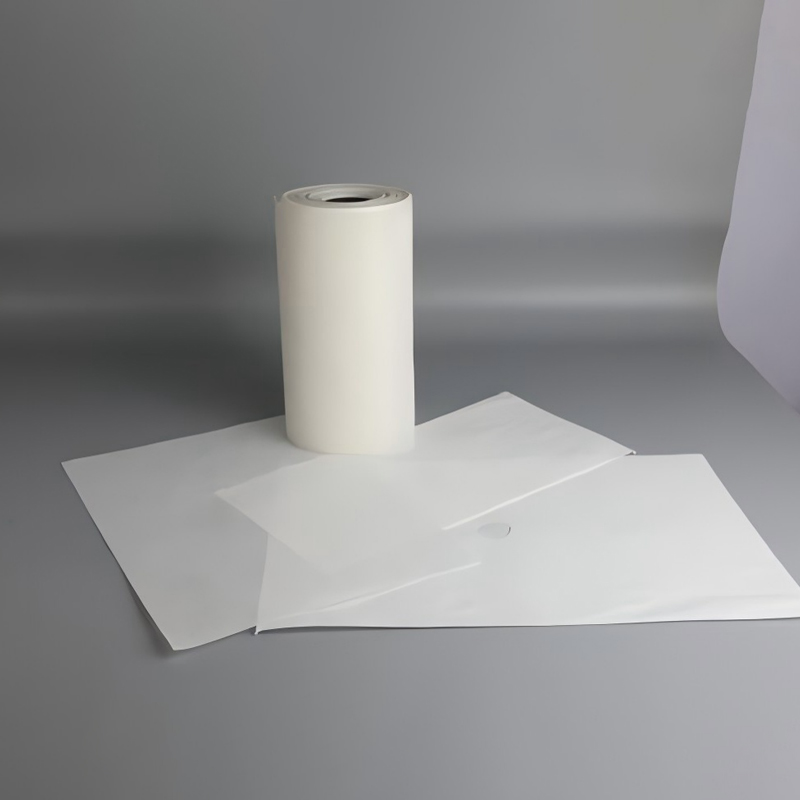 Liquid Filter Media
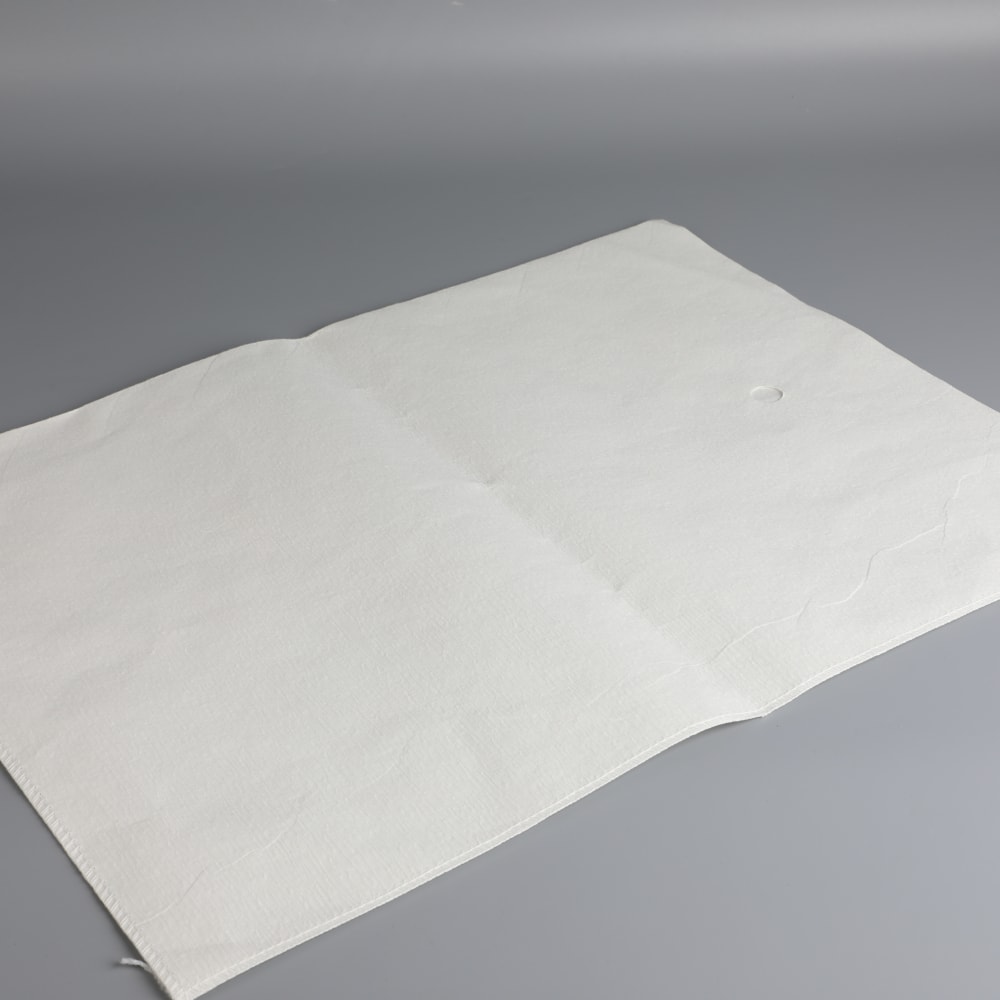 Filter Envelope & Filter Sheet
 Breathable Film Laminates
 Nonwoven Interlining
 Fluid Repellent Woodpulp Spunlace Nonwoven
 Woodpulp Nonwoven Wipe
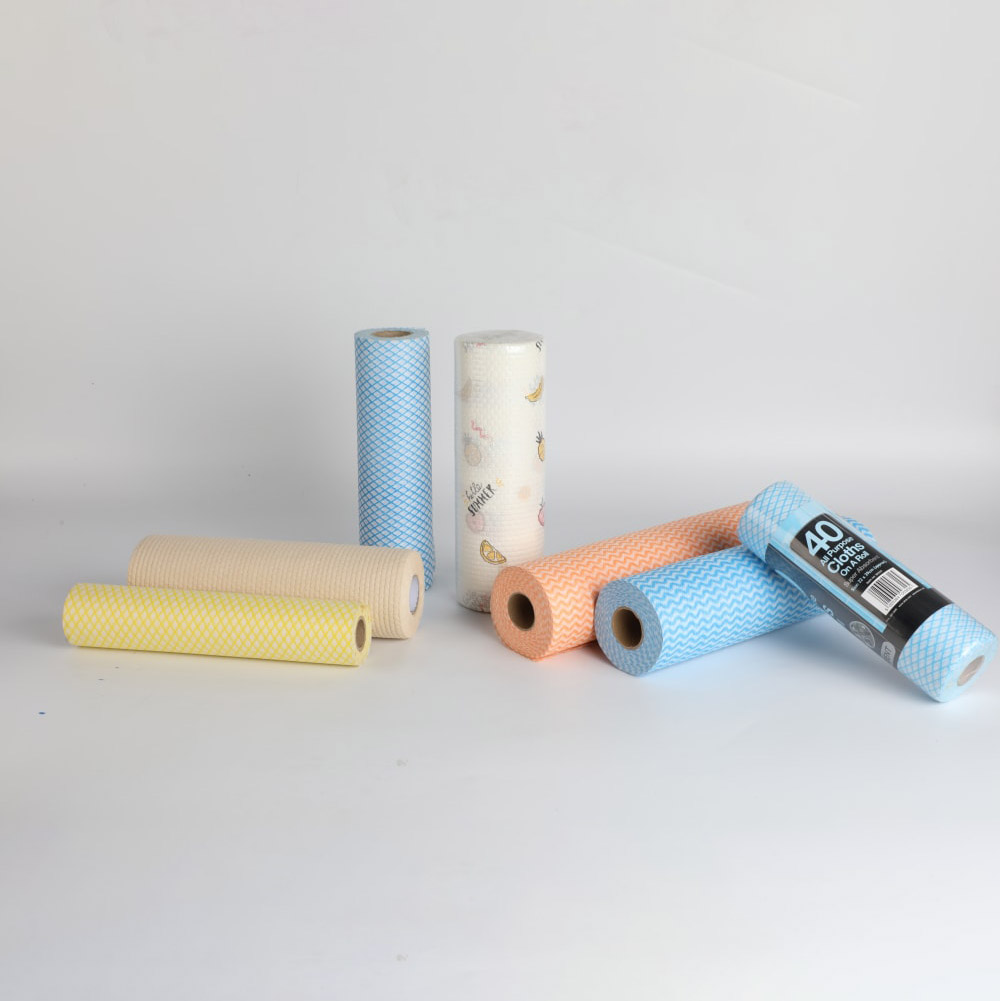 Nonwoven Cleaning Wipe
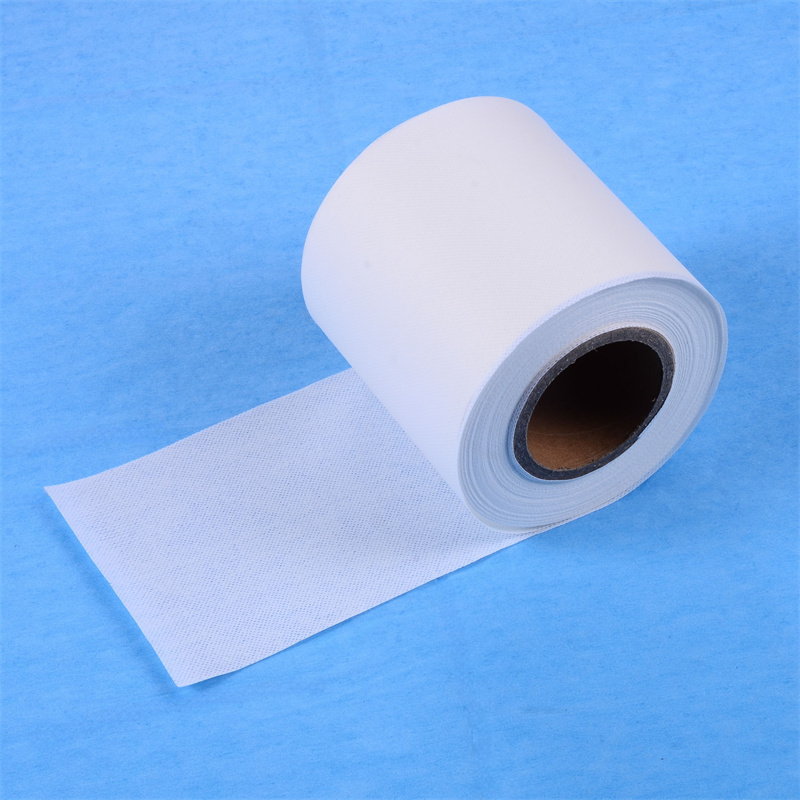 Flame Retardant Nonwoven Fabric
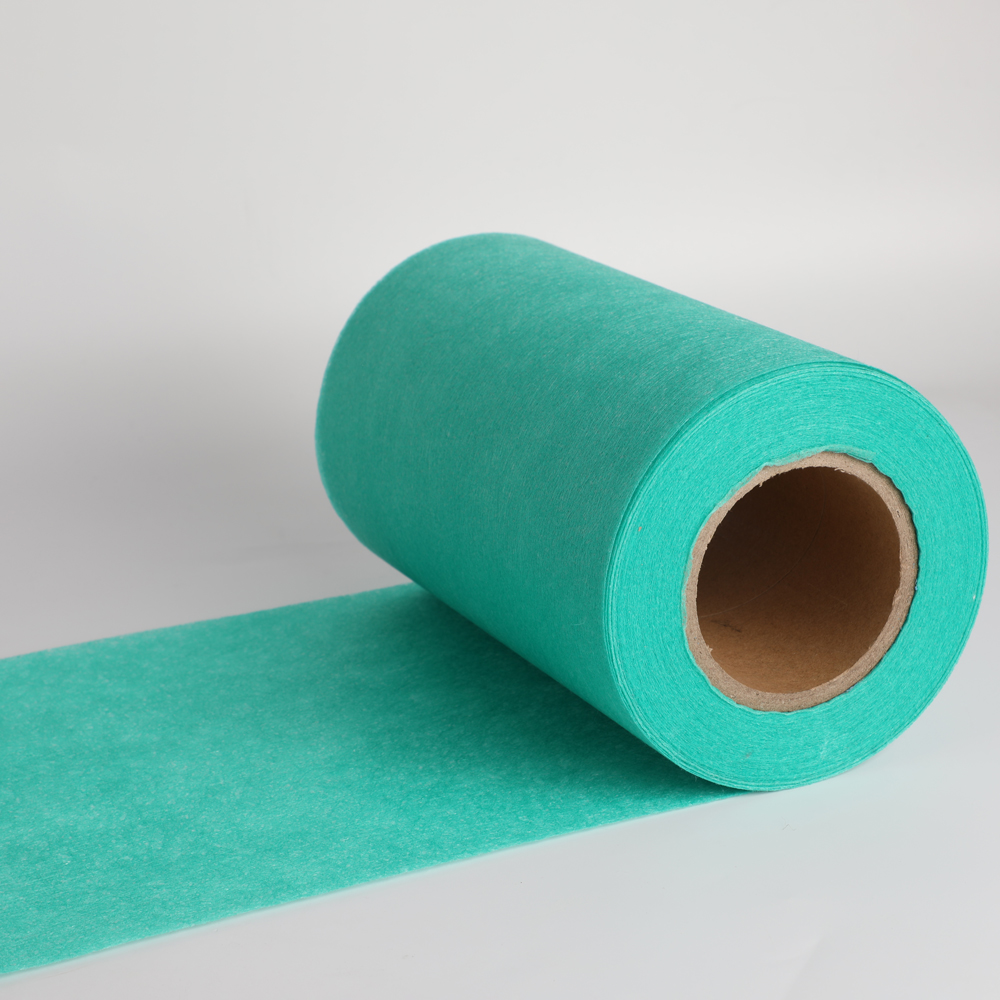 Anti-Bacterial Nonwoven
 CONTACT WhatsApp
 CONTACT WeChat

 CONTACT NUMBER
 CONTACT EMAIL