Top Nonwoven Fabric Pouch Trends to Watch in 2025
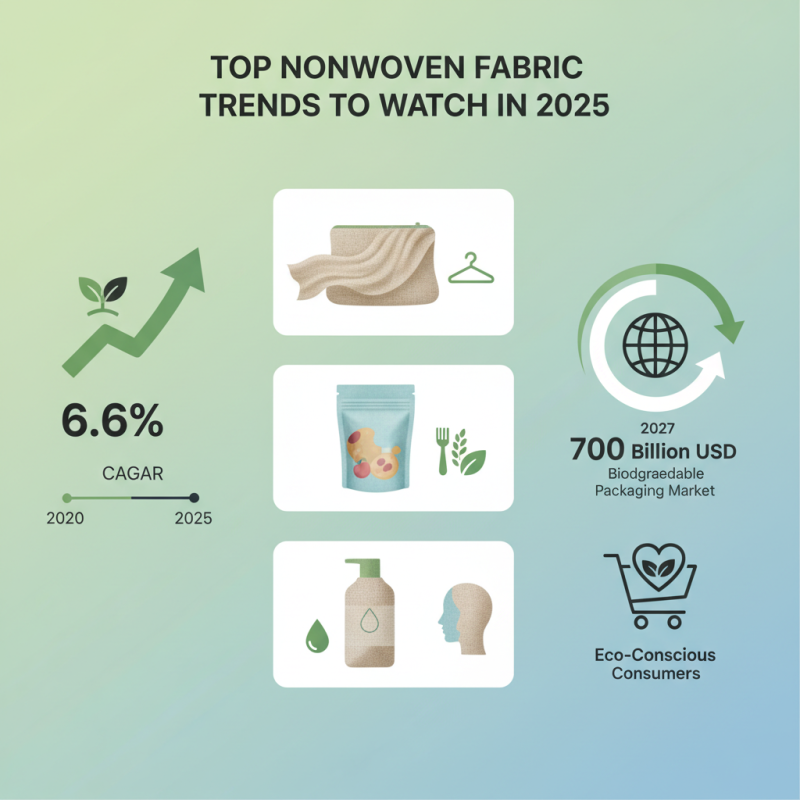
As we approach 2025, the landscape of packaging solutions is evolving, with nonwoven fabric pouches emerging as a significant trend in the industry. These versatile materials, characterized by their unique properties such as strength, breathability, and customization potential, are increasingly favored across various sectors, including fashion, food, and personal care. According to a report by Smithers Pira, the global nonwoven fabric market is projected to grow at a compound annual growth rate (CAGR) of 6.6% from 2020 to 2025, driven by the increasing demand for lightweight and eco-friendly packaging solutions.
The nonwoven fabric pouch not only appeals to consumers' desire for sustainable options but also offers brands an innovative way to enhance their product visibility and consumer engagement. The rise of eco-conscious consumers is influencing purchasing decisions, leading companies to seek materials that align with their values. A study by Grand View Research indicates that the global biodegradable packaging market is expected to reach USD 700 billion by 2027, showcasing the significant shift toward sustainable materials. As we anticipate the trends for 2025, it is clear that the nonwoven fabric pouch will play a pivotal role in shaping the future of eco-friendly packaging, offering a multitude of advantages that cater to modern consumer preferences.
Emerging Innovations in Nonwoven Fabric Pouch Designs for 2025
As we look ahead to 2025, the realm of nonwoven fabric pouches is poised for remarkable innovations that will redefine their functionality and appeal. One prominent trend is the move towards sustainable materials, as manufacturers increasingly prioritize eco-friendly production methods. Bio-based polymers and recycled fibers are becoming mainstream, allowing consumers to make environmentally conscious choices without sacrificing quality or durability. Additionally, the incorporation of biodegradable elements is set to gain traction, aligning with the growing demand for sustainable consumer goods.
Another exciting development in nonwoven fabric pouch designs is the integration of smart technologies. With advancements in materials science and connectivity, we can expect pouches that not only serve as carriers but also incorporate features like QR codes for enhanced consumer interaction. These smart pouches could provide information on product origins, usage instructions, or recycling methods merely by scanning. Furthermore, aesthetic innovations are on the rise, with vibrant colors and customizable prints allowing consumers to express their personal style, making these pouches more than just functional items but also fashion statements.
Top Nonwoven Fabric Pouch Trends to Watch in 2025
| Trend |
Description |
Predicted Impact |
Material Innovations |
| Biodegradable Fabrics |
Increase in demand for eco-friendly materials that decompose safely. |
High potential for sustainability in packaging solutions. |
PLA (Polylactic Acid) and other plant-based options. |
| Smart Fabrics |
Integration of technology for interactive functionalities. |
Enhanced user experience with monitoring capabilities. |
Conductive threads and sensors. |
| Customizable Designs |
Increased personalization options for end-users. |
Greater customer satisfaction and brand loyalty. |
Digital printing techniques and design software. |
| Recycled Nonwoven Pouches |
Focus on utilizing recycled materials in production. |
Support for circular economy initiatives. |
Post-consumer recycled fibers. |
| Multi-functional Pouches |
Pouches designed for multiple uses and functionalities. |
Attracts diverse consumer segments looking for versatility. |
Water-resistant and heat-sealable materials. |
Sustainability Trends Influencing Nonwoven Fabric Pouch Production
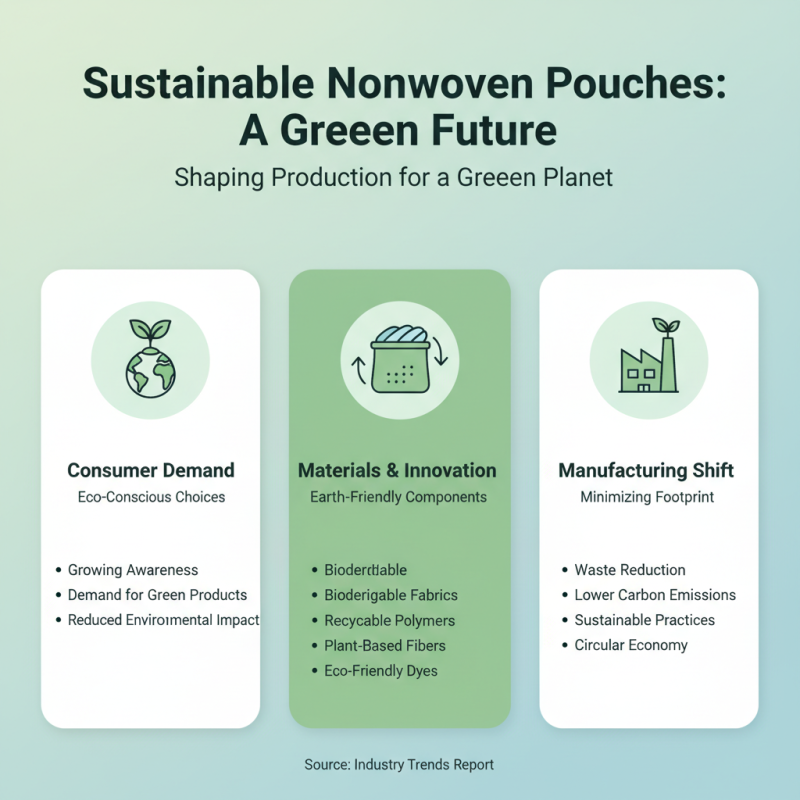
The rising emphasis on sustainability is significantly shaping the production of nonwoven fabric pouches. As consumers become increasingly environmentally conscious, manufacturers are pivoting towards sustainable practices that minimize waste and reduce their carbon footprint. This includes utilizing biodegradable and recyclable materials in the creation of nonwoven pouches, ensuring that these products are not only practical but also environmentally friendly. Innovations such as plant-based fibers and eco-friendly dyes are gaining traction, contributing to a shift in production techniques that align with sustainability goals.
Moreover, brands are adopting circular economy principles, encouraging the reuse and recycling of nonwoven fabric pouches. This trend reflects a broader movement in the textile and packaging industries to implement more responsible sourcing and manufacturing processes. Companies are investing in technology that allows for the recycling of used pouches into new products, thereby extending the lifecycle of materials. By prioritizing sustainability, the industry not only caters to consumer demand but also plays a crucial role in reducing the environmental impact associated with traditional packaging options. This commitment to sustainable practices is poised to influence the design and functionality of nonwoven fabric pouches in the foreseeable future.
Consumer Preferences: Shifting Demands for Nonwoven Fabric Pouches
In recent years, the demand for nonwoven fabric pouches has seen a significant shift driven by evolving consumer preferences. According to a market research report by Grand View Research, the global nonwoven fabric market is expected to reach USD 64.80 billion by 2025, with a compound annual growth rate (CAGR) of 6.5%. This trend illustrates a growing inclination among consumers towards eco-friendly and sustainable packaging options. The lightweight, durable, and recyclable nature of nonwoven fabrics makes them an ideal choice for consumers seeking practical yet environmentally responsible solutions.
Additionally, consumers are increasingly prioritizing aesthetics and functionality in their purchasing decisions. A survey conducted by market intelligence firm Statista revealed that 72% of respondents consider the design and usability of packaging when making their purchase decisions. This consumer behavior highlights the need for manufacturers to innovate and create visually appealing and versatile designs that cater to the varied needs of consumers.
Nonwoven fabric pouches, with their customizable shapes and prints, offer brands the opportunity to enhance their product visibility while satisfying the growing demand for sustainability in packaging. As we move towards 2025, the intersection of form, function, and eco-consciousness will undoubtedly shape the future of nonwoven fabric pouches in the marketplace.
Technological Advancements Enhancing Nonwoven Fabric Functionality
The nonwoven fabric industry is poised for significant transformation in 2025, driven by technological advancements that significantly enhance product functionality. According to a report by Smithers, the global nonwoven fabric market is expected to reach 50 billion USD by 2025, with advancements in materials and manufacturing processes playing a pivotal role in this growth. Technologies such as ultrasonic welding and advanced laser cutting are enabling manufacturers to create more precise and durable pouches, catering to various applications across healthcare, packaging, and personal care sectors.
Moreover, innovations in fiber technology are leading to nonwoven fabrics with multifunctional capabilities, such as water resistance, breathability, and antibacterial properties. The introduction of biodegradable nonwoven materials is also gaining momentum, aligning with the increasing consumer demand for eco-friendly options. As reported by the Nonwovens Institute, the incorporation of smart textiles into nonwoven pouches is on the rise, allowing for functionalities like moisture management and temperature regulation, which further enhances the appeal of these products. Consequently, these advancements not only elevate the performance of nonwoven fabric pouches but also position them as sustainable alternatives in a competitive market.
Top Nonwoven Fabric Pouch Trends to Watch in 2025
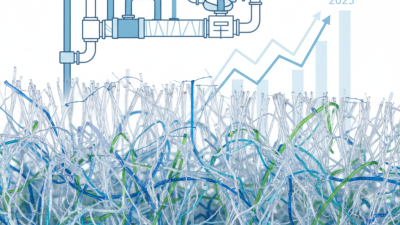
This chart illustrates the anticipated growth in various functional attributes of nonwoven fabrics, which are expected to enhance their usefulness in pouches by 2025. Key trends include increased durability, improved water resistance, and enhanced breathability.
Market Opportunities and Challenges for Nonwoven Fabric Pouch Industry
The nonwoven fabric pouch industry is experiencing significant growth, propelled by changing consumer preferences and an increasing demand for sustainable packaging solutions. According to a recent market research report, the global nonwoven fabric pouch market is projected to reach USD 1.05 billion by 2025, growing at a CAGR of 6.3% from 2020 to 2025. This growth is largely driven by the rising adoption of nonwoven pouches in the food and beverage, personal care, and cosmetics sectors, where they are favored for their lightweight, breathable, and eco-friendly properties.
However, the industry faces several challenges that could impact its trajectory. While manufacturers are increasingly investing in advanced technologies to enhance the durability and functionality of nonwoven pouches, competition from traditional packaging materials like plastics remains a significant hurdle. Furthermore, fluctuations in raw material prices and environmental regulations surrounding nonwoven fabric production pose risks to profit margins and operational efficiency. The industry's ability to adapt to these challenges while capitalizing on emerging opportunities will determine its success in the evolving landscape of sustainable packaging solutions.
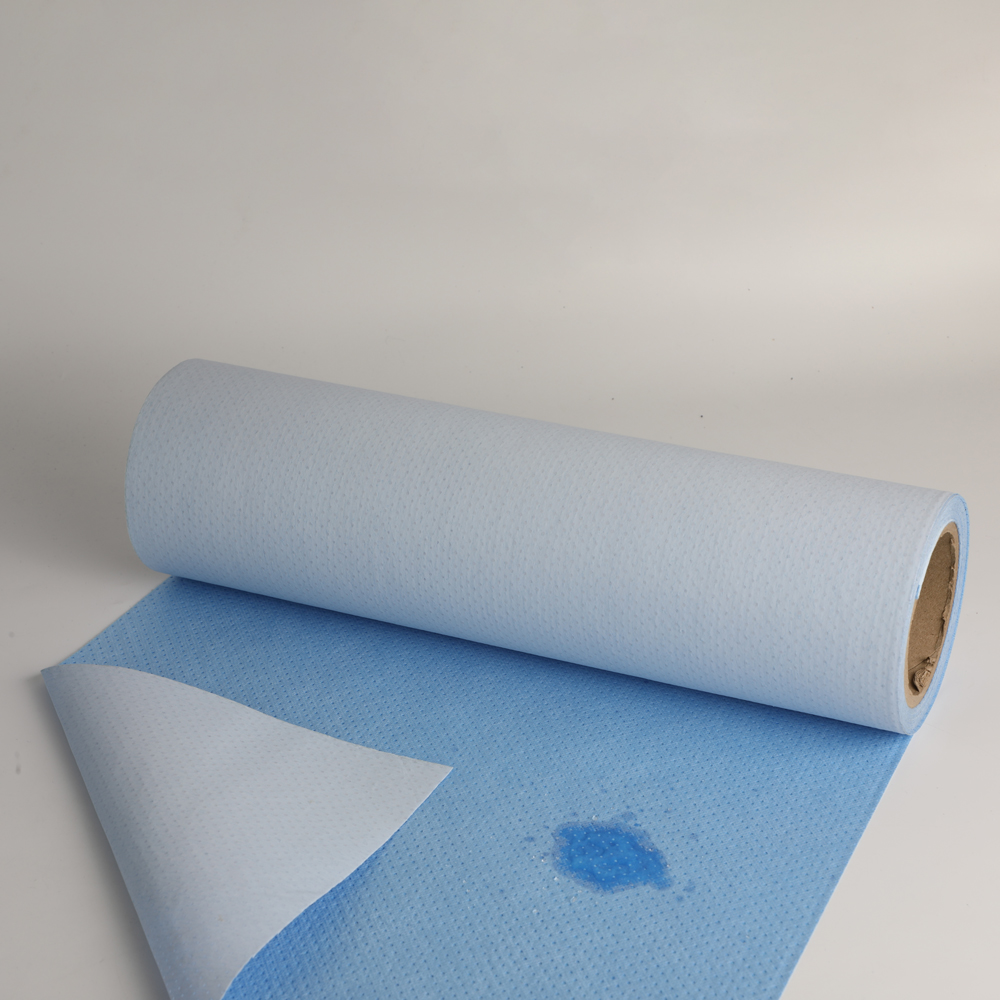 Multi Laminates
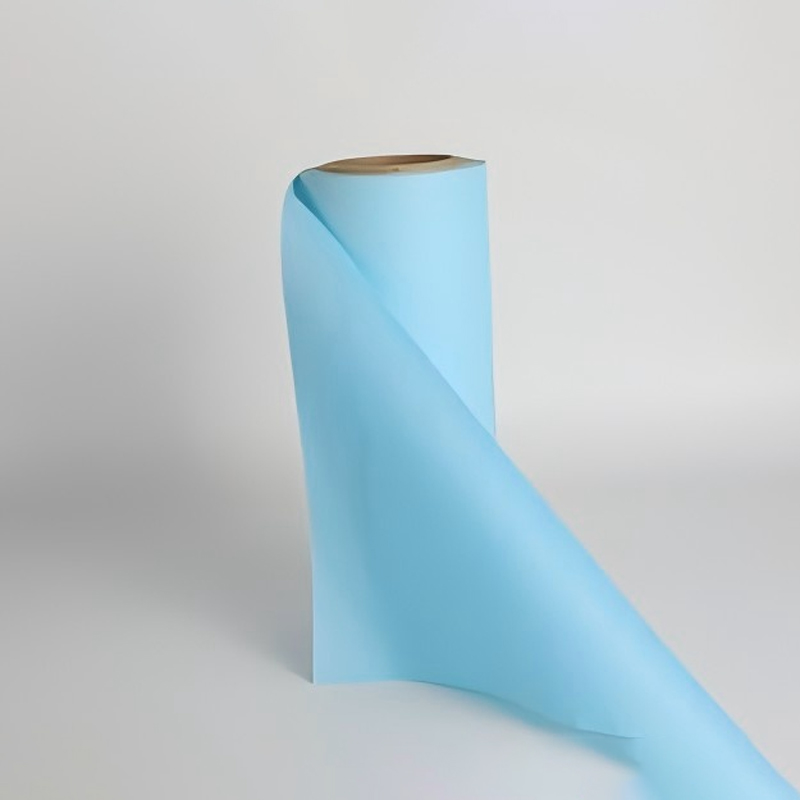 Spunlace Nonwoven Laminates
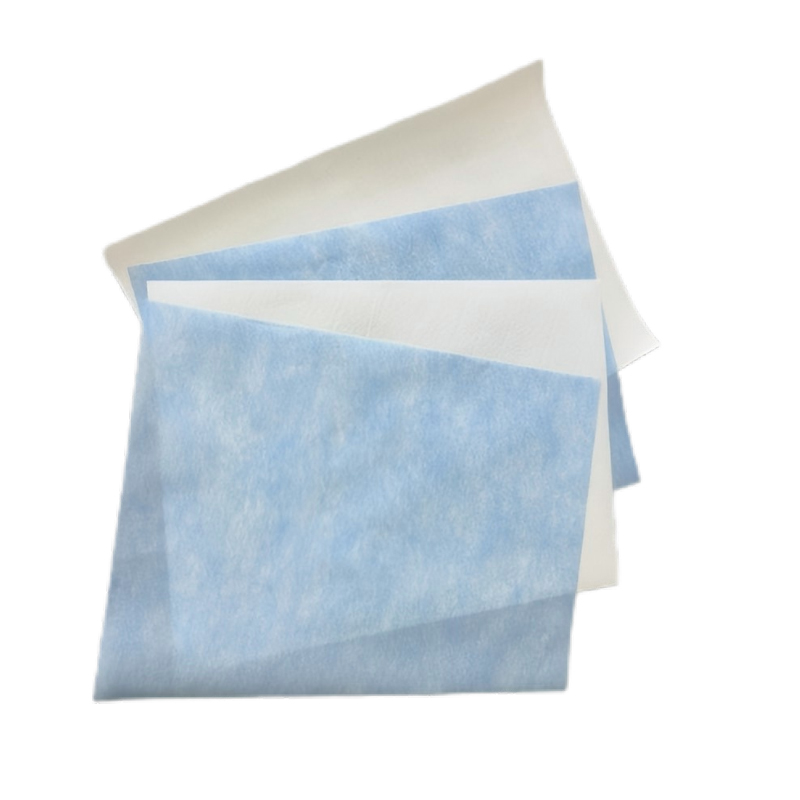 Breathable Film Laminates
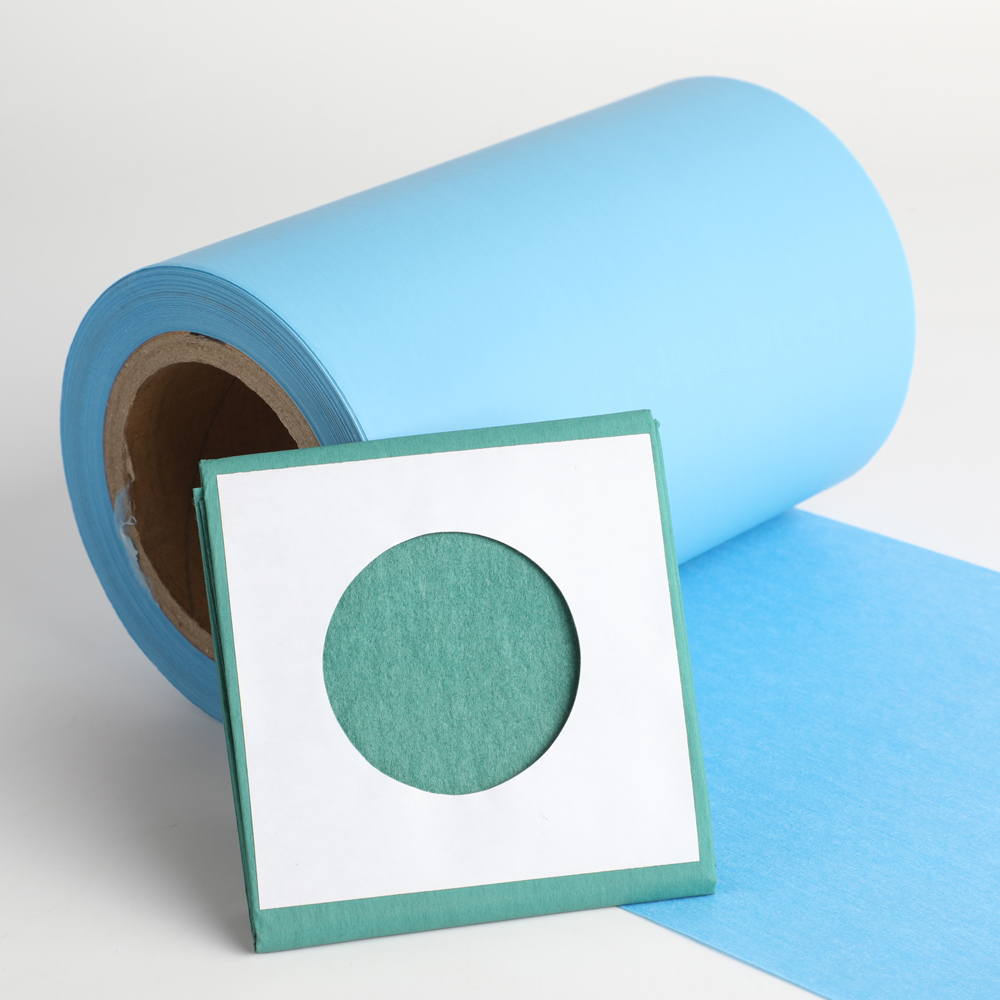 Viscose Laminates
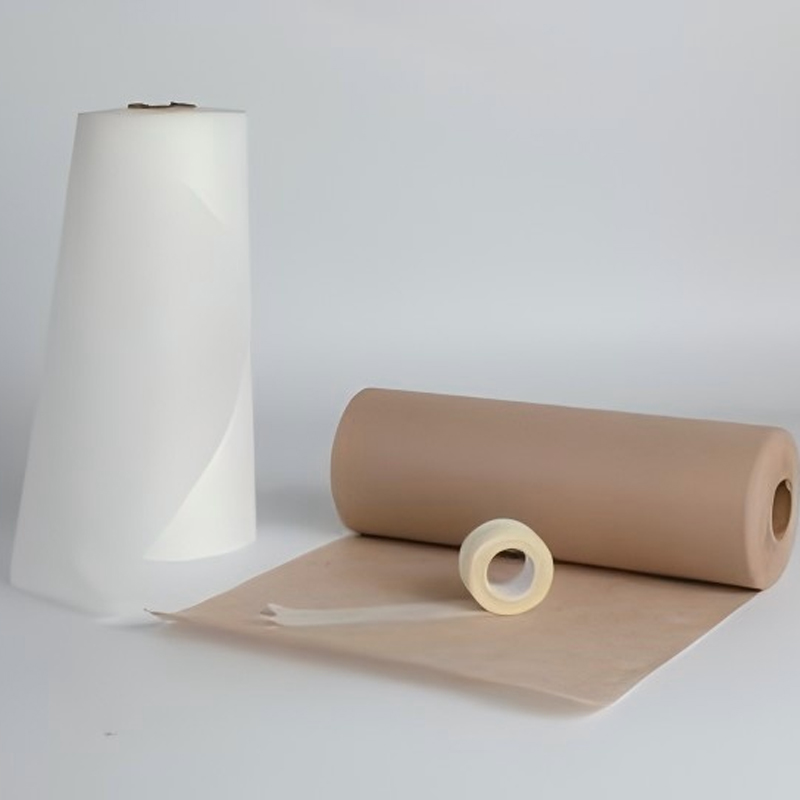 Medical Tape Nonwoven
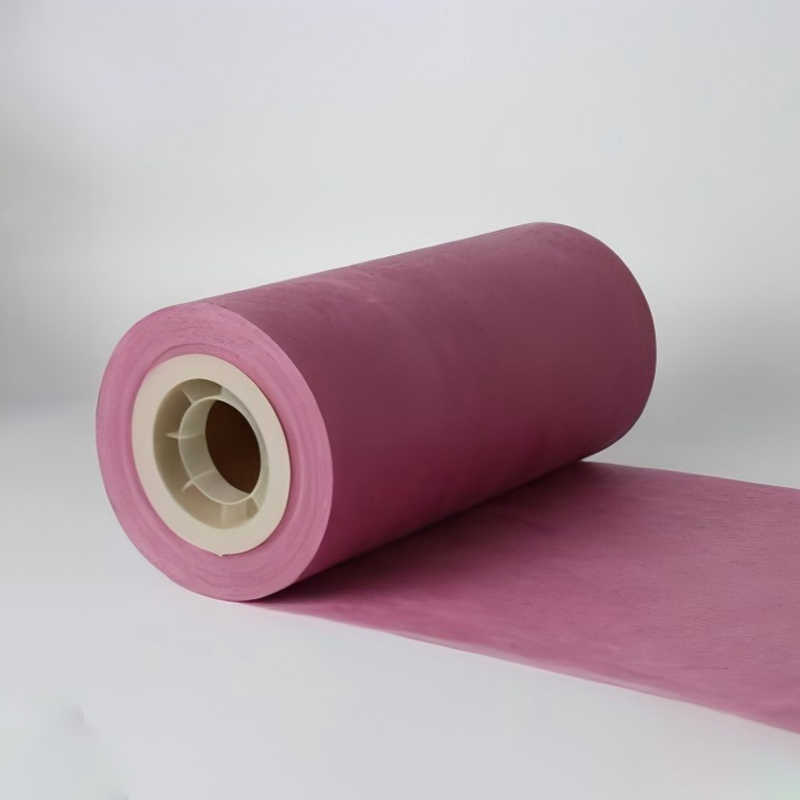 Filtration Nonwoven
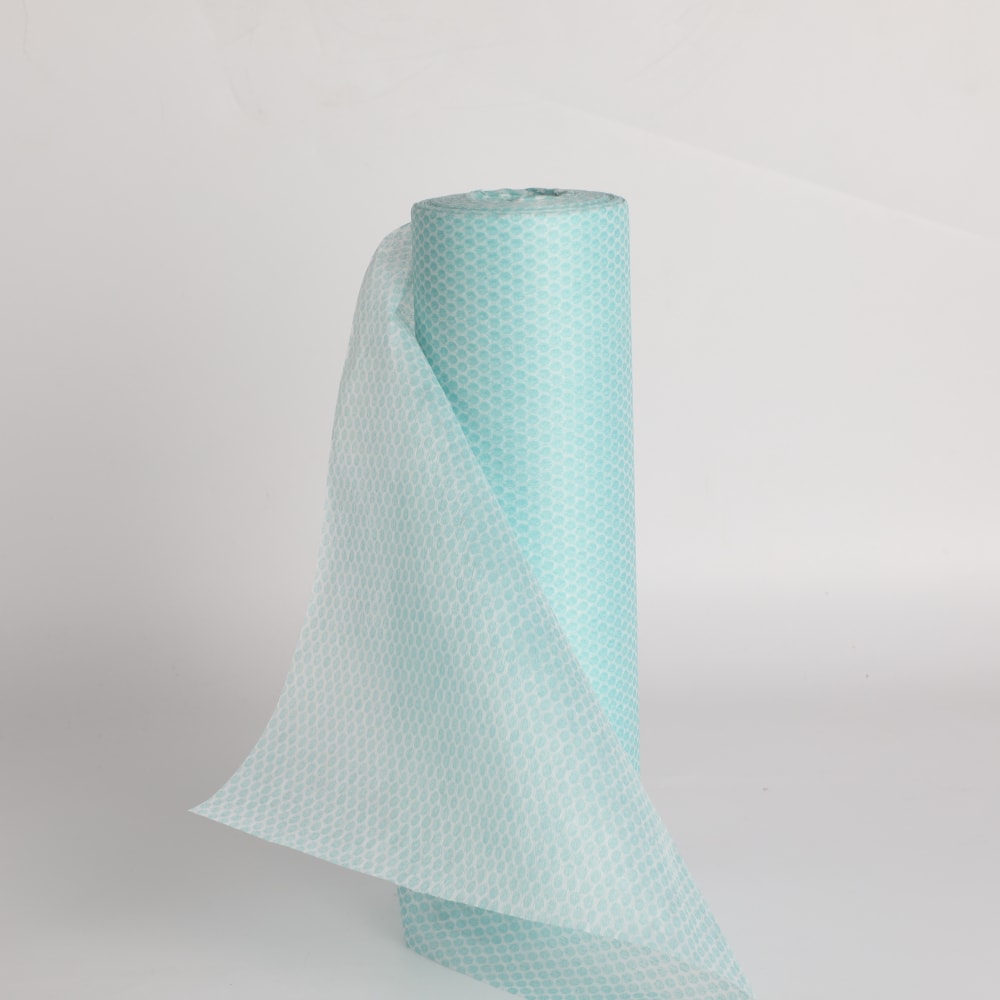 Head Wear Nonwoven
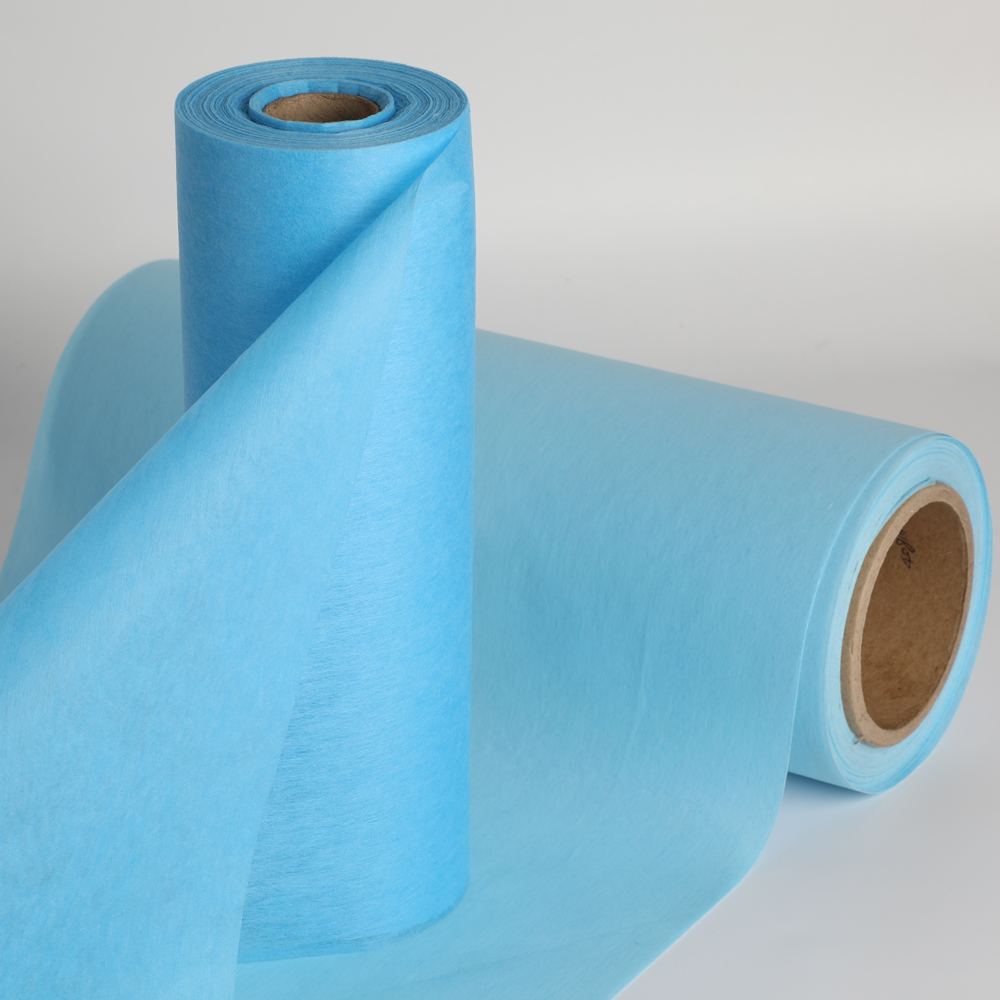 Medical Viscose Nonwoven
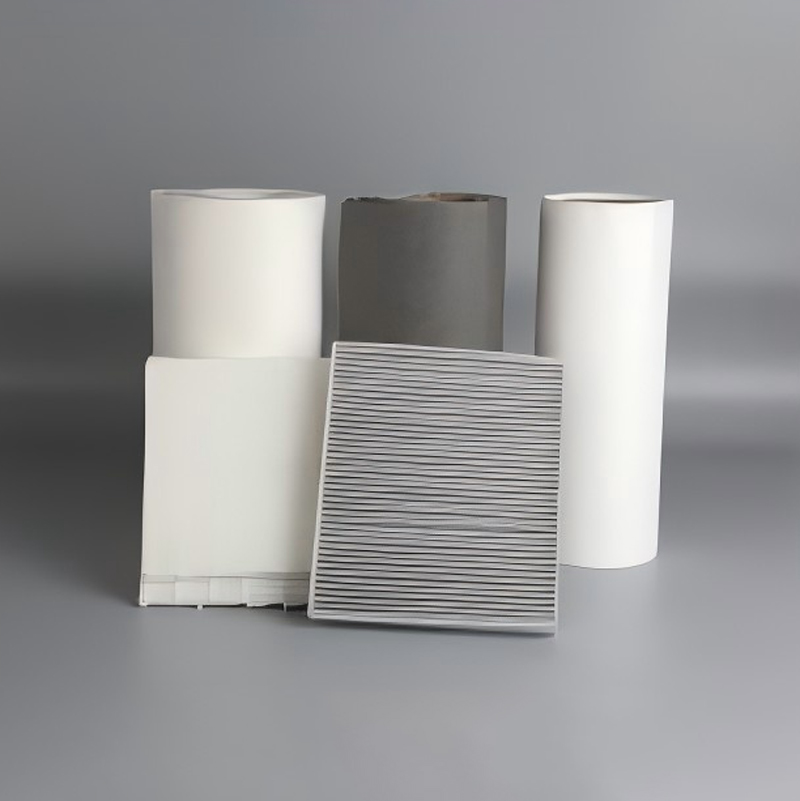 Air Filter Media
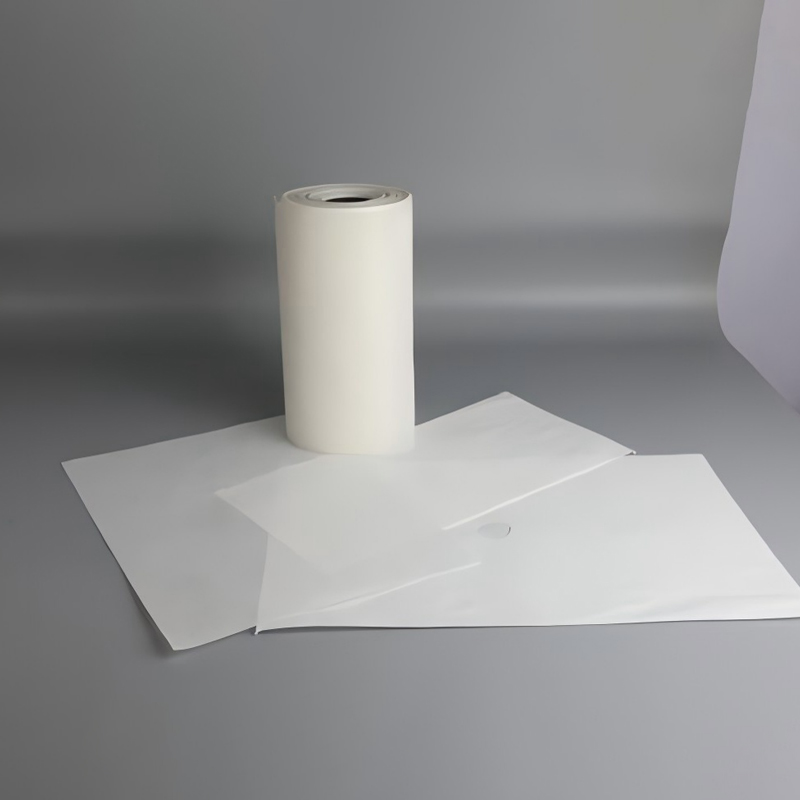 Liquid Filter Media
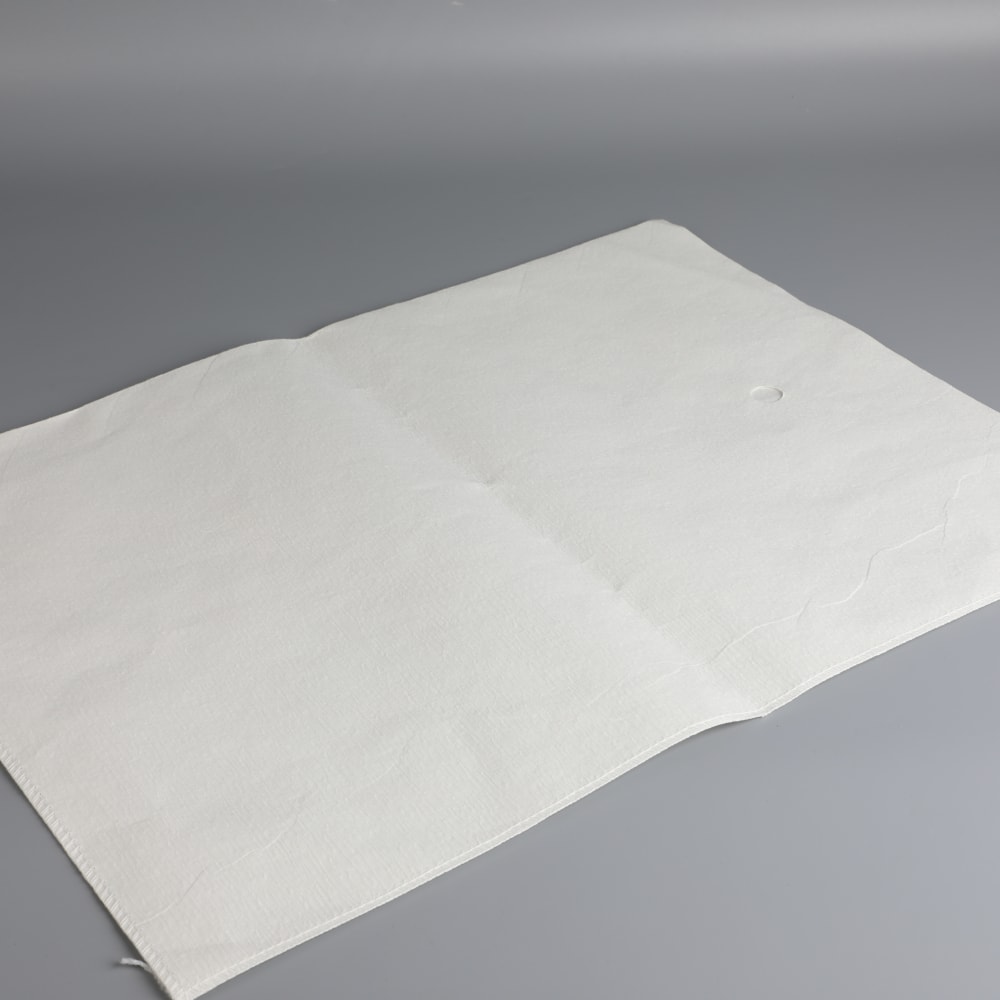 Filter Envelope & Filter Sheet
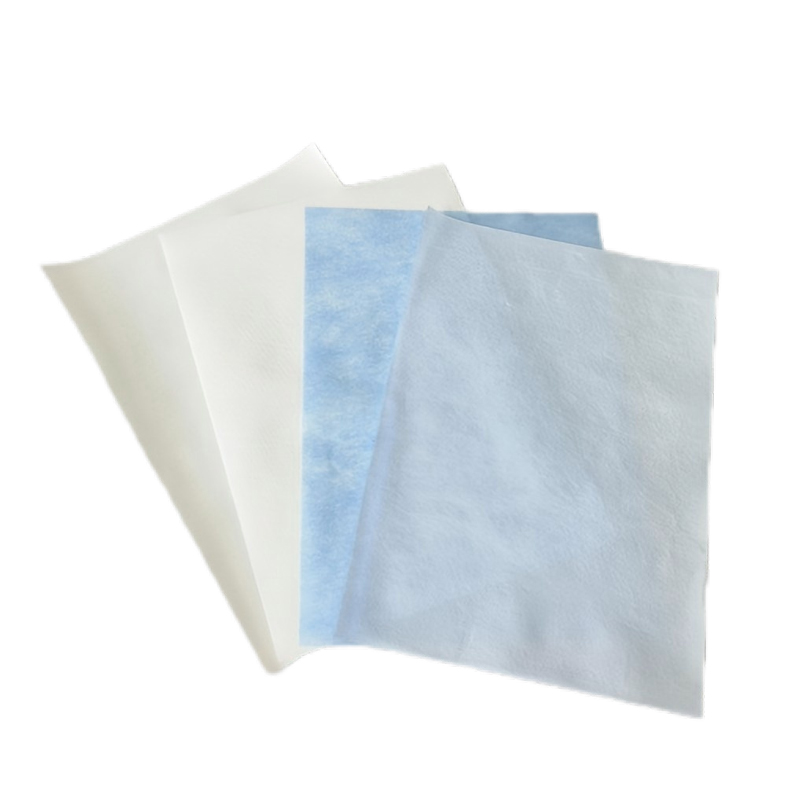 Breathable Film Laminates
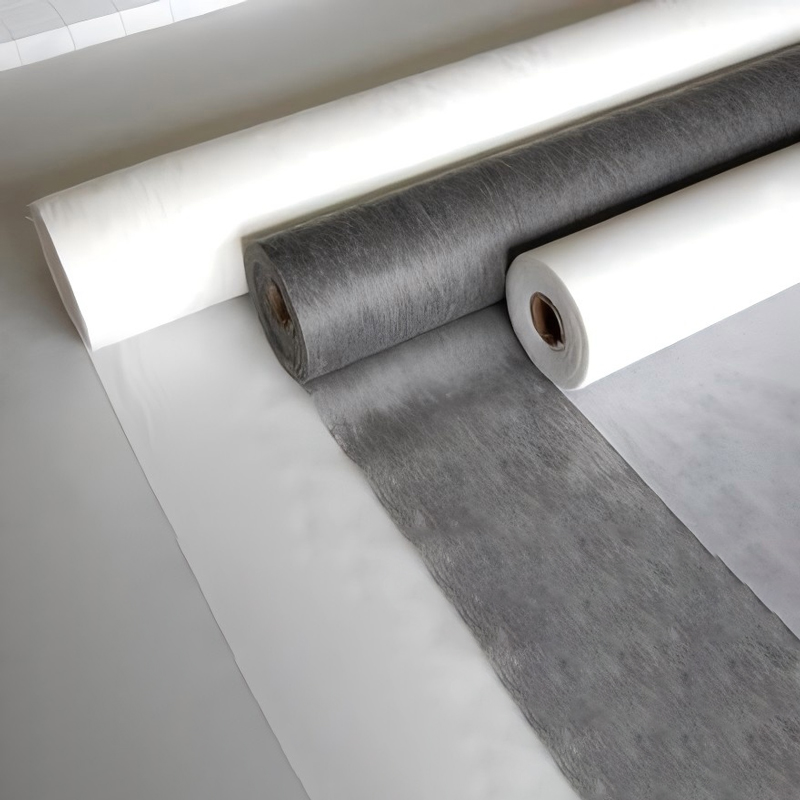 Nonwoven Interlining
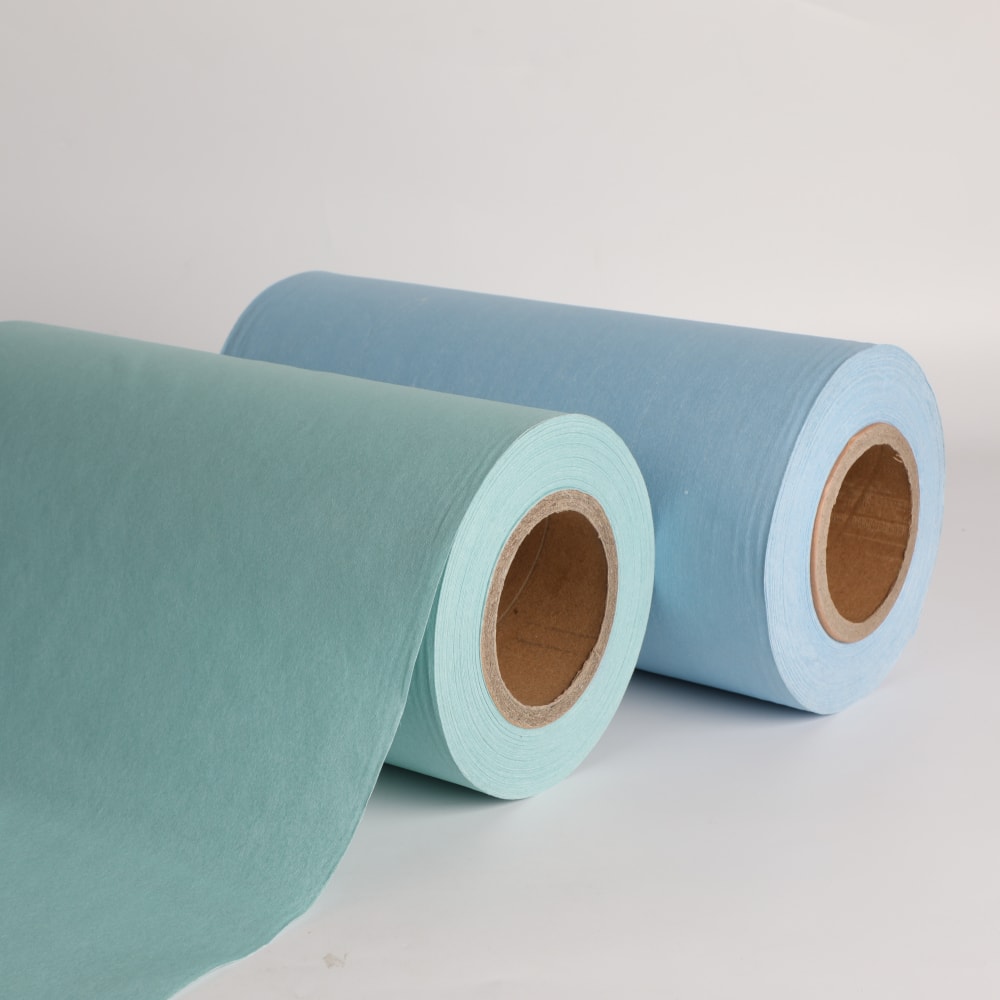 Fluid Repellent Woodpulp Spunlace Nonwoven
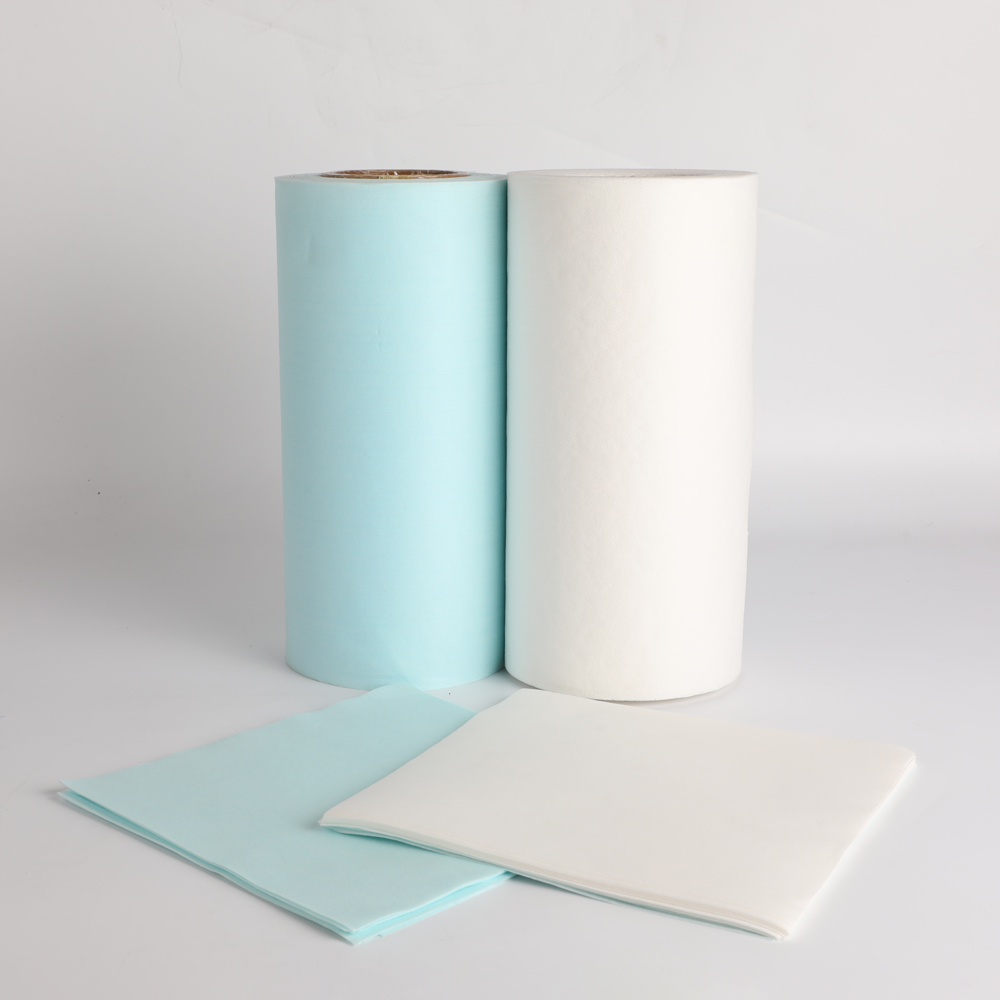 Woodpulp Nonwoven Wipe
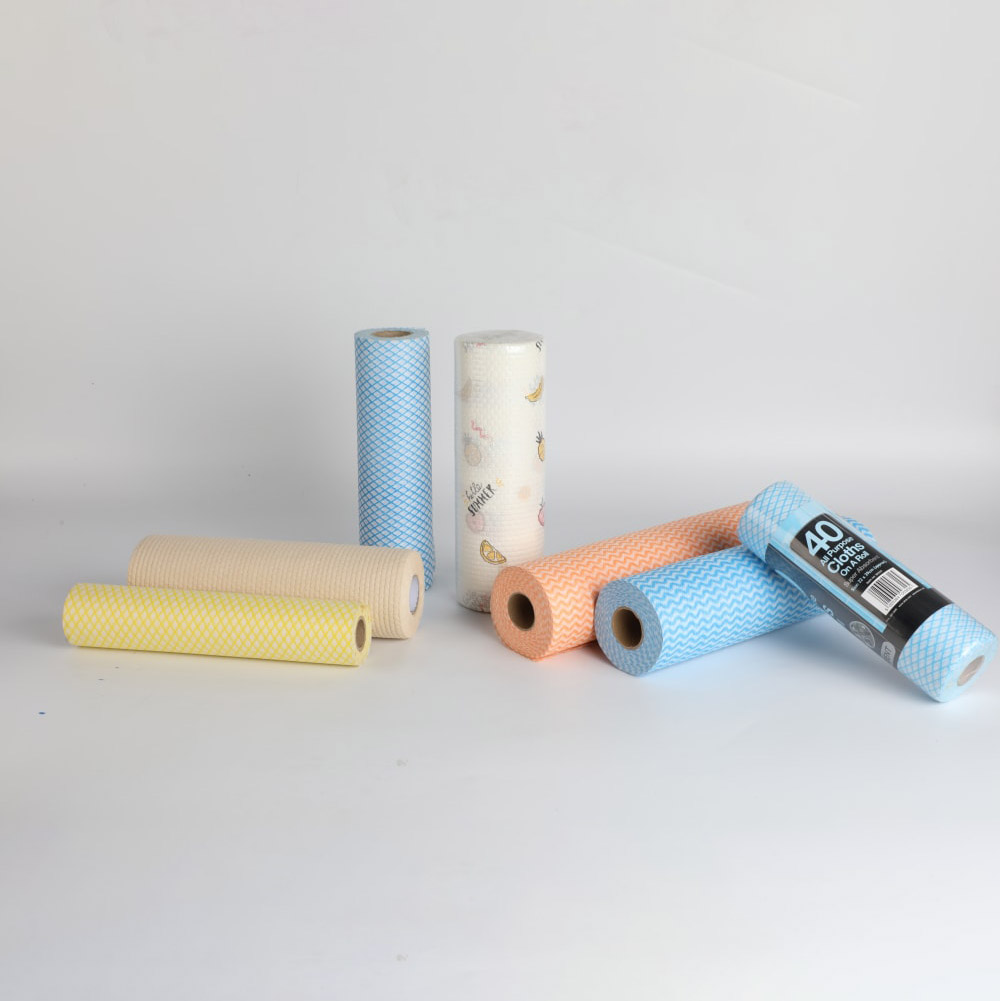 Nonwoven Cleaning Wipe
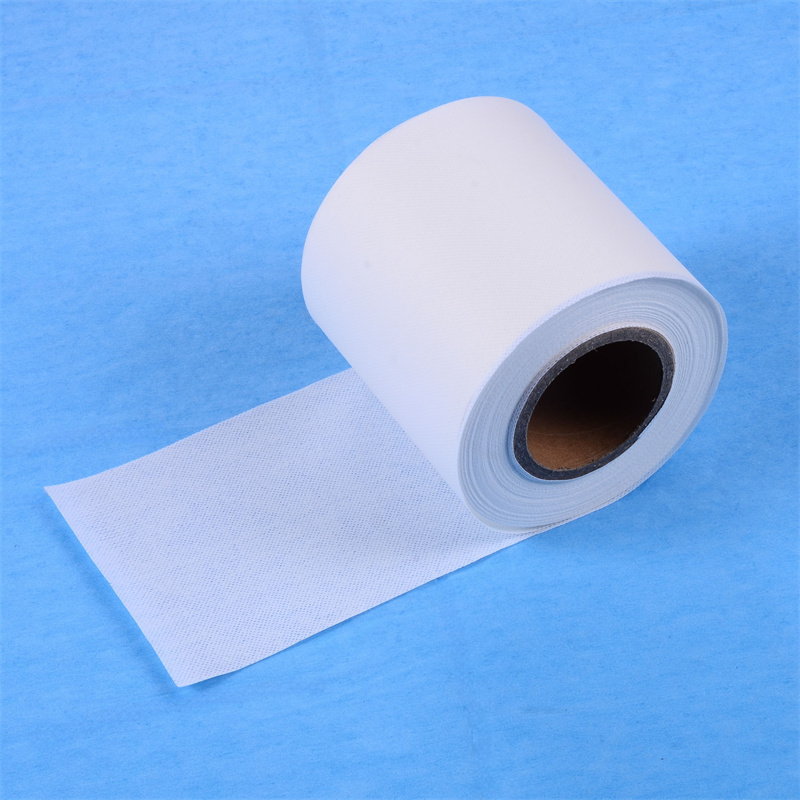 Flame Retardant Nonwoven Fabric
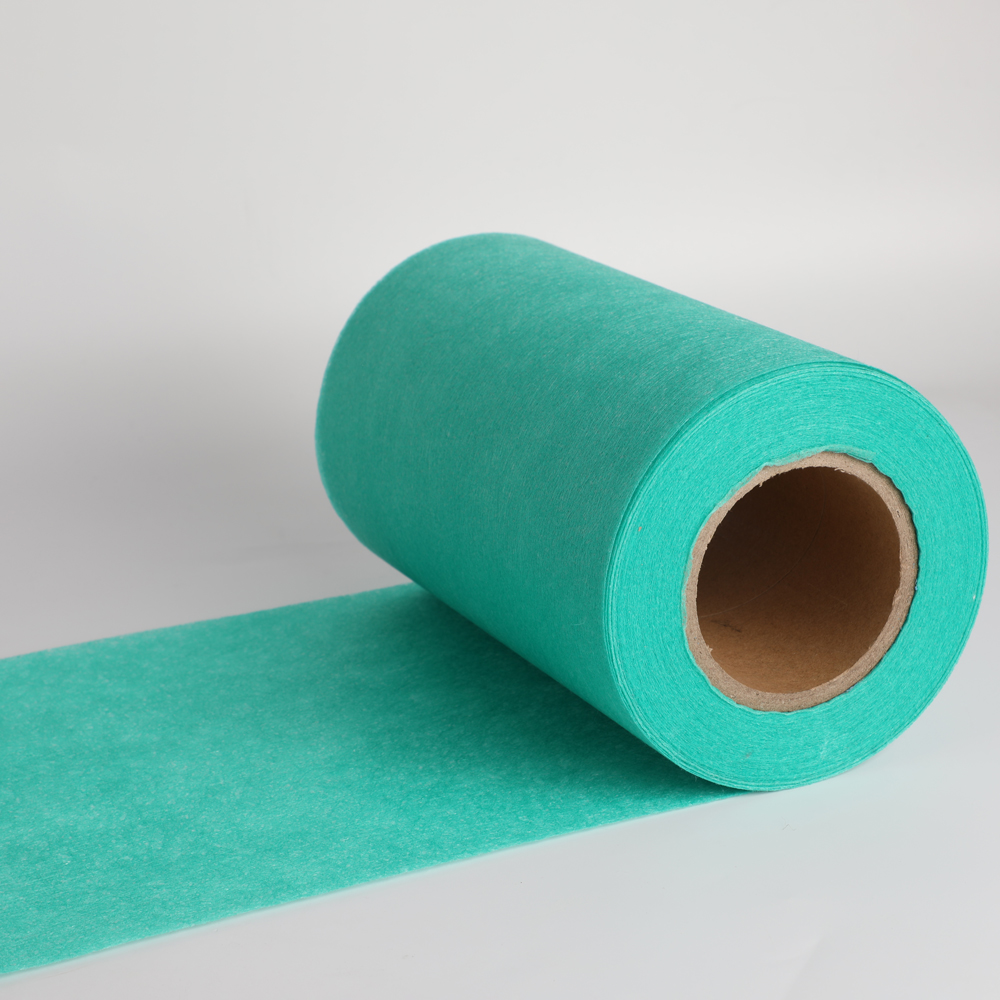 Anti-Bacterial Nonwoven
 CONTACT WhatsApp
 CONTACT WeChat
 CONTACT NUMBER
 CONTACT EMAIL