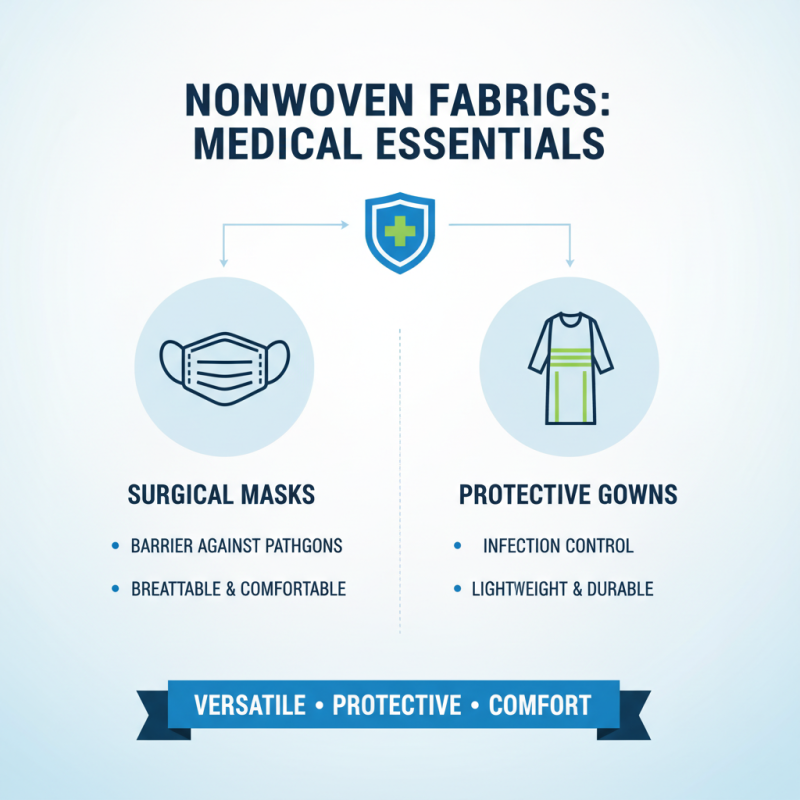
What is Nonwoven Fabric for Medical Use? Benefits and Applications Explained
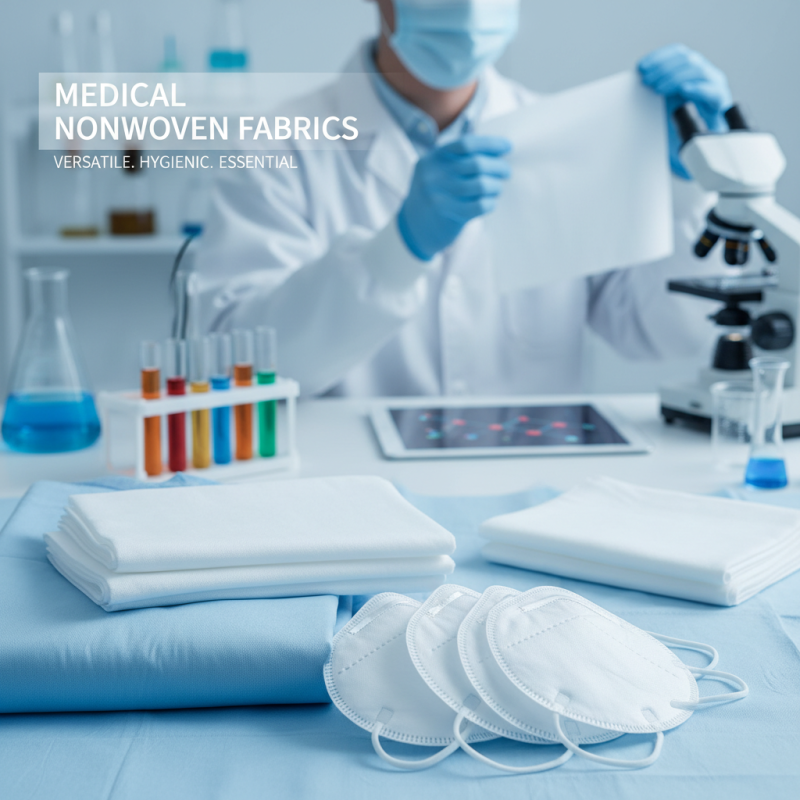
Nonwoven fabric has emerged as a vital component in the medical industry, offering unique advantages that traditional textiles cannot match. According to Dr. Emily Carter, a leading expert in biomedical materials, "Nonwoven for medical fabric is revolutionizing the way we approach hygiene and patient care through its versatility and performance." This statement encapsulates the growing recognition of nonwoven fabrics in various medical applications, from surgical gowns to face masks and drapes.
The inherent properties of nonwoven fabrics, such as their lightweight composition, breathability, and resistance to liquid and microbial penetration, position them as indispensable in maintaining healthcare standards. These fabrics not only ensure the safety of medical personnel but also enhance patient comfort. As the demand for effective medical materials continues to rise, the exploration of nonwoven fabric for medical use is becoming increasingly critical.
Through understanding the benefits and extensive applications of nonwoven fabrics in medicine, professionals and institutions can make informed choices to improve overall healthcare outcomes. This overview will delve deeper into the characteristics that make nonwoven for medical fabric a preferred option in today's healthcare landscape, highlighting its role in fostering a safer and more efficient medical environment.
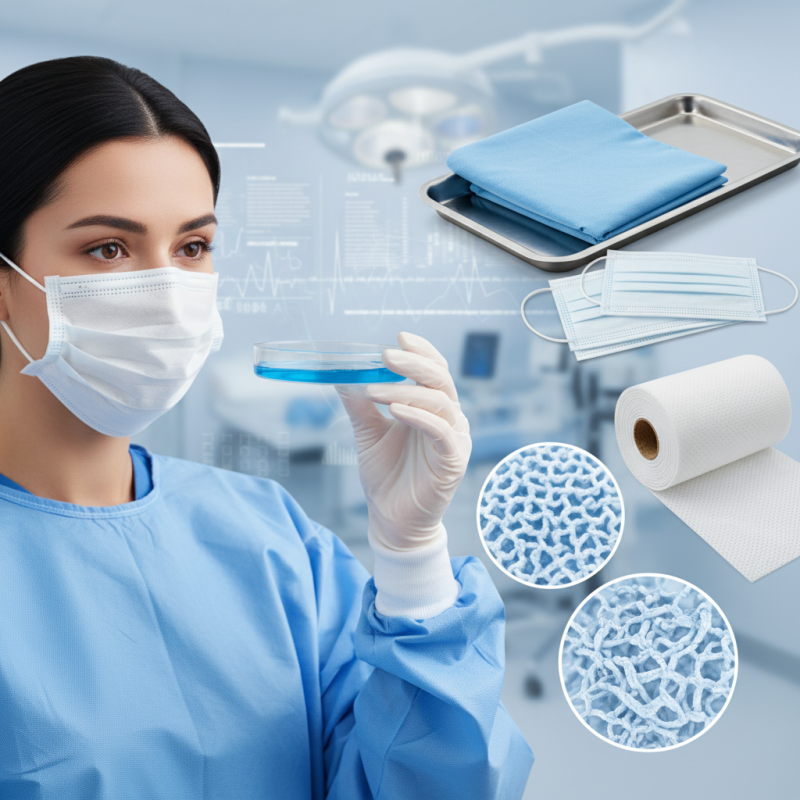
Definition and Composition of Nonwoven Fabric for Medical Use
Nonwoven fabric is a versatile material extensively used in the medical sector due to its unique properties and composition. Unlike traditional woven fabrics, nonwoven fabric is manufactured through a process that entangles fibers together, thereby forming a cohesive sheet. This process can involve various techniques such as dry laying, wet laying, or melt blowing, each contributing to distinct characteristics. The choice of fibers—ranging from synthetic polypropylene to natural fibers—allows manufacturers to tailor the fabric's attributes, such as permeability, fluid resistance, and softness, which are essential for medical applications.
The benefits of nonwoven fabric in medical use are numerous. According to a report by the Freedonia Group, the demand for nonwoven medical textiles is expected to grow by approximately 6% annually through 2024, primarily driven by increasing healthcare expenditures and a rising emphasis on patient safety. Nonwoven fabrics are particularly favored for disposable products, such as surgical gowns, masks, and drapes, due to their cost-effectiveness and ability to provide effective barriers against bacteria and fluids. Additionally, the lightweight nature and breathability of nonwoven materials significantly enhance patient comfort, making them ideal for use in various medical settings, including hospitals and clinics.
Key Benefits of Nonwoven Fabrics in Healthcare Applications
Nonwoven fabrics have transformed the healthcare industry with their unique properties and versatility. One of the key benefits of nonwoven fabrics is their excellent barrier protection, which is crucial in medical settings to prevent the spread of infections. These materials serve as effective shields against fluids, pathogens, and particulate matter, making them ideal for various applications like surgical gowns, masks, and patient drapes. Their lightweight nature also contributes to comfort for both healthcare providers and patients, ensuring that essential tasks can be performed without hindrance.
In addition to barrier protection, nonwoven fabrics offer significant cost-effectiveness. These materials can be produced rapidly and in large quantities, reducing overall production costs compared to traditional textiles. Furthermore, they can be designed to be disposable, which enhances convenience in infection control practices. Healthcare facilities benefit from lower laundry costs and reduced risks associated with reusable fabrics, ultimately leading to improved operational efficiency.
Tips: When selecting nonwoven fabrics for medical use, consider factors such as fluid resistance, breathability, and durability. Understanding these characteristics can help in choosing the right fabric for specific applications, ensuring both efficacy and comfort in a clinical setting. Always prioritize materials that meet healthcare standards to maintain safety and compliance.
Key Benefits of Nonwoven Fabrics in Healthcare Applications
Comparison of Nonwoven Fabrics vs. Traditional Textiles in Medical Use
Nonwoven fabrics have gained significant traction in the medical field due to their unique properties and versatile applications. Unlike traditional textiles, which are made from woven or knitted fibers, nonwoven fabrics are produced by bonding fibers together through mechanical, thermal, or chemical processes. This method of production offers distinct advantages in medical settings, particularly in terms of sterility, breathability, and fluid resistance. Nonwoven materials are engineered to be lightweight yet durable, making them suitable for a variety of medical applications, from surgical gowns to wound dressings.
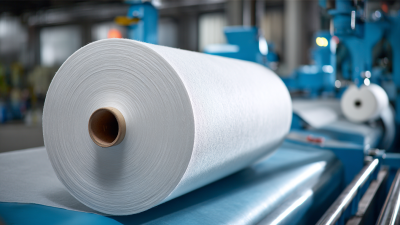
In comparison to traditional textiles, nonwoven fabrics are generally more cost-effective and efficient to produce. They can be manufactured in large rolls, allowing for easy cutting and shaping to meet specific medical needs. Additionally, nonwovens provide a higher level of hygiene and safety, as they can be designed to be single-use, drastically reducing the risk of cross-contamination in healthcare environments. Traditional textiles, while reusable and often more comfortable, require extensive cleaning and sterilization processes, which can be time-consuming and labor-intensive. Overall, the benefits of nonwoven fabrics make them an increasingly popular choice in the medical sector, addressing both operational efficiency and patient safety.
What is Nonwoven Fabric for Medical Use? Benefits and Applications Explained
| Aspect |
Nonwoven Fabrics |
Traditional Textiles |
| Material Composition |
Polypropylene, Polyester, Rayon |
Cotton, Linen, Silk |
| Production Process |
Heat and pressure bonding |
Weaving and knitting |
| Cost |
Generally lower cost |
Usually higher cost |
| Biocompatibility |
High level |
Varies based on type |
| Durability |
Good tensile strength |
Can be less durable |
| Applications |
Surgical gowns, masks, drapes |
Bed linens, uniforms |
| Water Resistance |
High level of water resistance |
Varies, generally lower |
| Environmental Impact |
Can be recyclable |
Biodegradable options exist |
Statistical Insights: Market Growth and Demand for Medical Nonwovens
The demand for medical nonwoven fabrics has seen significant growth in recent years, driven by their versatility and crucial applications in the healthcare industry. These materials, which are typically made from synthetic fibers, offer an array of benefits including enhanced breathability, light weight, and excellent fluid resistance. As healthcare providers shift towards more efficient and hygienic solutions, nonwoven fabrics have emerged as a preferred choice for products such as surgical gowns, drapes, and masks.
Market statistics reveal a robust expansion trajectory for medical nonwovens, with an increasing focus on infection control and patient safety propelling their use. According to industry analyses, the global market for medical nonwoven fabrics is expected to witness steady growth, driven by rising healthcare expenditures and a heightened awareness of hygiene practices. Moreover, the adoption of nonwoven materials in advanced wound care and disposable medical supplies further underscores their importance in modern medical applications.
Tips: When selecting medical nonwoven products, consider their specific use case and the required properties like fluid resistance and breathability. It's also advisable to stay updated on industry trends and technological advancements, as these can influence product quality and availability in the market. Engaging with healthcare professionals can provide insights into the best practices for utilizing nonwovens effectively in clinical settings.
Common Applications of Nonwoven Fabrics in the Medical Industry
Nonwoven fabrics have become essential in the medical industry due to their versatile applications and beneficial properties. One of the most common uses of nonwoven fabrics is in the production of surgical masks and protective gowns. These textiles provide an effective barrier against pathogens, ensuring safety for both healthcare professionals and patients. The lightweight and breathable nature of nonwoven materials enhances comfort during prolonged use, making them invaluable during surgical procedures and while attending to patients.
Additionally, nonwoven fabrics are extensively utilized in wound care products such as dressings and bandages. Their ability to absorb exudate while allowing moisture vapor transfer promotes a conducive healing environment. Moreover, the antibacterial properties often incorporated into nonwoven materials help reduce the risk of infection. In settings such as hospitals and clinics, these fabrics play a crucial role in hygiene management, as they can easily be disposed of after a single use, thereby minimizing cross-contamination risks and supporting effective infection control practices.

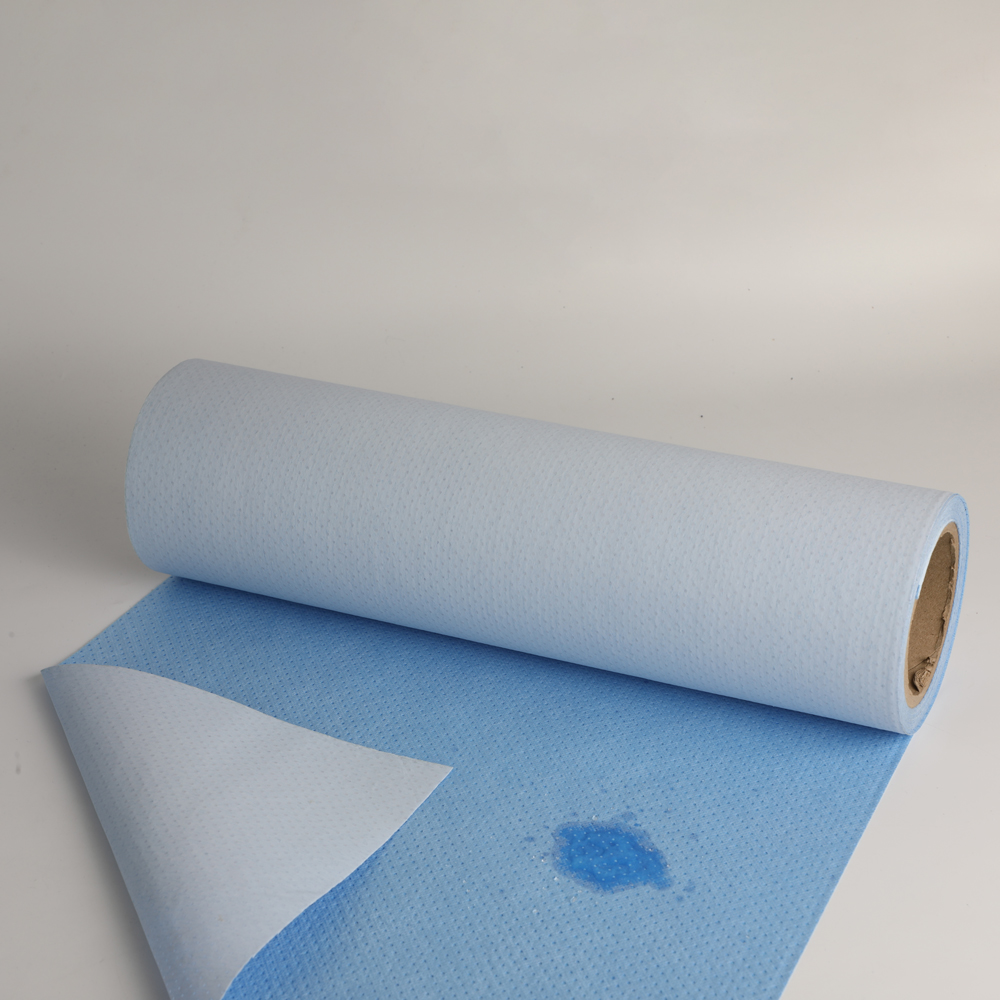 Multi Laminates
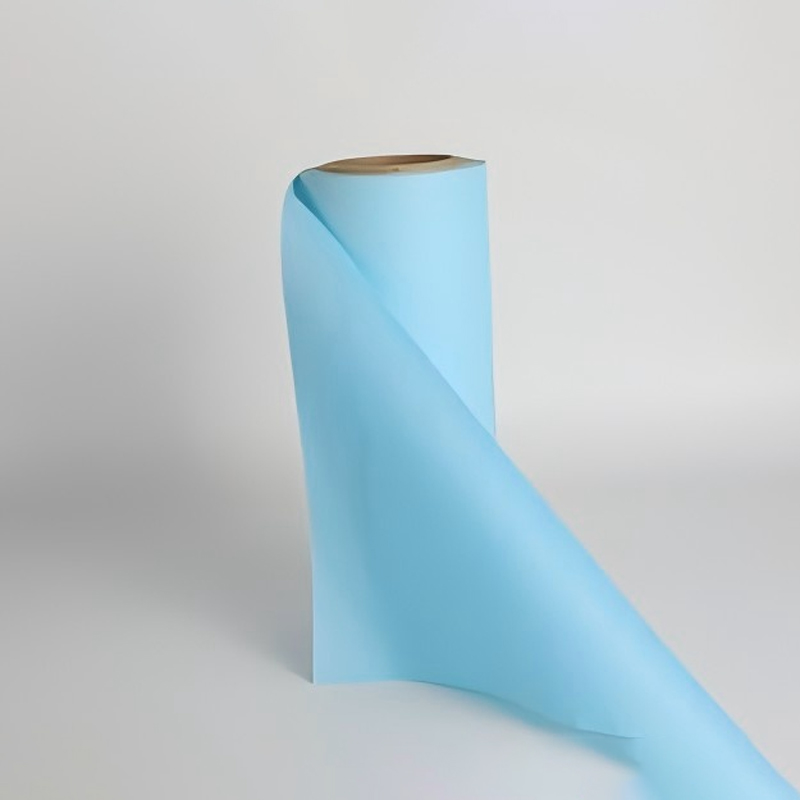 Spunlace Nonwoven Laminates
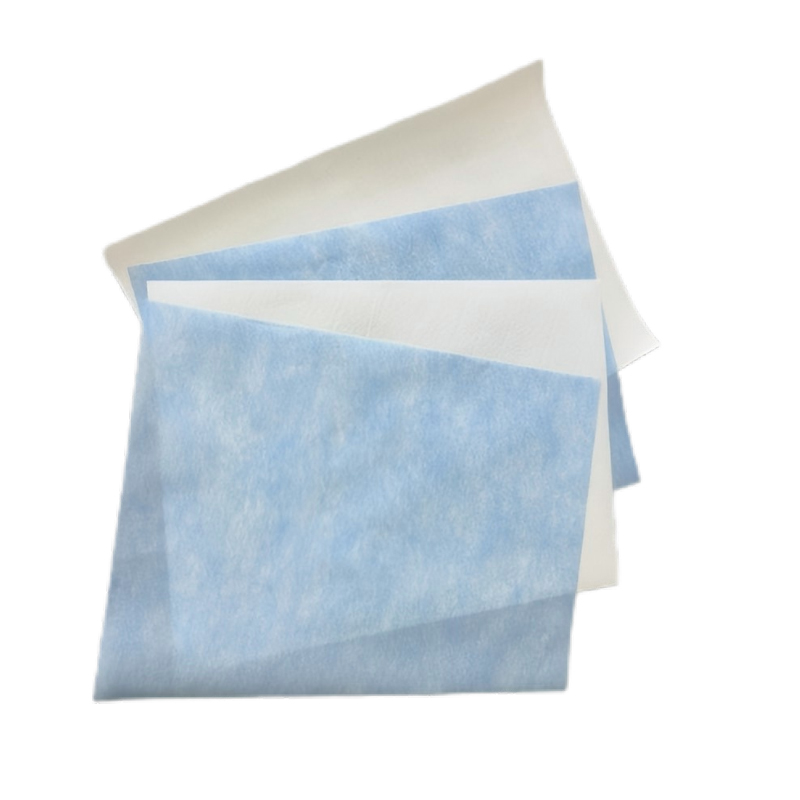 Breathable Film Laminates
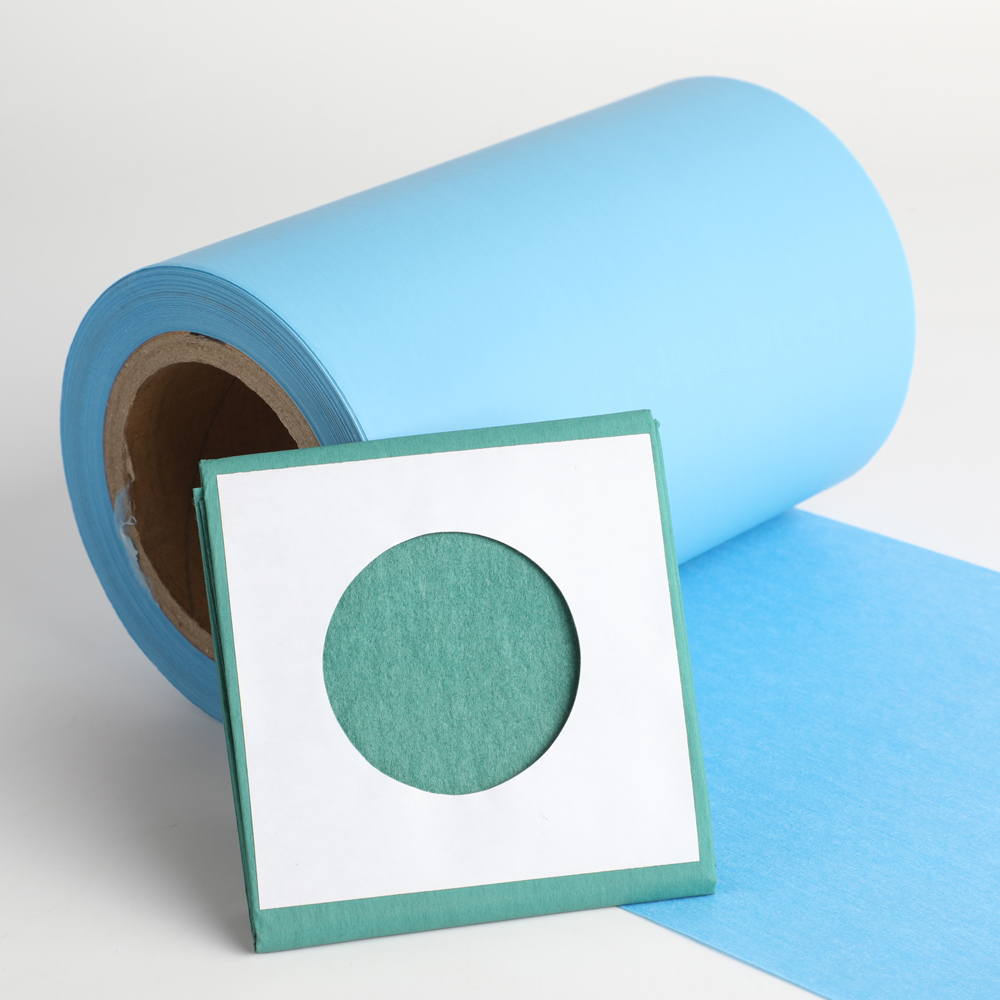 Viscose Laminates
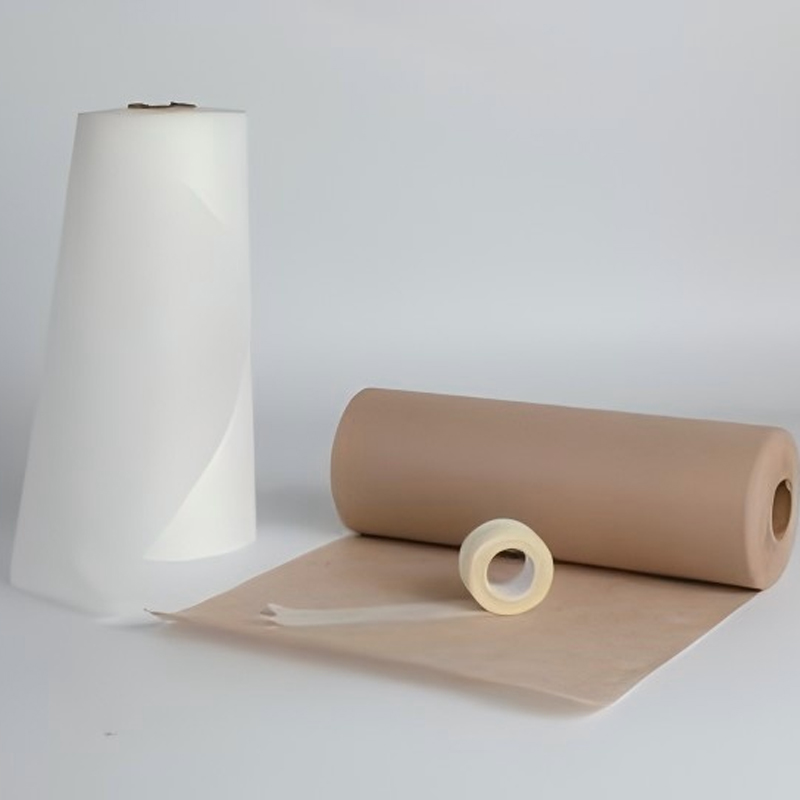 Medical Tape Nonwoven
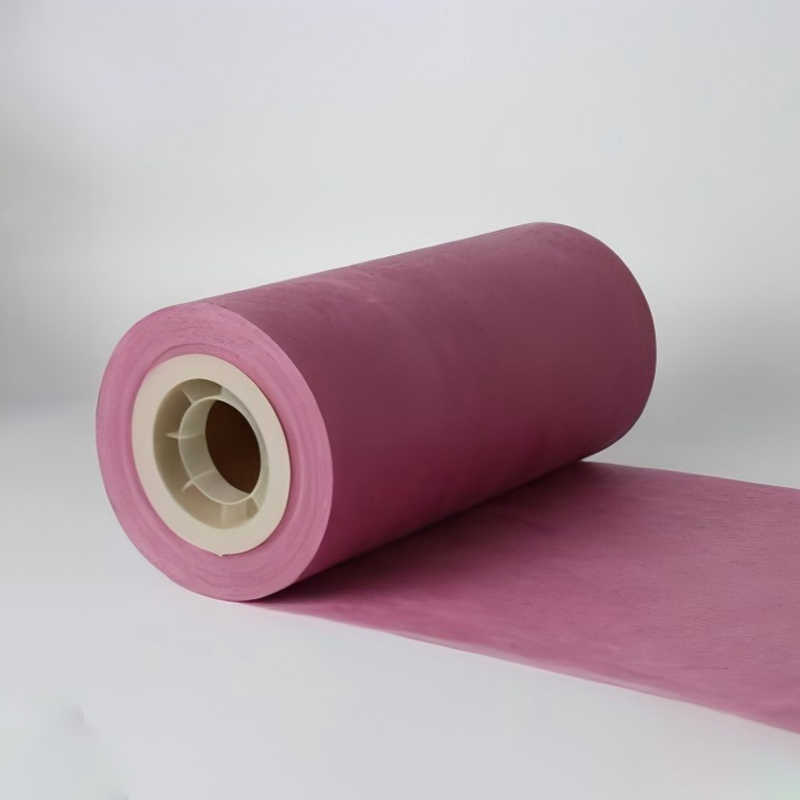 Filtration Nonwoven
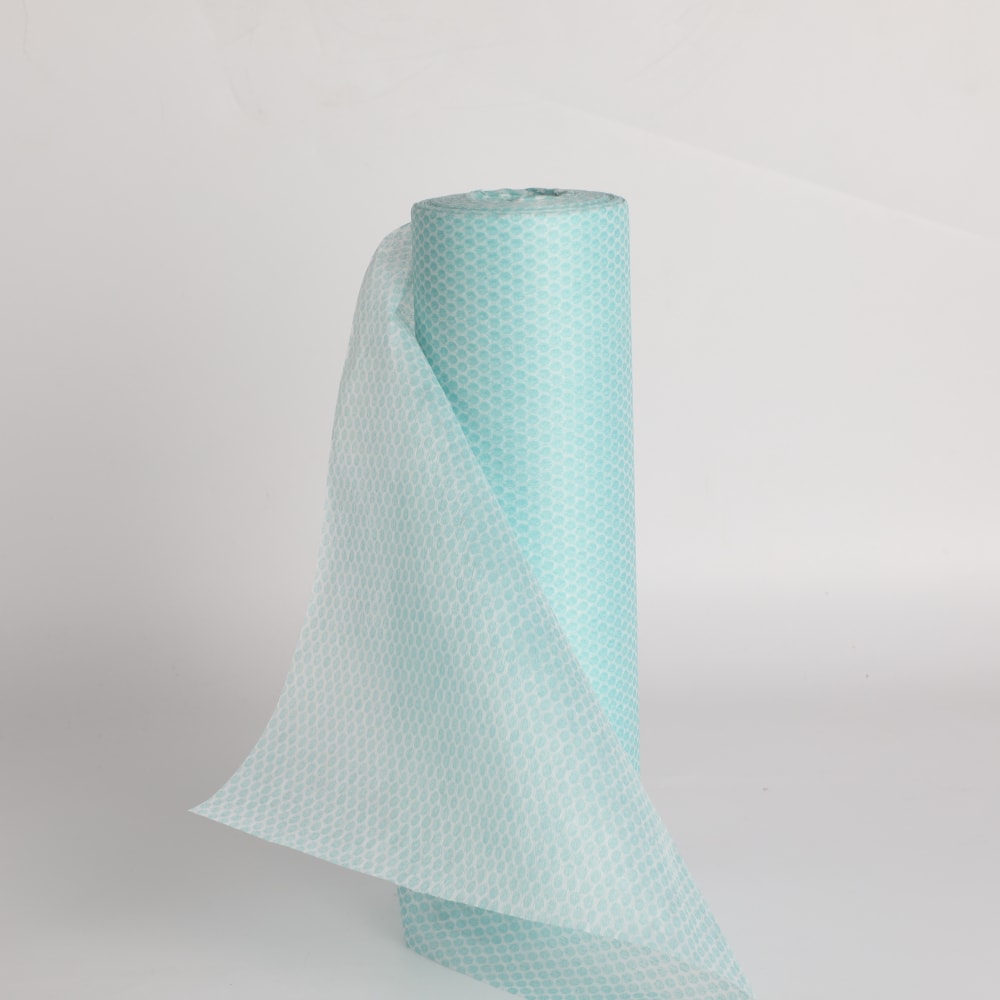 Head Wear Nonwoven
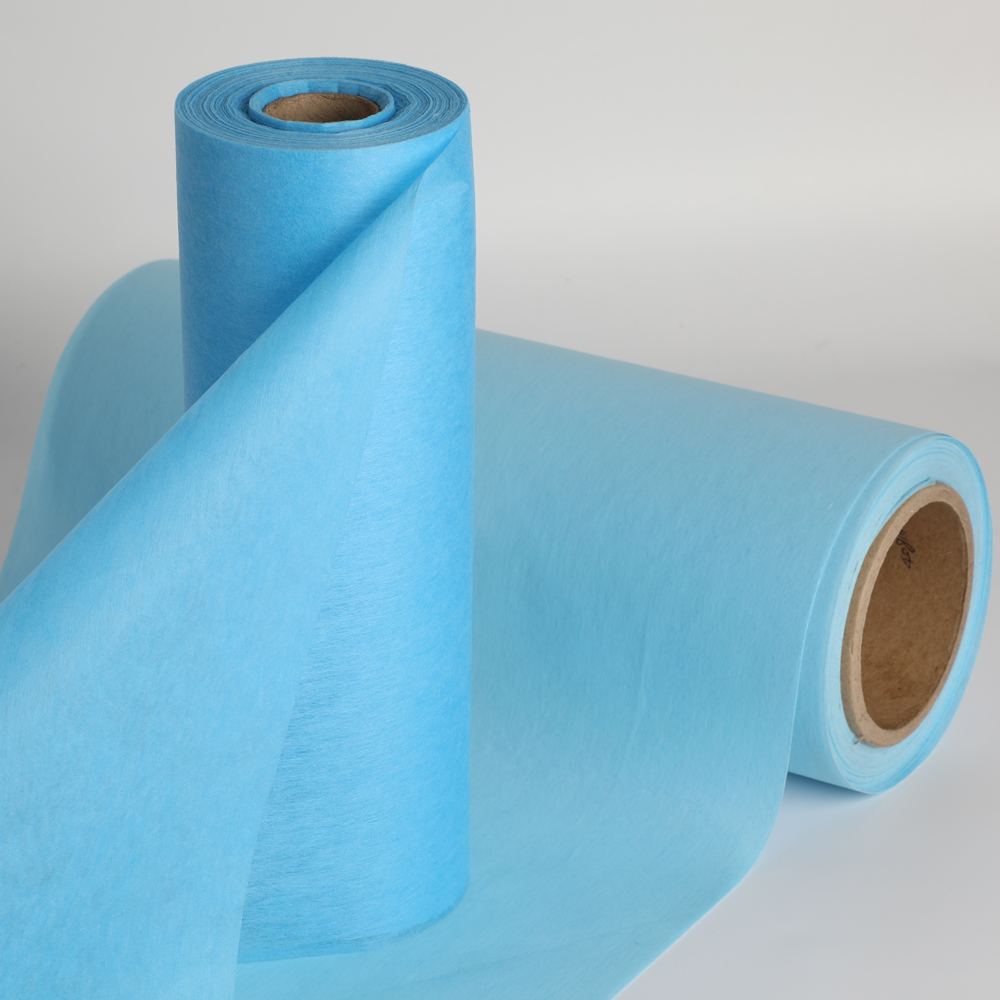 Medical Viscose Nonwoven
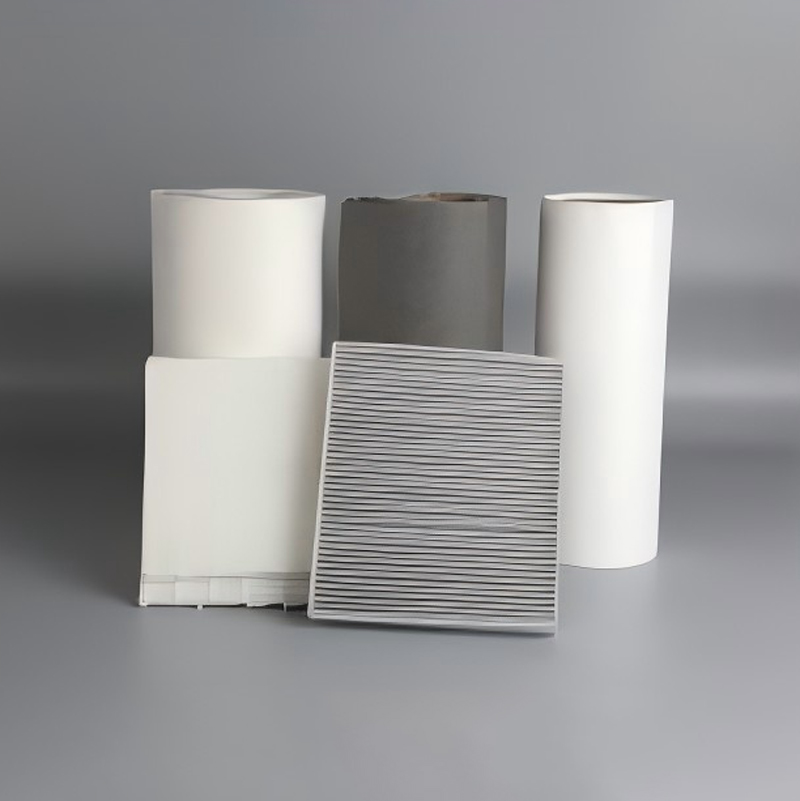 Air Filter Media
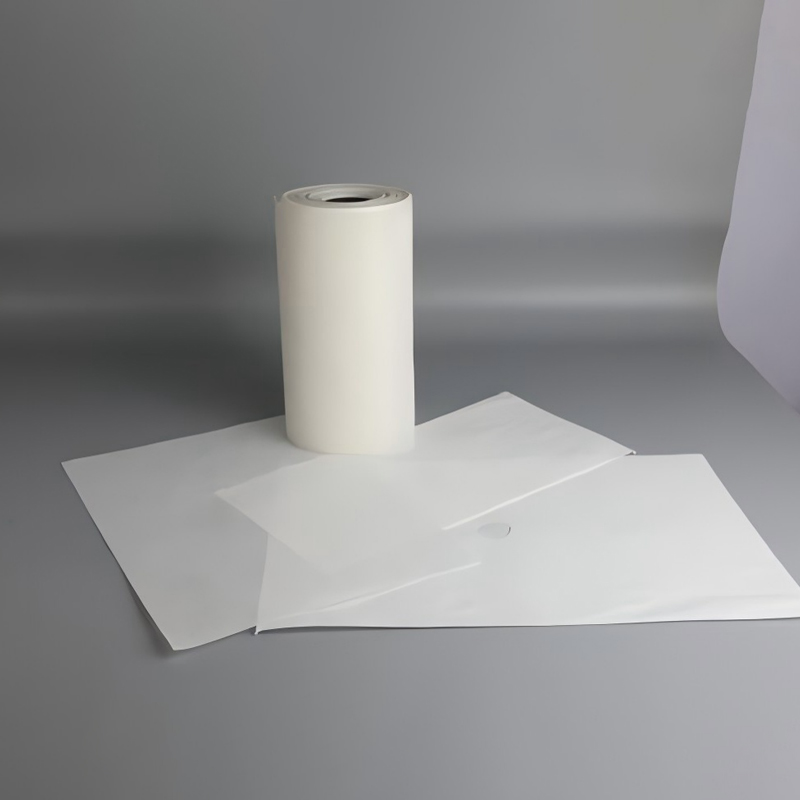 Liquid Filter Media
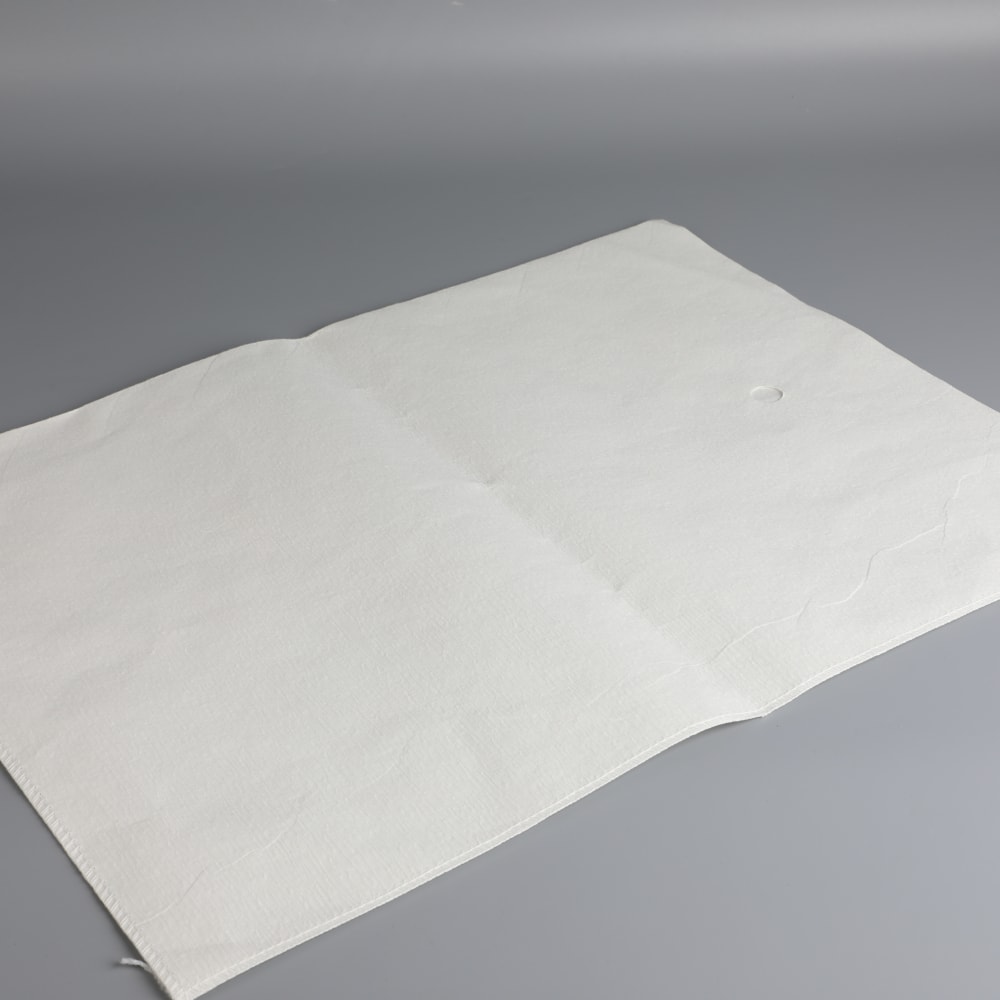 Filter Envelope & Filter Sheet
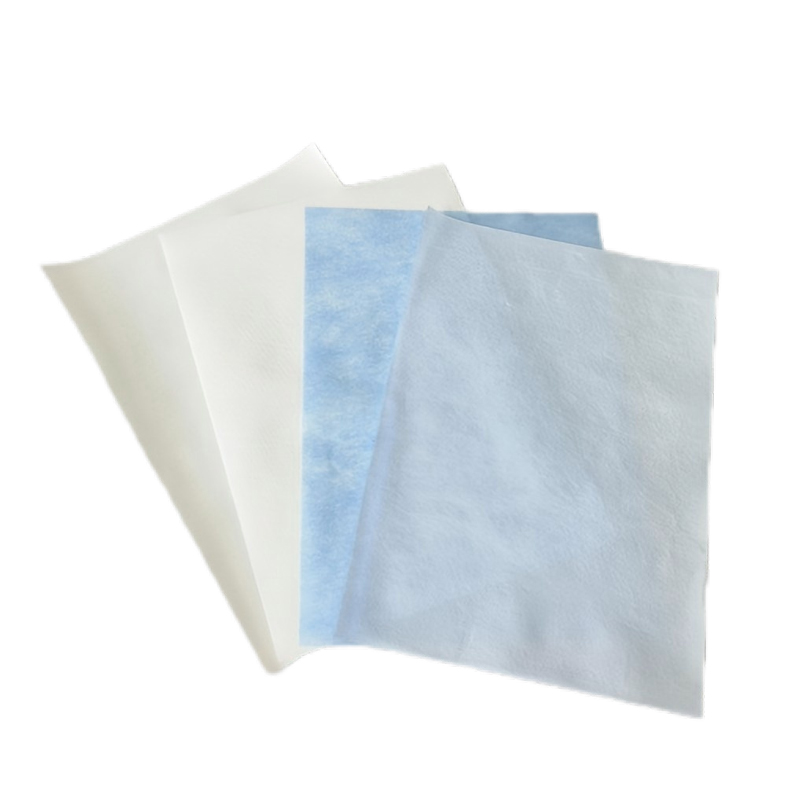 Breathable Film Laminates
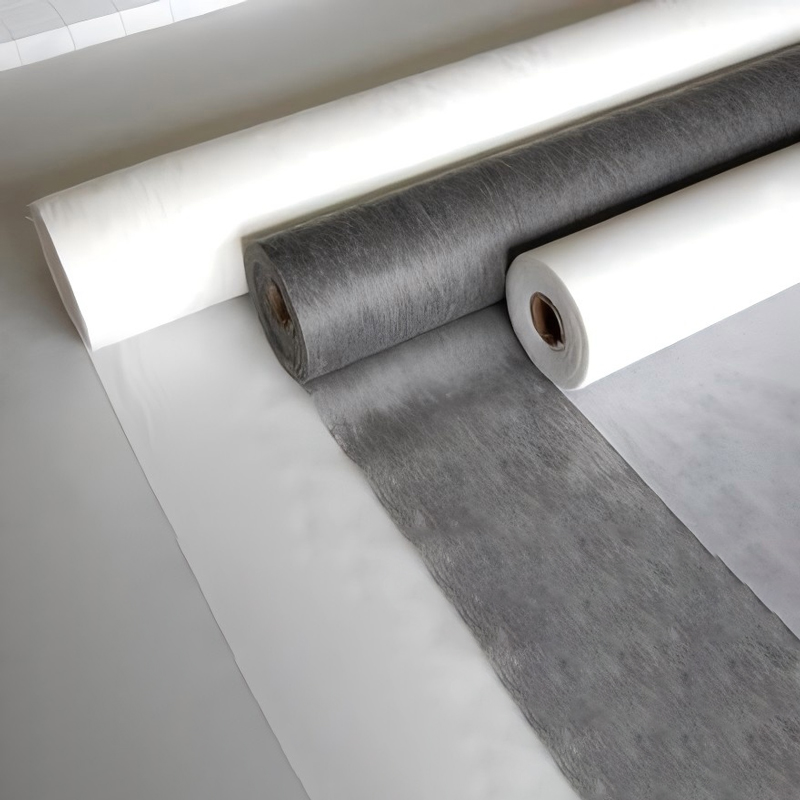 Nonwoven Interlining
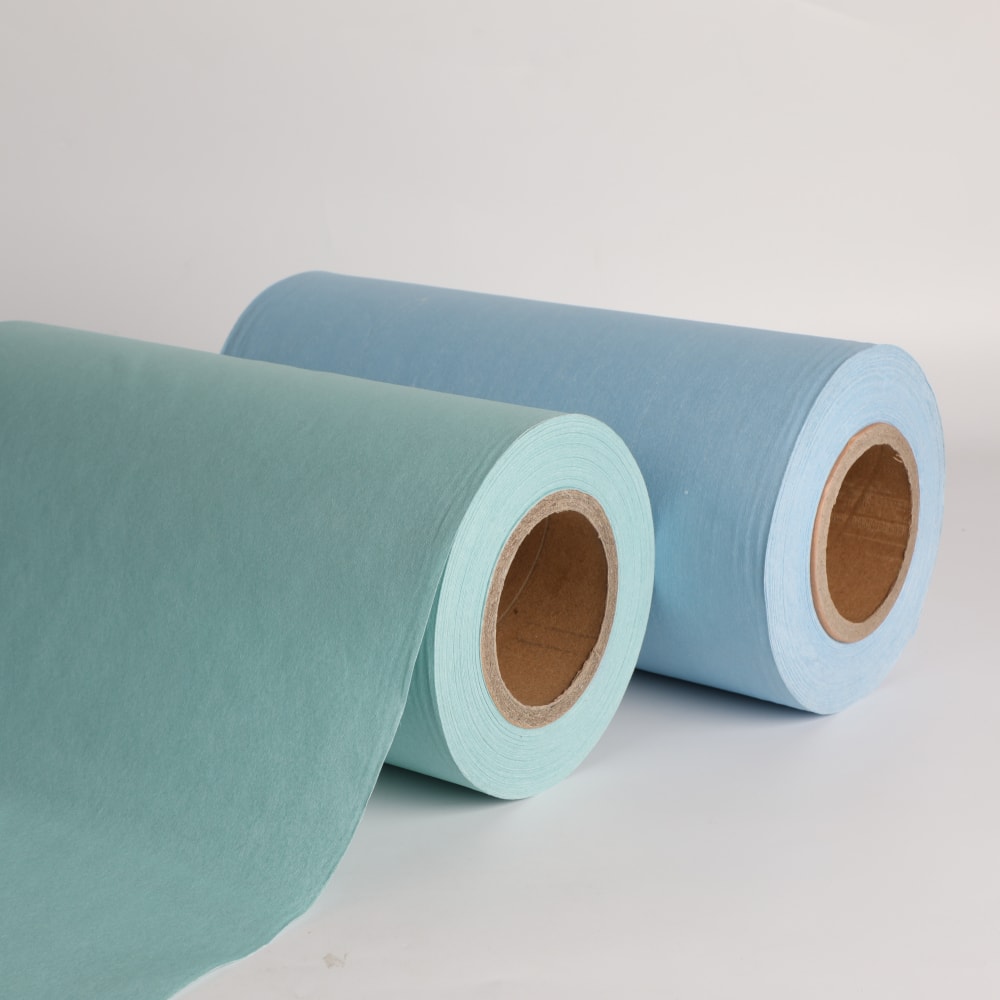 Fluid Repellent Woodpulp Spunlace Nonwoven
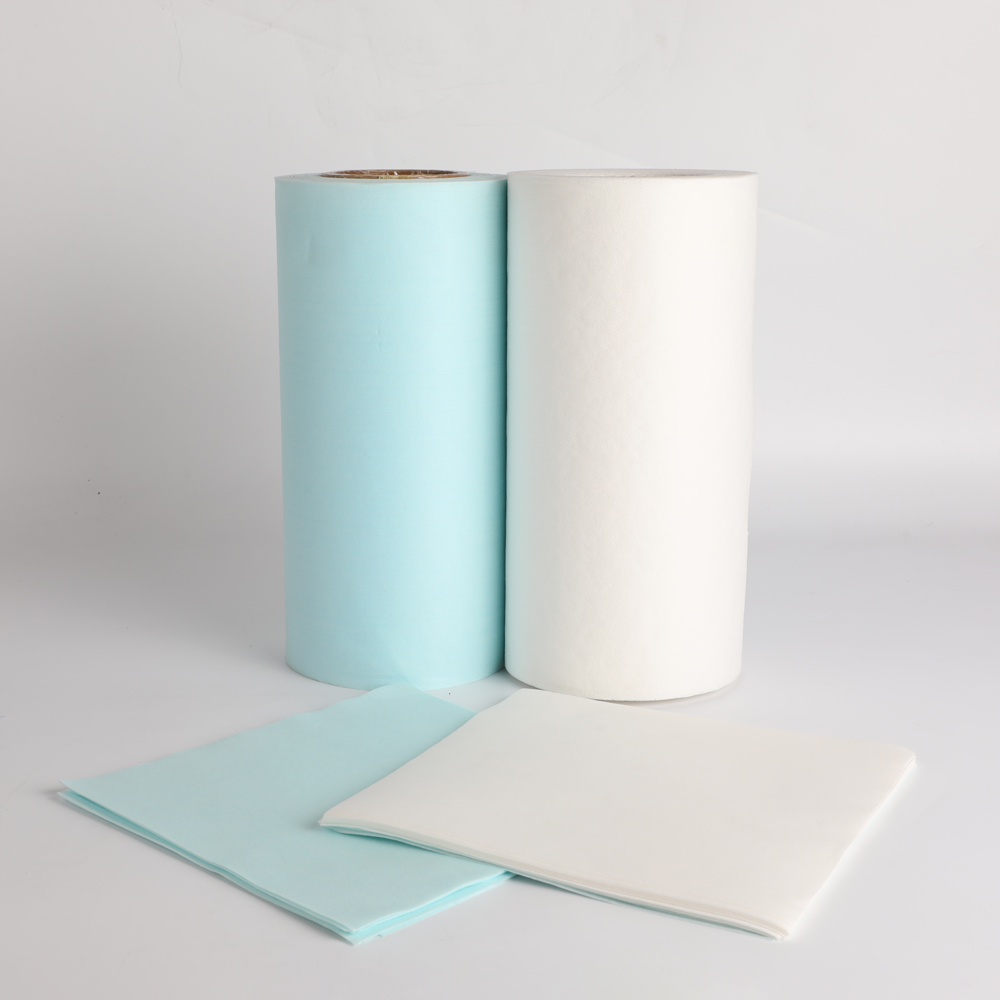 Woodpulp Nonwoven Wipe
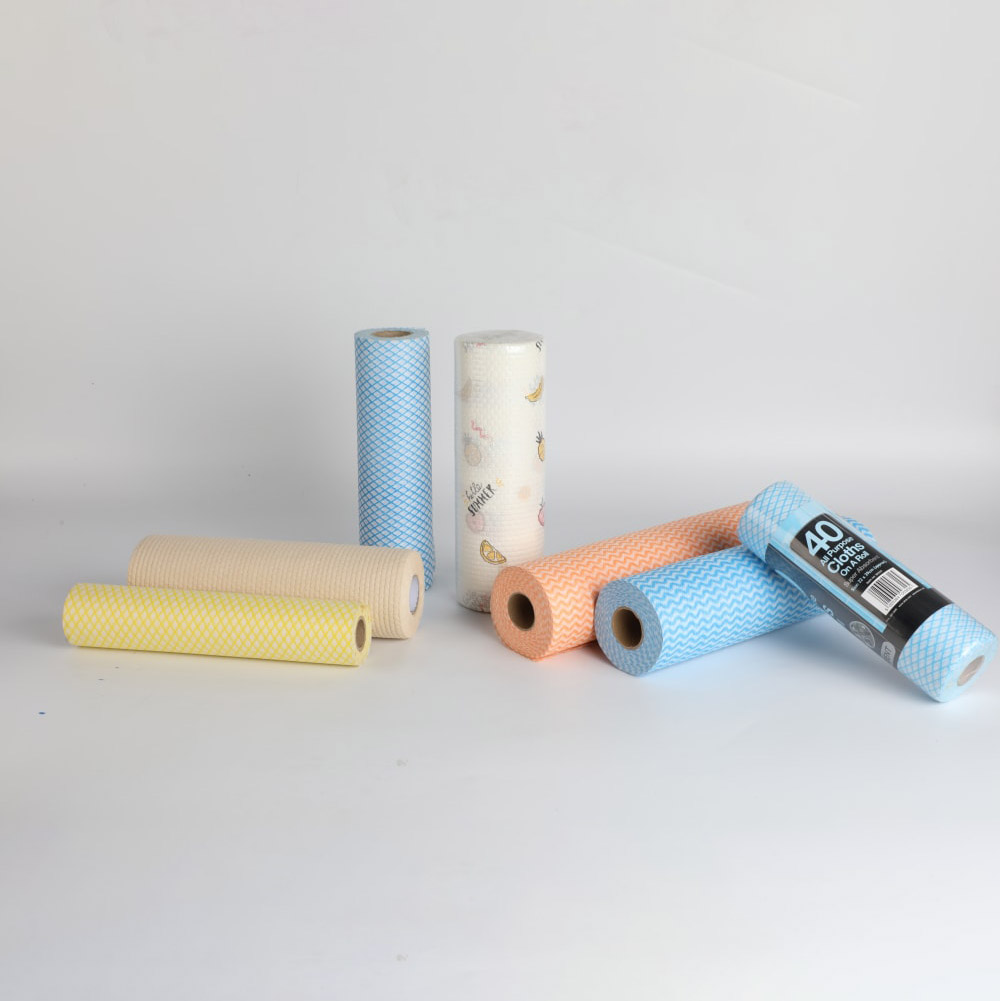 Nonwoven Cleaning Wipe
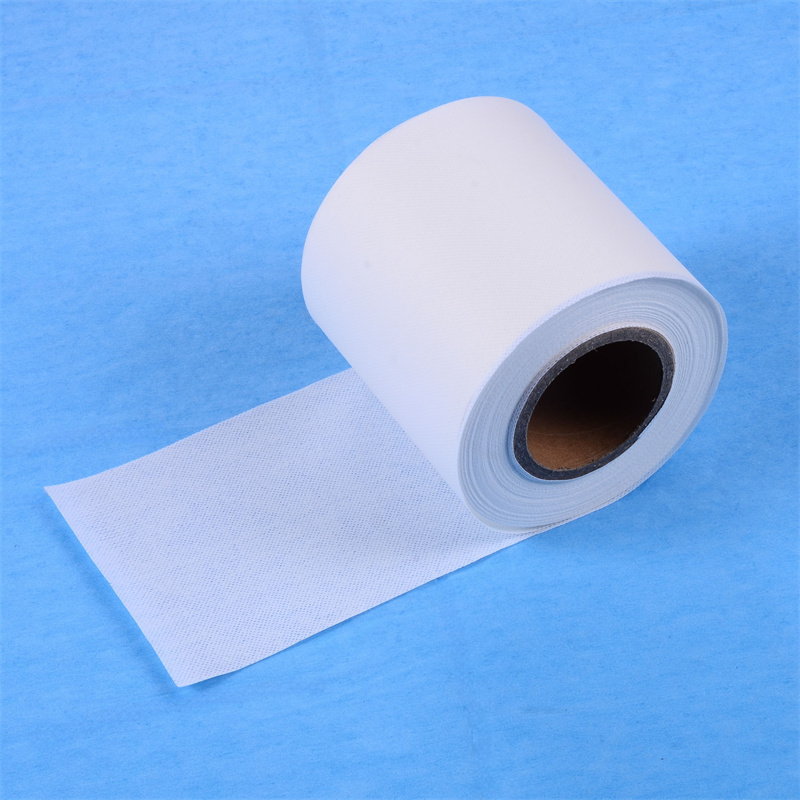 Flame Retardant Nonwoven Fabric
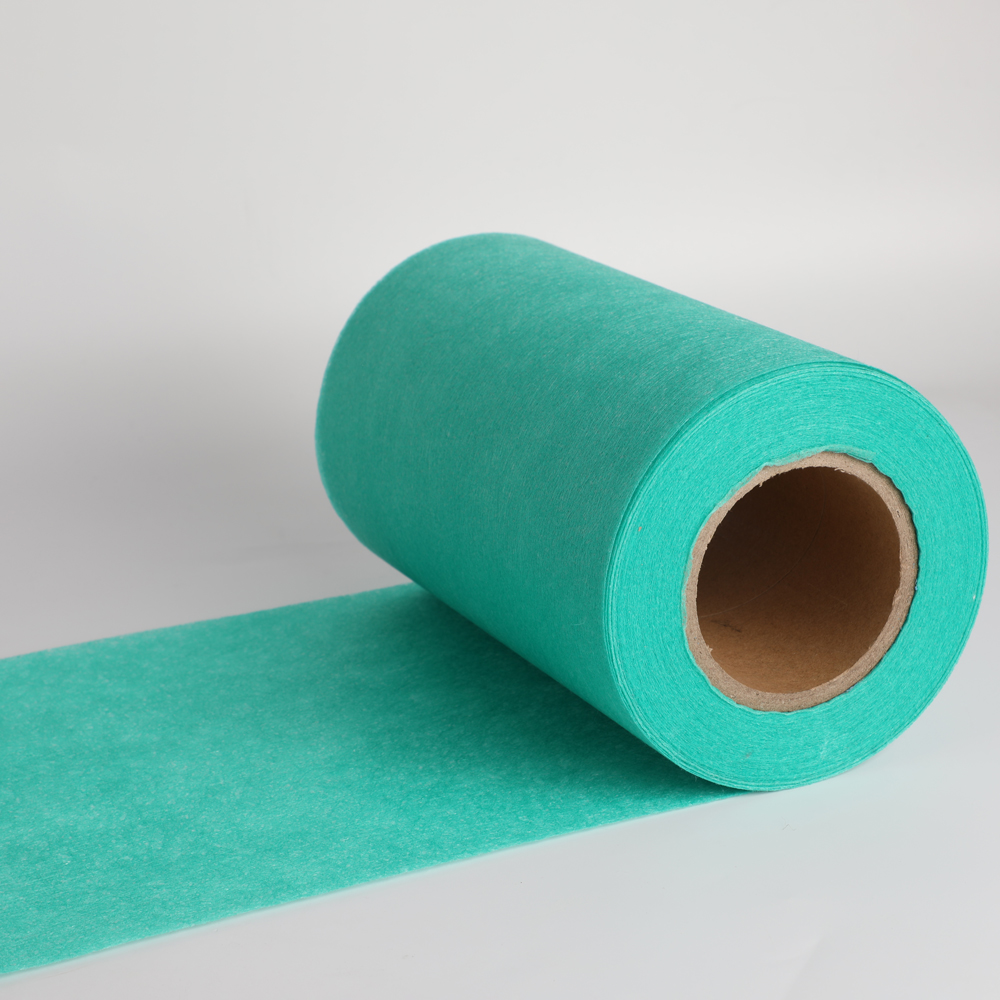 Anti-Bacterial Nonwoven
 CONTACT WhatsApp
 CONTACT WeChat

 CONTACT NUMBER
 CONTACT EMAIL