Why Nonwoven Fabric For Furniture is the Perfect Choice for Your Home?
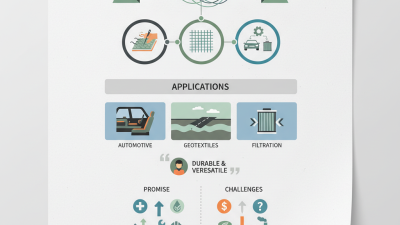
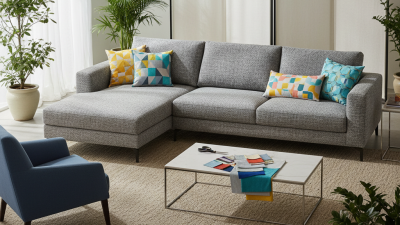
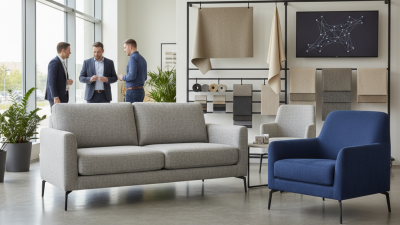
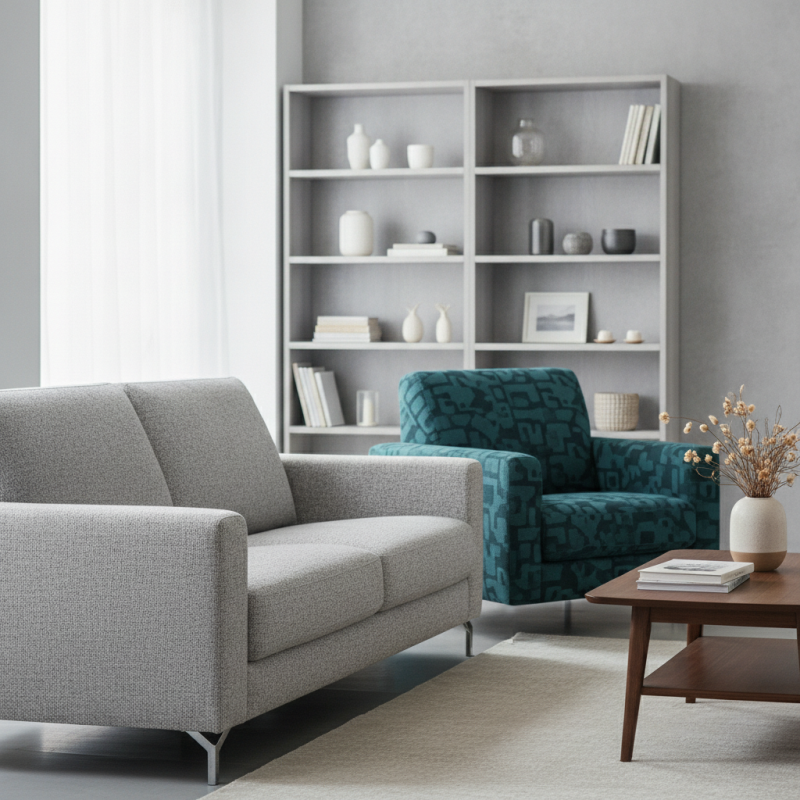
In today's home design landscape, choosing the right materials is crucial. Experts agree that one standout option is Nonwoven Fabric For Furniture. Dr. Sarah Thompson, a leading authority in textile engineering, emphasizes, "Nonwoven fabrics bring versatility and durability to modern furniture designs." This innovative material is not only stylish but also practical.
Nonwoven Fabric For Furniture offers several advantages. It is lightweight, which makes furniture easier to move. This type of fabric is resistant to stains, enhancing longevity. Homeowners appreciate that nonwoven fabrics can come in endless colors and patterns, allowing for personalization. However, not all nonwoven options are created equal; quality matters.
Despite these benefits, some may overlook the downsides. Nonwoven fabrics may not offer the same luxurious feel as traditional fabrics. It’s essential to weigh personal preferences against practical needs. Overall, Nonwoven Fabric For Furniture represents a blend of style and function for modern homes, but careful selection is key.
Benefits of Nonwoven Fabrics in Furniture Manufacturing
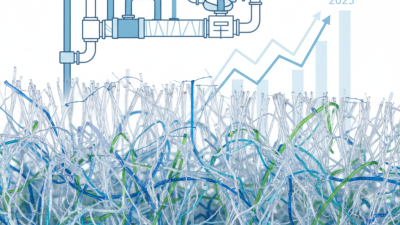
Nonwoven fabrics have gained popularity in furniture manufacturing due to their unique properties. According to a recent market report, the global nonwoven fabrics market was valued at approximately $49 billion in 2021 and is expected to grow significantly. This growth is largely driven by the rising demand for sustainable and durable materials in the home furnishing sector.
One of the key benefits of nonwoven fabric is its versatility. These materials can be engineered to meet specific requirements, such as water resistance and breathability. This adaptability makes them ideal for upholstery, as they can withstand everyday wear and tear. An estimated 30% of all furniture manufacturers are now incorporating nonwoven materials in their designs, reflecting a shift in consumer preferences toward longevity and environmental responsibility.
Nonwoven fabrics are also lightweight yet strong, with a tensile strength that can exceed that of many traditional textiles. This strength contributes to their longevity in furniture applications. However, challenges remain. Not all nonwoven options are created equal, and quality can vary widely across suppliers. Consumers may need to conduct thorough research to find reliable options that meet their aesthetic and functional needs.
Why Nonwoven Fabric For Furniture is the Perfect Choice for Your Home? - Benefits of Nonwoven Fabrics in Furniture Manufacturing
| Benefit |
Description |
Durability |
Maintenance |
| Lightweight |
Easy to handle and transport, making it ideal for various furniture designs. |
High resistance to wear and tear, ensuring a longer lifespan. |
Typically requires simple cleaning methods, often just wiping with a damp cloth. |
| Breathability |
Allows air circulation, reducing moisture build-up and creating a comfortable environment. |
Holds up well to environmental factors, maintaining integrity over time. |
Resistant to odors and mold, minimizing the need for frequent deep cleaning. |
| Cost-Effective |
Economical choice for manufacturers and consumers, offering good quality at a lower price. |
Meets durability standards without high production costs. |
Lower replacement frequency leads to reduced overall costs. |
| Versatility |
Can be used in various furniture styles, accommodating diverse aesthetics. |
Durable against varying designs and applications. |
Easily maintained across many different types of furniture. |
Durability and Waterproof Properties of Nonwoven Furniture Fabric
When it comes to furniture, durability and waterproof properties are crucial. Nonwoven fabric stands out for its ability to withstand daily wear and tear. The tightly bonded fibers create a strong structure that resists punctures and tears. This material is also lightweight, making it easy to maneuver when rearranging your space.
Waterproof properties make nonwoven fabric an excellent choice for households with children or pets. Spills and accidents are inevitable, but nonwoven fabrics can repel liquids, preventing stains. This feature reduces cleaning time and enhances the longevity of your furniture. Imagine a couch that stays vibrant, even after a few messy moments.
**Tips:** Regular cleaning with a damp cloth can keep the fabric looking fresh. Consider using a fabric protector for extra defense against stains. Always test any cleaning solutions on a small area first to avoid damage. Nonwoven fabrics are generally easy to care for, but some may require specific maintenance. Always check guidelines to ensure you’re taking the best approach for your furniture.
Durability and Waterproof Properties of Nonwoven Furniture Fabric
Eco-Friendly Aspects of Nonwoven Materials for Home Furnishings
Nonwoven fabric is gaining popularity in home furnishings for its eco-friendly qualities. Made from synthetic fibers, these materials can be produced with minimal waste. The process does not involve spinning or weaving, which lowers energy consumption. This aligns well with sustainable living practices that many homeowners now prioritize.
Another advantage is the recyclability of nonwoven fabrics. Many can be repurposed or recycled after their lifecycle ends. This reduces landfill waste significantly. However, awareness around the recycling process is still limited. Homeowners should check local guidelines to ensure proper disposal. The challenge lies in the implementation of eco-friendly choices consistently.
Nonwoven fabrics also offer durability and longevity. They resist stains and wear, maintaining their look over time. This reduces the frequency of replacement, further supporting environmental goals. Yet, one should consider the environmental impact of the raw materials used. A deeper understanding is essential for making truly informed choices. The journey toward a fully sustainable home involves ongoing reflection and learning.
Cost-Effectiveness of Nonwoven Fabrics Compared to Traditional Upholstery
Nonwoven fabric is gaining traction in furniture upholstery. It combines durability with cost-effectiveness, making it a preferred choice for many homeowners. According to a recent study by the Nonwovens Institute, nonwoven fabrics can be up to 30% cheaper than traditional upholstery options. This significant cost reduction is primarily due to lower material and production costs.
Durability is another key factor. Nonwoven fabrics are often engineered for strength and resilience, with reports showing they can withstand more wear and tear compared to woven fabrics. This means fewer replacements over time, ultimately saving money in the long run. However, there are trade-offs. Some consumers may find nonwoven textiles less luxurious. The texture might not match that of high-end upholstery materials.
Maintenance is also simpler with nonwoven fabrics. They resist stains and can be cleaned easily. This ease of upkeep can result in additional savings, as fewer cleaning products are needed. However, it’s crucial to consider the long-term effects of frequent cleaning. Regular washing could impact the fabric's longevity. Ensure to weigh the benefits and potential downsides before making a decision.
Variety of Designs and Textures Offered by Nonwoven Fabrics for Interiors
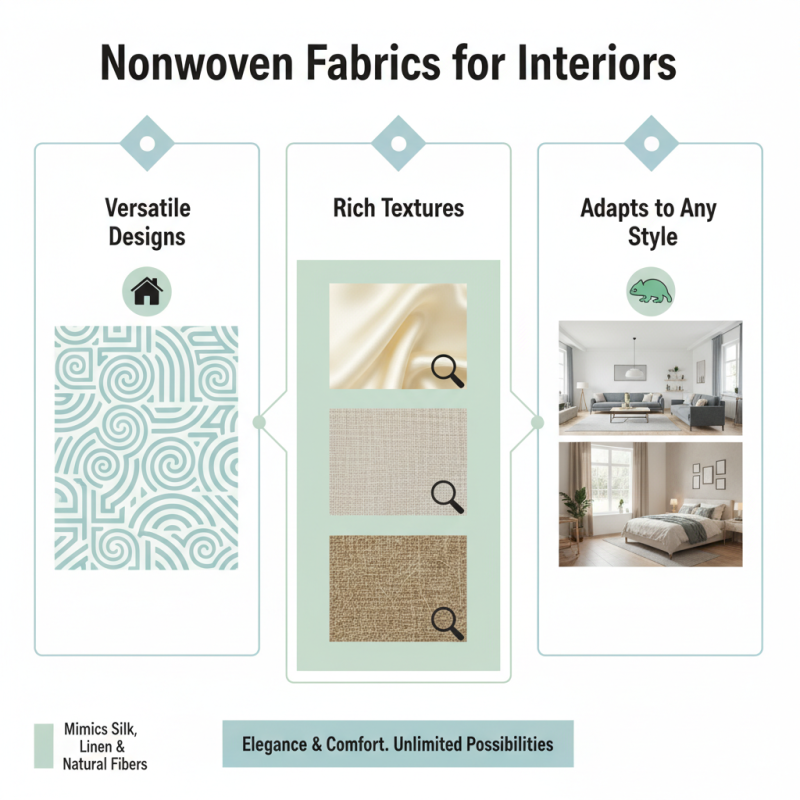
Nonwoven fabric is rapidly gaining popularity in home furnishings. Its unique production process allows for a wide variety of designs and textures. This versatility can enhance any interior space. You can find nonwoven fabrics that mimic silk, linen, or even natural fibers. The look can be elegant or casual, depending on your style.
Beyond aesthetics, the tactile experience is unmatched. Nonwoven fabrics are often softer and more comfortable than traditional options. They also offer interesting textures that can elevate a room's design. Consider a plush, padded chair with a nonwoven cover. It invites you to sit down and relax. Textural contrasts can be achieved by mixing different fabrics.
Choosing nonwoven might not always be straightforward. Some may worry about durability compared to woven options. Testing different samples can help. Not all nonwoven fabrics are created equal; some are more resilient. Reflecting on your needs and the daily wear will aid in making the best selection. Comfort and style are essential. However, understanding the intricacies of each fabric will ensure you make an informed choice.

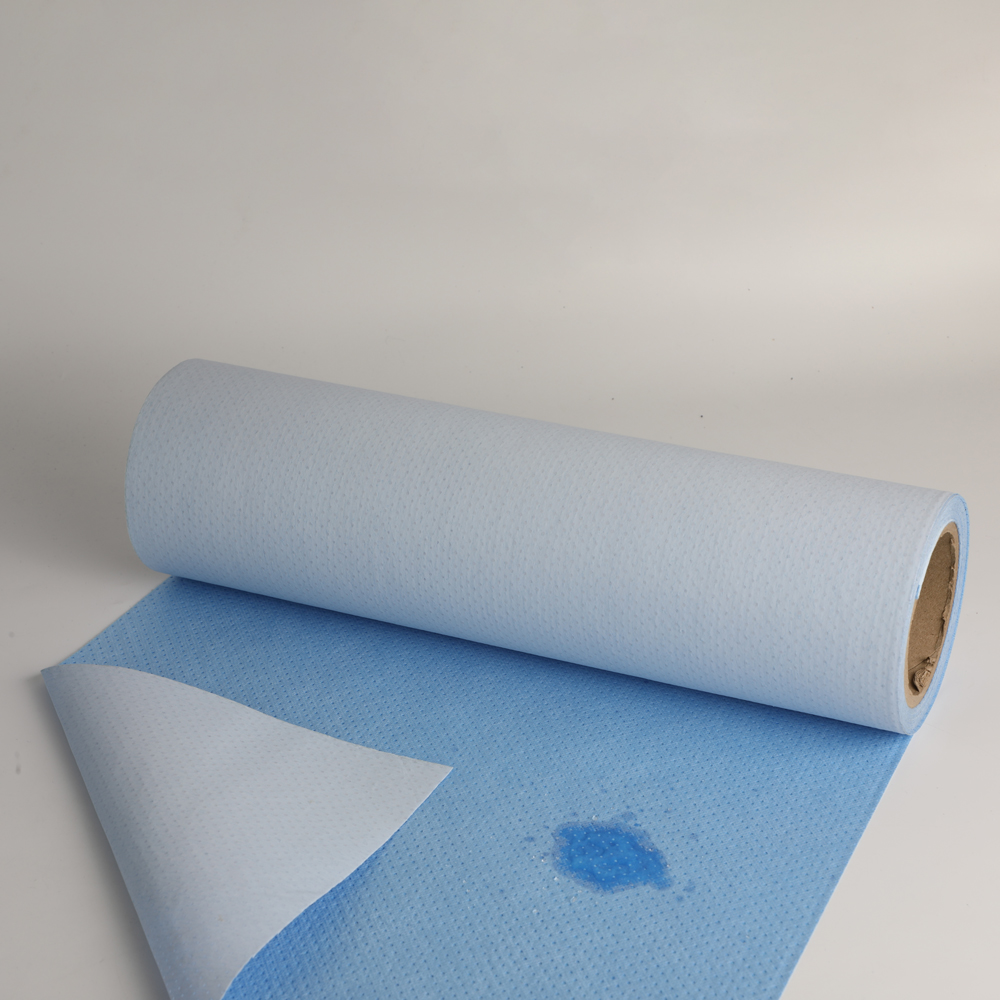
 PP Laminates
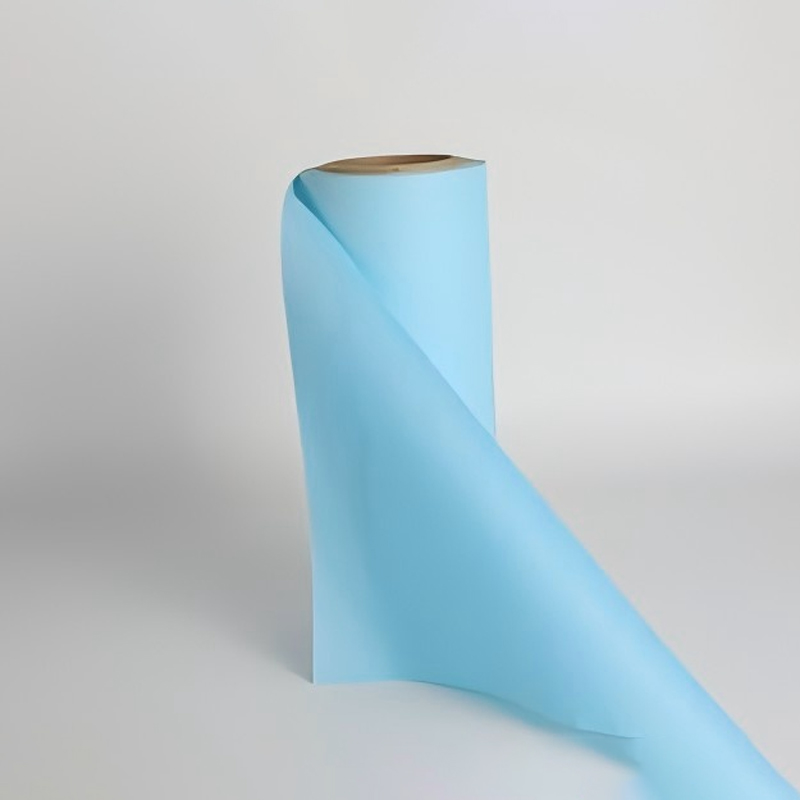
 Multi Laminates
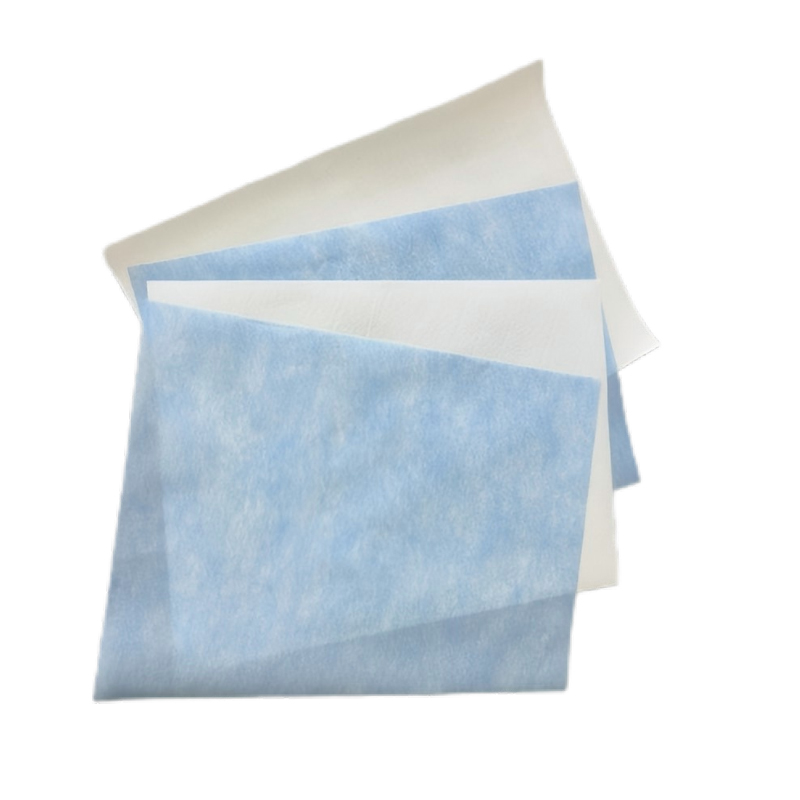
 Spunlace Nonwoven Laminates
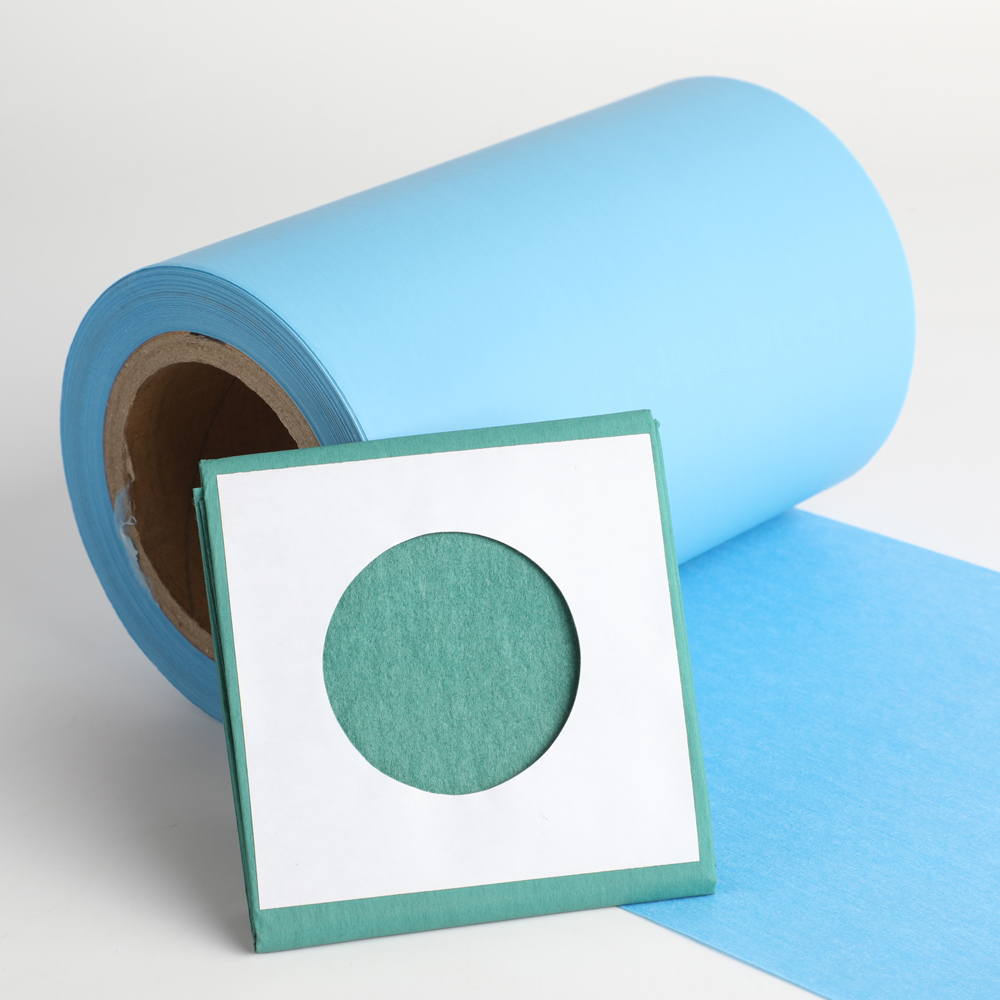
 Breathable Film Laminates
 Viscose Laminates
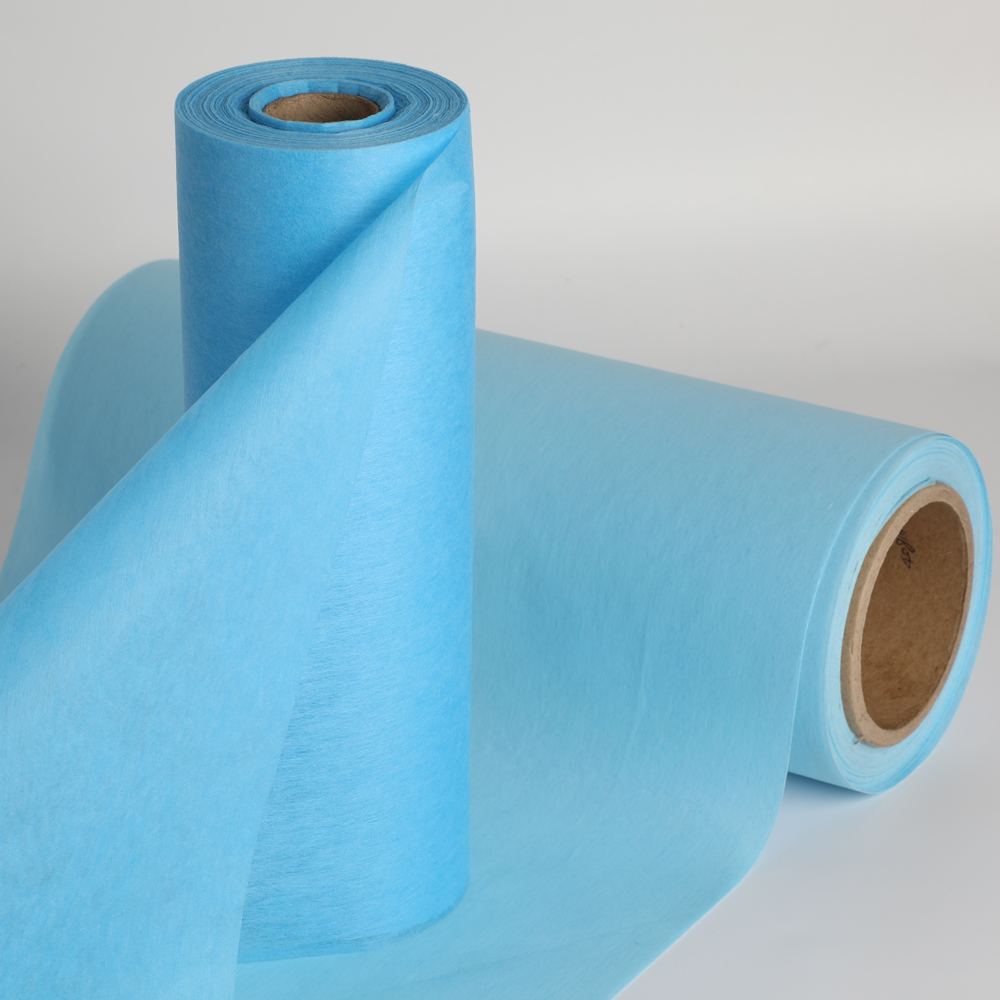 Medical Viscose Nonwoven
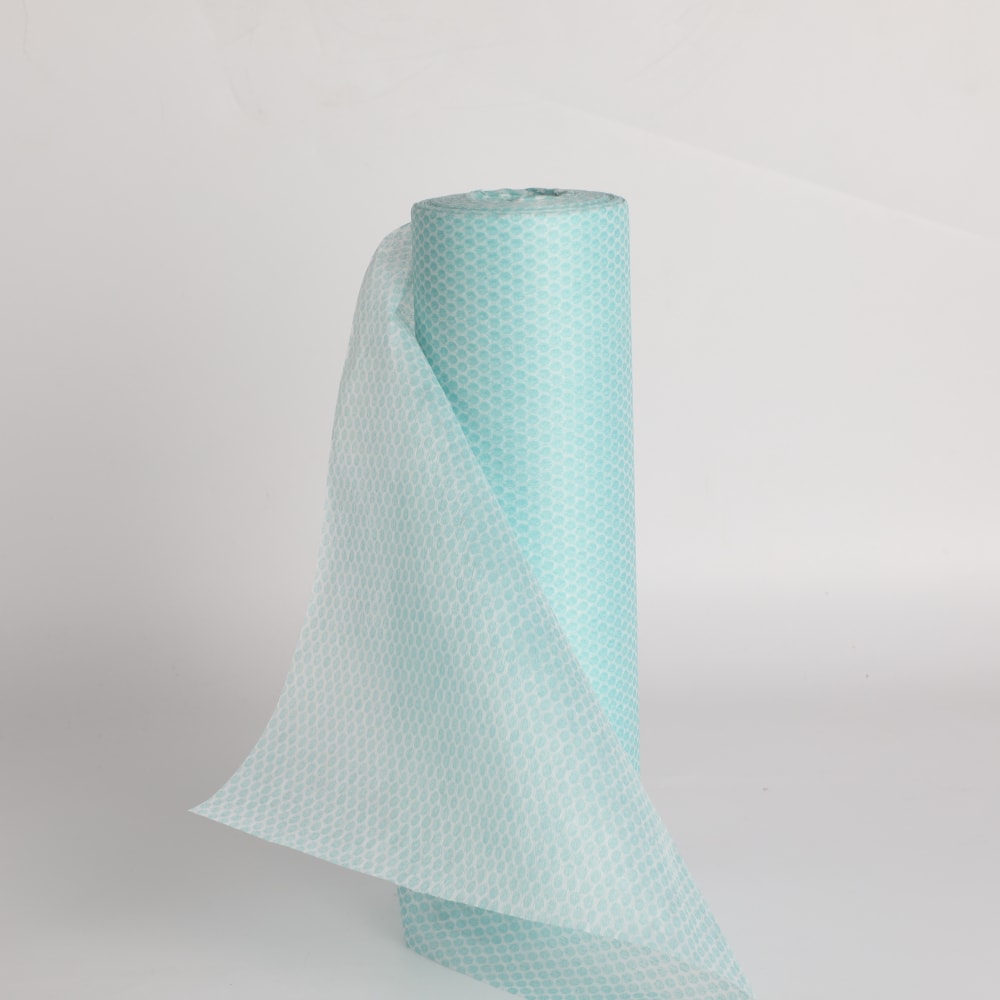 Head Wear Nonwoven
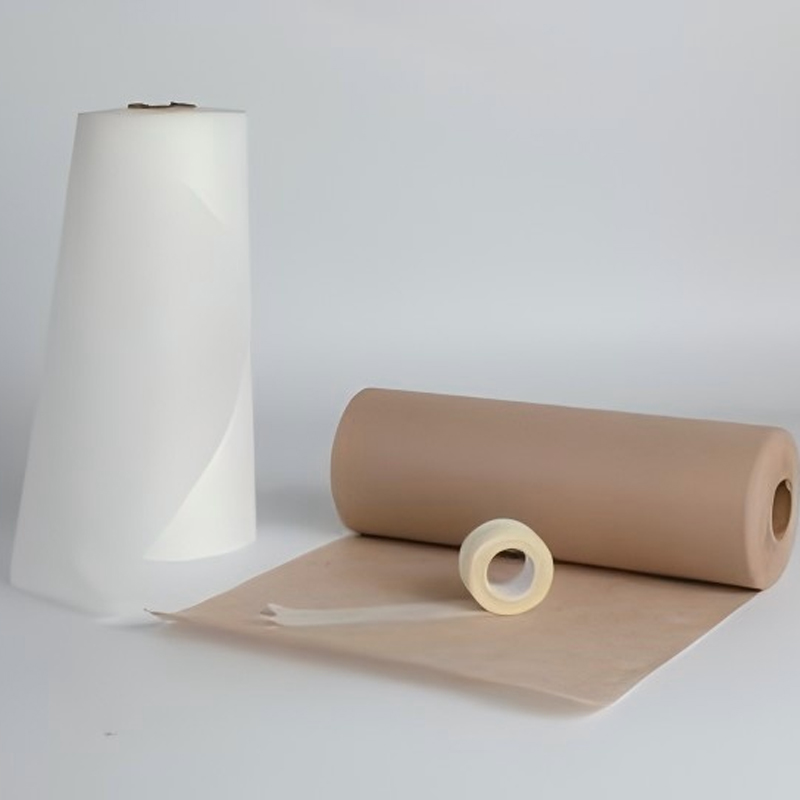 Medical Tape Nonwoven
 Snus Pouch Nonwoven
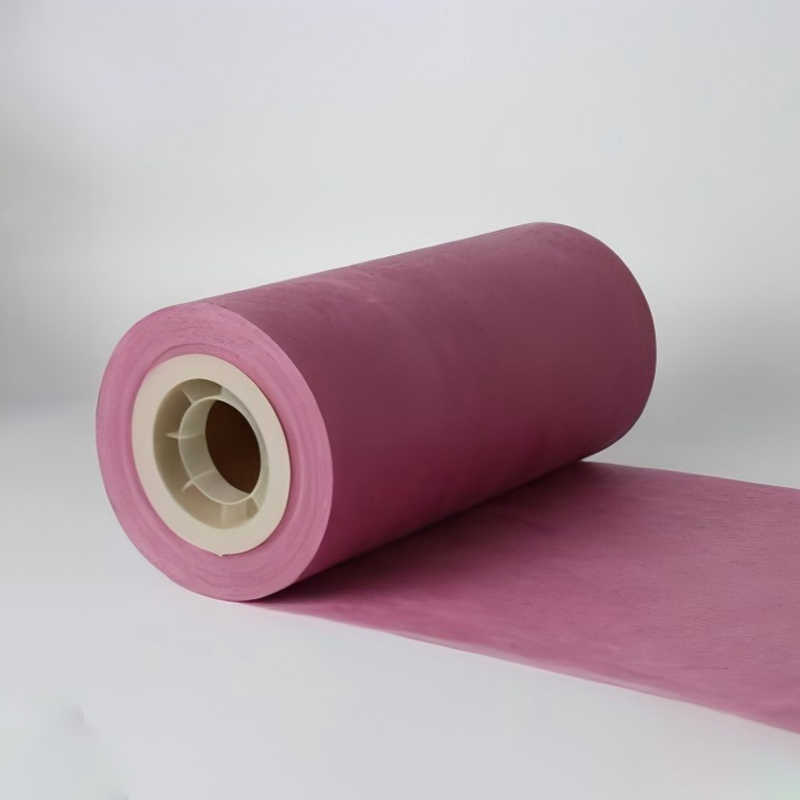 Filtration Nonwoven
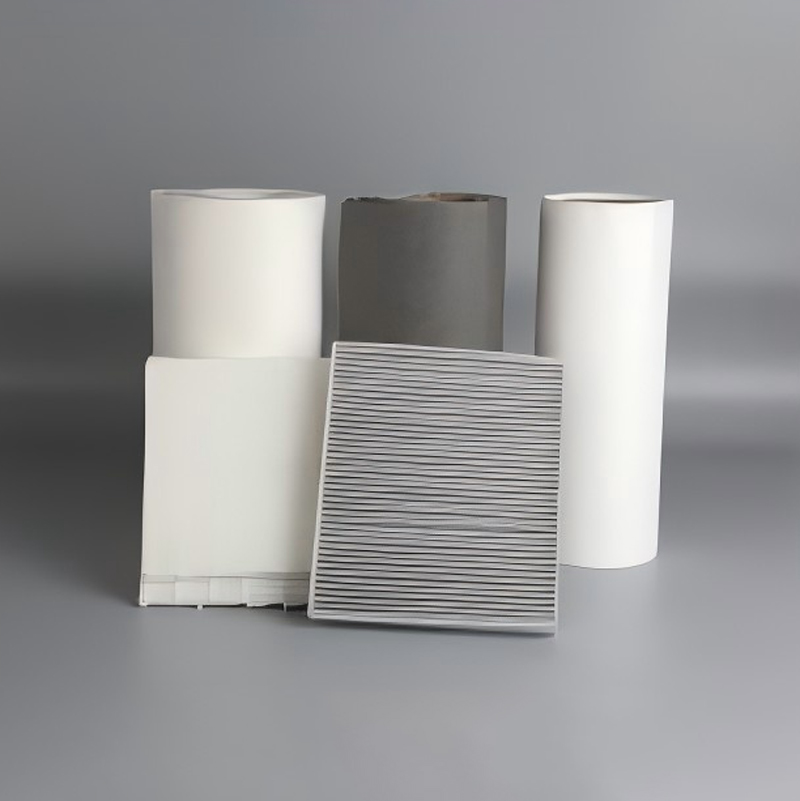 Air Filter Media
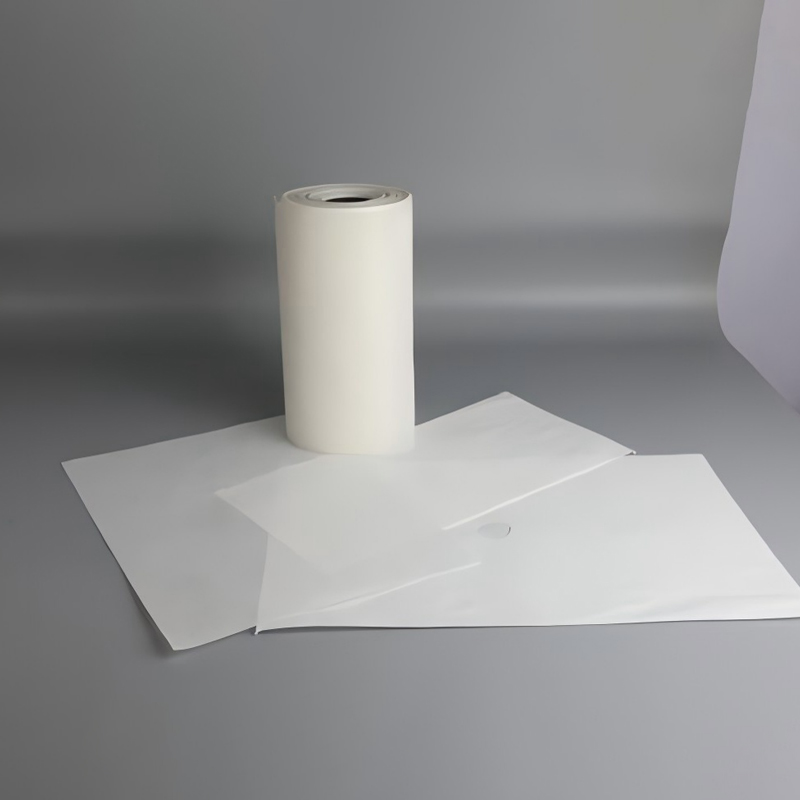 Liquid Filter Media
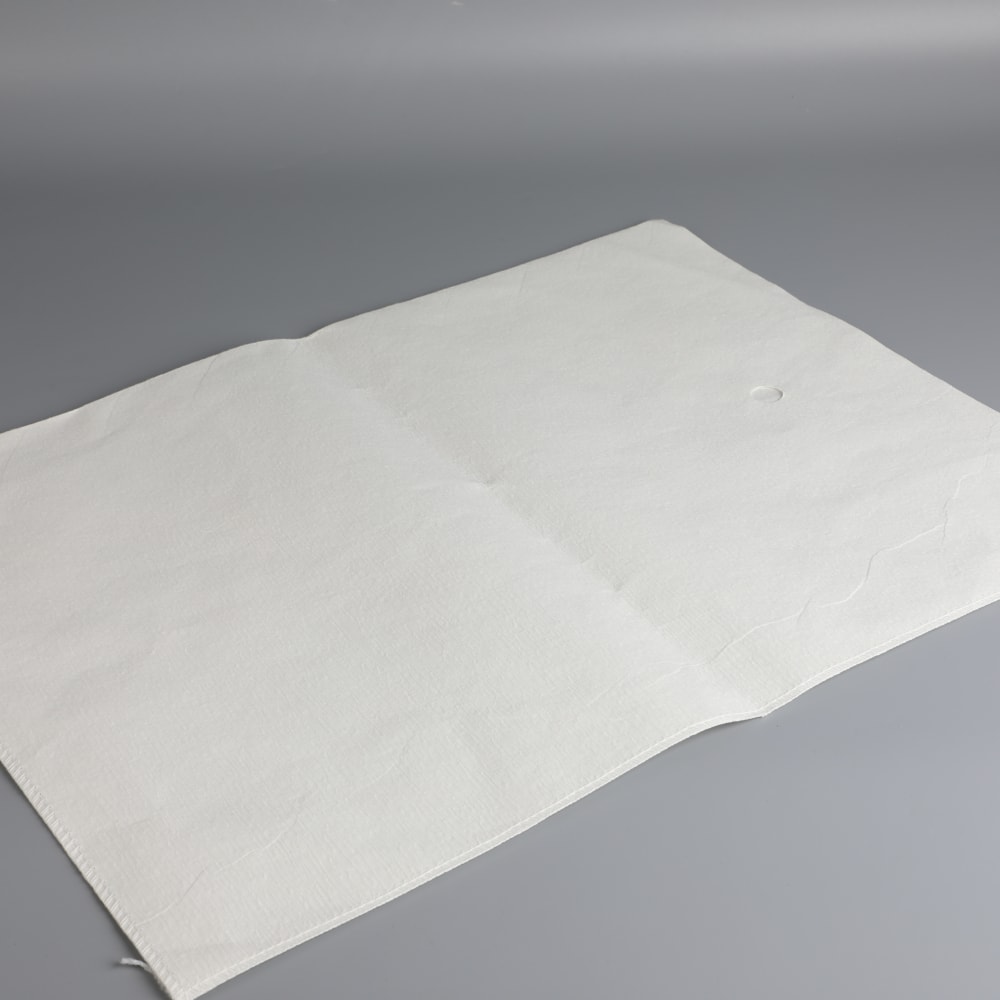 Filter Envelope & Filter Sheet
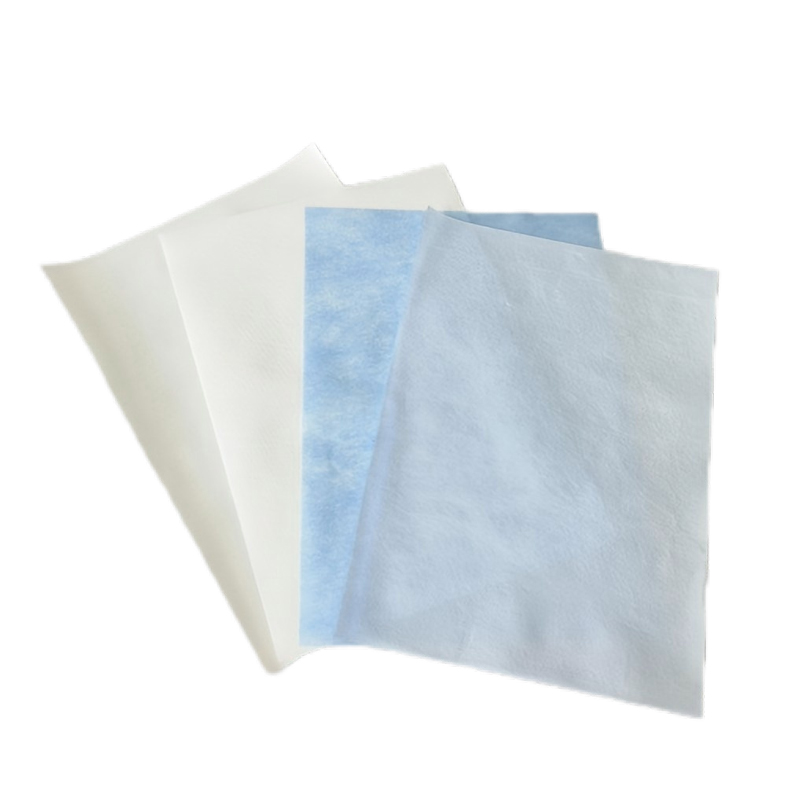 Breathable Film Laminates
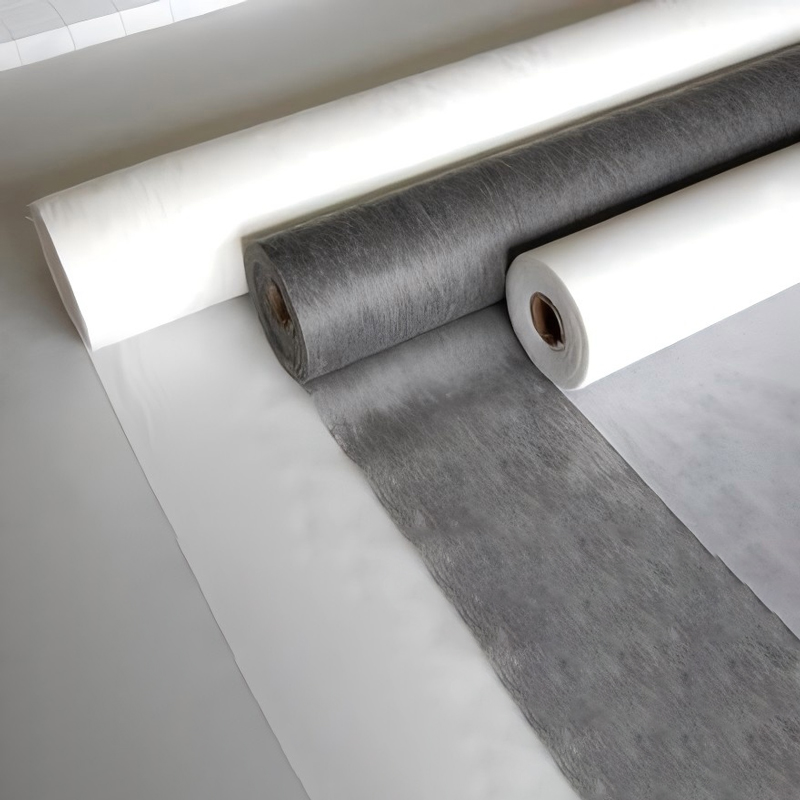 Nonwoven Interlining
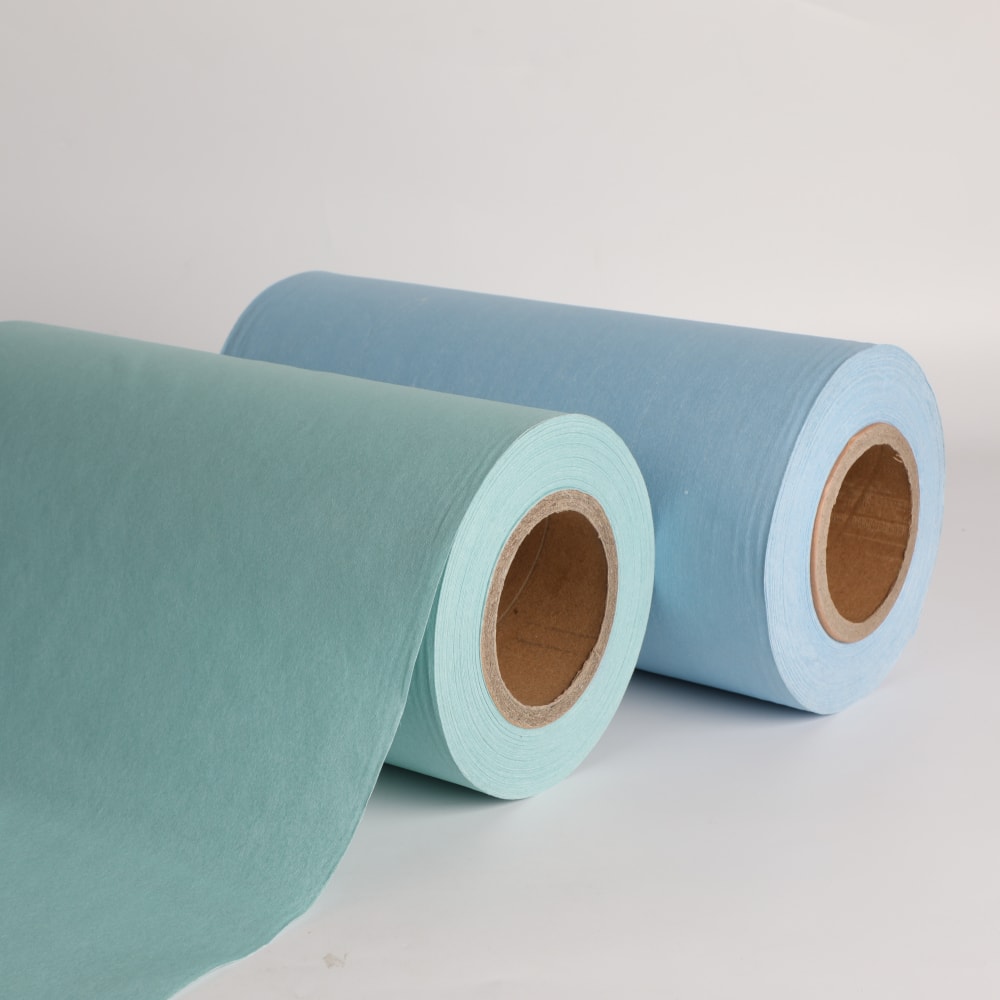 Fluid Repellent Woodpulp Spunlace Nonwoven
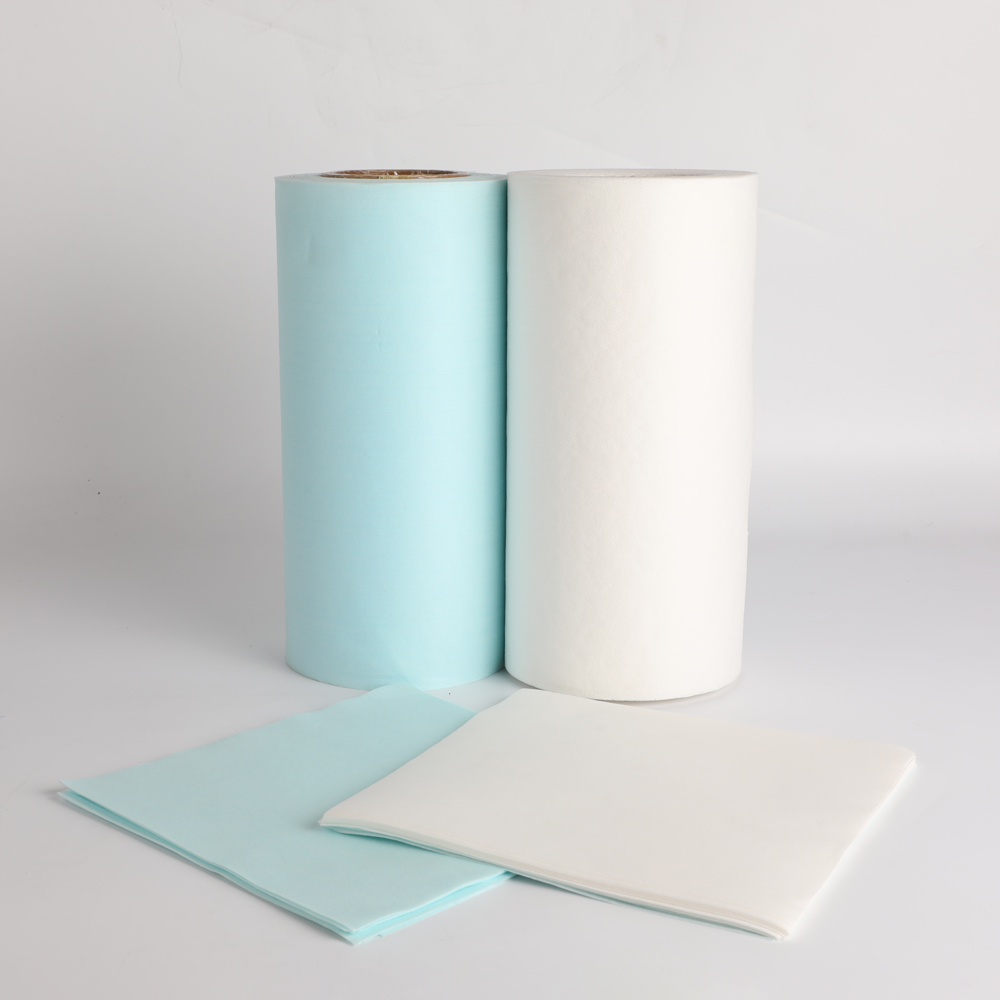 Woodpulp Nonwoven Wipe
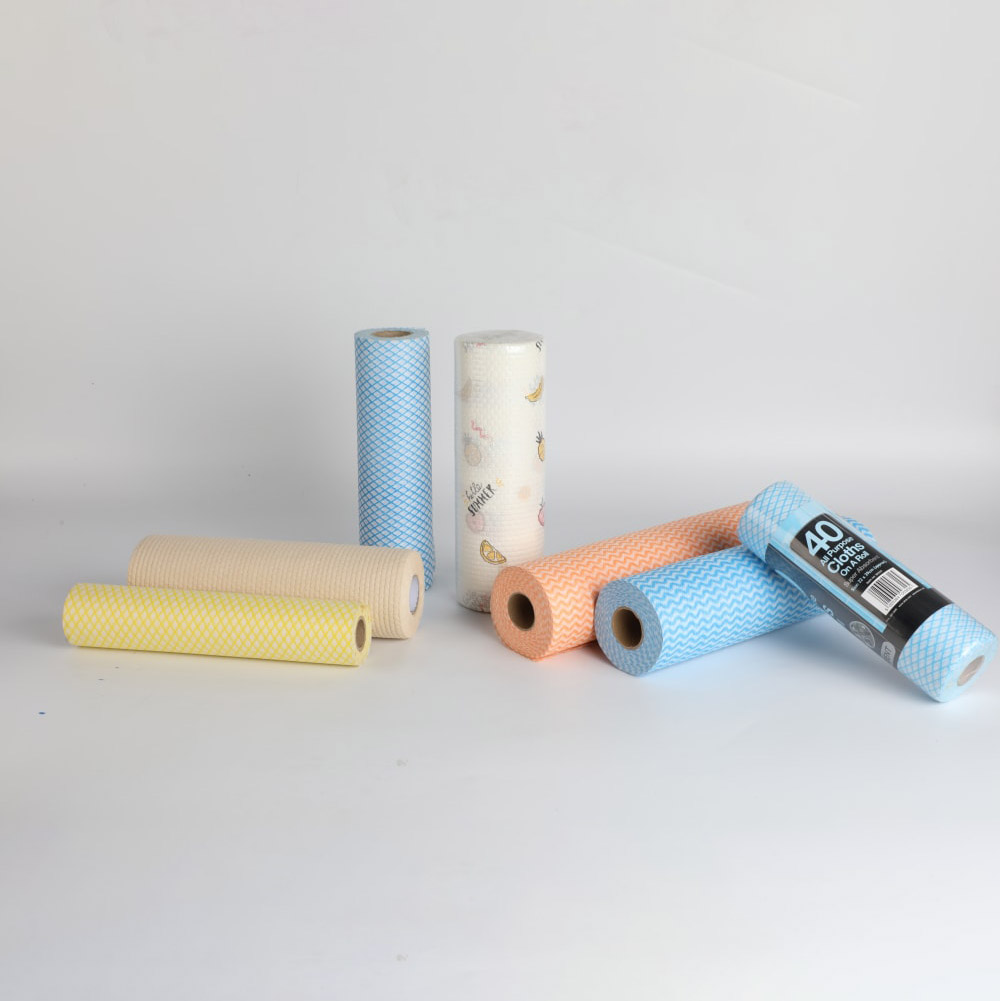 Nonwoven Cleaning Wipe
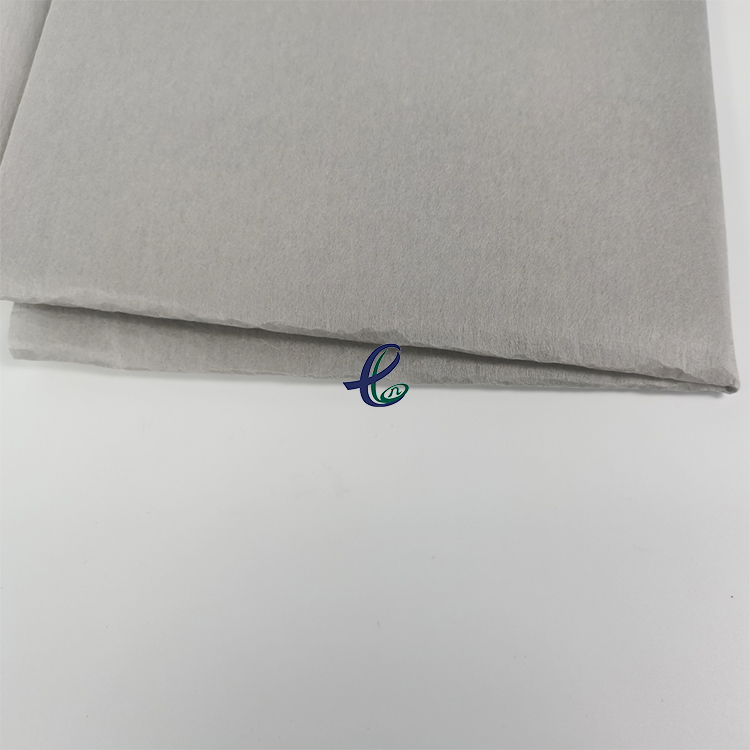 Curtain Nonwoven
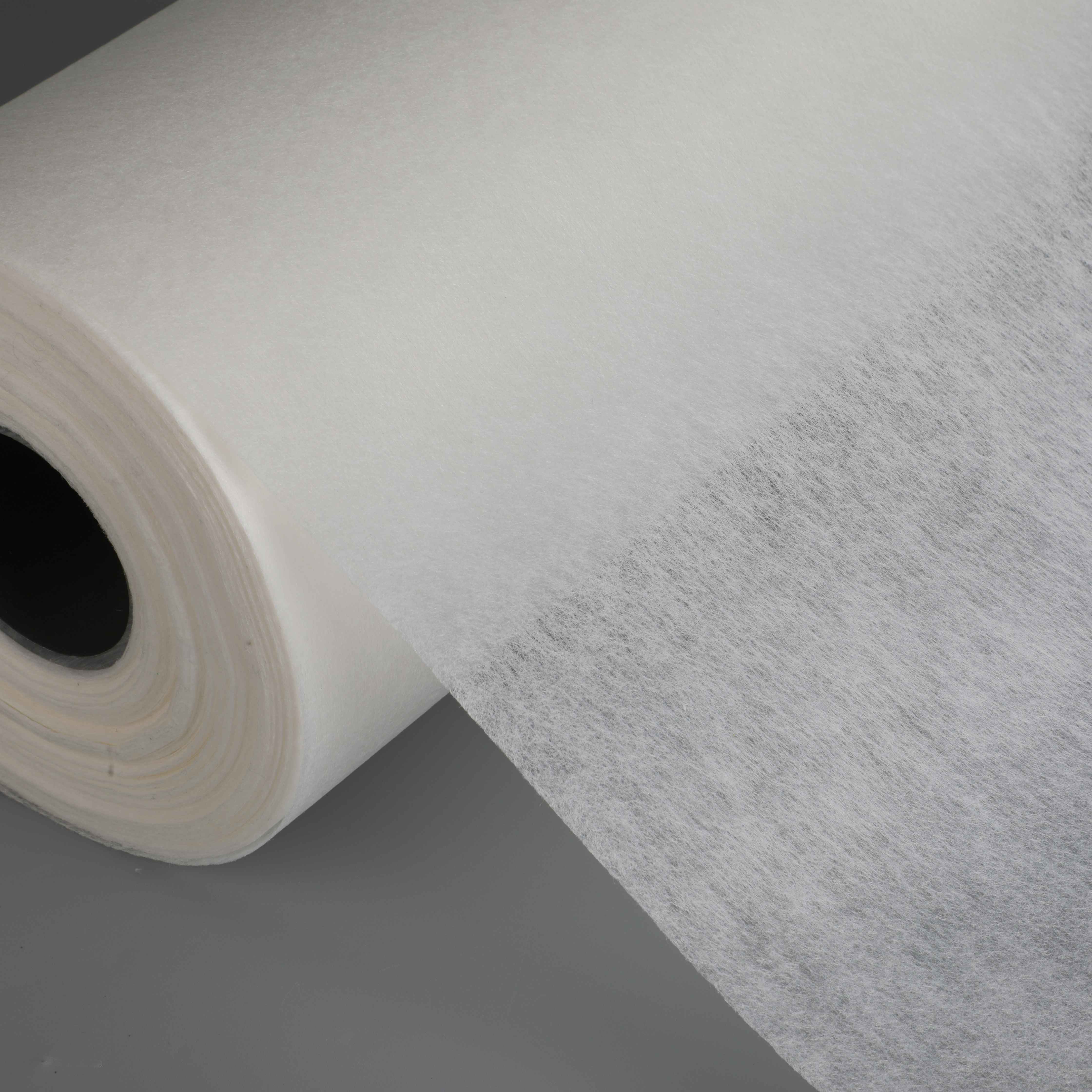 Food Grade Packaging Nonwoven
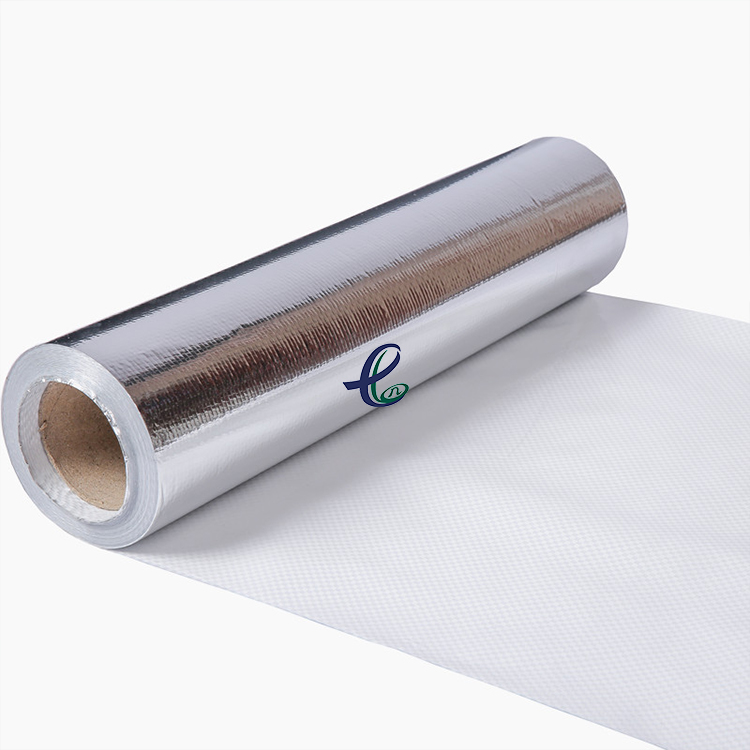 Aluminized Nonwoven
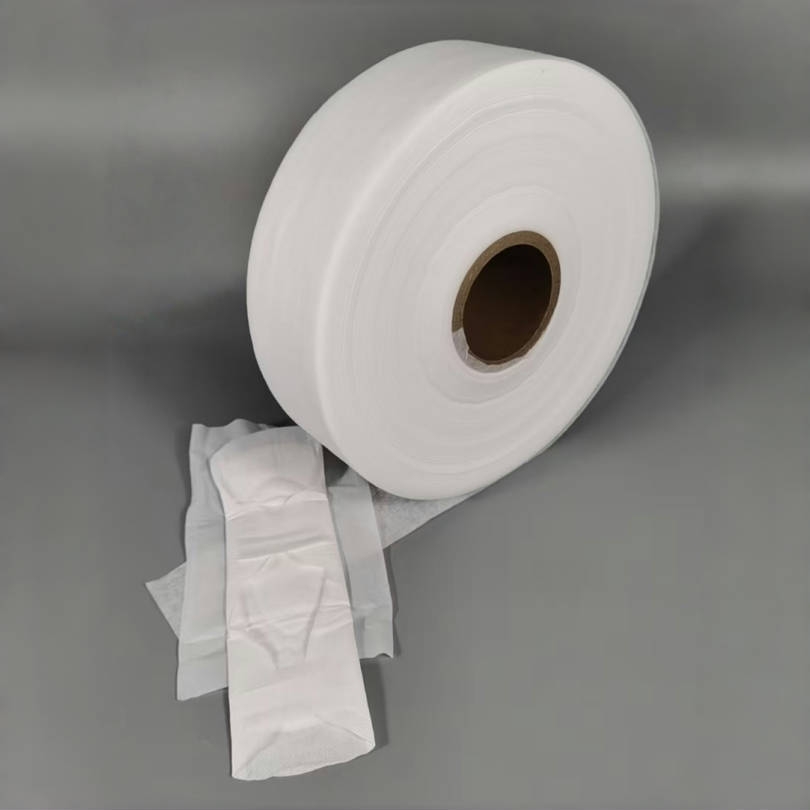 Hot Air Cotton Nonwoven
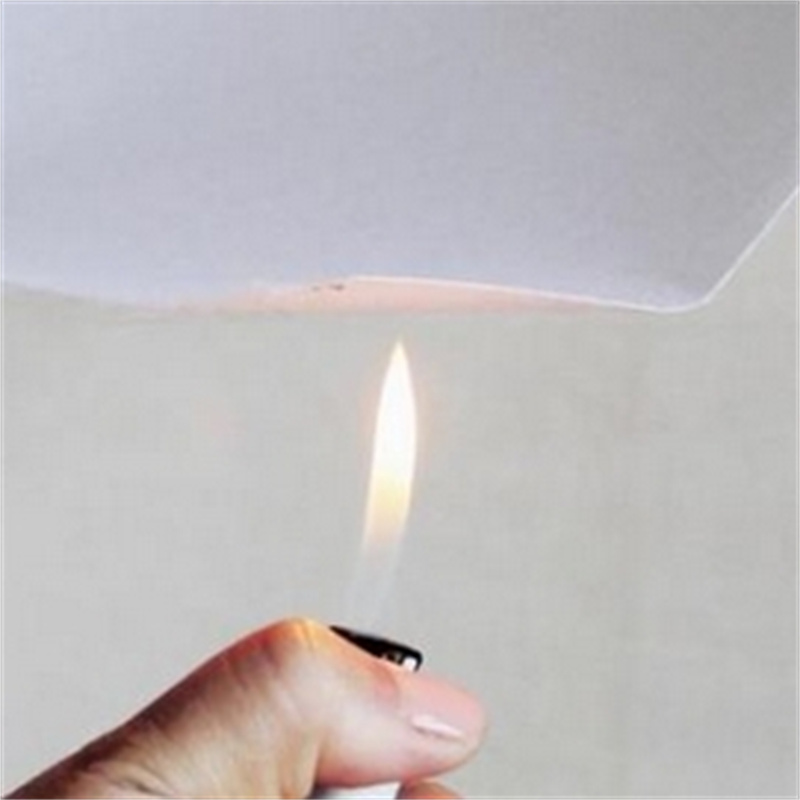 Flame Retardant Nonwoven
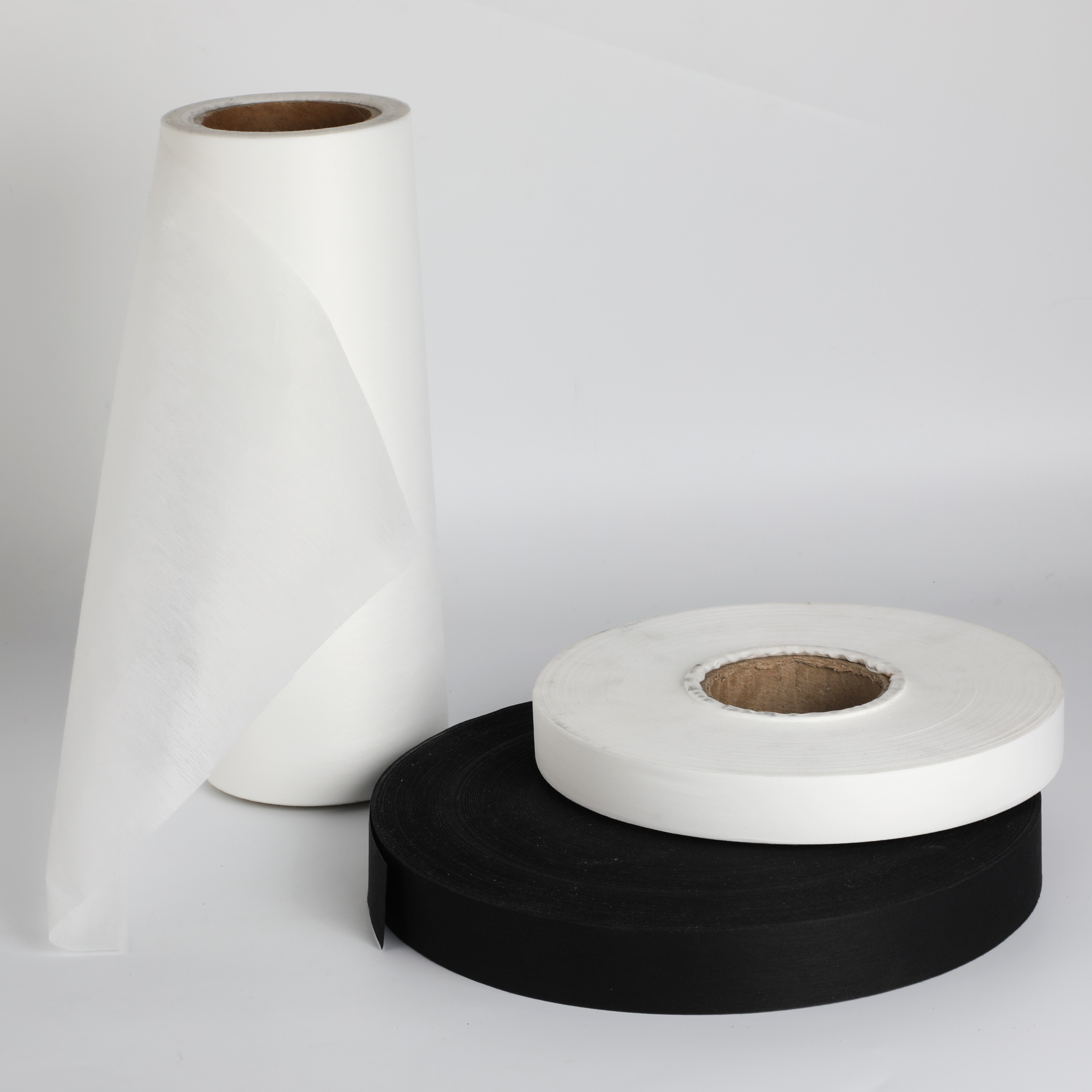 Cable Wrapping Nonwoven
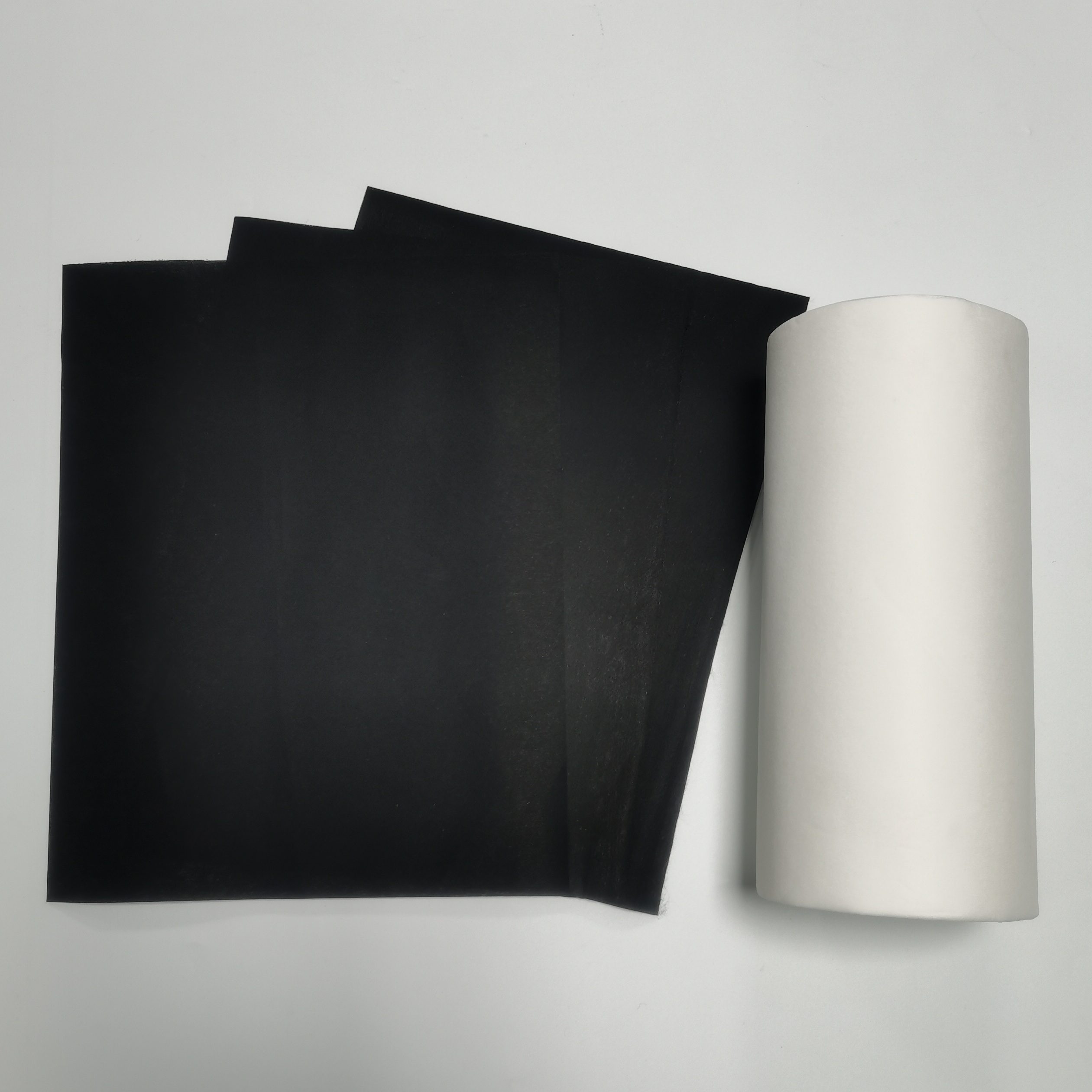 Semi-conductive Nonwoven
 Anti-Bacterial Nonwoven
 +8613957712400
 CONTACT WhatsApp
 CONTACT WeChat
 CONTACT NUMBER
 CONTACT EMAIL