What is Nonwoven Fabric For Furniture and Its Benefits?
In the world of modern furniture design, "Nonwoven Fabric For Furniture" has gained increasing attention. Expert Sarah Johnson, a leading figure in textile innovation, states, “Nonwoven fabrics revolutionize how we approach furniture aesthetics and functionality.” This statement underscores the growing relevance of nonwoven textiles in enhancing both style and durability in furniture.
Nonwoven fabric is versatile and lightweight. It provides an array of benefits, including moisture resistance and breathability. These qualities make it ideal for various furniture applications, such as sofas, chairs, and upholstery. However, there is still a need for manufacturers to focus on sustainability. Over-reliance on synthetic materials poses environmental concerns.
The aesthetic appeal of nonwoven fabric cannot be overlooked either. The fabric can be dyed and printed in vibrant colors, allowing for unique design opportunities. Nevertheless, challenges exist in striking a balance between durability and visual appeal. As the industry evolves, careful consideration must be taken to address these imperfections and improve overall quality.
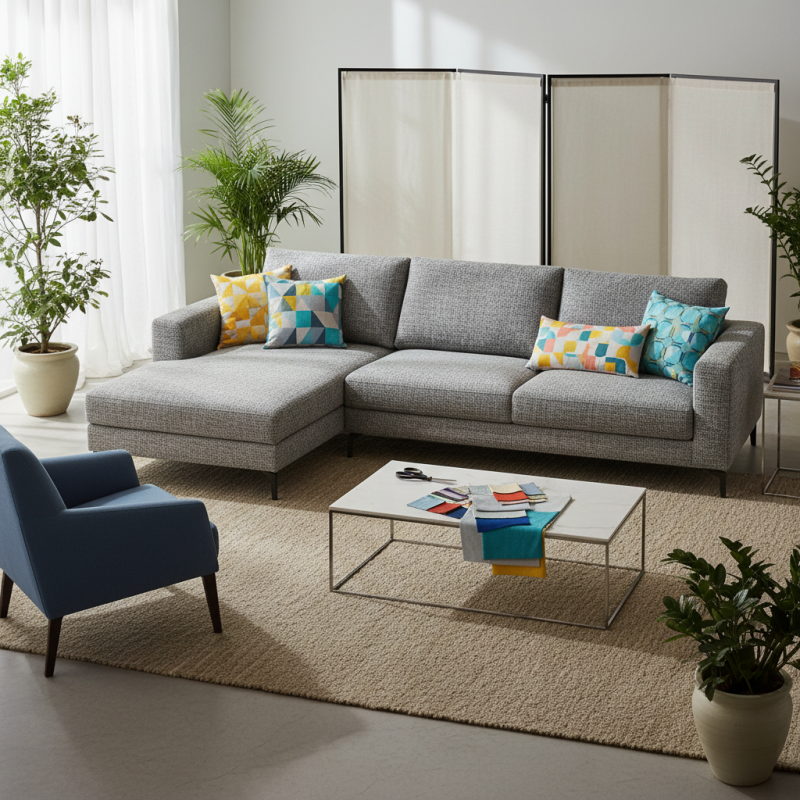
What is Nonwoven Fabric?
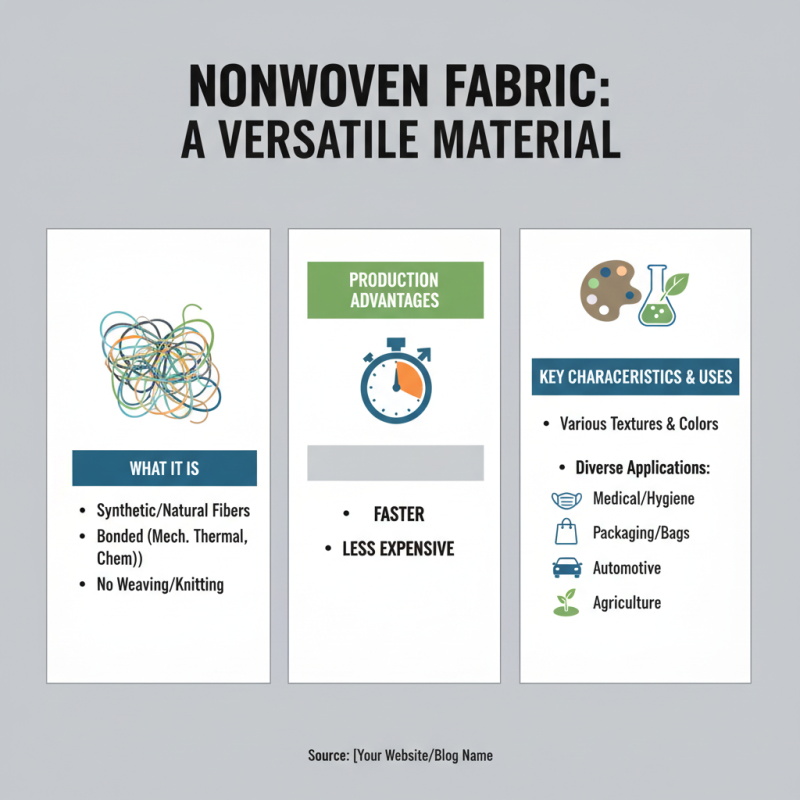
Nonwoven fabric is a versatile material made from synthetic or natural fibers. It is produced by bonding fibers together through mechanical, thermal, or chemical processes. Unlike woven fabric, nonwoven does not need to be woven or knitted. This approach makes production faster and less expensive. It is often available in various textures and colors, making it ideal for many applications.
In the furniture industry, nonwoven fabric offers numerous benefits. It is lightweight yet durable, which helps in creating comfortable furniture. This material is also water-resistant and easy to clean. Stains can be wiped away without hassle. However, while nonwoven fabric is convenient, its longevity can sometimes be an issue. It may not hold up as well under heavy use compared to other materials. Users should consider this when choosing fabric for high-traffic areas.
Additionally, nonwoven fabrics can be made from recycled materials, making them more eco-friendly. This eco-conscious aspect appeals to many consumers today. Still, the production process can leave behind some environmental concerns. It's essential to weigh the benefits against these potential drawbacks.
Types of Nonwoven Fabrics Used in Furniture
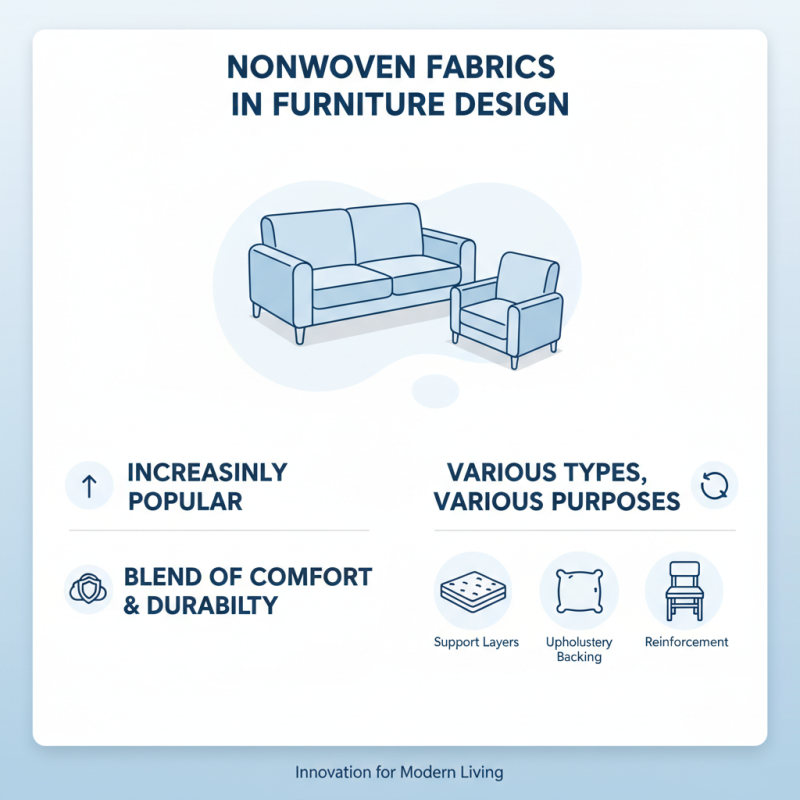
Nonwoven fabrics are increasingly popular in furniture design. They provide a blend of comfort and durability. Various types of nonwoven fabrics serve different purposes in furniture.
One common type is spunbond fabric. It's lightweight yet strong, making it ideal for chair covers. Spunbond is water-resistant, helping to repel spills and stains. Another type is needle-punched fabric, known for its thickness. This fabric offers great insulation and sound absorption. It’s often used for upholstery in sofas and cushions.
Tips: When choosing nonwoven fabrics, consider the texture. Softer fabrics can enhance comfort. Look for color options that match your decor.
Moreover, there are melt-blown fabrics. These are excellent for filtering. They are often used in office furniture to promote air quality. However, quality can vary. It's essential to review attributes before purchasing.
Consider the intended use of your furniture. Heavy traffic areas need more resilient fabrics. Sometimes, it’s tricky to balance aesthetics and maintenance. A perfect solution may not always exist.
Advantages of Nonwoven Fabric for Furniture Manufacturing
Nonwoven fabric has gained popularity in furniture manufacturing. This material offers various benefits that enhance both aesthetics and functionality. Nonwoven fabrics are lightweight, durable, and resistant to wear and tear. They can easily mimic the look of traditional upholstery without the hefty price tag. This feature allows for stylish furniture that is budget-friendly.
One major advantage is their versatility. Nonwoven fabrics come in a range of textures and colors. This allows designers to create unique pieces that stand out. They also hold up well under UV light, making them ideal for outdoor furniture. However, not all nonwoven fabrics are created equal. Some may not be as resilient in high-humidity environments. This is a crucial factor to consider when selecting furniture materials.
Tips for choosing nonwoven fabrics? Look for options with a strong fiber structure. Test for colorfastness and abrasion resistance. Always request samples to feel the texture before making a decision. Be mindful of the environment. Recycling options for nonwoven fabrics are not always straightforward. Always ask about sustainability practices. These insights can support informed choices in furniture design.
Benefits of Nonwoven Fabric for Furniture Manufacturing
This chart illustrates the benefits of nonwoven fabric in furniture manufacturing, highlighting aspects such as cost-effectiveness, durability, eco-friendliness, versatility, and comfort. Each benefit is rated on a scale from 1 to 10, demonstrating how nonwoven fabrics excel in various areas critical to furniture production.
Environmental Impact of Nonwoven Fabrics in Furniture
Nonwoven fabrics are increasingly used in furniture, primarily due to their lower environmental impact compared to traditional materials. According to a 2021 report by the Global Nonwovens Association, the production of nonwoven fabrics consumes 50% less energy than woven alternatives. This energy efficiency contributes to a reduced carbon footprint, making nonwovens a more sustainable choice for manufacturers.
Recycling challenges exist within the nonwoven sector. While they are often made from recyclable materials, the end-of-life options can be limited. Many nonwoven products end up in landfills since proper recycling facilities are scarce. A study by the European Commission in 2020 highlighted that only 15% of textiles are recycled globally. This raises questions about the overall sustainability of using nonwoven fabrics in furniture.
The biodegradable nature of some nonwoven fabrics is a plus. Recent advancements allow certain nonwovens to break down more easily in composting conditions. However, not all nonwoven types are created equal. Some still rely on synthetic fibers, which can hinder their environmental benefits. Therefore, while nonwovens offer promising advantages, their environmental impact is not uniform across all types.
What is Nonwoven Fabric For Furniture and Its Benefits? - Environmental Impact of Nonwoven Fabrics in Furniture
| Dimension |
Description |
Benefits |
| Material Composition |
Made from fibers such as polyester and polypropylene. |
Durable and versatile for furniture applications. |
| Sustainability |
Can be produced from recycled materials. |
Reduces environmental footprint and waste. |
| Fire Retardant |
Certain nonwoven fabrics are treated for fire resistance. |
Enhances safety in furniture applications. |
| Water Resistance |
Many nonwoven fabrics offer water-resistant properties. |
Ideal for outdoor and high-moisture environments. |
| Cost-Effectiveness |
Generally cheaper than woven fabrics. |
Provides economical solutions for furniture makers. |
Care and Maintenance of Nonwoven Fabric Furniture
Nonwoven fabric is increasingly popular in furniture design. Its unique structure offers durability alongside breathability. However, proper care and maintenance are essential for its longevity. Regular cleaning reduces stains and keeps the fabric looking fresh. According to industry reports, 70% of upholstery issues arise from improper maintenance.
Cleaning nonwoven fabric furniture involves using a soft brush or vacuum. Spot cleaning with mild detergent is recommended for small stains. It’s crucial to avoid abrasive materials that may damage the fibers. Interestingly, many homeowners overlook these simple practices. Ignoring maintenance can lead to the degradation of fabric quality over time.
Humidity and temperature can affect nonwoven fabrics. Maintaining an ideal indoor environment is vital. Ideal humidity should be around 30-50%. Excess moisture can promote mold growth. A study showed that furniture exposed to high humidity levels showed a 25% decline in lifespan. Thus, regular inspection and timely intervention are necessary for preserving furniture's appearance and functionality.

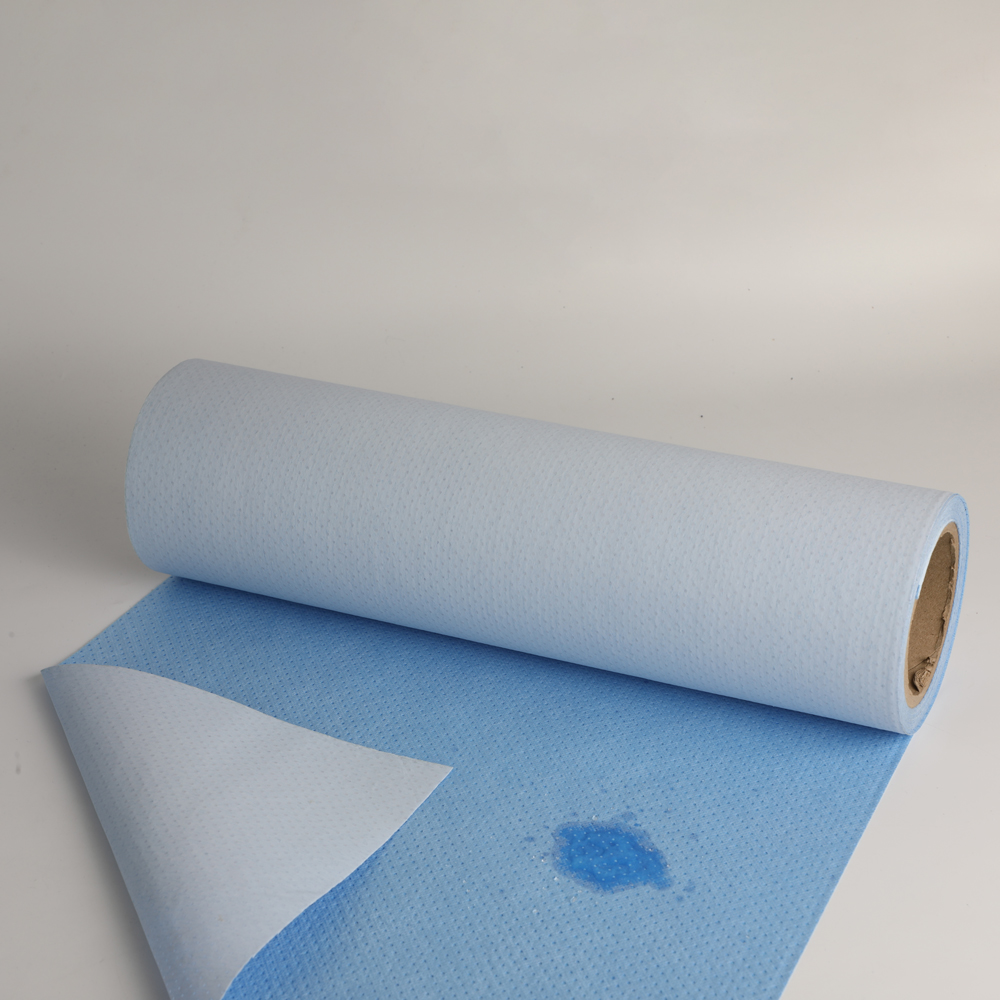 Multi Laminates
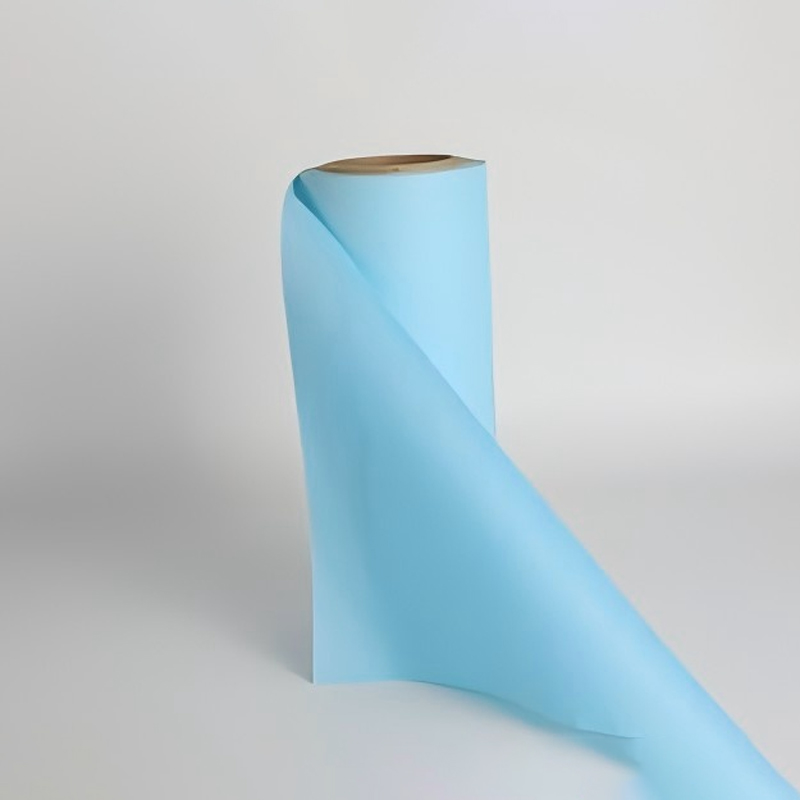 Spunlace Nonwoven Laminates
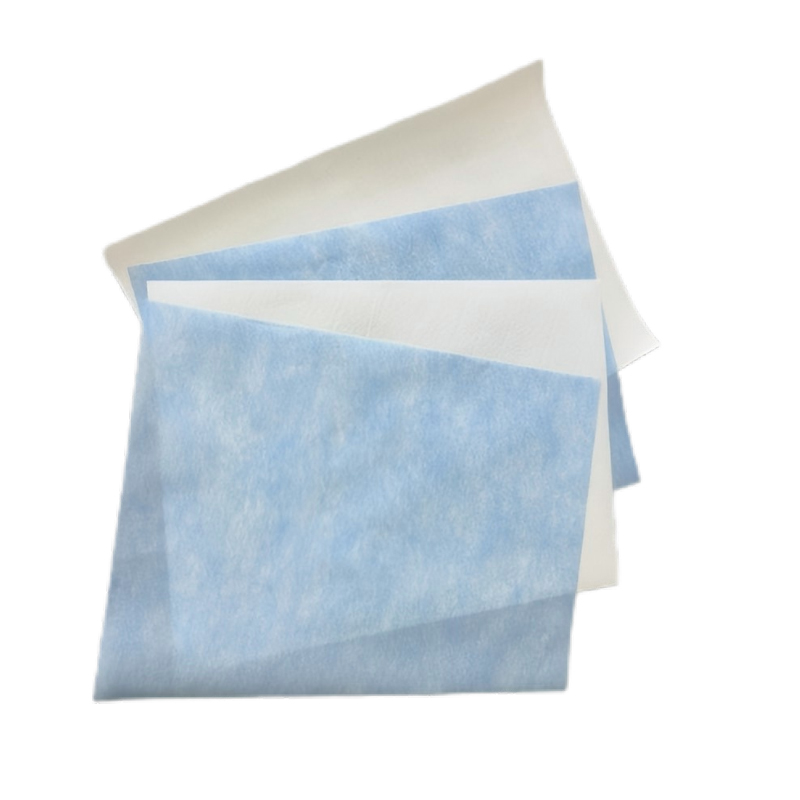 Breathable Film Laminates
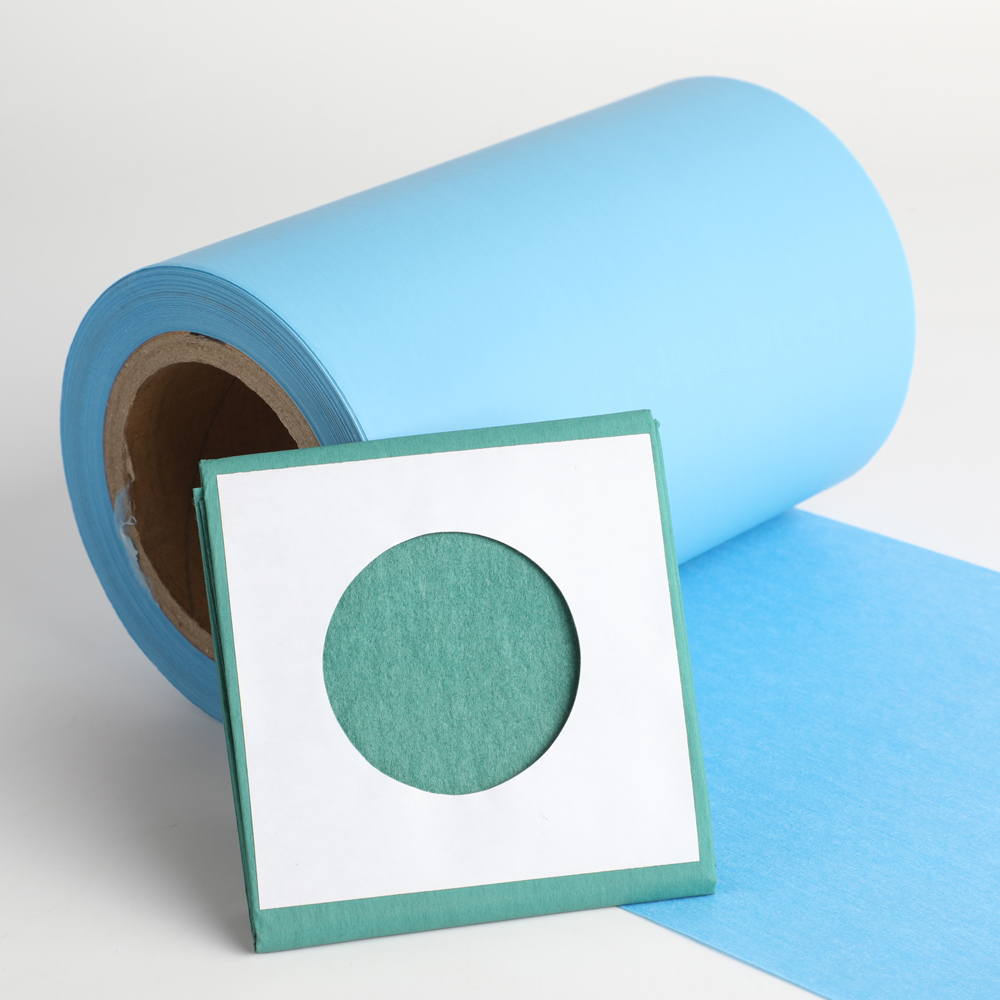 Viscose Laminates
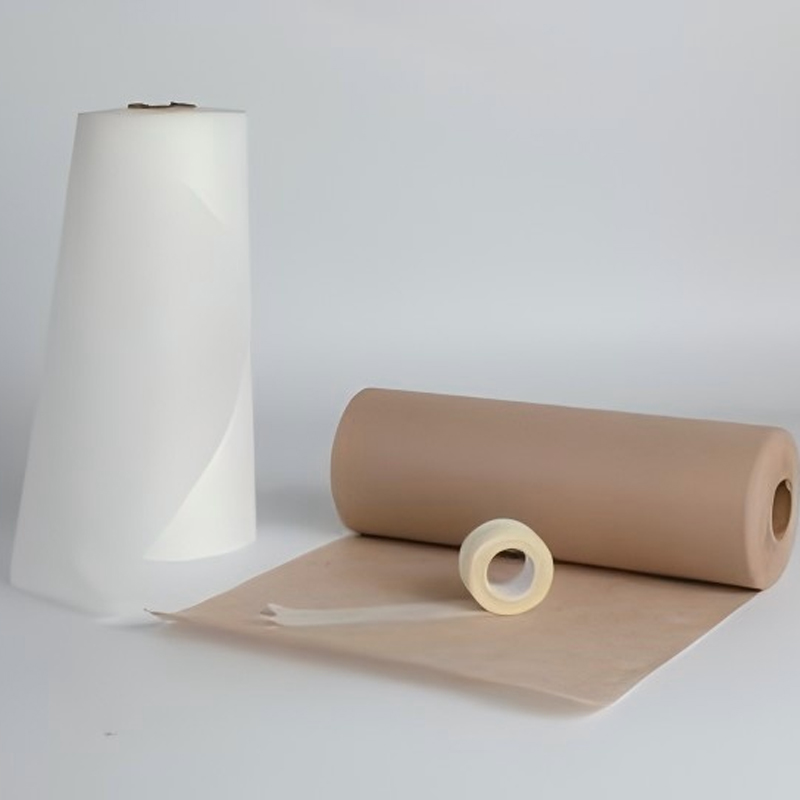 Medical Tape Nonwoven
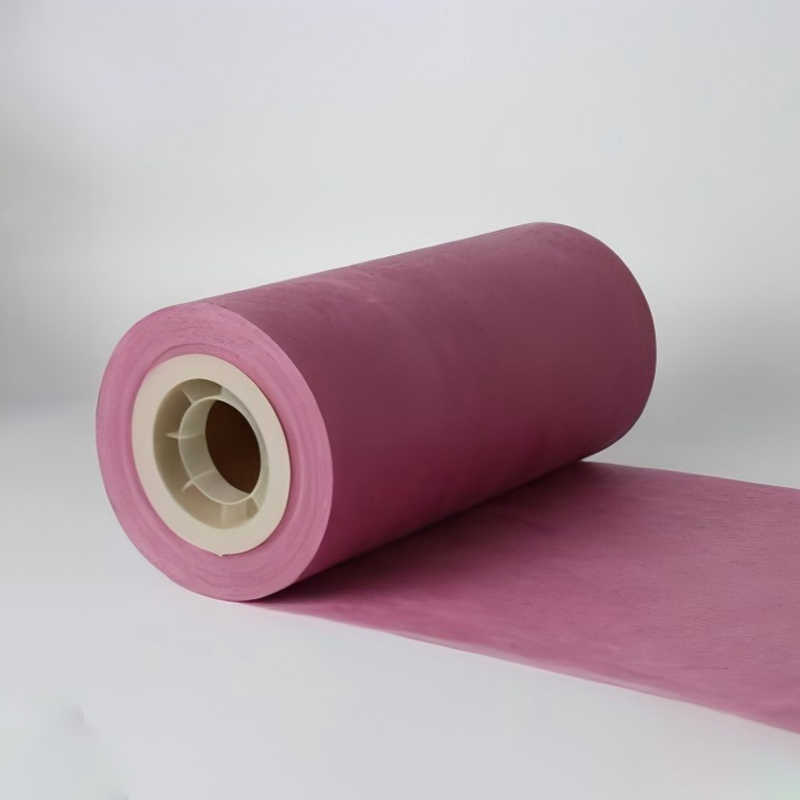 Filtration Nonwoven
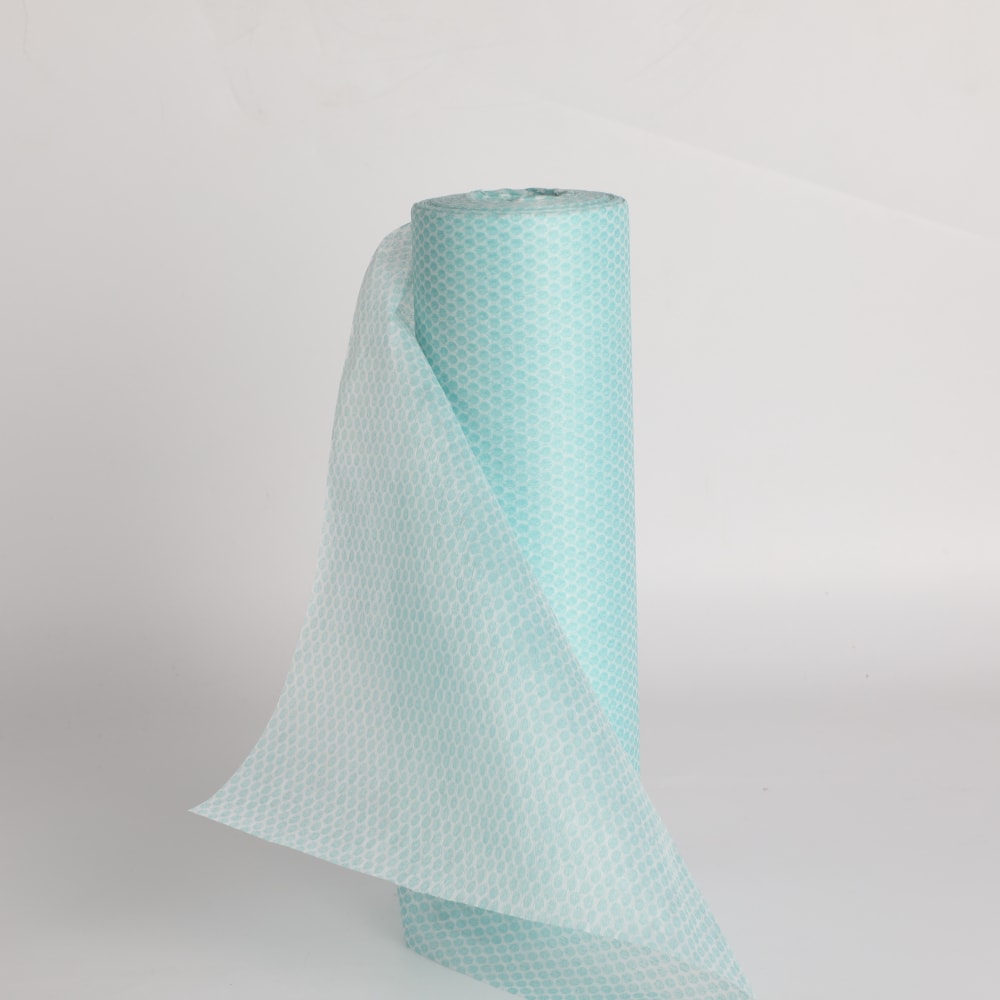 Head Wear Nonwoven
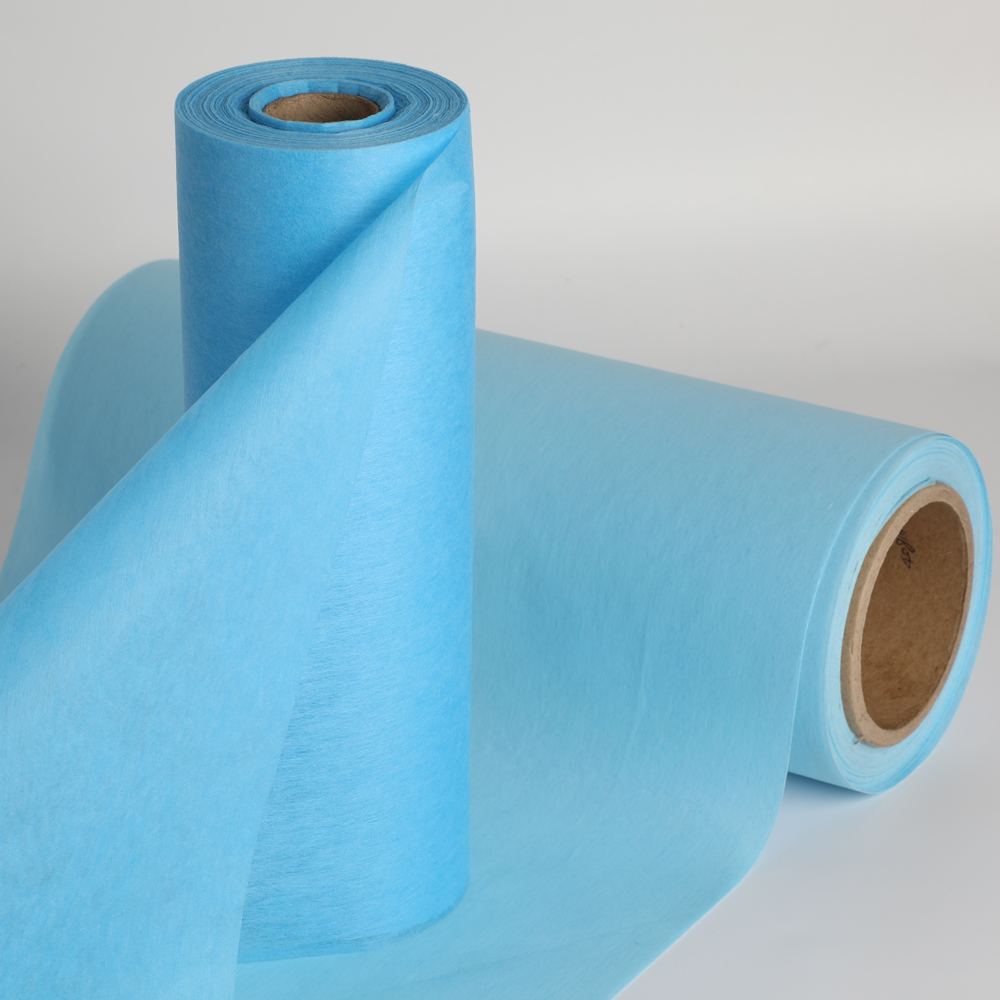 Medical Viscose Nonwoven
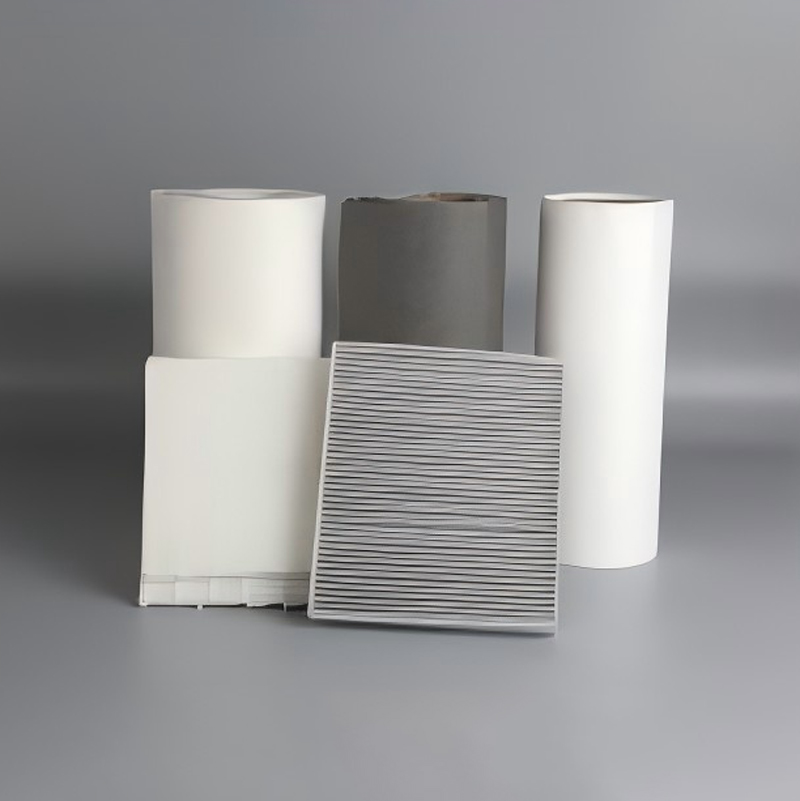 Air Filter Media
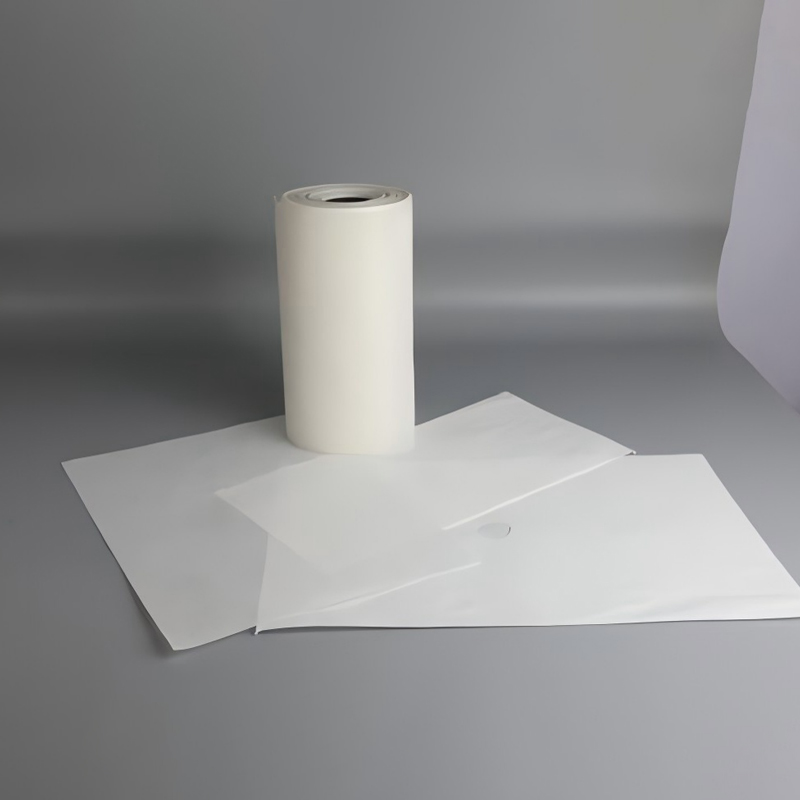 Liquid Filter Media
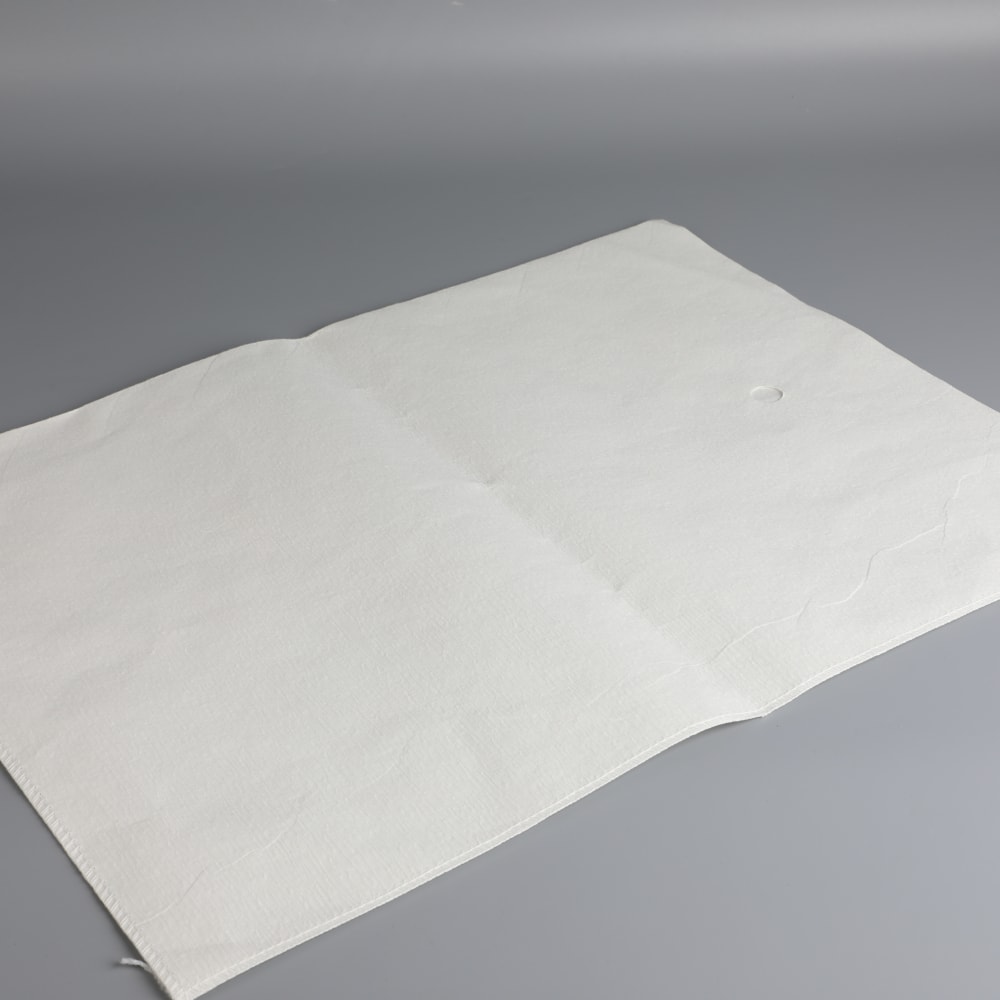 Filter Envelope & Filter Sheet
 Breathable Film Laminates
 Nonwoven Interlining
 Fluid Repellent Woodpulp Spunlace Nonwoven
 Woodpulp Nonwoven Wipe
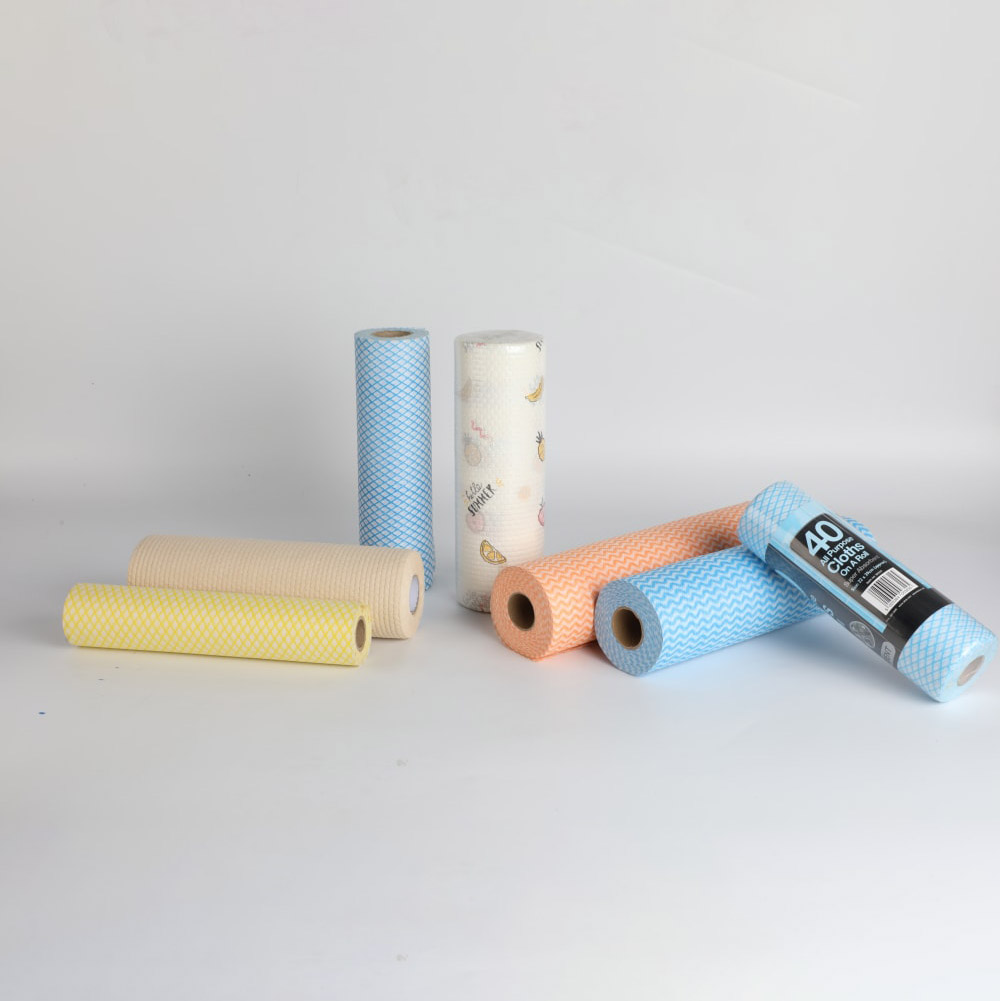 Nonwoven Cleaning Wipe
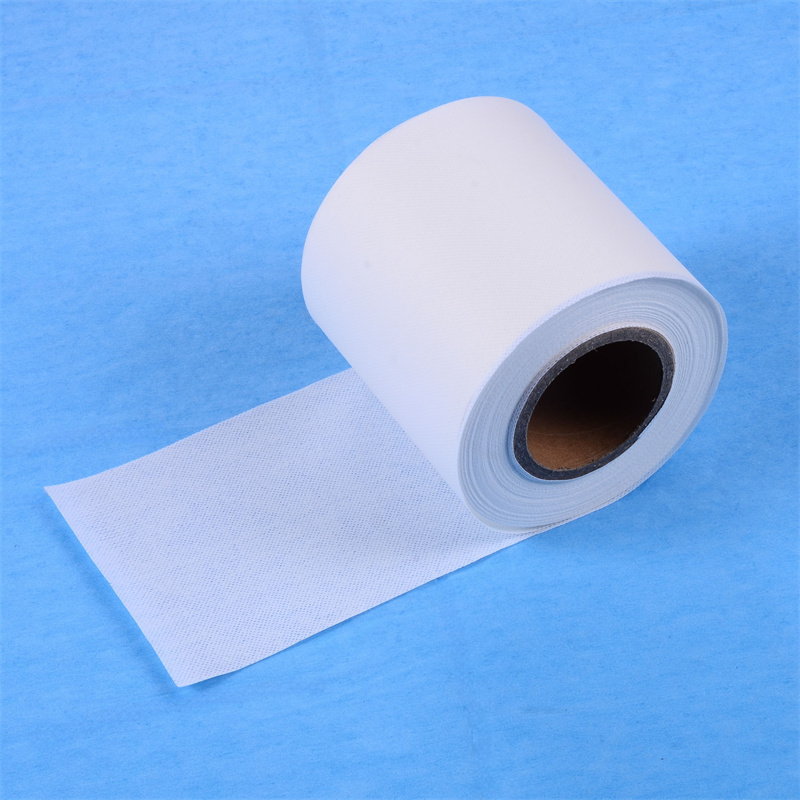 Flame Retardant Nonwoven Fabric
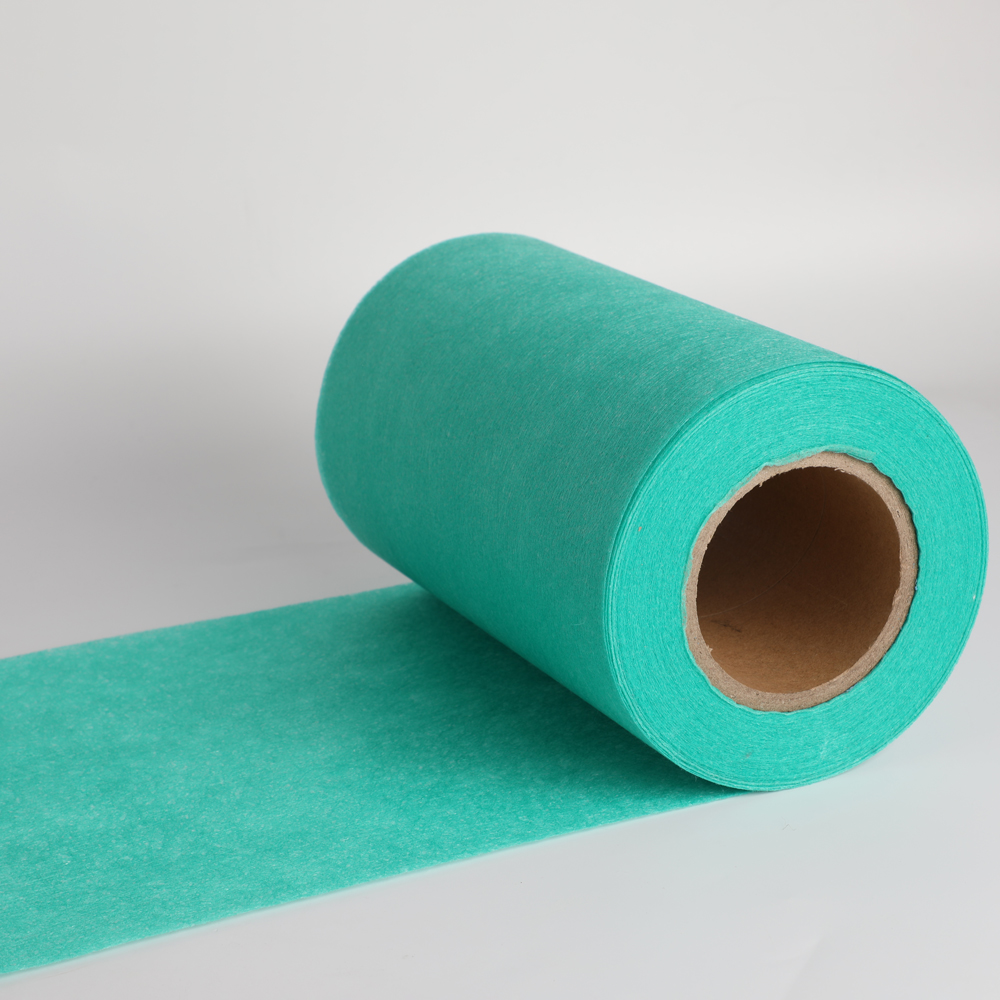 Anti-Bacterial Nonwoven
 CONTACT WhatsApp
 CONTACT WeChat

 CONTACT NUMBER
 CONTACT EMAIL