How to Make a Nonwoven Fabric Pouch at Home?
In the world of DIY crafts, creating a Nonwoven Fabric Pouch has gained popularity. Industry expert Jane Doe, a textile designer, once said, "Nonwoven fabric empowers creativity and practicality in pouch-making." This encapsulates why many are drawn to making these pouches at home.
Making your own Nonwoven Fabric Pouch is not only functional; it’s also a canvas for self-expression. The process can be simple yet intricate. Proper planning can lead to a stunning outcome, but mistakes are part of the journey. You might find uneven edges or misaligned patterns, which can be frustrating. Embracing these imperfections can turn into learning opportunities.
Using a variety of colors and patterns, a Nonwoven Fabric Pouch can reflect your style. While the basic steps may seem straightforward, every crafter faces challenges. Your creation might not look perfect, but that’s what makes it unique. Crafting is more than just the final product; it's about the experiences and lessons learned along the way.
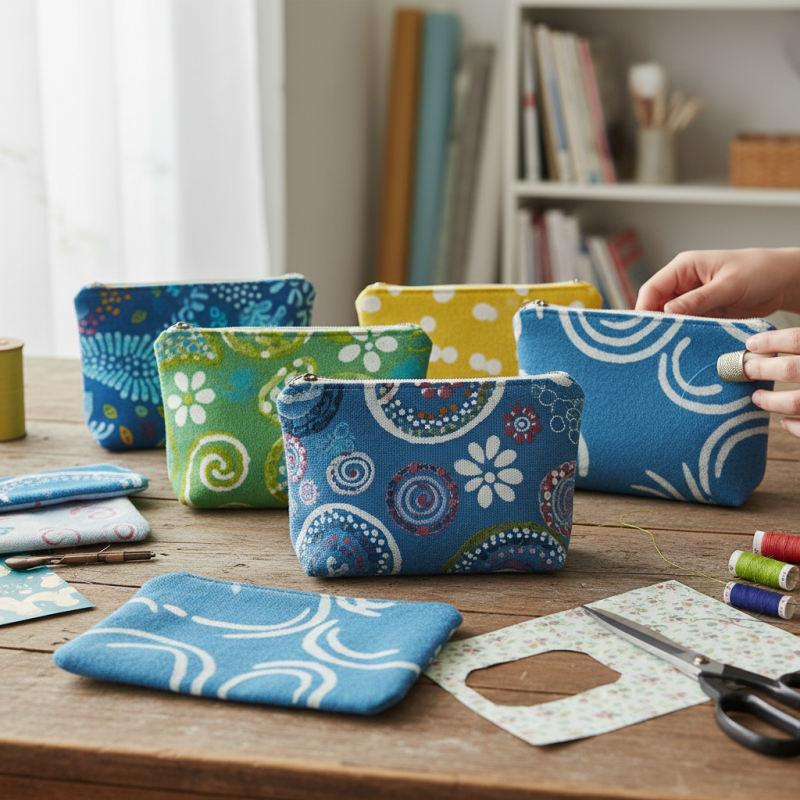
Materials Needed for Making a Nonwoven Fabric Pouch
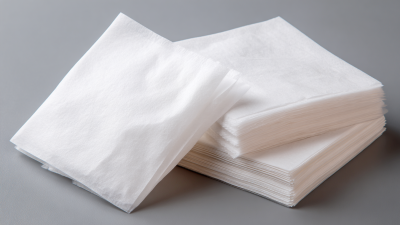
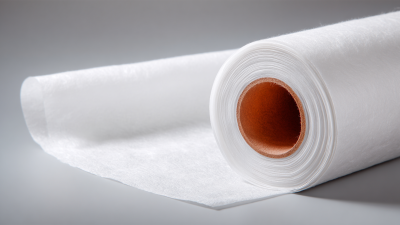
To create a nonwoven fabric pouch at home, start by gathering essential materials. You’ll need sheets of nonwoven fabric, which can be found in various colors and textures. A pair of scissors is crucial for cutting the fabric to your desired size. Additionally, some strong adhesive or fabric glue will help secure the seams effectively. Don't forget a ruler or measuring tape for precision, and a pencil to mark your cutting lines.
When cutting the fabric, measure carefully. Aim for a rectangular shape, about 12 inches by 8 inches. This size is versatile for various uses. If you make a mistake while measuring, it’s okay. Just adjust and trim as needed. Fold the fabric and glue the sides carefully. Ensure the adhesive is applied evenly. Some glue may seep out, creating a mess. Wipe any excess quickly.
Finally, you might want to personalize your pouch. Adding embellishments, like buttons or patches, can enhance its charm. Be aware that the more you add, the harder it can be to keep a tidy finish. It’s a balancing act between creativity and functionality. Embrace imperfections; they'll give your pouch character and make it uniquely yours.
How to Make a Nonwoven Fabric Pouch at Home? - Materials Needed for Making a Nonwoven Fabric Pouch
| Material |
Description |
Quantity |
Approximate Cost |
| Nonwoven Fabric |
Main material for the pouch, soft and durable |
1 yard |
$3.00 |
| Thread |
For sewing the fabric pieces together |
1 spool |
$2.00 |
| Scissors |
To cut the fabric to the desired size |
1 pair |
$5.00 |
| Ruler |
For measuring the fabric accurately |
1 piece |
$1.00 |
| Iron |
Used to press the fabric for a clean finish |
1 piece |
$20.00 |
Step-by-Step Instructions for Cutting Nonwoven Fabric
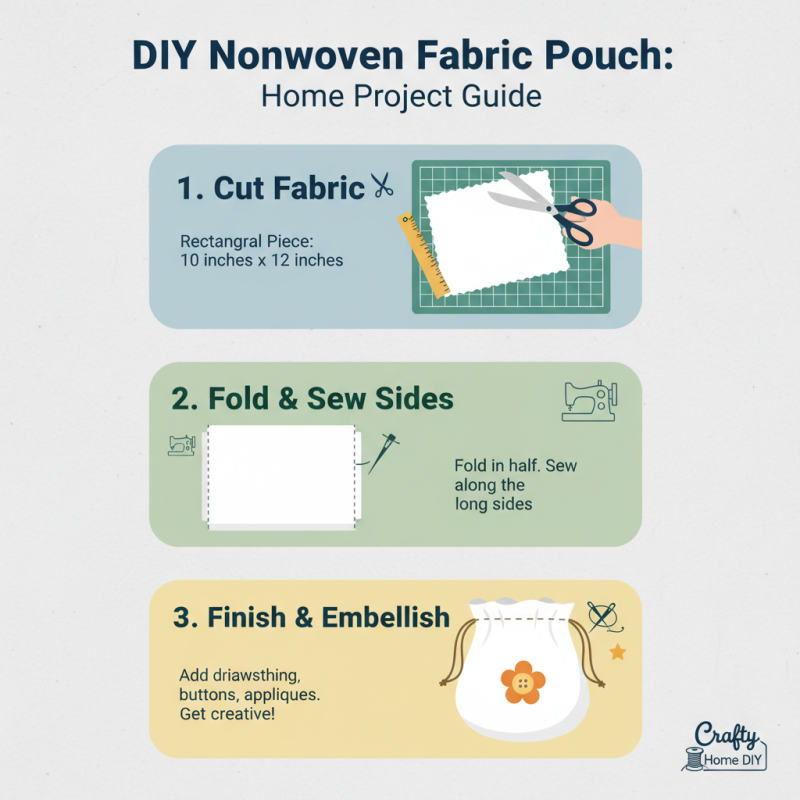
Creating a nonwoven fabric pouch at home is an enjoyable craft project. To start, gather your materials: nonwoven fabric, scissors, a ruler, and a pen. Measure the desired size for your pouch. A simple design might be 10 inches by 12 inches. Cut two pieces of fabric using your ruler and pen for accurate lines. Pay attention to the edges; uneven cutting can lead to a pouch that doesn’t hold its shape well.
Once you have your pieces, lay them flat. Align the two fabric pieces with the good sides facing each other. Use pins to hold the pieces in place, but don't overdo it. A few strategically placed pins work best. Next, sew along the edges with a sewing machine or by hand. Aim for a straight seam, but a little imperfection is okay; it shows character. After sewing, turn the pouch inside out. If it's too small or doesn’t look right, reflect on your cutting technique. Adjust for next time.
Techniques for Sewing and Assembling the Pouch
Creating a nonwoven fabric pouch at home can be an enjoyable project. Understanding the right techniques is key to ensuring a professional finish. One common method is to cut the fabric into desired shapes. For example, a rectangular piece measuring 10 by 12 inches works well for many designs.
Next, sew the sides together using a simple straight stitch. Place the fabric pieces back-to-back, aligning the edges. A common mistake is to neglect seam allowances. Ensure you leave at least a half-inch for sewing. This step is crucial to avoid fraying. Many hobbyists overlook the importance of proper stitching, which can lead to weak seams.
Tips: Use a walking foot on your sewing machine for smoother feeding of the fabric. It helps prevent puckering. Remember to test your stitch settings on a scrap piece first. This small step can save you time and frustration later on.
You might face challenges while assembling the pouch. For instance, uneven edges can ruin the look. Precision is essential but not always easy to achieve. Measuring twice and cutting once can reduce errors. According to industry data, proper cutting can improve accuracy by up to 75%. This is a significant improvement for any sewing novice. Keep practicing, and over time, your skills will refine.
Adding Finishing Touches and Customization Options
Creating a nonwoven fabric pouch at home can be a fun project. Adding personal touches makes it truly unique. Think about embellishments like fabric paint, patches, or even embroidery. These details can make your pouch stand out. You can also use different colors of nonwoven fabric for a layered effect.
Try incorporating pockets or zippers for functionality. Simple additions, like a button closure, can enhance the design. Reflect on how these features can improve usability. Experiment with different shapes, too. A round or triangular pouch can be more appealing than a standard rectangular one.
Tips: Use fabric glue for quick fixes. It dries clear and is less messy than traditional sewing. Don't be afraid to make mistakes; they can lead to creative adjustments. Explore options like stencils for patterns. They can add a professional touch without taking too much time. Always test your ideas on scrap fabric first. It will save you from costly errors and disappointments.
Monthly Production of Nonwoven Fabric Pouches
Tips for Care and Maintenance of Nonwoven Fabric Pouches
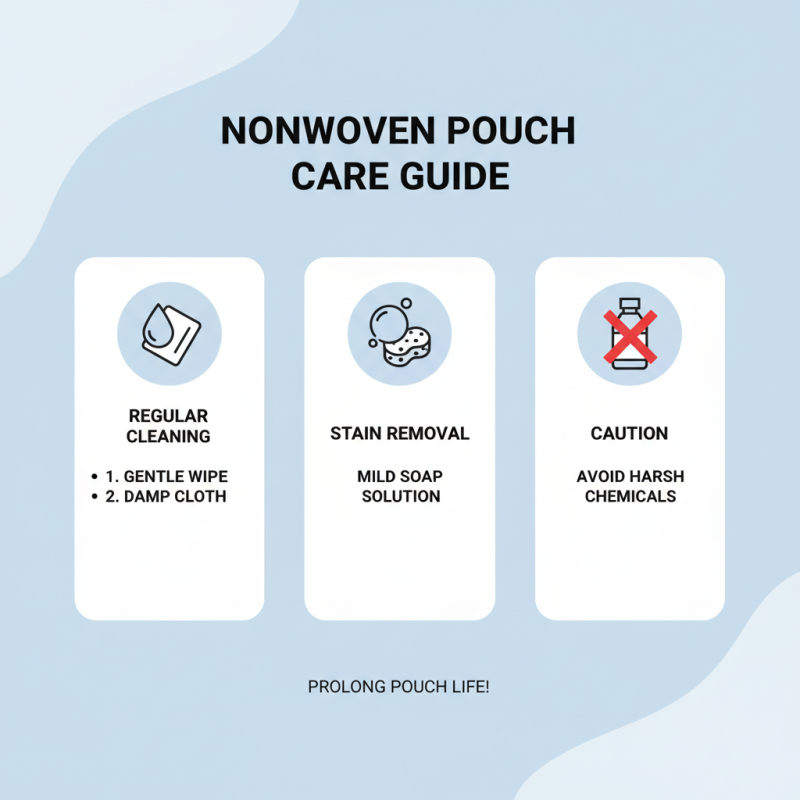
Caring for nonwoven fabric pouches is essential to prolong their life. These pouches are often lightweight and durable, but they require proper maintenance. Regular cleaning can prevent dirt build-up. You can gently wipe the surface with a damp cloth. Sometimes, a mild soap solution helps remove stubborn stains. Be cautious; harsh chemicals may damage the fabric.
Storage is another important aspect. Keep your pouches in a cool, dry place. Avoid areas with high humidity, as it can weaken the fibers. Overstuffing can cause deformation. It's better to store them flat or hang them. If you notice any fraying edges, a simple stitch can enlarge their lifespan.
While nonwoven fabrics are designed to be tough, they are not invincible. You might find them wearing out faster after several uses. This won't happen overnight, but it’s a reality. Inspect regularly for any signs of wear. If a pouch looks faded or damaged, it may be time for a replacement. Nevertheless, these pouches can still serve great purposes with some tender care.

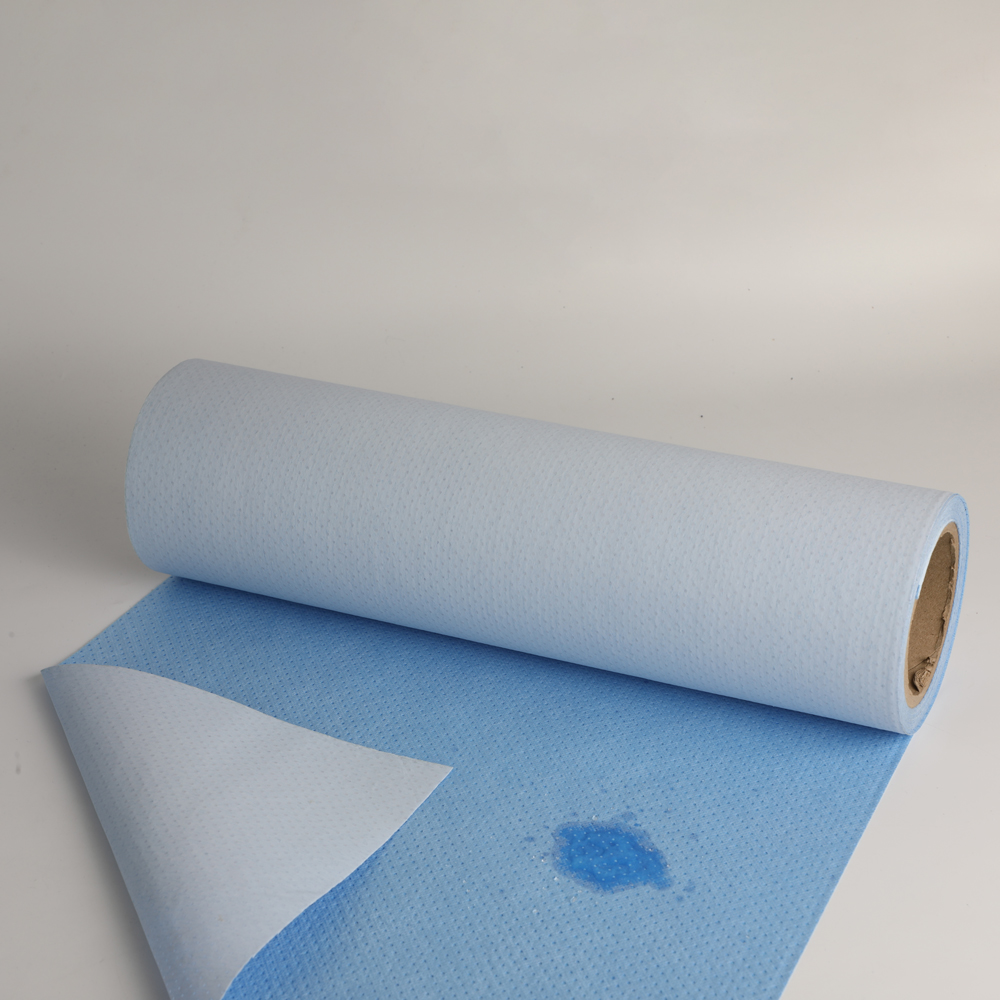 Multi Laminates
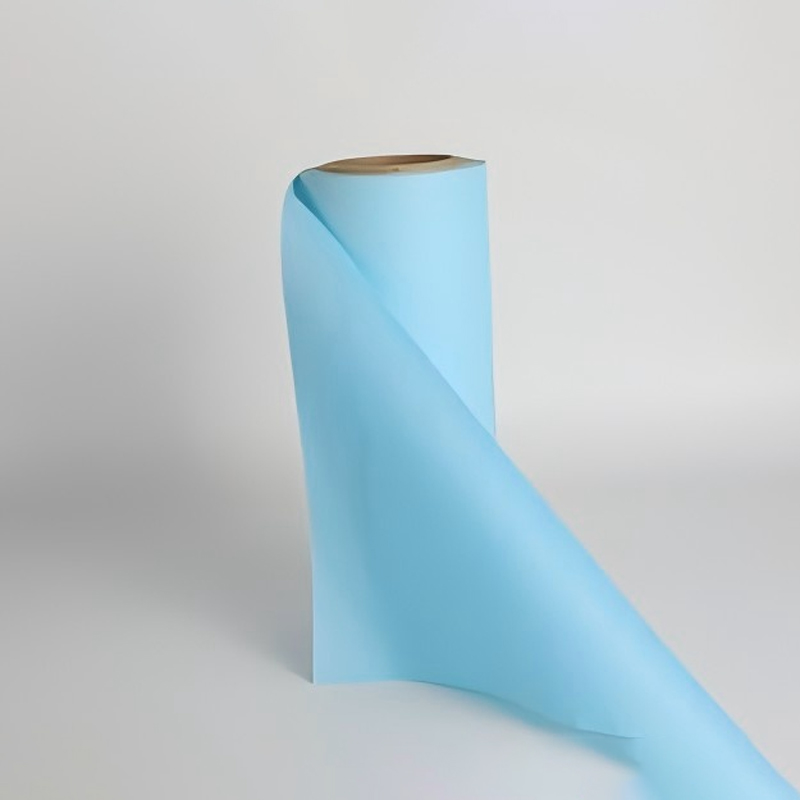 Spunlace Nonwoven Laminates
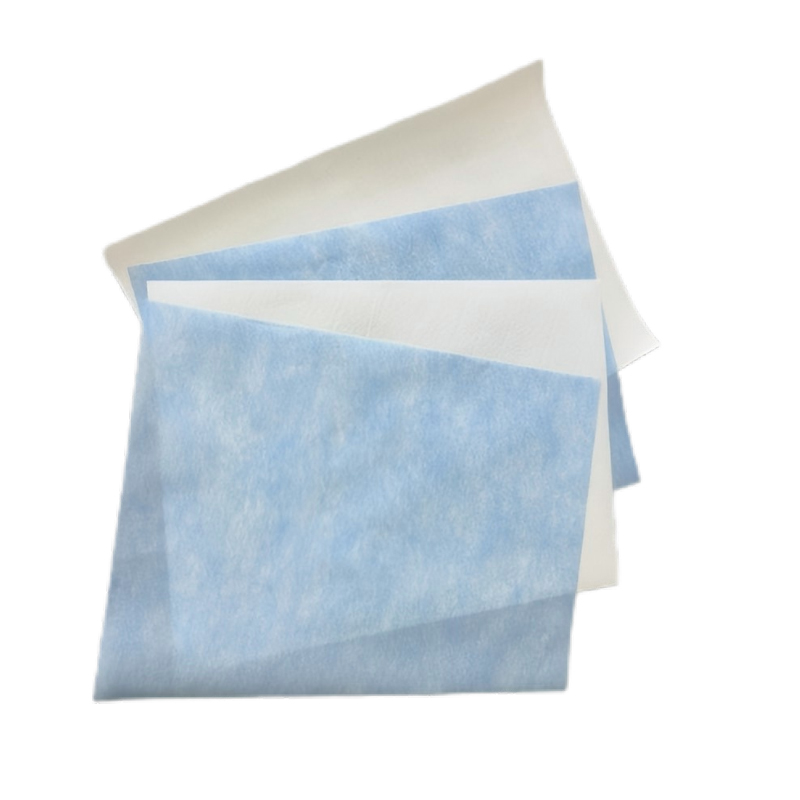 Breathable Film Laminates
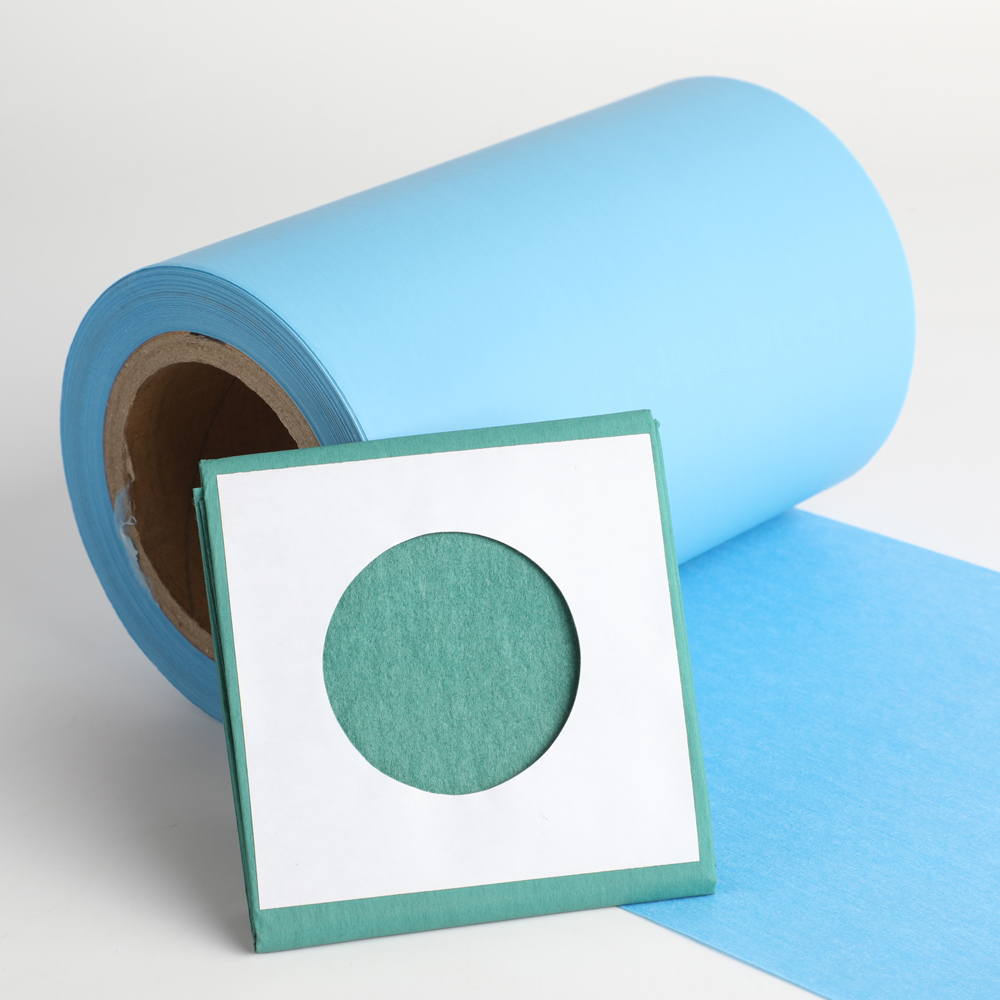 Viscose Laminates
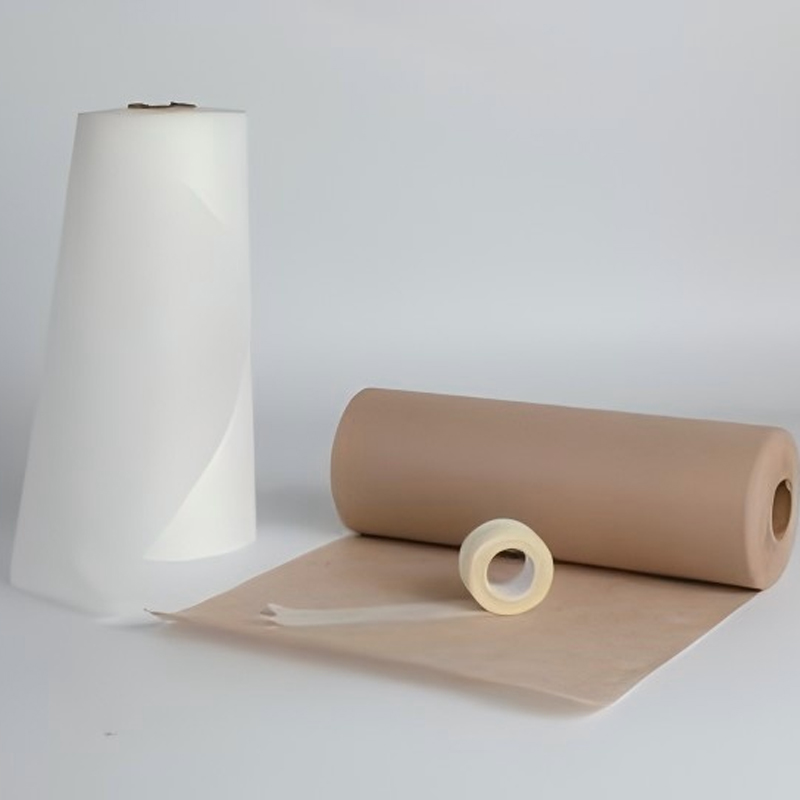 Medical Tape Nonwoven
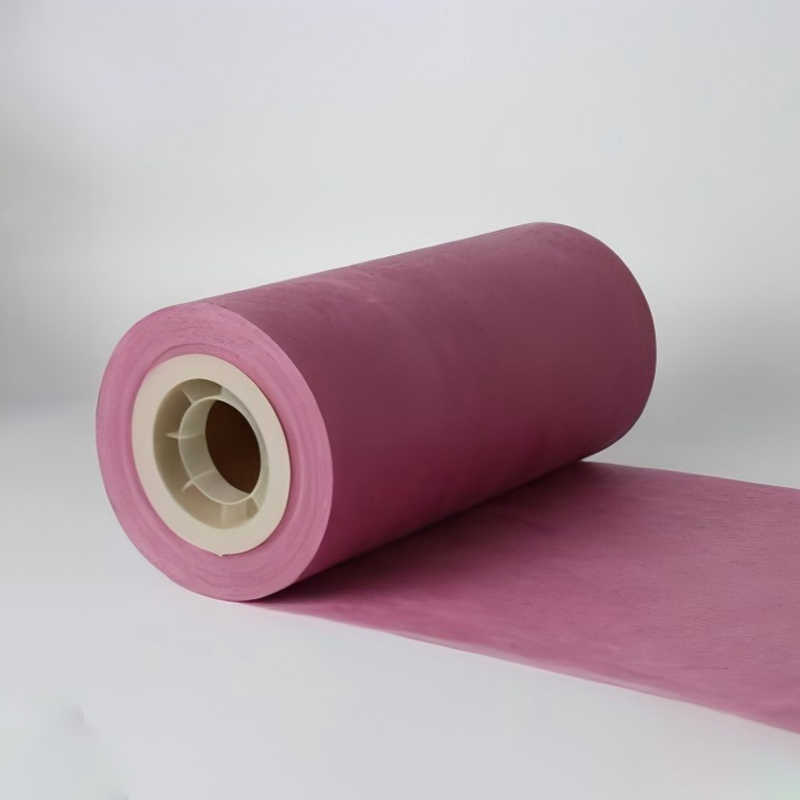 Filtration Nonwoven
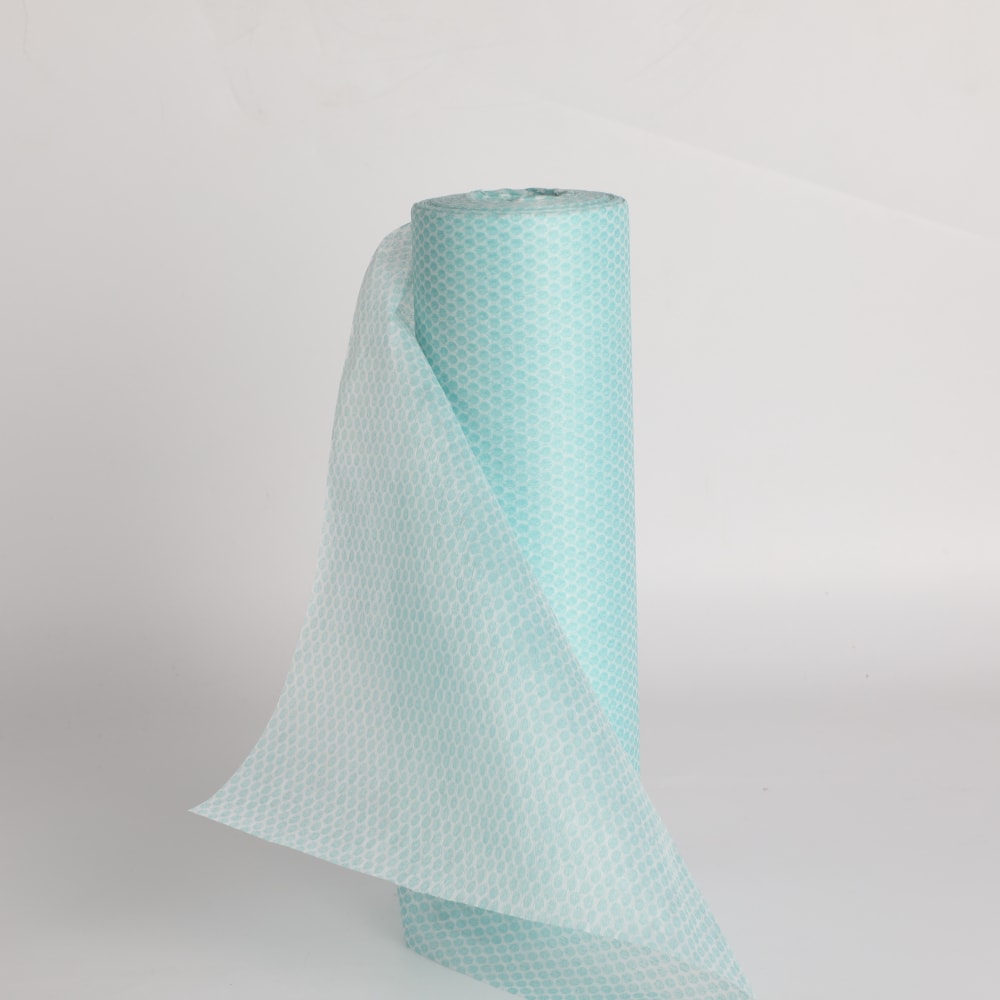 Head Wear Nonwoven
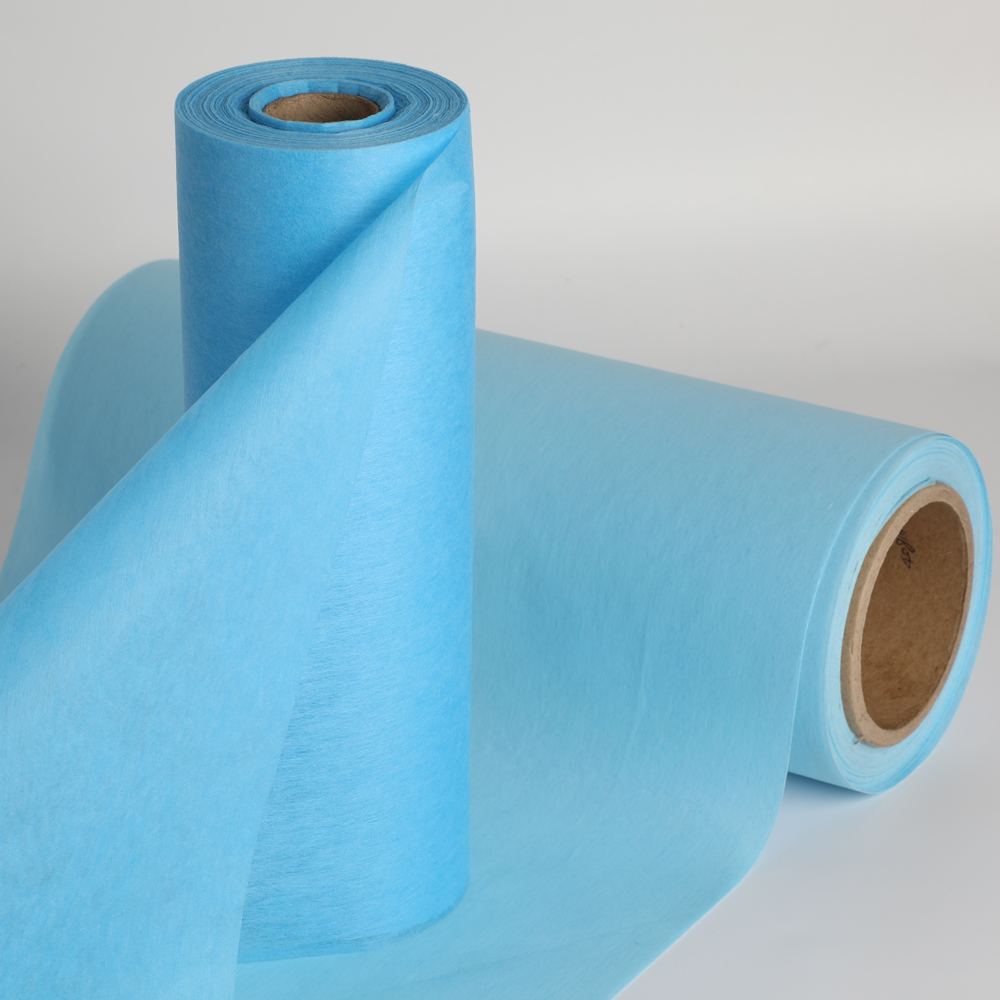 Medical Viscose Nonwoven
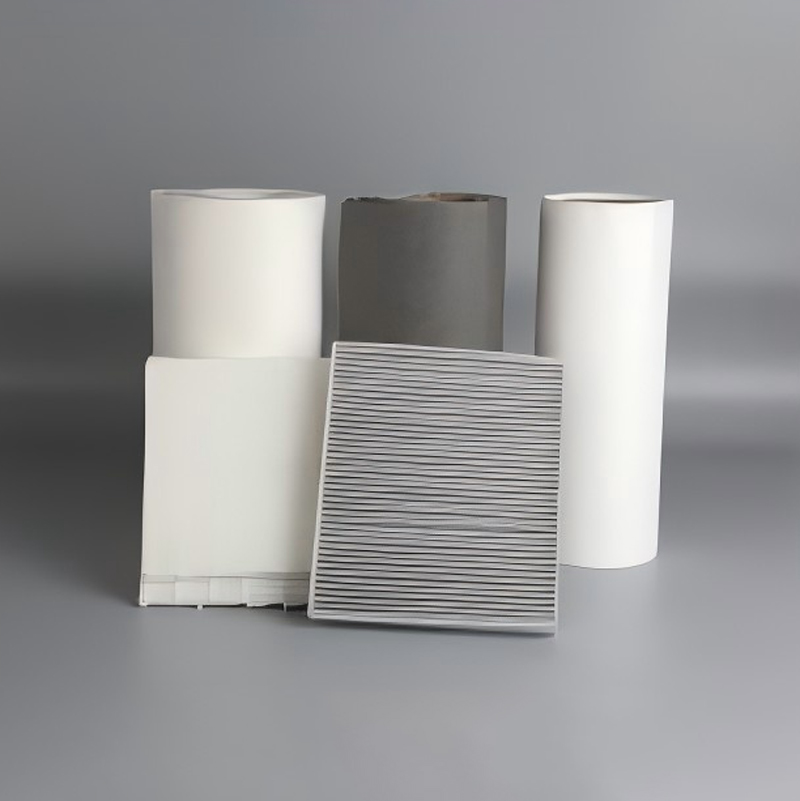 Air Filter Media
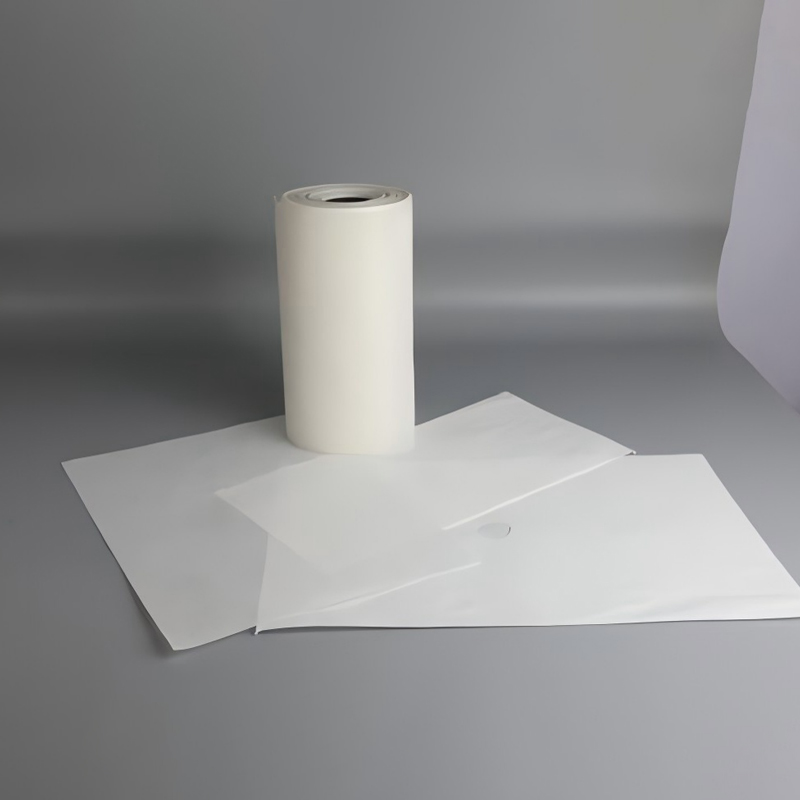 Liquid Filter Media
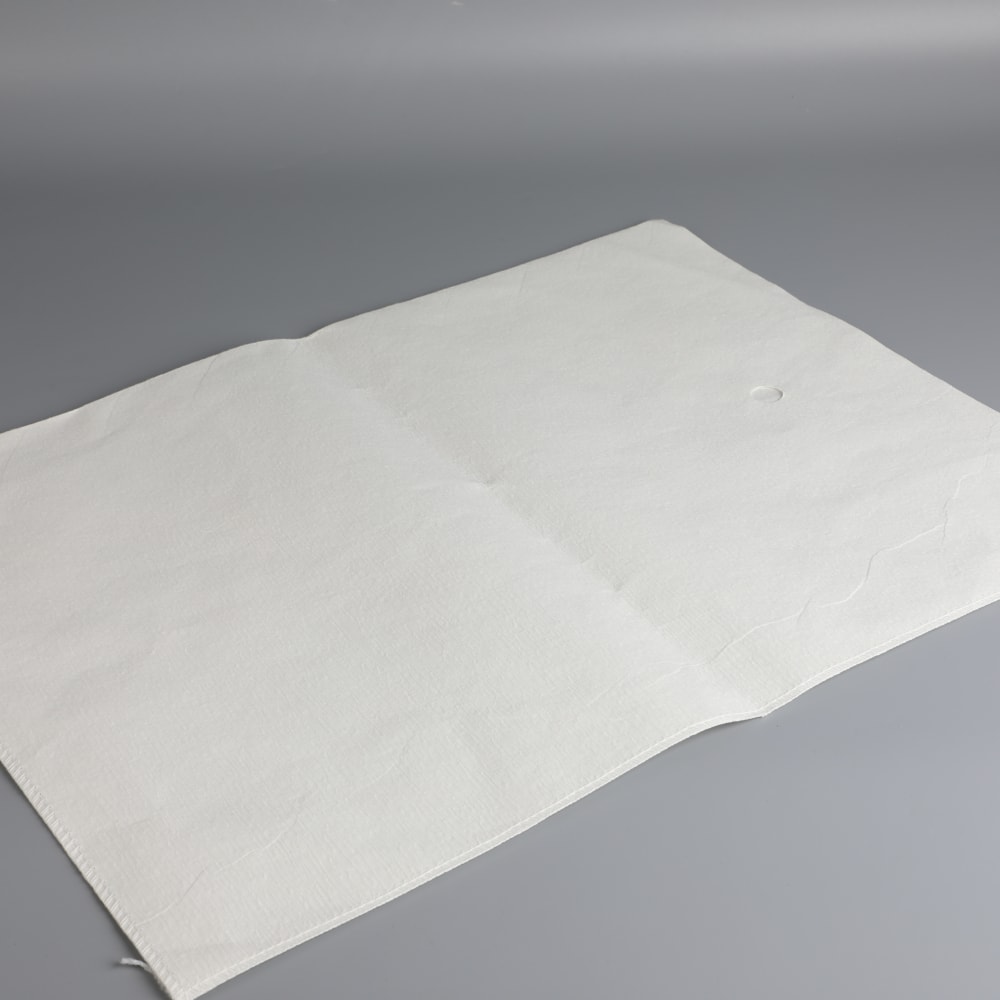 Filter Envelope & Filter Sheet
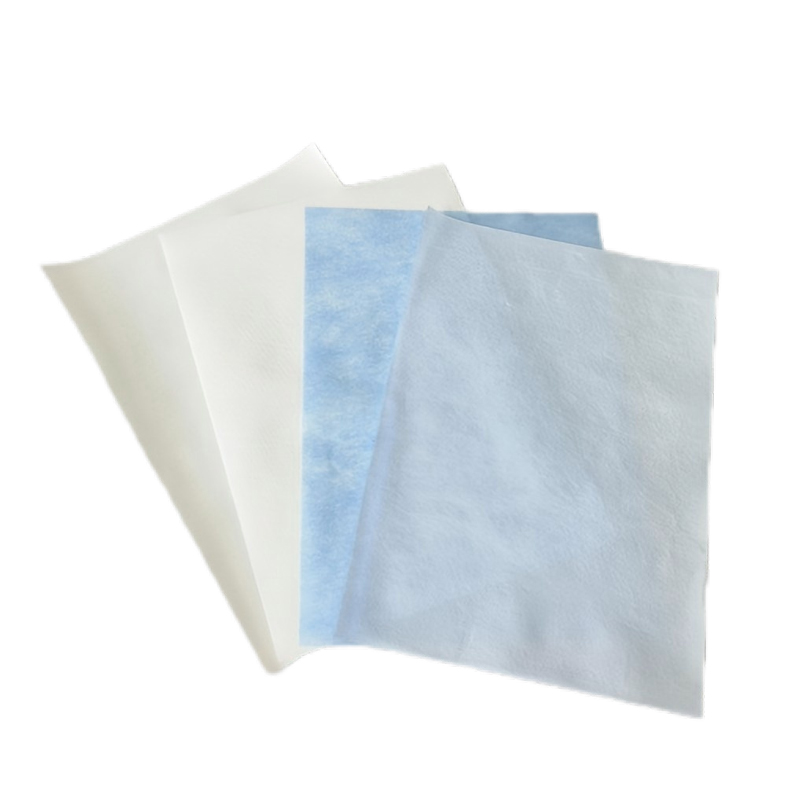 Breathable Film Laminates
 Nonwoven Interlining
 Fluid Repellent Woodpulp Spunlace Nonwoven
 Woodpulp Nonwoven Wipe
 Nonwoven Cleaning Wipe
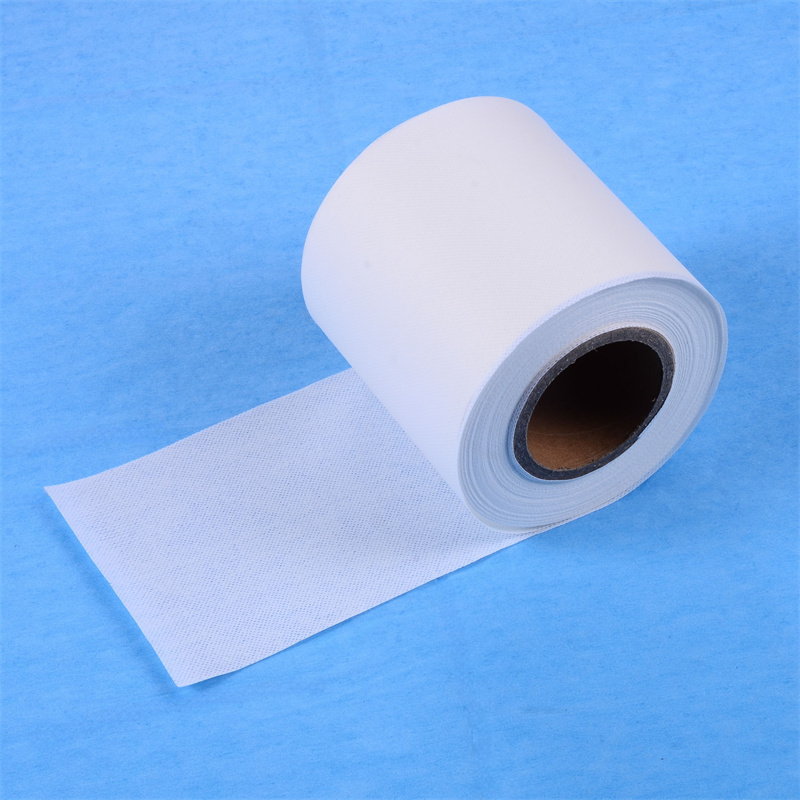 Flame Retardant Nonwoven Fabric
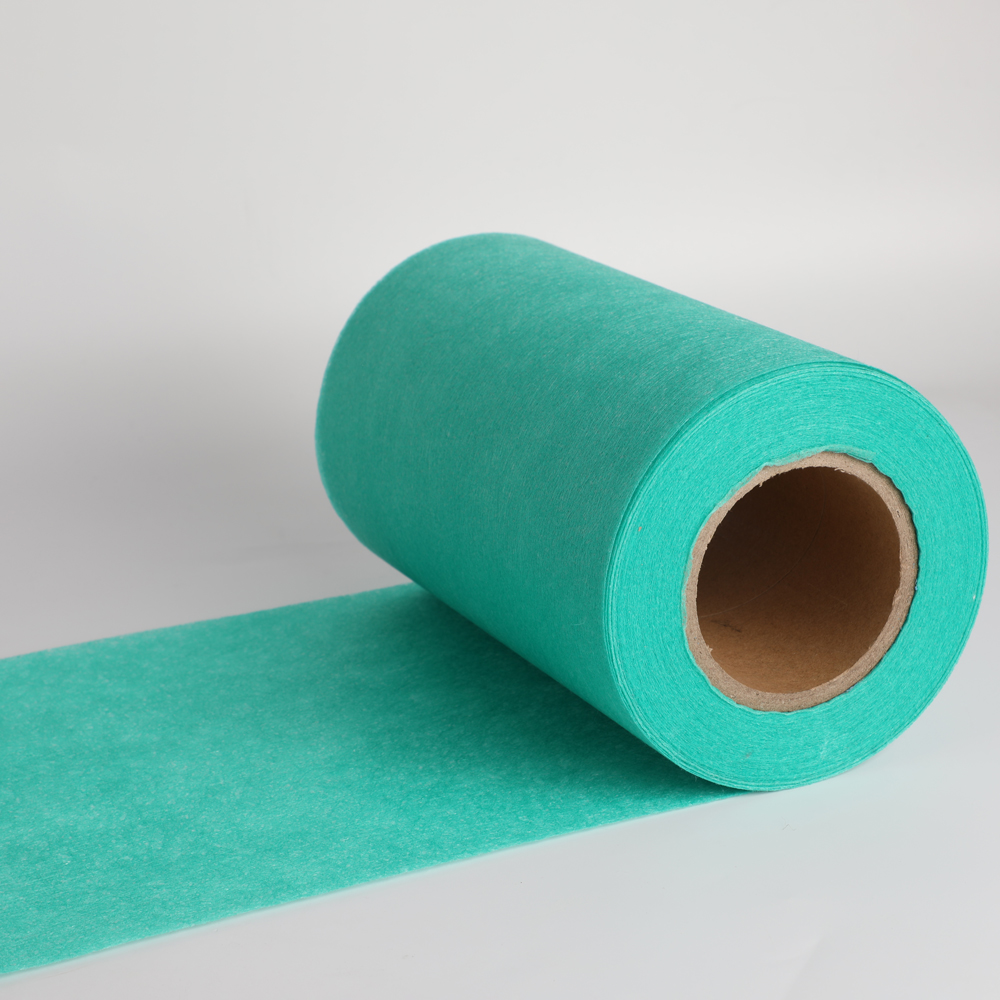 Anti-Bacterial Nonwoven
 CONTACT WhatsApp
 CONTACT WeChat

 CONTACT NUMBER
 CONTACT EMAIL