Explore the Future of Fashion: Innovative Headwear Nonwoven Solutions for Every Style
As the fashion industry continues to evolve, innovative materials play a crucial role in shaping future styles. Among these,
"Headwear Nonwoven" solutions are gaining significant traction, driven by their versatility and sustainability.
According to recent market research, the global nonwoven fabric market is projected to reach USD 55 billion by 2025, with increasing demand across diverse applications, including fashion accessories.
This growth is largely attributed to the unique characteristics of nonwoven materials, such as breathability, lightweight nature, and design adaptability,
which make them ideal for headwear products. Furthermore, the rise of eco-conscious consumerism is propelling brands to explore these innovative solutions, thus creating an exciting landscape for fashion designers and manufacturers alike.
As we delve into the future of fashion, nonwoven headwear is poised to redefine style statements while meeting the functional needs of a diverse clientele.

Innovative Materials: The Role of Nonwoven Fabrics in Modern Headwear Design
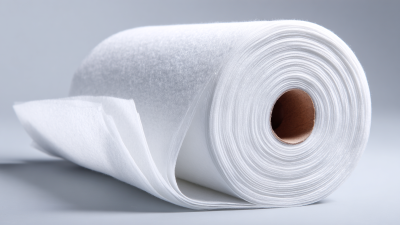
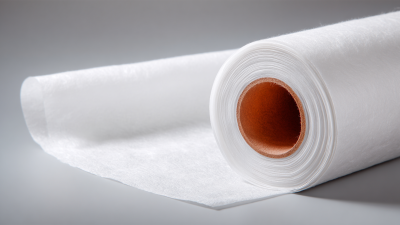
Nonwoven fabrics have emerged as a game-changer in modern headwear design, providing a unique blend of functionality and fashion. These materials, made from synthetic or natural fibers that are bonded together rather than woven, allow for lightweight, breathable, and durable designs. This versatility makes nonwoven fabrics ideal for creating innovative headwear solutions that cater to a diverse range of styles, from sporty caps to high-fashion hats.
The adaptability of nonwoven materials enables designers to experiment with textures, patterns, and colors, pushing the boundaries of traditional headwear. They can easily be molded into various shapes, giving designers more freedom to express creativity while maintaining comfort and practicality. Additionally, nonwoven fabrics are often more sustainable than conventional textiles, appealing to the eco-conscious consumer. As the fashion industry moves towards more sustainable practices, the integration of nonwoven solutions in headwear not only responds to stylistic needs but also aligns with ethical considerations in design.

Sustainable Fashion: Eco-Friendly Nonwoven Solutions for Trendy Hats
In the ever-evolving world of fashion, hats are making a bold statement, and the rise of nonwoven materials is changing the game. These eco-friendly solutions allow designers to craft trendy headwear while minimizing environmental impact. With a focus on sustainability, brands are now exploring innovative methods for creating stylish hats that resonate with the eco-conscious consumer. Nonwoven fabrics are not only lightweight and durable but also versatile, making them the perfect choice for diverse styles, from casual caps to sophisticated wide-brim hats.
Tips: When selecting your next hat, consider looking for brands that prioritize sustainable materials. Opt for nonwoven options made from recycled fibers, as they not only reduce waste but also come in vibrant colors and patterns, perfect for any occasion. Additionally, caring for nonwoven hats is a breeze—simply wipe them down with a damp cloth to keep them looking fresh.
As the conversation around sustainable fashion continues to grow, headwear crafted from nonwoven solutions is at the forefront. Embrace this trend and express your unique style while contributing to a greener planet. Keep an eye out for new designs that incorporate not just fashion but also functionality and eco-responsibility.
Versatile Styles: Adapting Nonwoven Headwear for Various Fashion Statements
As fashion continues to evolve, nonwoven headwear emerges as a versatile solution that complements various styles, from casual streetwear to high-end couture. The adaptability of nonwoven materials allows designers to create innovative and stylish headpieces that cater to the diverse preferences of consumers. According to a recent market analysis, the global nonwoven fabric market is projected to reach $50 billion by 2025, driven largely by the increasing demand for functional textile applications in the fashion industry.
A prime example of this trend is the rising popularity of statement hats like the pink cowboy hat, which blends traditional Western aesthetics with a modern twist. Its incorporation of glitter, sequins, and feathers not only appeals to the nostalgia of Y2K fashion but also demonstrates how nonwoven solutions can bring flair and functionality to headwear. Fashion-forward consumers are drawn to such pieces, as they allow for personal expression and creativity across different occasions, from parties to casual outings. As reported in industry insights, headwear sales are expected to grow significantly, signifying the relevance and importance of innovative designs in the nonwoven sector.
Technology Integration: Smart Features in Nonwoven Headgear for Everyday Use
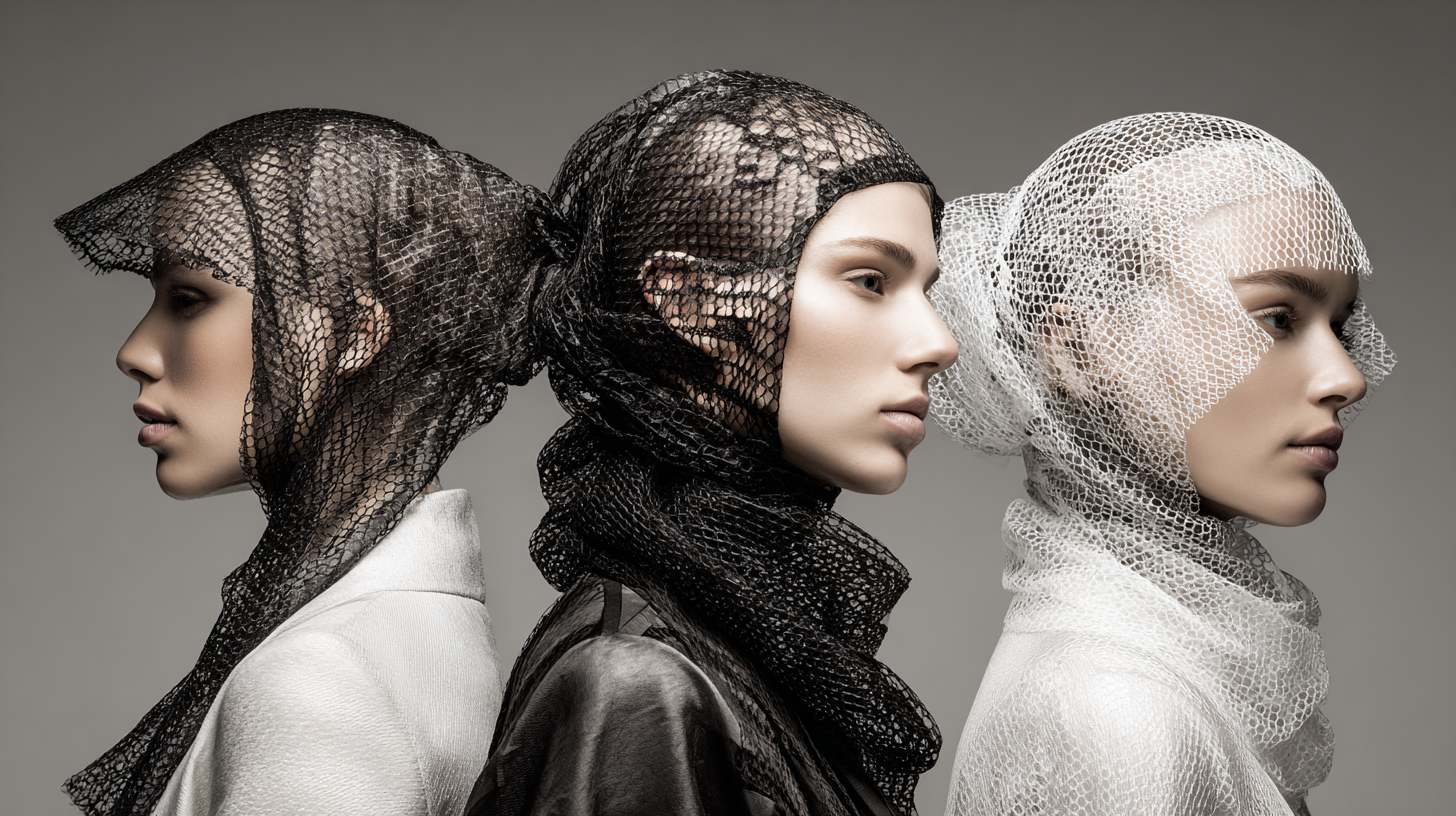
The future of fashion is evolving rapidly, particularly with the integration of smart technology into nonwoven headwear. These innovative designs are not just about aesthetics; they enhance functionality and provide users with valuable features for everyday life. According to a report by Market Research Future, the smart textile market is projected to reach $5 billion by 2025, driven by advancements in materials such as nonwoven fabrics. This growth indicates that consumers are increasingly looking for headgear that not only looks good but also provides smart solutions.
Nonwoven headgear is now being infused with smart features such as temperature regulation, moisture management, and built-in communication systems. For instance, some brands are developing hats that can connect to smartphones, enabling users to take calls or listen to music with ease. Additionally, advanced materials can help monitor health metrics such as heart rate or UV exposure, making them a versatile option for outdoor enthusiasts.
**Tips for Choosing Smart Headwear:**
1. Look for nonwoven fabrics that offer breathability and comfort, especially if you plan to wear them for extended periods.
2. Consider features that cater to your lifestyle, such as UV protection for outdoor activities or integrated headphones for commuters.
3. Check for compatibility with your devices to ensure you can fully benefit from the smart features available.
Innovative Nonwoven Headwear Technologies
Customization Trends: Personalizing Nonwoven Headwear to Reflect Individual Style
The world of fashion is continuously evolving, and headwear is no exception. With consumers increasingly seeking ways to express their unique styles, the trend of personalization in nonwoven headwear is gaining momentum. According to a recent market research report by Grand View Research, the global nonwoven fabric market is expected to reach $51.3 billion by 2028, with a significant portion attributable to the growing demand for custom and fashionable headwear. This shift underscores the value placed on individuality, as brands adapt their strategies to cater to consumers’ preferences for personalized items.
Customization trends allow wearers to not only choose their preferred colors and patterns but also to add unique features such as logos, embroidery, and even functional elements like UV protection. This level of personalization is not just a fad; it’s an expectation. A survey by Statista reveals that over 50% of millennials are willing to pay more for personalized products, showcasing the profitability of investments in custom headwear lines.
Tips: When considering a custom nonwoven headwear piece, think about incorporating sustainable materials that resonate with today’s eco-conscious consumers. Also, keep in mind the functionality of your design; features like moisture-wicking or sun protection can enhance the appeal of your product. Finally, promote your offerings through social media platforms, as visual content can engage potential buyers and showcase the personalization options available.
Explore the Future of Fashion: Innovative Headwear Nonwoven Solutions for Every Style
| Headwear Type |
Material Type |
Customization Options |
Target Audience |
Trends |
| Baseball Caps |
Recycled Nonwoven Fabric |
Embroidery, Print, Color Selection |
Sports Enthusiasts |
Sustainable Fashion |
| Beanies |
Soft Nonwoven Wool Blend |
Patch Designs, Patterns |
Young Adults |
Streetwear |
| Fedoras |
Nonwoven Felt |
Ribbons, Custom Brim Shapes |
Fashion-Conscious Individuals |
Vintage Revival |
| Sun Hats |
Lightweight Nonwoven Fabric |
Brim Sizes, Designs |
Outdoor Enthusiasts |
Functional Fashion |

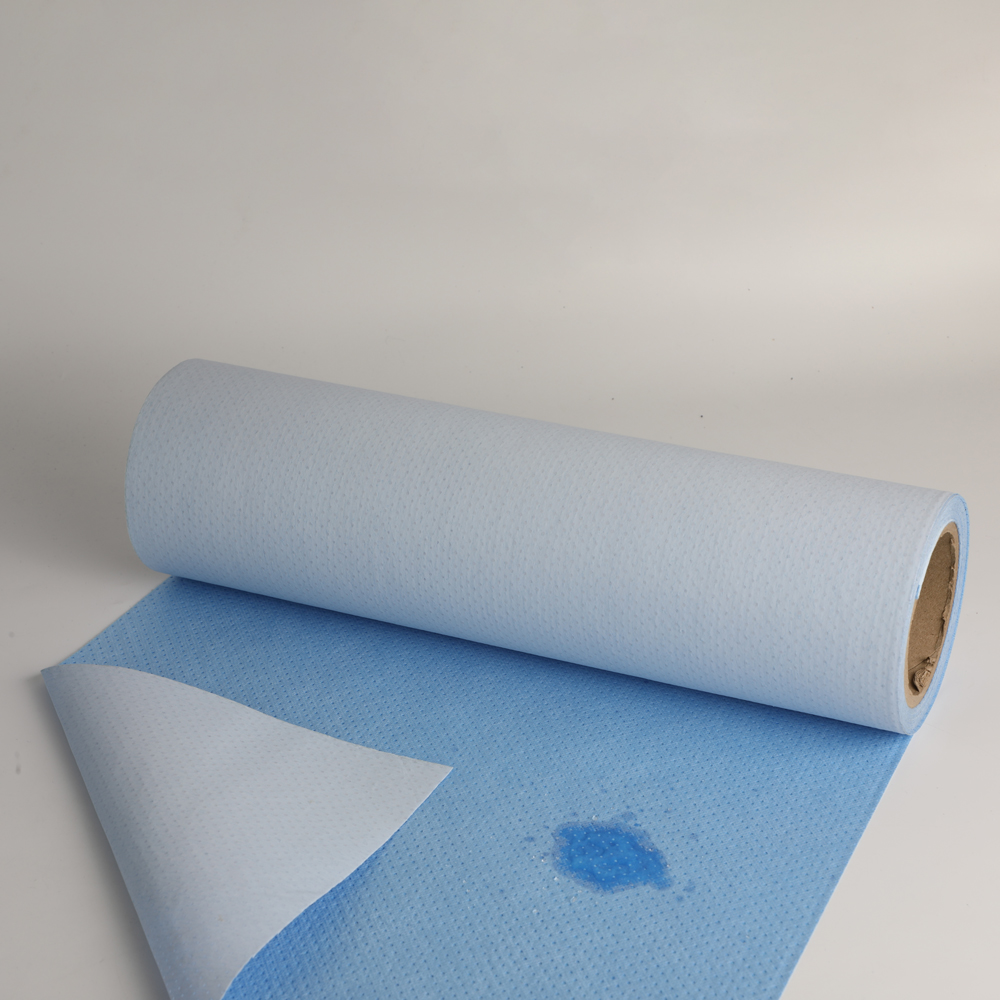 Multi Laminates
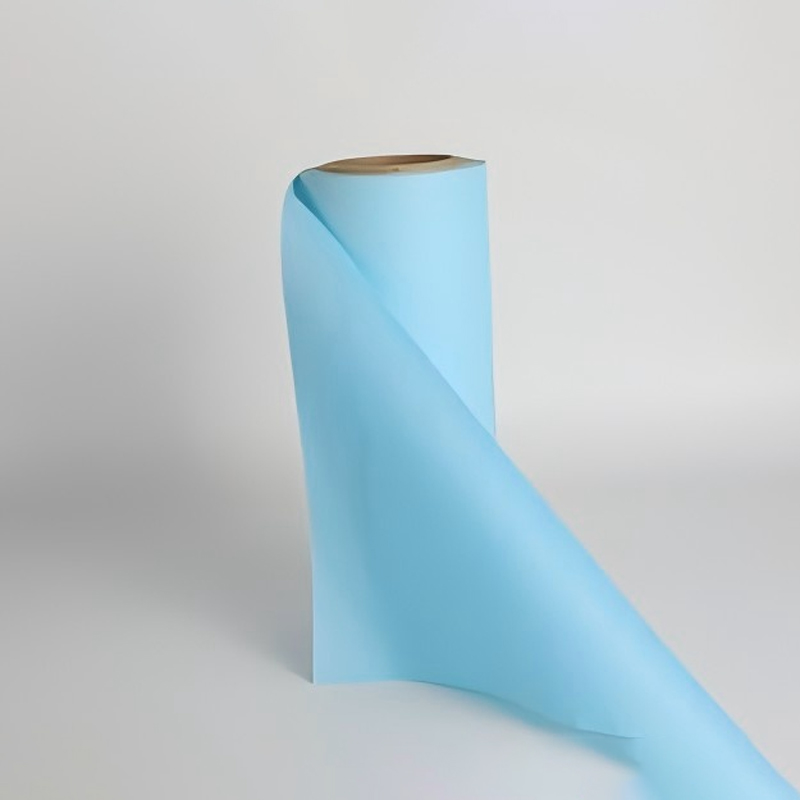 Spunlace Nonwoven Laminates
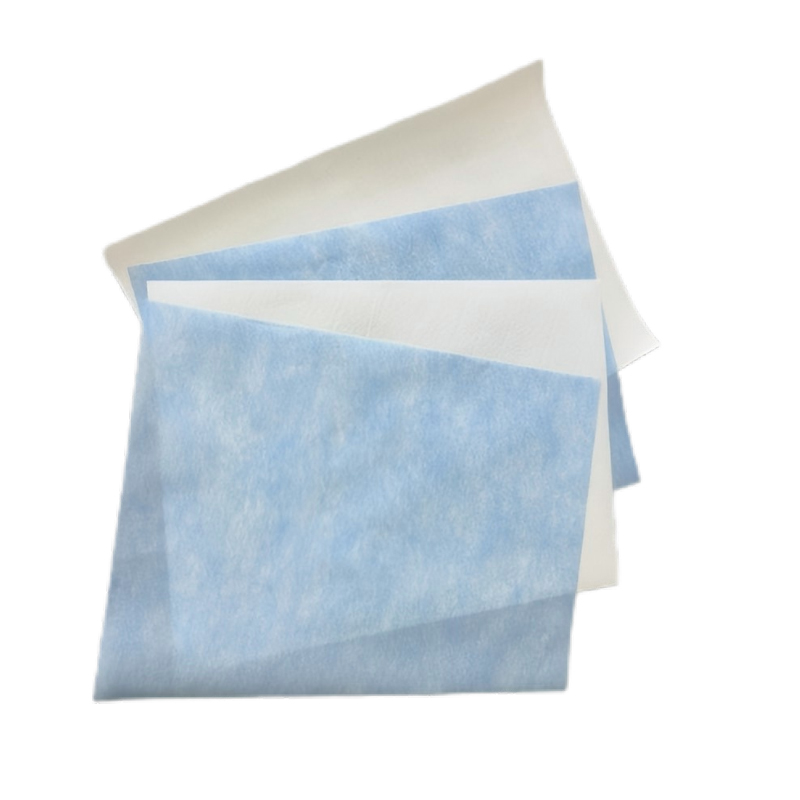 Breathable Film Laminates
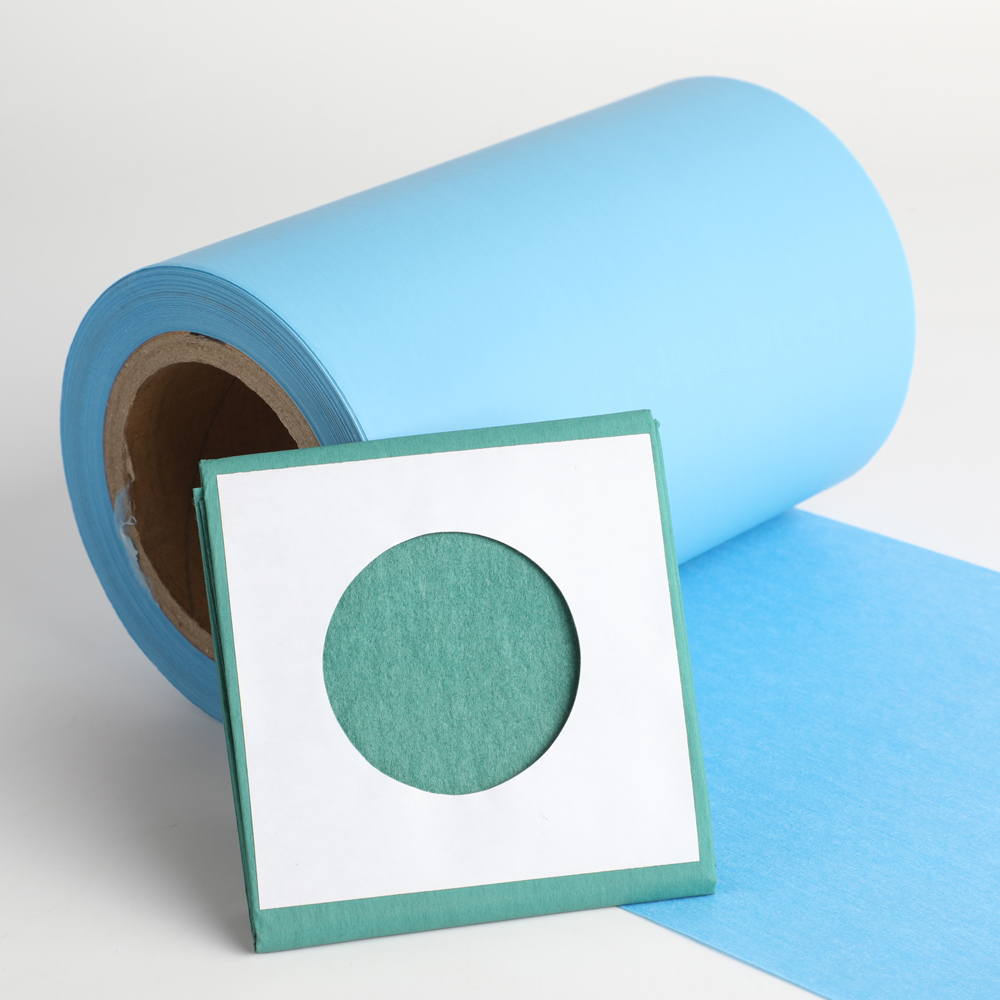 Viscose Laminates
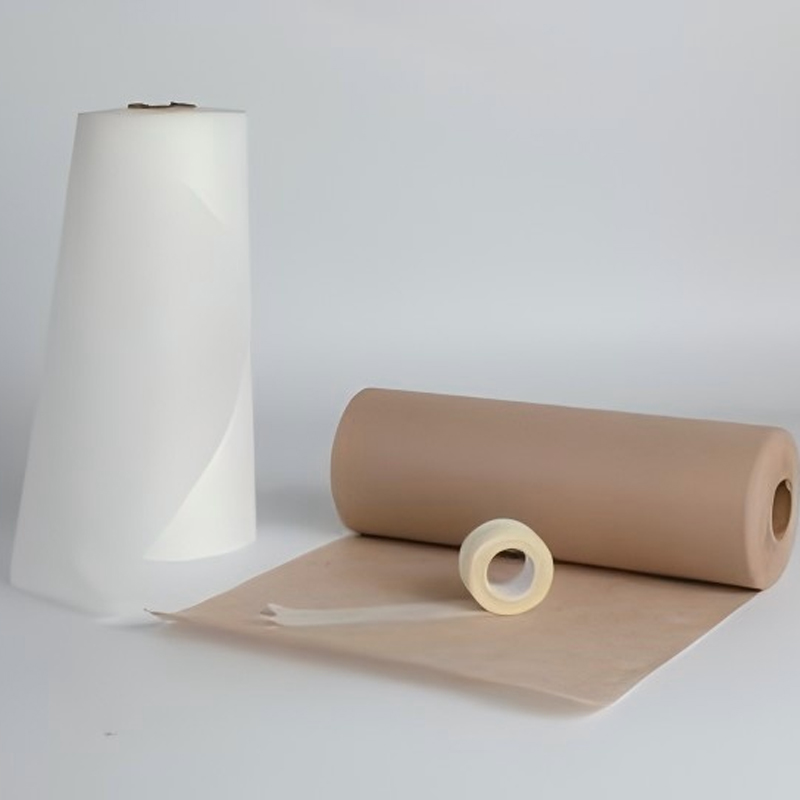 Medical Tape Nonwoven
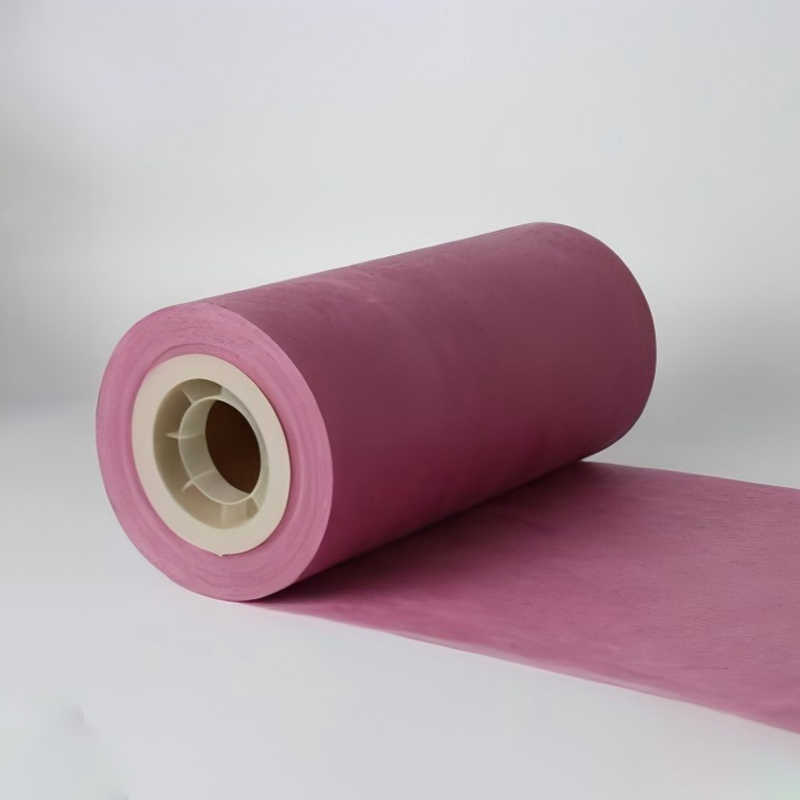 Filtration Nonwoven
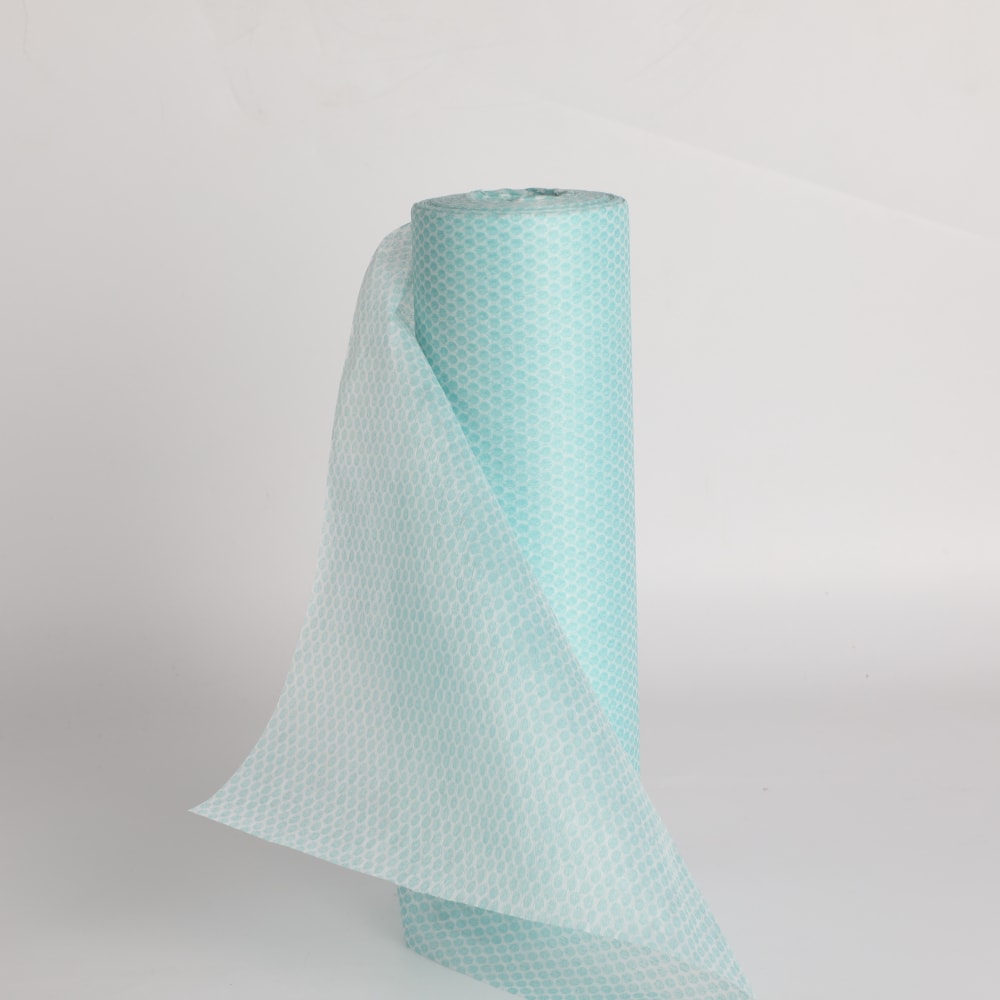 Head Wear Nonwoven
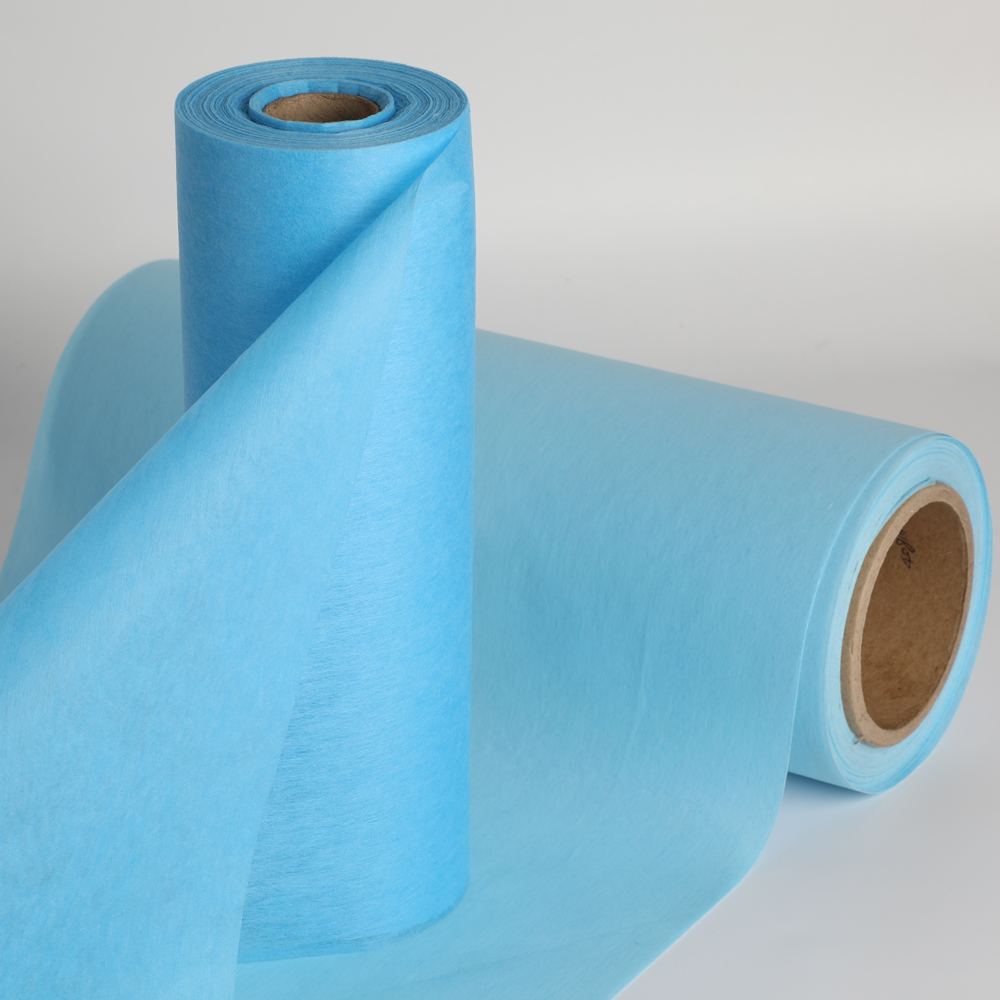 Medical Viscose Nonwoven
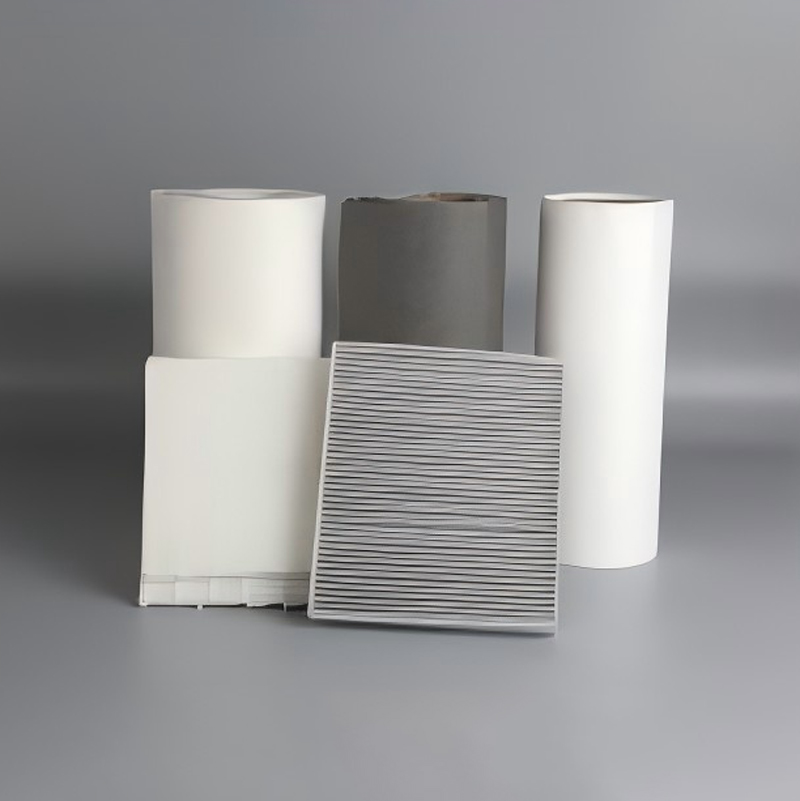 Air Filter Media
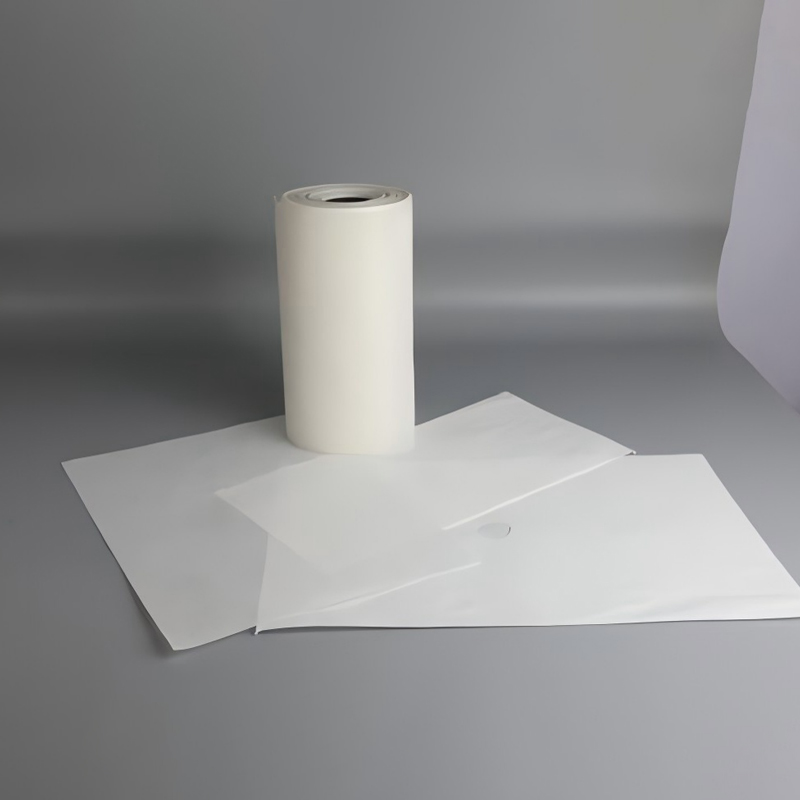 Liquid Filter Media
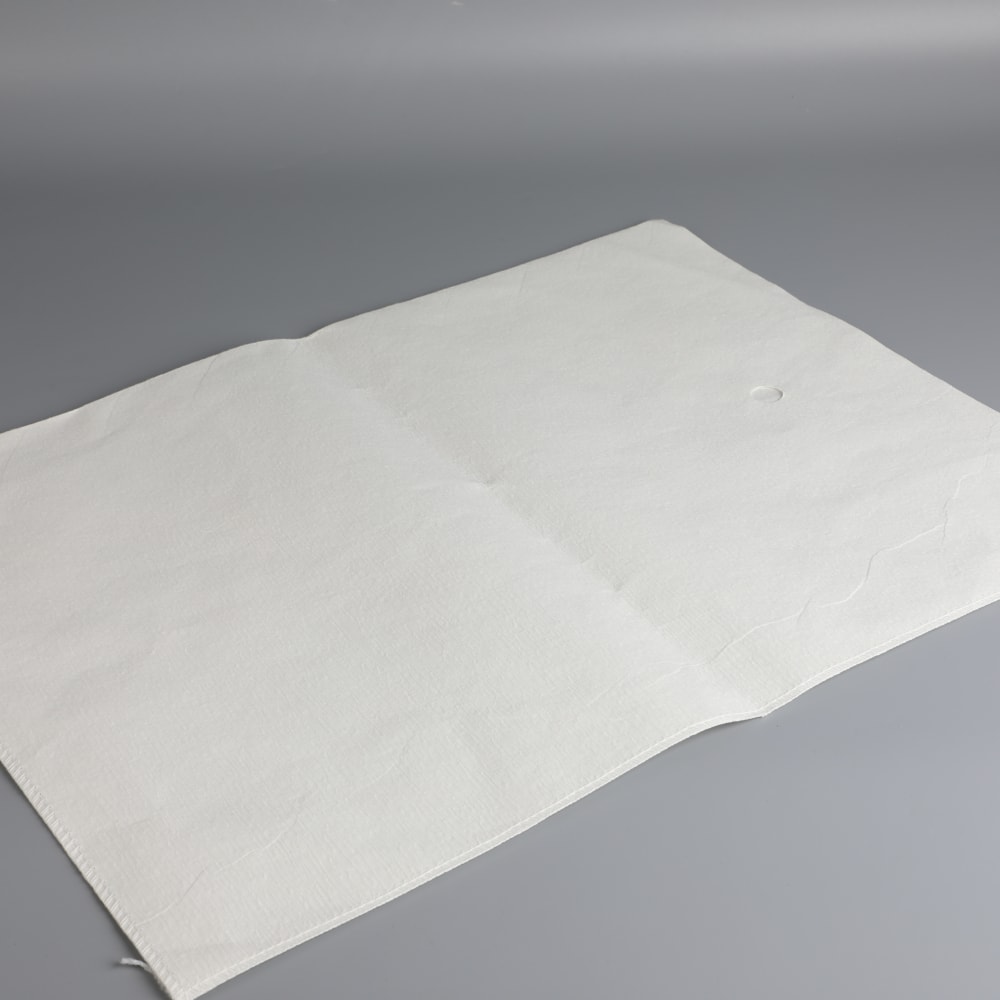 Filter Envelope & Filter Sheet
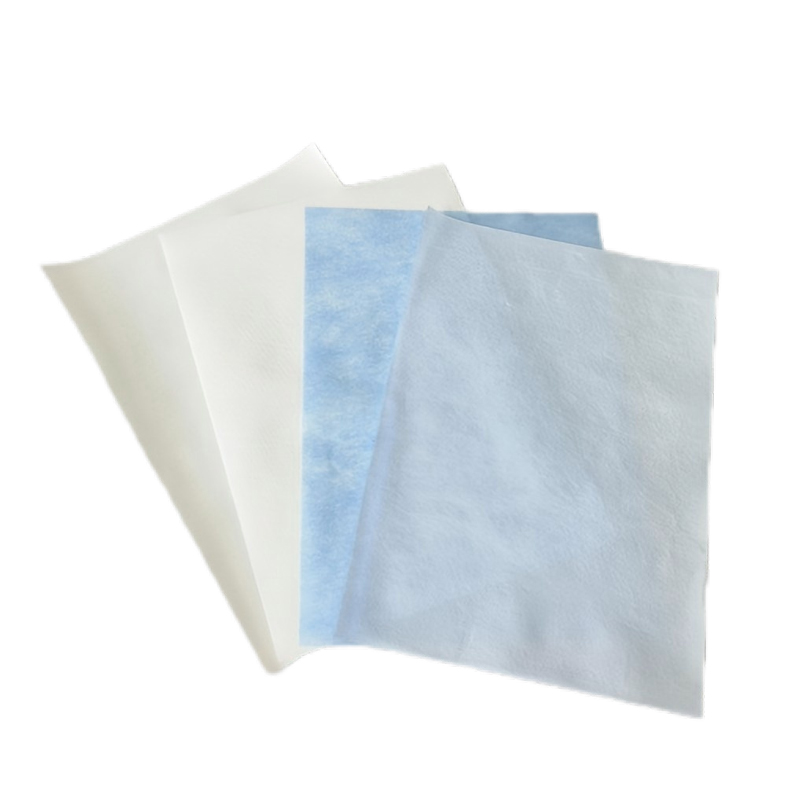 Breathable Film Laminates
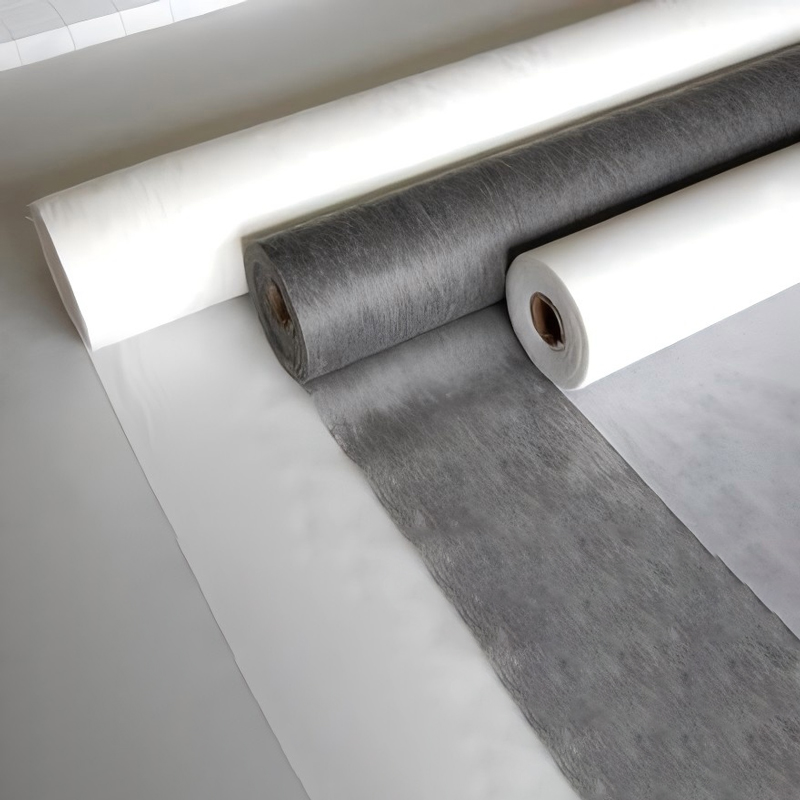 Nonwoven Interlining
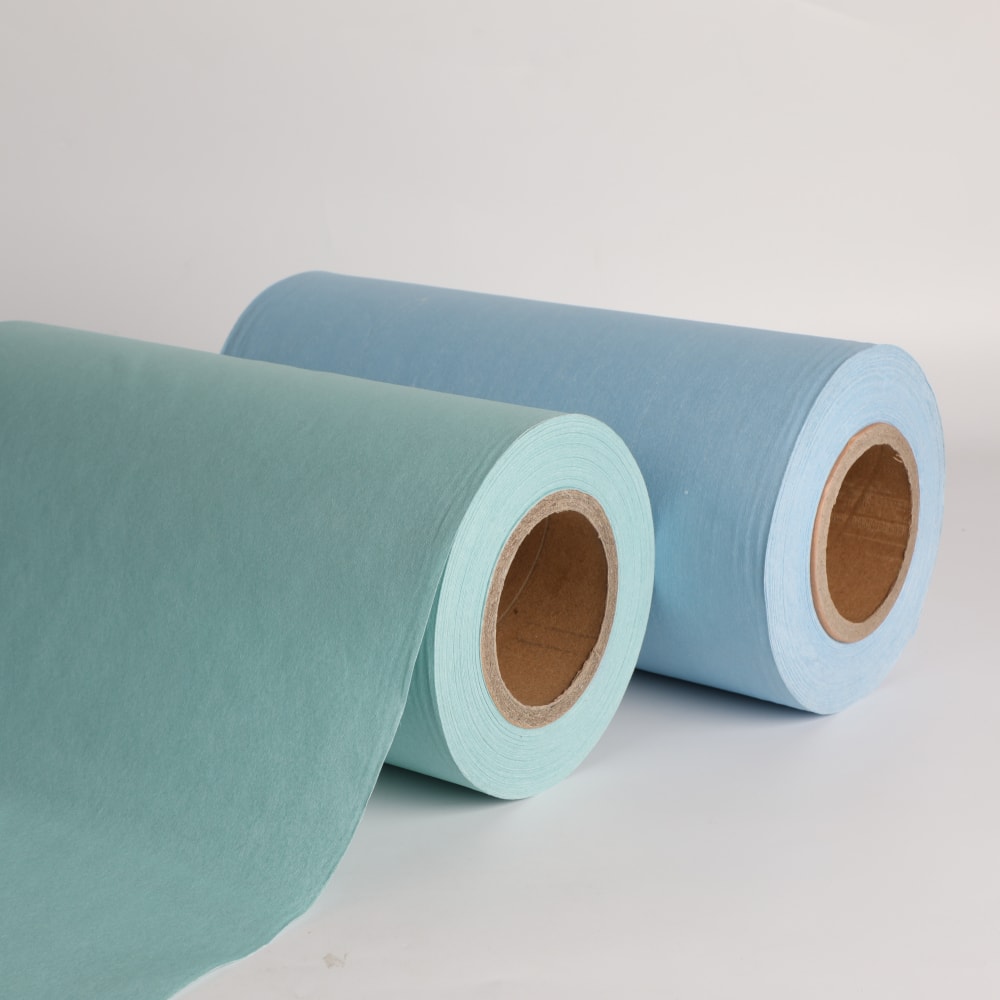 Fluid Repellent Woodpulp Spunlace Nonwoven
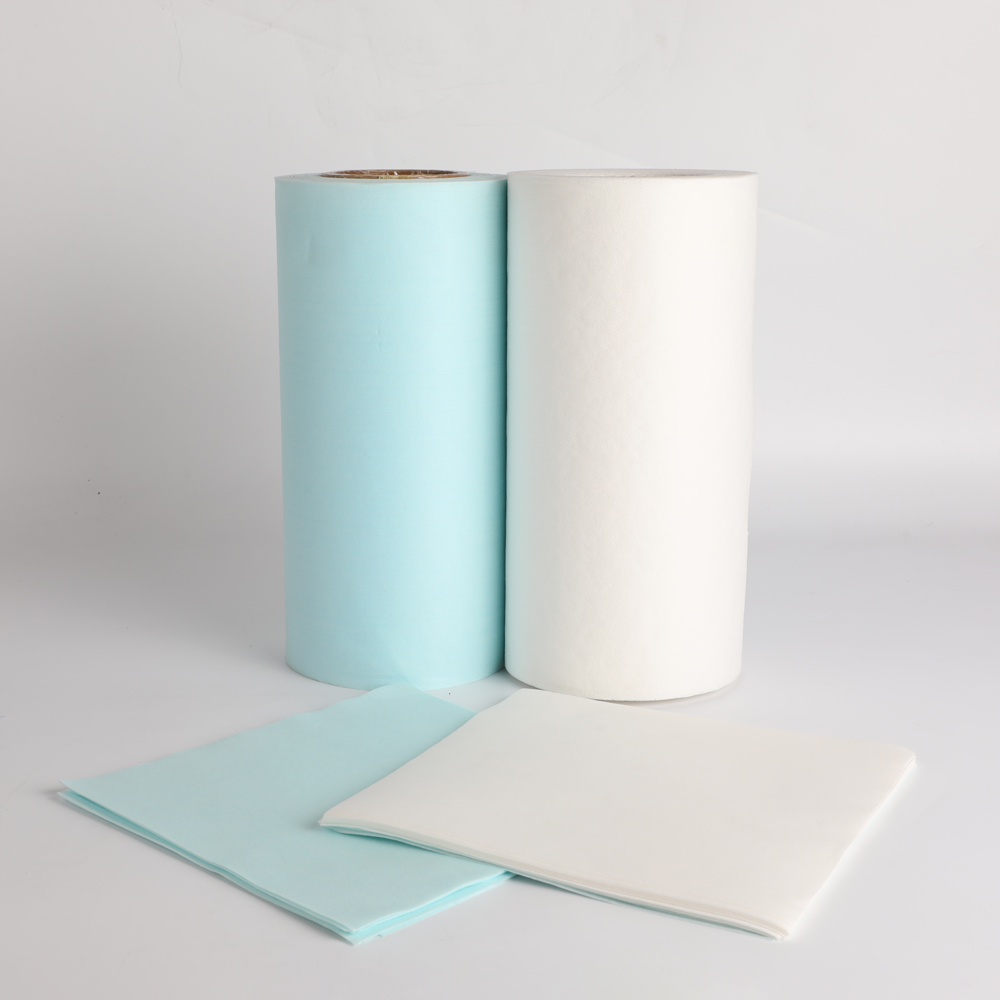 Woodpulp Nonwoven Wipe
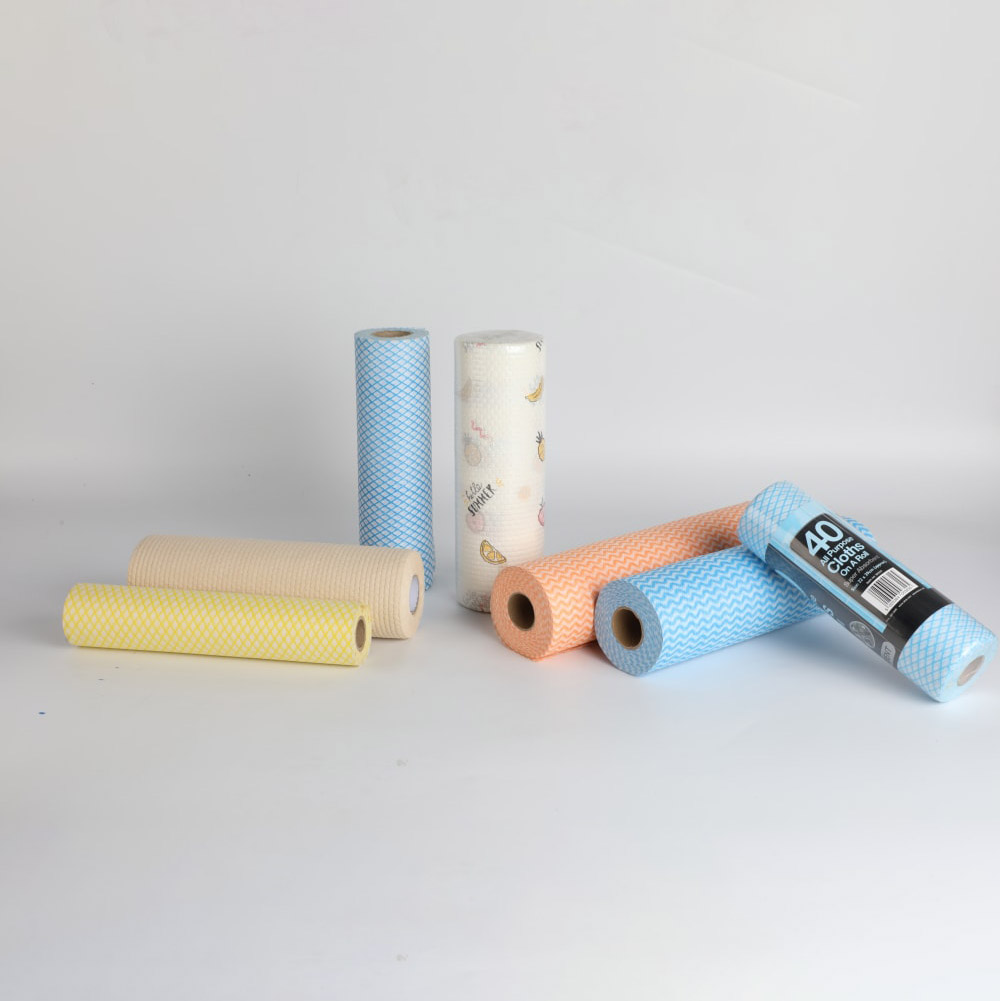 Nonwoven Cleaning Wipe
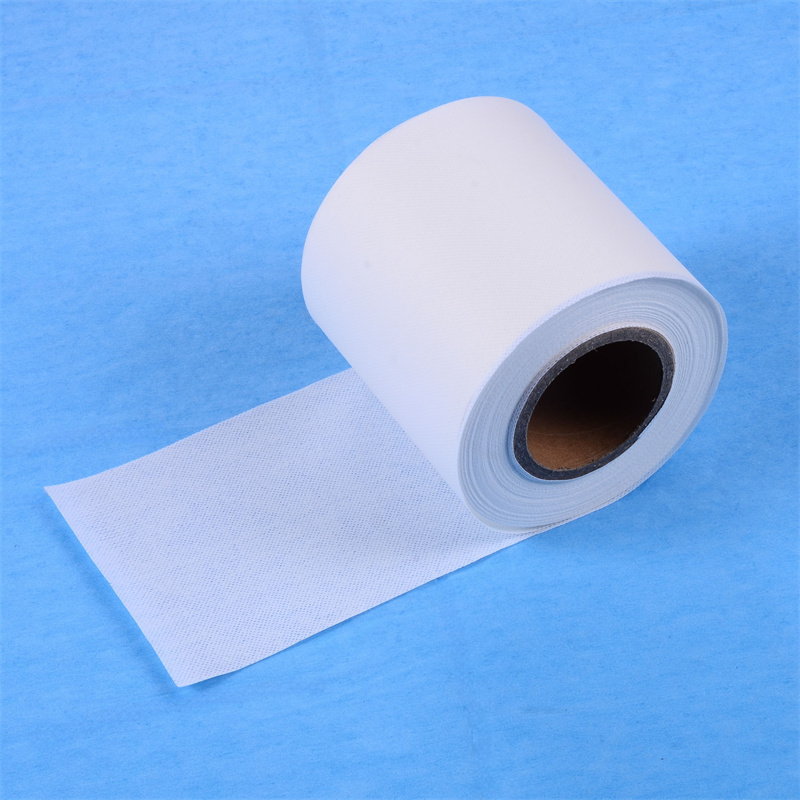 Flame Retardant Nonwoven Fabric
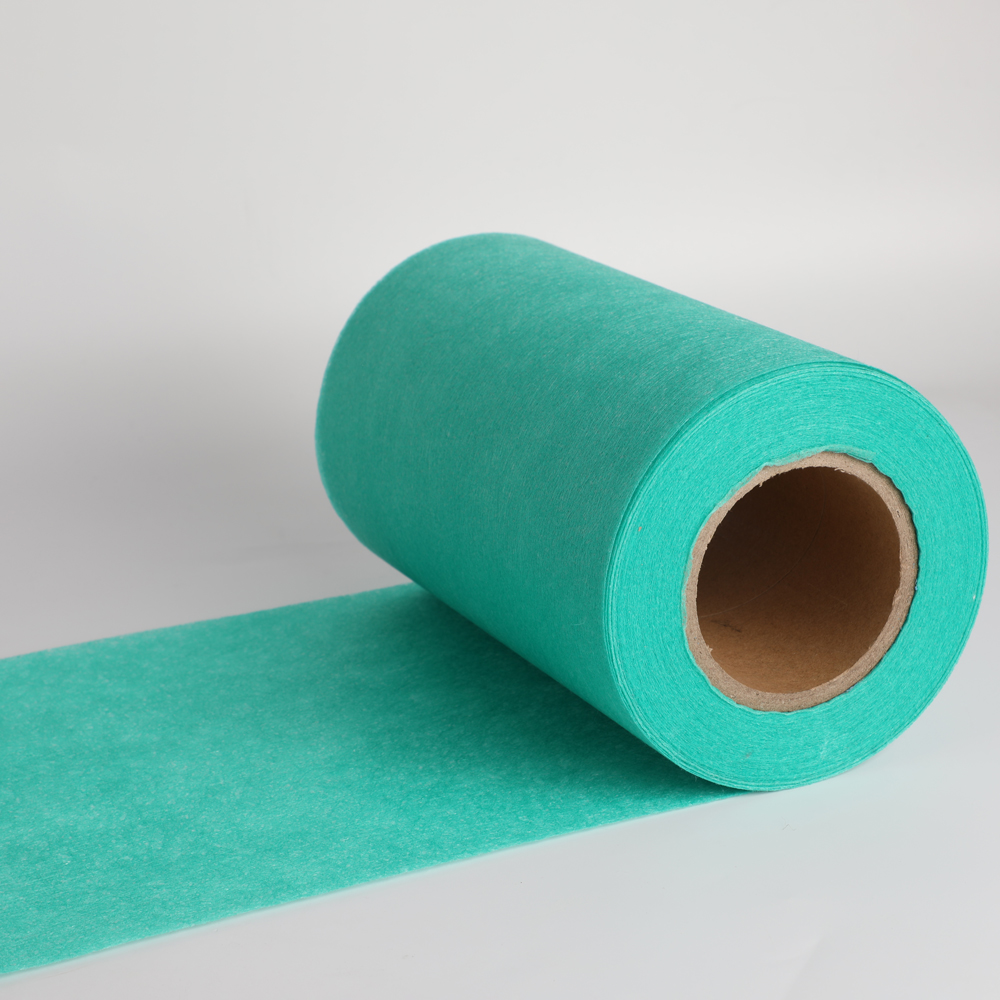 Anti-Bacterial Nonwoven
 CONTACT WhatsApp
 CONTACT WeChat

 CONTACT NUMBER
 CONTACT EMAIL