Exploring the Future of Nonwoven Medical Fabric Innovations and Applications
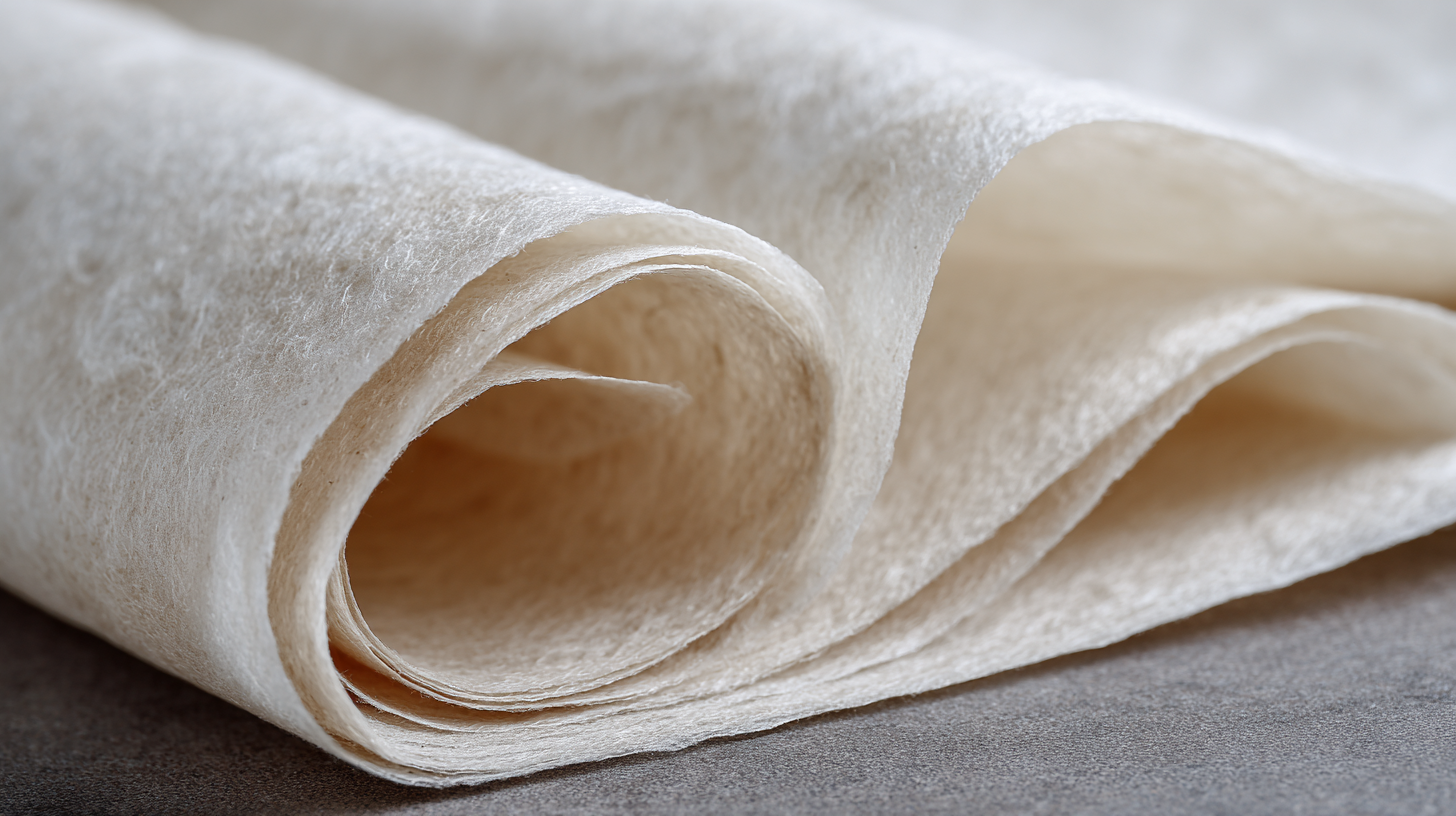 The landscape of healthcare is rapidly evolving, and innovations in medical textiles play a crucial role in this transformation. Nonwoven for medical fabric has emerged as a key area of focus, driven by advancements in technology and increased demand for high-performance materials. According to a report by Smithers Pira, the global nonwoven fabric market for medical applications is projected to reach $17.8 billion by 2025, highlighting a compound annual growth rate (CAGR) of approximately 6.2% from 2020. This growth is fueled by the rising need for disposable medical supplies, enhanced infection control, and the development of specialized fabrics for advanced therapeutic and diagnostic applications. As the industry explores future innovations, it is essential to examine the potential of nonwoven medical fabrics to revolutionize patient care, improve safety standards, and streamline manufacturing processes. With an emphasis on sustainability and functionality, the trajectory of nonwoven fabrics promises to redefine the standards of medical textiles in the coming years.
Emerging Trends in Nonwoven Fabric Technology for Medical Use
The medical field is experiencing a remarkable transformation with the introduction of nonwoven fabric innovations. These advanced materials are not only enhancing the quality of medical products but are also addressing critical needs in healthcare. The nonwoven fabrics market is projected to grow significantly, with estimates suggesting an increase to approximately USD 31.3 billion by 2033. This growth is driven by the durability, versatility, and cost-effectiveness of nonwoven textiles, making them more desirable for a variety of applications.
Emerging trends in nonwoven fabric technology are highlighting the substantial advancements being made. For instance, the development of specialized nonwoven types—such as spunbond, spunlace, and meltblown—has led to improved functionality in medical applications ranging from surgical gowns to wound dressings. Furthermore, innovative solutions in sustainability within this sector are becoming more prevalent, as manufacturers focus on eco-friendly materials to meet increasing consumer and regulatory demands. As the biomedical textiles market evolves, the integration of nonwoven fabrics is poised to play a pivotal role in shaping the future of healthcare textiles.
Exploring the Future of Nonwoven Medical Fabric Innovations and Applications - Emerging Trends in Nonwoven Fabric Technology for Medical Use
| Innovation |
Application |
Material Type |
Benefits |
Emerging Trend |
| Antimicrobial Nonwoven |
Surgical Drapes |
Polypropylene |
Enhanced infection control |
Sustainability in production |
| Fluid-Repellent Nonwoven |
Isolation Gowns |
Polyester |
Protection against fluids |
Smart textiles integration |
| Biodegradable Nonwoven |
Wound Dressings |
PLA (Polylactic Acid) |
Reduced environmental impact |
Focus on eco-friendly materials |
| High-Performance Nonwoven |
N95 Masks |
Meltblown Polypropylene |
Superior filtration |
Health crisis response adaptability |
| Electrospun Nonwoven |
Tissue Engineering |
Nylon |
Supports cell growth |
Advancements in regenerative medicine |
Innovative Materials Driving Nonwoven Medical Fabric Advancements
The landscape of nonwoven medical fabrics is transforming rapidly, driven by innovative materials that enhance functionality and performance. Advanced polymer technologies, such as biopolymers and sustainable synthetic fibers, are paving the way for nonwoven fabrics that are not only effective but also environmentally friendly. These innovative materials offer improved breathability, moisture management, and bio-compatibility, making them suitable for a variety of medical applications, from masks and gowns to dressings and surgical fabrics.
Tips: When selecting nonwoven medical fabrics, consider the specific needs of your application. Look for materials that offer antimicrobial properties and ensure compliance with relevant healthcare standards. Additionally, pay attention to the fabric's breathability and softness, which can significantly enhance patient comfort.
In the future, we can expect further advancements in smart nonwoven technologies, integrating sensors and drug-delivery systems directly into the fabric. This evolution will not only streamline patient care but also improve outcomes by enabling real-time health monitoring and targeted treatment. As the industry continues to evolve, keeping an eye on these innovations will be crucial for healthcare providers and manufacturers alike.
Tips: Stay informed about the latest research and breakthroughs in nonwoven technology by following industry journals and attending conferences. Collaborating with material scientists can also lead to unique solutions tailored to your specific needs.
Applications of Nonwoven Fabrics in Healthcare and Patient Care
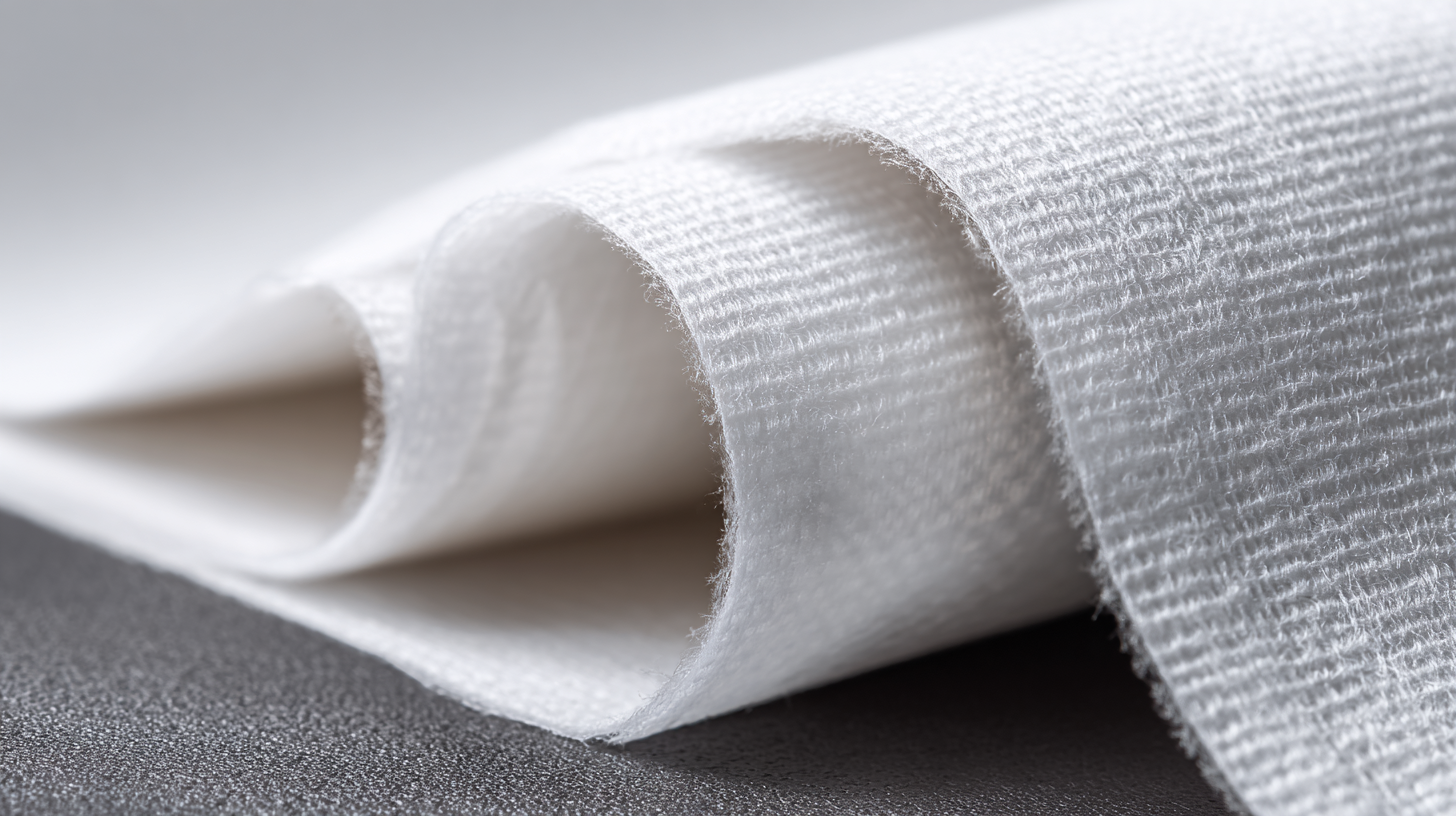 Nonwoven fabrics have revolutionized the healthcare industry by providing innovative solutions that enhance patient care and operational efficiency. These fabrics, made from synthetic or natural fibers, are engineered to offer specific properties such as high absorbency, breathability, and barrier protection. Their use in surgical gowns, drapes, and masks has become standard practice, significantly minimizing the risk of infection during medical procedures. Moreover, these materials are lightweight and comfortable, ensuring that patients experience less discomfort during their stay in healthcare facilities.
In addition to surgical applications, nonwoven fabrics play a vital role in wound care management. Advanced nonwoven dressings facilitate faster healing by providing a moist environment while allowing for breathability, which is essential for preventing infections. Furthermore, nonwoven fabrics are increasingly adopted in disposable incontinence products, offering comfort and hygiene for patients with mobility challenges. As the healthcare sector continues to embrace these innovations, the potential for nonwoven materials to improve patient outcomes and streamline healthcare delivery becomes increasingly evident.
Sustainability and Environmental Impact of Nonwoven Medical Fabrics
The nonwoven medical fabric industry is witnessing a significant shift towards sustainability, as environmental concerns become increasingly prominent. According to a report by Research and Markets, the global nonwoven fabrics market is projected to grow from $31.9 billion in 2020 to $50.9 billion by 2027, fueled by innovations that prioritize eco-friendly materials. Nonwoven fabrics, primarily made from synthetic polymers, traditionally contribute to environmental challenges. However, manufacturers are exploring biodegradable and recyclable alternatives, such as biopolymers derived from renewable resources, to mitigate this impact.
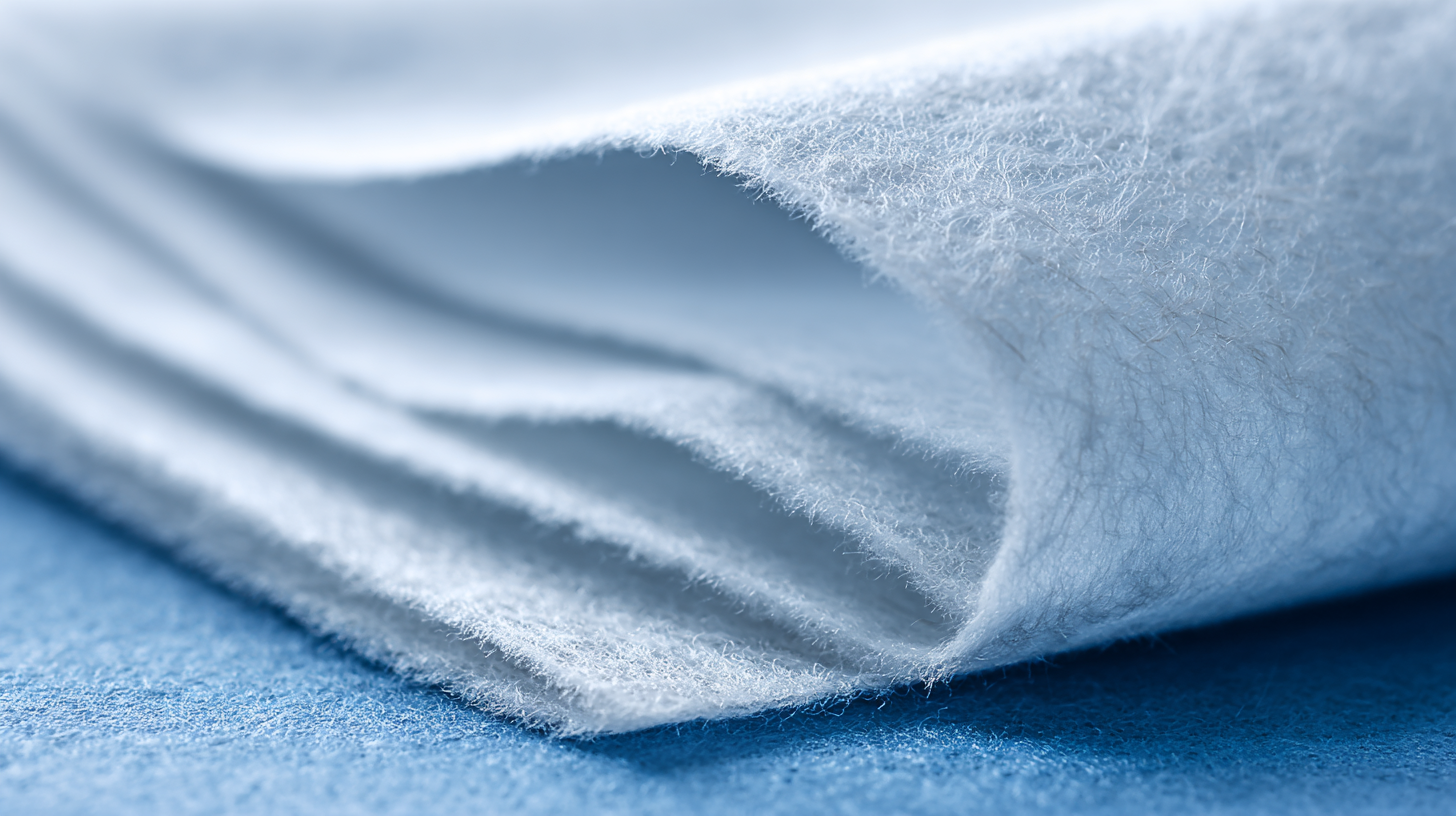
In response to regulatory pressures and consumer demand, companies are adopting sustainable practices throughout their supply chains. A survey from the Smithers Group indicates that nearly 70% of nonwoven manufacturers plan to incorporate more sustainable materials by 2025. Additionally, the lifecycle analysis of nonwoven medical fabrics has shown that innovations such as energy-efficient manufacturing processes could decrease carbon footprints by up to 30%. As the healthcare sector strives to balance functionality with sustainability, the use of innovative nonwoven fabrics can not only enhance patient care but also contribute to a healthier planet.
Future Challenges and Opportunities in Nonwoven Fabric Development
The future of nonwoven medical fabric innovations presents both challenges and opportunities that require strategic attention and adaptation. As the healthcare industry evolves, the demand for advanced medical textiles is increasing, pushing manufacturers to explore new materials and fabrication techniques. One of the primary challenges lies in ensuring that these fabrics not only meet stringent regulatory standards but also provide enhanced functionality, such as improved barrier properties and biocompatibility. The integration of smart technologies, like antimicrobial finishes and sensor capabilities, poses an additional challenge, requiring interdisciplinary collaboration and investment in research and development.
Opportunities abound in areas like sustainability and customization. The movement toward eco-friendly materials is gaining momentum, prompting manufacturers to investigate biodegradable and recyclable nonwoven options. Additionally, the rise of personalized medicine opens doors for bespoke nonwoven solutions tailored to individual patient needs. Developing partnerships between textile engineers, healthcare professionals, and technology experts can foster innovative approaches to nonwoven fabric design. By overcoming existing challenges and leveraging emerging trends, the nonwoven medical fabric sector is poised for significant advancements that could redefine patient care and safety in the coming years.
Future Innovations in Nonwoven Medical Fabrics

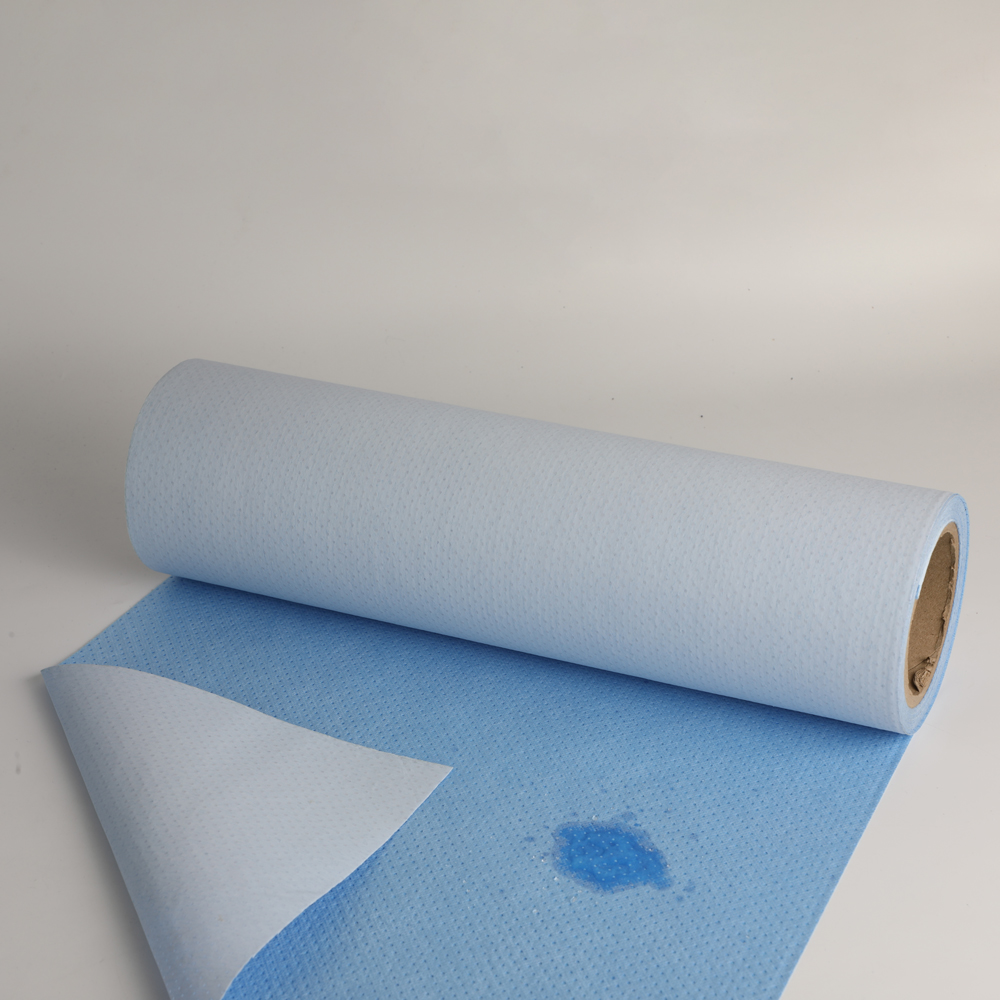 Multi Laminates
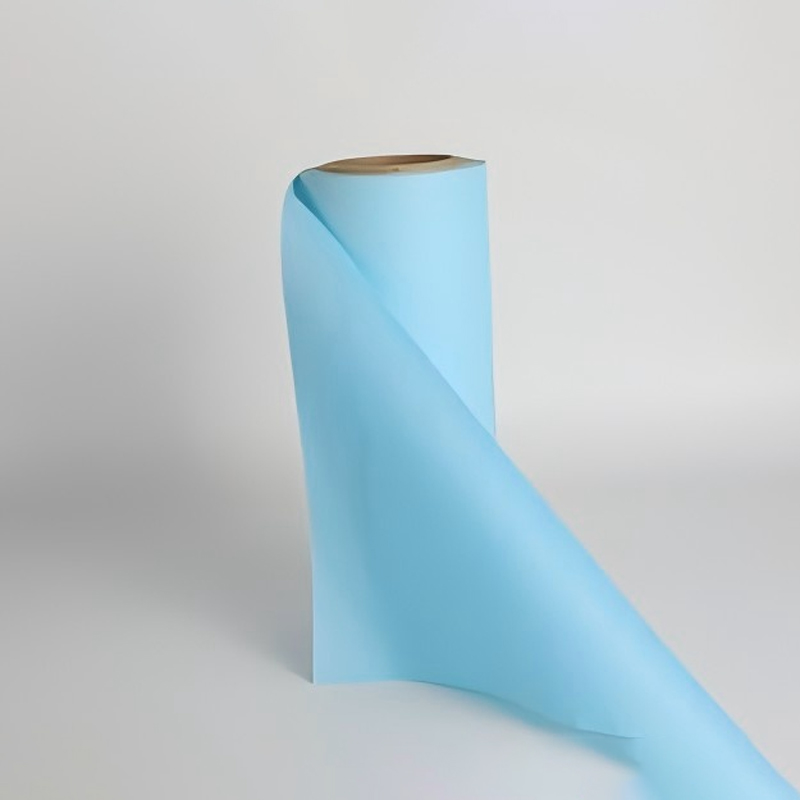 Spunlace Nonwoven Laminates
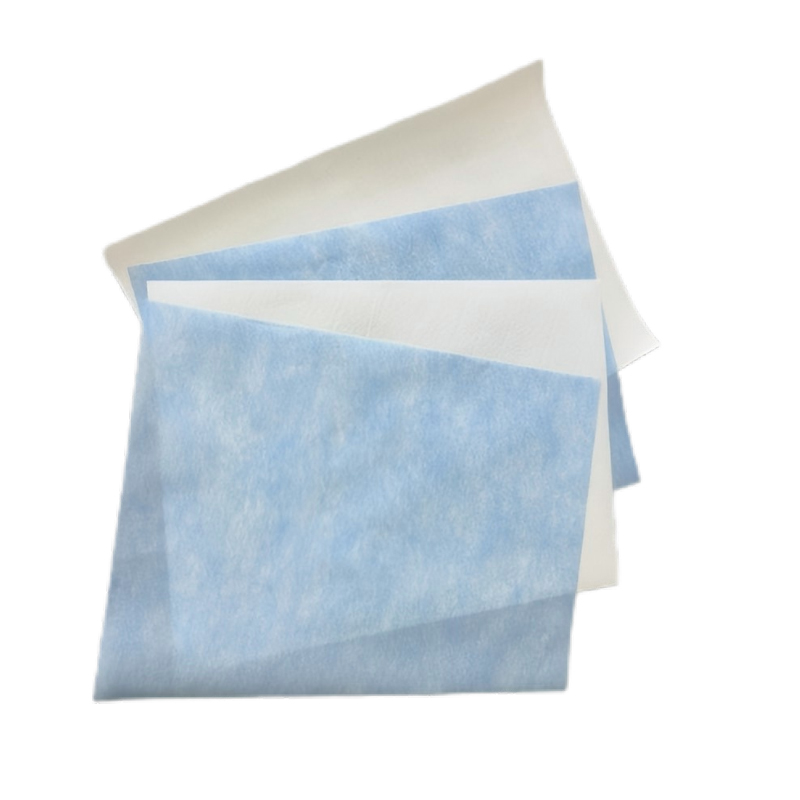 Breathable Film Laminates
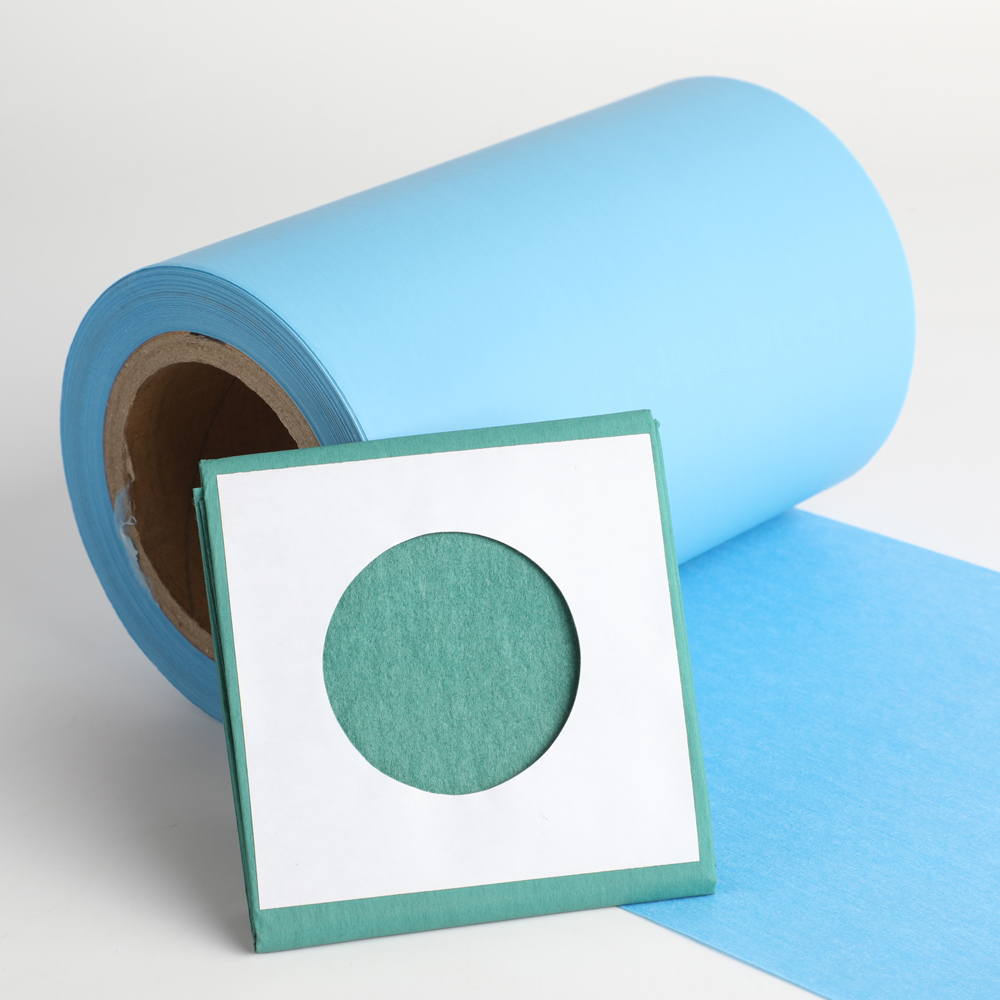 Viscose Laminates
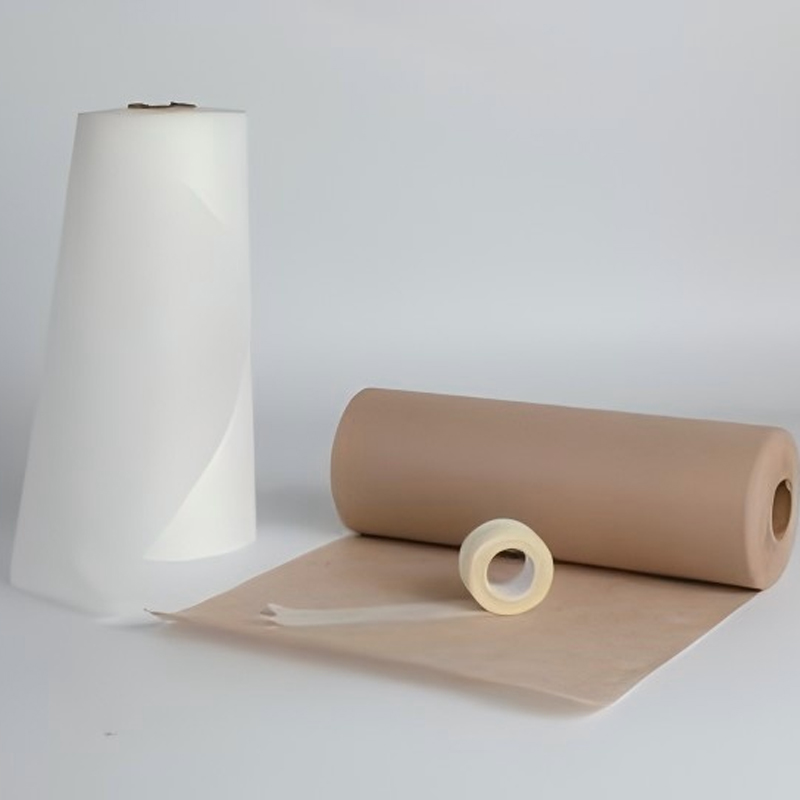 Medical Tape Nonwoven
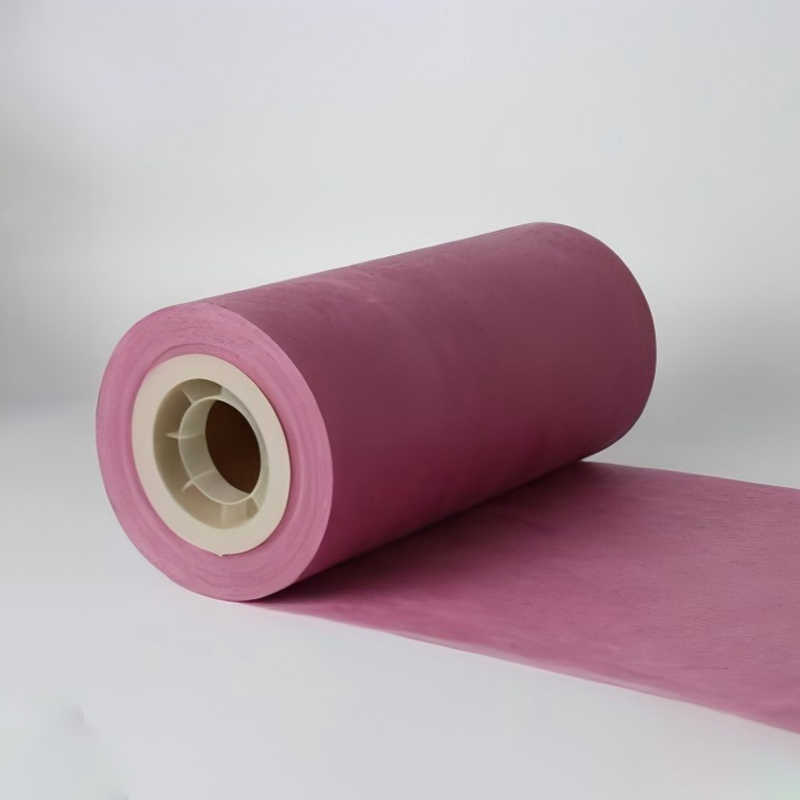 Filtration Nonwoven
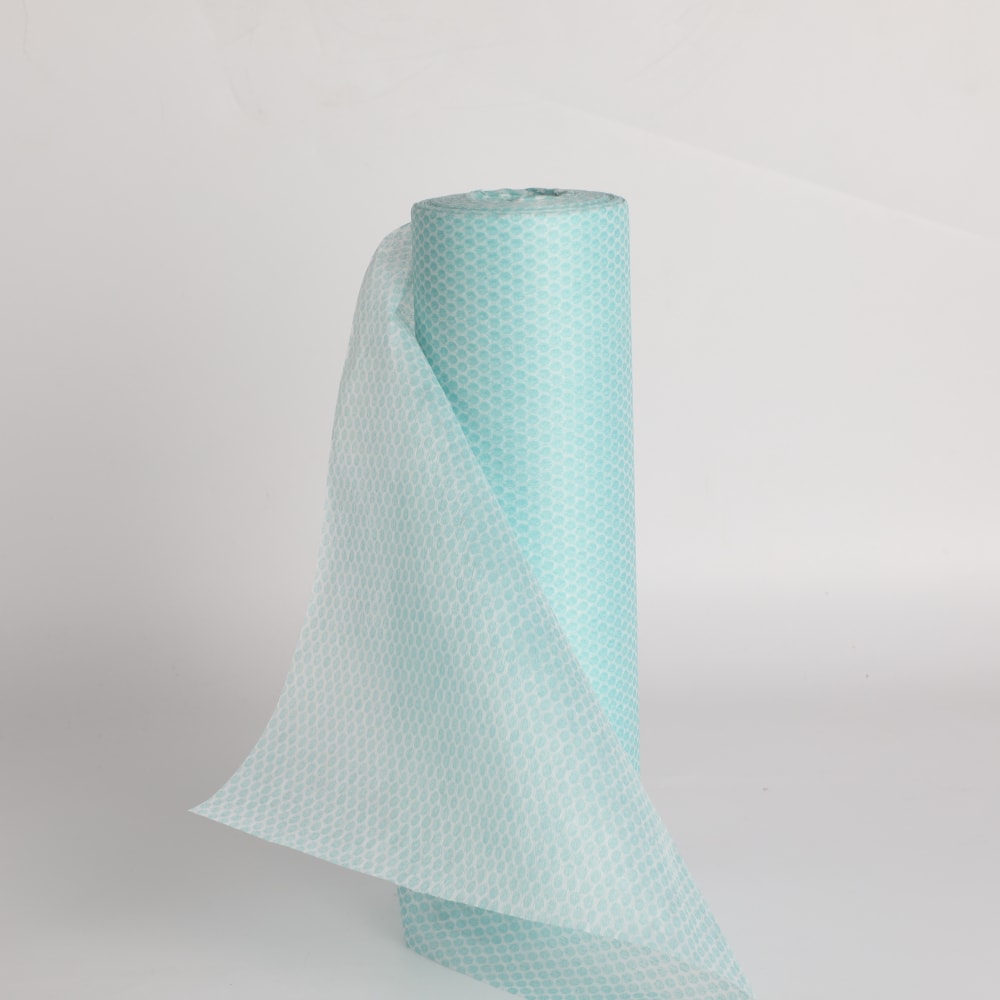 Head Wear Nonwoven
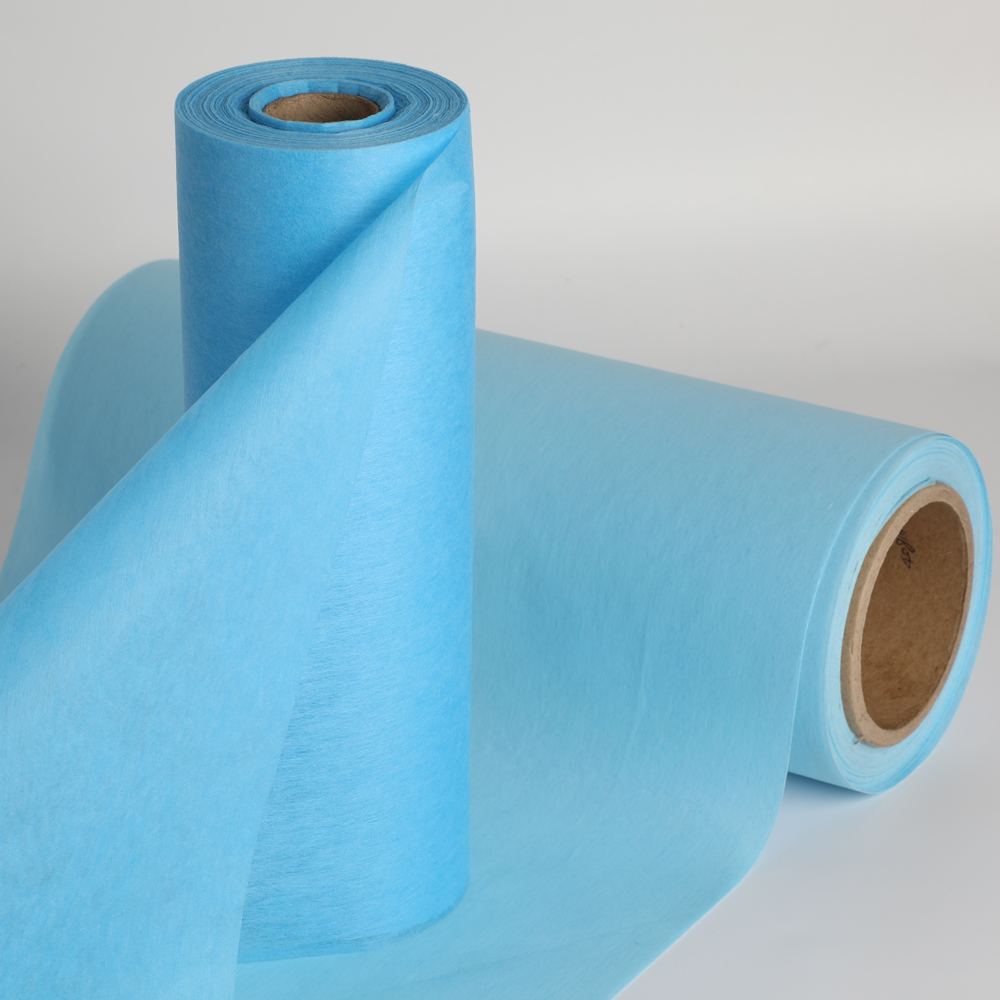 Medical Viscose Nonwoven
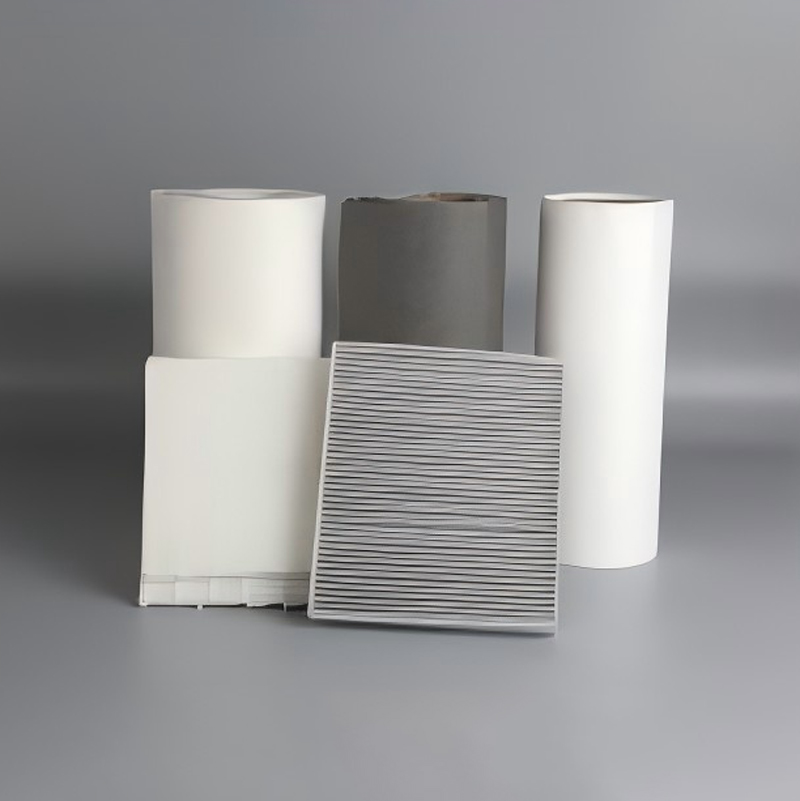 Air Filter Media
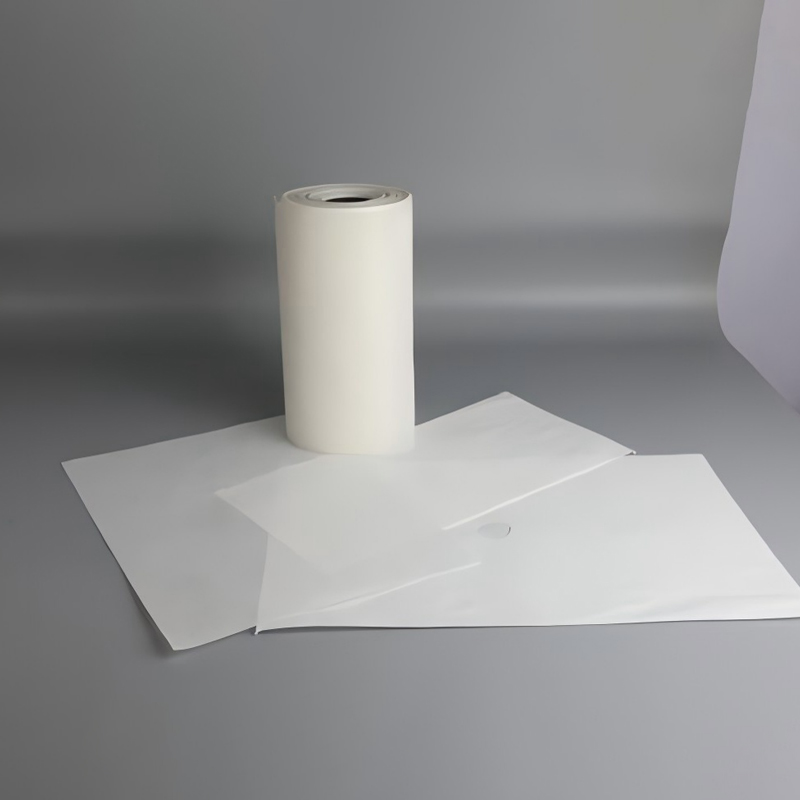 Liquid Filter Media
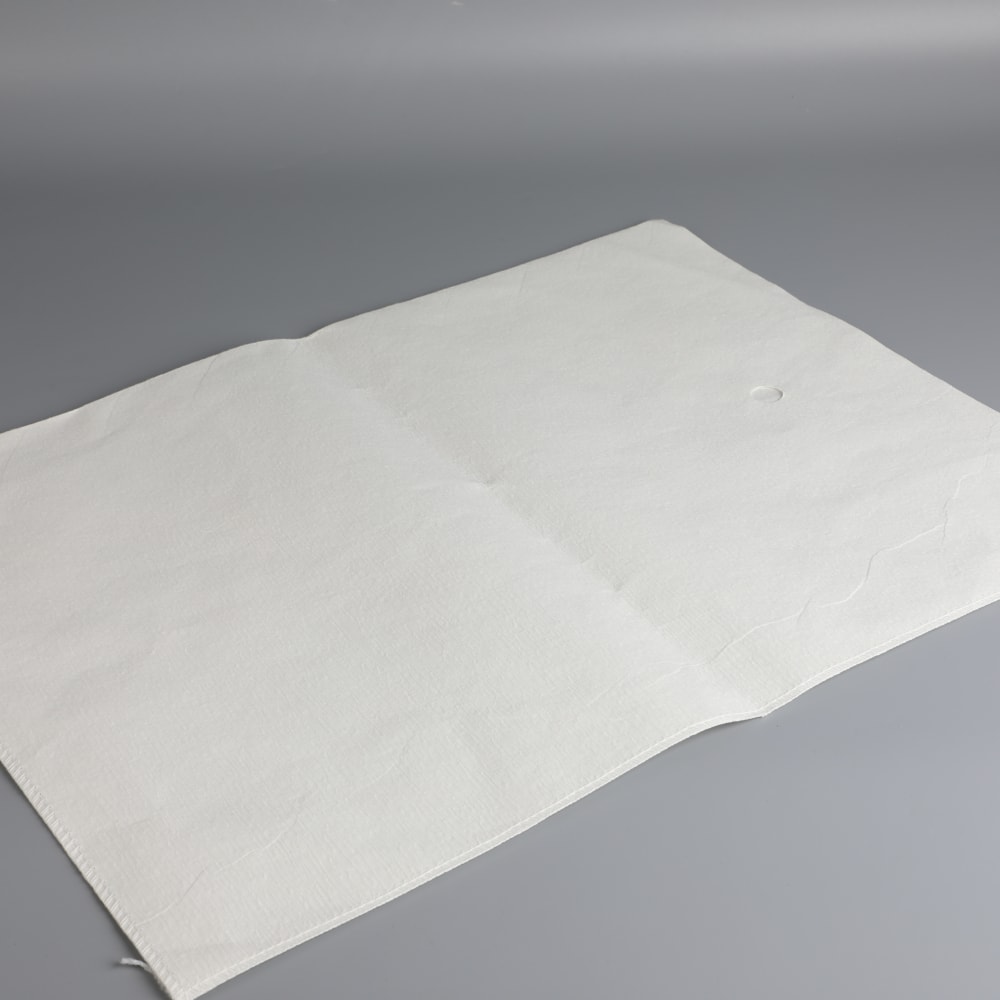 Filter Envelope & Filter Sheet
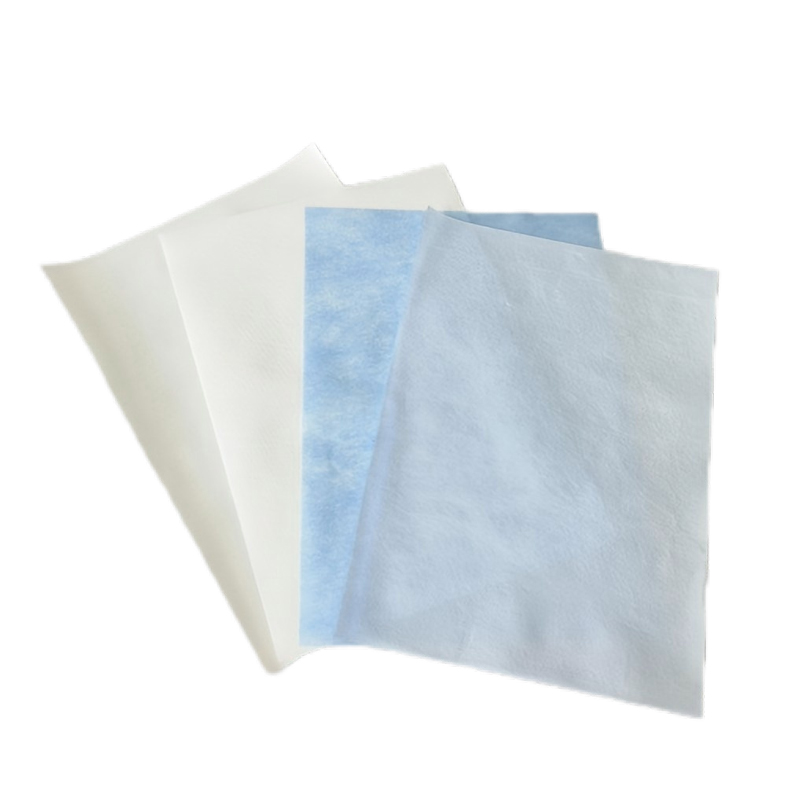 Breathable Film Laminates
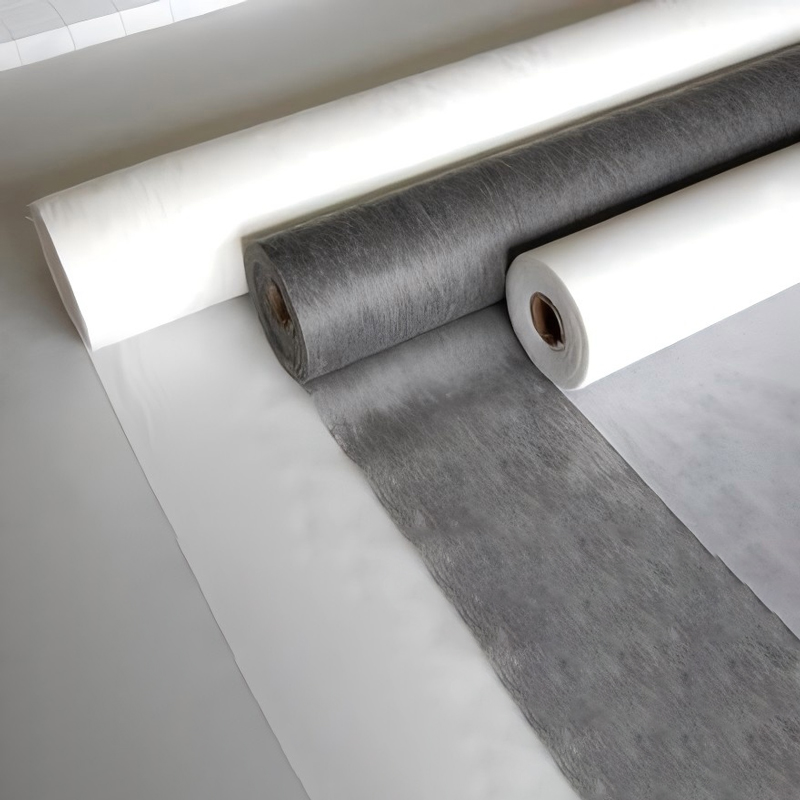 Nonwoven Interlining
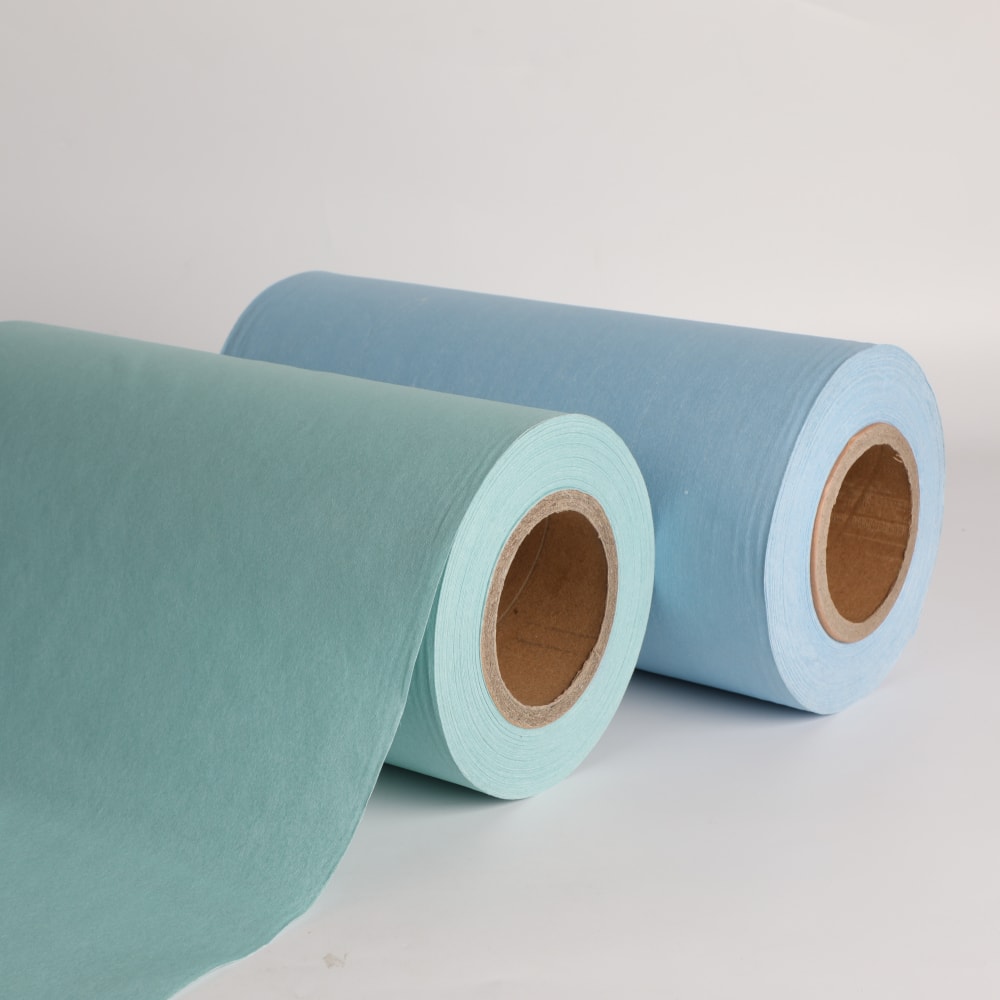 Fluid Repellent Woodpulp Spunlace Nonwoven
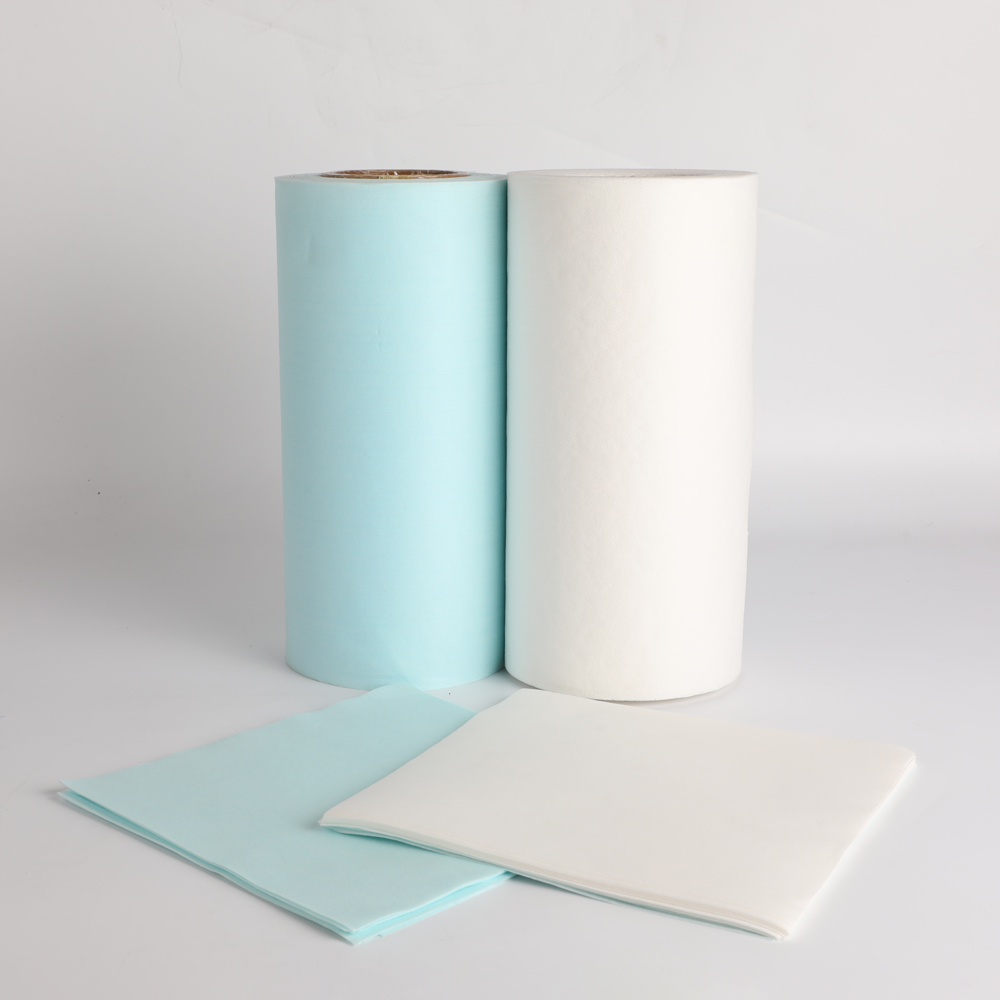 Woodpulp Nonwoven Wipe
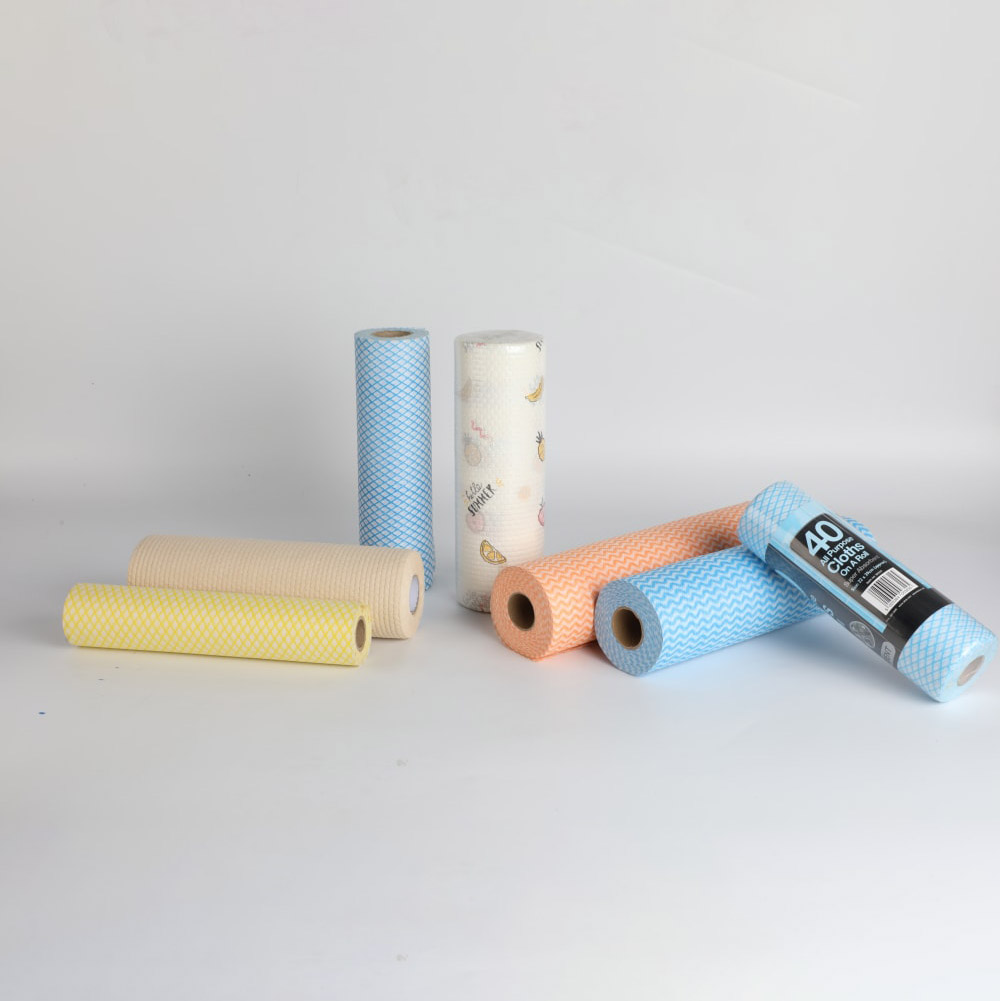 Nonwoven Cleaning Wipe
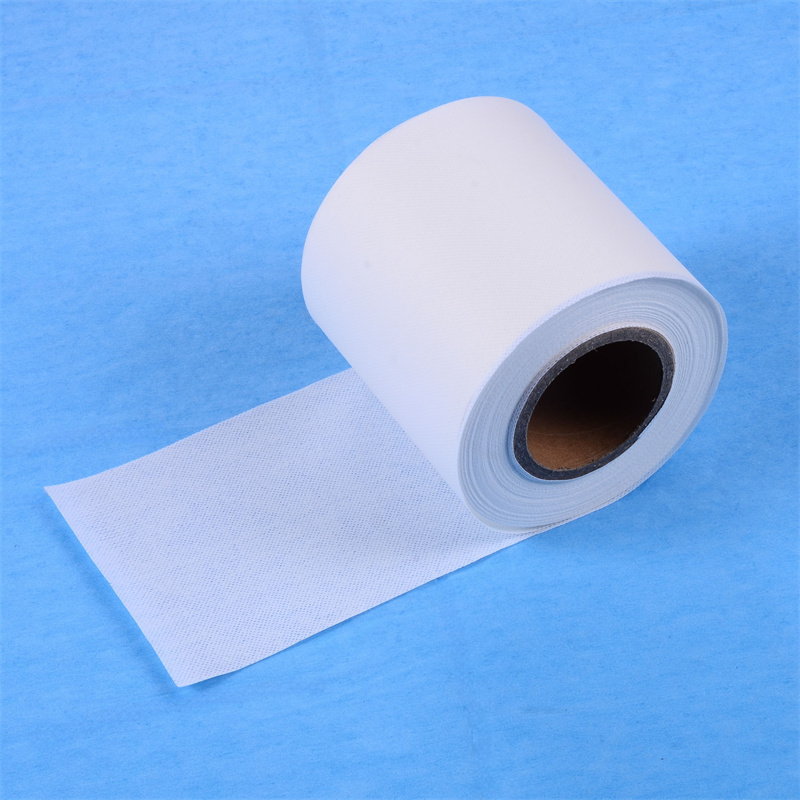 Flame Retardant Nonwoven Fabric
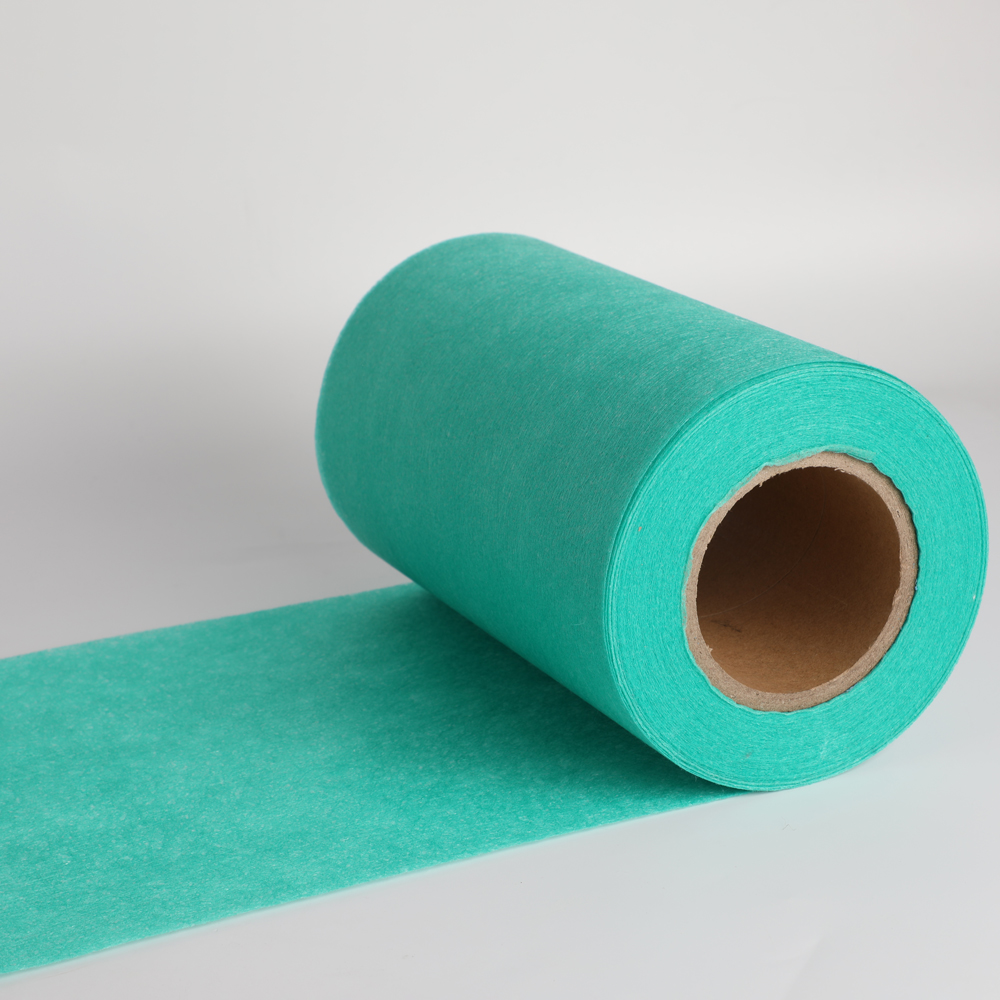 Anti-Bacterial Nonwoven
 CONTACT WhatsApp
 CONTACT WeChat

 CONTACT NUMBER
 CONTACT EMAIL