Leave Your Message

10 Essential Tips for Choosing Nonwoven Filter Material for Your Projects?

Choosing the right Nonwoven Filter Material for your projects can be challenging. It requires careful consideration of various factors. These materials play a crucial role in filtration applications across multiple industries. They can significantly affect performance, efficiency, and cost-effectiveness.

Understanding the specific needs of your application is vital. Not all nonwoven materials are created equal. Some may offer excellent filtration efficiency, while others might excel in durability or chemical resistance. It is essential to reflect on the unique requirements your project entails.

It's easy to overlook details, but every choice matters. Do you need a lightweight or a heavy-duty solution? How important is the environmental impact? These questions may lead you to rethink your approach. Ultimately, selecting the ideal Nonwoven Filter Material can determine the success of your project. Balancing quality and cost will be a continuous process requiring insight and foresight.
10 Essential Tips for Choosing Nonwoven Filter Material for Your Projects?

Understanding Nonwoven Filter Materials and Their Applications

10 Essential Tips for Choosing Nonwoven Filter Material for Your Projects?

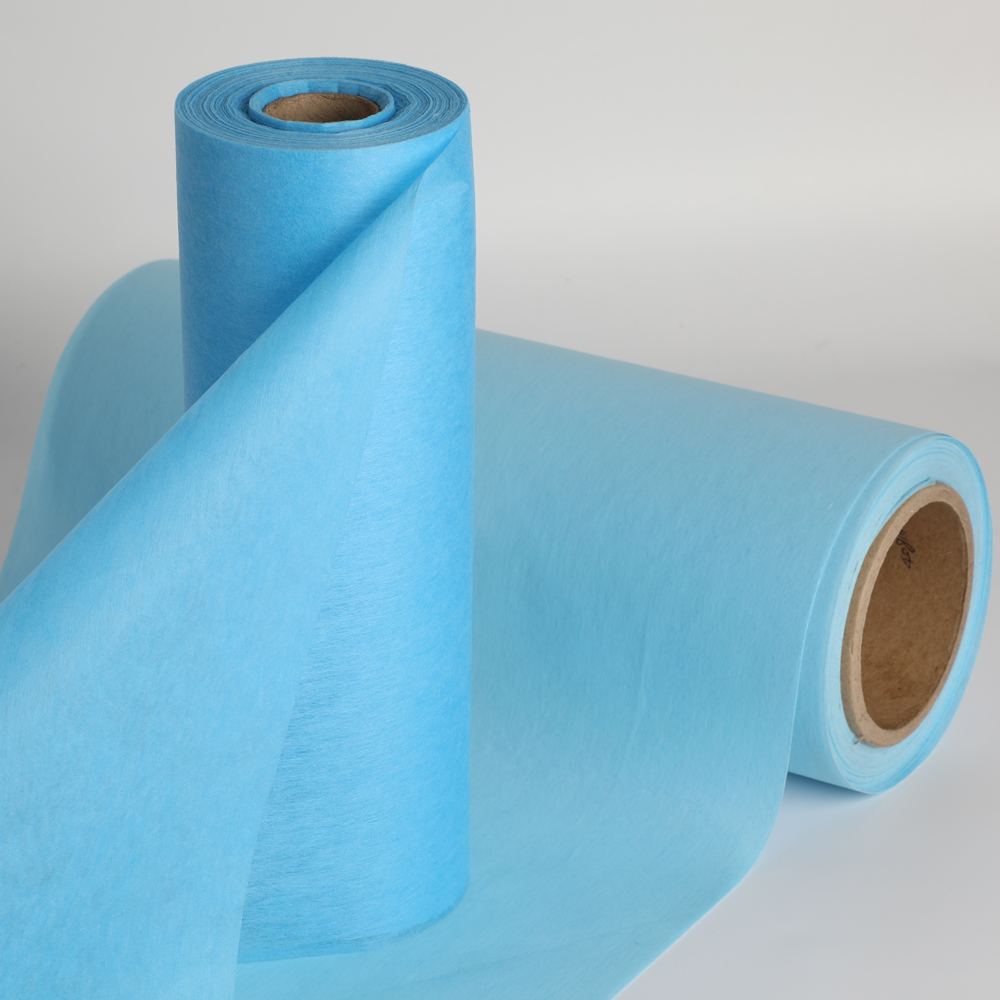
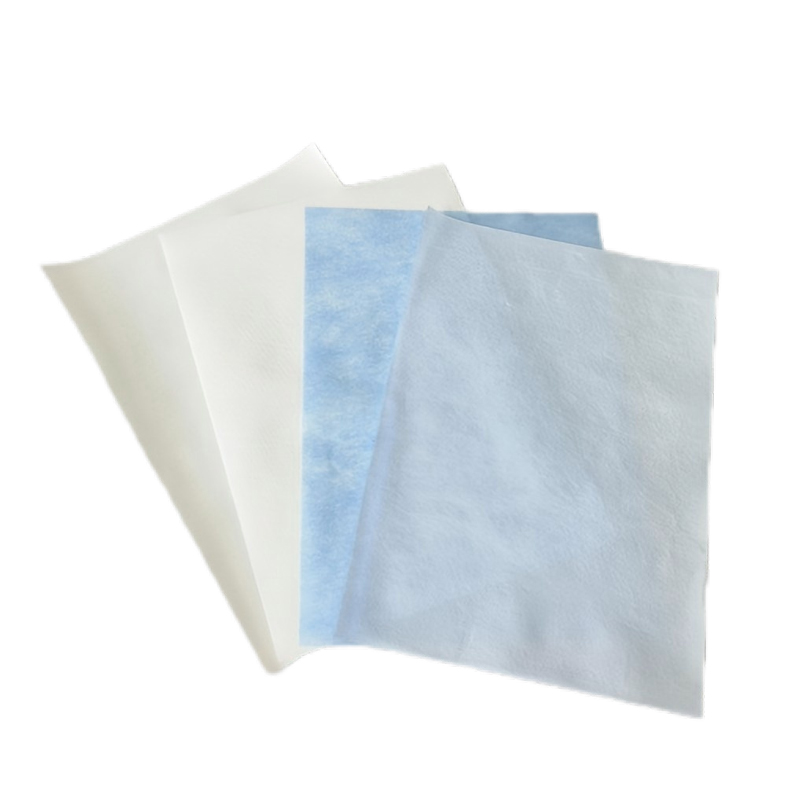
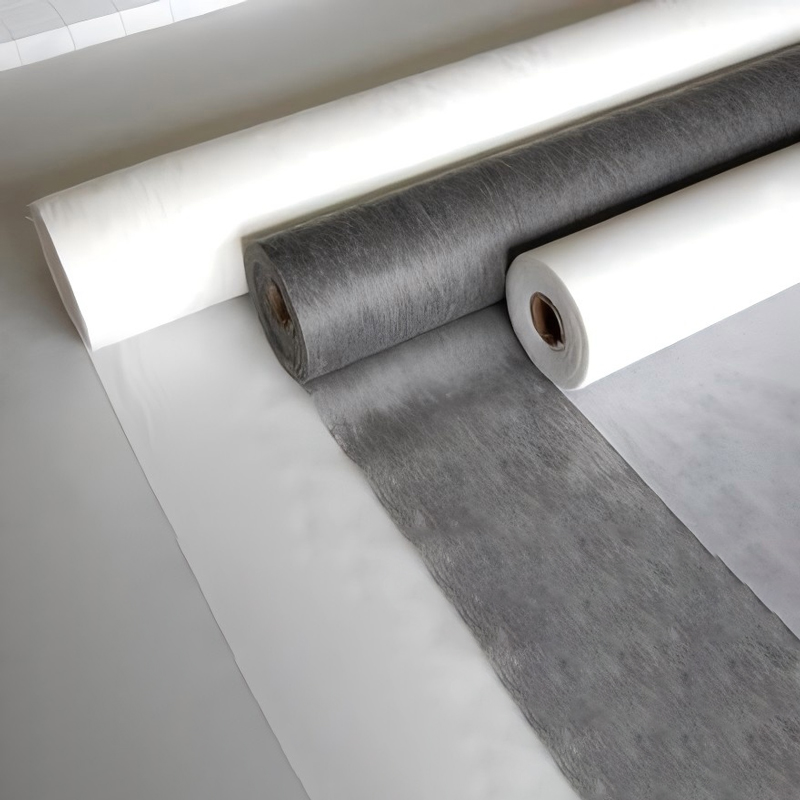
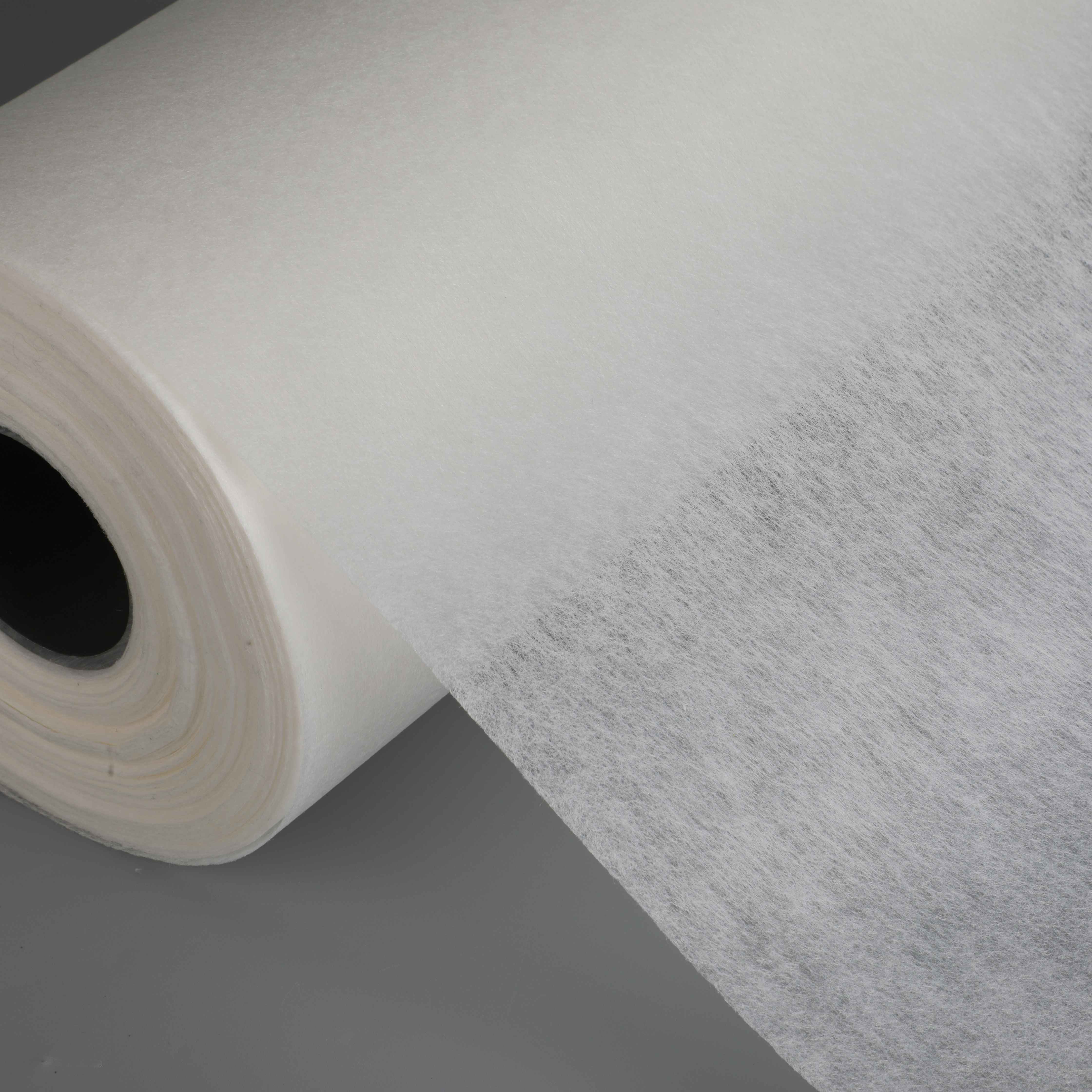
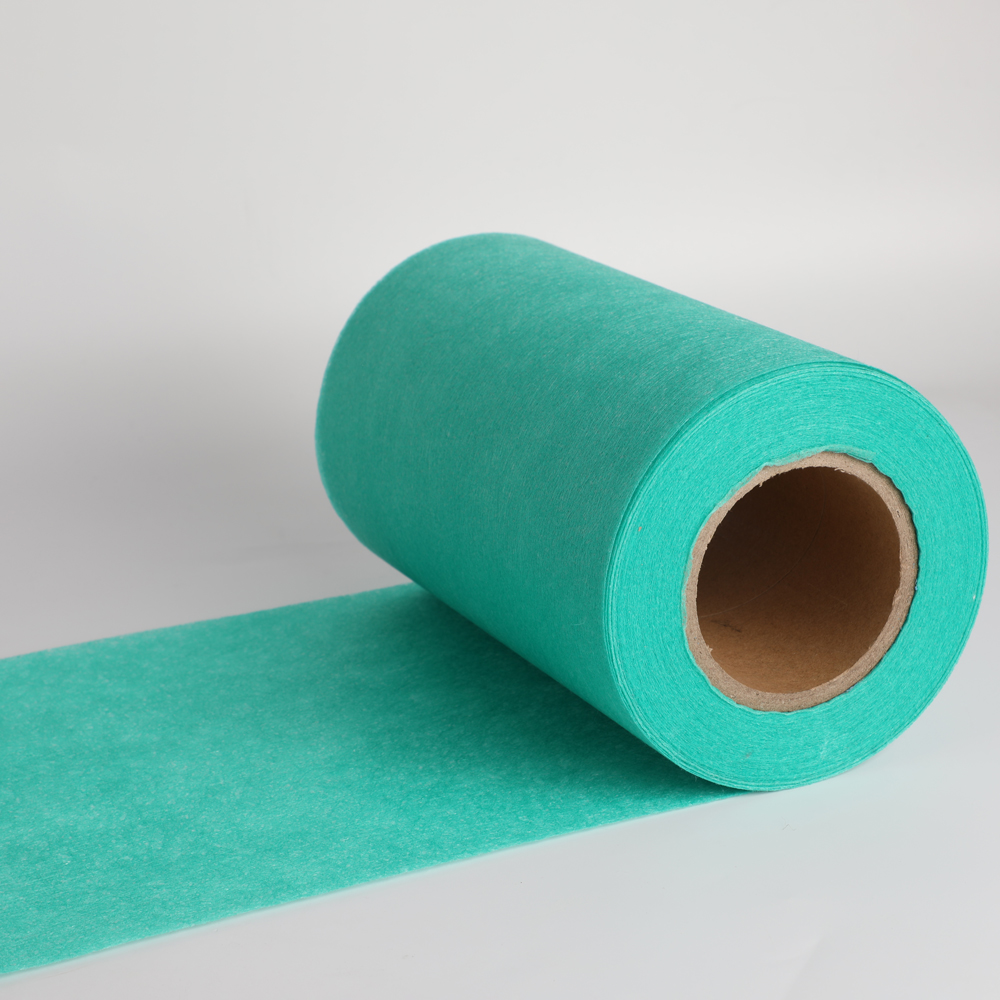
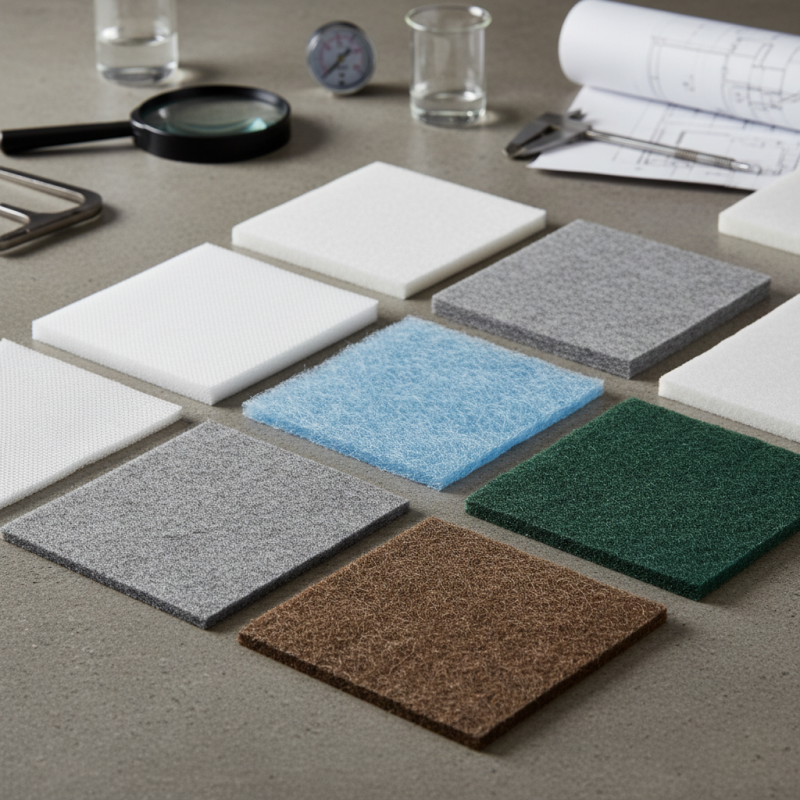
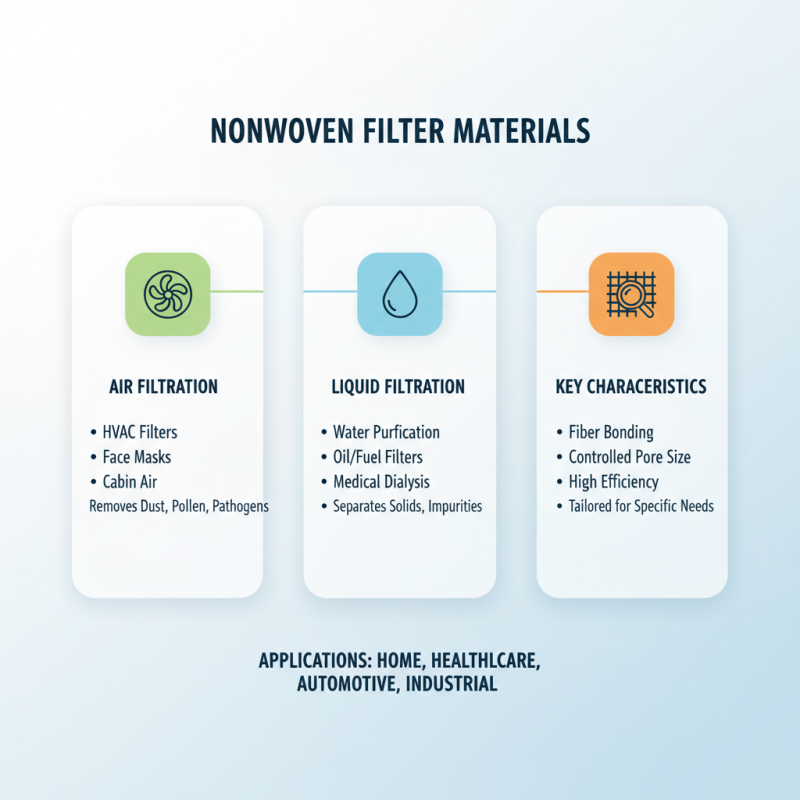
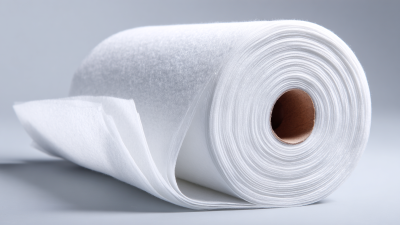
Nonwoven filter materials are versatile and widely used. They serve various applications, from air filtration to liquid filtration. When selecting these materials, understanding their characteristics is crucial. Nonwoven fabrics are crafted from fibers that are bonded together, offering unique benefits. They can be designed to have specific pore sizes, enhancing filtration efficiency.

Consider the project needs carefully. Some nonwoven materials provide high dirt-holding capacity, while others excel at particle retention. Think about the environment these filters will operate in. Will they face high humidity or extreme temperatures? Reflecting on these conditions can help guide material selection. Additionally, the cost-effectiveness of a material should not be overlooked. Sometimes, the cheapest option may lead to more frequent replacements, ultimately increasing expenses.

While there are numerous options, not every nonwoven fabric is perfect for every project. Some materials may not perform well under certain loads or might degrade faster than expected. Testing prototypes can reveal weaknesses in your chosen fabric. Documenting the performance can inform future decisions, ensuring continuous improvement. The objective is to create reliable and efficient filtration systems tailored to specific needs.
Key Properties of Nonwoven Materials to Consider for Filtering Needs

When selecting nonwoven filter materials, key properties are crucial. These materials are known for their unique structure and performance. Filtration efficiency is paramount. A study indicates that nonwoven fabrics can achieve particle removal rates above 99% for specific applications. This efficiency significantly depends on fiber diameter and density.

Another essential property is the material’s permeability. High airflow is important for applications like air filtration. Research shows that nonwoven materials with larger pore sizes allow increased airflow, but they may compromise filtration efficiency. It’s a balance that requires careful consideration.

Durability is also vital for nonwoven filters. Materials must withstand harsh conditions to maintain effectiveness over time. A report states that choosing the right fiber types can enhance mechanical strength while also providing flexibility. However, not all combinations will yield the desired results. Material testing is essential to identify the best options for specific projects. These considerations highlight the complexity of selecting nonwoven filter materials.

10 Essential Tips for Choosing Nonwoven Filter Material for Your Projects

Property Description Importance in Filtering
Filtration Efficiency Measures the ability to remove particles from a fluid stream. High efficiency is crucial for effective filtration.
Pore Size Determines the size of particles that can pass through the material. Selecting the correct pore size is essential for targeted filtration.
Flow Rate The volume of fluid that can be processed through the fabric in a given time. Higher flow rates improve efficiency in many applications.
Chemical Compatibility Resistance to degradation by different chemicals. Critical for applications involving aggressive fluids.
Mechanical Strength Ability to withstand physical stress during operation. Ensures durability and longevity of the filter material.
Thermal Stability Performance of the filter at varying temperatures. Important in high-temperature applications.
Weight The overall weight of the filter material. Lighter materials can be easier to handle and install.
Cost The price per unit of filter material. Budget constraints can limit material choices.
Ease of Availability How readily available the material is in the market. Critical to ensure reliable supply for projects.
Environmental Impact The sustainability of the material and its lifecycle. Increasingly important for compliance and brand image.

Evaluating Filtration Efficiency and Particle Size Capture Capabilities

When selecting nonwoven filter materials, filtration efficiency is a critical factor. This efficiency relates to the ability of the material to capture particles of varying sizes. Different applications require different levels of filtration. If you overlook this, you might end up with a filter that doesn’t meet your needs. Imagine needing to capture fine dust but choosing a material that only traps larger particles.

Particle size capture capabilities are directly linked to the structure of the nonwoven material. A denser material usually captures smaller particles. But, this can lead to issues like reduced airflow if not balanced correctly. Consider a scenario where air needs to flow freely, yet the chosen filter hinders this due to its compact nature. It’s essential to evaluate your project requirements and the intended environment. Performance under real-world conditions may vary.

Testing different materials may reveal unexpected results. A filter that looks perfect on paper might disappoint in practice. Experimentation is key. Take time to assess how your filter performs with actual particles. In conclusion, both filtration efficiency and proper sizing dictate the success of your project. Don't ignore the importance of these factors. The right choice often requires multiple iterations and adjustments.

Assessing Chemical Resistance and Durability for Specific Environments

When selecting nonwoven filter materials, assessing chemical resistance is crucial. Various environments expose materials to different chemicals, each affecting durability. For instance, the American Society for Testing and Materials (ASTM) reports that polypropylene filters are resistant to many acids and bases. However, they may degrade in the presence of strong oxidizers.

Durability is another key aspect. Studies show that nonwoven materials can exhibit altered physical properties under specific conditions. A report from the Filtration Society indicates that repeated exposure to certain chemicals can reduce the lifespan of the filter by 30%. This is not always apparent until the material fails in its application.

Considerations extend beyond basic resistance. In high-temperature environments, even robust materials can suffer. A fluid at 85°C may cause a nonwoven filter made from polyester to lose its structural integrity. Users must ask themselves if their chosen material can withstand the specific chemicals and environments it will face. Evaluating performance over time is essential for successful filtering applications.

Cost-Effectiveness and Sourcing Strategies for Nonwoven Filters

10 Essential Tips for Choosing Nonwoven Filter Material for Your Projects?

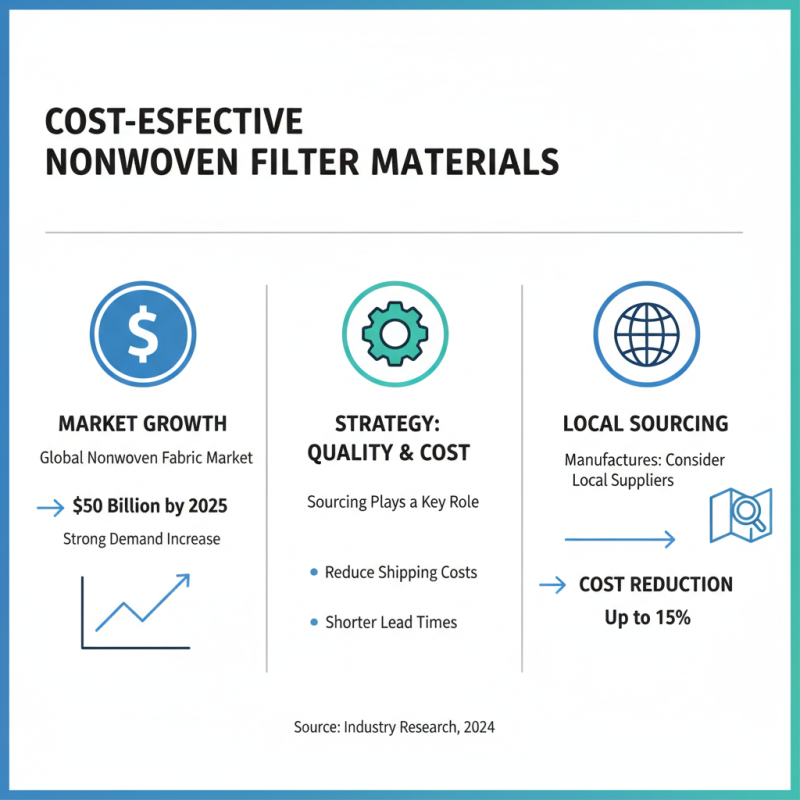
When selecting nonwoven filter materials, cost-effectiveness is crucial. The global nonwoven fabric market is projected to reach $50 billion by 2025, indicating strong growth in demand. For many projects, sourcing strategies play a critical role in balancing quality and cost. Manufacturers must consider local suppliers to reduce shipping costs and lead times. Research shows that sourcing locally can cut costs by as much as 15%.

Quality should not be sacrificed for savings. Reports suggest that lower-quality filters can lead to operational failures or increased maintenance costs. An expensive initial investment can be justified if it results in long-term savings. It's essential to evaluate the lifespan and efficiency of the chosen materials. Some nonwoven filters are engineered for high durability, ultimately making them a more cost-effective choice.

Mindful sourcing involves understanding the material's properties. Consideration of the specific application is vital. Will the filter face high pressure or chemical exposure? Additionally, some manufacturers may offer bulk discounts, which could be beneficial for large projects. Balancing cost and performance requires careful analysis and sometimes, a trial-and-error approach. It’s a complex process, and the decision-making should reflect the project's unique needs and financial constraints.