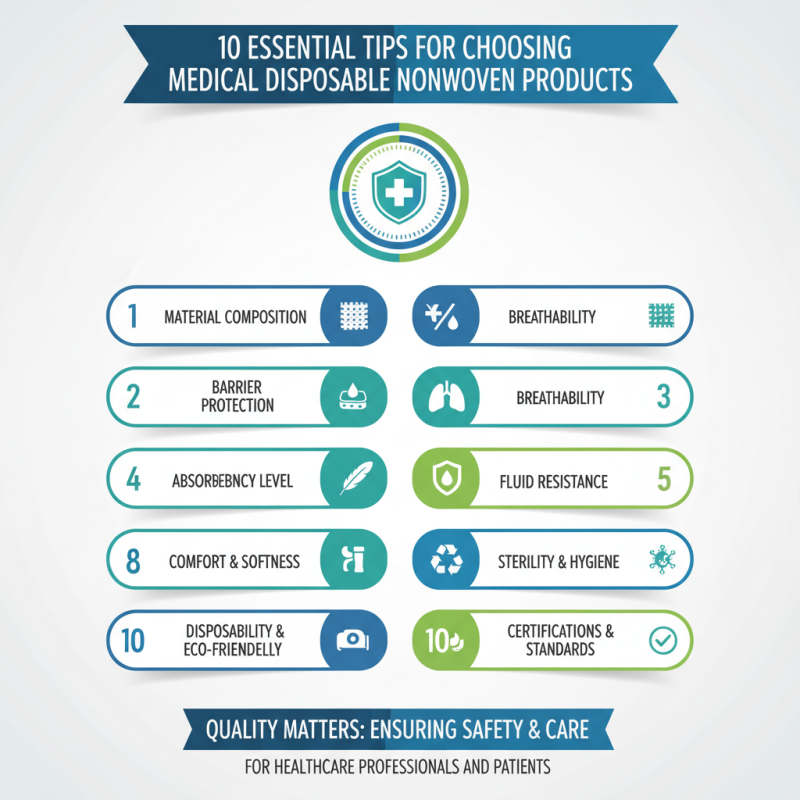
10 Essential Tips for Choosing Medical Disposable Nonwoven Products
Choosing the right medical disposable nonwoven products is crucial. These items play a significant role in healthcare. They ensure cleanliness and safety in various medical settings. However, selecting the best options can be challenging.
Many factors impact quality and effectiveness. Not all products are created equal. Factors such as material, breathability, and absorbency matter. Attention to detail can make a big difference.
Understanding what to look for is essential. Nurses, doctors, and patients rely on these products daily. We must reflect on our choices. The right medical disposable nonwoven products can enhance patient care. Poor choices may result in serious consequences. Careful consideration is needed at every step.
Understanding the Different Types of Medical Disposable Nonwoven Products
When selecting medical disposable nonwoven products, it’s crucial to understand the various types available. These products include surgical gowns, face masks, and drapes. Each type serves a distinct purpose. Surgical gowns offer protection for both patients and healthcare providers. Face masks are essential for infection control. Drapes prevent contamination during surgical procedures.
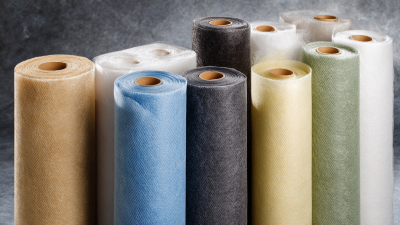
Different materials contribute to the effectiveness of these products. Spunbond, meltblown, and composite fabrics are common choices. Spunbond materials are durable and provide good barrier protection. Meltblown fabrics, on the other hand, are effective for filtration. Composite fabrics combine the benefits of both. However, not all products are created equal; some may lack necessary certifications.
It is important to consider comfort and breathability. Some products might feel too stiff or restrictive. This can affect the wearer’s performance. Additionally, proper sizing is vital. Ill-fitting gowns or masks may lead to increased exposure. Inadequate product choice can lead to failures in controlling infections, highlighting the need for careful consideration.
Key Factors to Consider When Selecting Nonwoven Products for Medical Use
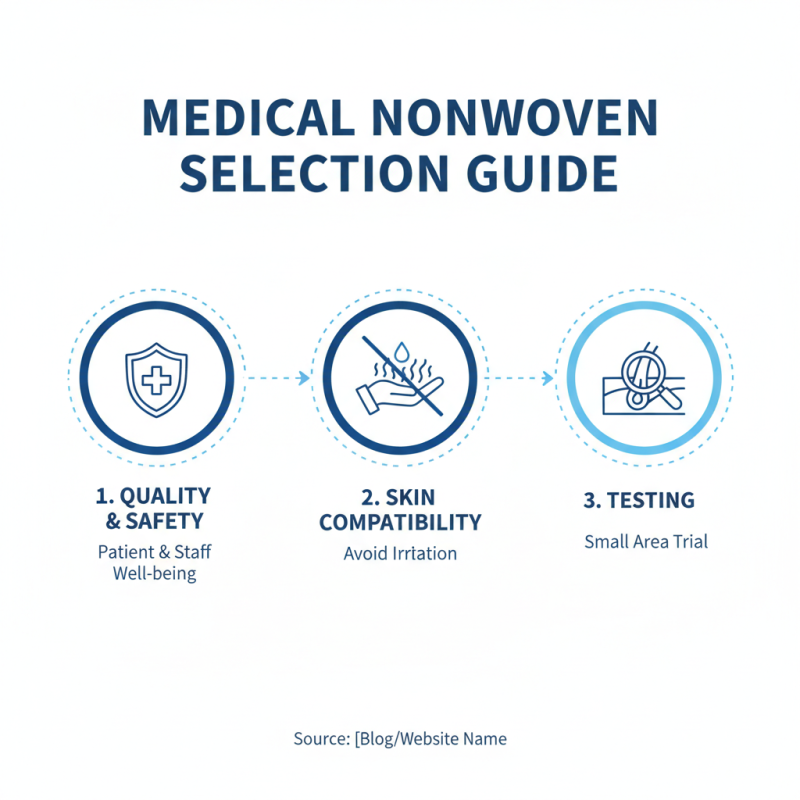
When selecting nonwoven products for medical use, several key factors need attention. Quality is paramount. Look for materials that ensure safety and comfort for patients and staff. Many products contain fibers that can irritate the skin, which might lead to complications. Testing the product on a small area can reveal potential issues.
Understand the purpose of the nonwoven product. Are you using it for wound care, patient protection, or surgical applications? For instance, gauze and drapes serve very different functions. Ensure the product is suitable for its intended use. Sometimes, even a small change in fabric type can impact the outcome significantly.
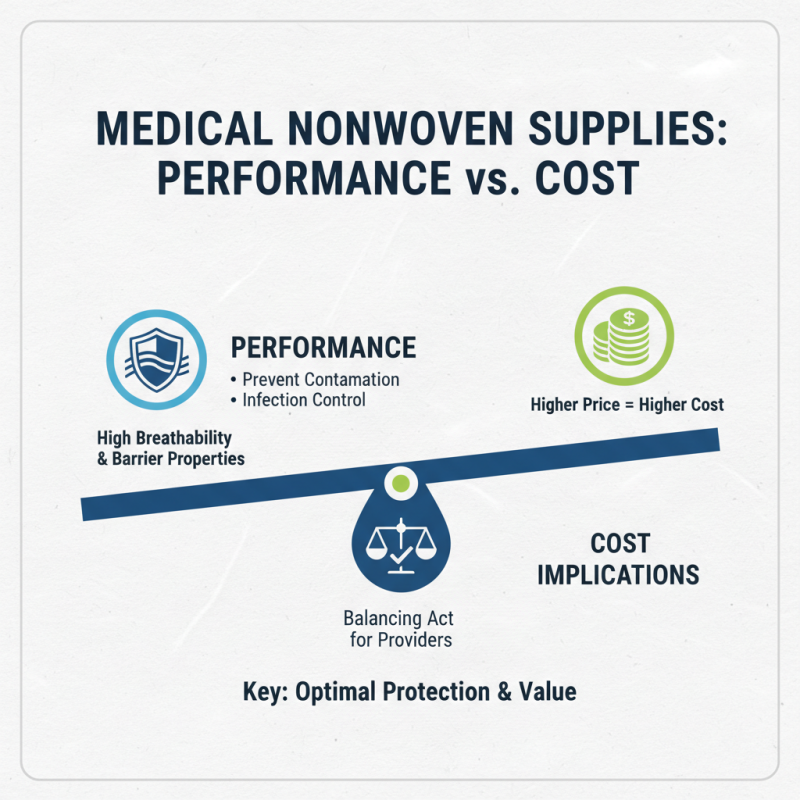
Cost is another crucial factor. While affordability matters, never compromise on quality. A cheaper product may fail when it is most needed. Always verify the manufacturer's certifications. It’s important to reflect on whether the chosen product meets necessary safety standards and regulations. Balancing cost and quality requires careful consideration.
Analyzing the Standards and Certifications for Medical Disposable Nonwovens
When selecting medical disposable nonwoven products, understanding standards and certifications is crucial. Various standards ensure that these products meet safety and quality requirements. For instance, FDA certifications indicate that items have been tested for safety in medical applications. Similarly, ISO certifications demonstrate adherence to international quality management systems. However, manufacturers may find compliance challenging.
Not all nonwoven products undergo rigorous testing. Some may lack comprehensive documentation or certification labels. This can lead to questions about their reliability. It's essential to scrutinize each product's certification to ensure it conforms to necessary health standards. Because regulations vary by region, what is accepted in one area may not be in another.
Moreover, product performance is often tied to its certification status. Discrepancies may arise, leaving healthcare providers uncertain. Investing time in understanding the implications of these certifications can prevent costly mistakes. Ultimately, informed choices can enhance patient safety and overall care quality.
Sustainability and Environmental Impact of Medical Nonwoven Products
Medical nonwoven products are essential in healthcare, but their environmental impact is significant. According to a report by Smithers Pira, the global nonwoven fabric market is expected to grow by 5.2% annually. This rapid growth raises questions about sustainability. Many medical nonwoven products are single-use, contributing to the staggering 300 million tons of plastic waste generated each year.
When choosing nonwoven products, consider their lifecycle. Look for items made from biodegradable materials. Products that are compostable can help reduce landfill waste. Implementing these choices connects healthcare with environmental responsibility.
Evaluate suppliers on their commitment to sustainability. Does the manufacturer use recycled materials? Are they transparent about their production processes? These questions impact your choice. You could reduce your carbon footprint while ensuring safety.
Always consider your options. Sustainable choices might seem costlier initially. However, they may lead to lower waste disposal costs long-term. Every little step counts. Each decision shapes the future of healthcare products.
10 Essential Tips for Choosing Medical Disposable Nonwoven Products - Sustainability and Environmental Impact of Medical Nonwoven Products
| Tip No. |
Tip Description |
Sustainability Factor |
Environmental Impact |
| 1 |
Assess material composition and source |
Biodegradable materials |
Reduced landfill waste |
| 2 |
Consider the production process |
Low energy consumption |
Lower carbon footprint |
| 3 |
Evaluate manufacturer’s sustainability practices |
Certified eco-friendly practices |
Positive community impact |
| 4 |
Check for certifications and standards |
Compliance with health regulations |
Ensures safe use and disposal |
| 5 |
Identify user needs and product use |
Focus on necessary products only |
Minimized waste generation |
| 6 |
Research recycling options |
Recyclable materials |
Supports circular economy |
| 7 |
Evaluate packaging materials |
Sustainable packaging options |
Reduced resource use |
| 8 |
Consider end-of-life disposal |
Safe disposal protocols |
Prevents environmental contamination |
| 9 |
Seek user feedback |
Community engagement |
Enhances product improvements |
| 10 |
Monitor product performance |
Long-lasting products |
Reduced frequency of disposal |

 Multi Laminates
 Spunlace Nonwoven Laminates
 Breathable Film Laminates
 Viscose Laminates
 Medical Tape Nonwoven
 Filtration Nonwoven
 Head Wear Nonwoven
 Medical Viscose Nonwoven
 Air Filter Media
 Liquid Filter Media
 Filter Envelope & Filter Sheet
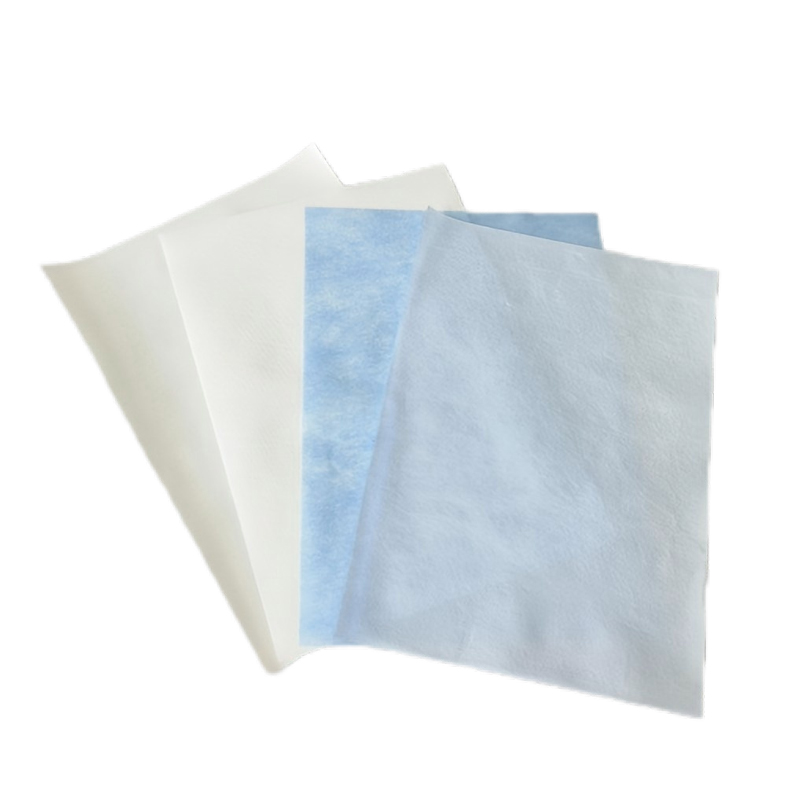 Breathable Film Laminates
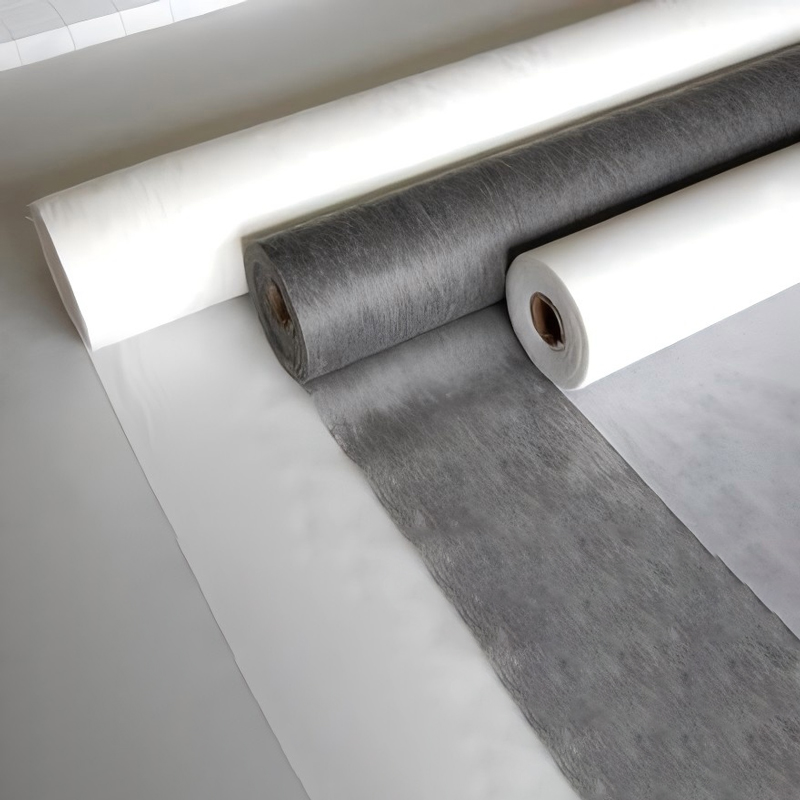 Nonwoven Interlining
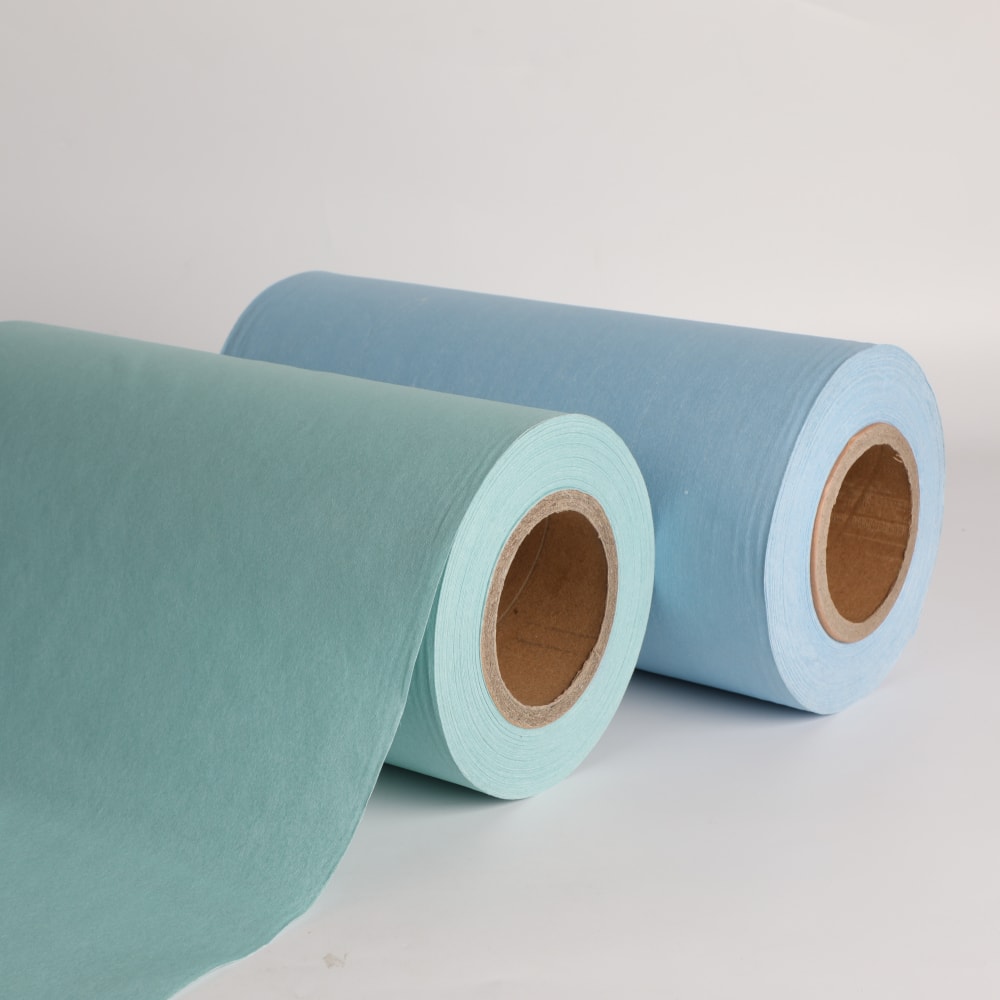 Fluid Repellent Woodpulp Spunlace Nonwoven
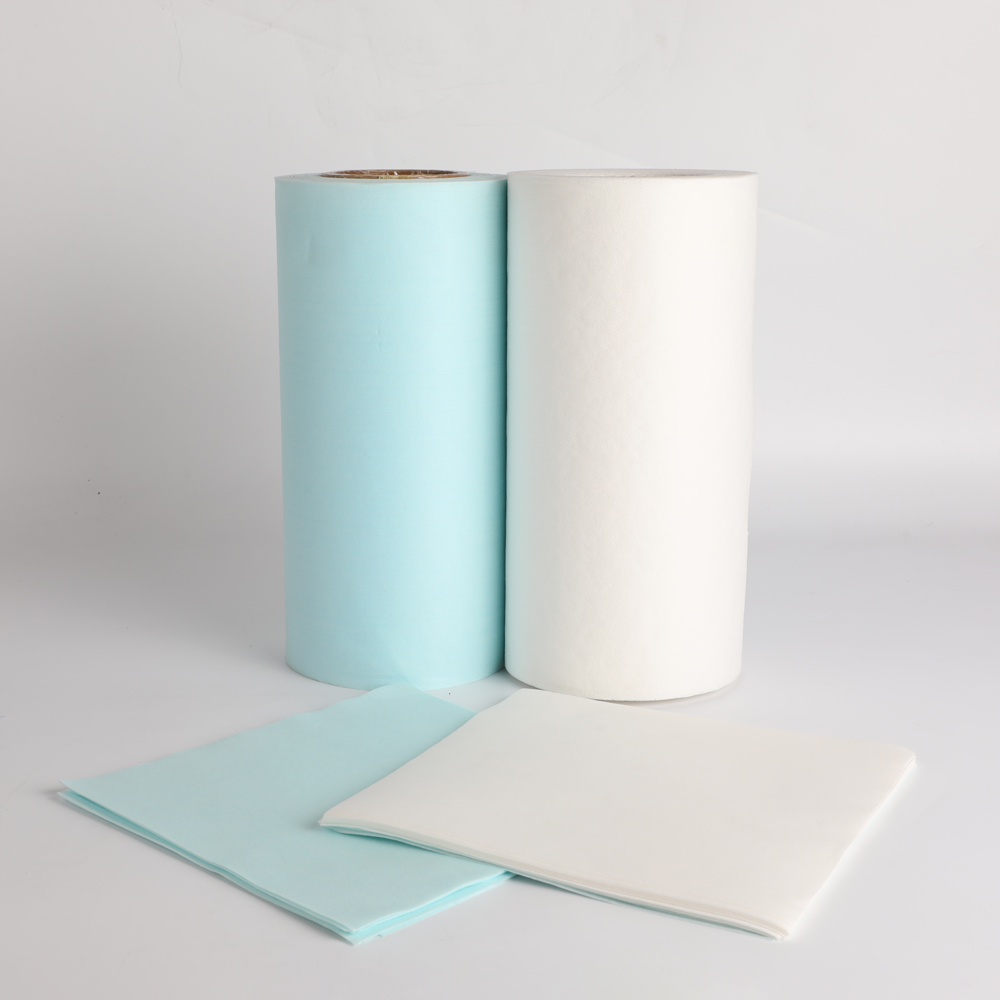 Woodpulp Nonwoven Wipe
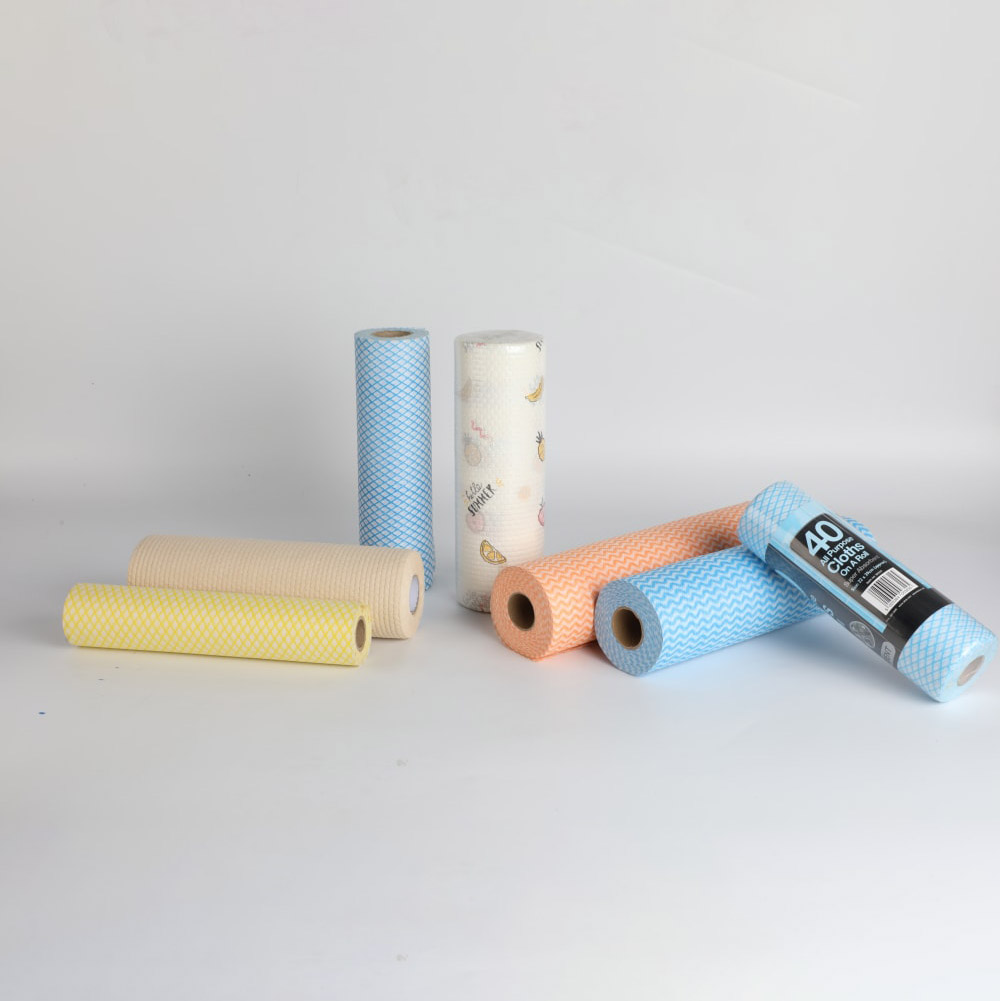 Nonwoven Cleaning Wipe
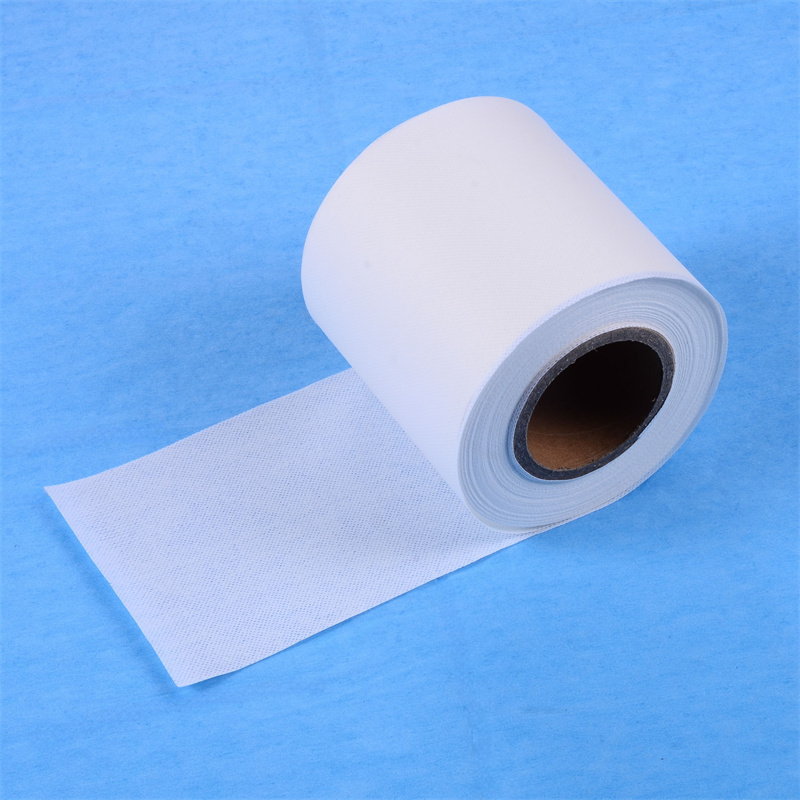 Flame Retardant Nonwoven Fabric
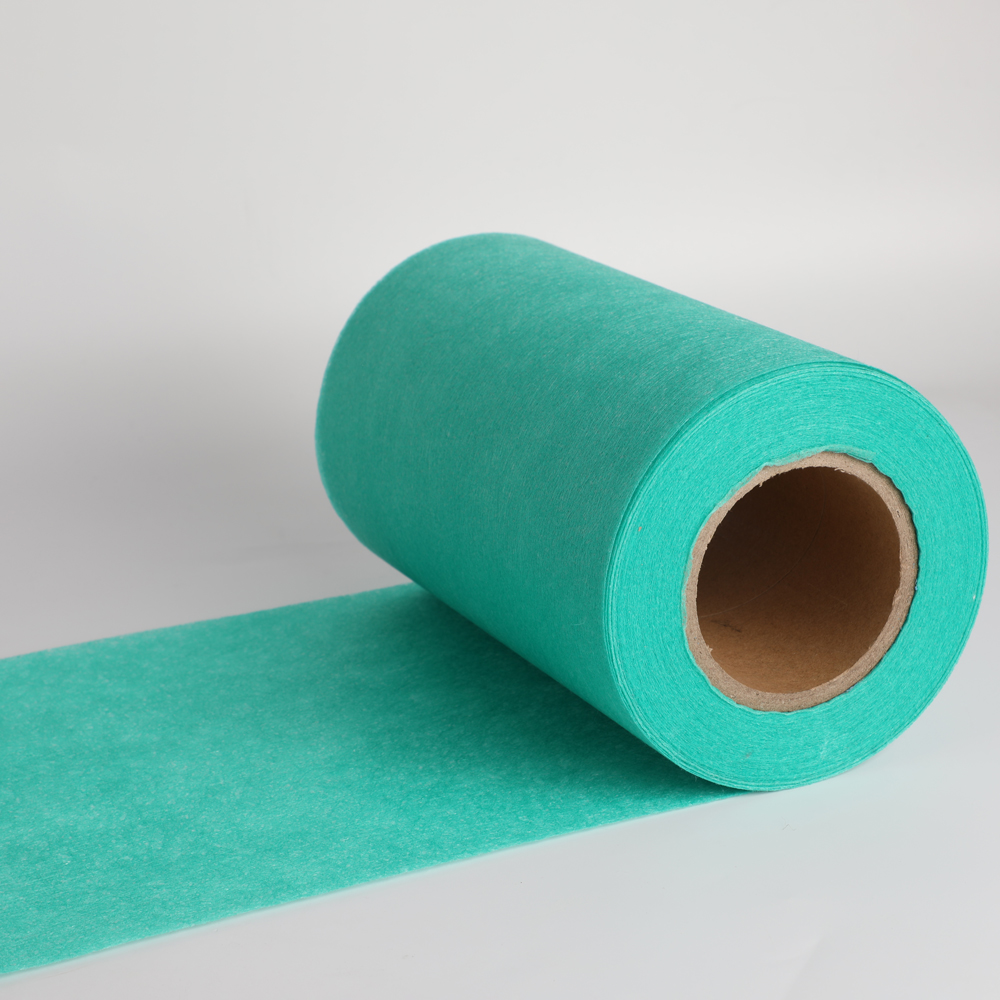 Anti-Bacterial Nonwoven
 CONTACT WhatsApp
 CONTACT WeChat

 CONTACT NUMBER
 CONTACT EMAIL