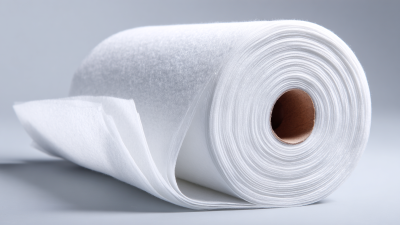
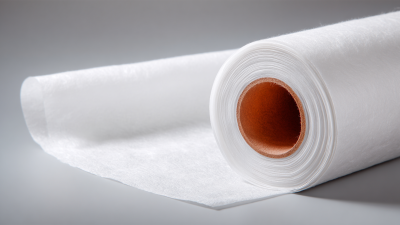
What is Durable Nonwoven Filter Fabric? Applications and Benefits Explained
In the rapidly evolving world of filtration technology, Durable Nonwoven Filter Fabric has emerged as a pivotal material, offering both versatility and resilience. According to Dr. Emily Carter, a leading expert in advanced materials engineering, "The use of Durable Nonwoven Filter Fabric not only enhances filtration efficiency but also significantly extends the lifespan of filter systems." This innovative fabric is designed to withstand harsh conditions while maintaining superior performance, making it an ideal choice for various applications in industries such as automotive, healthcare, and environmental management.
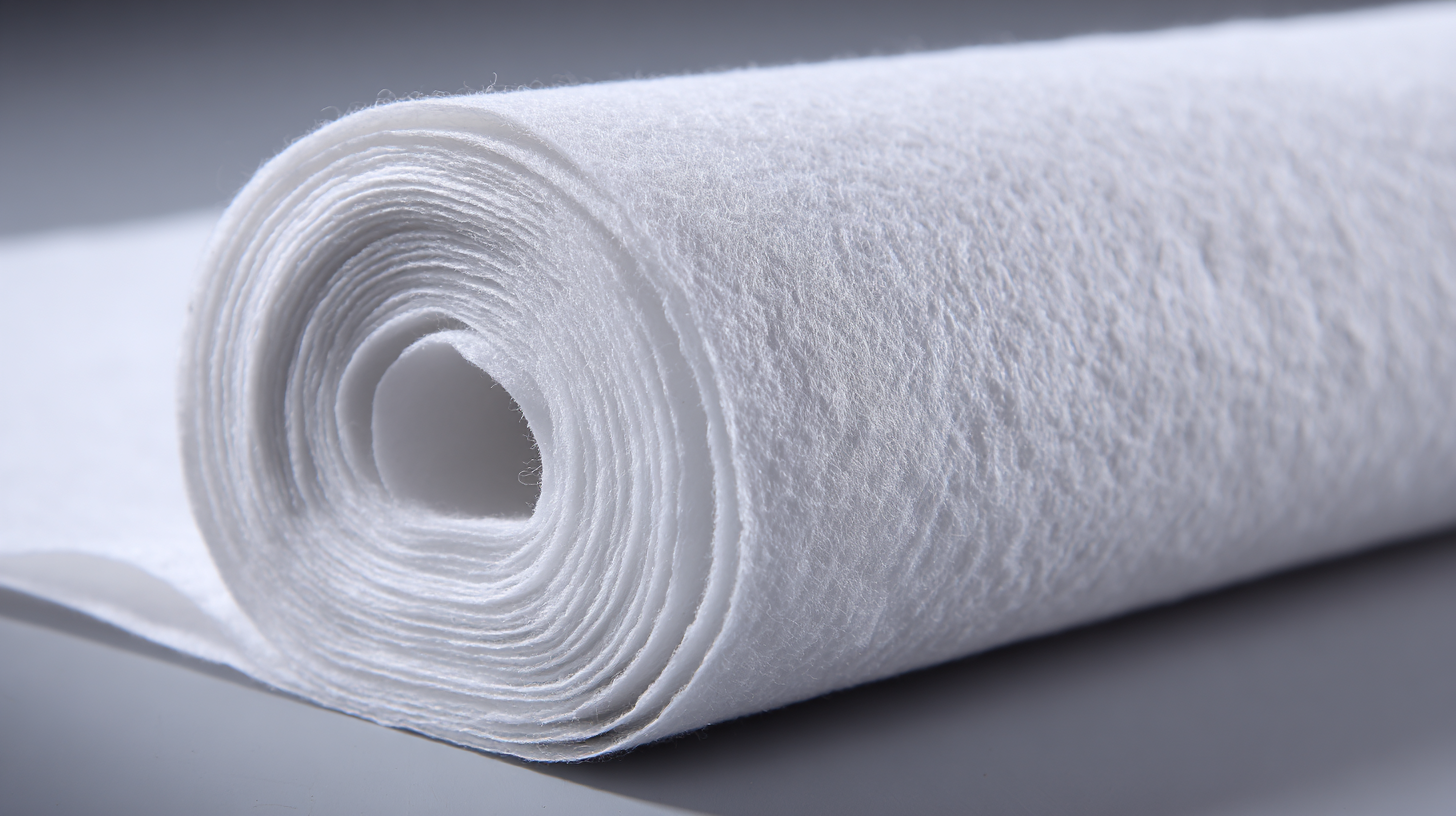
As industries increasingly seek sustainable solutions that do not compromise on functionality, Durable Nonwoven Filter Fabric stands out for its remarkable properties, including high tensile strength, resistance to chemicals, and ease of maintenance. Whether in air purification systems, water treatment processes, or protective clothing, the adaptability of this material provides both immediate and long-term benefits. Understanding the significance of Durable Nonwoven Filter Fabric can lead to better decision-making in material selection, ultimately driving advancements in performance and sustainability across various sectors.
Understanding Durable Nonwoven Filter Fabric
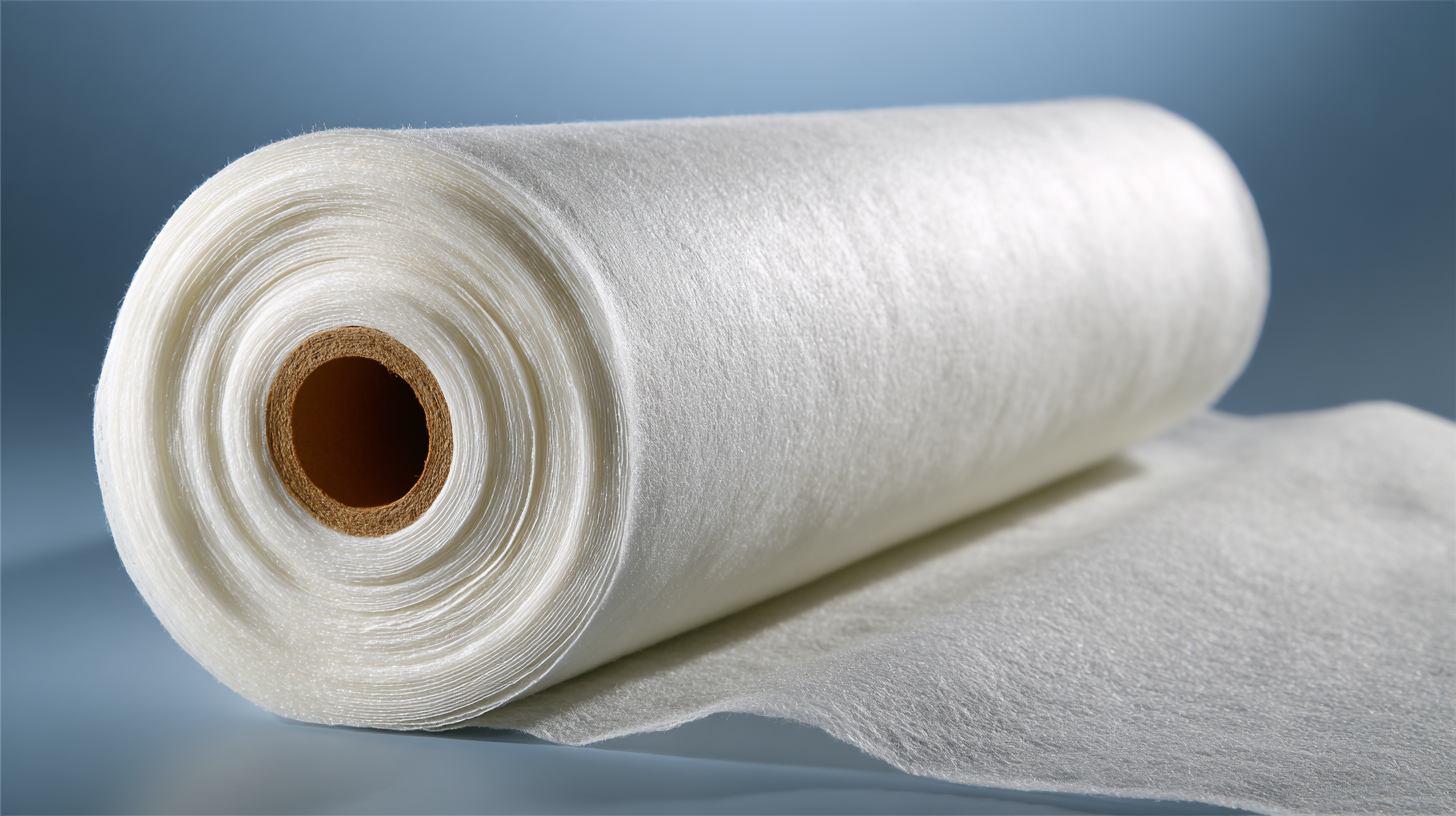 Durable nonwoven filter fabric is a versatile material designed for applications requiring efficient filtration without sacrificing durability. Unlike traditional woven fabrics, nonwoven options are engineered from synthetic fibers that are bonded together, creating a strong yet flexible fabric ideal for various industries. These fabrics can withstand harsh conditions, making them suitable for air, water, and even industrial filtration processes.
When selecting durable nonwoven filter fabric, consider the specific filtration requirements of your project. For instance, different fiber types and weights can impact filtration efficiency and lifespan. Tips for maximizing performance include regularly checking for signs of wear and tear, as well as choosing the right density for your specific application. Additionally, ensure proper installation to prevent leaks and ensure long-term efficacy.
Applications of durable nonwoven filter fabrics are vast and include automotive filtration systems, HVAC components, and medical applications. Their ability to trap particles while allowing air and liquids to pass through makes them ideal for maintaining clean environments. Keep in mind the environments in which the fabric will be used; exposure to chemicals or extreme temperatures can affect its longevity. Regular maintenance can help in prolonging the life of the filter fabric, ensuring optimal performance over time.
Key Characteristics of Durable Nonwoven Filter Fabric
Durable nonwoven filter fabric is engineered for high performance and longevity in various filtration applications. Its key characteristics include exceptional strength, resistance to chemicals, and the ability to withstand extreme temperatures, making it ideal for use in industrial filtration, air and water purification, and automotive sectors. The unique construction of this fabric allows for efficient filtration while maintaining airflow and fluid flow rates, crucial for systems requiring high throughput.
According to recent market reports, the fiberglass fabric market is projected to reach USD 13.17 billion by 2029, indicating growing demand in industries reliant on durable filtration solutions. The versatility of durable nonwoven filter fabrics contributes significantly to this trend, as they are increasingly adopted in sectors ranging from pharmaceuticals to construction.
Tips: When selecting a durable nonwoven filter fabric, consider factors such as the specific filtration requirements, operating conditions, and any regulatory standards applicable to your industry. Also, ensure that the fabric's performance characteristics align with the intended application to maximize efficiency and longevity. Additionally, monitoring material advancements can provide insights into innovations that may enhance filtration processes further.
What is Durable Nonwoven Filter Fabric? Applications and Benefits Explained - Key Characteristics of Durable Nonwoven Filter Fabric
| Characteristic |
Description |
Applications |
Benefits |
| Material Composition |
Made from synthetic or natural fibers |
Air and liquid filtration |
High filtration efficiency |
| Durability |
Resistant to tearing and stretching |
Industrial filtration systems |
Long service life |
| Weight |
Lightweight yet strong |
HVAC systems |
Easy installation and handling |
| Hydrophobic/Hydrophilic Properties |
Can be treated for specific moisture management |
Water and oil filtration |
Versatile for various applications |
| Chemical Resistance |
Resistant to various chemicals |
Environmental containment |
Enhanced safety in hazardous environments |
Top Applications of Durable Nonwoven Filter Fabric
Durable nonwoven filter fabric is increasingly recognized for its versatility and effectiveness in various applications. One of the top applications includes water filtration, where these fabrics provide high efficiency in trapping particles and contaminants, ensuring cleaner water. Additionally, they find significant use in air filtration systems, contributing to improved air quality in both industrial and residential settings. Their ability to withstand harsh conditions while maintaining performance is a key advantage, making them ideal for these critical applications.
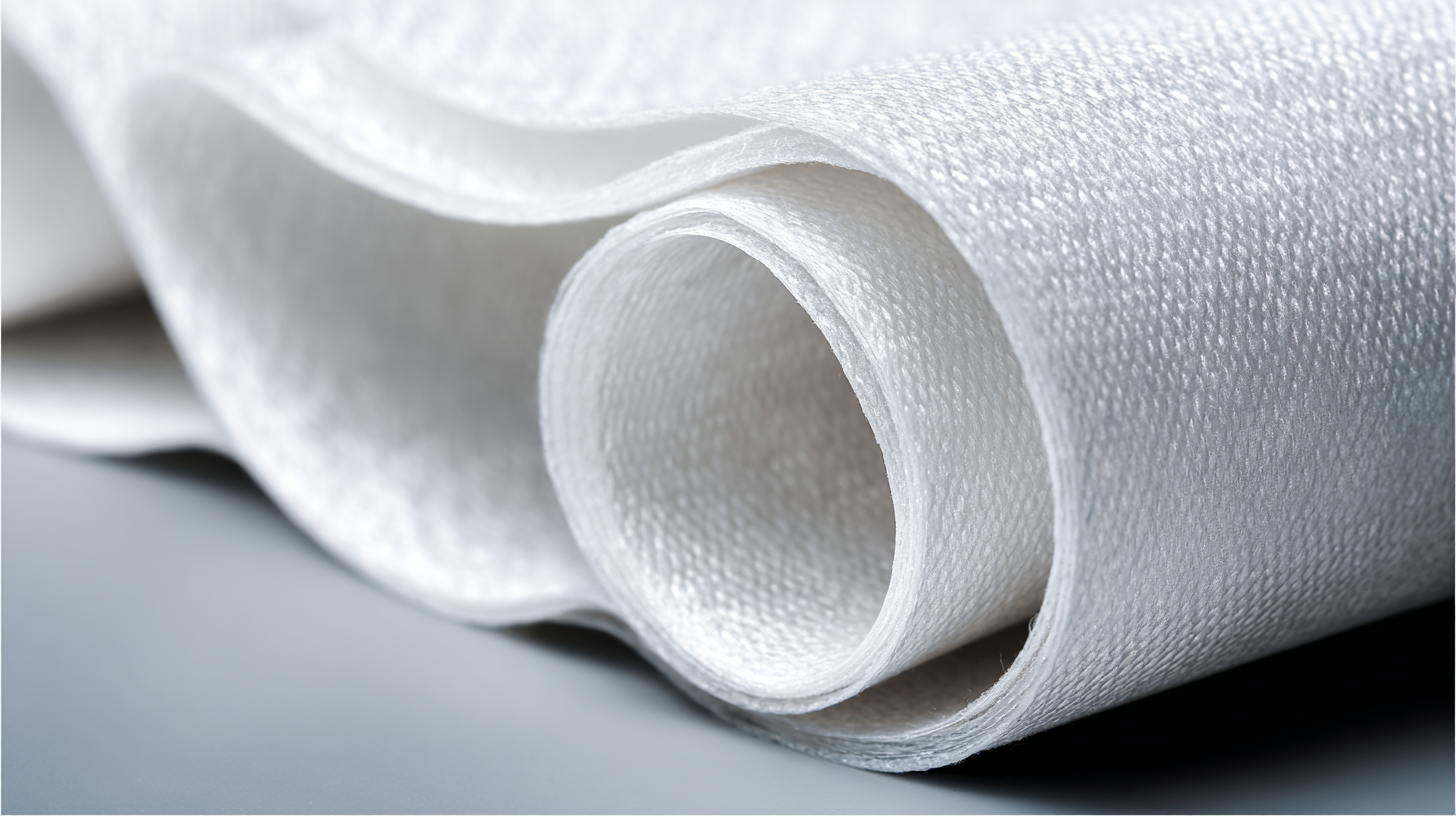
Tips: When selecting durable nonwoven filter fabrics, consider the specific filtration needs, such as particle size and environmental conditions. It's also important to evaluate durability and resistance to chemicals, which can significantly affect the lifespan of the fabric in demanding applications. Furthermore, look for eco-friendly options that provide the same level of performance while supporting sustainable practices in your projects.
Advantages of Using Durable Nonwoven Filter Fabric
Durable nonwoven filter fabric is increasingly recognized for its significant advantages across various sectors, including healthcare, military, and automotive industries. One of the primary benefits of this material is its remarkable durability, allowing it to withstand harsh conditions without compromising effectiveness. This longevity not only contributes to cost-effectiveness over time but also supports sustainability efforts by reducing the frequency of replacements and waste.
Moreover, the versatility of durable nonwoven filter fabrics makes them suitable for a wide range of applications. In healthcare, for instance, they are vital in personal protective equipment (PPE), safeguarding healthcare workers from infectious diseases. The automotive industry has also adopted these fabrics, driven by the need for lightweight yet robust materials that enhance fuel efficiency and reduce environmental impact. With an anticipated growth in the market for nonwoven materials, driven by innovations in textile technology, the future is bright for durable nonwoven filter fabrics, affirming their essential role in meeting contemporary demands for high-performance materials.
Durable Nonwoven Filter Fabric: Applications and Benefits
This chart illustrates the various applications of Durable Nonwoven Filter Fabric, highlighting its predominant use in air filtration, followed by liquid filtration, automotive, construction, and medical fields. The data shows the percentage distribution of applications, showcasing the versatility and importance of this material in multiple industries.
Environmental Impact of Durable Nonwoven Filter Fabric
Durable nonwoven filter fabric has become increasingly popular due to its unique ability to balance performance and environmental sustainability. Unlike traditional woven fabrics, these nonwoven materials are engineered for efficiency while minimizing waste.
When it comes to environmental impact, durable nonwoven filter fabrics often utilize recycled materials, reducing resource consumption and landfill waste. This innovative approach not only conserves energy during production but also allows for easier recycling at the end of the product's lifecycle.
Tips: When selecting nonwoven fabrics, look for those certified by environmental standards. This ensures the materials are sourced sustainably and manufactured with minimal ecological impact. Additionally, consider the longevity and reusability of the product; investing in durable options can lead to more significant savings and less frequent replacements.
Moreover, these fabrics excel in air and water filtration applications, playing a vital role in various industries, from automotive to healthcare. As society becomes more aware of environmental issues, the demand for sustainable filtering solutions continues to rise.
Using durable nonwoven filter fabrics can significantly reduce pollutants and improve air quality, proving that functional design can coexist with ecological responsibility.

 Multi Laminates
 Spunlace Nonwoven Laminates
 Breathable Film Laminates
 Viscose Laminates
 Medical Tape Nonwoven
 Filtration Nonwoven
 Head Wear Nonwoven
 Medical Viscose Nonwoven
 Air Filter Media
 Liquid Filter Media
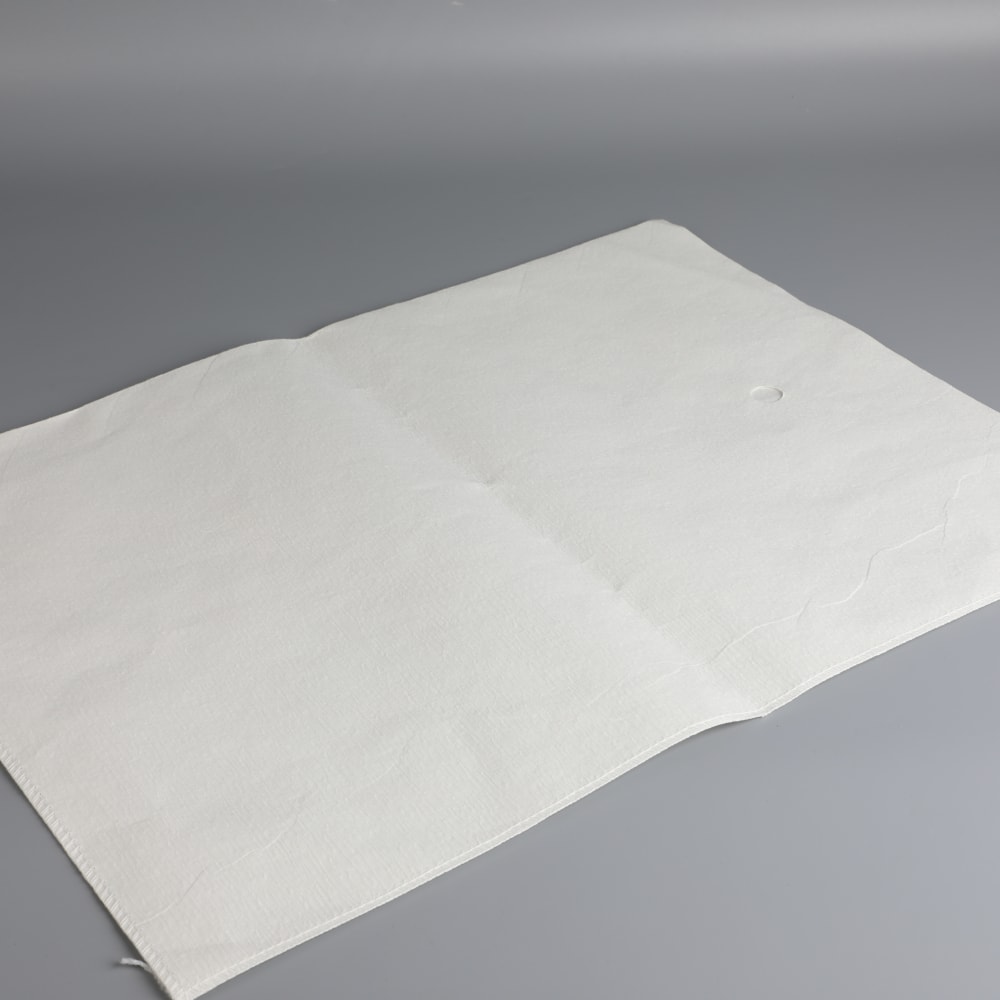 Filter Envelope & Filter Sheet
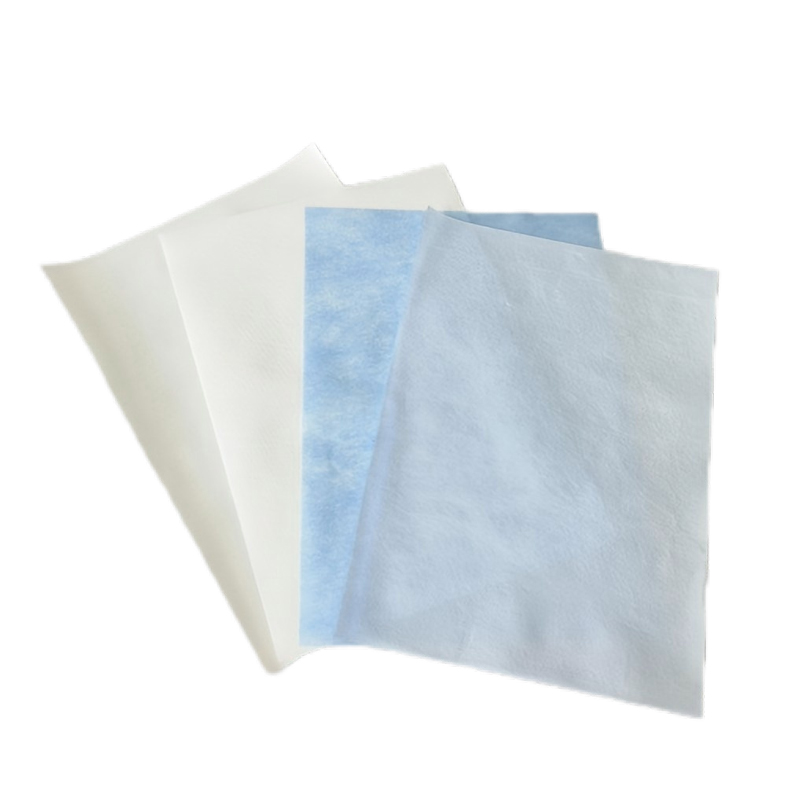 Breathable Film Laminates
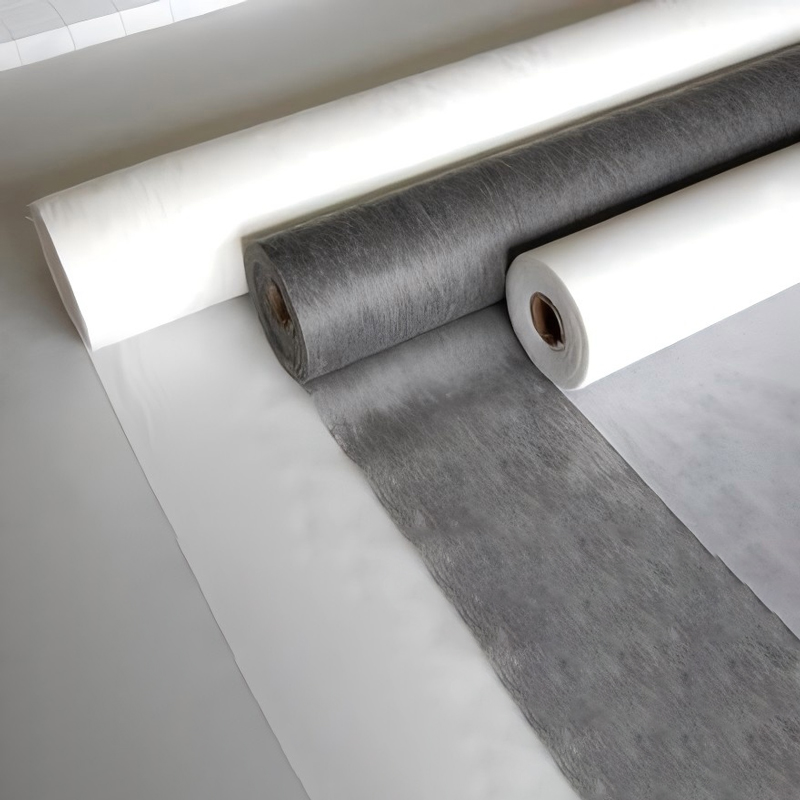 Nonwoven Interlining
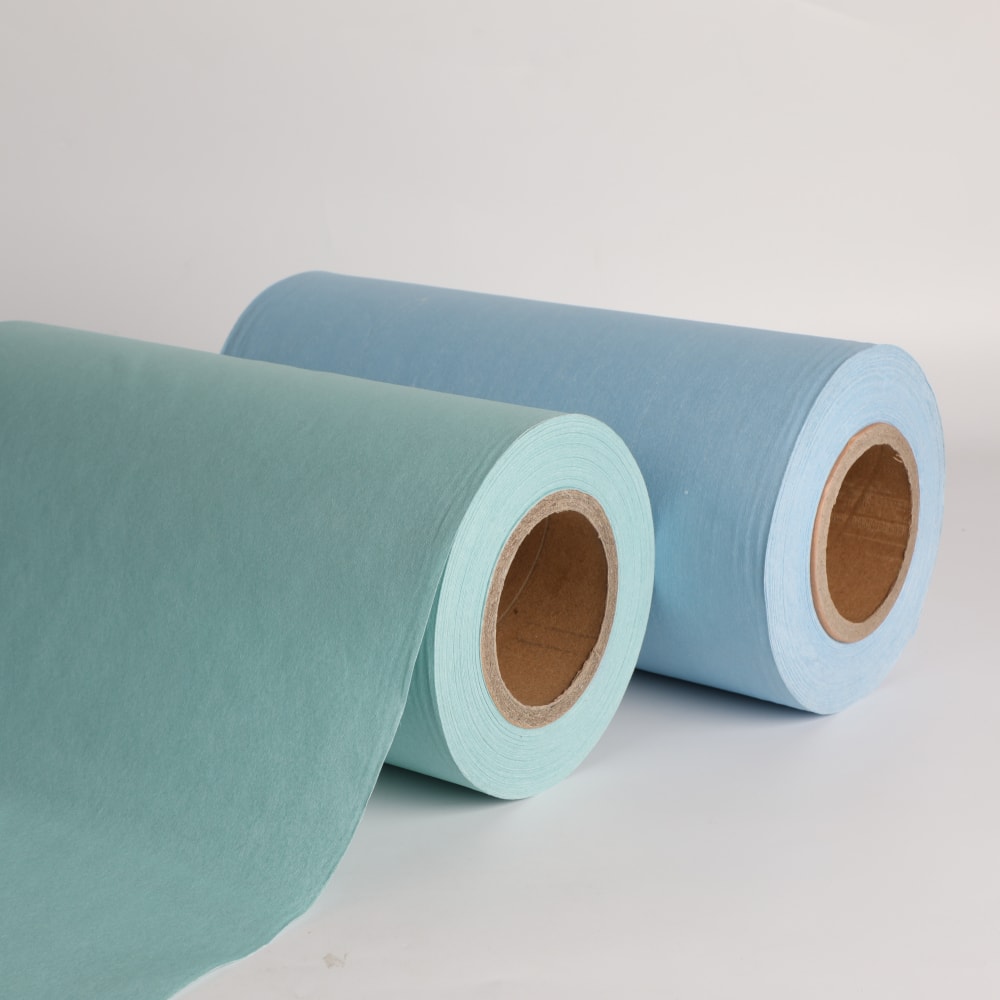 Fluid Repellent Woodpulp Spunlace Nonwoven
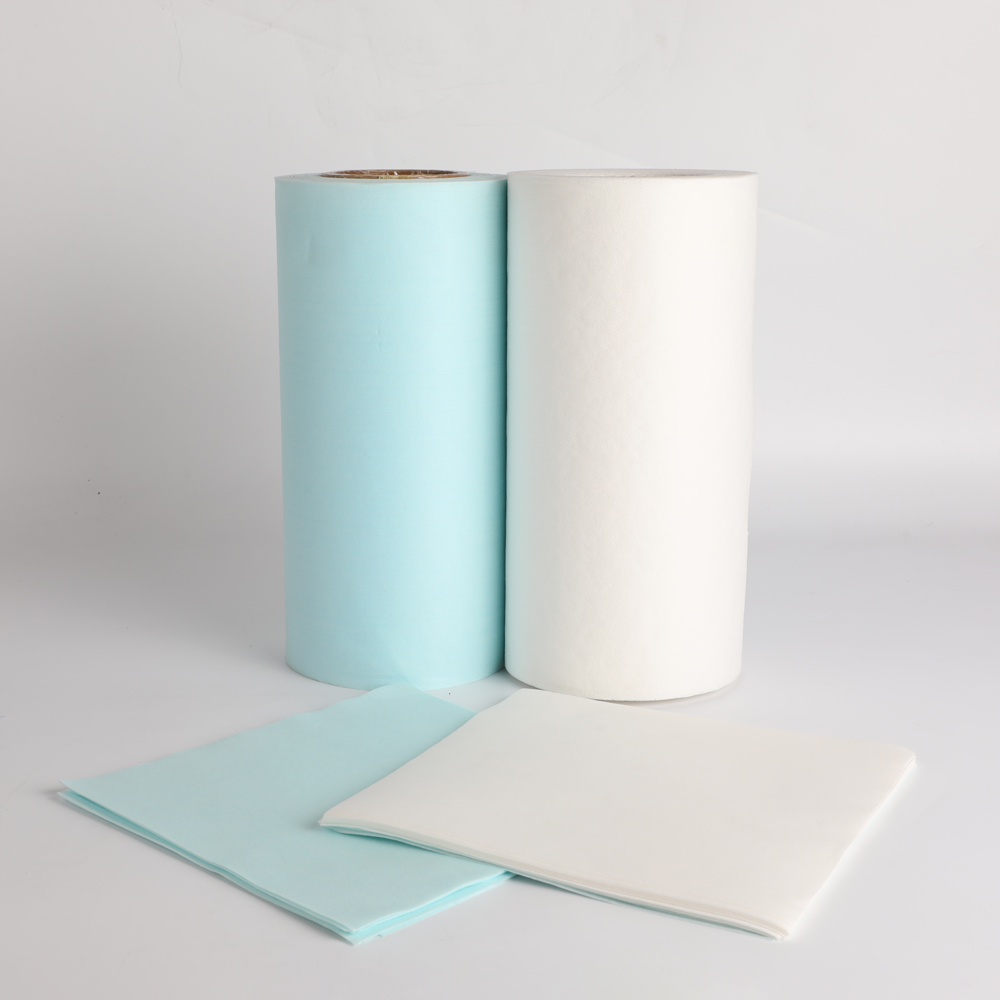 Woodpulp Nonwoven Wipe
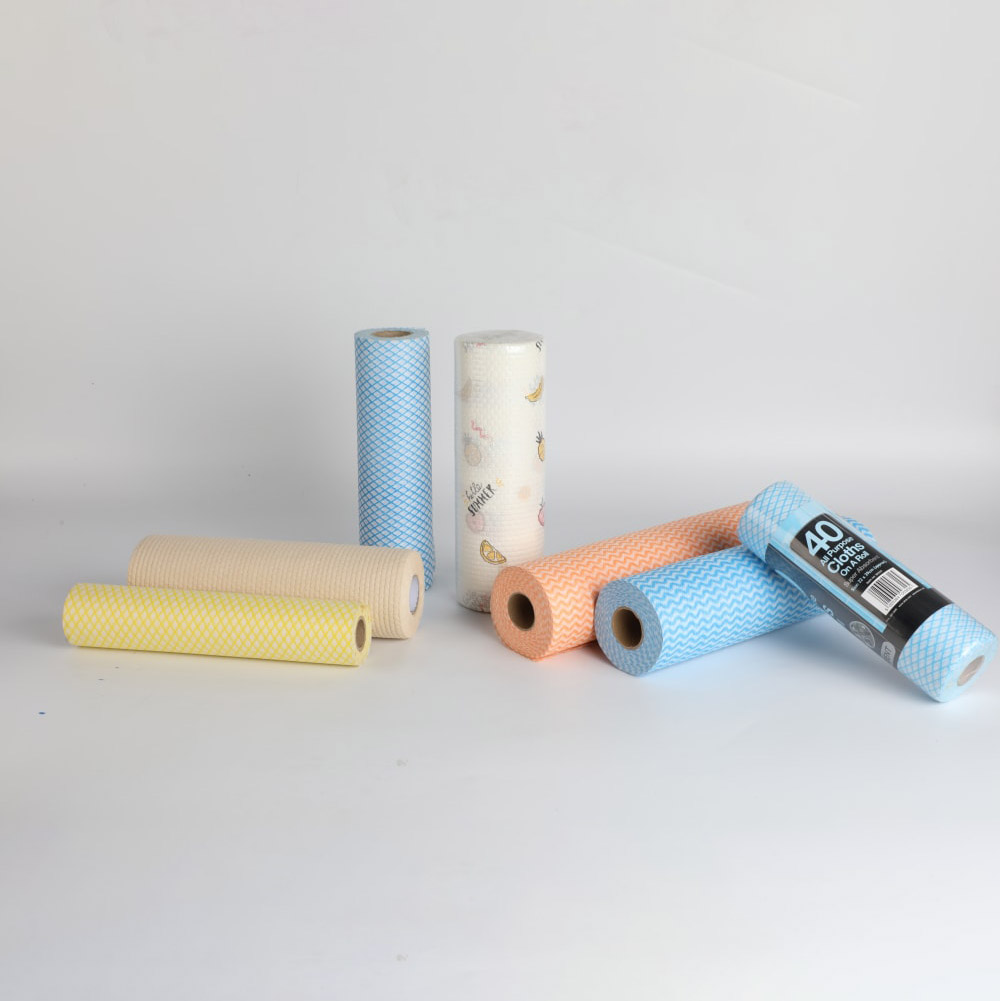 Nonwoven Cleaning Wipe
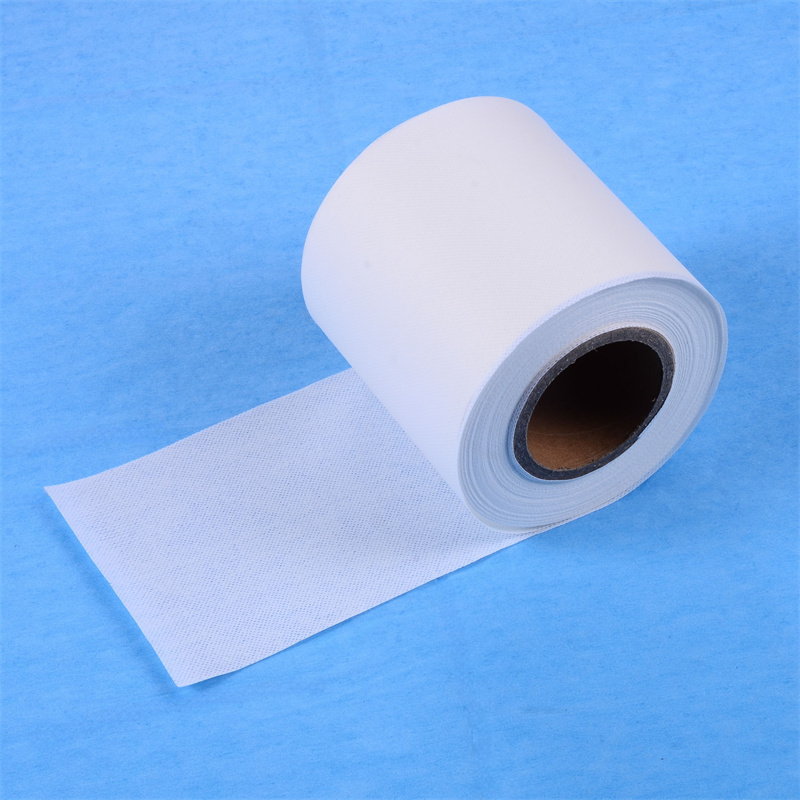 Flame Retardant Nonwoven Fabric
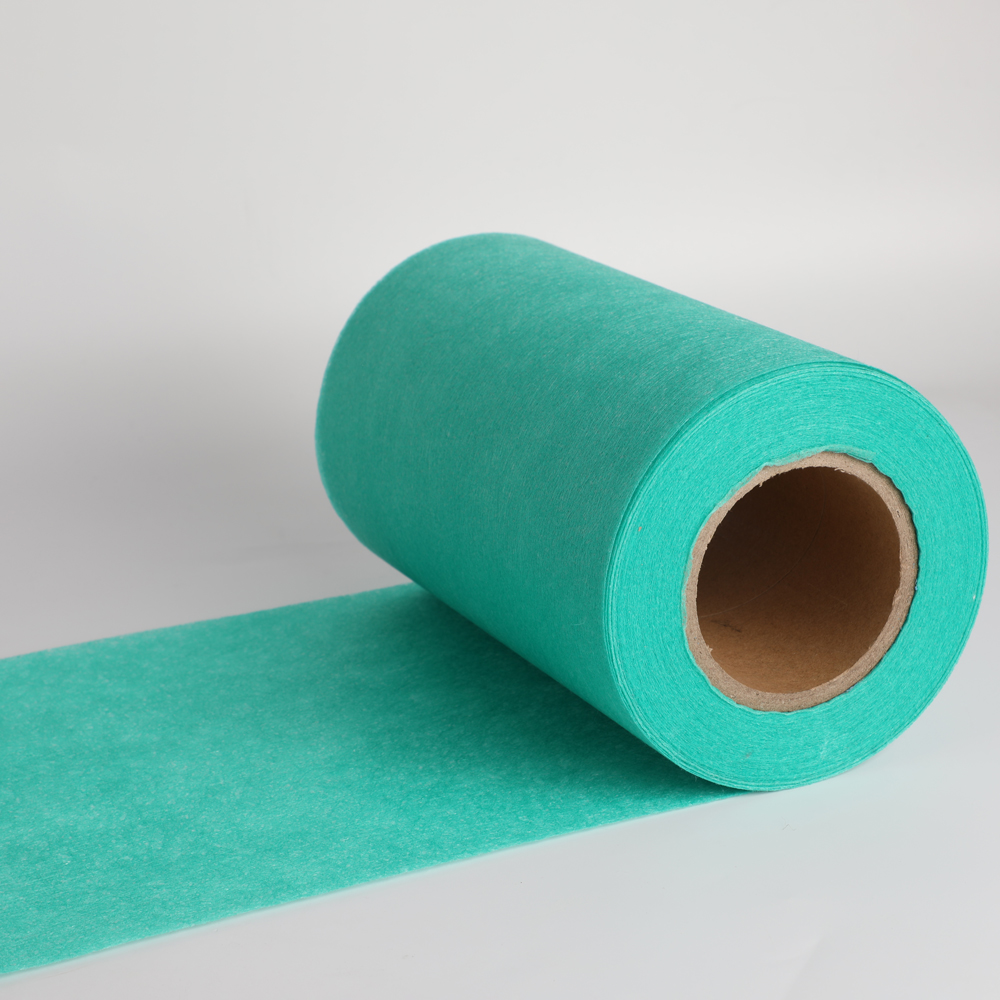 Anti-Bacterial Nonwoven
 CONTACT WhatsApp
 CONTACT WeChat

 CONTACT NUMBER
 CONTACT EMAIL