The Essential Guide to Choosing the Right Sanitary Wipes for Women's Health: Insights and Tips
As women's health continues to gain attention in the consumer products market, the demand for
effective and safe personal hygiene products has grown significantly.
According to recent reports, the global feminine hygiene market is projected to reach
USD 45.4 billion by 2027, with sanitary wipes playing a pivotal role in this surge.
Sanitary wipes for women have emerged as a convenient solution for maintaining intimate hygiene,
particularly as lifestyle changes and increased awareness about health have driven their popularity.
However, with a multitude of options available, choosing the right sanitary wipes can be daunting.
Understanding the ingredients, antibacterial properties, and suitability for sensitive skin is crucial.
In this guide, we will provide essential insights and tips to help women navigate through the overwhelming choices,
ensuring they prioritize both efficacy and safety in their hygiene routines.
Understanding Different Types of Sanitary Wipes: A Comprehensive Overview
When selecting sanitary wipes, understanding the different types available on the market is crucial for maintaining women's health. Sanitary wipes generally fall into several categories, including biodegradable, antibacterial, and hypoallergenic options.
Biodegradable wipes are environmentally friendly and are made from natural materials, making them a great choice for eco-conscious users. Antibacterial wipes are formulated to kill bacteria and offer an extra layer of protection, especially during menstruation or after physical activity. Hypoallergenic wipes are designed for sensitive skin, free from harsh chemicals and fragrances, making them ideal for women prone to irritation.
When choosing the right sanitary wipes, remember these tips: first, always check the ingredients list to avoid harmful additives, especially if you have sensitive skin. Secondly, consider your usage—whether for daily freshness, post-workout cleansing, or menstrual care—to select wipes that meet your specific needs. Finally, don't overlook the packaging; choosing portable options can make it easier to stay fresh on the go.
Whether at home or traveling, these insights ensure you make an informed decision for your health and convenience.
Key Ingredients to Look For in Women's Sanitary Wipes
When selecting sanitary wipes, understanding the key ingredients is crucial for women's health. Research indicates that over 60% of women prioritize personal care products that are free from harsh chemicals and allergens (Research and Markets, 2021). Therefore, look for wipes that contain natural ingredients like aloe vera, which is renowned for its soothing properties, and chamomile, known for its anti-inflammatory effects. These components not only provide comfort but also maintain the delicate pH balance essential for women's intimate care.
Additionally, the presence of antibacterial agents like tea tree oil can be a significant benefit in sanitary wipes. A study published in the Journal of Women's Health highlighted that products containing tea tree oil significantly reduce the risk of bacterial infections without disturbing the natural flora (Journal of Women's Health, 2022). Moreover, opting for wipes that are dermatologically tested and hypoallergenic ensures that they are safe for sensitive skin. Focusing on these key ingredients can empower women to make informed choices about their health and hygiene products, leading to enhanced overall well-being.
Benefits of Using Antibacterial vs. Hypoallergenic Wipes
When selecting sanitary wipes for women's health, understanding the benefits of antibacterial versus hypoallergenic options is crucial.
Antibacterial wipes typically contain ingredients that target and eliminate harmful bacteria, making them an excellent choice for those seeking an extra layer of protection. They are particularly beneficial for post-workout cleanups or during travel when access to soap and water is limited. However, frequent use can lead to irritation for some, especially if the wipes contain harsher chemicals or fragrances.
On the other hand, hypoallergenic wipes are designed to minimize the risk of allergic reactions and irritation. They are free from common allergens and fragrances, making them suitable for sensitive skin or individuals prone to reactions.
These wipes focus on gentle cleansing and maintaining pH balance, which is vital for women's intimate health. While they may not offer the same antibacterial benefits, their soothing properties make them an ideal choice for daily use and for individuals who prioritize skin safety over aggressive antimicrobial action. Ultimately, the choice between the two depends on individual needs, lifestyle, and skin sensitivities.
Environmentally Friendly Options: Sustainable Sanitary Wipes
In recent years, the demand for environmentally friendly sanitary wipes has surged, driven by growing awareness of sustainable practices among consumers. According to a report by Grand View Research, the global market for biodegradable wipes is expected to reach $600 million by 2025, reflecting a 9% annual growth rate. This trend highlights the shift towards using materials that minimize environmental impact, appealing to eco-conscious women who prioritize sustainability in their personal care products.
When choosing sustainable sanitary wipes, it is crucial to look for options made from natural fibers such as bamboo, hemp, or organic cotton, as these materials break down more easily compared to traditional synthetic wipes. Research indicates that conventional wipes, often made from non-biodegradable plastics, contribute significantly to landfill waste, with an estimated 20 billion wipes disposed of each year in the U.S. alone. By opting for eco-friendly alternatives, consumers not only support sustainability but also promote better health, as many of these products are free from harmful chemicals and fragrances, making them gentler on sensitive skin.
The Essential Guide to Choosing the Right Sanitary Wipes for Women's Health
| Category |
Material |
Eco-Friendly |
pH-Balanced |
Vegan |
| Sensitive Skin |
Organic Cotton |
Yes |
Yes |
Yes |
| Travel Size |
Bamboo |
Yes |
Yes |
No |
| Daily Use |
Viscose |
Yes |
Yes |
Yes |
| Postpartum |
Cotton and Aloe Vera |
Yes |
Yes |
No |
| Intimate Care |
Plant-Based Fibers |
Yes |
Yes |
Yes |
Tips for Safe and Effective Use of Sanitary Wipes in Daily Care
When selecting sanitary wipes, it's essential to prioritize safety and effectiveness in daily care. According to a report by Grand View Research, the global feminine hygiene market is expected to reach USD 42.7 billion by 2027, highlighting the increasing demand for products that cater specifically to women's health needs. Choosing wipes that are hypoallergenic, free of harmful chemicals, and pH-balanced is crucial for maintaining vaginal health. Women should look for wipes that are dermatologically tested and designed for sensitive skin to reduce the risk of irritation and allergic reactions.
Moreover, the application of sanitary wipes should be approached with caution. It is recommended to use them only externally, as misuse can disrupt the natural flora of the vagina and lead to infections. A study published in the Journal of Women's Health suggests that improper use of wipes may increase the likelihood of bacterial vaginosis and urinary tract infections. To further enhance their safety, women should opt for wipes that have been clinically tested and validated for their intended use. Ultimately, informed choices can significantly contribute to women's health and well-being in their daily routines.
The Essential Guide to Choosing the Right Sanitary Wipes for Women's Health

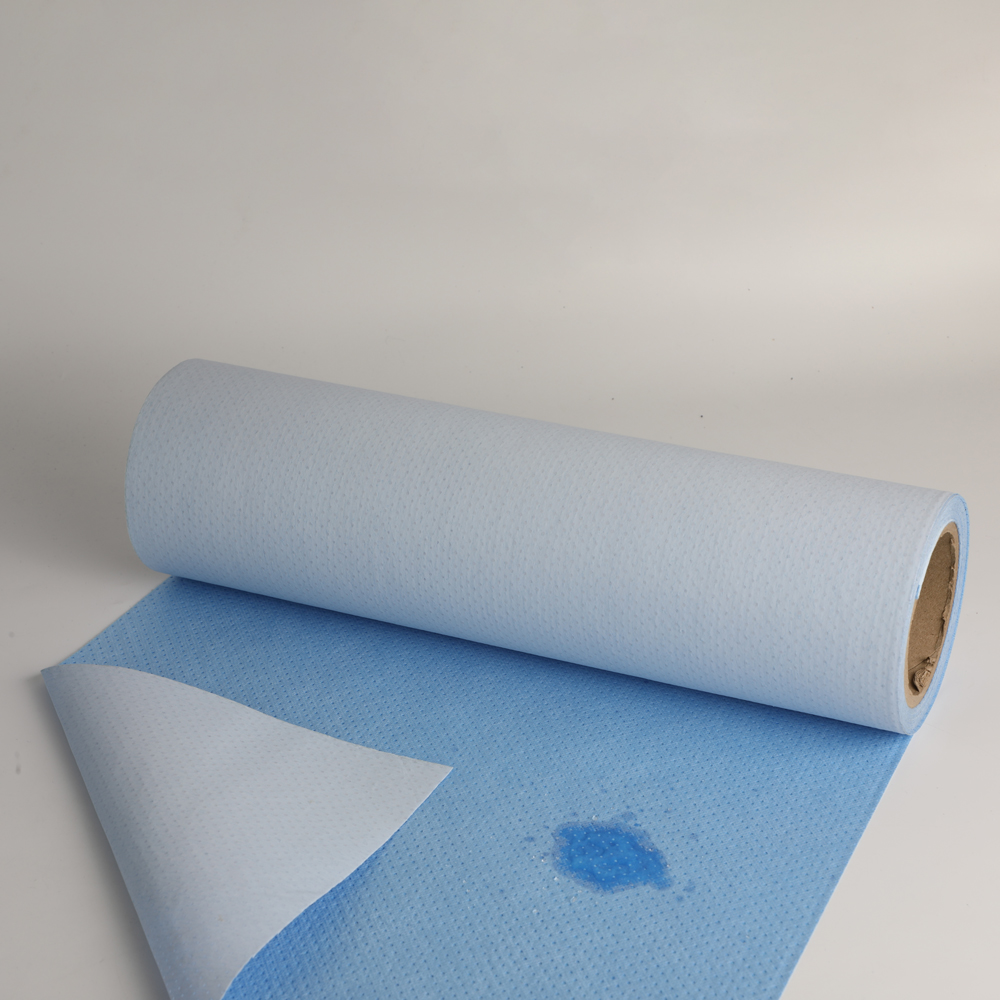 Multi Laminates
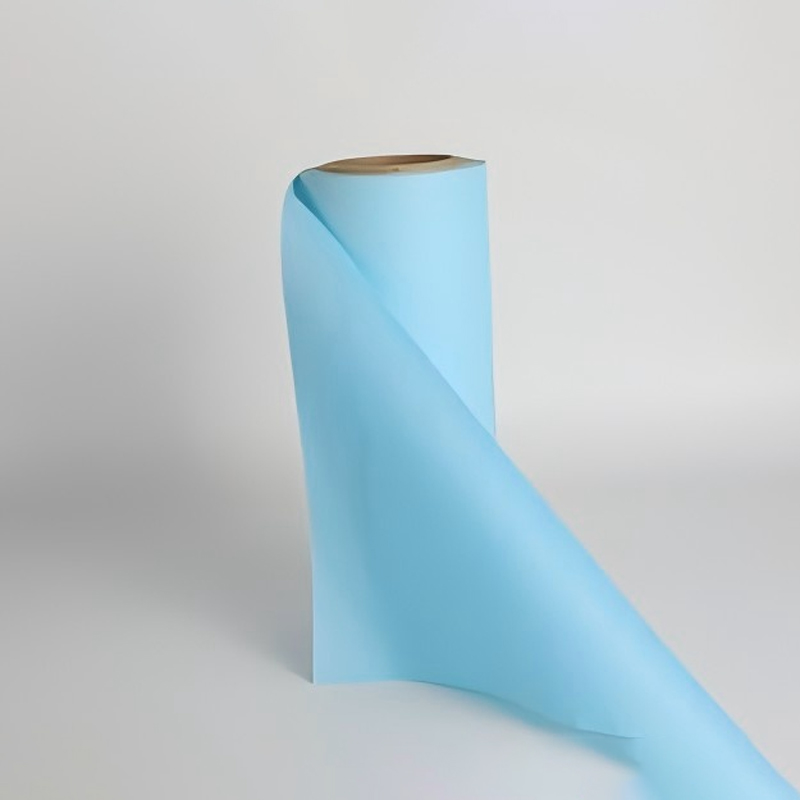 Spunlace Nonwoven Laminates
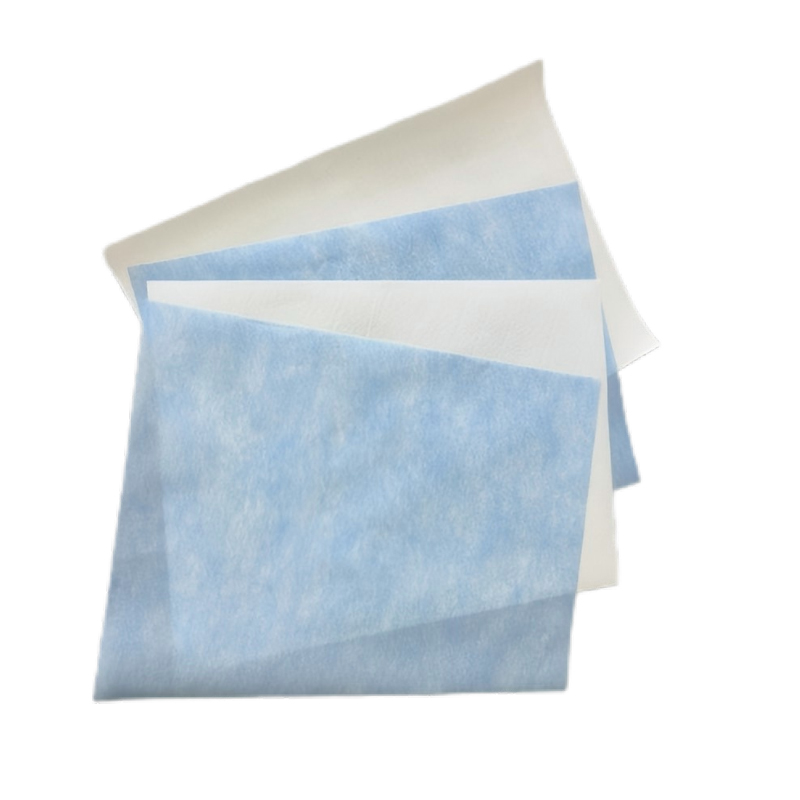 Breathable Film Laminates
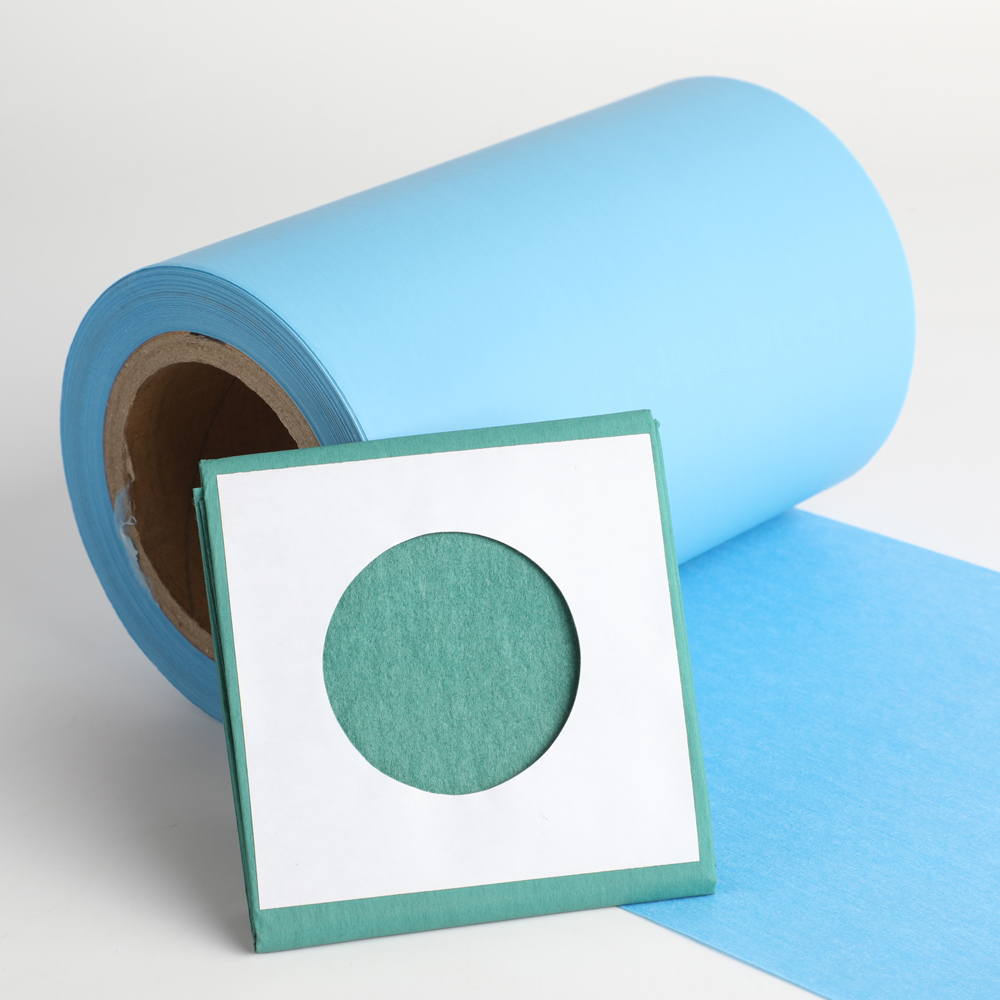 Viscose Laminates
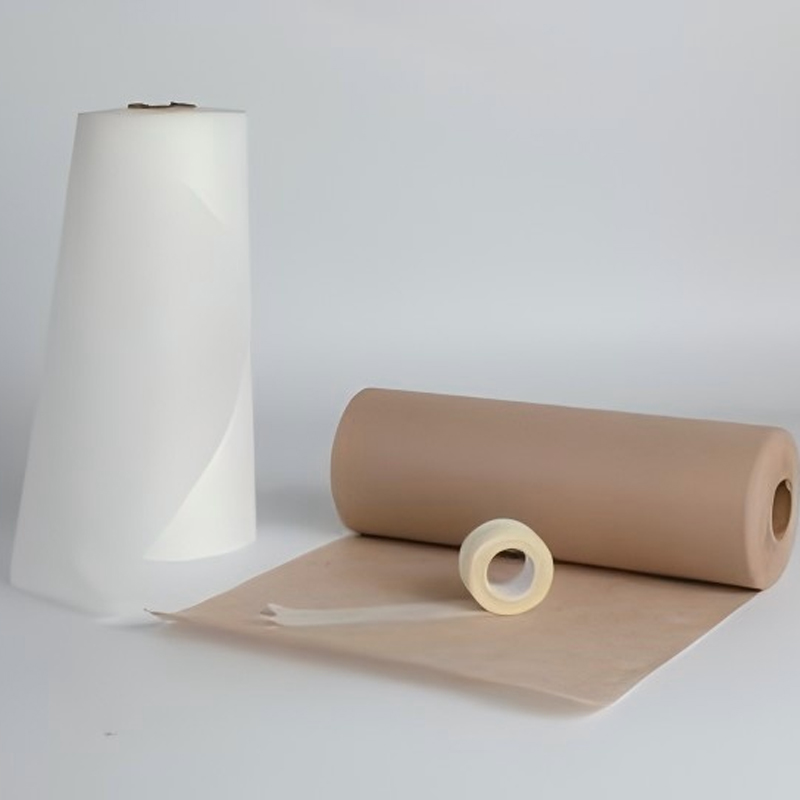 Medical Tape Nonwoven
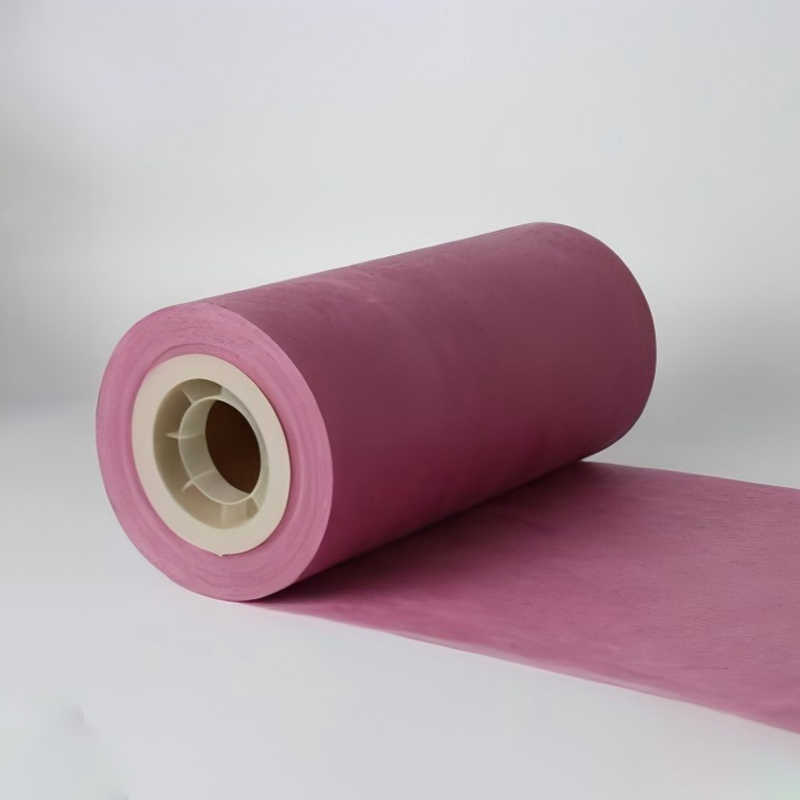 Filtration Nonwoven
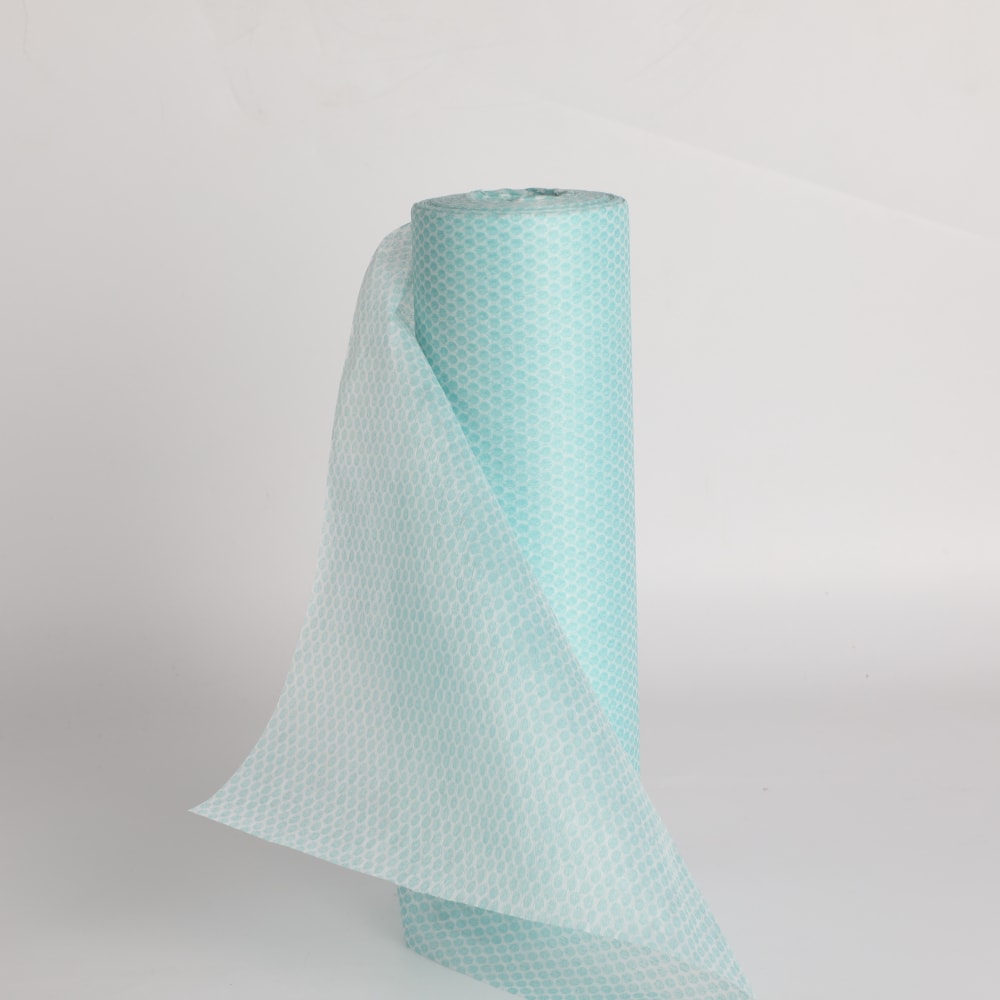 Head Wear Nonwoven
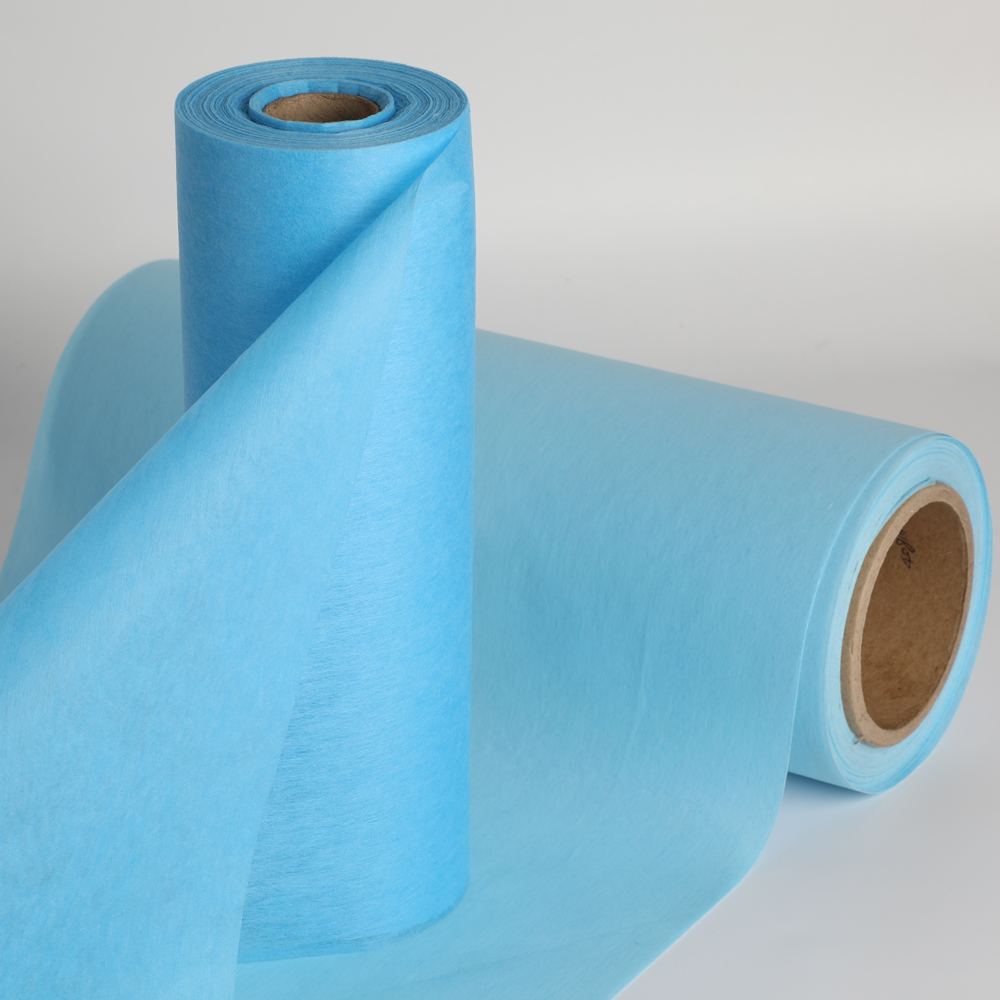 Medical Viscose Nonwoven
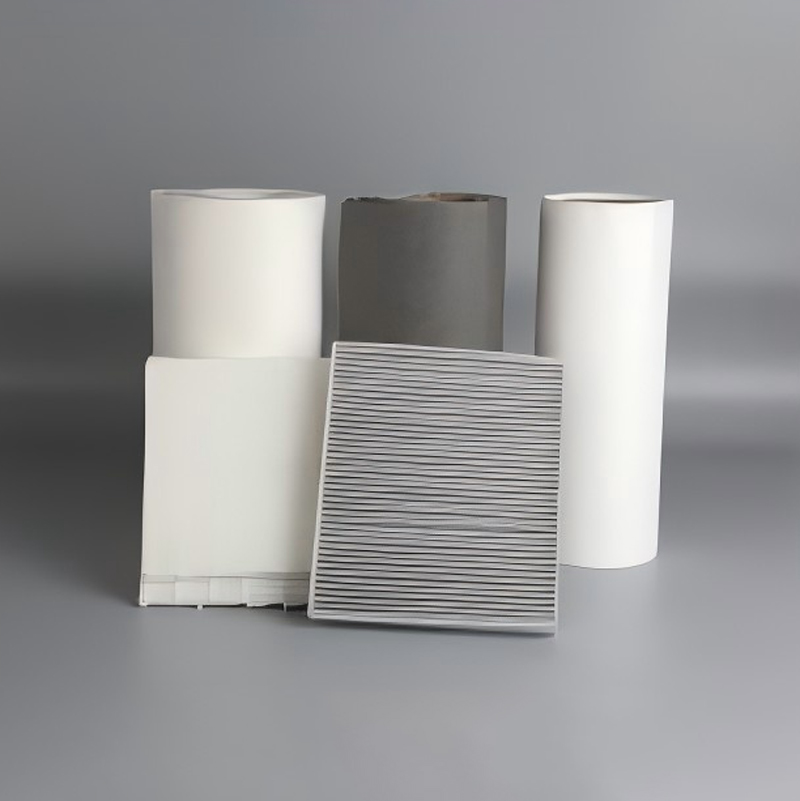 Air Filter Media
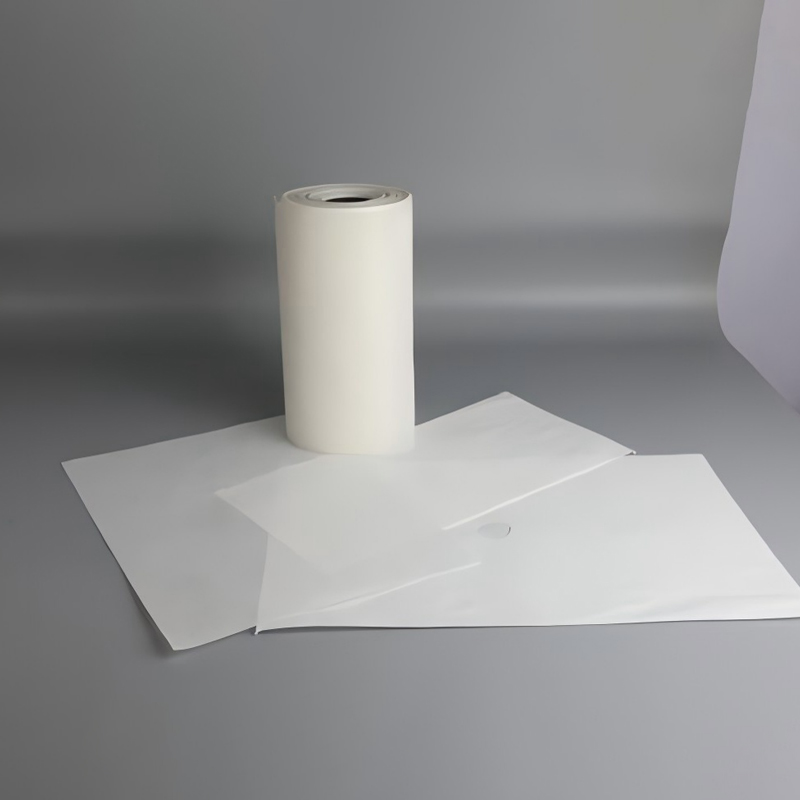 Liquid Filter Media
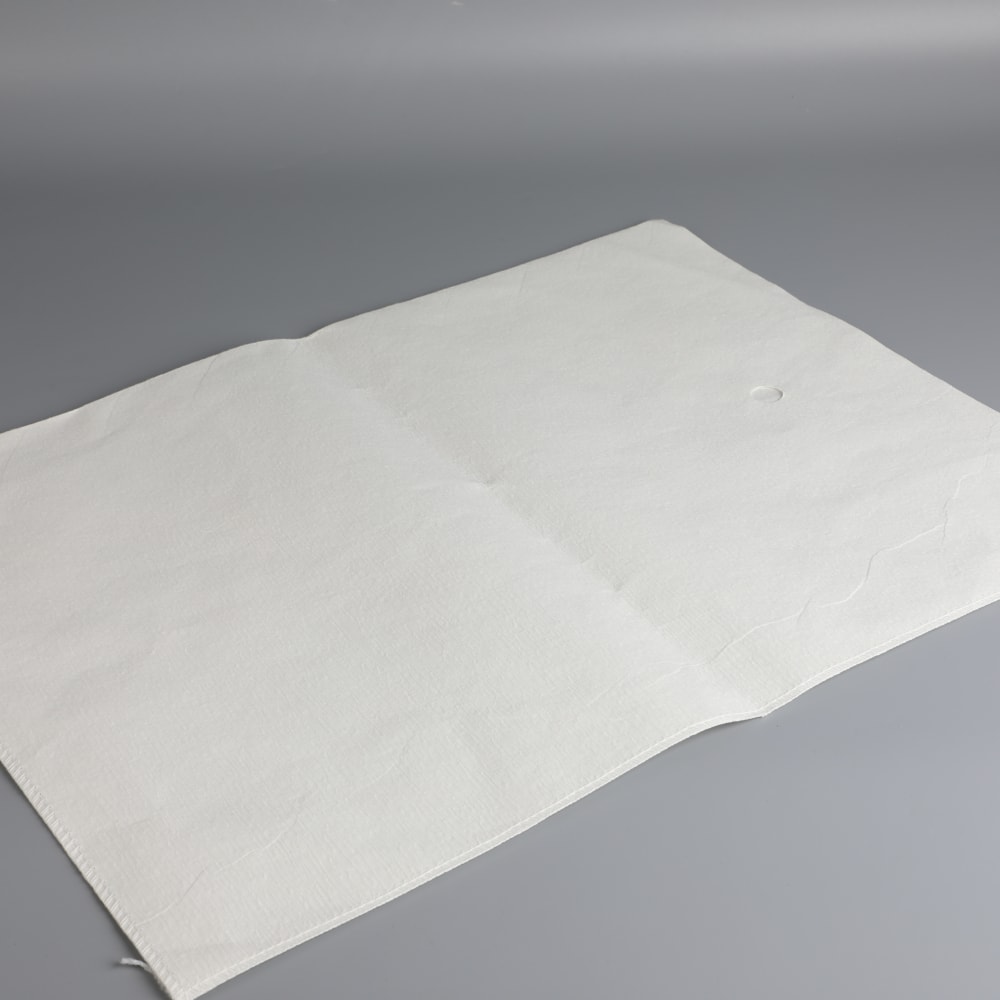 Filter Envelope & Filter Sheet
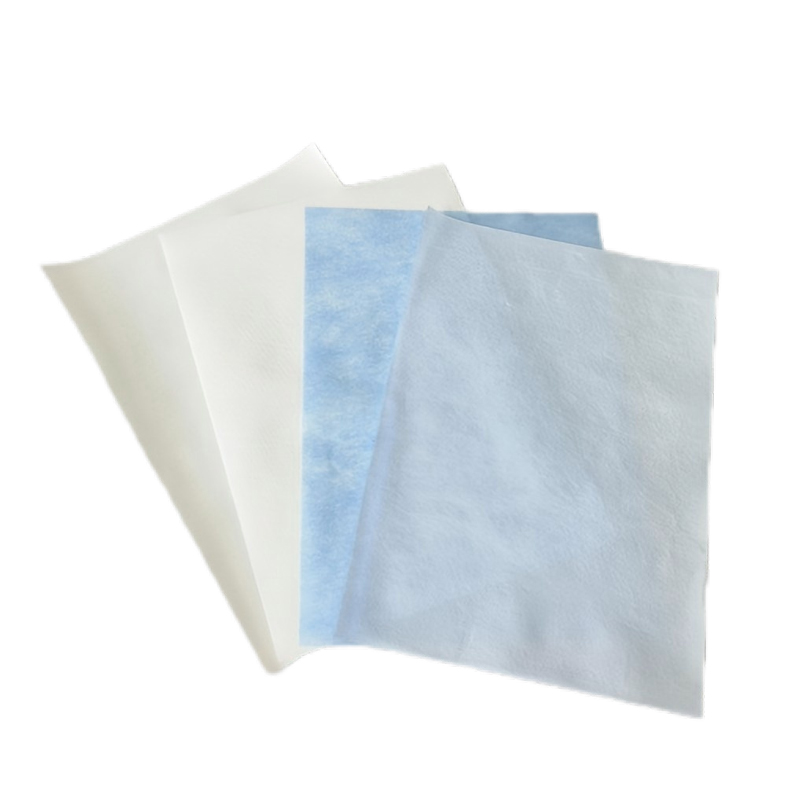 Breathable Film Laminates
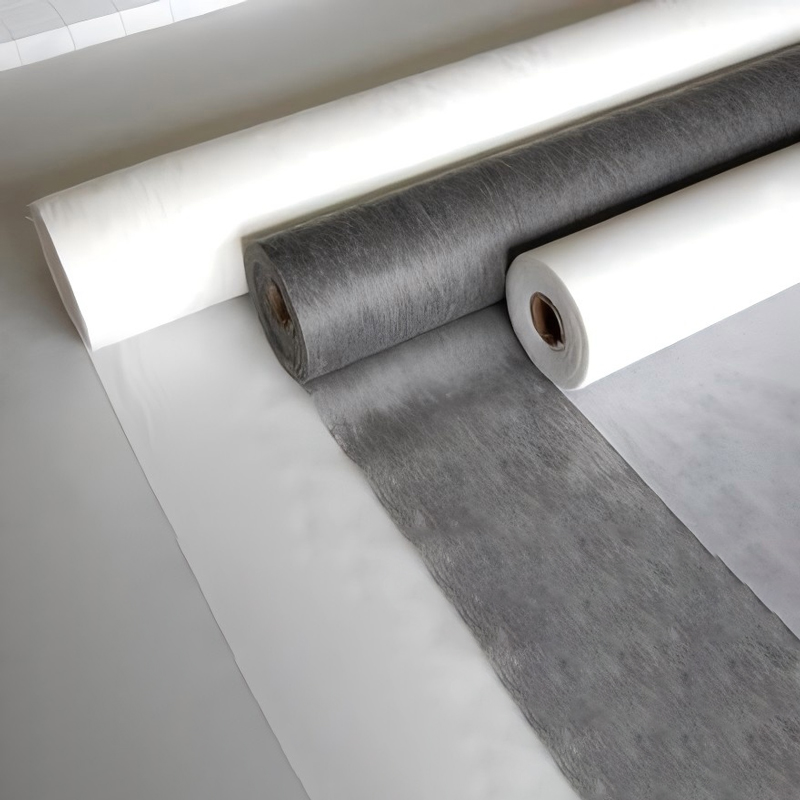 Nonwoven Interlining
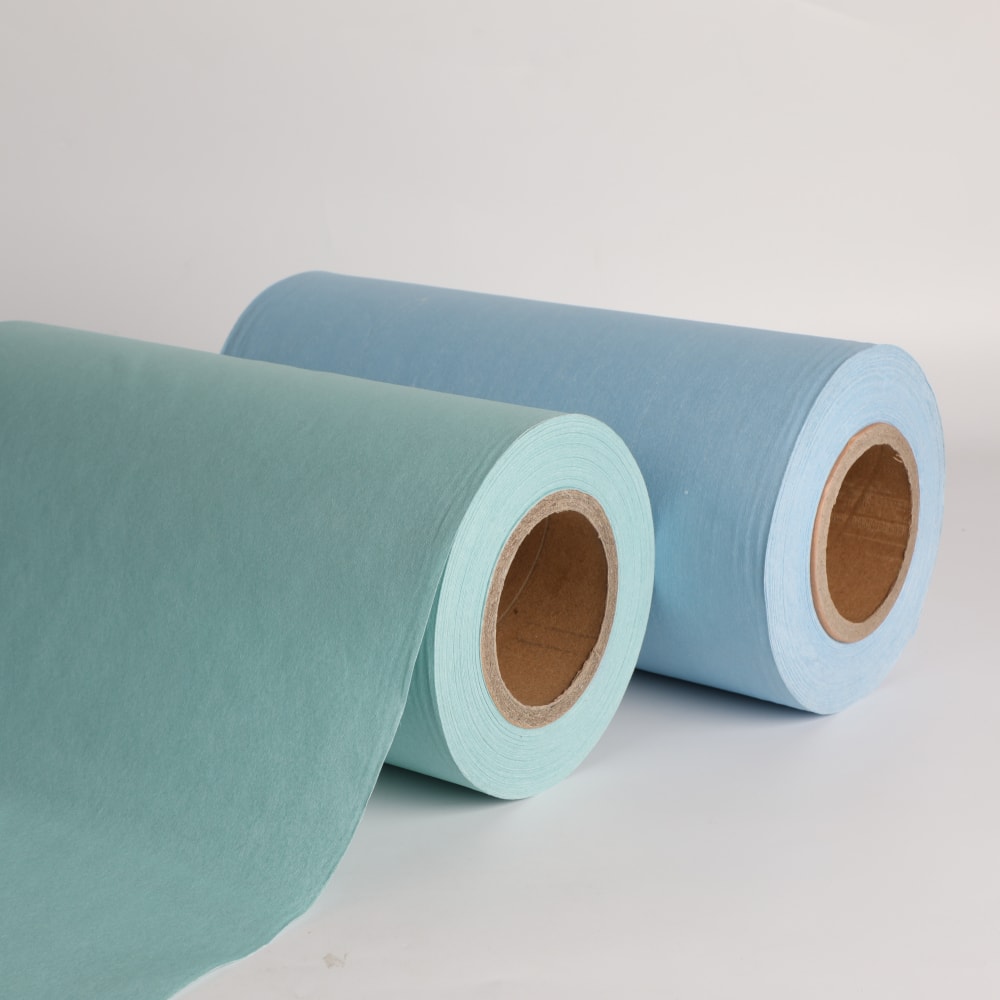 Fluid Repellent Woodpulp Spunlace Nonwoven
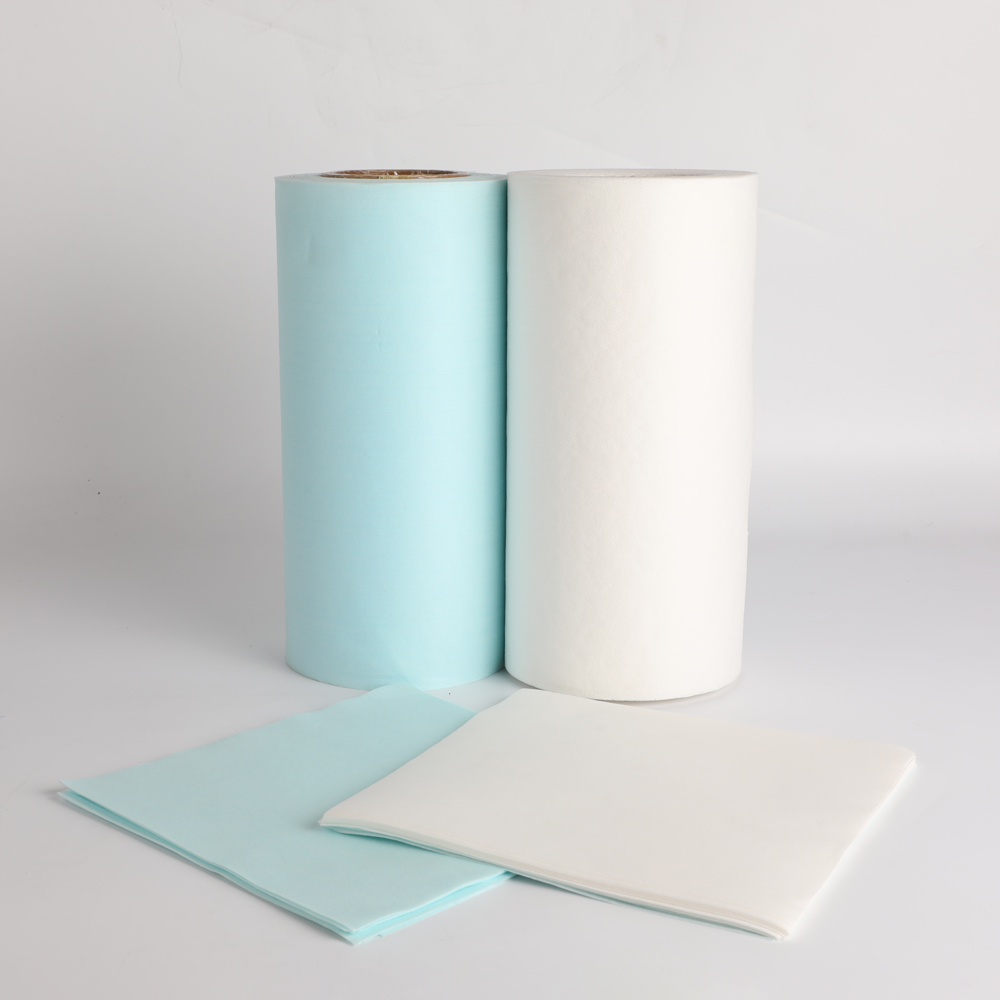 Woodpulp Nonwoven Wipe
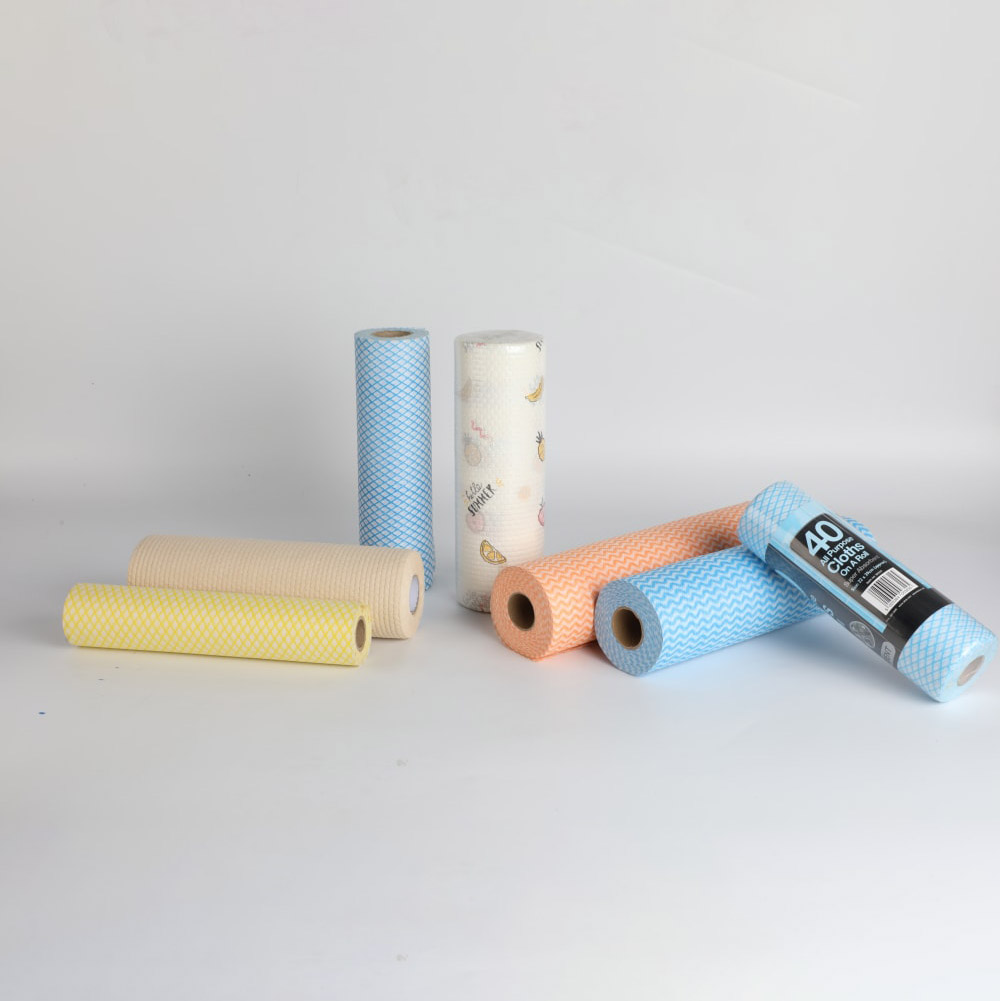 Nonwoven Cleaning Wipe
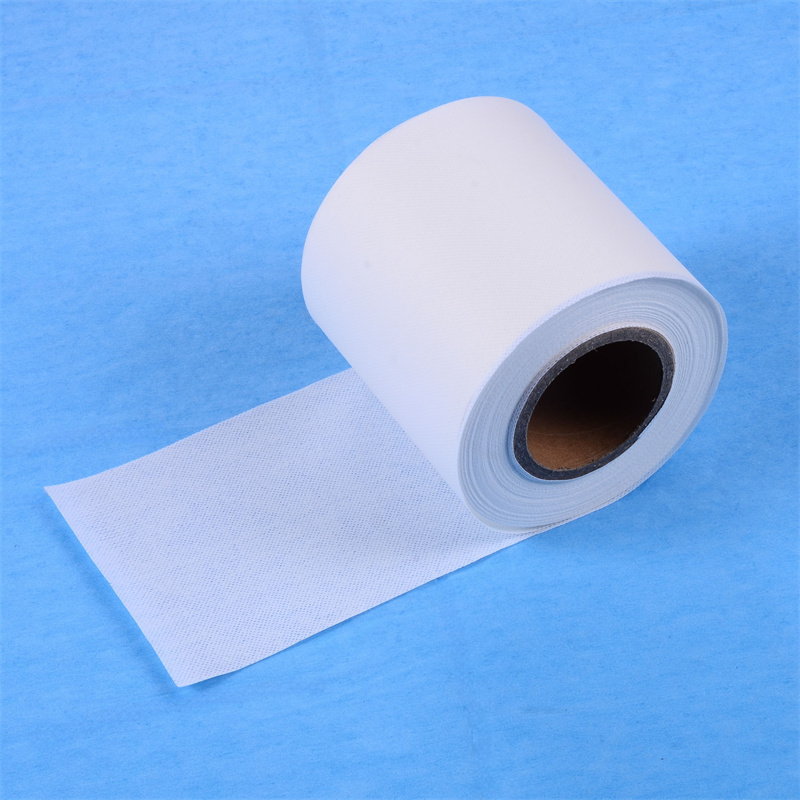 Flame Retardant Nonwoven Fabric
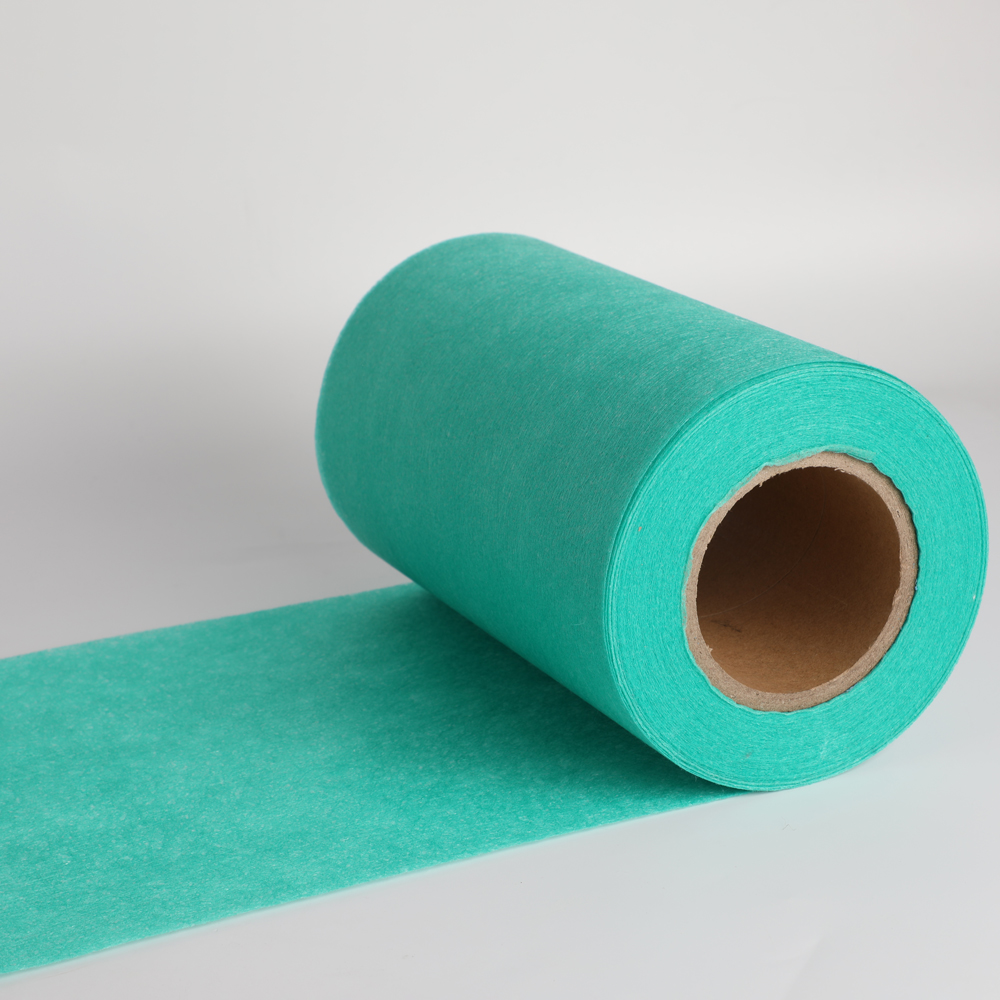 Anti-Bacterial Nonwoven
 CONTACT WhatsApp
 CONTACT WeChat

 CONTACT NUMBER
 CONTACT EMAIL