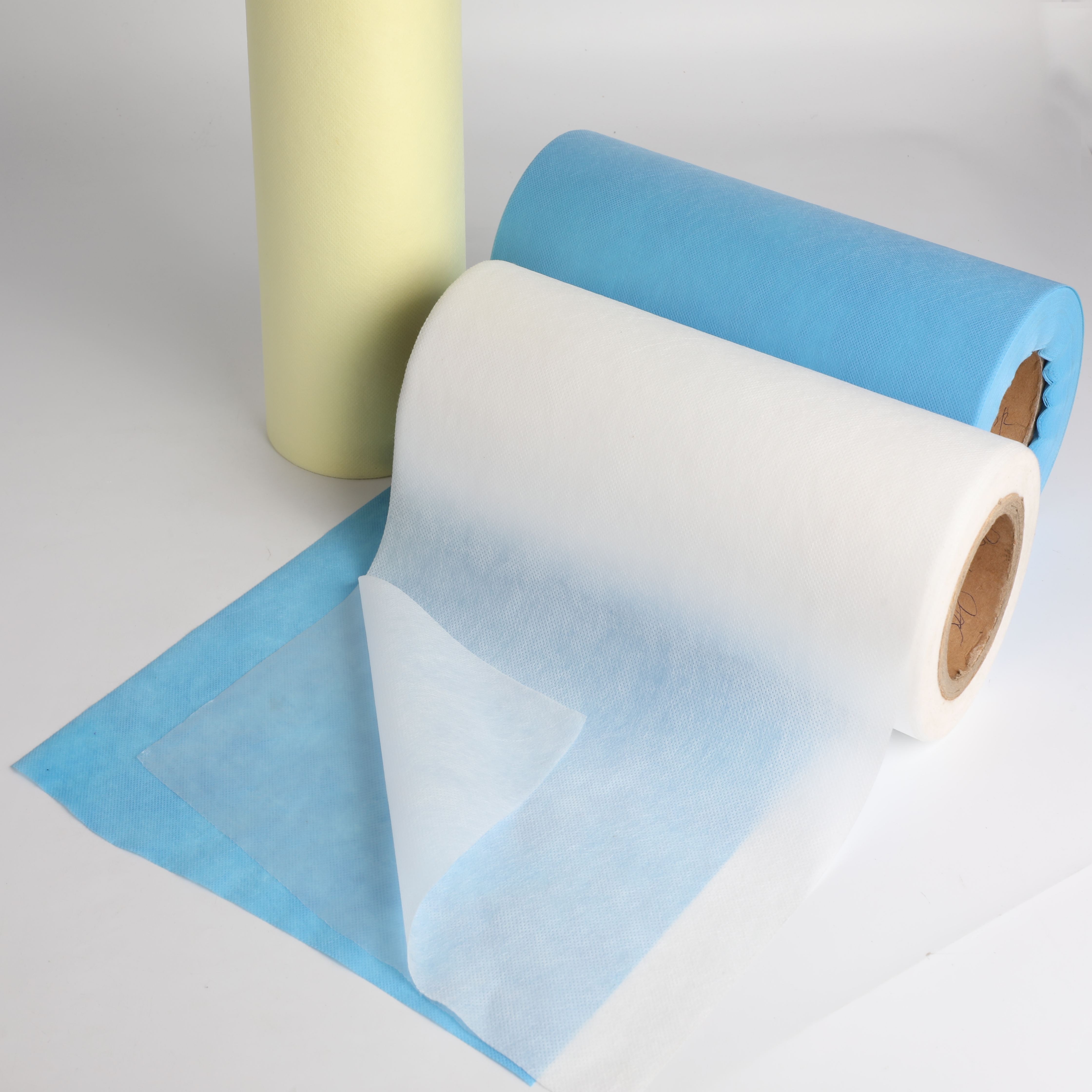
 PP Laminates
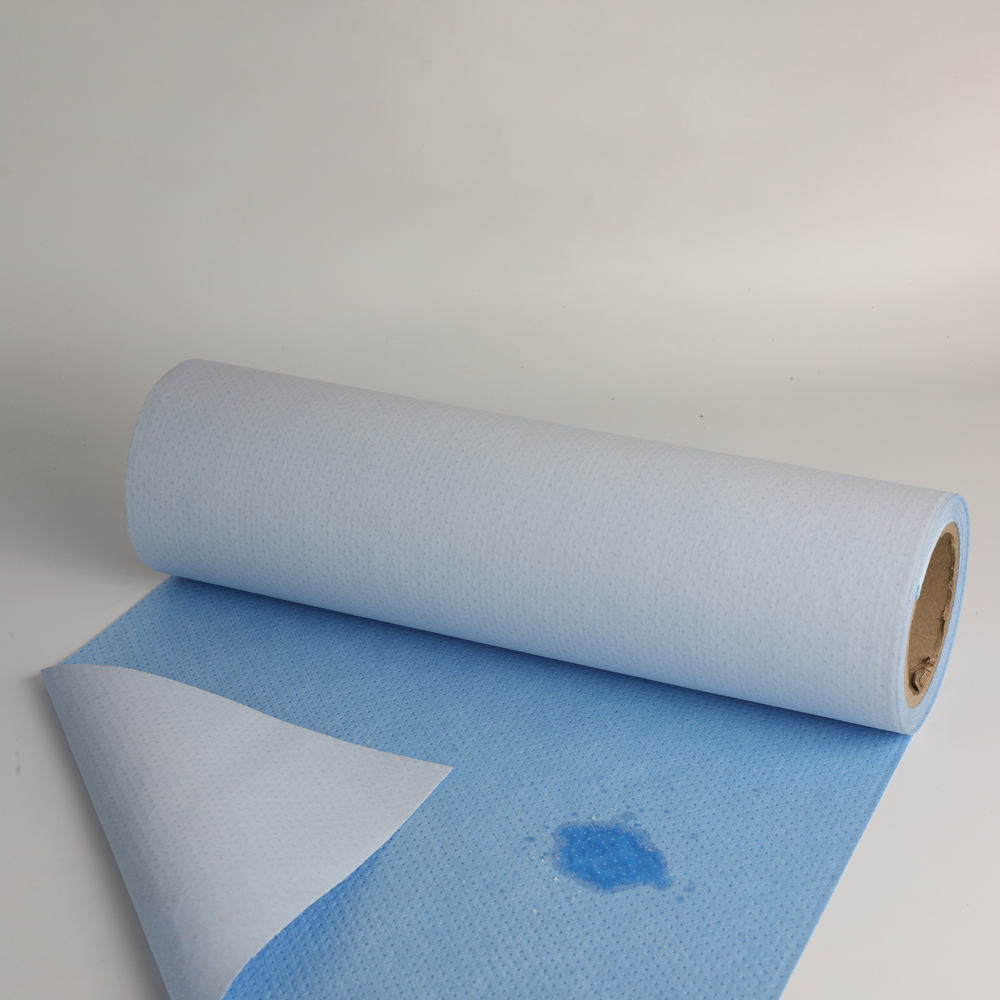 Multi Laminates
 Spunlace Nonwoven Laminates
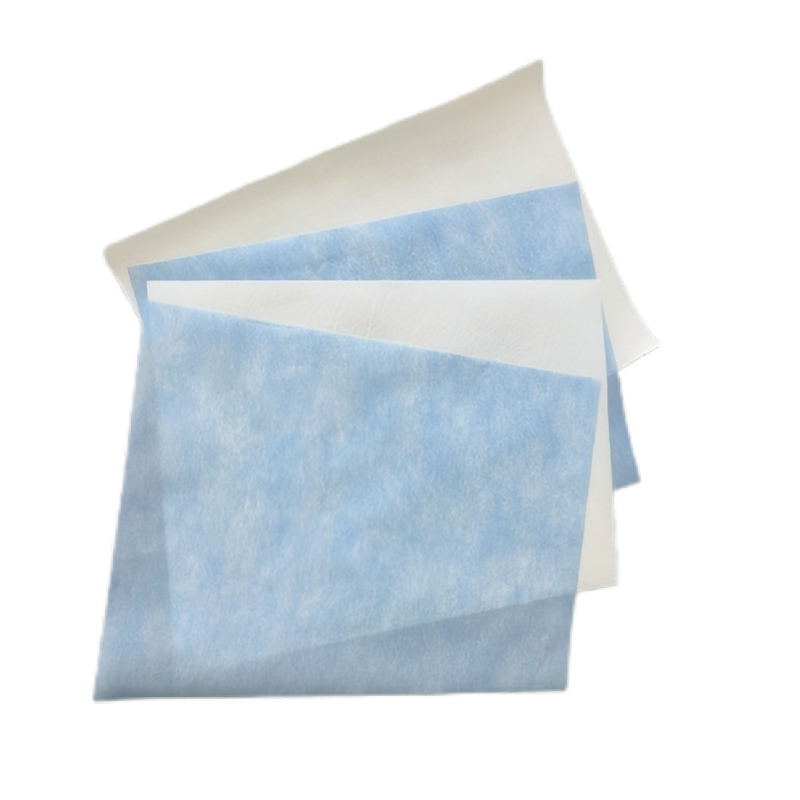 Breathable Film Laminates
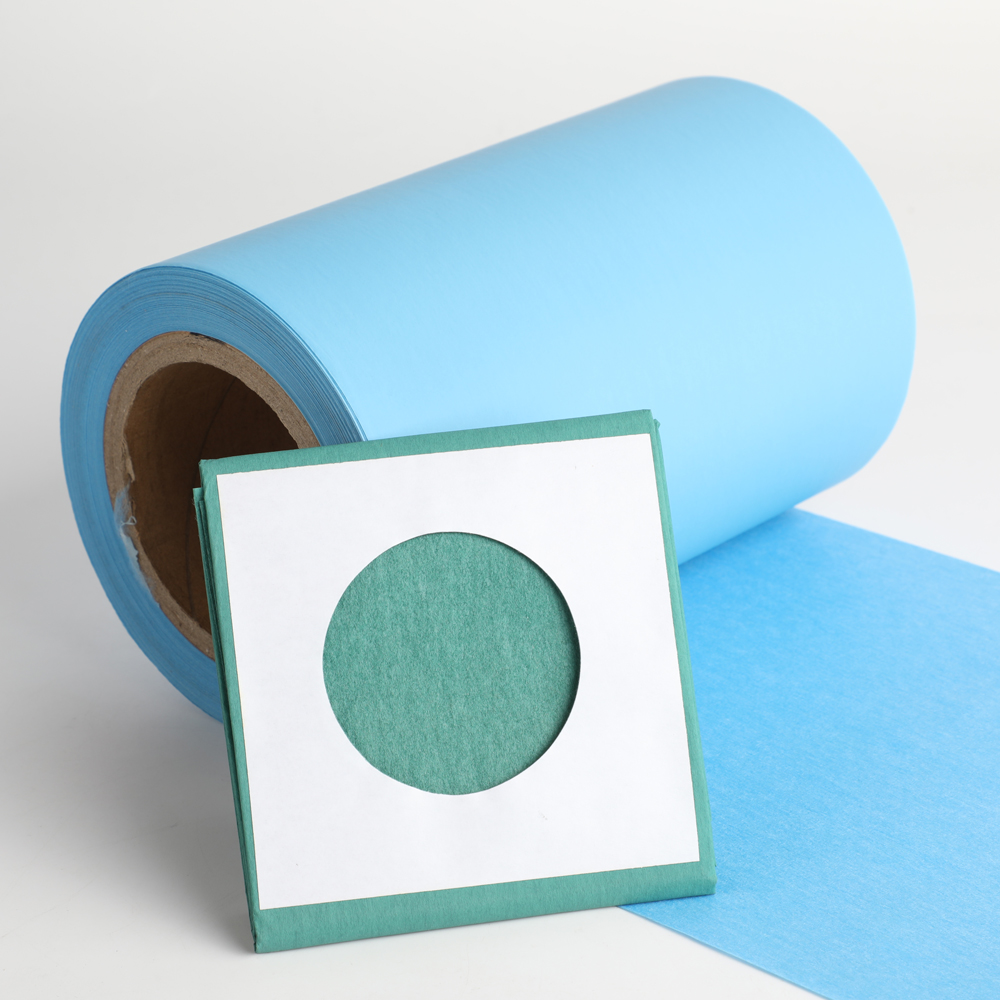 Viscose Laminates
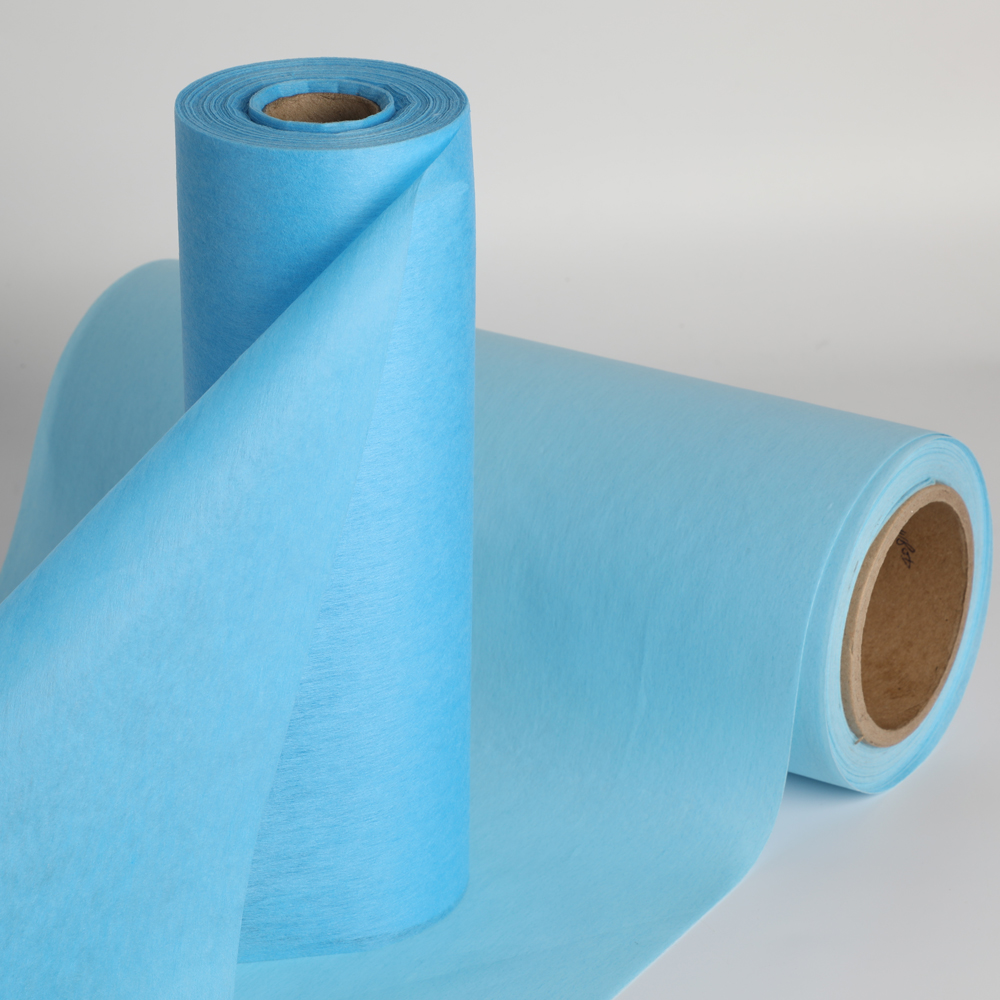 Medical Viscose Nonwoven
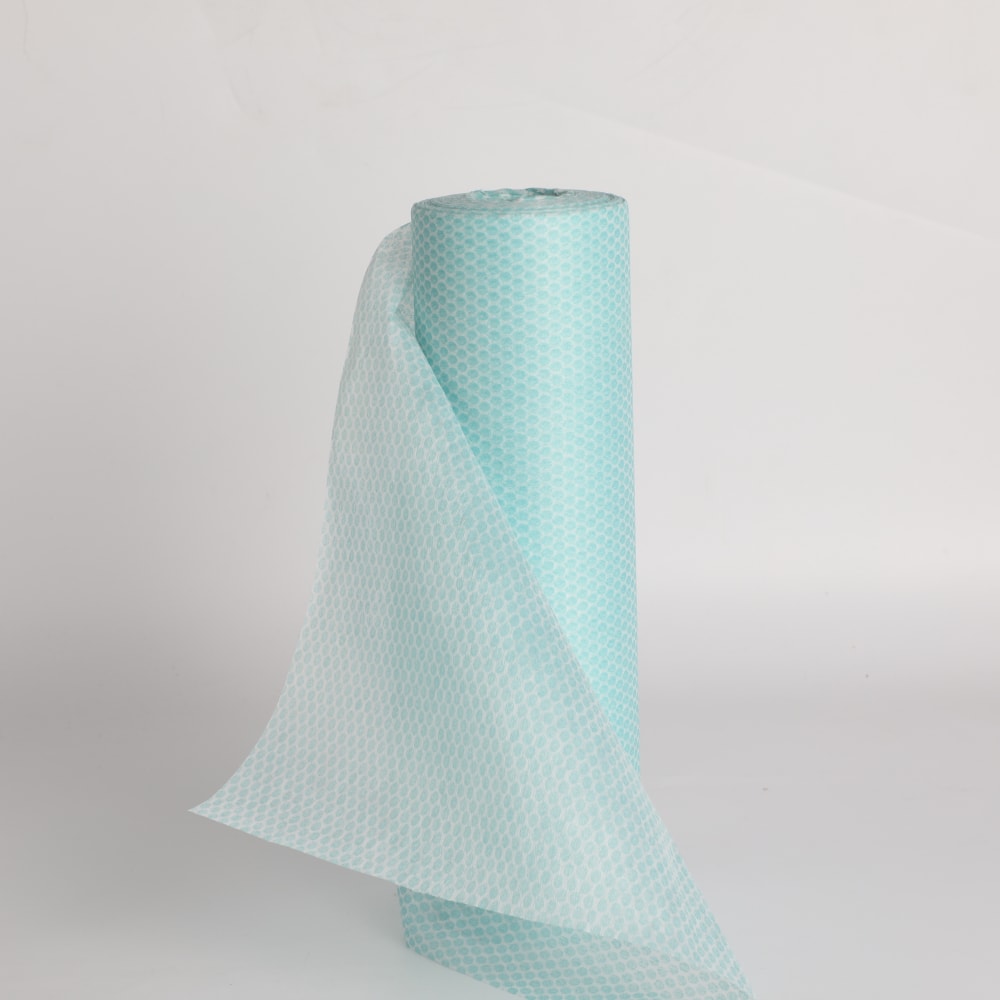 Head Wear Nonwoven
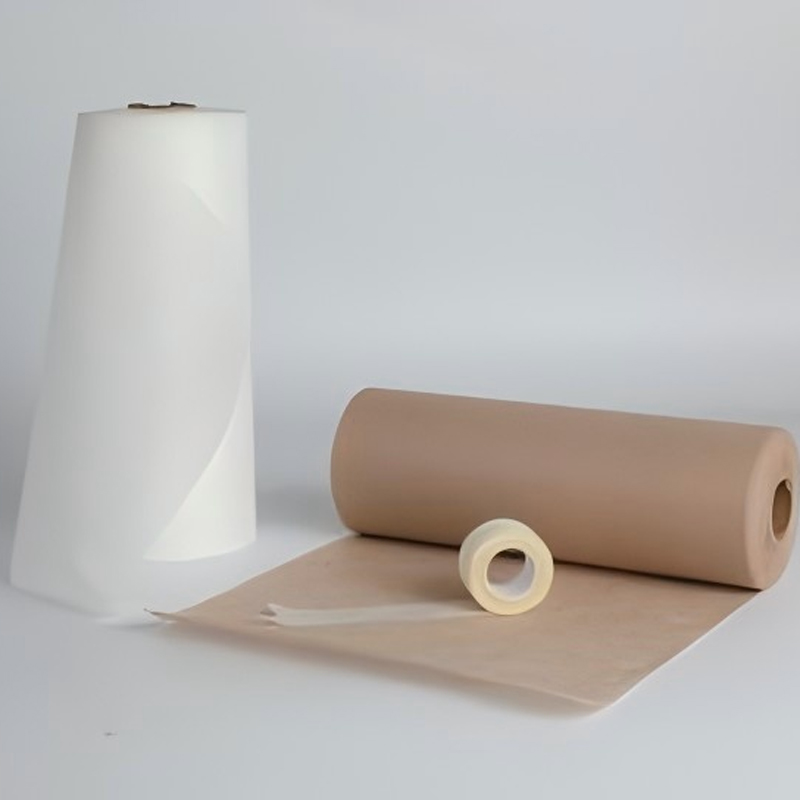 Medical Tape Nonwoven
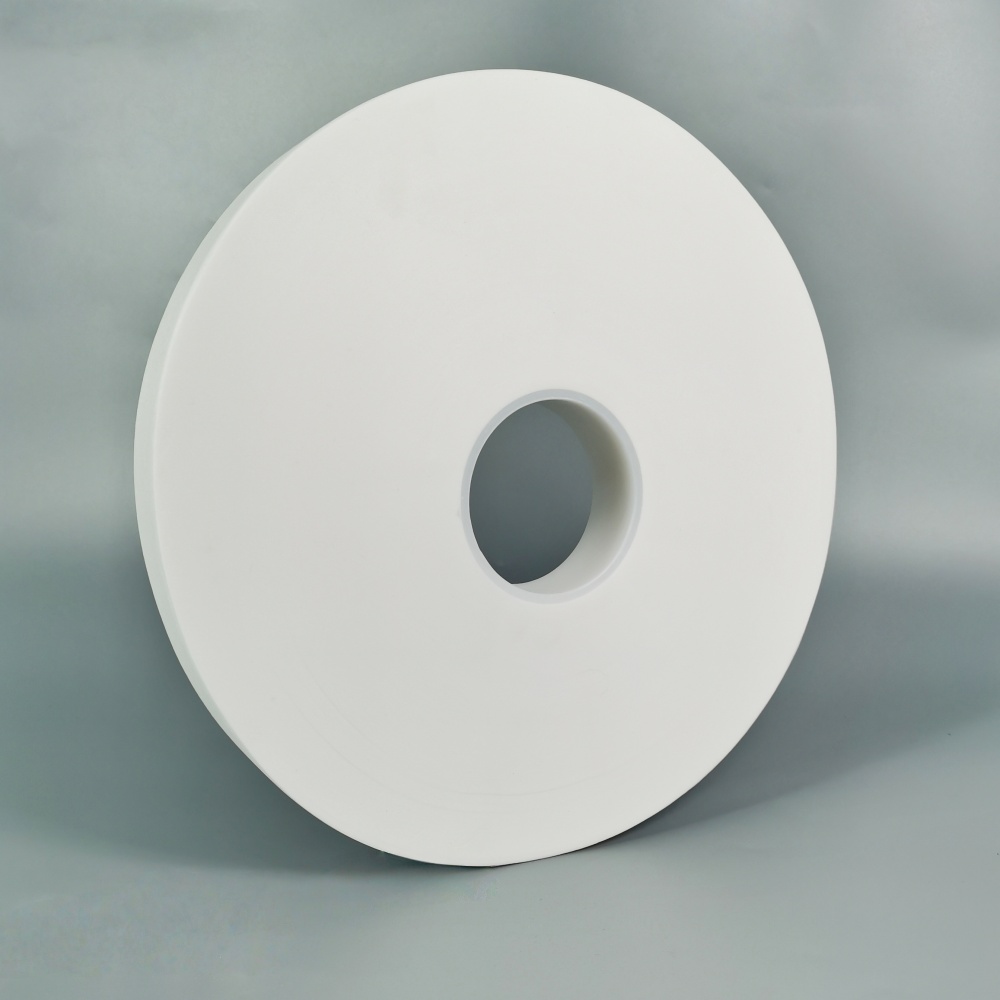 Snus Pouch Nonwoven
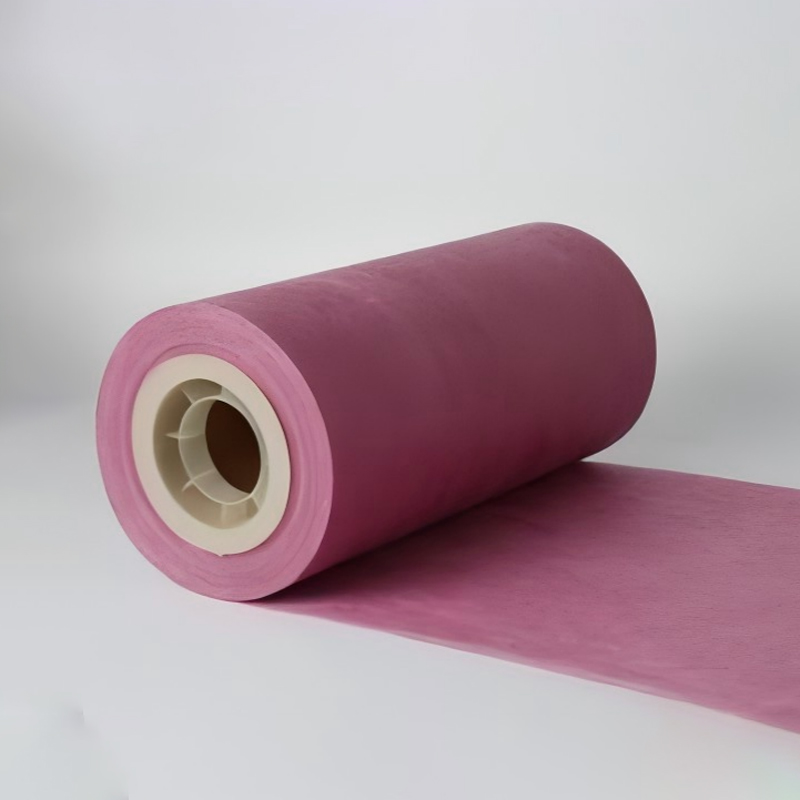 Filtration Nonwoven
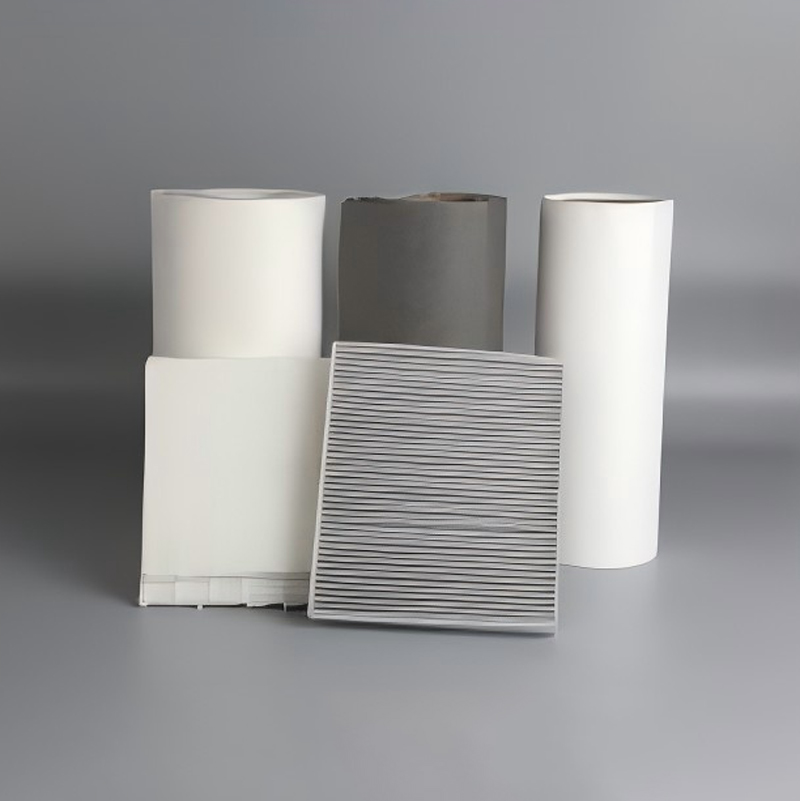 Air Filter Media
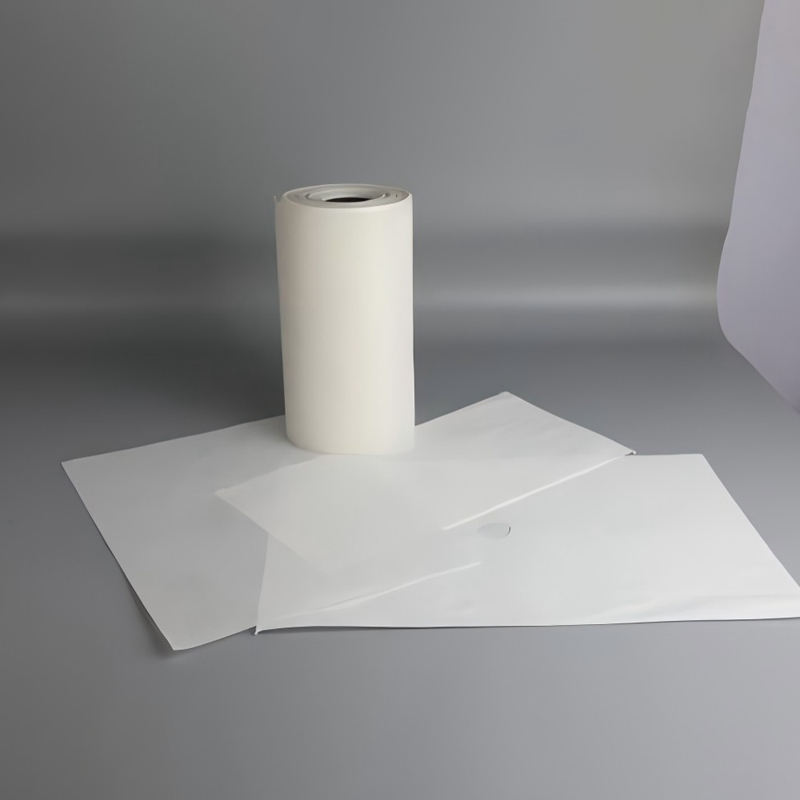 Liquid Filter Media
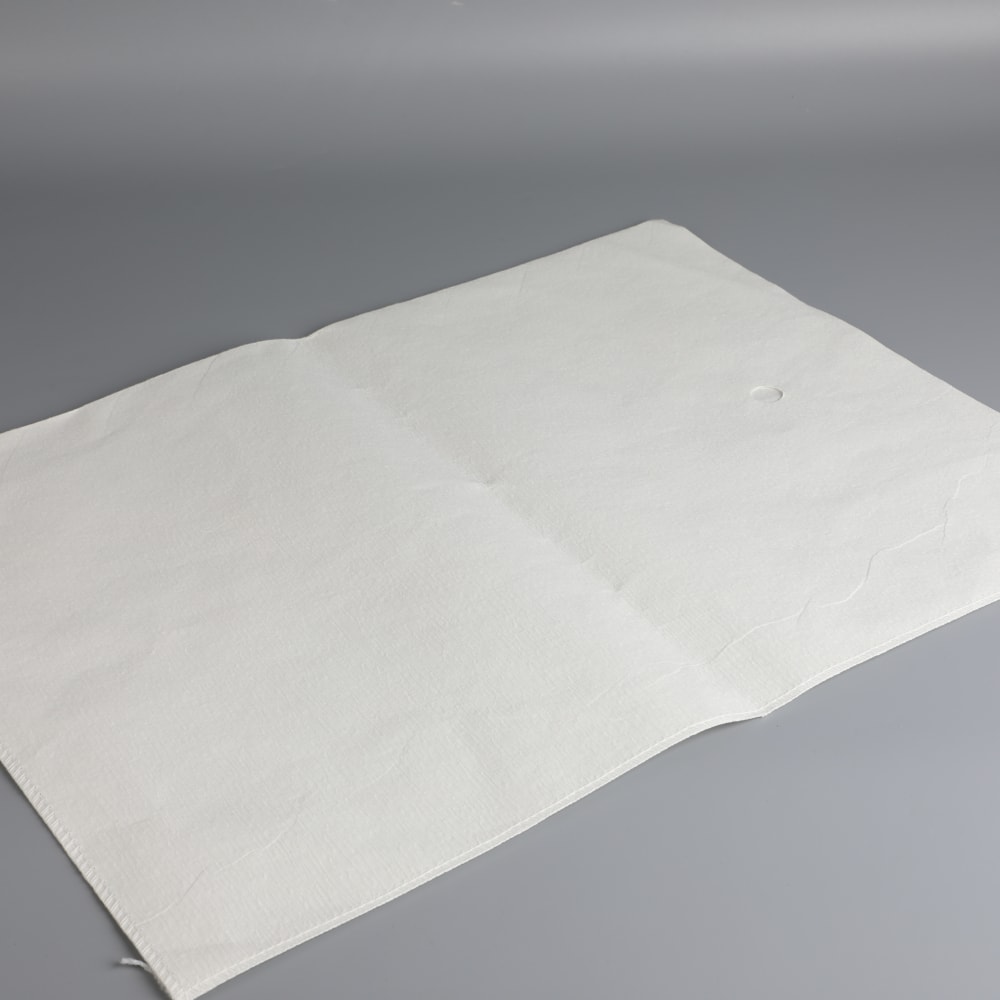 Filter Envelope & Filter Sheet
 Breathable Film Laminates
 Nonwoven Interlining
 Fluid Repellent Woodpulp Spunlace Nonwoven
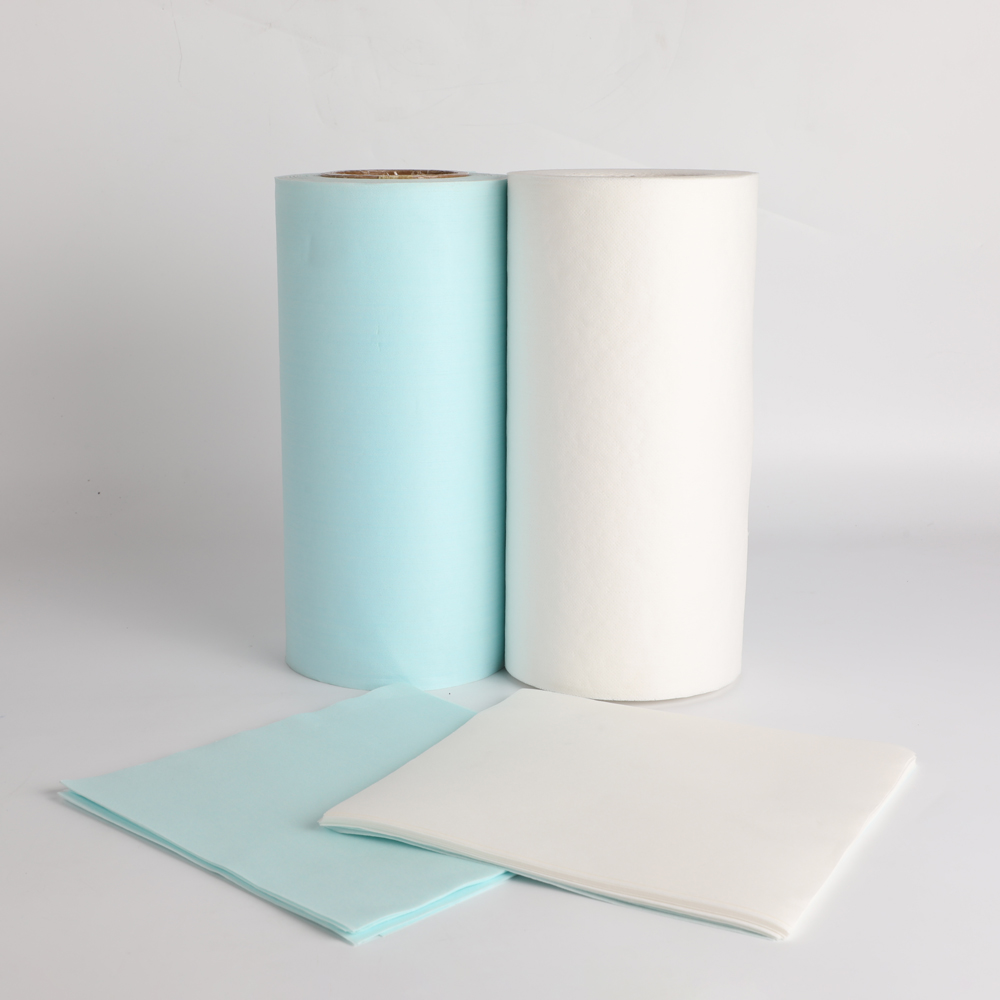 Woodpulp Nonwoven Wipe
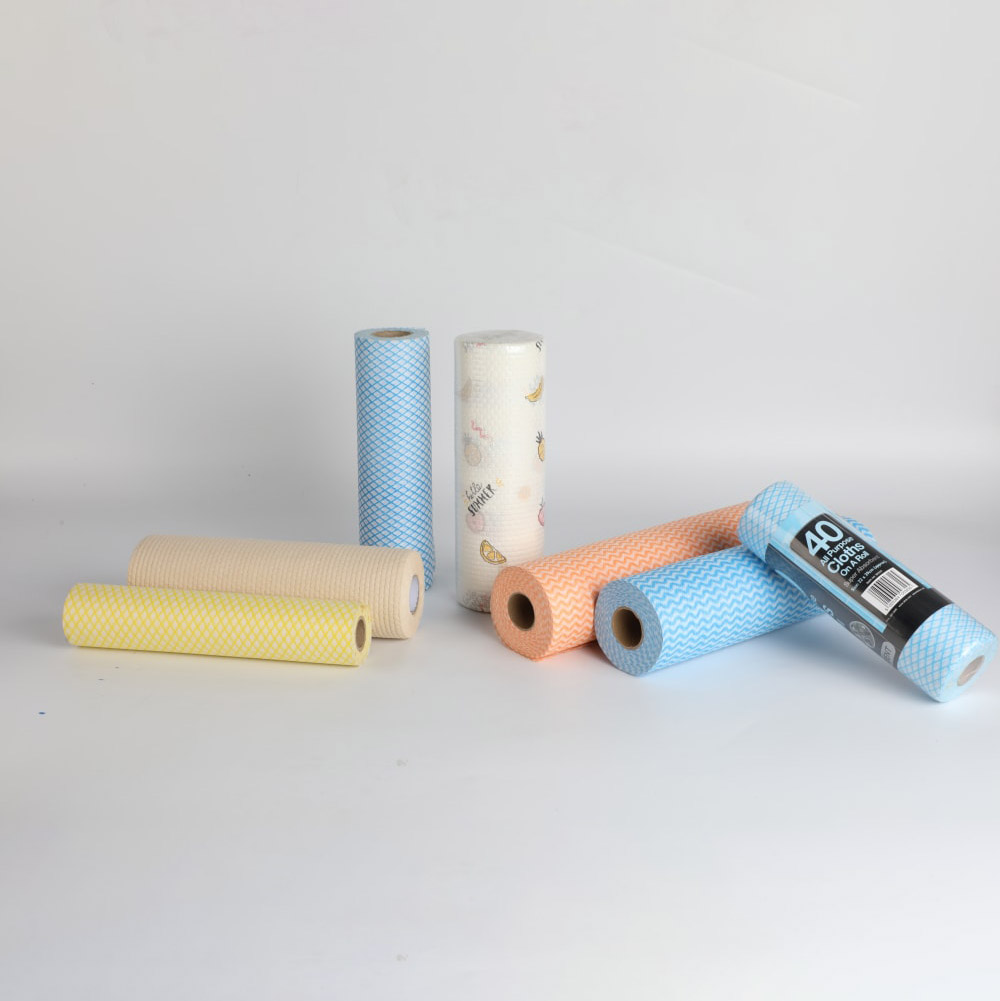 Nonwoven Cleaning Wipe
 Curtain Nonwoven
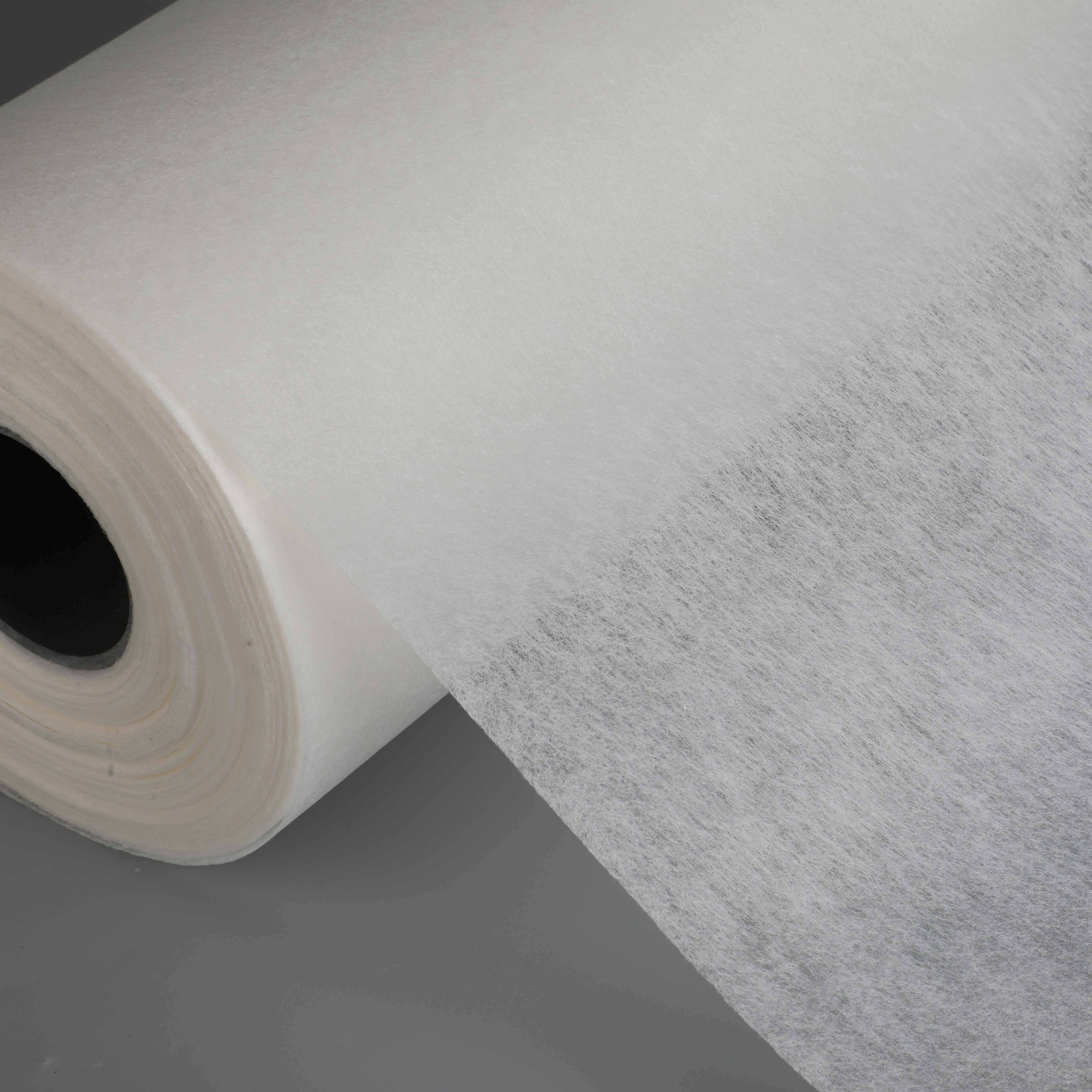 Food Grade Packaging Nonwoven
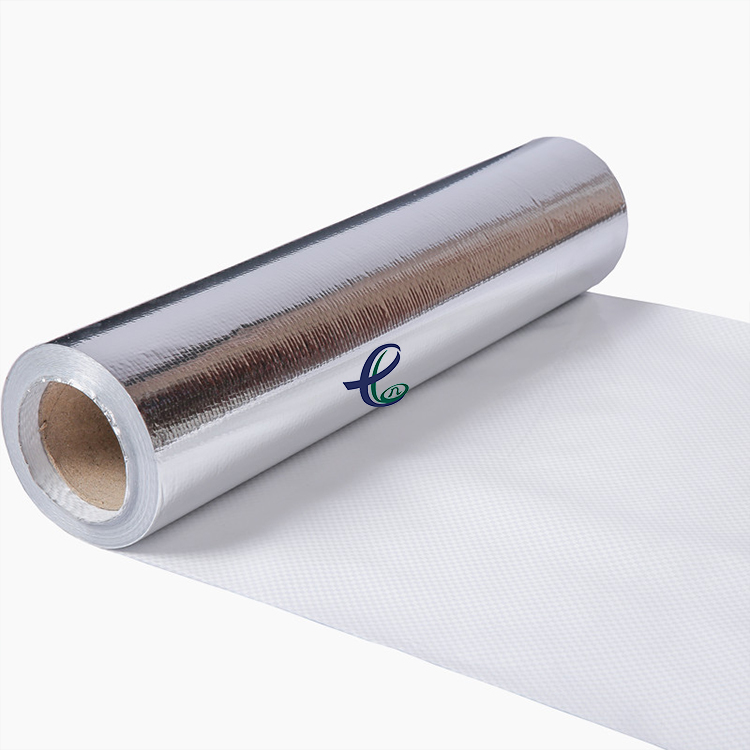 Aluminized Nonwoven
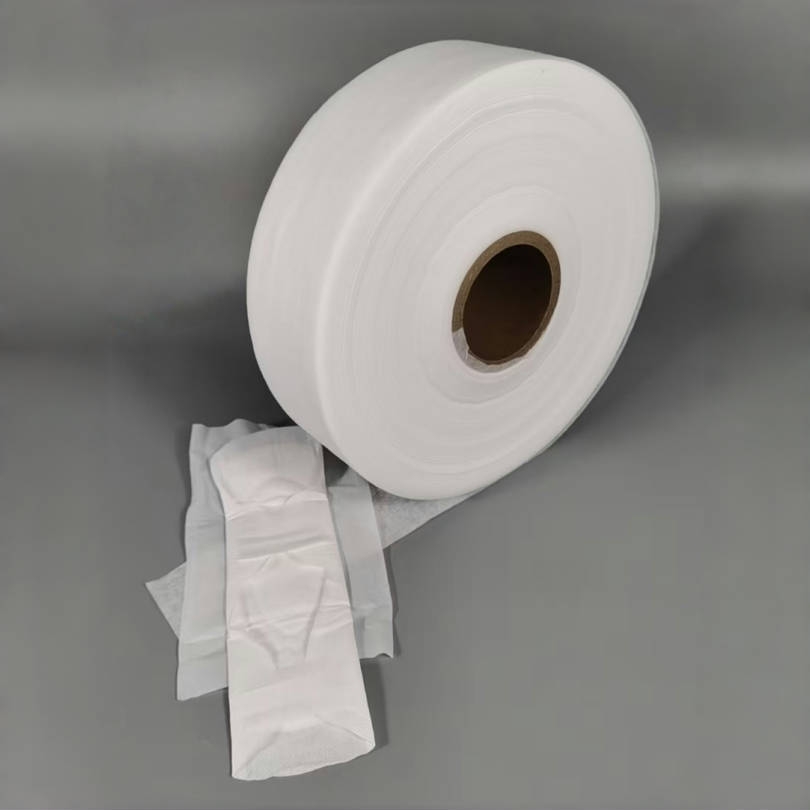 Hot Air Cotton Nonwoven
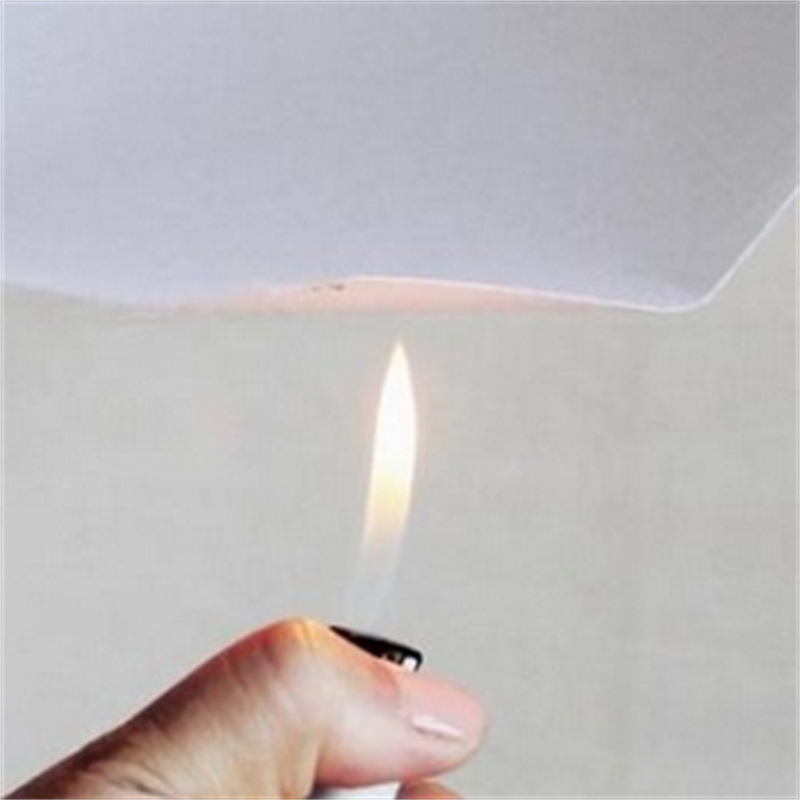 Flame Retardant Nonwoven
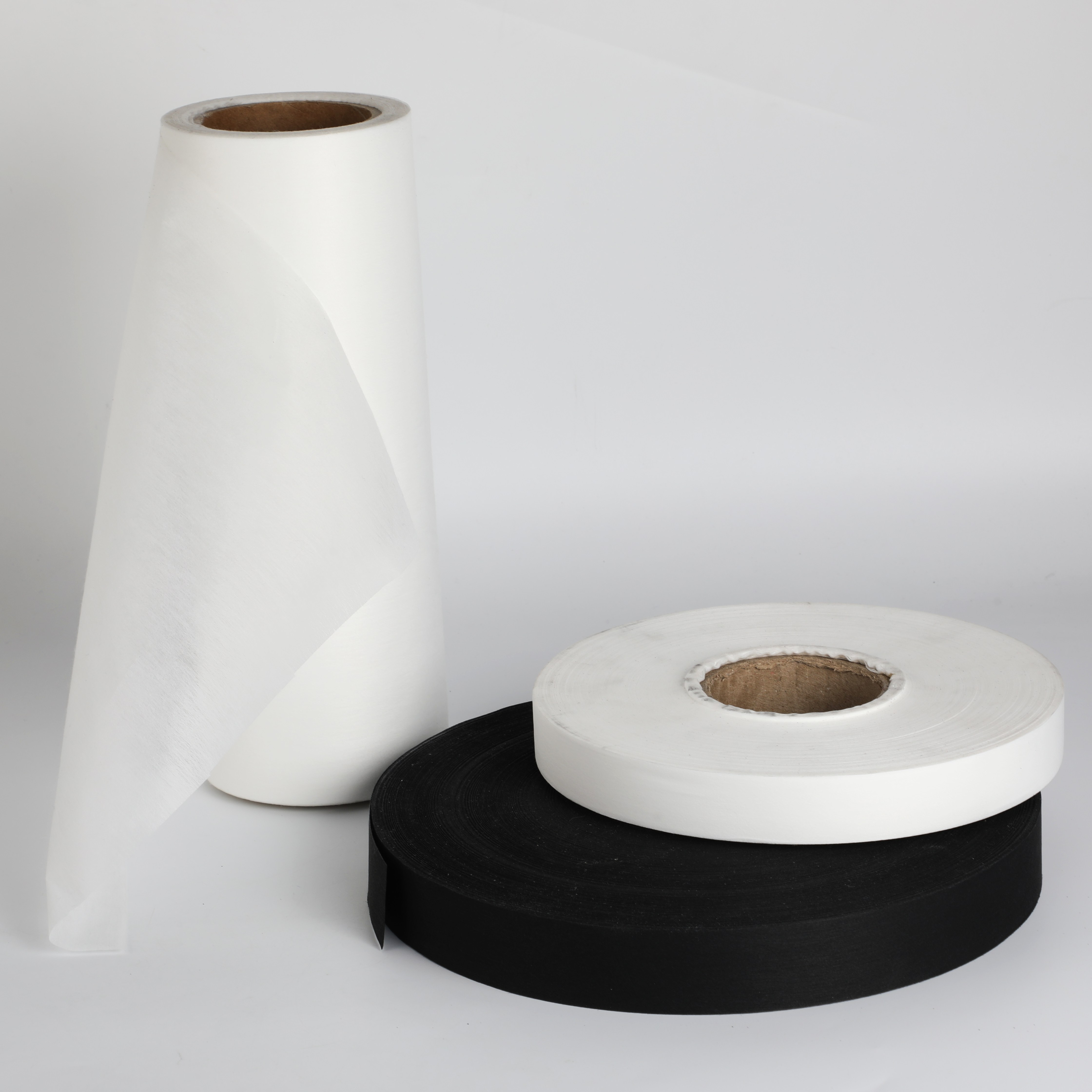 Cable Wrapping Nonwoven
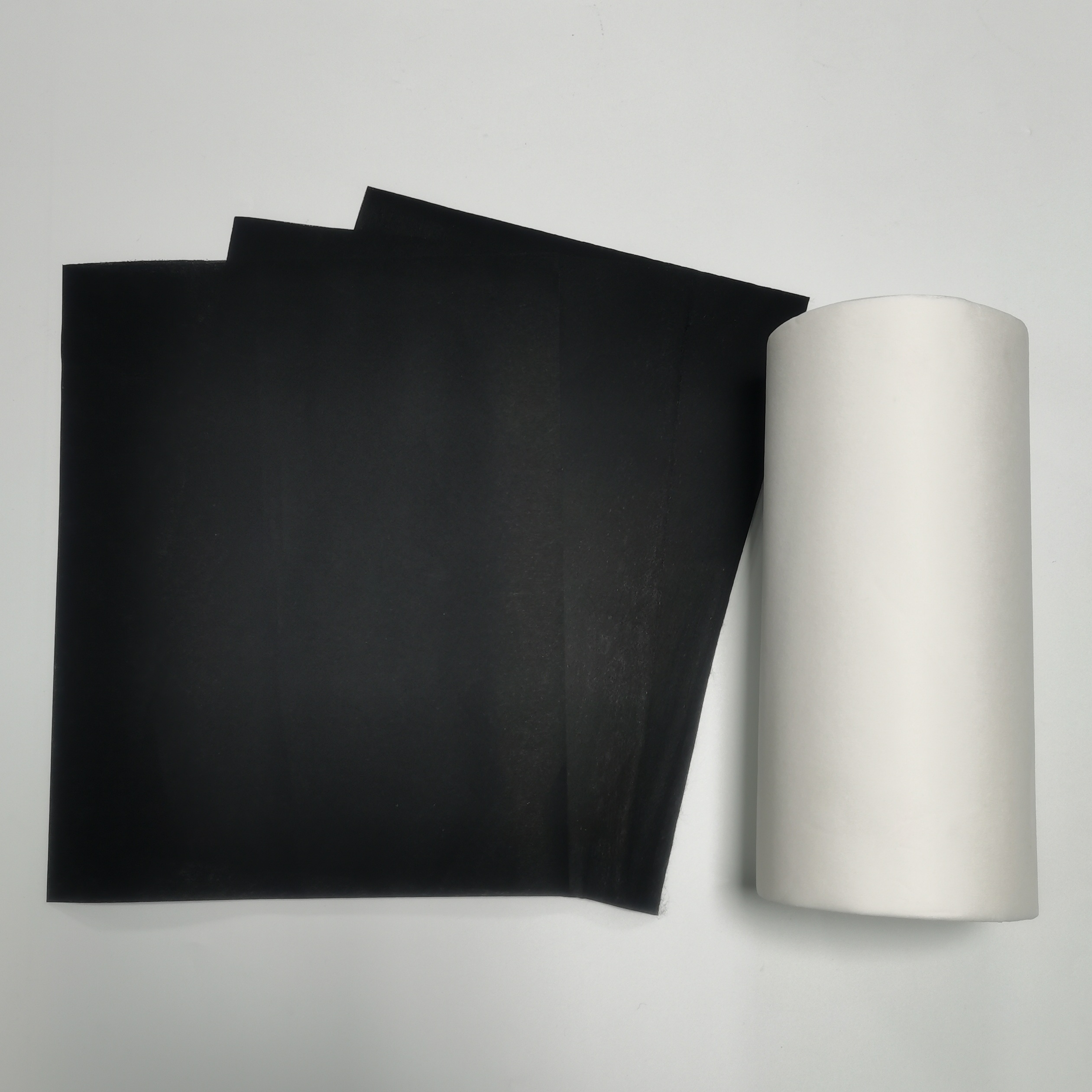 Semi-conductive Nonwoven
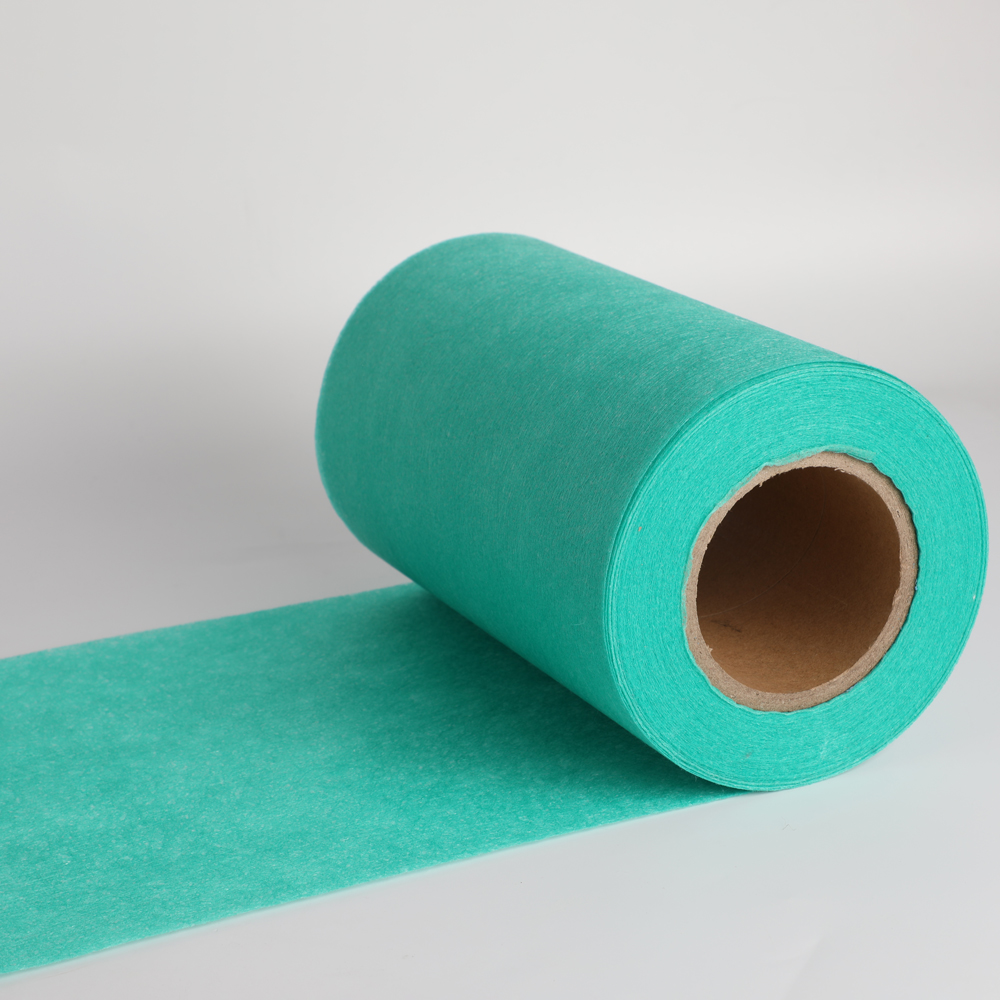 Anti-Bacterial Nonwoven
 +8613957712400
Leave Your Message
-
 CONTACT WhatsApp
-
 CONTACT WeChat

-
 CONTACT NUMBER
-
 CONTACT EMAIL
Choosing the right Nonwoven Filter Material starts with understanding what the filter must do, not with a product label. A material that performs well in a ventilation unit may not suit a liquid process or a dusty workshop. That sounds simple. Yet operating conditions can change the answer quickly.
Begin with the particles or droplets you need to capture, then consider airflow or liquid flow, temperature, moisture, and chemical exposure. Fiber type, pore structure, thickness, and basis weight can all affect filtration efficiency and pressure drop. A denser sheet may capture smaller particles, but it can also restrict flow. There is no universal “best” choice. Small details matter.
This guide explains how to compare common nonwoven structures and match their properties to practical requirements. It also covers how to read technical data sheets, assess test methods, and ask suppliers about consistency between production batches. Look for evidence tied to your conditions, rather than relying on a single efficiency figure. When possible, review sample material in the actual equipment and measure both capture performance and pressure drop. A lab result is useful, but it may not predict every real installation. That limitation is worth admitting.
The selection process can involve trade-offs, and the first choice may need revision. Clear requirements, reliable test data, and informed supplier discussions make that decision more defensible.
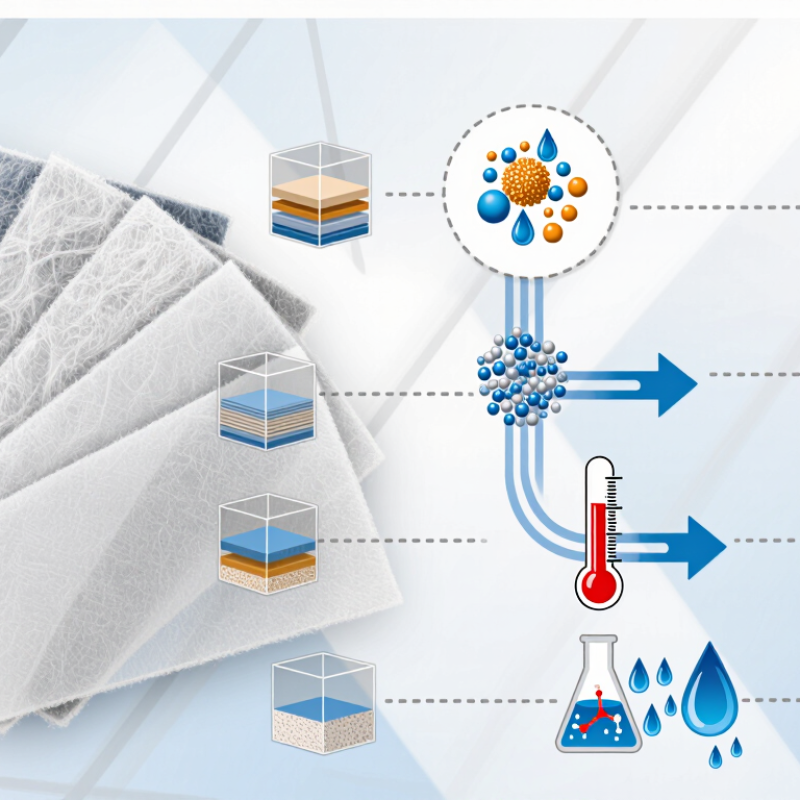
How to Choose the Right Nonwoven Filter Material?
Identify the Filtration Requirements and Operating Conditions
Start with the particles you need to capture. Note their size, shape, and concentration, along with the required filtration efficiency. A coarse prefilter handling visible lint has different needs from a layer capturing fine dust. Specify whether the process uses air or liquid; a material suited to one may not perform well in the other. Be precise. “Fine particles” is not a useful design target by itself.
Then map the operating conditions. Record normal and peak temperature, flow rate, pressure difference, humidity, and contact with oils or cleaning chemicals. Consider how quickly the filter loads with dust, and whether it must withstand washing, vibration, or repeated handling. Compare candidate materials using relevant test data, and ask whether test conditions match your process. Lab results can guide selection, but real equipment may behave differently. A first estimate is rarely perfect; field checks can reveal unexpected clogging or weak spots.
Tips: Keep a short process log. Include temperature swings and pressure readings, not just averages. If details are missing, measure them before choosing. Test a small sample under realistic conditions, then inspect it for deformation, leaks, and changes in flow.
Compare the process conditions and required filtration performance before selecting a nonwoven medium. The temperature ranges below are typical guidance for the base fiber; actual limits depend on construction, finish, humidity, exposure time, and system design.
| Nonwoven Material | Typical Continuous Temperature Range | Strengths | Limitations and Compatibility Checks | Suitable Operating Conditions | Filtration Requirements to Confirm |
|---|---|---|---|---|---|
| Polypropylene (PP) | About 80–90°C (176–194°F) | Low density; good resistance to many acids, alkalis, and aqueous solutions; commonly available in meltblown and spunbond structures. | Limited resistance to elevated temperature, strong oxidizers, and some organic solvents. Check compatibility with the specific chemical and concentration. | Ambient or moderately warm liquid filtration; many water-treatment, chemical-process, and prefiltration duties. | Specify the target particle-size distribution, required removal efficiency, flow rate, and whether depth filtration or surface loading is preferred. |
| Polyester (PET) | About 120–150°C (248–302°F) | Good dimensional stability and abrasion resistance; widely used in needle-punched and other robust nonwoven constructions. | Resistance to strong alkalis may be limited, particularly at higher temperatures. Hydrolysis can be a concern in hot, humid service. | Dry or moderately warm air and dust collection, plus selected liquid applications where chemical compatibility is confirmed. | Check airflow or liquid flow, dust loading, pressure-drop limits, cleaning method, and required particle capture under actual test conditions. |
| Polyamide (Nylon) | Typically about 90–120°C (194–248°F), depending on grade and construction | Good toughness and abrasion resistance; can be useful where a durable medium is needed. | Can absorb moisture, which may affect dimensions and performance. Compatibility with acids, solvents, and process liquids varies by polyamide type. | Selected liquid filtration and applications requiring mechanical durability at moderate temperatures. | Confirm wet strength, dimensional stability, pore or retention rating, and compatibility with the process fluid. |
| Polyphenylene sulfide (PPS) | Up to about 190°C (374°F) in suitable filter constructions | Good thermal stability and resistance to many acids and alkalis; often selected for demanding hot-gas filtration. | Strong oxidizing conditions can damage the fiber. Performance depends on gas chemistry, moisture, temperature, and exposure duration. | Hot, chemically demanding industrial gas and dust filtration when the specific gas composition is compatible. | Assess gas temperature and chemistry, moisture or dew-point risk, dust characteristics, cleaning cycle, and allowable pressure drop. |
| Aramid | About 180–200°C (356–392°F) for many filter-fabric applications | Good heat resistance and mechanical strength; suitable for some high-temperature dust-collection duties. | Moisture and acidic conditions can reduce service life, especially where condensation occurs. Exact limits vary by aramid type and finish. | Hot, dry industrial gas filtration where temperature resistance and strength are important. | Check for condensation, acidic gases, abrasion, pulse-cleaning stress, and the required operating life. |
| Glass Fiber | Often about 200–260°C (392–500°F) in suitable filter-media designs | High temperature capability and good dimensional stability; used in selected high-temperature gas filtration applications. | Can be more brittle than polymer fibers and may be sensitive to abrasion, flexing, and certain chemical exposures. Coatings and binders affect limits. | High-temperature gas or dust filtration where the media design and system conditions are appropriate. | Confirm gas chemistry, mechanical handling, cleaning method, temperature peaks, and the specified efficiency test method. |
Selection note: A fiber type alone does not define filtration efficiency or particle-size rating. Request performance data for the complete media construction and the relevant test method. Also verify maximum operating temperature, pressure drop, flow rate, chemical compatibility, moisture exposure, and cleaning requirements with the supplier before final selection.