+8613957712400


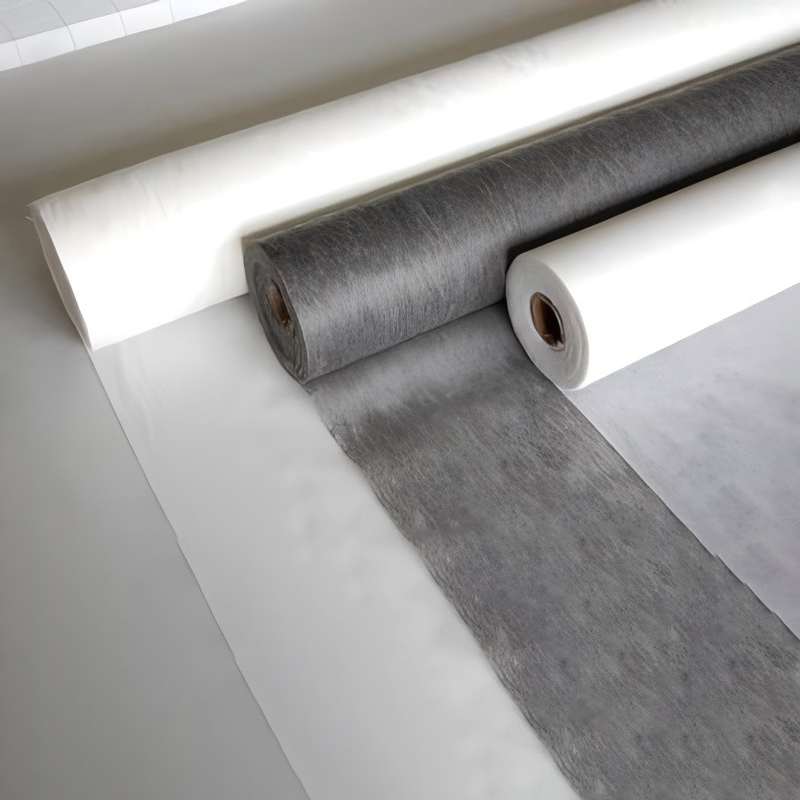
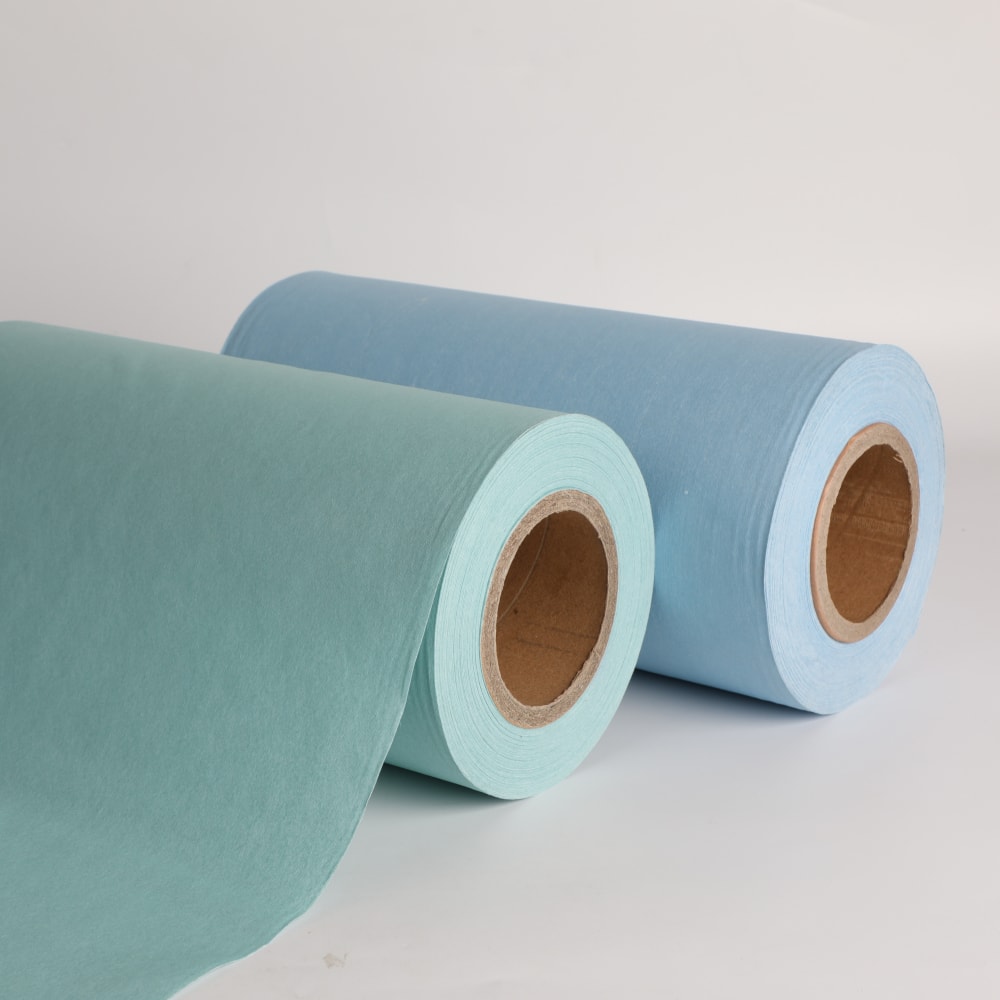
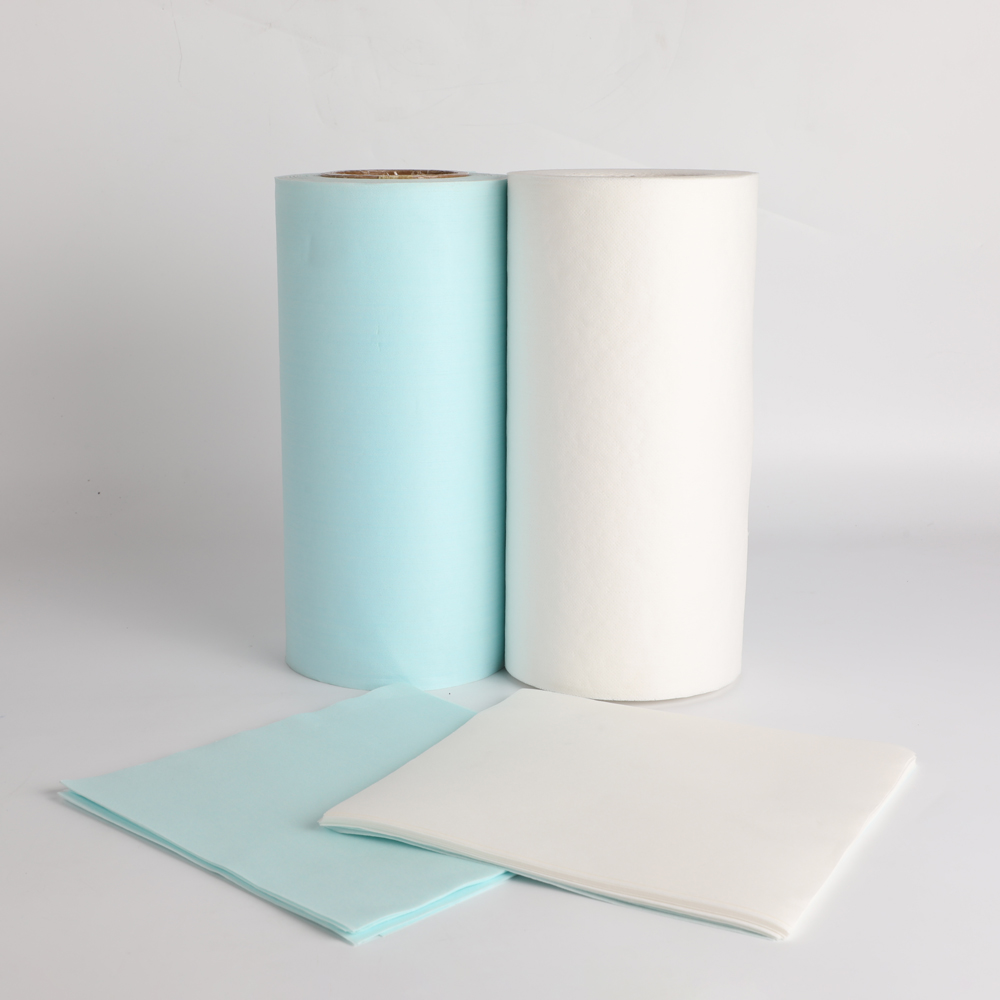
Choosing a Medical Nonwoven Fabric supplier is not just a price comparison. The right partner must deliver consistent material, clear documentation, and dependable communication. A fabric may look uniform on a sample table, yet vary across production batches. Small differences in fiber blend, bonding, or weight can affect performance.
Nonwovens researcher Dr. Seshadri Ramkumar has emphasized the importance of matching nonwoven materials to their intended applications. Put simply: the end use should guide the specification. That principle matters when comparing suppliers for gowns, masks, wound dressings, or other medical products. Each application can require different combinations of barrier performance, softness, breathability, and strength. One fabric rarely suits every need.
Look beyond a supplier’s brochure. Ask how they control raw materials, monitor production, and document batch traceability. Request technical data, relevant test reports, and samples from representative production runs. Check whether the supplier can explain test methods and clarify the limits of their claims. Ask how changes in materials or processes are communicated. Specific answers matter.
Price still counts. But an unusually low quote deserves a closer look. A polished sample is not proof of reliable supply. Neither is a long list of certificates without context. This guide outlines practical questions for assessing suppliers, comparing evidence, and identifying gaps before committing. Some details will remain uncertain until samples are tested. That is worth admitting. A careful evaluation cannot remove every risk, but it can make the decision more informed and easier to review later.

For surgical gowns, begin with intended use: routine surgery, prolonged procedures, or exposure to substantial fluid. EN 13795-1 sets requirements for surgical gowns and separates critical from less critical product areas. It evaluates properties such as microbial cleanliness, linting, liquid penetration, and mechanical strength. Ask suppliers for current test reports that identify the gown material, tested area, performance level, and method. A certificate alone is not enough.
Check that reports match the exact fabric construction and finished gown you plan to buy. Changes in weight, coating, seams, or sterilization can affect performance. Request batch traceability and evidence of quality controls, then compare results against your hospital’s risk assessment. WHO’s 2020 personal protective equipment supply assessment estimated monthly COVID-19 response needs of 89 million medical masks and 76 million examination gloves. These are not gown figures, but they show how sharply emergency demand can strain supply chains. Capacity matters.
Ask how the supplier manages material substitutions and production delays. Get changes approved before shipment. Keep samples for comparison. A small point, but useful. I would also review borderline test results rather than treating every pass as equally reassuring; the standard defines limits, while local procedures determine what is acceptable in practice.
How to Choose Medical Nonwoven Fabric Suppliers?
Compare Nonwoven Materials Using ISO 9073 Test Methods
Compare suppliers using the same ISO 9073 methods, sample conditioning, and reporting units. ISO 9073-1 measures mass per unit area; Part 2 measures thickness; Part 3 covers tensile strength and elongation. Part 6 evaluates absorption, which matters for absorbent products. Small differences matter. A fabric may feel soft but still tear under stress. Request results for the intended material, not a similar product.
Ask for test dates, lot numbers, sample direction, and replicate results. For gowns, compare tensile and tear performance in both machine and cross directions. For absorbent layers, check absorption alongside basis weight. EDANA’s 2023 European nonwovens statistics reported production of about 2.775 million tonnes, down 5.3% from 2022. This industry figure shows a changing supply landscape, not the quality of any individual medical fabric. A tidy spreadsheet can hide a weak sampling plan. Review the raw reports, then test incoming lots when performance is critical. ISO 9073 results do not, by themselves, establish sterility or skin compatibility.
When choosing medical nonwoven fabric suppliers, check the test report behind every BFE claim. ASTM International’s ASTM F2100-23 sets performance levels for materials used in medical face masks: Level 1 requires BFE of at least 95%, while Levels 2 and 3 require at least 98%. ASTM F2101 describes the bacterial filtration efficiency test, using an aerosol challenge with Staphylococcus aureus. Numbers need context. A supplier’s certificate should identify the test method, material tested, and result—not simply display “98%.”
BFE is only one part of mask-material performance. ASTM F2100 also considers factors such as differential pressure, submicron particle filtration, and resistance to synthetic blood. A fabric that meets the BFE threshold may still perform differently in breathability or fluid resistance. Ask for a current, third-party laboratory report and confirm that its sample matches the fabric you plan to purchase. Lot traceability matters, too. A strong test result from an old sample may not reflect today’s production.
Tip: Request reports for both 95% and 98% BFE grades, then compare the complete ASTM F2100 performance profile. Check the sample’s weight and construction against the quoted material. Small differences can matter, and a neat certificate is not a substitute for verifying the physical fabric.
When evaluating a medical nonwoven fabric supplier, request its current ISO 13485:2016 certificate. Verify the issuing body, expiry date, and certified production site. A certificate is a starting point, not a product guarantee. Check that its scope covers relevant activities, such as fabric production or converting, rather than distribution alone.
Look for specifics. Ask to review controlled procedures for document changes, purchasing, production records, and nonconforming material. Can the supplier trace a fabric roll to its raw-material lot, production date, and inspection results? Request a sample batch record with confidential details removed. Compare it with the agreed specification. For nonwovens, useful evidence may include basis weight, thickness, and tensile performance. Microbial or cleanliness controls may also matter, depending on intended use.
Ask for evidence. Find out how deviations are investigated and whether corrective actions are checked for effectiveness. Review audit findings, closure dates, and recurring issues, not just a polished summary. If possible, visit the site and observe how staff identify held material and record line changes. Paperwork can look tidy, yet practices may drift during busy production weeks. A single document rarely tells the whole story.
Choosing a medical nonwoven supplier starts with the material’s intended contact and use. Ask for biocompatibility data relevant to the finished fabric, not only a resin or fiber sheet. Review test methods, sample conditioning, and any limits on use. A clean-looking roll proves very little. Check how changes in fiber blend, finish, or sterilization exposure are evaluated. Requirements differ by application, so one test report may not answer every question.
Traceability should connect each roll to its production lot, raw-material records, and inspection results. Request a sample certificate and ask how complaints or deviations are investigated. Compare stated capacity with line availability, lead times, and backup plans. A large monthly figure means little if your order competes with seasonal demand. Ask for records from several consecutive lots, including basis weight, tensile strength, absorbency, and visual defect counts. Small details matter. Variation that looks minor on a sheet may affect converting, sealing, or product performance. Perfect consistency is not a realistic assumption; look for trends and documented corrective actions.