How to Choose the Right Nonwoven Fabric for Your Project in 2025
In the rapidly evolving landscape of material science, the significance of Nonwoven Fabric continues to grow, reflecting the increasing demand for versatile and sustainable options across various industries. As we approach 2025, understanding the diverse applications and characteristics of Nonwoven Fabric becomes essential for consumers, manufacturers, and designers alike. With a myriad of types available, each tailored for specific uses, choosing the right Nonwoven Fabric can significantly impact the success of a project.
This guide aims to demystify the selection process by examining key considerations such as material composition, durability, texture, and environmental impact. By highlighting the critical attributes that distinguish one Nonwoven Fabric from another, we equip readers with the tools needed to make informed decisions that align with their project requirements. Whether for medical applications, agricultural purposes, or personal crafts, the choice of Nonwoven Fabric can influence not only functionality but also overall project sustainability and effectiveness. As we navigate through the options available in 2025, a thoughtful approach to selecting Nonwoven Fabric is more important than ever.

Understanding Nonwoven Fabrics: Types and Properties
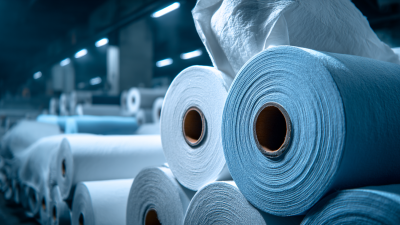
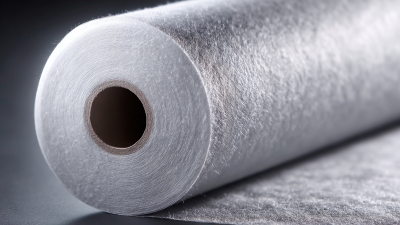
Nonwoven fabrics have become increasingly essential in various industries due to their versatility and unique properties. These fabrics are created by bonding fibers together through mechanical, thermal, or chemical means, bypassing traditional weaving or knitting processes. In 2025, the global nonwoven fabric market is projected to reach approximately $75 billion, driven by demand across sectors such as healthcare, automotive, and hygiene products.
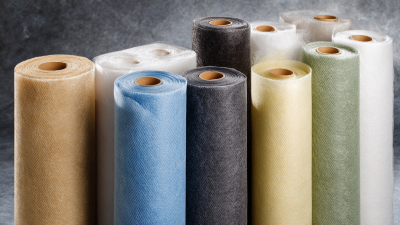
Understanding the different types of nonwoven fabrics—including spunbond, meltblown, and needle-punched—is crucial for selecting the right material for specific applications. Each type offers distinct characteristics ranging from strength and filtration efficiency to softness and absorbency.
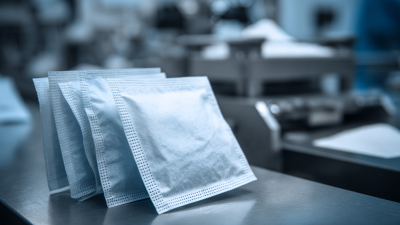
When choosing nonwoven fabrics, it's vital to consider their properties. For example, spunbond nonwovens are often favored for their durability and lightweight characteristics, making them ideal for applications like medical gowns and industrial covers. Alternatively, meltblown fabrics provide superior filtration, which is particularly beneficial in face masks and air filtration systems. According to the latest industry reports, more than 50% of the nonwoven fabrics are utilized in hygiene products due to their absorbency and softness, underscoring the importance of fabric selection based on application needs.
Tips: When selecting nonwoven fabrics, always evaluate the specific requirements of your project, such as strength, weight, and moisture-wicking properties. Furthermore, consider sustainability aspects, as an increasing number of manufacturers are producing biodegradable or recyclable nonwoven options, aligning with a growing consumer preference for environmentally friendly products. Lastly, consult with suppliers for test data or certifications to ensure the fabric meets your performance criteria.
Key Factors to Consider When Choosing Nonwoven Fabrics
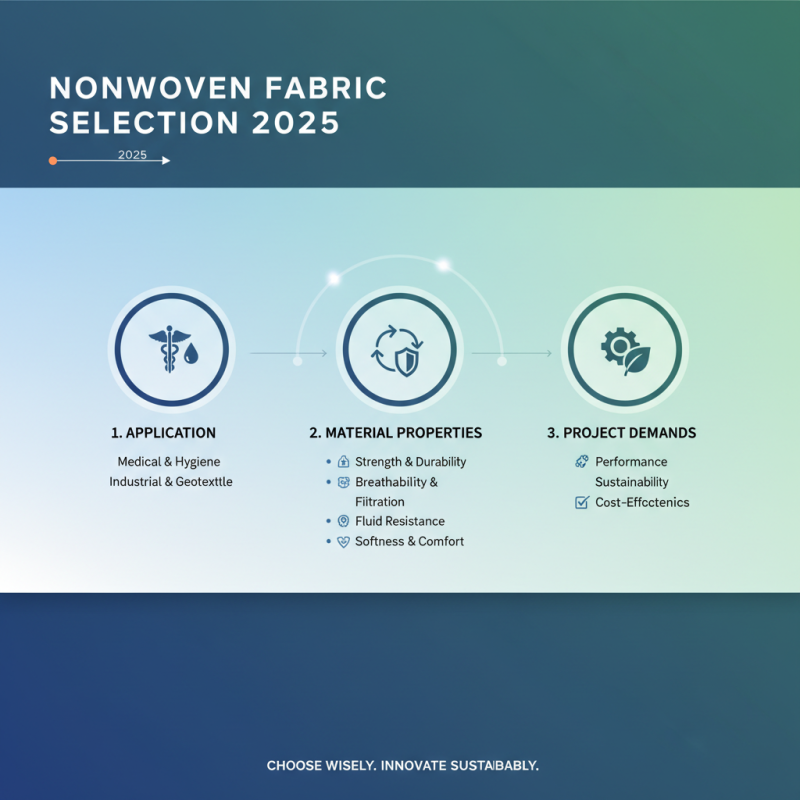
When selecting the right nonwoven fabric for your project in 2025, there are several key factors to consider. First and foremost, understanding the specific application of the fabric is crucial. Nonwoven fabrics can range widely in their properties, from lightweight and breathable options suitable for medical applications to more durable variants intended for industrial use. Assessing the demands of your project, including the required strength, flexibility, and moisture resistance, will guide you in choosing the right type of nonwoven material.
Another critical factor is the method of production. Nonwoven fabrics can be created using various techniques such as carding, melting, or wet-laid processes, each offering different characteristics. It's important to evaluate these manufacturing processes to determine how they affect the fabric's performance and end-use suitability. Additionally, environmental impact and sustainability are increasingly vital in decision-making. Look for nonwoven fabrics made from recycled materials or those that are biodegradable, as sustainable practices are becoming a standard expectation in numerous industries. Taking these aspects into account will ensure you select a nonwoven fabric that not only meets your project needs but also aligns with evolving market trends and values.
Evaluating Durability and Performance for Your Project Needs
When evaluating the right nonwoven fabric for your project, it is crucial to consider both durability and performance parameters to meet the specific needs at hand. According to a 2023 report by the Nonwoven Fabrics Association, the global nonwoven fabric market is projected to reach approximately $53 billion by 2027, driven by increasing demand across various sectors such as hygiene, automotive, and construction. This surge emphasizes the need to select materials that can withstand the rigors of intended applications.
Durability can be assessed through several metrics, including tensile strength, tear resistance, and moisture absorption capabilities. Research indicates that nonwoven fabrics can achieve tensile strengths of up to 80 MPa, making them suitable for high-stress applications. Additionally, comparing different types of fibers—such as polypropylene, polyester, or natural fibers—can aid in achieving the desired performance characteristics. For projects requiring water resistance, nonwoven fabrics treated with hydrophobic coatings can significantly enhance longevity, a consideration highlighted in a recent industry analysis that demonstrated a 30% increase in durability for treated fabrics compared to their untreated counterparts.
Moreover, the performance of nonwoven fabrics is frequently evaluated based on their filtration efficiency, breathability, and ease of processing. Industry studies have shown that certain nonwoven materials can achieve a filtration efficiency above 95%, making them ideal for applications in the medical and environmental sectors. Selecting the right fabric necessitates a comprehensive understanding of these performance metrics to ensure the final product not only meets quality expectations but also provides cost-effectiveness over its lifecycle.
Sourcing and Sustainability: The Future of Nonwoven Fabrics
As we move into 2025, the focus on sourcing and sustainability in the nonwoven fabric industry is becoming more critical. With growing environmental awareness, consumers and manufacturers alike are demanding materials that not only perform well but also minimize ecological impact. This shift calls for innovation in sourcing practices, emphasizing the use of recycled materials and the adoption of eco-friendly production techniques. Nonwoven fabrics made from biodegradable polymers or recycled content are gaining traction, offering sustainable solutions without sacrificing the quality and efficiency that industries rely on.
Moreover, sustainable sourcing extends beyond raw materials to the entire supply chain. Companies are increasingly assessing the environmental footprint of their operations, seeking partnerships with suppliers who prioritize responsible sourcing and ethical manufacturing processes. This integrated approach not only contributes to environmental conservation but also enhances brand reputation and customer loyalty. As sustainability becomes a fundamental aspect of sourcing strategies, businesses must be proactive in exploring options that align with their values and the expectations of their stakeholders, ensuring that the future of nonwoven fabrics is not only functional but also environmentally sound.
Market Trends of Nonwoven Fabrics in 2025
Emerging Trends in Nonwoven Fabrics for 2025 and Beyond
As we move into 2025, the landscape of nonwoven fabrics is evolving rapidly, driven by technological advancements and changing consumer preferences. One significant trend is the increasing focus on sustainability. Manufacturers are now prioritizing eco-friendly materials and processes, producing nonwoven fabrics from recycled fibers and biodegradable substances. This shift not only meets the demands of environmentally conscious consumers but also aligns with global sustainability goals, pushing brands and industries towards more responsible manufacturing practices.
Another emerging trend is the innovation in nonwoven fabric properties, tailored to specific applications. With advancements in bonding technologies and fiber manufacturing, nonwovens are becoming stronger, lighter, and more versatile. Industries are exploring multifunctional nonwovens that offer enhanced filtration, moisture management, and antimicrobial properties. These fabrics are finding applications in various sectors, including healthcare, hygiene, and automotive, where performance and reliability are paramount. As we look forward to 2025 and beyond, the ability to adapt nonwoven fabrics for specialized needs will continue to shape market dynamics and drive innovation.

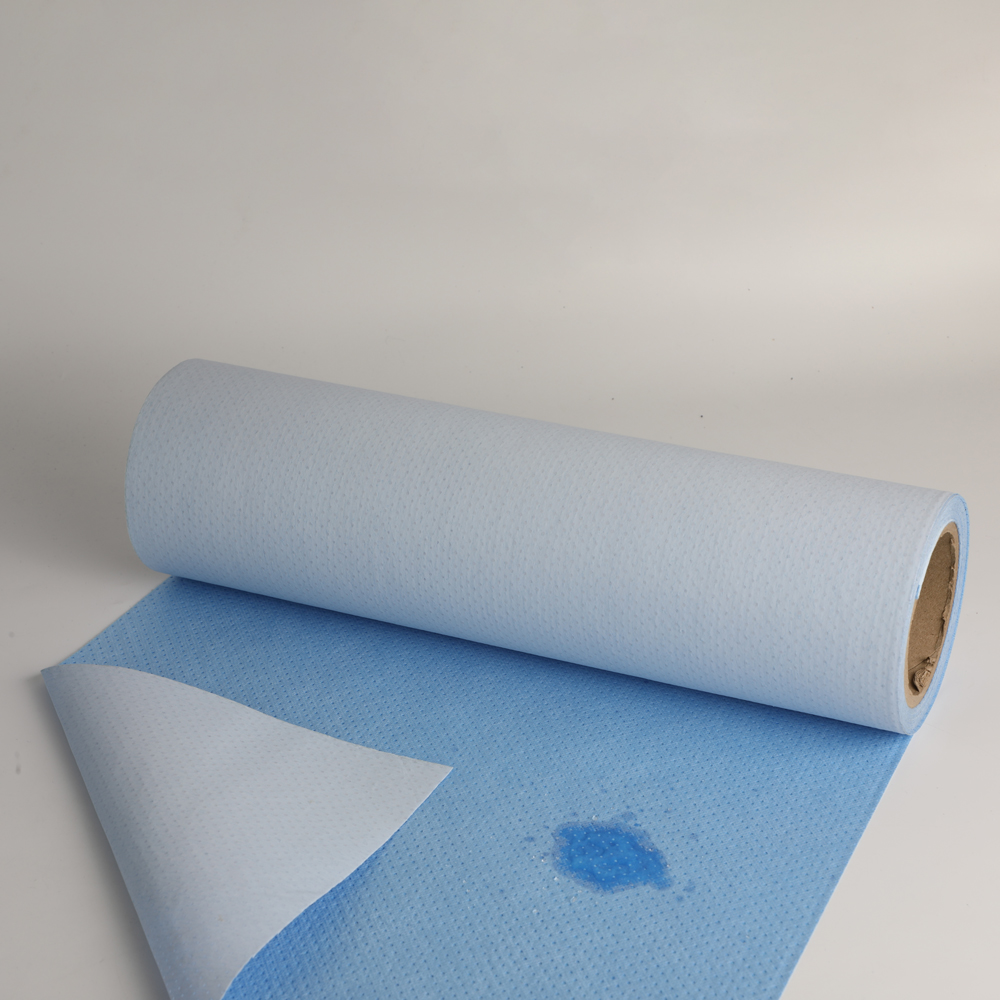 Multi Laminates
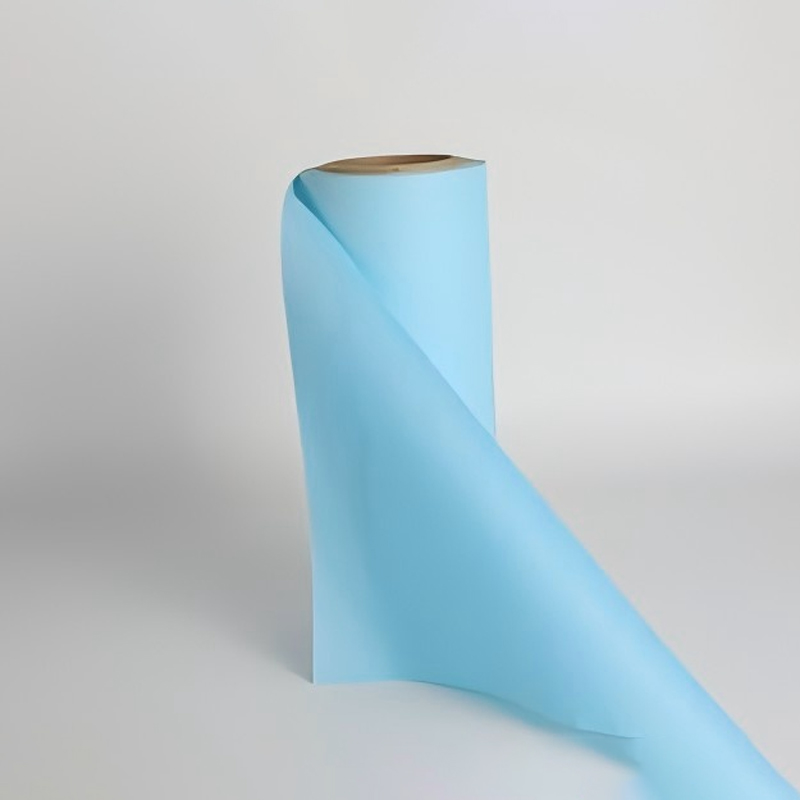 Spunlace Nonwoven Laminates
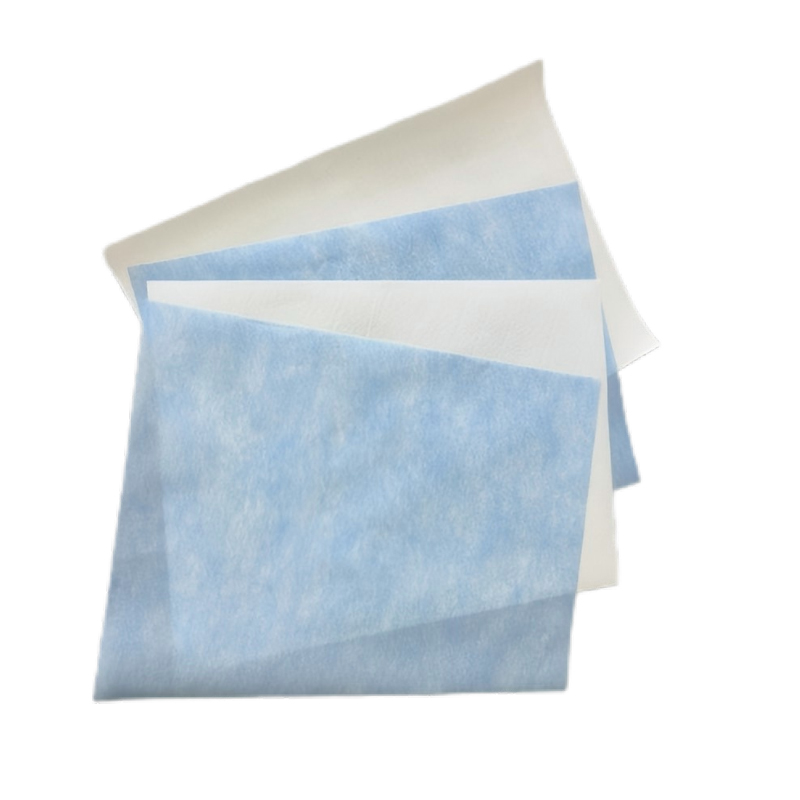 Breathable Film Laminates
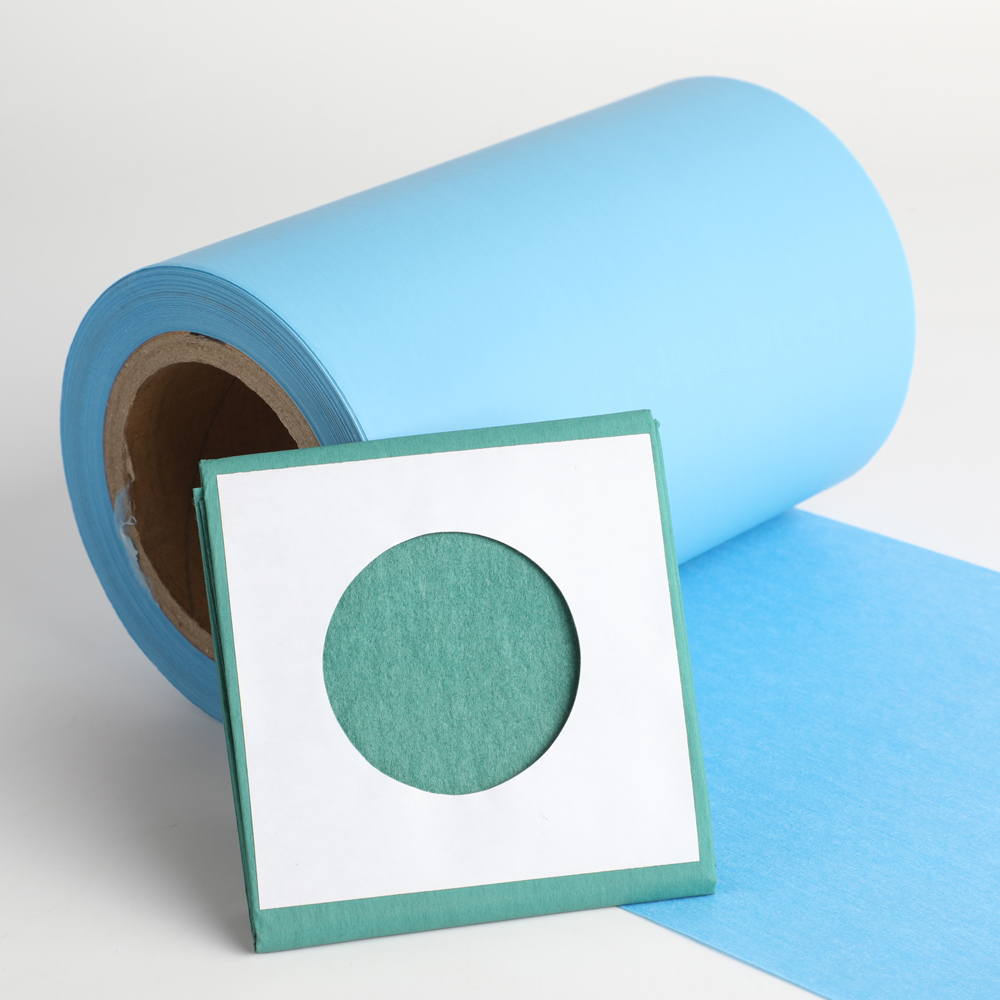 Viscose Laminates
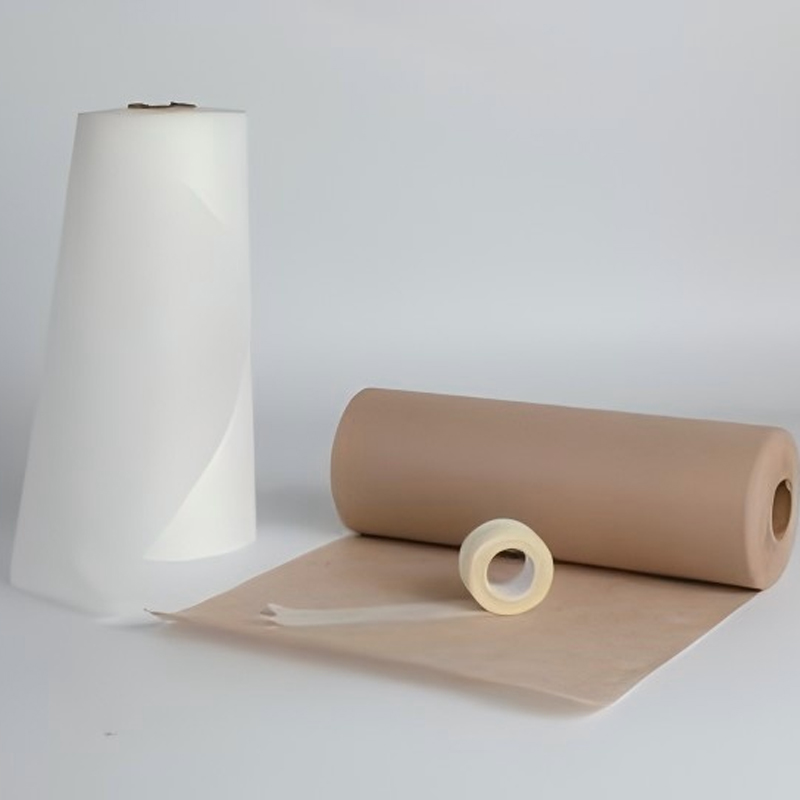 Medical Tape Nonwoven
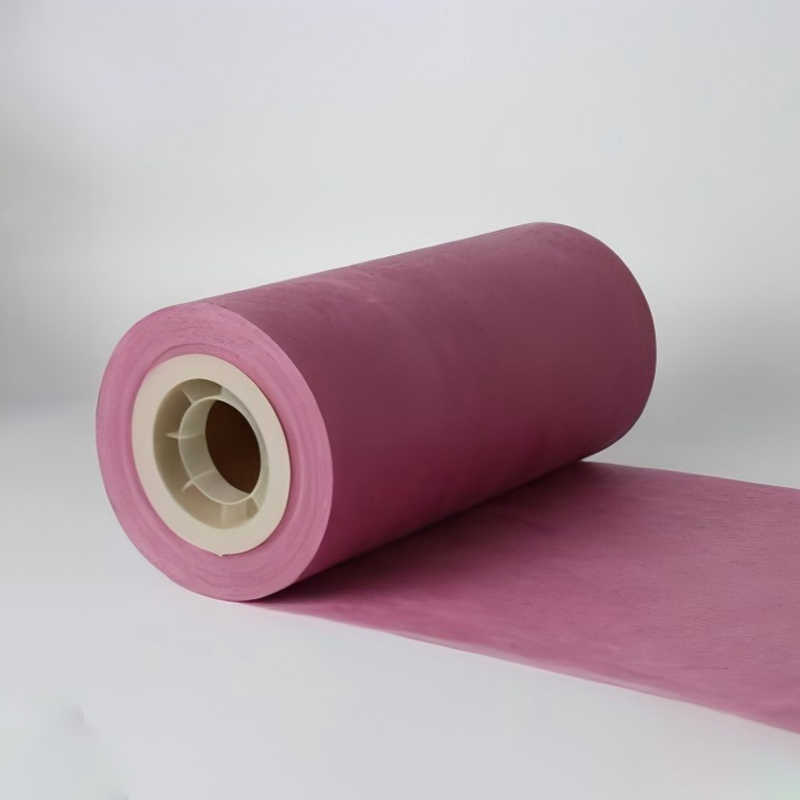 Filtration Nonwoven
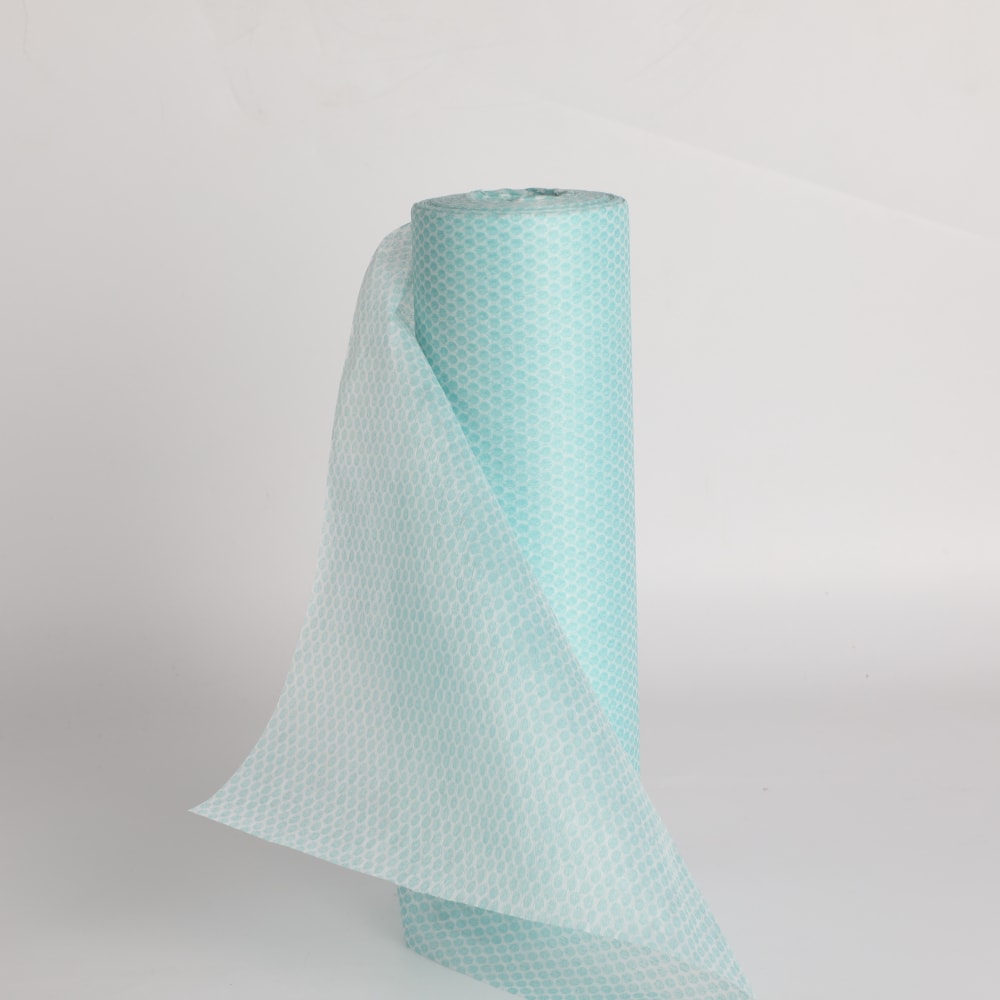 Head Wear Nonwoven
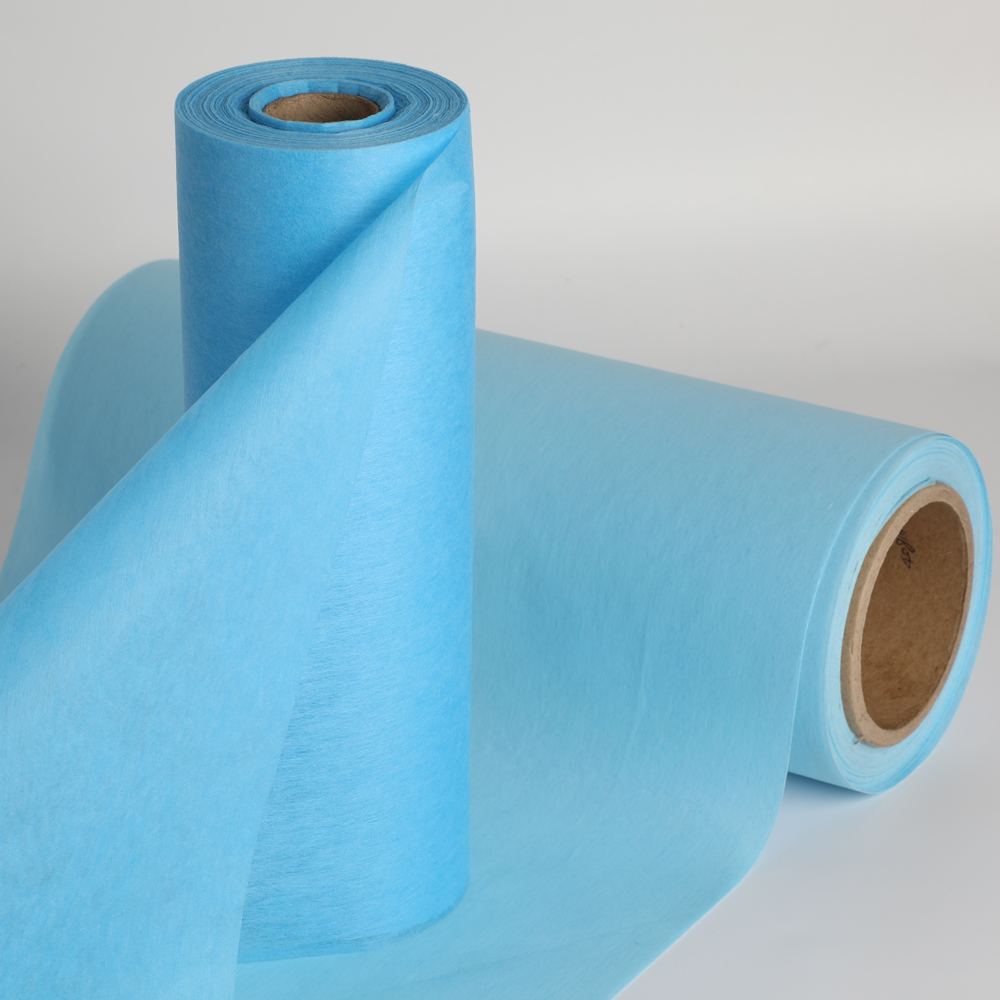 Medical Viscose Nonwoven
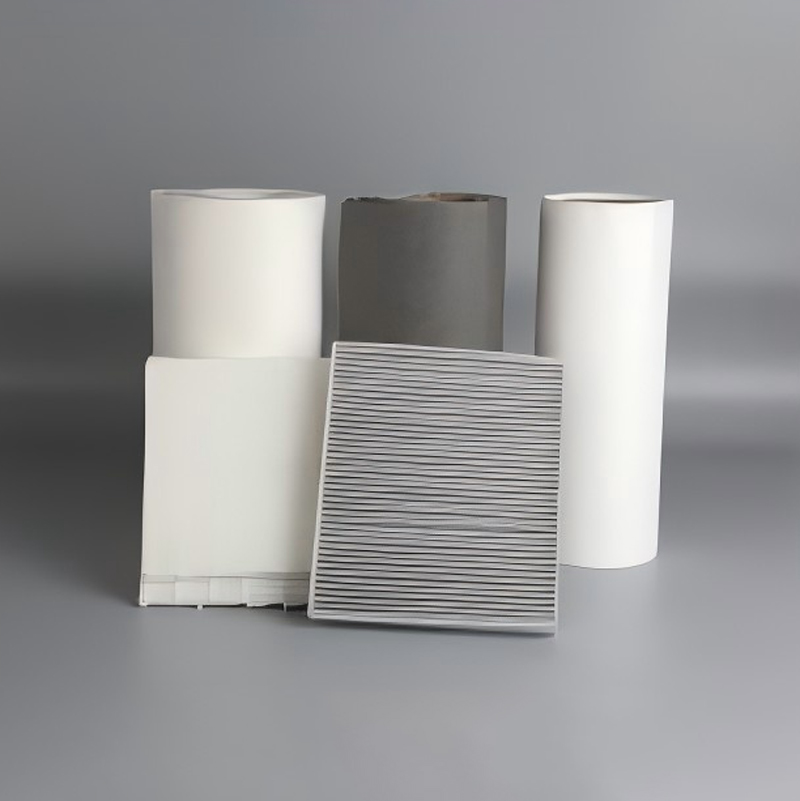 Air Filter Media
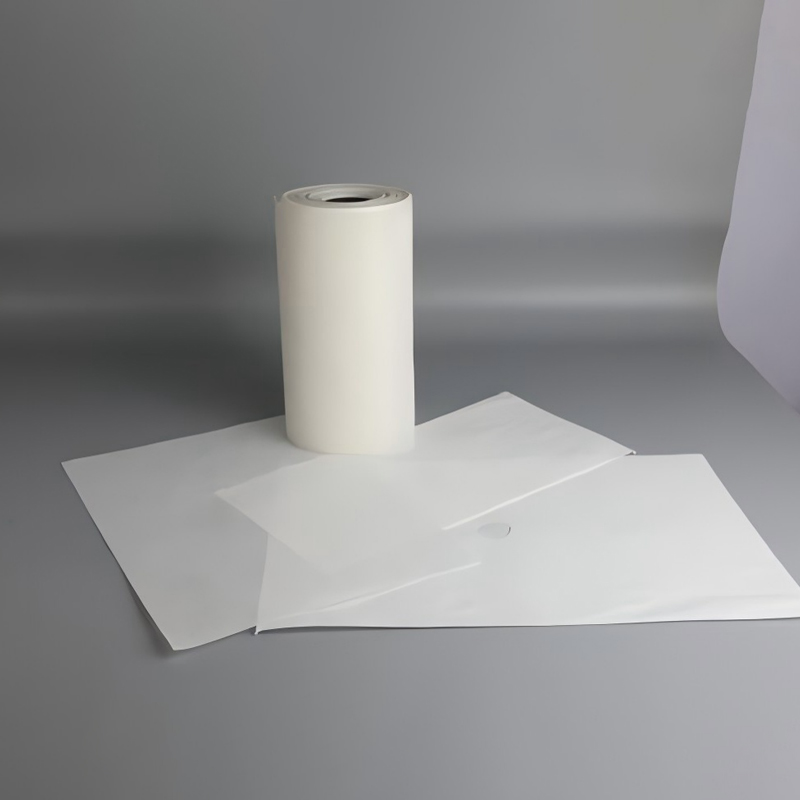 Liquid Filter Media
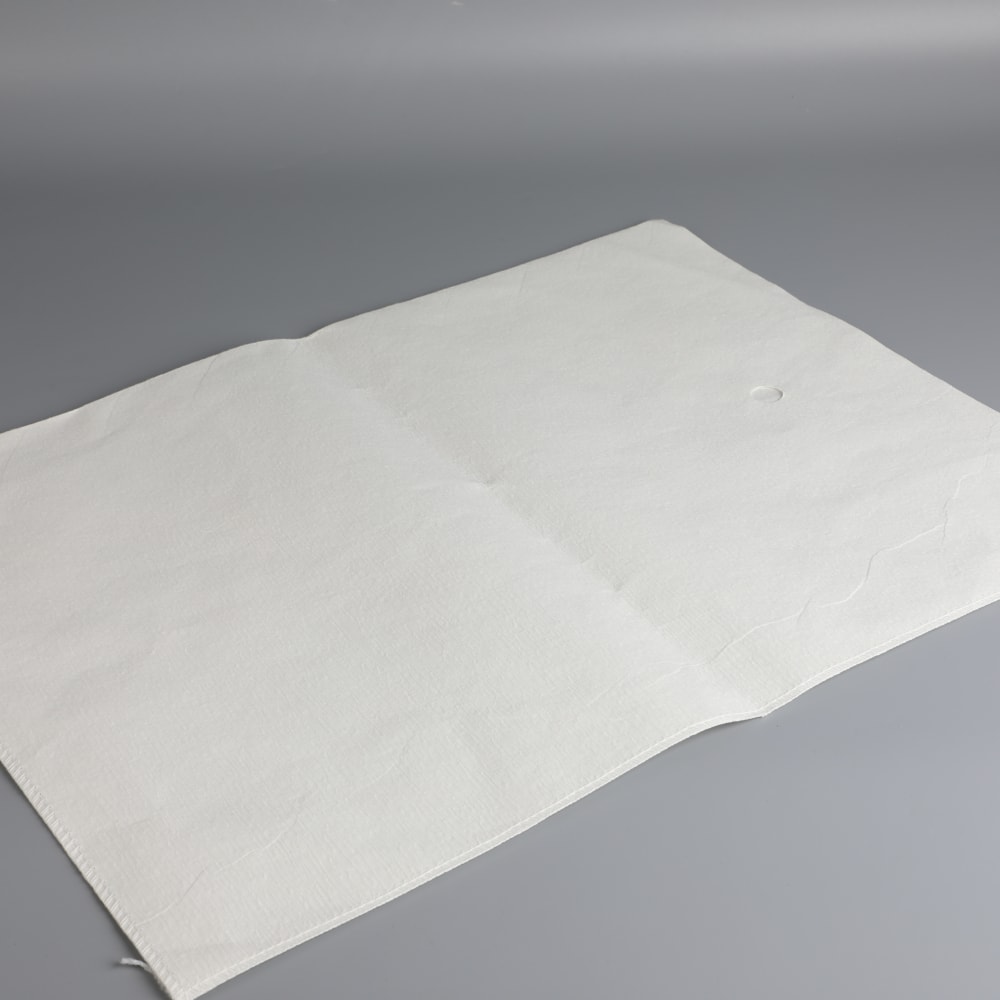 Filter Envelope & Filter Sheet
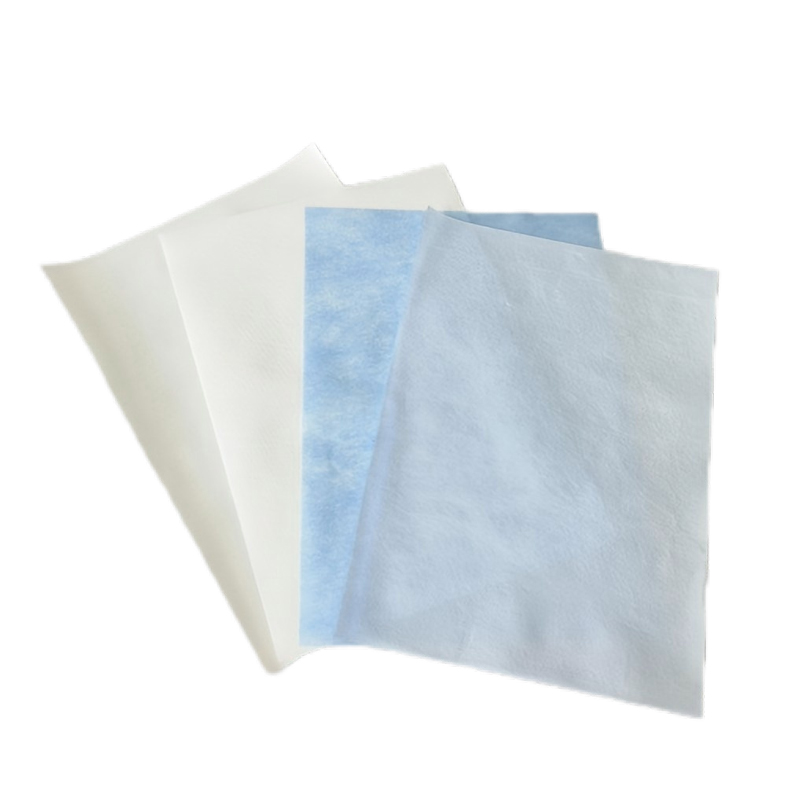 Breathable Film Laminates
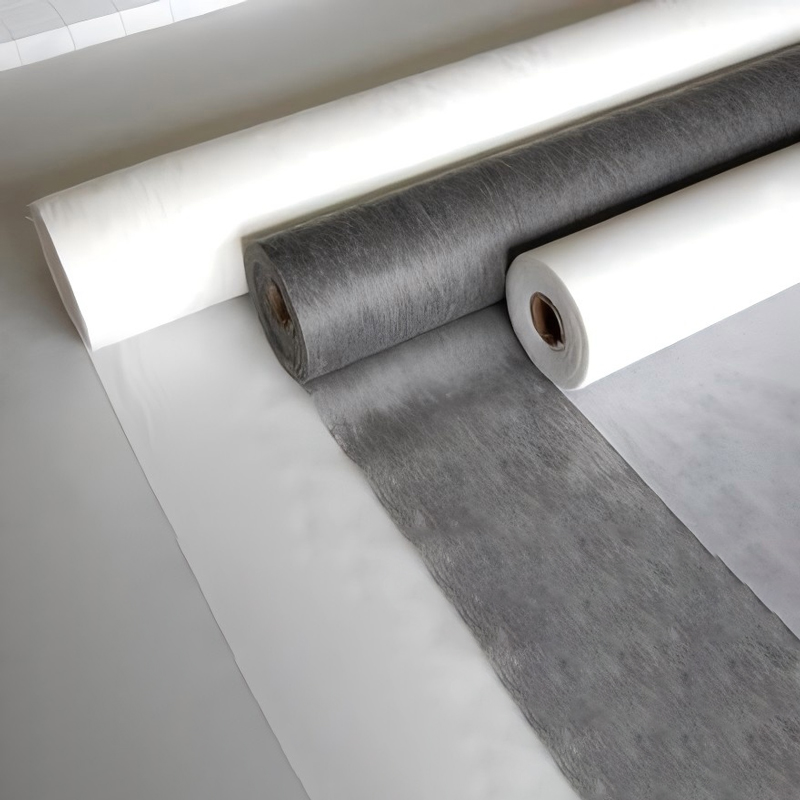 Nonwoven Interlining
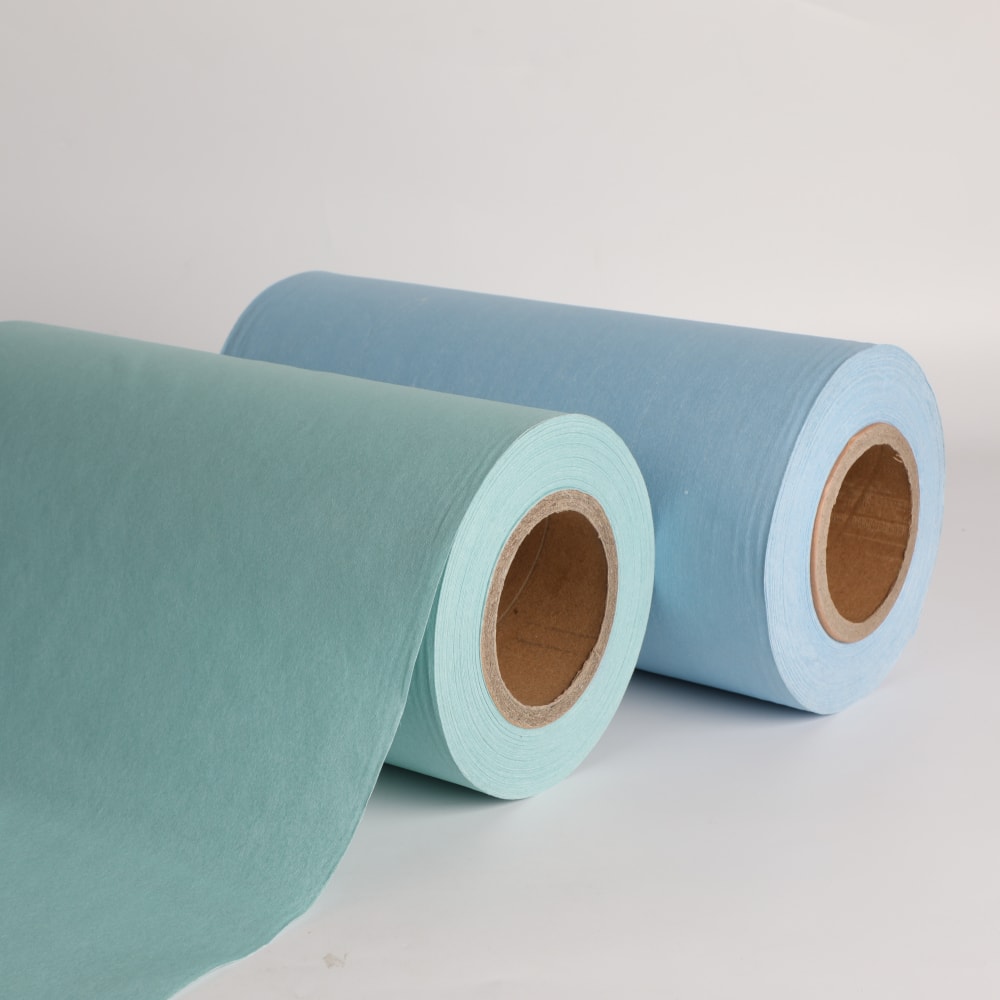 Fluid Repellent Woodpulp Spunlace Nonwoven
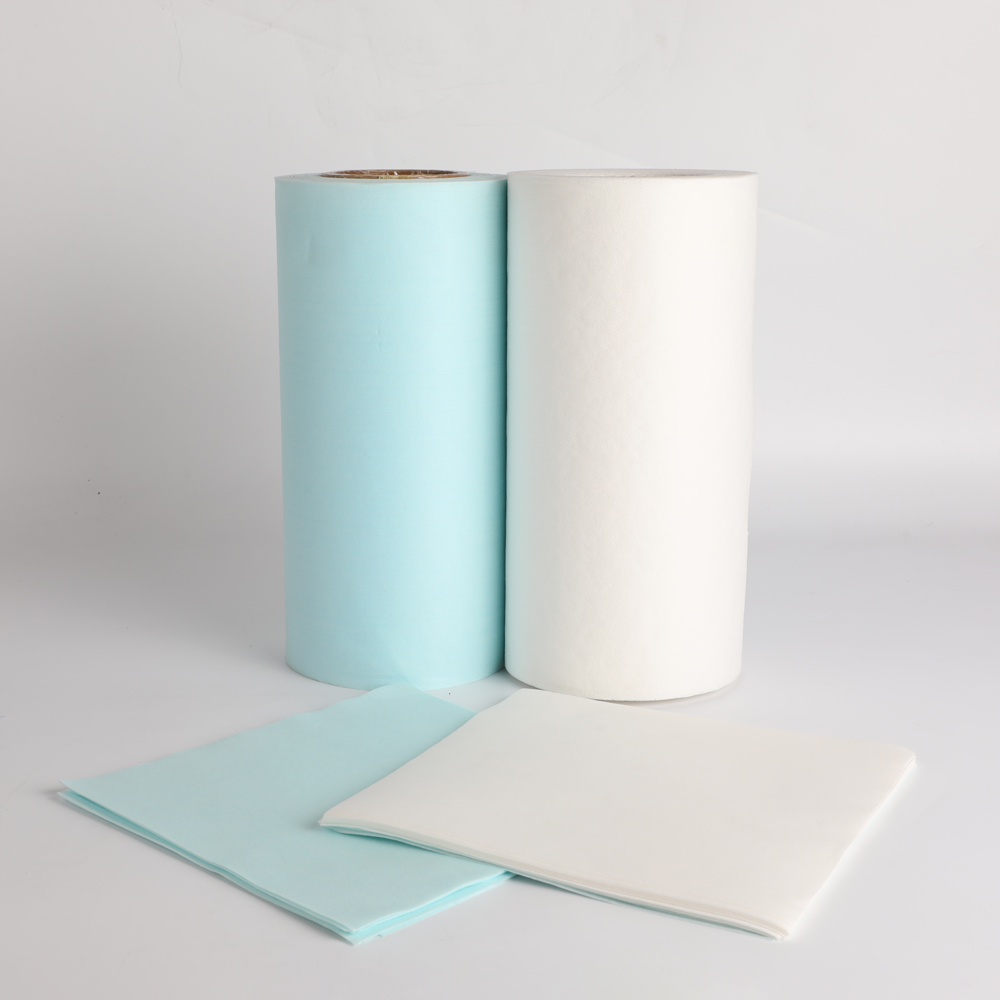 Woodpulp Nonwoven Wipe
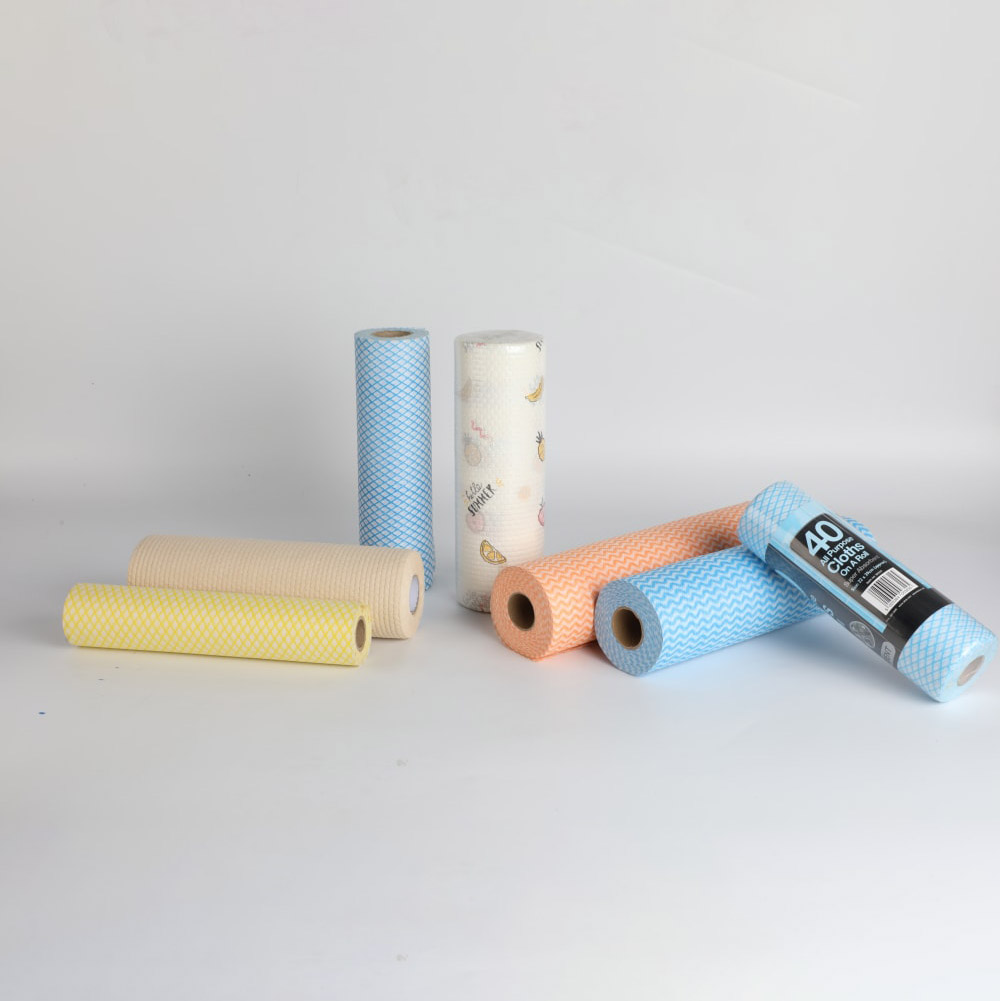 Nonwoven Cleaning Wipe
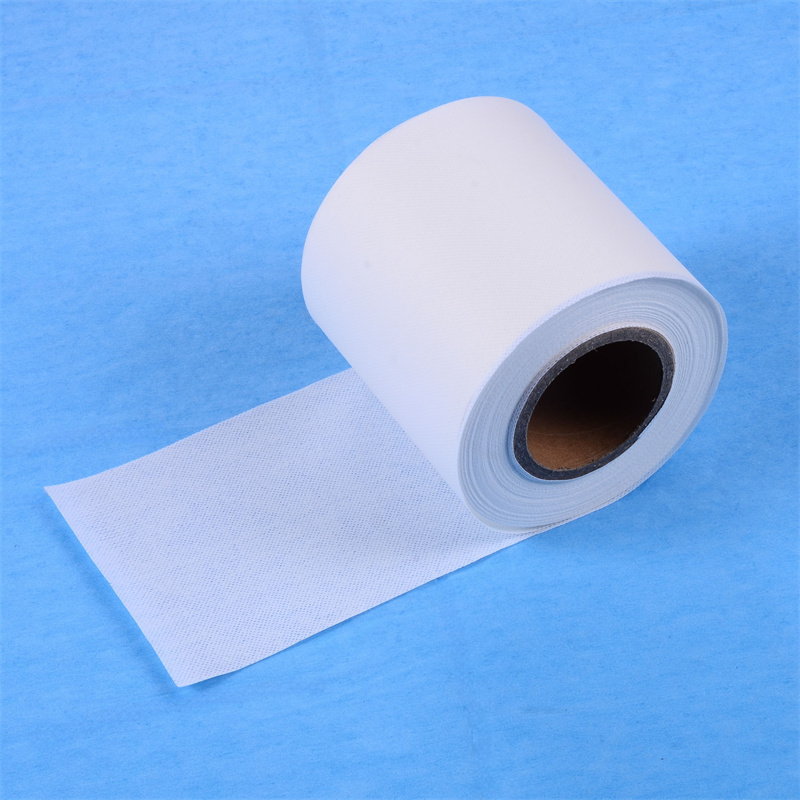 Flame Retardant Nonwoven Fabric
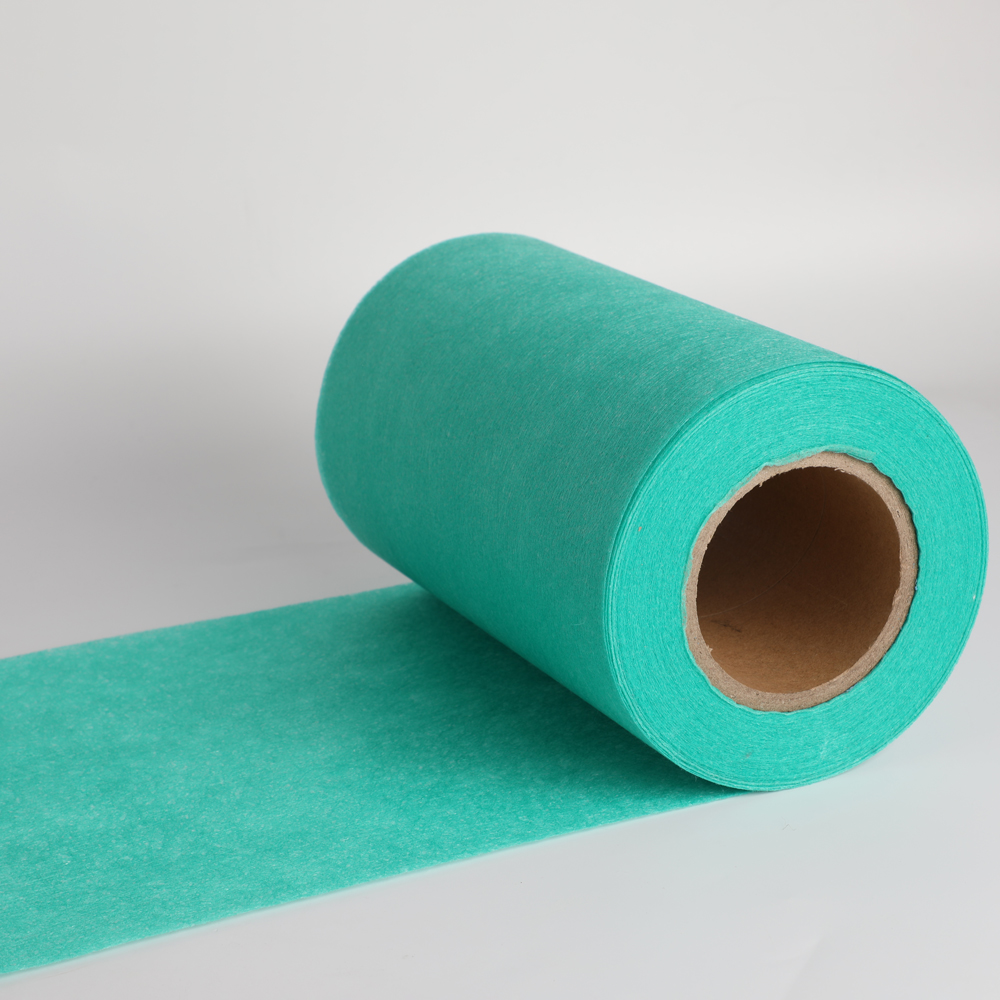 Anti-Bacterial Nonwoven
 CONTACT WhatsApp
 CONTACT WeChat

 CONTACT NUMBER
 CONTACT EMAIL