How to Choose Durable Nonwoven Filter Fabric for Your Needs?
Choosing the right filter fabric can be challenging. Durable Nonwoven Filter Fabric is essential for various applications. Many options exist today, and knowing how to select the right one is crucial.
These fabrics have unique properties. They offer excellent filtration and durability. However, not all nonwoven fabrics meet every need. Assessing your specific requirements is necessary. Factors such as particle size, flow rate, and environmental conditions play a role.
As industries evolve, the demand for reliable materials increases. Many people overlook the importance of quality in filter fabrics. A cost-effective option may not always provide long-term benefits. Investing in high-quality durable nonwoven filter fabric can significantly impact efficiency and longevity. Understanding these elements can enhance your decision-making process.
Understanding Nonwoven Filter Fabrics: An Overview
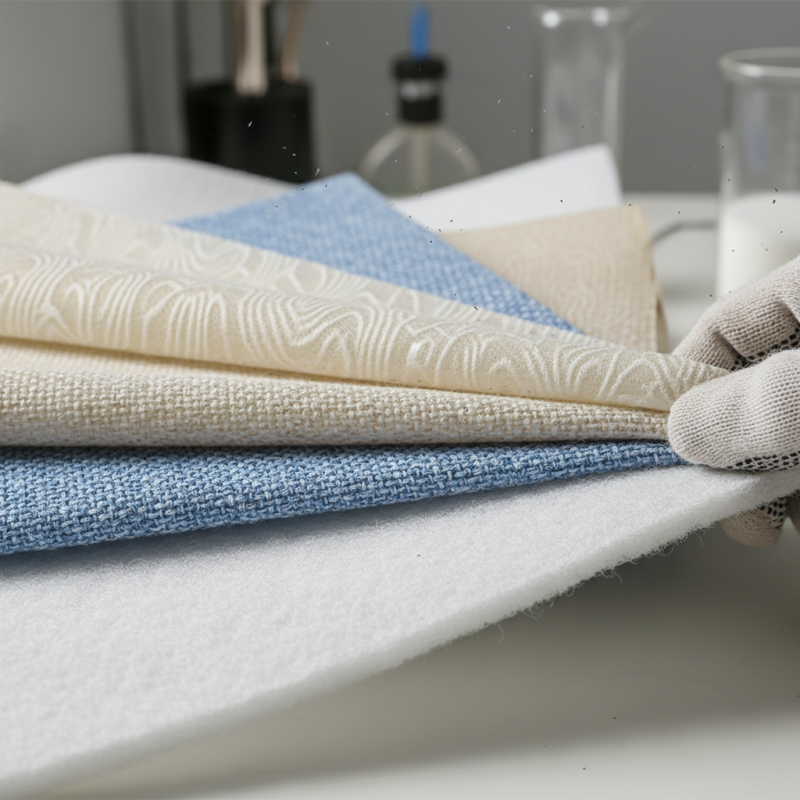
Nonwoven filter fabrics play a crucial role in various industries, including filtration, medical, and construction. Understanding their properties is essential for making informed choices. Unlike woven fabrics, nonwoven options are made by bonding fibers together, creating a versatile material. This method allows for various thicknesses, textures, and densities, catering to specific filtration needs.
When selecting a nonwoven filter fabric, consider the fiber composition. Fabrics made from polypropylene are common due to their chemical resistance and durability. However, not all nonwoven types perform equally. Some may degrade faster under certain environmental conditions. Think about the application and the conditions the fabric will face.
It's also important to recognize the manufacturing processes involved. Some methods might compromise the fabric's strength and longevity. A fabric may feel strong but could fail under pressure. Conducting thorough research and consulting with experts can help clarify these nuances. Proper guidance can lead you to a suitable option that meets your durability requirements.
Key Properties to Consider for Durability in Filter Fabrics
When selecting durable nonwoven filter fabric, certain key properties are essential for ensuring its longevity. One critical factor is the fabric's tensile strength. According to a report from the Nonwoven Fabrics Industry Association, high tensile strength materials can resist tearing and deformation, significantly extending their lifespan in demanding environments. Fabrics made from polypropylene often exhibit superior strength, which is crucial for filtering applications.
Another vital aspect to consider is the fabric's resistance to chemical exposure. Many industrial processes involve harsh chemicals that can degrade standard materials. A study published in the Journal of Applied Polymer Science noted that nonwoven fabrics with enhanced chemical resistance showed a reduced degradation rate of up to 40% compared to conventional fabrics. This property is particularly important in industries like chemical processing and wastewater treatment.
Additionally, moisture control plays a role in durability. Nonwoven filter fabrics with high moisture resistance help prevent mold and mildew growth. Research indicates that moisture-resistant fabrics can retain structural integrity even in wet environments. However, it's essential to reflect on how various manufacturing methods impact these properties. Not all nonwoven fabrics achieve optimal performance, which calls for careful selection based on specific applications.
Evaluating Material Types for Specific Filtration Needs
Choosing the right nonwoven filter fabric is crucial for effective filtration. When evaluating material types, consider the specific filtration needs of your application. Nonwoven fabrics vary in composition, density, and durability. According to a 2022 industry report, polypropylene and polyester are the most commonly used materials in filtration. Each offers different advantages based on the environment.
Polypropylene is lightweight and resistant to chemicals. It's suitable for applications in harsh conditions. Polyester, on the other hand, provides higher tensile strength and resistance to UV degradation. It is ideal for outdoor applications. However, some users find it less effective in extremely high temperatures.
Understanding the filtration efficiency is also vital. A study reveals that nonwoven fabrics can achieve a filtration efficiency of up to 99% depending on the method of production. Fine fibers can trap smaller particles, making them invaluable in air and liquid filtration systems. However, the initial cost and maintenance can be higher. Evaluating these factors helps ensure you select a durable nonwoven filter fabric tailored to your needs.
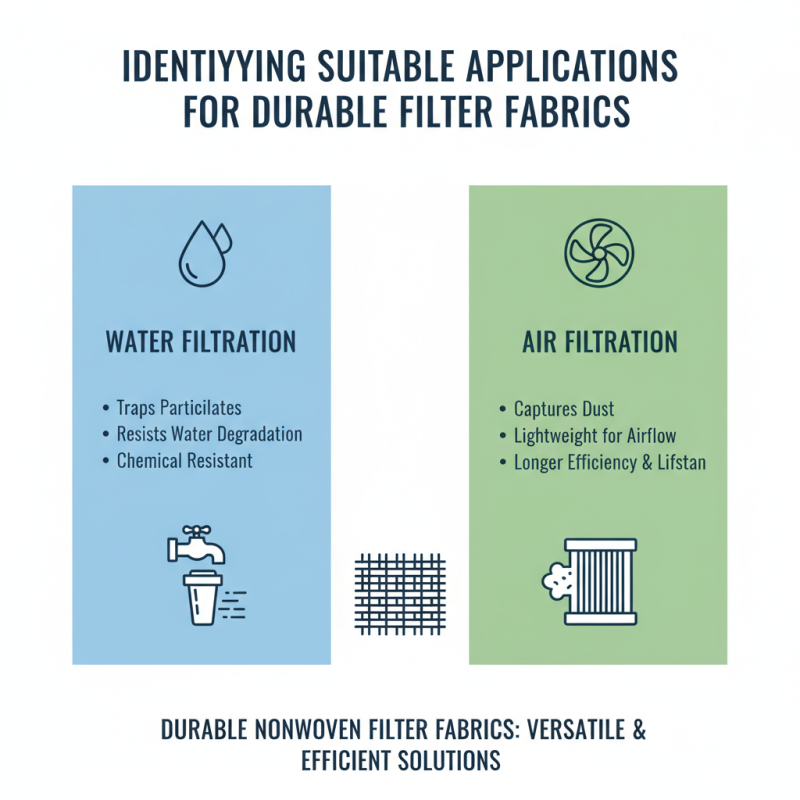
Identifying Suitable Applications for Durable Filter Fabrics
When selecting durable nonwoven filter fabric, it’s crucial to identify applications that benefit from these versatile materials. For water filtration, a strong fabric can effectively trap particulates. The ideal fabric should resist degradation from water and chemicals. In air filtration, lightweight options provide excellent dust capture without sacrificing airflow. The durability of the nonwoven fabric is critical here, as it affects both efficiency and lifespan.
For industrial uses, consider how the filter fabric will handle intense conditions. Some environments expose materials to extreme temperatures or abrasive particles. Evaluating the fabric's tensile strength and resistance to wear will ensure long-term performance. It's also essential to reflect on the specific requirements of your application. Overspecifying or underspecifying can lead to performance issues. Balance is key in choosing the right filter fabric that aligns with your operational needs.
Finally, think about maintenance and replacement regularly. Some fabrics might seem durable, but their performance may decline over time. Regularly assessing the fabric’s condition will help make informed decisions for future needs. This ongoing evaluation fosters reliability in performance across various applications.
Routine Maintenance Tips to Enhance Filter Fabric Longevity
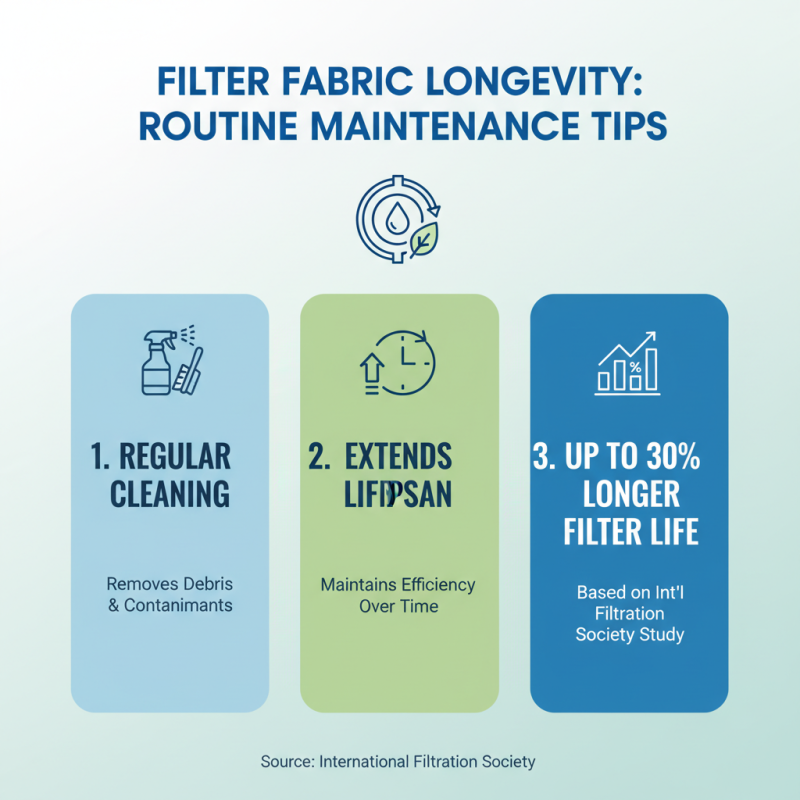
Maintaining the longevity of nonwoven filter fabric is crucial for efficiency. Regular cleaning helps to remove debris and contaminants. This practice extends the lifespan of the material, allowing it to function effectively over time. A study from the International Filtration Society noted that routine maintenance can increase filter life by up to 30%.
The operating environment plays a significant role in the durability of nonwoven filters. High temperatures or extreme chemical exposure can degrade fibers. Monitoring conditions ensures that any detrimental factors are addressed promptly. Regular inspections are essential to track wear and tear. Don't underestimate the impact of small damage, which can lead to significant problems.
Lastly, proper storage of the filter fabric is vital. Keep it in a dry, cool area, away from direct sunlight. Exposure can weaken the structure over time. While these practices may seem straightforward, neglecting them often leads to unnecessary replacements. A proactive approach prevents costly downtimes and optimizes performance.

 PP Laminates
 Multi Laminates
 Spunlace Nonwoven Laminates
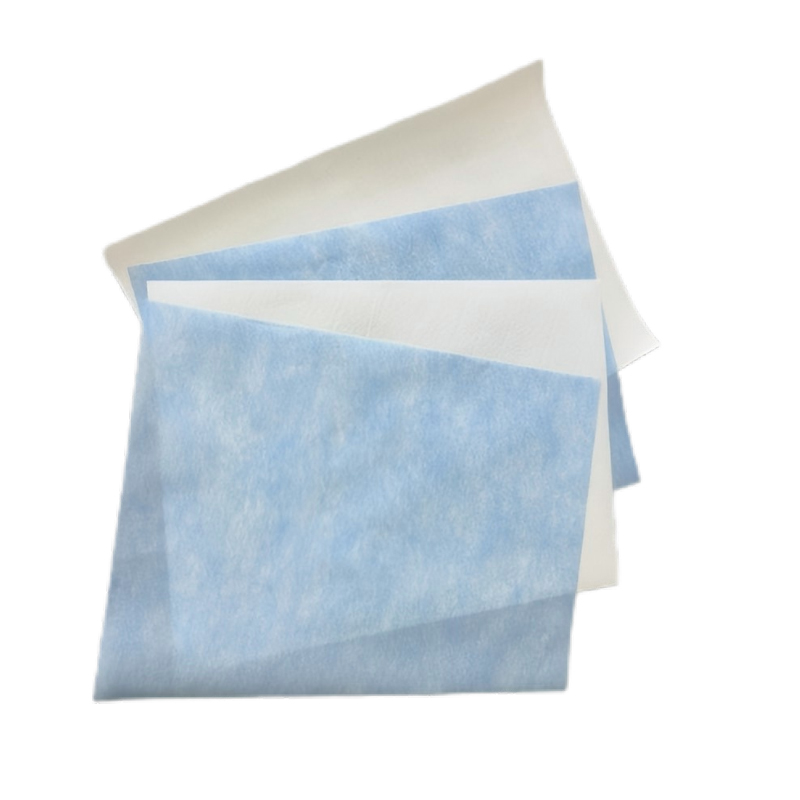 Breathable Film Laminates
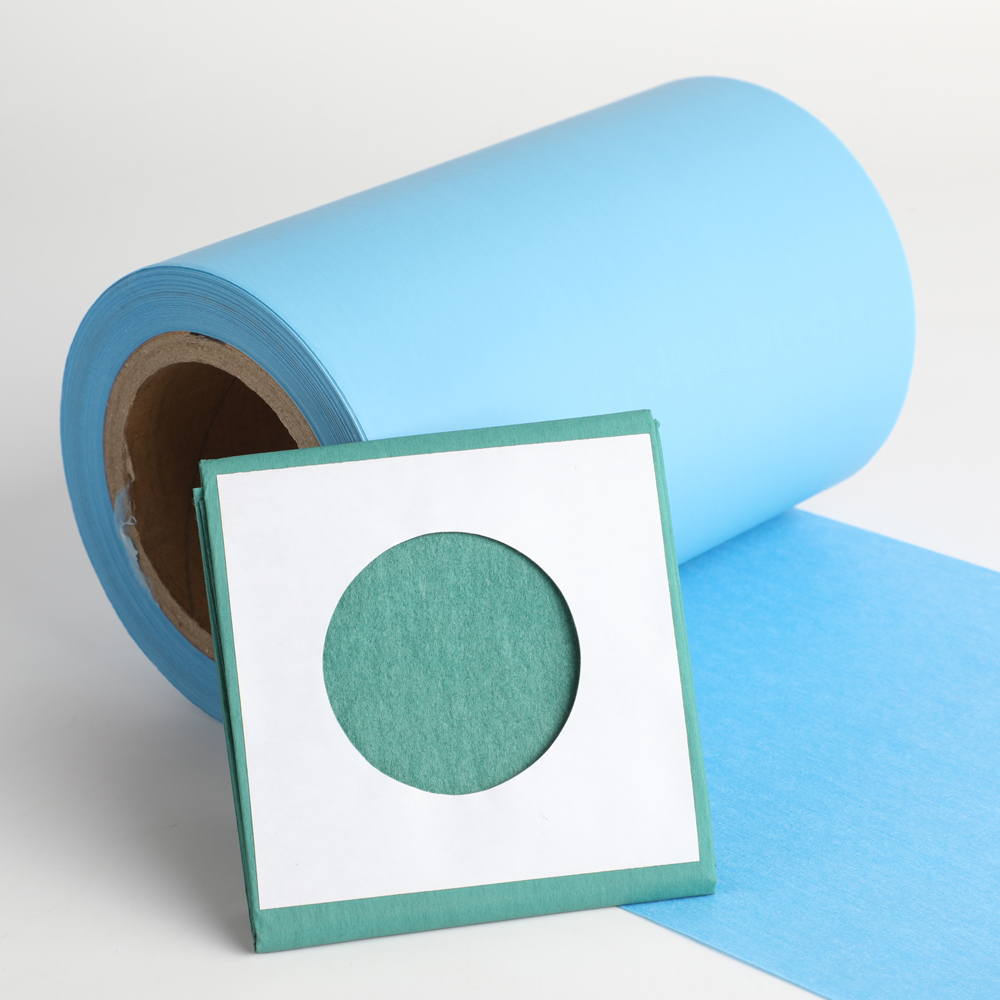 Viscose Laminates
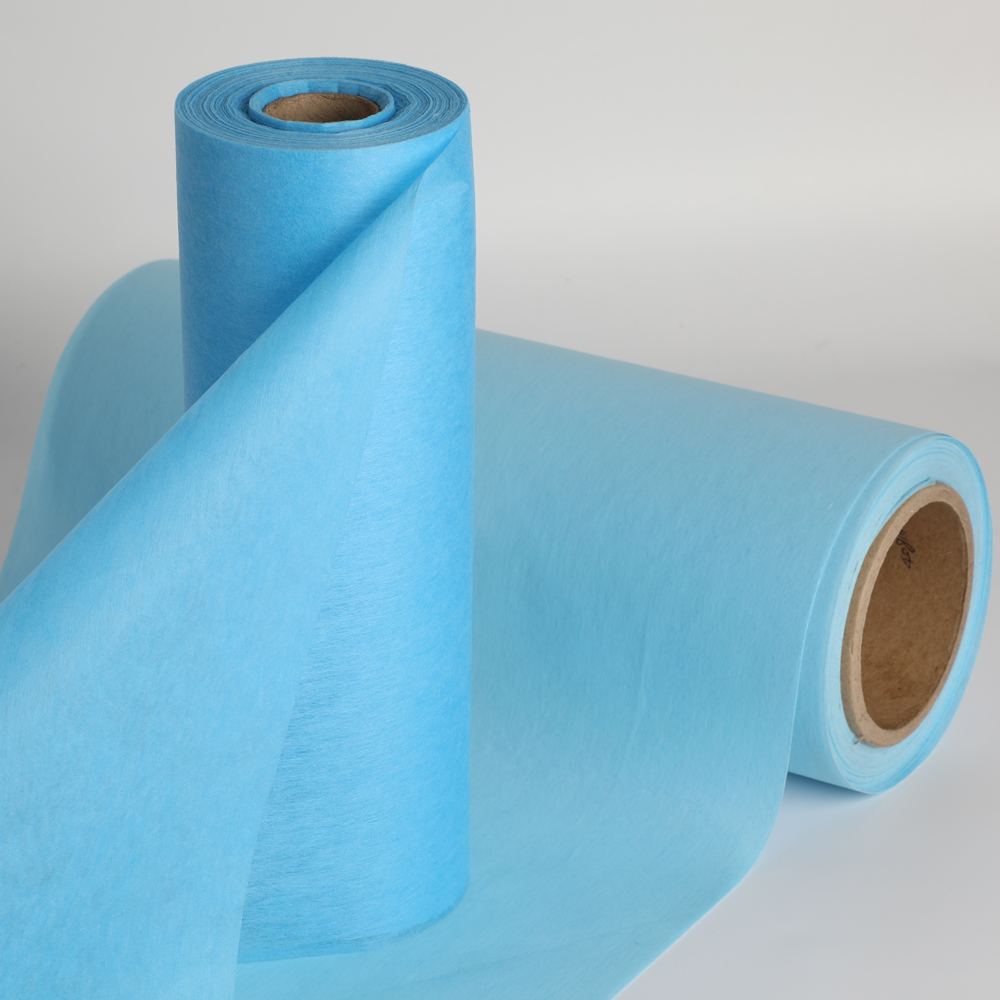 Medical Viscose Nonwoven
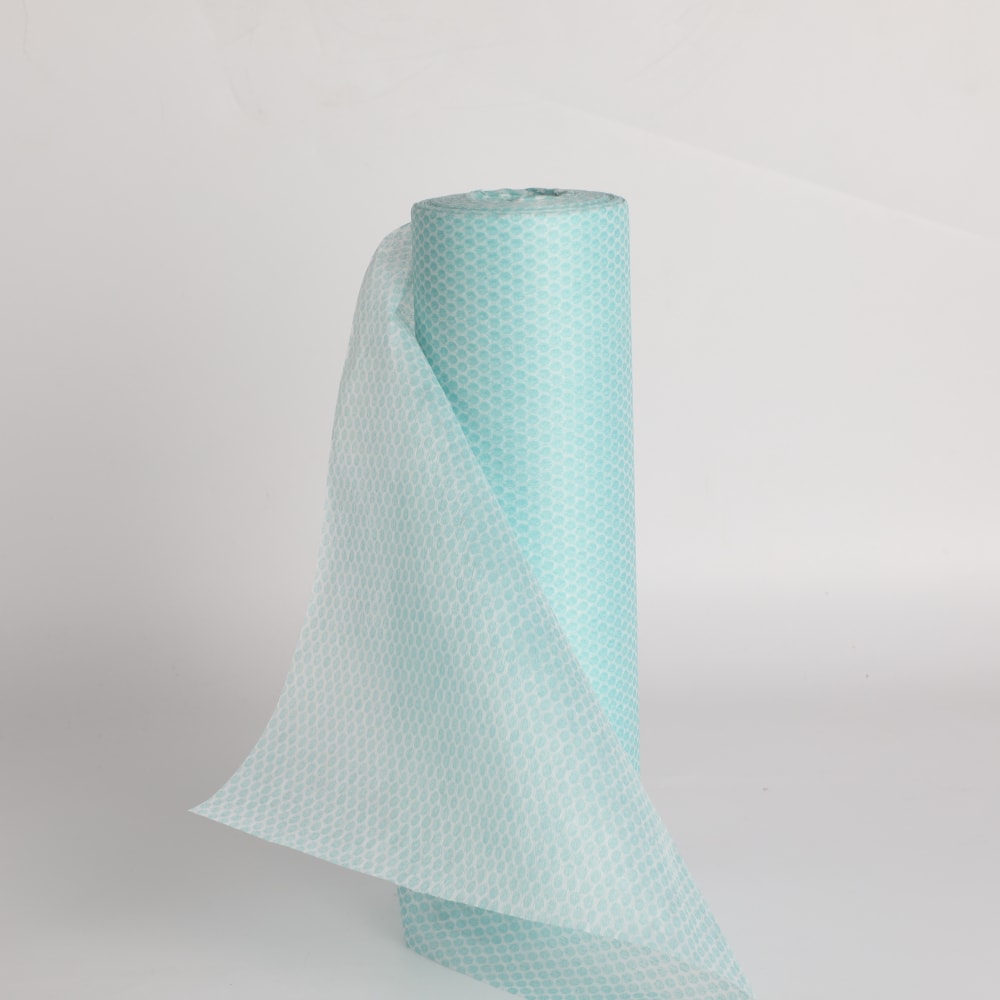 Head Wear Nonwoven
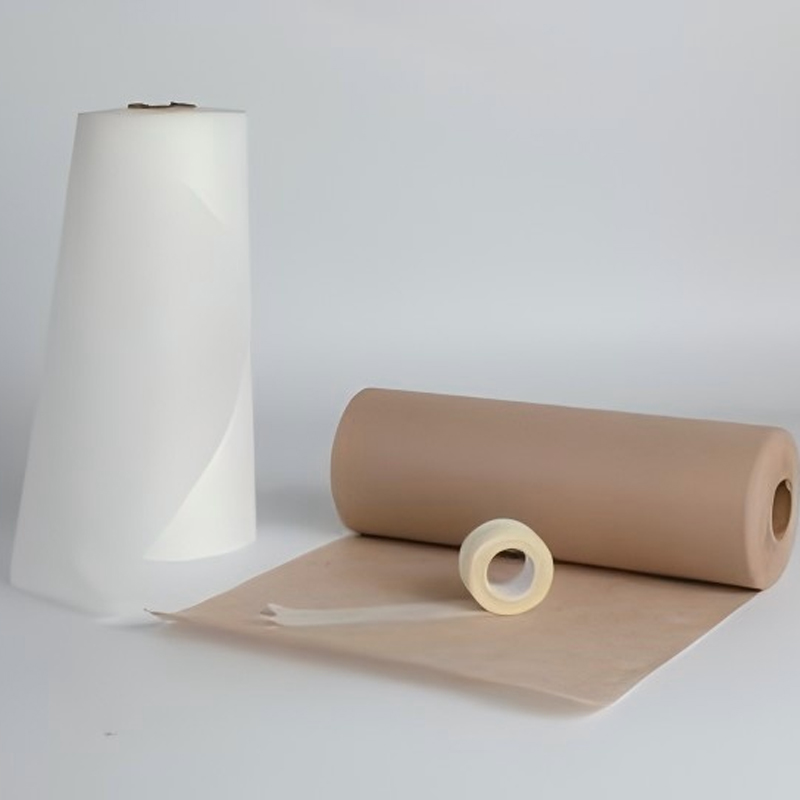 Medical Tape Nonwoven
 Snus Pouch Nonwoven
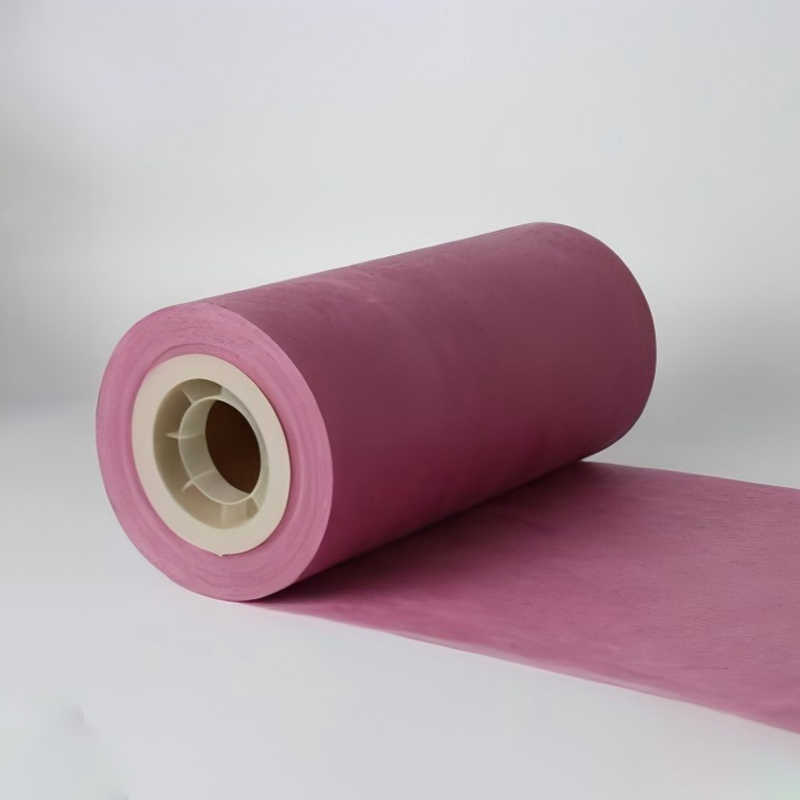 Filtration Nonwoven
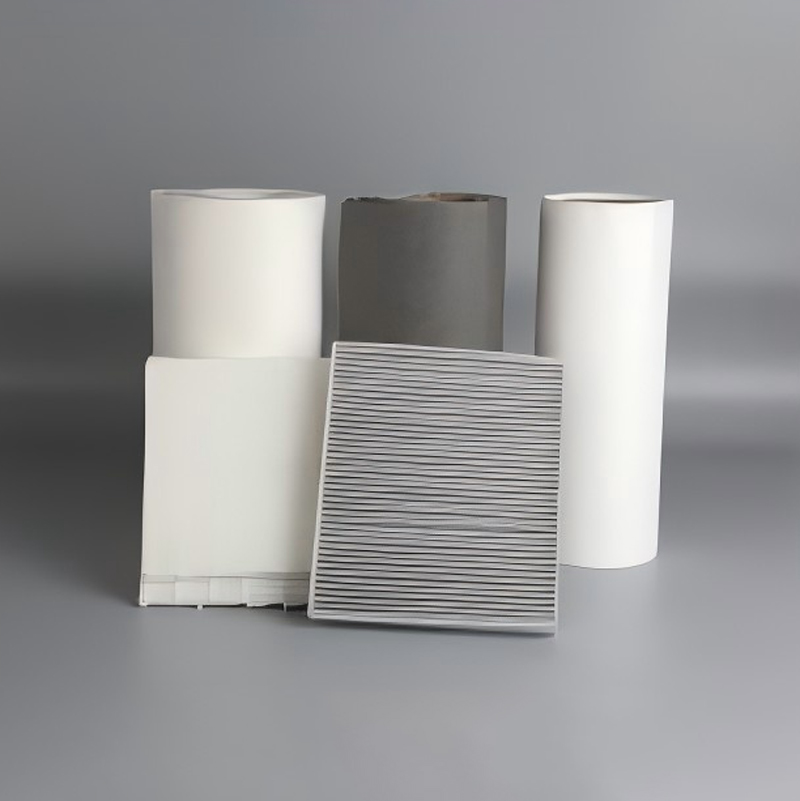 Air Filter Media
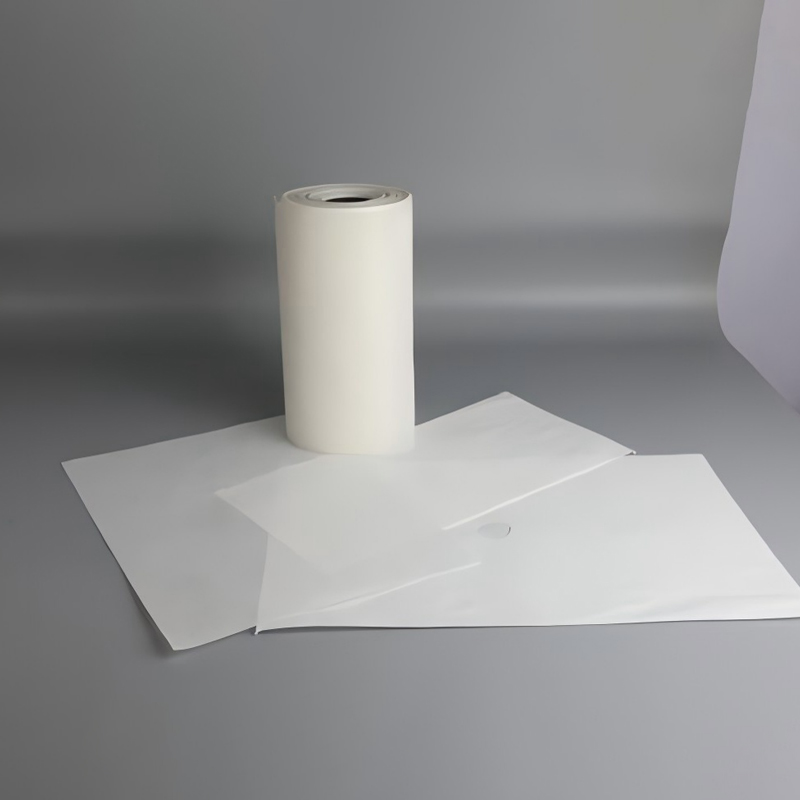 Liquid Filter Media
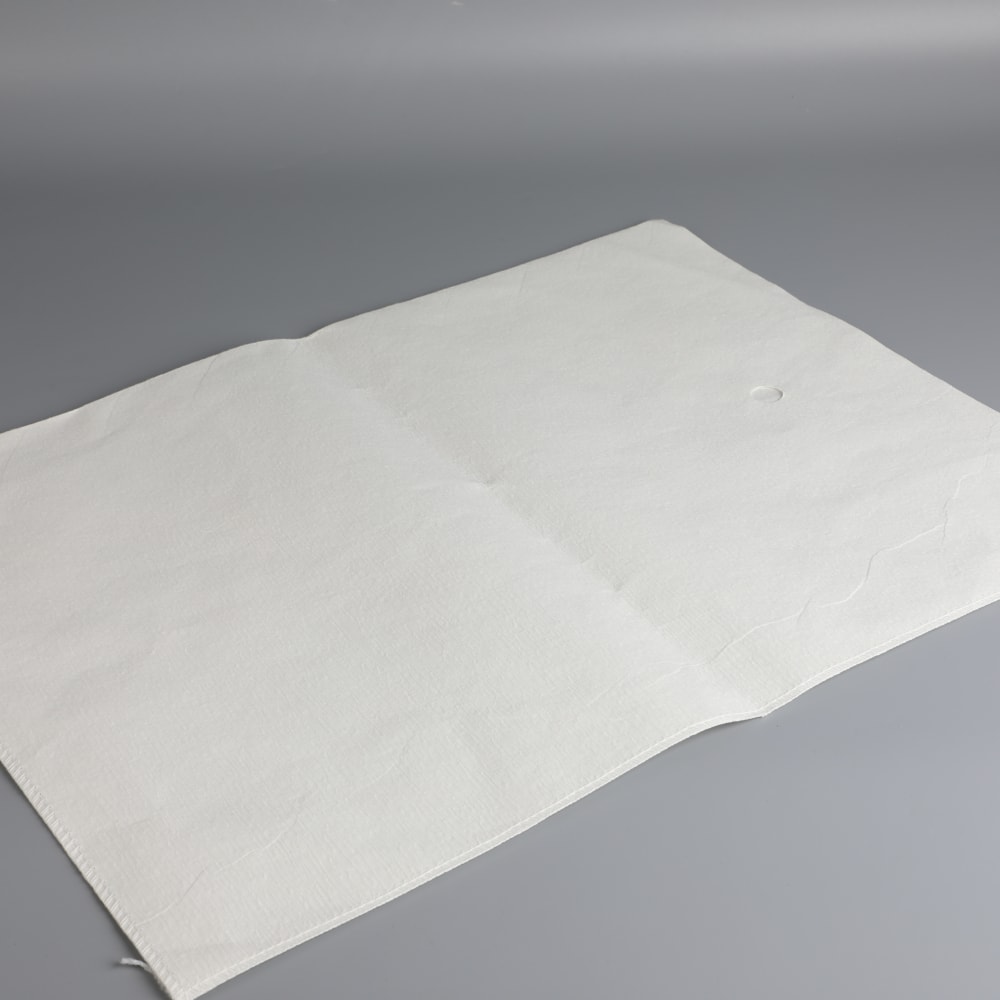 Filter Envelope & Filter Sheet
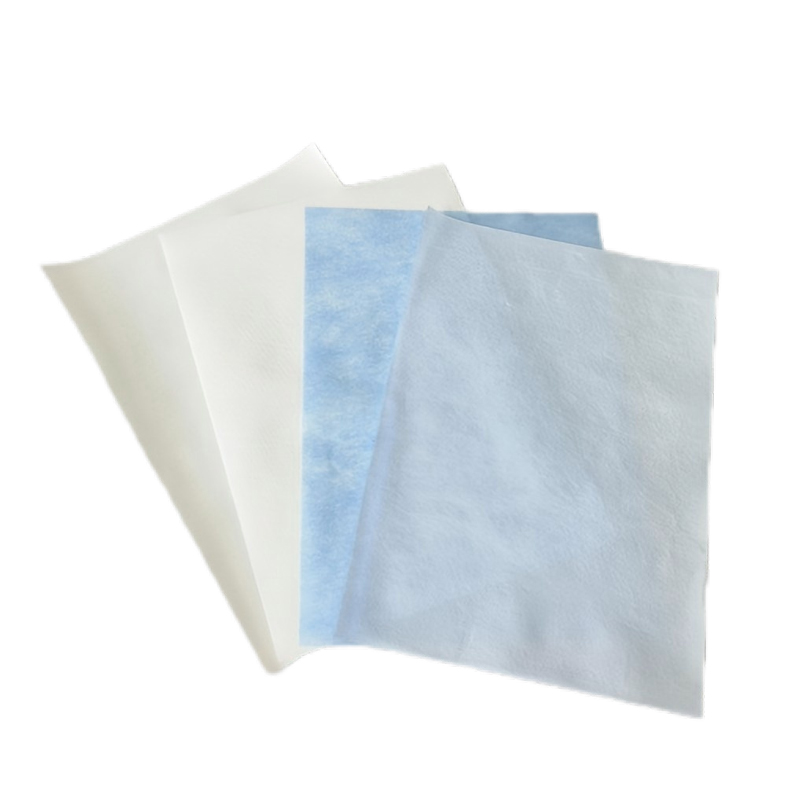 Breathable Film Laminates
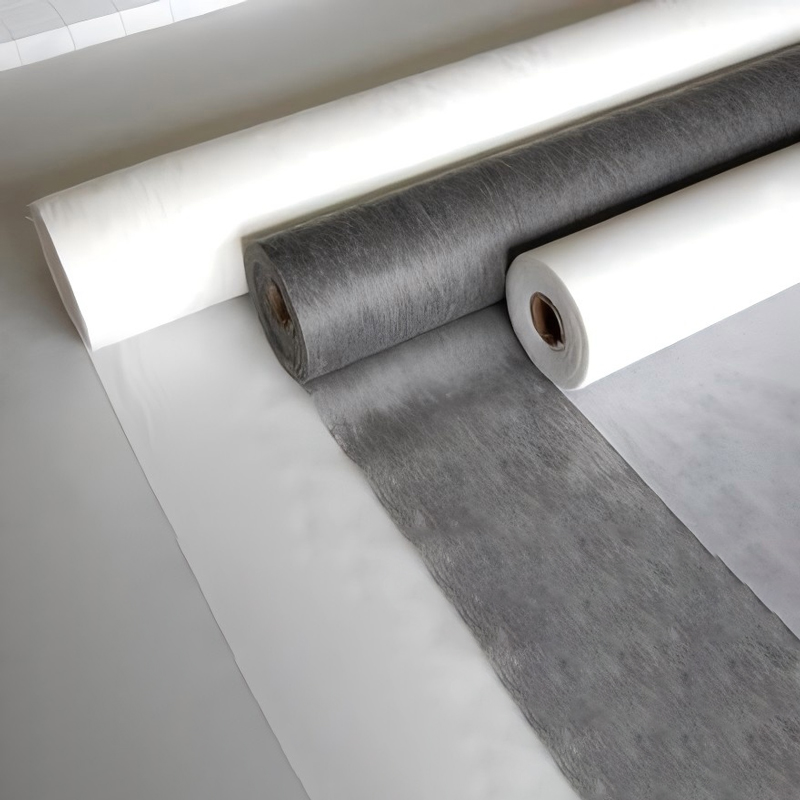 Nonwoven Interlining
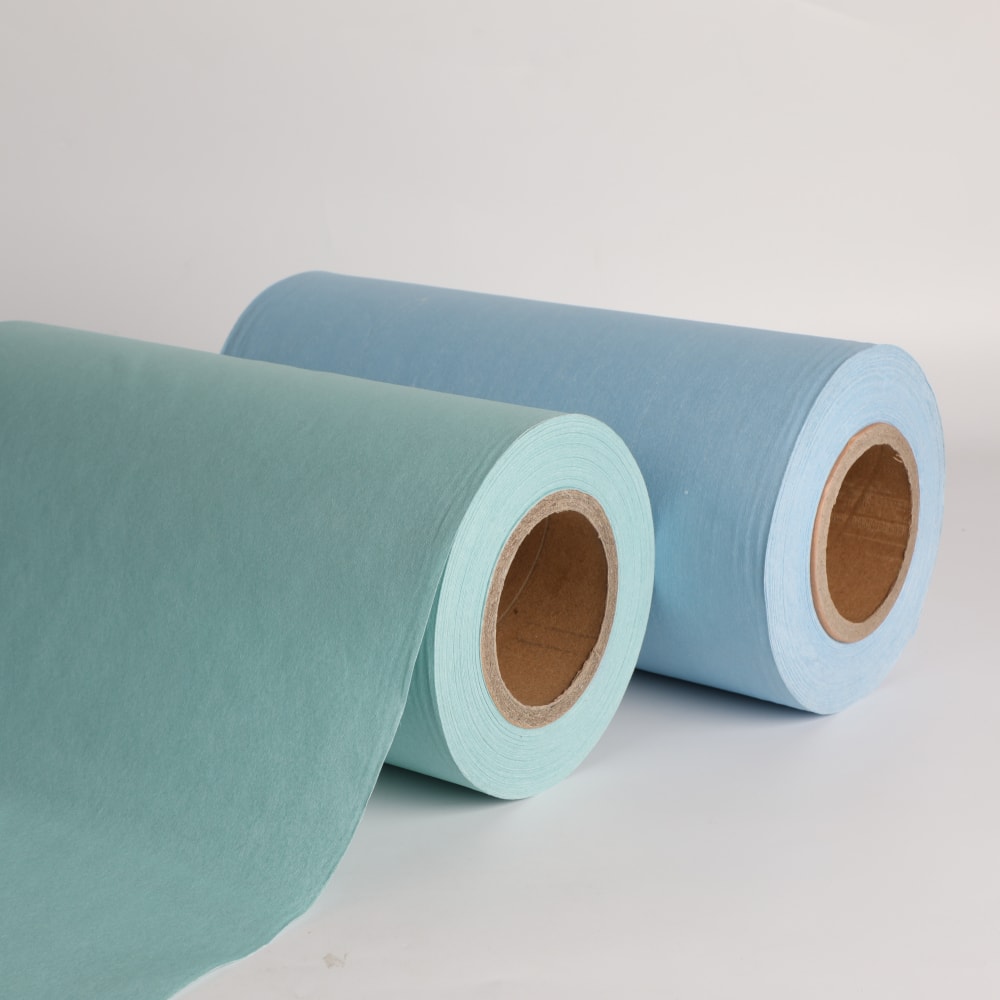 Fluid Repellent Woodpulp Spunlace Nonwoven
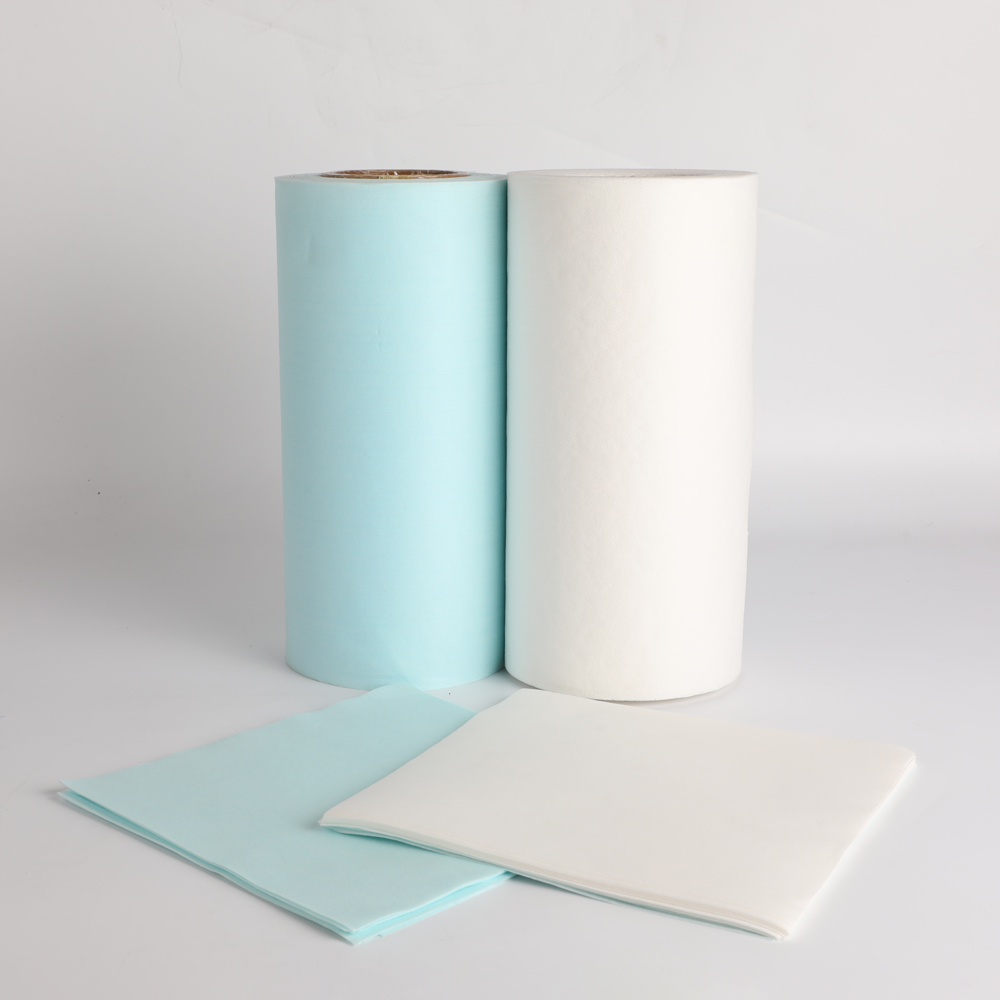 Woodpulp Nonwoven Wipe
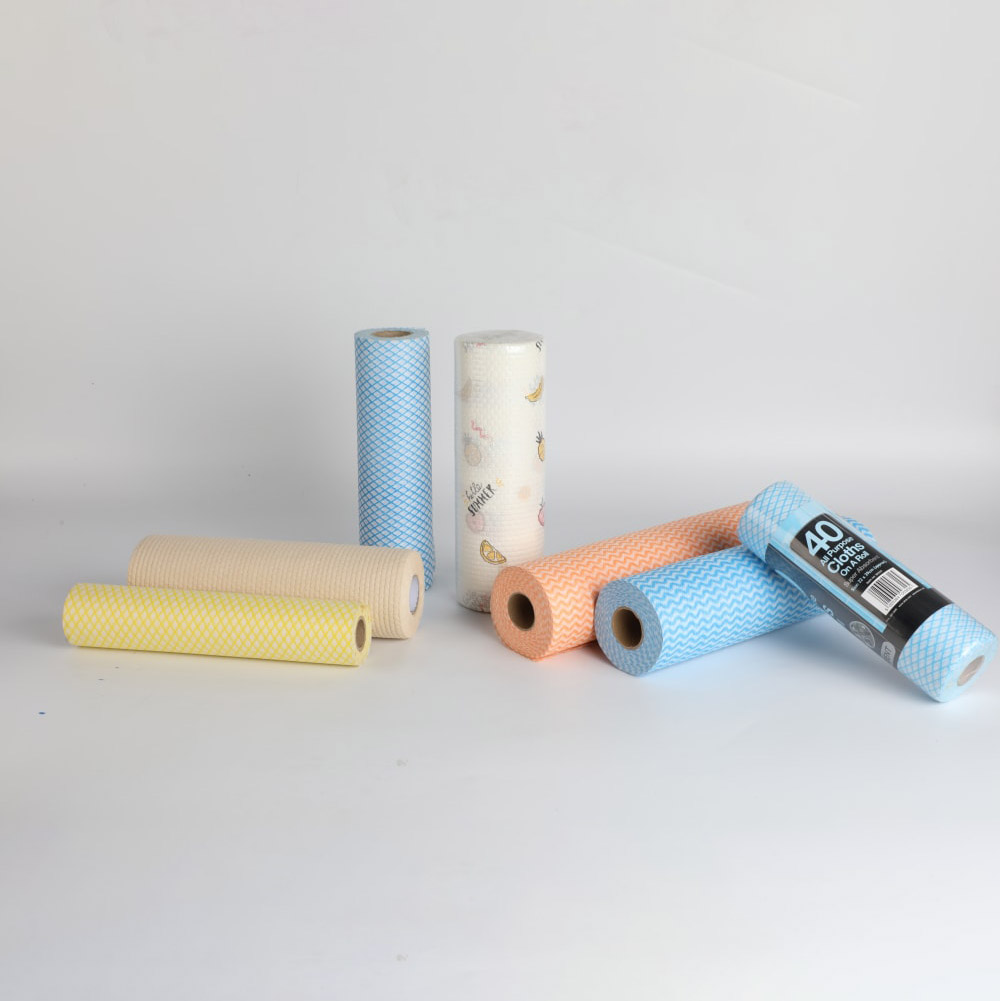 Nonwoven Cleaning Wipe
 Curtain Nonwoven
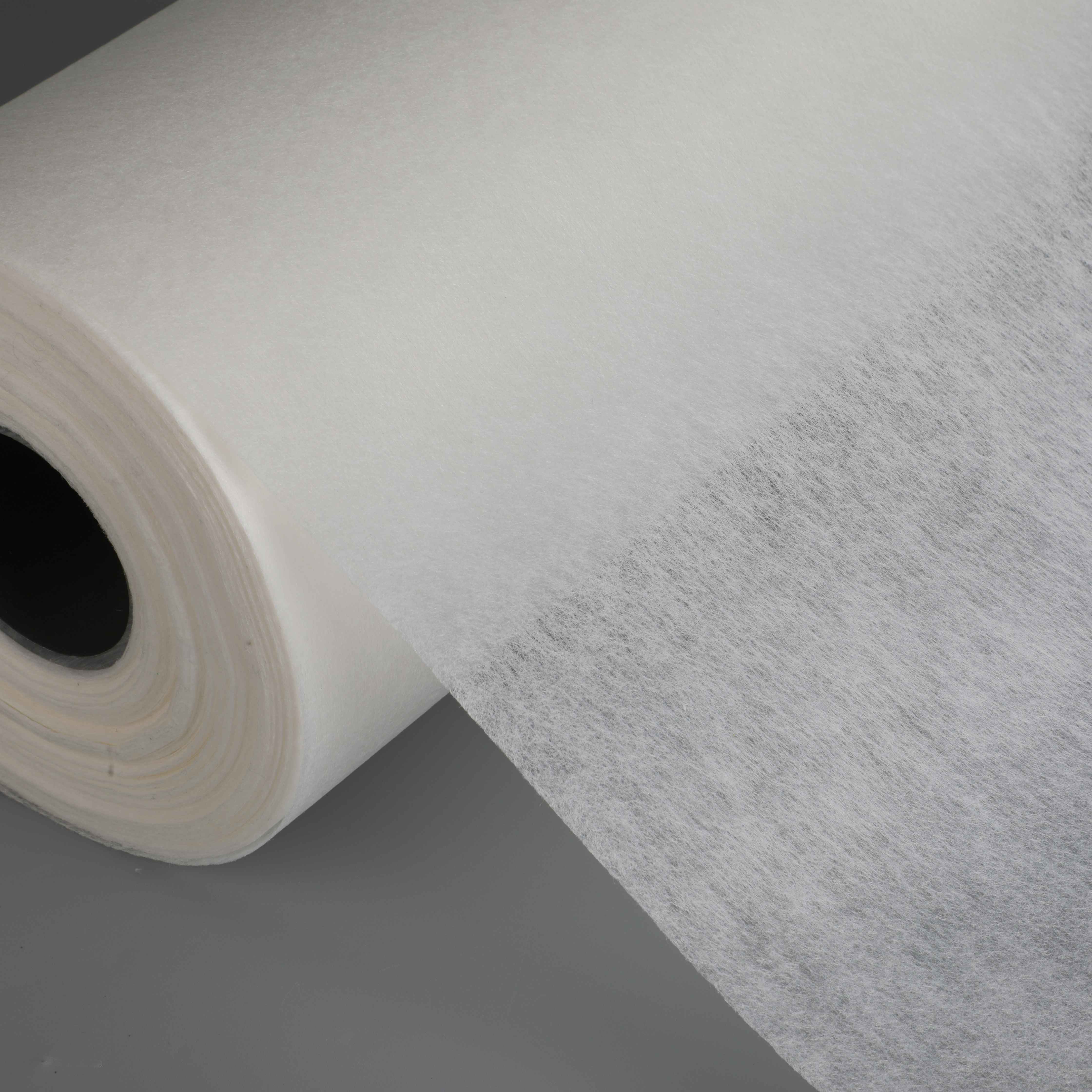 Food Grade Packaging Nonwoven
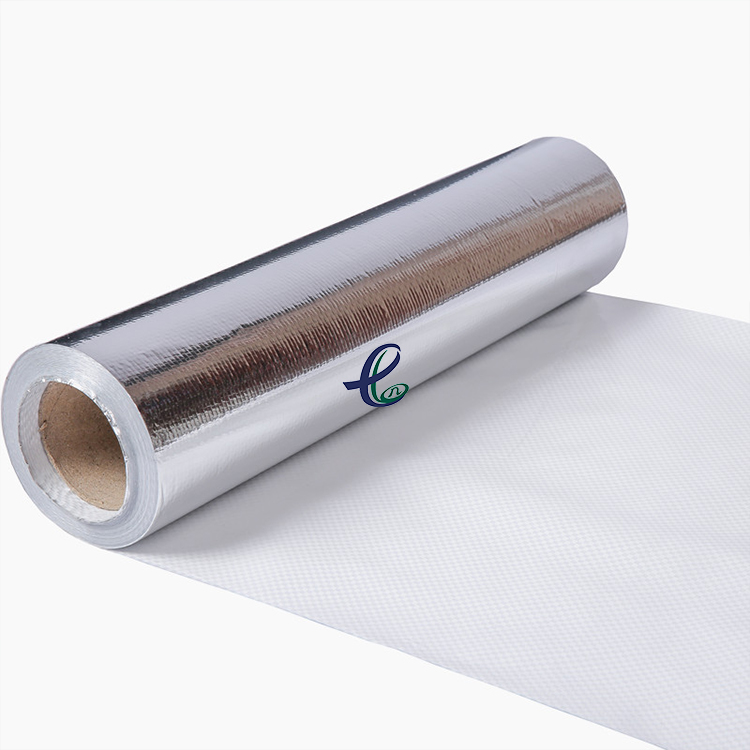 Aluminized Nonwoven
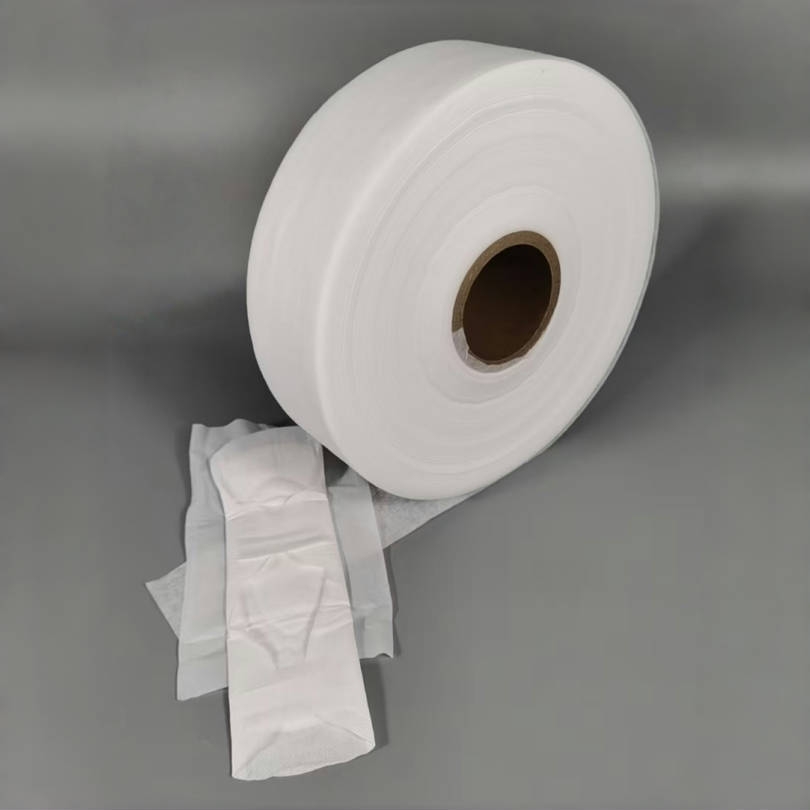 Hot Air Cotton Nonwoven
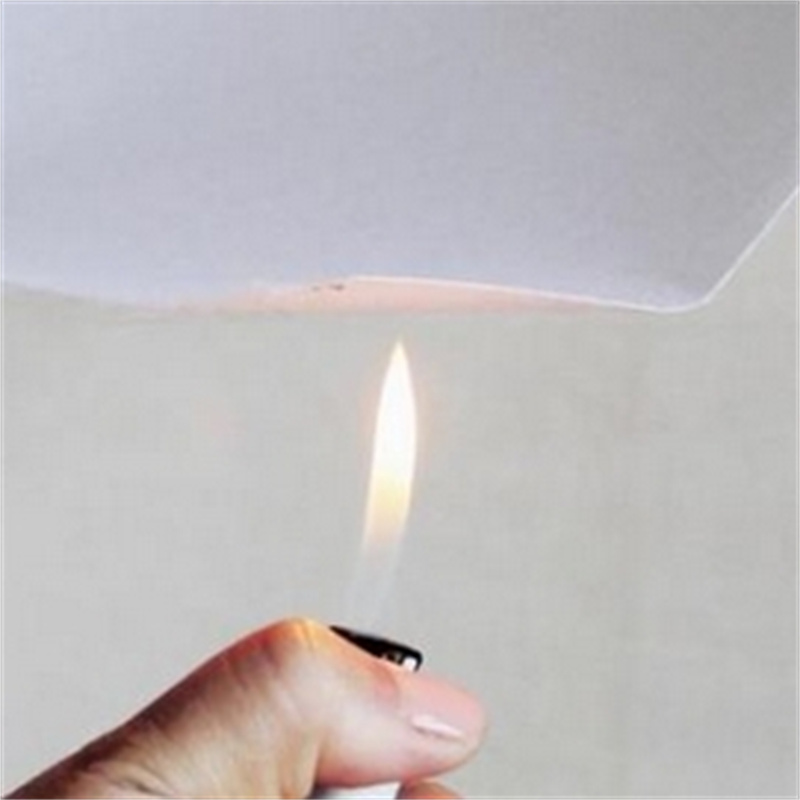 Flame Retardant Nonwoven
 Cable Wrapping Nonwoven
 Semi-conductive Nonwoven
 Anti-Bacterial Nonwoven
 +8613957712400
 CONTACT WhatsApp
 CONTACT WeChat
 CONTACT NUMBER
 CONTACT EMAIL