How to Choose the Best Medical Disposable Nonwoven Products?
When selecting medical disposable nonwoven products, understanding their significance is crucial. The global market for nonwoven fabrics is expected to reach approximately $63.1 billion by 2027, driven by advancements in healthcare and hygiene. Medical disposable nonwoven products play a pivotal role in maintaining cleanliness and preventing infections.
These products include surgical gowns, masks, and drapes, essential in various medical settings. According to industry reports, the demand for these items surged by about 30% during the pandemic. Despite their importance, not all products meet the necessary industry standards. Evaluating certifications and manufacturing processes is vital to ensure safety and efficacy.
Choosing high-quality medical disposable nonwoven items can be daunting. It's essential to consider factors like material composition, breathability, and fluid resistance. Inadequate selection can lead to serious risks. The challenge lies not only in finding reliable sources but also in navigating the myriad options available. As medical practices evolve, so do the requirements for these products, making informed choices more necessary than ever.
Understanding the Importance of Nonwoven Products in Healthcare Settings
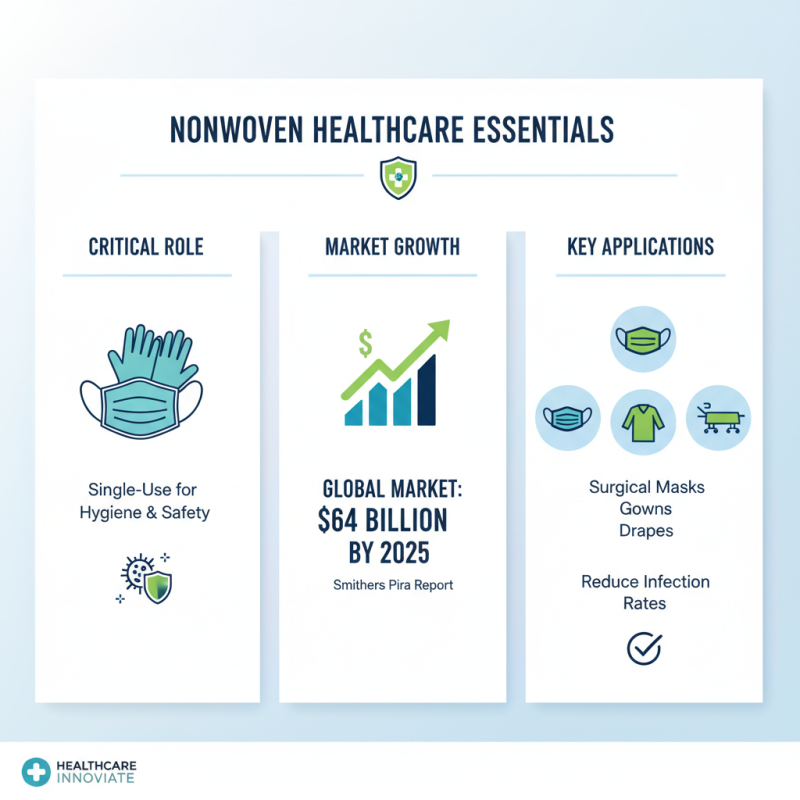
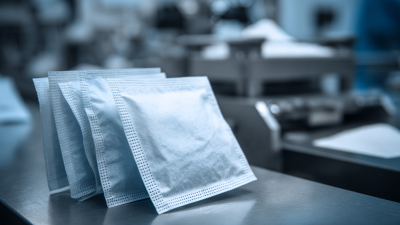
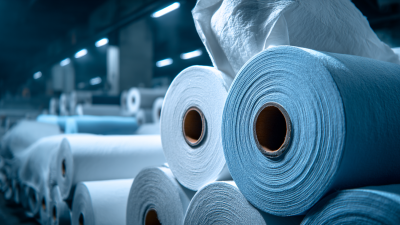
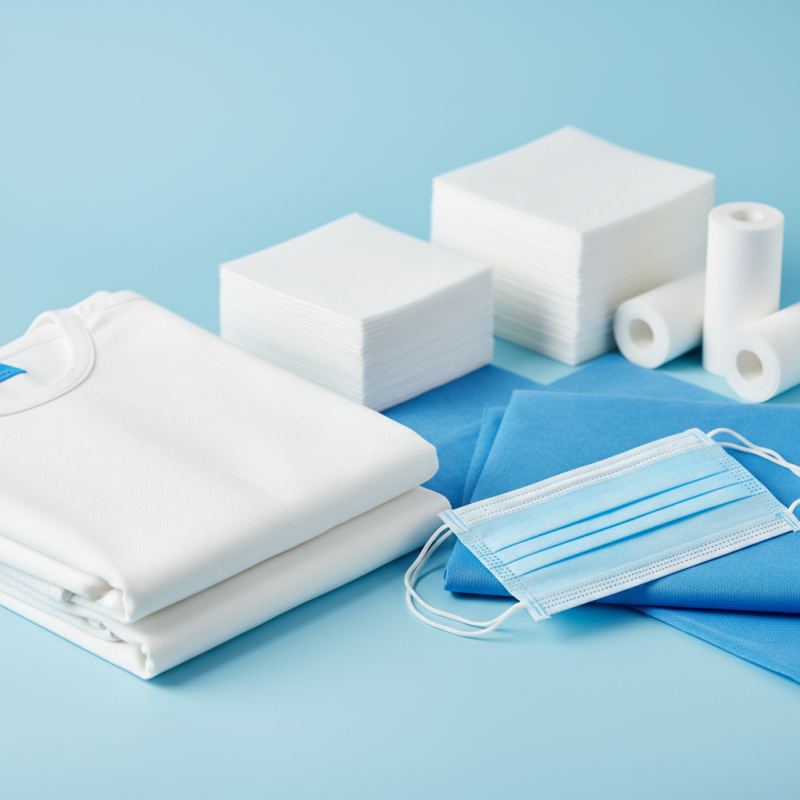
Nonwoven products play a critical role in healthcare settings. They are designed for single-use, ensuring hygiene and safety. According to a report from Smithers Pira, the global market for nonwoven fabrics is expected to reach $64 billion by 2025. This surge highlights their importance in medical applications. Surgical masks, gowns, and drapes are key examples. They help reduce infection rates significantly.
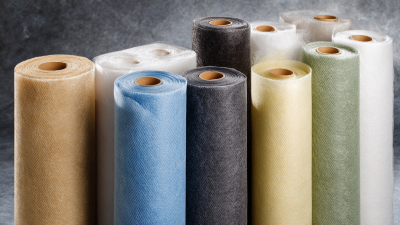
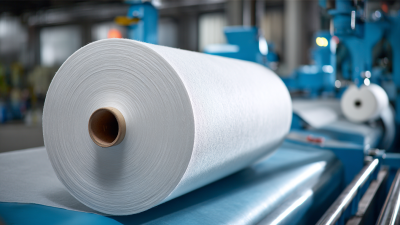
The production of nonwoven materials is highly specialized. Techniques like spunbond and meltblown create fabrics that are strong yet breathable. Statistics show that nonwoven gowns can reduce bacterial transmission by up to 95%. However, not all nonwoven products are created equal. Some may not meet stringent medical standards. It's crucial for buyers to understand certification processes.
Healthcare facilities must invest wisely in these products. Cost is a factor, but quality should not be compromised. Reports indicate many facilities experience overspending due to poor quality items. Not every cheap product serves its purpose well. Reviews and verification can ensure safer choices. Understanding these nuances is essential for optimal healthcare outcomes.
Key Factors in Selecting High-Quality Medical Disposable Nonwoven Materials
When selecting high-quality medical disposable nonwoven materials, several key factors stand out. The effective barrier properties are crucial. According to a recent industry report, over 70% of healthcare-associated infections are linked to improper protection. Thus, materials must provide adequate fluid and bacterial resistance.
Additionally, breathability plays a significant role. Nonwoven fabrics need to offer comfort for prolonged use without compromising safety. The ideal material allows moisture vapor transmission while keeping contaminants at bay. A study suggested that 68% of healthcare workers prefer products that balance both features.
Another critical aspect is the material's dermal compatibility. The right nonwoven should minimize skin irritation. Reports indicate that around 40% of users experience allergic reactions due to poor-quality materials. This data highlights the need for thorough material assessments. Relying solely on price can lead to regrettable choices. Attention to certifications and material sourcing can significantly impact performance and user safety.
How to Choose the Best Medical Disposable Nonwoven Products? - Key Factors in Selecting High-Quality Medical Disposable Nonwoven Materials
| Factor |
Importance |
Recommended Standards |
Common Applications |
| Material Composition |
High |
99% polypropylene content |
Surgical gowns, masks |
| Hydrophobicity |
Medium |
Water repellant tests |
Protective clothing, drapes |
| Breathability |
High |
High Moisture Vapor Transmission Rate (MVTR) |
Face masks, surgical drapes |
| Strength and Durability |
High |
Tensile strength tests |
Medical gowns, protective covers |
| Biocompatibility |
Critical |
ISO 10993 certification |
Implantable devices, wound care |
| Cost-effectiveness |
Medium |
Competitive pricing within industry standards |
General surgical use, outpatient care |
Evaluating the Performance Standards of Nonwoven Products in Medical Use
When evaluating the performance standards of nonwoven products in medical use, several factors come into play. The fabric composition is crucial. Nonwoven materials typically range from polypropylene to polyester. Each has distinct properties affecting durability and fluid resistance. Checking the weight of the fabric can also reveal important insights. Heavyweight products might offer better protection, but they also may lack breathability.
Another vital aspect is the intended usage. Some products are designed for single use, while others claim multiple uses. This differentiates their performance expectations significantly. For example, surgical drapes must ensure high barrier protection, while patient gowns might prioritize comfort over strength. This variety can make choosing the right product challenging.
Finally, consider the certifications that nonwoven products carry. Regulatory standards provide a benchmark for quality, yet not every product meets these requirements. Looking into these certifications can reveal potential flaws in products that seem reliable at first glance. Not all manufacturers adhere strictly to these performance standards, complicating the selection process even further. A thorough understanding is necessary to make informed choices.
Performance Standards of Medical Disposable Nonwoven Products
Comparing Cost-Effectiveness of Various Nonwoven Disposable Options
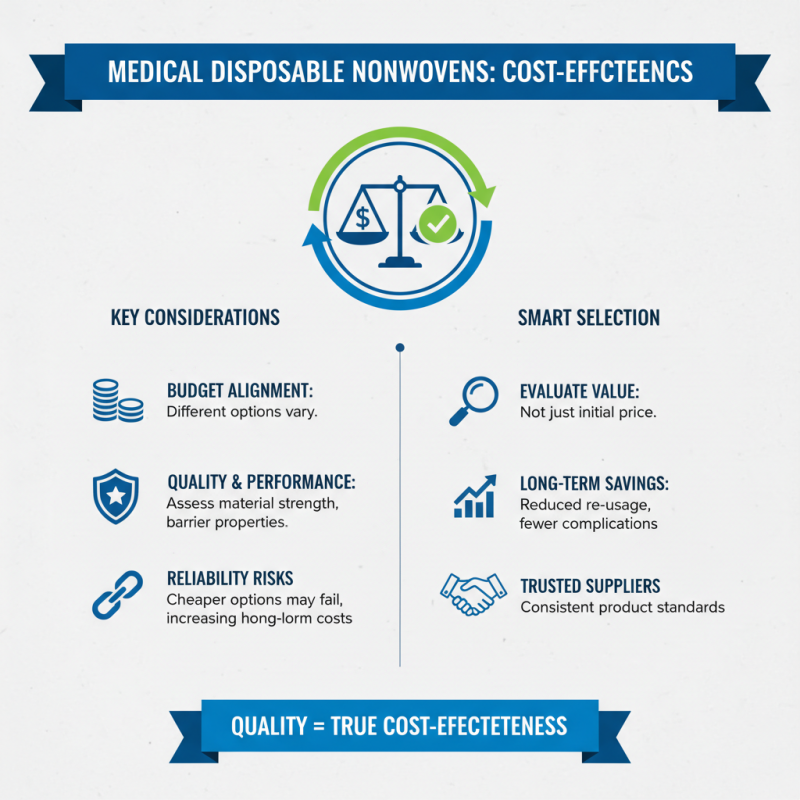
When selecting the best medical disposable nonwoven products, cost-effectiveness is crucial. Different options are available, but not all fit your budget. Assessing their quality and performance is vital. Sometimes, cheaper products might fall short in reliability, leading to increased costs later.
Here are some tips to consider:
1. Analyze your usage. Estimate how many products you need monthly. This can help identify bulk purchasing options that save money.
2. Evaluate the material. Not all nonwoven fabrics are equal. A lower price might mean inferior absorption or durability.
3. Account for potential waste. If a product tears easily, it may require you to use more. This can negate savings from a lower initial price.
Different suppliers offer varying strengths in nonwoven products. Some focus on affordability, while others emphasize quality. It's essential to balance these factors. Sometimes, a mid-range option could provide the best overall value.
Don’t forget to check reviews. Feedback from users can reveal weaknesses in products you might not consider at first glance. A seemingly good deal may lead to disappointment. Always weigh your options carefully before making a decision.
Emerging Trends in Nonwoven Technology for Medical Applications
Emerging trends in nonwoven technology are reshaping the medical sector. These materials offer unique benefits that traditional fabrics can't match. For instance, they are lightweight yet durable. Medical professionals often prefer them for their versatility and comfort.
One noteworthy trend is the integration of biodegradable materials. This shift addresses environmental concerns. However, manufacturers face challenges in ensuring product reliability. Sustainability must not compromise quality. There is ongoing research into how these materials perform under various conditions.
Additionally, innovations in manufacturing processes are enhancing the performance of nonwoven products. Technologies such as electrospinning are on the rise. This method creates finer fibers, leading to better filtration and barrier properties. Yet, it requires careful optimization. Balancing performance and cost can be tricky. As the industry evolves, stakeholders must remain focused on quality and practicality.

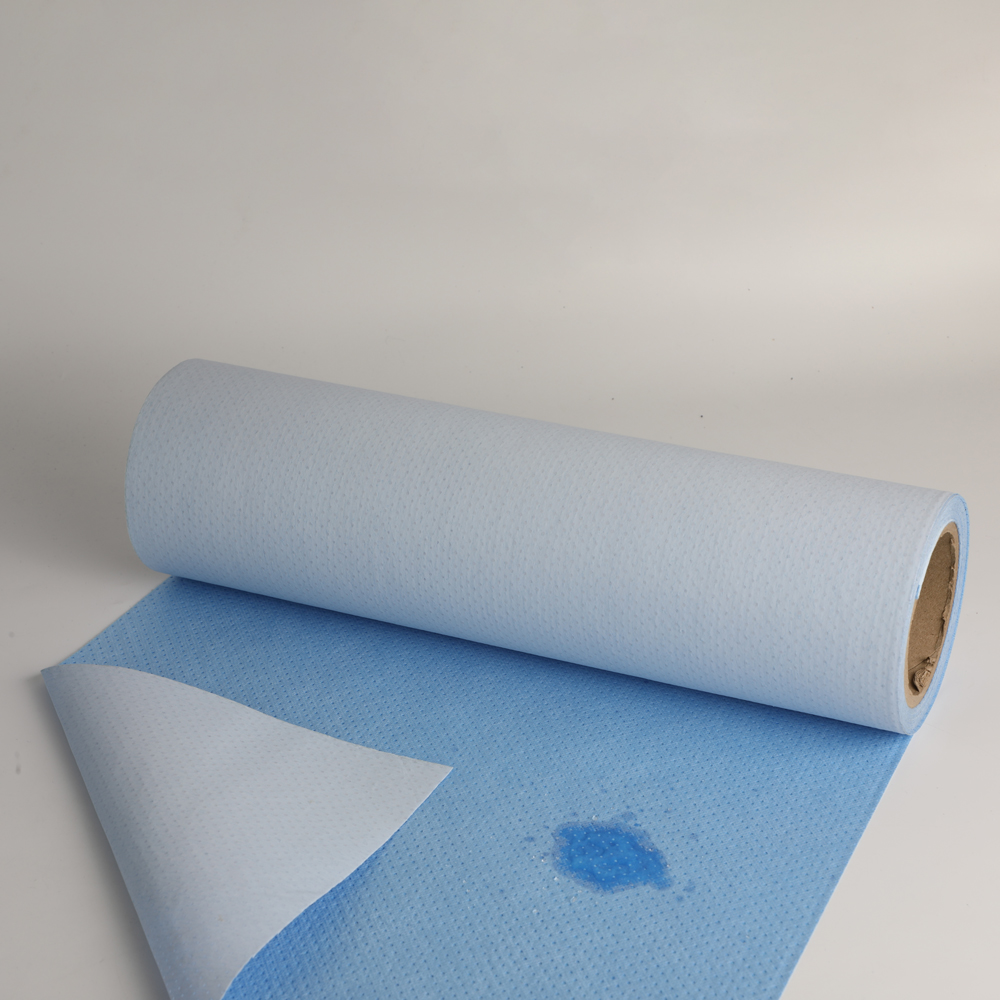 Multi Laminates
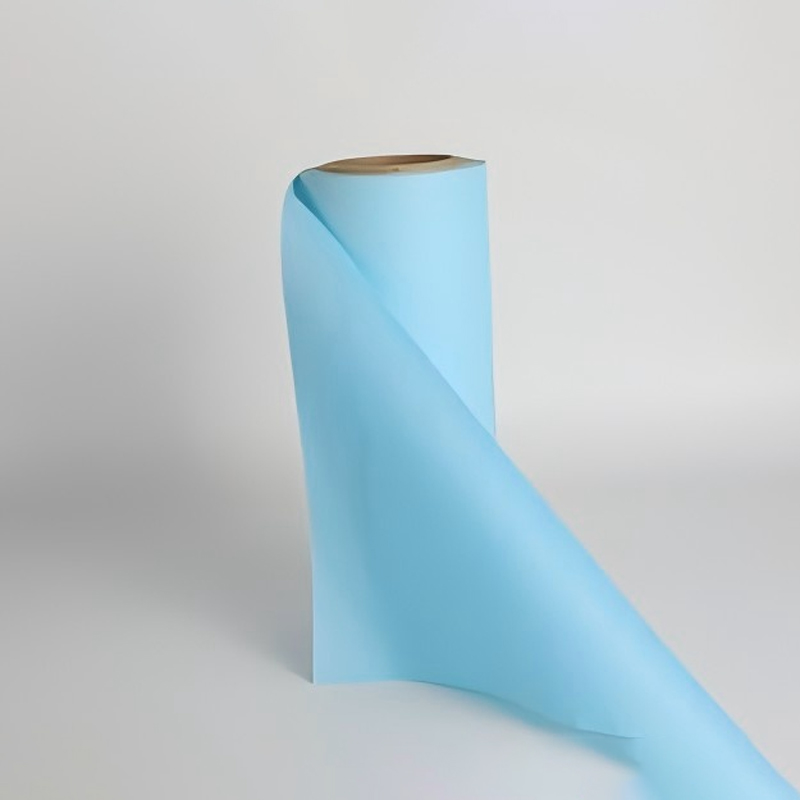 Spunlace Nonwoven Laminates
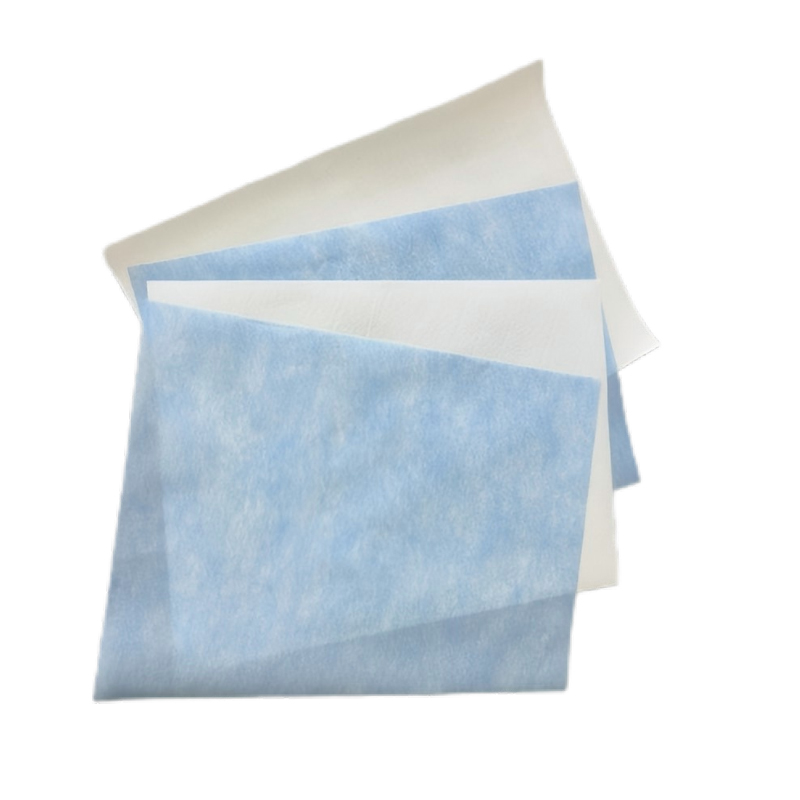 Breathable Film Laminates
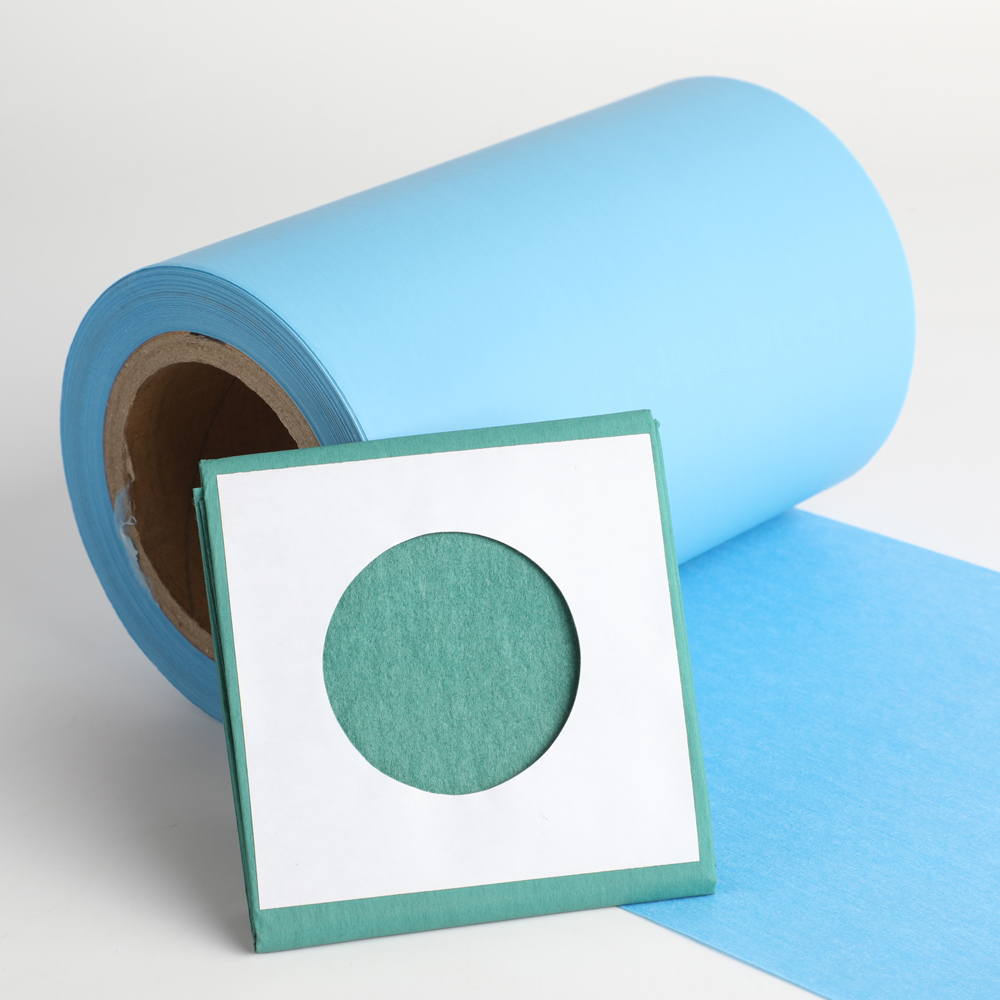 Viscose Laminates
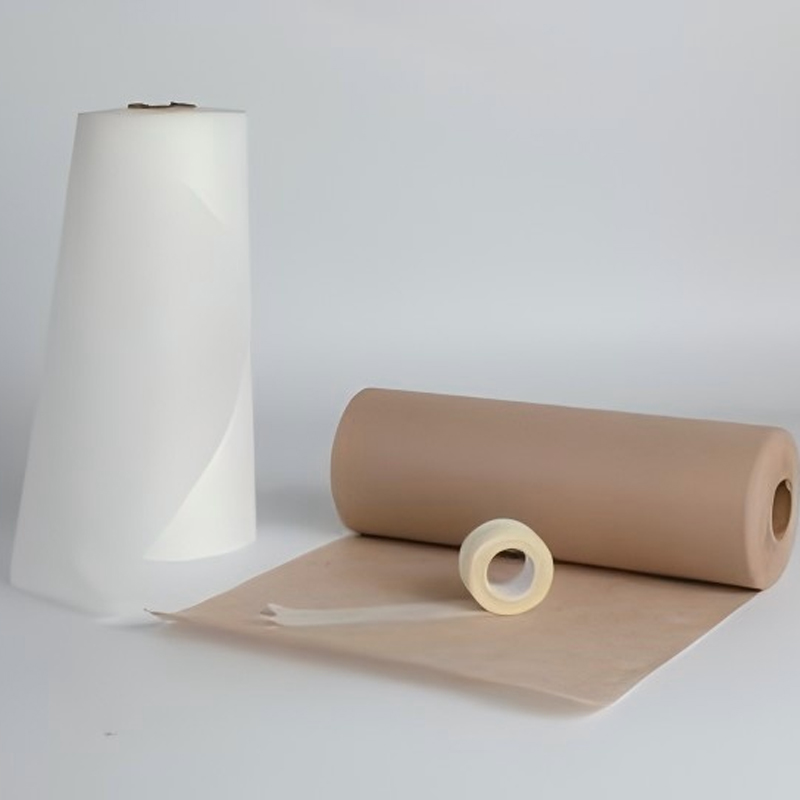 Medical Tape Nonwoven
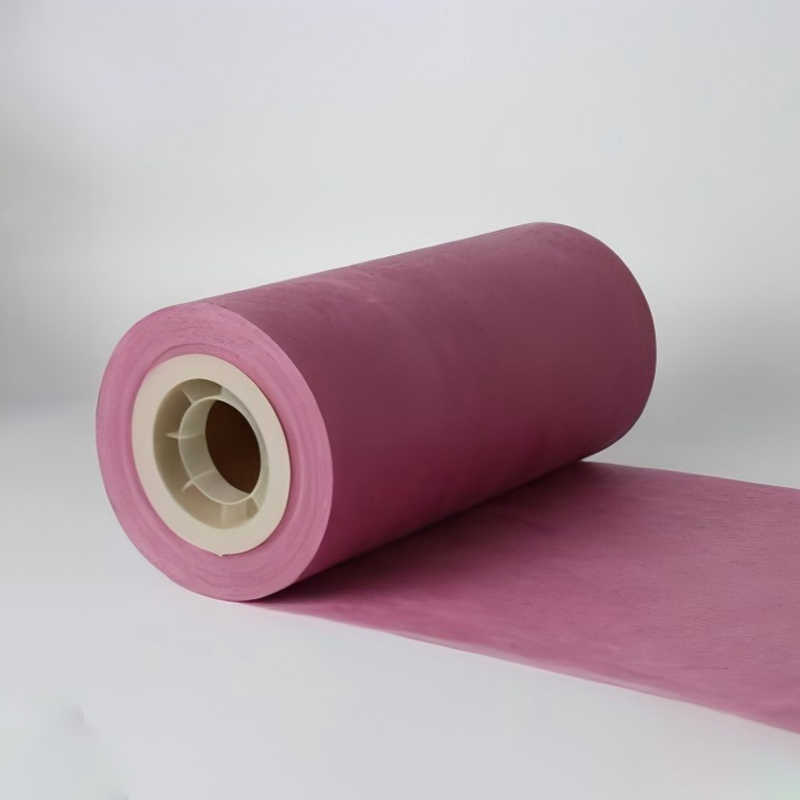 Filtration Nonwoven
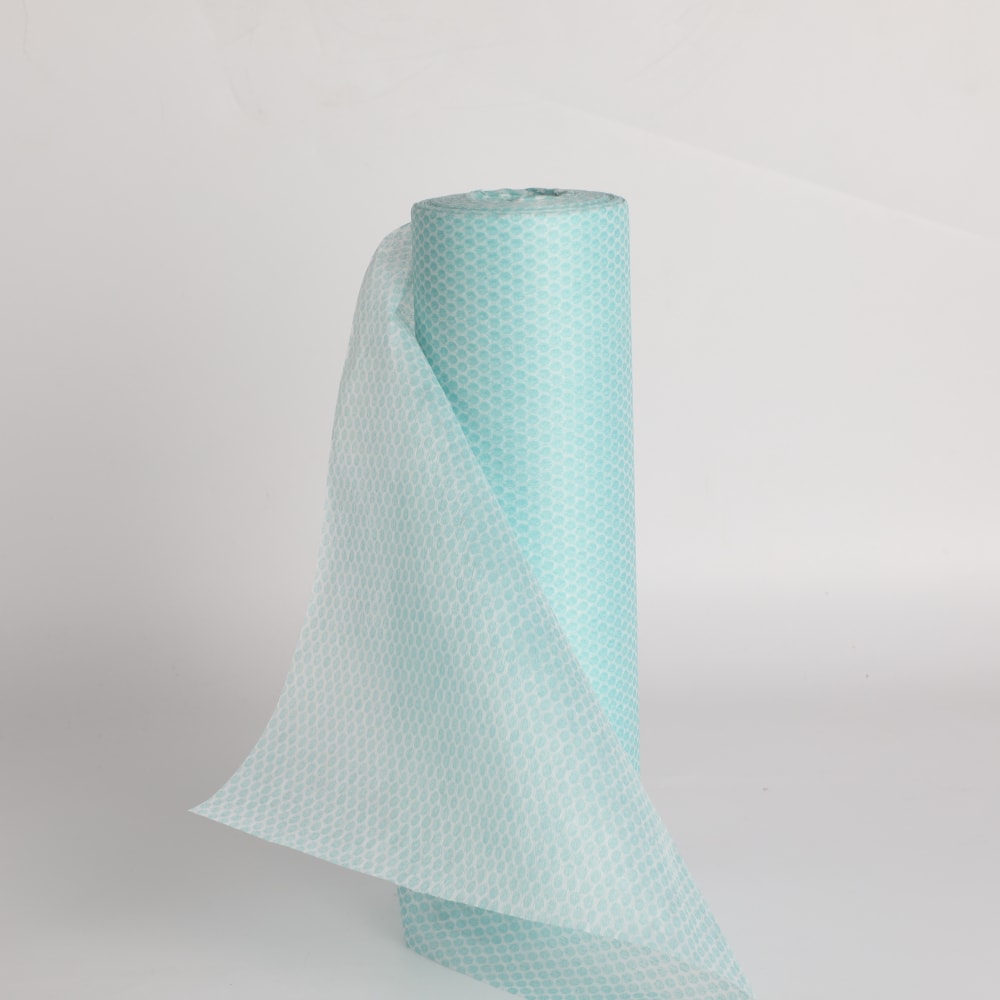 Head Wear Nonwoven
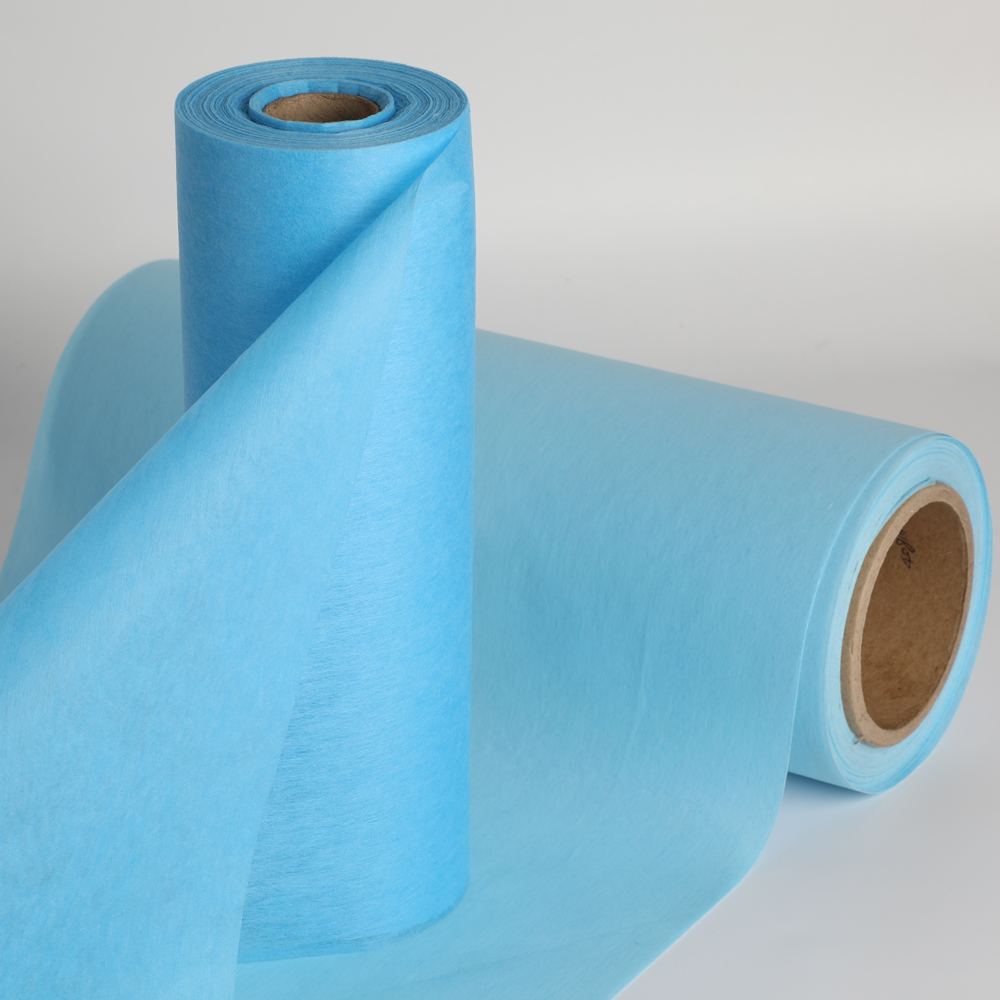 Medical Viscose Nonwoven
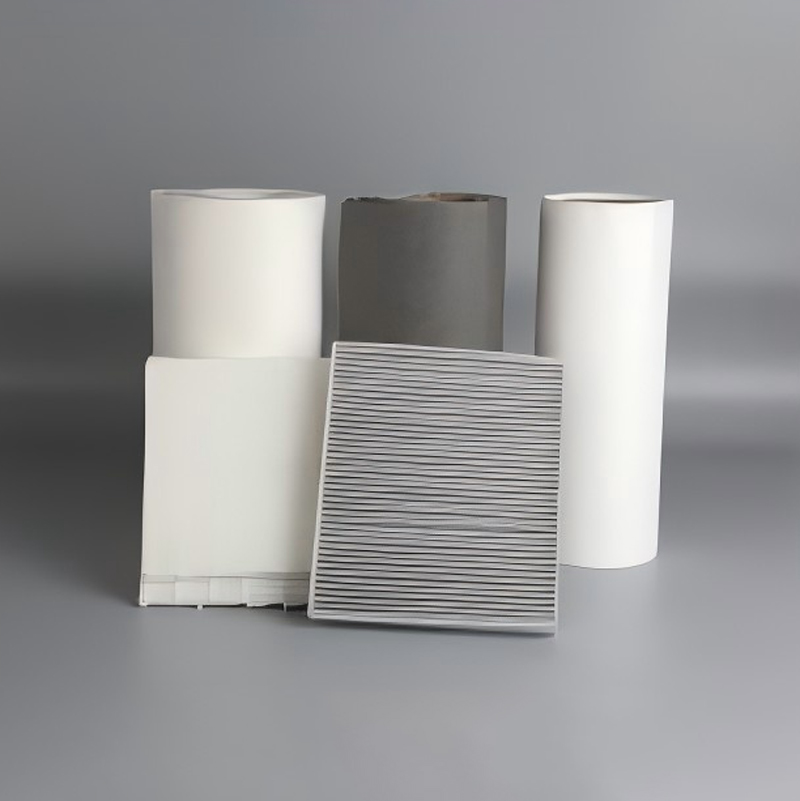 Air Filter Media
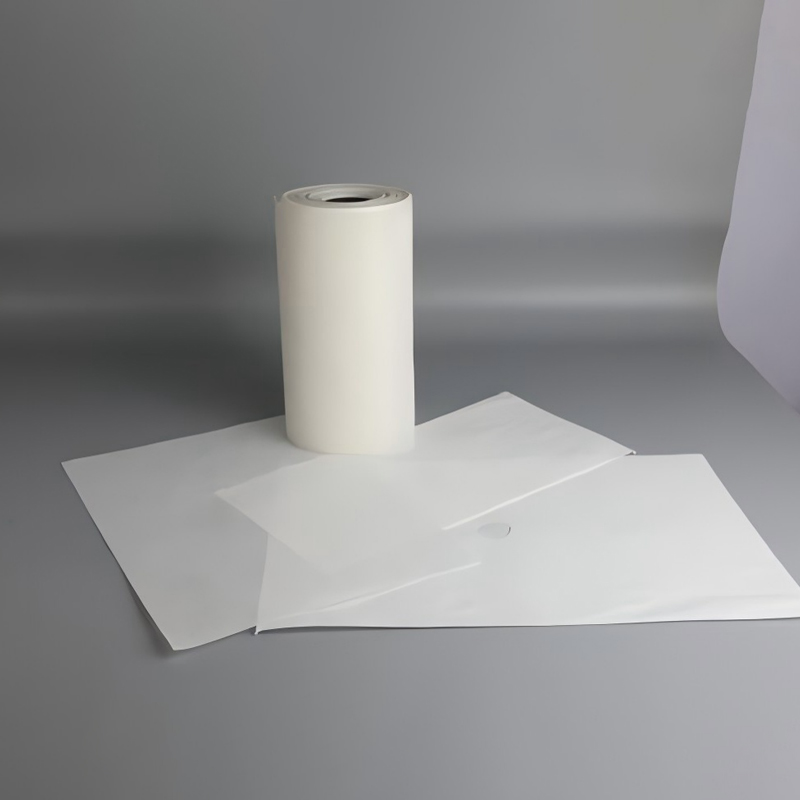 Liquid Filter Media
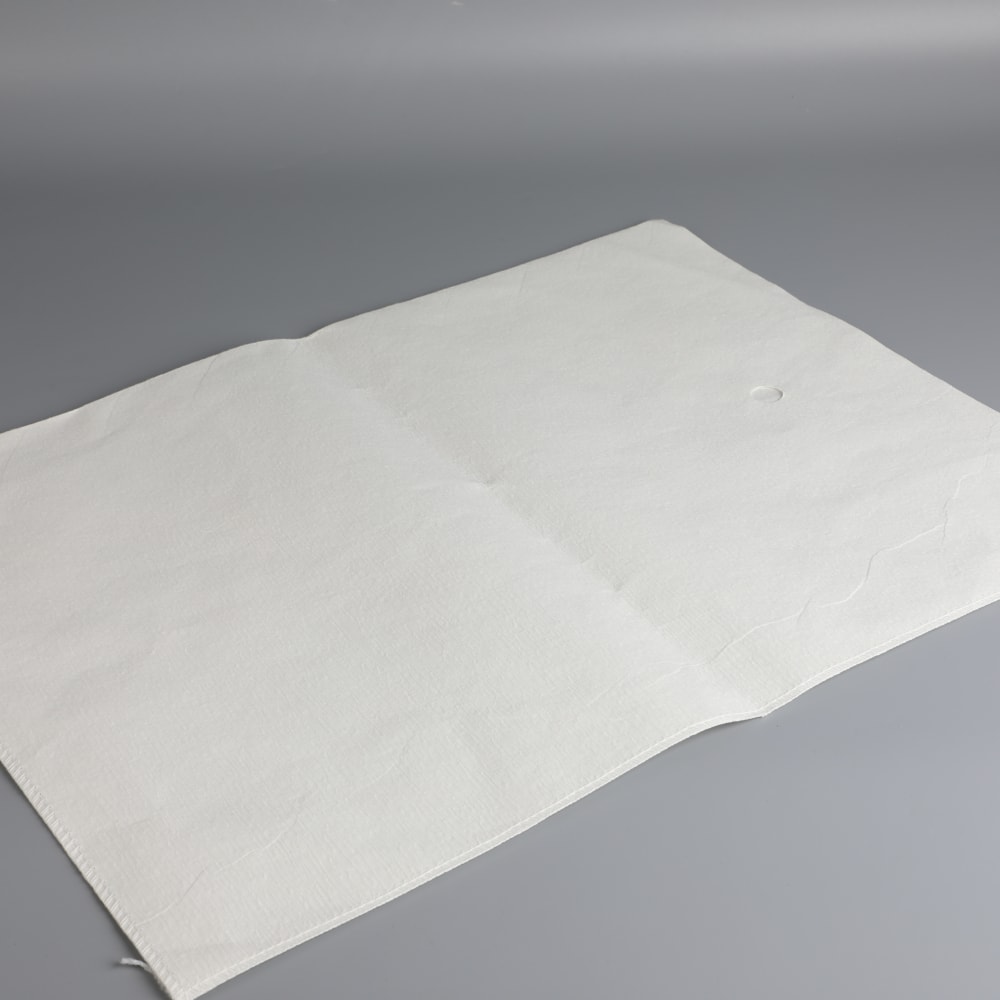 Filter Envelope & Filter Sheet
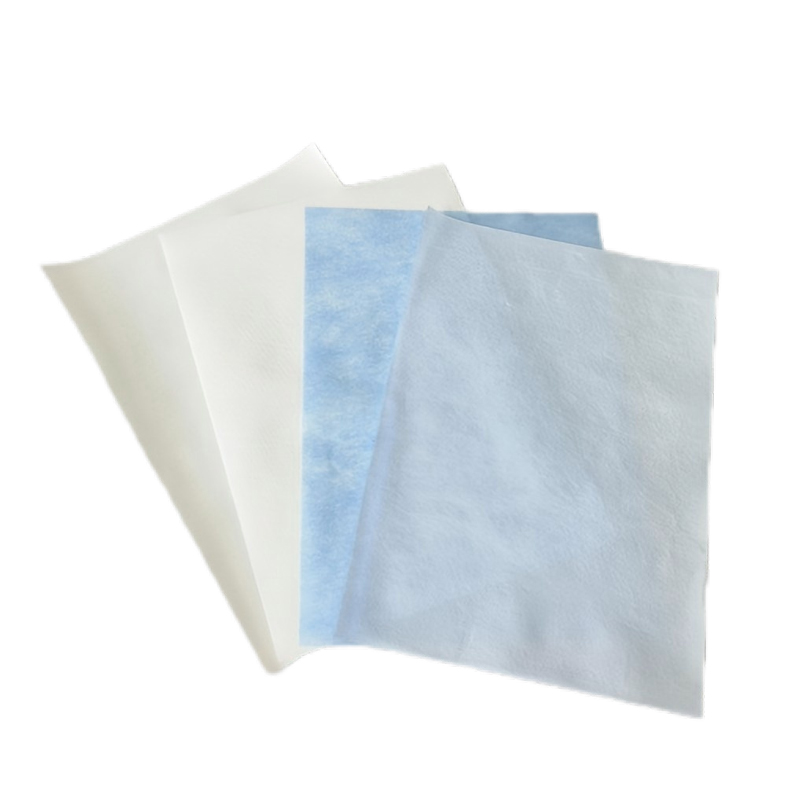 Breathable Film Laminates
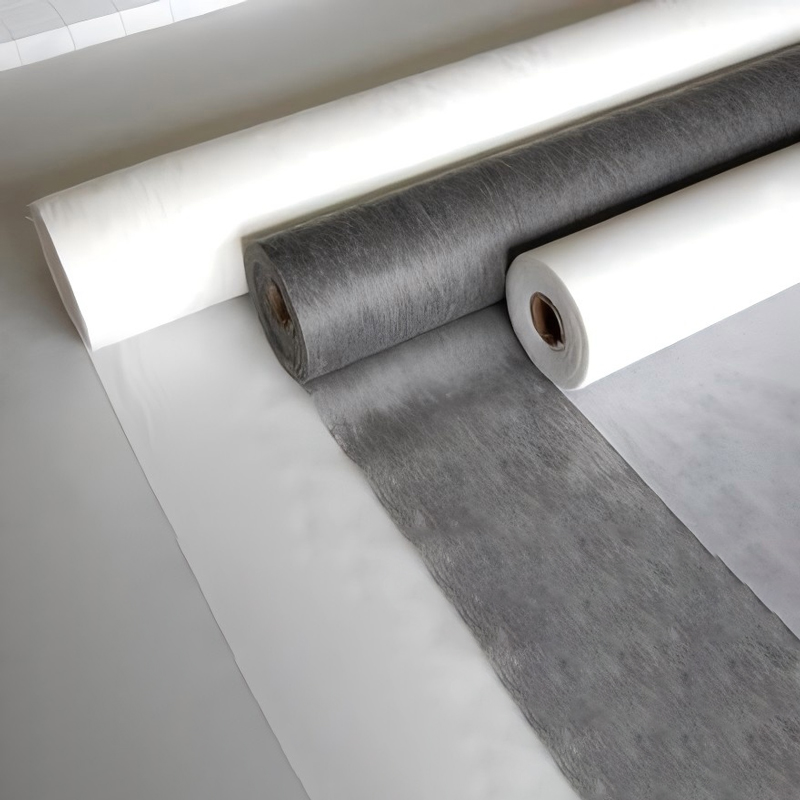 Nonwoven Interlining
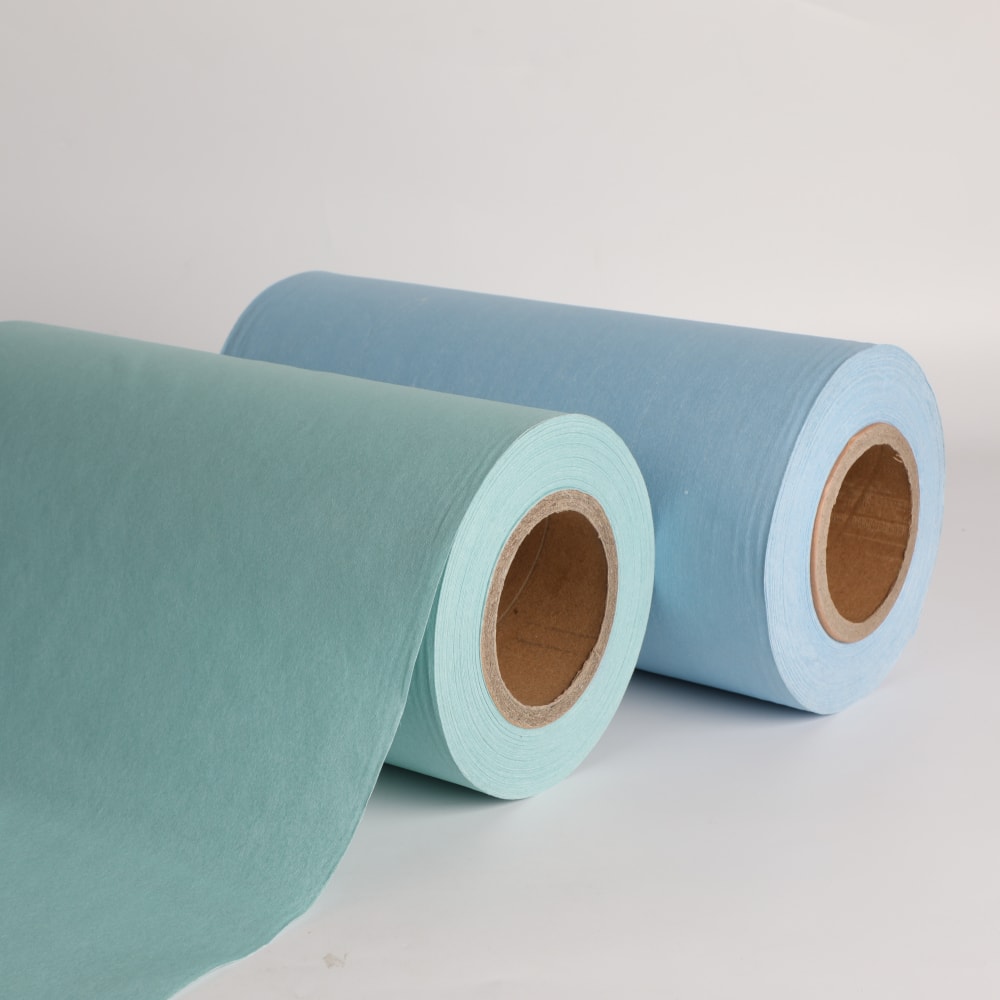 Fluid Repellent Woodpulp Spunlace Nonwoven
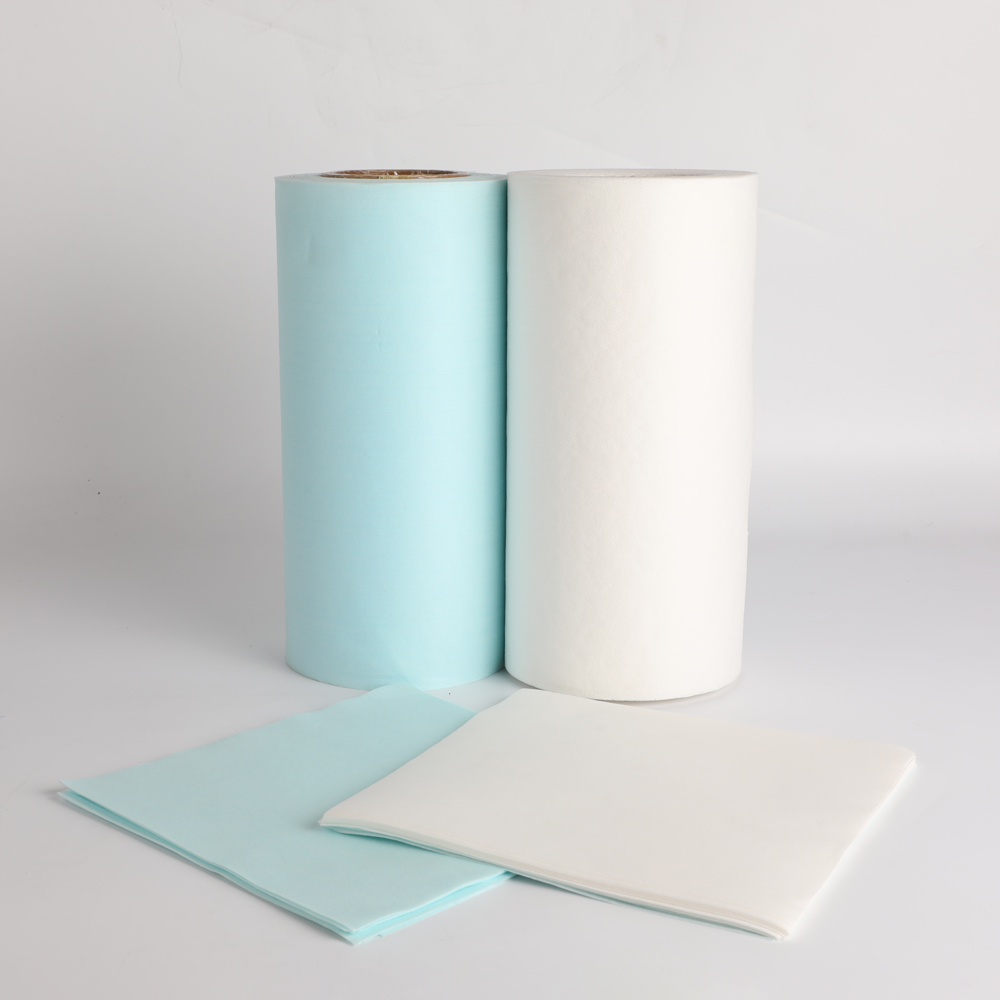 Woodpulp Nonwoven Wipe
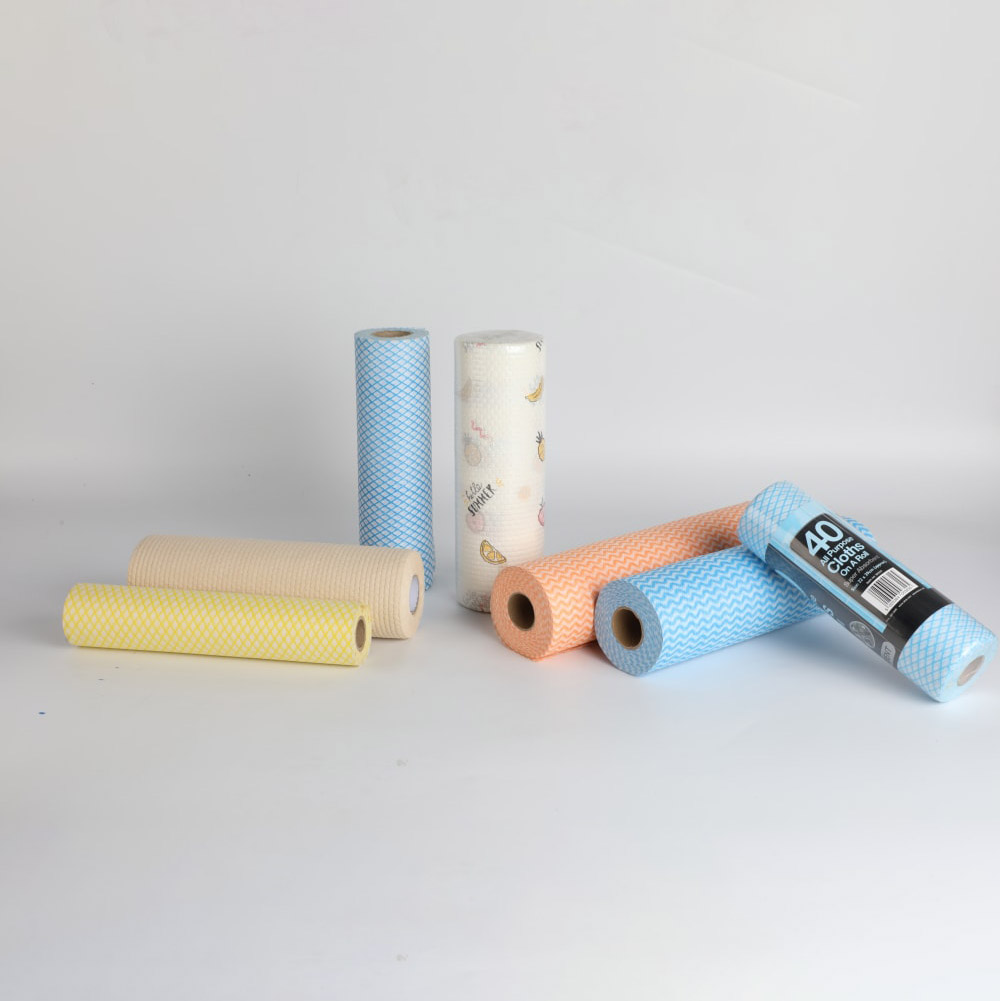 Nonwoven Cleaning Wipe
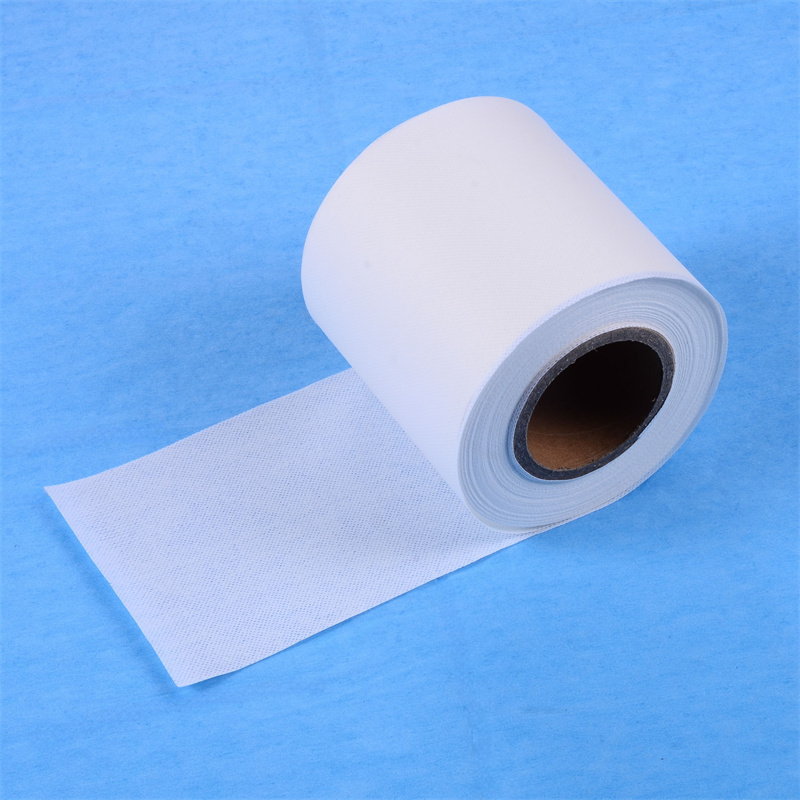 Flame Retardant Nonwoven Fabric
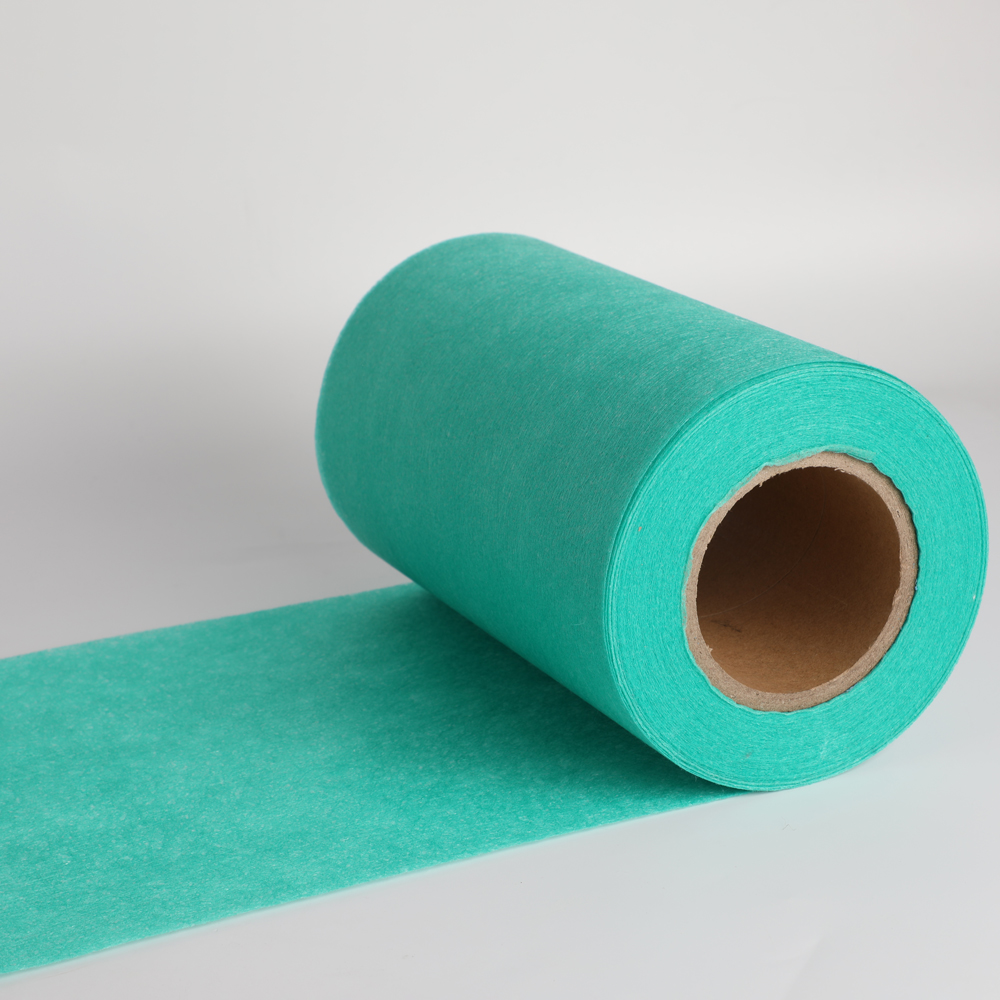 Anti-Bacterial Nonwoven
 CONTACT WhatsApp
 CONTACT WeChat

 CONTACT NUMBER
 CONTACT EMAIL