China Best Non Woven Polyester Fabric for Your Sourcing Needs?
In recent years, the demand for Non Woven Polyester Fabric has surged significantly. According to a report by Smithers Pira, the global market for non-woven fabrics is projected to reach USD 50 billion by 2025. This growth reflects the increasing versatility and applications of Non Woven Polyester Fabric across various industries, including medical, automotive, and consumer goods.
Dr. Emily Chang, an expert in textile technology, highlighted the importance of these fabrics: "Non Woven Polyester Fabric offers unique benefits such as durability and breathability." This quality is vital for products ranging from disposable medical solutions to sustainable fashion. However, sourcing the best Non Woven Polyester Fabric can be challenging. Many suppliers still struggle with quality consistency and material sourcing transparency.
Companies need to reflect on their sourcing strategies. It’s essential to consider not only cost but also the material's environmental impact. Balancing quality with sustainability is a reflection of modern industry trends. As the market evolves, keeping informed and adaptable will be crucial for those seeking the best Non Woven Polyester Fabric.

Understanding Non-Woven Polyester Fabric: Definition and Features
Non-woven polyester fabric is gaining popularity in various industries. This fabric is made from polyester fibers that are bonded together using heat, pressure, or chemical methods. Unlike woven fabric, non-woven polyester does not have a traditional weaving pattern. It offers unique characteristics that make it suitable for a range of applications.
One of the primary features of non-woven polyester is its strength. It can withstand significant tension and pressure, which makes it ideal for items like bags and protective clothing. Additionally, this fabric is lightweight and breathable. It can also be produced in various thicknesses, allowing for versatility in different uses. However, while its durability is impressive, it's essential to consider the environmental impact of polyester production. Is it sustainable? This is a question many sourcing managers ponder.
Another notable characteristic is the fabric's resistance to moisture and chemicals. It can be treated to enhance these properties further. That said, some products might not meet specific industrial standards, leading to issues in quality control. Companies must perform thorough testing to ensure compliance with safety regulations. Non-woven polyester fabric offers many advantages, but diligent sourcing and evaluation are crucial to achieve the best results.
Advantages of Non-Woven Polyester Fabric for Various Applications
Non-woven polyester fabric offers exceptional benefits for diverse applications. Its durability makes it ideal for products that require a long lifespan. With excellent resistance to tearing, this material withstands various stresses, ensuring reliability in use. From bags to industrial wipes, non-woven polyester can handle rigorous demands.
The fabric's lightweight nature is another significant advantage. It reduces transportation costs and simplifies handling. Its breathability allows air to circulate, which is vital in products such as medical masks and filtration systems. Also, the ease of maintenance is a plus. Washing does not diminish its integrity, making it practical for everyday use.
Despite its many benefits, challenges exist. Manufacturing processes can vary, affecting quality consistency. It is essential to source from reputable suppliers who prioritize quality control. Attention to detail in production ensures the fabric meets specific needs effectively. Continuous innovation and improvement in techniques can help address these concerns, promoting better products in the market.
Sourcing Options: Where to Find Quality Non-Woven Polyester Fabric in China
When looking for quality non-woven polyester fabric in China, several sourcing options present themselves. Major manufacturing hubs include Zhejiang, Guangdong, and Jiangsu provinces. These regions are known for their advanced production capabilities and a wide range of fabric options. Here, buyers can find various textures, weights, and colors to meet specific needs.
Engaging with local suppliers can offer advantages. Many manufacturers provide customization services and small minimum order quantities. However, clients should beware of quality inconsistencies. Visiting factories can help ensure the fabrics adhere to required standards. Establishing strong communication with suppliers also ensures a smoother sourcing process. Sometimes, samples may not reflect the final product's quality.
Online platforms have transformed sourcing too. Websites allow buyers to compare various suppliers quickly. Yet, it’s essential to verify credentials and check reviews. A lack of attention to detail can lead to disappointing purchases. Explore trade fairs and exhibitions for direct interaction with manufacturers. These events enable networking and provide firsthand fabric insights.
China Best Non Woven Polyester Fabric for Your Sourcing Needs
| Fabric Type |
Weight (gsm) |
Width (cm) |
Color Options |
Applications |
| Standard Non-Woven Polyester |
60 |
160 |
White, Blue, Green |
Bags, Medical, Agriculture |
| Heavy Duty Non-Woven Polyester |
100 |
150 |
Black, Red, Yellow |
Construction, Automotive, Furniture |
| Lightweight Non-Woven Polyester |
40 |
120 |
Pink, Grey, Beige |
Disposable Products, Hygiene |
| Eco-Friendly Non-Woven Polyester |
80 |
130 |
Natural, Blue, Olive |
Reusable Bags, Crafts, Apparel |
| Flame Retardant Non-Woven Polyester |
90 |
140 |
White, Yellow, Gray |
Safety Gear, Industrial Use |
Key Manufacturers and Suppliers of Non-Woven Polyester Fabric in China
When sourcing non-woven polyester fabric, understanding the market in China is crucial. China is a leader in textile manufacturing, offering a variety of non-woven polyester options. These materials are used in industries like healthcare, automotive, and apparel. The rich variety ensures that businesses can meet specific needs without compromising quality.
Key manufacturers operate in several regions across China. They utilize advanced technology in their production processes. This enhances the durability and functionality of the fabrics. Some manufacturers specialize in specific applications, such as medical uses. Others focus on eco-friendly production methods. These factors can influence your sourcing decisions.
Finding reliable suppliers involves thorough research. Look for manufacturers with strong certifications and proven track records. Reviews from other clients can provide insights into their reliability. However, not all suppliers are equally trustworthy. Some may lack transparency in their processes. Engaging in direct communication is essential to clarify any doubts. This helps in building a strong relationship with your supplier, ensuring a smoother sourcing experience.
Quality Standards and Certifications for Non-Woven Polyester Fabric Products
When sourcing non-woven polyester fabric, understanding quality standards and certifications is crucial. The Global Non-Woven Fabrics Market Report highlights that these fabrics are expected to reach a value of $45 billion by 2027, driven by demand in various industries. Thus, adherence to quality standards directly impacts consumer trust and product usability.
Non-woven polyester fabric must meet specific certifications, such as ISO 9001 for quality management systems and OEKO-TEX Standard 100 for safety. These certifications ensure that the fabric is free from harmful substances, vital for applications in healthcare, automotive, and apparel industries. Many manufacturers may claim compliance, but verifying these certifications is critical.
However, challenges persist in maintaining consistent quality. Variations in raw materials can affect the end product, leading to potential failures. In 2021, the International Nonwovens & Disposable Association reported that only 40% of companies consistently met their quality standards. This inconsistency raises concerns for sourcing professionals who must ensure product reliability. Competing fabric options also complicate decisions, pressing buyers to consider multiple factors beyond just cost.
Quality Standards for Non-Woven Polyester Fabric

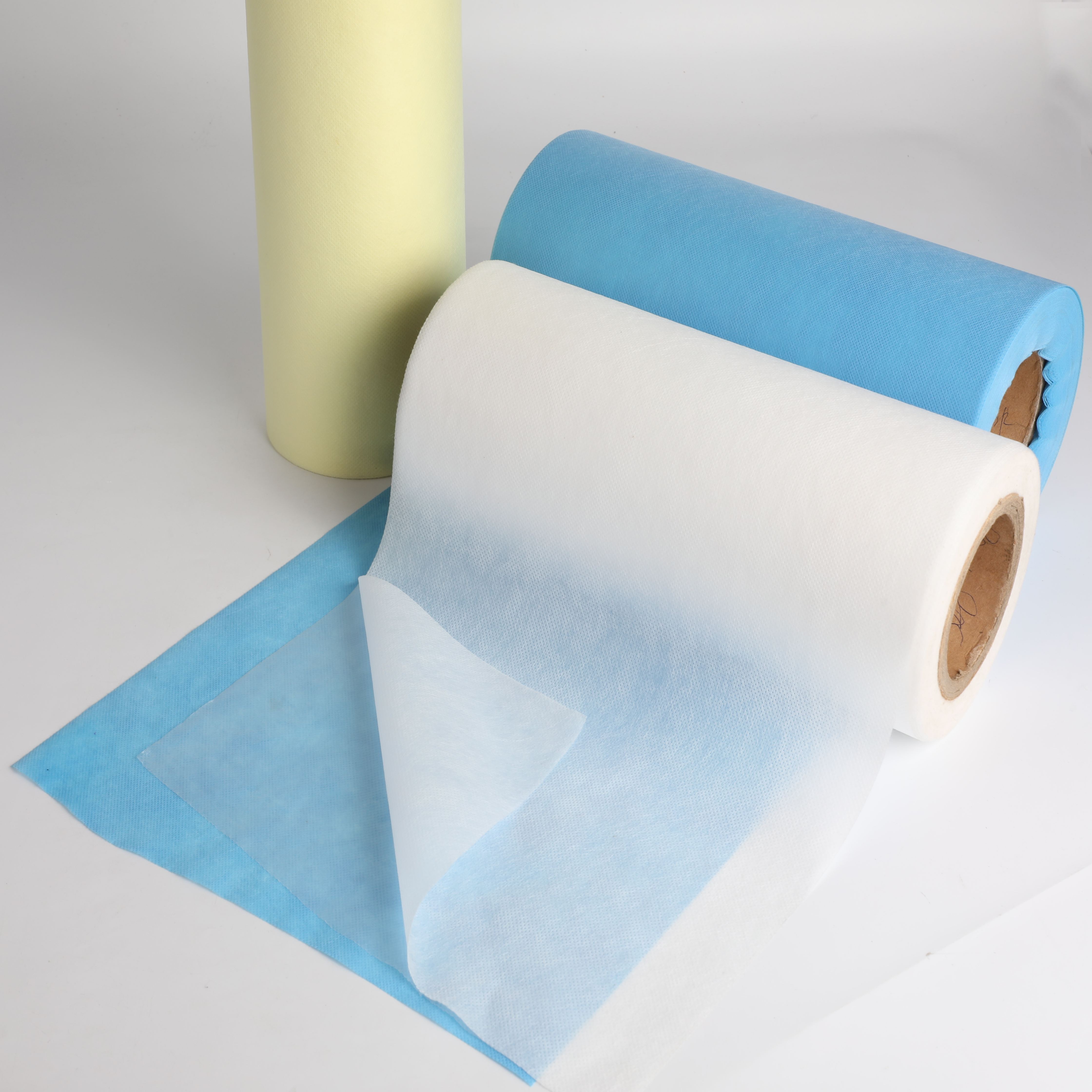 PP Laminates
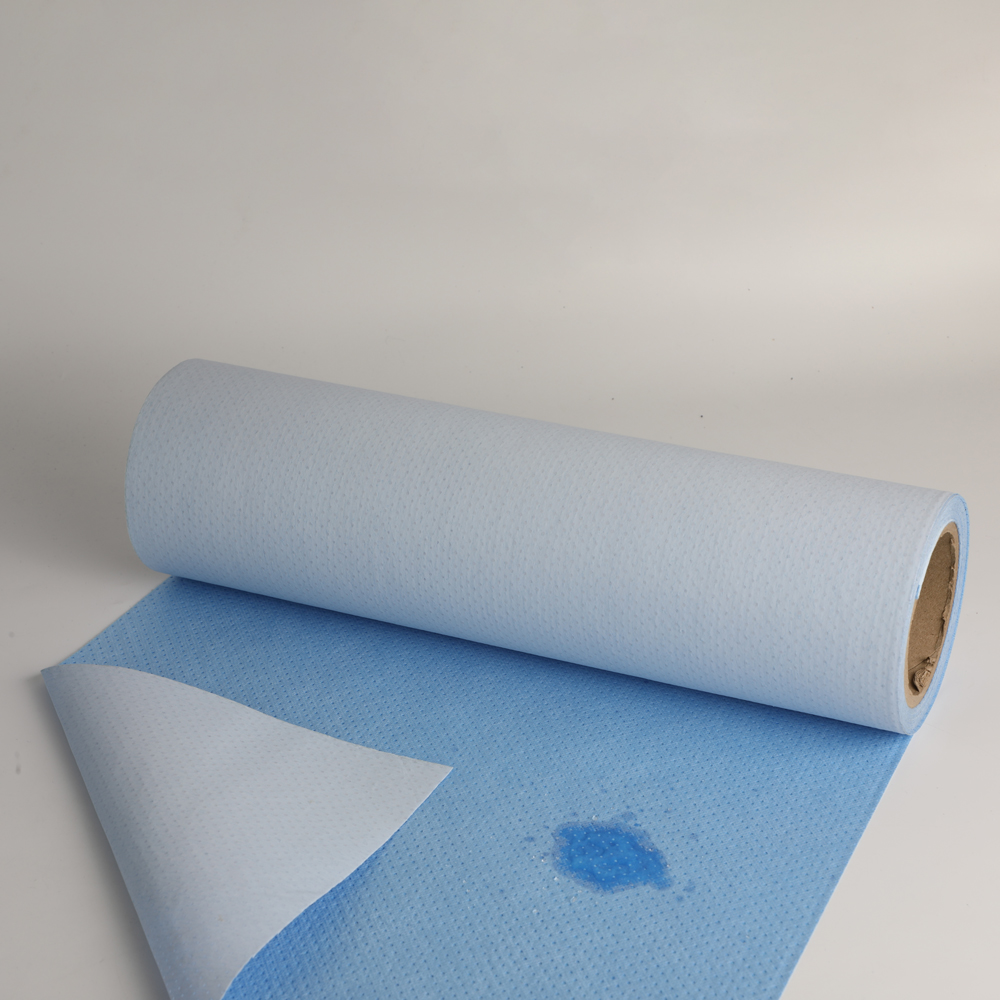 Multi Laminates
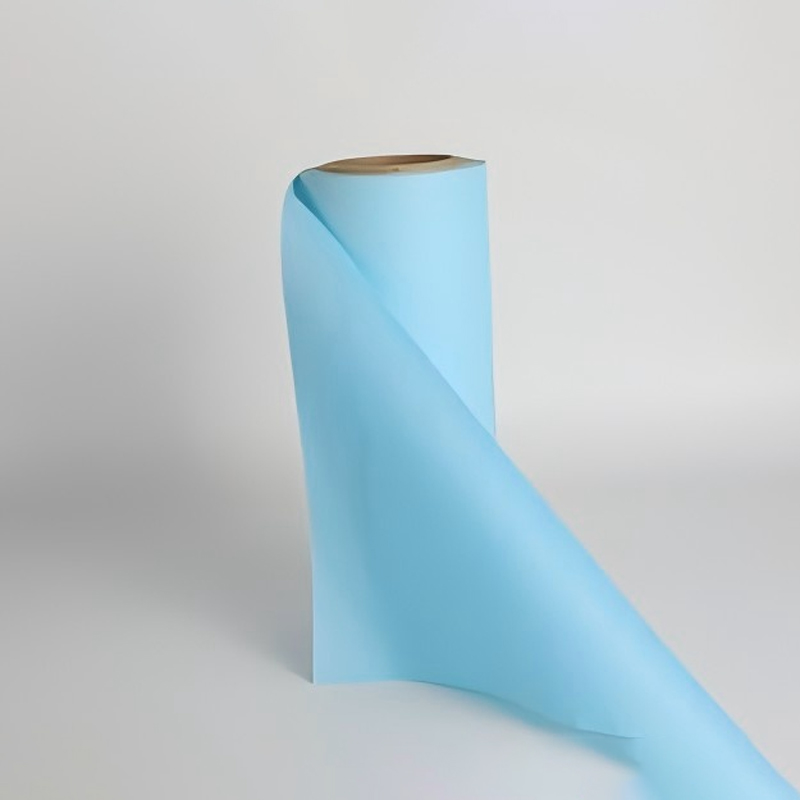 Spunlace Nonwoven Laminates
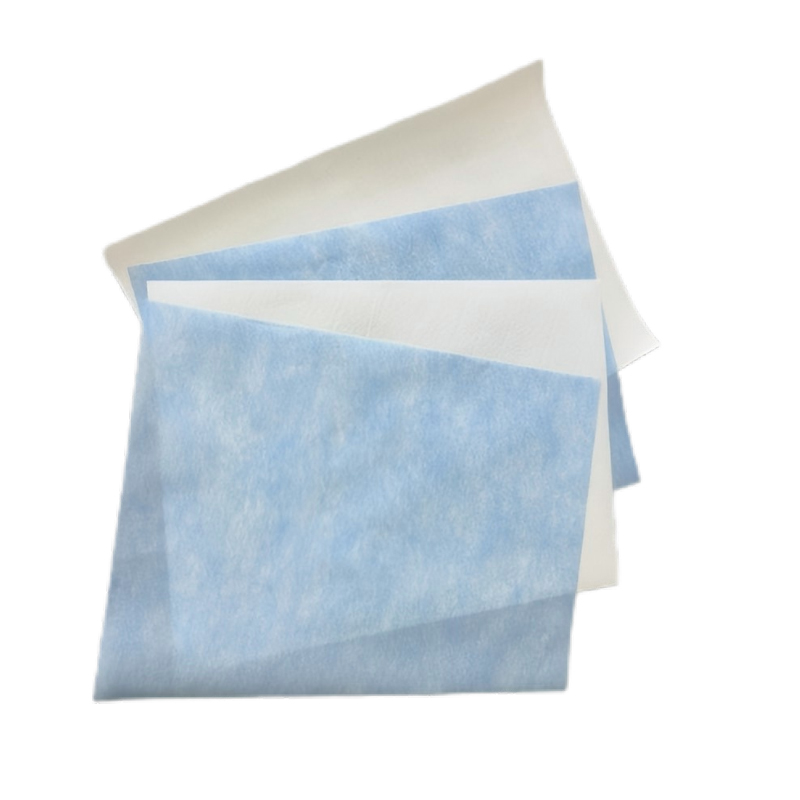 Breathable Film Laminates
 Viscose Laminates
 Medical Viscose Nonwoven
 Head Wear Nonwoven
 Medical Tape Nonwoven
 Snus Pouch Nonwoven
 Filtration Nonwoven
 Air Filter Media
 Liquid Filter Media
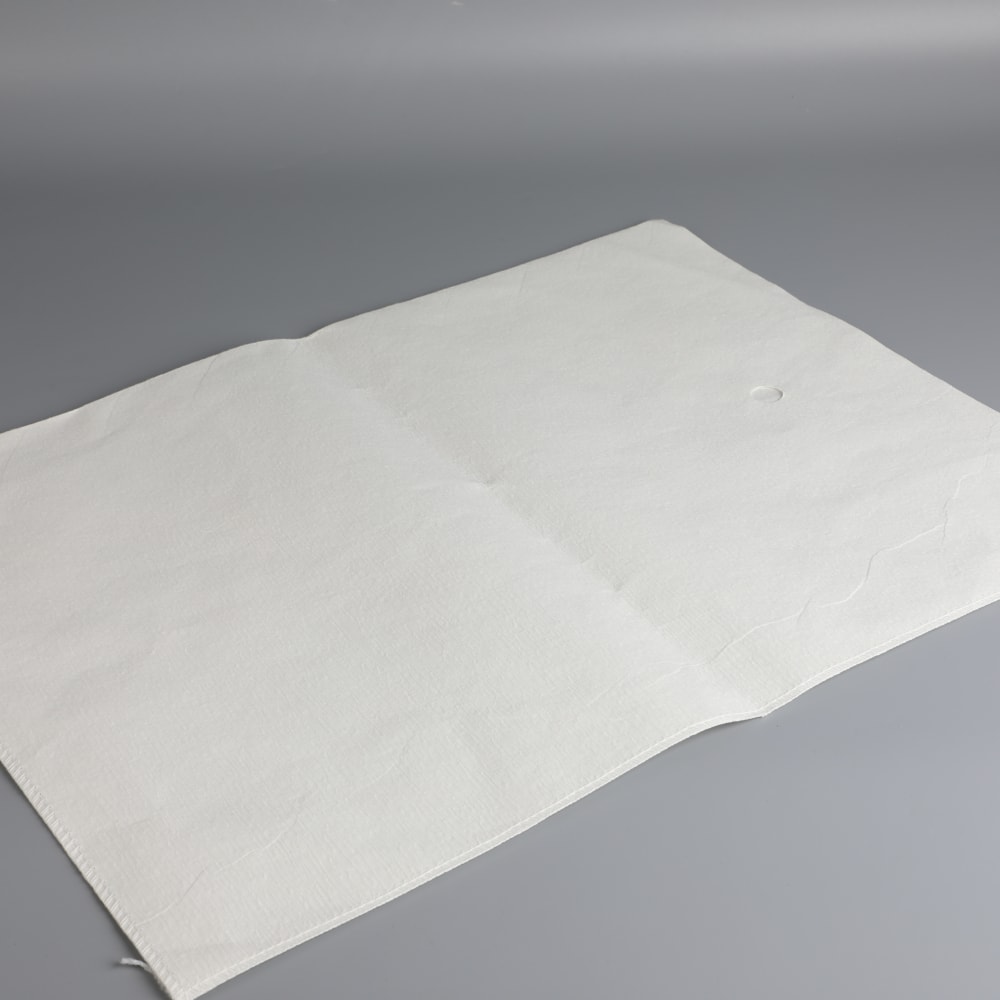 Filter Envelope & Filter Sheet
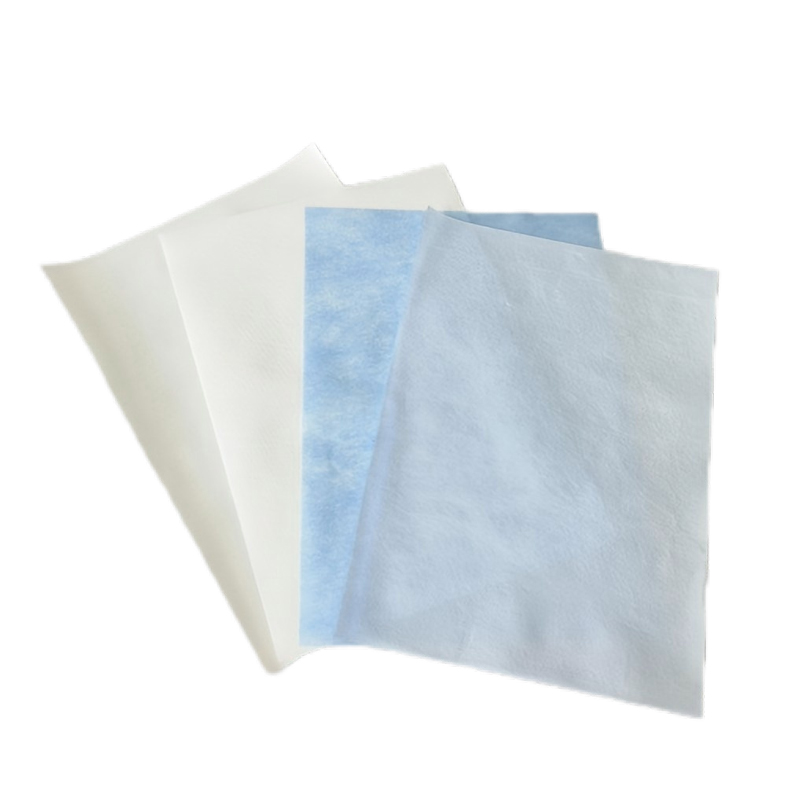 Breathable Film Laminates
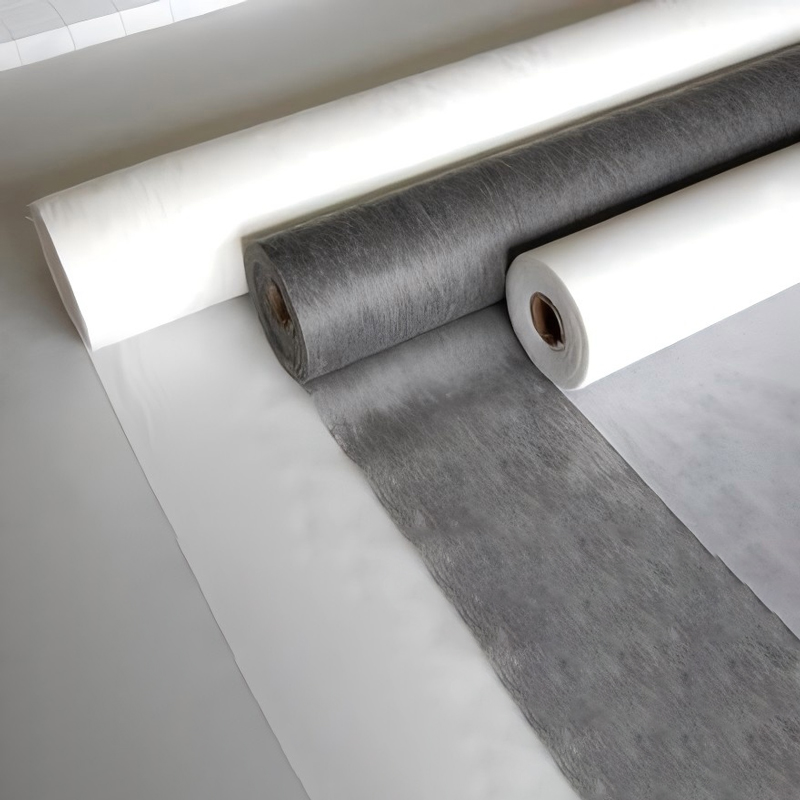 Nonwoven Interlining
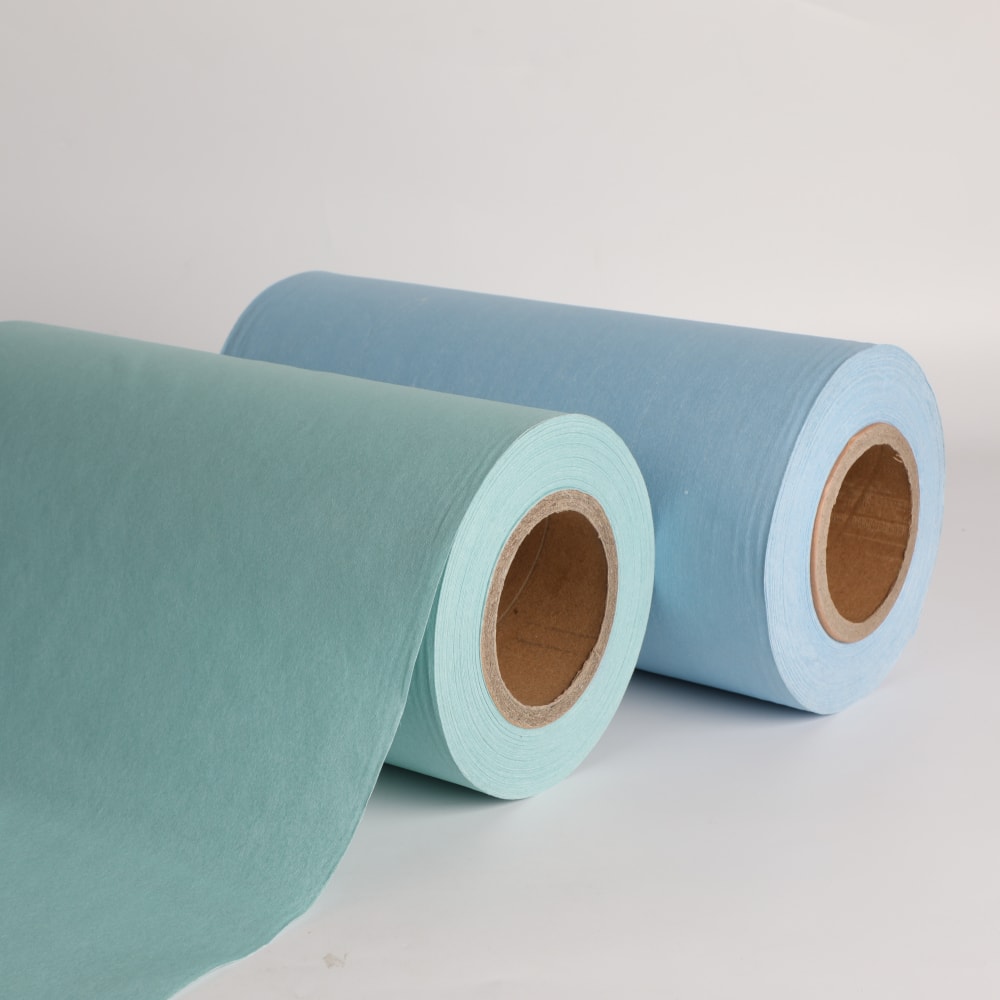 Fluid Repellent Woodpulp Spunlace Nonwoven
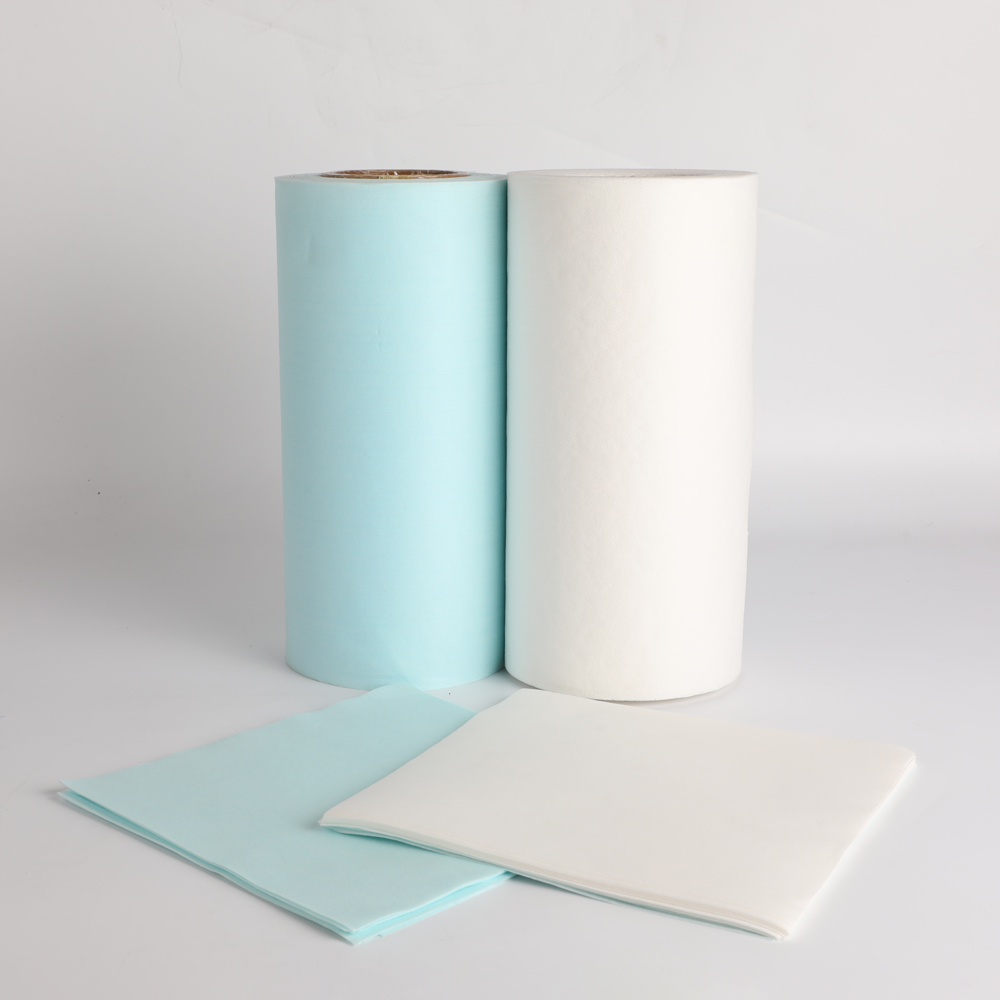 Woodpulp Nonwoven Wipe
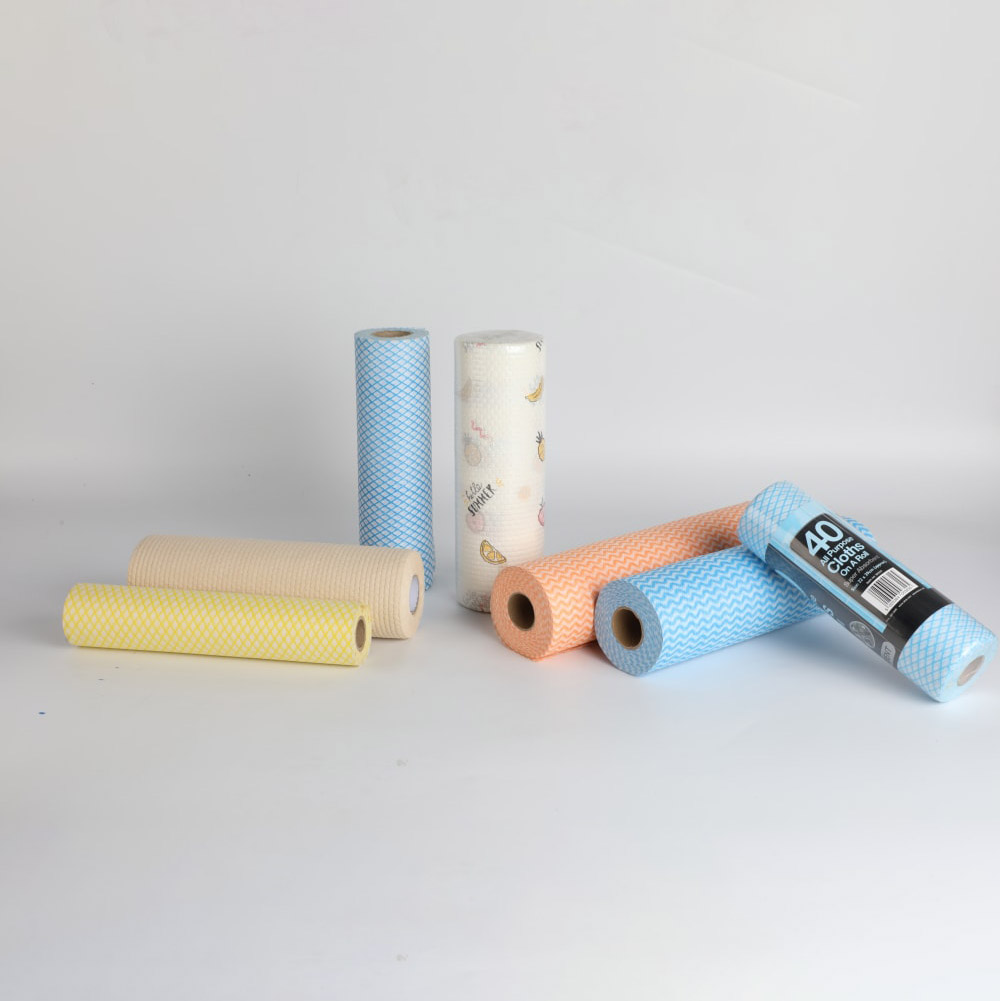 Nonwoven Cleaning Wipe
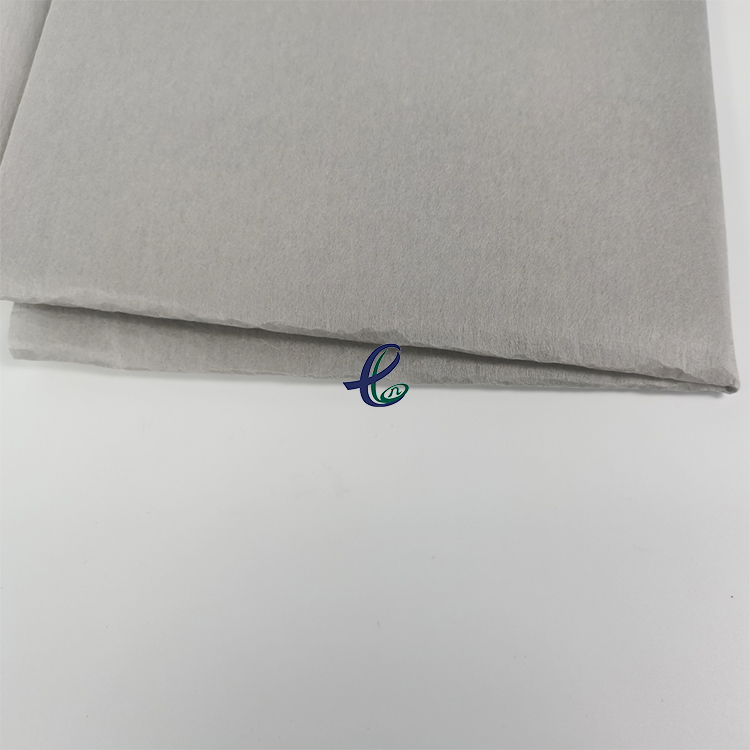 Curtain Nonwoven
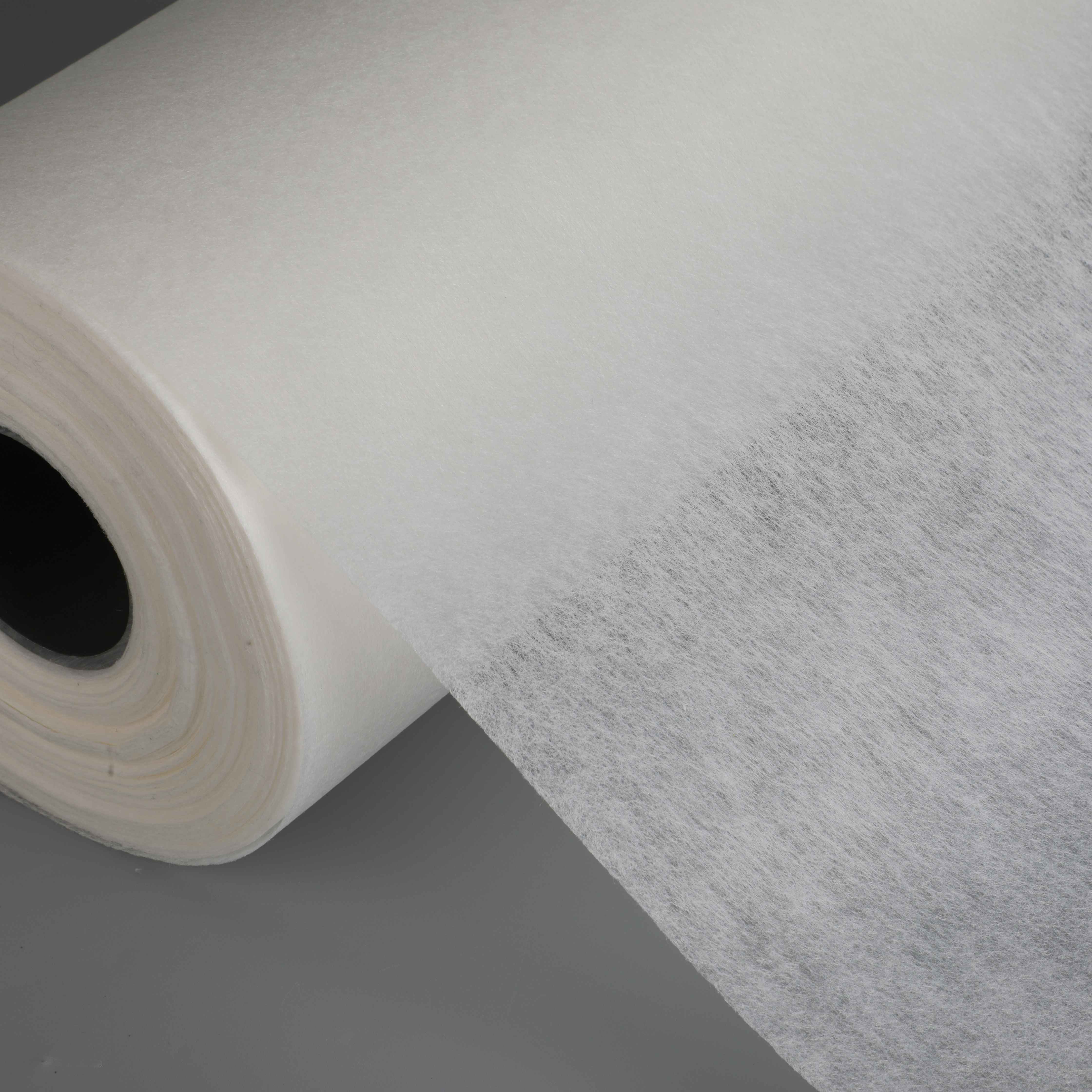 Food Grade Packaging Nonwoven
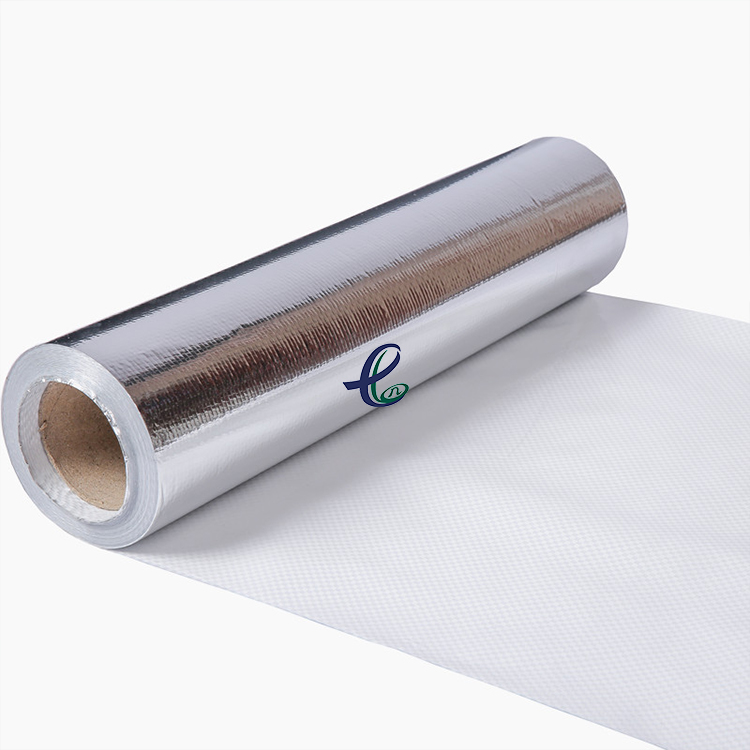 Aluminized Nonwoven
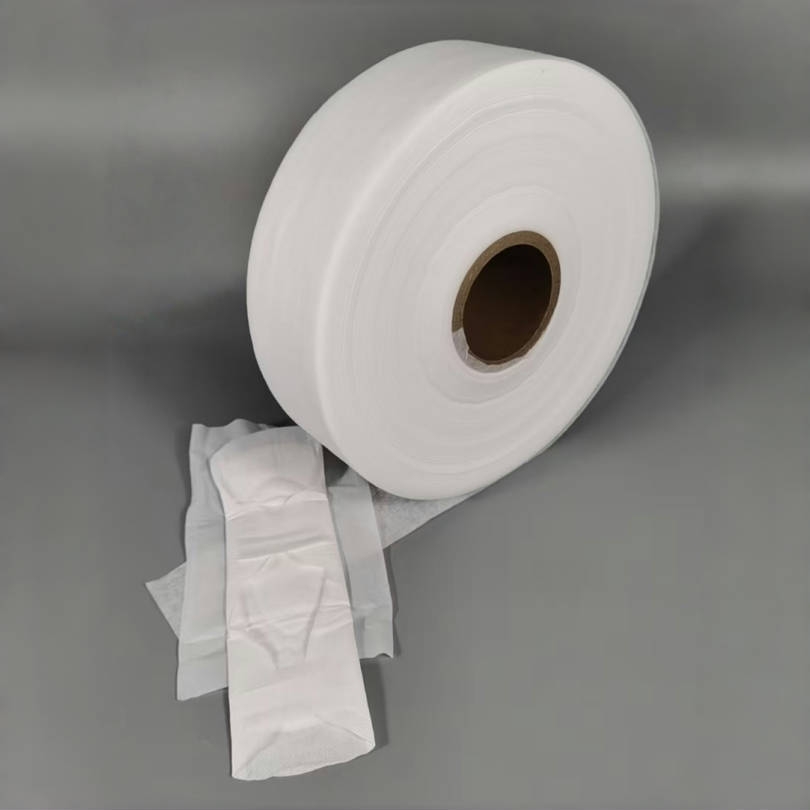 Hot Air Cotton Nonwoven
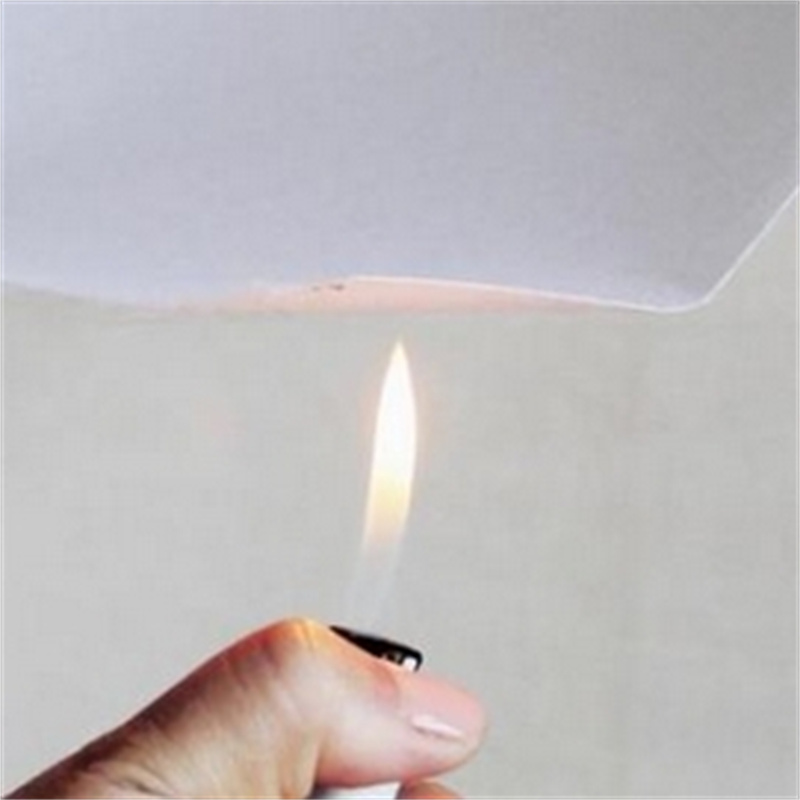 Flame Retardant Nonwoven
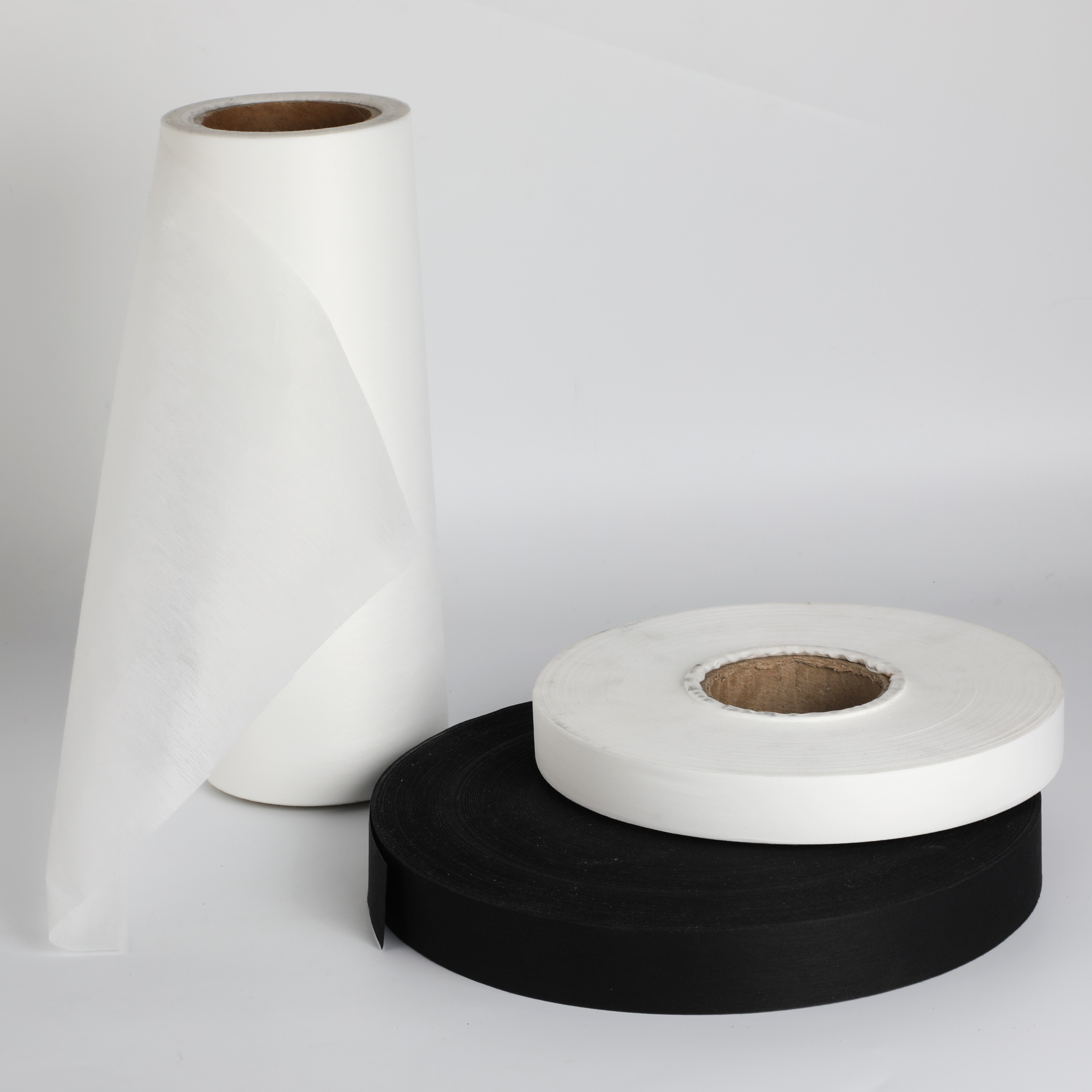 Cable Wrapping Nonwoven
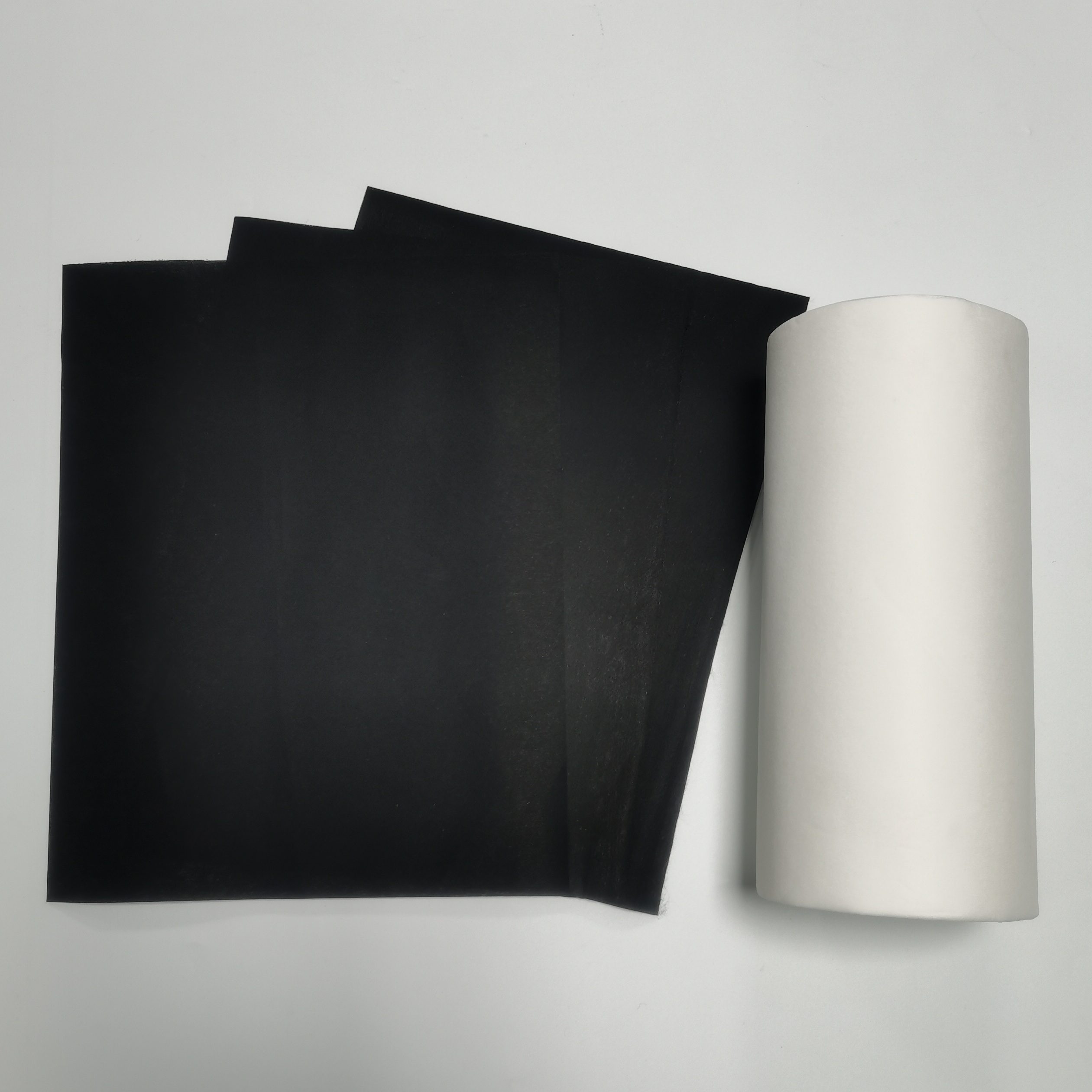 Semi-conductive Nonwoven
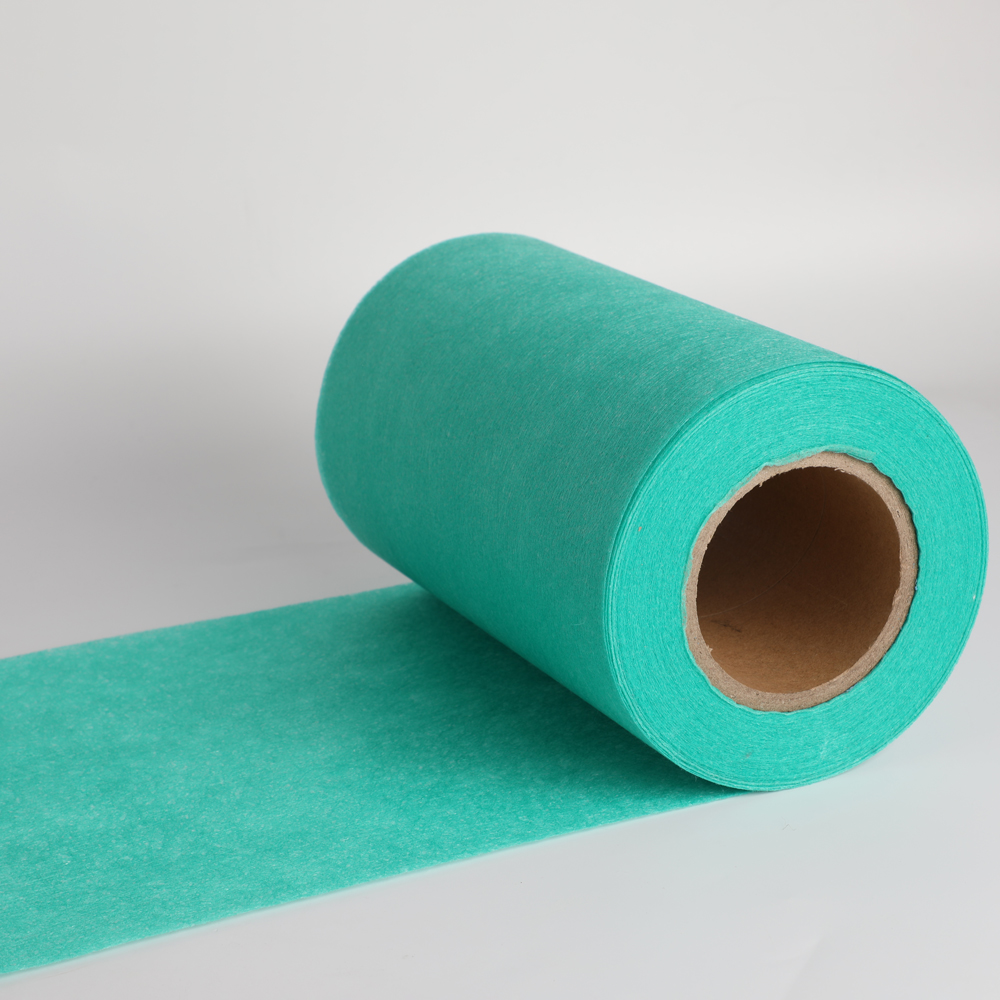 Anti-Bacterial Nonwoven
 +8613957712400
 CONTACT WhatsApp
 CONTACT WeChat
 CONTACT NUMBER
 CONTACT EMAIL