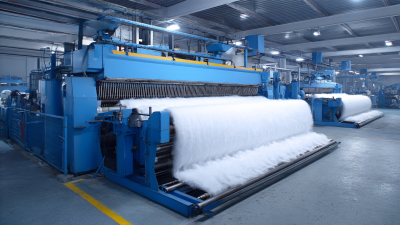
Exploring the Benefits of Breathable Material Nonwoven for Sustainable Fashion Innovations
In recent years, the sustainable fashion industry has witnessed a significant transformation, driven by the increasing demand for eco-friendly materials that do not compromise on performance. One such innovation is the use of Breathable Material Nonwoven, which has gained traction for its versatility and environmentally responsible characteristics. According to a report by Grand View Research, the global nonwoven fabric market is projected to reach USD 50.6 billion by 2025, highlighting the industry's shift towards sustainable practices.
Industry experts emphasize the importance of integrating breathable materials into fashion to enhance both comfort and sustainability. Dr. Emily Sands, a leading material scientist, stated, "Breathable Material Nonwoven not only enhances the wearer's experience but also aligns with the pressing need for sustainable alternatives in fashion." Her insight reinforces the notion that adopting advanced materials is crucial for the future of fashion, as brands seek to minimize their environmental impact while delivering functional and stylish products.
As the fashion landscape continues to evolve, the integration of Breathable Material Nonwoven represents a promising avenue for brands aiming to innovate responsibly. This material not only meets the performance expectations of consumers but also supports the growing trend toward sustainable production methods. By exploring the benefits of this innovative material, fashion designers can contribute to a greener future while catering to the evolving preferences of eco-conscious consumers.
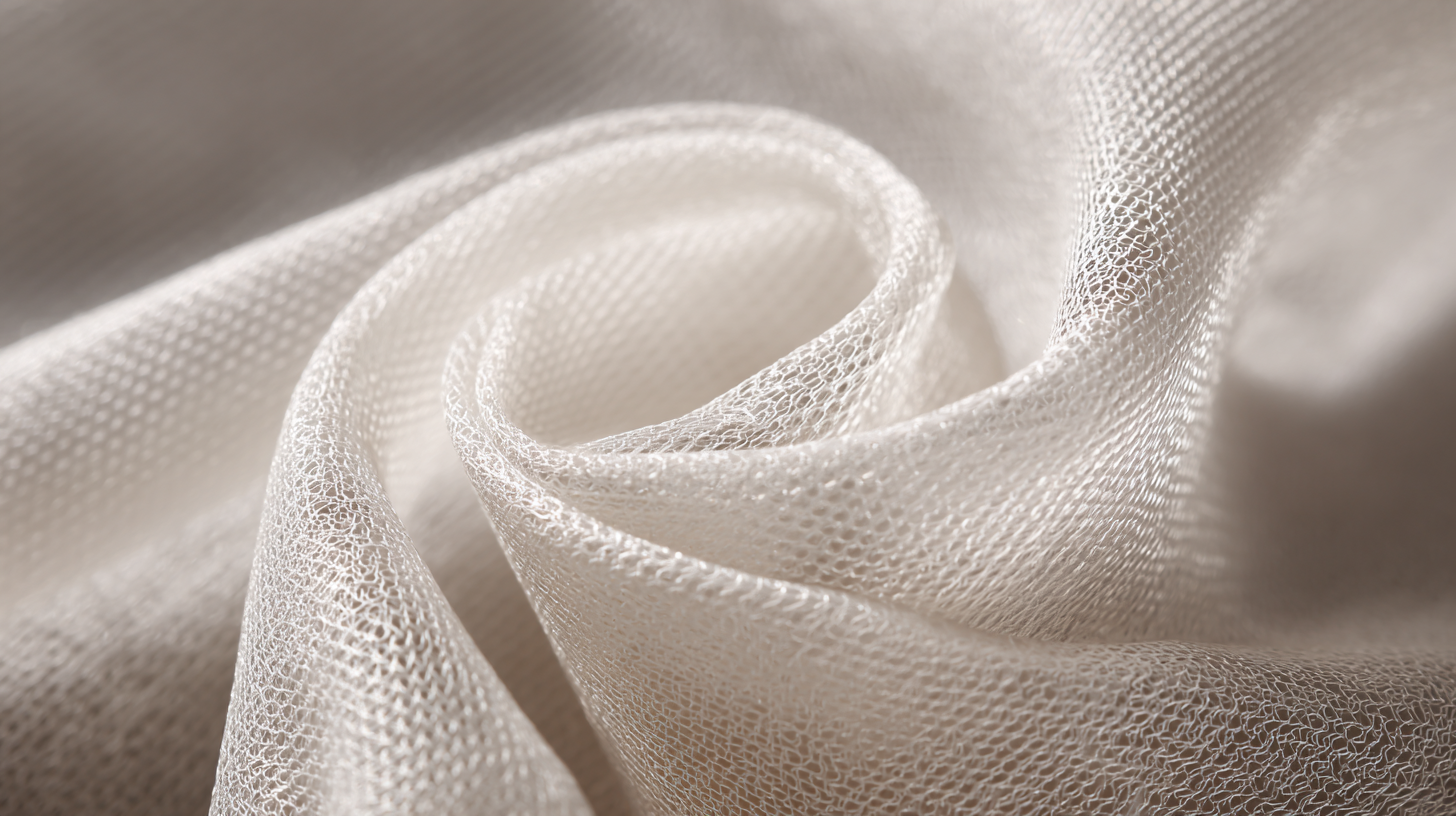
Understanding Breathable Nonwoven Materials in Sustainable Fashion
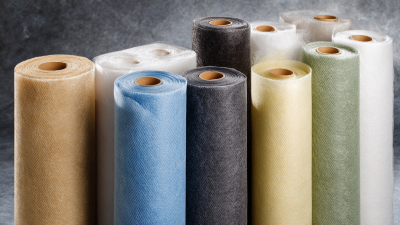
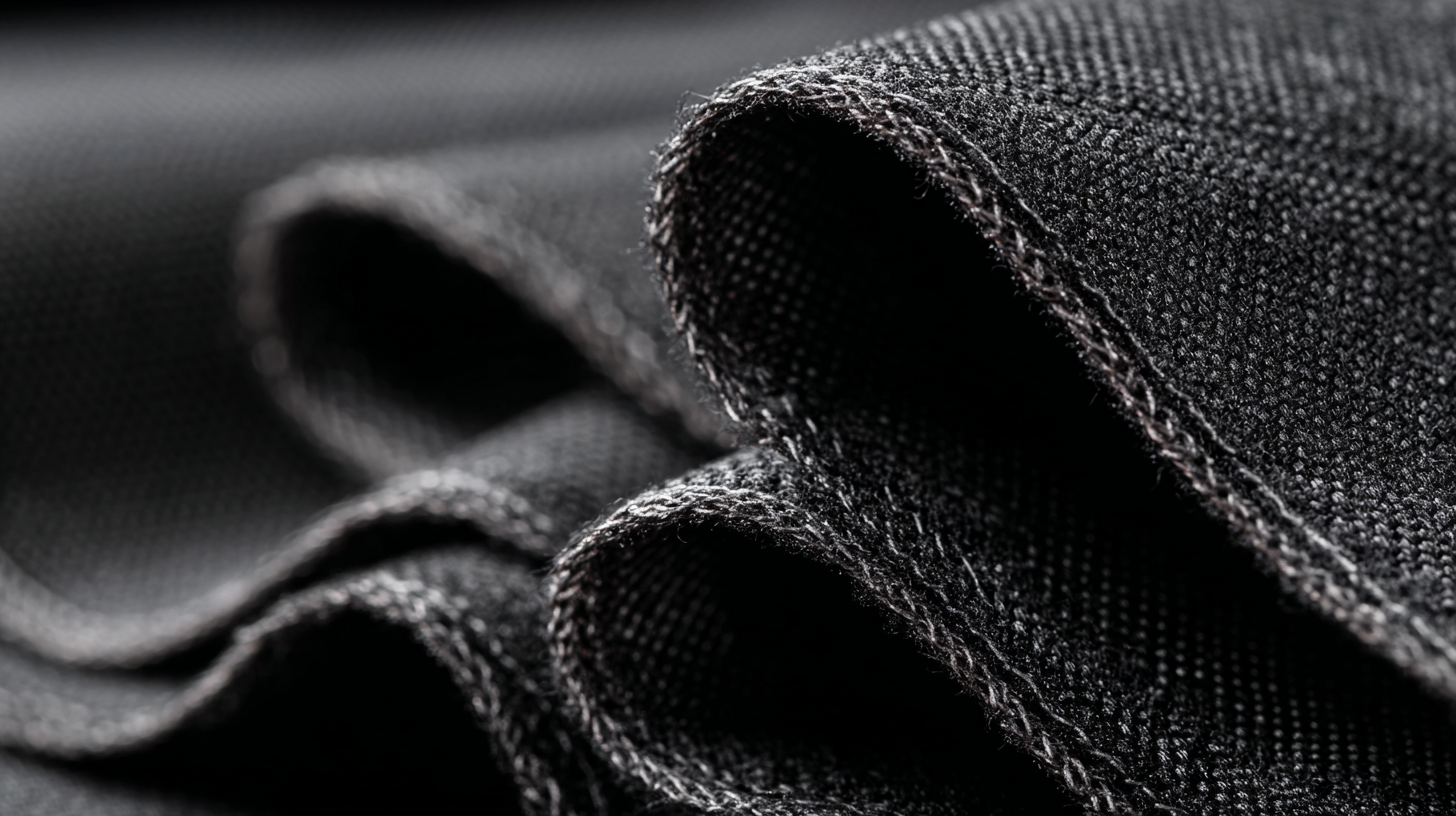 Breathable nonwoven materials have emerged as a vital component in the realm of sustainable fashion. These materials, crafted through interlacing fibers without the traditional weaving process, offer a unique combination of durability and comfort. Their structure allows for enhanced airflow, making them ideal for clothing that requires breathability while maintaining performance. This property ensures that garments remain comfortable during physical activities, promoting an active lifestyle that aligns with sustainable practices.
In addition to comfort, breathable nonwoven materials contribute to sustainable fashion through their eco-friendly production processes. Typically created from recycled or biodegradable fibers, these textiles reduce the environmental impact associated with conventional fabrics. Moreover, nonwoven materials often require fewer resources in manufacturing, such as water and energy, further enhancing their sustainability profile. As brands increasingly prioritize eco-conscious choices, breathable nonwoven fabrics represent an innovative solution in creating fashion items that not only perform well but also promote environmental stewardship.
Advantages of Nonwoven Fabrics for Eco-Friendly Clothing Design
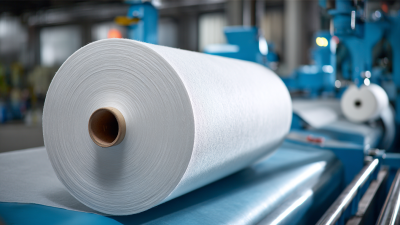
Nonwoven fabrics have emerged as a game-changer in the realm of eco-friendly clothing design. These materials are not only lightweight and breathable but also offer superior durability, making them ideal for sustainable fashion innovations. Nonwoven textiles are created through bonding fibers together, which eliminates the need for traditional weaving methods and reduces the overall environmental impact. As a result, designers can create stylish yet sustainable garments that cater to the modern consumer's demands for both fashion and environmental responsibility.
When considering nonwoven fabrics for your clothing line, here are a few tips to enhance your eco-friendly approach. First, explore organic fiber options such as bamboo or hemp, which provide natural breathability and biodegradability. Next, prioritize manufacturers that utilize recycled materials to create their nonwoven textiles, minimizing waste and promoting a circular economy. Finally, consider the end-of-life of your products. Design garments that can easily be disassembled for recycling, ensuring they contribute to a sustainable future rather than ending up in landfills.
Embracing nonwoven fabrics for clothing design not only benefits the environment but also meets consumer needs for comfort and style. With careful consideration and creative innovation, fashion brands can lead the way in sustainable practices by integrating these materials into their collections.
Exploring the Benefits of Breathable Material Nonwoven for Sustainable Fashion Innovations
| Features |
Advantages |
Impact on Sustainability |
Applications in Fashion |
| Lightweight |
Reduces shipping costs and carbon footprint |
Contributes to lower energy consumption during transportation |
Activewear and outdoor gear |
| Breathability |
Enhances comfort for the wearer |
Promotes longer wear time, reducing fashion wastage |
Casual wear and work uniforms |
| Biodegradable Options |
Eco-friendly alternative to conventional fabrics |
Minimizes environmental impact post-consumer |
Eco-conscious fashion lines |
| Versatility in Design |
Allows for innovative designs and applications |
Encourages creativity without compromising sustainability |
High-fashion and runway collections |
| Cost-Effectiveness |
Lower production costs compared to woven fabrics |
Makes sustainable fashion more accessible |
Affordable fashion brands |
Innovative Applications of Breathable Nonwoven in Sustainable Style
Breathable nonwoven materials are revolutionizing sustainable fashion by offering innovative applications that prioritize both comfort and environmental responsibility. These materials are made through a process that bonds fibers together without weaving, resulting in a lightweight and highly breathable fabric. According to the latest report by the Textile Research Journal, over 40% of consumers are willing to pay a premium for sustainable clothing, indicating a significant market shift towards eco-friendly options. Brands are now integrating breathable nonwoven fabrics into their designs, enhancing functionality while adhering to sustainability principles.
In practice, breathable nonwoven materials are being utilized in athletic wear, outdoor clothing, and even high-fashion garments. Their moisture-wicking properties help regulate temperature, making them ideal for performance-oriented designs. The global nonwoven fabrics market is projected to reach $43 billion by 2025, reflecting the growing demand for sustainable alternatives. Techniques such as reusing post-consumer plastics in nonwoven fabric production not only reduce waste but also promote a circular economy within the fashion industry.
Tip: When shopping for sustainable fashion, look for certifications like Global Organic Textile Standard (GOTS) or OEKO-TEX, which indicate environmentally-friendly practices in material production.
Tip: Consider brands that prioritize transparency in their supply chain, as this often correlates with higher sustainability standards in materials used, including breathable nonwoven fabrics.
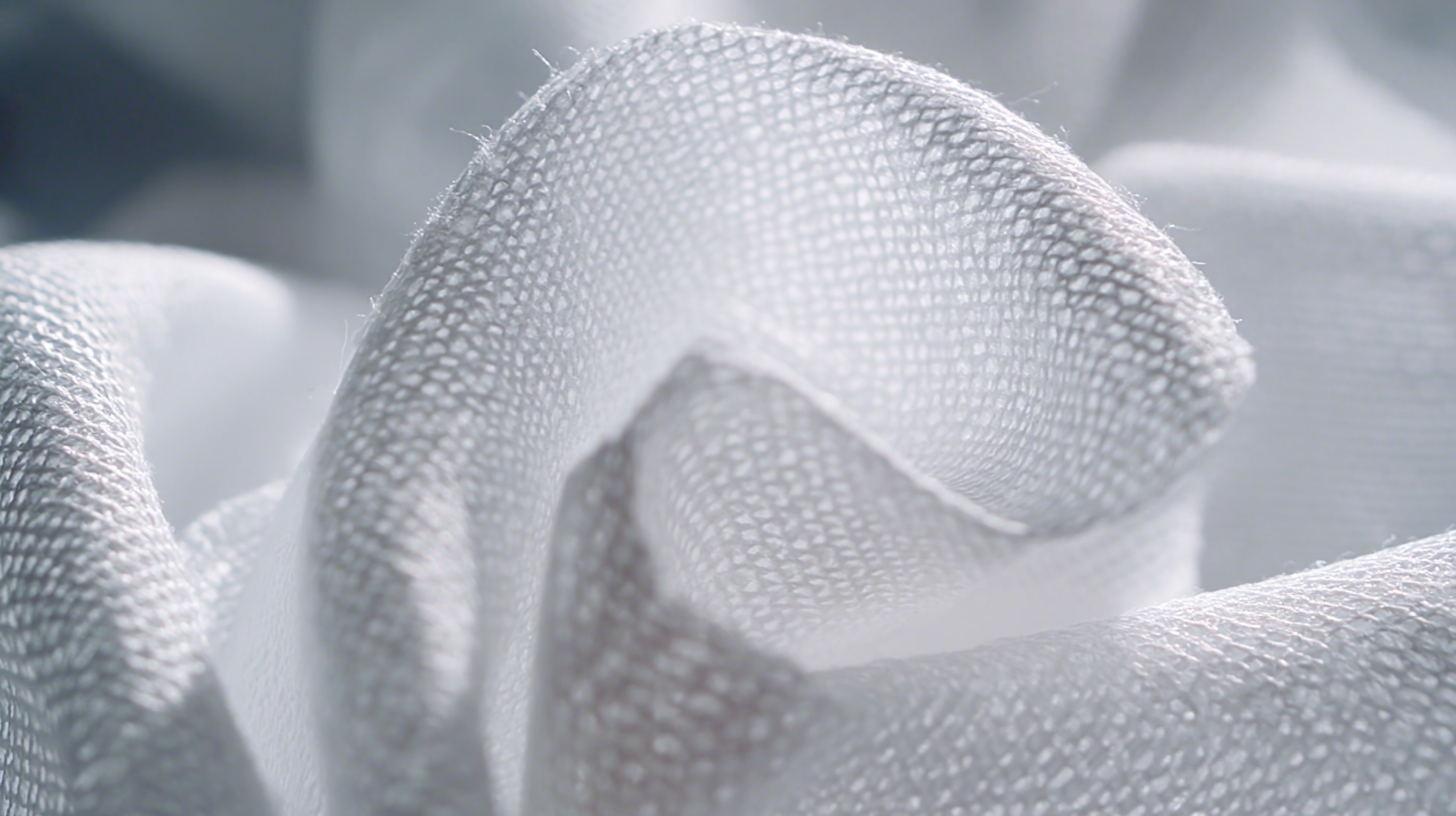
The Role of Nonwoven Materials in Reducing Fashion Waste
The fashion industry is notorious for its massive waste, contributing approximately 92 million tons to landfills each year, according to the Ellen MacArthur Foundation's 2021 report. One innovative solution gaining traction is the use of nonwoven materials, which are often crafted from recycled fibers and can significantly reduce the environmental impact of fashion production. Nonwoven fabrics, unlike traditional woven materials, are produced by bonding fibers together through mechanical, thermal, or chemical processes, eliminating the need for extensive dyeing and finishing processes. This not only lowers energy consumption but also cuts down on water usage, leading to a more sustainable fashion ecosystem.
Tips for brands looking to incorporate nonwoven materials: consider sourcing from suppliers who prioritize sustainable practices and recycled content. Also, educating consumers about the environmental benefits of nonwoven fabrics can create a more informed customer base eager to support sustainable innovations. By promoting the lifecycle of such materials, brands can help shift consumer perception and encourage a move away from fast fashion.
As nonwoven fabrics gain popularity, their versatility and lower carbon footprint continue to resonate within the industry. The 2022 Nonwovens Industry Report highlights that nonwoven textiles possess a 30% lower environmental impact compared to traditional textiles during production. By embracing these eco-friendly alternatives, the fashion industry can take concrete steps toward minimizing waste and fostering a circular economy, ultimately leading to greater environmental responsibility.
Future Trends: Breathable Nonwoven and the Evolution of Sustainable Fashion
Breathable nonwoven materials are at the forefront of sustainable fashion innovations, particularly as the industry evolves to meet the increasing demand for eco-friendly, versatile clothing. As consumers become more environmentally conscious, the integration of breathable nonwovens is proving to be a game changer. This material not only enhances comfort but also promotes better airflow, making it ideal for athleisure wear — a trend that's redefining modern fashion for women.
As the athleisure movement continues to gain momentum, blending style with functionality becomes essential. Breathable nonwoven fabrics allow for flexibility and ease of movement, enabling wearers to transition from workouts to casual outings effortlessly. This evolution speaks to a broader societal shift towards prioritizing apparel that supports an active lifestyle without compromising on aesthetics.
**Tips:**
1. Look for garments made with breathable nonwoven materials that offer moisture-wicking properties, perfect for both gym sessions and daily wear.
2. Pair athleisure outfits with versatile accessories to transition seamlessly from sporty to chic, enhancing overall style while maintaining comfort.
3. Explore brands that prioritize sustainable practices, ensuring your fashion choices contribute positively to the environment.
Exploring the Benefits of Breathable Nonwoven Material in Sustainable Fashion

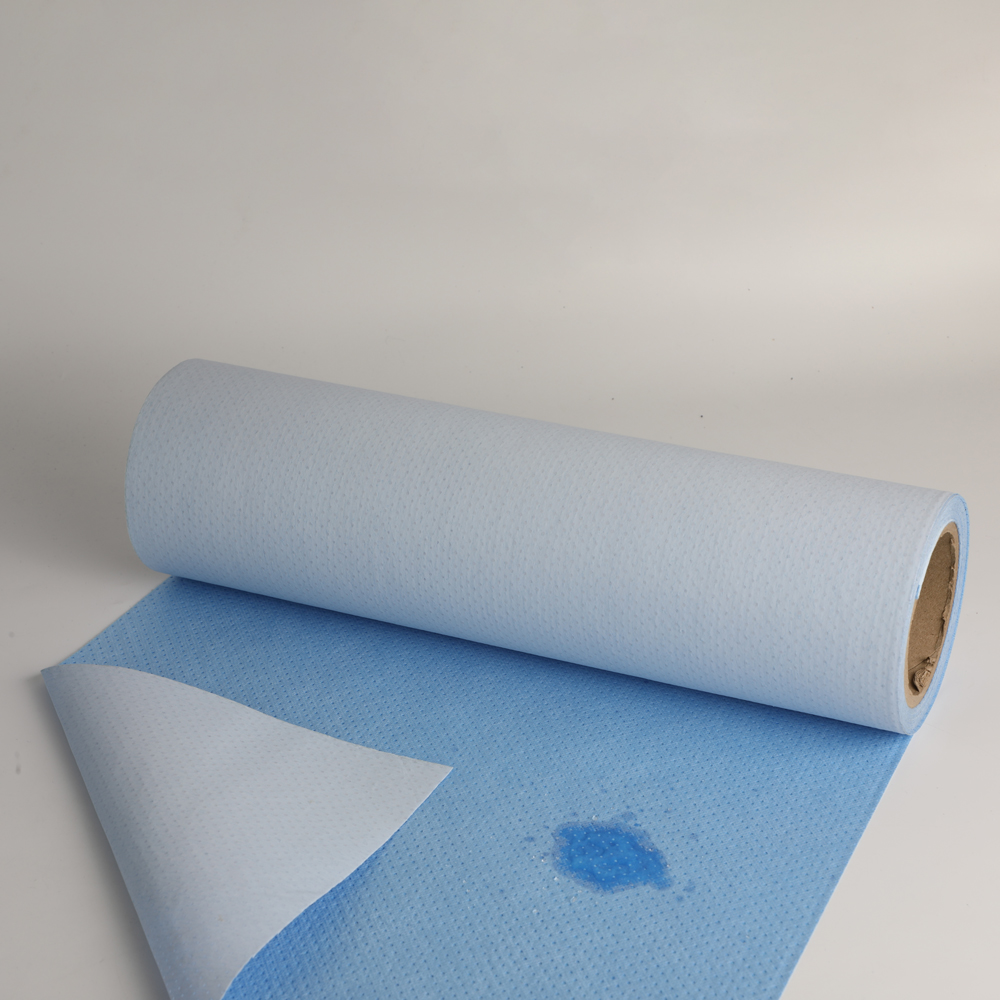 Multi Laminates
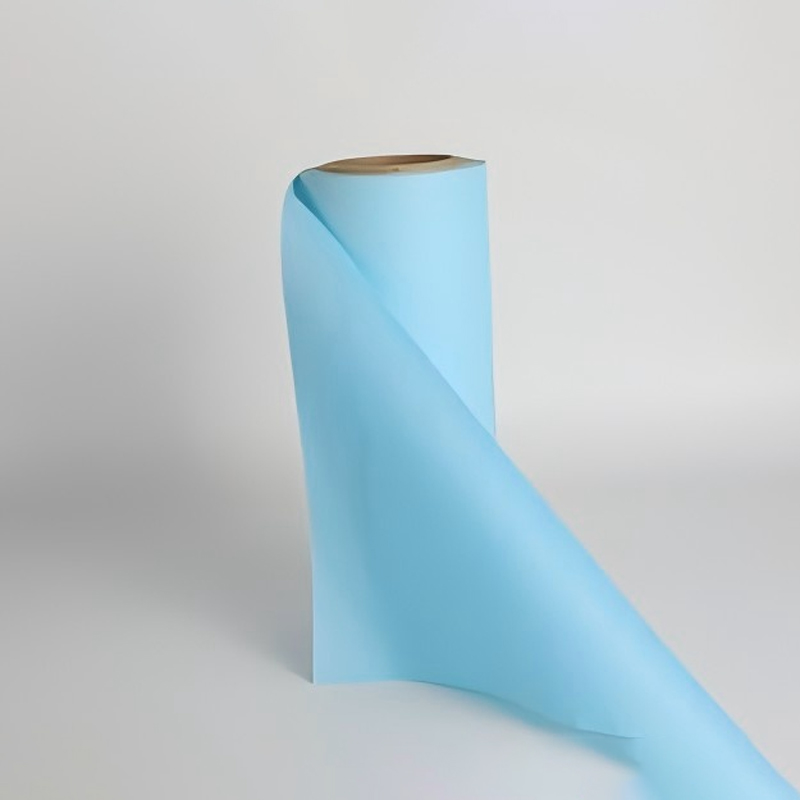 Spunlace Nonwoven Laminates
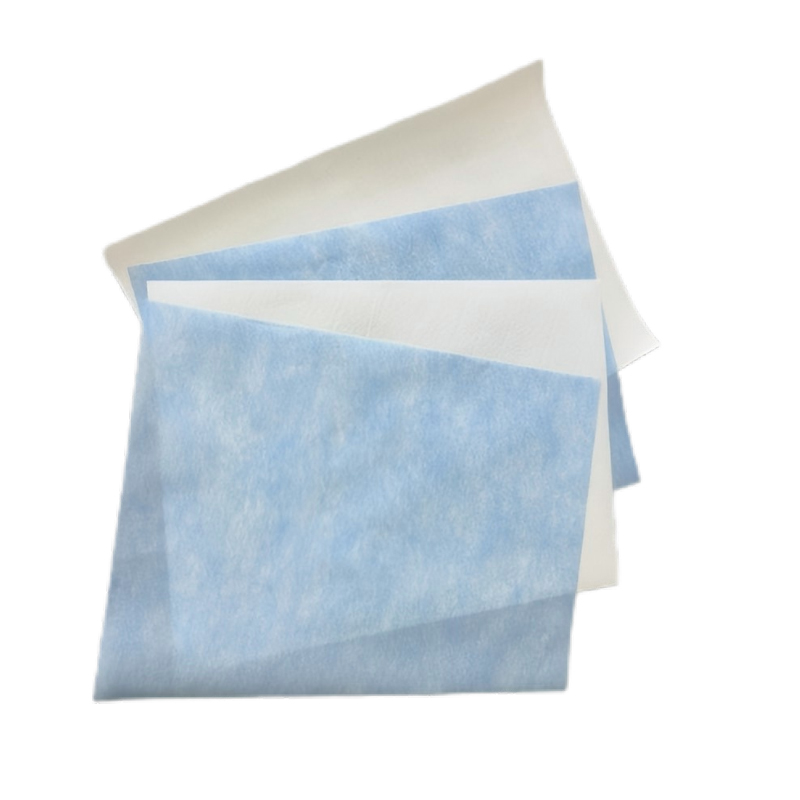 Breathable Film Laminates
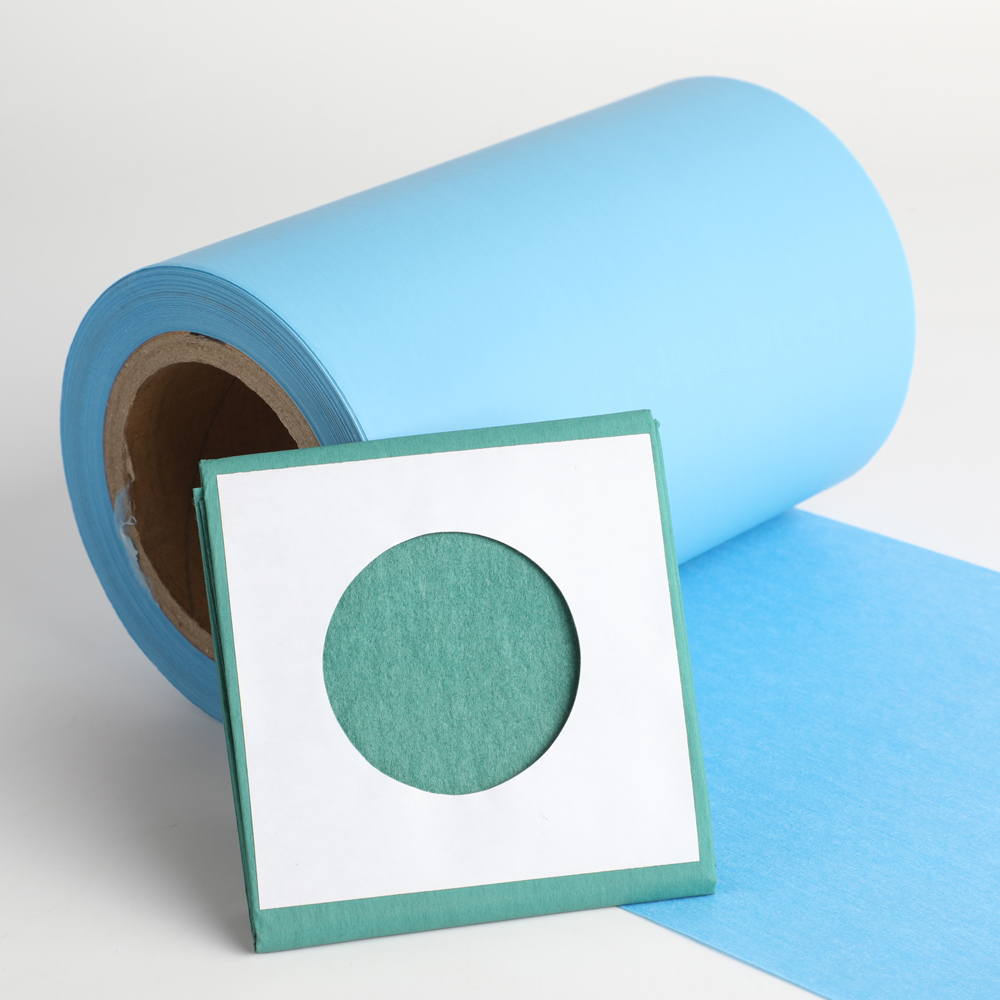 Viscose Laminates
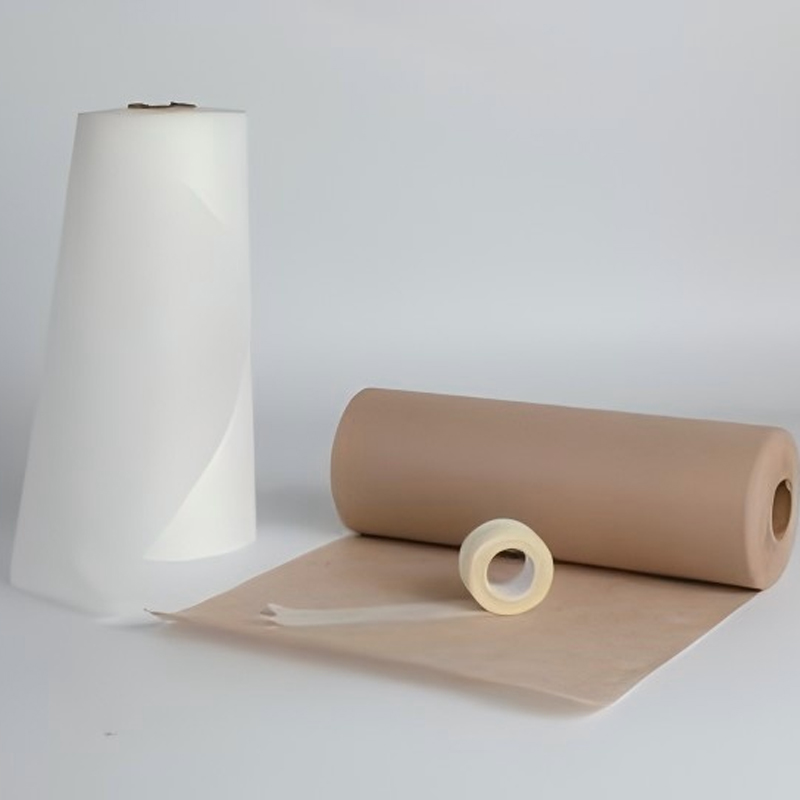 Medical Tape Nonwoven
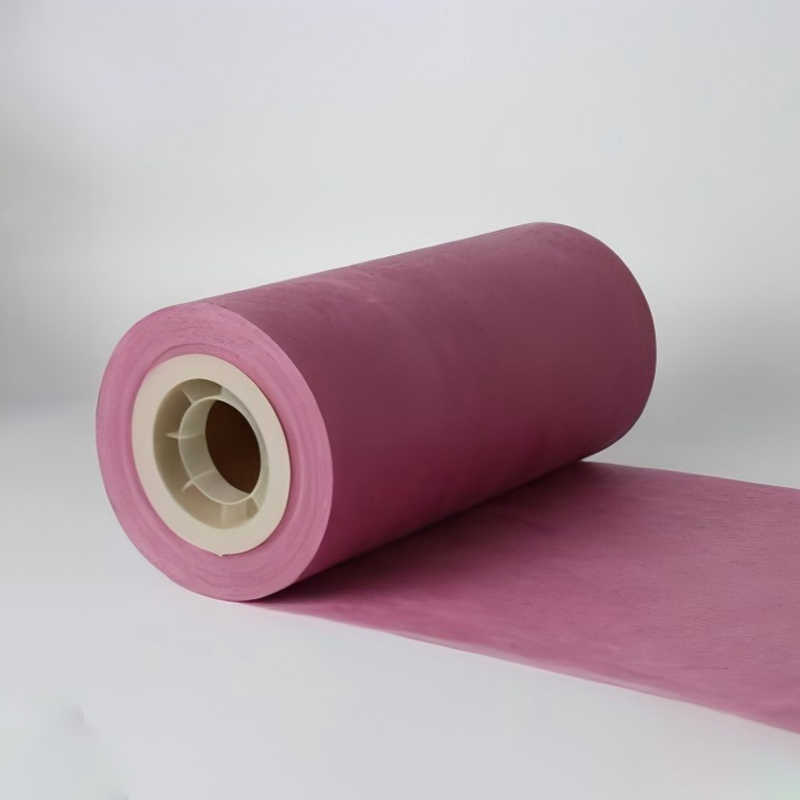 Filtration Nonwoven
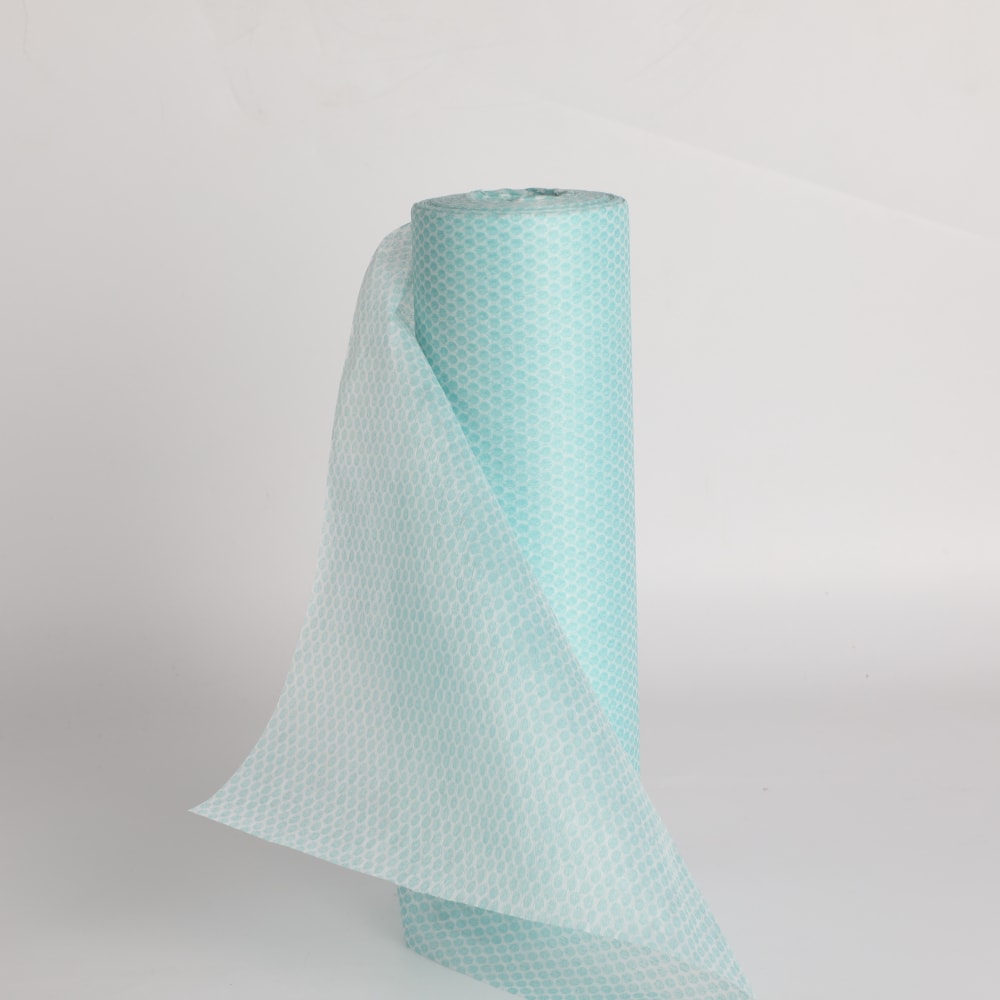 Head Wear Nonwoven
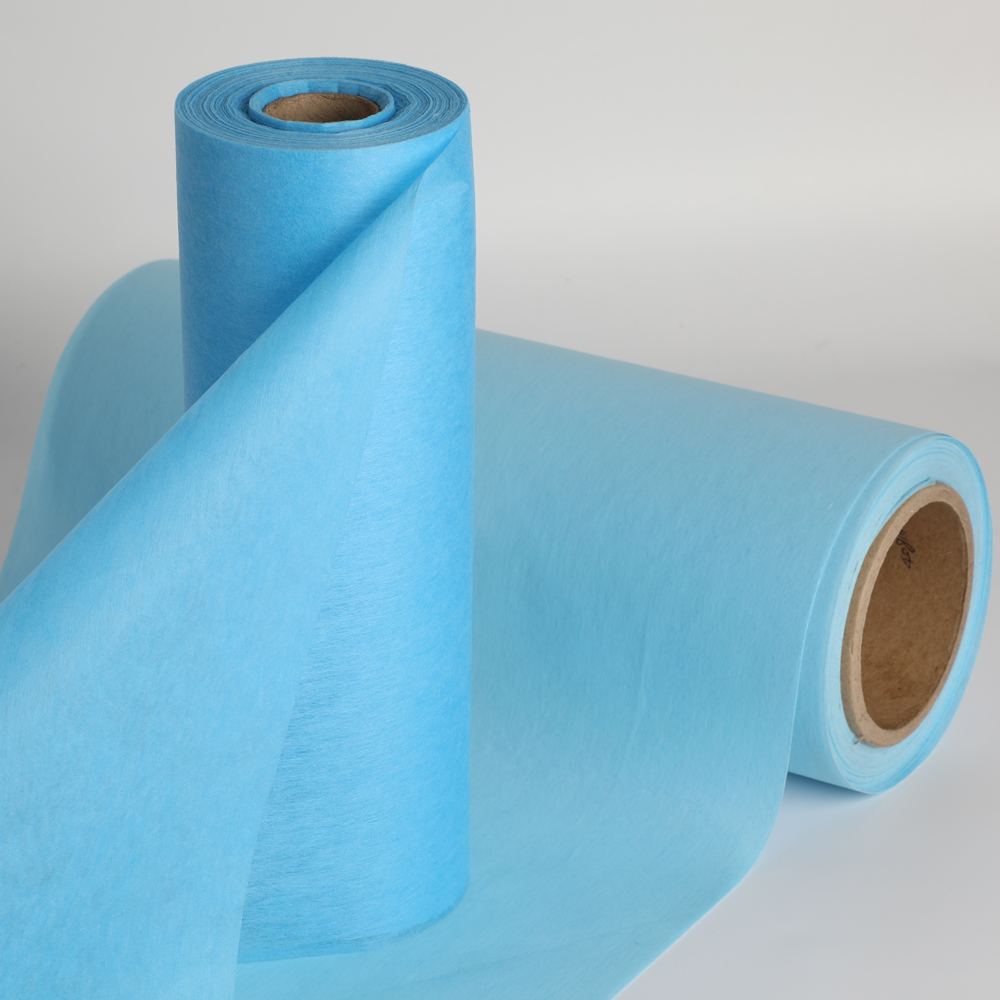 Medical Viscose Nonwoven
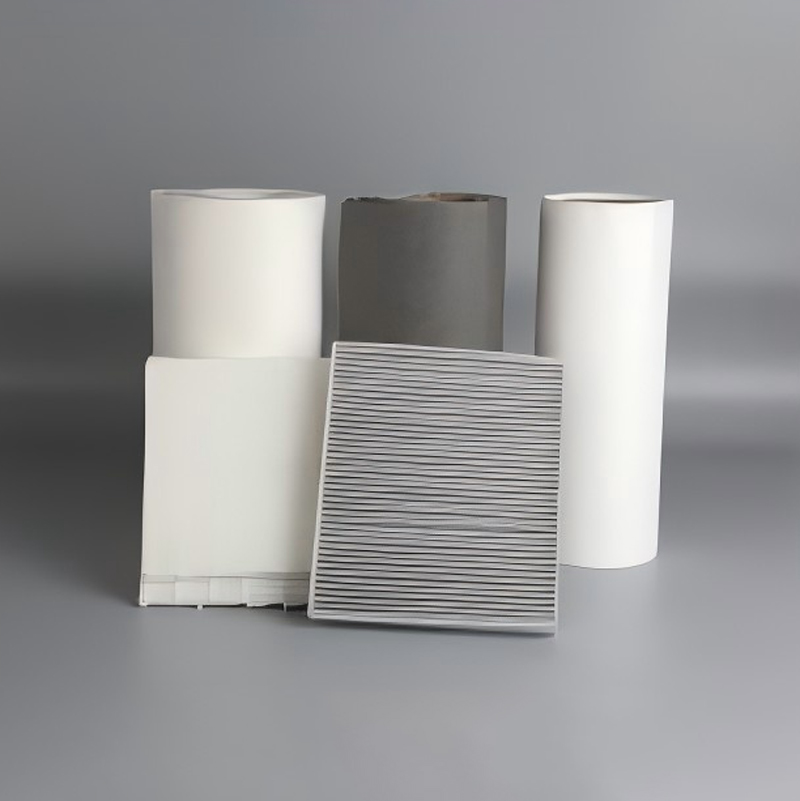 Air Filter Media
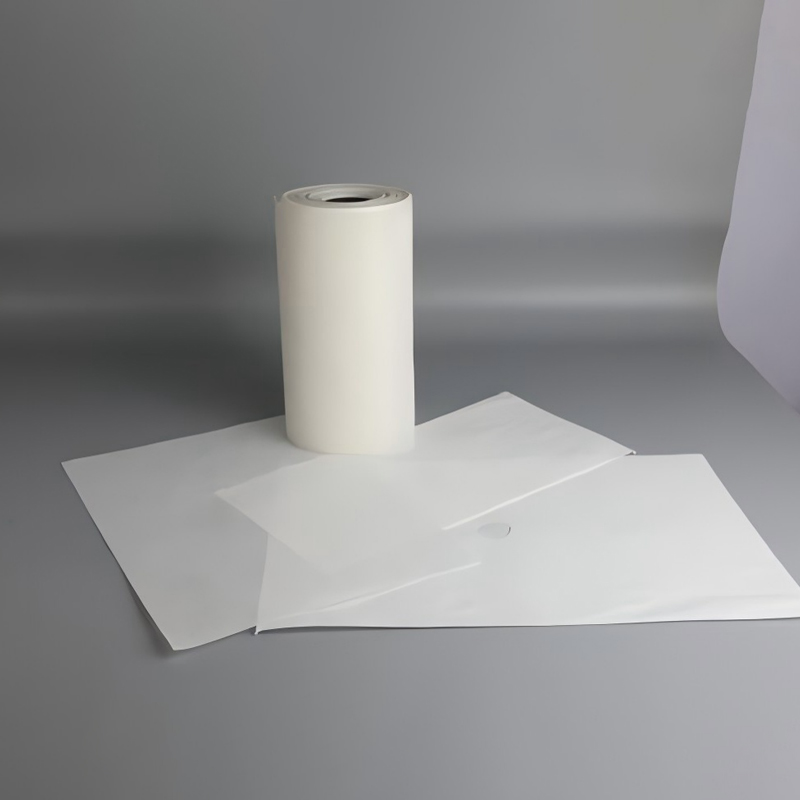 Liquid Filter Media
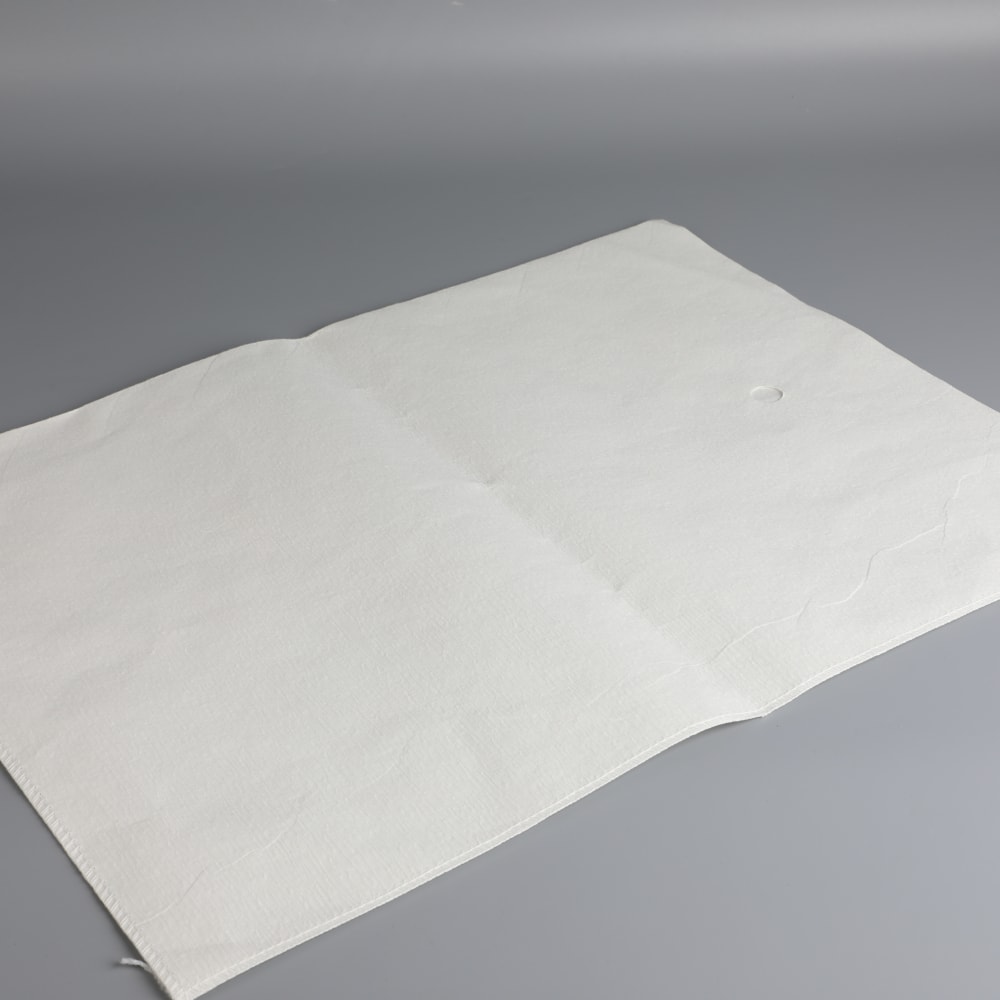 Filter Envelope & Filter Sheet
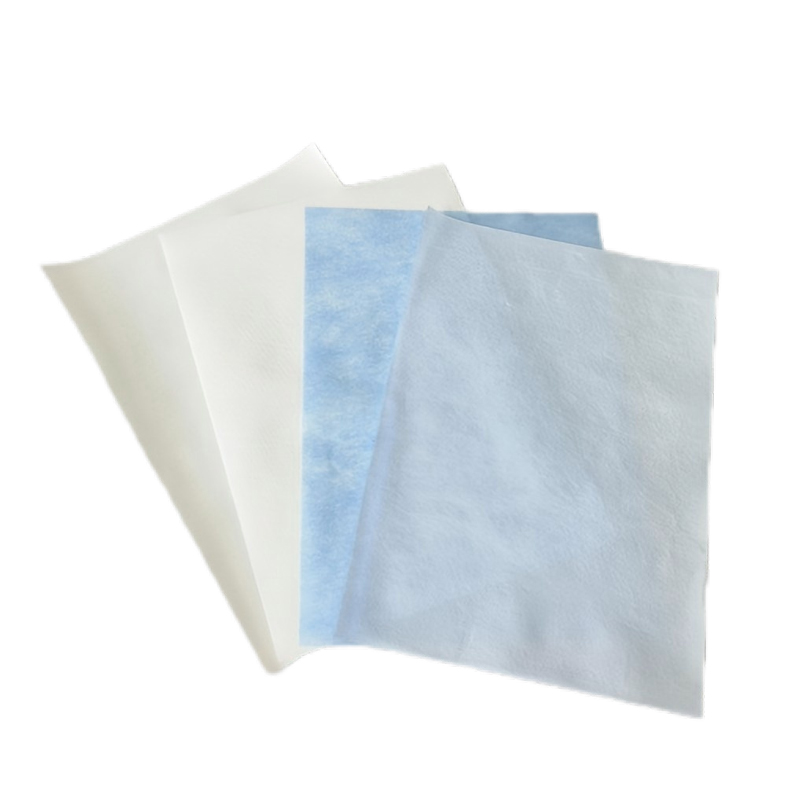 Breathable Film Laminates
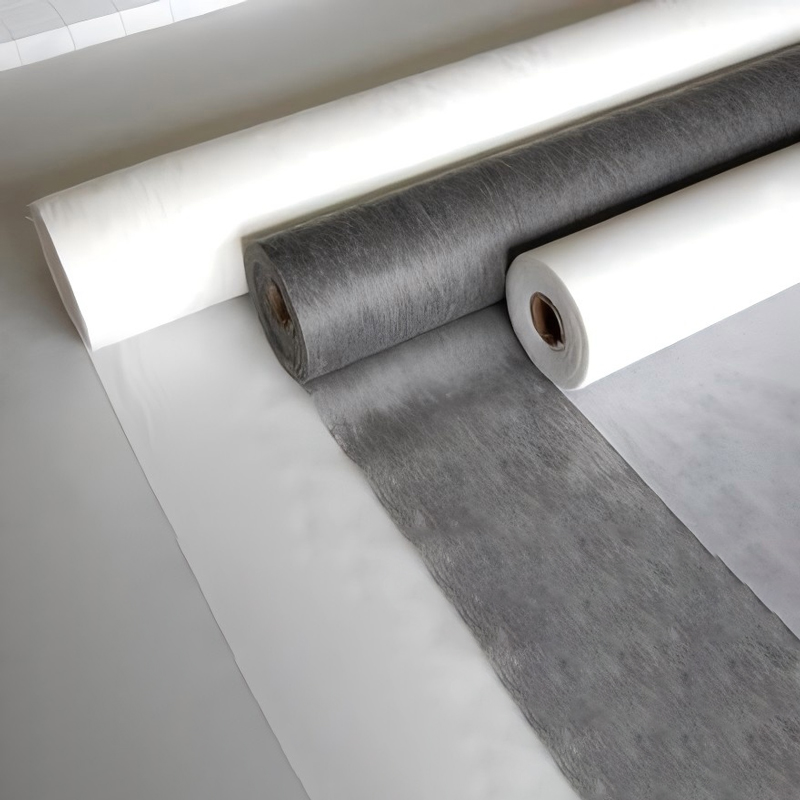 Nonwoven Interlining
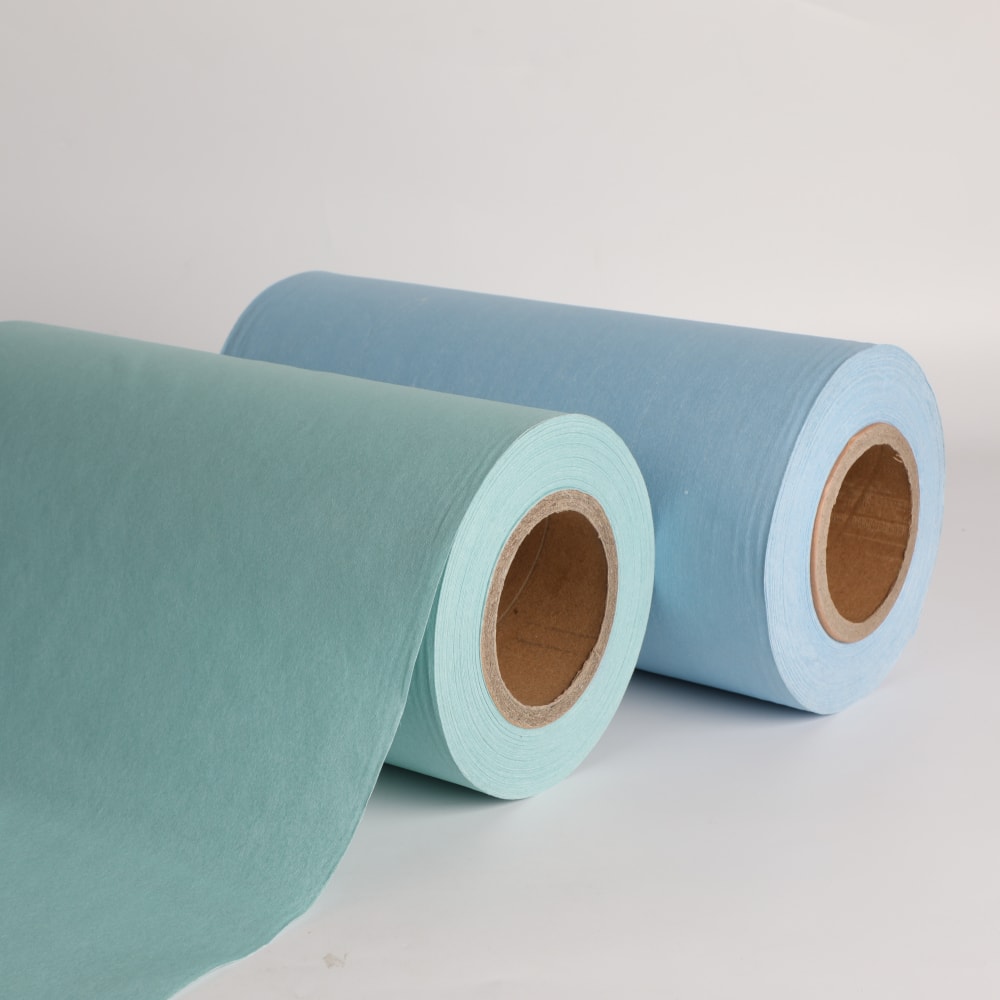 Fluid Repellent Woodpulp Spunlace Nonwoven
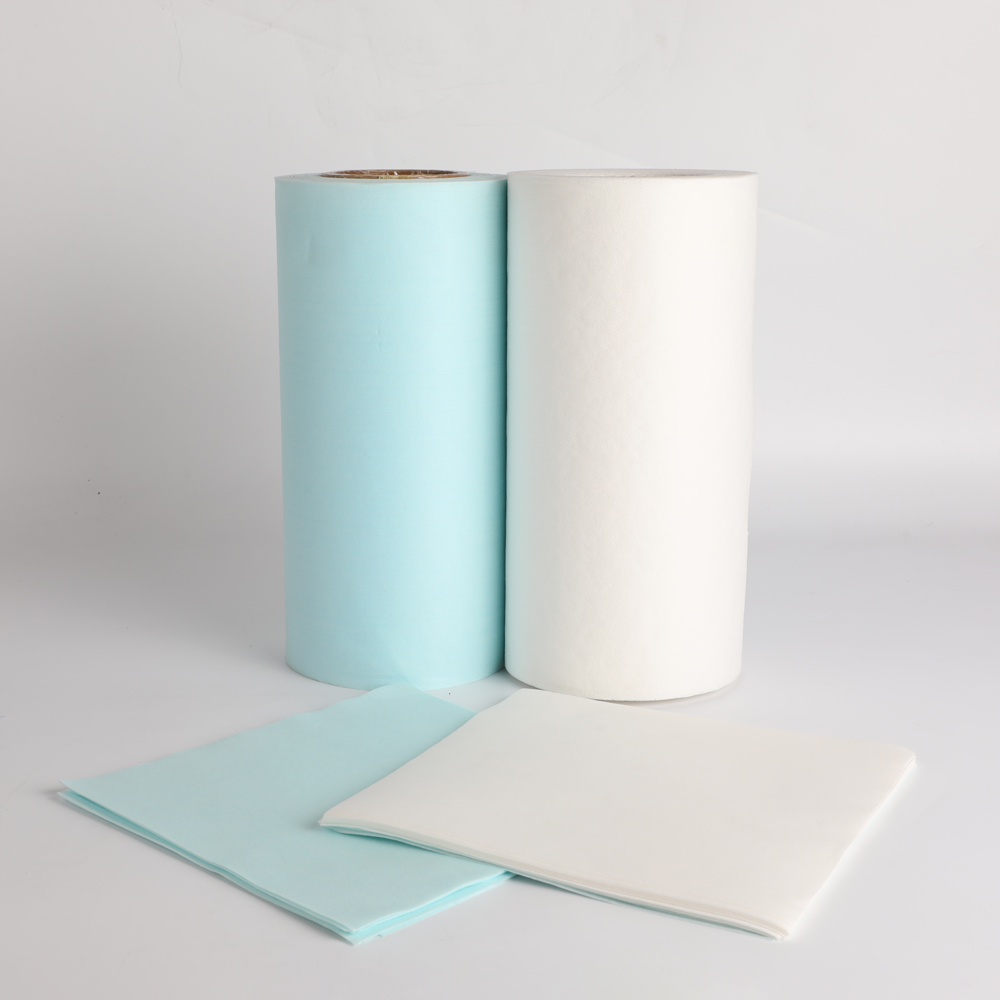 Woodpulp Nonwoven Wipe
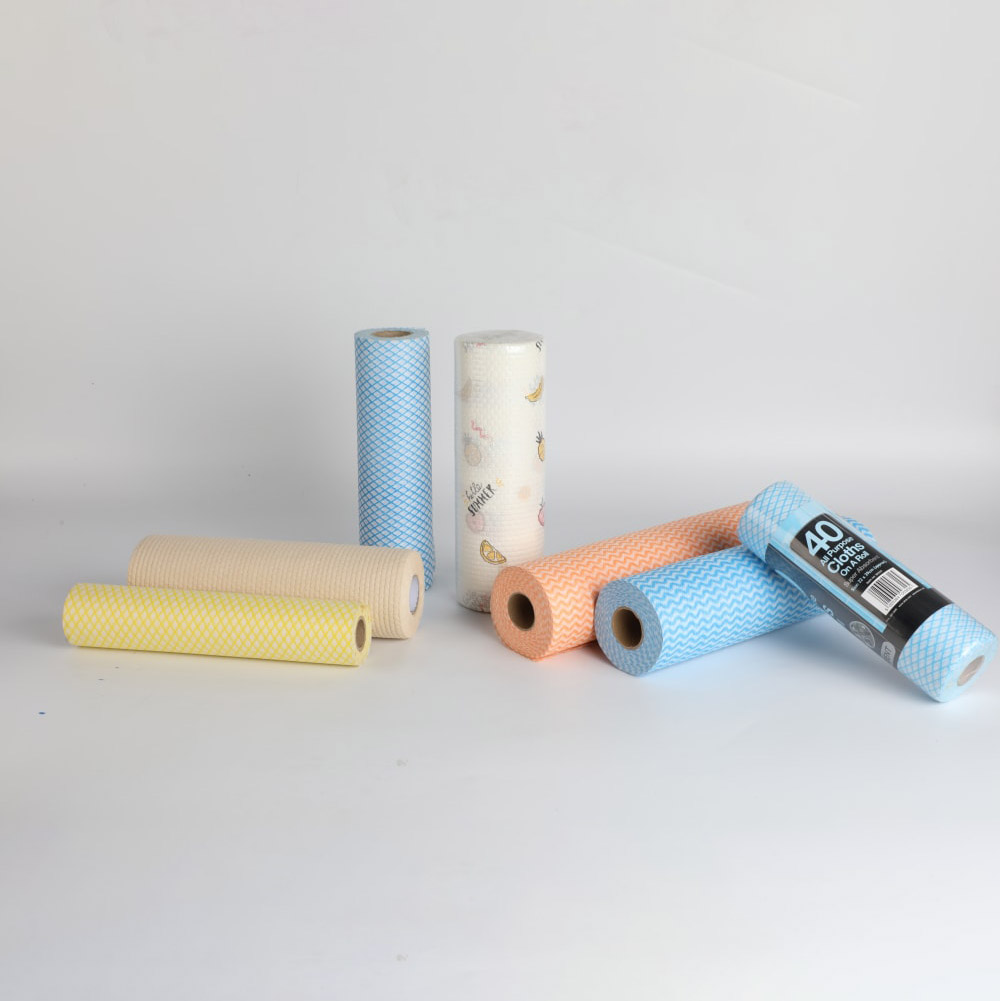 Nonwoven Cleaning Wipe
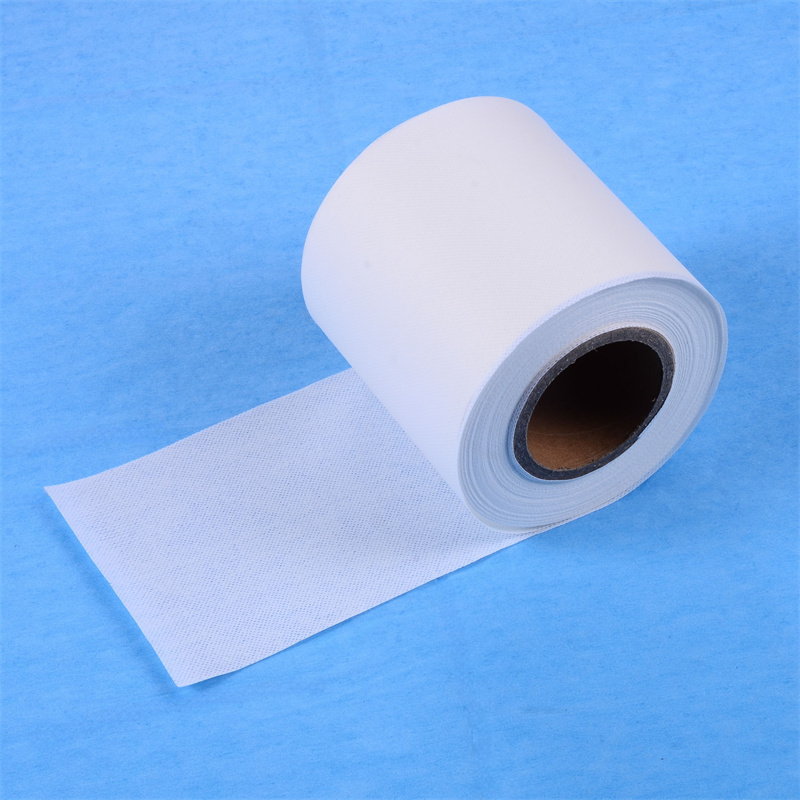 Flame Retardant Nonwoven Fabric
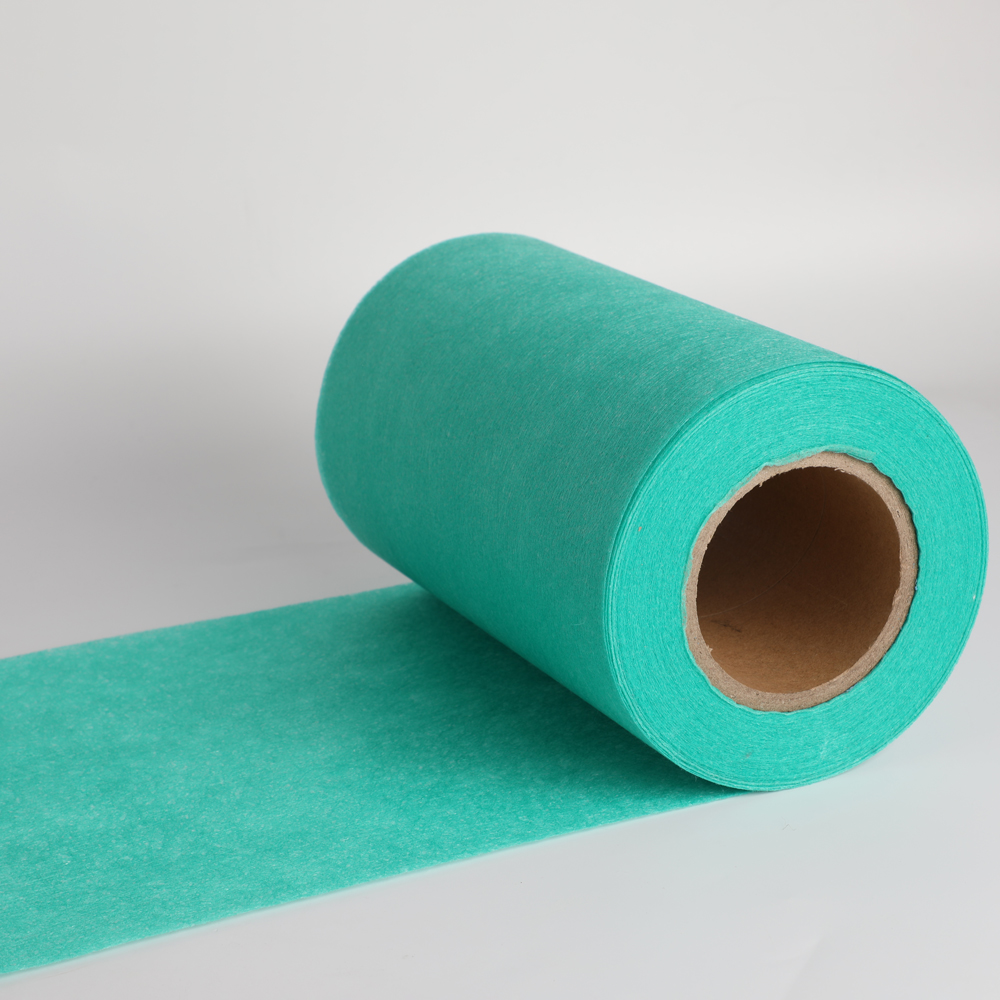 Anti-Bacterial Nonwoven
 CONTACT WhatsApp
 CONTACT WeChat

 CONTACT NUMBER
 CONTACT EMAIL