10 Best Non Woven Polyester Fabric Uses You Should Know?
Non Woven Polyester Fabric is becoming increasingly popular in various industries. It offers unique qualities, making it suitable for diverse applications. With its lightweight and durable nature, this fabric is versatile and efficient.
Many industries utilize Non Woven Polyester Fabric for its strength and affordability. For example, it is commonly used in disposable medical products, such as masks and gowns. The fabric's breathability makes it ideal for these applications. Additionally, it finds its place in the fashion world, where designers appreciate its creative potential.
However, not all uses are perfect. Some products may compromise on comfort. Others might raise concerns about sustainability. This highlights the need for better practices in sourcing and production. Exploring the uses of Non Woven Polyester Fabric reveals its potential and the challenges faced, encouraging reflection on how we can improve its application and impact.
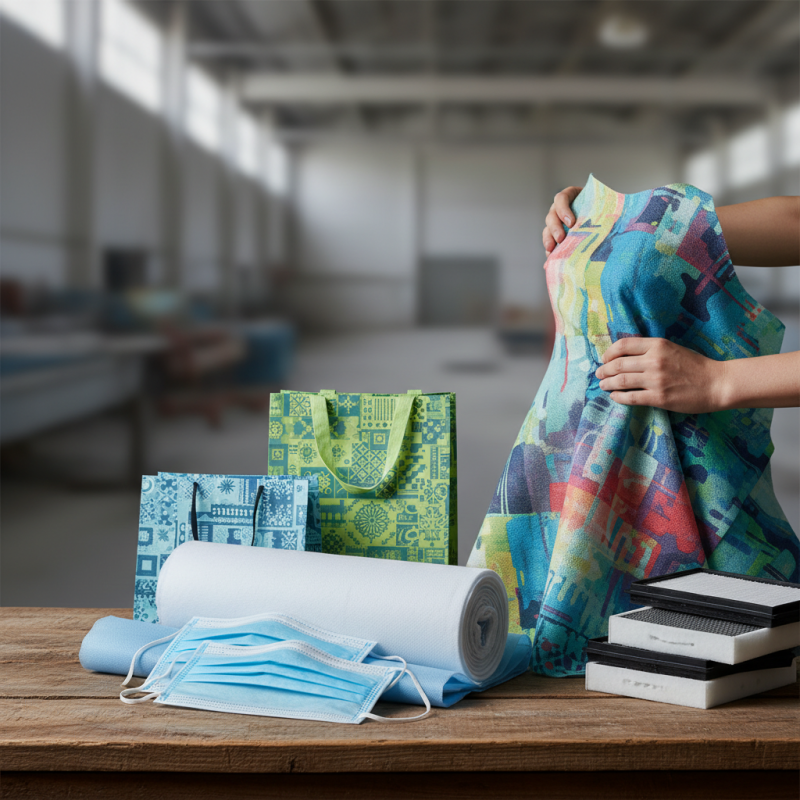
Overview of Non Woven Polyester Fabric and Its Characteristics
Non woven polyester fabric is gaining popularity in various industries. Its unique characteristics make it suitable for numerous applications. This fabric is lightweight, durable, and resistant to moisture and chemicals. According to a recent market analysis, the global non woven fabric market is projected to reach USD 51 billion by 2027, growing at a CAGR of 7.3%. This data highlights the increasing adoption of these materials across multiple sectors.
One significant feature of non woven polyester fabric is its breathability. This factor is crucial in industries like medical textiles. Disposable surgical gowns made from this fabric enhance comfort for healthcare workers. Additionally, the fabric’s ability to be recycled offers an eco-friendly angle, which is increasingly important today. However, its production can be energy-intensive, prompting industry experts to seek more sustainable practices.
Non woven polyester is also extensively used in automotive applications. From interior fabrics to insulation materials, its versatility shines through. Yet, there are challenges linked to its long-term performance under extreme conditions. Some users report that certain products exhibit wear over time, raising questions about durability. As industries evolve, addressing these concerns will be vital for future advancements.
Common Uses of Non Woven Polyester Fabric in the Fashion Industry
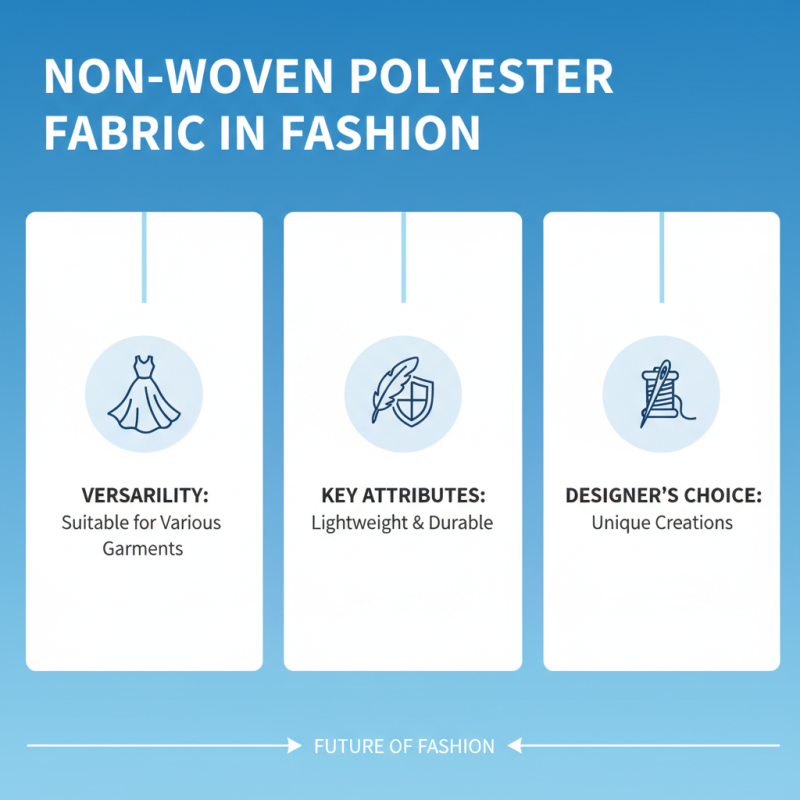
Non-woven polyester fabric is gaining traction in the fashion industry. Its versatility makes it suitable for various applications. Designers are drawn to its lightweight, durable nature. Many use it for creating unique garments.
One popular application is in eco-friendly fashion. Non-woven polyester can be made from recycled materials. This appeals to environmentally conscious consumers. Moreover, the fabric is often used for innovative, stylish bags. These bags are not only practical but also trendy. They can be found in many colors and patterns.
However, reliance on non-woven fabrics raises questions. While they are affordable, quality can vary. Some garments may not last as long as traditional fabrics. Additionally, the production process can impact sustainability. It's crucial to consider these factors when choosing non-woven polyester for your wardrobe. Fashion should be mindful of both style and substance.
Applications of Non Woven Polyester Fabric in Home Textiles
Non-woven polyester fabric has become a popular choice in home textiles due to its unique properties. This material is known for its durability and versatility. It is lightweight yet strong, making it ideal for a range of applications. You will find non-woven polyester in items like curtains, tablecloths, and upholstery. Its moisture resistance and breathability enhance indoor comfort.
When using non-woven polyester in home textiles, consider the design. Choose colors and textures that match your decor. This fabric is available in various patterns, which can elevate the look of your space. However, be aware that some types may not be as easy to clean as traditional fabrics. Regular maintenance is essential.
Tips: Test a small section for stains before applying cleaning solutions. This saves you from damaging larger pieces. Always check the care instructions to ensure longevity. Non-woven polyester can fray easily, so be cautious when handling it. Think about how this fabric will complement your lifestyle as well.
Environmental Benefits of Using Non Woven Polyester Fabric
Non woven polyester fabric offers many environmental advantages. This material is durable and lightweight. It is made from synthetic polymers that minimize waste. Unlike traditional woven fabrics, non woven textiles can be recycled. This property reduces landfill contributions significantly.
Many industries benefit from these fabrics. They are commonly used for bags, filters, and medical supplies. The production process requires less energy compared to woven textiles. However, it’s essential to consider the sourcing of these materials. Not all polyester is made equally. Some processes can harm our environment.
Additionally, non woven polyester can be pivotal in promoting sustainability. Its reusable nature encourages mindful consumption. People are becoming more aware of their plastic use. As a result, choosing non woven options is a step towards reducing plastic reliance. Despite these benefits, it’s vital to continue exploring better alternatives. The journey to sustainability is ongoing.
Innovative Uses of Non Woven Polyester Fabric in Medical and Industrial Fields
Non woven polyester fabric plays a crucial role in both medical and industrial settings. In the medical field, this fabric is often used for surgical gowns and drapes. These items are designed to provide barrier protection while remaining breathable. According to a report by Smithers Pira, the global nonwoven fabric market is expected to reach USD 54 billion by 2023. This market growth shows how important these materials are in healthcare.
In industry, non woven polyester fabric is widely used in filtration systems, insulation, and geotextiles. Its durability and resistance to chemicals make it perfect for various applications. For instance, the filtration sector relies heavily on this fabric due to its ability to capture pollutants without compromising air flow. However, challenges remain. Some manufacturers struggle with waste during the production process. Reducing this waste is essential for sustainability.
Despite its benefits, not all manufacturers use eco-friendly practices. Reports indicate that a significant portion of waste from nonwovens ends up in landfills. As industries evolve, a stronger focus on sustainability is necessary to align with environmental goals. Nonetheless, innovations continue to emerge, fostering growth in both medical and industrial uses of non woven polyester fabric.

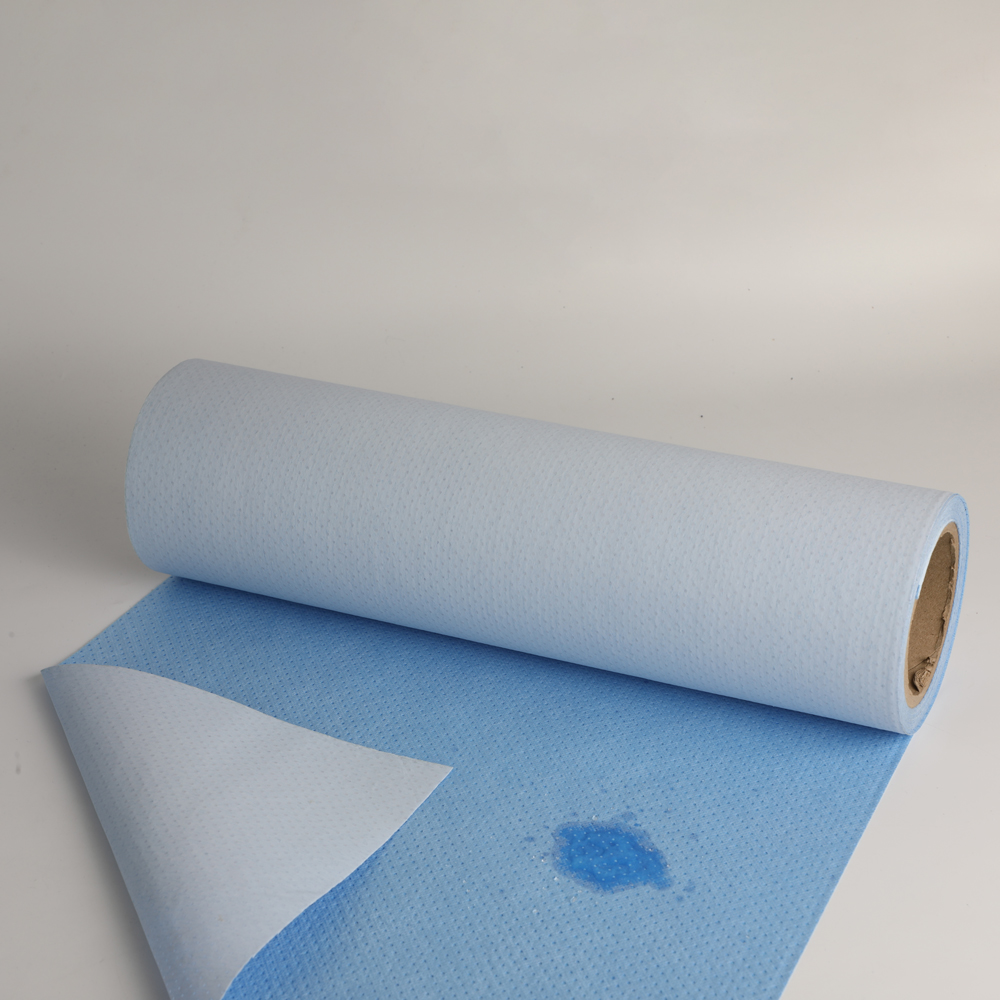 Multi Laminates
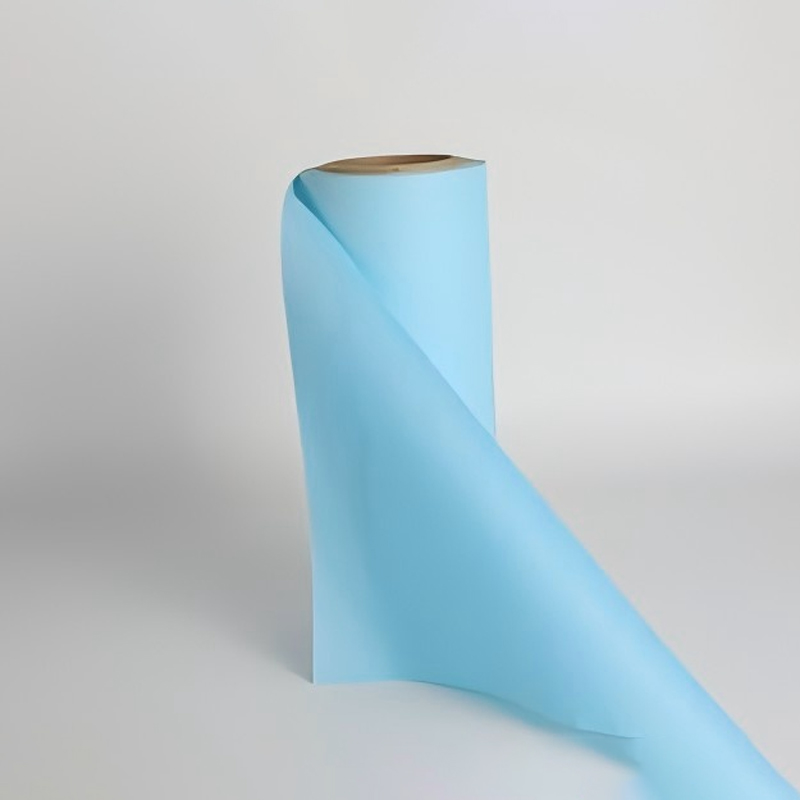 Spunlace Nonwoven Laminates
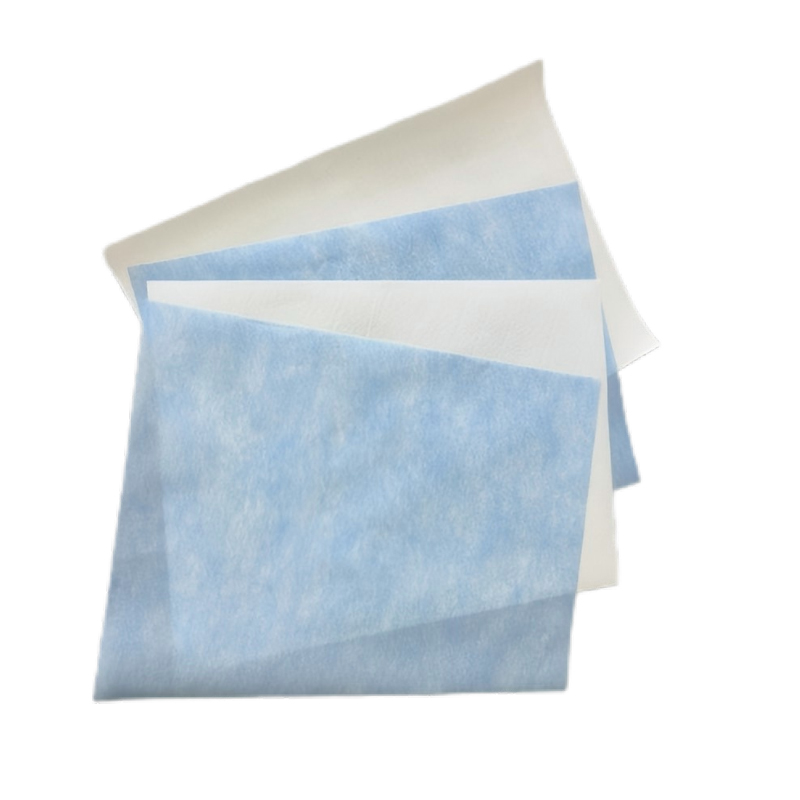 Breathable Film Laminates
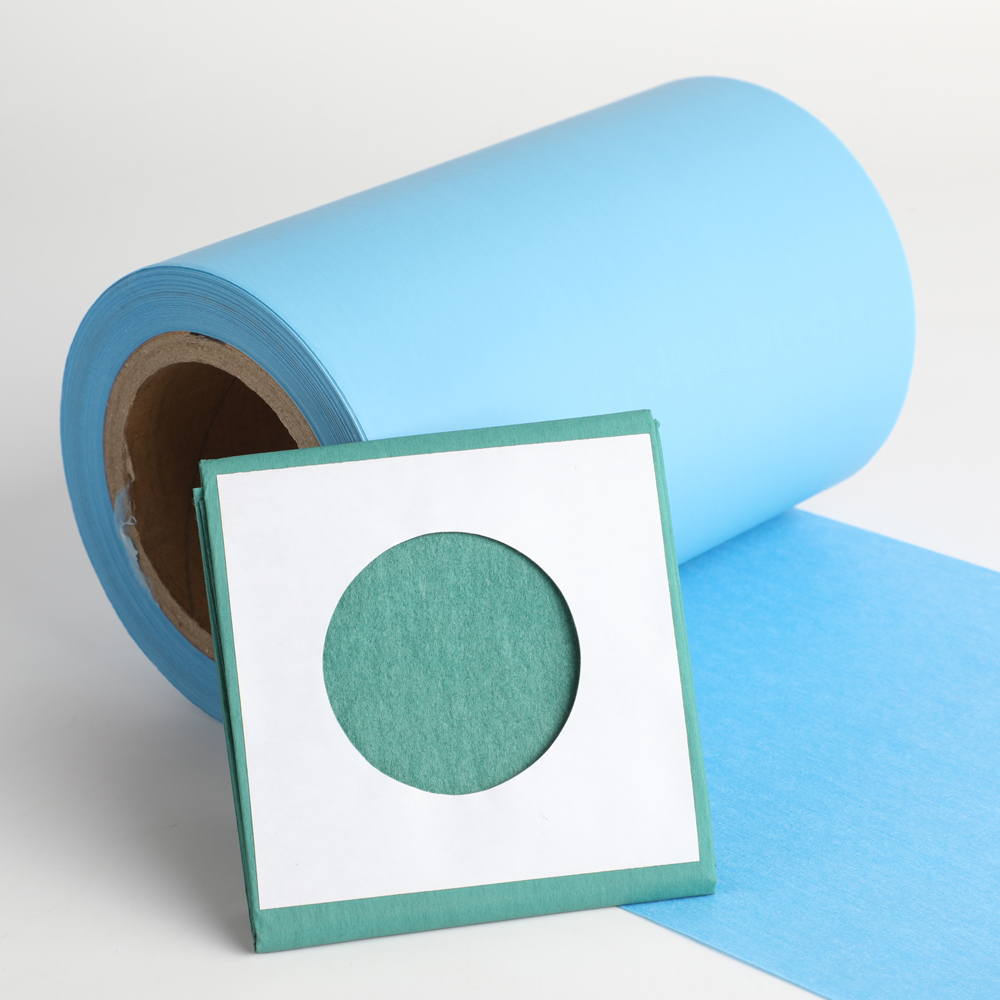 Viscose Laminates
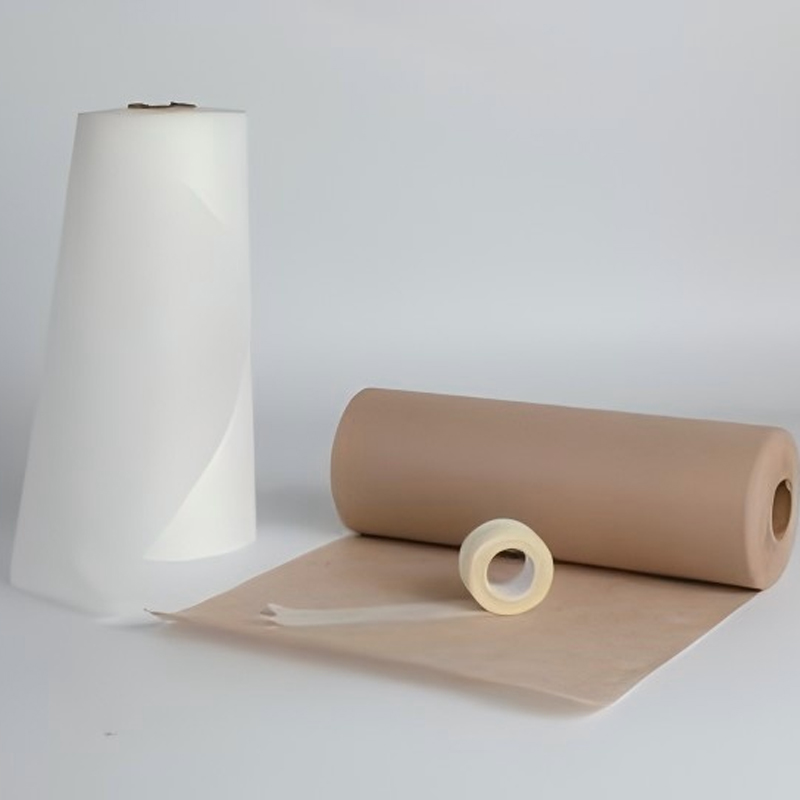 Medical Tape Nonwoven
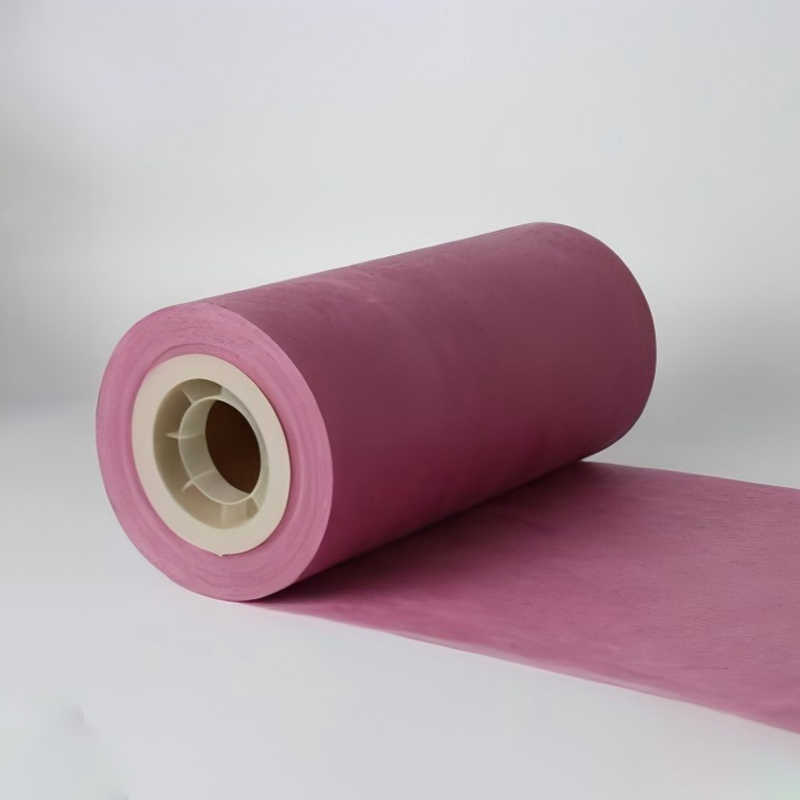 Filtration Nonwoven
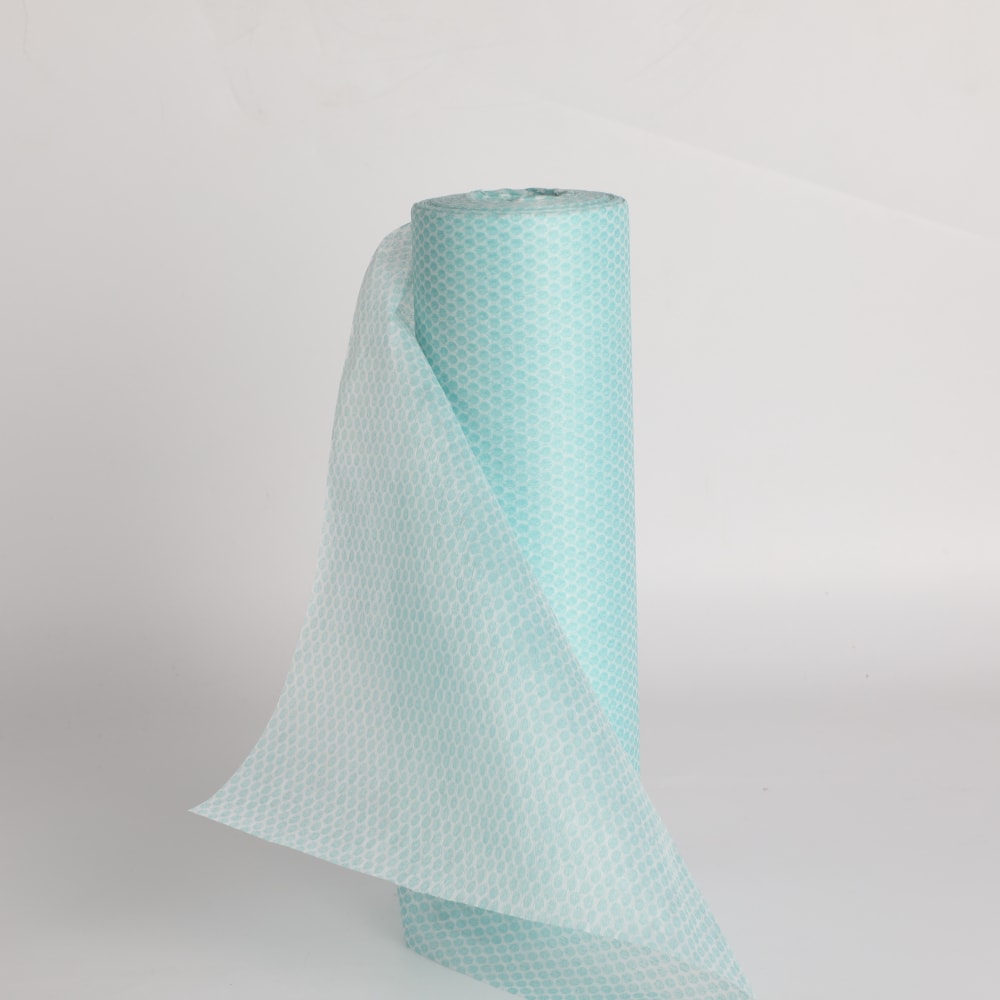 Head Wear Nonwoven
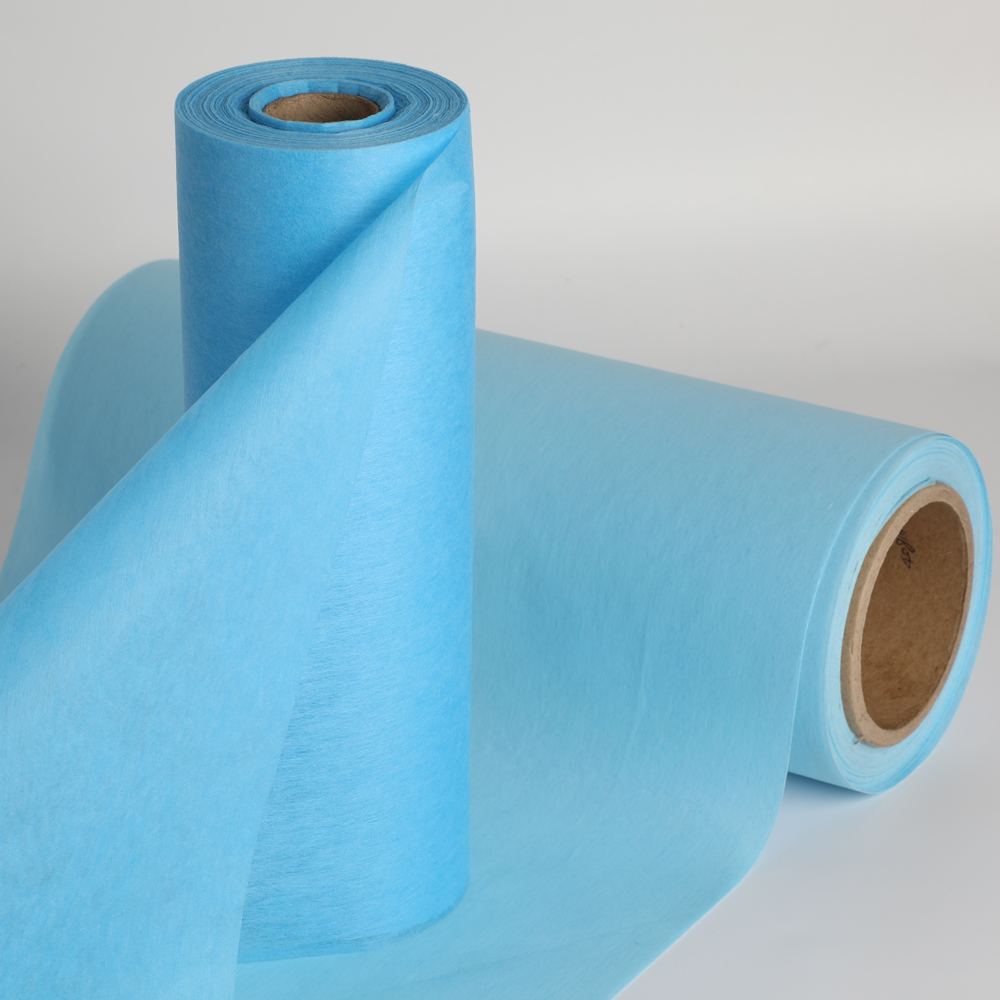 Medical Viscose Nonwoven
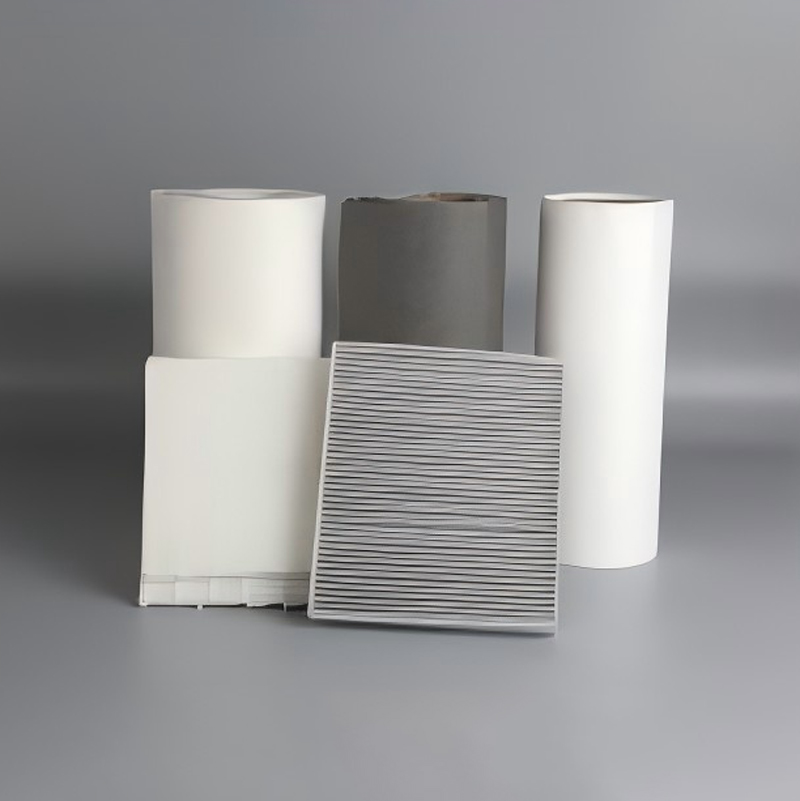 Air Filter Media
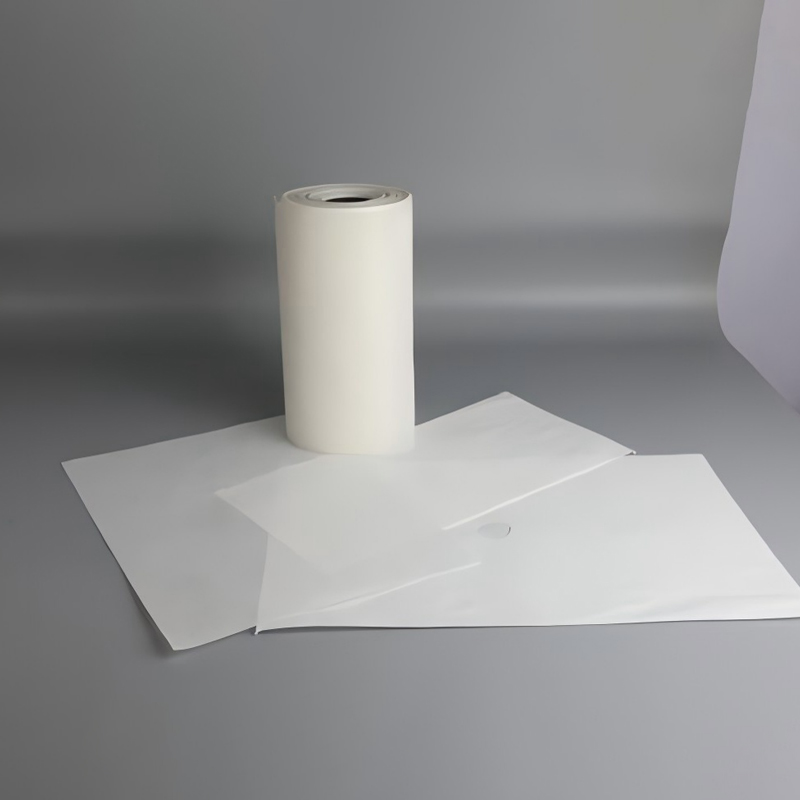 Liquid Filter Media
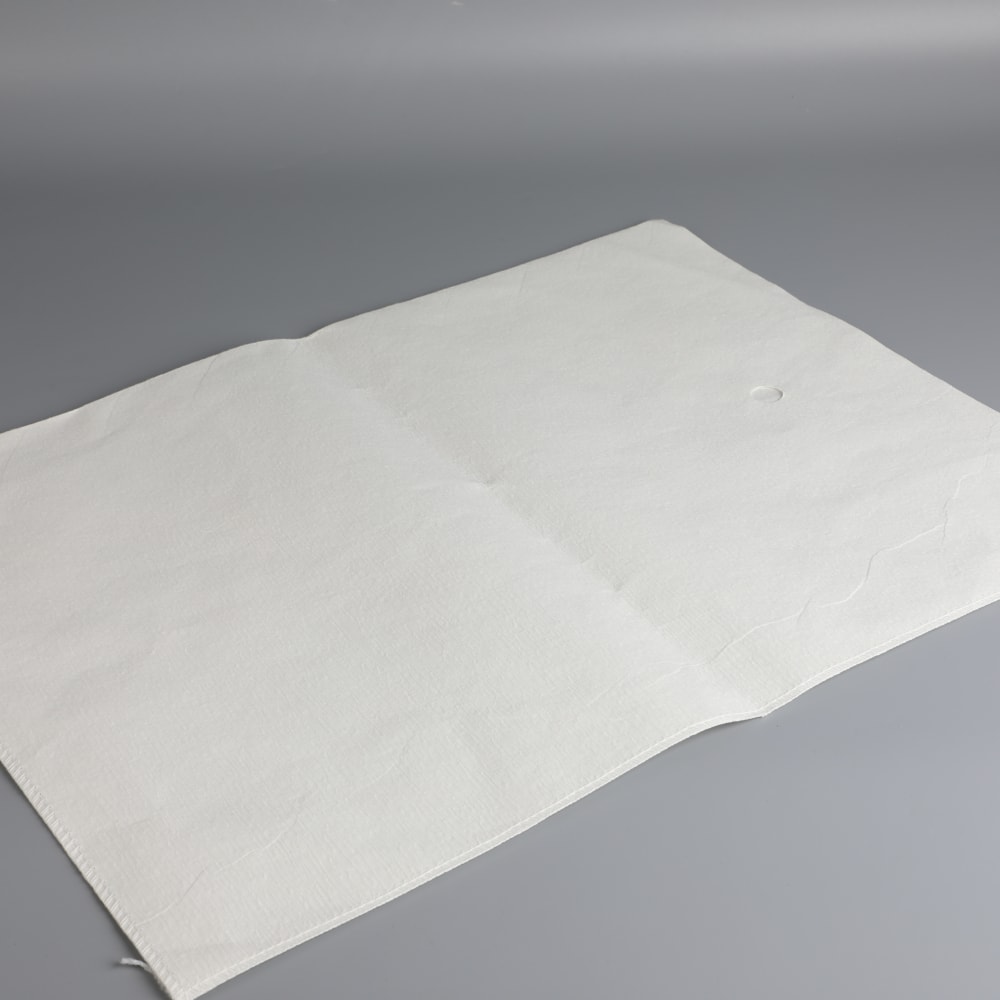 Filter Envelope & Filter Sheet
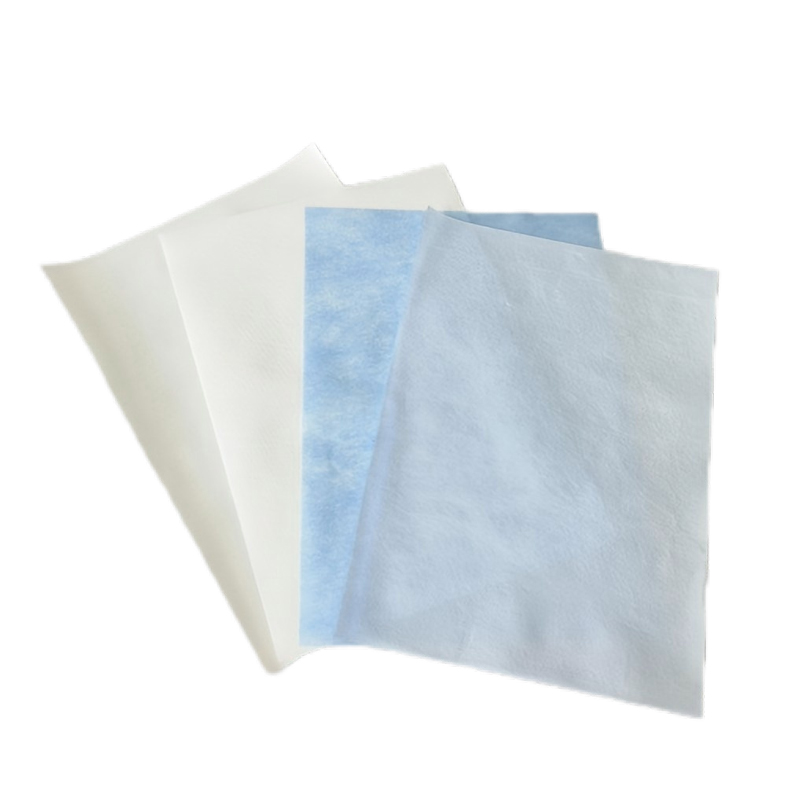 Breathable Film Laminates
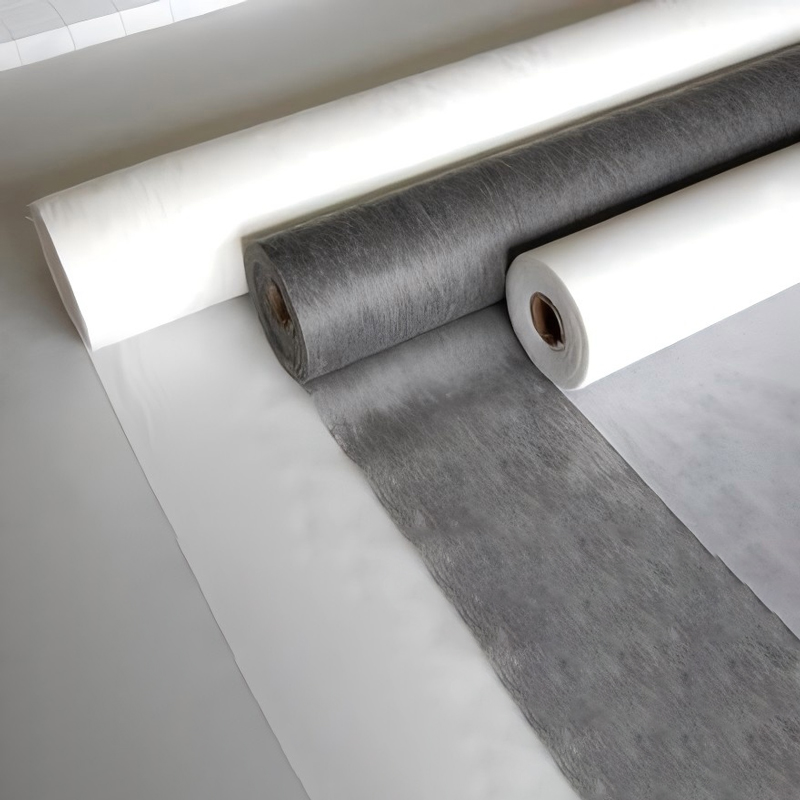 Nonwoven Interlining
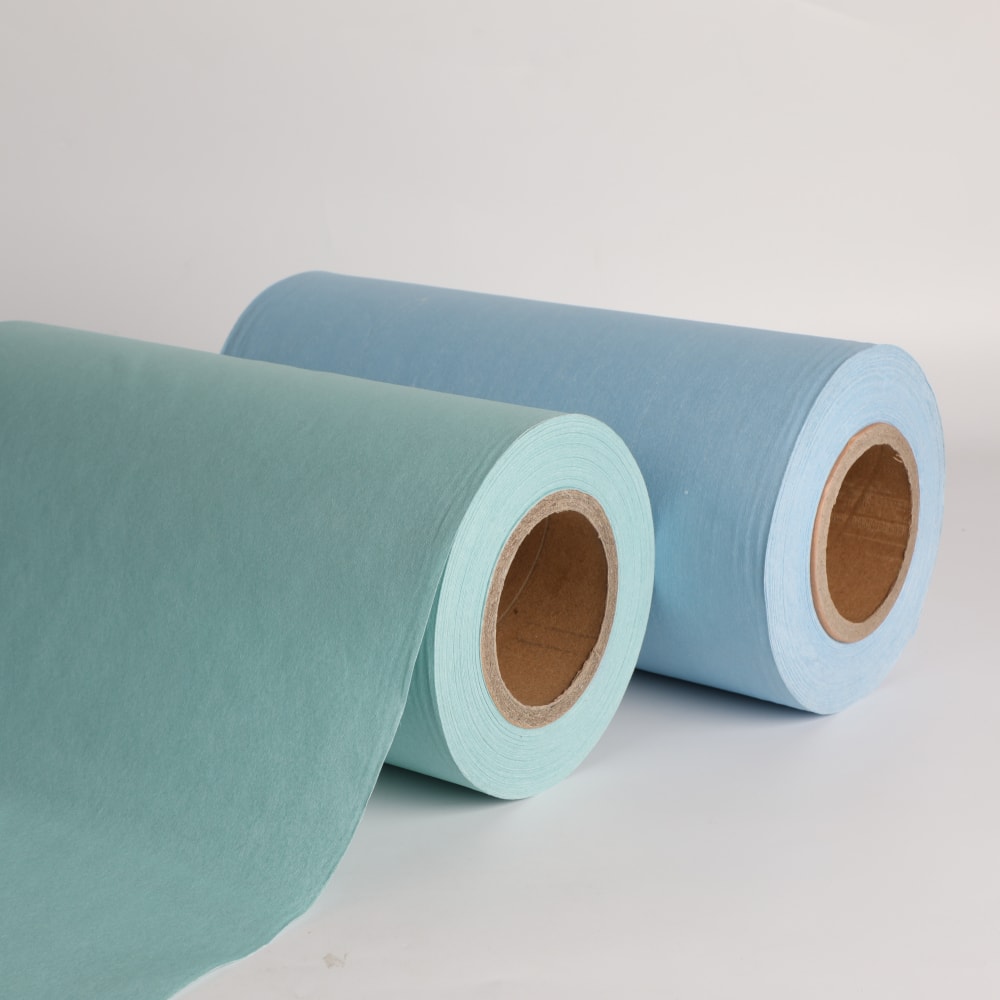 Fluid Repellent Woodpulp Spunlace Nonwoven
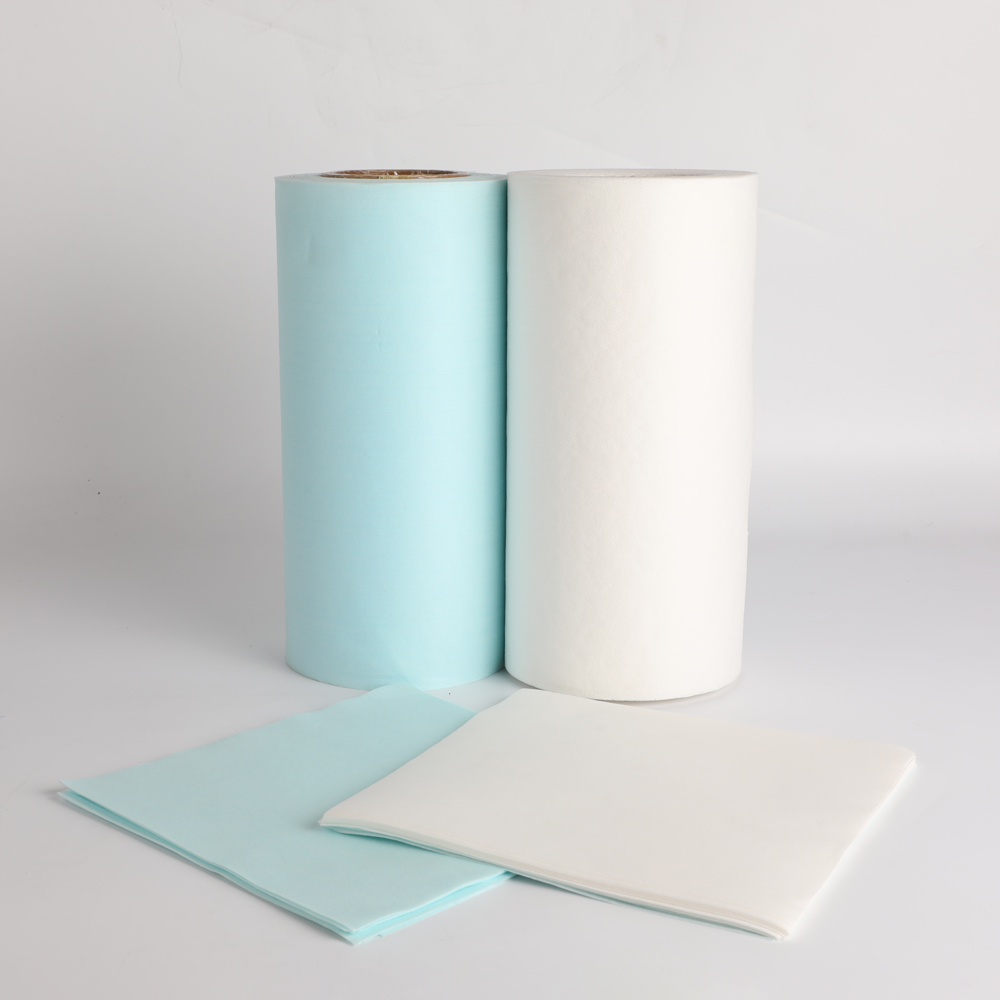 Woodpulp Nonwoven Wipe
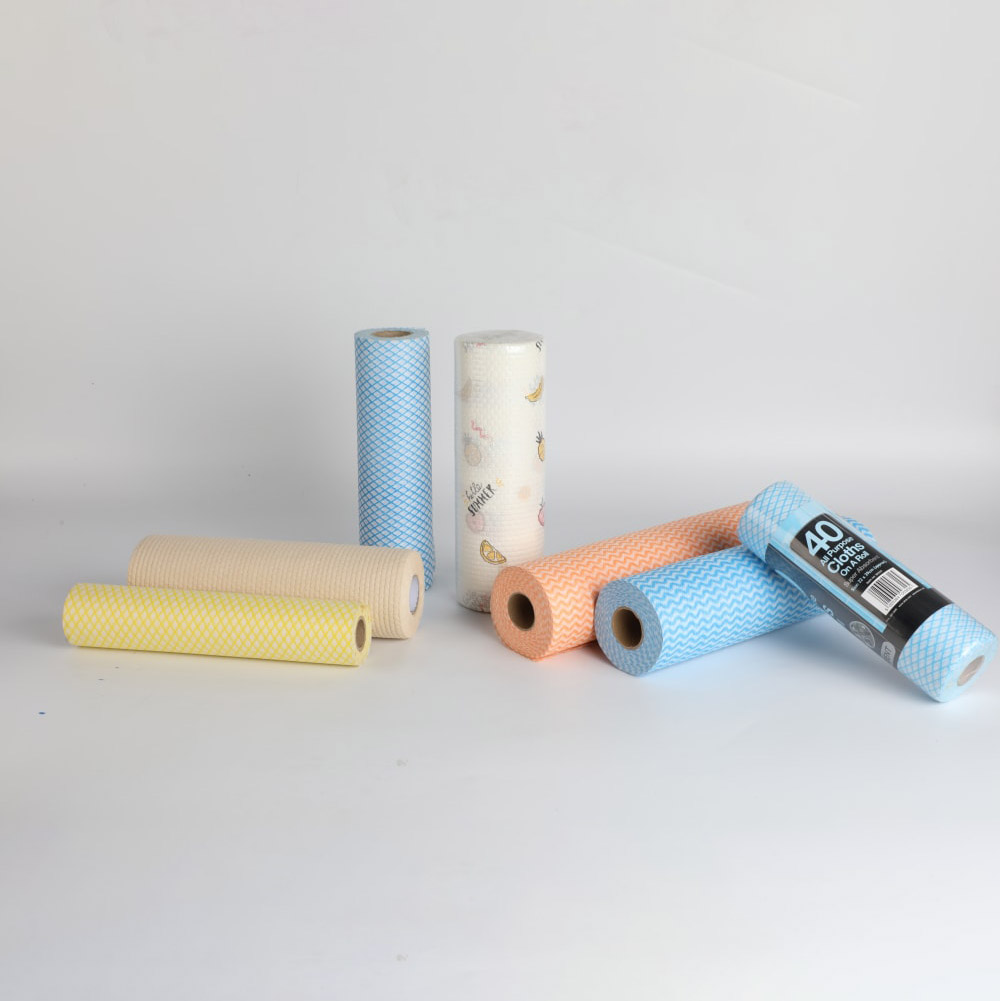 Nonwoven Cleaning Wipe
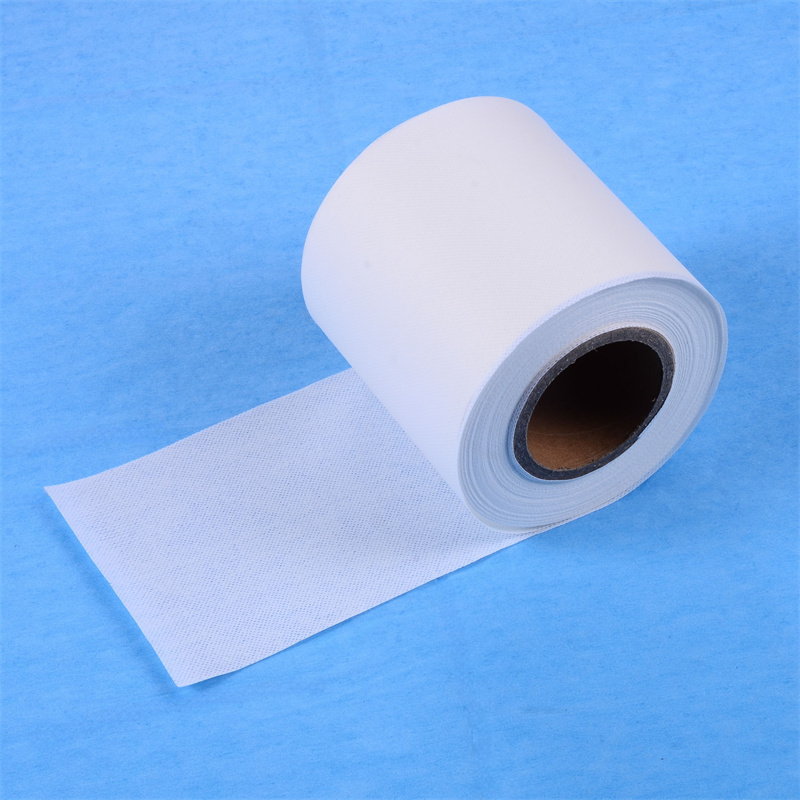 Flame Retardant Nonwoven Fabric
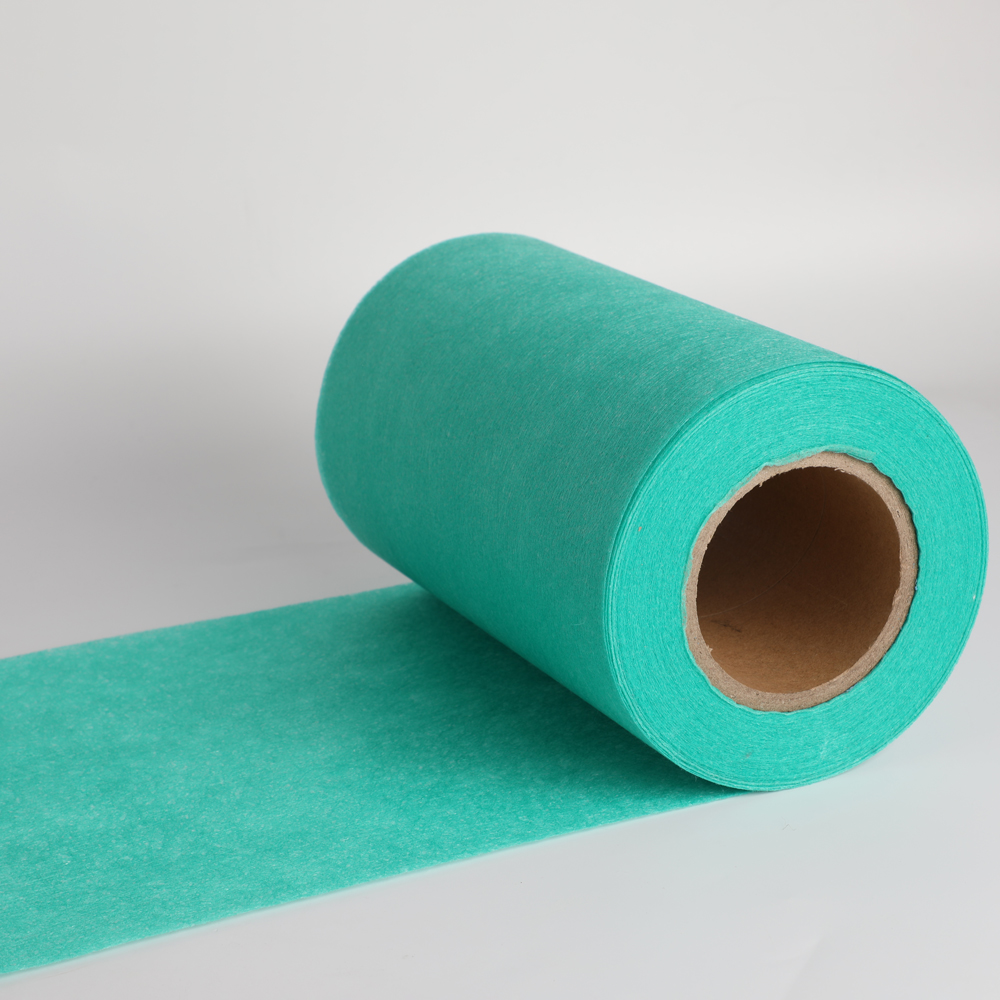 Anti-Bacterial Nonwoven
 CONTACT WhatsApp
 CONTACT WeChat

 CONTACT NUMBER
 CONTACT EMAIL