What are the Benefits of Viscose Nonwoven for Global Buyers?
Viscose nonwoven fabrics are gaining traction in the global market, presenting a range of benefits for buyers. According to a report by Smithers Pira, the global nonwoven market is expected to reach $30 billion by 2025, driven by increasing demand in hygiene and medical sectors. Industry expert Dr. Emily Zhao highlights, "Viscose nonwoven materials are crucial due to their eco-friendliness and versatility." This material is derived from natural fibers, making it an appealing option for sustainable products.
Furthermore, viscose nonwoven offers excellent absorbency and a soft feel, essential for personal care items. As consumers become increasingly eco-conscious, the preference for sustainable options rises. However, challenges remain. The supply chain can be complex, and not all manufacturers maintain high-quality standards. This is problematic for global buyers looking to ensure consistency and reliability in their sourcing.
The vibrant market offers both opportunities and risks. Buyers must navigate this terrain wisely. They should prioritize partnerships with reputable suppliers committed to quality and sustainability. While viscose nonwoven holds great promise, understanding the landscape is essential for maximizing its benefits. The journey of sourcing this material may require careful consideration and strategic planning.

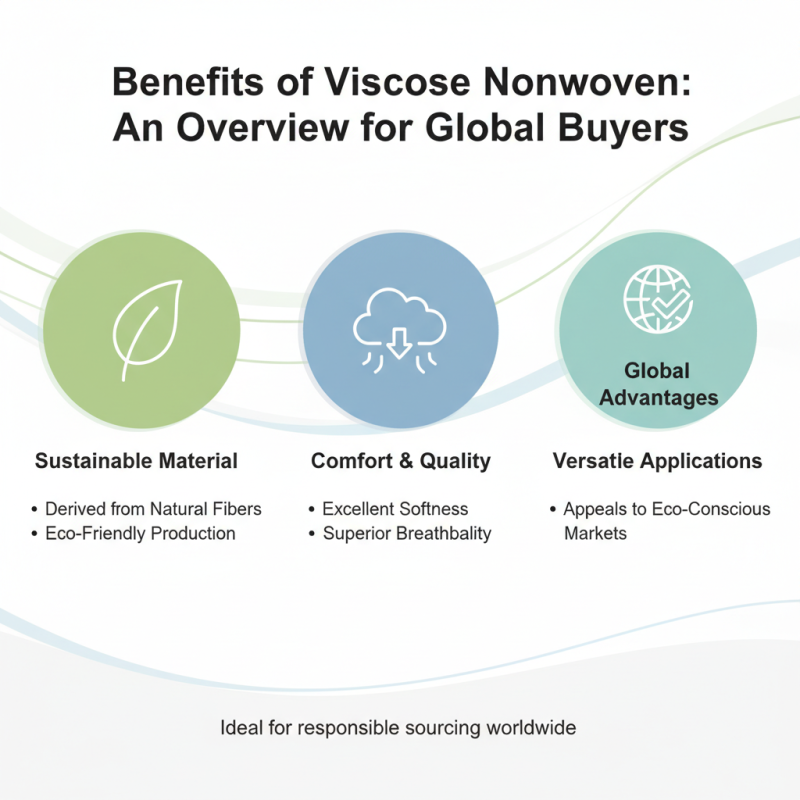
Benefits of Viscose Nonwoven: An Overview for Global Buyers
Viscose nonwoven fabrics offer significant advantages for global buyers seeking sustainable materials. These fabrics are derived from natural fibers, making them an eco-friendly choice. The production process is less harmful to the environment compared to synthetic options. Additionally, viscose nonwovens provide excellent softness and breathability, which are essential qualities for various applications.
One key benefit is their versatility. Viscose nonwoven fabrics can be used in medical, hygiene, and textile sectors. They are lightweight yet durable, making them suitable for disposable products. Their natural origin also means that they can be biodegradable, reducing waste concerns. However, buyers should consider the sourcing of raw materials. It is crucial to ensure that the viscose is sourced sustainably to fully realize environmental benefits.
Moreover, the manufacturing process of viscose nonwovens can vary. Different techniques lead to distinct qualities and potential issues. Some methods may impact the fabric's strength or absorbency. As a buyer, it’s essential to evaluate these properties carefully. Engaging with suppliers who prioritize quality and transparency is advisable. Balancing performance with sustainability will greatly benefit businesses in the long run.
Key Properties of Viscose Nonwoven That Attract Global Buyers
Viscose nonwoven fabrics have gained popularity among global buyers due to their unique properties. One significant characteristic is their excellent breathability. This makes them ideal for applications in medical and hygiene products. Their lightweight nature adds to the ease of handling and comfort, particularly in clothing and packaging.
Another attractive property is the fabric's softness. Viscose nonwoven feels gentle against the skin, which is essential for baby products and personal care items. Additionally, the biodegradable aspect of viscose appeals to environmentally conscious consumers. This sustainable feature resonates well with brands aiming to reduce their carbon footprint.
Still, there are challenges to consider. The moisture absorption of viscose can sometimes lead to mold or mildew in damp conditions. Manufacturers need to innovate in this area. Reliability can also vary based on the sourcing of raw materials. Ensuring consistent quality from suppliers is crucial for maintaining standards. Despite these potential pitfalls, the versatility and appealing characteristics of viscose nonwoven continue to attract global buyers.
What are the Benefits of Viscose Nonwoven for Global Buyers? - Key Properties of Viscose Nonwoven That Attract Global Buyers
| Property |
Description |
Benefit to Buyers |
| Biodegradability |
Viscose nonwoven fabric is made from natural cellulose fibers, allowing it to decompose naturally. |
Appeals to eco-conscious brands and consumers, enhancing brand image. |
| Softness |
The surface texture is gentle on the skin and provides a pleasant tactile experience. |
Increases customer satisfaction in applications like personal care products. |
| Absorbency |
Viscose nonwovens have high moisture absorption capabilities. |
Ideal for hygiene products and wipes, appealing to manufacturers in these sectors. |
| Breathability |
Allows air and moisture vapor to pass through. |
Preferred in medical and clothing applications for comfort and hygiene. |
| Versatility |
Can be used in various applications from wipes to insulation material. |
Attracts a wide range of industries, enhancing market opportunities. |
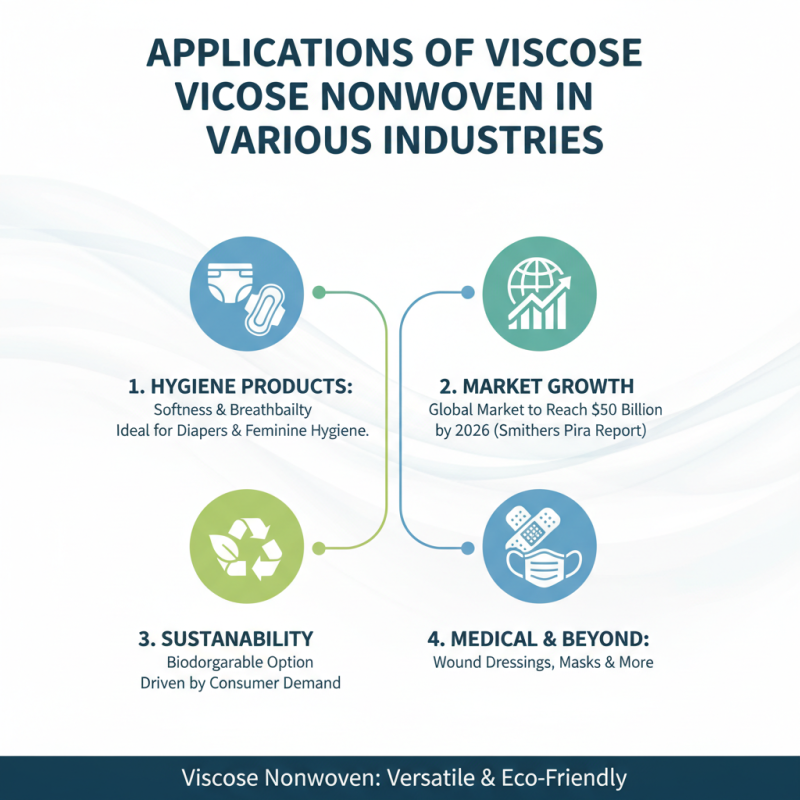
Applications of Viscose Nonwoven in Various Industries
Viscose nonwoven fabrics are gaining traction across multiple industries due to their unique properties. The softness and breathability of viscose make it ideal for hygiene products, such as diapers and feminine hygiene products. A recent report by Smithers Pira estimates the global market for nonwoven fabrics is expected to reach $50 billion by 2026. The demand for biodegradable options like viscose is increasing as consumers seek sustainable choices.
In the medical field, viscose nonwoven is extensively used for surgical gowns and masks. Its high absorbency and permeability are crucial for maintaining hygiene. Industry statistics indicate that the medical nonwoven market could grow by 7% annually. However, challenges exist. Some manufacturers struggle with production costs, which may hinder widespread adoption.
The automotive sector is also exploring viscose's potential. It serves as an environmentally-friendly alternative for interior components. While the adoption rate is slow, analysts predict that increased focus on sustainability will drive higher usage. Yet, the industry must address concerns about durability when compared to synthetic materials.
Sustainability Aspects of Viscose Nonwoven Materials
Viscose nonwoven materials have gained increasing attention due to their sustainability aspects. Traditional nonwoven fabrics often rely on synthetic fibers that can contribute to environmental degradation. In contrast, viscose is derived from renewable cellulose sources. Reports indicate that viscose production has a lower carbon footprint by approximately 30% compared to polyester production. This is a significant factor for global buyers looking to make environmentally conscious choices.
Moreover, viscose is biodegradable, breaking down in about 60 days under the right conditions. This makes it an attractive option for industries aiming to enhance their sustainability efforts. Brands can benefit from sourcing viscose nonwovens as they align with circular economy goals. According to the 2022 Textile Sustainability Report, sustainable materials are projected to see a market growth rate of 7.7% annually, highlighting the rising consumer demand for eco-friendly products.
Tips: Ensure that your supply chain is transparent. Certifications from reputable organizations can add credibility to your sustainable claims. Monitor the sourcing of your viscose to support responsible forestry practices.
Importantly, there are challenges. The production of viscose can involve toxic chemicals, raising questions about safety and waste management. Buyers should inquire about the manufacturing processes to ensure compliance with environmental standards. Engaging with suppliers committed to eco-friendly practices can mitigate risks linked with viscose production.
Benefits of Viscose Nonwoven Materials for Global Buyers
Cost-Effectiveness of Viscose Nonwoven for Global Supply Chains
Viscose nonwoven fabrics have gained attention in global supply chains for their cost-effectiveness. According to industry reports, viscose fibers can reduce production costs by up to 30% compared to traditional cotton. This reduction in cost is crucial for manufacturers aiming to remain competitive in today’s fast-paced market.
One key benefit of viscose nonwoven is its versatility. It can be used in various applications, such as hygiene products, medical supplies, and home textiles. Research suggests that the global nonwoven market is expected to reach over $40 billion by 2026, with viscose playing a significant role in this growth. The lightweight nature of these materials helps save on shipping costs and improves transport efficiency.
Tip: When selecting materials for production, consider the environmental impact. Viscose nonwovens are biodegradable, making them an eco-friendly alternative to synthetic fibers.
However, reliance on viscose presents challenges. The sourcing of raw materials can fluctuate, affecting pricing stability. Additionally, producers need to ensure the quality of viscose to maintain product standards. Adopting strong supply chain practices can help mitigate these risks and enhance reliability.
Tip: Regularly assess suppliers for certifications and quality control measures. This proactive approach can safeguard against potential disruptions.

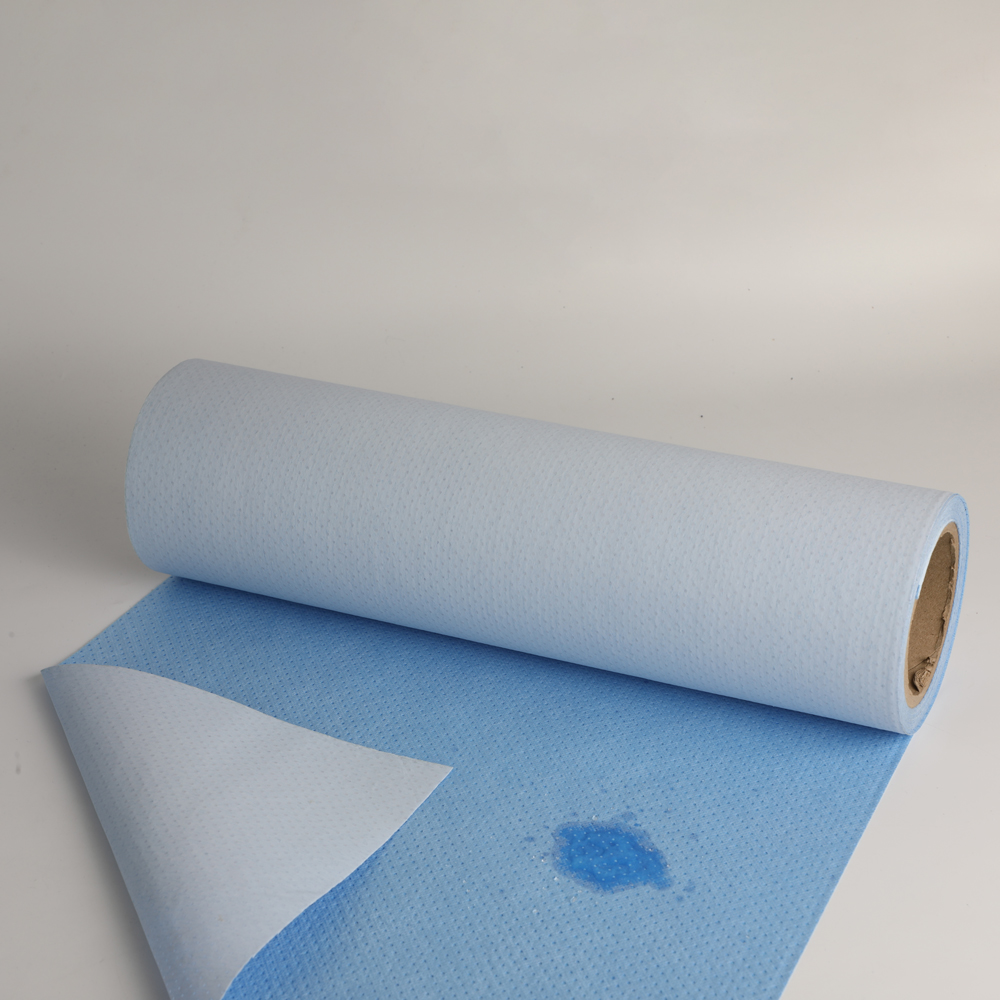 Multi Laminates
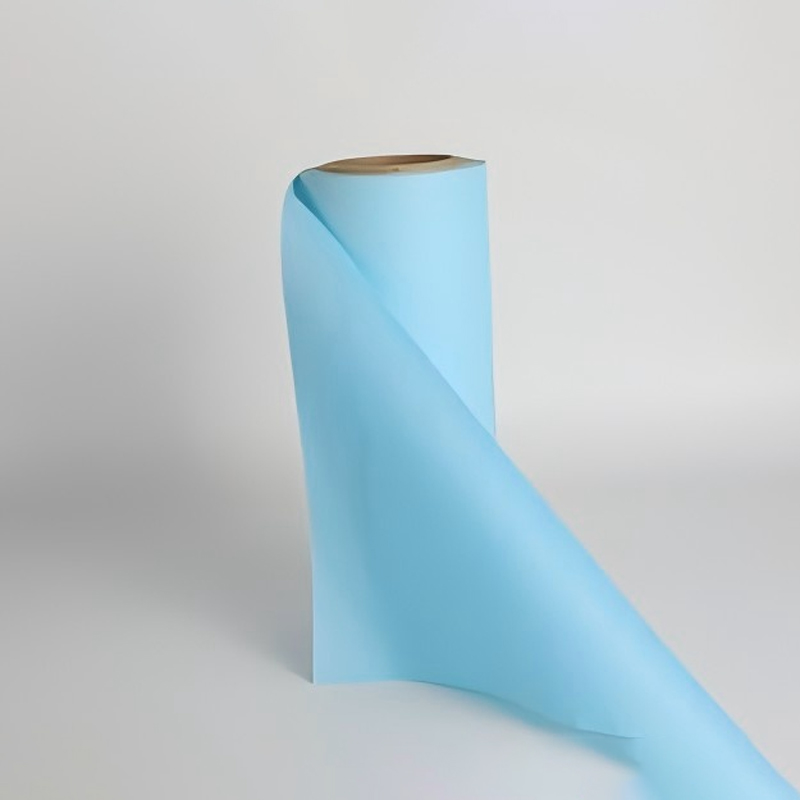 Spunlace Nonwoven Laminates
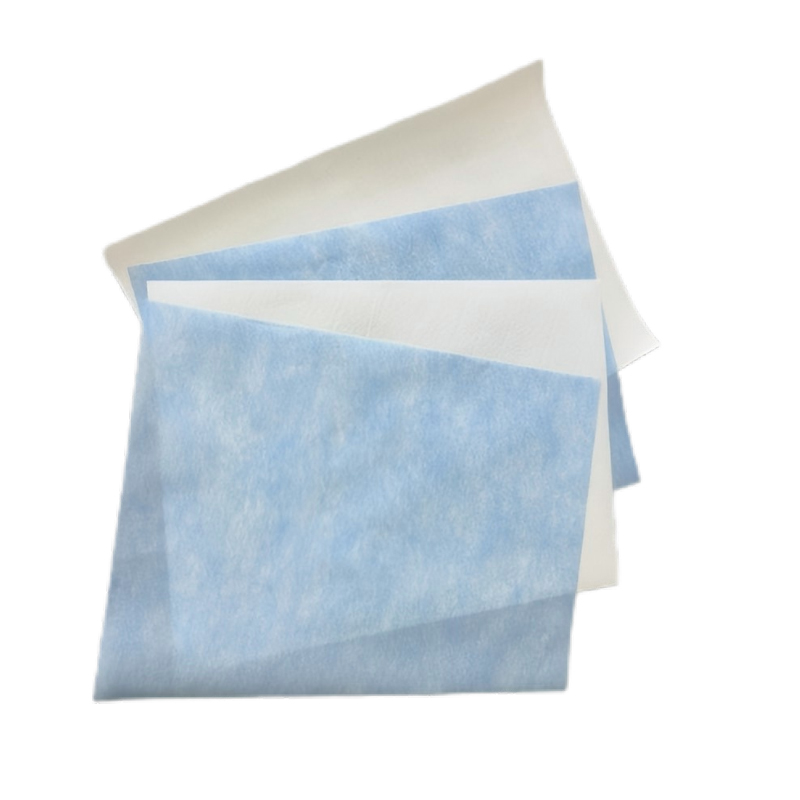 Breathable Film Laminates
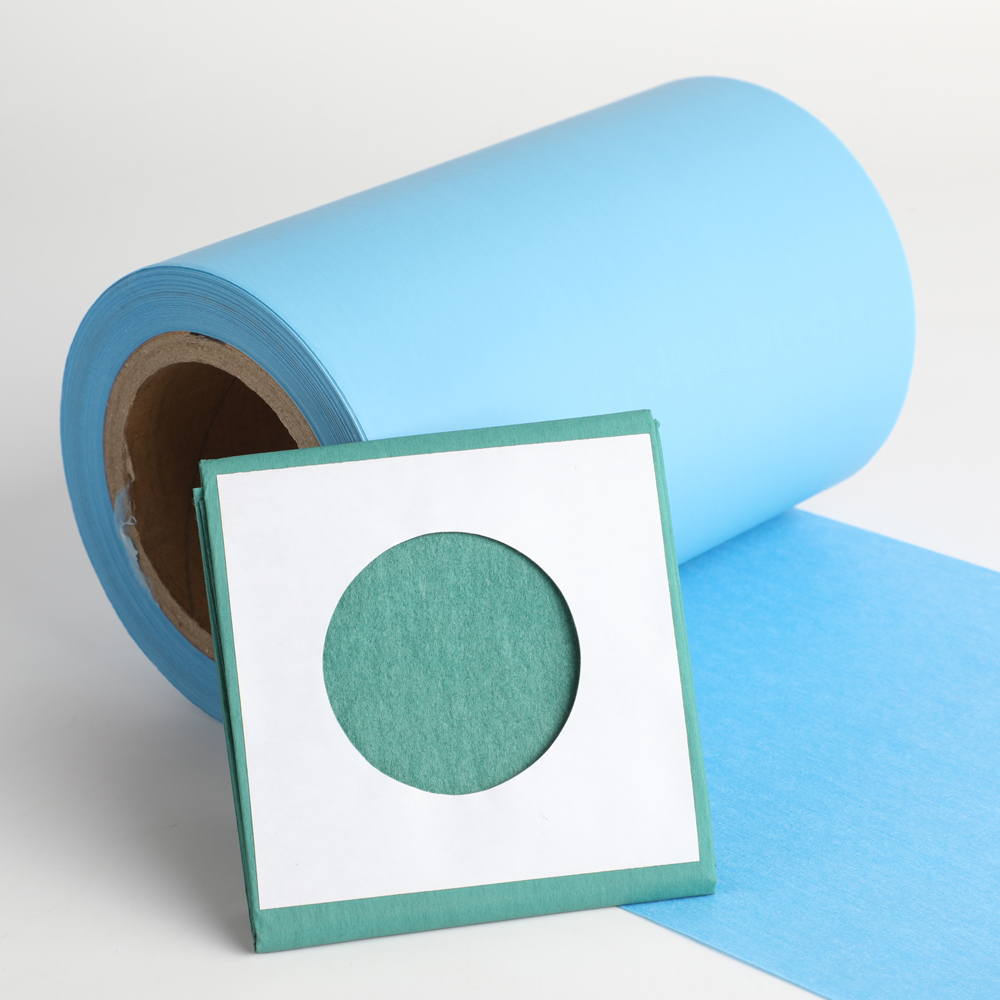 Viscose Laminates
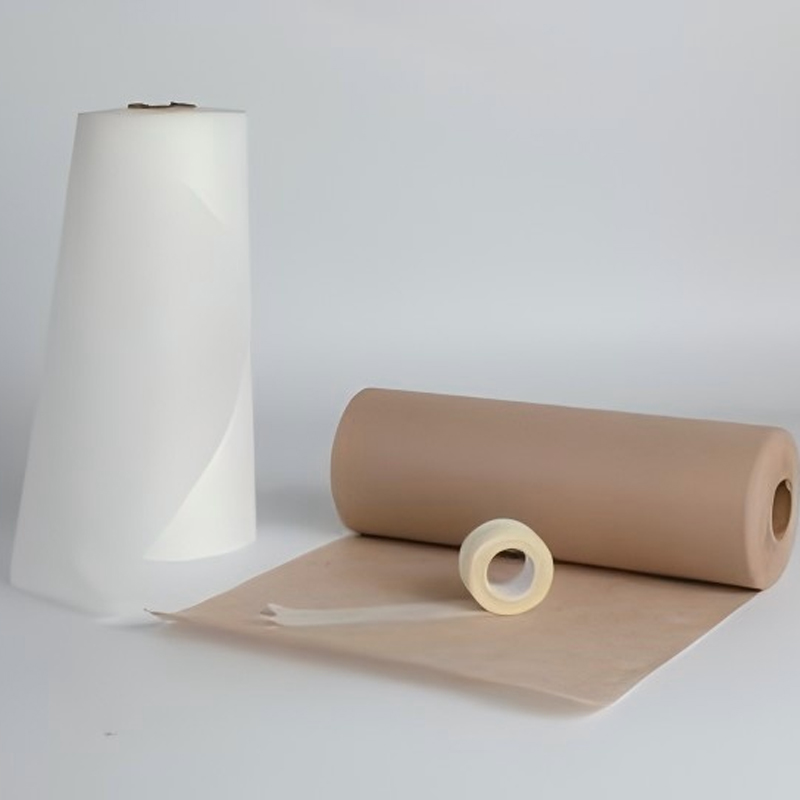 Medical Tape Nonwoven
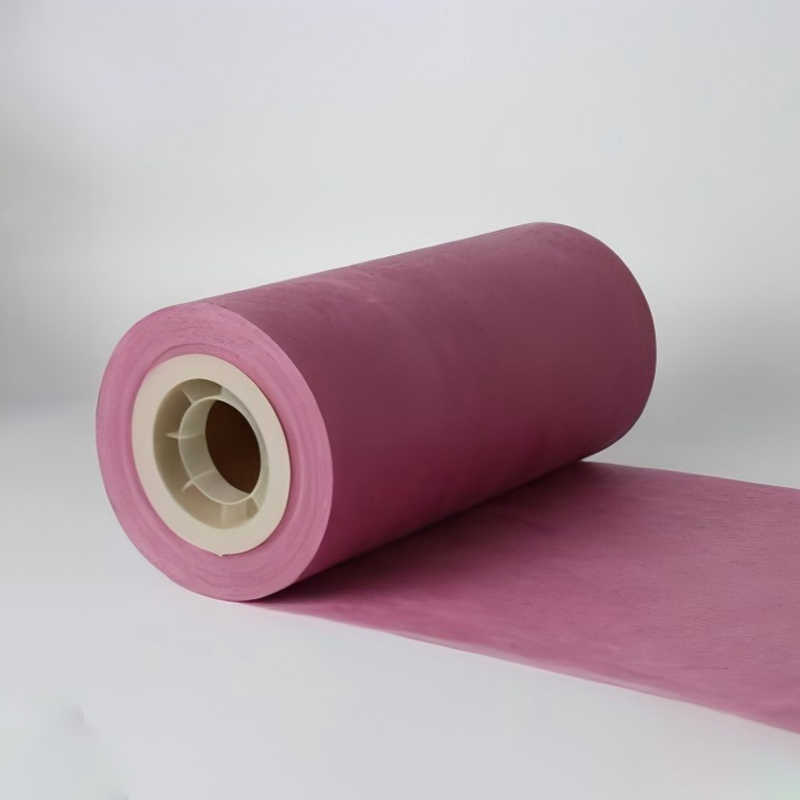 Filtration Nonwoven
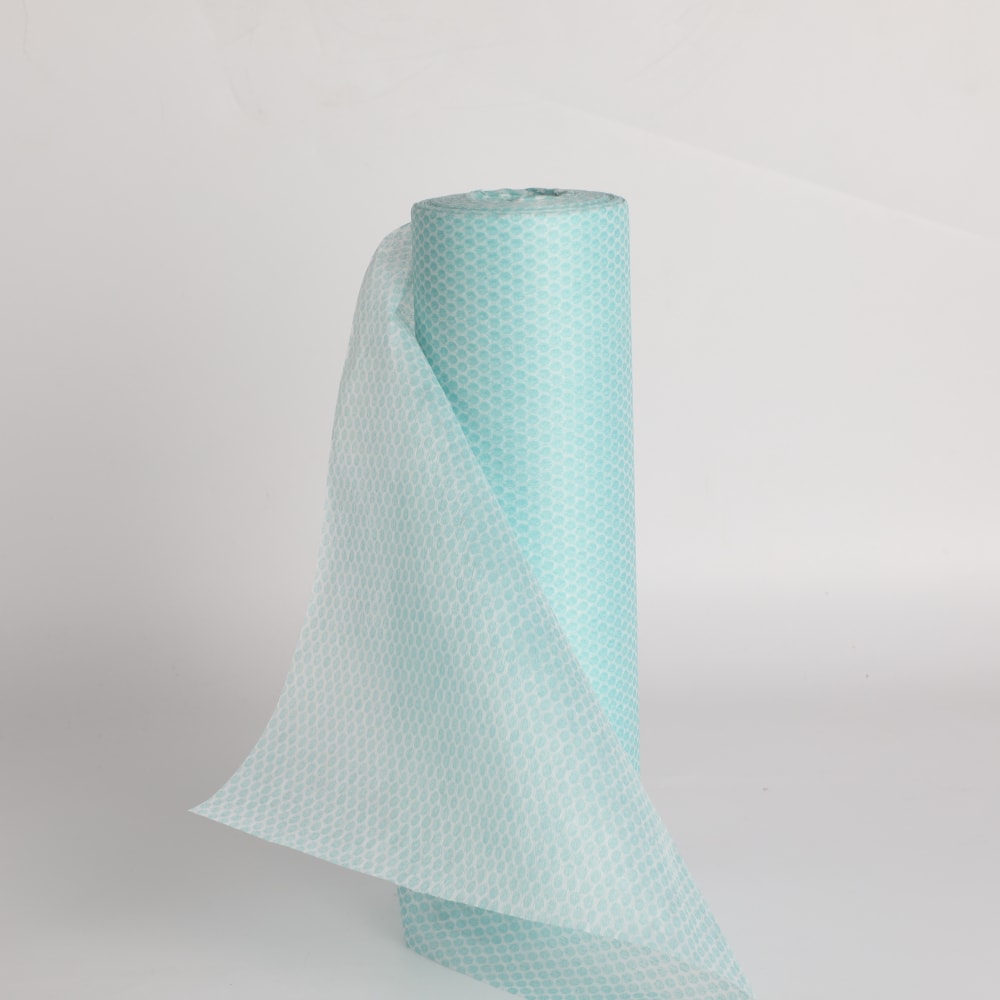 Head Wear Nonwoven
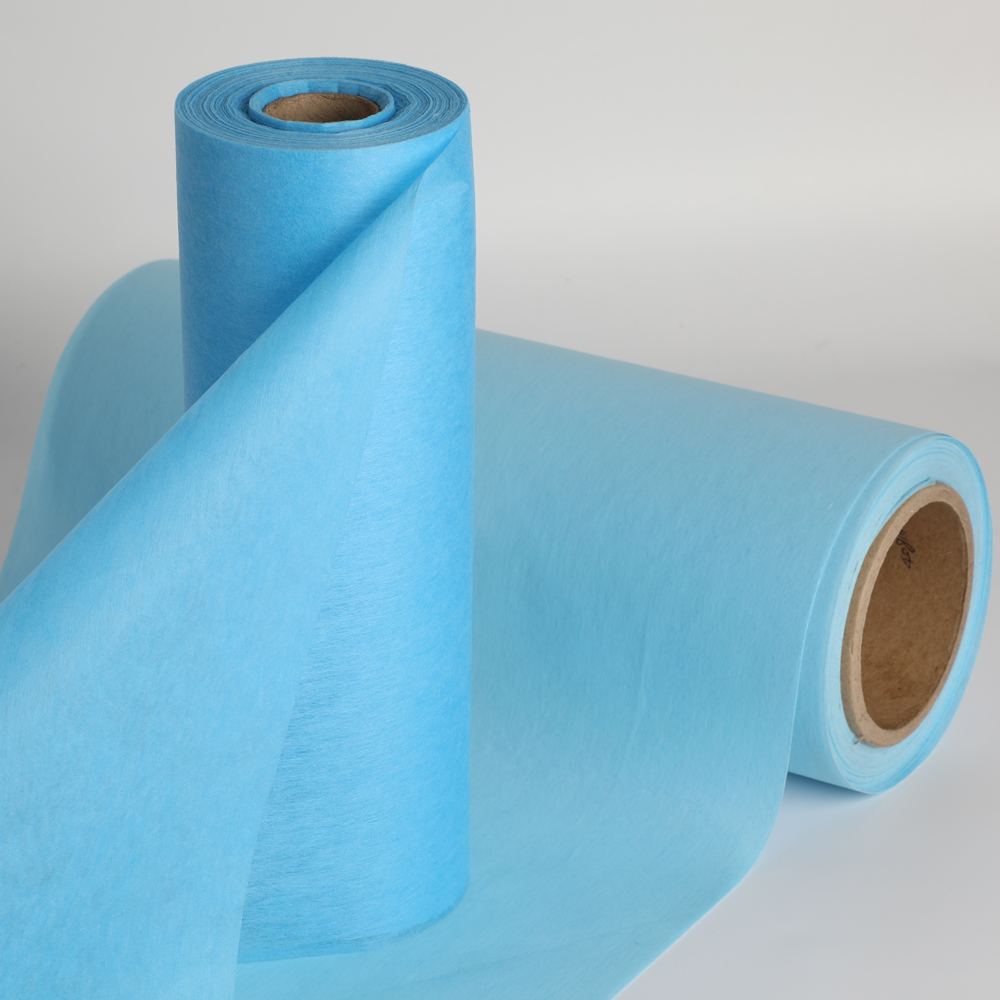 Medical Viscose Nonwoven
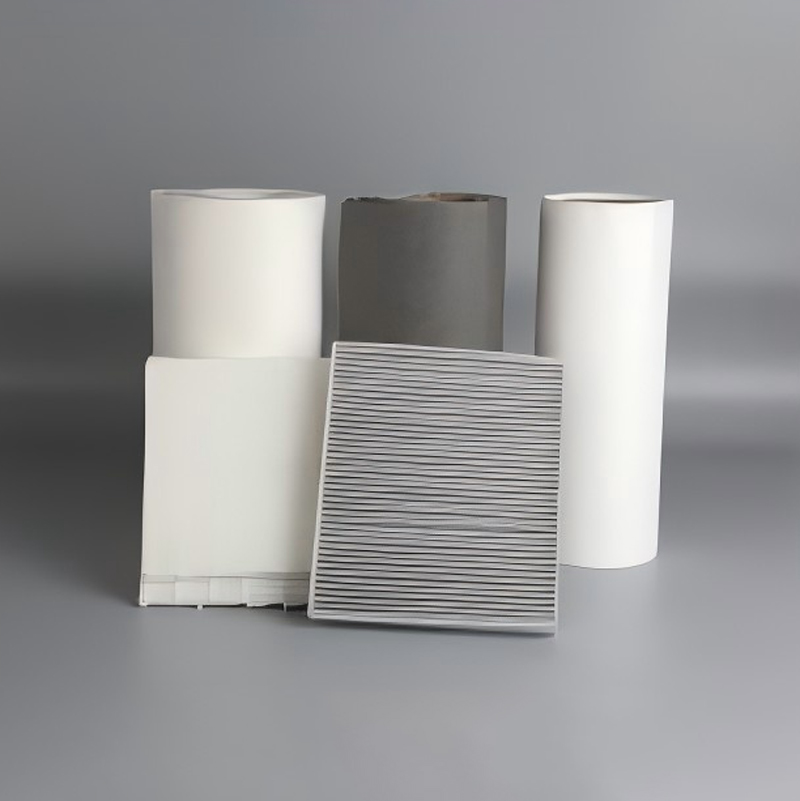 Air Filter Media
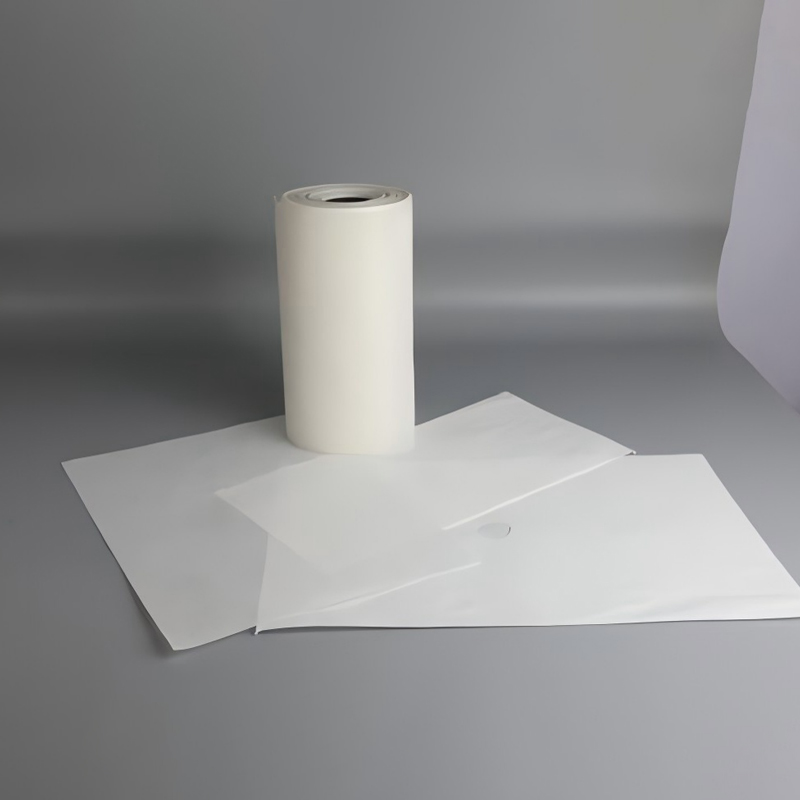 Liquid Filter Media
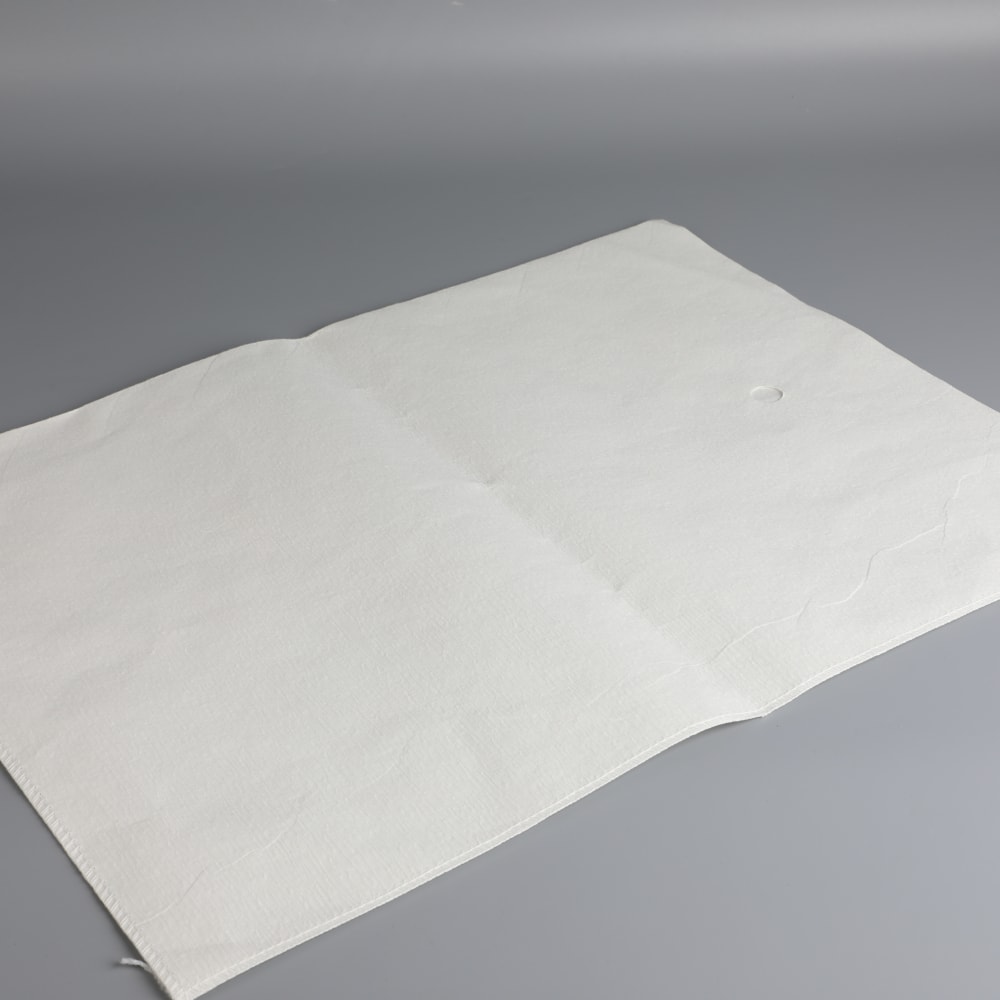 Filter Envelope & Filter Sheet
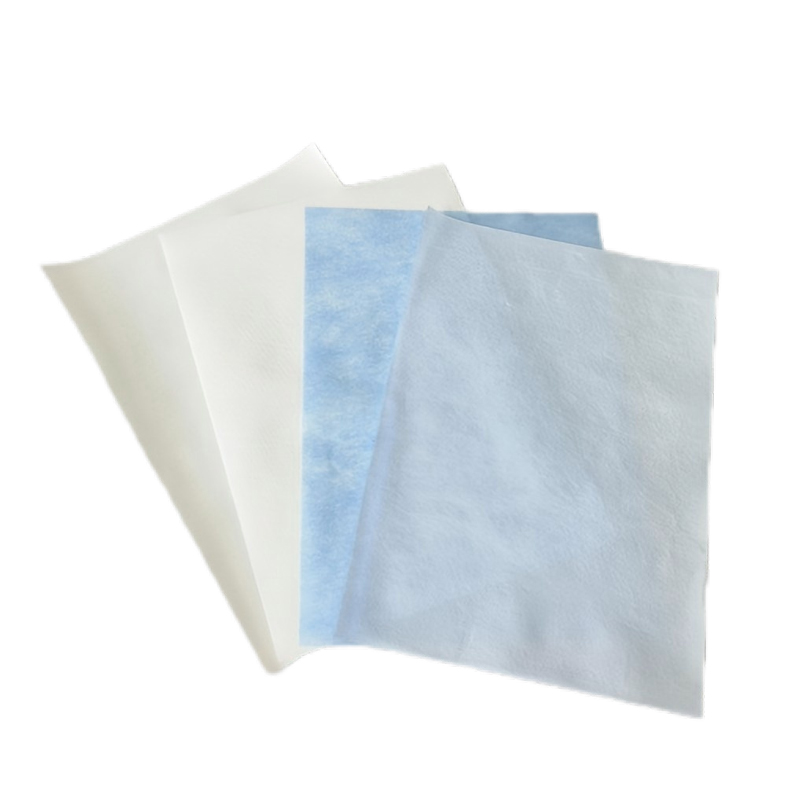 Breathable Film Laminates
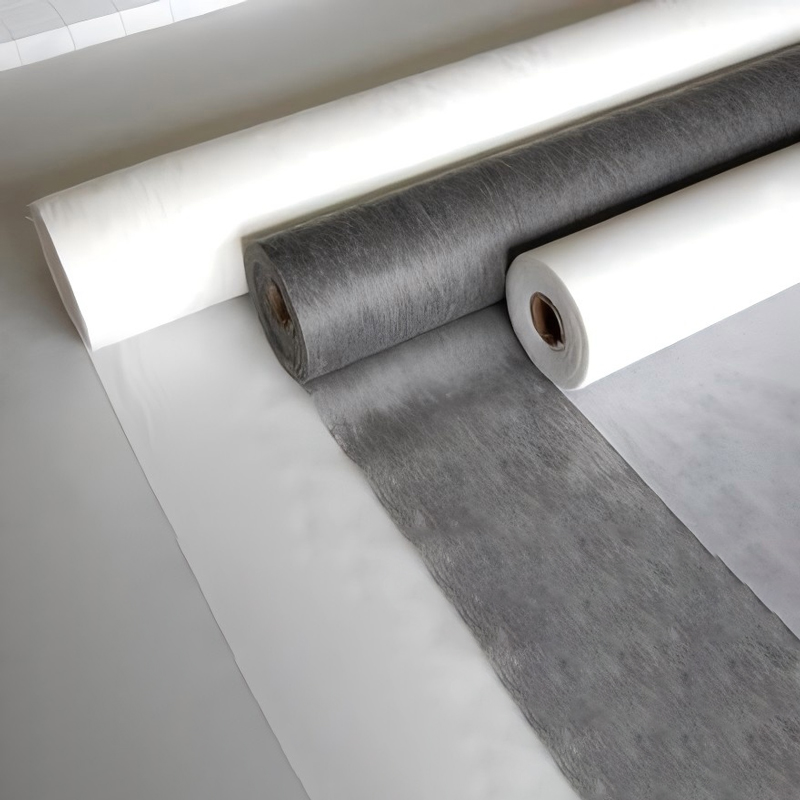 Nonwoven Interlining
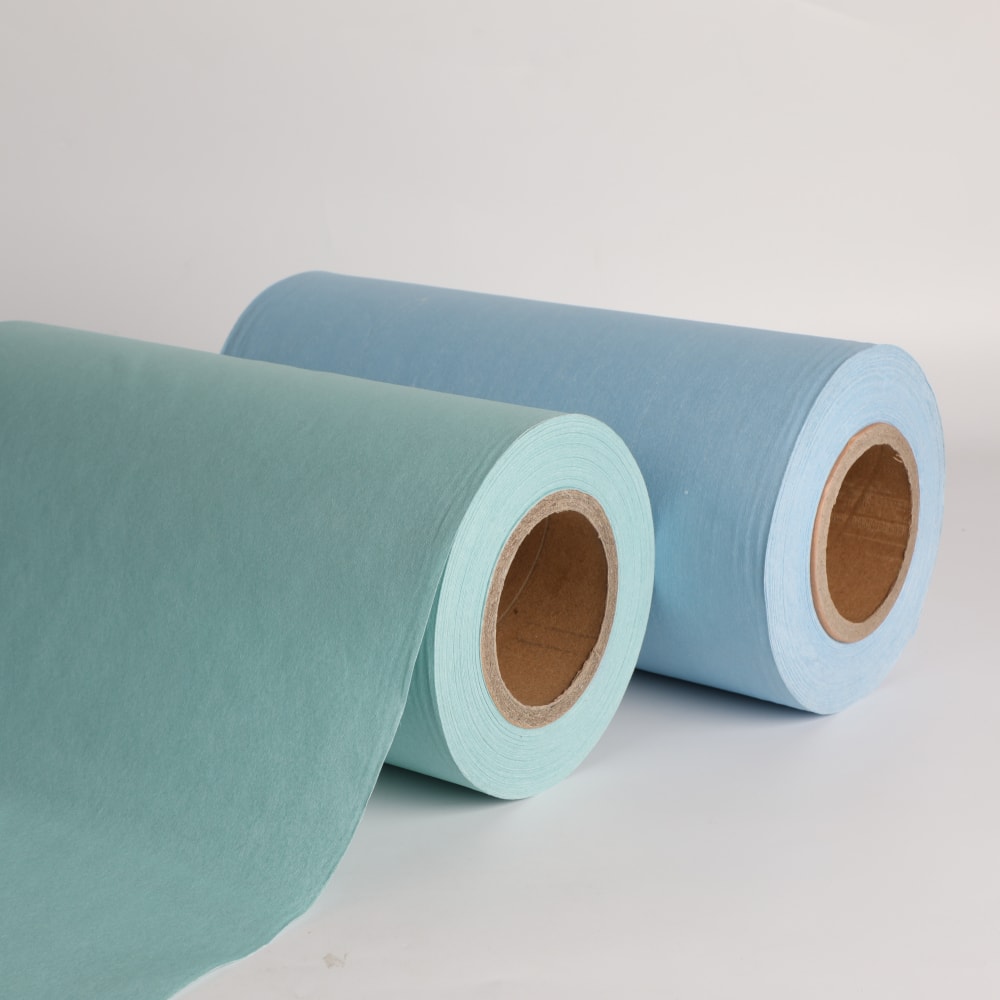 Fluid Repellent Woodpulp Spunlace Nonwoven
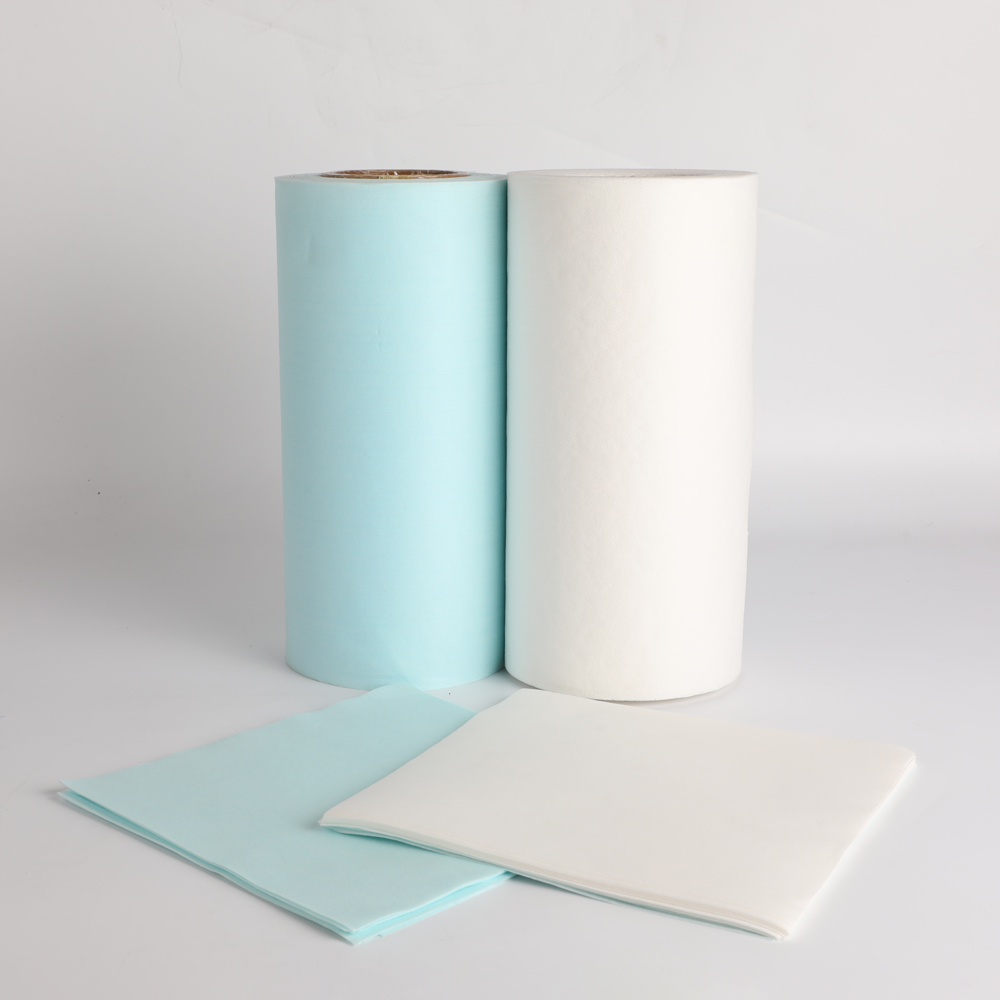 Woodpulp Nonwoven Wipe
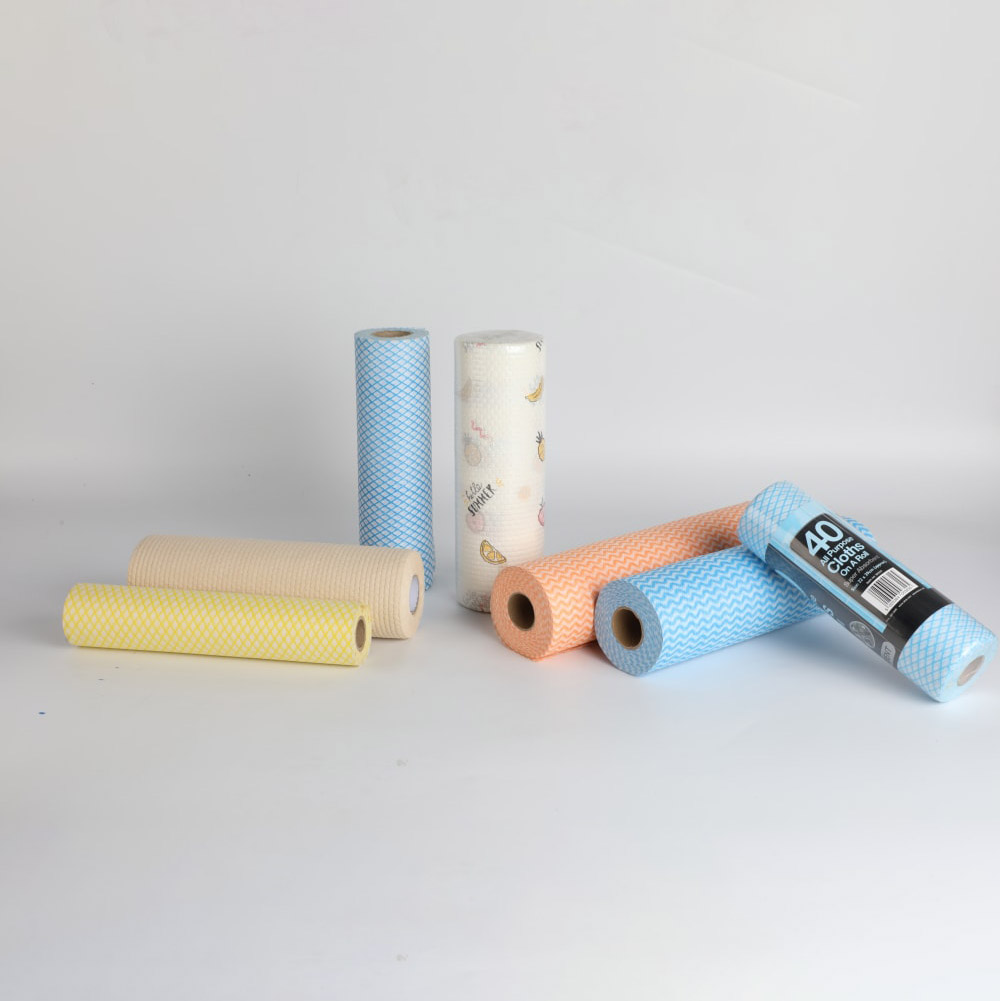 Nonwoven Cleaning Wipe
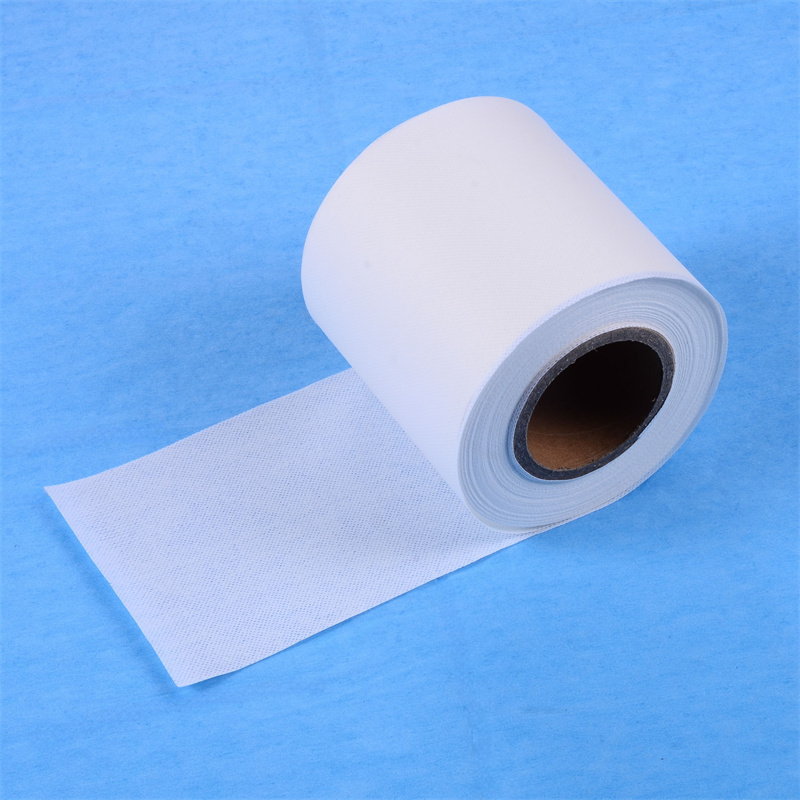 Flame Retardant Nonwoven Fabric
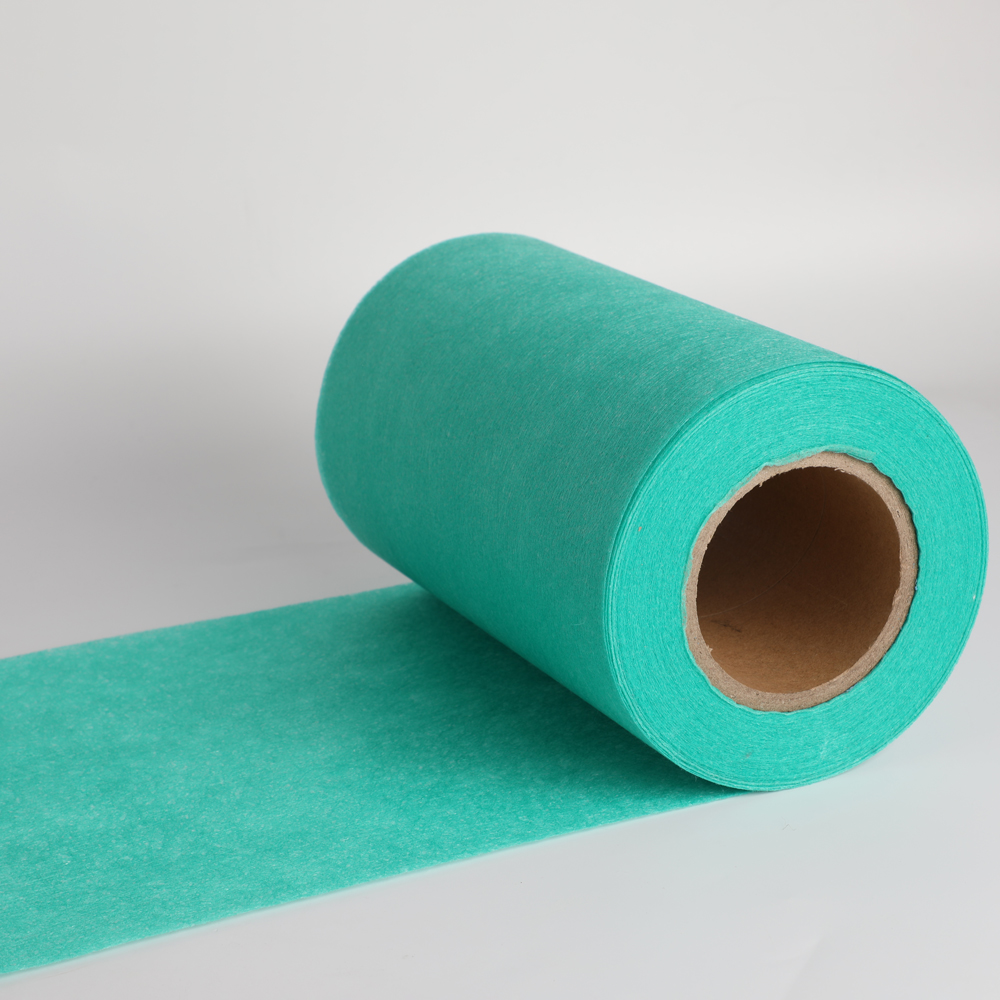 Anti-Bacterial Nonwoven
 CONTACT WhatsApp
 CONTACT WeChat

 CONTACT NUMBER
 CONTACT EMAIL