What Are the Benefits of Using Wet Kitchen Wipes?
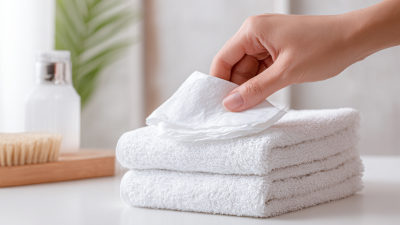
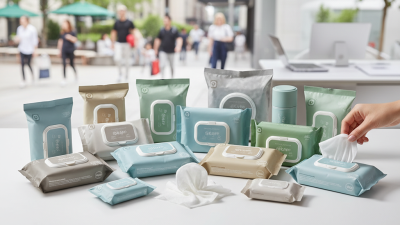
In today's fast-paced world, maintaining a clean kitchen can be a challenge. Wet kitchen wipes have emerged as a convenient solution for this everyday task. These wipes are pre-moistened, making them ready for use right out of the package. Their portability and ease of use make them popular among busy individuals and families alike.
Wet kitchen wipes offer numerous benefits. They effectively remove grease, grime, and food particles from surfaces. The disinfectant properties help reduce bacteria in the kitchen, promoting a healthier cooking environment. Additionally, these wipes save time, allowing for quick clean-ups after meals. However, there are concerns regarding disposable wipes contributing to environmental waste.
Using wet kitchen wipes requires mindfulness. While they simplify cleaning, one must also consider the waste generated. Finding a balance between convenience and sustainability is crucial. Thus, wet kitchen wipes can be a practical choice for many, but they also challenge us to reflect on our environmental impact.
Benefits of Wet Kitchen Wipes for Quick Cleaning
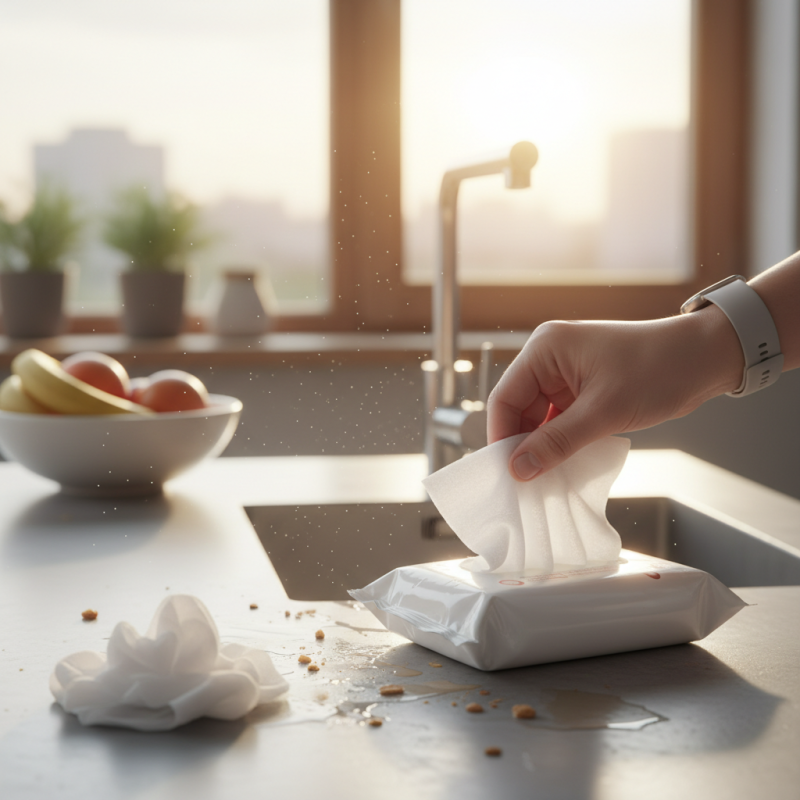
Wet kitchen wipes are a convenient tool for quick cleaning. They are perfect for busy kitchens where messes happen often. Just grab a wipe, and you can tackle spills, crumbs, and splatters in seconds. They are pre-moistened and ready to use, which saves time compared to traditional cleaning methods.
These wipes can easily cut through grease and grime. They can make cleaning tasks feel less daunting. Wiping down counters and stovetops becomes effortless. However, some may argue that they don’t always sanitize as thoroughly as needed. This could leave users feeling uncertain about cleanliness.
Additionally, the ease of using wet wipes may lead to over-reliance on them. People might skip deep cleaning altogether, thinking wipes are enough. However, that's a mistake. Balancing quick clean-ups with regular thorough cleaning is crucial. Wet wipes are a great help, but they should complement a comprehensive cleaning routine.
What Are the Benefits of Using Wet Kitchen Wipes? - Benefits of Wet Kitchen Wipes for Quick Cleaning
| Benefit |
Description |
Usage Scenario |
| Quick Cleaning |
Allows for fast clean-ups without the need for water or additional cleaning agents. |
After meal prep or spills in the kitchen. |
| Convenience |
Portable and easy to store, making them handy for quick access. |
Use in a busy kitchen or while on-the-go. |
| Effective Sanitization |
Provides antimicrobial properties to kill germs and bacteria. |
Wiping down surfaces before cooking or after handling raw food. |
| Multi-surface Use |
Can be used on various surfaces including countertops, appliances, and utensils. |
Cleaning kitchen counters, tables, and stovetops. |
| Time-saving |
Reduces the amount of time spent on cleaning routines. |
Busy households or during cooking events. |
Effectiveness Against Bacteria and Germs in the Kitchen
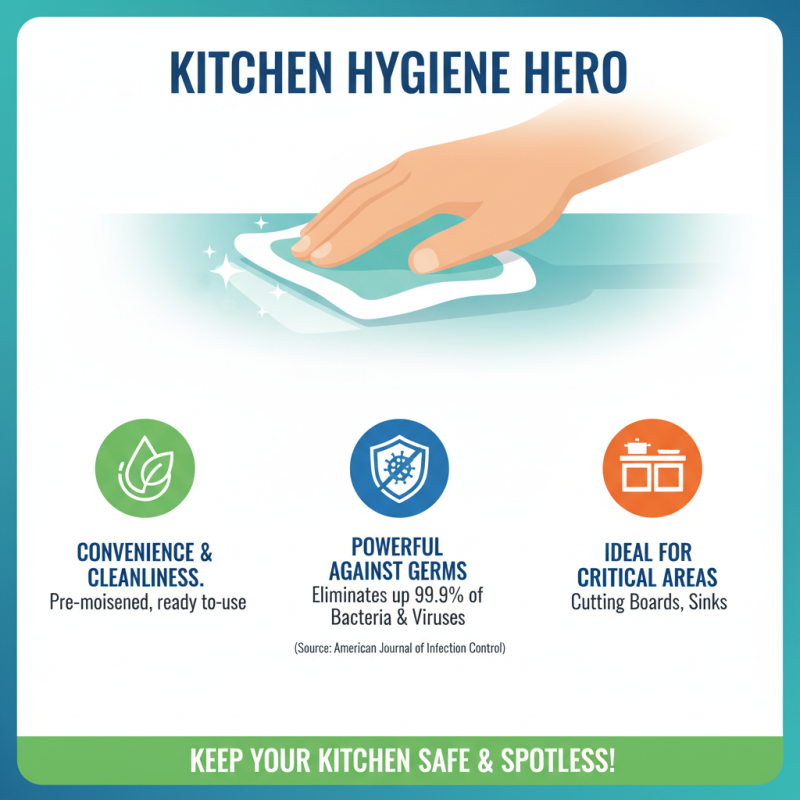
Wet kitchen wipes have gained attention for their role in maintaining hygiene. These wipes are not just convenient; they are effective against bacteria and germs commonly found in kitchen environments. A study published by the American Journal of Infection Control indicated that disinfectant wipes can remove up to 99.9% of bacteria from surfaces. This data highlights their importance, especially in areas prone to contamination, such as countertops and cutting boards.
Using wet wipes in the kitchen can help reduce the spread of harmful germs. For instance, the Centers for Disease Control and Prevention (CDC) reports that kitchen surfaces can harbor bacteria like Salmonella and E. coli. Regularly using these wipes can significantly lower the presence of these pathogens. However, it is vital to remember that using wipes alone is not foolproof. They can leave residues, and improper usage might spread contaminants instead of removing them. This calls for a mindful approach to their application.
Despite their effectiveness, wet wipes have limitations. Not every wipe is equally effective against every pathogen. Some may require longer contact times for optimal efficacy. Furthermore, users must ensure they are wiping surfaces thoroughly. Neglecting this aspect could mean that germs remain. Understanding these nuances is essential in fully leveraging the benefits of wet kitchen wipes while maintaining hygiene in cooking spaces.
Convenience of Using Wet Kitchen Wipes for Busy Households
Wet kitchen wipes have become indispensable for busy households. They offer a quick solution for cleaning surfaces and tackling spills. In a world where time is precious, these wipes streamline kitchen chores. A study by the Household Cleaning Association found that 70% of families prefer the ease of wipes over traditional cleaning methods.
These wipes are not just about convenience; they are effective too. According to a report from the Environmental Protection Agency, using disposable wipes can reduce the spread of germs by 99% when used properly. However, relying solely on wipes can lead to over-consumption of single-use products, raising sustainability concerns. Families must balance convenience with environmental responsibility.
Moreover, the quick access to wet wipes can sometimes encourage carelessness. When everything is "just a wipe away," deeper cleaning tasks may be neglected. A staggering 65% of users admit they might skip thorough cleaning because wipes seem sufficient. Careful consideration is needed. Remembering to maintain a proper cleaning schedule is essential to ensure a truly clean kitchen.
Environmental Impact of Disposable vs. Reusable Wet Wipes
The environmental impact of disposable versus reusable wet wipes is significant. According to a study by the Environmental Protection Agency, disposable wipes make up a large part of household waste. These items often contain plastics, which take hundreds of years to decompose. In the U.S., it's estimated that over 5 billion disposable wipes are used each year. This creates an urgent need for more sustainable options.
On the other hand, reusable wet wipes offer a promising alternative. They can be washed and reused multiple times, reducing waste significantly. Research shows that reusable wipes can cut down household waste by up to 80%. However, they require proper washing and maintenance. Failing to keep them clean may lead to hygiene issues. The trade-off between convenience and responsibility is clear. The choice isn't simple, and many consumers are unaware of the long-term impacts of their decisions.
It's time to think critically about our cleaning habits.
Cost-Effectiveness of Wet Kitchen Wipes Over Traditional Cleaning Methods
Wet kitchen wipes offer a cost-effective alternative to traditional cleaning methods. A report by the Global Hygiene Council noted that households using wet wipes save an average of 15-20% on cleaning supplies annually. This reduction stems from less waste generated when using targeted cleaning products. Unlike sprays, wipes do not oversaturate surfaces, leading to minimized product usage.
Moreover, a study conducted by the Cleaning Industry Research Institute revealed that 75% of households found wet wipes saved them time. Cleaning efficiency enhances household productivity. Users typically reported cutting down cleaning time by nearly half. However, the assumption that all wipes are equally effective can mislead consumers. Some products might lack the necessary disinfecting agents.
While wet kitchen wipes boast convenience, their environmental impact raises concerns. Not all wipes are biodegradable. In regions where waste management practices are lacking, this can lead to significant issues. Reflecting on the long-term effects of increased wipe usage is crucial. Balancing convenience with environmental responsibility remains a pertinent discussion in the cleaning industry.

 Multi Laminates
 Spunlace Nonwoven Laminates
 Breathable Film Laminates
 Viscose Laminates
 Medical Tape Nonwoven
 Filtration Nonwoven
 Head Wear Nonwoven
 Medical Viscose Nonwoven
 Air Filter Media
 Liquid Filter Media
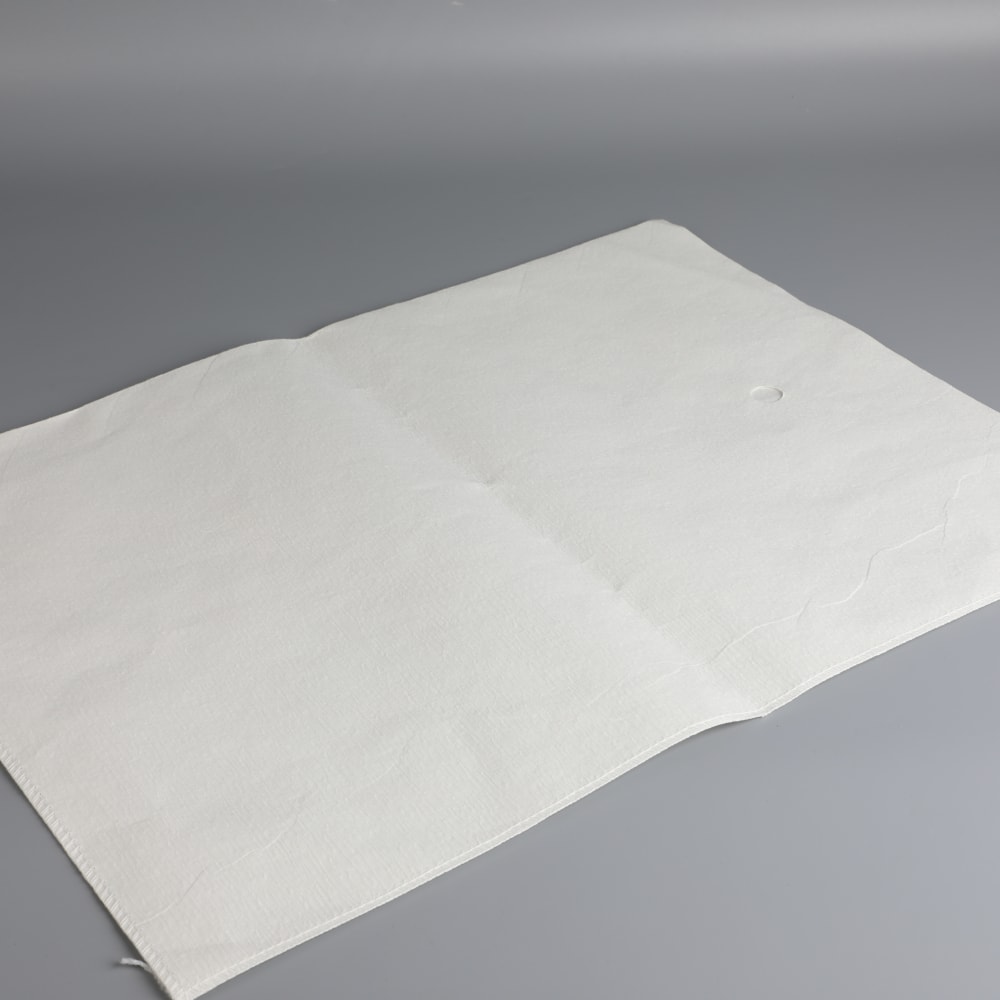 Filter Envelope & Filter Sheet
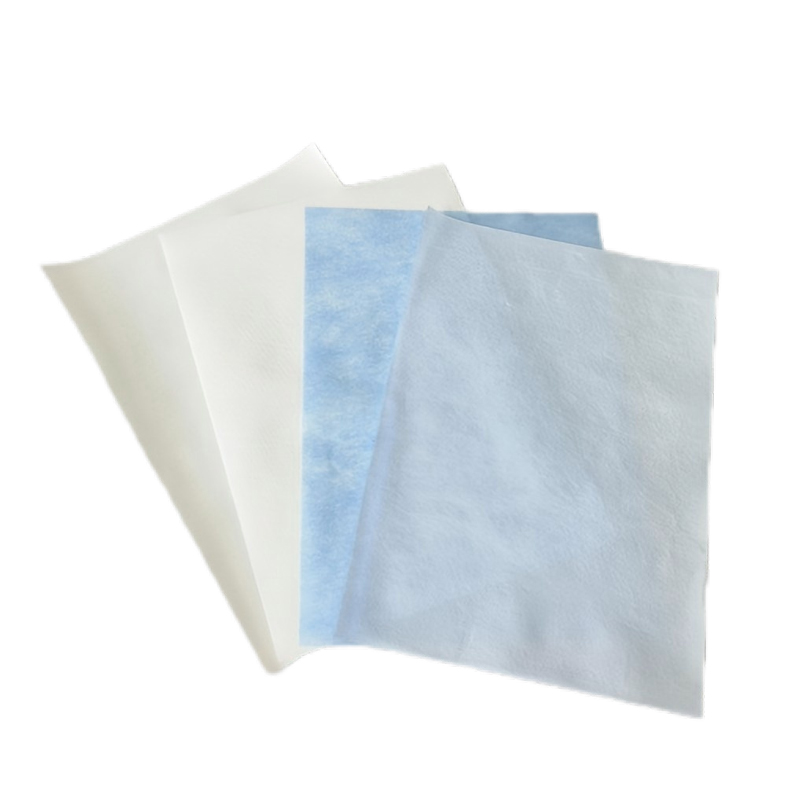 Breathable Film Laminates
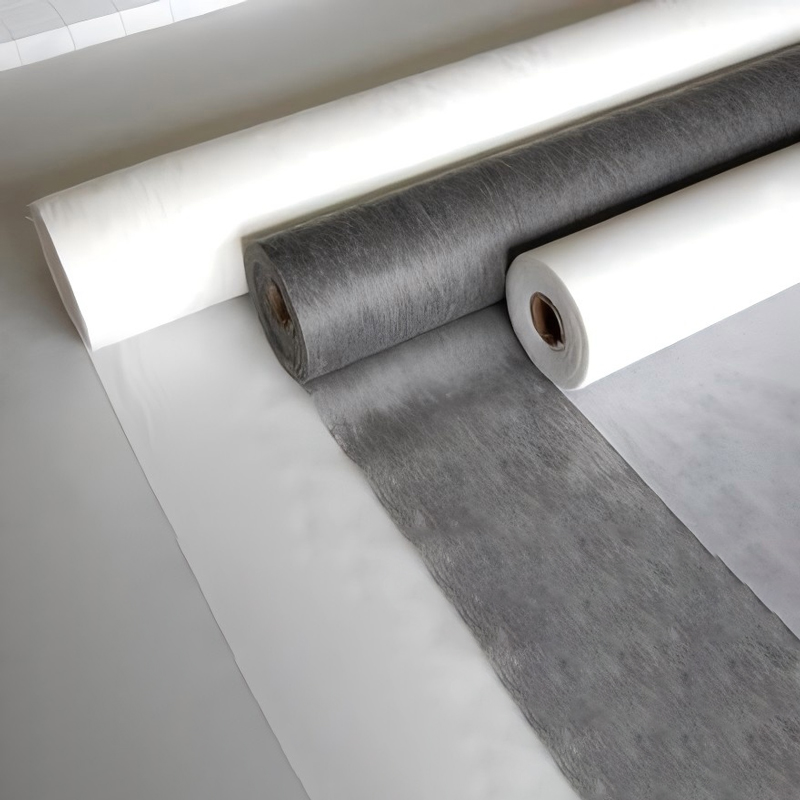 Nonwoven Interlining
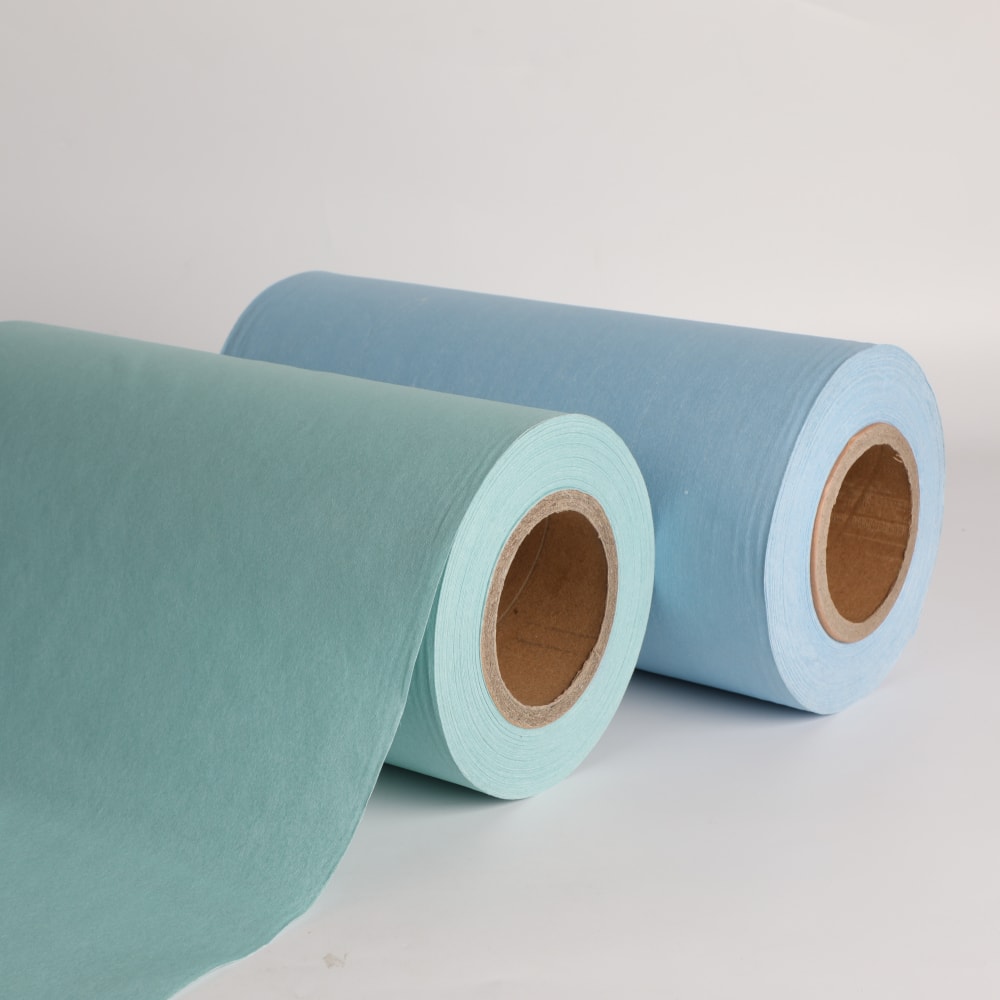 Fluid Repellent Woodpulp Spunlace Nonwoven
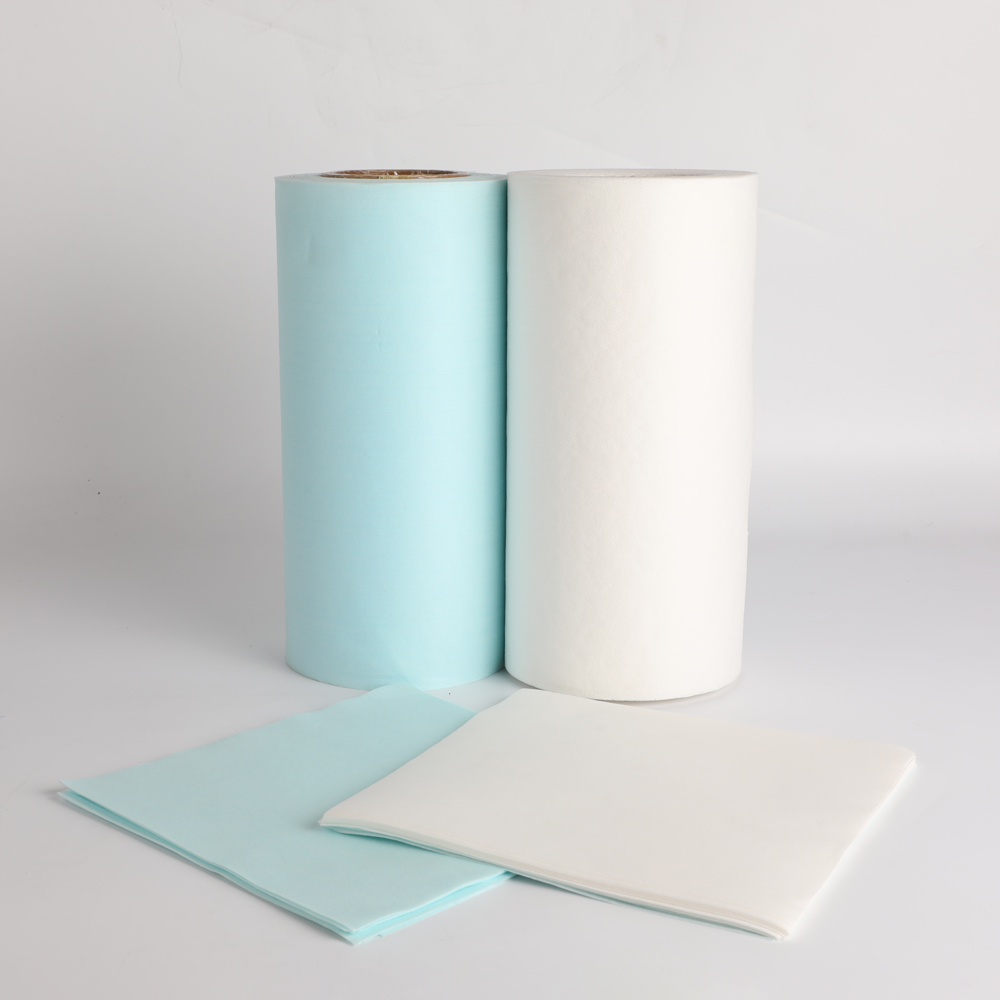 Woodpulp Nonwoven Wipe
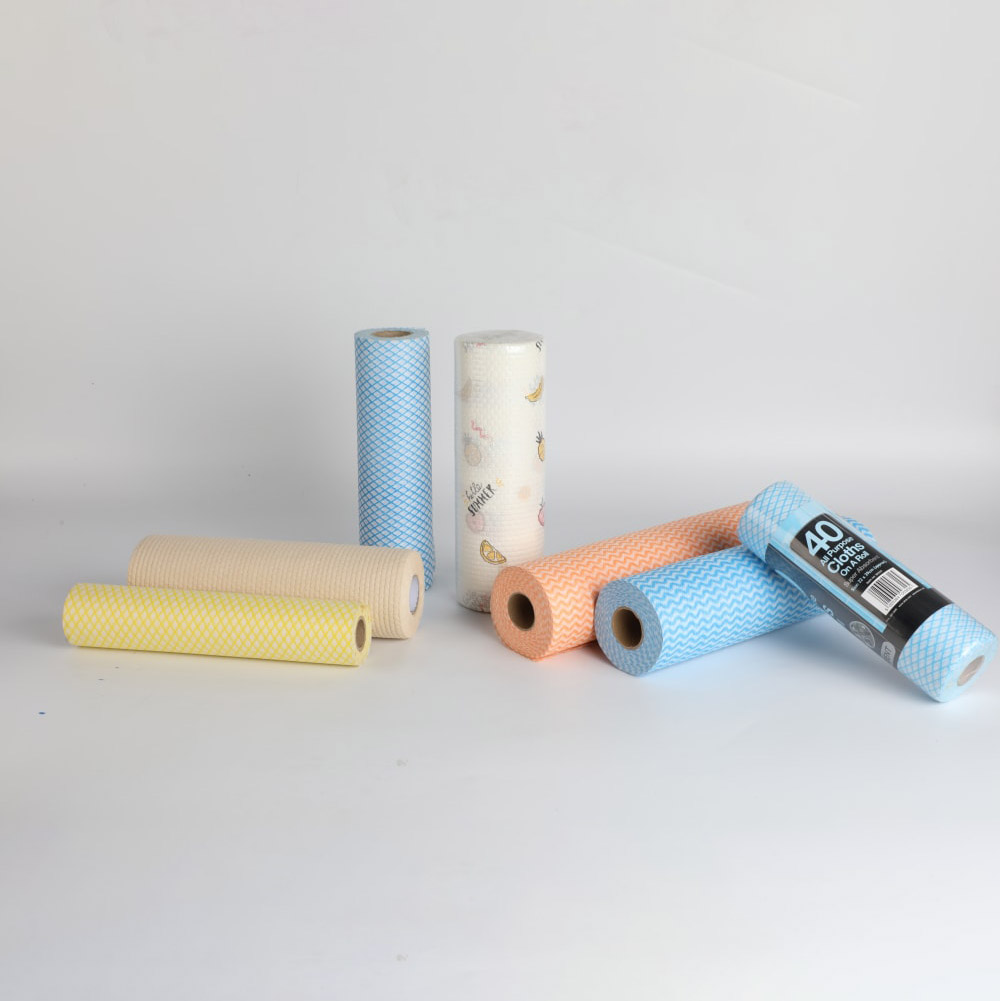 Nonwoven Cleaning Wipe
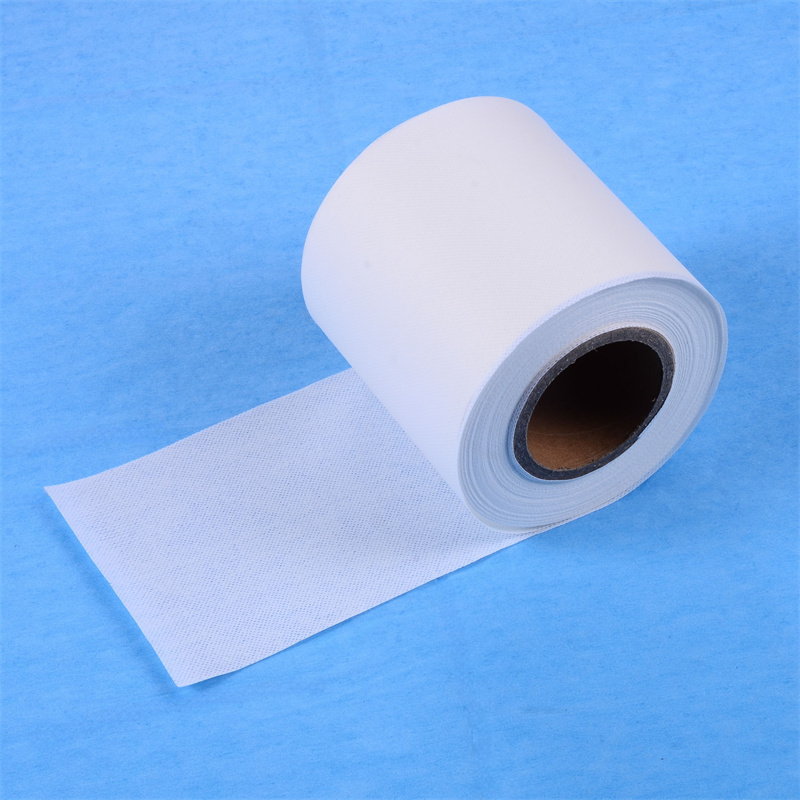 Flame Retardant Nonwoven Fabric
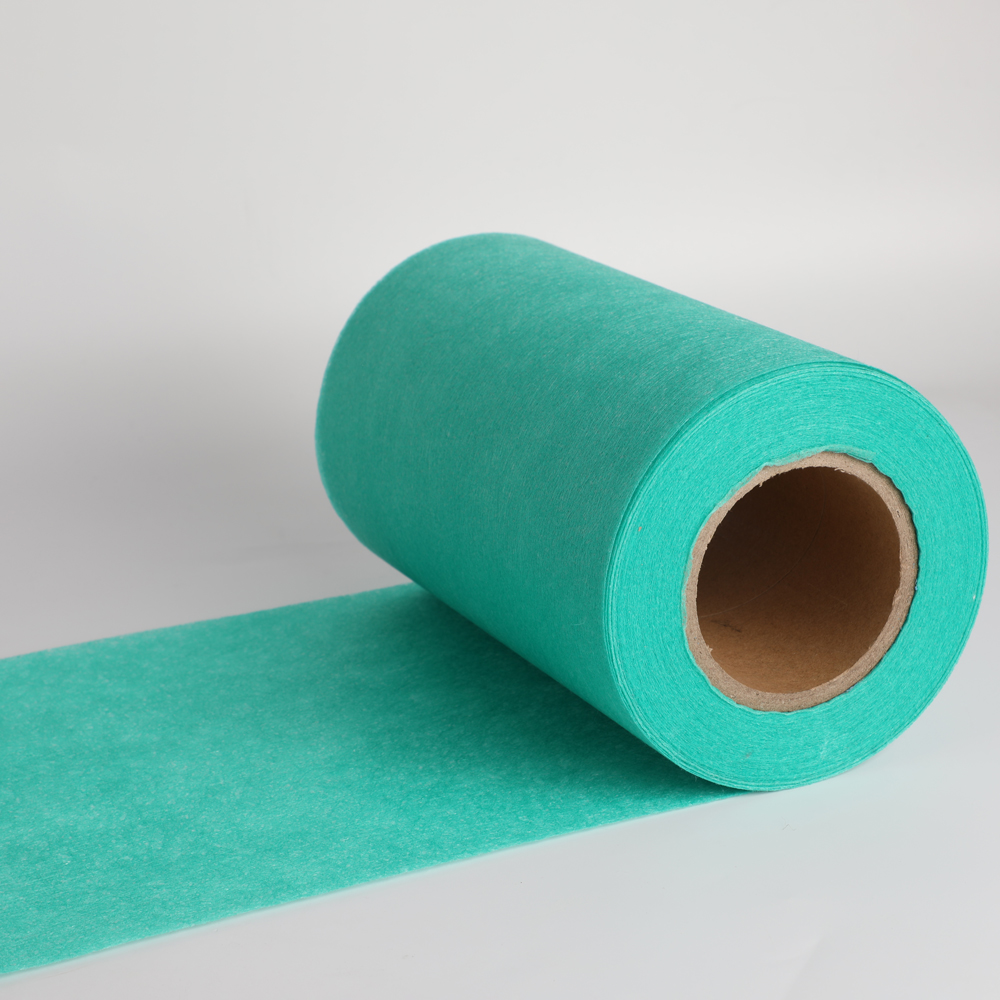 Anti-Bacterial Nonwoven
 CONTACT WhatsApp
 CONTACT WeChat

 CONTACT NUMBER
 CONTACT EMAIL