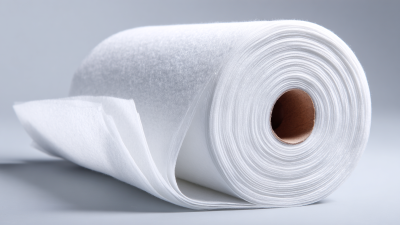
Top 5 Benefits of Nonwoven Fabric Needle Punched for Innovative Manufacturing Solutions
In the rapidly evolving landscape of manufacturing, nonwoven fabric needle punched technology is emerging as a revolutionary force. With its versatility and application across various industries, this innovative approach offers distinct advantages that can significantly enhance production processes. Renowned industry expert Dr. Emily Carter emphasizes this potential, stating, "Nonwoven Fabric Needle Punched not only improves efficiency and reduces material waste but also opens up new avenues for product development."
As we look toward 2025, it is imperative for manufacturers to embrace these advancements in nonwoven fabrics. The benefits of needle-punched nonwoven technology are vast, ranging from improved durability to cost-efficiency. With its unique structure, needle punching allows for the creation of customized fabrics that cater to specific industry needs, making it an invaluable asset for innovative manufacturing solutions.
In this exploration of the top five benefits of nonwoven fabric needle punched, we will delve into how this technology is transforming the manufacturing sector and discuss its potential implications for future innovations, empowering companies to stay ahead in a competitive market.
Advantages of Cost-Effectiveness in Nonwoven Fabric Manufacturing
The cost-effectiveness of nonwoven fabric manufacturing is a key advantage driving the industry forward. As the market evolves, projections estimate that the global fiberglass fabric market will reach USD 13.17 billion by 2029, highlighting the growing demand for innovative materials. Nonwoven fabrics, particularly those created through needle punching, offer manufacturers a more economical alternative while meeting diverse application needs. The China Nonwoven Fabrics Market is also expected to grow significantly, with a valuation of USD 6.7 billion in 2024 projected to soar to USD 12.2 billion by 2033, revealing a robust CAGR in this sector.
Moreover, the valorization of textile waste remains a critical consideration. Millions of tons of clothing are produced and discarded annually, affecting environmental sustainability and public health. By utilizing nonwoven structures and composites, manufacturers can capitalize on the recycling of textile waste, driving down costs further while contributing to eco-friendly practices. As companies explore innovative manufacturing solutions, the emphasis on cost-effectiveness combined with sustainable practices positions nonwoven fabrics as a favorable choice in a competitive market landscape.
Top 5 Benefits of Nonwoven Fabric Needle Punched for Innovative Manufacturing Solutions
| Benefit |
Description |
Cost-Effectiveness |
| Durability |
Nonwoven fabrics exhibit higher strength and tear resistance, ensuring longer usage periods. |
Due to their durability, there are fewer material replacements needed, resulting in lower long-term costs. |
| Versatility |
Suitable for a wide range of applications across various industries like healthcare, automotive, and consumer goods. |
Multi-functional use reduces the need for multiple materials, simplifying inventory and lowering costs. |
| Sustainability |
Often made from recyclable or biodegradable materials, reducing environmental impact. |
Manufacturing nonwoven fabrics can be more energy-efficient, leading to lower manufacturing costs. |
| Lightweight |
Nonwoven fabrics are lighter than woven materials, making them easier to handle and transport. |
Lower shipping costs due to reduced weight enhance overall cost-effectiveness. |
| Cost Efficiency |
Nonwoven fabrics can be produced faster with less labor compared to traditional textiles. |
Reduced production times and labor costs lead to significant savings in the manufacturing process. |
Enhanced Durability and Performance of Needle-Punched Fabrics
Needle-punched nonwoven fabrics have emerged as a groundbreaking solution in innovative manufacturing, particularly renowned for their enhanced durability and performance. The needle-punching process involves the mechanical interlocking of fibers, resulting in a robust material that can withstand significant stress and wear. This characteristic makes these fabrics ideal for a wide range of applications, from industrial textiles to automotive interiors, where longevity and resistance to deformation are paramount.
In addition to their impressive durability, needle-punched fabrics exhibit outstanding performance under various conditions. They have superior moisture management properties, allowing them to maintain their integrity and functionality even in challenging environments. Furthermore, the versatility of needle-punched nonwoven fabrics enables manufacturers to customize their properties, including thickness, texture, and thermal resistance, making them suitable for specialized applications. The combination of durability and adaptability positions needle-punched fabrics as a preferred choice for innovative manufacturing solutions.
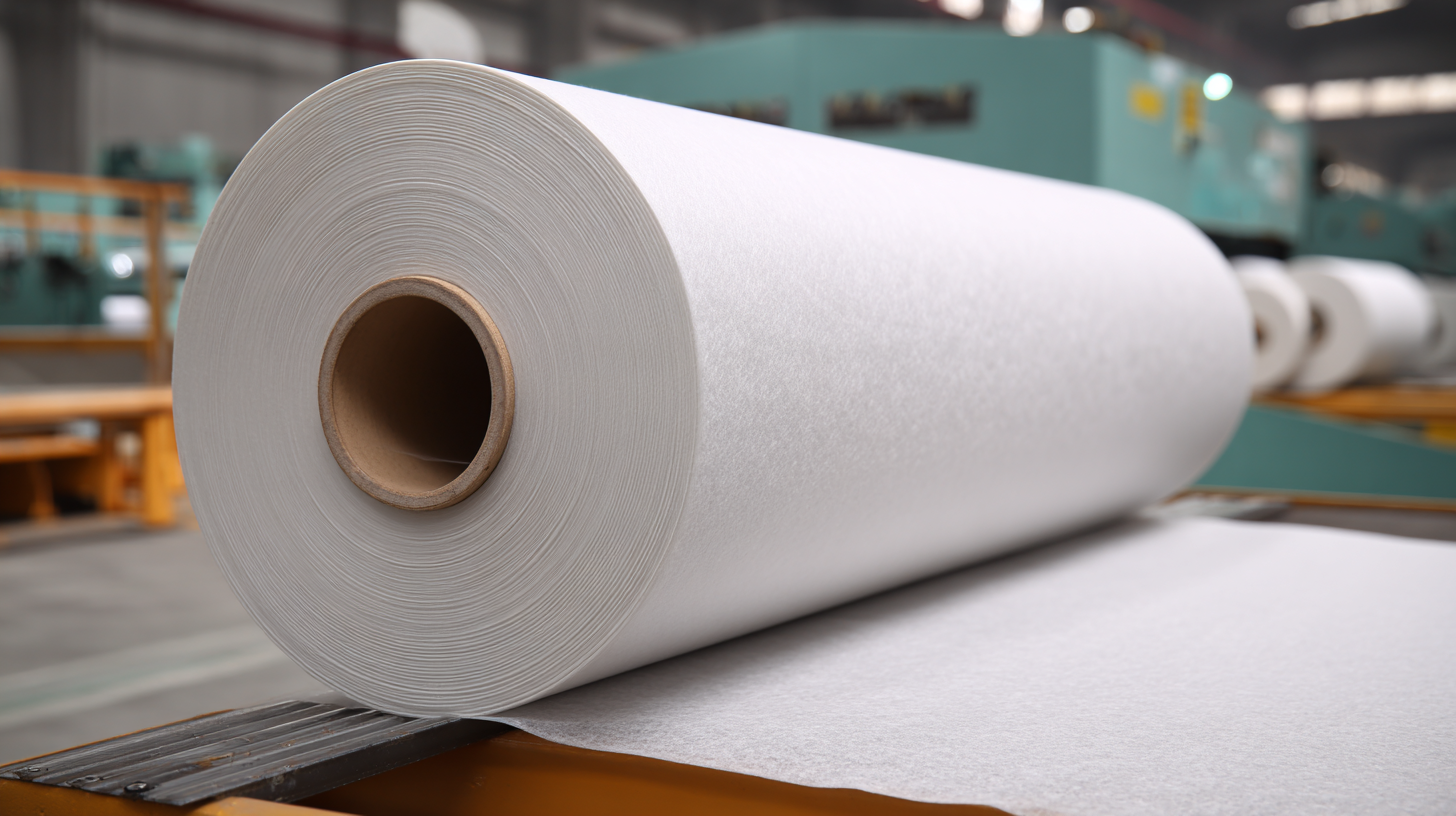
Sustainability Benefits of Using Nonwoven Materials
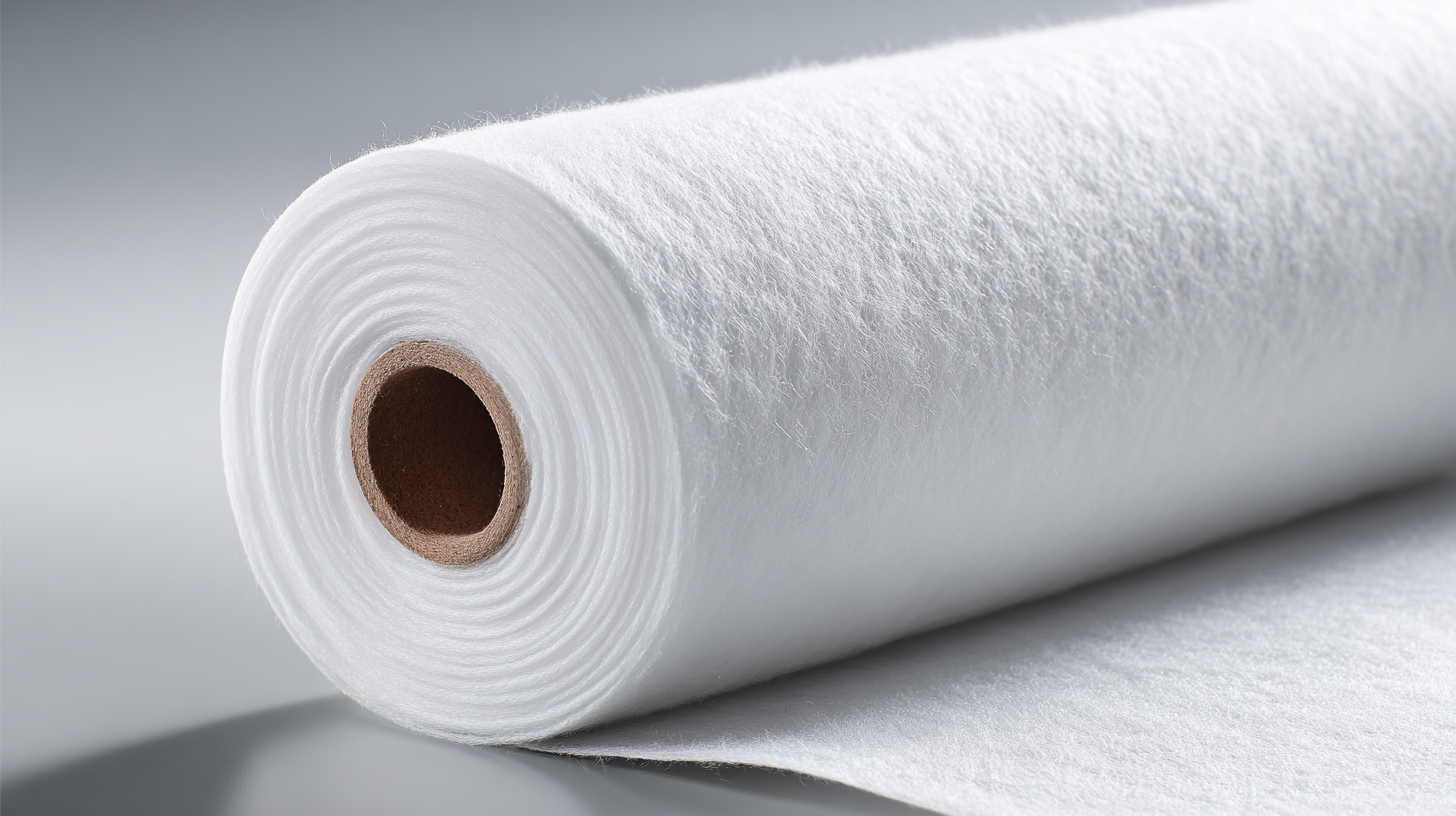 Nonwoven fabrics have gained significant traction in innovative manufacturing solutions, particularly due to their sustainability benefits. By utilizing needle-punched nonwoven materials, manufacturers can significantly reduce their environmental footprint. These fabrics are often made from recycled fibers, which helps minimize waste and encourages the circular economy. Moreover, the production of nonwoven fabrics typically consumes less energy and water compared to traditional textile manufacturing processes, making it a more eco-friendly option.
Another key sustainability aspect is the biodegradability of many nonwoven materials. Unlike conventional plastics that can take hundreds of years to decompose, certain nonwoven fabrics can break down more quickly, thus reducing long-term pollution and landfill waste. This property not only promotes sustainability but also appeals to consumers who are increasingly aware of environmental issues. As industries continue to innovate, the shift towards needle-punched nonwoven fabrics represents a significant step towards more sustainable manufacturing practices.
Versatility in Applications Across Various Industries
Nonwoven fabric needle punching has emerged as a crucial innovation in manufacturing, owing to its outstanding versatility across a wide range of applications in various industries. This unique method of creating fabric by entangling fibers not only enhances the durability of the material but also offers flexibility that traditional fabrics cannot provide. From automotive components to medical supplies, needle-punched nonwoven fabrics serve multiple purposes, making them an ideal choice for manufacturers seeking efficiency and adaptability.
In the construction industry, these materials are becoming increasingly popular for insulation and filtration applications. Their lightweight and robust nature ensures they perform well under diverse environmental conditions. Similarly, the hygiene sector benefits from needle-punched nonwovens, which are used in products like wipes and feminine hygiene products due to their softness and absorbency. As industries seek innovative solutions, the ability to customize nonwoven fabrics to meet specific needs further amplifies their appeal, establishing them as a key player in modern manufacturing processes.
Top 5 Benefits of Nonwoven Fabric Needle Punched for Innovative Manufacturing Solutions
Innovation in Design and Functionality of Needle-Punched Fabrics
Needle-punched nonwoven fabrics have emerged as a game-changer in innovative manufacturing solutions, offering remarkable opportunities for design and functionality. One of the key advancements in this field is the ability to integrate diverse materials and fibers in a single fabric layer. This versatility allows manufacturers to create custom textures, patterns, and functionalities tailored to specific applications, from automotive interiors to filtration systems. By employing needle-punching techniques, there is a unique capability to enhance the physical properties of the fabric, such as strength, durability, and bulkiness, making it an ideal choice for a wide range of uses.
Moreover, the innovation in needle-punched fabrics facilitates eco-friendly solutions in textile manufacturing. As industries increasingly prioritize sustainability, the ability to utilize recycled fibers and reduce waste during production becomes pivotal. With fewer chemical treatments required compared to traditional textiles, needle-punched nonwovens can lower environmental impact while still meeting high-performance standards. This alignment of functionality with sustainability underscores the transformative potential of needle-punched fabrics in the modern manufacturing landscape, paving the way for creative applications that prioritize both quality and environmental stewardship.

 Multi Laminates
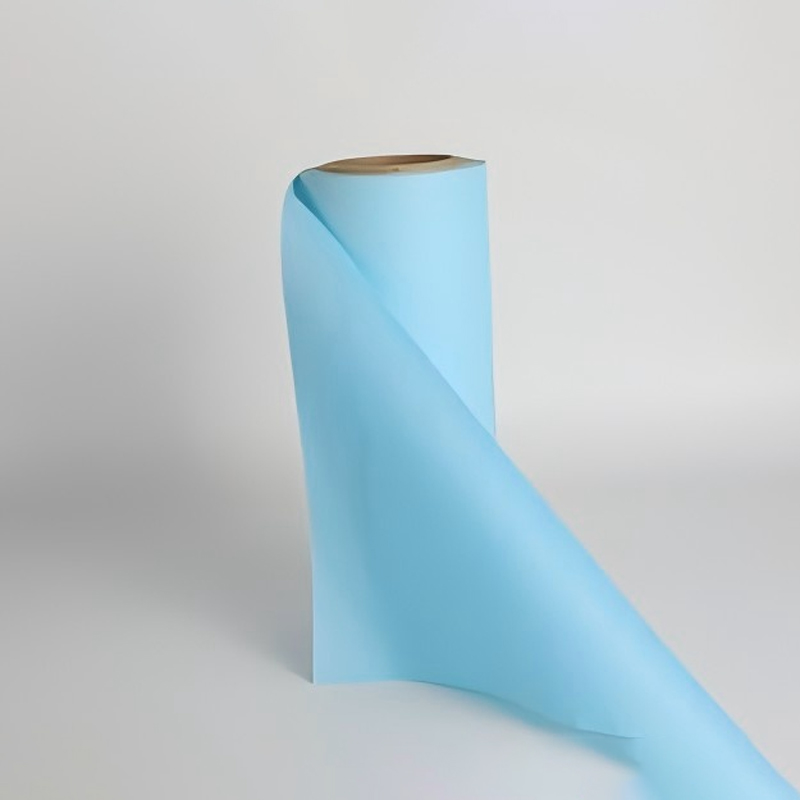 Spunlace Nonwoven Laminates
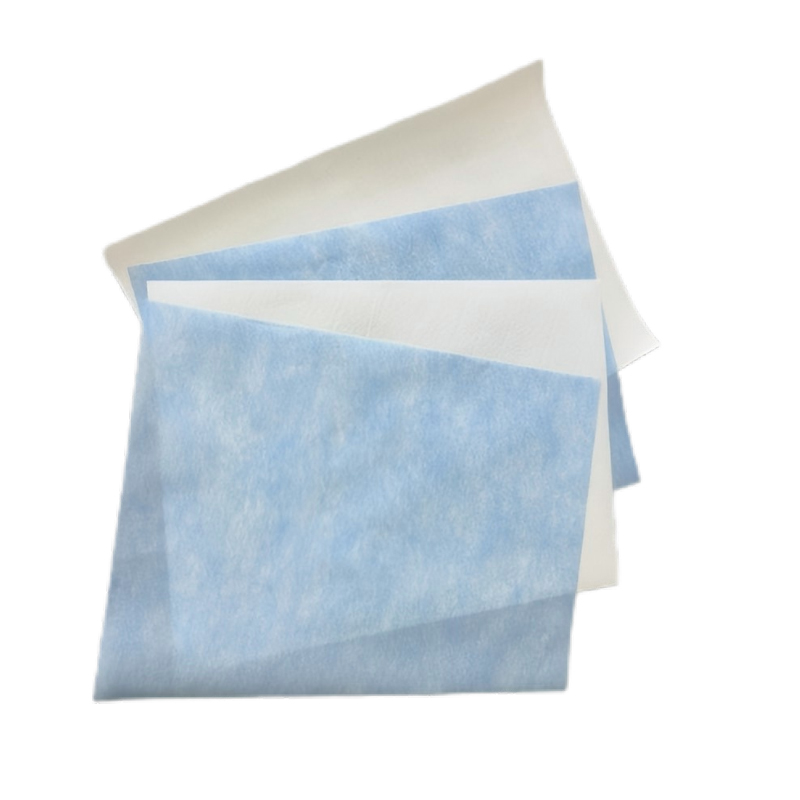 Breathable Film Laminates
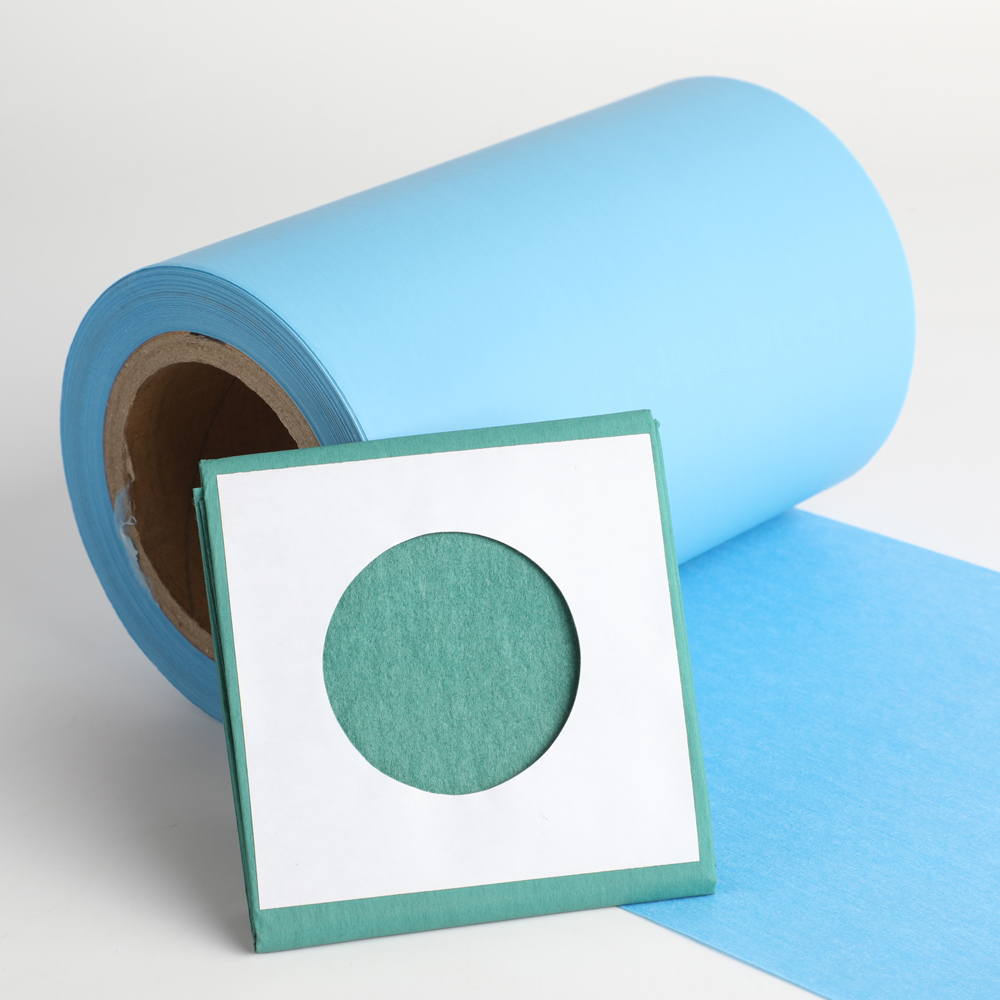 Viscose Laminates
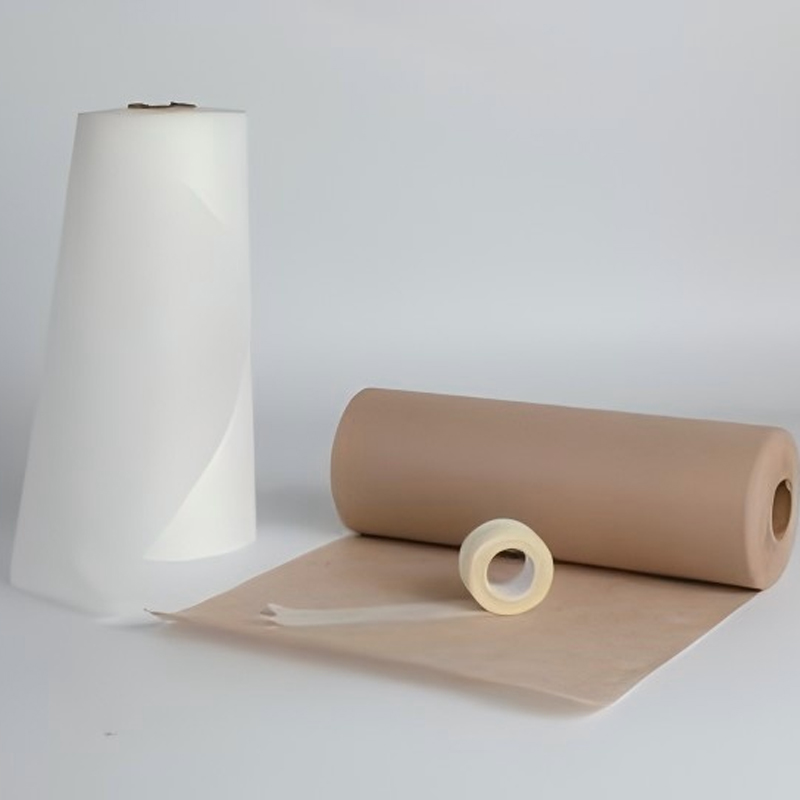 Medical Tape Nonwoven
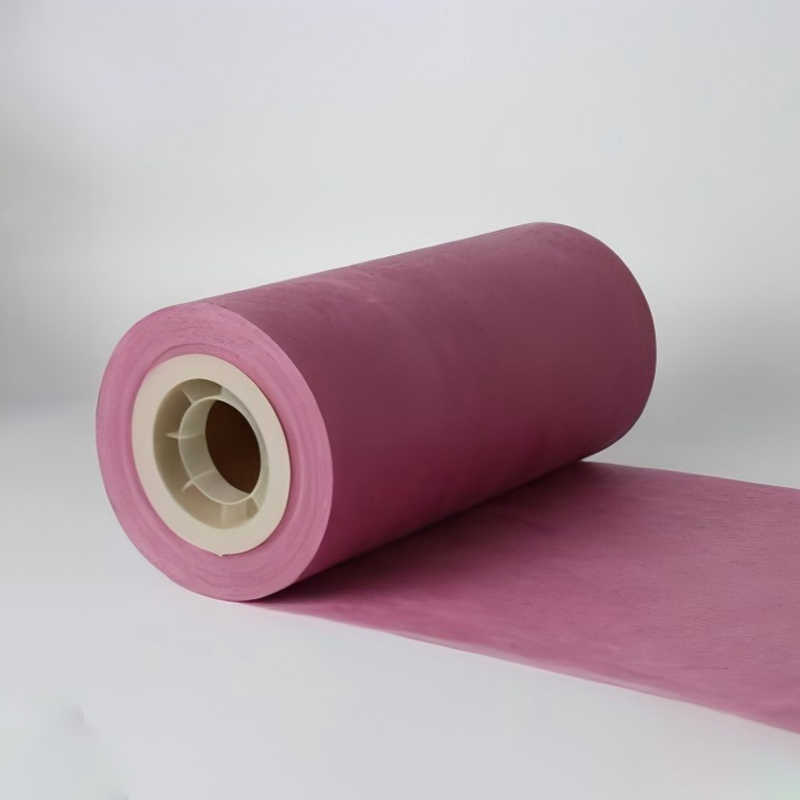 Filtration Nonwoven
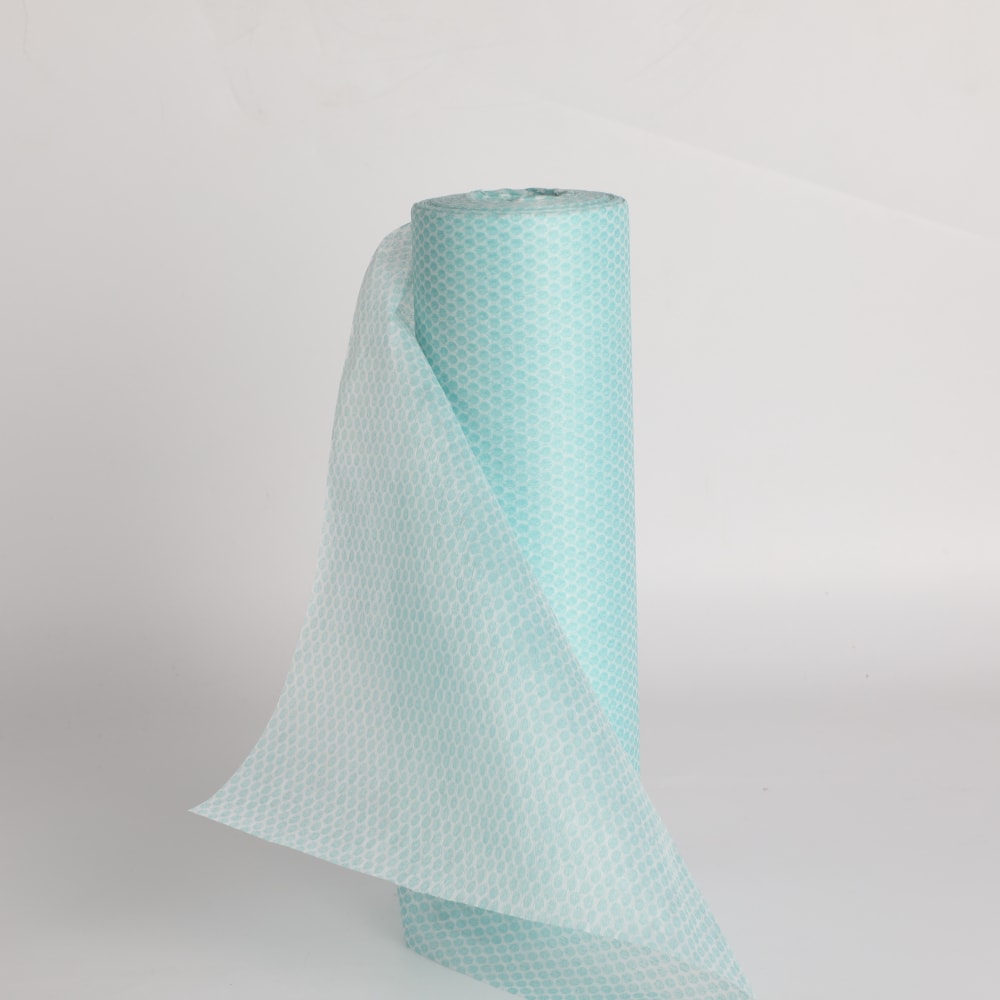 Head Wear Nonwoven
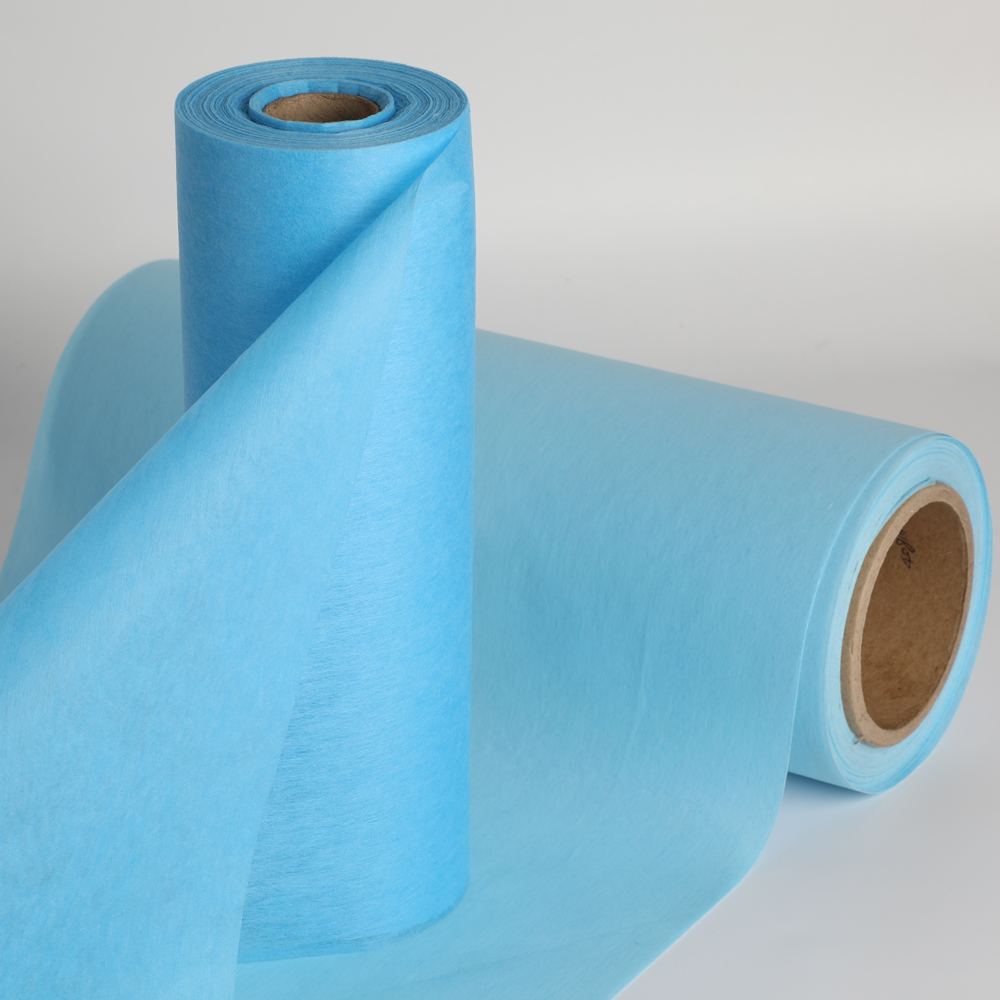 Medical Viscose Nonwoven
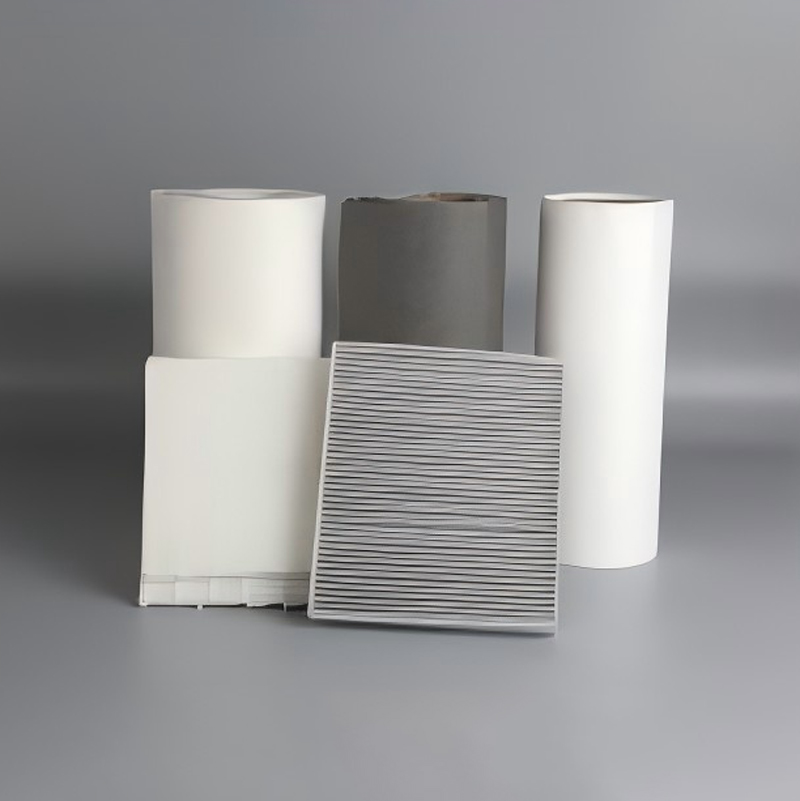 Air Filter Media
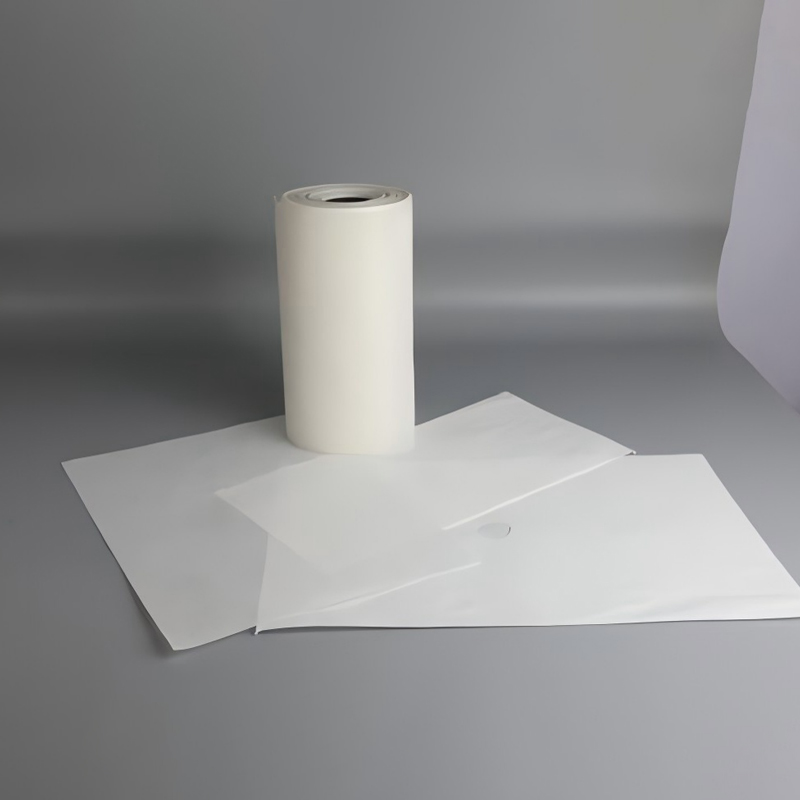 Liquid Filter Media
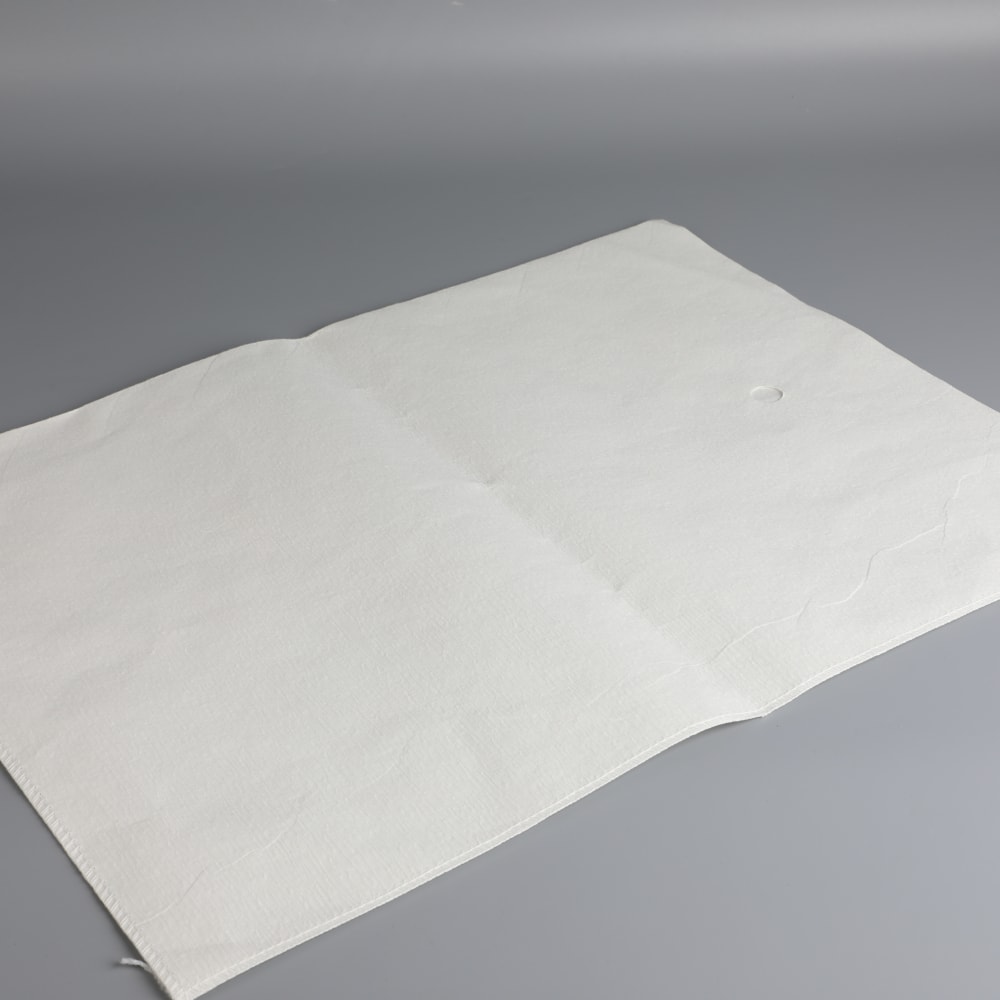 Filter Envelope & Filter Sheet
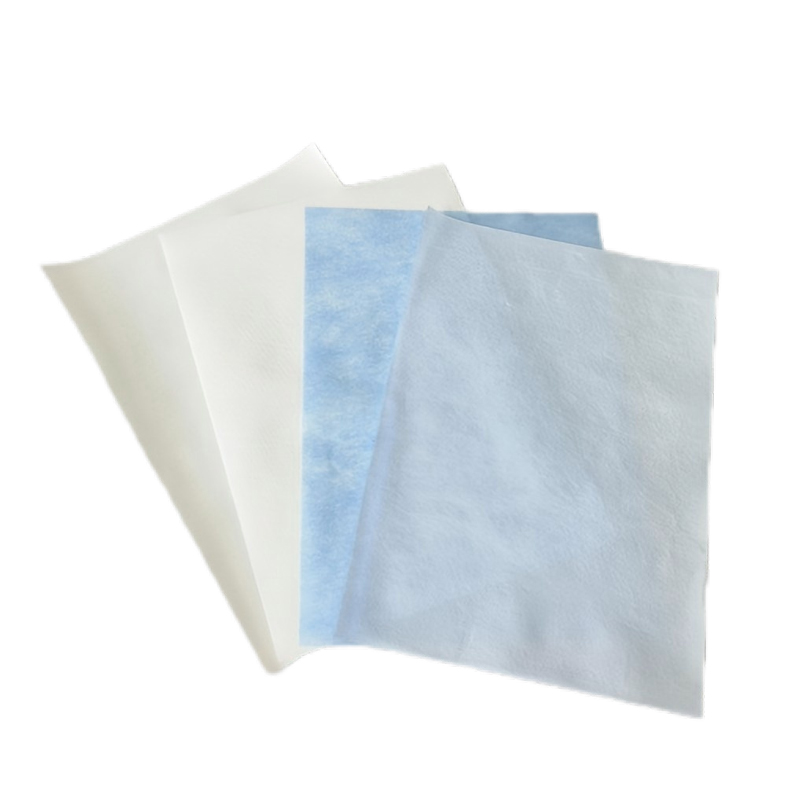 Breathable Film Laminates
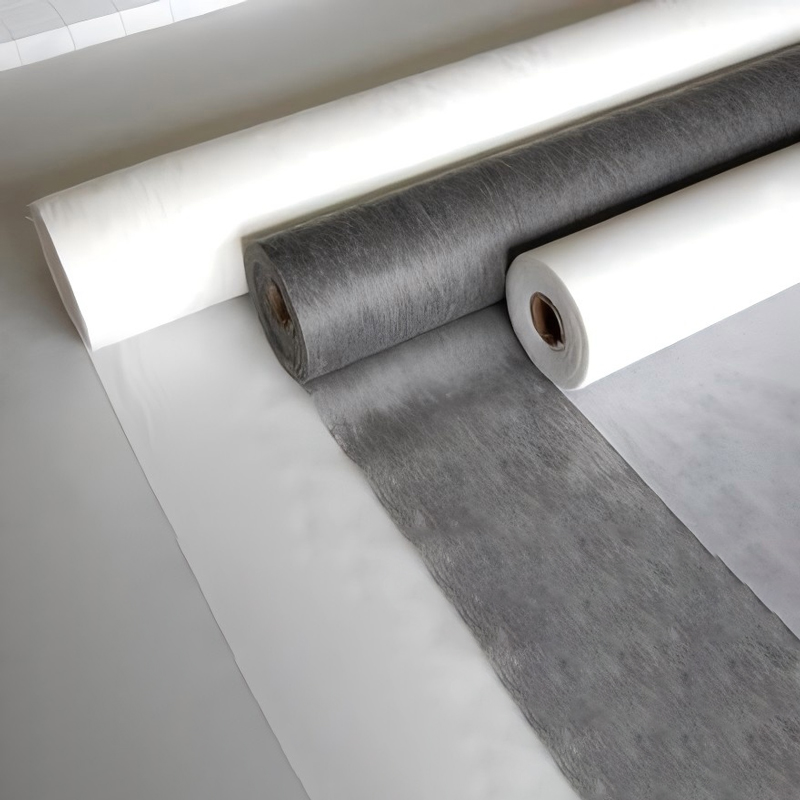 Nonwoven Interlining
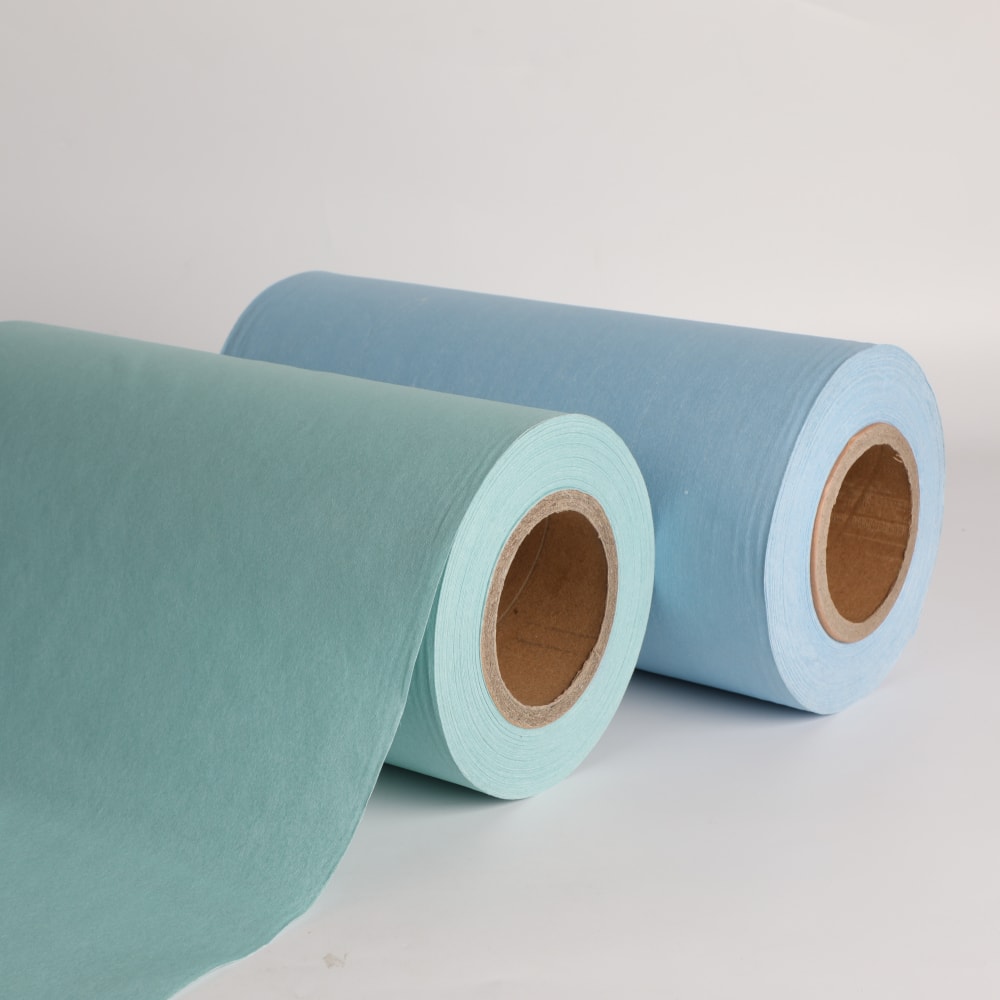 Fluid Repellent Woodpulp Spunlace Nonwoven
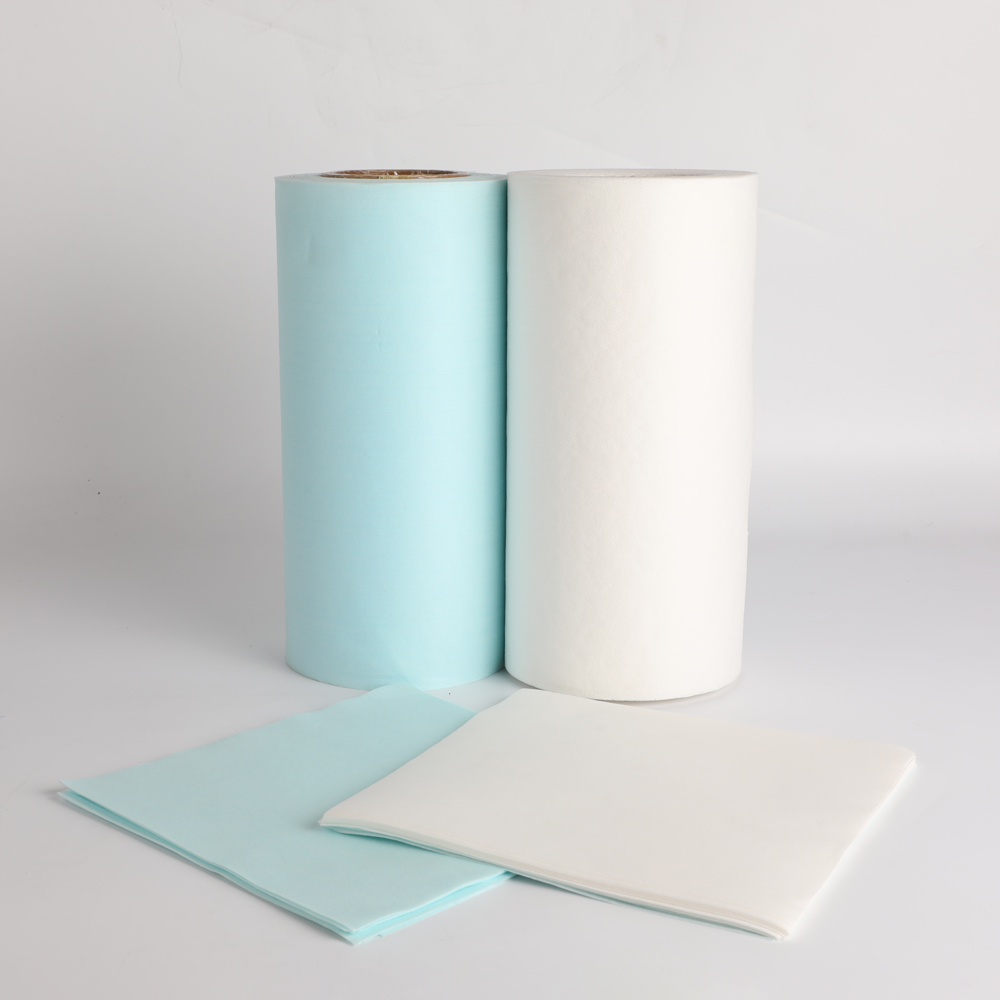 Woodpulp Nonwoven Wipe
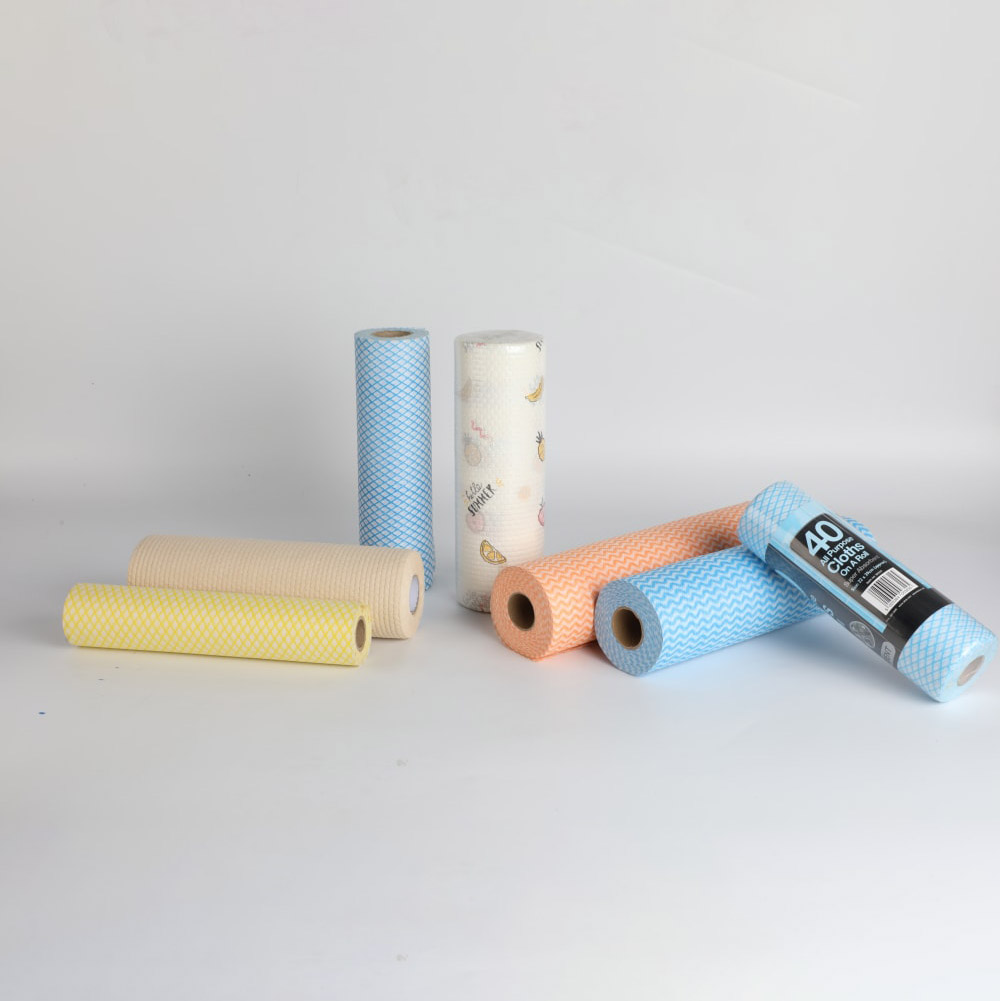 Nonwoven Cleaning Wipe
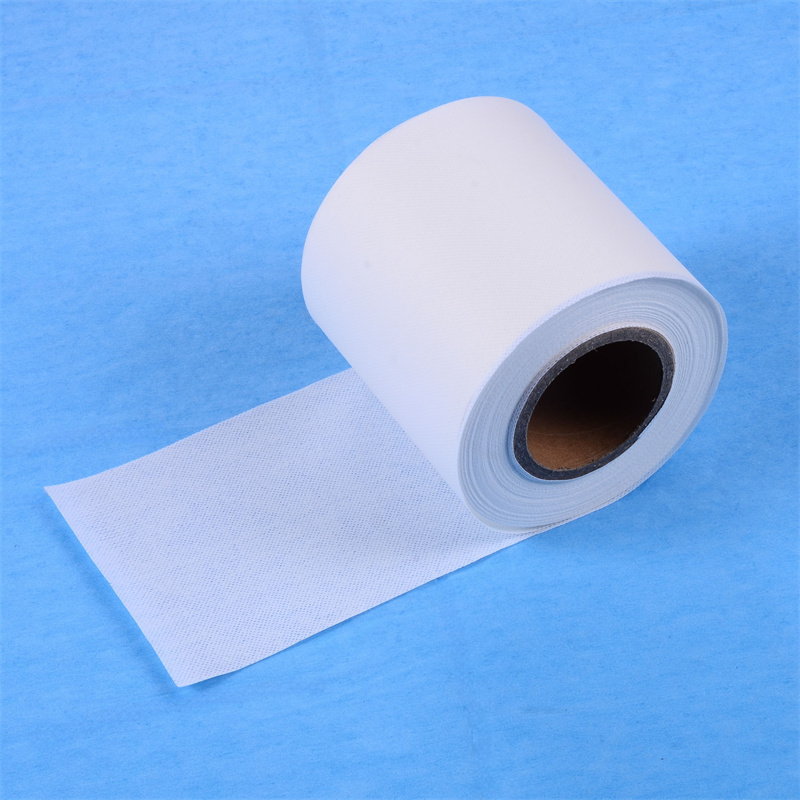 Flame Retardant Nonwoven Fabric
 Anti-Bacterial Nonwoven
 CONTACT WhatsApp
 CONTACT WeChat

 CONTACT NUMBER
 CONTACT EMAIL