Top 5 Benefits of Using Non Woven Polyester Fabric in Various Industries
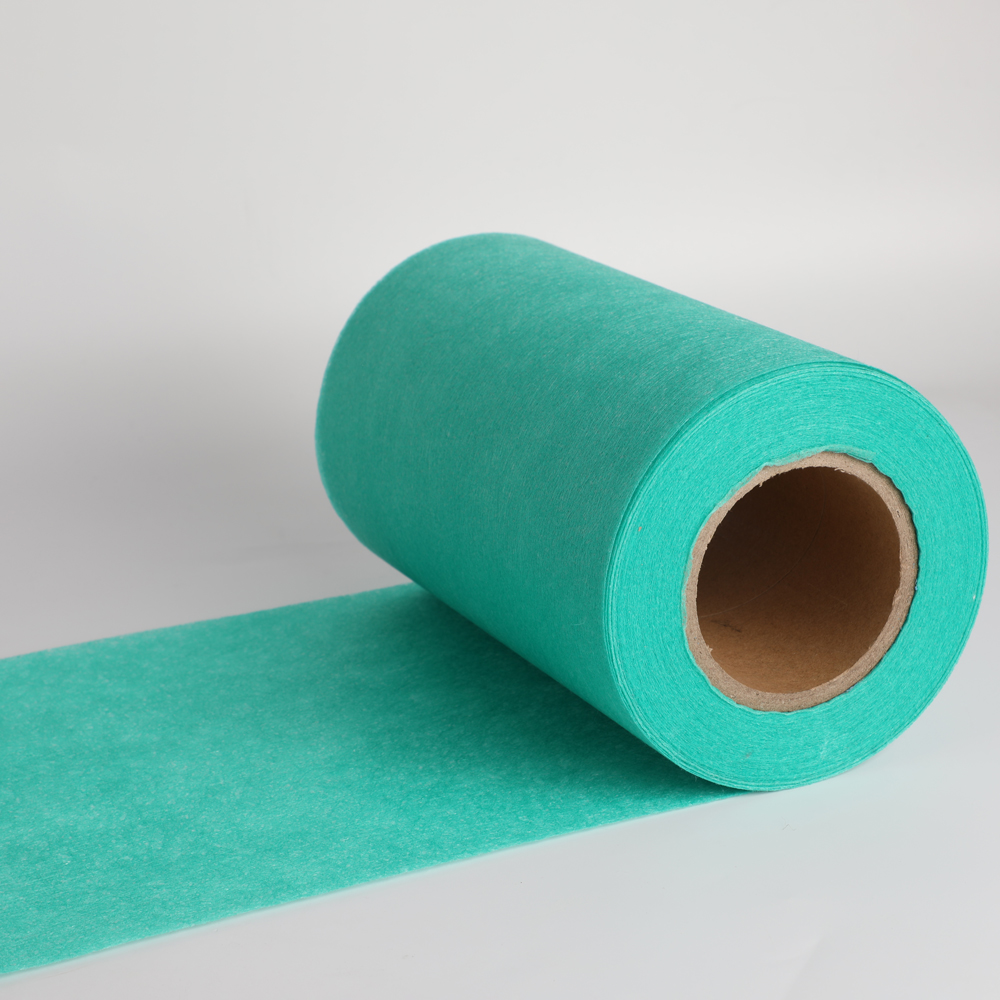
The increasing demand for innovative materials across various sectors has led to the rising popularity of Non Woven Polyester Fabric. This versatile fabric has captured the attention of industries ranging from healthcare to automotive, thanks to its unique characteristics and exceptional performance. Non Woven Polyester Fabric is not only lightweight and durable but also boasts excellent breathability and moisture-wicking properties, making it suitable for a myriad of applications. As companies look to enhance their products and processes, understanding the benefits offered by this remarkable fabric becomes essential.
In this article, we will explore the top five benefits of using Non Woven Polyester Fabric in diverse industries. From its cost-effectiveness to its eco-friendly production methods, Non Woven Polyester Fabric provides manufacturers with a competitive edge while meeting the growing demands for sustainability. Whether for medical supplies, filtration systems, or protective clothing, this fabric's adaptability makes it a crucial component in modern manufacturing. As we delve into its advantages, we will highlight how Non Woven Polyester Fabric can transform industry practices, revolutionizing the way products are designed and utilized.
Advantages of Non Woven Polyester Fabric in the Textile Industry
Non woven polyester fabric has emerged as a transformative material in the textile industry, offering a multitude of advantages that enhance both functionality and sustainability. One of its primary benefits is its lightweight nature combined with exceptional strength. This allows manufacturers to produce durable products without adding unnecessary weight, making it an ideal choice for applications ranging from disposable garments to reusable bags. The fabric's versatility also means it can easily be tailored for diverse uses, whether in fashion, medical textiles, or industrial applications.
Additionally, non woven polyester fabric is highly resistant to moisture and chemicals. This property makes it particularly valuable in medical and hygiene sectors, where sterilization and cleanliness are paramount. The fabric can be treated to achieve antimicrobial properties, further enhancing its safety and effectiveness in environments such as hospitals and clinics. Furthermore, the manufacturing process of non woven fabrics typically generates less waste compared to traditional weaving techniques, aligning with the growing demand for eco-friendly materials in the textile industry. This combination of traits positions non woven polyester fabric as a forward-thinking option that meets the evolving challenges of today’s market while addressing environmental concerns.
Applications of Non Woven Polyester Fabric in Medical Supplies
Non woven polyester fabric has become an essential material in the medical supplies industry, especially in the wake of increased demand for personal protective equipment (PPE) during global health crises like COVID-19. The projected market growth of nonwoven fabrics, expected to reach $72.21 billion by 2030, highlights the significant role this material plays, not only in healthcare but across various sectors. Nonwoven polyester, with its lightweight and breathable properties, is ideal for manufacturing surgical gowns, masks, and other medical supplies that require sterility and durability.
Moreover, the trend towards sustainable solutions has led to the rise of bio-based and recycled nonwovens within the textile industry. Healthcare organizations are increasingly prioritizing the use of sustainable materials in their PPE to minimize environmental impacts while ensuring the safety of healthcare workers. As a result, non woven polyester fabric not only meets the rigorous health standards required for medical applications but also aligns with the growing emphasis on sustainability in the industry. As the need for innovative and effective medical supplies continues to rise, non woven polyester fabric will remain at the forefront of healthcare solutions.
Sustainability and Environmental Impact of Non Woven Polyester Fabric
Non woven polyester fabric has gained significant attention for its sustainability and minimal environmental impact. Unlike traditional woven fabrics, which require extensive water usage and energy for processing, non woven polyester is produced through a more efficient process that generates less waste. This method not only conserves valuable resources but also reduces the overall carbon footprint associated with fabric manufacturing. As companies and consumers increasingly prioritize eco-friendly materials, non woven polyester stands out as a viable alternative that meets contemporary sustainability standards.
Moreover, the durability and recyclability of non woven polyester enhance its environmental benefits. This fabric is resistant to moisture and wear, allowing products made from it to have a longer lifespan. Consequently, this reduces the frequency of replacements and the amount of textile waste generated. Additionally, non woven polyester can often be recycled at the end of its life cycle, providing a second chance for materials that would otherwise contribute to landfill overflow. By choosing non woven polyester, industries can contribute to a circular economy that values resource conservation and minimizes ecological impact.
Cost-Effectiveness of Using Non Woven Polyester Fabric in Manufacturing
Non-woven polyester fabric has emerged as a cost-effective solution in various manufacturing processes, making it a preferred choice in multiple industries. According to a report by Smithers Pira, the global non-woven fabric market is projected to reach $60 billion by 2025, highlighting a significant shift towards affordable materials that do not compromise on quality. The production of non-woven polyester is generally less resource-intensive than woven fabric, leading to reduced costs associated with labor, water, and energy. This makes it particularly appealing for manufacturers aiming to optimize their budgets while maintaining high standards.
Moreover, the non-woven polyester fabric’s versatility allows it to be utilized in a range of applications, from medical textiles to automotive components, thereby decreasing production costs associated with multi-material sourcing. According to the Nonwovens Institute, non-woven fabrics can be produced at a 30% lower cost compared to traditional woven fabrics, without sacrificing functionality. This economic advantage plays a crucial role in industries that rely on scale, enabling companies to enhance their margins and remain competitive in the marketplace. As industries continue to adopt non-woven polyester for its cost-effectiveness, this fabric is cementing its place as a key material in modern manufacturing.
Top 5 Benefits of Using Non Woven Polyester Fabric in Various Industries
| Benefit |
Description |
Industries |
Cost-Effectiveness |
| Durability |
Non woven polyester fabric is resistant to tearing and puncturing, ensuring longer product life. |
Textiles, Automotive |
Reduces replacement costs. |
| Lightweight |
The lightweight nature of the fabric decreases shipping and handling costs. |
Packaging, Transportation |
Lower freight charges due to reduced weight. |
| Versatility |
Can be used in a variety of applications, from bags to medical supplies. |
Healthcare, Fashion |
Expand product lines without high R&D costs. |
| Cost-Effective Production |
Manufactured using a simpler process that requires less energy and resources. |
Construction, Agriculture |
Decreases overall manufacturing expenses. |
| Eco-Friendliness |
Made from recycled materials, contributing to sustainability efforts. |
Consumer Goods, Textile Industry |
Potential for lower disposal costs and improved brand image. |
Versatility of Non Woven Polyester Fabric in Consumer Goods
Non woven polyester fabric has gained significant traction in various consumer goods industries, thanks to its versatility and multifunctional qualities. This unique fabric is not only lightweight and durable but also resistant to wrinkles and abrasions, making it highly applicable in everyday items such as bags, home textiles, and personal protective equipment. Its ability to be manufactured in various forms, including spunbond and needle-punched, further enhances its adaptability in fulfilling diverse consumer needs.
As the demand for sustainable and high-quality materials grows, non woven polyester fabric stands out by being recyclable and eco-friendly, aligning with the increasing consumer preference for environmentally responsible products. With the projected growth of the viscose fiber market indicating a broader interest in innovative textile solutions, industries are likely to leverage the advantages of non woven polyester fabric to create functional and stylish products. This material not only meets the practical requirements of consumers but also caters to their desire for comfort and environmental sustainability.
Top 5 Benefits of Using Non Woven Polyester Fabric in Various Industries

 Multi Laminates
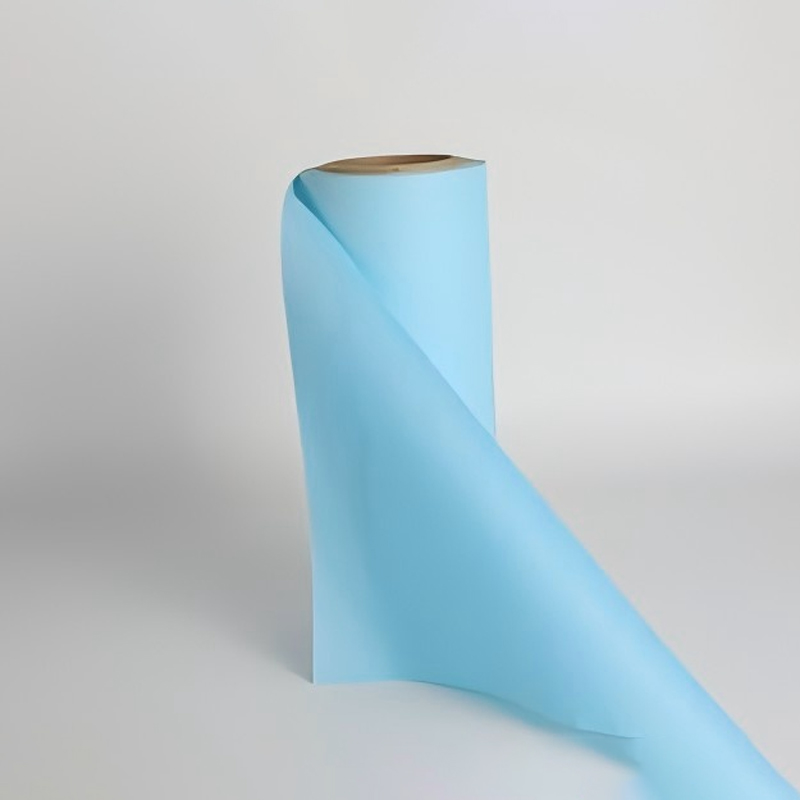 Spunlace Nonwoven Laminates
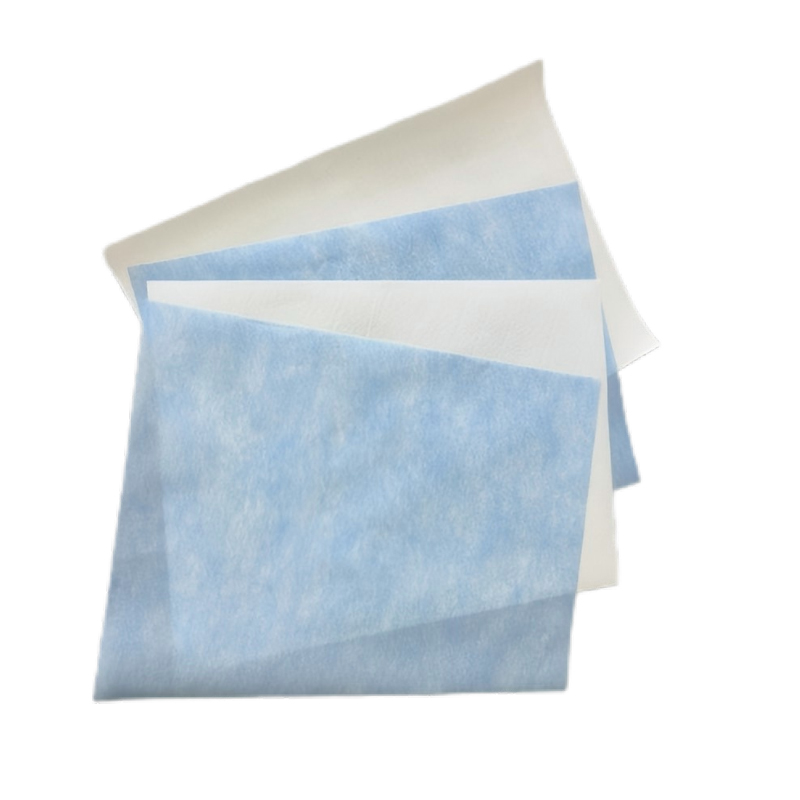 Breathable Film Laminates
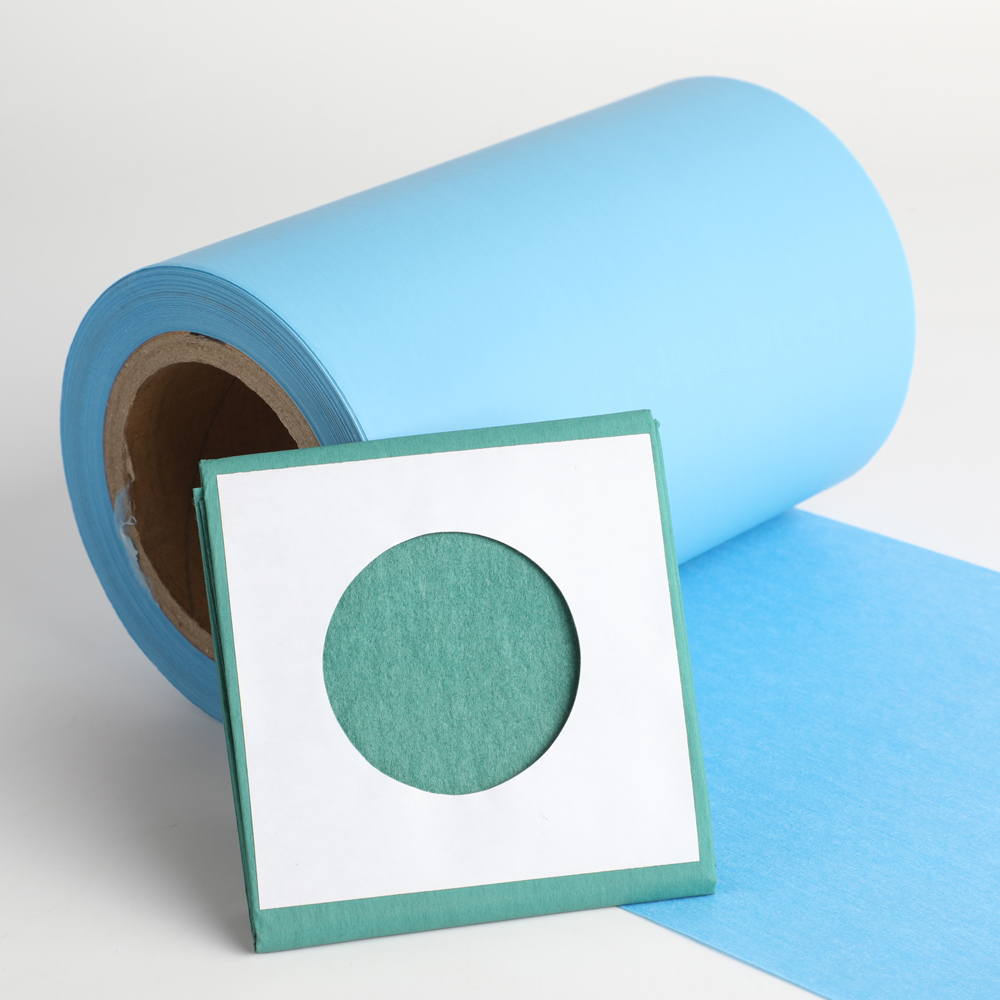 Viscose Laminates
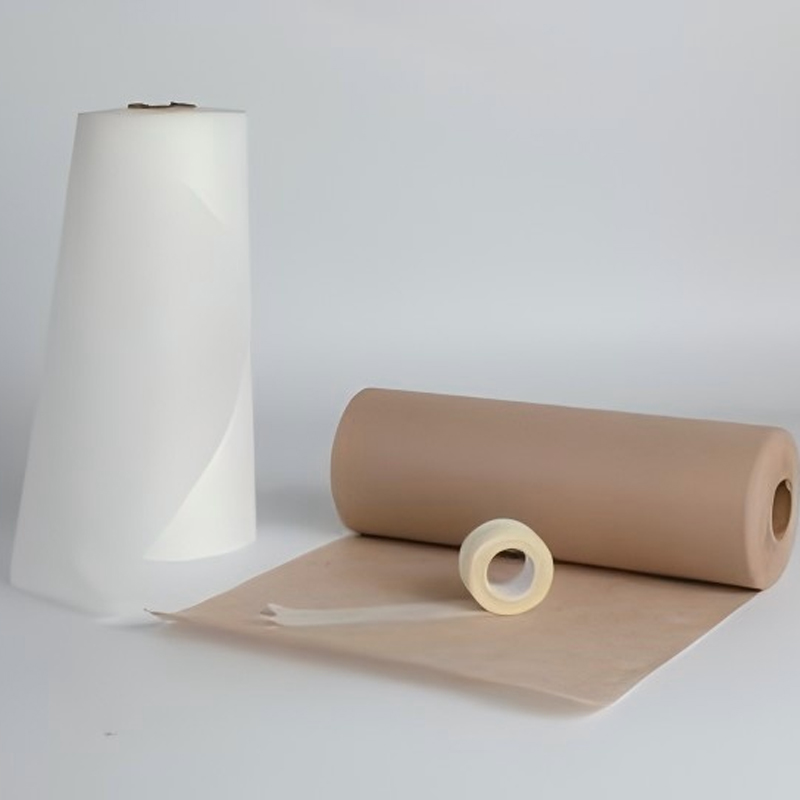 Medical Tape Nonwoven
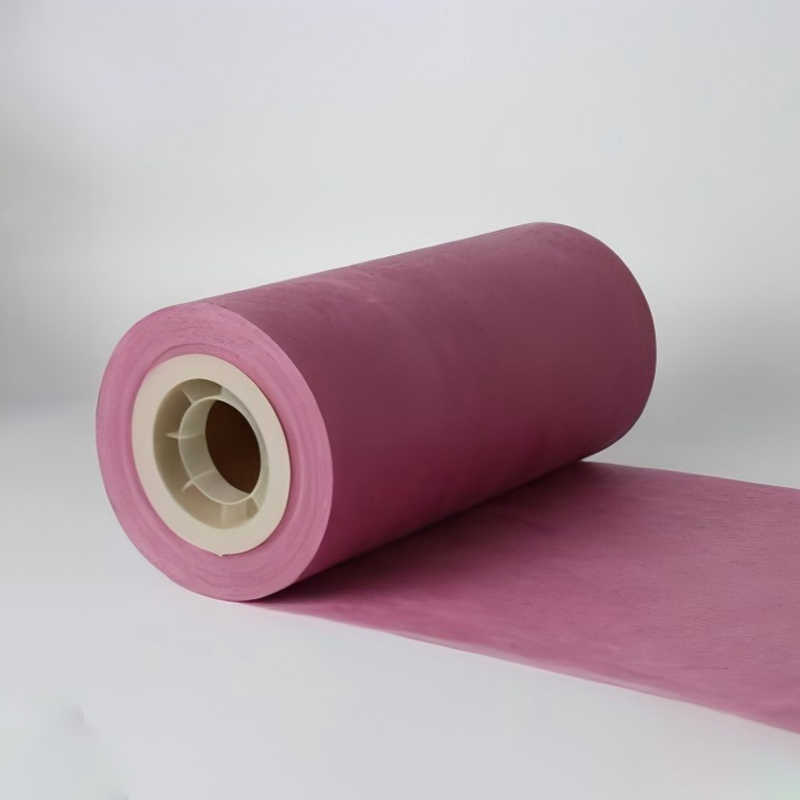 Filtration Nonwoven
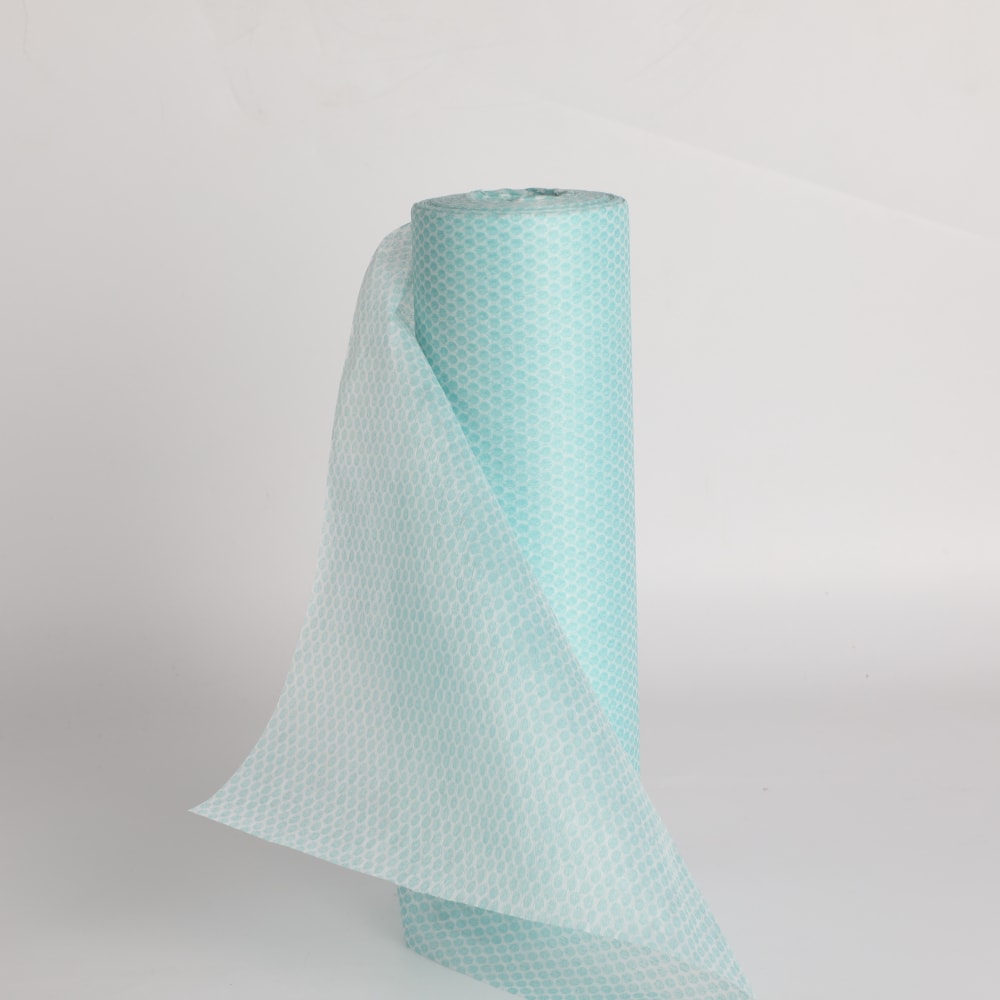 Head Wear Nonwoven
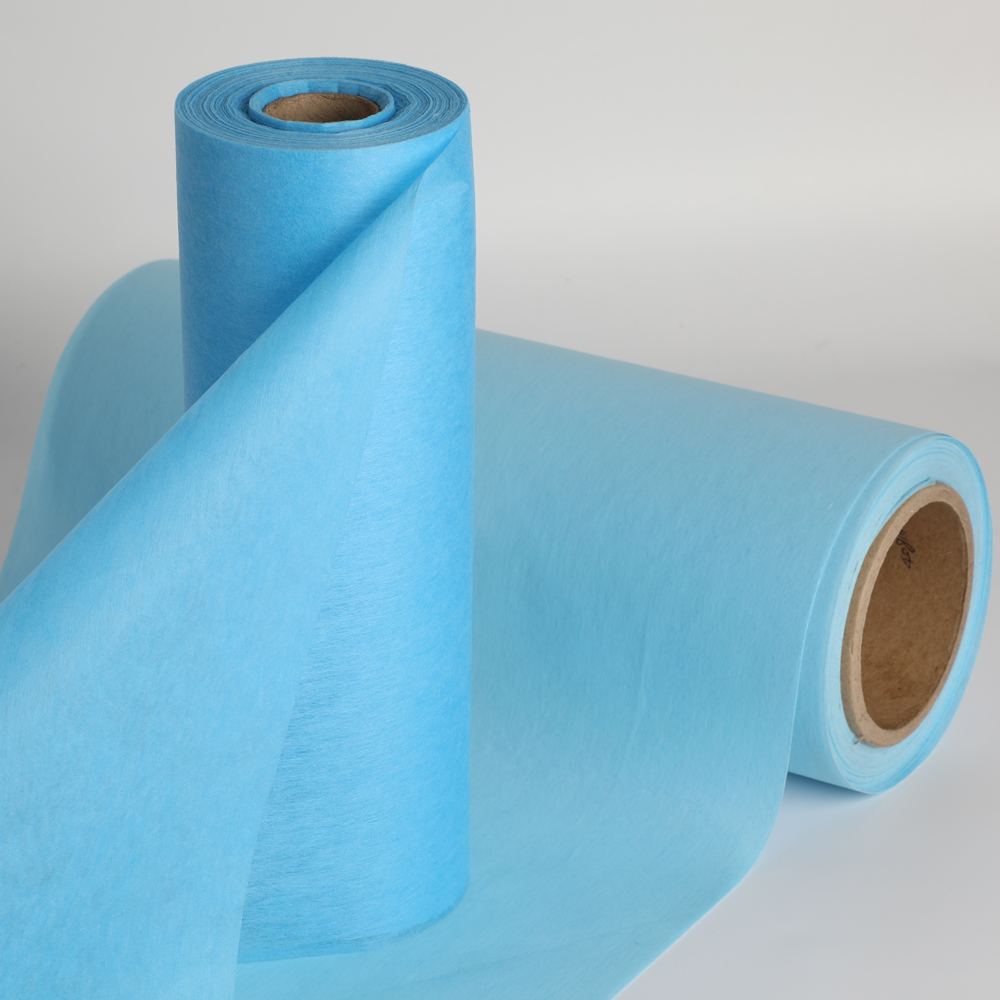 Medical Viscose Nonwoven
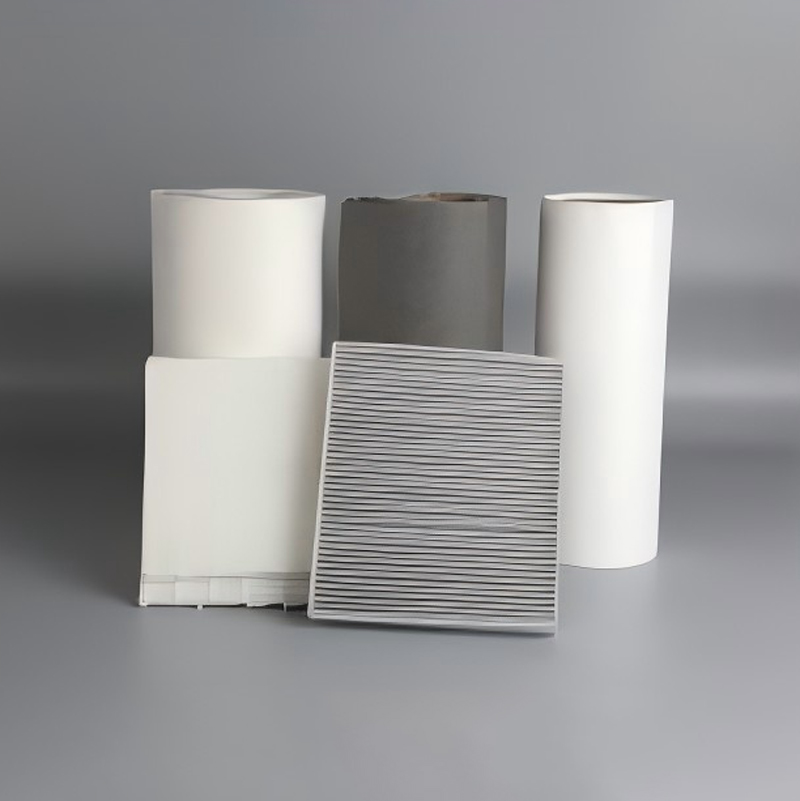 Air Filter Media
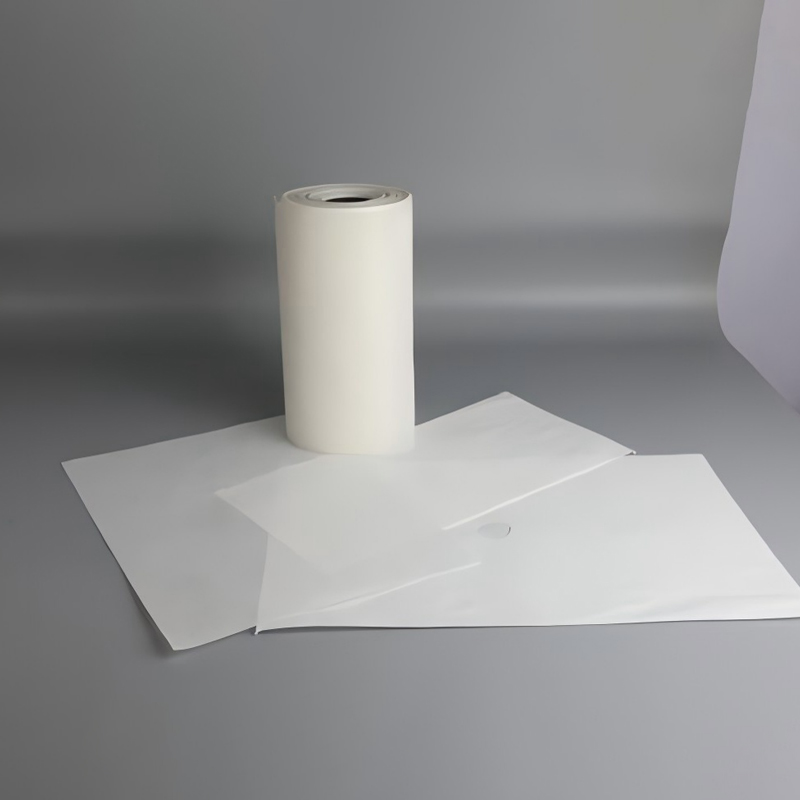 Liquid Filter Media
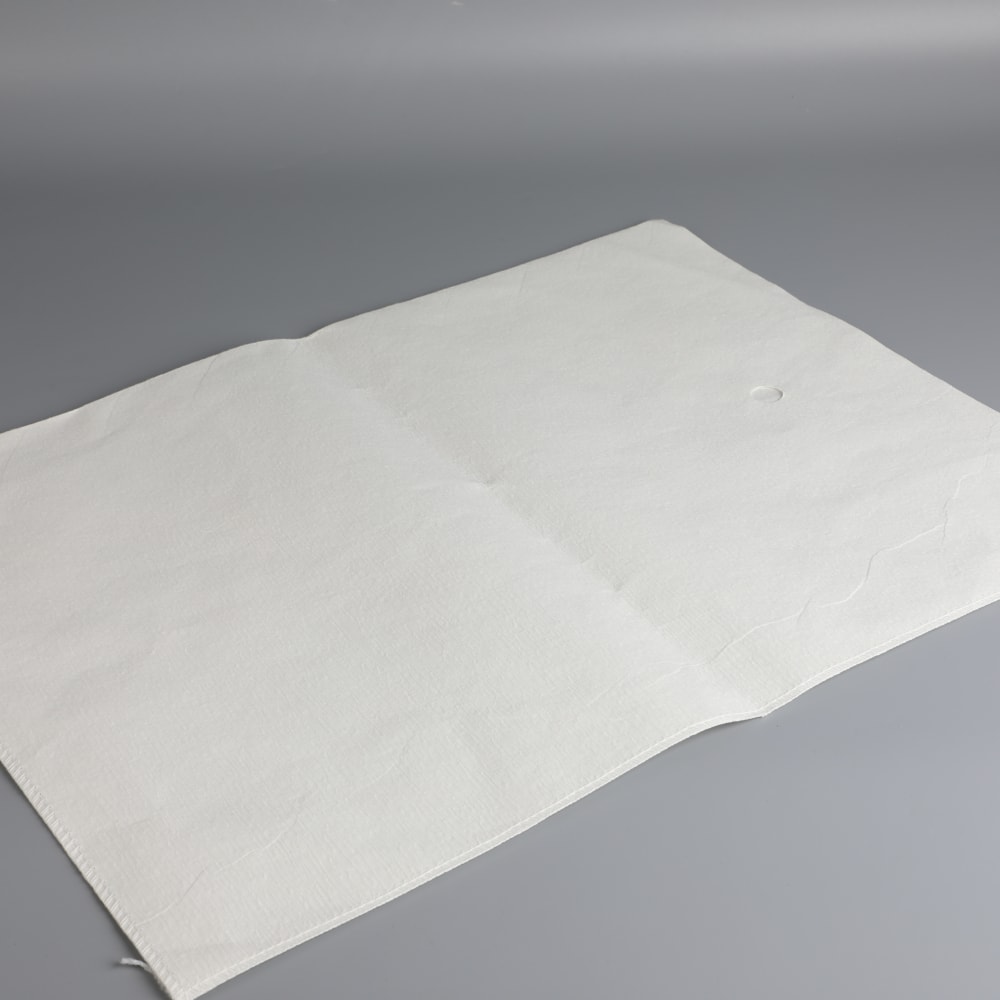 Filter Envelope & Filter Sheet
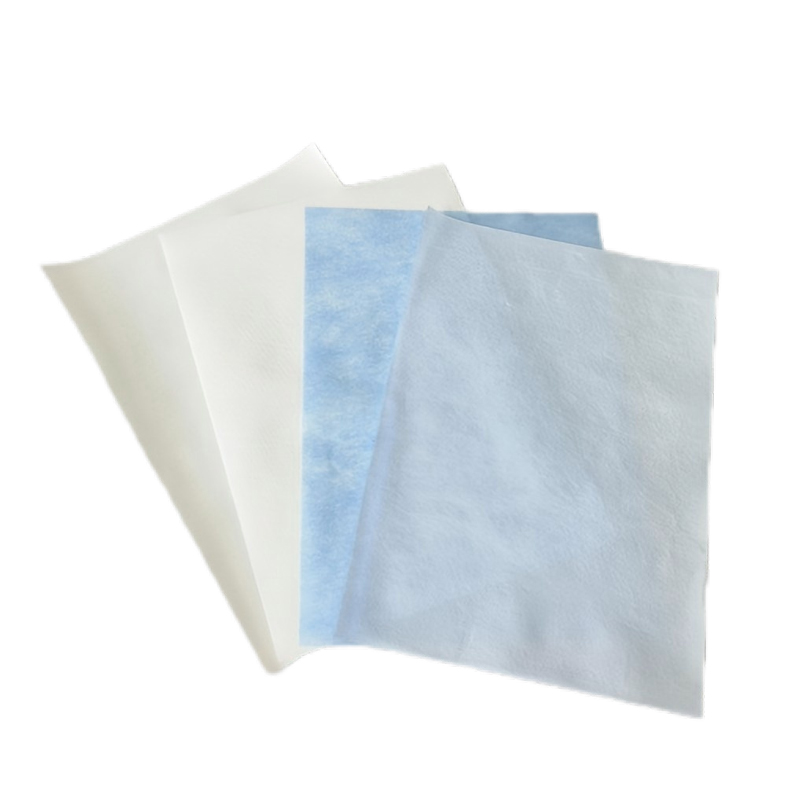 Breathable Film Laminates
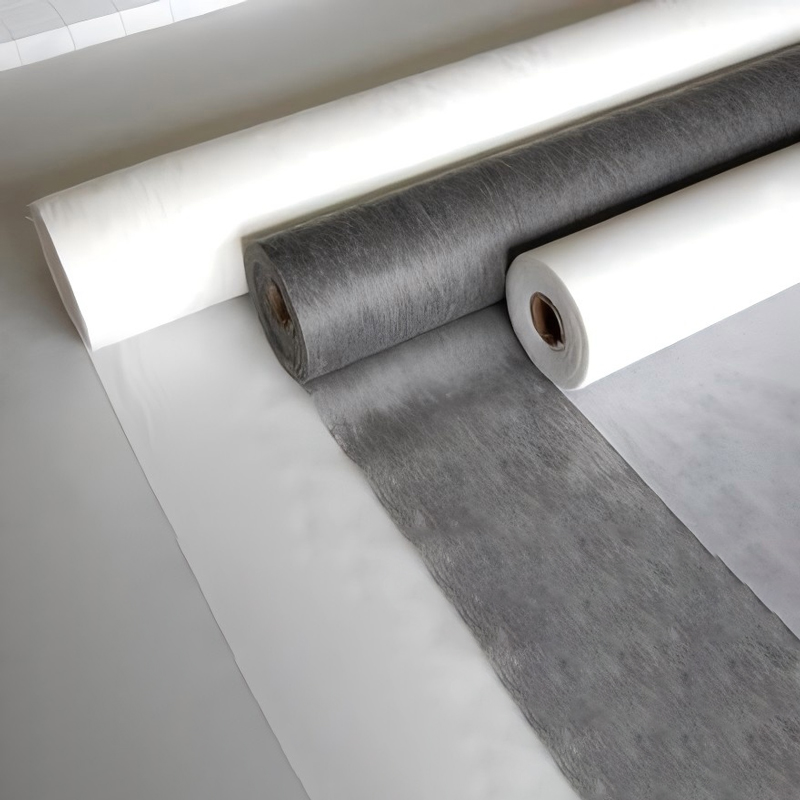 Nonwoven Interlining
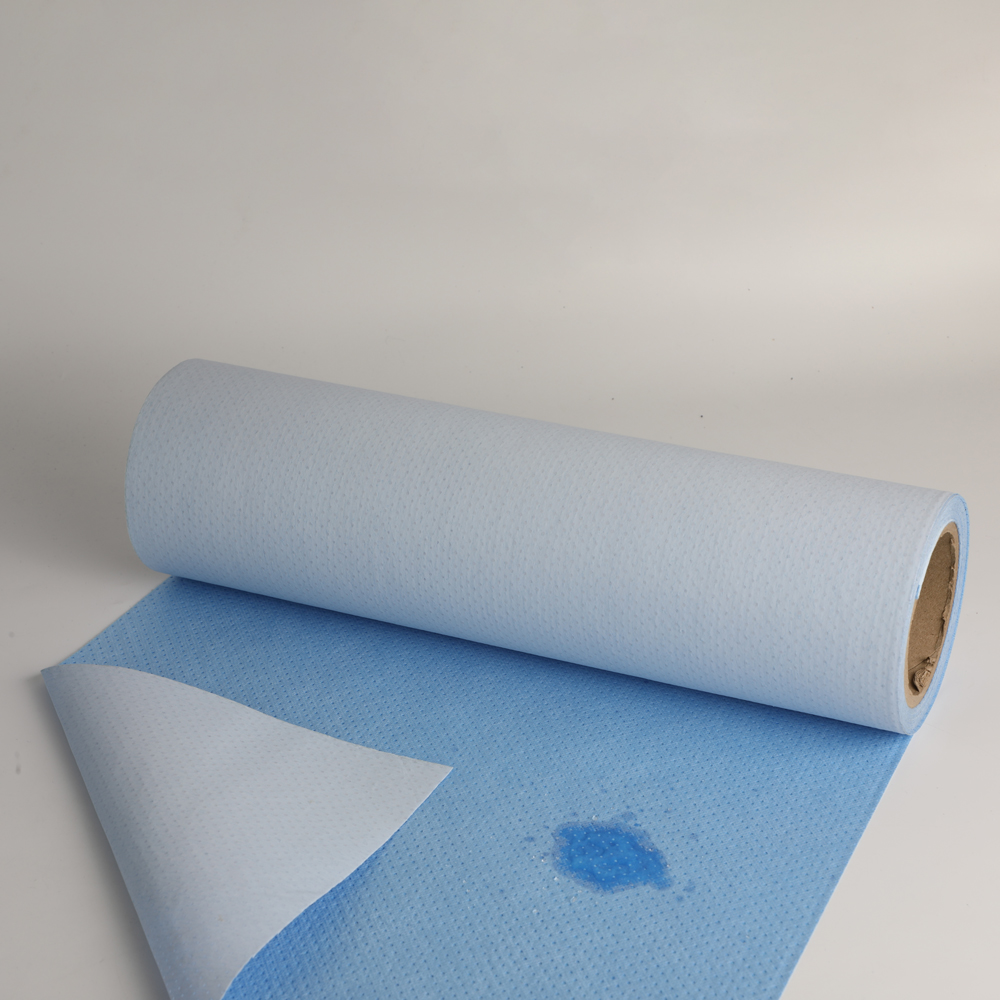
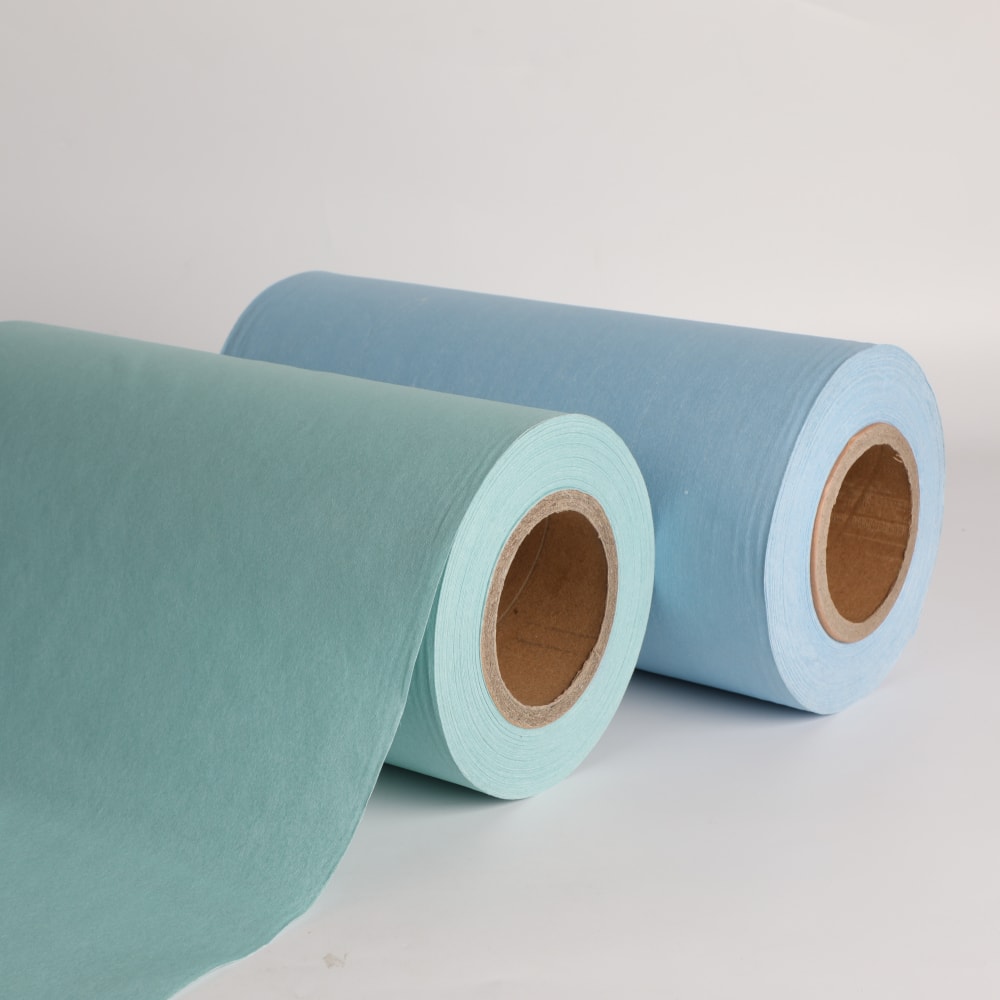 Fluid Repellent Woodpulp Spunlace Nonwoven
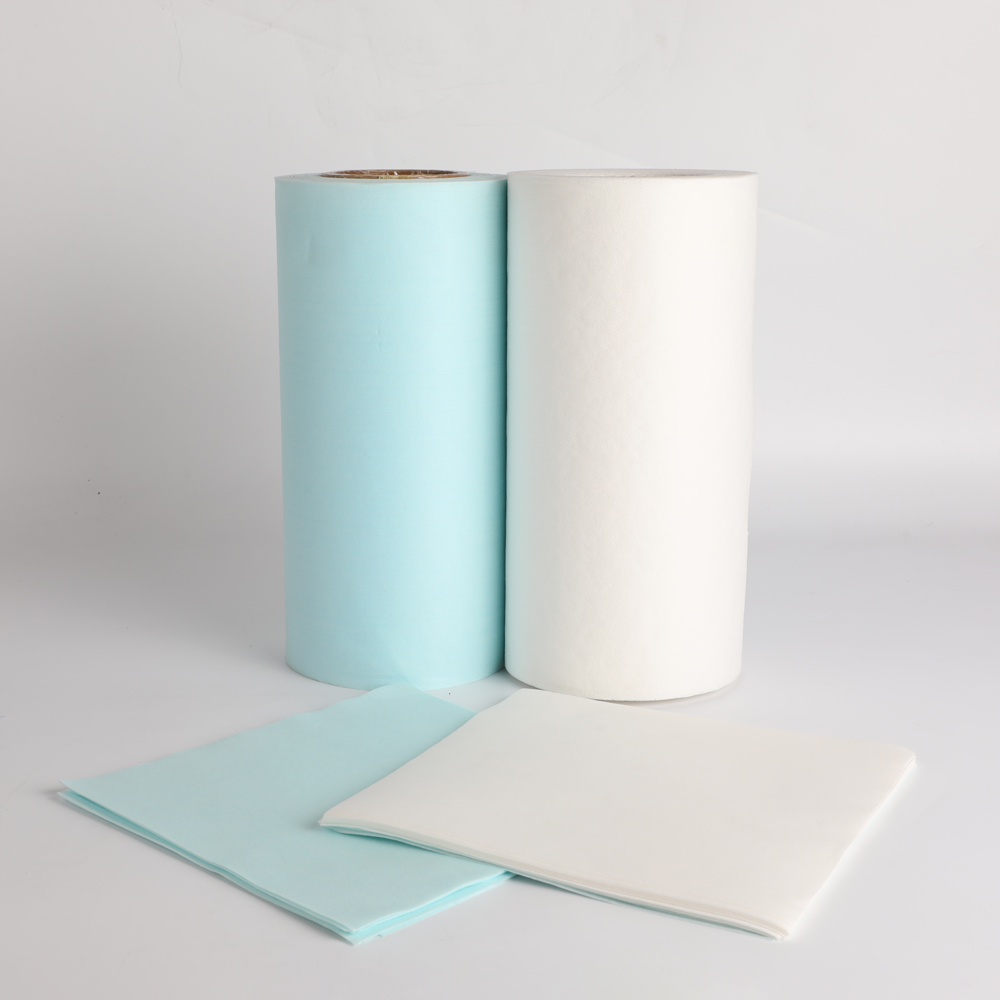 Woodpulp Nonwoven Wipe
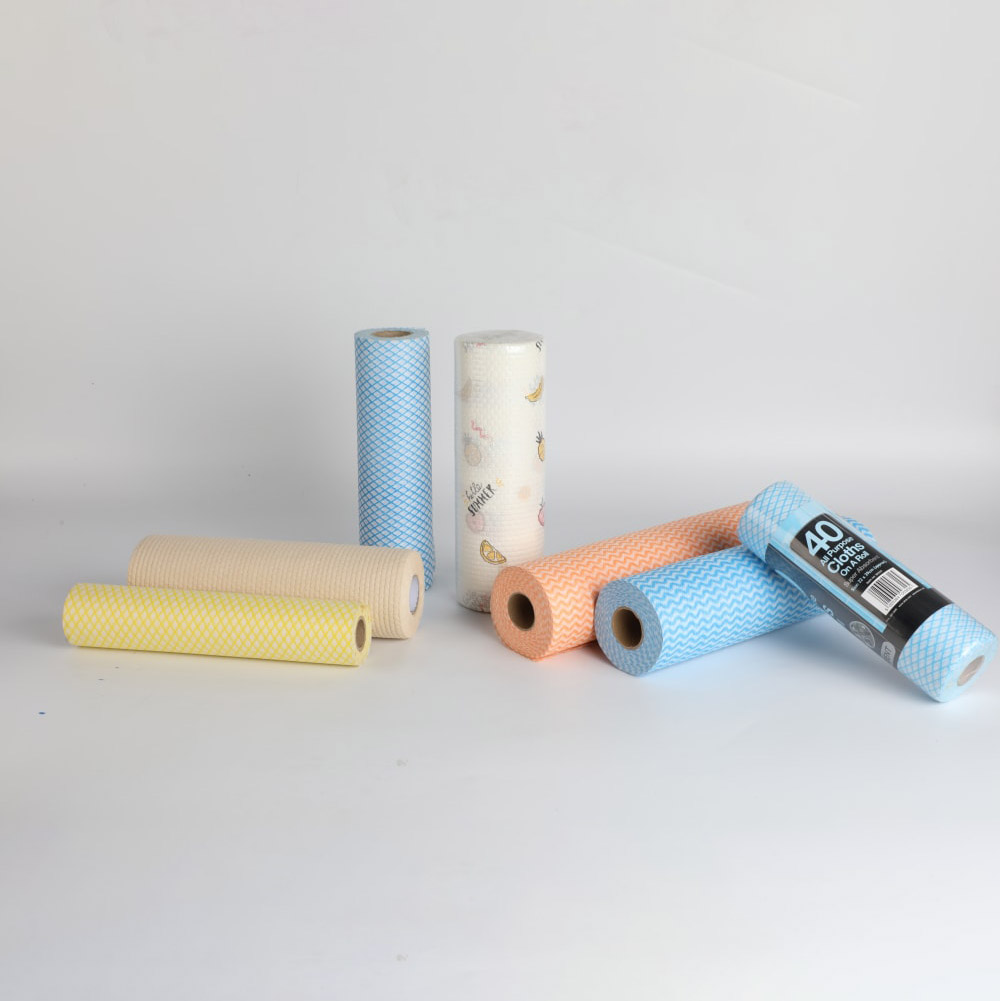 Nonwoven Cleaning Wipe
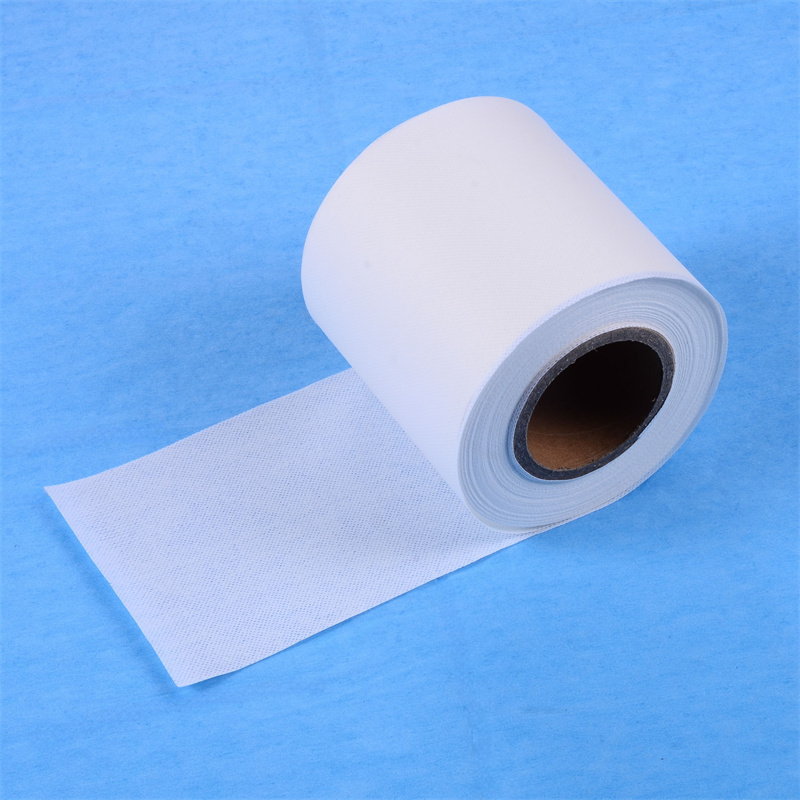 Flame Retardant Nonwoven Fabric
 Anti-Bacterial Nonwoven
 CONTACT WhatsApp
 CONTACT WeChat

 CONTACT NUMBER
 CONTACT EMAIL