2026 Best Viscose Nonwoven Products for Your Needs?
As we move into 2026, discovering the best Viscose Nonwoven products for various applications becomes essential. Viscose Nonwoven materials are known for their softness, breathability, and versatility. They are widely used in sectors such as healthcare, hygiene, and fashion. However, not all products are created equal.
When choosing Viscose Nonwoven items, it's crucial to consider specific needs. Are you looking for durability or comfort? Identifying your priorities influences your selection. The market is flooded with options, and some may lack the quality you expect. It's important to remain critical and reflect on what truly meets your demands.
In an era where sustainability matters, many Viscose Nonwoven products claim eco-friendliness. Yet, this can be misleading. Examine the sourcing and manufacturing processes carefully. By understanding these factors, you can make insightful choices. Ultimately, the right Viscose Nonwoven products can enhance your lifestyle and serve your intended purpose effectively.
2026 Overview of Viscose Nonwoven Products in the Market
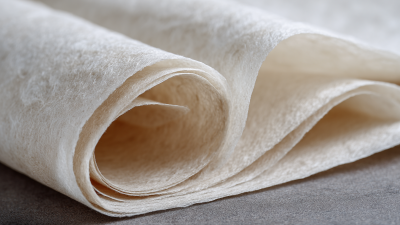
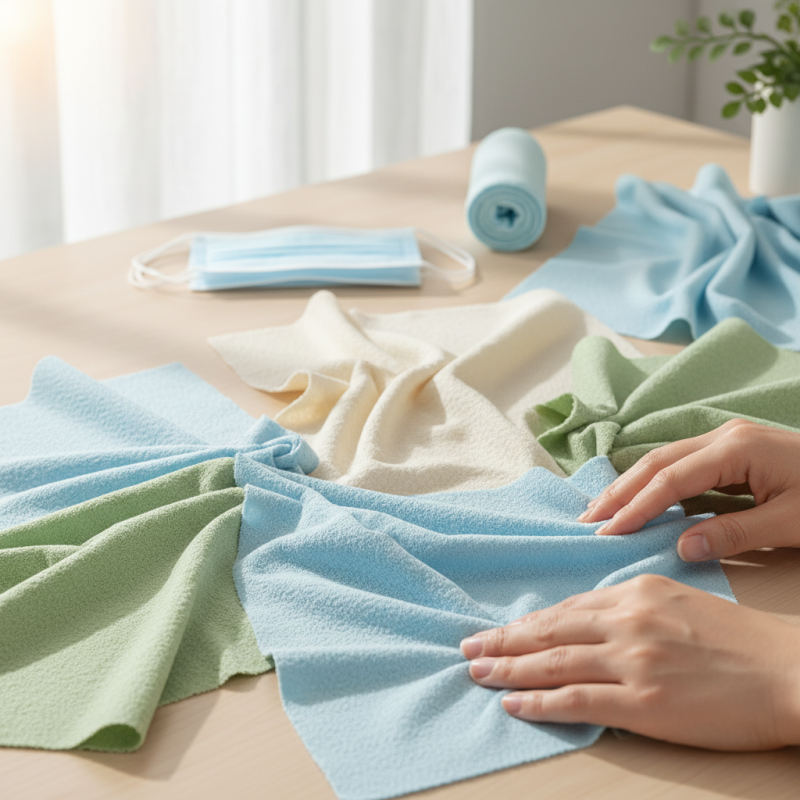
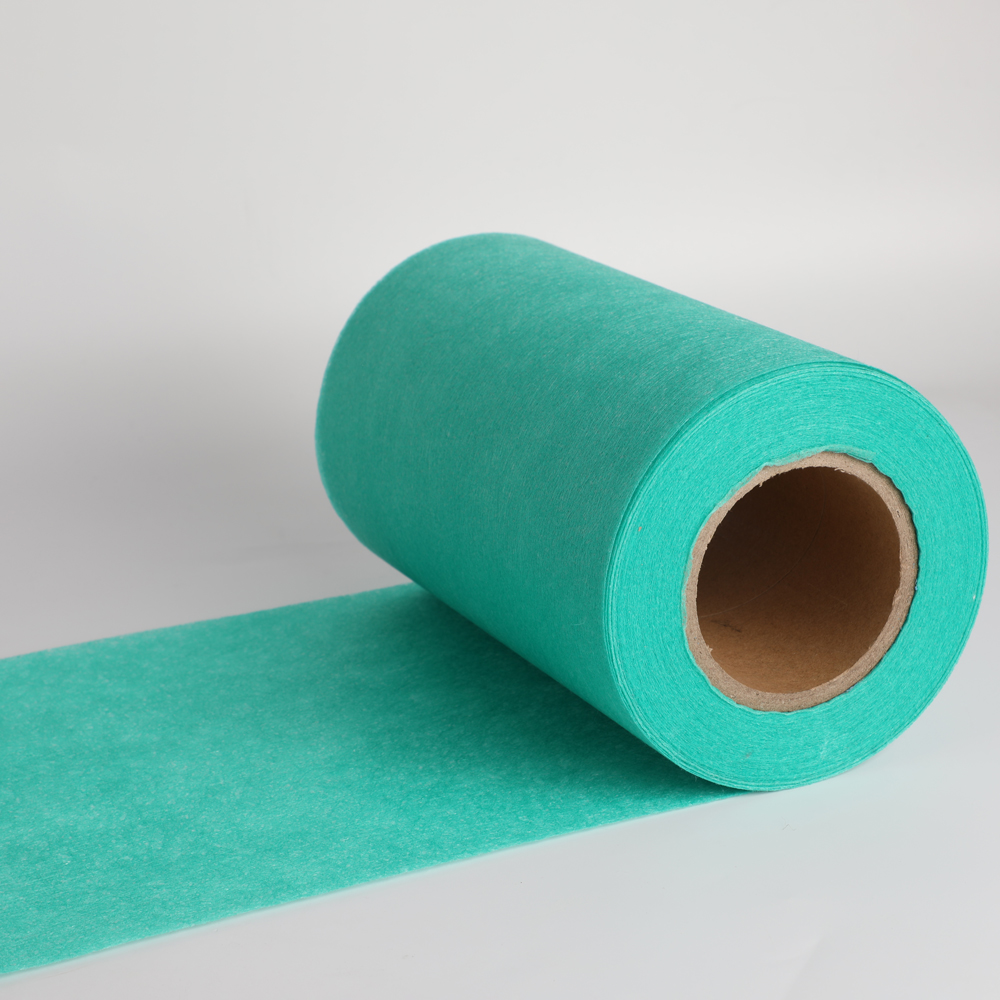
Viscose nonwoven products are gaining attention in various industries. Many sectors find their soft texture and excellent absorbency ideal for specific applications. These materials are often used in hygiene products, medical supplies, and even home textiles. The blend of functionality and comfort makes them desirable for consumers seeking effective solutions.
In 2026, the market profile of viscose nonwovens features diverse options. Manufacturers are innovating with blends and techniques to enhance durability. Yet, challenges remain. Environmental concerns arise regarding production processes. Sustainable sourcing of raw materials is crucial. Companies must address these issues to meet consumer expectations.
Quality is a significant focus area. Products vary widely, and not every option meets high standards. End-users frequently express frustration over inconsistencies in softness and strength. This underscores the need for stringent quality control measures. As the market grows, it is essential for stakeholders to reflect on their responsibilities.
Key Features and Benefits of Viscose Nonwoven Materials
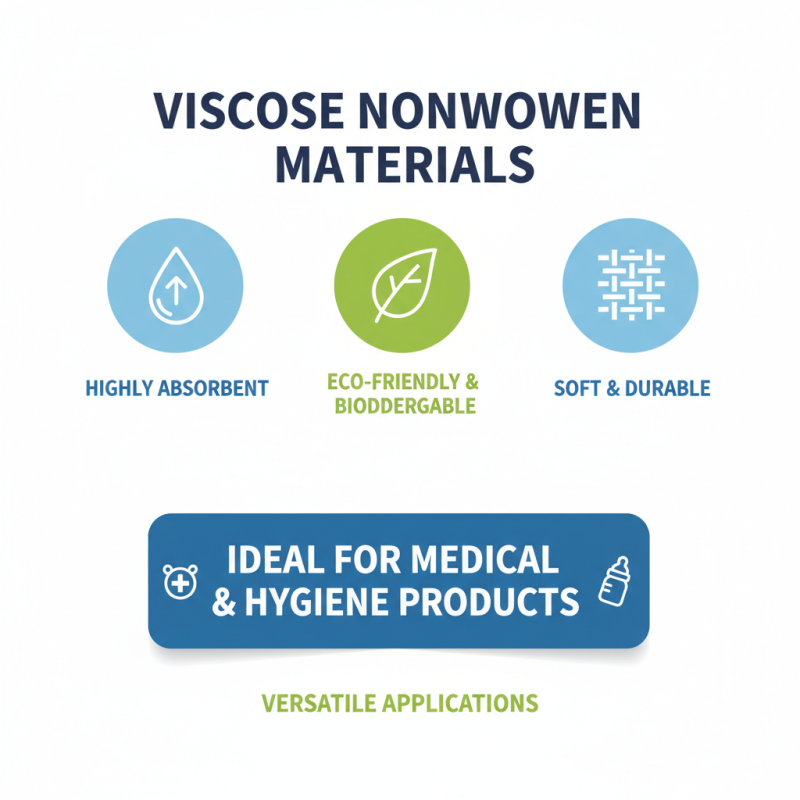
Viscose nonwoven materials are gaining popularity for various applications. These fabrics offer several key features that make them attractive. First, they are highly absorbent. This quality makes them ideal for medical and hygiene products. They can quickly soak up liquids, ensuring comfort and usability.
Another important benefit is their softness. Viscose nonwovens are gentle against the skin, which is crucial for personal care items. This feature often leads to better user experience, particularly in sensitive applications. However, it’s essential to recognize that softness may come at the cost of durability. They may wear out faster than other materials.
Moreover, these products are biodegradable, appealing to eco-conscious consumers. As industries shift towards sustainability, viscose nonwovens provide a viable option. Still, the production process can raise questions about environmental impact. Attention to sourcing and manufacturing methods is vital. This reflection encourages consumers to consider their choices carefully.
Applications of Viscose Nonwoven Products Across Various Industries
Viscose nonwoven products are widely used across many industries. They are versatile and often chosen for their unique properties. In healthcare, their softness and absorbency make them ideal for surgical masks and gowns. This helps protect both patients and medical staff. However, the challenge remains in ensuring durability during usage.
In the automotive sector, these materials serve as sound-absorbing layers and insulation. The lightweight nature contributes to fuel efficiency, which is a significant plus. But quality control can be tricky. Inconsistent thickness might lead to performance issues during critical applications.
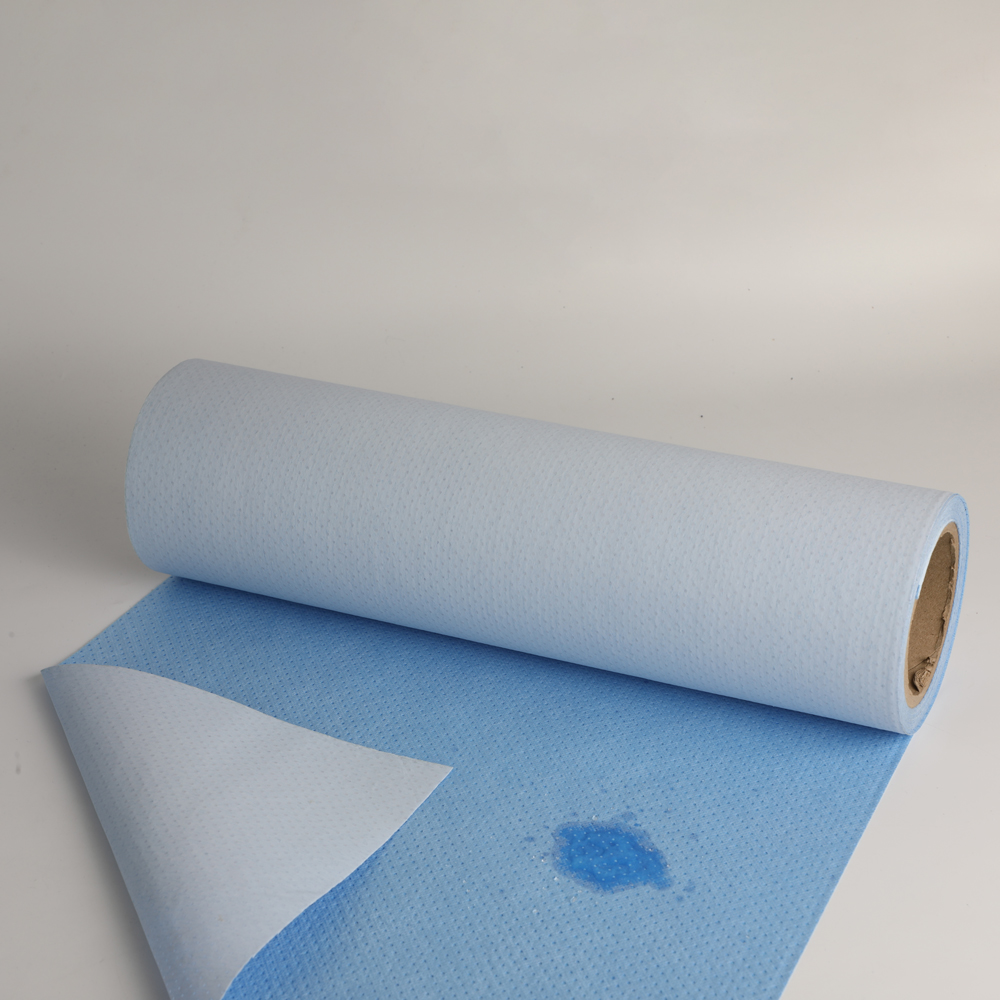
The home care industry increasingly relies on viscose nonwovens for cleaning wipes and personal hygiene products. Their effectiveness can be impressive, yet not every product on the market lives up to expectations. Sometimes, users find they tear too easily or don’t perform well when wet. As industries evolve, so does the need for better quality and performance standards in viscose nonwoven products.
Top Brands and Manufacturers of Viscose Nonwoven Goods in 2026
As we look towards 2026, viscose nonwoven products are gaining more traction in various sectors. Industry reports indicate that the global demand for these materials is expected to reach 2.5 million tons. This surge is driven by their versatility in applications ranging from hygiene products to medical supplies. The softness and breathability of viscose nonwovens are particularly attractive for producers.
Top manufacturers are adapting their strategies to meet evolving consumer preferences. They focus on sustainable practices, with 35% of companies planning to invest in eco-friendly production methods. However, not all brands excel in this area. Some continue using outdated processes that harm the environment. This inconsistency raises questions about industry standards and the commitment to sustainability.
Furthermore, product quality can vary significantly among suppliers. Transparency in sourcing and manufacturing processes is critical. A recent report highlighted that 29% of consumers are willing to switch brands for better quality and sustainability. This statistic emphasizes the need for manufacturers to continuously improve their offerings. In a competitive landscape, complacency can be detrimental. Brands must strive for innovation while also addressing environmental impact.
Comparative Analysis: Viscose vs. Other Nonwoven Fabrics
When it comes to nonwoven fabrics, viscose stands out for its softness and absorbency. Unlike synthetic materials, viscose is derived from natural sources. This gives it an edge in many applications, including personal care products. Viscose can feel luxurious against the skin. Its breathable nature makes it suitable for medical and hygiene items. However, some might argue that its durability may not match that of polyester or polypropylene.
In a direct comparison, viscose generally provides better moisture management than nylon. This feature is appreciated in products like wipes and feminine hygiene products. Yet, the environmental impact of viscose sourcing can be concerning. It often requires significant resources for production. Furthermore, nonwoven alternatives such as spunbond and meltblown are sometimes cheaper and more impervious. They may be preferred for industrial uses where cost and performance are critical.
While viscose offers unique benefits, it is not without its trade-offs. The choice between viscose and other nonwoven fabrics should be based on specific needs. One might prioritize comfort in consumer goods, while another might favor durability for industrial applications. Ultimately, understanding these nuances can lead to better decisions when selecting nonwoven products.
2026 Best Viscose Nonwoven Products for Your Needs? - Comparative Analysis: Viscose vs. Other Nonwoven Fabrics
| Product Type |
Material Composition |
Weight (g/m²) |
Water Absorbency (g) |
Durability (cycles) |
Eco-Friendliness (Rating) |
| Viscose Wipe |
100% Viscose |
60 |
35 |
30 |
4.5 |
| Polyester Nonwoven |
100% Polyester |
80 |
25 |
40 |
3.0 |
| Spunbond Nonwoven |
Polypropylene Blend |
70 |
20 |
50 |
2.5 |
| Bamboo Nonwoven |
100% Bamboo Viscose |
90 |
40 |
25 |
5.0 |
| Cotton Nonwoven |
100% Cotton |
85 |
30 |
45 |
3.8 |

 Multi Laminates
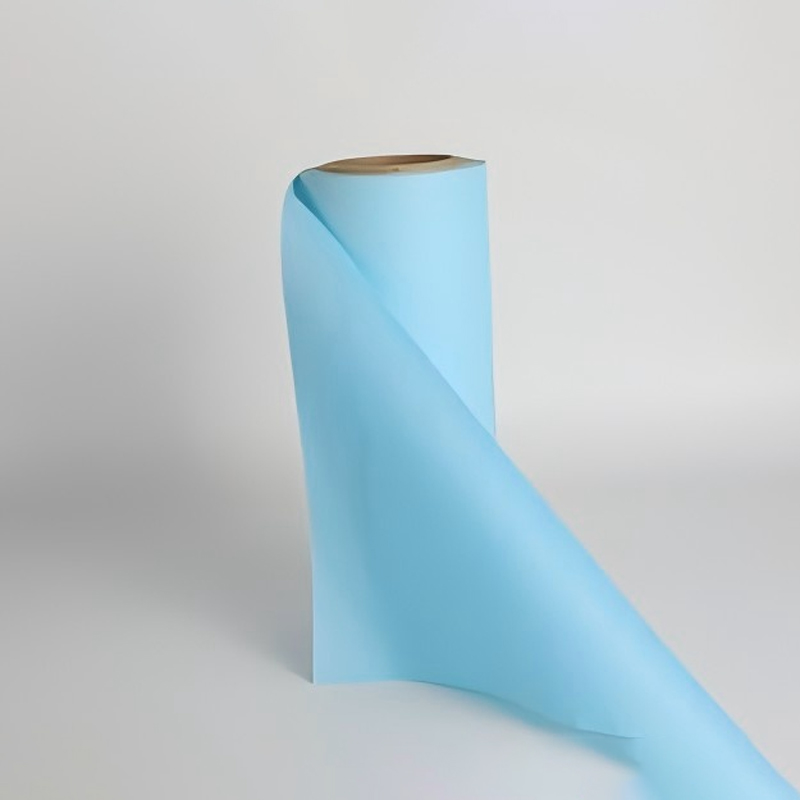 Spunlace Nonwoven Laminates
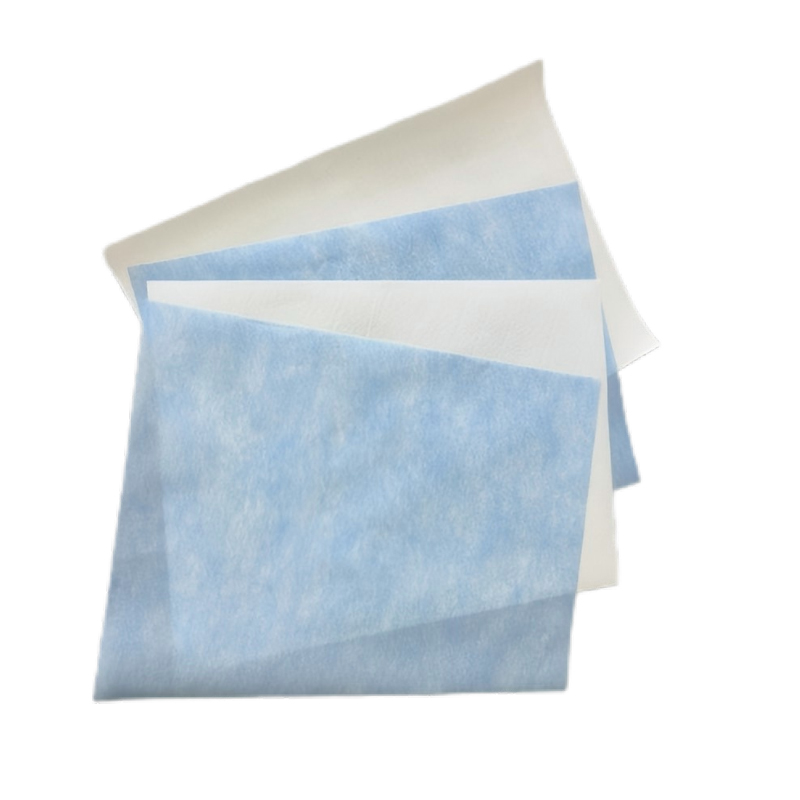 Breathable Film Laminates
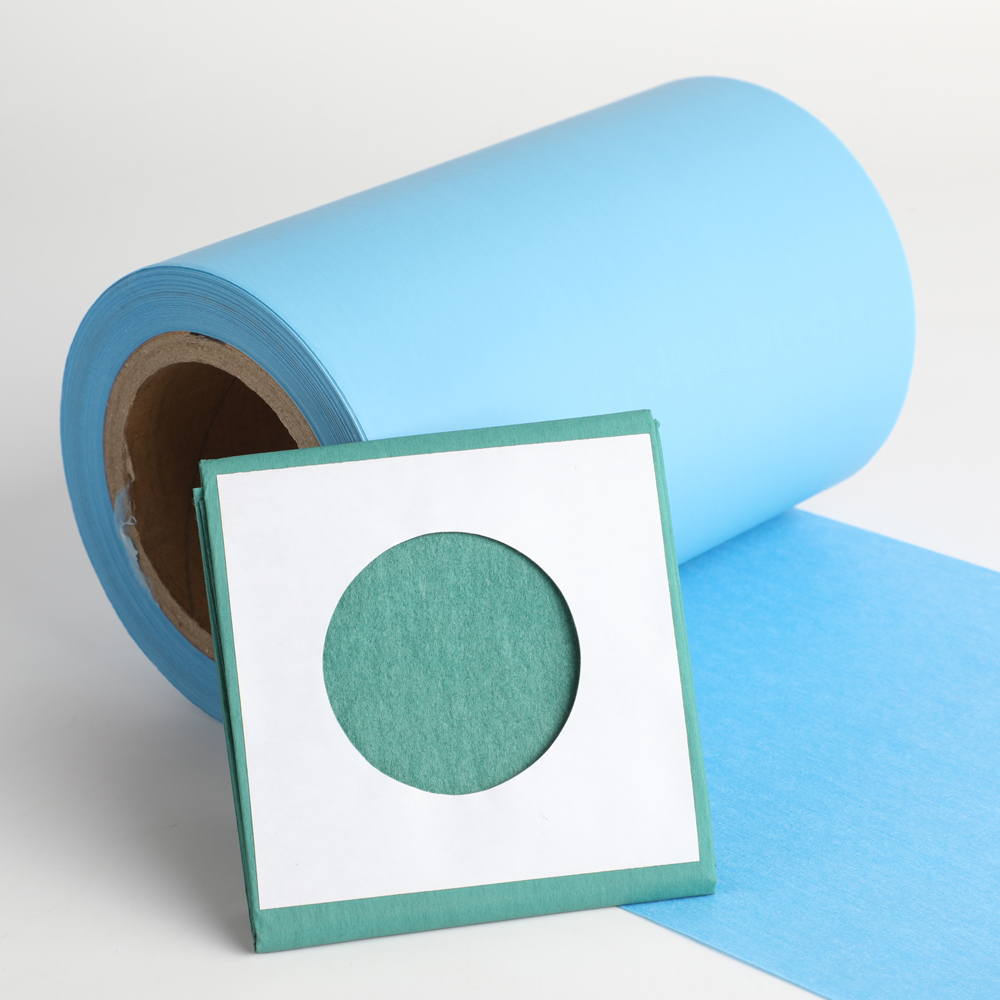 Viscose Laminates
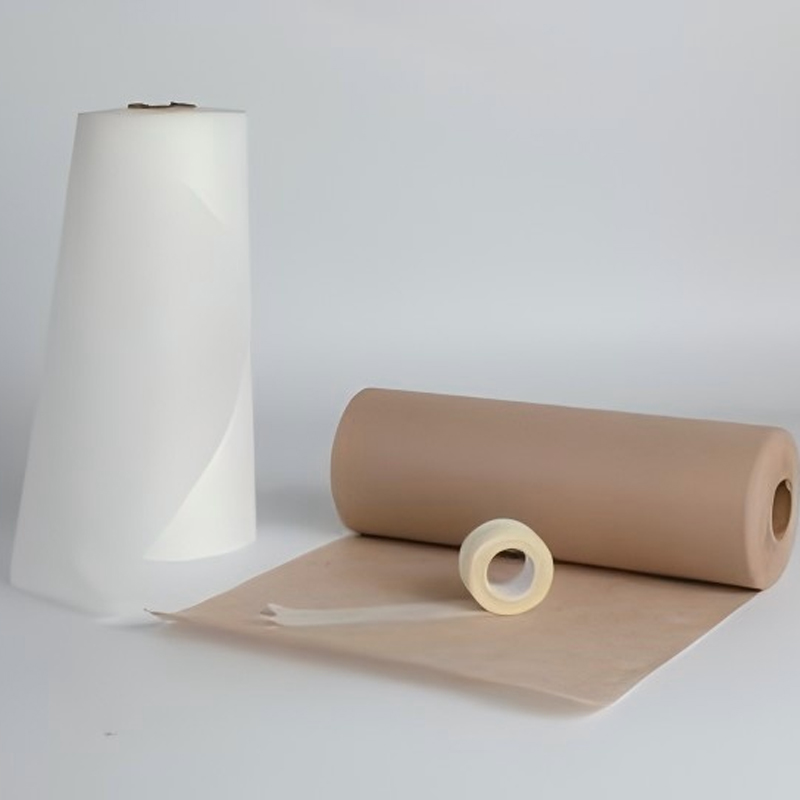 Medical Tape Nonwoven
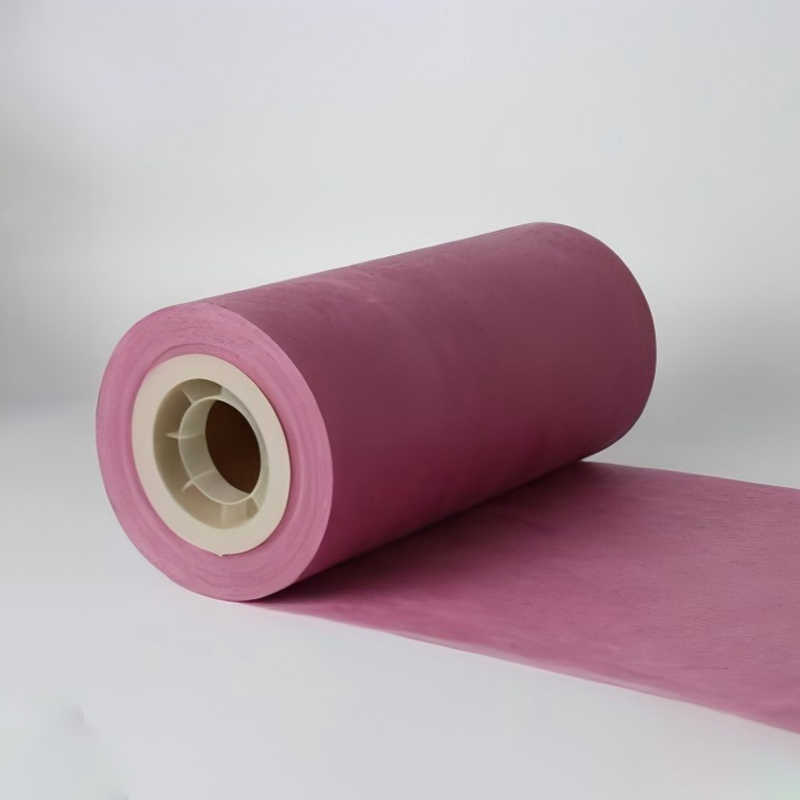 Filtration Nonwoven
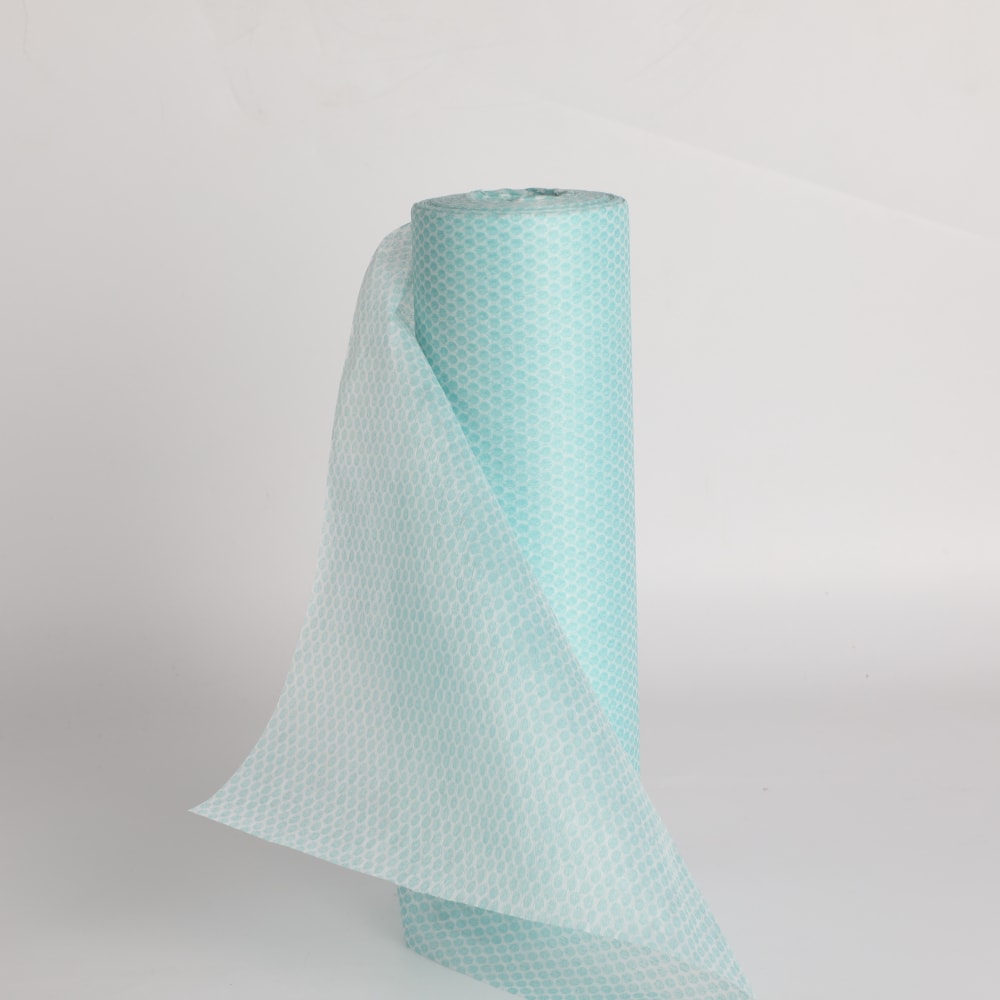 Head Wear Nonwoven
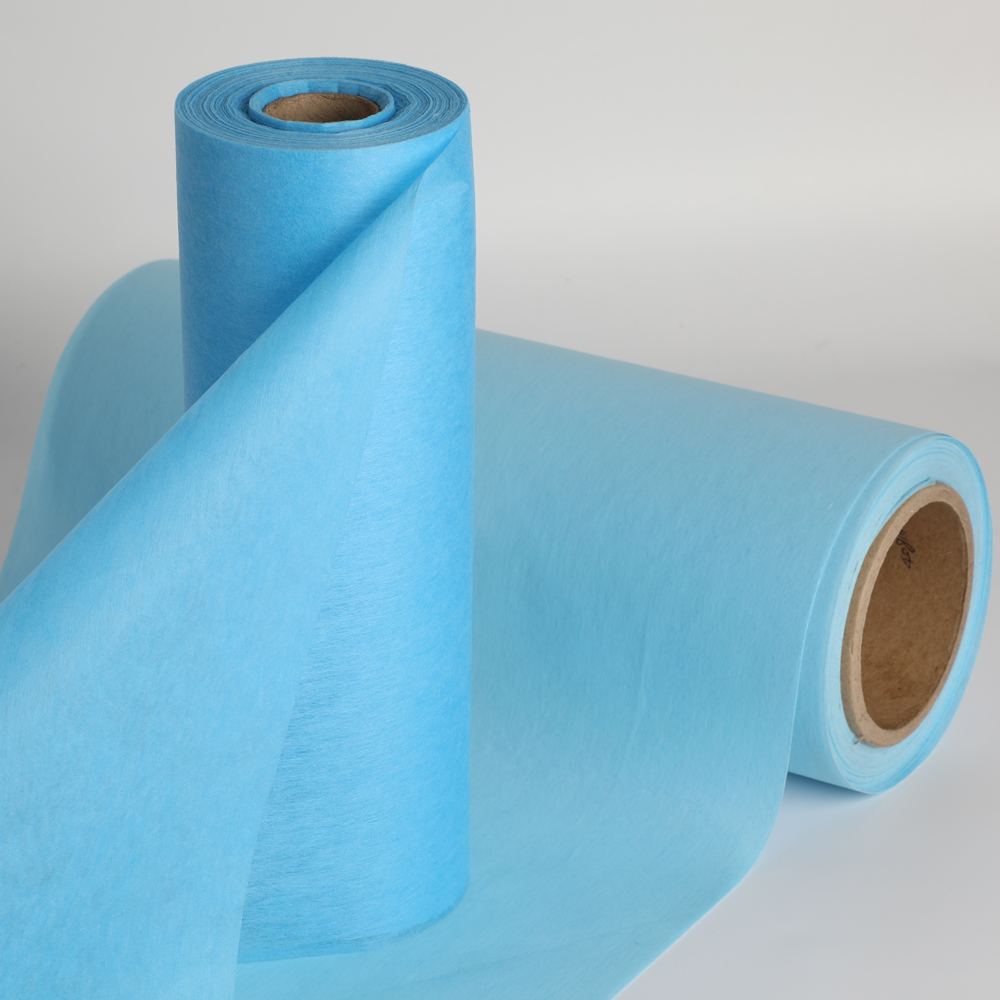 Medical Viscose Nonwoven
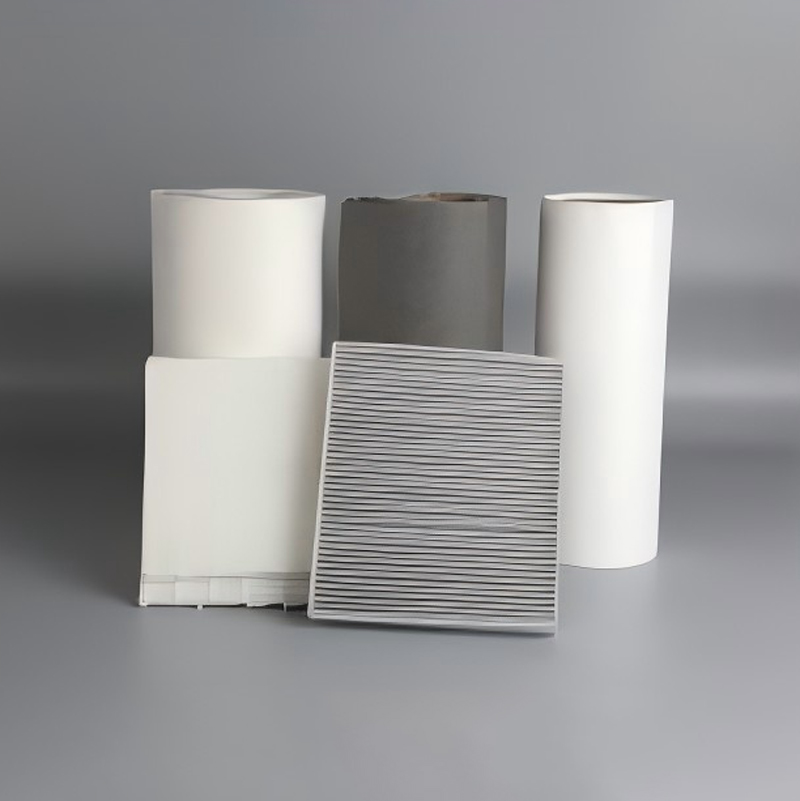 Air Filter Media
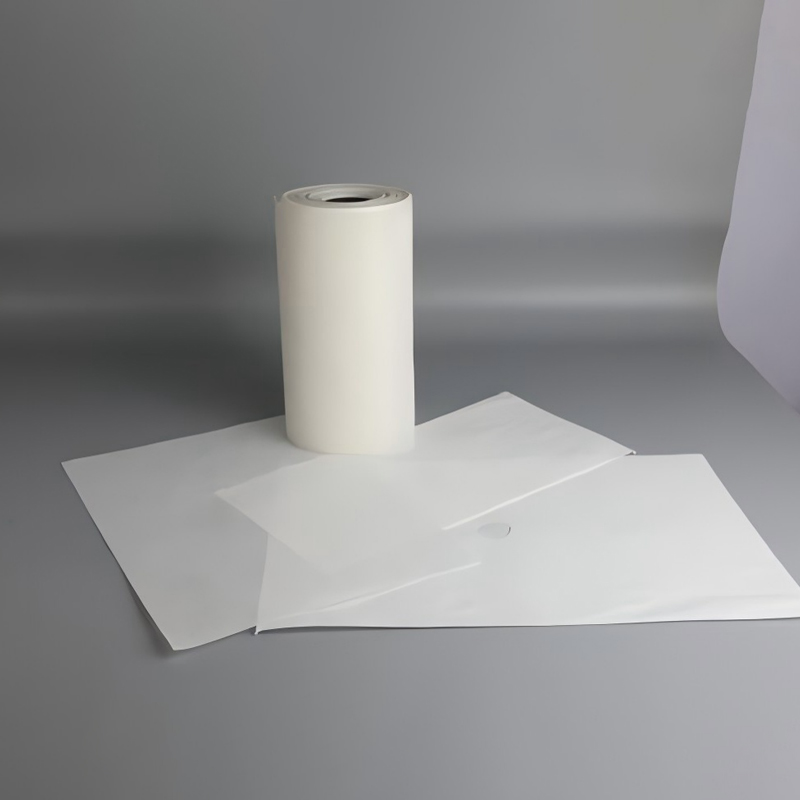 Liquid Filter Media
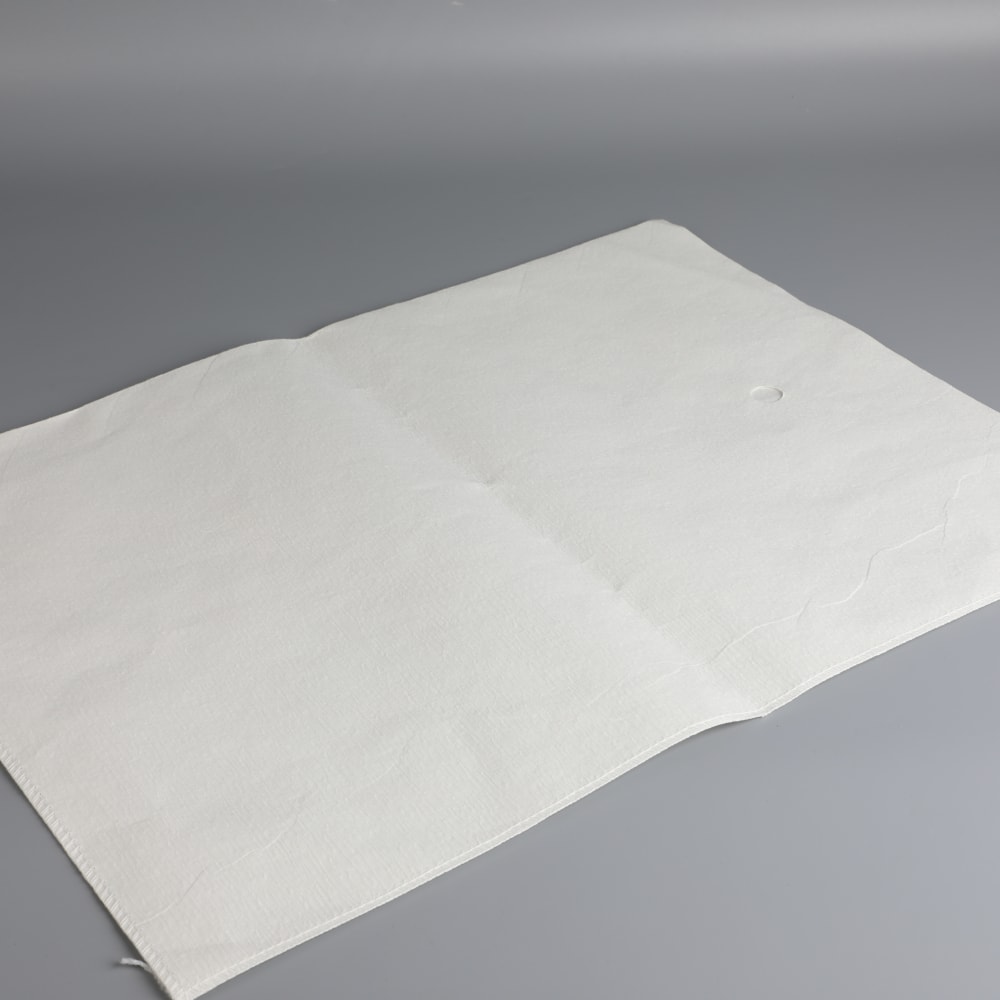 Filter Envelope & Filter Sheet
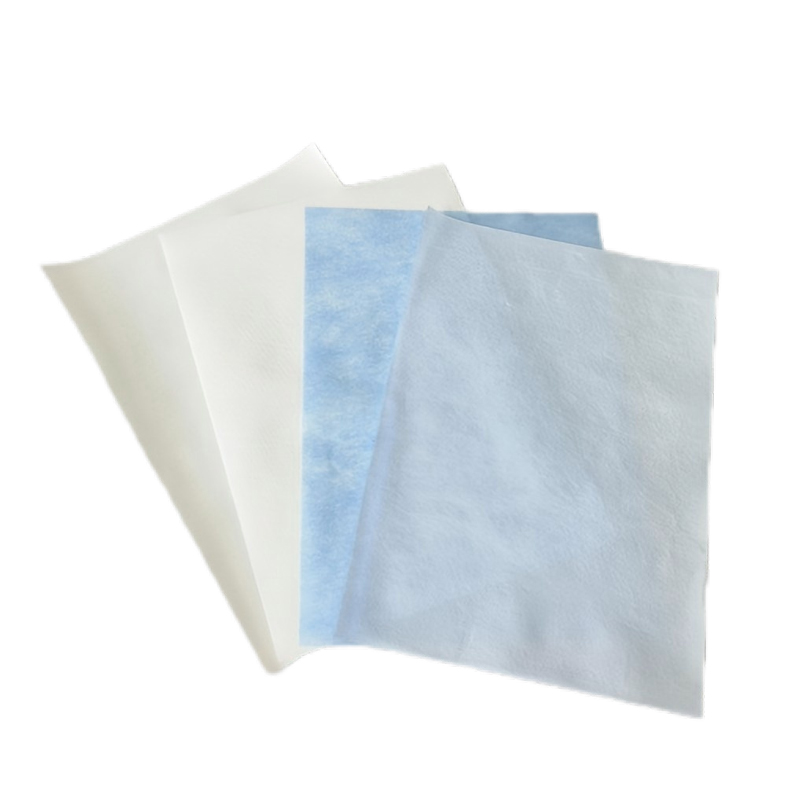 Breathable Film Laminates
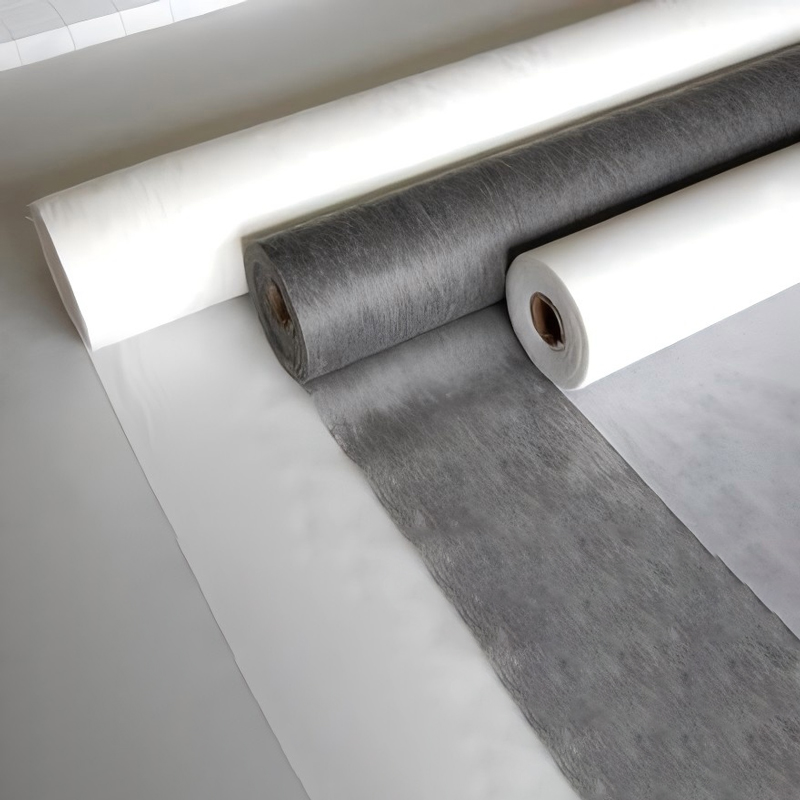 Nonwoven Interlining
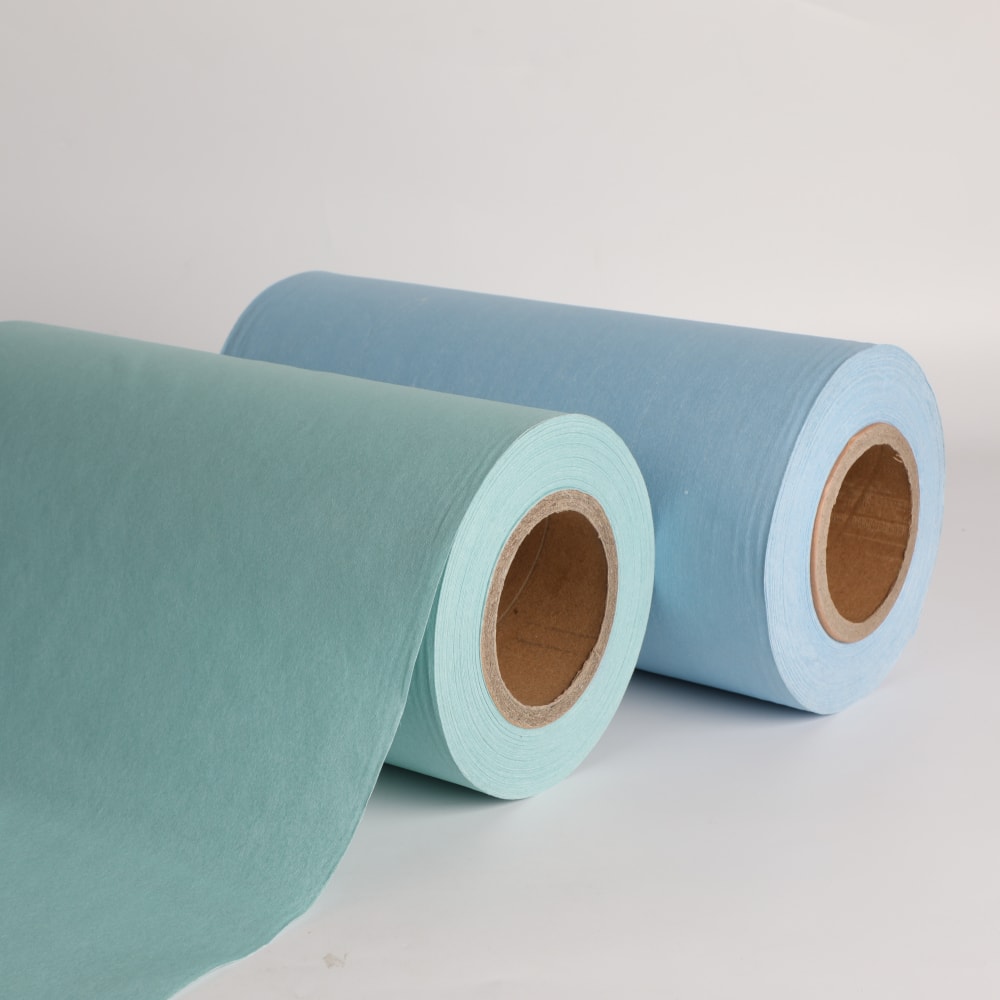 Fluid Repellent Woodpulp Spunlace Nonwoven
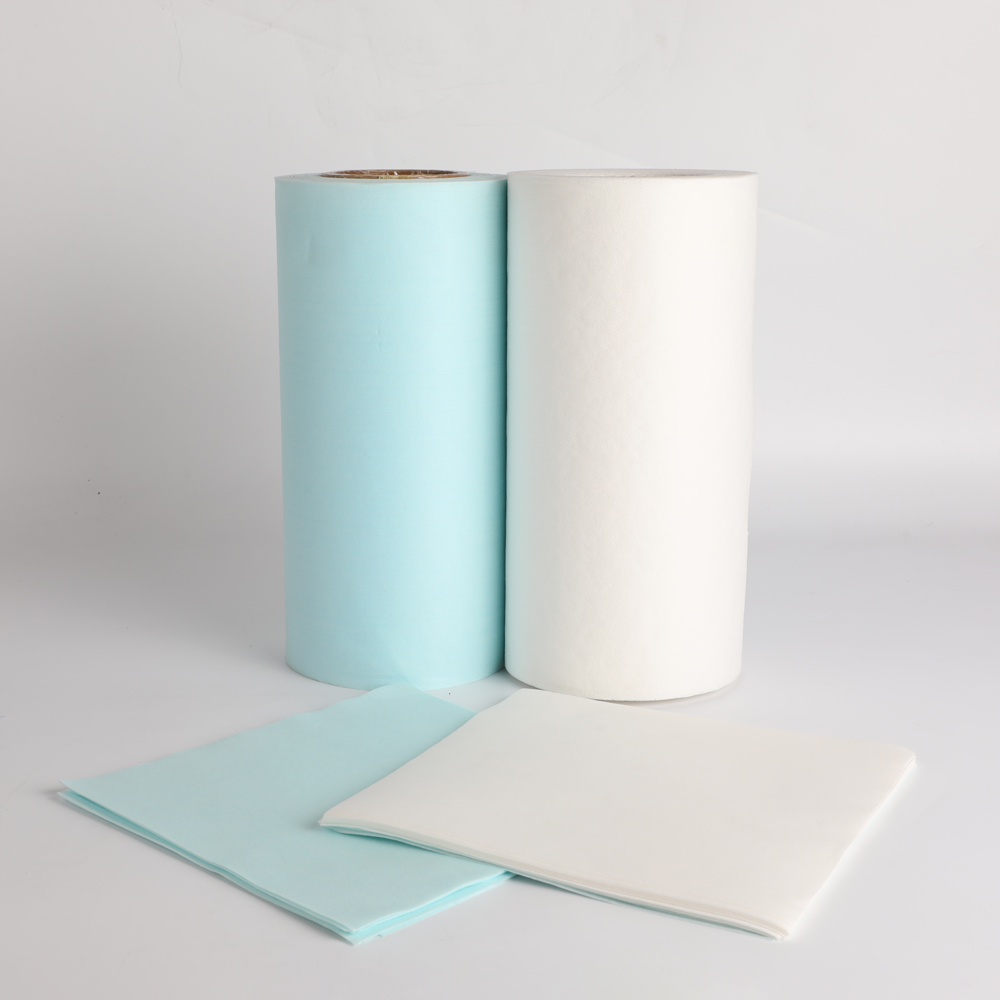 Woodpulp Nonwoven Wipe
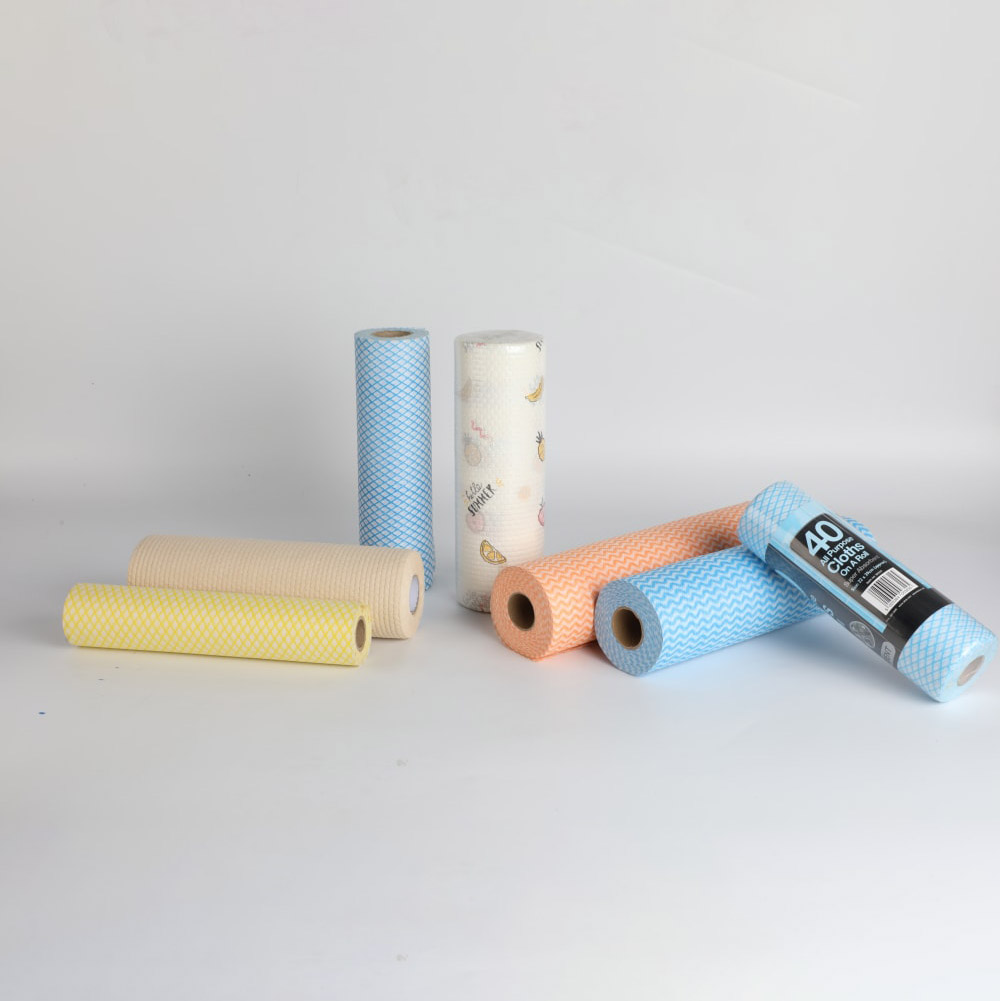 Nonwoven Cleaning Wipe
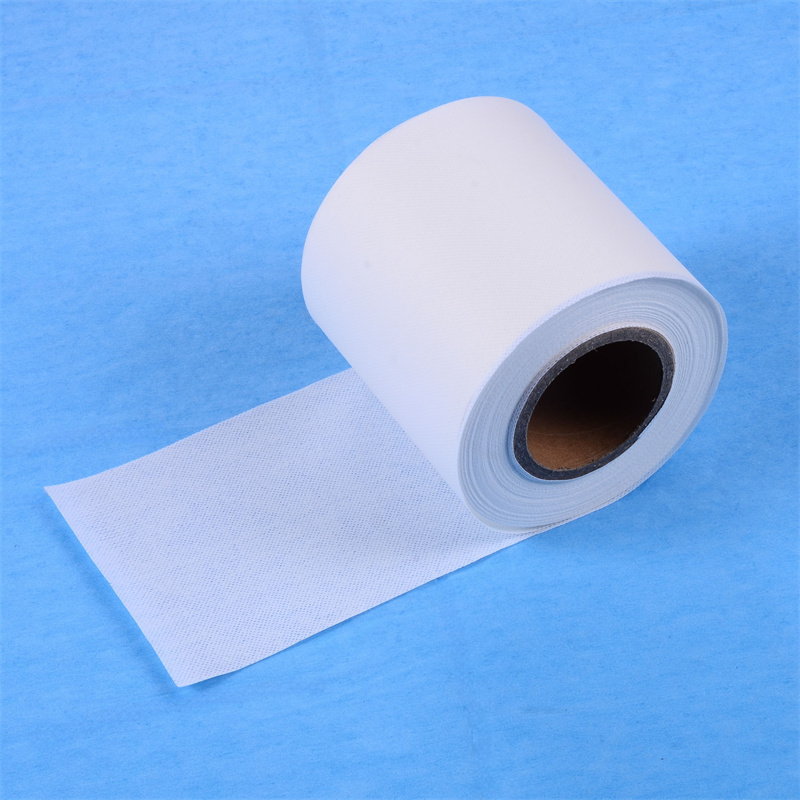 Flame Retardant Nonwoven Fabric
 Anti-Bacterial Nonwoven
 CONTACT WhatsApp
 CONTACT WeChat

 CONTACT NUMBER
 CONTACT EMAIL